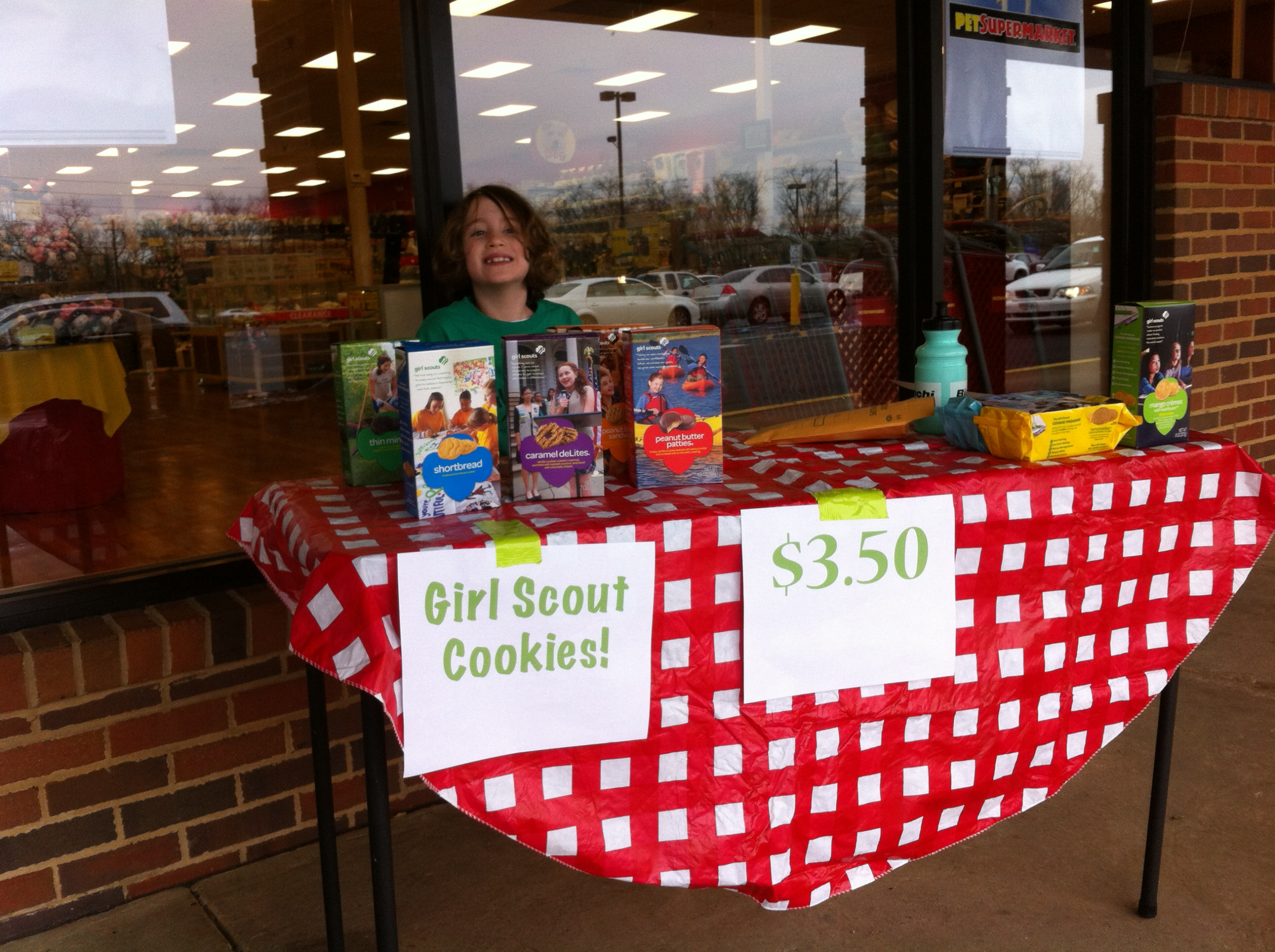
In 1976 school fundraising meant a child being handed inventory and sent out to sell it. A carton of candy bars, an order form, a price list and a personal quota.
The selling was done door to door, alone, around streets you did not know, after school and in winter in the dark. Progress was posted publicly on a chart with everybody’s name on it. The top seller won a prize worth a fraction of what they had generated. And anything unsold had to be returned in saleable condition or paid for by your family.
Here are fifteen things every kid was sent out to sell for school in 1976, and what became of each one.
1. You Were Handed a Box of Stock and a Sheet of Names
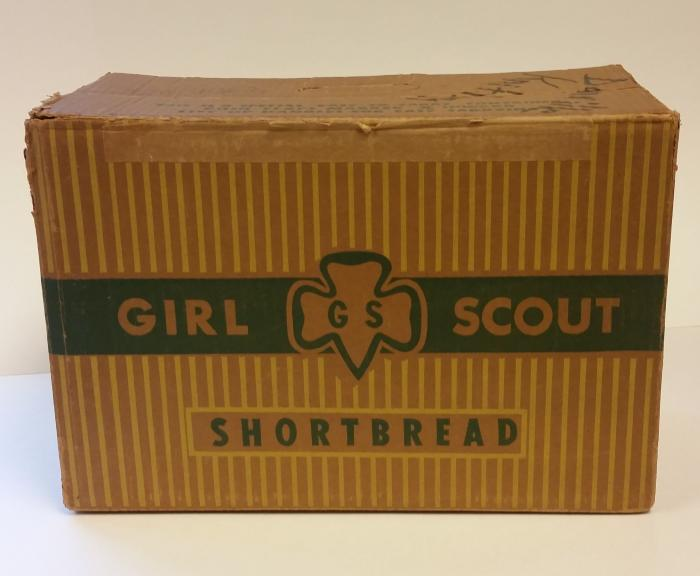
Fundraising began with a child being given inventory – a carton of candy bars, a box of chocolate-covered almonds, a case of wrapping paper – plus an order form, a price list and a quota, and sent out to sell it.
Online fundraising pages, direct donation drives, school-run events and sponsored activities that involve no stock and no selling. The child was being made an unpaid commission agent holding goods they were accountable for.
The accountability is the part that is startling in retrospect. A nine-year-old was given goods with a retail value, expected to return either the goods or the money, and in a great many schemes was personally responsible for the shortfall if some went missing – which is a commercial arrangement nobody would now enter into with a child.
Like our content? Follow us for more.
2. You Were Sent Door to Door, Alone, Around the Neighbourhood

Selling meant knocking on doors – your own street first, then streets you did not know – introducing yourself, explaining the cause and asking for money, unaccompanied, after school, frequently in the dark in winter.
Prohibited in essentially every district. Sales are now made to known adults only, by a parent through their own networks, or online – and sending a child to knock on the doors of strangers is the single practice from this list that is most comprehensively over.
The reasons do not need setting out and were being set out at the time. The shift happened across the later 1970s and 1980s as the obvious hazards of the practice became a matter of public discussion, and schools moved first to accompanied selling, then to known-adults-only, then away from child selling altogether.
3. The Quota Was Real and It Was Posted

Schools set targets – a number of units per child, per class, per year group – and progress was displayed publicly on a chart, a thermometer, a wall of names or a leaderboard updated daily.
Targets are generally set at school or class level rather than per child, and individual performance is not displayed. The public chart was the motivational device and it worked by comparison.
What it compared, of course, was not effort. A child with a large family, a parent with a workplace to sell into, or a neighbourhood of comfortable households would outsell a diligent child from a street where nobody had spare money – and the chart presented that as a ranking of the children.
4. The Top Seller Won a Prize That Cost Less Than the Margin
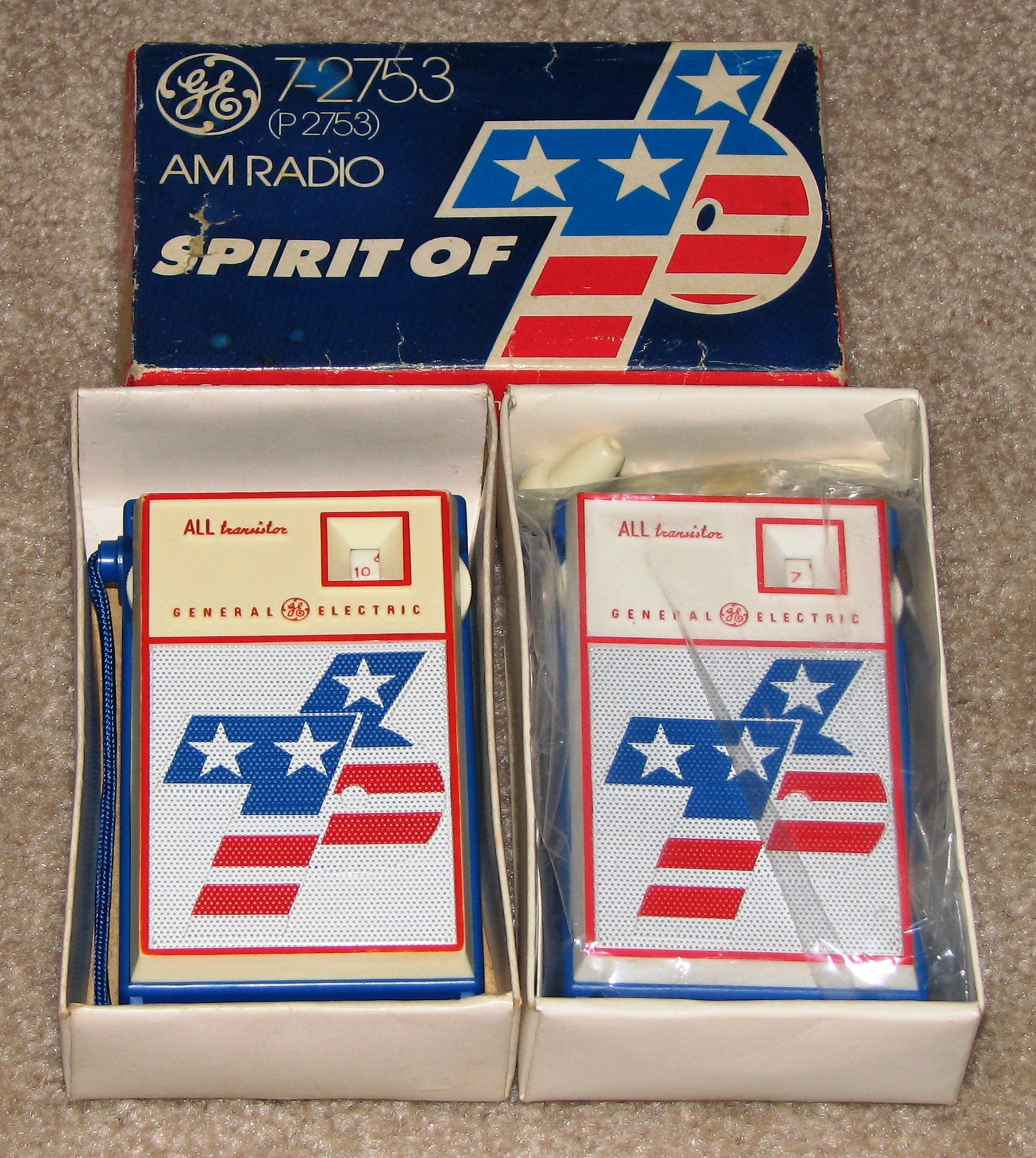
Incentive prizes were awarded by volume sold – a radio, a bicycle, a television, a trip – selected from a catalogue supplied by the fundraising company and funded out of the proceeds.
Recognition is generally collective, and prize structures tied to individual sales volume are rare. The prizes were genuinely desirable to a child and cost the company a fraction of what the top seller had generated.
The economics were never explained to anybody involved. A child who sold two hundred units generated a sum of which the school received a share, the company received a larger one, and the child received a radio – and the child experienced this as having won something, which from the company’s point of view was the entire design.
5. A Representative Came and Gave an Assembly
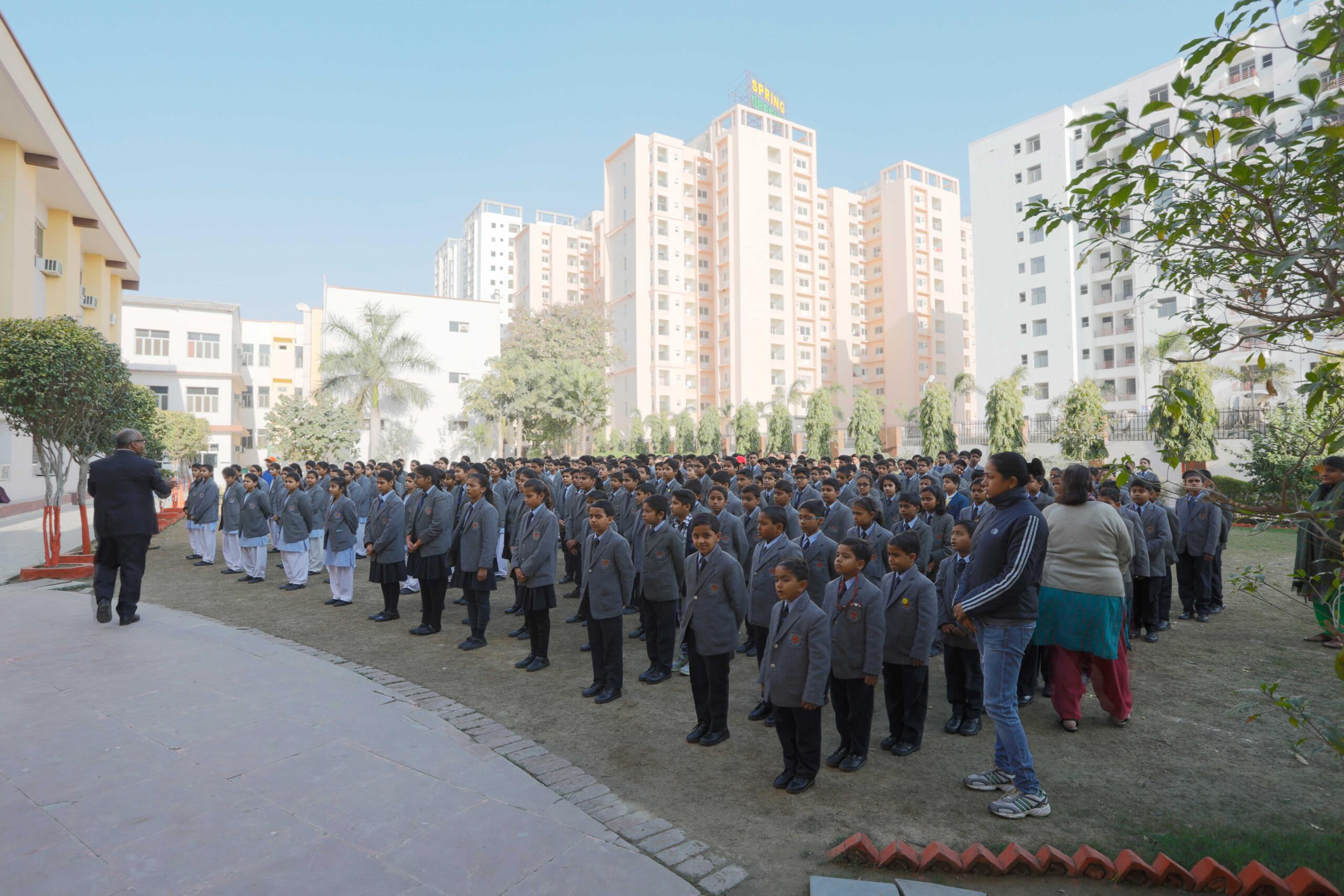
The scheme was launched with a presentation to the whole school by somebody from the fundraising company – prizes displayed on a table, the catalogue handed out, the targets explained, with music and considerable enthusiasm.
Schools are far more cautious about giving assembly time to commercial presentations, and many prohibit it. The assembly was a sales pitch delivered to a captive audience of children by a company with a direct financial interest in their effort.
It was also extremely effective, which is why it was standard. A hall full of children shown a bicycle and told what it would take to win it will go out and knock on doors that evening, and no amount of a teacher asking them to would have produced the same result.
6. The Magazine Subscription Drive Was the Most Confusing One
Children sold magazine subscriptions from a catalogue of titles, taking orders and payment for publications that would arrive at the buyer’s house over the following year, with the school receiving a share.
Essentially gone. The transaction was genuinely complicated: a child was taking money for a twelve-month commitment to a product that had not been delivered, with the fulfilment handled by a company the buyer had never heard of.
Which produced exactly the problems you would expect. Subscriptions that never started, renewals that continued automatically, buyers who could not remember what they had ordered, and children fielding complaints from neighbours about a service they had no ability to resolve – all handled by a ten-year-old with an order book.
7. Relatives Bought Almost All of It and Everybody Knew
The reliable market was family: grandparents, aunts, uncles, parents’ colleagues and the parents themselves, who between them absorbed the bulk of what any child actually sold.
Explicitly the model now – fundraising is directed at known adults and family networks through parents. The old scheme pretended to be neighbourhood selling and functioned as a tax on the extended family.
It also quietly set the result in advance. A child with four local grandparents and a parent in a large workplace was going to top the chart; a child with neither was going to come near the bottom whatever they did. The leaderboard measured family structure and presented it as diligence.
8. The Bake Sale Was the Honest Version and It Was Run by Mothers

The alternative to selling schemes was a sale at the school – cakes, biscuits, traybakes and sweets brought in by families, priced in small coins, sold at break or at an evening event.
Still run, with ingredient declarations, allergen information and in some districts a prohibition on home-baked items in favour of commercially packaged ones. The baking was done overwhelmingly by mothers, unpaid, the night before.
The allergen requirement is what changed it most, and the reasoning is sound. A table of unlabelled home-baked items sold to children by other children cannot be made safe for a child with a serious allergy, and the districts that now require packaged goods with ingredient panels have made the event duller and considerably safer.
9. The Car Wash Was Unsupervised and Nobody Counted the Money
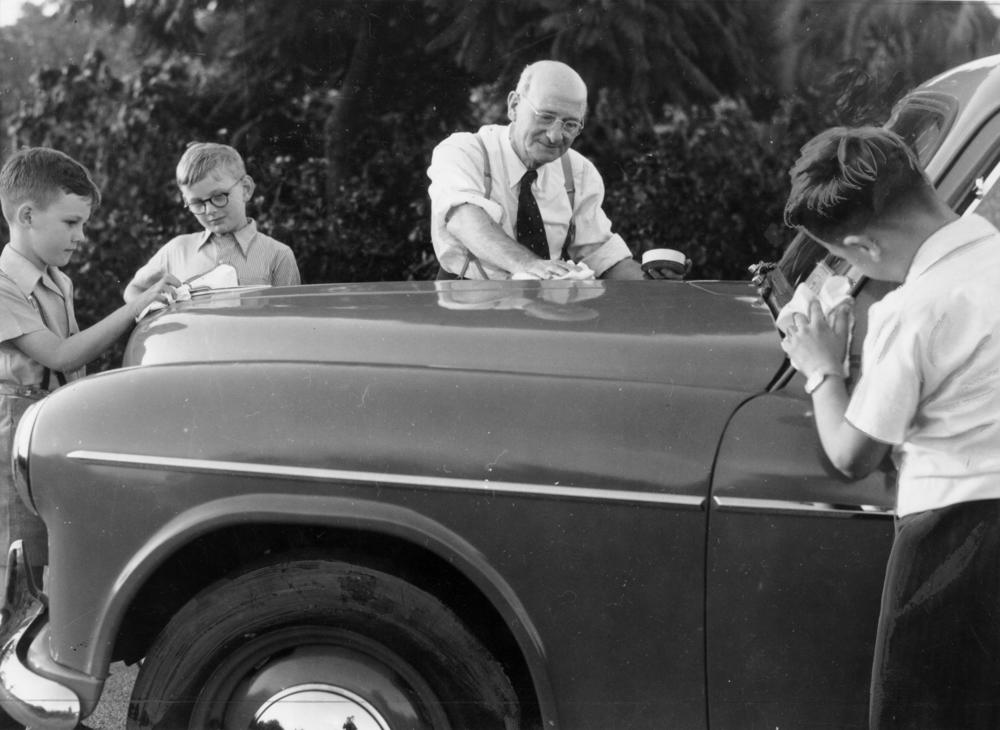
A team of students set up in a parking lot with buckets, hoses and hand-painted signs, washed cars for a flat fee, and collected cash in a bucket or a shoebox all afternoon.
Supervised events with ratios, risk assessment, signed consent and recorded takings. The old version involved teenagers, traffic, water, soap and cash in an open container, organised by whoever had suggested it.
The money was the least controlled part. An afternoon’s takings sitting loose in a shoebox, counted at the end by whoever was there, with no record of what had come in, is not an arrangement anybody could defend – and the gap between what was taken and what was handed over was, in a fair number of cases, never established.
10. The Raffle Was Sold by Children and It Was Gambling

Books of numbered tickets were issued to pupils to sell, with prizes donated by local businesses, drawn at an event, and the stubs returned with the money.
Still run, now under proper lottery and licensing rules with age restrictions on who may sell and participate. A raffle is a lottery, and children were selling lottery tickets door to door.
Nobody framed it that way at the time and the legal position in most places has since been clarified. The practical effect is that school raffles now operate under the same framework as any other small lottery, with named organisers, recorded ticket numbers and rules about who can sell – which is obviously correct and removes the children from the selling entirely.
11. The Sponsored Event Was the Model That Survived

Sponsored activities – a walk, a run, a swim, a silence, a read, a spell – had children collect pledges per unit completed on a sheet of names, then return and collect the money afterwards.
Still the dominant format, with online pledge pages replacing the sheet and the doorstep collection. The sponsored event survived because the child is being paid for an effort rather than selling a product, which removes the stock, the margin and the commercial partner.
The second collection was the hard part and is the part that has genuinely improved. A child had to go back round everybody who had pledged, after the event, and ask for money a second time – which a great many children found far harder than getting the pledge, and which online payment at the point of pledging has eliminated entirely.
12. Unsold Stock Became the Family’s Problem
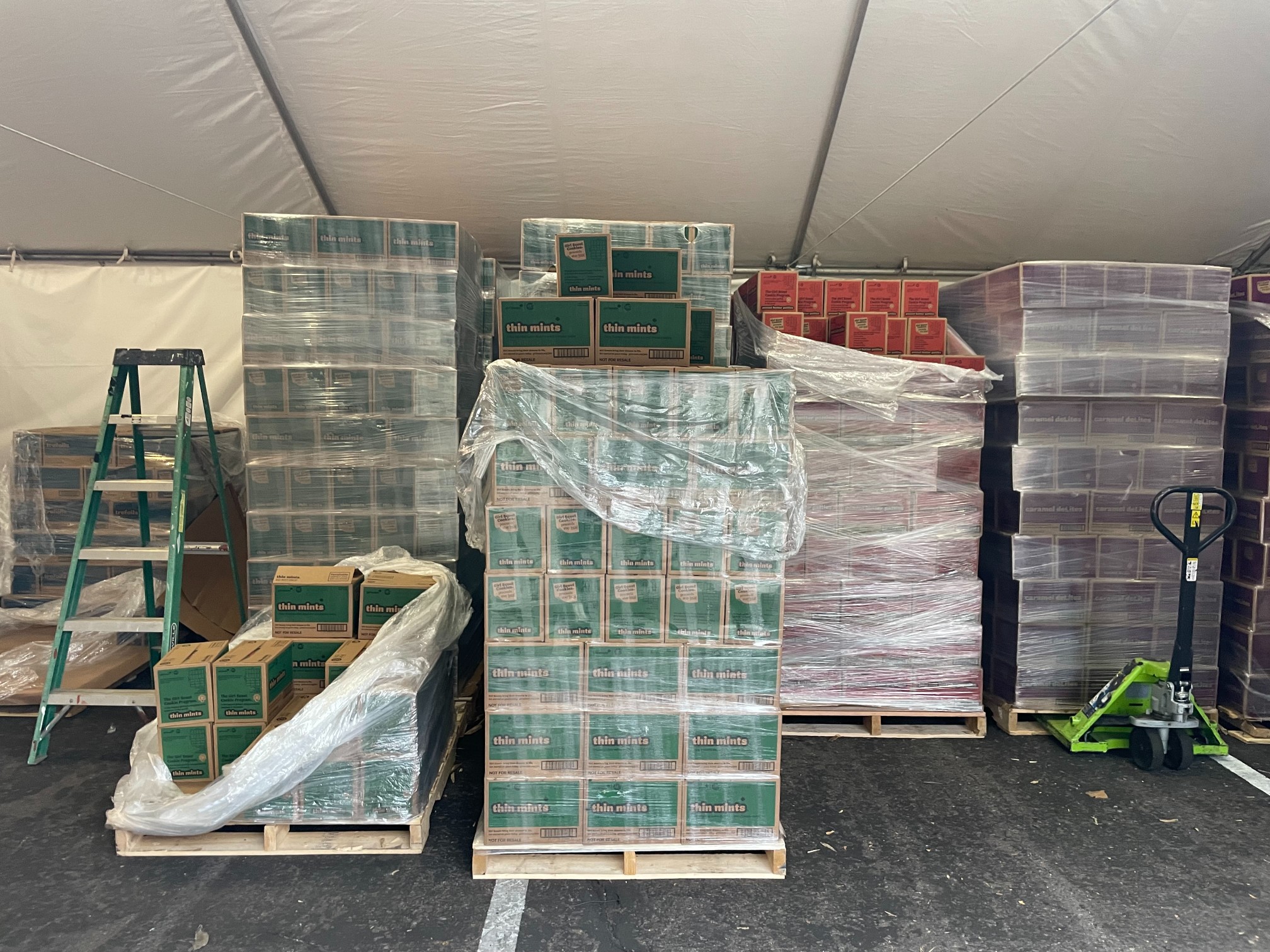
At the end of the scheme anything unsold had to be returned by a deadline in saleable condition, or paid for – and a box of partly eaten, melted or damaged chocolate was not returnable.
Consignment arrangements of this kind are rare in school fundraising. The liability sat with the household, which meant a family who had taken a case of chocolate in good faith could end up buying the remainder themselves.
This is the mechanism by which a great many of these schemes actually met their targets, and it is the strongest objection to them. A scheme that transfers unsold inventory risk onto the family of a nine-year-old is not a fundraiser so much as a distribution arrangement with a guaranteed buyer at the end of it.
13. The Money Travelled in an Envelope With a Child
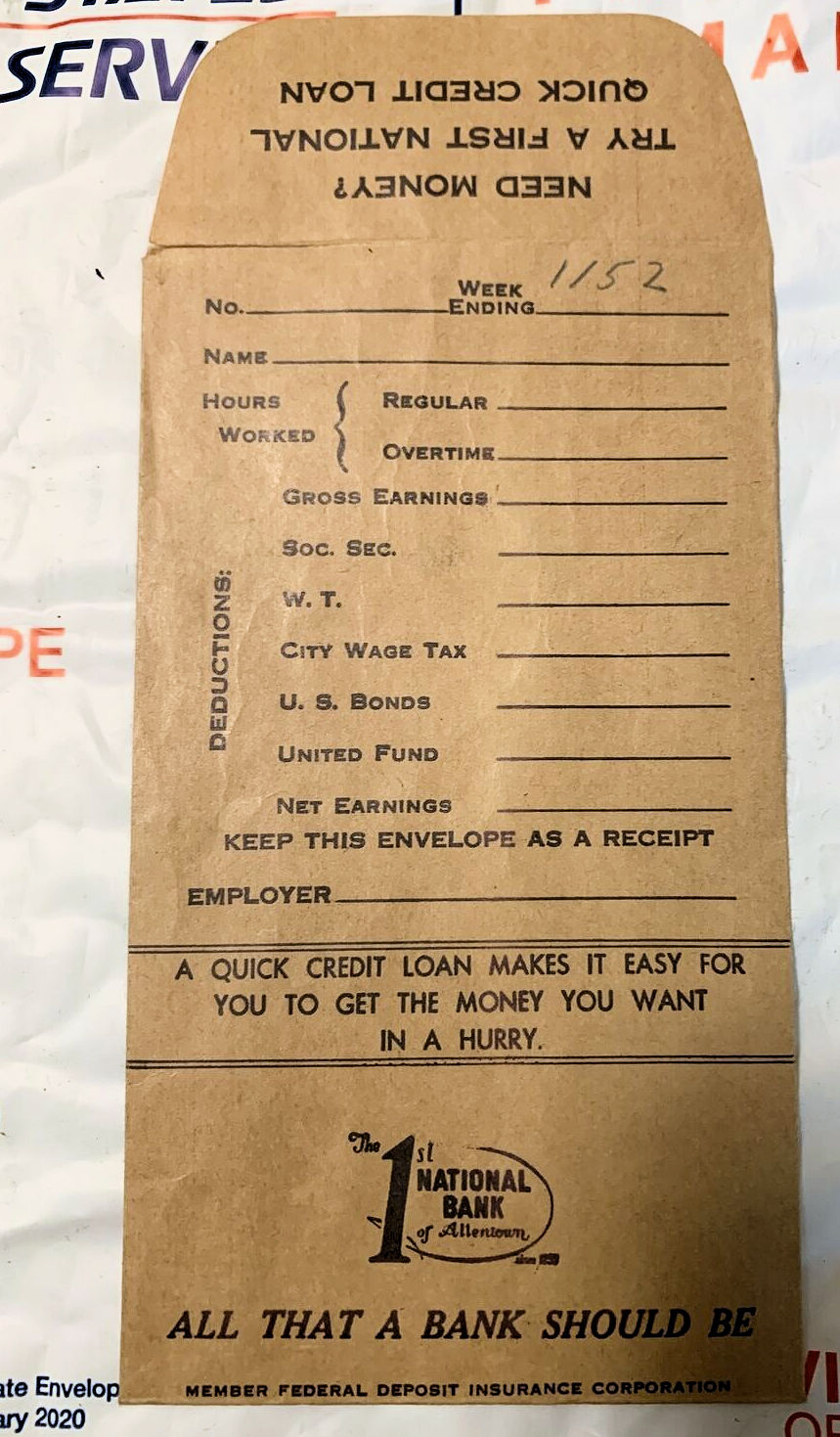
Cash and cheques were collected by children, kept at home in the interim, brought to school in an envelope with a name and a figure written on the front, and handed to a teacher or a pupil monitor.
Cashless payment direct to the school or to a fundraising platform, with no child handling funds. The envelope was the only record, the figure on the front was written by whoever filled it, and reconciliation was approximate.
Discrepancies were common and essentially unresolvable. When an envelope was short there was no way to establish whether the money had been miscounted, lost, spent or never collected, and the accusation landed on a child with no means of proving anything – which is precisely the situation financial controls exist to prevent.
14. The Cause Was Frequently Something the Budget Should Have Covered
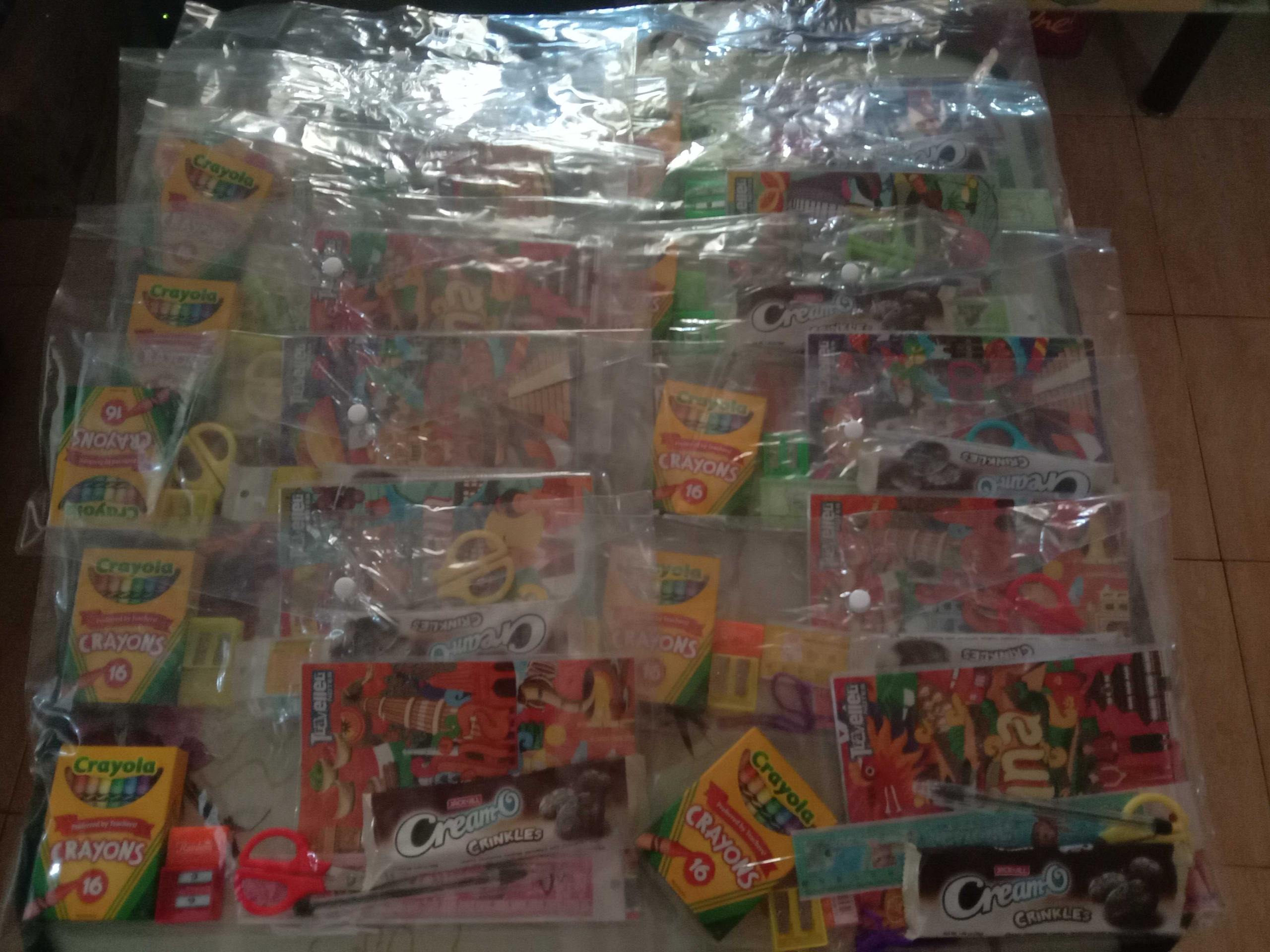
The money went to equipment, instruments, uniforms, books, trips, playground apparatus and in some cases basic classroom supplies – items that were not funded and had to be found somewhere.
Fundraising continues and so does the underlying issue. The significant thing is what was being funded: not extras, in many cases, but the ordinary equipment of a school.
That is the uncomfortable centre of this whole subject and it has not changed. A system in which a nine-year-old knocking on doors in the dark is part of the mechanism by which a school obtains textbooks is a system with a funding problem, and the fundraising is a symptom rather than a tradition. Door-to-door selling has rightly gone; the gap it was filling has not.
15. Then the Door-to-Door Model Ended and the Pressure Moved to Parents
The scheme depended on children selling to strangers, holding stock, handling cash and competing publicly – every element of which has been removed for good reasons.
Fundraising moved to parents’ own networks, to online pledge pages, to school events and to direct appeals, which is safer, better accounted for and more honest about who is actually paying.
The pressure did not reduce, it relocated. A parent now receives the appeals, shares the page, buys the raffle tickets and supplies the baked goods, which is where the money was always coming from and is now simply stated plainly. The child is out of it, which is the right outcome – and the only thing that has genuinely gone is the odd experience of being eight years old and conducting business on a stranger’s doorstep.
The Leaderboard Was Measuring Family, Not Effort
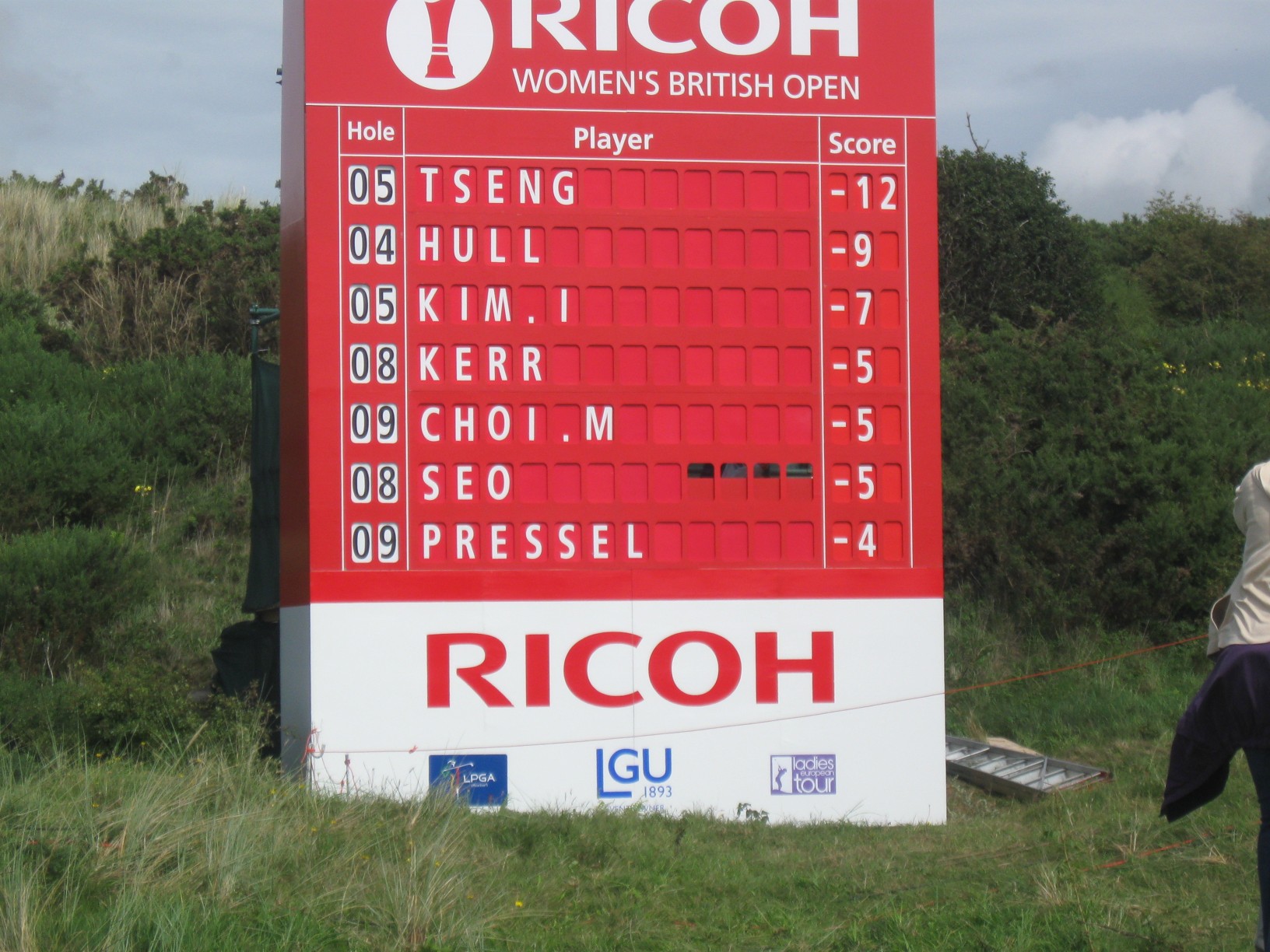
Every one of these schemes had a chart – a thermometer on the wall, a leaderboard, a list of names with numbers against them, updated daily in front of everybody.
It was presented as a measure of effort, and it measured something else entirely.
A child with four grandparents living locally, two parents in large workplaces, aunts and uncles in the same town and a neighbourhood of comfortable households was going to sell a lot. A child with one parent working shifts, no relatives nearby and a street where nobody had anything spare was going to sell very little. Both children could knock on the same number of doors with the same determination and finish at opposite ends of the chart.
So the leaderboard ranked family structure, local affluence and the size of a parent’s workplace, and published the result weekly as a league table of children.
The prize structure then compounded it. The bicycle went to the child who had the best network, which everybody understood intuitively and nobody said, and the children at the bottom were not lazy – they were poorer, or newer, or had fewer relatives.
Add the unsold stock liability and it gets worse. A family who took a case of chocolate in good faith and could not shift it had to buy the remainder, which means the scheme extracted most from exactly the households least able to sell and least able to absorb the cost.
The modern arrangement is better in every respect. Fundraising goes through parents’ own networks and online pledge pages, the child does not sell, hold stock or handle money, and the appeal arrives openly at the adults who were always paying.
But notice what is left. The pressure did not reduce; it moved to the parents, where it had effectively been all along. And the thing being funded in a great many cases was not a trip or a treat – it was instruments, books, equipment, sometimes basic classroom supplies.
Door-to-door selling by children has rightly ended. The funding gap that put a nine-year-old on a stranger’s doorstep in the dark is still there, and it is still being filled by whoever in a family can be asked.
If you did this, you remember the chart on the wall and exactly where your name was on it.
And somebody in your family bought the box you could not sell.
Like our content? Follow us for more.