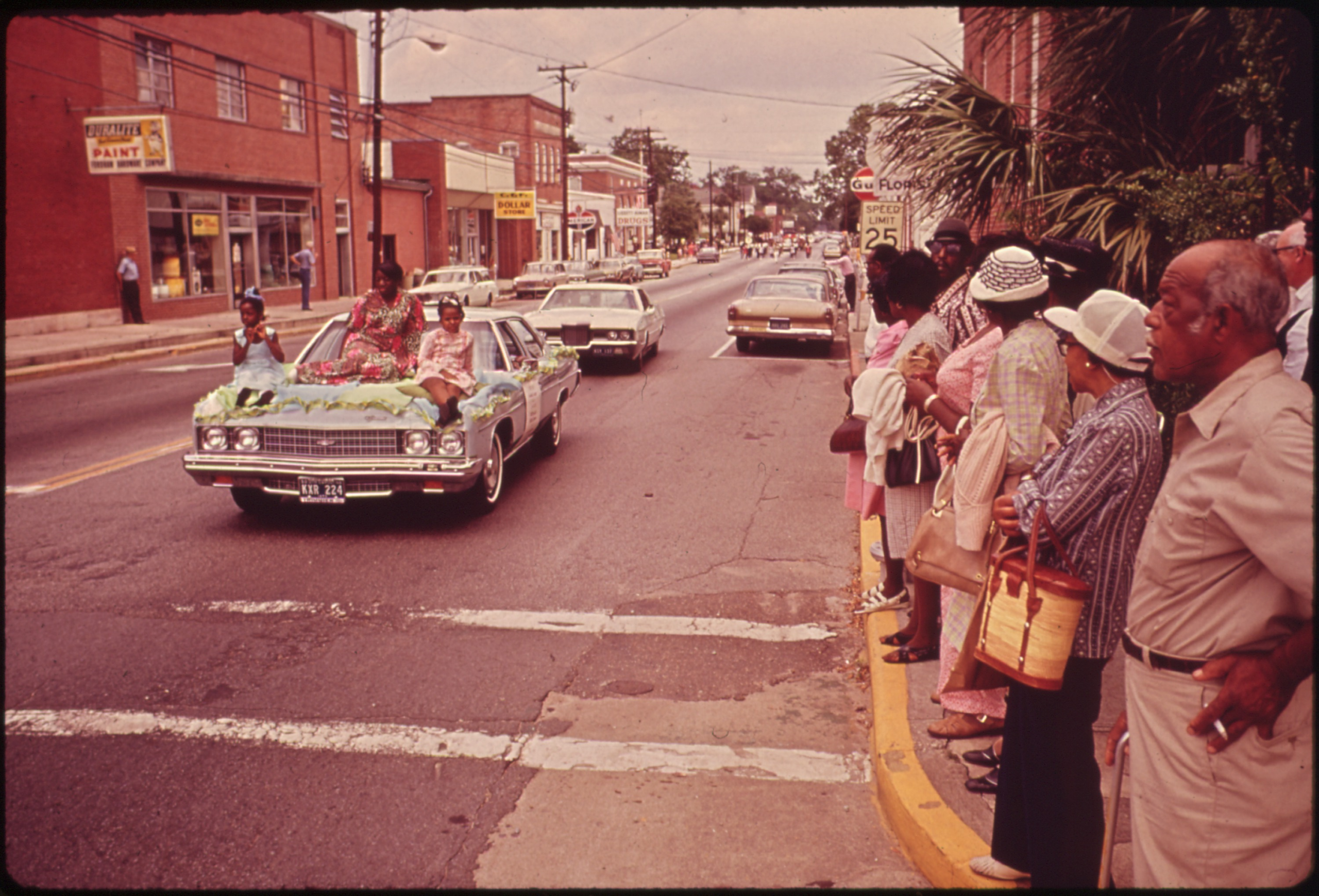
In 1975 the Memorial Day parade followed the same route it had followed for decades, and families stood on the same corners every year.
The veterans marched grouped by conflict with the oldest wars at the front. The high school band kept the cadence. Every organisation in town followed behind. The procession ended at the cemetery, where names were read aloud. And children had walked the rows the day before placing a flag at every veteran’s grave.
Here are twelve things every town did on Memorial Day in 1975, and what became of each one.
1. The Whole Town Turned Out and the Route Never Changed
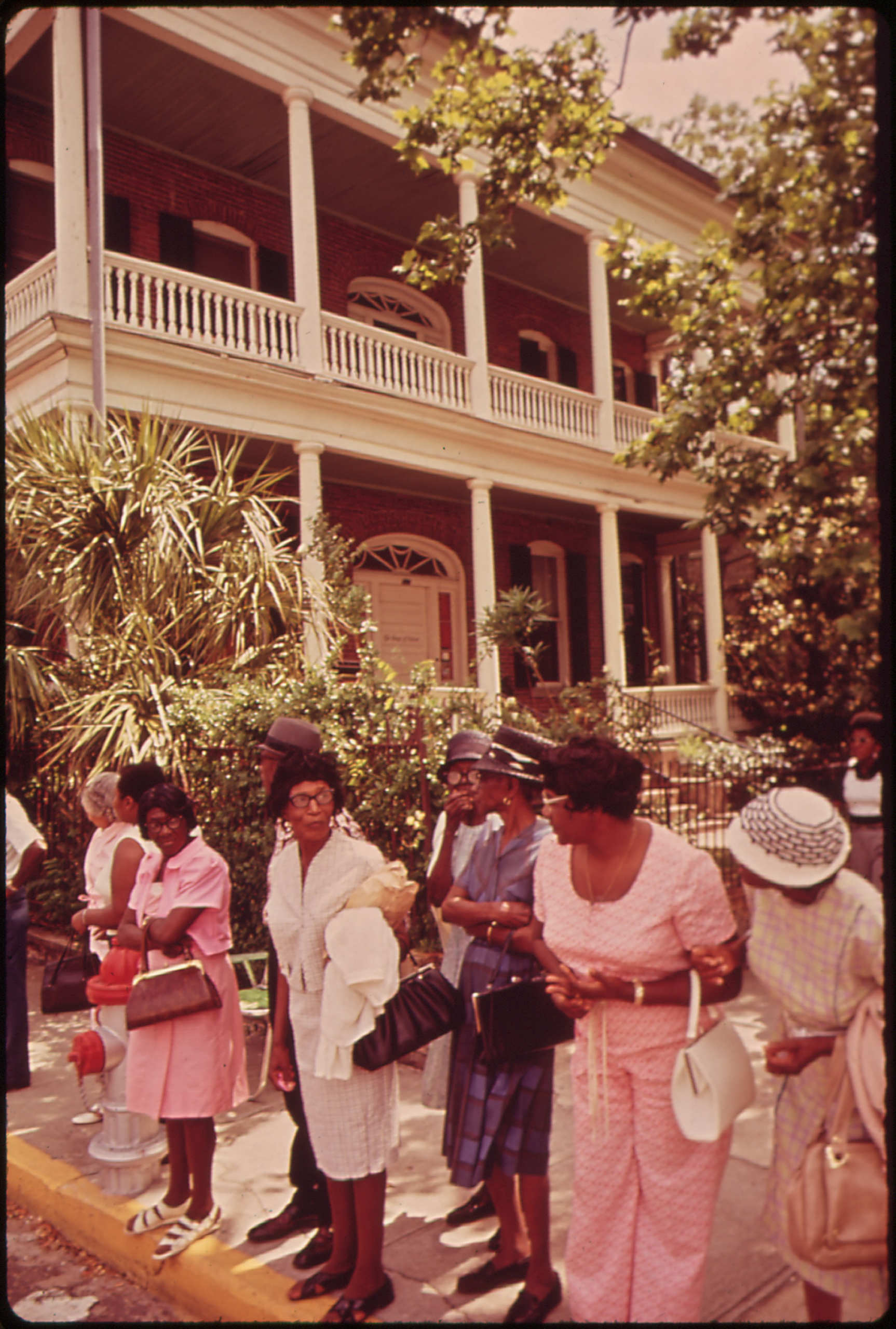
The parade followed the same course every year – the same assembly point, the same street, the same turn, the same finish at the cemetery or the memorial – and families stood in the same places, on the same corners, year after year.
Parades continue in a great many towns, generally shorter and less well attended. The fixed route was part of what made it work: everybody knew where to stand without being told, and the same neighbours were beside you annually.
The repetition is what gave it weight. A procession that follows an identical path for fifty years accumulates meaning in the ground itself – people could point out where a grandfather had marched, where a band always stopped, where the step always faltered on the hill. None of that transfers to a route that changes.
Like our content? Follow us for more.
2. The Veterans Marched in Order, by Conflict, and the Oldest Went First
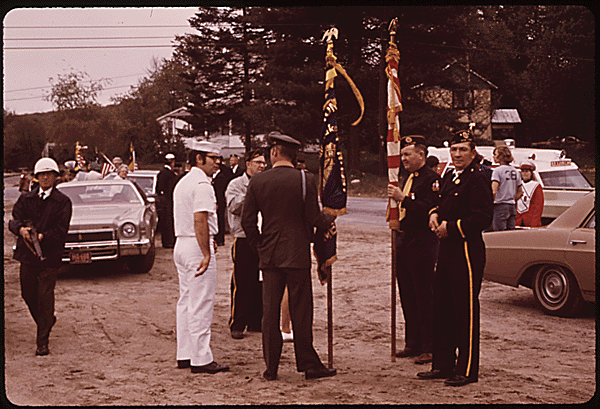
Veterans’ organisations formed the core of the procession, grouped by the war in which they had served, with the oldest conflicts at the front – which meant the first rank was always the smallest and the most elderly.
Veterans still march where numbers allow, with vehicles provided for those who cannot walk the route. The ordering was deliberate and legible to everybody watching: you could read the century off the front of the parade.
Watching that front rank shrink from one year to the next is the thing older residents describe most often. A group of four men walking slowly at the head of a parade, in uniform caps, applauded in silence, is a form of public acknowledgement that requires nothing to be said – and in a great many towns there came a year when that rank was not there at all.
3. The Band Played and It Was the Local School
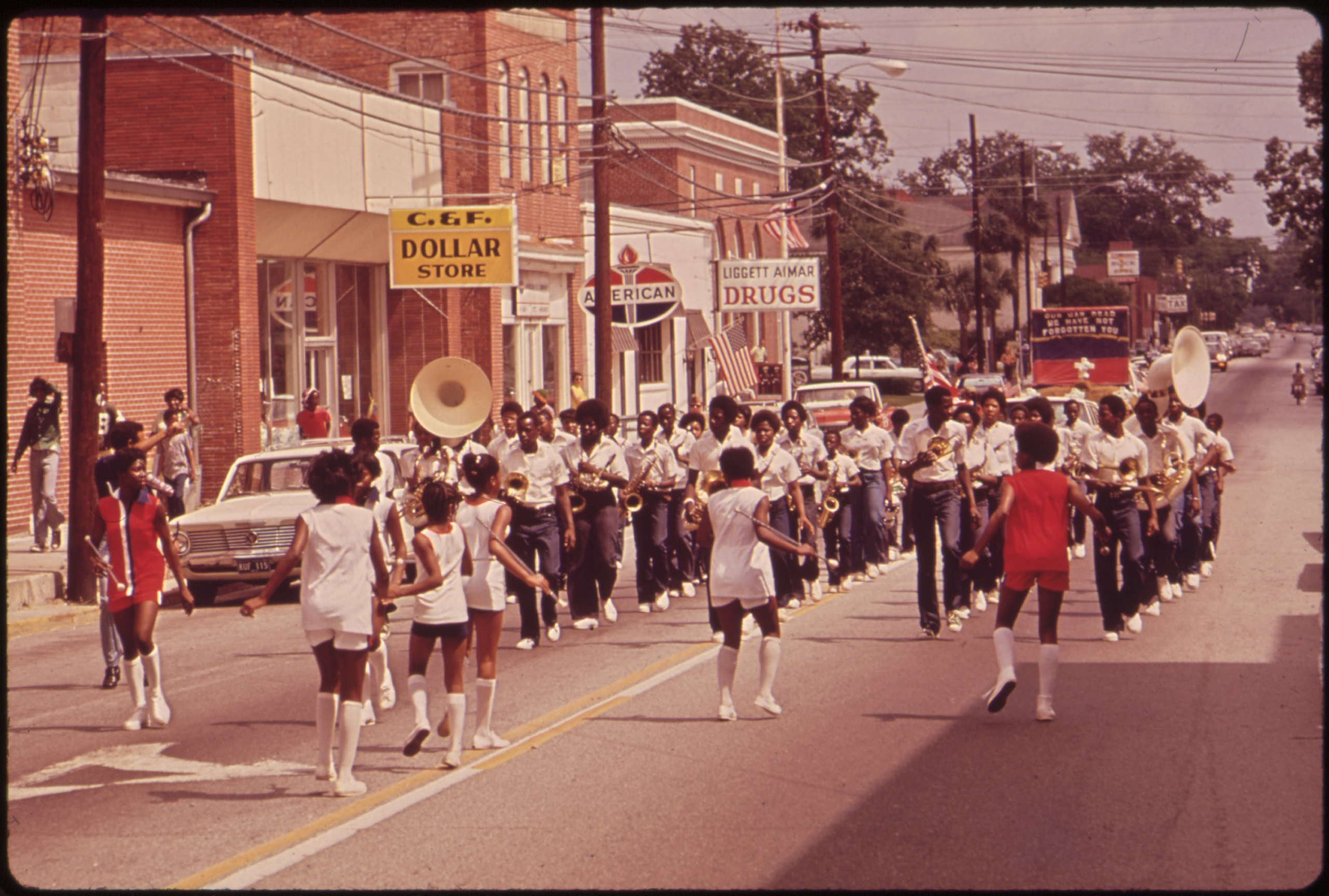
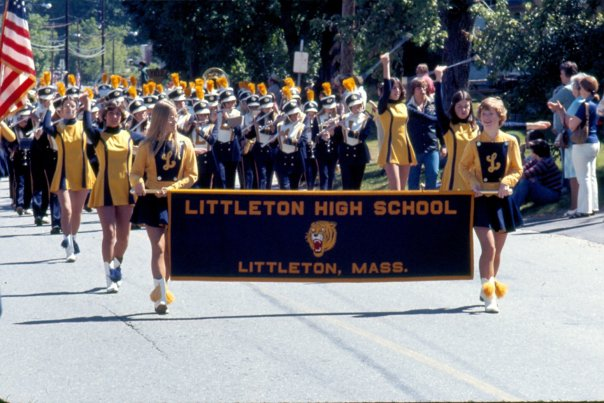
Music came from the high school band, marching in uniform, playing a small standard repertoire – marches on the move, something slower at the memorial – rehearsed for weeks for one appearance.
Still the school band where one exists, with recorded music in places where school music programmes have been reduced. The band provided the cadence the marchers kept step to, which is a functional rather than decorative role.
It also placed children directly inside the occasion rather than watching it. A fifteen-year-old playing in a procession behind veterans, to a crowd of their own neighbours, is participating in something they do not fully understand yet – and a great many adults describe that as the year they first grasped what the day was about.
4. The Scouts, the Clubs and Every Organisation in Town Followed
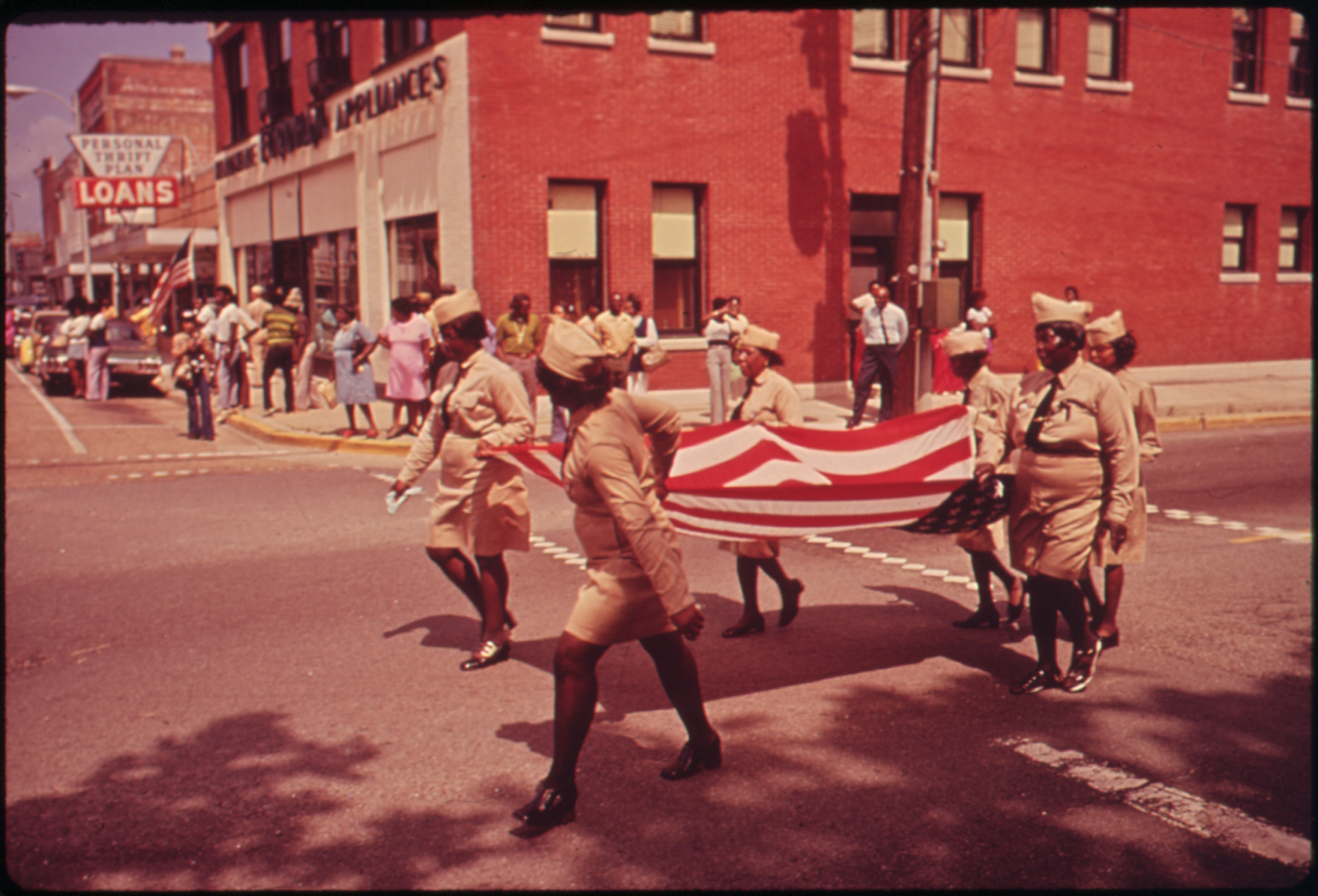
Behind the veterans came scouting groups, youth organisations, service clubs, the volunteer fire apparatus, church groups, sports teams and whatever else the town contained, in a conventional order everybody understood.
Shorter processions with fewer participating organisations, reflecting declining membership across almost all of them. Inclusion was the principle: the parade was a roll call of the town’s institutions.
Which is why the parade is a reasonable measure of civic health over time. Photographs from successive decades show the same procession with progressively fewer groups in it, and what that records is not a change in the day’s meaning but the thinning of the organisations that used to fill it.
5. It Ended at the Cemetery and That Was the Point
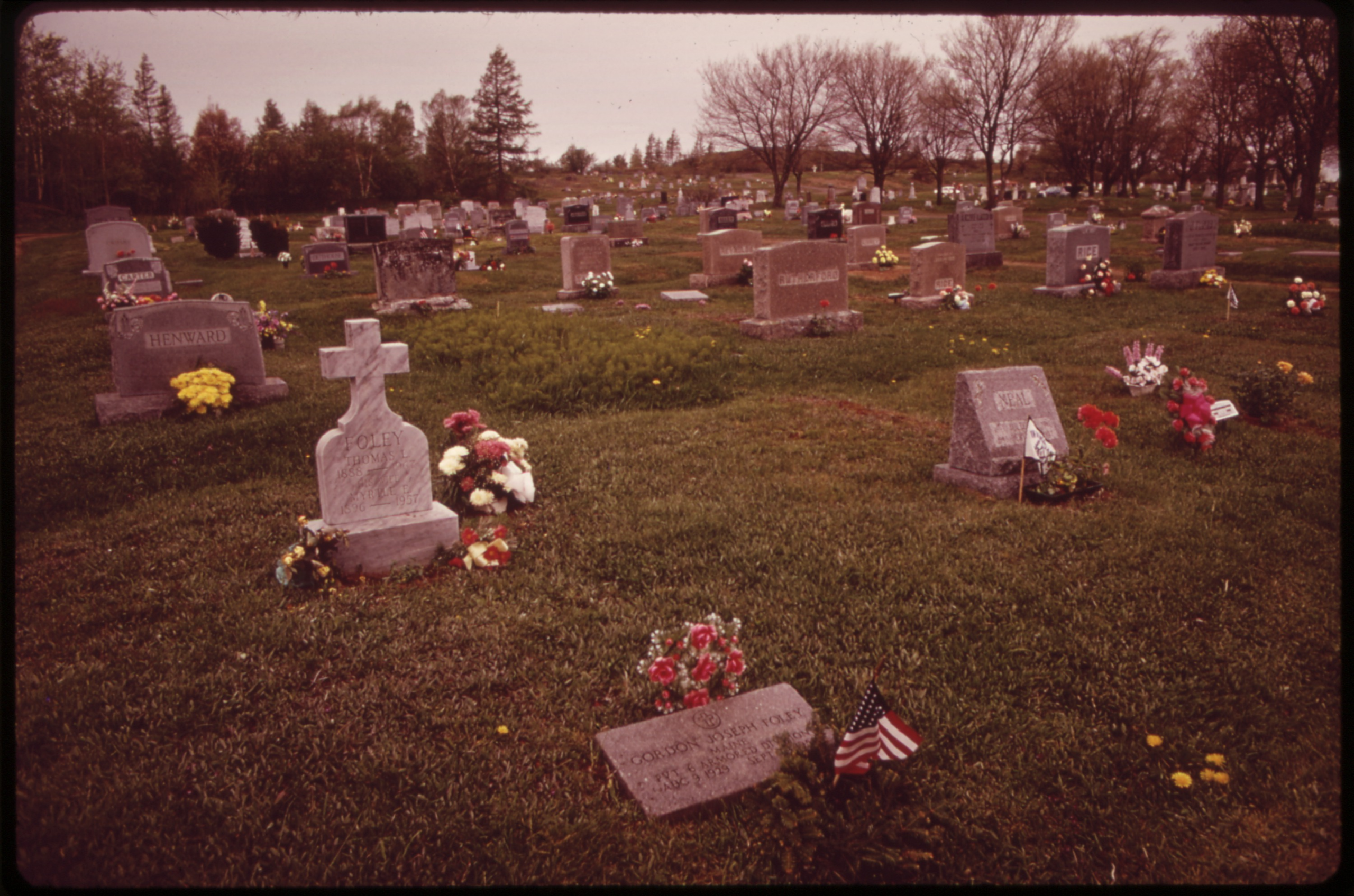
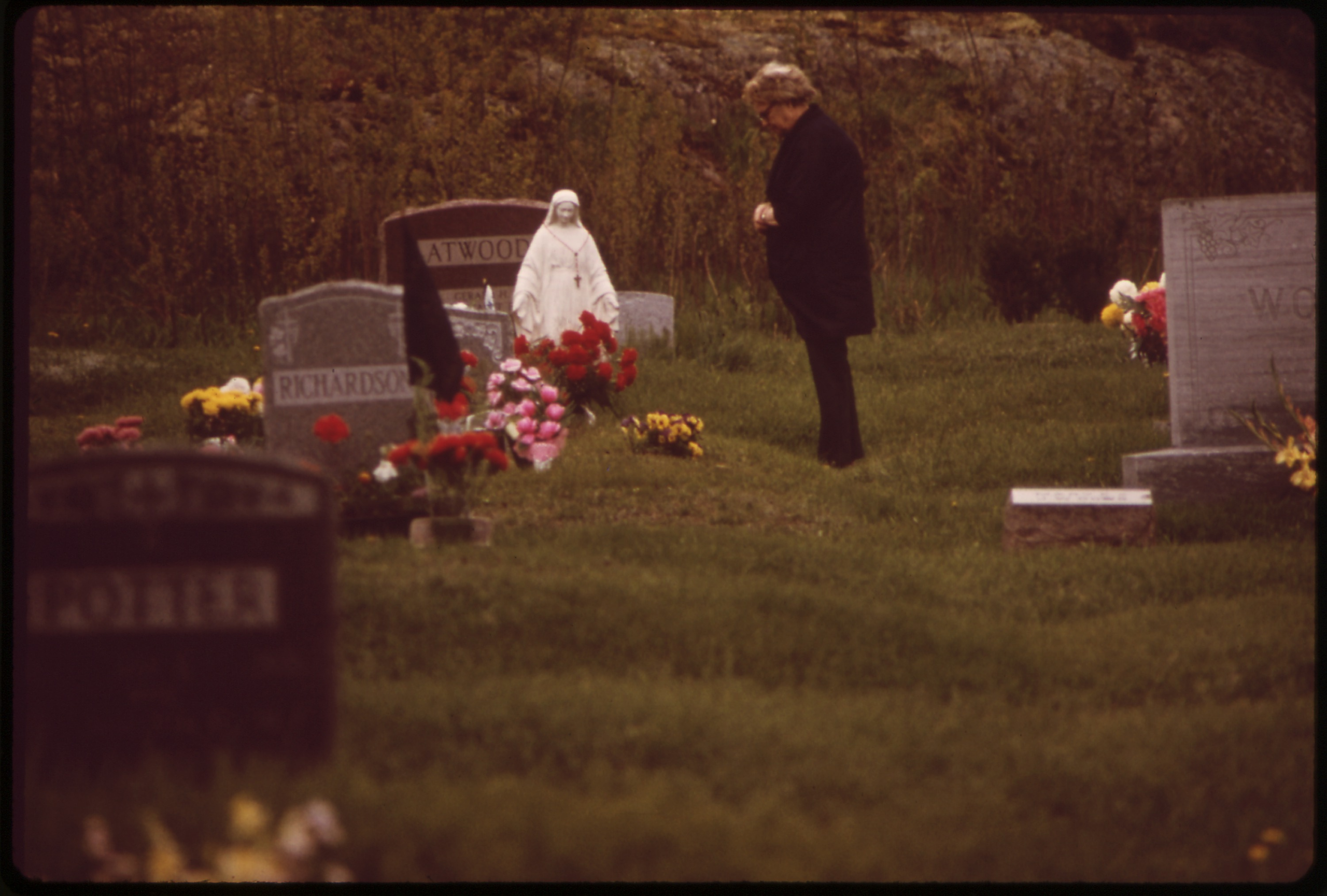
The procession terminated at a cemetery, a memorial or a town square monument, where the crowd gathered for a short service – readings, a prayer in many places, the laying of a wreath and the reading of names.
Still the structure where the parade survives. The destination is what distinguishes the day from every other parade: this one goes to the graves, and the walking is a procession rather than a display.
The reading of names is the element people find hardest to sit through and the one nobody proposes removing. In a small town the names are local surnames, frequently still represented in the crowd, and hearing them read aloud in a cemetery by somebody who knew some of the families is a different experience from any form of national commemoration.
6. Children Had Placed Flags on the Graves the Day Before
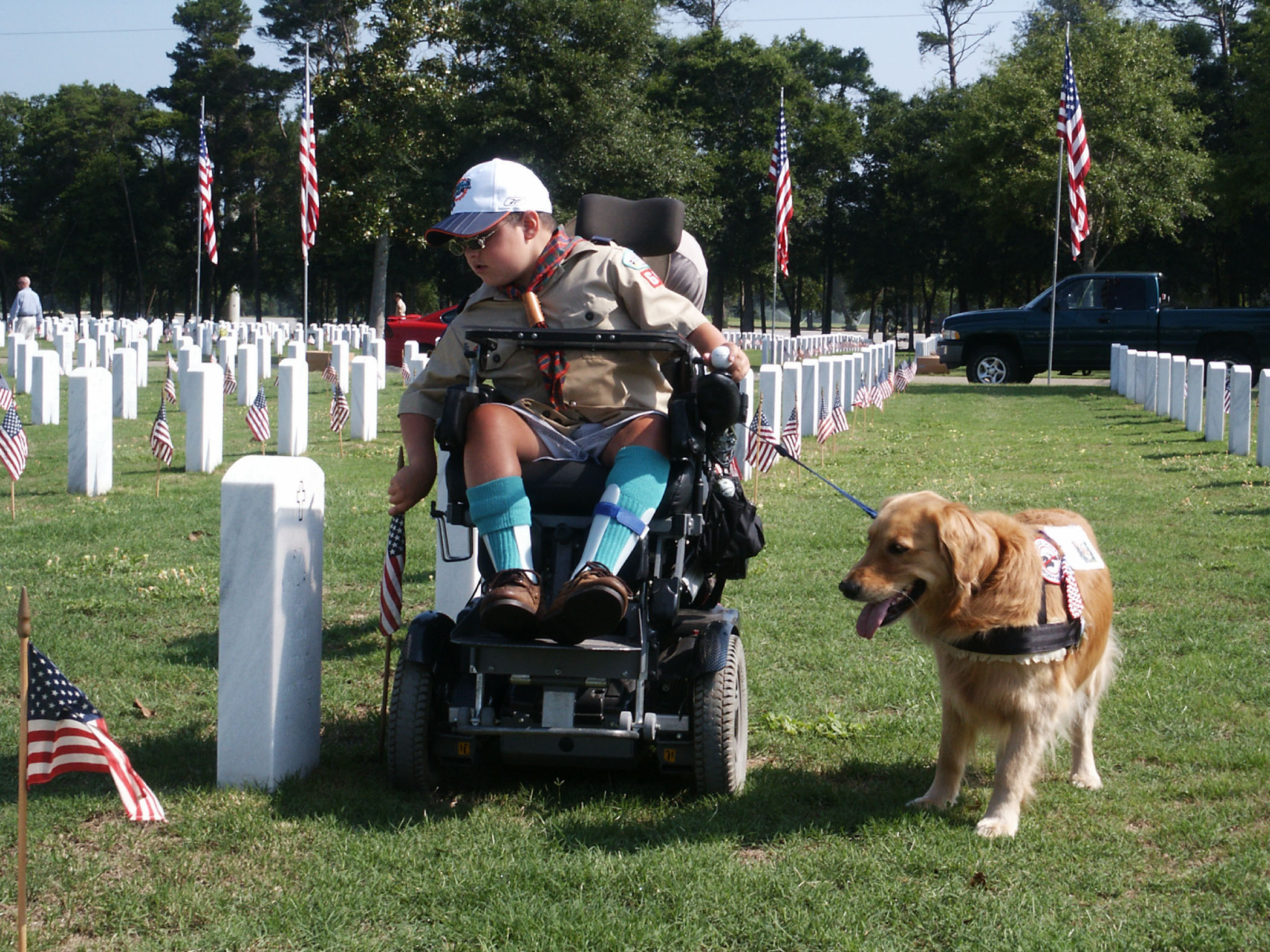
Small flags were placed at veterans’ graves in advance – the work done by scouting groups, school classes and families, walking the rows with a list and a box of flags, setting one at each marked stone.
Still done, organised by veterans’ organisations and youth groups. The task required somebody to know which graves qualified, which meant a list maintained locally over decades and corrected as it was used.
It is the most effective thing anybody did with children on that weekend, and it was not framed as education. A child walking a cemetery row placing flags reads every name on the way past, notices the dates, works out the ages, and arrives at the arithmetic themselves – which no amount of being told would achieve.
7. There Was a Rifle Salute and Everybody Flinched
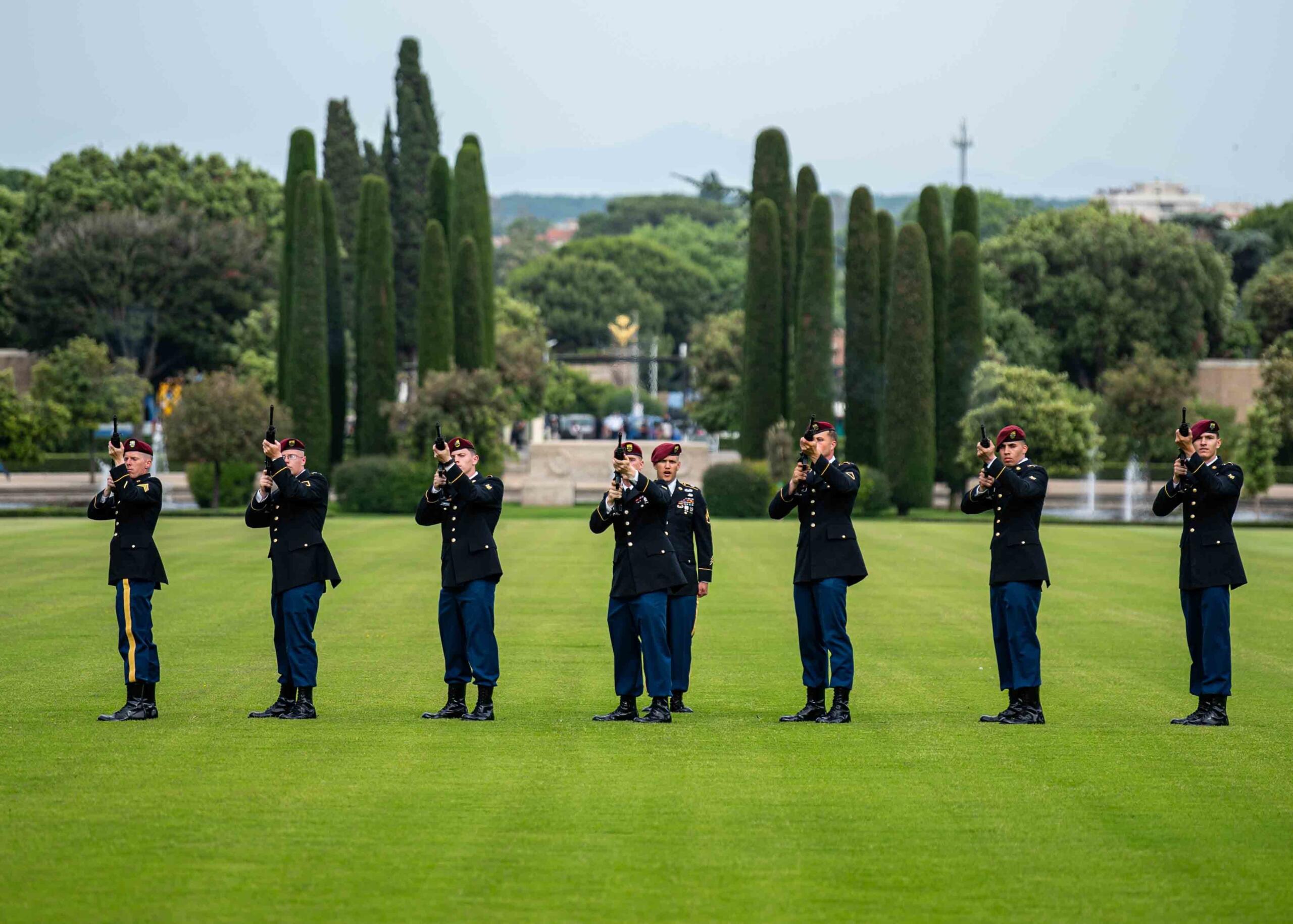
A detail from a veterans’ organisation or a military unit fired a volley salute at the graveside, in sequence, on command – and the sound in a quiet cemetery was considerably louder than anybody expected.
Still performed where a detail is available. The volley is a formal military honour with a prescribed procedure, and the surprise is universal among anybody attending for the first time.
Small children crying at the volley is part of the day’s shared memory and was accepted as unavoidable. Several towns moved to warning the crowd beforehand, which helps slightly – and the flinch is arguably doing some of the work, since a commemoration of people killed by gunfire that contains no startling sound is a gentler thing than the day is meant to be.
8. A Bugler Played and It Was Frequently a Teenager
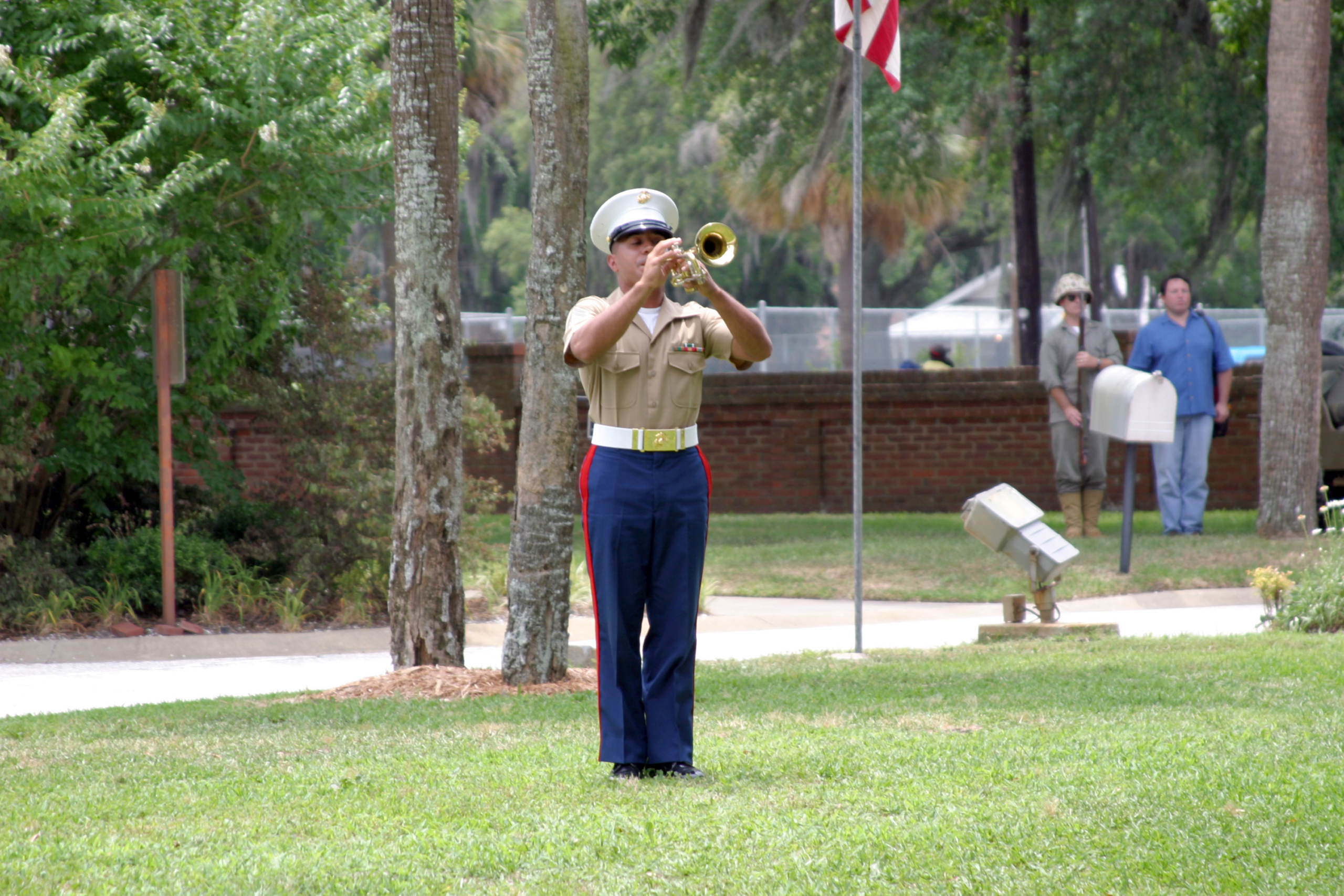
The service closed with a bugle call, played by whoever in the town could play it – often a high school student, standing alone at a distance, with no accompaniment and no second chance.
Still live where a player is available, with recorded versions and electronic bugles used increasingly as the number of players has fallen. The call is twenty-four notes long and is extremely exposed.
Every bugler has a story about the note that cracked, and the crowd’s response is the striking part. A fluffed note in a cemetery, played by a fifteen-year-old in front of several hundred people including the families of the dead, is met with complete silence and then applause – and the generosity of that is remembered by the players for the rest of their lives.
9. Somebody Gave a Speech and It Was Usually Too Long
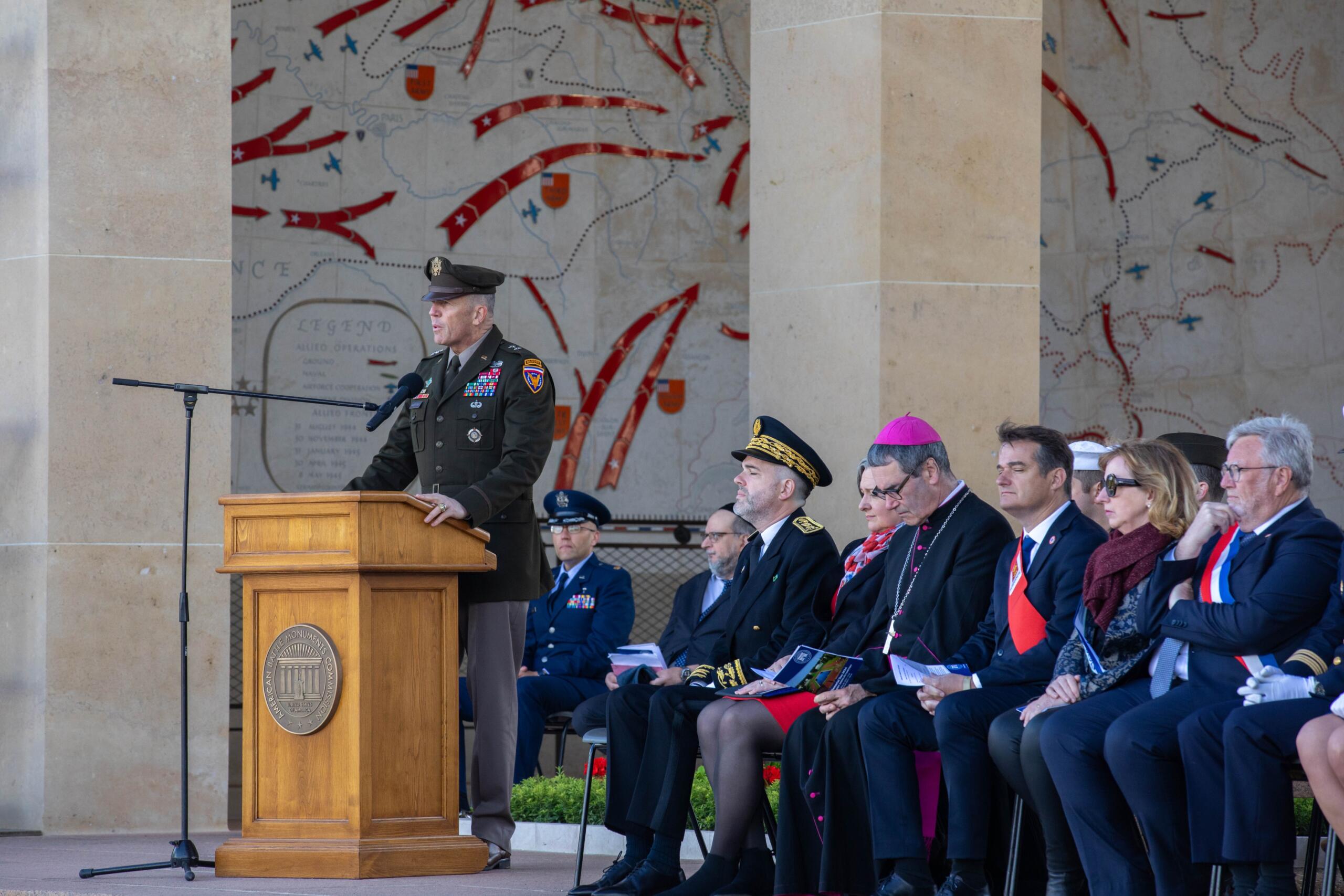
An address was given at the graveside or the memorial – by a local official, a veteran, a clergyman or an invited speaker – and the length was frequently a subject of comment afterwards.
Still part of the service and generally shorter. The speeches were not polished and in a great many cases were the better for it, delivered by somebody who knew the people being commemorated.
The ones people remember are the ones that were specific. A speaker who named a local man and said something true about him landed in a way that no general sentiment about sacrifice could, and the consistent verdict from anybody who has attended these for decades is that the short specific speech is the only kind that works.
10. The Families Were Acknowledged Directly and by Name
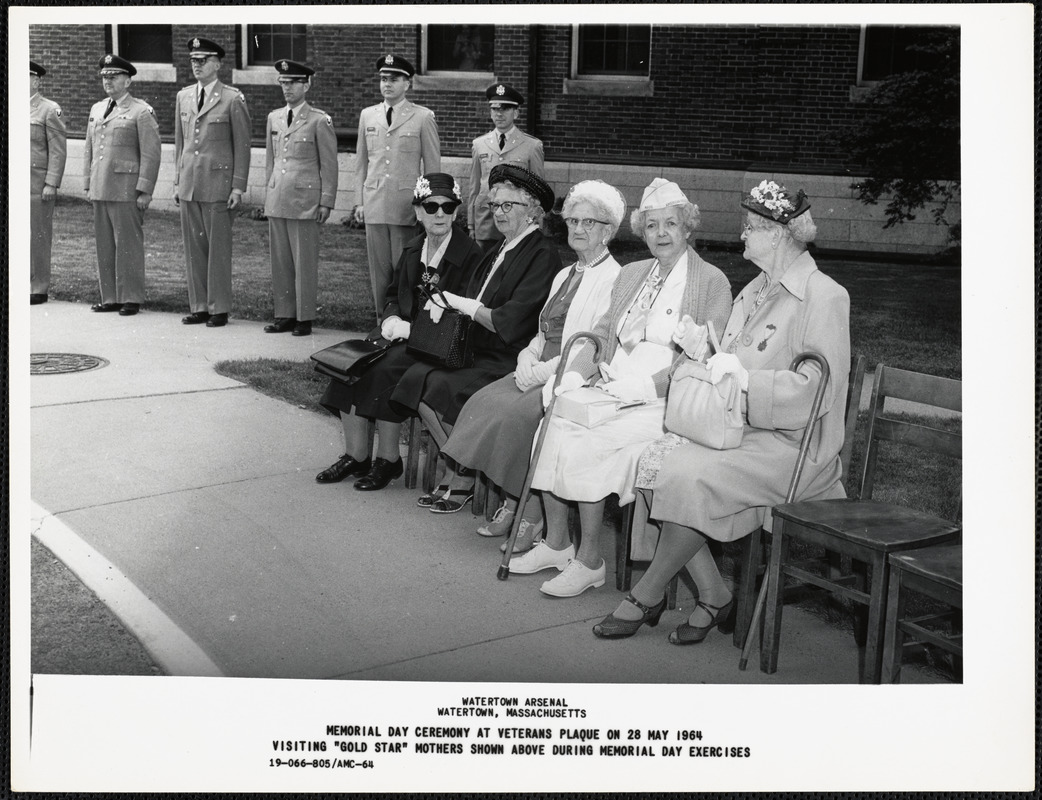
Families who had lost somebody were recognised during the service – seated together, named, presented with flowers in some towns, and greeted individually afterwards by neighbours.
Still done, with more care about privacy and about whether a family wishes to be identified. The acknowledgement was public, personal and unavoidable, which was its strength and its difficulty.
For the families involved the accounts are mixed and should be reported as such. Some describe the annual recognition as the single occasion on which their loss was acknowledged by the community rather than privately endured. Others found being publicly named every year for decades extremely hard, and preferred not to attend – and both of those are entirely reasonable responses to the same ceremony.
11. Then Everybody Went and Had a Picnic
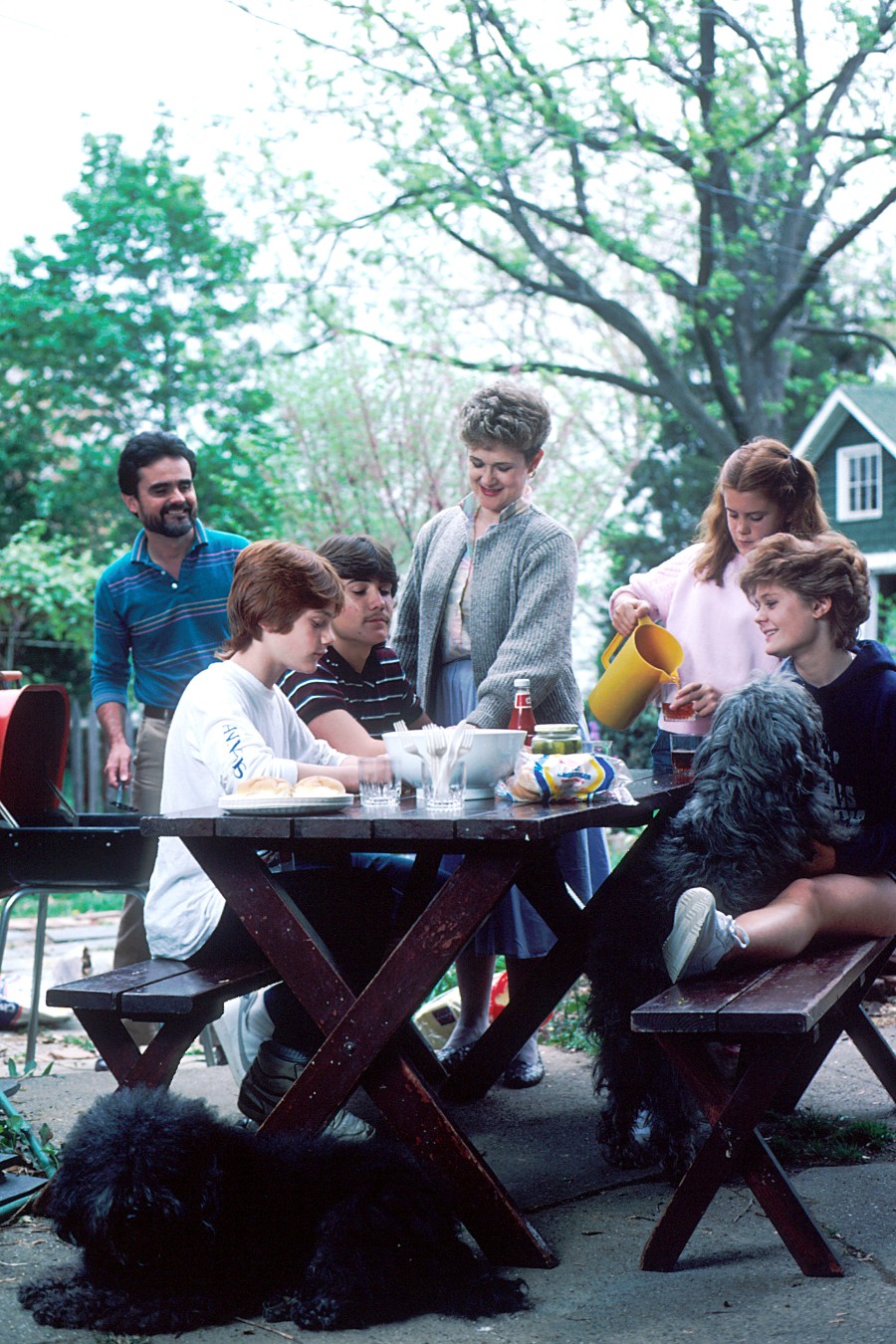
The formal part concluded by late morning and the rest of the day was given to the first cookout of the season – families, neighbours, the opening of swimming pools, and a long afternoon outdoors.
Unchanged and now the dominant association with the weekend for a majority of households. The sequence was understood rather than resented: the morning was for the cemetery and the afternoon was for living, and nobody present thought those were in conflict.
The complaint that the day has become merely a holiday weekend is therefore older and less accurate than it sounds. The picnic was always there, immediately after the service, in the same towns, attended by the same people – and the difference now is not that the afternoon exists but that a far smaller proportion of households attend the morning.
12. Then the Parade Got Shorter and the Front Rank Emptied
The day depended on veterans’ organisations with large active memberships, a school band, numerous civic groups, and a town small enough that the names read at the cemetery were locally recognised.
Participation has declined across every component. Veterans’ organisation membership has fallen substantially, service clubs have shrunk, school music programmes have been reduced in many districts, and in larger and more mobile communities the names no longer belong to families in the crowd. Many parades continue, shorter; some have ended.
What is lost when the parade goes is not the commemoration, which continues in other forms, but the assembly. The day’s whole mechanism was that a town walked to its own cemetery together once a year, read its own names aloud, and then ate lunch – and nothing that happens on a screen or at a distance does that particular job, which was never really about the past at all.
The Point Was That the Town Walked to Its Own Cemetery Together
Commemoration has not declined. There is more documentation, better record-keeping, more research, more accessible archives and more public memorial space than at any point in history, and a person wanting to learn about those who died has resources nobody in 1975 could have imagined.
What has declined is the assembly, and that was the whole mechanism.
Consider what the day actually did. A town gathered at a fixed point, walked a fixed route it had walked for fifty years, arrived at its own cemetery, and read its own names aloud – names that in most cases still belonged to families standing in the crowd. A teenager played a bugle call badly and was applauded for it. Children who had placed flags on those graves the day before stood among them having worked out the dates for themselves. And then everybody went and had lunch.
Every element of that required people to be physically present, together, in one place, annually.
The reasons it has thinned are not mysterious and none of them is a decline in respect. Veterans’ organisation membership has fallen with the generations. Service clubs have shrunk everywhere. School music programmes have been cut in a great many districts. And communities have become larger and considerably more mobile, which means the names read at a cemetery are frequently no longer the names of anybody present – which removes the specific thing that made the reading land.
It is worth being honest about the families, too, because the nostalgia tends to speak for them. Some describe the annual public acknowledgement as the one occasion their loss was carried by the community rather than borne privately. Others found being named in front of a crowd every year for decades extremely difficult and stopped coming. Both are reasonable, and a ceremony that is unambiguously good for everybody it concerns is rarer than people assume.
And the complaint that the day has become a holiday weekend is older than it sounds. The picnic was always immediately after the service, in the same towns, with the same people. What changed is not that the afternoon exists – it is how many households now attend only the afternoon.
Which leaves the thing a parade did that nothing else does. It is not information, and it is not sentiment. It is several hundred people walking to the same place on the same day and standing there while a list is read – and that cannot be done at a distance, which is why the towns that have kept it guard it so carefully.
If you grew up with this, you stood on the same corner every year and you knew which rank was which.
And somebody read a name you recognised.
Like our content? Follow us for more.