

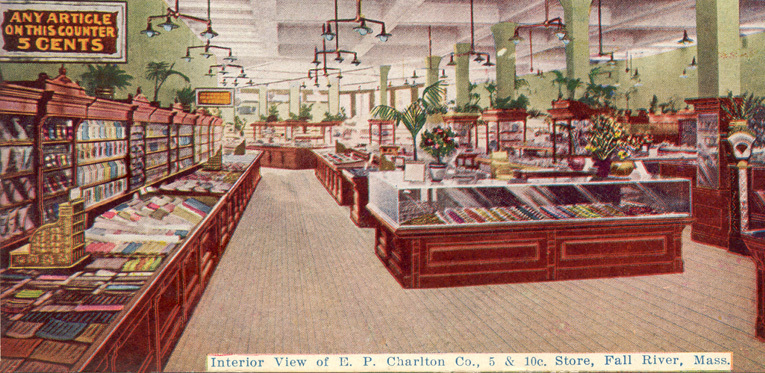
In 1972 the variety store on the main street had oiled wooden floors that creaked so you could hear where everybody was, and the goods were in open bins you were expected to put your hands into.
You could buy one of almost anything – one screw, one button, one yard of ribbon – counted out by an assistant at a staffed counter. Larger purchases went on layaway and were paid off weekly. The pet department sold live animals out of open tanks. And the seasonal aisle changed completely four times a year and told the whole town what month it was.
Here are fifteen things every American kid bought at the five and dime in 1972, and what became of each one.
1. The Floor Was Oiled Wood and You Could Hear Everybody in the Building
The floors were tongue-and-groove timber, treated with oil rather than sealed, worn into grooves along the main aisles, and they creaked and transmitted every footstep through the whole store.
Sealed concrete, vinyl or tile under fluorescent light in a building with no acoustic character at all. Oiled wood was the standard retail floor because it was cheap to lay, easy to maintain by sweeping compound and oil, and could be patched indefinitely.
The sound is what people describe first and it was doing something. A store where you can hear where everybody is has a different social quality from a silent one – you knew when somebody came in, the staff knew where you were, and a child could not browse the toy aisle unobserved by sound alone.
Like our content? Follow us for more.
2. Everything Was in Open Bins and You Were Expected to Handle It
Goods were displayed loose in wooden or metal bins, divided trays and open compartments – buttons, screws, elastic, erasers, marbles, hair clips, thread, washers, pencils – to be sorted through by hand.
Blister packs, carded multiples and sealed packaging, partly for theft prevention and partly because handling is now assumed to be a hygiene problem. The open bin existed because goods were sold by the single unit and could not be pre-packaged without destroying that.
Handling the stock was the whole pleasure of the place for a child. A tray of three hundred buttons that you were allowed to put your hands into, sort through and choose from is a sensory experience that modern retail has deliberately eliminated – and it is the single thing people who remember these stores mention most.
3. You Could Buy One of Almost Anything
Single-unit sale was the organising principle: one screw, one button, one yard of ribbon, one sheet of paper, one pencil, one marble, one hook, cut or counted out by an assistant and priced by the piece.
Minimum pack quantities throughout. Buying one of something is now frequently impossible, which means replacing a single lost button or needing two screws involves purchasing a packet of twenty.
The economics only worked with staff at the counter. Somebody had to count, cut, weigh and price, which is labour, and the whole model collapsed the moment labour cost more than the convenience was worth – which is precisely what happened and is why nothing has replaced it.
4. There Was a Counter for Everything and Somebody Standing Behind It
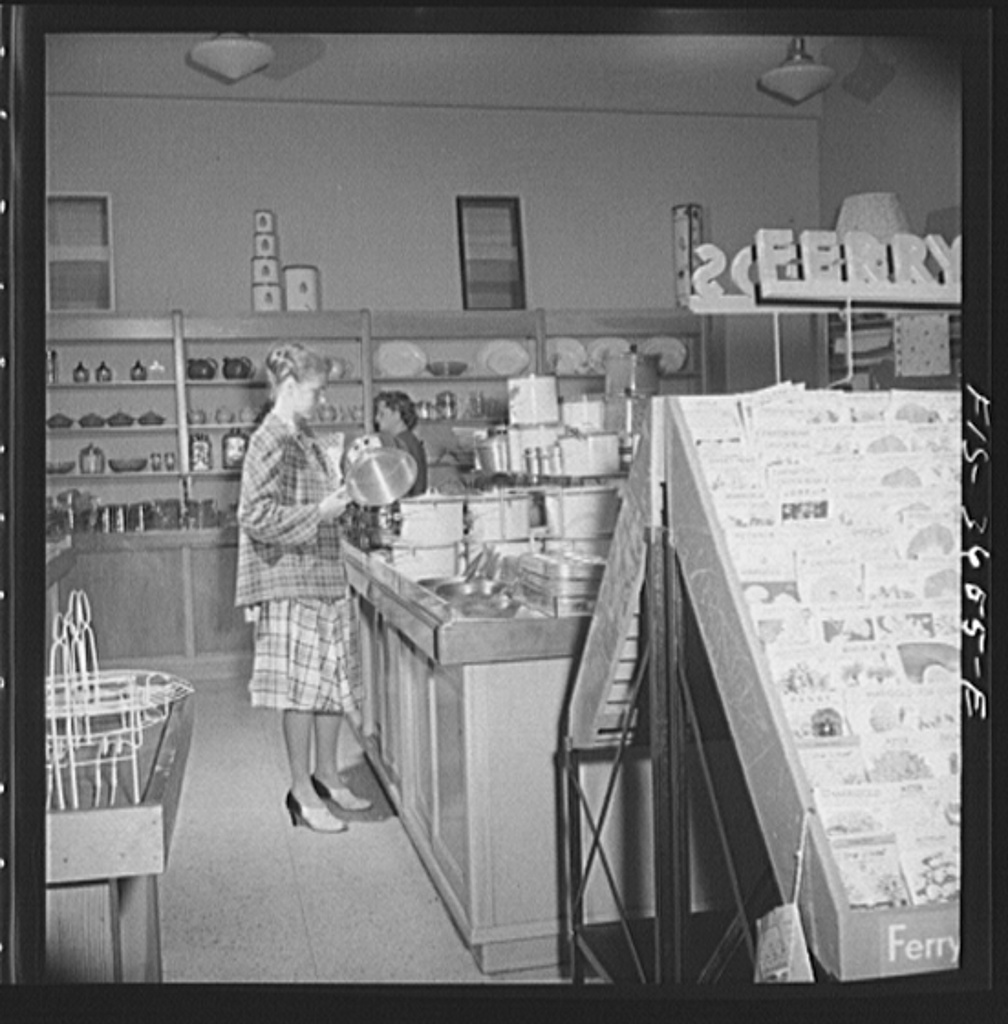
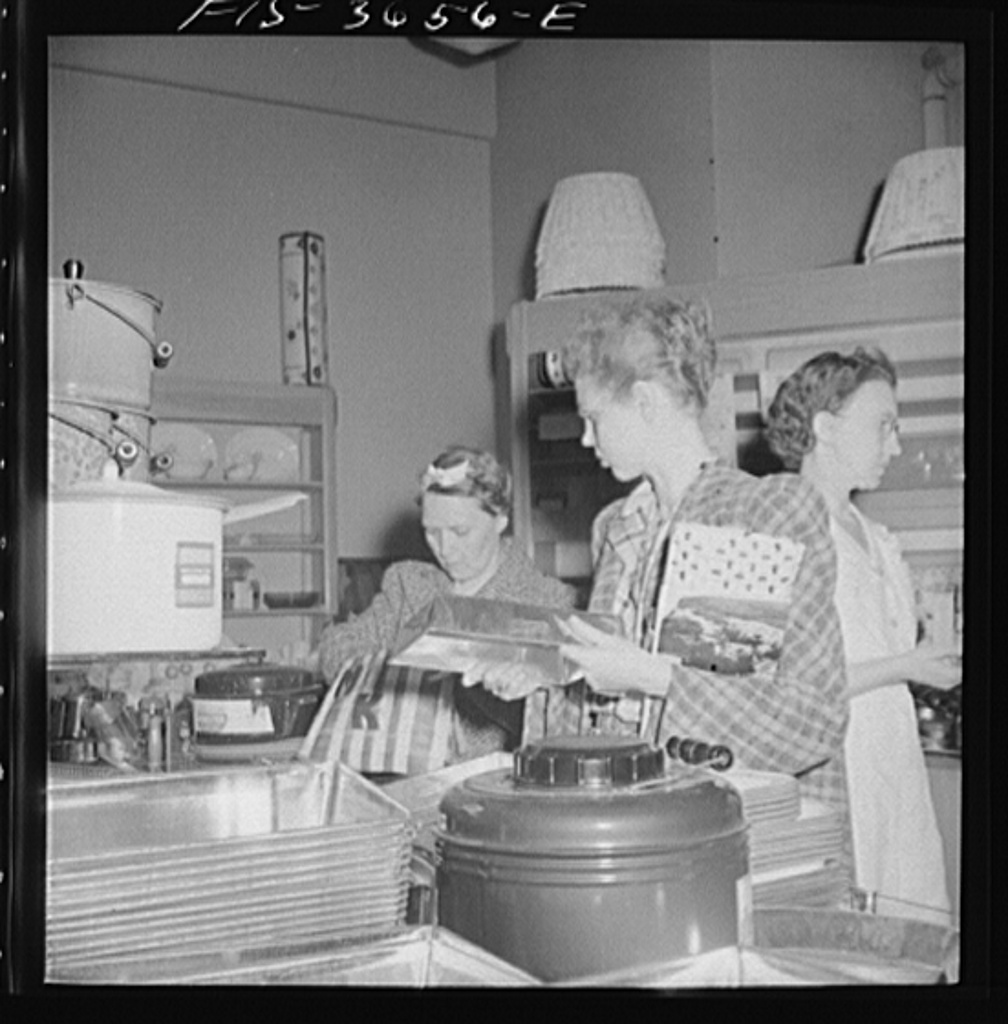
The store was divided into departments each with its own staffed counter – notions, stationery, hardware, toys, household, cosmetics, fabric – and you went to the counter and asked rather than serving yourself.
Self-service throughout with a single checkout bank. The counter staff knew the stock in their department completely, because there was no inventory system and the knowledge existed only in their heads.
That is why the staff mattered so much and why their disappearance changed the experience fundamentally. Asking a person who knows the department where something is, or whether it exists, or what would work instead, is a different transaction from walking an aisle hoping to spot it – and it is the service component that self-service removed in exchange for lower prices.
5. You Could Put Something on Layaway and Pay It Off Weekly
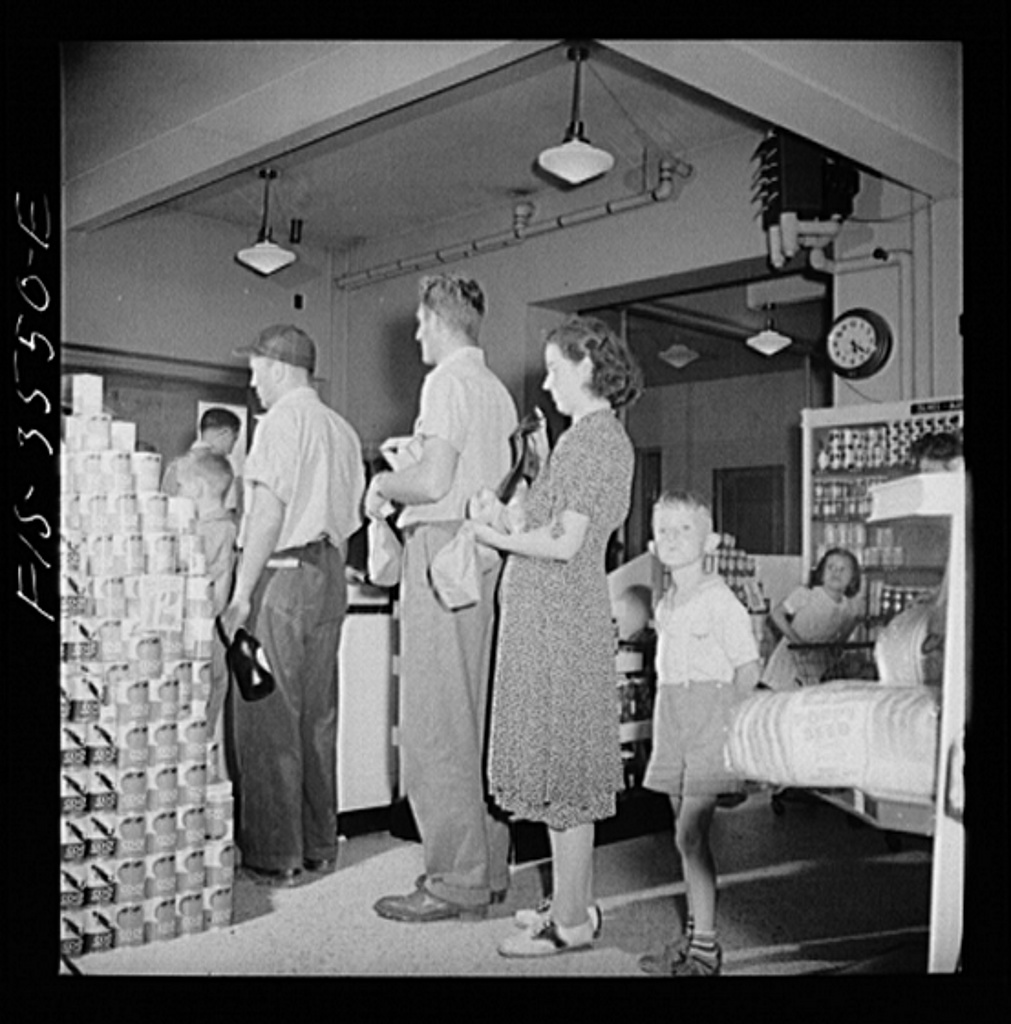
Larger purchases were held in the back under a layaway agreement – a deposit, a card or ledger entry, and weekly payments until the balance cleared, at which point the item was released.
Credit cards, buy-now-pay-later arrangements and store financing. Layaway is the opposite of credit: the customer pays before possession rather than after, which means no interest, no debt and no risk to either party.
It existed because a very large number of households had no access to credit at all, and it was used heavily for Christmas, school clothes and household goods. Nobody describes it fondly – it was slow and it meant going without – but it was a mechanism by which a household on a tight weekly budget could buy something substantial without borrowing, and nothing in modern retail does that job.
6. The Pet Department Sold Live Animals Out of Open Tanks

Stores kept livestock – goldfish in open tanks dipped with a net, small turtles in shallow trays, birds in cages, hamsters, mice and in some stores chicks around Easter – sold over the counter with minimal advice and no paperwork.
Pet retail is regulated on welfare grounds with licensing, record-keeping, enclosure standards and advice requirements. The animals were sold as merchandise and were kept accordingly, which by any modern welfare standard was inadequate.
The small turtles are the clearest example of why this ended. Their sale was prohibited in the mid-1970s on public health grounds after a recognised disease transmission risk to children was established, and that single restriction removed what had been a staple of variety store pet counters – which is a rare case of a product disappearing by specific prohibition rather than by market change.
7. The Notions Counter Served a Household That Still Made Things
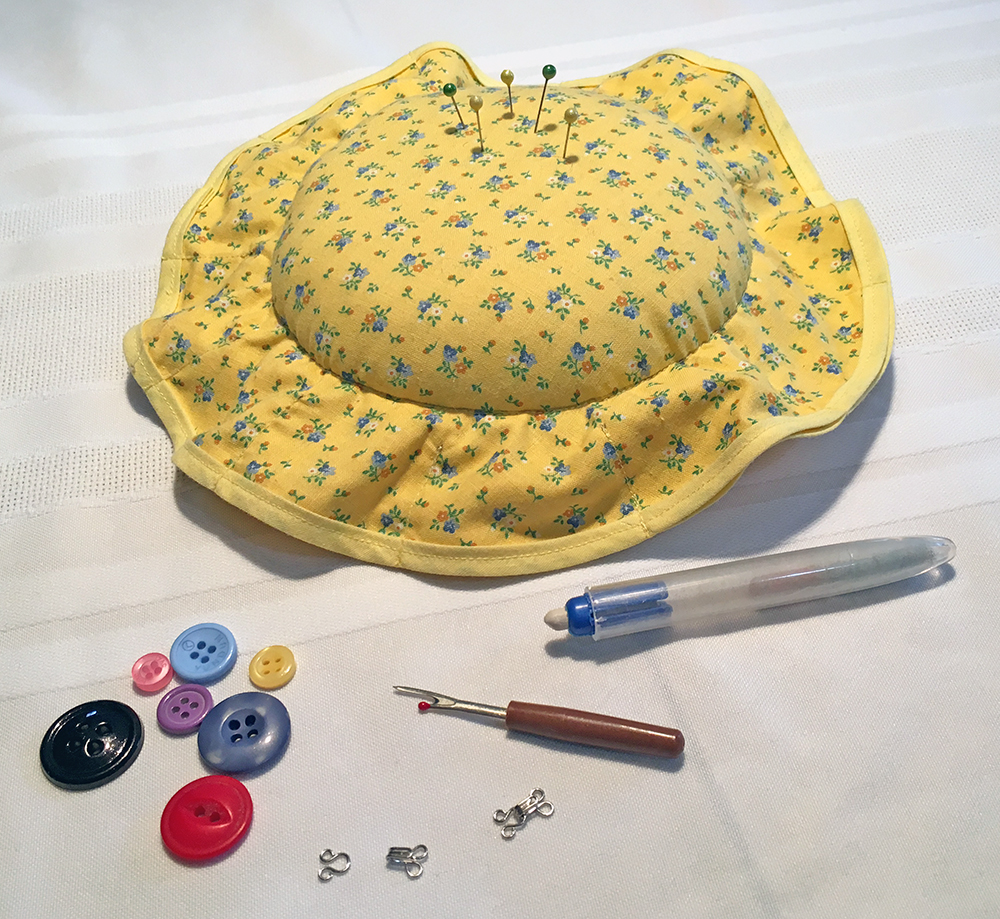
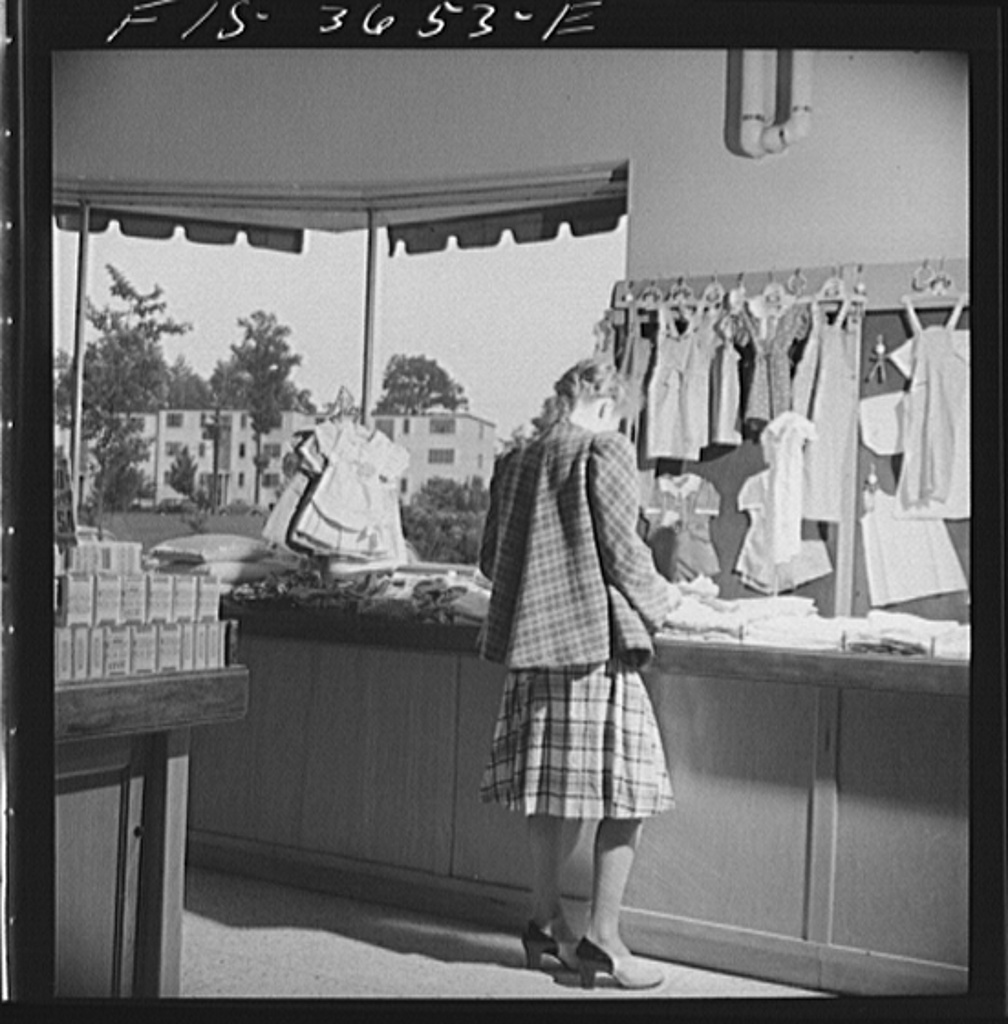
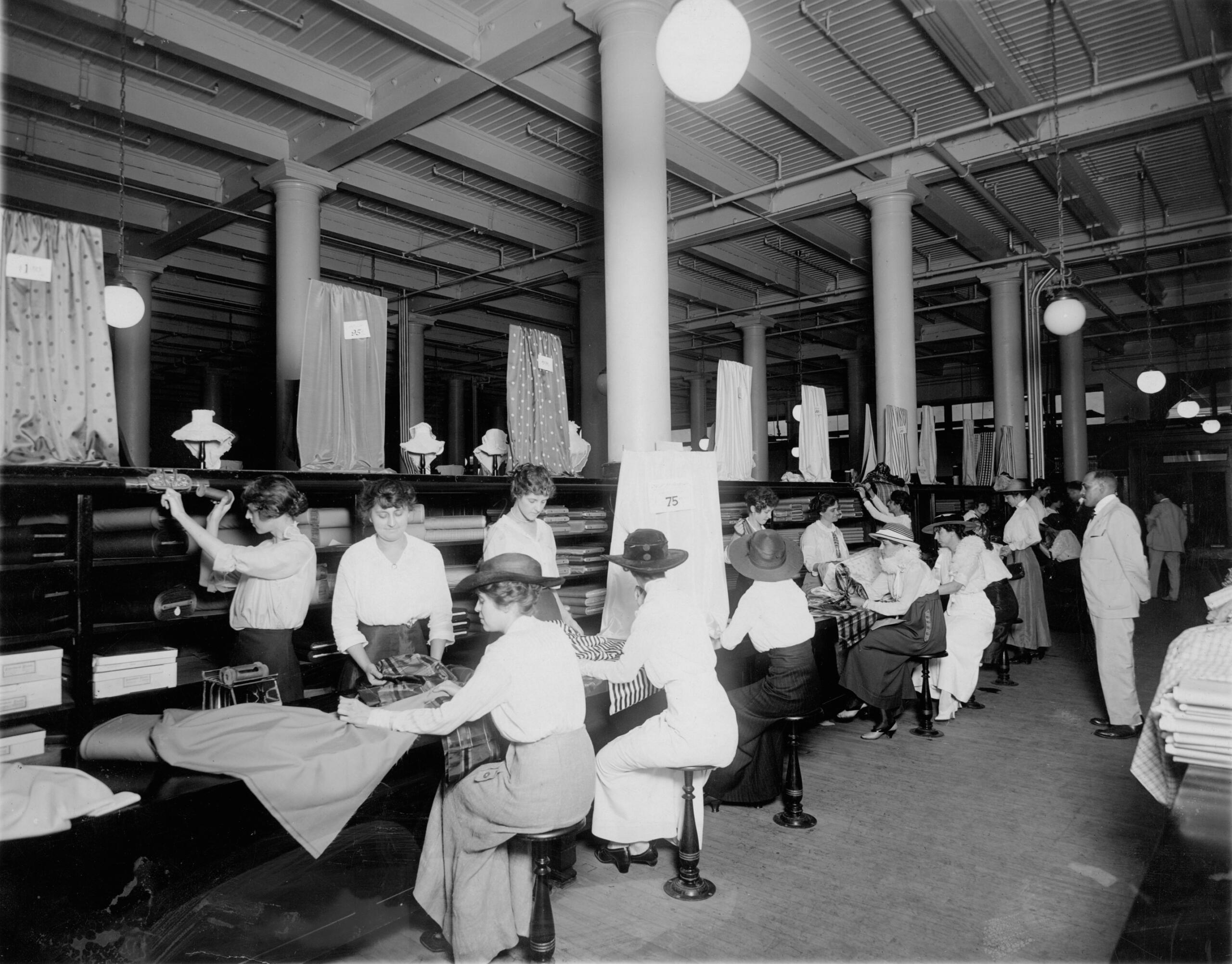
Sewing supplies occupied substantial floor space – thread, needles, pins, bias binding, zips, hooks, snap fasteners, elastic, interfacing, trims, patterns and fabric measured and cut from the roll.
A small specialist category in most general retail. The space allocated to it in 1972 reflects a household economy in which clothes were altered, repaired, let out, taken up and in a great many cases made from scratch.
The decline of that counter is the clearest retail indicator of a change in domestic life. When ready-made clothing became cheap enough that repairing a garment cost more in time than replacing it cost in money, the notions counter lost its customers – and the floor space went to something else without anybody announcing a shift.
8. The Toy Aisle Was Cheap, Plastic and Entirely Within Reach
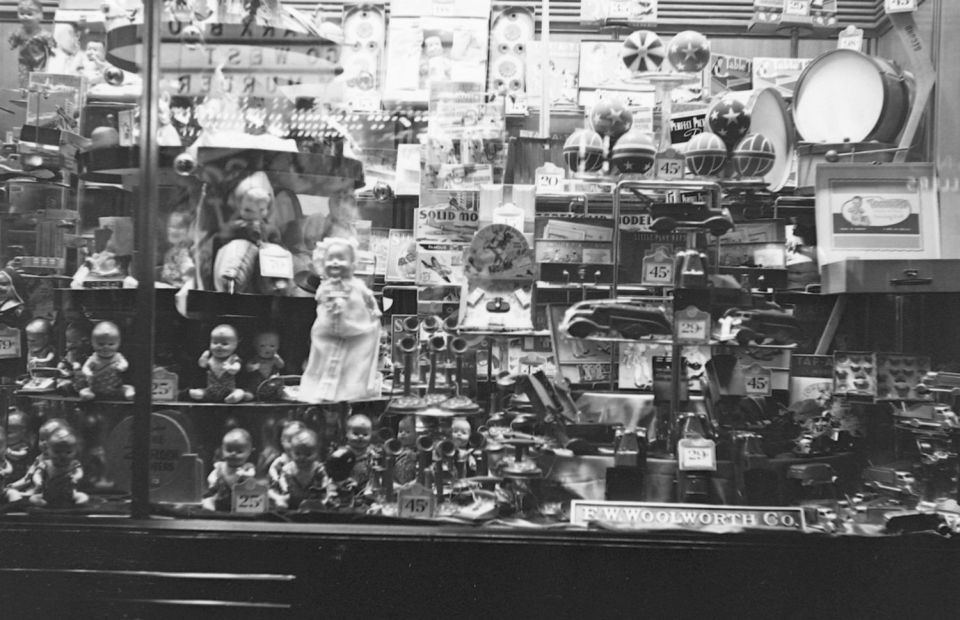
Toys were priced at pocket money levels – small plastic figures, balls, jacks, kites, water pistols, paddle bats, card games, puzzles, novelties and the kind of object that broke within a week.
Toy retail is dominated by branded licensed products at considerably higher price points, with the cheap novelty category surviving at supermarket checkouts and online. The variety store toy aisle was the only retail a child could transact in unaided.
That accessibility was the point and it is largely gone. A child with a dollar in 1972 could walk into a store, survey an aisle of things they could actually afford, choose, pay and leave – which is an entire commercial education conducted weekly, and it requires a price point that almost nothing now occupies.
9. The Candy Was Loose, Weighed, and Scooped by an Assistant
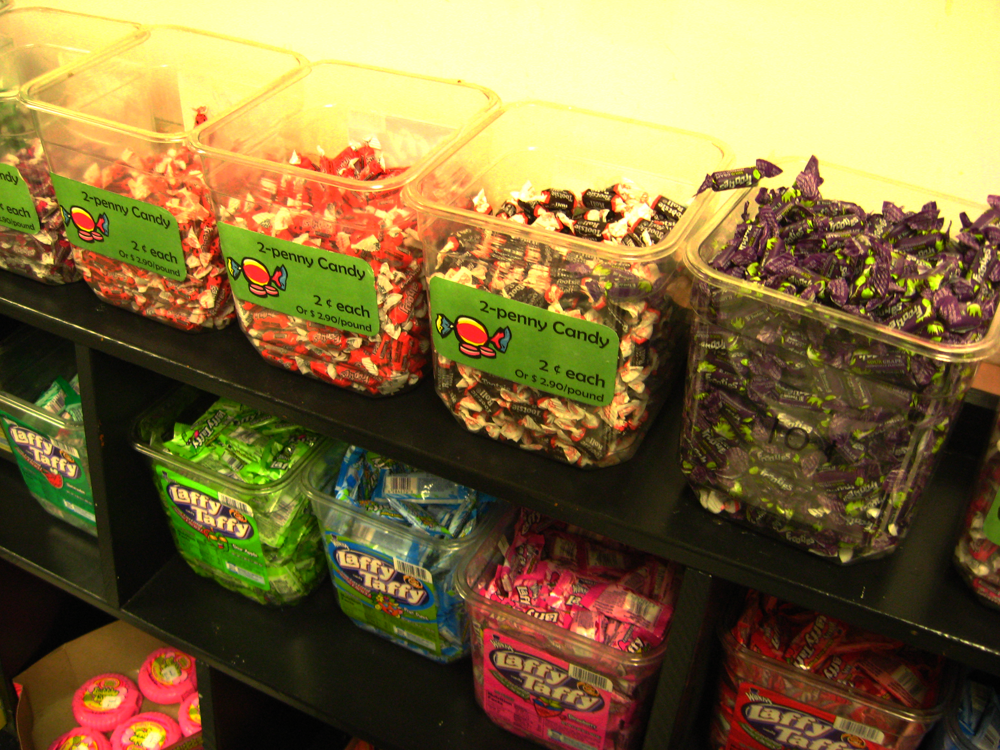
Confectionery was sold from open trays and jars behind glass, selected item by item or scooped, weighed on a scale and tipped into a paper bag.
Pre-packaged throughout, with pick-and-mix surviving in limited and hygienically enclosed forms. The weighing was done in front of the customer and the assistant’s generosity with the final scoop was closely watched by everybody under twelve.
The glass case is the detail that mattered. A child choosing from behind glass, pointing, and having each item placed in a bag is being served rather than serving themselves, and the transaction took as long as it took – which is why it is remembered as an event rather than as a purchase.
10. The Hardware Was Sold by the Piece From Drawers of Nails
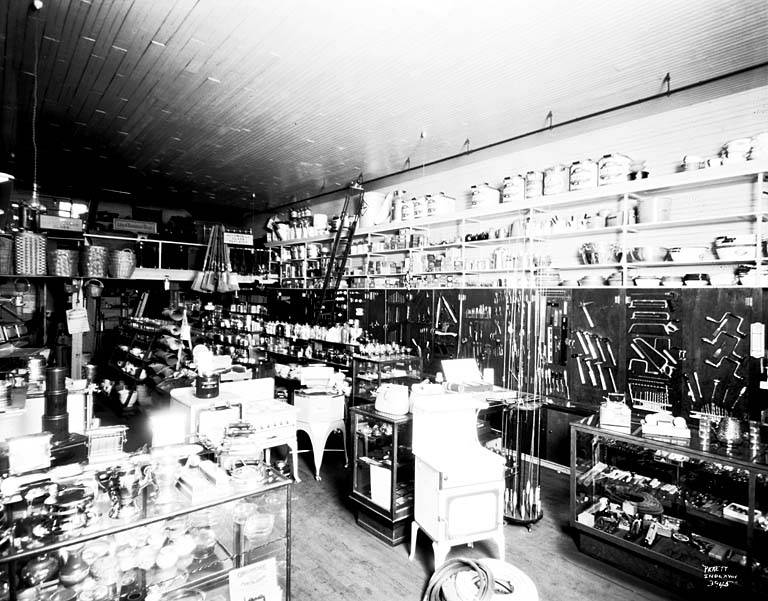
Screws, nails, bolts, nuts, washers, hooks, hinges, picture wire, chain and rope were kept in labelled drawers and bins, counted or weighed out, with lengths cut to order.
Pre-packaged quantities and bulk bins in specialist retail. A householder needing four specific screws got four specific screws, from a drawer, for a few cents, from somebody who could identify a screw by looking at it.
This is the function that is most genuinely missed and the one most often cited by anybody trying to repair something. The single-fastener counter solved a real problem and its disappearance means a minor repair now requires a pack of twenty and a drawer at home filling up with the other sixteen – which is how the modern junk drawer gets stocked.
11. The Seasonal Aisle Changed Completely Four Times a Year
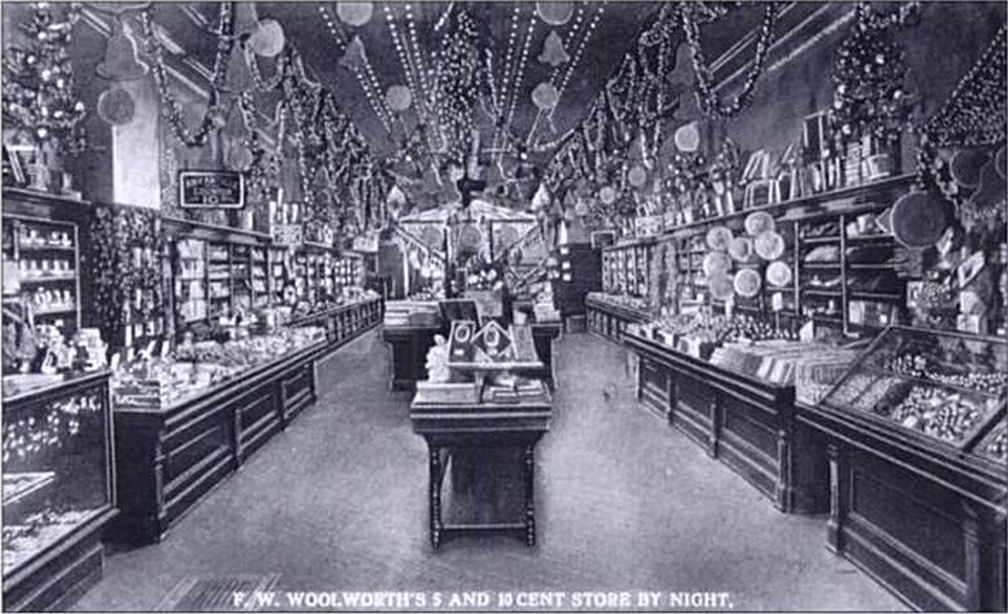
One area of the store was turned over entirely to whatever was next – seeds and garden goods in spring, beach and picnic in summer, school supplies in late summer, then Hallowe’en, then Christmas, with the changeover done overnight by staff.
Seasonal merchandising is now a year-round planned operation across all retail, with longer and earlier seasons. The variety store version was abrupt, complete and visible: you came in one week and the aisle was a different thing.
It also functioned as the town’s calendar. In a place with one variety store, the appearance of the school supplies meant the summer was ending and the appearance of the Christmas aisle meant what it meant – and a great many people’s sense of the year’s shape was set by walking past that one changing aisle.
12. Nothing Cost Very Much and That Was the Entire Proposition
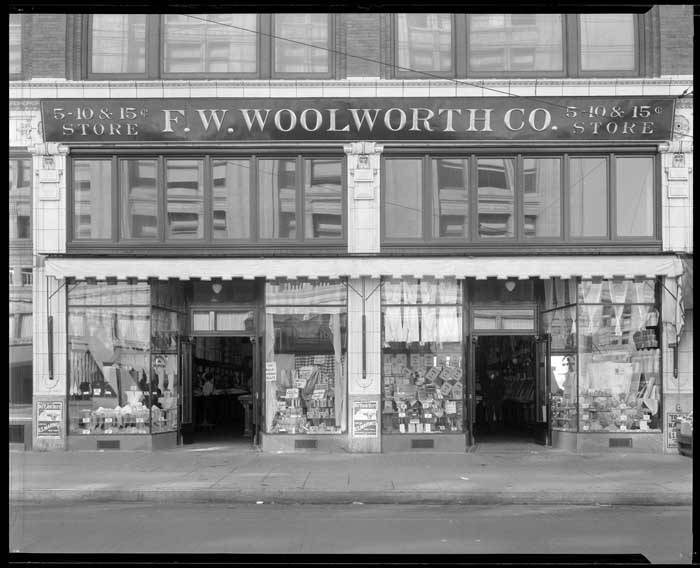
The store’s founding idea was a fixed low price point, and although inflation had long since broken the original nickel-and-dime pricing, the positioning remained: an enormous range of inexpensive goods under one roof.
Discount retail at vastly greater scale with far lower prices on comparable goods. The proposition was not quality and was never claimed to be – it was availability and affordability of small practical items.
Which is why the stores were so useful and so unsentimentally abandoned. A household went there for things it needed cheaply, and when a larger store on the highway offered the same things more cheaply the loyalty evaporated almost immediately – because there had never been any loyalty, only convenience.
13. There Was No Inventory System and the Staff Were the System
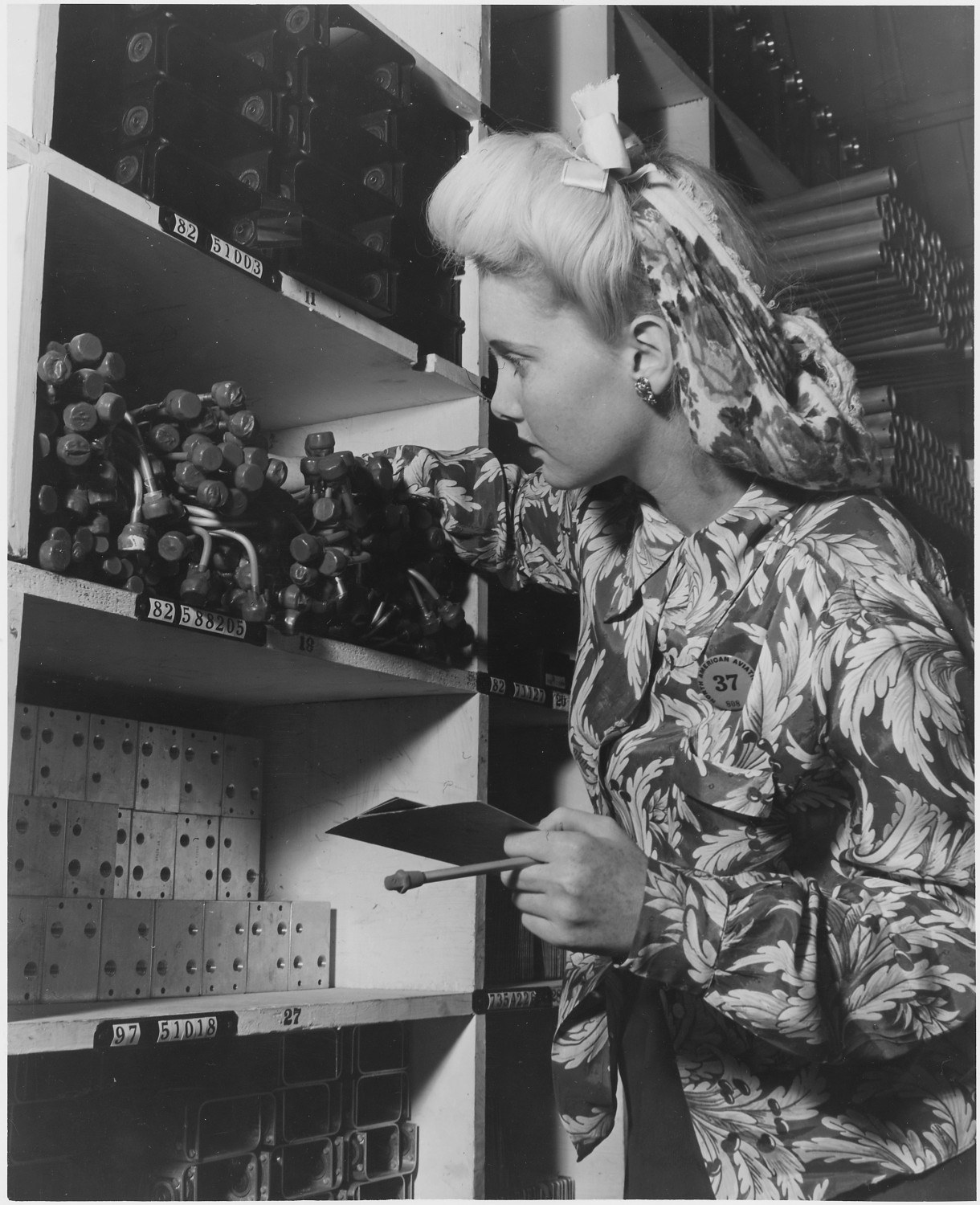
Stock control was a stockroom, an order book, a sales representative who called periodically, and the department assistant’s memory of what was running low.
Scanned inventory, automatic reordering and centralised buying with real-time data. The old method worked because the assistant had stood at that counter for years and knew the stock better than any list.
It also meant the store’s capability walked out of the door with the staff. When an experienced assistant retired, the knowledge of what sold, what to order and where everything was went with them – which is why these stores declined noticeably in the years before they closed, in ways the accounts would not have shown.
14. It Anchored the Downtown Block and Everybody Passed Through It
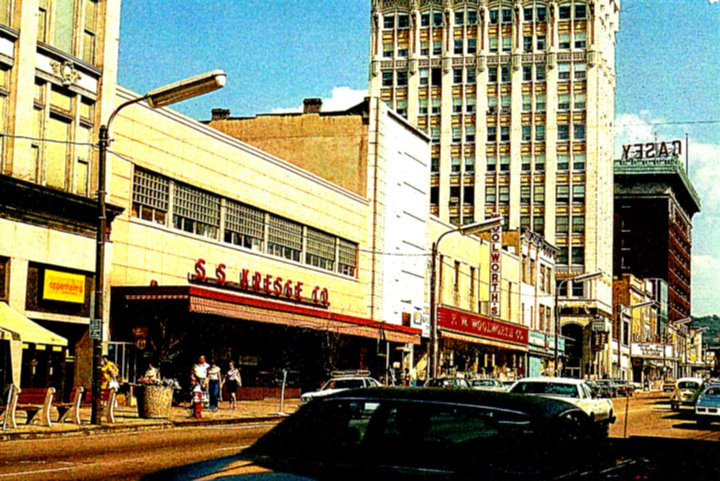
The variety store sat on the main street alongside the bank, the pharmacy and the hardware store, and functioned as a place everybody in town entered regularly whether they intended to buy anything or not.
Those blocks are substantially vacant or repurposed in a great many towns. The store’s role was partly social: it was somewhere to go, somewhere to meet people, and somewhere a child could be sent alone.
Its closure is frequently the point at which a downtown is described as having died, and that is not sentiment. A store everybody visits weekly generates the foot traffic the other businesses on the block depend on, so losing the anchor removes the reason to walk the street at all – and the vacancies that follow are a consequence rather than a coincidence.
15. Then a Discount Store Opened on the Highway
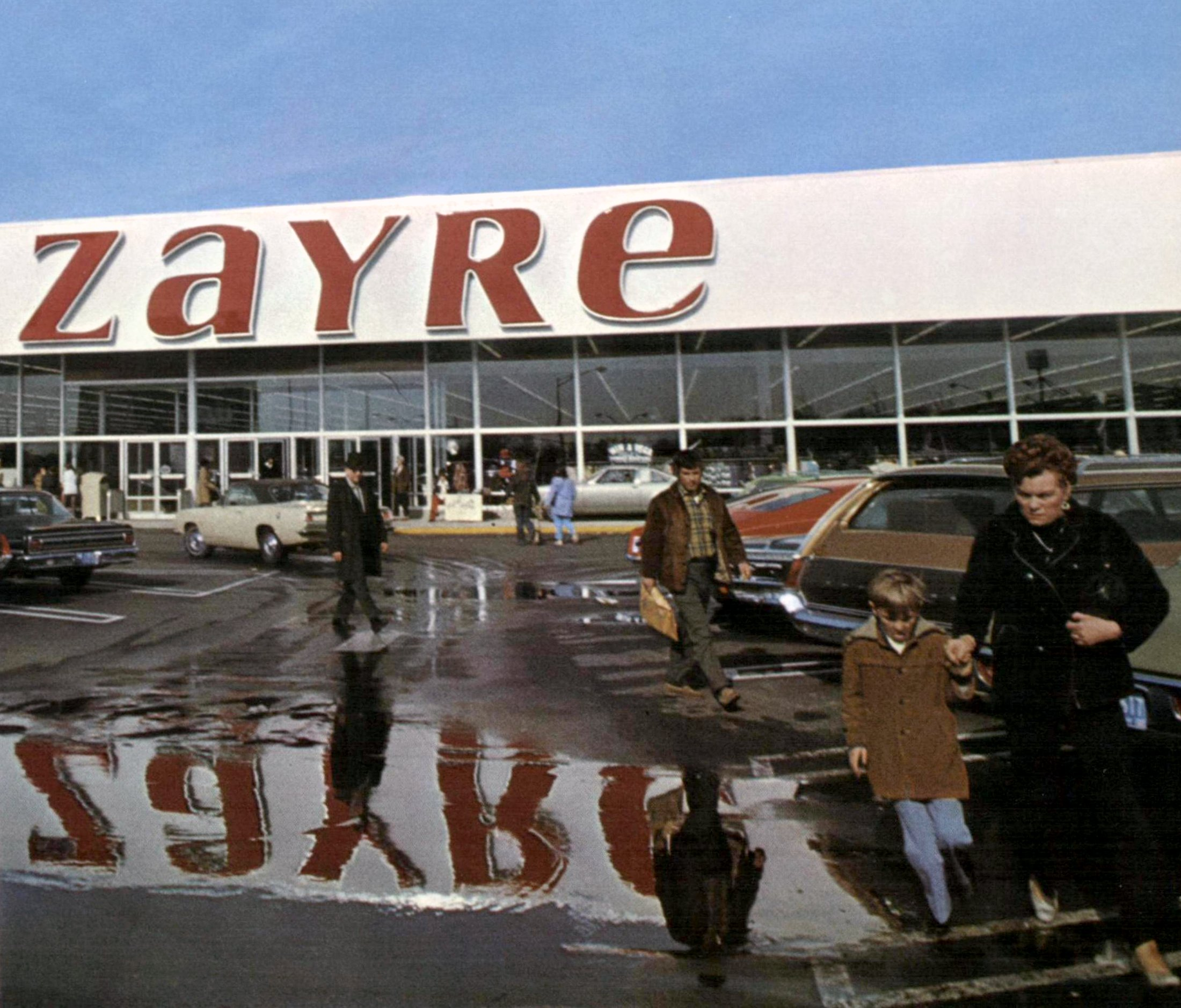
The model depended on being the only general store in town, on single-unit sales staffed by knowledgeable assistants, and on a customer base with no transport to go anywhere else.
Large-format discount retail on cheap land outside town, with car parking, centralised buying, lower prices and self-service, took the business comprehensively. The variety store could not match the prices, could not match the range and had nowhere to put the cars.
The sequence is the same in a very large number of American towns and it took about a decade. The highway store opened, the downtown store’s sales fell, the staff were reduced, the range narrowed, and it closed – after which the town had cheaper goods, a longer drive to get them, and an empty building on the main street that in many places is still empty.
It Was Built on Cheap Labour and That Is Why Nothing Replaced It
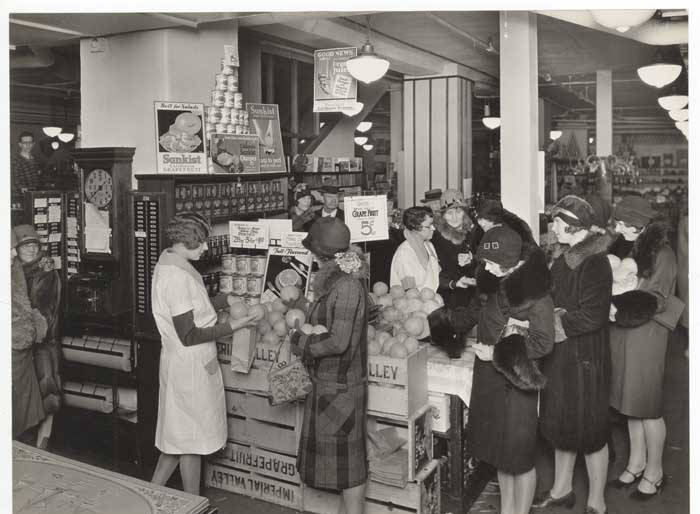
The variety store’s defining feature was that you could buy one of something, and understanding why that disappeared explains the whole institution.
Single-unit sale requires a person. Somebody has to count the screws, cut the ribbon, scoop the candy, weigh it, price it and bag it. Somebody has to know which drawer the hinges are in, because there is no system and the knowledge lives in their head. Somebody has to stand at the notions counter all day to sell a yard of elastic for a few cents.
That model works only while labour is cheap relative to the goods. The moment an assistant’s hour costs more than the margin on everything they sell in that hour, the counter has to go – and once the counter goes, single-unit sale goes with it, because nobody can count out four screws without a counter.
What replaced it was self-service and pre-packaging, which is a straight trade: the customer does the work the assistant used to do, and in exchange the price falls. That is a good trade for most purchases and a bad one for a few, and the bad ones are exactly the ones people miss. You cannot buy four screws. You cannot replace one button. You cannot have somebody who knows the department tell you what would work instead.
So the modern junk drawer is a direct artefact of this change. Every minor repair requires a pack of twenty, sixteen go in the drawer, and a household accumulates fasteners it will never use – which was not a problem anybody had in 1972.
And the stores themselves went for an entirely separate reason. A discount store on the highway with cheap land, car parking and centralised buying beat them on price and range simultaneously, and there was never any loyalty to overcome because the proposition had always been convenience rather than affection.
What is left in a great many towns is an empty building on a main street nobody walks down, which is the second-order effect. A store everybody entered weekly was generating the foot traffic the rest of the block lived on – and when the anchor goes, the vacancies that follow are a consequence rather than bad luck.
If you grew up with one of these, you remember the sound of the floor.
And the reason your junk drawer is full of screws you will never use is that nobody sells four.
Like our content? Follow us for more.

