The Box Was in the Cellar and It Was Nobody’s Favourite Errand
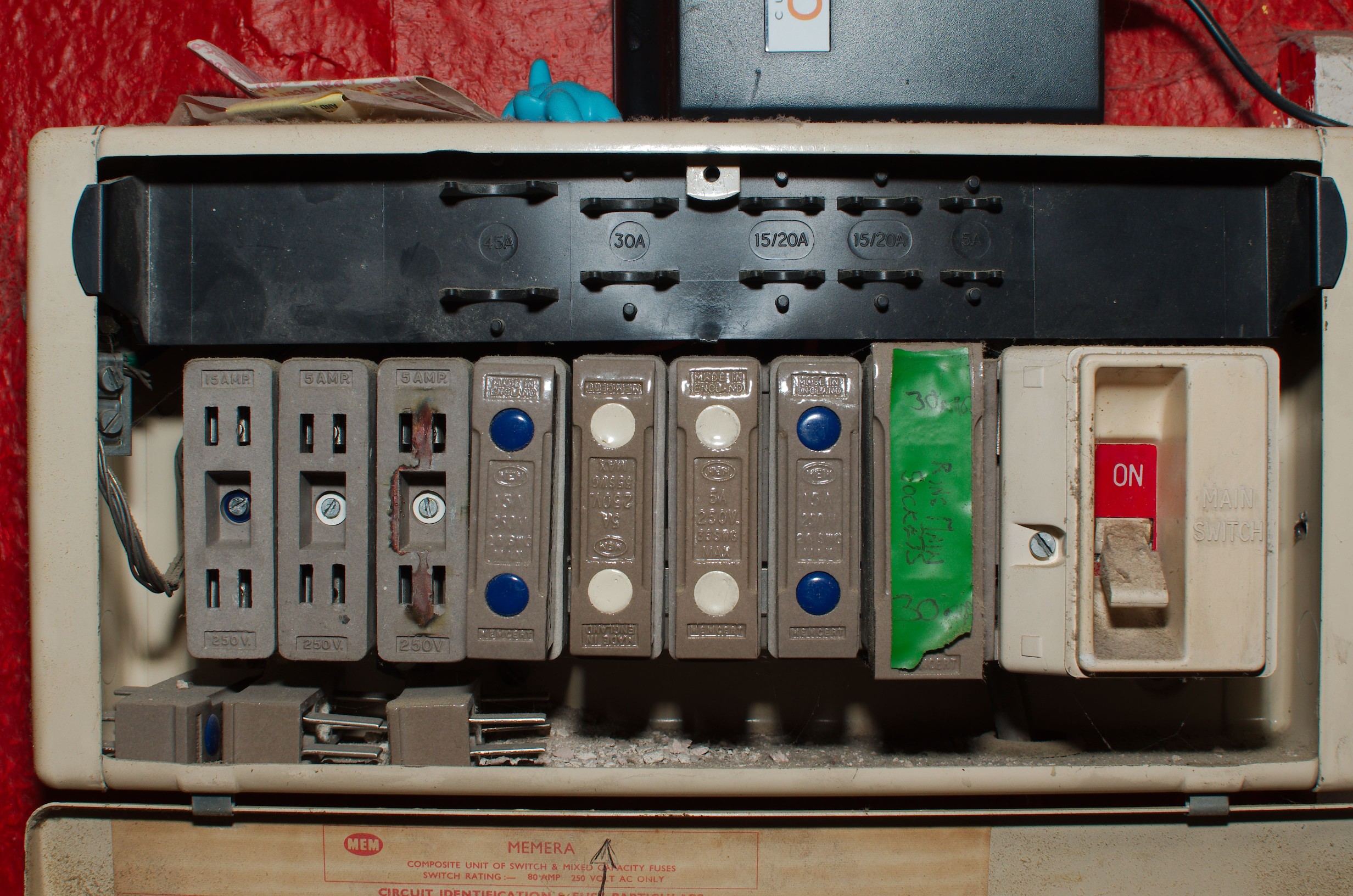
The fuse box lived in the basement, a back hallway, a closet under the stairs or the garage – a grey steel cabinet with a door, sometimes a padlock hasp, and a row of round fuses screwed into sockets like light bulbs.
It was dark down there, the light switch was frequently the thing that had just failed, and getting to the box meant a flashlight, a chair in some houses, and a short conversation shouted up the stairs about which one had gone.
Every household had a cardboard box or a jar of spare fuses on a shelf beside it, in a couple of ratings, with a fuse puller – a short plastic tool for the cartridge type – hanging on a nail.
And the knowledge of how the box worked sat with one person in the family. Somebody knew which fuse served the kitchen, somebody knew where the spares were, and when that person was out the household sat in the dark until they came back.
Like our content? Follow us for more.
A Fuse Is a Deliberate Weak Link and That Is the Whole Idea
The principle is worth stating plainly because everything else follows from it.
Electrical wiring inside a wall can only carry so much current before it heats up. Push more through it than it is rated for and the insulation degrades, and eventually the wiring becomes a fire inside a cavity where nobody can see it.
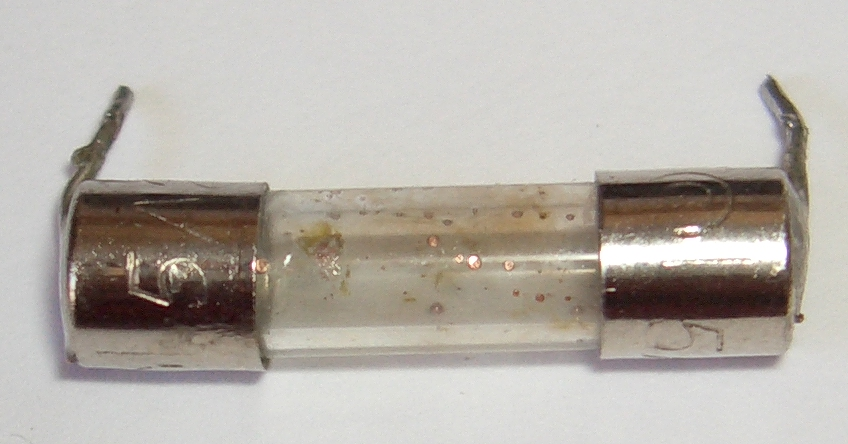
So the circuit is given a deliberate weak point: a short length of thin metal, sized to melt and break the circuit before the wiring reaches a dangerous temperature. That is a fuse. It is designed to fail, it is the cheapest component in the system, and it is placed where somebody can reach it.
A blown fuse is therefore not a fault. It is the system working exactly as intended, reporting that something on that circuit was drawing more than the wiring should carry – and the correct response is to find out what, not simply to restore the supply.
The Penny Removed the Weak Link and Left the Wiring to Fail Instead
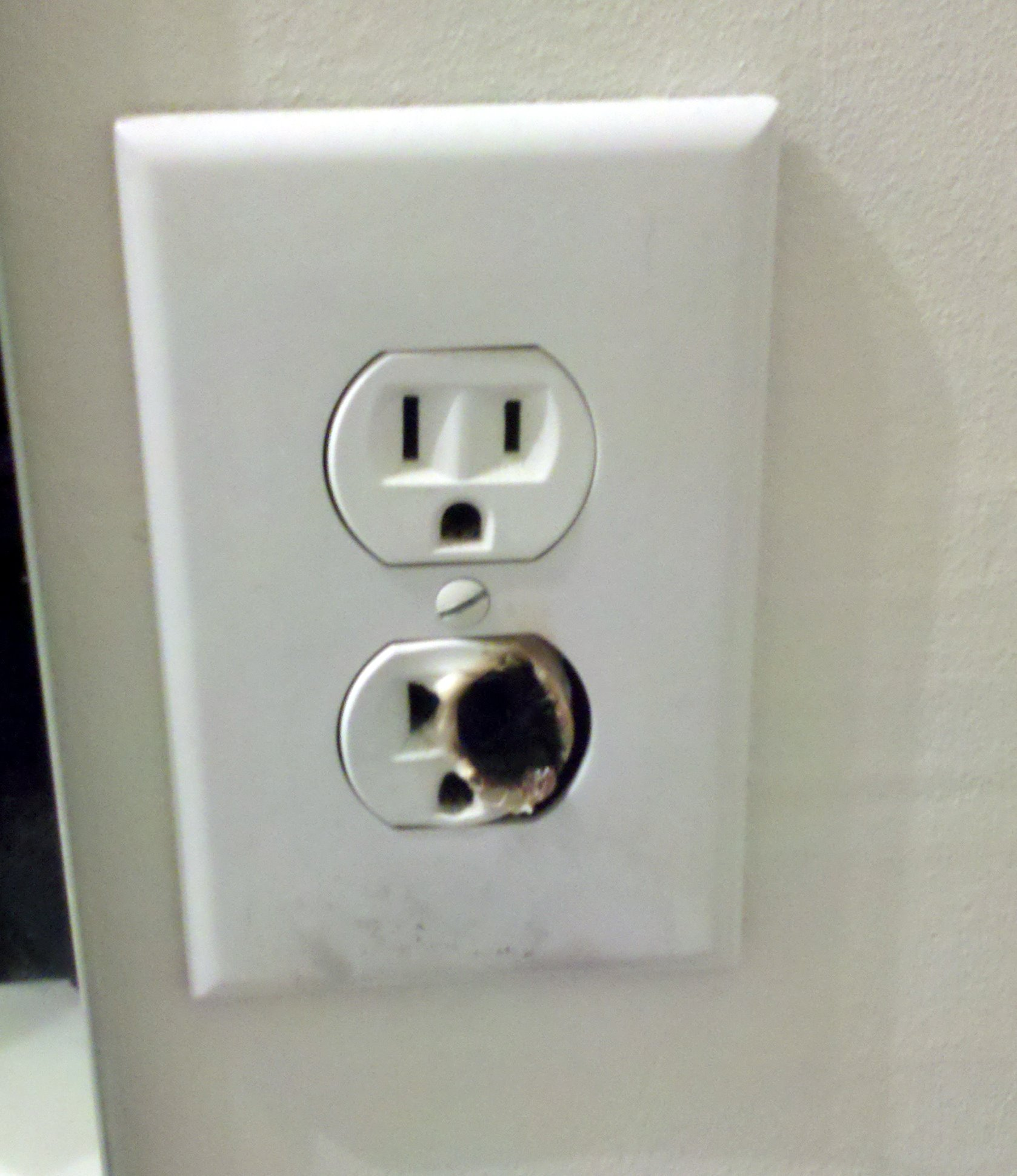
The practice that every household of this period knew about was putting a coin behind a blown screw-in fuse, which bridged the socket and restored power.
What that does is remove the weak point from the circuit entirely. A coin does not melt at any current the wiring will survive, so the protection is gone and the next thing to fail is the wiring in the wall.
This is not a theoretical hazard. Fires traced to bridged or oversized fuses were a recognised category, fire services campaigned against the practice specifically, and it is one of the clearest reasons the fuse box was replaced by a system that cannot be defeated with pocket change.
It needs saying directly: do not do this, and if you encounter a box in an old property with coins behind the fuses, that is a finding for an electrician rather than a curiosity. The reason everybody’s grandfather knew the trick is that the box made it possible, and the reason modern panels exist is to make it impossible.
Oversizing Was the Quieter Version of the Same Mistake
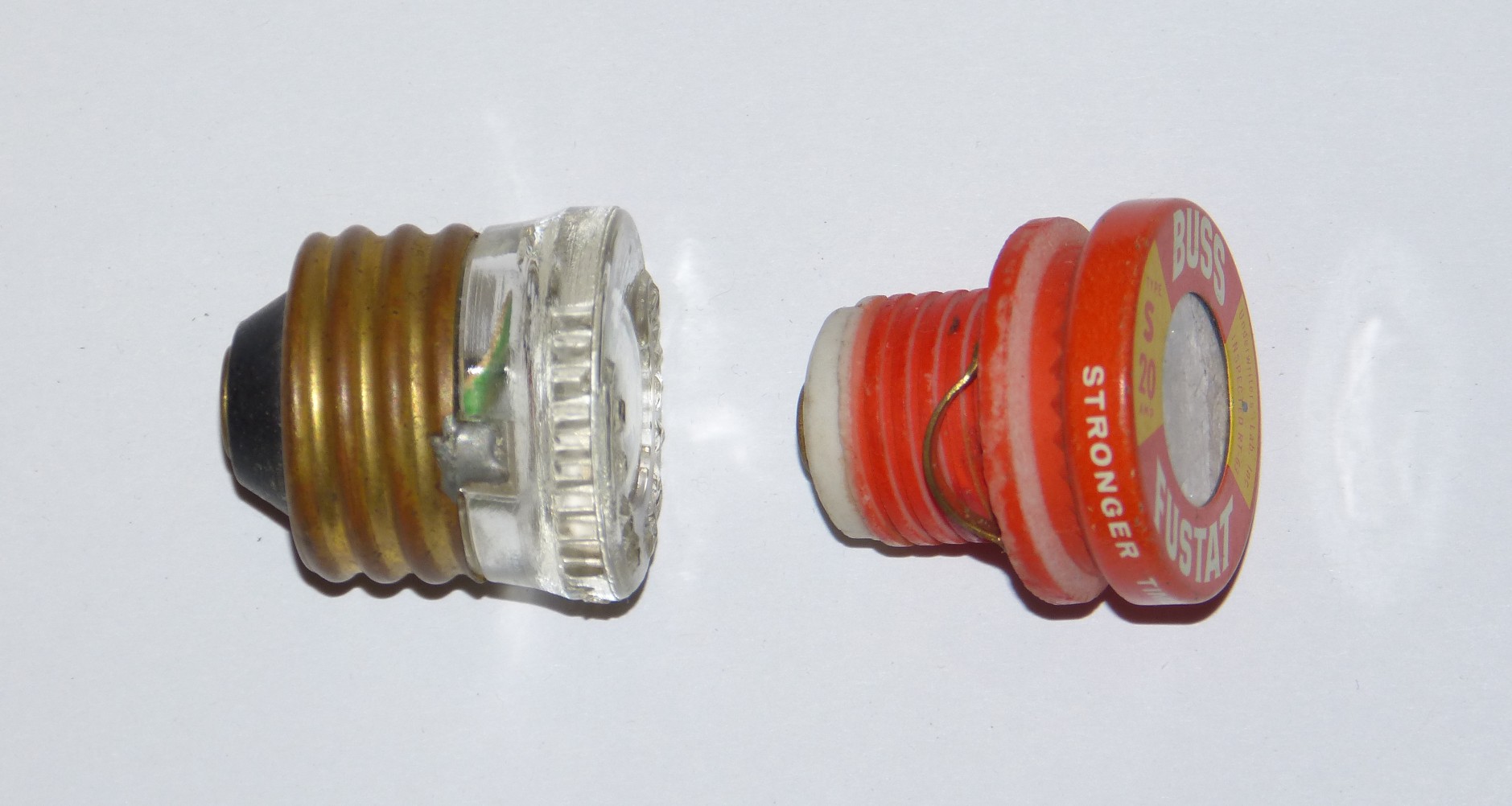
The more common error was not a coin but a larger fuse.
Fuses came in ratings, and the rating is matched to the wire it protects. Fitting a thirty when the circuit calls for fifteen is less obviously wrong than fitting a coin and does the same thing – it allows the wiring to be loaded beyond what it can safely carry before the protection operates.
And the sockets permitted it. A standard screw-in fuse base accepts any rating that fits the thread, which means a householder confronted with a circuit that kept blowing could simply buy a bigger one, and a great many did, because it worked.
The fix came from the hardware rather than from education. A socket adapter was developed that physically accepts only one rating once installed, so a fifteen-amp circuit cannot be given a thirty-amp fuse. Those adapters were required in new work and retrofitted in a great deal of old work, which is an example of a safety problem solved by making the wrong action mechanically impossible rather than by asking people not to do it.
A House Wired in 1950 Was Not Expecting What a House in 1975 Contained
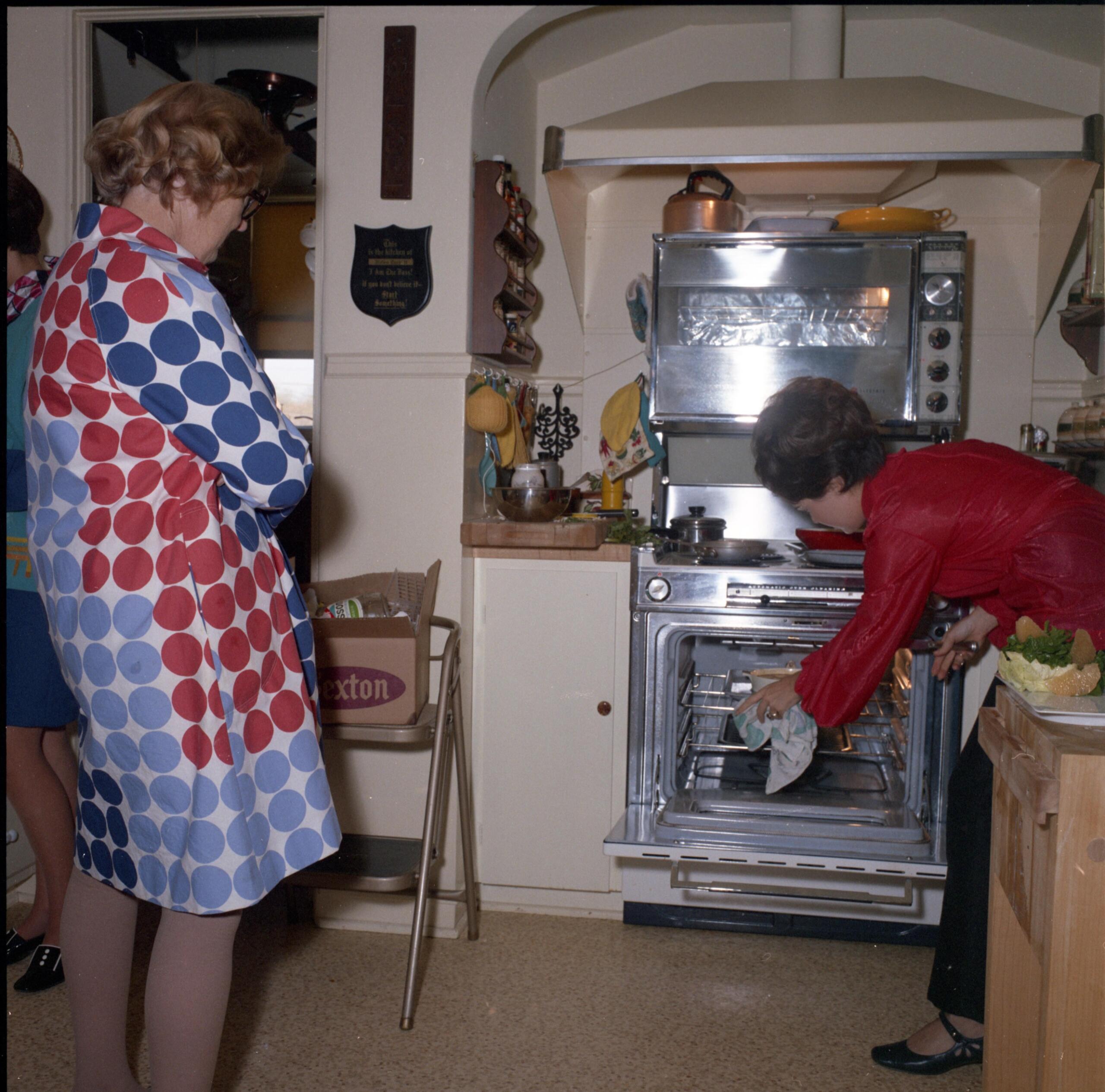
The real reason these boxes kept blowing is that the houses were being asked to do considerably more than they had been built for.
A home wired in the 1940s or 1950s had lighting, a refrigerator, a radio, an iron and perhaps a washing machine. By the mid-1970s the same wiring was serving a colour television, a second television, a freezer, a dishwasher, a clothes dryer, a window air conditioner, a toaster, a kettle, a hairdryer and a garage full of tools.
The wiring had not changed. The number of circuits had not changed – a lot of houses had four, six or eight, where a modern house has twenty or more. And the total capacity coming into the property was frequently a fraction of what is now standard.
So fuses blew constantly, and they were blowing for a perfectly good reason: the house was overloaded. The penny and the oversized fuse were attempts to silence a warning that was correct, which is the most dangerous category of shortcut there is.
The Breaker Panel Replaced It and the Difference Is Not Just Convenience
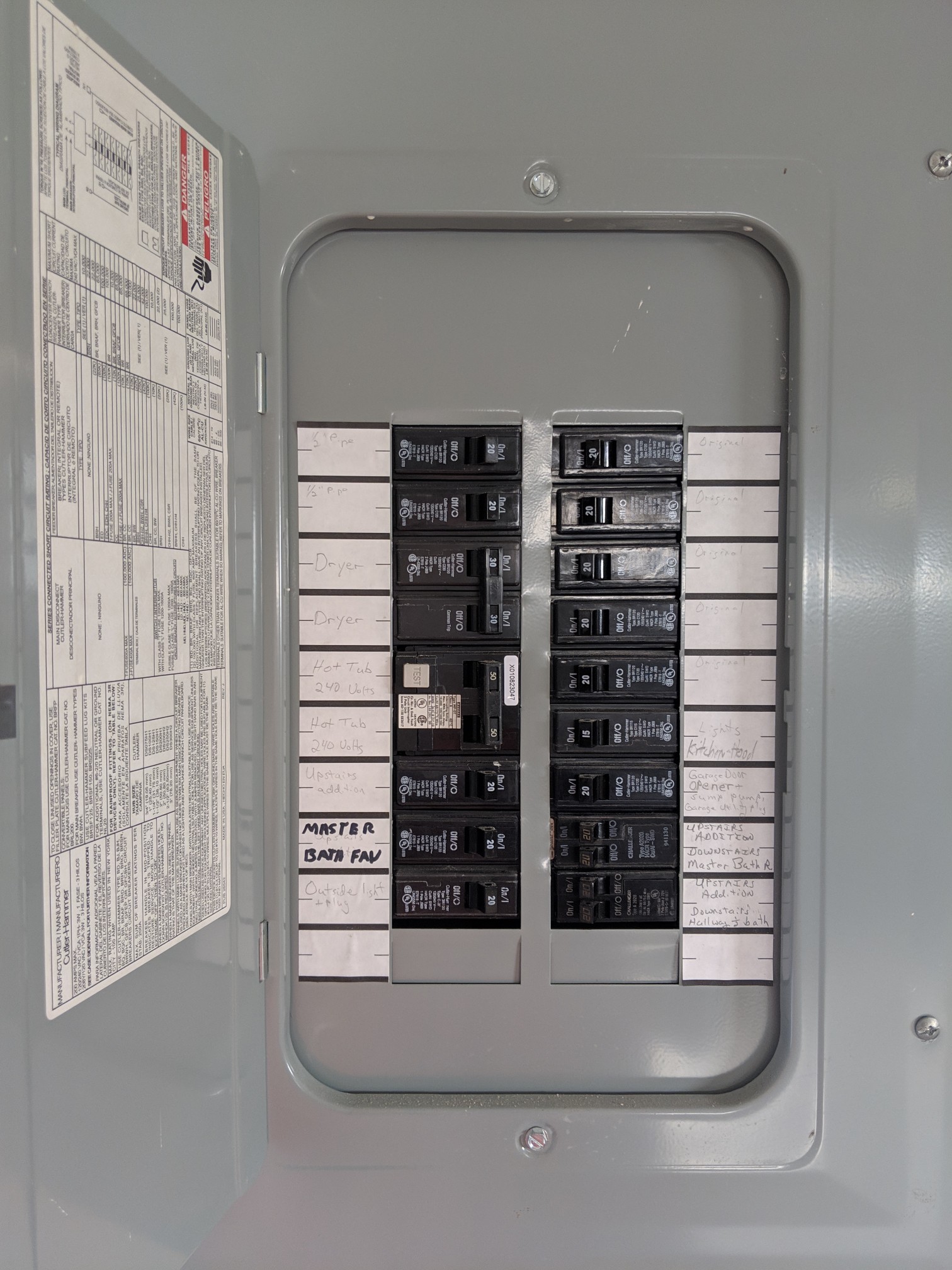
Circuit breakers do the same job by a different mechanism – a thermal or magnetic trip that opens a switch and can be reset by hand.
The convenience is obvious: no spares to buy, no fuse to find in the dark, no jar on the shelf, and a switch position that shows at a glance which circuit has gone.
The safety improvement is less obvious and larger. A breaker cannot be bridged with a coin. It cannot be swapped for a higher rating by a householder in the way a fuse can, because fitting a different breaker is a deliberate job requiring the panel to be opened. And the rating is printed on the lever where it is visible rather than on a small disc behind glass.
Later additions went further. Devices that detect current leaking to earth, and later ones that detect the signature of an arcing connection, protect against hazards a fuse was never able to address at all – because a fuse only responds to the total current, and a great many electrical fires and nearly all electrocutions involve currents far too small to blow one.
The Boxes Are Still Out There and That Is a Real Problem
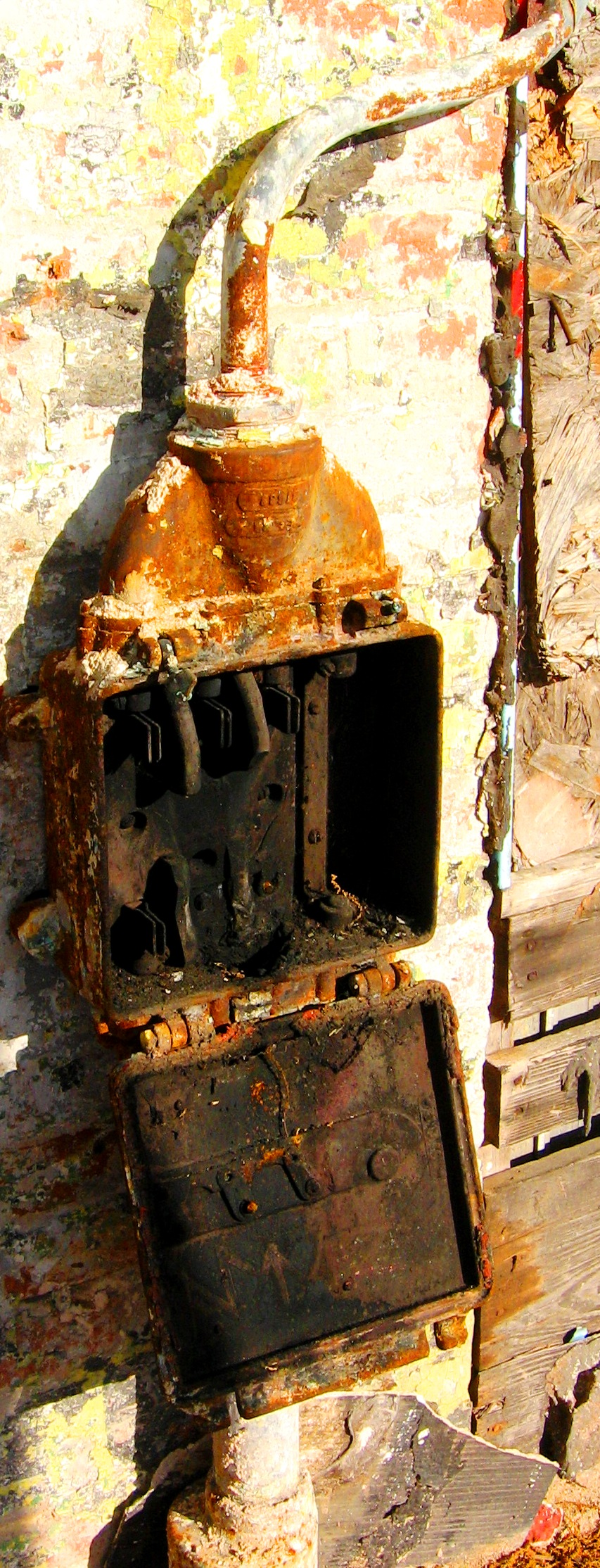
Fuse boxes were not recalled and did not stop working. A very large number of houses still have them, and the issue is not primarily the fuses.
It is what comes with them. A property that still has its original fuse box frequently also has its original wiring – cloth-insulated or early plastic cable, now sixty or seventy years old, with insulation that has become brittle. It frequently has too few circuits for modern use, no earth conductor on some circuits, and a service capacity sized for 1952.
And it has a history of somebody managing the blowing with larger fuses, which means the wiring may have been overloaded repeatedly for decades.
The practical position is straightforward and worth stating. A fuse box is not inherently unsafe and a working one with correct fuses is doing its job. What matters is the rest of the installation, and that is an assessment for a licensed electrician rather than something to judge from the front of the panel. Insurers and lenders increasingly ask about it, which is doing more to get these systems replaced than any safety campaign managed.
What It Really Represented Was a House You Were Expected to Maintain
The fuse box belongs to a category of domestic equipment that assumed the householder would intervene.
The box was reachable. The fuses were a consumable kept on a shelf. The expectation was that when something failed you would go down to the cellar with a flashlight and deal with it, in the dark, with the family waiting – and that you would know which circuit was which because you lived there.
Modern domestic systems are the opposite. A breaker panel is designed to be reset and otherwise left alone, and everything behind it is sealed, certified and explicitly not the householder’s business.
That is unambiguously safer and it has removed a kind of practical household competence that an entire generation possessed without thinking of it as a skill. The person who knew which fuse was the kitchen knew something about their own house that very few people know now.
They also, in a reasonable number of cases, knew the trick with the penny – which is precisely why nobody is nostalgic for the box itself.
Like our content? Follow us for more.