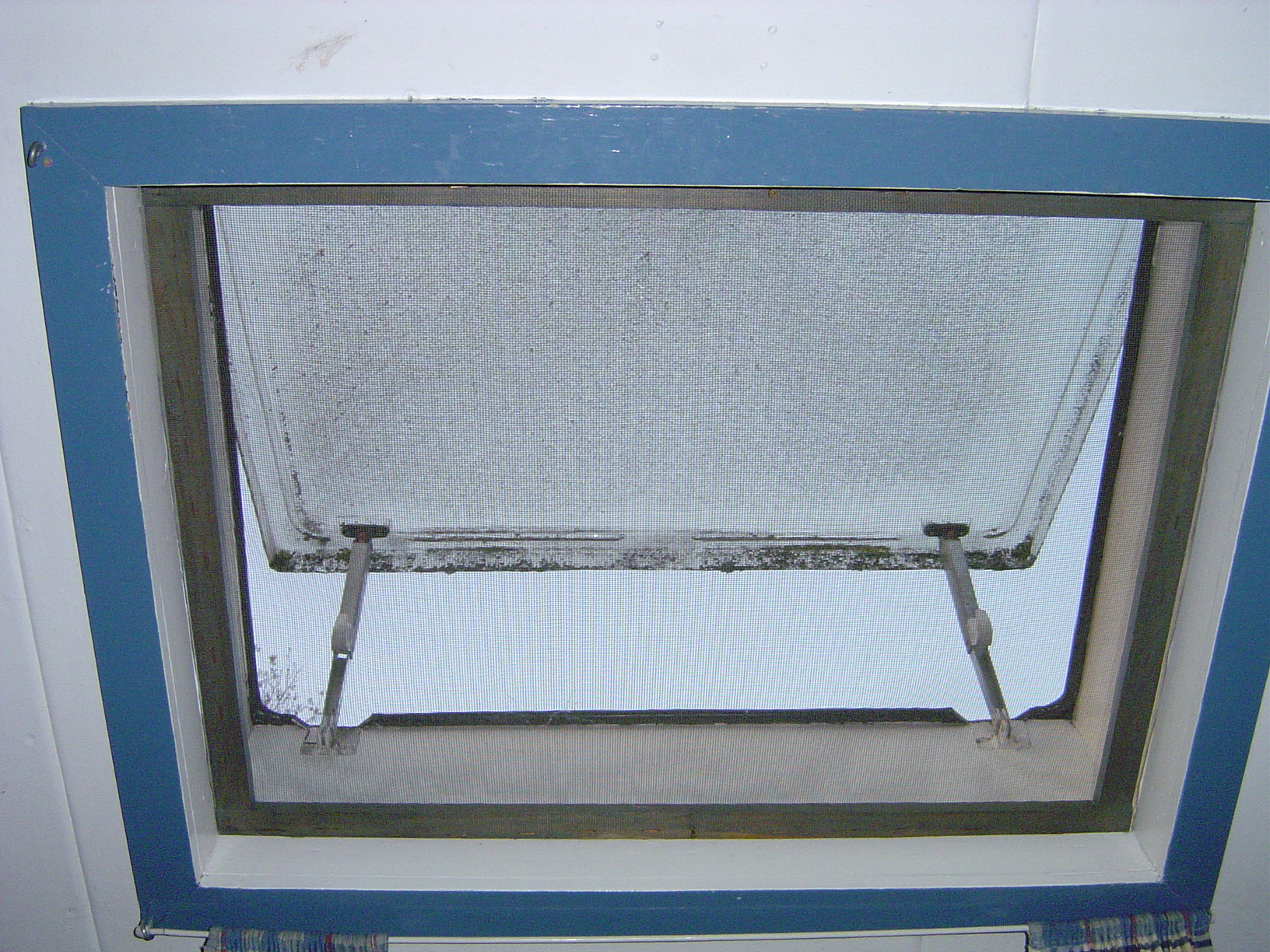
There Were Two Complete Sets of Windows and You Changed Them Twice a Year
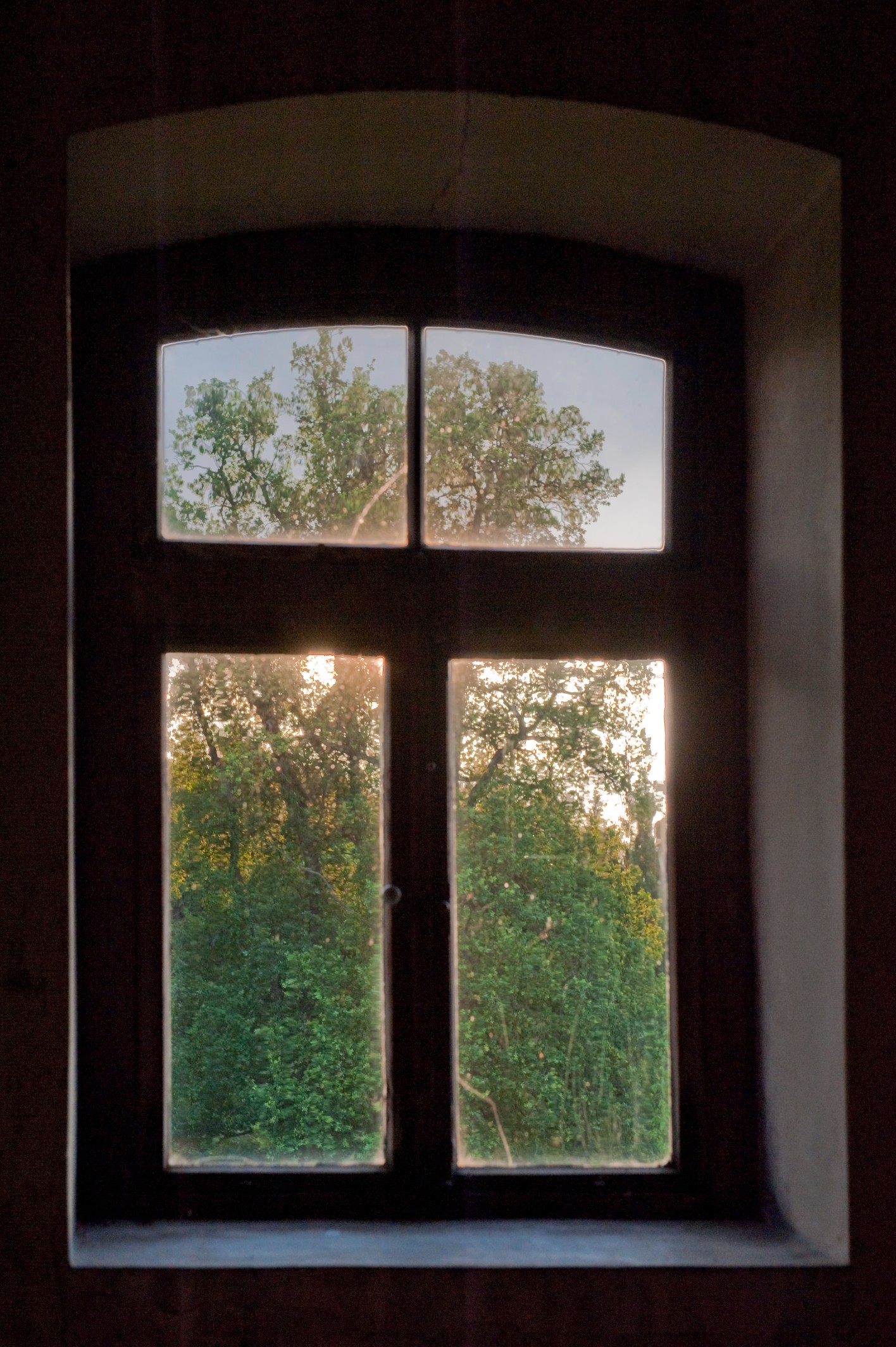
A house of this period had single-glazed windows, which in winter are close to useless – a single pane loses heat rapidly, runs with condensation and is cold enough to feel from across the room.
The answer was a second window: a separate wood-framed glazed panel, fitted over the outside of each opening in autumn and removed in spring, with insect screens going up in its place for the summer.
That meant a household owned two full sets of panels for every window in the house, and both sets had to live somewhere for half the year – stacked in a basement, a garage, a shed or along a wall of the attic, interleaved with newspaper or rags to stop the glass touching.
So the October job was not a small maintenance task. It was a weekend of carrying glass up and down stairs, twice a year, for the life of the house.
Like our content? Follow us for more.
Every Panel Was Numbered Because None of Them Was Interchangeable
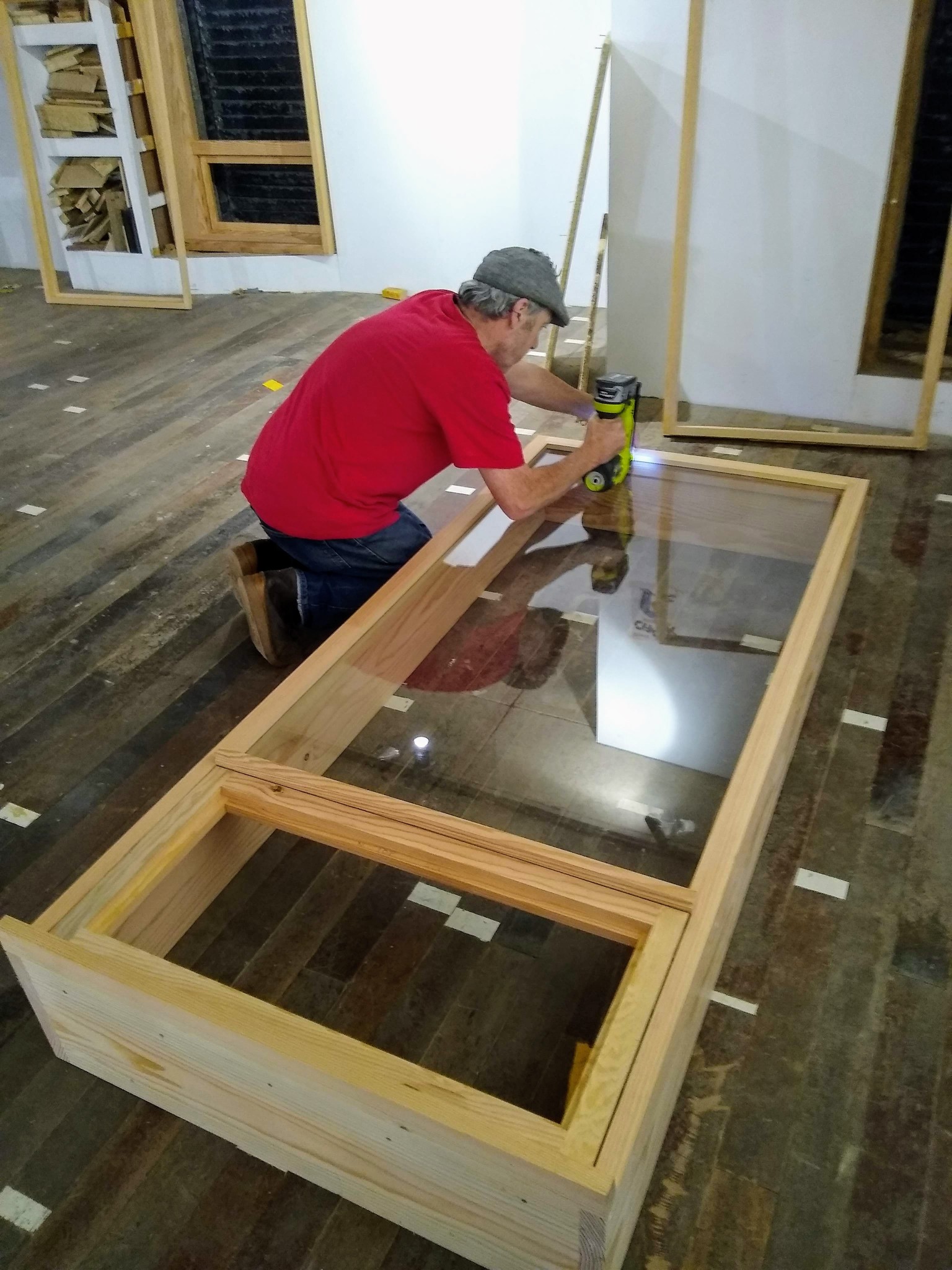
Houses of this age were not built to consistent dimensions. Openings varied by a quarter of an inch from one to the next, frames settled unevenly, and a panel made for the north bedroom would not seat properly anywhere else.
So every storm window was marked – a number in pencil or crayon on the frame, chalk on the glass, a punched metal tag, or in a well-organised household a painted code corresponding to a diagram taped inside the basement door.
Losing the numbering was a genuine disaster. A pile of thirty near-identical panels with no markings meant trying them in sequence against thirty openings in the cold, which is how a weekend job became a three-day job.
Every family therefore had a system, every system was slightly different, and the person who had devised it was the only one who fully understood it – which is a pattern that runs through almost all household maintenance of the period.
Getting Them Up Involved a Ladder and Somebody Standing Underneath
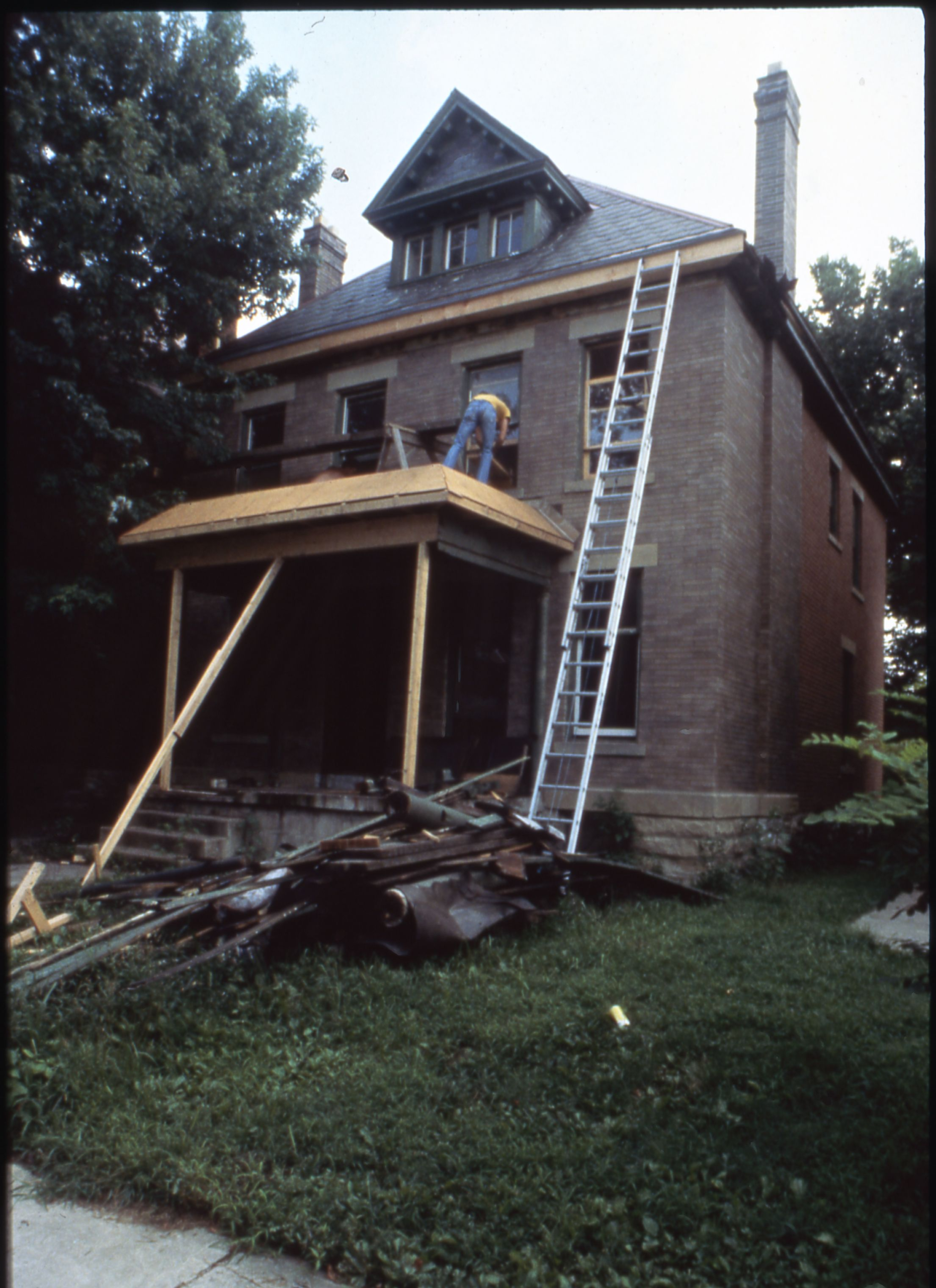
Upper-storey windows were fitted from a ladder, with the panel carried up by one person while another steadied the base and handed up the fixings.
The panels were heavy – timber frame and single glass – and awkward, with no handholds, and they had to be lifted into position above head height, located on hooks or into a channel, and secured with turn clips or screws while being held in place.
It is a two-person job done at height with glass, in October, which is a combination nobody would now approach without equipment and consideration, and which was performed by ordinary householders on a wooden ladder every autumn as a matter of routine.
The breakages happened. Every family had a pane that had gone at some point, and the replacement was cut to size at a hardware store from a measurement taken off the frame – which was itself a normal household errand rather than a specialist job.
The Gap Between the Two Panes Was the Whole Mechanism
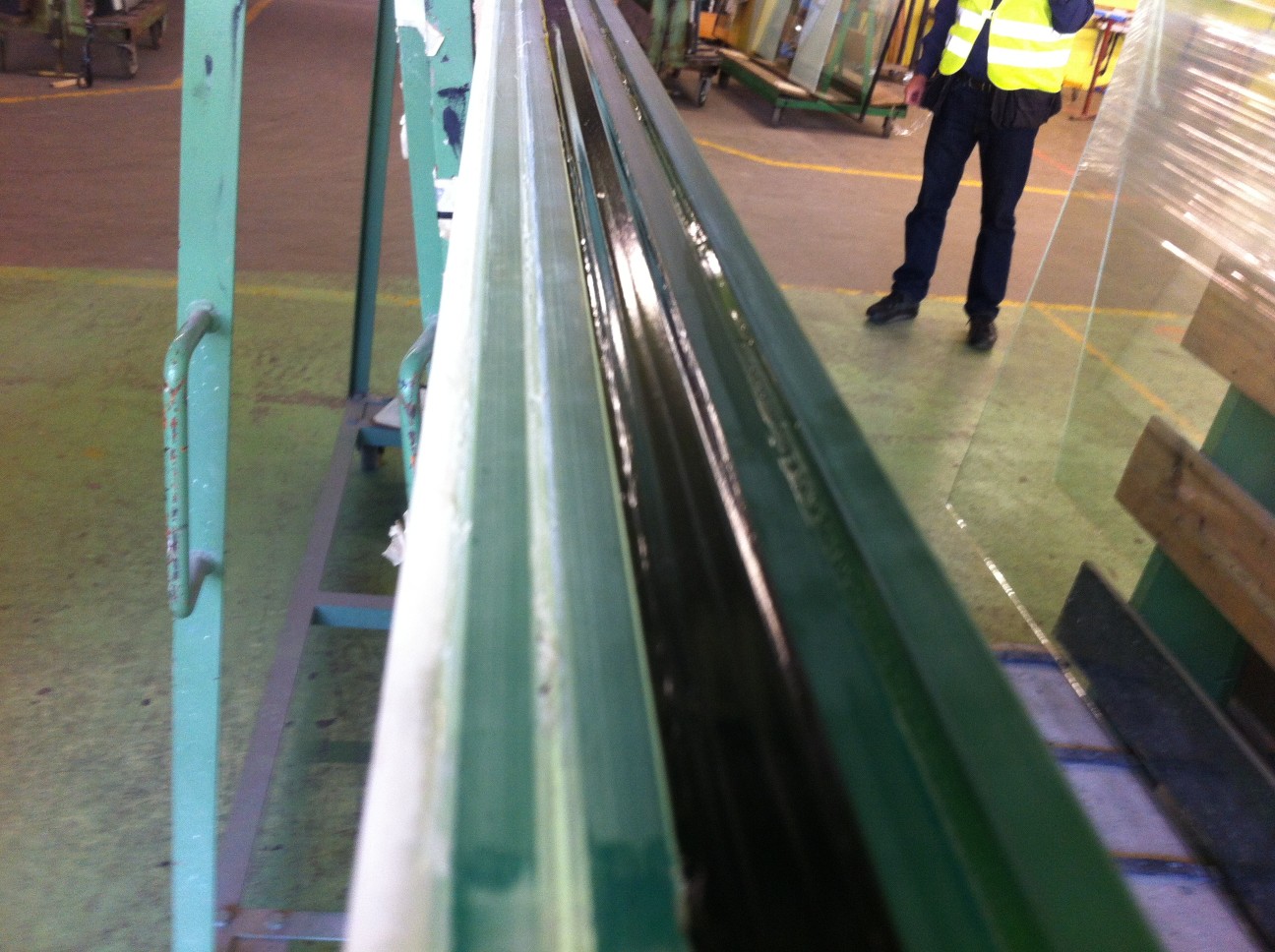
The insulation does not come from the extra glass. It comes from the air trapped between the two panes.
Still air is a poor conductor of heat, so a sealed layer of it between inside and outside substantially reduces the rate at which heat escapes. The glass itself contributes almost nothing – it is the gap that works, which is why the panel had to seal reasonably well around its edges to stop the air moving.
That is precisely the principle of a modern sealed double-glazed unit, which does the same thing permanently, with a controlled gap, dry air or an inert gas, and a factory seal.
So the storm window was not a crude predecessor of double glazing. It was double glazing, assembled by hand twice a year by the householder, with the gap sealed by a strip of felt and the accuracy of the fit.
The Condensation Told You Whether You Had Done It Right
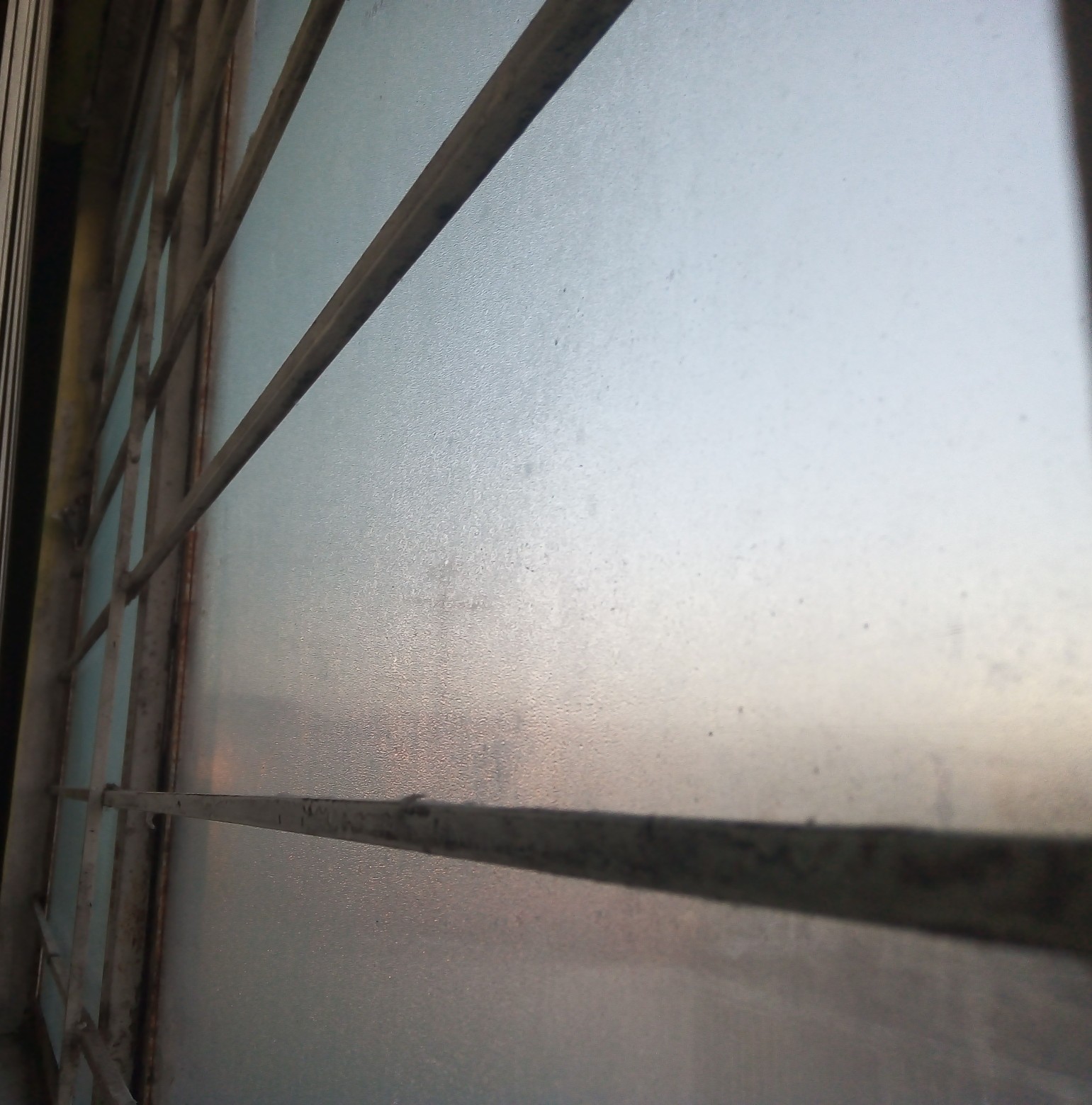
The diagnostic everybody learned was where the moisture formed.
Condensation on the inside of the inner window meant warm damp room air meeting a cold pane – the problem the storm window was there to prevent, and a sign it was not sealing.
Condensation between the two panes meant room air was leaking into the gap, which happens when the inner window is loose, and it was the common fault in an older house.
Frost on the outside of the storm window was the system working: the outer pane was cold because the heat was staying inside.
A household read all this without anybody explaining it, because the same patterns appeared in the same windows every winter, and the fix was weatherstripping, putty or a rolled towel on the sill – which is a genuine piece of practical building science acquired entirely by observation.
Spring Reversed the Whole Thing and Nobody Enjoyed That Either
In April the panels came down and the screens went up, which was the same job in reverse with the same ladder.
The storm windows then had to be cleaned before storage – because glass stored dirty for six months is far harder to clean later – and stacked where nothing would fall on them.
The screens brought their own work: patching holes with a kit or a square of mesh, re-splining the rubber cord that holds the mesh in the frame, and washing off a winter of basement dust.
The summer configuration mattered as much as the winter one. A house with no air conditioning depends completely on cross-ventilation, and a screen that lets you leave a window open at night without the room filling with insects is the difference between a tolerable July and an intolerable one.
The Job Had a Fixed Place in the Year and Everybody Knew When
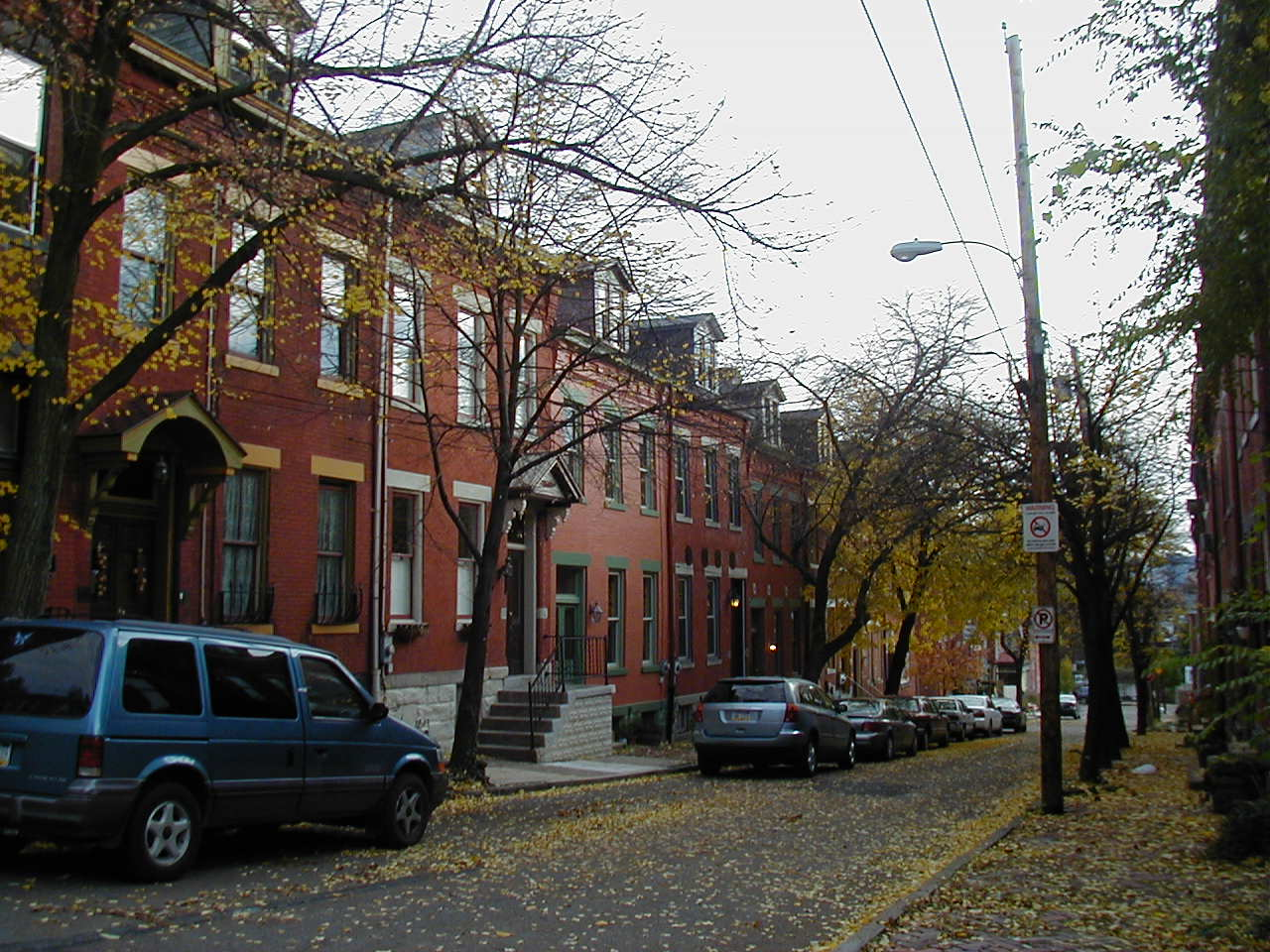
The timing was not decided by anybody. It was decided by the first cold night, and the whole neighbourhood responded to the same signal within about a week.
October was the month in most of the country – after the last warm spell, before the first hard frost, on a dry weekend because handling glass in rain is worse and because the frames needed to go on clean. Leave it too late and you were doing it in sleet; do it too early and the house was stuffy through a warm fortnight with no ventilation.
That gave the task a social dimension nobody arranged. Ladders appeared on the same street on the same Saturday, neighbours helped each other with the upstairs panels because two people are needed, and the sight of storm windows going up was the visible announcement that summer was over – more reliably than any date, and considerably more reliably than the weather.
April reversed it on the same logic, and the screens going up was the corresponding signal in the other direction.
A great many people who grew up with this describe the year as having had four distinct configurations rather than four seasons, and the house itself as being the thing that told you where you were in it.
Aluminium Combination Units Ended the Ritual Before Double Glazing Did

The change most households actually experienced was not replacement windows. It was the aluminium combination storm.
These were permanent outer frames, fitted once, containing two glass panels and a screen in tracks, so that changing from winter to summer configuration meant sliding a panel up or down from inside or outside the window – a job of seconds rather than a weekend.
They were cheaper than new windows, could be fitted to an existing opening, and removed the carrying, the ladder, the numbering, the storage and the breakages in one step. They spread rapidly through the 1960s and 1970s and are still on an enormous number of houses.
Sealed double-glazed replacement windows then took the market from the combination unit by removing the job entirely and performing better – but the ritual had already gone by then, killed by a sliding aluminium frame rather than by anything more impressive.
What Went With It Was a Household That Knew Its Own Building
The twice-yearly job produced a particular kind of knowledge.
A person who has carried every panel in a house up a ladder and fitted it knows which openings are out of square, which frames have rot starting at the bottom rail, which sill holds water, where the draughts come in and which room is cold because of the window rather than because of the heating.
That information is not available to somebody whose windows were installed by a contractor and have not been touched since, and it is genuinely useful – it is the difference between knowing a house and occupying one.
The job itself was heavy, cold, mildly dangerous and universally disliked, and nobody should want it back. But it is worth noticing that an annual obligation to handle every window in the building was also an annual survey of the building, carried out by the person who lived there, whether they intended it or not.
Which is why people who grew up doing this can still tell you, fifty years later, which window in their childhood house was the bad one.
Like our content? Follow us for more.