

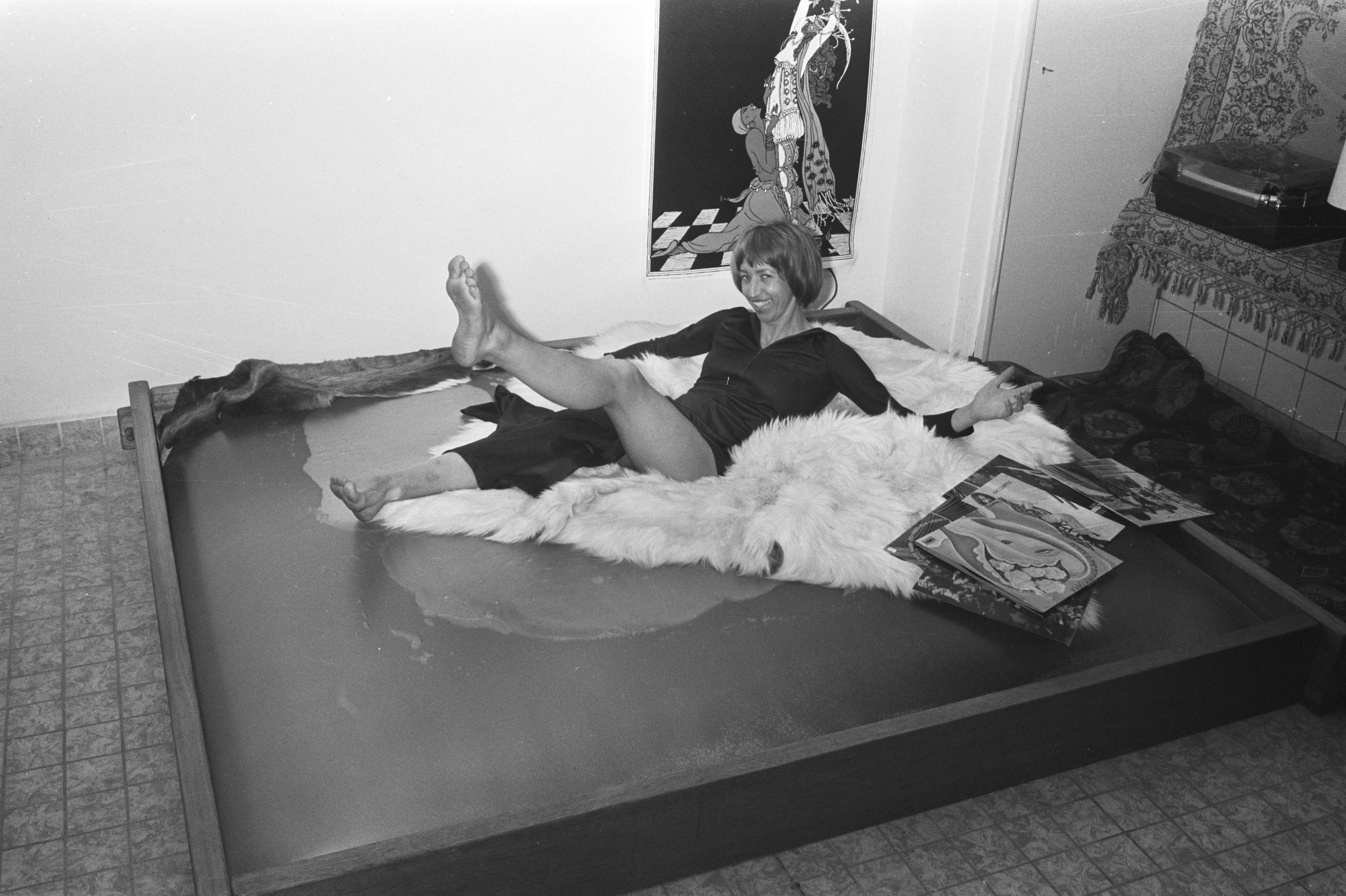
In 1974 a great many American bedrooms contained roughly two hundred gallons of water, held at body temperature, inside a vinyl bag, on a pine pedestal.
Filling it meant a garden hose through the window and three hours of waiting. The heater under it ran continuously for the life of the bed. You added a chemical every few months to stop the water going off. And the lease on a lot of apartments specifically forbade it.
Here are fourteen things nobody warned you about the waterbed, and what eventually replaced it.
Like our content? Follow us for more.
1. It Weighed More Than a Small Car and Nobody Mentioned That
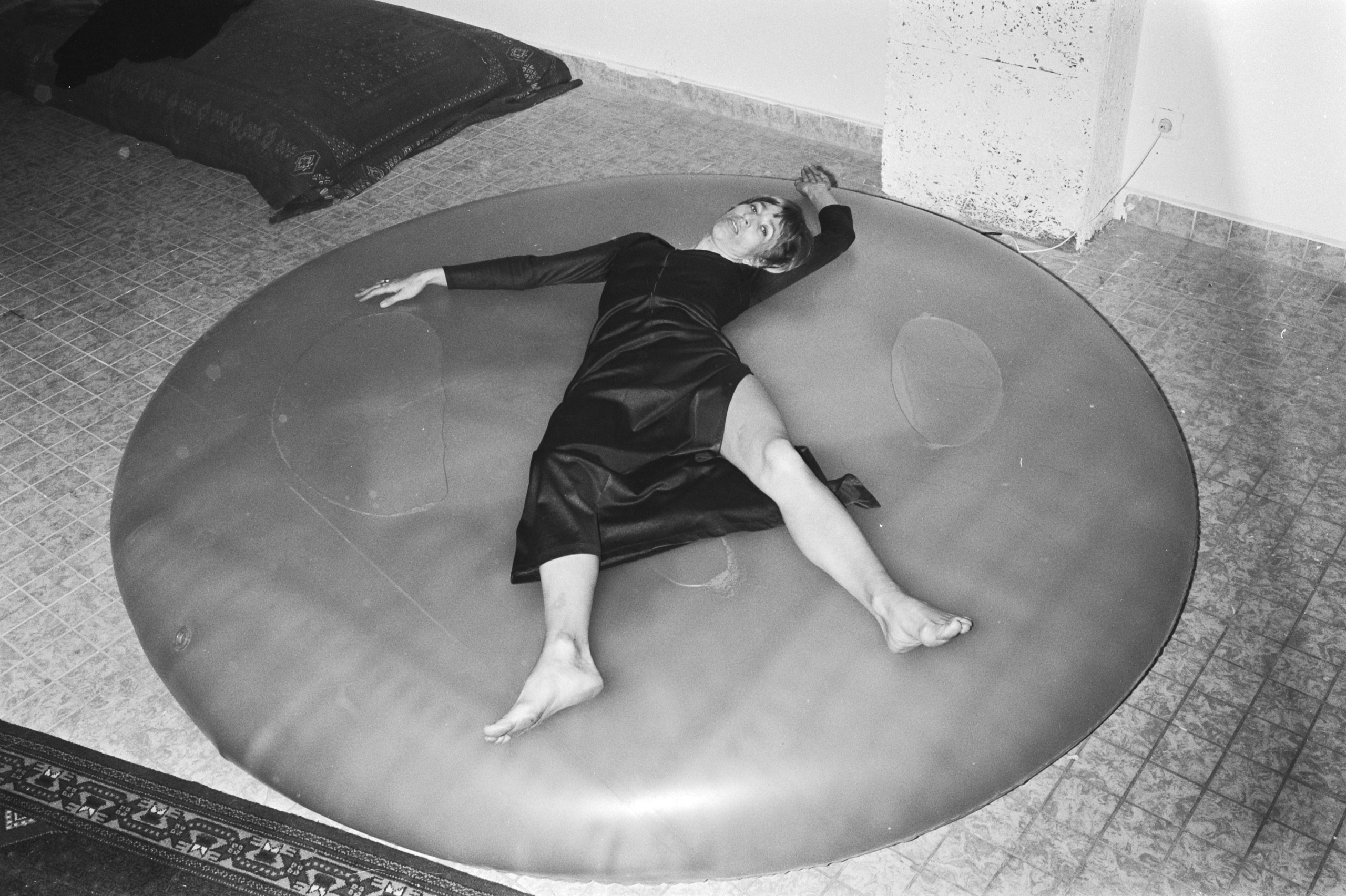
Water weighs a little over eight pounds a gallon, and a full-size waterbed holds somewhere between a hundred and eighty and two hundred and thirty gallons – so a filled bed, with frame and heater, ran well over fifteen hundred pounds.
Mattresses weighing under a hundred and fifty pounds that two people can carry upstairs. The weight was the single most consequential fact about a waterbed and it appeared nowhere in the advertising.
The reassurance offered at the time was that the load is spread over the whole footprint of the bed, which is true and is why most floors coped. It is also why the question got waved away rather than answered, because whether a particular floor in a particular building could take it was not something a furniture salesman could possibly know.
2. Filling It Took Hours and Involved a Hose Through the Window
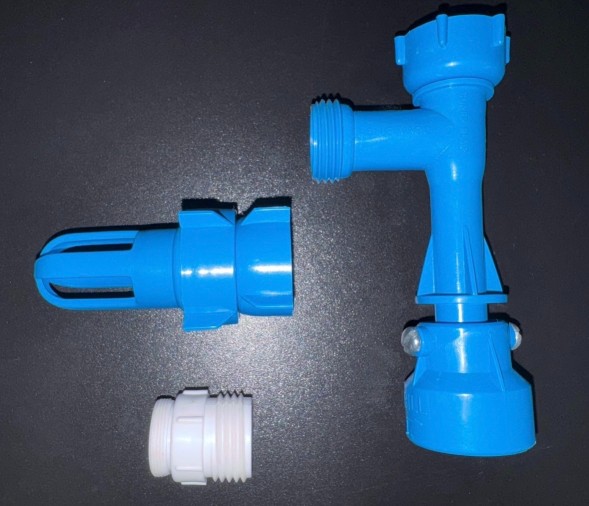
You ran a garden hose from an outside tap or a laundry sink, in through a window or along a hallway, into a fill valve on the mattress, and waited – commonly two to four hours for a full-size bed.
Unrolling a mattress and waiting a day for it to expand. The fill was a household event requiring somebody present throughout to watch the level and shut it off.
And the hose was never long enough or the tap was never close enough. Accounts of this all contain the same elements: a hose threaded through a bedroom window, somebody shouting from the yard, a towel round the valve, and at least one moment where the water went somewhere it was not meant to.
3. There Was a Heater Under It and It Ran All the Time
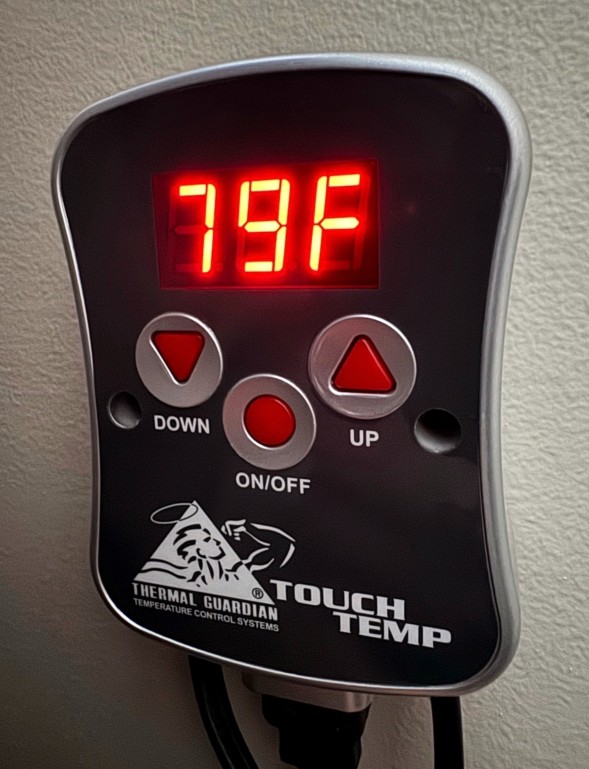
A thin electric heating pad sat between the mattress and the frame, controlled by a thermostat, holding the water at body temperature or a little below – because a quarter of a ton of unheated water is extremely cold to lie on.
Mattresses at room temperature that warm to the body in minutes. The heater was not an accessory, it was mandatory, and it was on continuously for the life of the bed.
Which is a running cost that nobody calculated in advance. You are holding two hundred gallons of water at around thirty degrees Celsius, in a bedroom, continuously, for years – and households noticed it on the electricity bill without always connecting it to the bed.
4. The Warmth Was the Actual Reason People Bought Them
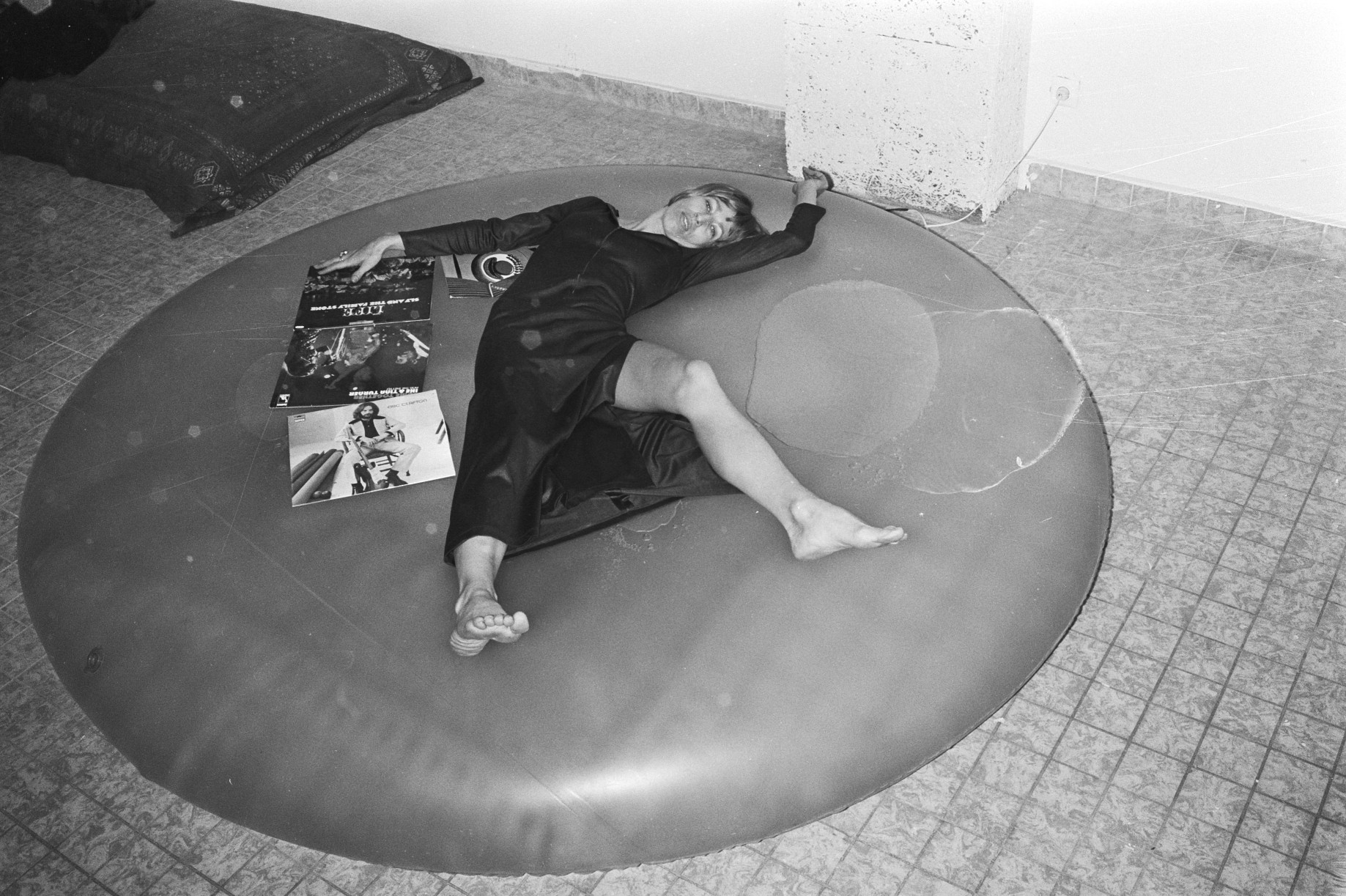
The selling points talked about pressure distribution and spinal support, but what sold the bed in practice was that it was warm all the way through, evenly, every night.
Heated mattress pads and electric blankets, which deliver the same thing at a fraction of the cost and weight. The even deep warmth was genuine and was the thing owners defended most.
It is the part of the appeal that holds up best. A heated water mass does not have cold spots, does not need warming up and does not cool down where you are not lying – and people who had one in a house with poor heating in a northern winter remember it as the warmest they have ever been indoors.
5. The First Ones Had No Baffles and You Moved in Waves
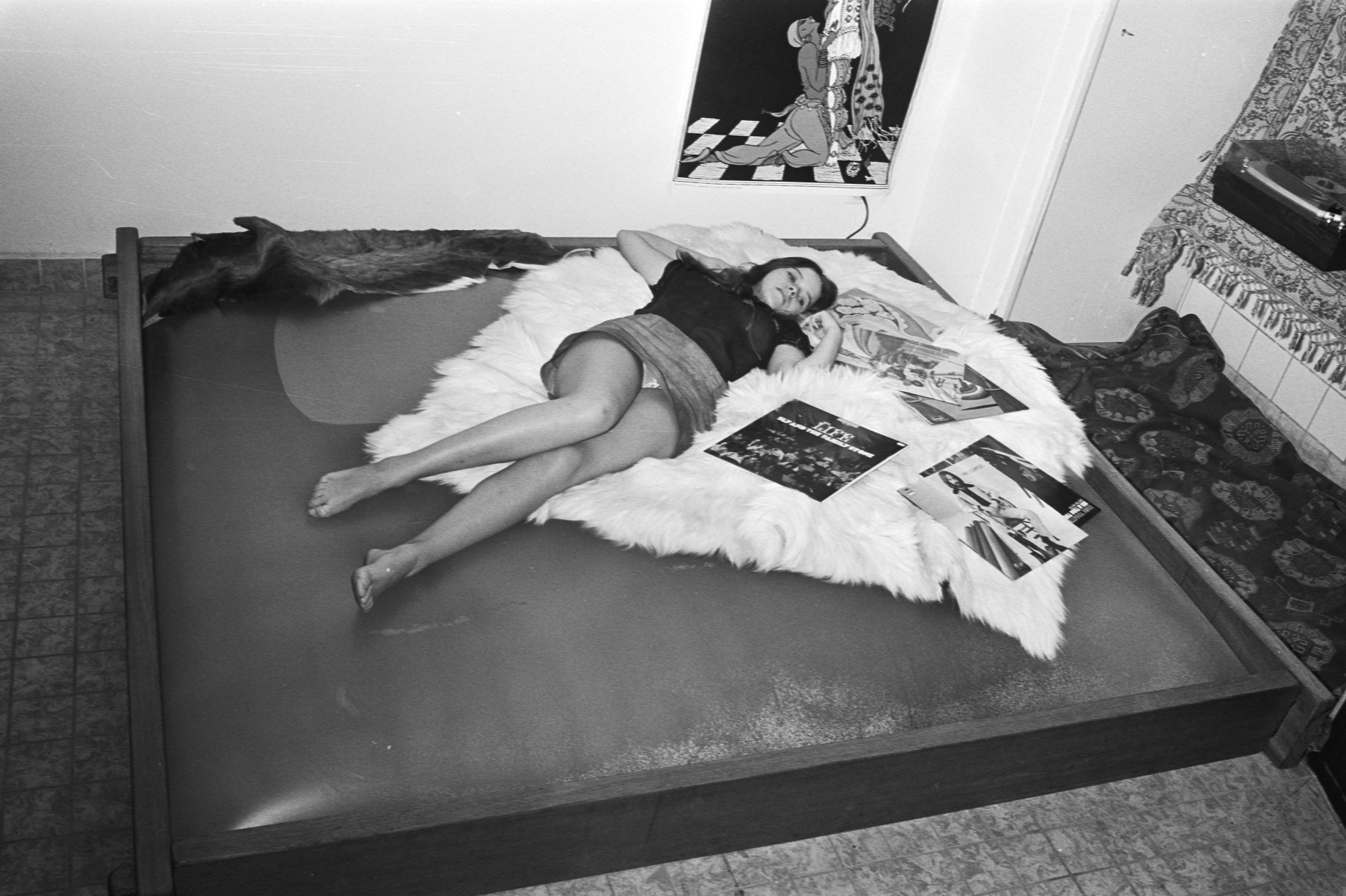
Early mattresses were a single open bladder of water, which meant any movement propagated across the whole surface and kept moving – so one person turning over set the other rocking for several seconds.
Nothing comparable. Baffled and fibre-filled mattresses came later and damped the motion progressively, with the best of them behaving almost like a conventional mattress.
The free-flow version was the one everybody mocked and the one that sold first. Getting out of it required a technique, sitting on the edge produced a surge, and the standard complaint from couples was not comfort but that the bed reported every movement either of them made, all night.
6. You Had to Add a Chemical to the Water Every Few Months
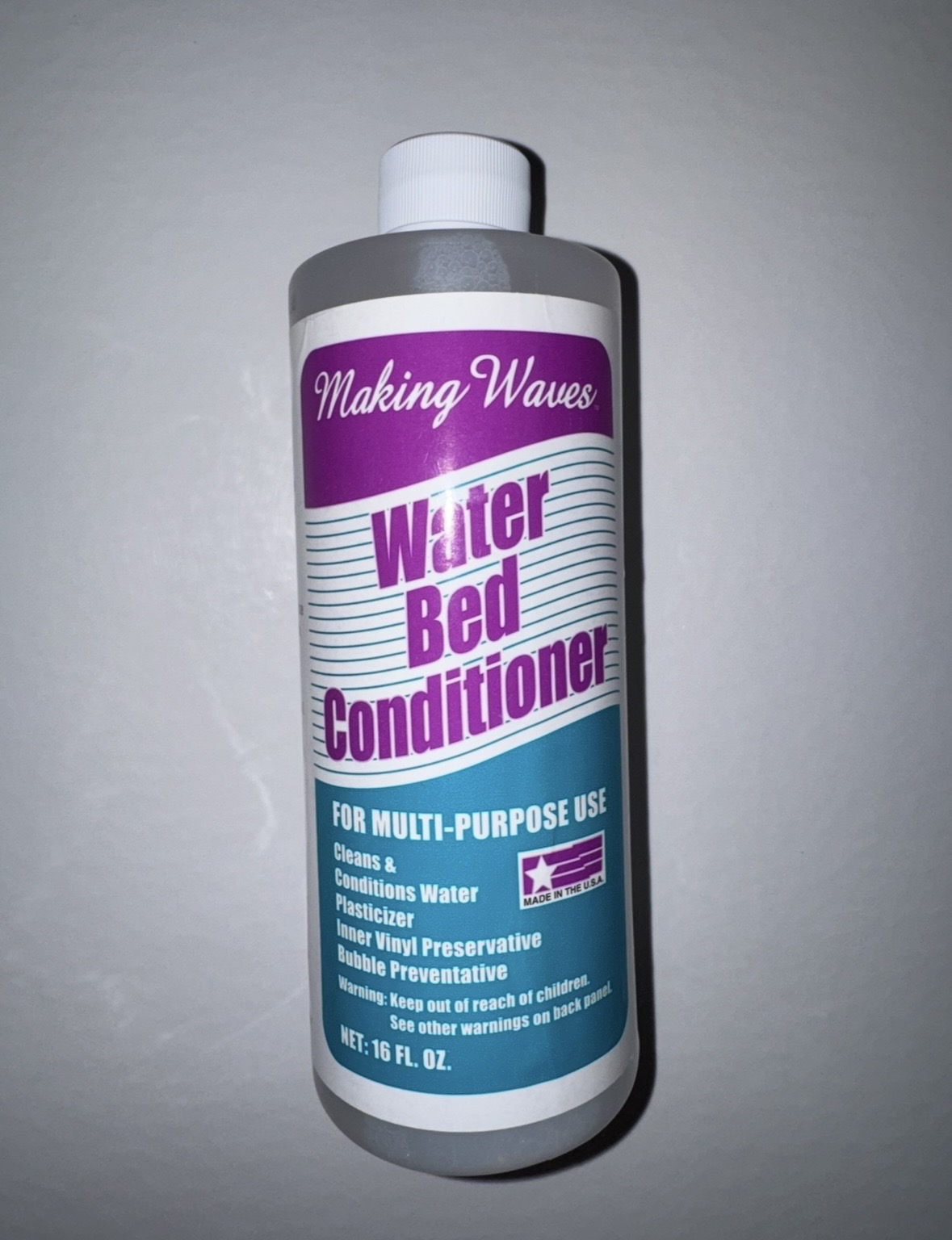
Waterbeds required a conditioner – added through the fill valve on a schedule – to control algae and bacterial growth in a warm sealed volume of standing water.
No maintenance of any kind. The conditioner was sold alongside the bed and skipping it produced exactly what you would expect in two hundred gallons of warm standing water.
Owners who neglected it found out through the valve. The water darkened, developed a smell, and in bad cases the vinyl itself was affected – and since draining and refilling was most of a day’s work, the conditioner schedule was one of those household chores that was taken seriously only once.
7. Leaks Were the Thing Everybody Asked About First
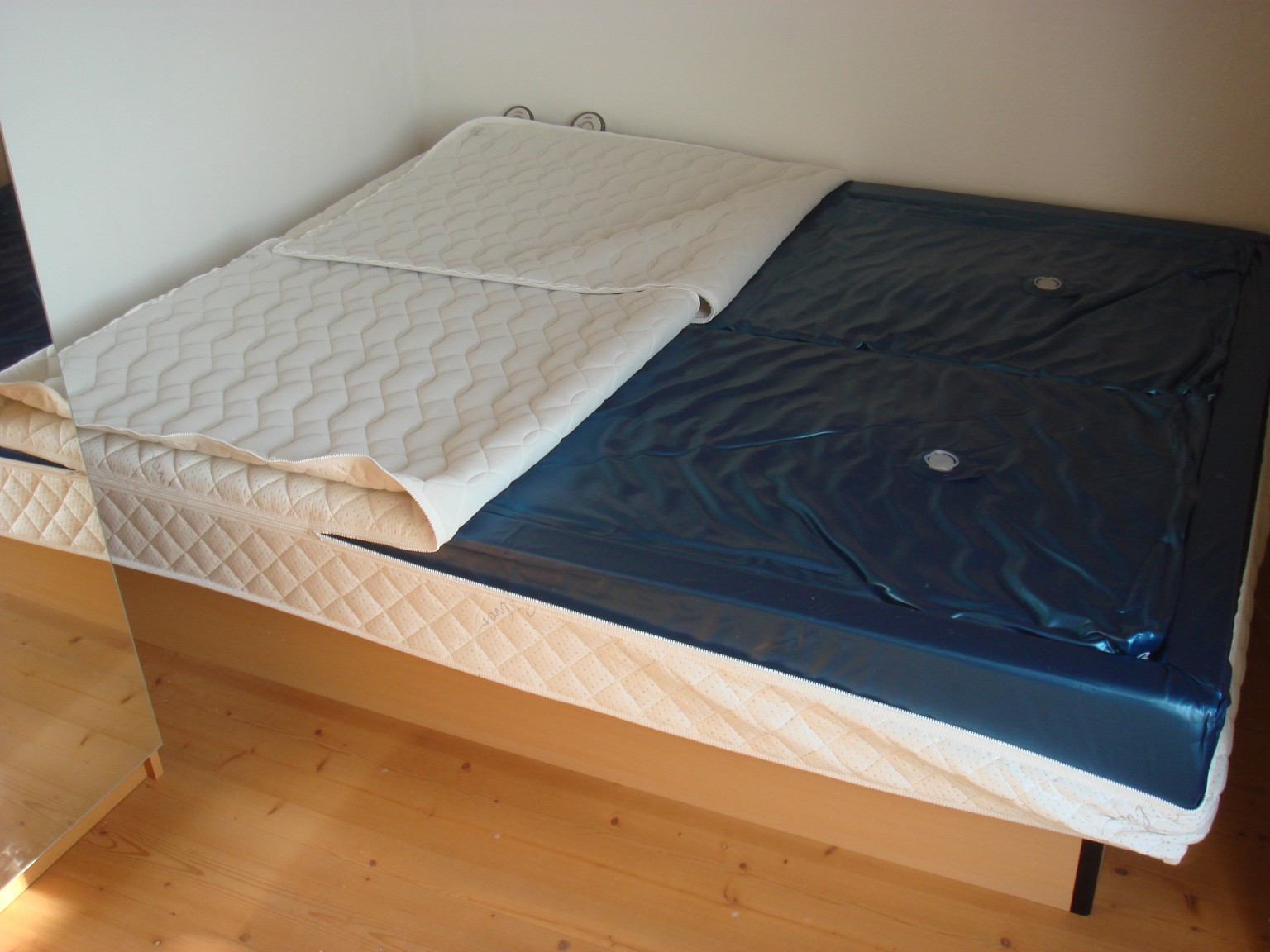
The mattress was heavy-gauge vinyl, seam-welded, and punctures happened – from a dropped earring, a pet’s claws, a bed frame screw or simply a seam failing after years of flexing.
Mattresses that cannot leak. The standard answer was a patch kit, supplied with the bed, and a safety liner – a separate vinyl tray inside the frame designed to contain the entire volume if the mattress failed.
The liner is the detail that shows how seriously the risk was taken. A full mattress failure releases most of a ton of water into a bedroom, which is a genuinely serious event in any building, and the industry’s answer was a second vinyl bag underneath big enough to hold all of it – which worked, provided somebody had fitted it and had not punctured that too.
8. Landlords Banned Them, in Writing, in the Lease

Rental agreements across the country added clauses prohibiting waterbeds, and many buildings refused them outright – particularly anything above the ground floor.
No such clause exists because no such product does. The prohibitions were about floor loading and about water damage to the units below, and some jurisdictions later restricted the blanket bans where insurance was carried.
Which made the bed a marker of housing status in a way nobody intended. If you owned your house you could have one; if you rented an apartment you very often could not – so the waterbed ended up concentrated in houses and in ground-floor units, and the people most attracted to it were frequently the people least able to have one.
9. Moving House Meant Draining It, Which Took Longer Than Filling It
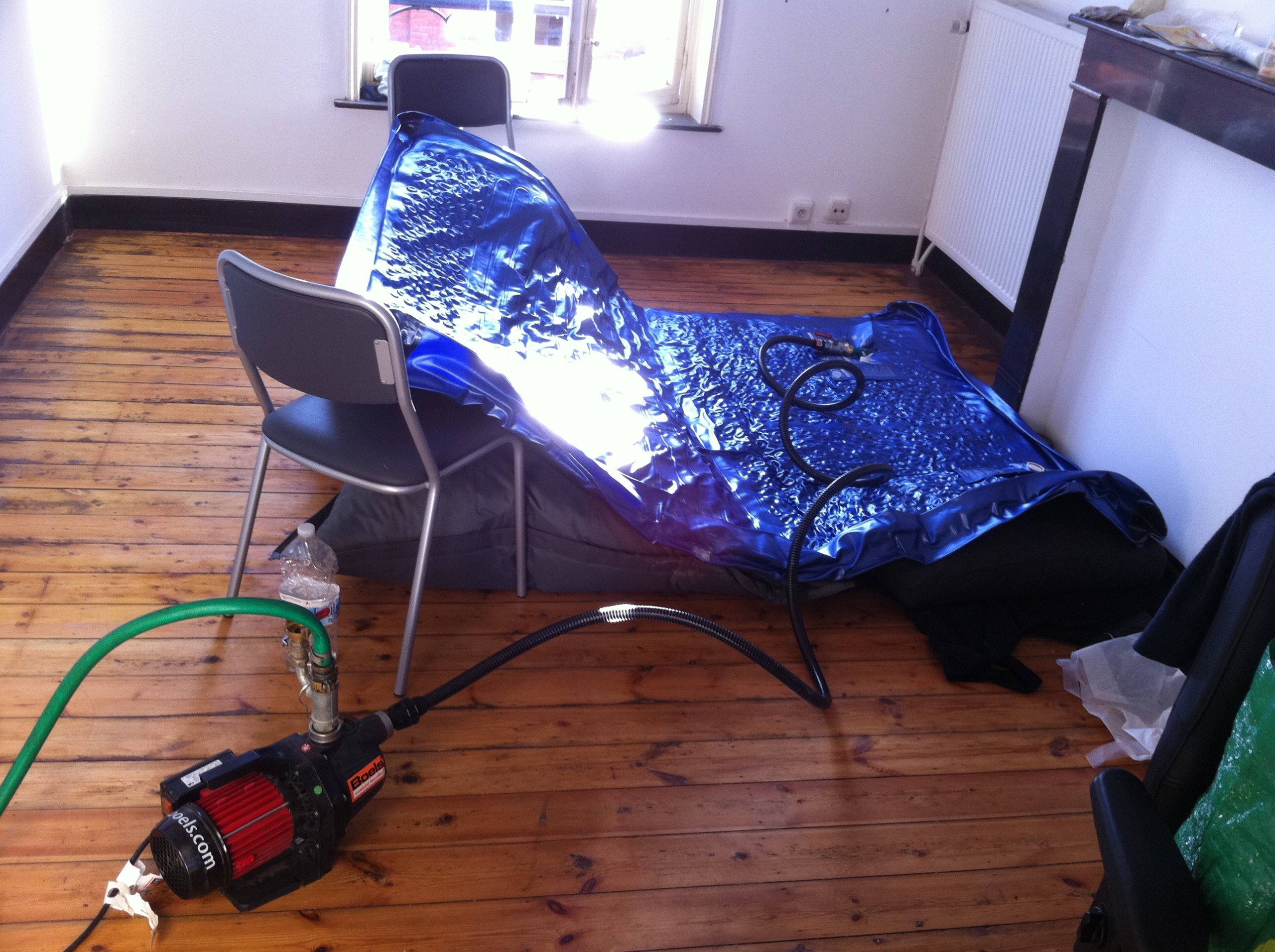
Relocating required siphoning or pumping out the entire volume – several hours with a pump, considerably longer by gravity – then folding a large wet vinyl bladder, dismantling the frame, and doing the whole fill again at the other end.
Carrying a mattress out of the door. The drain-and-refill cycle meant a waterbed added most of a day to each end of any move.
It is the reason so many were abandoned in place. Faced with a full day of pumping, folding and refilling, a household moving house frequently drained it, left it, and bought a conventional mattress – and the bed’s own weight is what eventually removed it from the market one household at a time.
10. The Frame Was a Pine Box That Filled the Whole Room
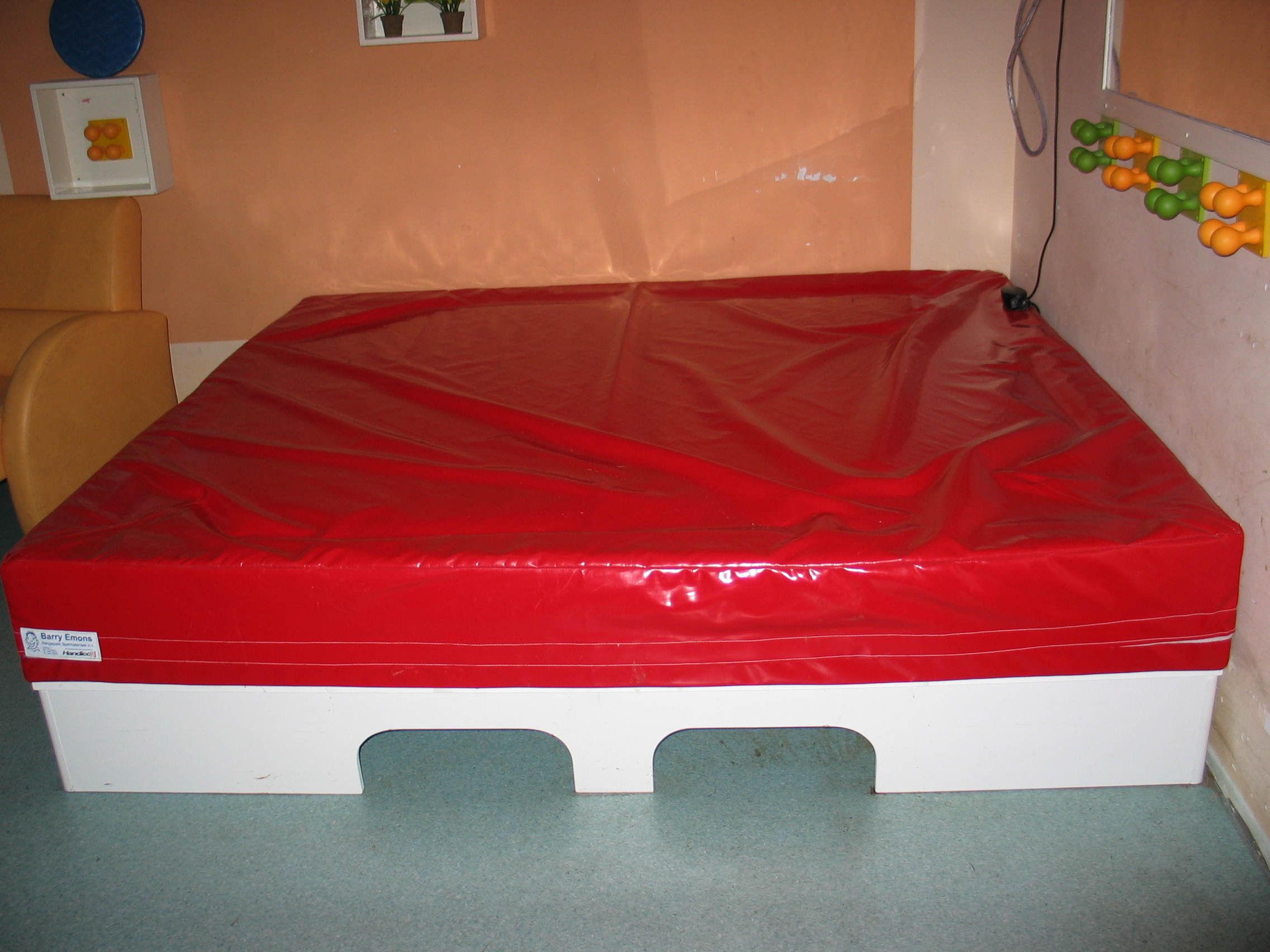
The mattress sat inside a heavy pine or particleboard frame with a plywood deck on a reinforced pedestal base, and the whole assembly was substantially bigger in footprint than the sleeping surface.
Low profile frames and platform beds sized close to the mattress. The frame existed to contain the water and had to be strong enough to hold it, which made it bulky by necessity.
The pedestal base is why these beds dominated a bedroom. They sat high, they had a wide rail all round that you barked your shins on, and the drawers built into the base were the one genuinely useful feature – which is the part that survived into the platform beds people buy now.
11. The Sheets Did Not Fit and You Bought Special Ones
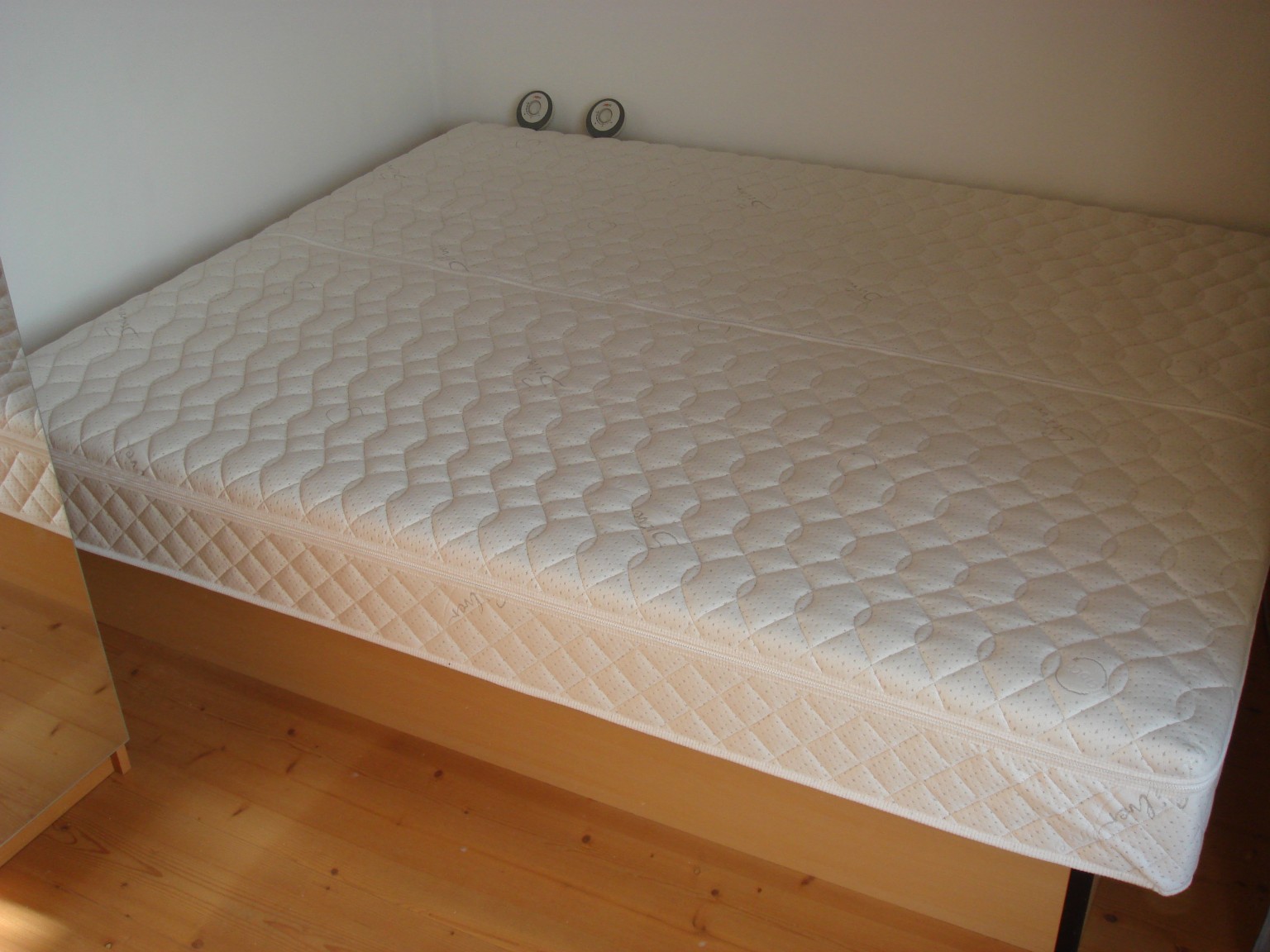
Standard fitted sheets would not stay on a mattress that has no firm edges and changes shape under a body, so waterbed sheets were sold with deeper pockets, attached skirts or corner straps.
Standard bedding in standard sizes. The sheet problem was a small recurring expense and a standing annoyance, since the specialist sizes cost more and came in fewer patterns.
It is a good illustration of how a new product drags a supply chain behind it. A bed that does not work with existing sheets needs its own sheets, its own heater, its own conditioner, its own patch kit and its own frame – and each of those is a reason the thing was more expensive to own than the headline price suggested.
12. It Was Marketed as Therapeutic and the Claims Ran Ahead of the Evidence
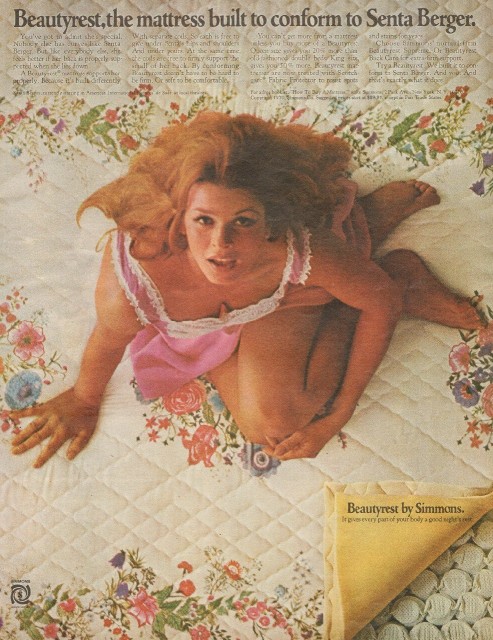
Advertising emphasised even support, pressure distribution and relief for the back, and the beds were widely sold on health grounds as well as comfort.
Mattresses marketed on comfort and on specific features, with therapeutic claims more constrained. Water does distribute pressure evenly, which is why water surfaces are genuinely used in some clinical settings for pressure relief.
But the leap from that to a household bed being better for an ordinary back was not supported, and is not now. What a waterbed reliably delivers is even pressure and warmth; whether that suits a particular person’s back is individual, and anybody with a back problem should be asking a clinician rather than a furniture advertisement – which is as far as this piece will go on it.
13. Everybody Knew Somebody Whose Bed Had Failed
The waterbed disaster story circulated constantly – a leak, a ruined floor, a neighbour’s ceiling – and was a standard piece of conversation whenever anybody mentioned buying one.
No equivalent anxiety attaches to a mattress. The stories were a mixture of genuine incidents, exaggeration and secondhand retelling, and they did real commercial damage.
The reputational effect outran the actual failure rate, which is how these things work. Most waterbeds never leaked, most owners were satisfied, and the surviving cultural memory is almost entirely of the catastrophes – because a mattress that quietly works for eleven years is not a story anybody repeats.
14. Then Foam Offered the Warmth and the Support With None of the Water
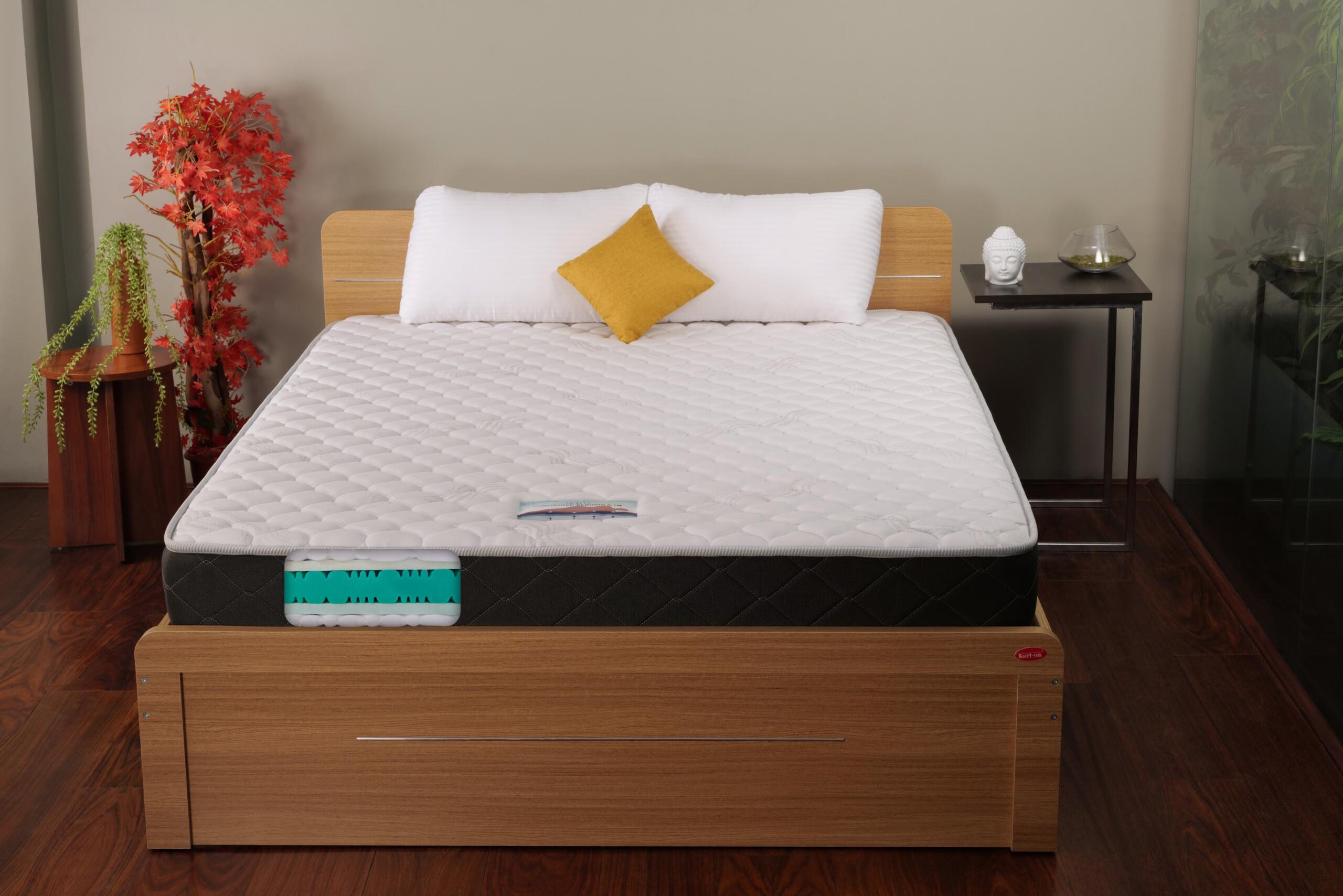
The whole proposition rested on water being the only material that would conform evenly to a body and hold heat right through – and on buyers accepting a ton of weight, a heater, a chemical schedule, a special frame, special sheets and a leak risk to get it.
Memory foam and modern pocket-spring construction conform closely without water, and a heated mattress pad supplies the warmth for a few dollars of electricity – so every benefit became available with none of the costs.
That is the whole explanation and it needs no cultural account. The waterbed was not defeated by taste or by its own reputation, although both hurt it. It was a clever answer built from the only material available in 1970 that would do the job, and when materials science produced something that conformed as well while weighing eighty pounds, needing no plumbing, fitting standard sheets and being impossible to puncture, there was nothing left to argue about. The water was never the point. It was just the only thing that worked.
The Water Was Never the Point
The waterbed is remembered as a fad, which is the wrong frame. It was an engineering solution, and it was a reasonable one given what was available.
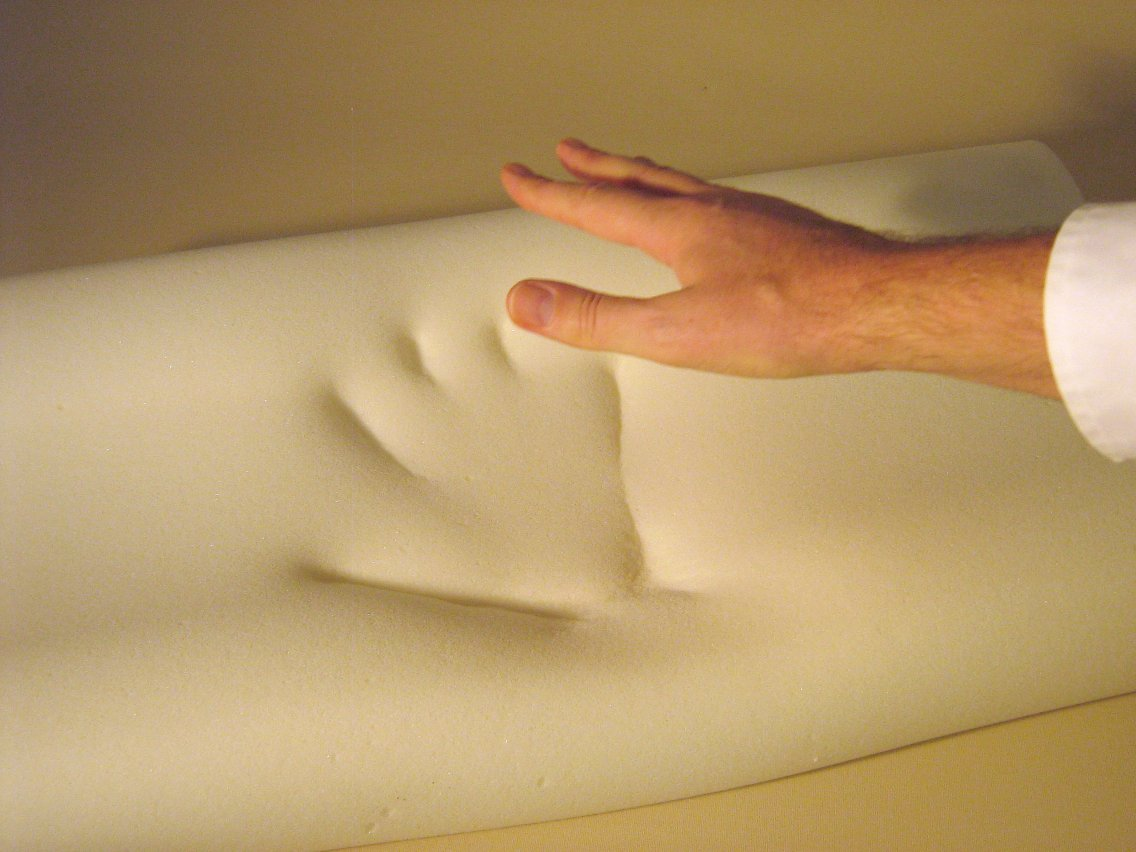
The problem it solved is real: a conventional mattress supports a body unevenly, concentrating pressure at the hips and shoulders, and it is cold where you are not lying on it. Water solves both at once. It conforms exactly to whatever shape is on it, distributing pressure evenly by the simple physics of a fluid, and a heated mass of it is uniformly warm all the way through with no cold spots and no warming-up period.
In 1970 there was no other material that would do that. Foam was either too firm or collapsed; springs are springs. If you wanted even conformance and deep even warmth, water was the answer, and the people who bought these beds were not being foolish – they were buying the only thing that delivered it.
The costs they accepted to get it were enormous, and this list is mostly a list of them. Fifteen hundred pounds. A hose through a window. A heater running continuously for years. A chemical schedule. A safety liner against a failure that would put most of a ton of water through a floor. A frame that dominated the room. Sheets that had to be bought specially. A lease clause. A full day’s work at each end of every move.
People paid all of that, and the reason is in item four: it was warm. In a house with inadequate heating in a northern winter, that was worth a great deal, and owners defended it on exactly those grounds.
Then the materials changed. Memory foam and modern pocket-spring construction conform closely to a body without any fluid at all. A heated mattress pad costs a few dollars to run and delivers the same even warmth. Together they provide both of the waterbed’s genuine advantages while weighing eighty pounds, fitting standard sheets, needing no plumbing, no chemicals, no liner and no permission from a landlord, and being physically incapable of flooding a bedroom.
At that point there was nothing left to discuss, and the market closed with remarkable speed.
So the waterbed did not fail because it was ridiculous, or because of the leak stories, although those hurt. It failed because it was a workaround, and somebody eventually built the thing it had been standing in for.
Which is worth remembering before laughing at it. Every part of that bed that now sounds absurd was a price somebody was willing to pay to be warm and properly supported, at a time when no other product on sale could manage either.
If your family had one, you remember the sound it made when somebody got into it.
And somebody in that house filled it from a garden hose and swore the entire time.
Like our content? Follow us for more.

