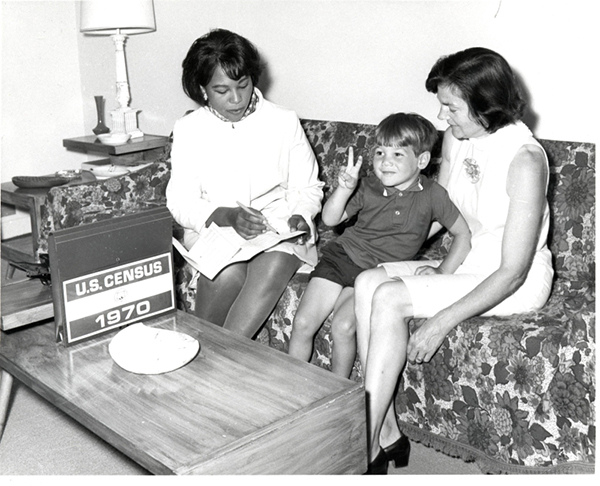
In 1970 somebody from your own town walked up your path with a canvas bag, a book of printed forms and a pencil, and asked your household whether it had a flush toilet.
It was the first American census conducted mostly by post, with enumerators following up on whoever had not replied. One household in five got a long form running to many pages. It asked what your house was worth, how many cars you had, whether you owned a food freezer, and how long it took you to get to work.
Here are twelve things every household told the census taker in 1970, and what happened to each of them.
1. Somebody From Your Own Town Knocked on the Door
Enumerators were hired locally, temporarily, and trained briefly – which meant the person asking a household detailed questions about its income, plumbing and family arrangements was frequently a neighbour, a neighbour’s wife, or somebody you recognised from church.
Online and telephone response as the primary channels, with field staff following up only on households that have not replied, and no expectation that the enumerator knows anybody.
The local hiring was deliberate and practical – a local person knows the roads, the house numbering and which buildings are occupied – and it had a cost nobody weighed. Answering intimate financial questions is a different act when the person writing them down will see you at the grocery store on Thursday.
Like our content? Follow us for more.
2. Most People Got a Form in the Mail Instead, Which Was New
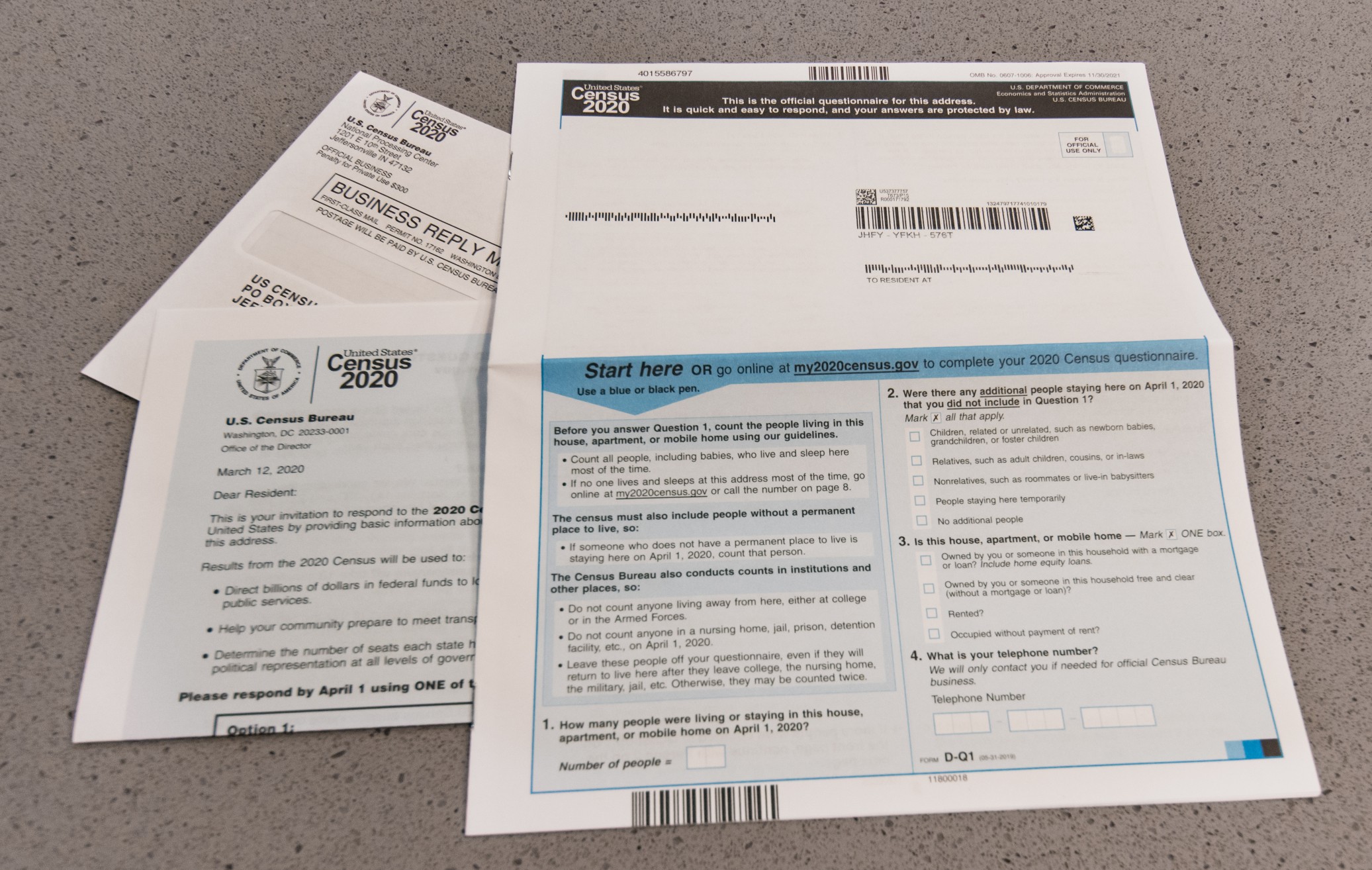
The 1970 census was the first in which most American households were sent a questionnaire by post, filled it in themselves and mailed it back, with enumerators visiting only those who did not respond or lived in areas not covered by the mail system.
Online response as the default, with mail and telephone alternatives and field follow-up. The mail-out, mail-back design pioneered at scale in 1970 is the ancestor of everything since.
It was a substantial administrative change and it altered the answers as well as the method. A household writing its own answers on a form at a kitchen table records something different from a household answering a stranger aloud at a door, which is a known effect and one of the reasons the shift was made.
3. One Household in Five Got the Long Form and It Was Enormous
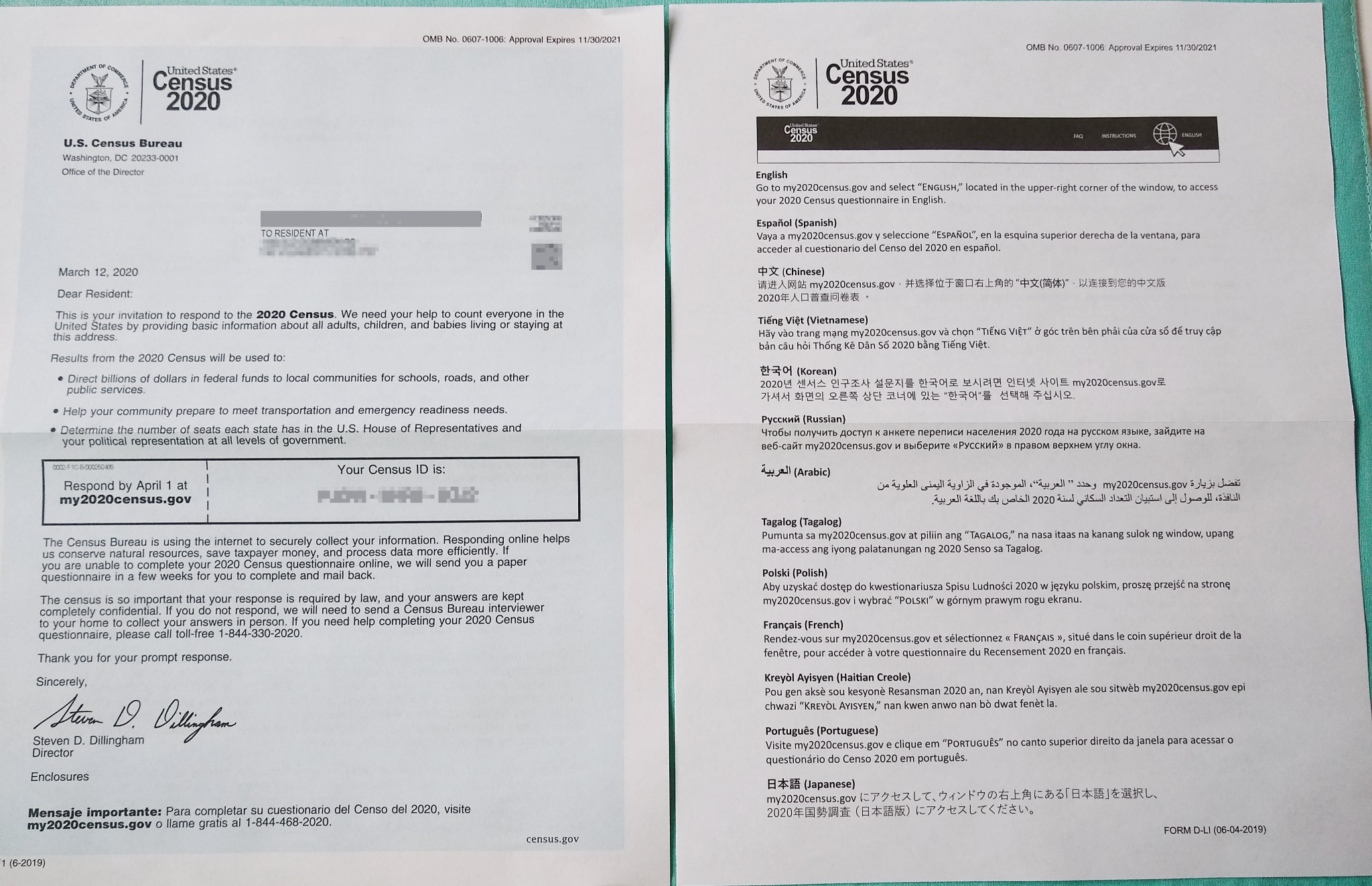
Most households answered a short set of basic questions. A sample – roughly one in five, with smaller samples for the most detailed questions – received a long form running to many pages covering income, education, employment, commuting, ancestry, housing and much more.
The long form was discontinued after 2000 and its content moved to a continuous survey of a rolling sample, so the detailed questions are now asked of a small number of households every month rather than of everybody once a decade.
The sampling was the clever part and it is widely misunderstood. Nobody needs to ask every household how it heats its water; a properly drawn sample answers that to high precision. The full count exists for a different purpose – apportioning representation – which requires counting people rather than characterising them.
4. They Asked Whether You Had a Flush Toilet
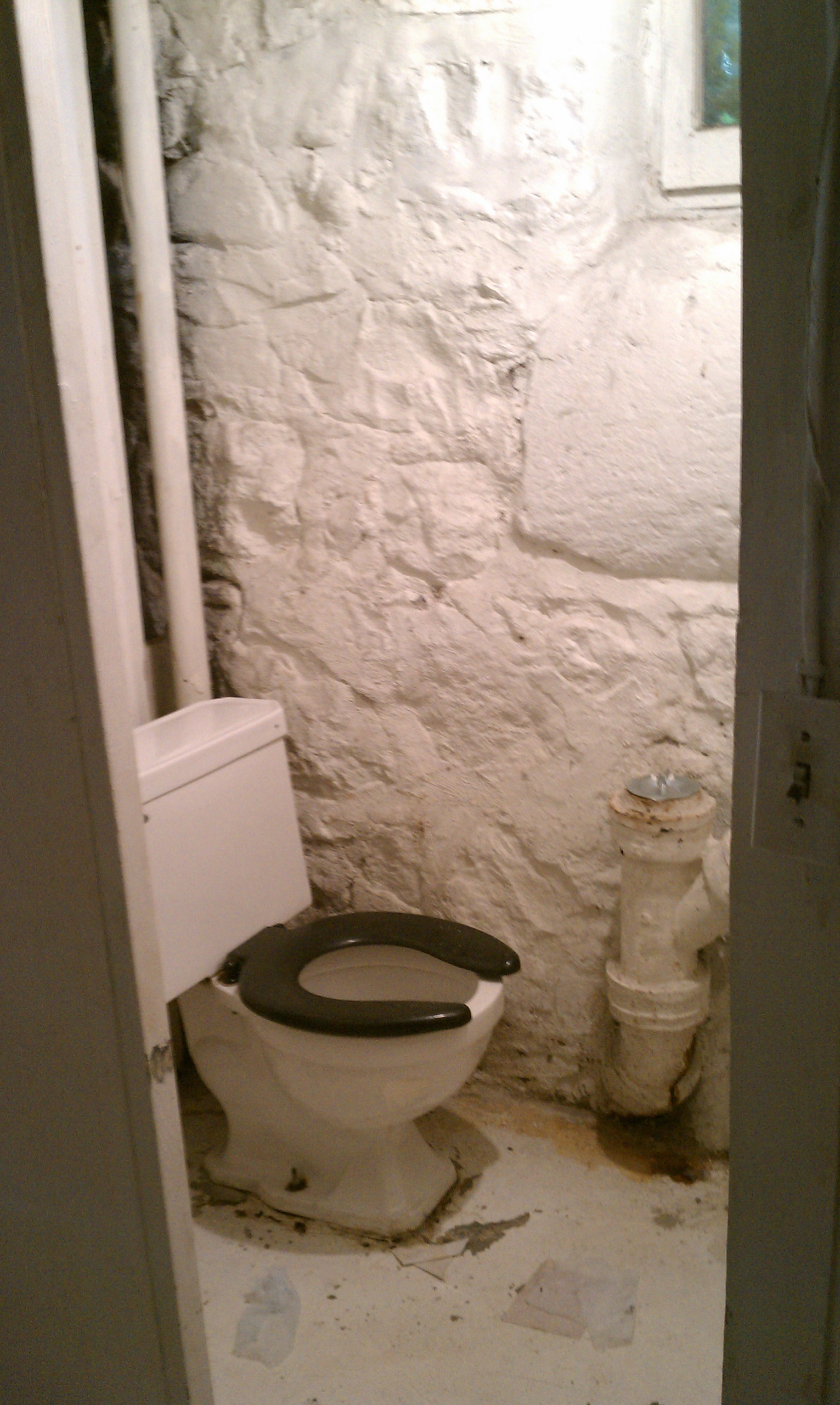
The housing questions were astonishingly basic by modern expectation: whether the dwelling had flush toilet facilities, a bathtub or shower, hot and cold piped water inside the structure, and whether those facilities were for the exclusive use of the household.
Housing questions on the continuing survey that concern plumbing, kitchen facilities, heating fuel and cost, because a meaningful number of American homes still lack complete facilities – though far fewer than in 1970.
Those questions were there because the answer was frequently no. A substantial proportion of American dwellings at that point lacked complete plumbing, the figure was a central measure of housing conditions and poverty, and asking it was the only way anybody knew – which is the whole argument for a census asking anything.
5. They Counted Your Rooms and Your Kitchen
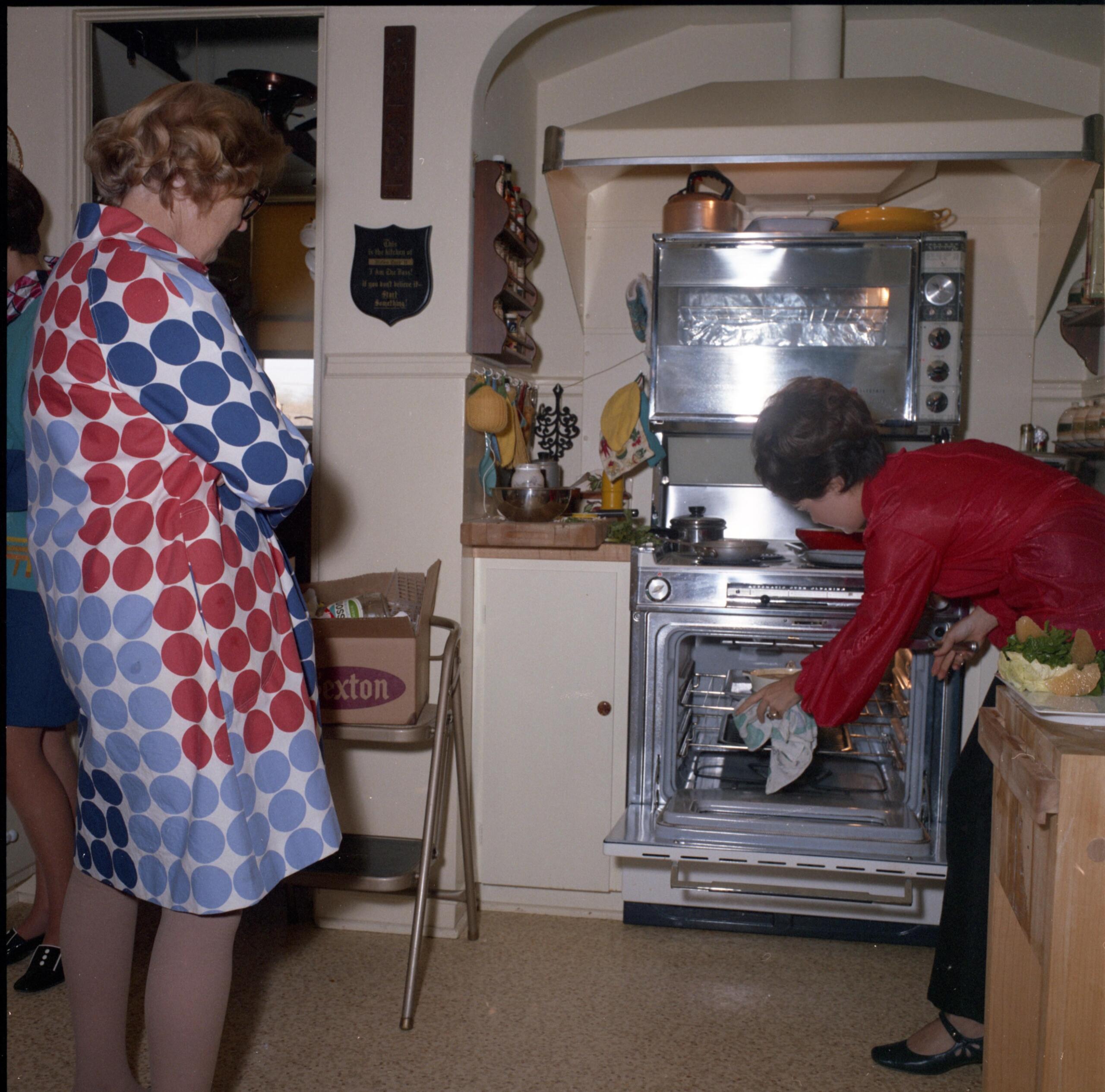
Enumerators recorded the number of rooms in the dwelling, whether there was a complete kitchen with a sink, a cooking range and a refrigerator, and whether any of it was shared with another household.
Substantially the same questions, which have survived precisely because the combination of room count and household size is how overcrowding is measured.
The shared-facilities question is the one that dates the period most sharply. A census form that needs to establish whether your kitchen is yours alone is a form written for a country where a great many households were living in subdivided housing with shared cooking and washing – and the question was asked because it had to be.
6. They Asked What the House Was Worth and What You Paid in Rent
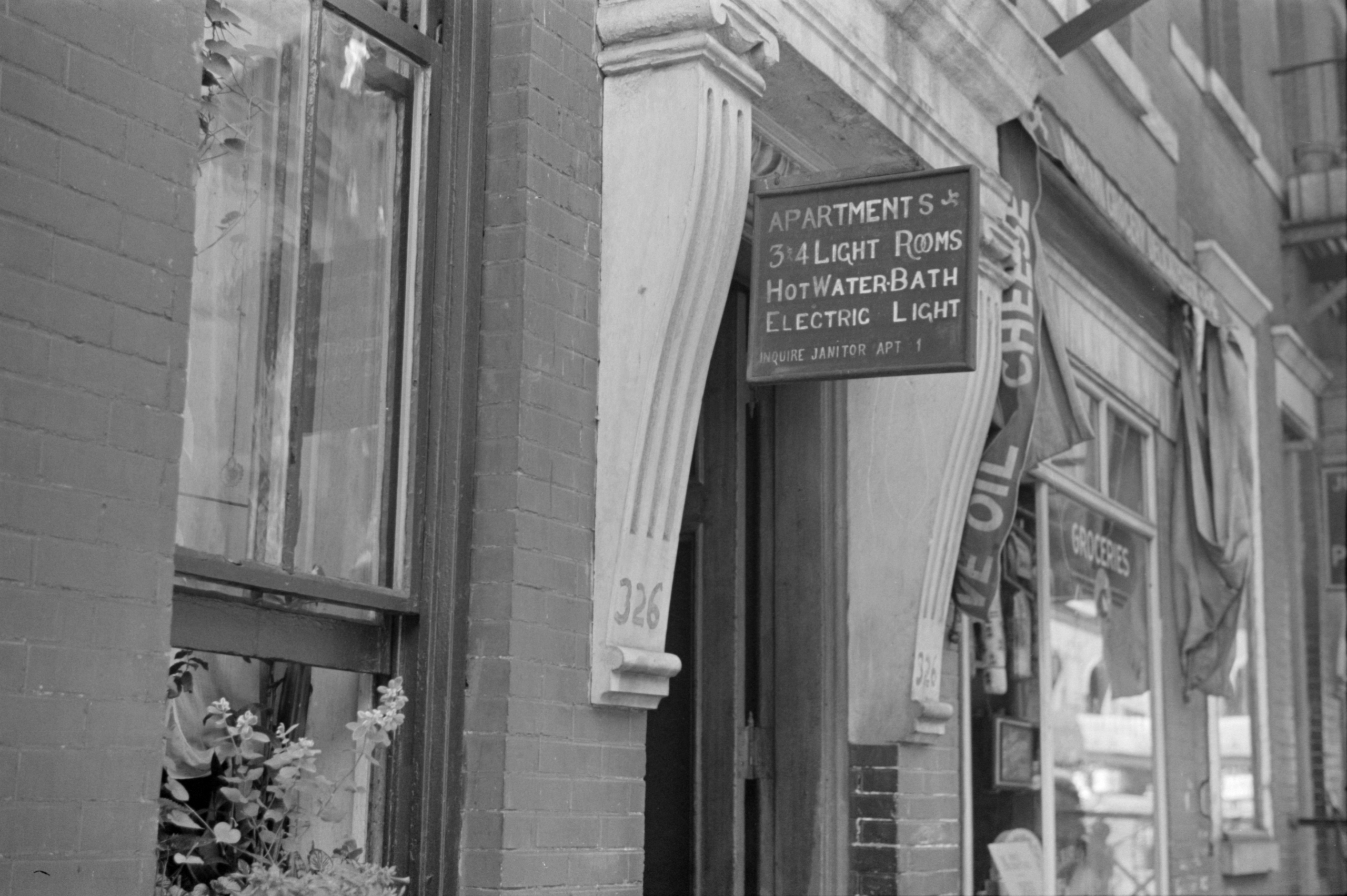
Householders were asked to state the value of their property, or the monthly rent, along with whether utilities were included and what the mortgage payment was.
The same questions on the continuing survey, which is the basis of almost every published figure on American housing costs, affordability and rent burden.
Self-reported value is known to be imprecise and is used anyway, for a good reason. Owners overestimate, but they do so fairly consistently, and a large consistent bias is far more useful than no data at all – which is a recurring principle in how official statistics actually work.
7. They Asked How Many Cars You Had, and About Your Appliances
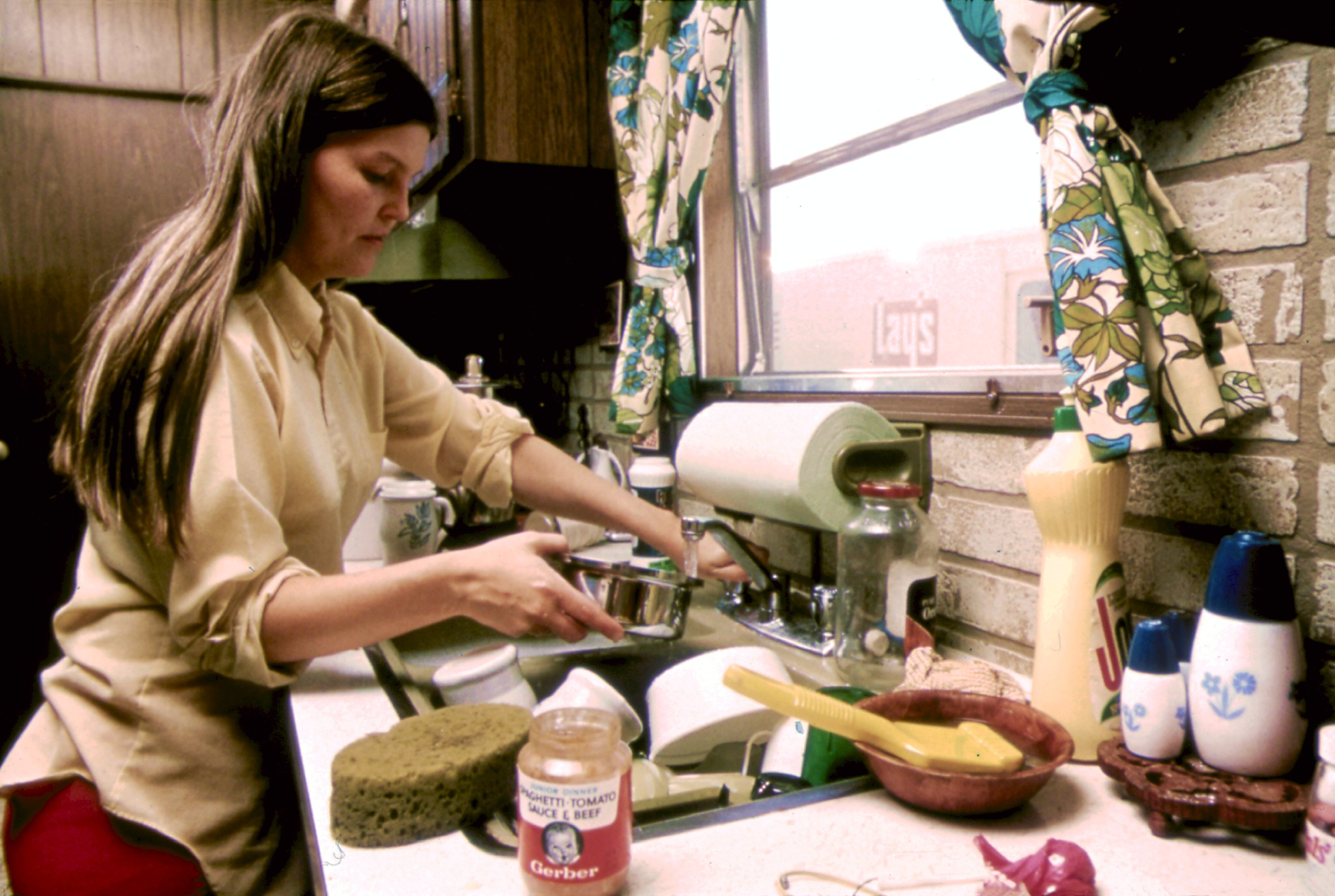
The era’s long form inventoried household equipment: automobiles available, air conditioning, a clothes washer and dryer, a home food freezer, television sets, and in some years a dishwasher or a second home.
Nothing comparable, because the questions have been answered. Almost every American household now has these things, so counting them distinguishes nobody and tells a statistician nothing.
That is the cleanest illustration of what a census question is for. An appliance is worth asking about only while owning it separates one household from another – and the moment near-universal ownership arrives, the question stops carrying information and is dropped, which is why these items vanished rather than being replaced.
8. They Asked Where You Worked and How You Got There
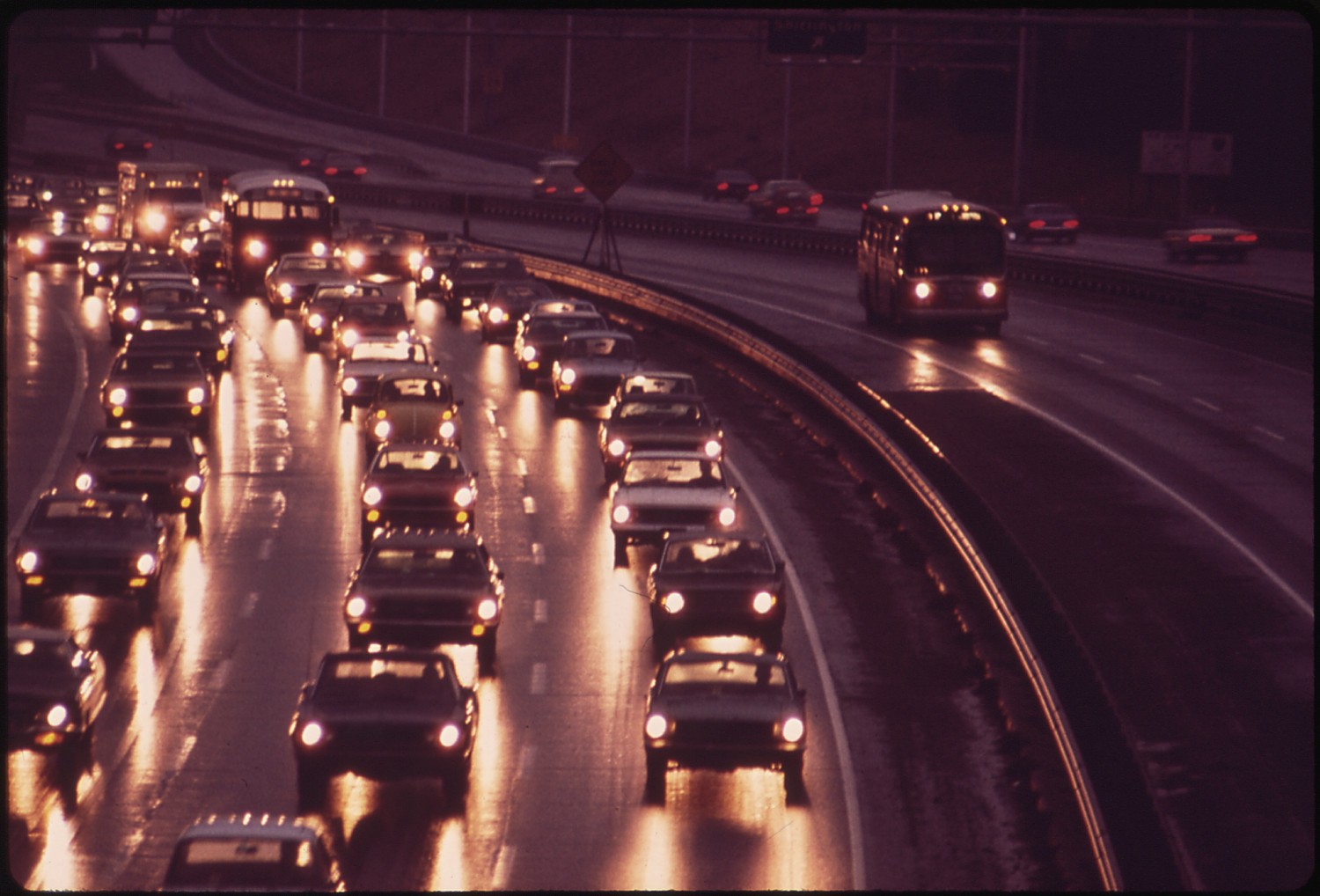
The long form asked for the employer’s location, the means of transport to work, the time of departure and the length of the journey, in detail, for each working member of the household.
Identical questions on the continuing survey, and they are among the most consequential it asks, because this is the data underneath transport planning, road funding and transit investment across the country.
People find these questions intrusive and they are the ones with the most direct effect on the respondent’s own life. Commuting data determines where lanes, lines and services are built, which means a household answering a question about how long it takes to get to work is contributing to the decision about whether that journey gets shorter.
9. The Question About Race Had Recently Changed Who Answered It
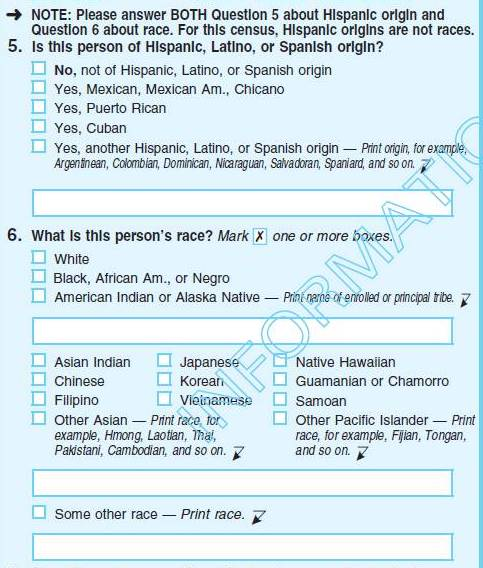
In earlier censuses an enumerator standing at a door recorded a household’s race by observation, writing down what they judged. Across the 1960 and 1970 censuses the shift to self-completed mail forms moved that answer to the household itself.
Self-identification throughout, with respondents able to select more than one category since 2000 and with the categories themselves revised repeatedly in response to how people actually describe themselves.
The change from observation to self-report is one of the most consequential in the history of the count, and the reason is straightforward. A statistic compiled from strangers’ judgements at doorsteps measures the enumerators as much as the population, and it cannot be compared with anything – whereas a self-reported answer is at least a record of what people say about themselves.
10. They Promised It Was Confidential and the Promise Had a Date on It
Enumerators told households that individual answers could not be shared with any other agency, landlord, employer or official, and that the information would be used only in aggregate statistics.
The same undertaking, backed by the same long-standing statutory confidentiality and by a rule releasing individual records to the public only after seventy-two years – which is why genealogists work from censuses of the 1950s and earlier.
The seventy-two year rule is the detail that makes the promise legible. It is not a vague assurance; it is a specific period after which the records become history rather than information about living people – and it is the reason a household could be told, truthfully, that nobody who could act on their answers would ever see them.
11. The Enumerator Carried a Badge, a Satchel and a Book of Forms
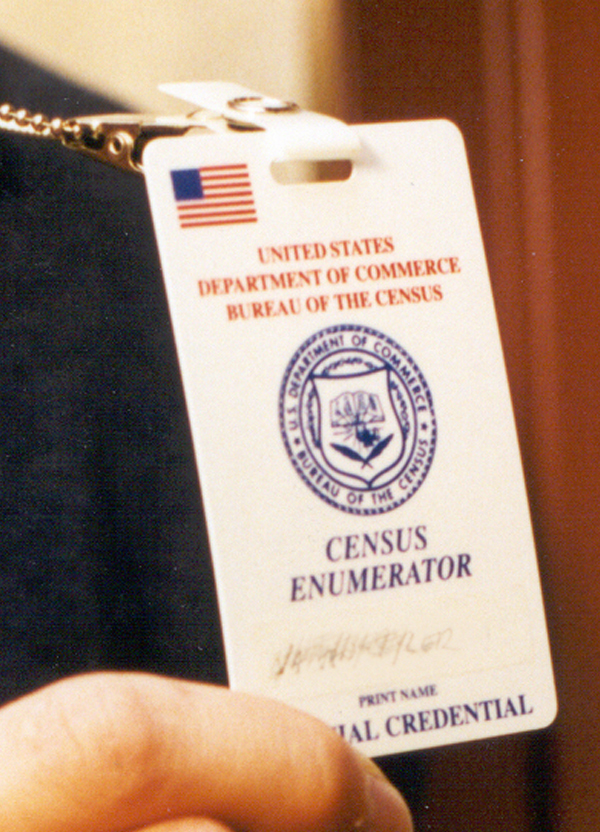
Field staff worked on foot with a canvas bag, a portfolio of printed schedules, a pencil, a map of their assignment area and an identification card, filling in forms by hand and returning them to a district office.
Handheld devices with case management, mapping and address verification built in, uploading responses directly and routing staff to the addresses still outstanding.
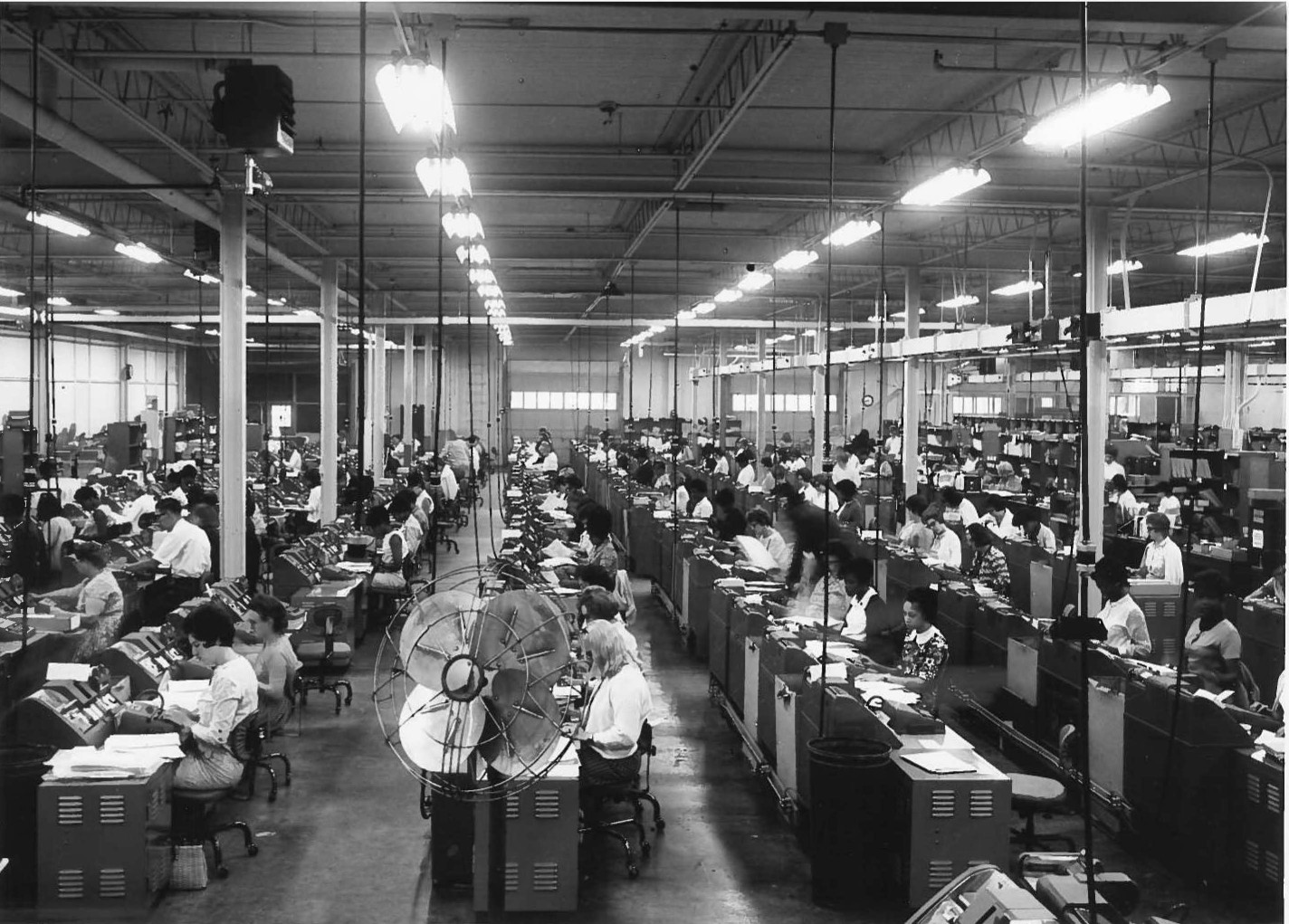
The paper system’s weakness was everything after the doorstep. Forms had to be transported, checked, coded by hand, keyed and tabulated, which took years – and the published results of a census were describing a country that had already moved on by the time anybody read them.
12. Then the Questions Moved Off the Doorstep Entirely
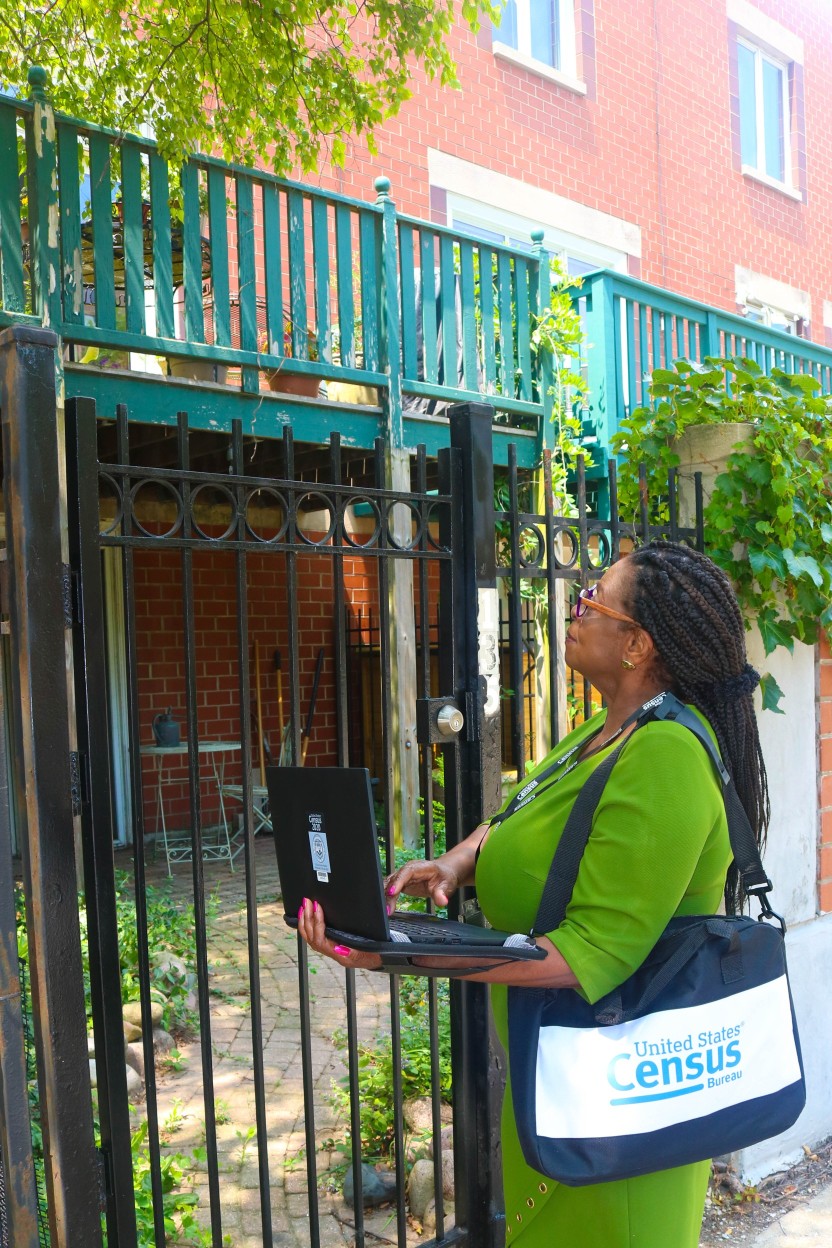
The whole arrangement rested on a locally hired stranger walking a district once a decade with a satchel of forms, asking a household aloud about its plumbing, its income, its appliances and its race, and writing the answers in pencil.
An online short form for everybody, a continuous survey of a rolling sample for the detail, address lists maintained year-round, administrative records from other agencies used to check and supplement, and field visits reserved for the households nothing else has reached.
Which has made the count better on almost every measure and has quietly removed the one thing that made it a shared national event. In 1970 a census was something that happened to you – a person at the door, in a particular month, that everybody in the country experienced within a few weeks of each other and talked about. Now it is a form most people complete alone in four minutes and a monthly survey that lands on a small sample nobody else hears about. The data is more accurate, more current and considerably less intrusive. It is also no longer an occasion, and a count that nobody notices is a count that is harder to persuade people to answer – which is the live problem every statistical agency now has and the one the man with the satchel never did.
The Data Got Better and the Occasion Disappeared
Everything about the American census has improved, and the improvements are not marginal.
An online form takes four minutes. The detailed questions moved off the decennial count onto a continuous survey, which means housing, income, commuting and employment data is now a year old rather than nine. Address lists are maintained year-round instead of being rebuilt by walking every street. Administrative records from other agencies check and supplement what households report. Field visits are reserved for addresses nothing else has reached. And the processing that once took years happens continuously.
It is also considerably less intrusive. Nobody is asked aloud, by a neighbour, at their own door, how much their house is worth and whether their kitchen is shared – and the questions that no longer carry information, like whether a household owns a clothes dryer, were simply dropped once the answer became yes for nearly everybody.
So the count is more accurate, more current, less burdensome and less invasive. There is no argument to make for the man with the satchel.
Except for one thing he had that nothing has replaced.
In 1970 the census was an event. It happened to everybody, in the same few weeks, in a way nobody could miss – a person at the door, a form in the mail, an item on the news, a thing people mentioned to each other. It had a date and a presence. Whatever anybody thought about the questions, they knew it was happening and they knew roughly why.
Now it is a form that most people fill in alone in four minutes, plus a monthly survey that arrives at a small rolling sample of households nobody else hears about.
Which creates the problem that every statistical agency in the world now has: a count that nobody notices is a count that is hard to persuade people to complete. Response rates are a permanent preoccupation. Undercounting falls hardest on exactly the households that are hardest to reach and that most need to be represented, because representation and funding are allocated on the numbers. And a survey that is invisible has no constituency when its budget is argued about.
The enumerator was intrusive, slow, inconsistent, occasionally your own neighbour, and his data took years to publish. He also stood on a quarter of the doorsteps in America in a single season, and absolutely nobody was unaware that the country was counting itself.
That was never a design feature. It was a side effect of doing it badly, by hand, on foot – and it turns out to have been worth something.
If you were in a house in 1970, somebody came to the door, or a form came and your mother filled it in at the table.
And whoever asked the questions probably knew your family, which is a thought that lands differently now.
Like our content? Follow us for more.