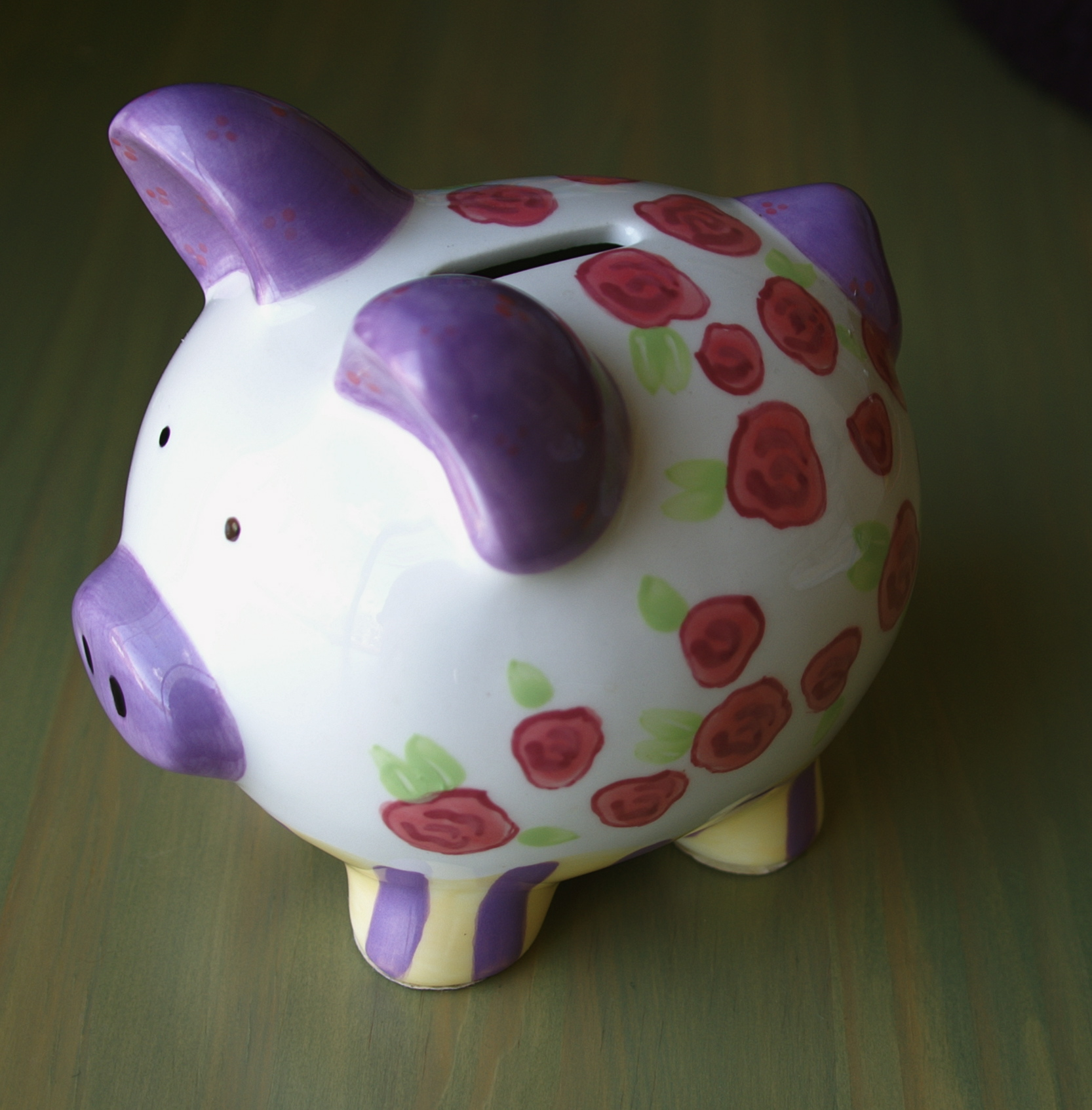
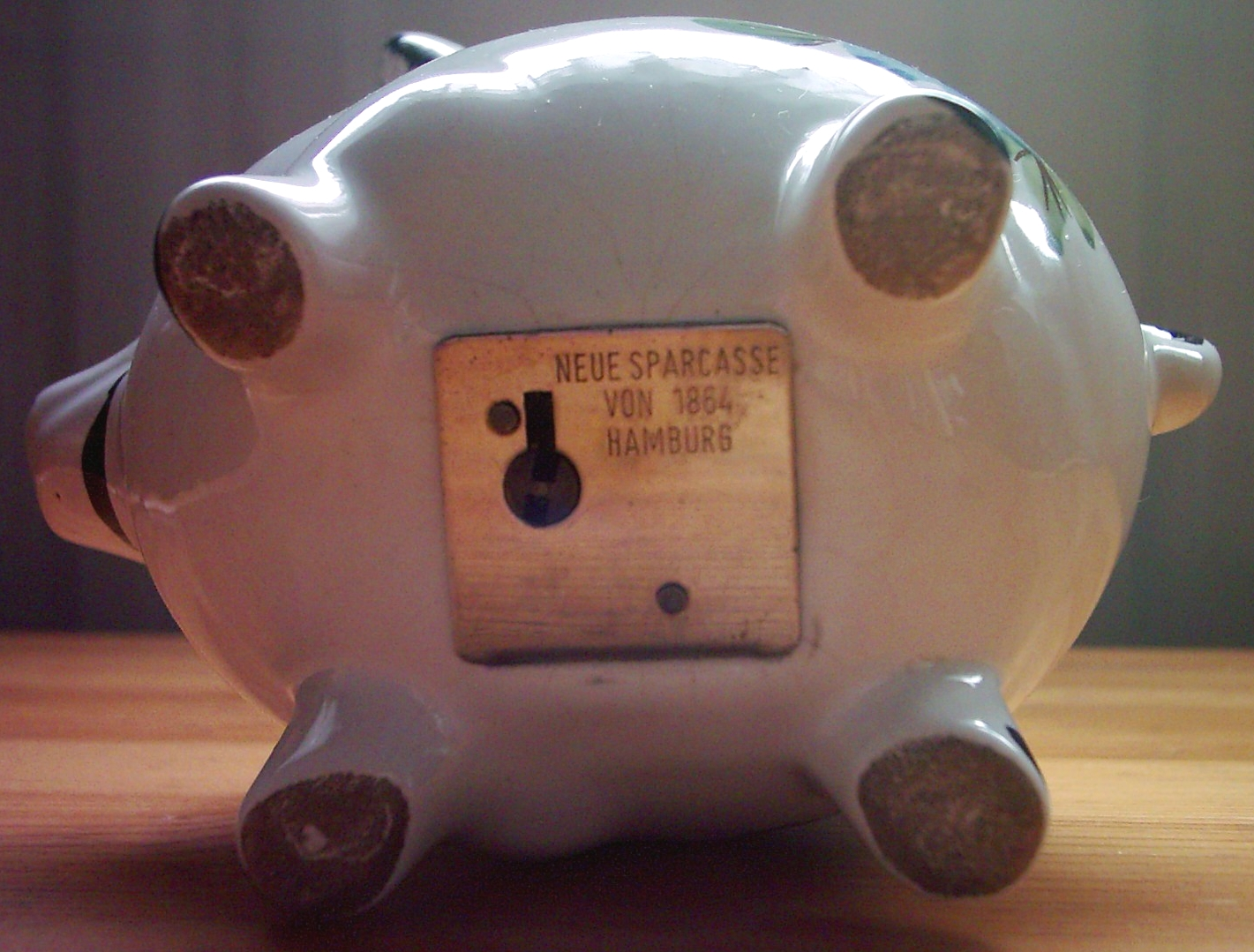
In 1974 a child’s savings lived in a glazed ceramic pig with a slot in its back and no way out. No plug, no key, no base. The only route to the money was a hammer.
You could not check the balance, only estimate it by weight and by the sound when you shook it. Counting it meant pouring it onto a bedspread and sorting it into stacks of ten. You got free paper wrappers from a bank. And a dime still bought something.
Here are fourteen things every kid kept in a piggy bank in 1974, and what replaced each of them.
1. It Was Ceramic and the Only Way In Was to Break It
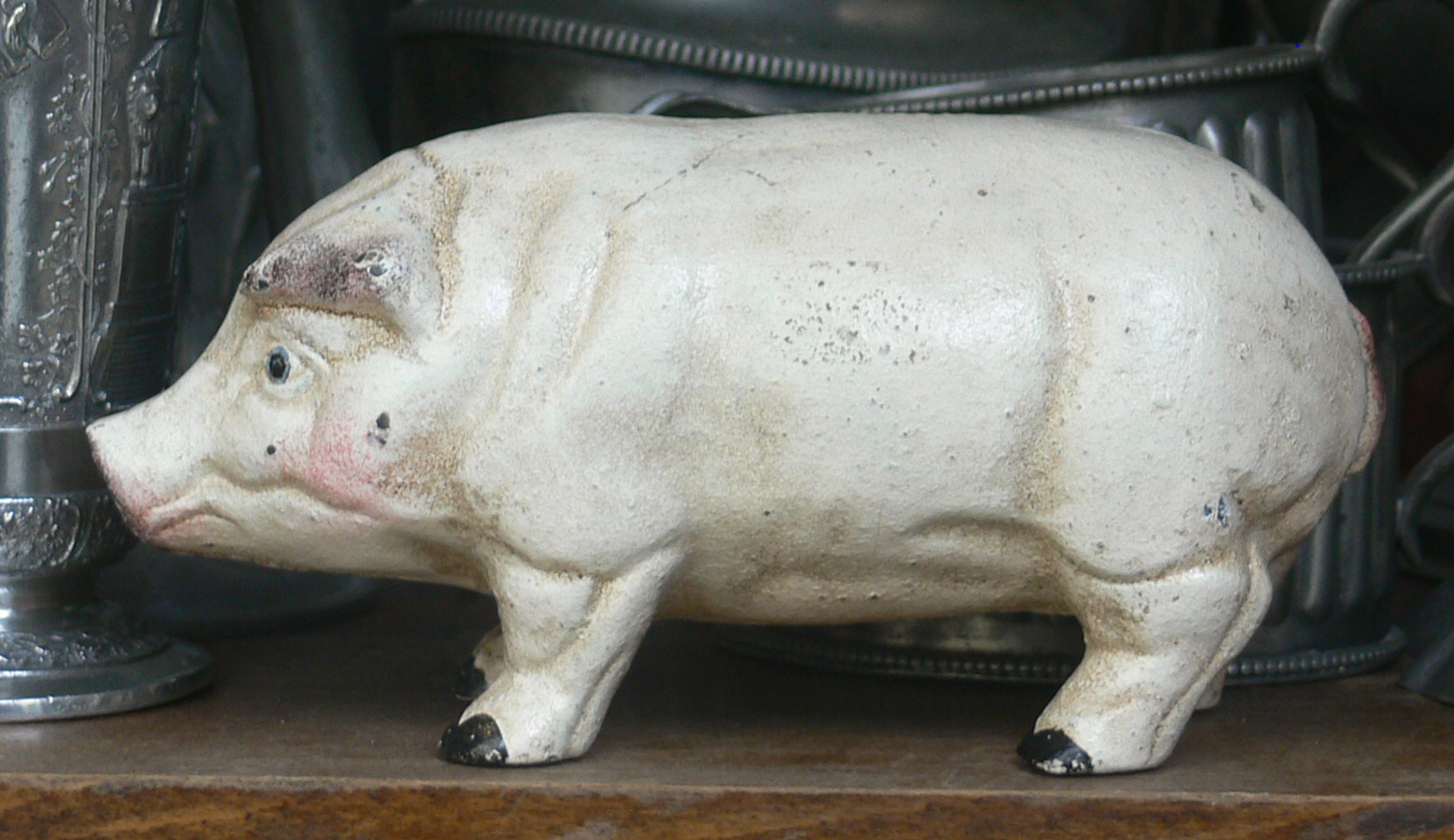
The classic bank was glazed ceramic with a coin slot in the back and no opening at all – no plug, no stopper, no key. Getting the money out meant hitting it with something.
Plastic and tin banks with removable bases, coin-sorting banks, and increasingly an application showing a child a balance with no container involved at all.
The permanence was the design’s entire function and it was a deliberate piece of behavioural engineering sold to parents. A container you cannot open without destroying it converts a child’s money into something that is genuinely saved rather than continuously available – and the cost of access was high enough that it was only paid once, for something that mattered.
Like our content? Follow us for more.
2. You Could Not Check the Balance, Only Estimate It
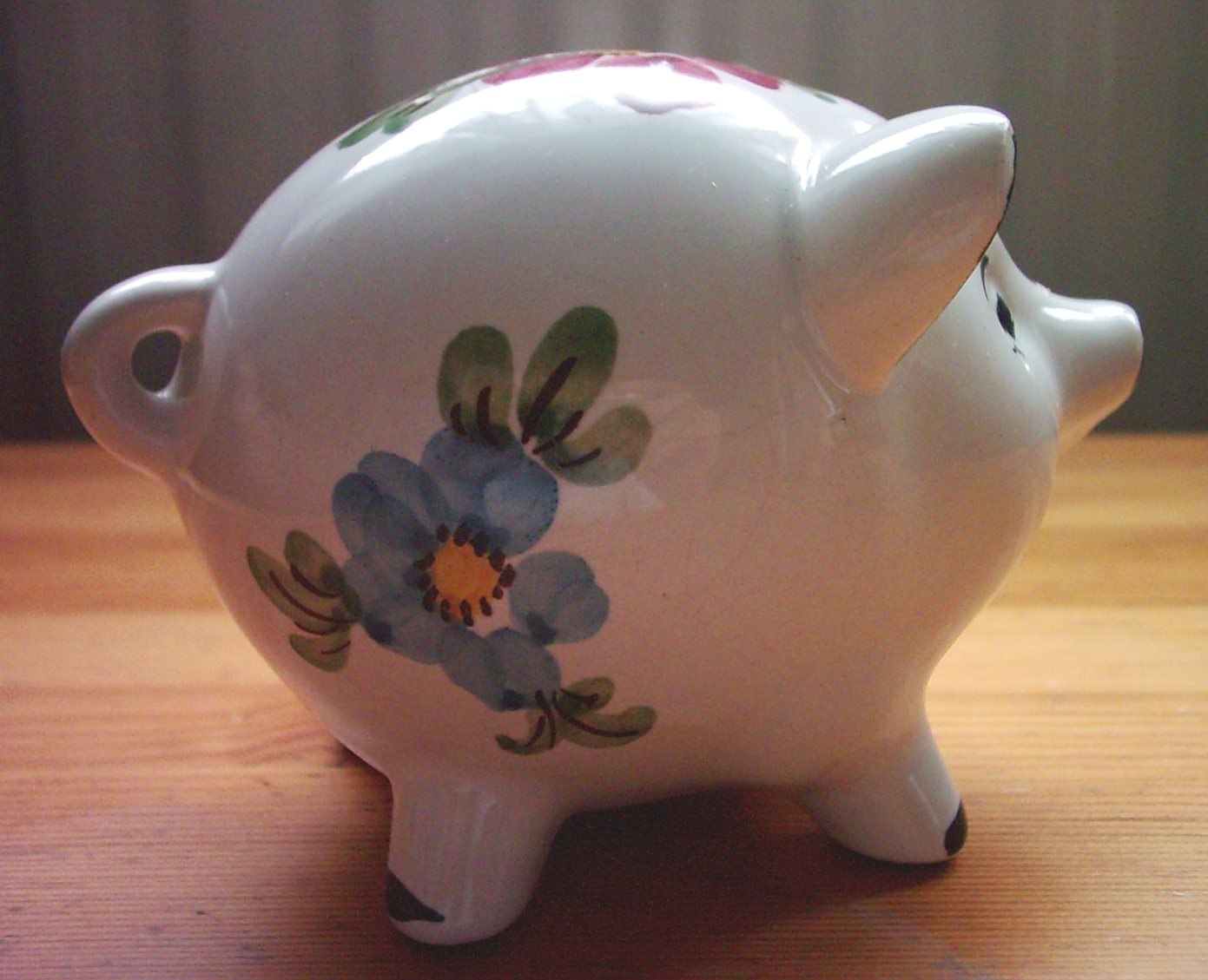
With no opening and no window, the amount inside was unknowable. You judged it by weight in your hands and by the sound when you shook it.
A balance visible at any moment, to the cent, to both the child and the adult, updated continuously.
The opacity turns out to be a feature rather than a limitation. A total you cannot check is a total you cannot be disappointed by on a Tuesday, and a child who could only estimate their holdings by heft was spared the experience of watching a number fail to grow – which is the main reason adults stop looking at savings accounts.
3. The Shake Was a Skill and Everybody Had It
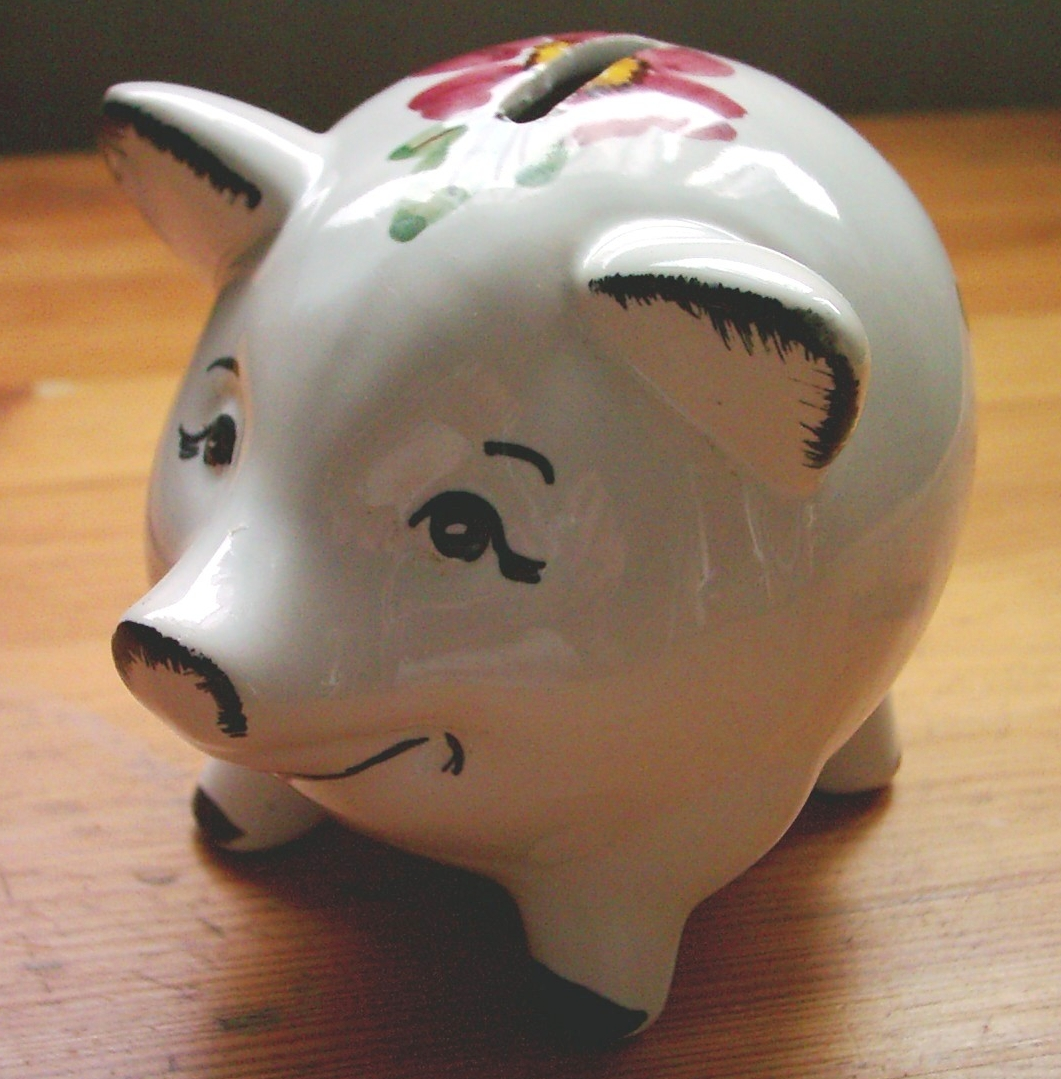
Shaking the bank told you things: how full it was, roughly what denominations were in there, whether something had jammed in the slot, and whether anybody had got into it.
Nothing, because the information is simply displayed. The sound of coins in a ceramic container is a diagnostic a great many adults can still interpret.
Children got remarkably good at it. A bank full of pennies sounds completely different from one with quarters in it, a nearly full bank barely moves, and the single most alarming sound in a childhood is a bank that rattles more than it did yesterday.
4. The Metal Ones Had Keys and the Keys Were Gone Within a Month
The alternative was a tin or steel bank – a safe, a book, a globe, a cash register – with a small lock and a flat key, which a child was given and which was lost almost immediately.
Combination openings, snap-off bases, or no container. The metal bank with a lost key became functionally identical to the ceramic one, except it could not be broken open.
Which produced a specific small tragedy that a great many households experienced. A locked metal bank with no key and coins in it is a sealed object that will not break, cannot be picked by a nine-year-old, and sat on a shelf for years with everybody in the house knowing exactly how much was supposedly in it.
5. Some of Them Counted the Money and Opened at a Target
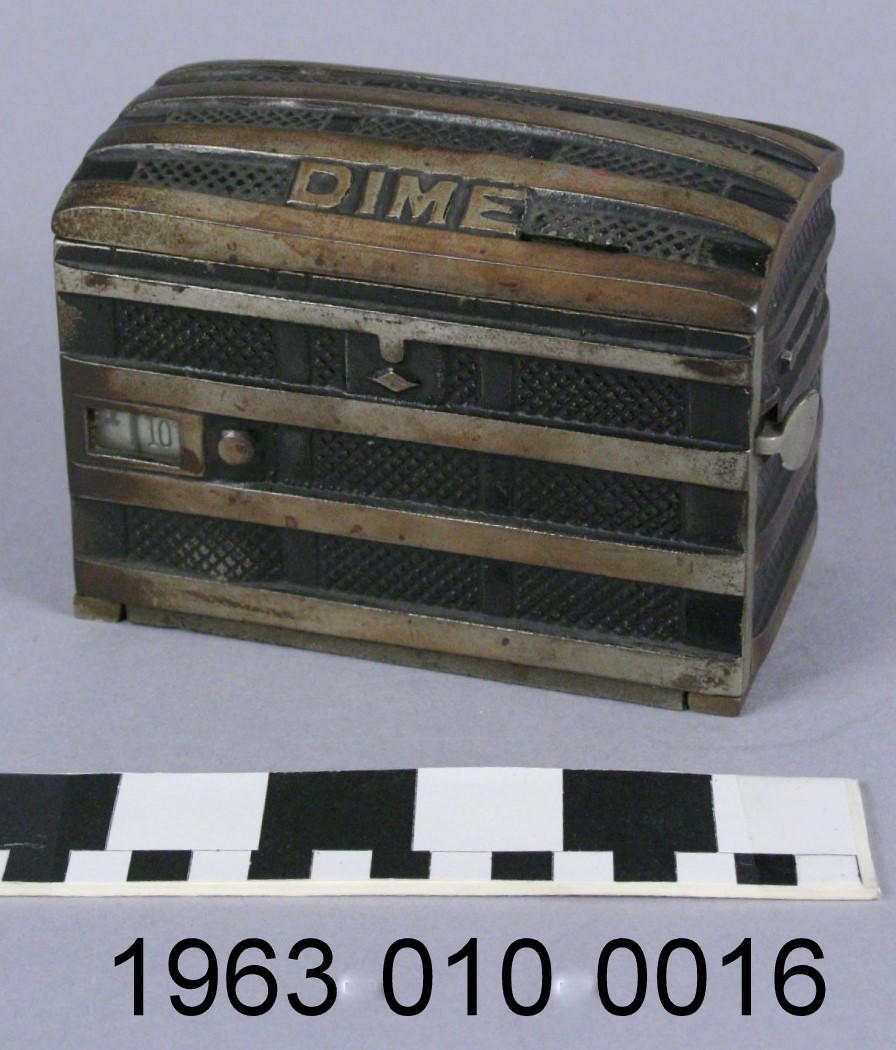
Register banks held coins in a stack and advanced a mechanical counter, and some were built to spring open automatically when the total reached a set amount – commonly five or ten dollars.
Savings applications with goal tracking and progress bars, which do the same thing with a notification instead of a latch.
The mechanism was a genuinely clever piece of design and it had one flaw that every child discovered. It counted coins of one denomination only, so the target was a number of coins rather than an amount – and a child who worked out that the mechanism could be defeated with the right coin had learned something the manufacturer had not intended to teach.
6. Weight Was How You Understood How Much You Had

A child’s sense of their own wealth came from lifting the bank. Money had mass, and more money was physically heavier in a way that could be felt and compared week to week.
A number on a screen with no physical referent at all, which is the single largest change in how children encounter money.
And this is not merely sentimental. Quantity learned through weight, volume and handling is learned differently from quantity read as a figure, and anybody teaching a young child about money now has to supply a physical representation deliberately – coins, counters, jars – because the default experience no longer provides one.
7. Counting It Was Done on a Bed, in Stacks
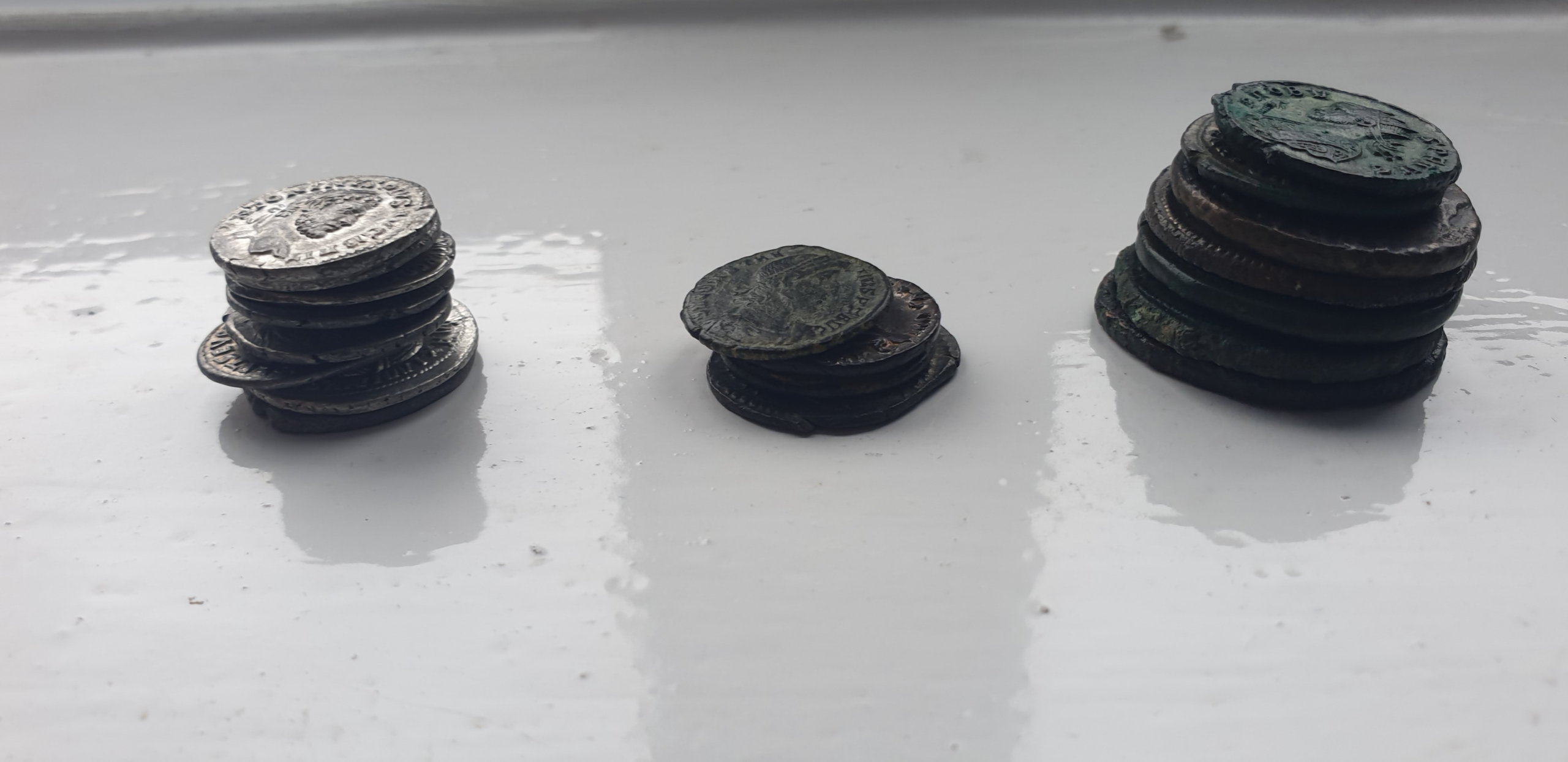
Opening the bank meant pouring the contents onto a bedspread or a carpet and sorting it into piles by denomination, then stacks of ten, then counting the stacks.
A machine at a supermarket or a bank that counts it in seconds for a fee, or no counting because there are no coins.
The sorting was the arithmetic lesson and nobody presented it as one. A child converting ninety-three pennies, fourteen nickels, eleven dimes and six quarters into a single figure is doing multiplication, place value and addition under their own motivation, on a bedspread, for a result they actually care about.
8. You Got Paper Wrappers From the Bank, Free
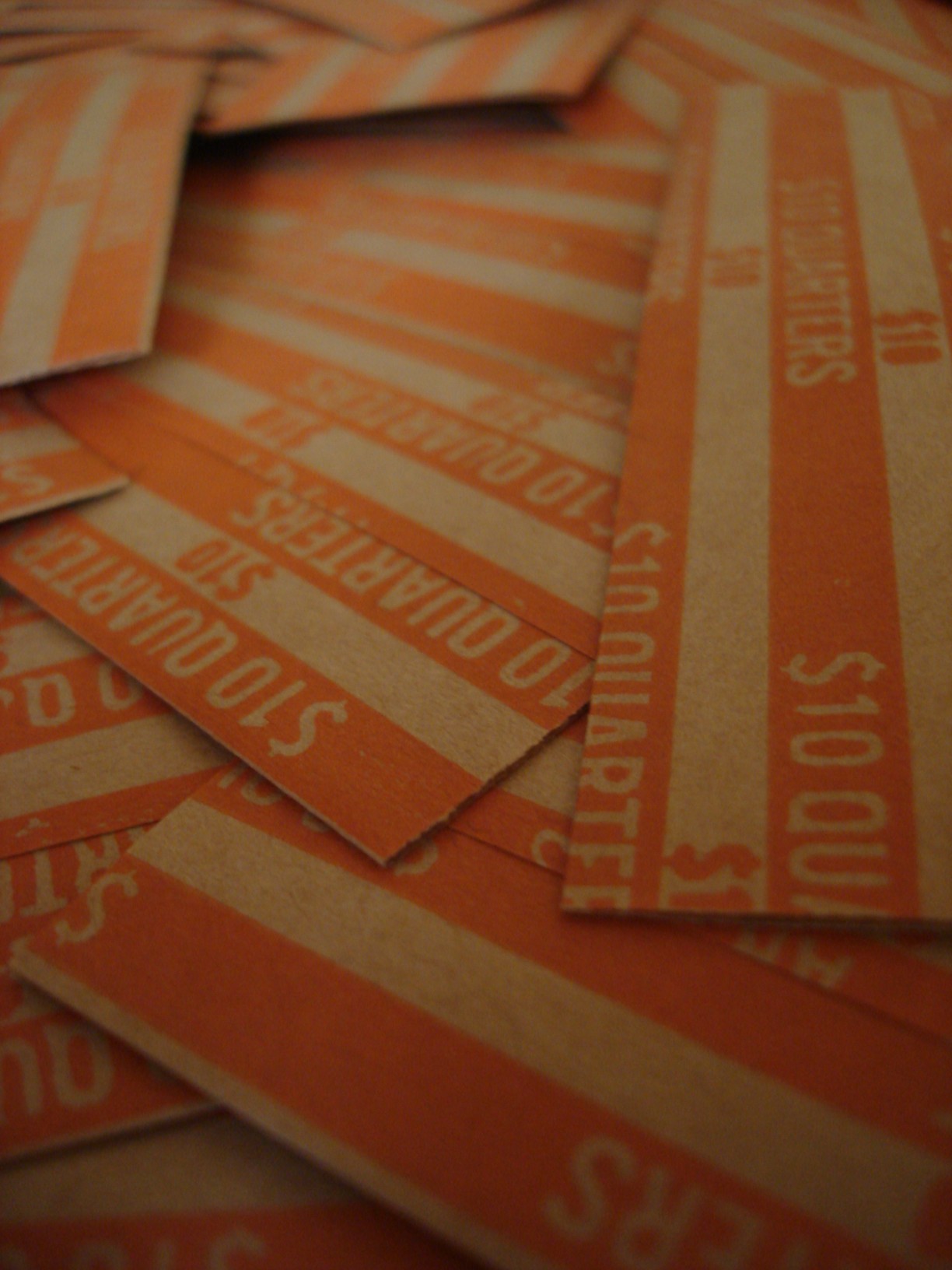
Banks supplied printed paper coin wrappers at the counter at no charge, in denominations, and a child rolling coins to deposit them filled the tubes by hand and wrote the total on the end.
Coin-counting machines that take a percentage, and banks that increasingly do not want loose coin at all, with wrappers sold rather than given.
Rolling coins was a recognised chore and a recognised rite. Fifty pennies to a roll, forty nickels, fifty dimes, forty quarters – numbers a surprising number of Americans over fifty can still recite – and a roll that came up short was a problem you discovered at the counter.
9. Then You Took It to a Bank and a Teller Dealt With You Personally
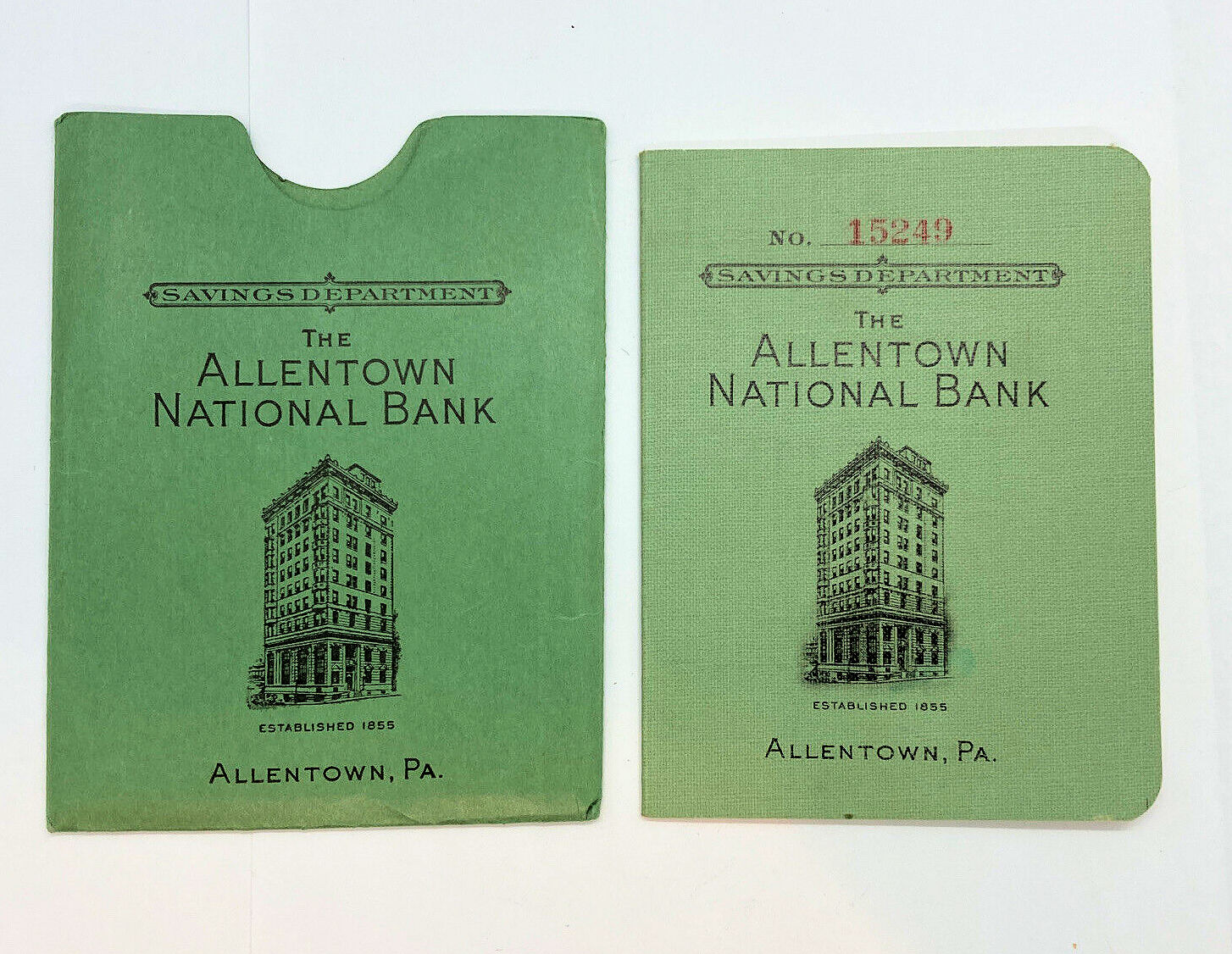
Depositing a child’s savings meant a trip to a branch, a passbook or a deposit slip, and a teller who counted the rolls, stamped a book and spoke to the child directly about it.
Mobile deposit, automatic transfers and accounts opened online, with a child frequently never entering a building.
The personal transaction was the point for a lot of parents. A child presenting their own money at a counter, being addressed as the account holder, and watching a figure written into a book in ink is a different experience from a parent tapping a phone – and the whole trip was arranged to produce it.
10. Coins Turned Up Everywhere and You Were Allowed to Keep Them
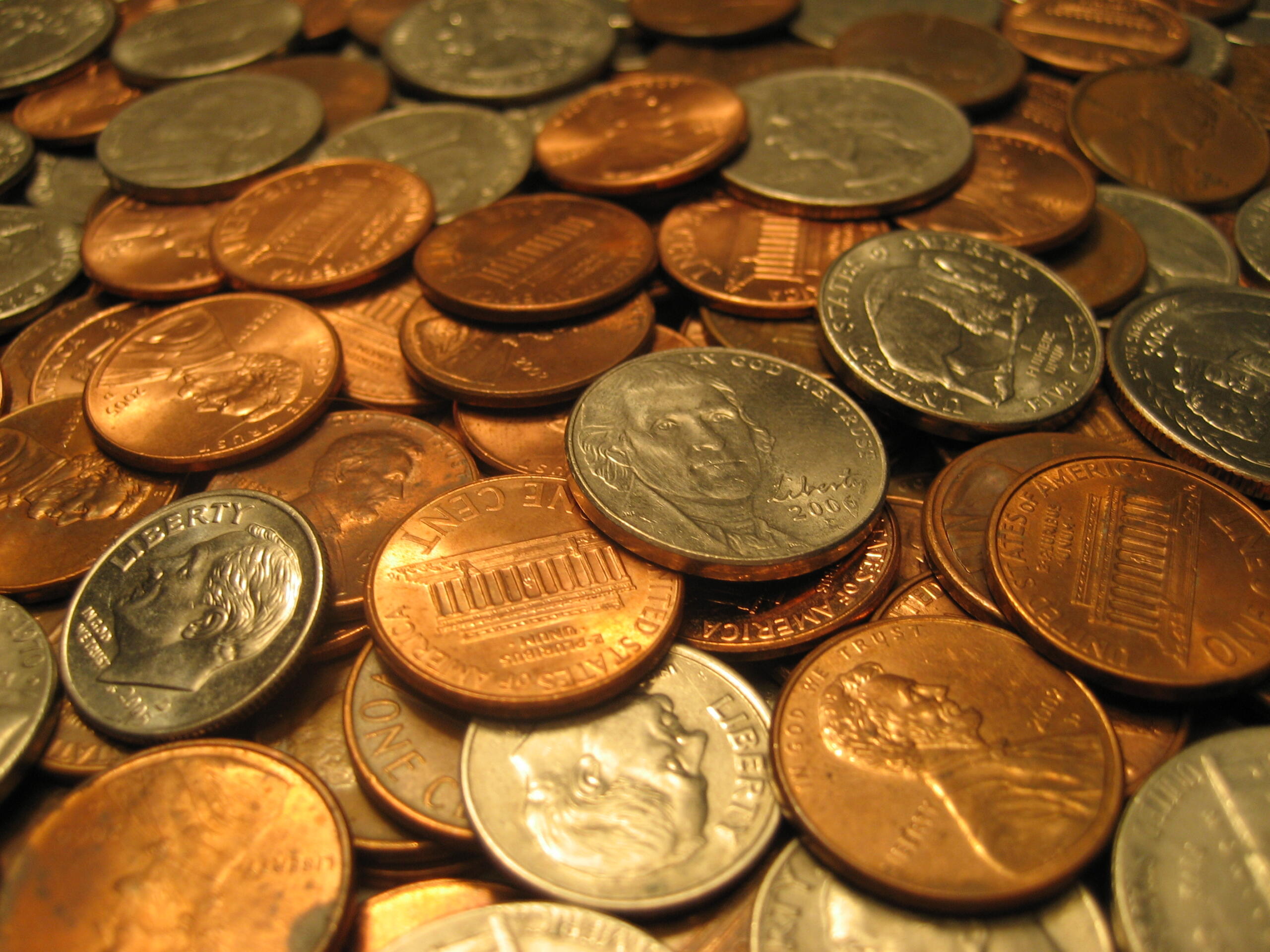
Loose change accumulated in sofa cushions, under car seats, in coat pockets, in the laundry, down the sides of chairs and in the street – and the household convention was overwhelmingly that the finder kept it.
Almost no coin in circulation at a domestic level, because small payments are electronic. Sofa cushions no longer contain money.
The found coin was a real part of a child’s income and it was the only part that arrived unearned. Checking the couch was a routine, the car was somebody’s territory, and a quarter found in a coat from last winter was a windfall with a specific feeling attached to it that nothing now replicates.
11. A Dime Actually Bought Something
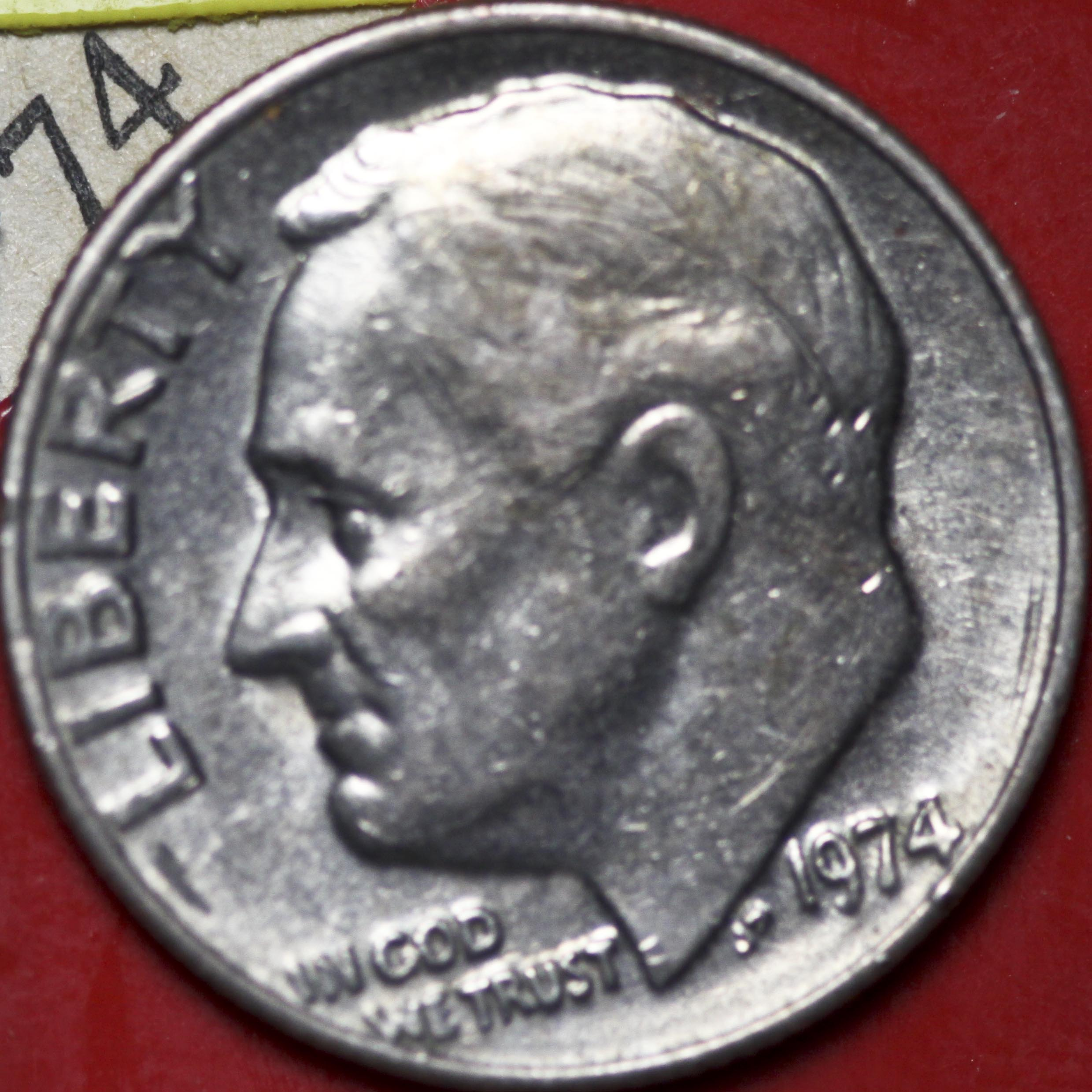
Coins had purchasing power at child scale. A dime bought a candy bar or a telephone call, a quarter bought a comic, and a dollar in change was a genuine sum to be considered rather than spent.
Coins that buy essentially nothing individually, so a jar of them is a weight rather than a sum, which removes the whole point of accumulating them.
This is the mechanical reason the piggy bank stopped working rather than merely going out of fashion. The container was sized for an amount that mattered, filled with denominations that each bought something – and when the smallest coin stopped buying anything, saving them stopped being saving and became hoarding metal.
12. Siblings Raided It and There Was No Audit Trail

An unopenable bank with an unknown balance is also a bank that cannot be reconciled, and coins extracted with a knife through the slot left no evidence whatsoever.
Transaction records on any account, visible to both the child and the adult, which makes undetected removal effectively impossible.
Which meant accusations could never be settled, and that is what people remember. A child convinced their bank was lighter than last week had no way to prove it, the accused had no way to disprove it, and a parent had no basis on which to adjudicate – so the dispute simply sat there, unresolved, sometimes for decades.
13. Breaking It Was an Event and Usually a Sad One
The ceremony of the last day involved a hammer, a towel over the bank to contain the pieces, and a parent supervising – and at the end of it the money was out and the bank was gone.
No equivalent, since nothing is destroyed to access anything. The deliberate destruction of a gift in order to use what was inside it is a strange arrangement that nobody thought was strange.
And the pig was frequently a present from somebody. A child who broke a bank given to them by a grandparent got their savings and lost the object, permanently, with no way to undo it – which is a transaction that taught something about cost that no app notification is going to convey.
14. Then the Coins Stopped Circulating and the Jar Lost Its Job
The whole arrangement rested on small denominations that individually bought things, circulating physically through a child’s hands from allowances, chores, errands, found change and returned bottles.
Electronic payment at every scale, allowances transferred to a card or an application, and children who may handle coins only as novelties – alongside savings applications with goals, progress bars and parental visibility that do everything the bank did and do it better.
The applications genuinely are better at the stated job: nothing is lost, interest accrues, a target is tracked, and nobody has to break anything. What they cannot supply is the part that was never on the box. A ceramic pig taught quantity through weight, taught arithmetic through sorting on a bedspread, taught patience by being impossible to check, and taught cost by having to be destroyed to be used – and it did all of that while a parent thought they were buying an ornament for a shelf.
It Taught Four Things and None of Them Were on the Box

Savings applications for children are better than a ceramic pig at the thing a ceramic pig was sold to do. Nothing is lost, nothing is stolen through the slot with a knife, interest accrues, a goal is tracked with a progress bar, a parent can see what is happening, and no object has to be destroyed to get the money out.
On the stated job, it is not close. The pig loses.
But the pig was doing four other things, none of which appeared on the packaging and none of which anybody intended.
It taught quantity through mass. A child’s sense of how much they had came from lifting it, which means amount was learned as weight and volume rather than as a figure – and anybody teaching a young child about money now has to supply that physically on purpose, with coins or counters or a jar, because the default experience no longer includes it.
It taught arithmetic under self-motivation. Emptying a bank meant pouring the contents onto a bedspread, sorting by denomination, building stacks of ten, and converting ninety-three pennies, fourteen nickels, eleven dimes and six quarters into one number. That is place value, multiplication and addition, performed voluntarily, for a result the child actually wanted. Nobody called it homework.
It taught patience by being opaque. With no window and no opening, the total was unknowable, which meant it could not be checked and therefore could not disappoint on a Tuesday. A child who can only estimate their savings by heft is spared the experience of watching a number fail to grow – which is, as it happens, the main reason adults stop looking at their own accounts.
And it taught cost by having to be destroyed. The bank was frequently a gift from a grandparent. Getting the money out meant breaking it, under a towel, with a hammer, permanently – so the decision to open it carried a real price that was paid once, for something that mattered.
Then the coins stopped circulating. Electronic payment took the small transactions, the smallest denominations stopped buying anything individually, allowances moved onto cards, and a jar of change became a weight rather than a sum.
So the container lost its contents, and with them the four accidental lessons.
The application does the saving better and teaches none of them, because there is nothing to lift, nothing to sort, a balance that is always visible, and nothing that has to be broken.
A parent in 1974 bought an ornament for a shelf. It turned out to be a teaching aid, and nobody – including the manufacturer – seems to have noticed.
If you had one, you shook it, and you knew roughly what was in there without ever being told.
And you remember whether you broke it, or whether it is still somewhere with a lost key and nobody willing to find out.
Like our content? Follow us for more.