

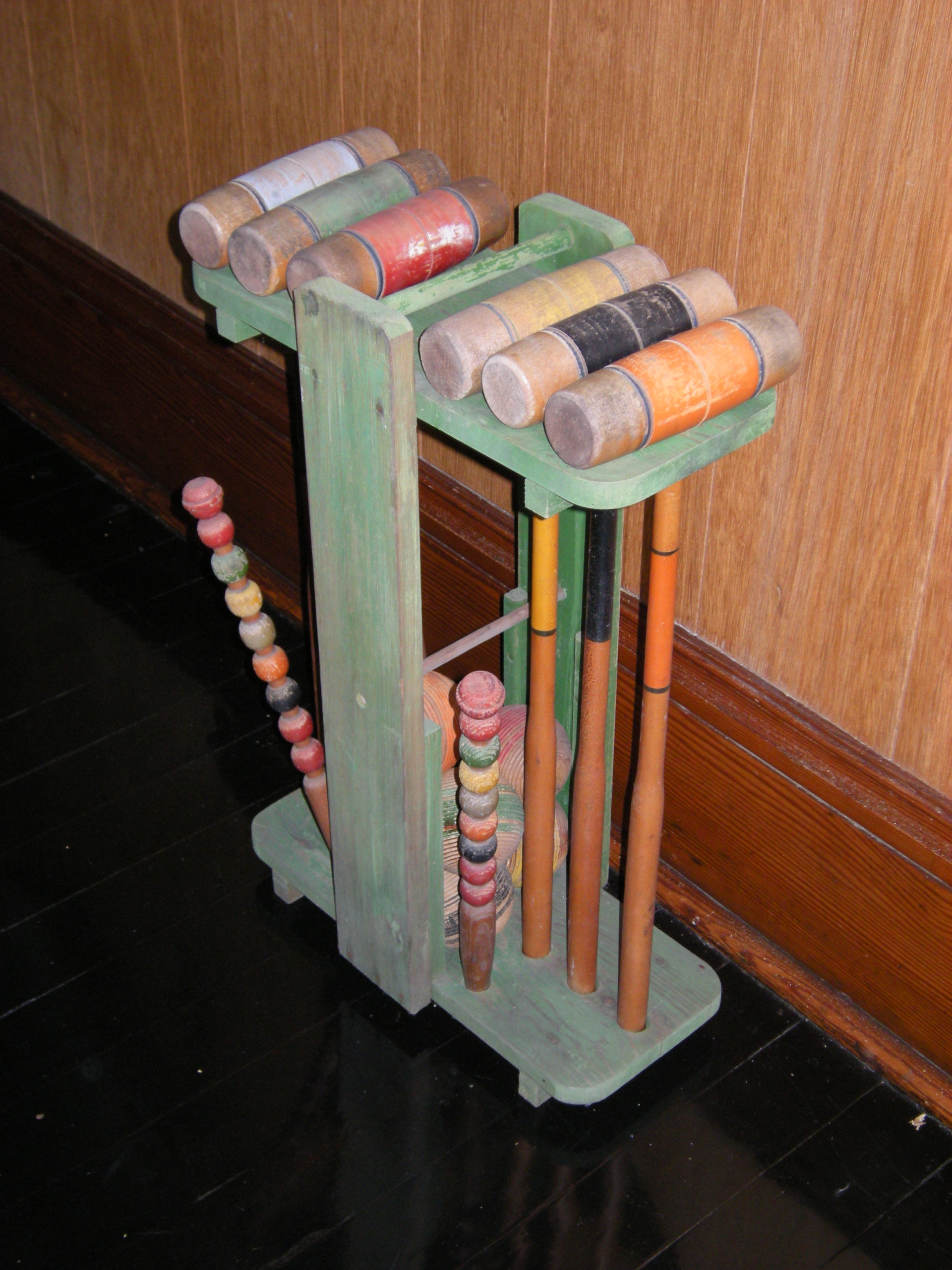
In 1974 an American back yard had equipment standing in it all summer. A wooden croquet rack in the garage, two steel badminton posts hammered into the turf in June and left until September, and in some yards a tetherball pole set in concrete.
None of the ground was flat. The net sagged to knee height by July and everybody agreed the low part did not count. The wickets bent, then disappeared into the mower. And the boundaries were a coiled hose, two shoes and a particular tree.
Here are fifteen things every backyard had set up for lawn games in 1974, and what happened to each of them.
1. The Croquet Set Came in a Wooden Rack That Stood Up on Its Own
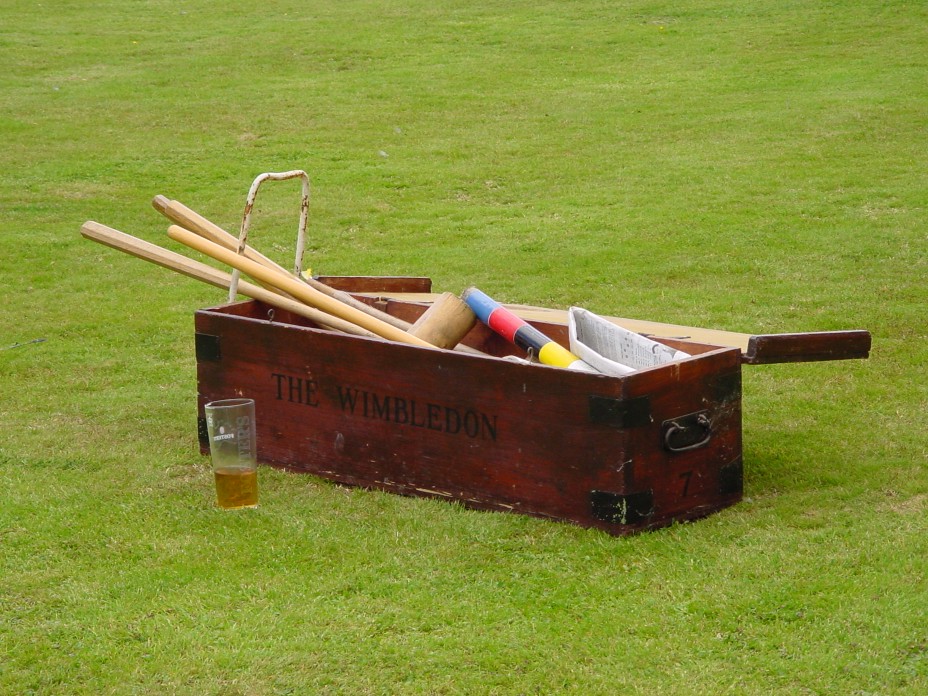
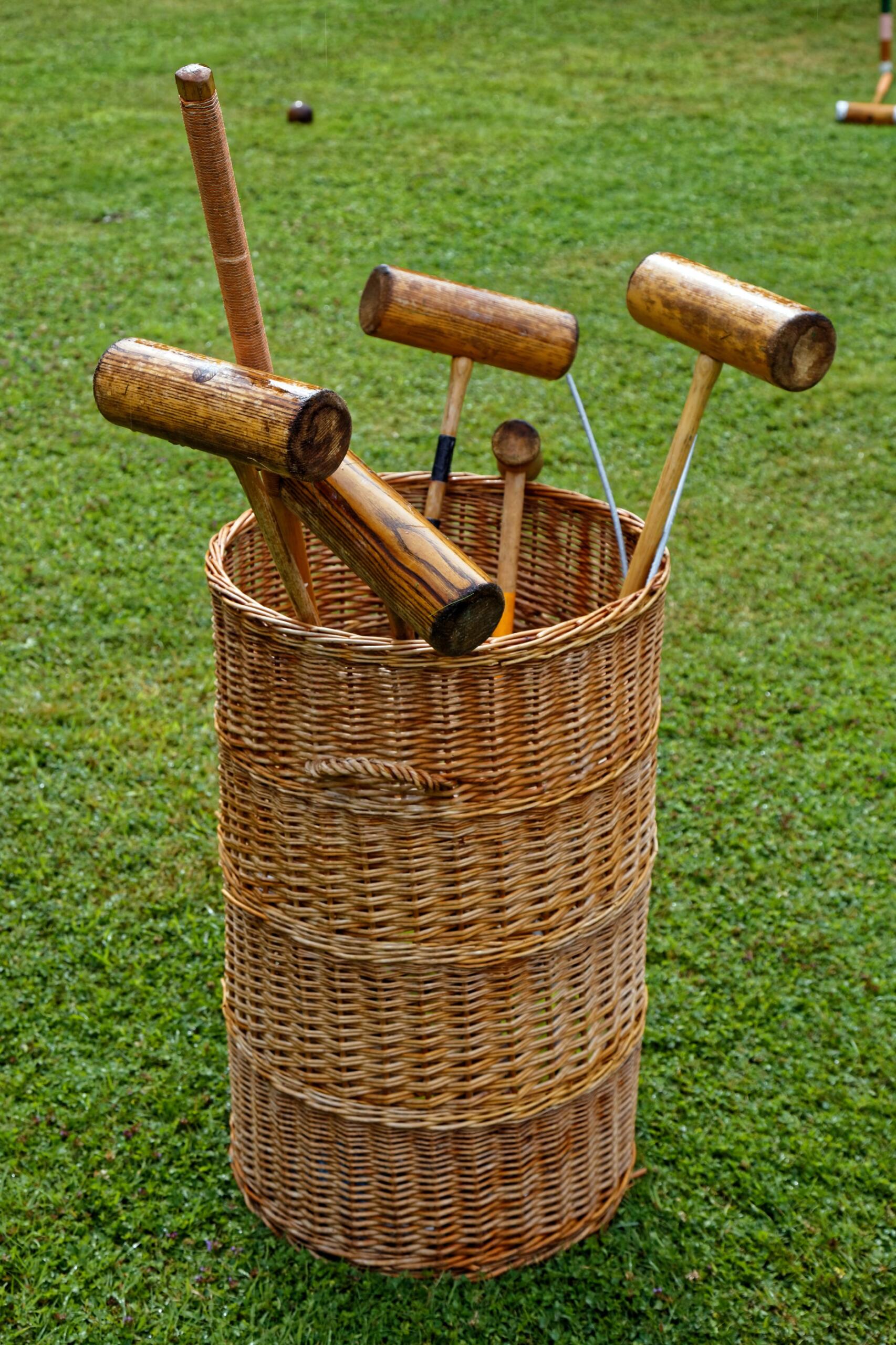
The set arrived as a wooden stand holding six mallets upright in slots, with the balls in a row beneath, the wire wickets in a bundle and two painted stakes – and the whole thing lived in a garage corner for a decade.
Sets in a zipped nylon bag or a cardboard box, generally with lighter plastic components, bought for an occasion rather than owned as standing equipment.
The rack is why so many of these survive. A wooden stand holding its own contents upright, in a garage, is almost impossible to lose track of – and a great many American garages still have one behind something, with the mallet heads loose and three wickets missing.
Like our content? Follow us for more.
2. The Wickets Bent and Then They Vanished
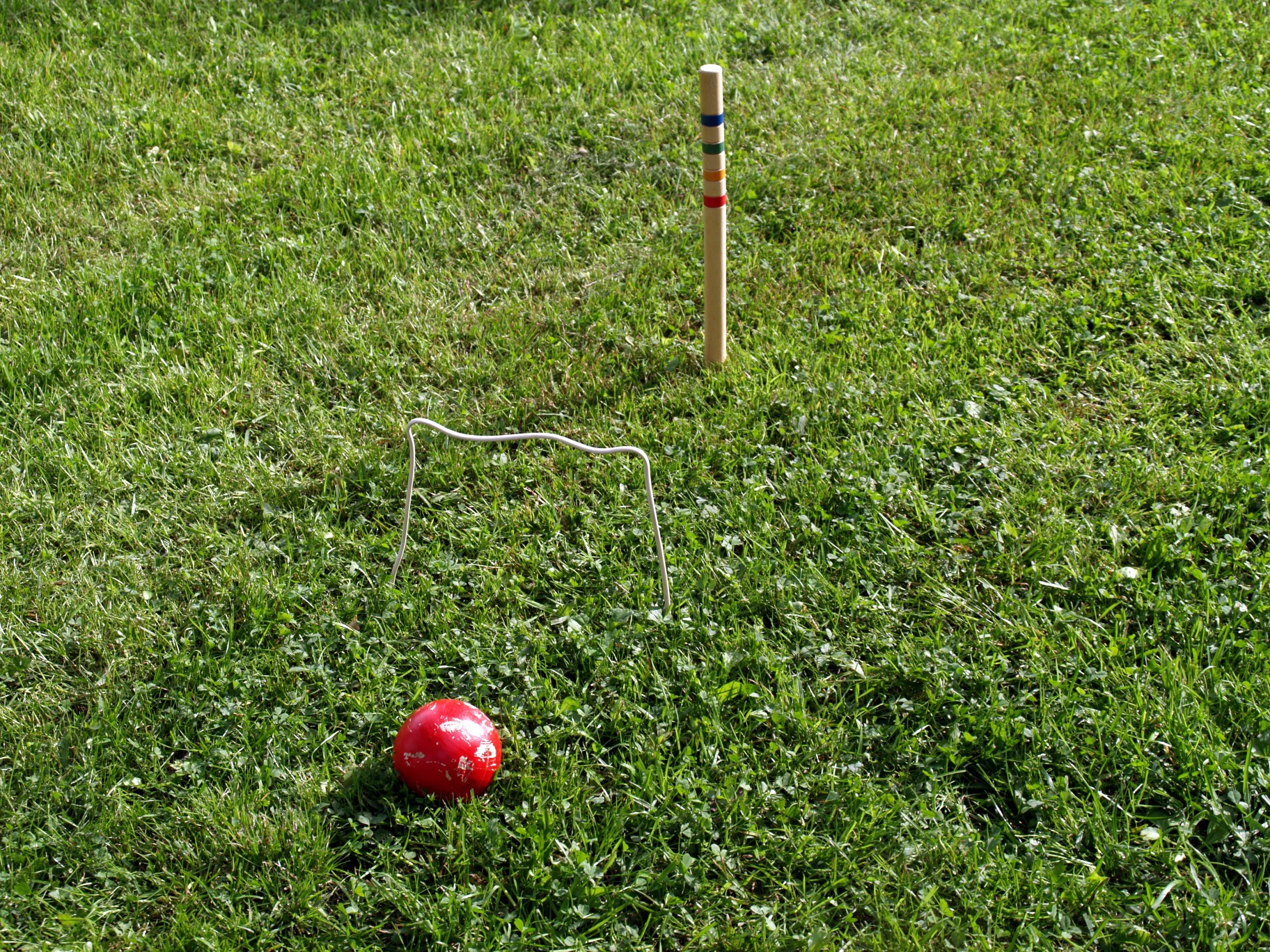
The wickets were lengths of heavy wire bent into a U, pushed into the lawn by hand or a heel, and they bent out of shape the first time anybody trod on one or hit one with a mallet.
The same component in the same material with the same failure mode, which is why modern sets include spares and why nobody expects a set to stay complete.
The real loss was to the mower. A wicket left in the grass is invisible from a standing position and finds a mower blade reliably, which is why fathers counted them in and out – and why a set that is missing exactly two wickets is missing them for a specific remembered reason.
3. Nobody’s Lawn Was Flat and That Became Part of the Game
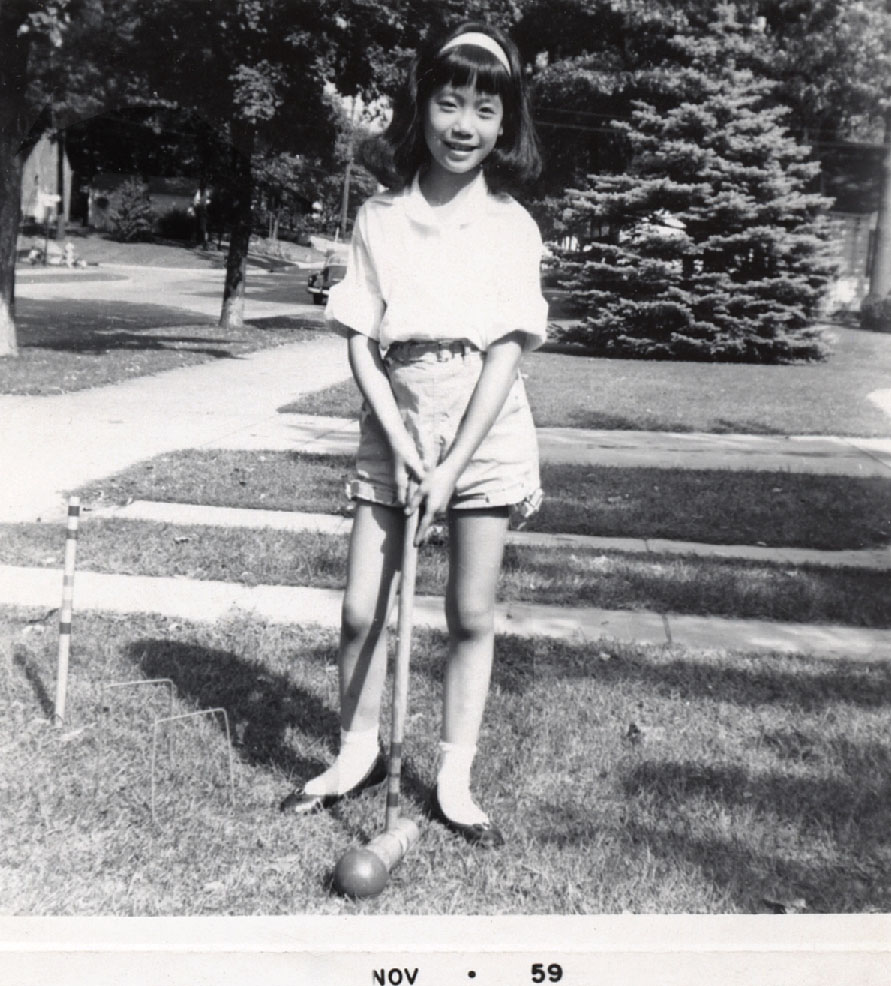
Croquet assumes a level playing surface and no American back yard had one, so every household’s court had its own slopes, bare patches, tree roots and soft ground.
Essentially the same, since yards are no flatter. What has changed is that the local terrain is no longer accumulated knowledge, because nobody plays on the same ground repeatedly for years.
The home advantage was substantial and entirely legitimate. A child who had played a hundred games on that lawn knew that a ball struck towards the maple drifts left, that the patch by the hose runs fast, and that the far wicket sits in a hollow – which is a genuine competitive edge built purely from repetition in one place.
4. Croquet Has Real Strategy and Children Discovered It by Being Beaten
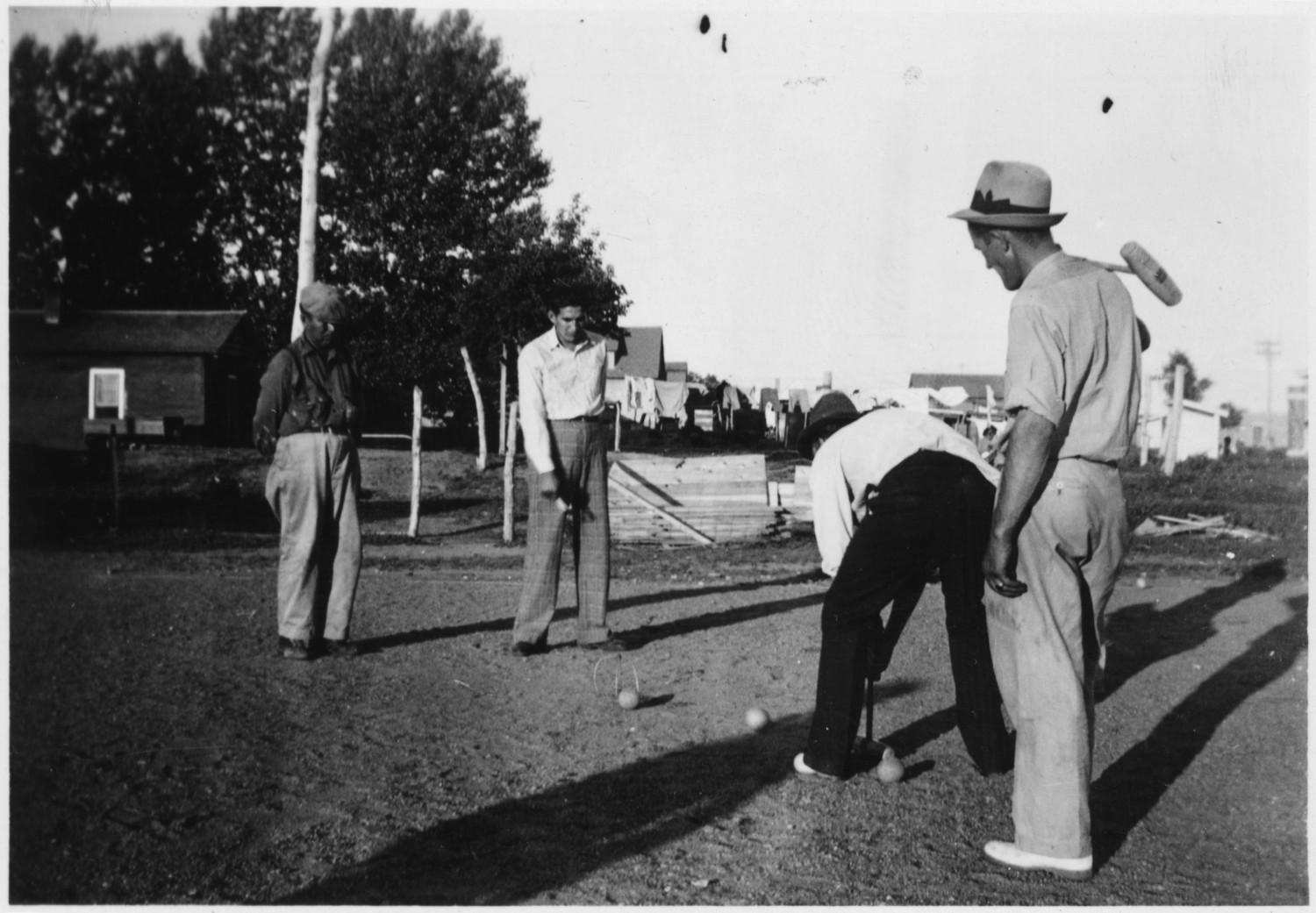
The rules allow you to strike an opponent’s ball with your own and then send it wherever you like – into a flower bed, behind a tree, out of position entirely – and a good player spends as much effort on that as on their own progress.
Identical, since the rules have not changed. The strategic depth is the reason croquet has a serious competitive form that bears very little resemblance to a family game on a lawn.
It is the moment the game turns, and every family had the person who understood it first. A player who stops advancing and starts dismantling everybody else’s position is playing a different game from the children, and discovering that this is allowed is a formative and slightly outraging experience.
5. The Mallet Was Heavy Enough to Be a Grievance
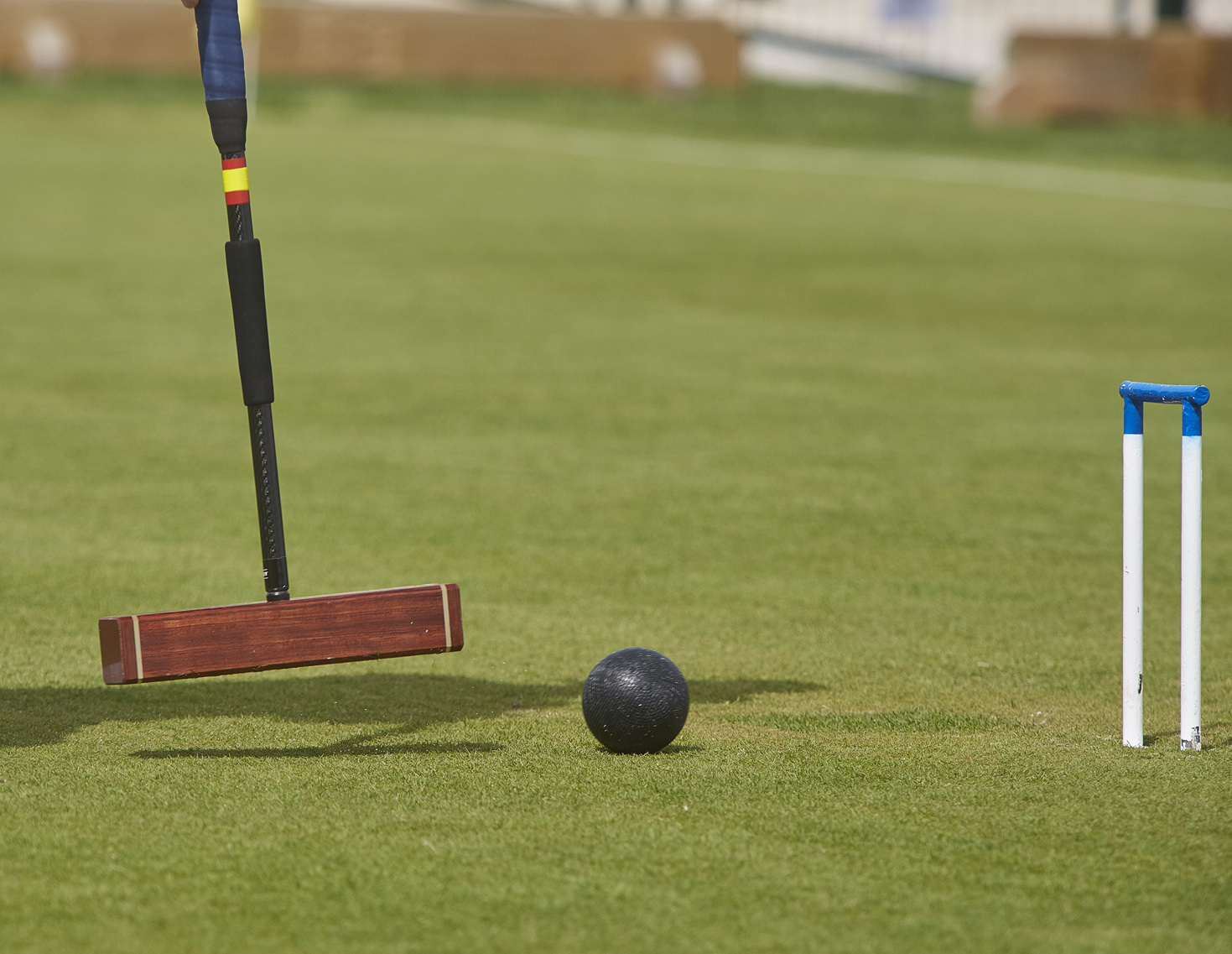
Mallets were hardwood with a long handle and a solid head, weighty enough to drive a ball across a lawn – and weighty enough that being hit by a swing, or by a ball travelling at speed, genuinely hurt.
Lighter sets with plastic or composite heads in most consumer products, which hit softer and carry less far.
The weight was the point and it was also the problem. A mallet swung in frustration by a nine-year-old who has just been sent into a hedge is a heavy object moving fast near other children’s shins, and every family that played has at least one incident that ended the afternoon.
6. Badminton Posts Were Driven Into the Lawn and Left There
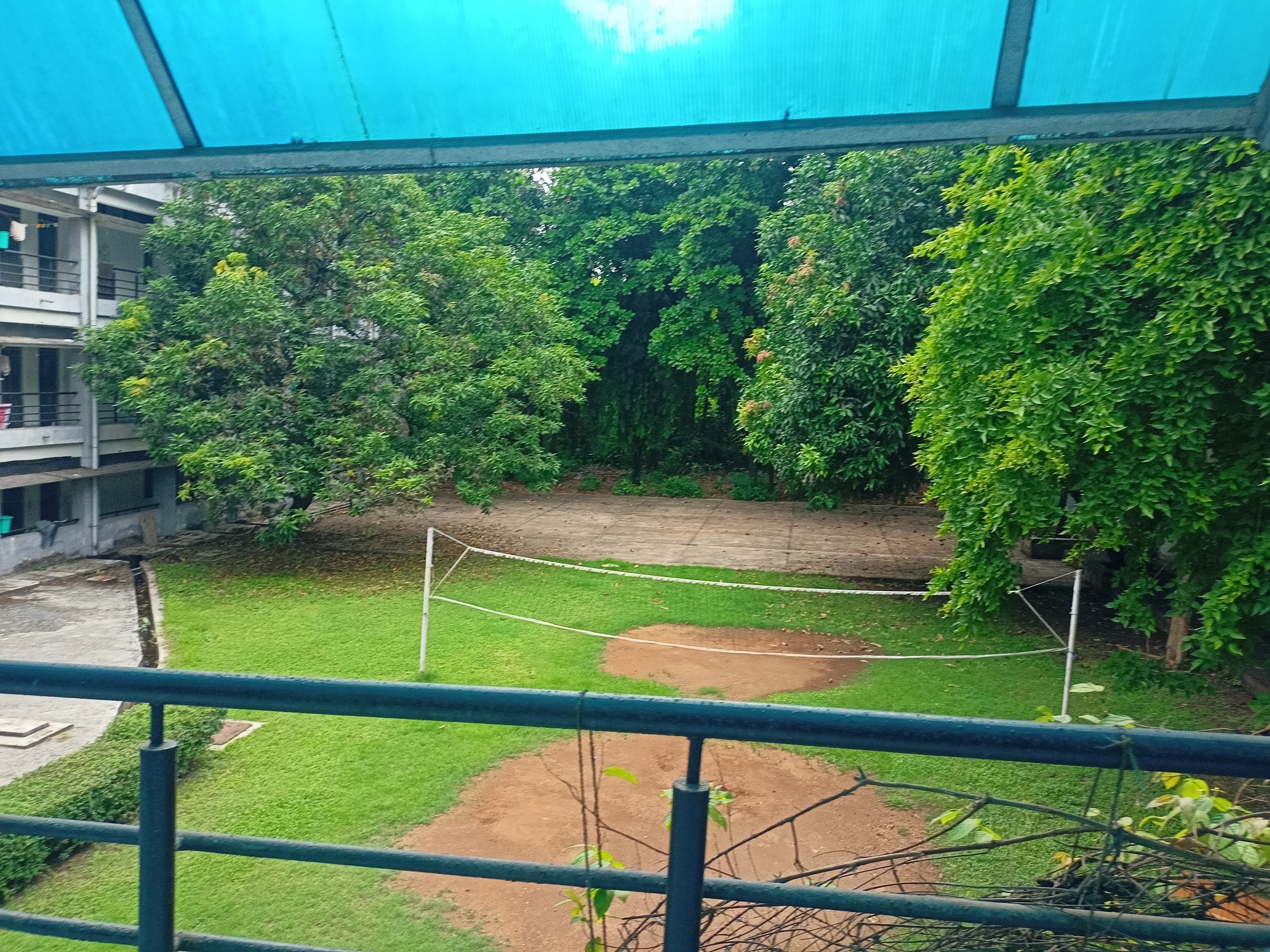
The net came with two steel posts, pointed at the bottom, hammered into the turf with a mallet or a brick, with guy lines to pegs – and once set up it stayed up for the summer.
Freestanding frames with weighted or water-filled bases that assemble in minutes and go away in minutes, requiring nothing to be driven into anything.
Leaving it up all summer is the detail that changed, and it changed the game’s role entirely. A net standing in the yard from June to September is available – you walk past it, pick up a racket and play for six minutes – whereas a net that has to be put up is an event somebody has to decide on.
7. The Net Sagged by July and Nobody Fixed It
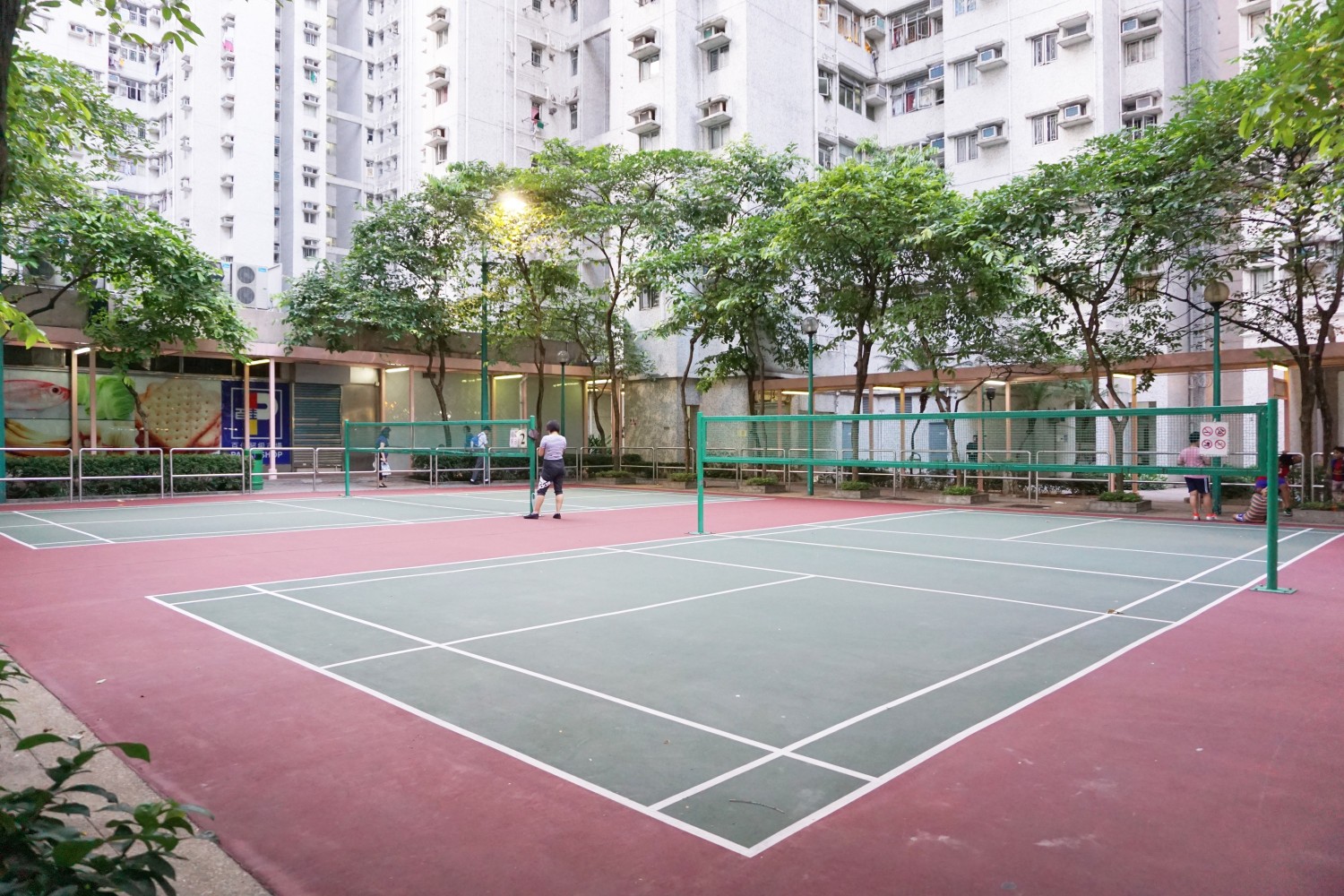
The nets were cotton or light nylon cord strung between two posts under tension, and tension does not survive weather, repeated impacts and a post gradually leaning in soft ground.
Rigid frames that hold a net at a fixed height whatever the ground does. The sagging net is one of the most universally remembered objects of an American summer.
And the house rules accommodated it, which is the part that tells you about the period. Everybody played over a net that dipped to knee height in the middle, with a shared understanding that the low part did not count, and nobody treated it as a problem to be solved.
8. Shuttlecocks Went on the Roof and Stayed There

The shuttles were feather or nylon, weighted at the nose, and they went straight up when mishit – onto a garage roof, into a gutter, into a tree – and they did not come down.
Identical, with the same outcome. A set of six shuttles lasted as long as it took to lose them, and the last one was played with long after it had lost half its feathers.
The retrieval attempts are the real memory. A rake taped to a broom handle, a tennis ball thrown at a gutter, a child on somebody’s shoulders, and in the end an accumulation of shuttlecocks on a garage roof that was discovered years later by whoever replaced the shingles.
9. The Tetherball Pole Was Set in Concrete and Became Permanent
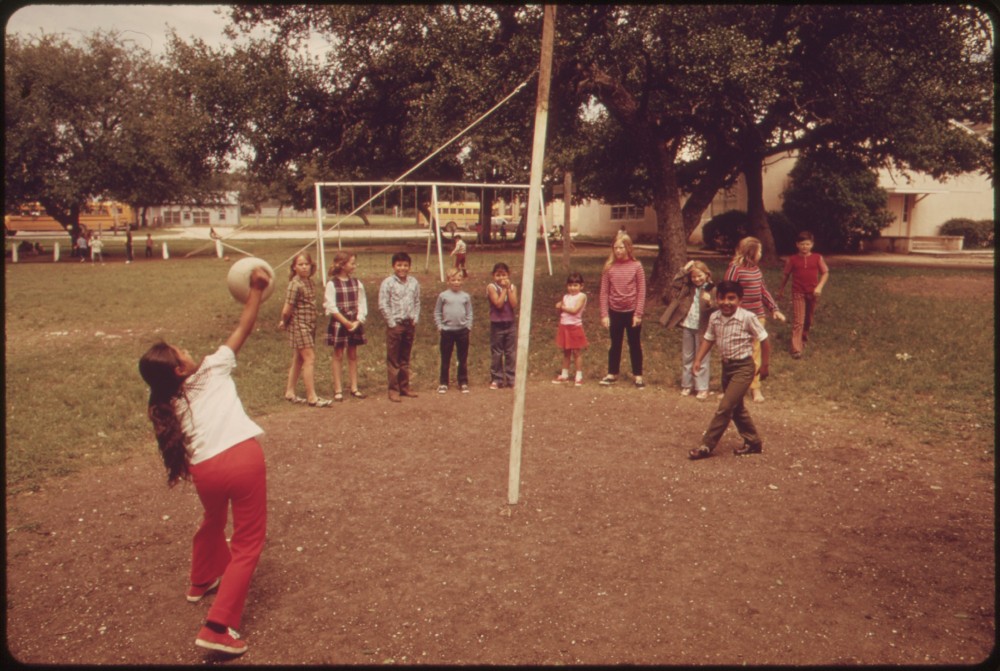
A tetherball installation meant digging a hole, setting a steel pole in concrete, and attaching a ball on a rope – which is a permanent alteration to a yard made for one game.
Portable bases filled with water or sand, which can be moved and emptied. The concrete version could not be removed without breaking it out.
Which is why they outlasted interest in them by decades. A pole in concrete is easier to leave than to remove, so American yards accumulated bare steel poles with no rope on them, standing in lawns, long after the children who had wanted one had left for college.
10. Volleyball Was Played Over Whatever Was Available
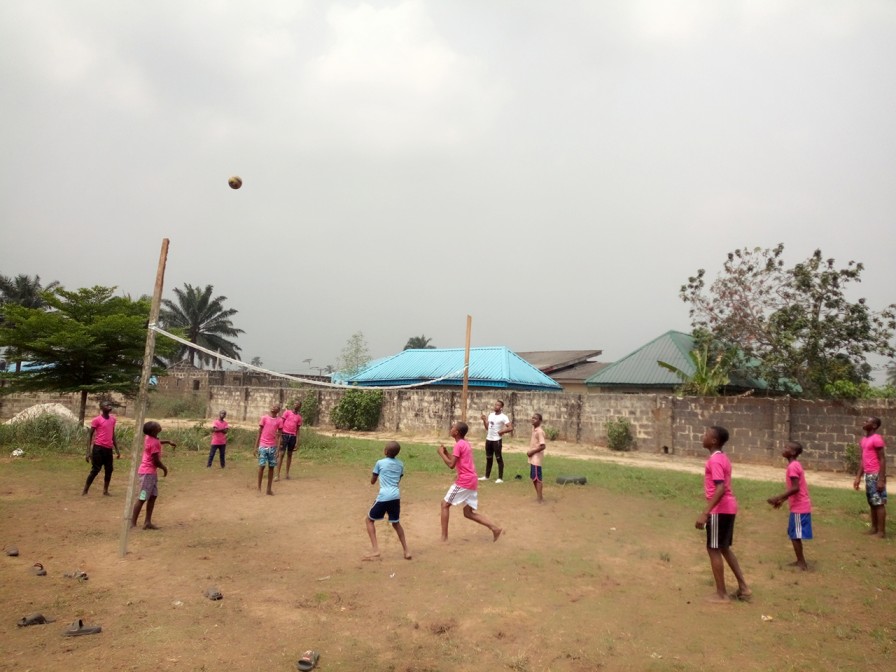
Households without a net used a clothesline, a rope between two trees, a badminton net at the wrong height, or simply an agreed imaginary line – and played with whatever ball there was.
Proper portable net systems at correct heights, and organised play on built courts with lines, which is a different game with a different skill requirement.
The improvisation kept the game accessible and it is exactly what organised sport removed. Nobody needed equipment, a court, a count of players or a referee – two trees and a rope produced a game that eleven people of mixed ages could join and leave at will.
11. Boundaries Were Marked With Hoses, Shoes and Trees
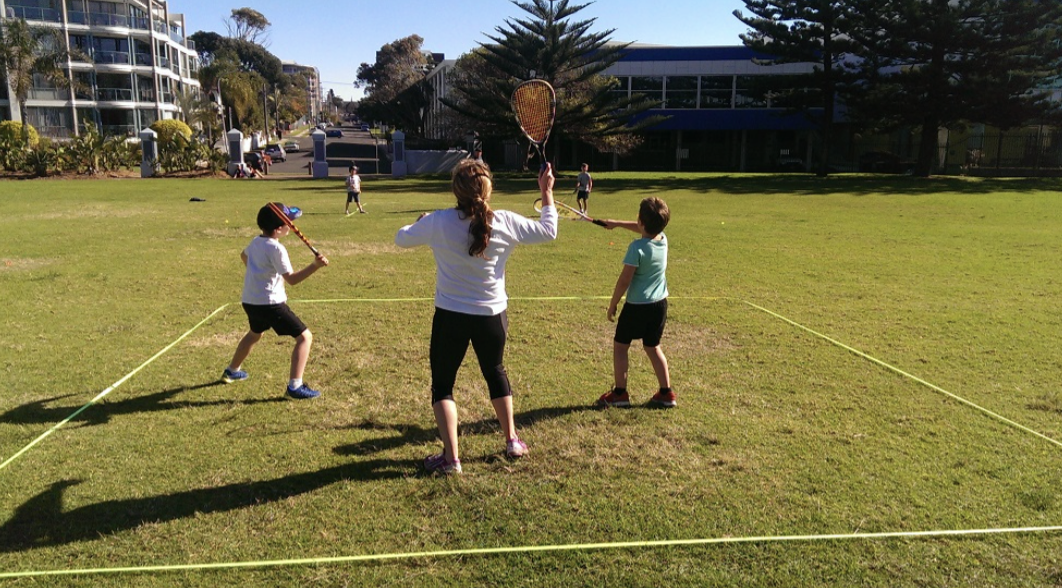
The limits of play were established by whatever was lying about: a coiled garden hose as a sideline, shoes as goalposts or corners, a particular tree as out of bounds, the flower bed as a penalty.
Marked lines on built surfaces, or nothing at all. Improvised boundaries had to be negotiated at the start and argued about throughout.
And the arguing was functionally part of the game. A boundary made of a shoe moves when somebody kicks it, which means every disputed call required a group of children to re-establish a fact by consensus – and they did it, several times an afternoon, without an adult.
12. The Rules Were Local, Unwritten and Fiercely Defended
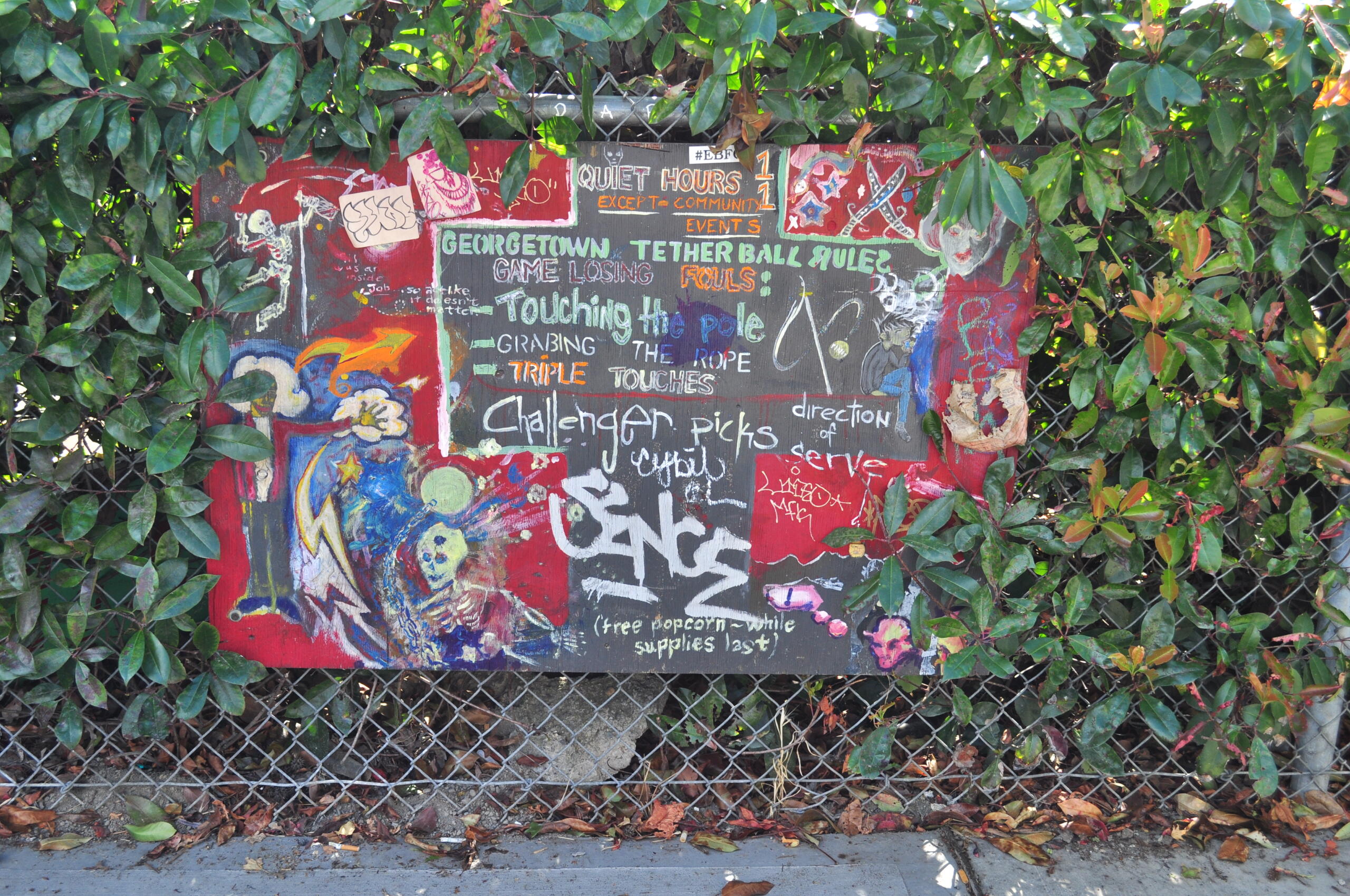
Every household and every street had its own version of each game – what counted, what was allowed, how to start, what happened on a tie – learned by playing rather than from any printed source.
Published rules, available instantly, and organised play that uses them. The old local variants produced genuine conflict whenever children from different streets played together.
Which was the first lesson in a particular adult skill. Two groups arriving with incompatible rules had to negotiate a working version before anybody could play, under time pressure, with nobody empowered to decide – and the resulting compromise was frequently worse than either original and was accepted anyway.
13. The Whole Family Could Actually Play, Competitively
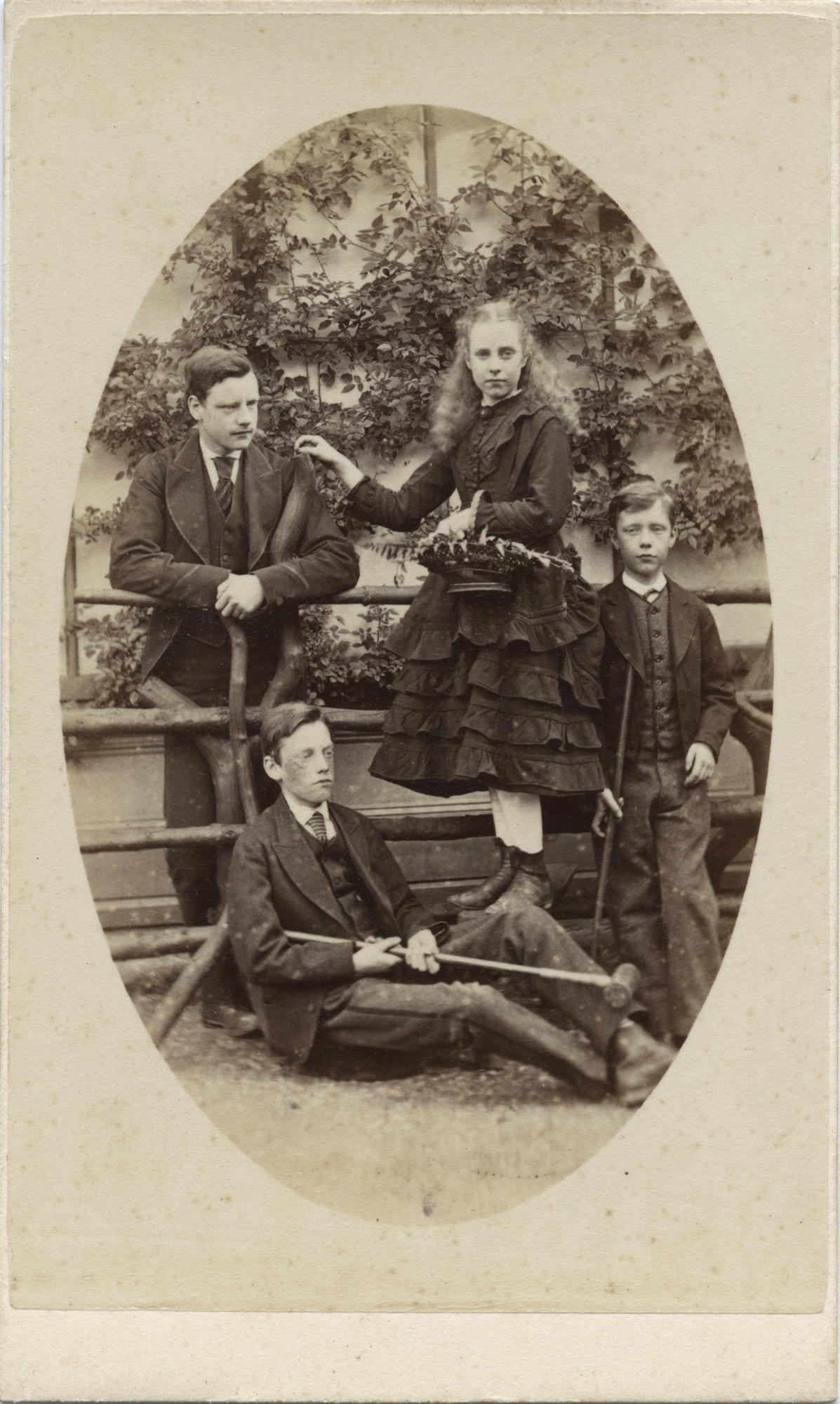
Croquet, badminton and the rest are games in which a seven-year-old can genuinely beat a forty-year-old. The skill ceiling is low, the equipment is forgiving, and accuracy matters more than strength or speed.
Age-graded organised sport in which children play other children of the same age, coached, on marked surfaces, while adults watch from the side rather than participating.
That is the single biggest difference and it gets overlooked because it is not about equipment. A game that a child and a grandparent can play against each other on equal terms is doing something no age-graded league can do – and the backyard games were almost all of that kind, by accident of their design.
14. The Game Ended When Somebody Was Called In

Play had no fixed duration. It ran until it got dark, until somebody was called for dinner, until enough players had left that it could not continue, or until an argument finished it.
Scheduled practices and games with start and end times, officials, and a parent collecting a child at a known hour.
The open end is what made the afternoons feel as long as people remember them. A game with no finishing time is not a slot in a day; it is simply what is happening until something stops it – and the thing that usually stopped it was a voice from a back door.
15. Then the Games Moved Into Leagues and the Adults Stopped Playing

All of it rested on cheap forgiving equipment, an uneven patch of grass, mixed ages, local rules and an afternoon with nothing scheduled in it.
Organised youth sport on a scale that did not exist in 1974 – leagues, coaching, travel teams, registration, seasons and marked facilities – alongside smaller yards with more of the ground given to decks, patios and planting.
The shrinking yard matters, but the structural change is who is playing. Organised sport sorted everybody by age and put the adults on the sideline with a folding chair, which is a better way to develop an athlete and a complete loss of the thing these games were uniquely good at. The backyard set existed because its games were deliberately easy – low skill ceiling, forgiving equipment, accuracy over strength – which meant a child, a parent and a grandparent could compete against each other honestly, in the same game, at the same time, and any of them might win. Nothing in a modern childhood does that. The equipment is still sold and the rules have not changed; what has gone is the occasion on which three generations played the same game and the youngest one had a real chance.
They Were Easy on Purpose, Which Is Why Everybody Could Play
The usual explanation for the disappearance of backyard games is that yards got smaller and screens got better. Both are true and neither is the interesting part.
Look instead at what these particular games have in common, because it is not an accident.
Croquet, badminton, tetherball, improvised volleyball and the rest all have a low skill ceiling. The equipment is forgiving – a heavy mallet sends a ball a long way whether or not you hit it well, a shuttlecock slows itself down, a tethered ball comes back. Accuracy matters more than strength, speed or stamina. And the scoring is simple enough that a six-year-old can follow it.
Which produces one specific property: a child can genuinely beat an adult.
Not be allowed to win. Actually win, on the merits, because the game does not reward the things adults have more of. A seven-year-old who has played a hundred games on that particular lawn and knows the ball drifts left near the maple has a real competitive advantage over a forty-year-old who is stronger and faster and does not know the ground.
So the backyard game was one of the very few arenas in an American childhood where three generations competed honestly in the same contest at the same time and any of them might lose. A grandparent could play. A parent could play. A child could beat both of them, and did.
Then youth sport organised itself, on a scale that simply did not exist in 1974 – leagues, coaching, registration, seasons, travel teams, marked facilities, age brackets.
That is better at developing an athlete, by a wide margin, and it is not in dispute. It is also, structurally, the opposite arrangement. Children play other children of exactly their own age, under adult supervision, on a correct surface, with published rules and an official. The adults are on the sideline in folding chairs.
Everything that made the lawn game work was removed in that transition. The mixed ages went. The negotiated local rules went. The forgiving equipment went. The open-ended afternoon went. The adults stopped playing and started watching.
The equipment is still manufactured and the rules have not changed, which is the giveaway. Nothing was lost technically.
What went was the occasion on which a child, a parent and a grandparent played the same game against each other and the youngest one had a real chance of winning it.
If your yard had this, somebody in your family understood croquet properly and was insufferable about it.
And there are shuttlecocks on a garage roof somewhere that have been there since 1976.
Like our content? Follow us for more.
