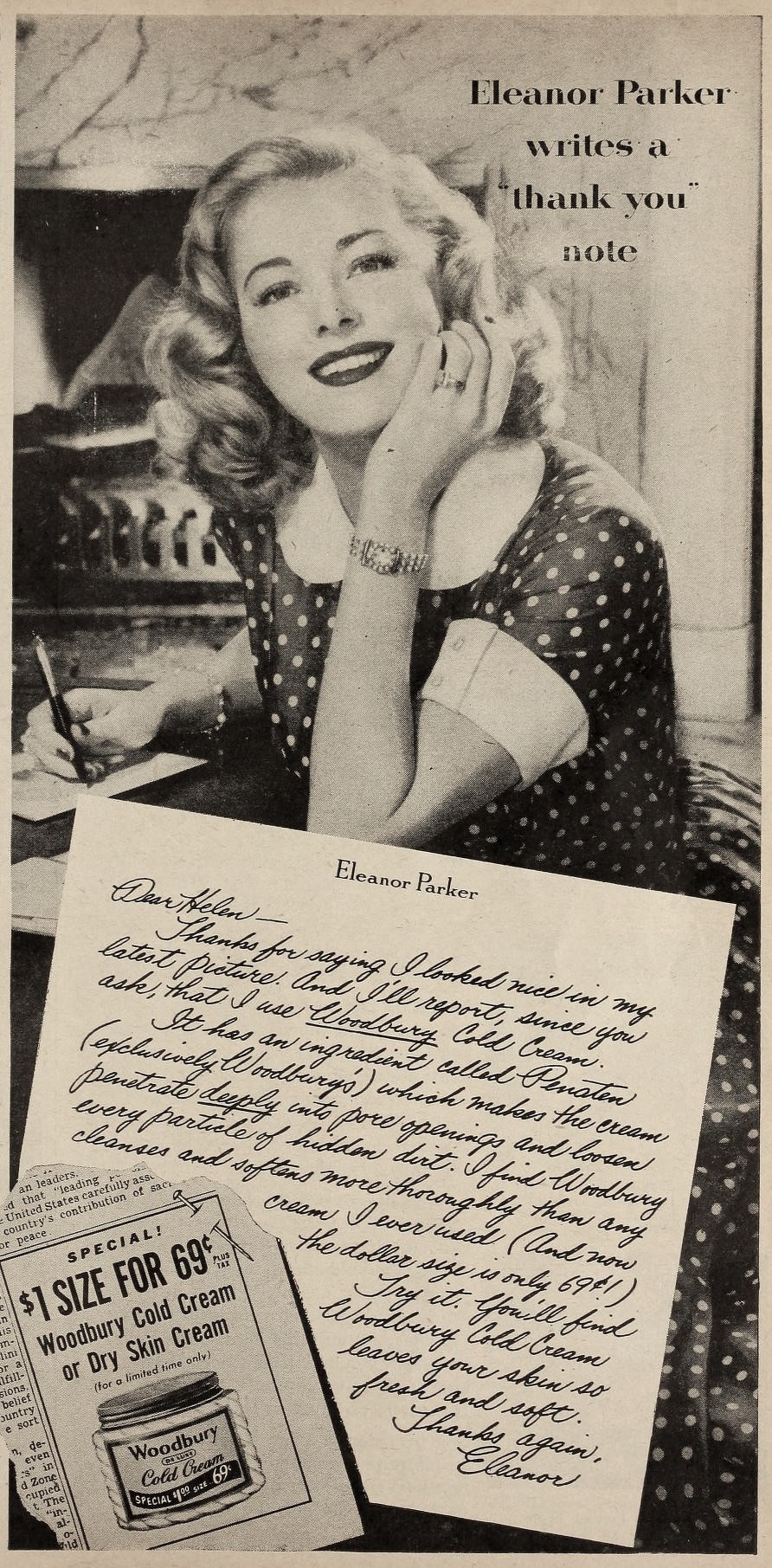
In 1964 there was one jar on the dressing table, it was glass and heavy, and it did everything.
It took the makeup off – applied generously, left a moment, then wiped away with a tissue that came off carrying the colour of the whole day. A thinner layer went back on and stayed there overnight, which is why a goodnight kiss from somebody’s mother involved a visibly shiny face. It got raided for chapped hands, sunburn and a stuck ring. Men used it and said nothing about it.
And the smell has outlasted all of it. Here are twelve things every woman did with a jar of cold cream.
1. One Jar Did the Entire Routine
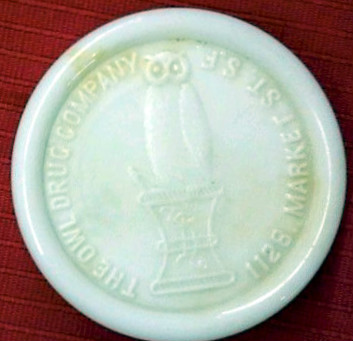
A single wide glass jar on a dressing table handled cleansing, makeup removal, overnight moisturising and several unrelated household jobs – and most households owned exactly one product for all of it.
A sequence of separate products, typically somewhere between five and fifteen, each sold for one step – cleanser, remover, toner, day cream, night cream, eye cream, serum and so on.
The single-jar arrangement is the thing worth sitting with, because it was not a compromise anybody complained about. Women were not making do. The jar did the jobs that needed doing, it did them adequately, and the idea that each step required its own purchase had not yet been proposed.
Like our content? Follow us for more.
2. Its Actual Job Was Taking Makeup Off
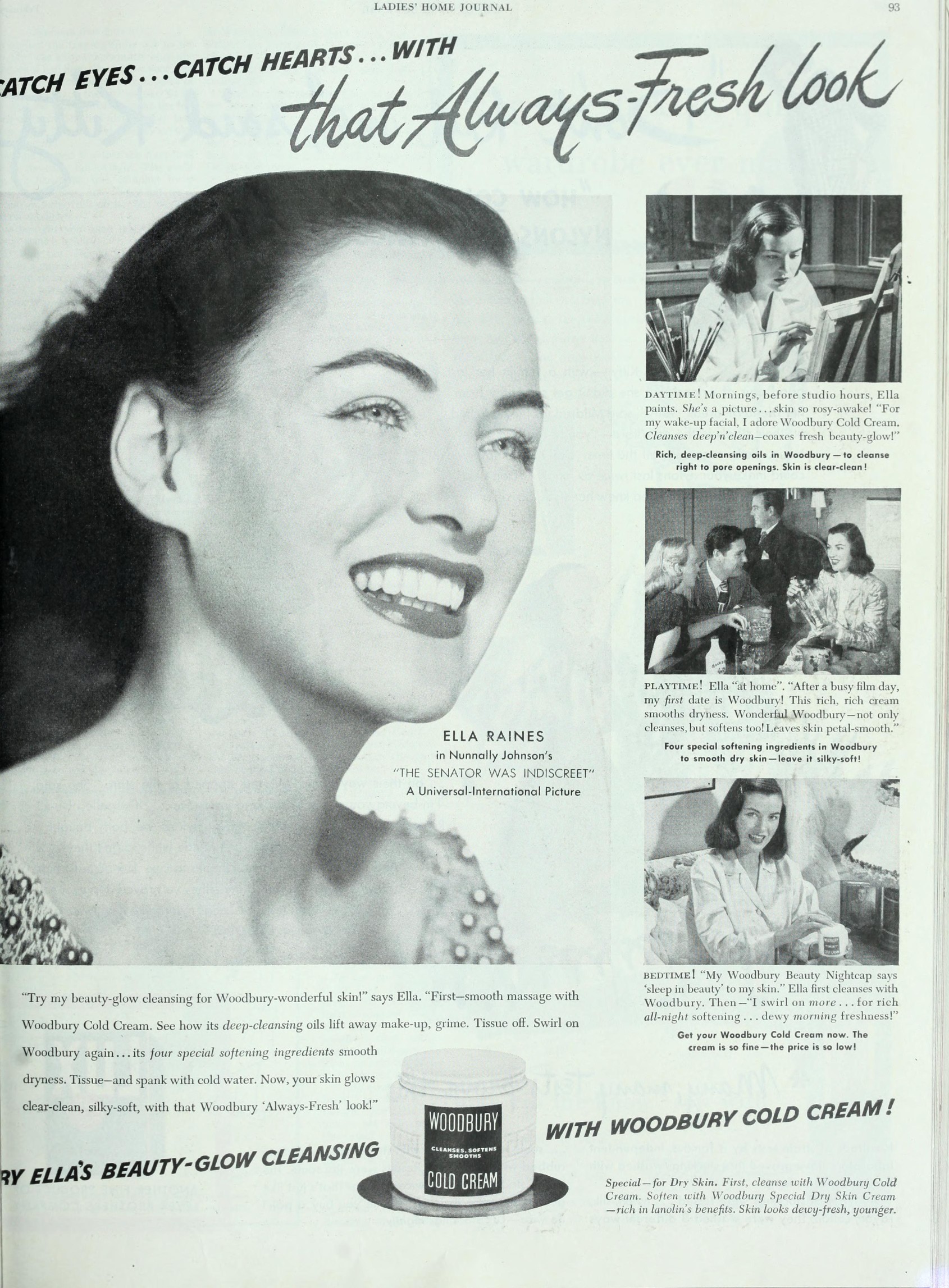
The primary function was removal. Applied generously to the face and then wiped away, it lifted off powder, foundation, lipstick and mascara in a way that soap and water genuinely could not.
Dedicated makeup removers, micellar waters, cleansing oils, balms and wipes – a whole product category built around the one function that was previously the jar’s main purpose.
The reason it worked is simple chemistry and it has not changed. Most makeup is oil-based, and oil dissolves oil far better than water does – so a preparation that is largely oil, held in a form you can spread, takes makeup off because like dissolves like.
3. It Was Wiped Off, Not Rinsed
The cream went on, sat for a moment, and was then removed with a cloth, a tissue or cotton – taking the day’s makeup and dirt with it – and the face was frequently not rinsed at all afterwards.
Rinse-off cleansing almost universally, with wipe-off survival mainly in cleansing balms and in the first stage of a two-step routine.
The wiping is the part that strikes modern readers and it was the whole method. There was a visible result – a cloth or tissue carrying the colour of the day – which made the process feel effective in a direct way that rinsing something down a sink does not.
4. It Went On at Night and You Slept in It
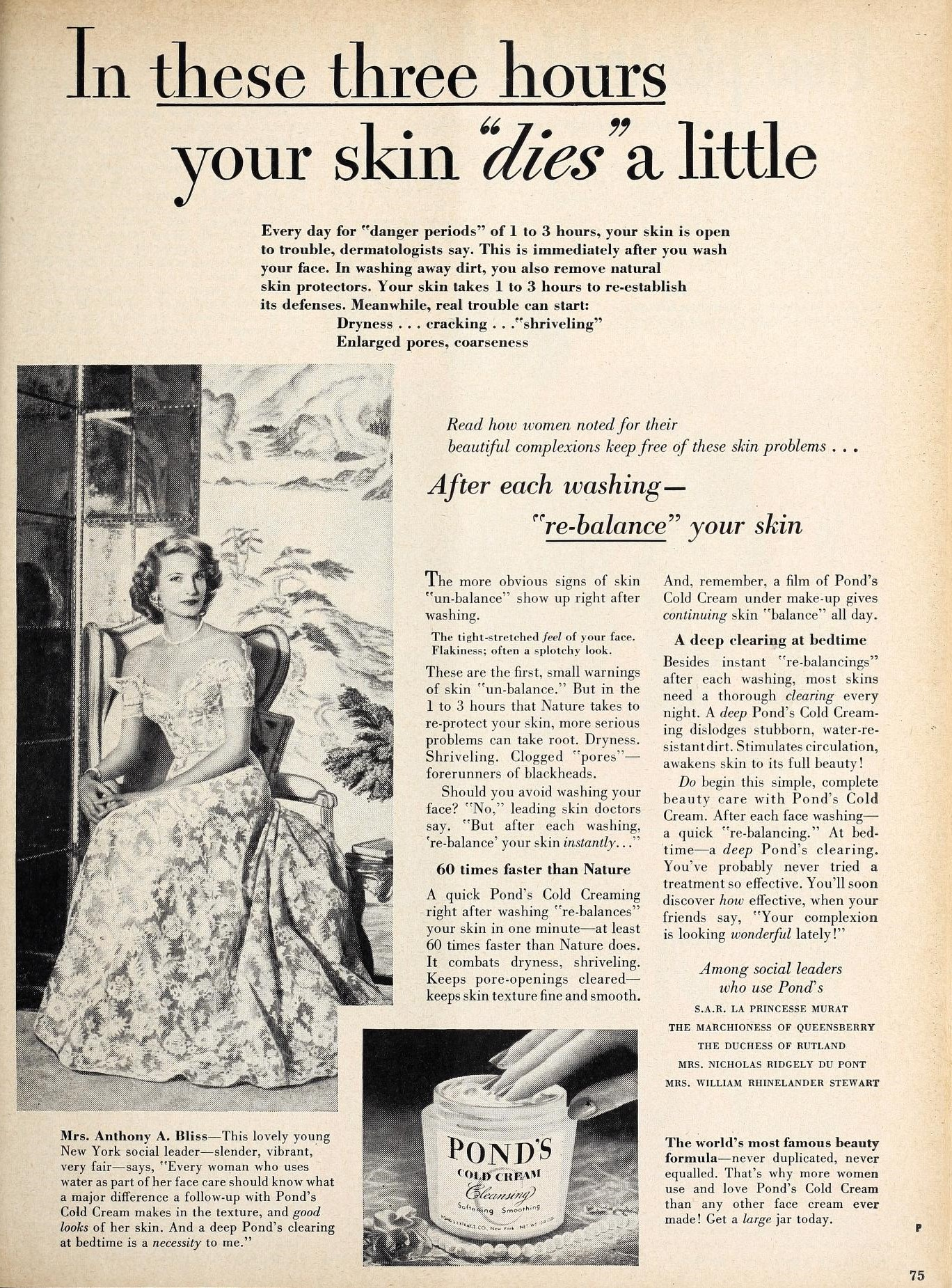
After removal, a thinner layer was left on overnight as a moisturiser, which meant going to bed with a visibly shiny face – and a particular kind of pillowcase laundry as a consequence.
Night creams and overnight masks formulated to absorb rather than sit, which achieve the same purpose without the residue and without the laundry.
The shine was accepted as the price and it became an image everybody recognised. A mother saying goodnight with a greased face is one of the most reliably reported memories of the period, and it is the detail people describe first when the subject comes up.
5. The Preparation Was Ancient and Barely Changed
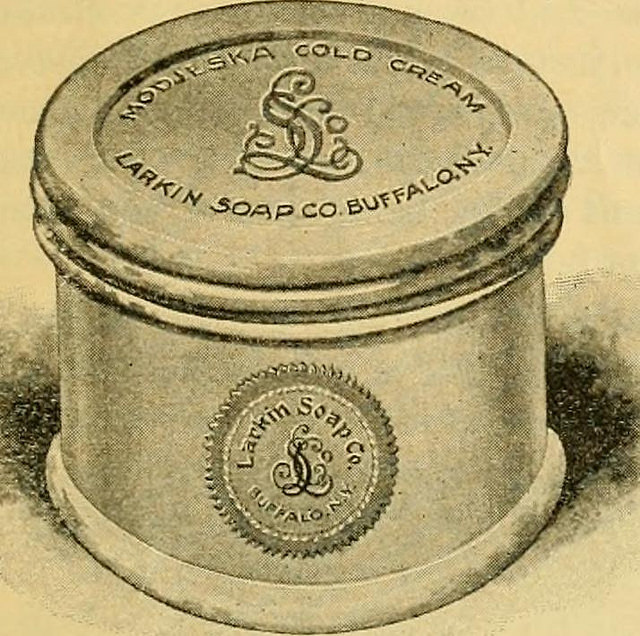
At its core it was a mixture of oil, water and wax held together as an emulsion – a formula described in the ancient world and refined rather than reinvented over the following eighteen centuries.
Emulsions of considerably greater sophistication, with modern emulsifiers, preservatives and additives – but still, in the overwhelming majority of cases, oil and water persuaded to stay mixed.
The continuity is remarkable and is rarely mentioned. A woman in 1964 was using a preparation whose basic principle a physician in the classical world would have recognised immediately, and most of what sits on a bathroom shelf today is a direct descendant of the same idea.
6. The Name Described What You Felt

The cream felt cold going on, and it was named for that. Water in the emulsion evaporates from the skin’s surface, and evaporation removes heat – which produces a distinct cooling sensation as it is applied.
The same effect in any water-containing cream, now generally not remarked upon and certainly not used as a product name.
It is a nice example of a product named for a physical sensation rather than for an ingredient or a promise. The cooling is real, it is immediate, and in an era before anybody could test a claim, a sensation you could feel on your own face was the most persuasive evidence available.
7. The Jar Was Glass, Heavy, and Had a Place
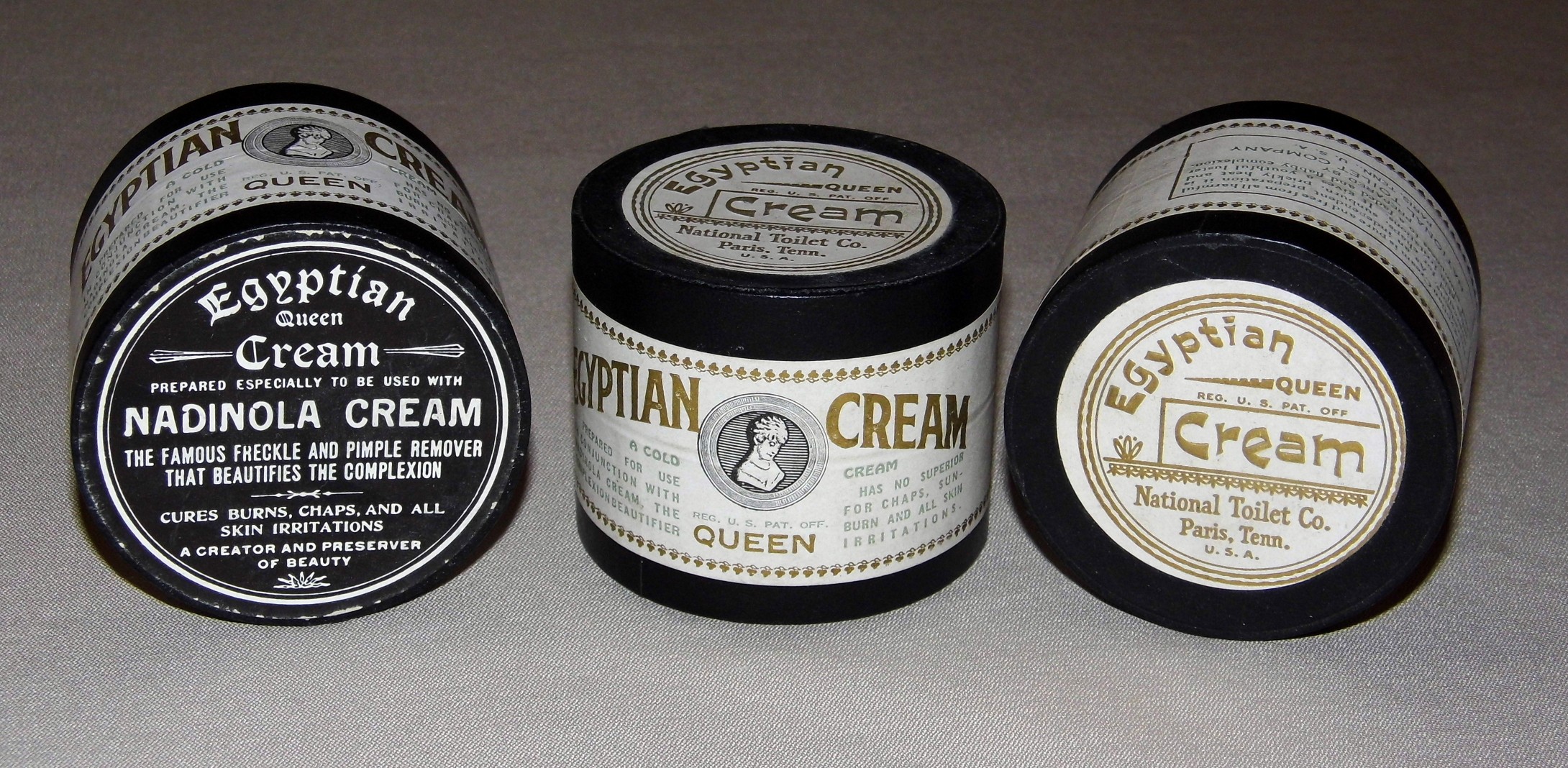
It came in a wide, squat, substantial glass jar with a screw lid, which sat permanently on a dressing table or a bathroom shelf and was refilled by buying another one when it ran out.
Plastic tubes, pumps and pots in far greater numbers, lighter, sealed better, and occupying a shelf collectively rather than individually.
The jar’s weight and permanence gave it standing in the room. It was an object that lived somewhere, got reached for every evening, and was visible – which is a different relationship from a tube in a drawer, and part of why the smell and the shape are remembered so clearly.
8. The Smell Is the Strongest Memory
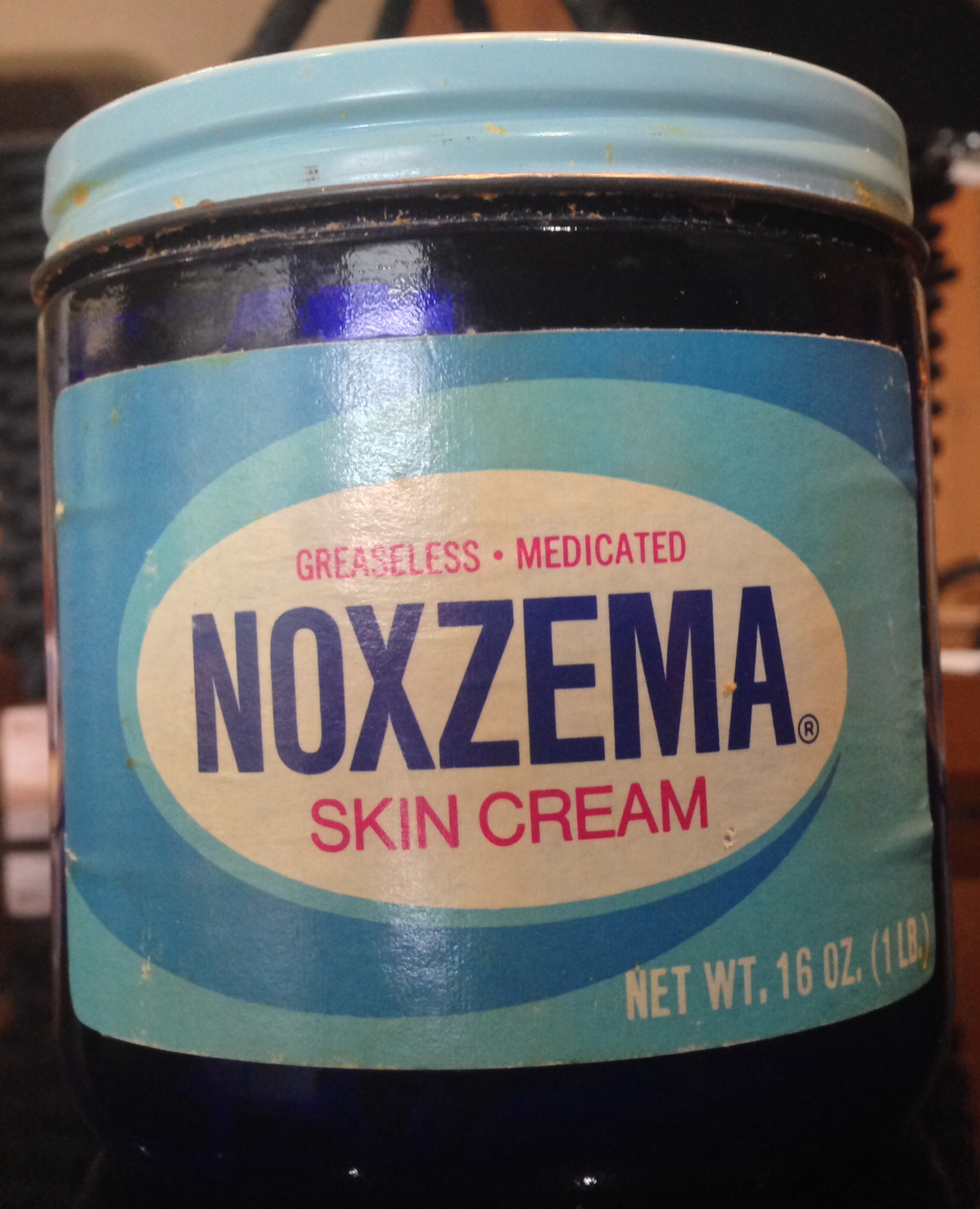
The scent was specific, consistent for decades, and unlike anything else in a house – faintly waxy and floral at once – and it is the single most frequently reported recollection of the whole subject.
Fragrances designed to be pleasant and forgettable, varying by product and brand, with nothing occupying the single universally recognised scent position the old preparation held.
The consistency is why it stuck. A product whose smell did not change for fifty years, used nightly by one’s mother in a small room at close quarters, attaches itself to memory in a way that a rotating sequence of pleasant modern fragrances cannot.
9. It Was Used for Half a Dozen Things It Was Not Sold For
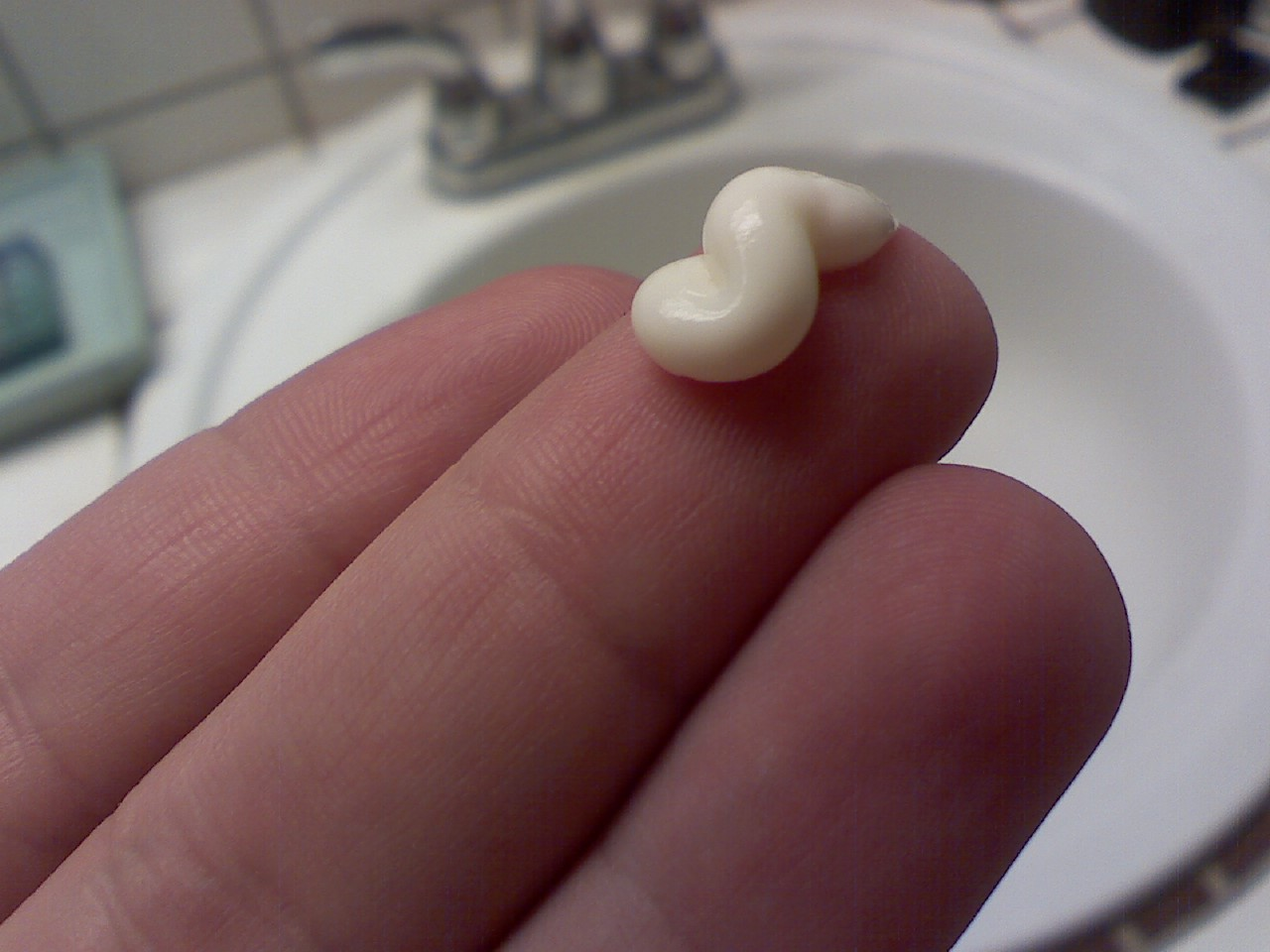
The jar was raided for chapped hands, dry elbows, cracked lips, sunburn, a baby’s bottom, cold-weather face protection and removing a stubborn ring – because it was the only emollient in the house.
A specific product for each of those, most of them better suited to their job – which is a genuine improvement and the reason nobody should romanticise the single-jar era too hard.
The all-purpose use followed from scarcity rather than from any belief that one preparation was ideal for everything. There was one jar of grease in the house, and when something needed grease, that is what came out of the cupboard.
10. Men Used It and Did Not Discuss It
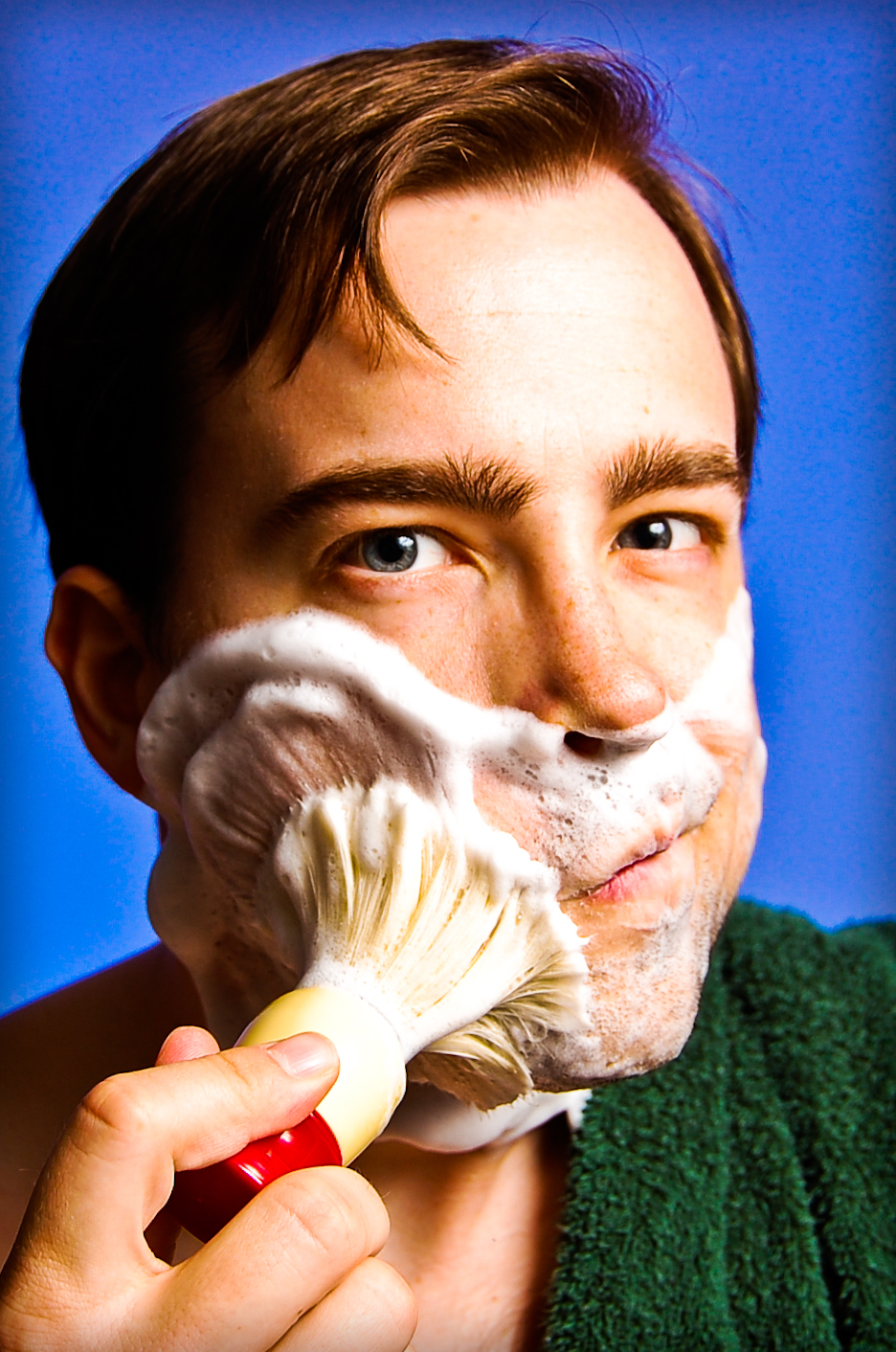
Cold cream was marketed exclusively to women and used quietly by men as well – for shaving, for windburn, for cracked hands and for the same chapped-lip problems everybody else had.
Men’s skincare as an openly marketed category, with products sold in male-coded packaging that are frequently near-identical in formulation to the women’s versions beside them.
The silence was the whole arrangement. The product was understood to belong to one half of the household and was borrowed by the other half without comment – which says a good deal more about the period’s categories than about anybody’s skin.
11. The Routine Had a Time and an Order
The evening sequence was fixed: makeup off with the cream, wipe, a second application left on, hair set and covered, and then bed – performed at the same point every evening, at a dressing table, in sequence.
Routines of considerably more steps, performed at a bathroom sink, with the order a subject of extensive public discussion and frequent revision.
The fixity is what made it a ritual rather than a task. It happened at the same time, at the same piece of furniture, in the same order, every night for decades – which is why children remember watching it and can still describe the sequence.
12. Then One Jar Became Fifteen Products
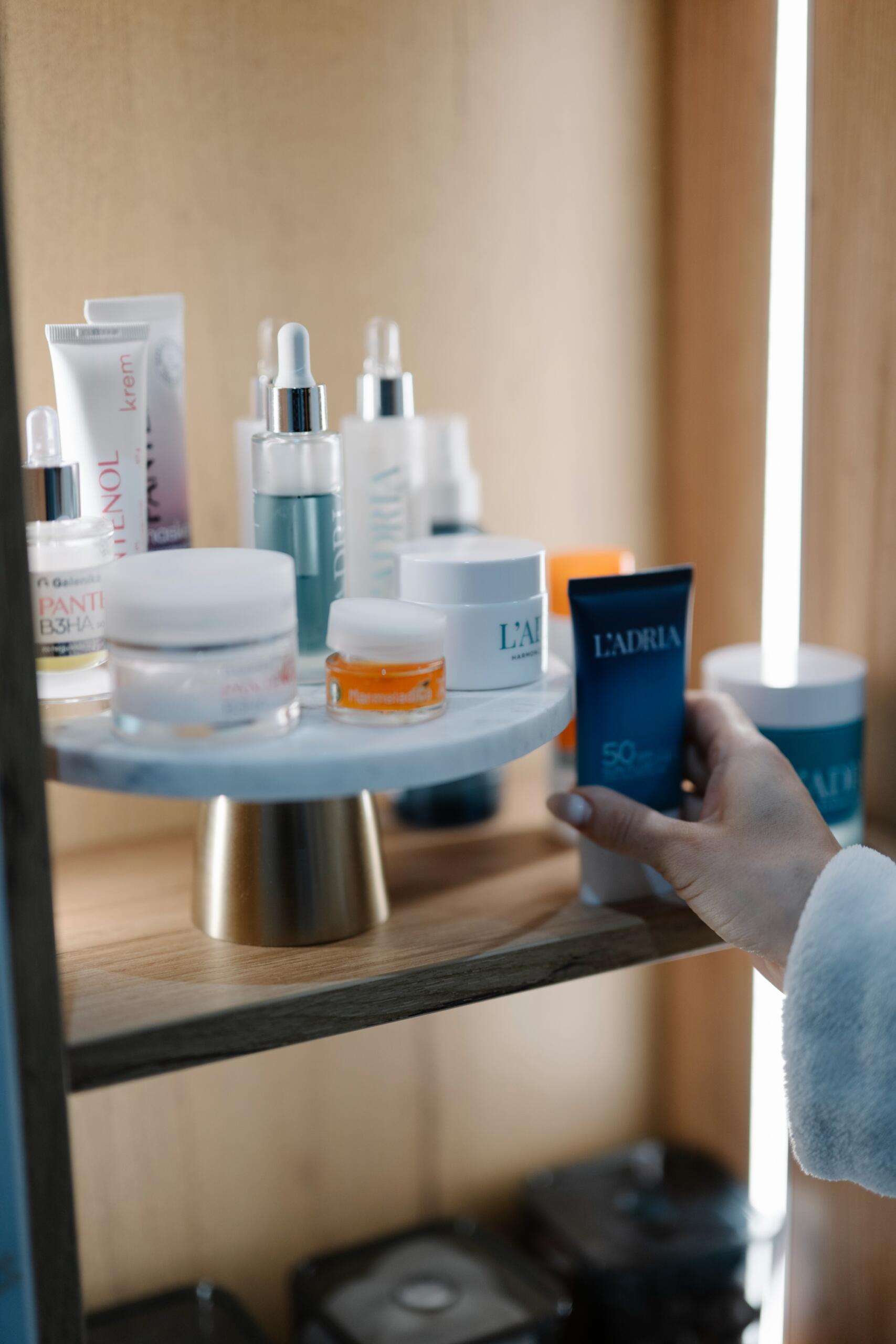
The whole proposition was a single inexpensive jar of an oil-and-water emulsion that cleansed, removed makeup and moisturised overnight, used nightly by nearly every adult woman in the country.
A segmented routine of many separately purchased products, each addressing one step of what the jar did, at a combined cost many times greater – and, latterly, cleansing balms and oil cleansers sold at premium prices.
And the thing to understand is that the jar did not lose a technical argument. It worked, it still works, and its mechanism – oil dissolving oil, carried in an emulsion – remains the basis of a large share of what is sold today. What happened was commercial rather than scientific: the industry’s growth came from separating one product’s functions into many products, each with its own claim, its own price and its own place in a sequence. That is not fraud and some of the separated products are genuinely better at their narrower jobs. But the arithmetic is worth naming, and so is the ending. The current enthusiasm for cleansing balms and oil cleansing – massage it in, wipe it off, let the oil take the makeup with it – is cold cream, rediscovered, described as a breakthrough, and sold for twenty times what the jar cost. The grandmother asleep with a shiny face had worked it out already.
The Jar Did Not Lose an Argument
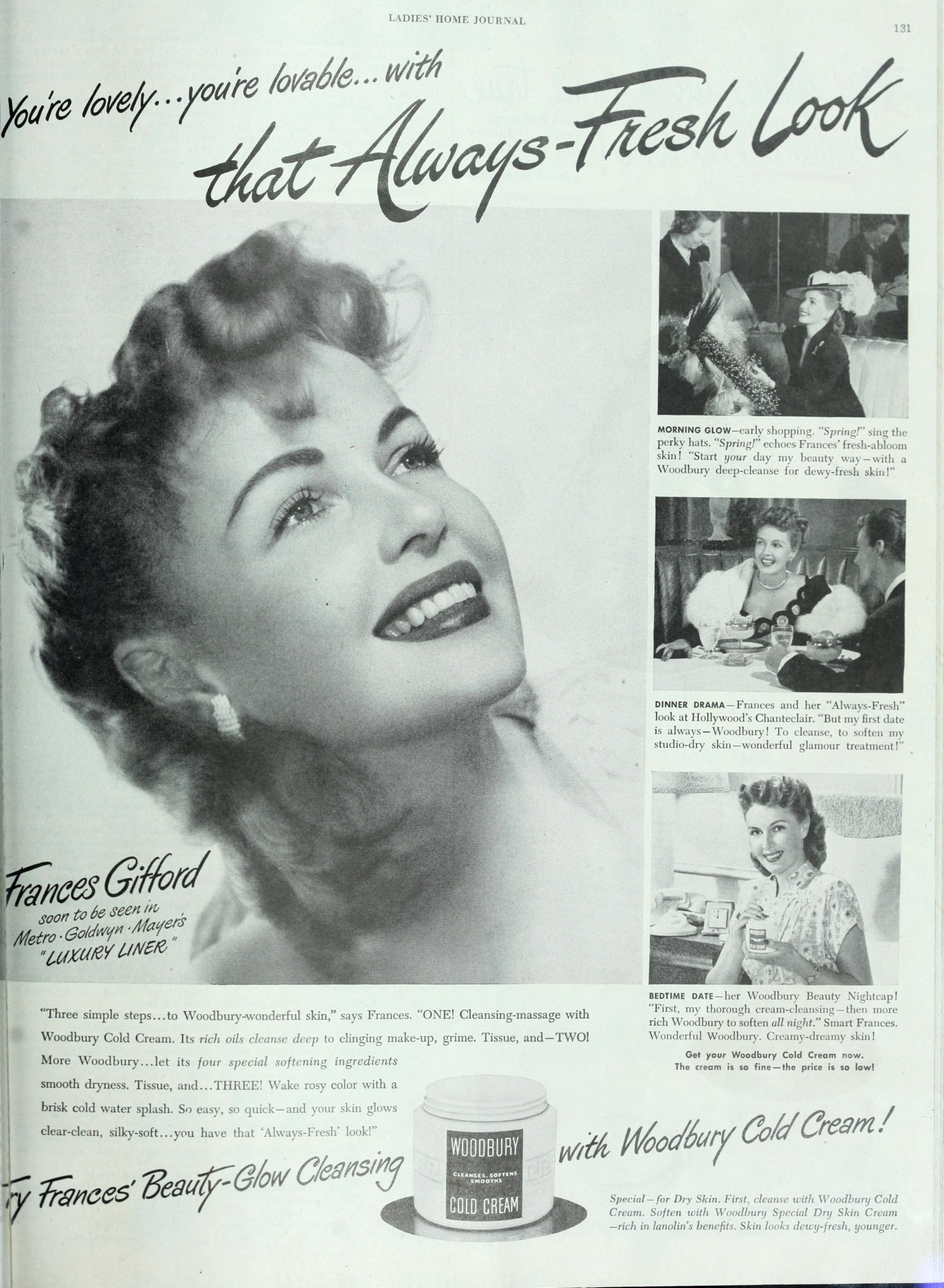
The usual way to tell this story is as progress. One crude all-purpose grease gave way to a properly understood set of products, each formulated for its own job, and skin is better off for it.
Part of that is true. Several of the separated products genuinely are better at their narrower tasks than one jar of emulsion could ever be, and nobody should be sentimental about using the same preparation on a baby, a sunburn and a stuck ring.
But the central claim does not hold, and it is worth being precise about why.
Cold cream did not stop working. Its mechanism was correct then and is correct now: most makeup is oil-based, oil dissolves oil far better than water does, and an emulsion of oil and water lets you spread the oil, lift the makeup and wipe both away together. That is still how a large share of what is sold today functions. The basic idea – oil, water and wax persuaded to stay mixed – was described in the ancient world, refined steadily for eighteen centuries, and has never been superseded, only elaborated.
So what happened was not a technical defeat. It was segmentation.
The growth of the industry came from taking the functions of one inexpensive product and separating them into many. Cleansing became a product. Makeup removal became a separate product. Moisturising split into day and night. Then eye cream, because the skin there is thinner. Then toner, serum, essence, and a second cleanse to follow the first. Each step acquired its own container, its own claim, its own place in a prescribed order, and its own price.
That is not a conspiracy and it is not fraud. It is what happens when a category discovers that the number of products a person buys is more elastic than the amount of money they will pay for any single one. The routine got longer because longer routines sell more jars, and some of the jars are very good.
What makes the whole thing worth telling is how it has ended.
Walk through the current enthusiasm for cleansing balms and oil cleansing. You take a thick oil-and-wax preparation, massage it into a dry face, let it dissolve the makeup, and wipe it away with a cloth before – optionally – doing anything else.
That is cold cream. Precisely, mechanically, in every respect that matters. It is described as a rediscovery, it arrives in excellent packaging, and it costs something between ten and thirty times what the glass jar cost in 1964.
Which means the jar was never wrong. It was unbundled, sold back in pieces, and then reassembled and presented as new.
The woman asleep on a laundered pillowcase with a shiny face had the method right the first time.
If your mother or grandmother used it, you remember the smell before you remember the jar.
And you remember what her face felt like at bedtime, which nothing has replaced.
Like our content? Follow us for more.