

It Sat on the Counter and It Had a Lid That Did Not Seal
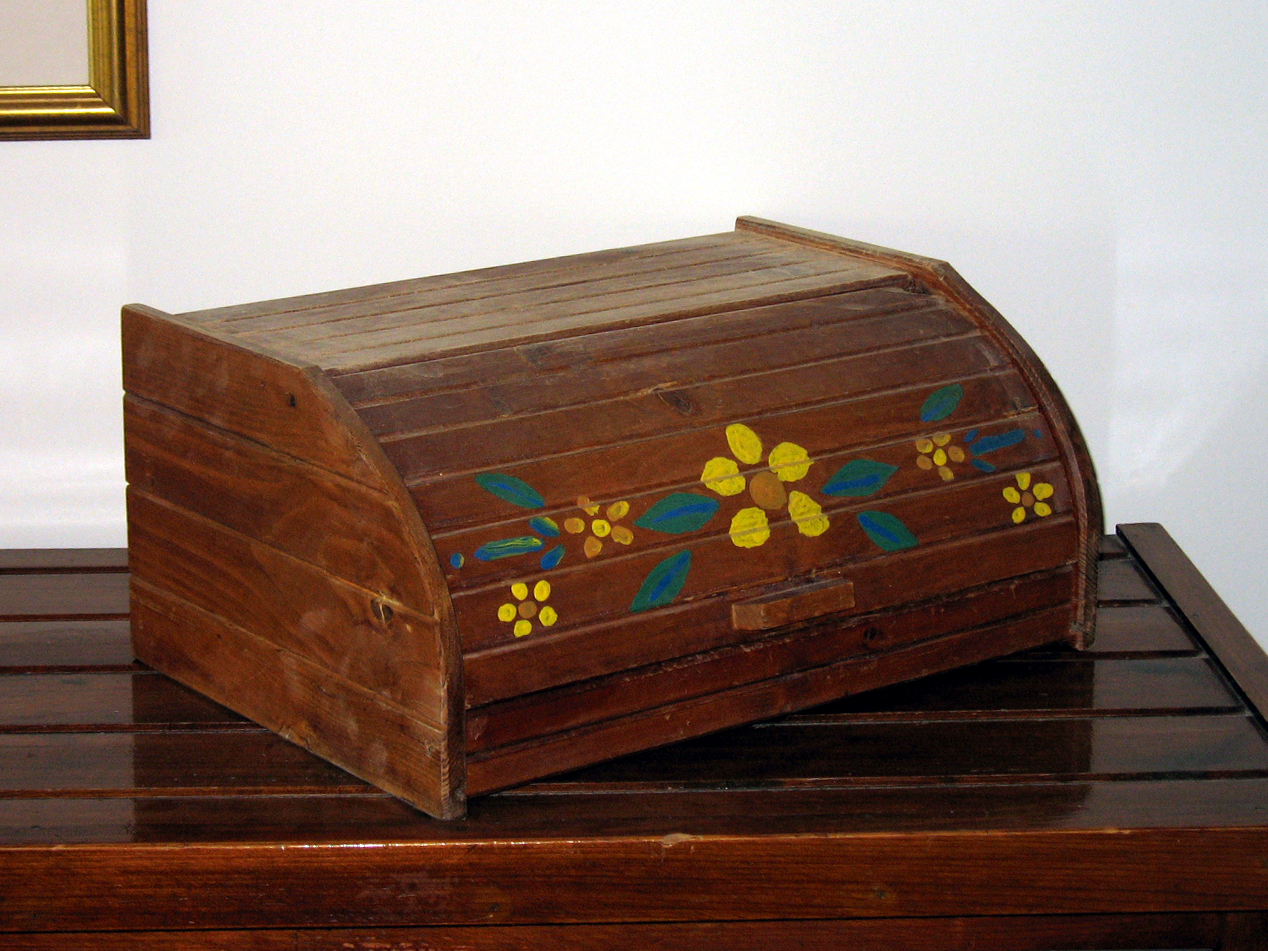
There was a box on the kitchen counter, a foot and a half wide, made of enamelled steel in cream or pale green, or of tin with a printed pattern, or of wood with a roll-up tambour front that rattled as it went.
Inside was a loaf, or most of one, wrapped in waxed paper or in nothing at all.
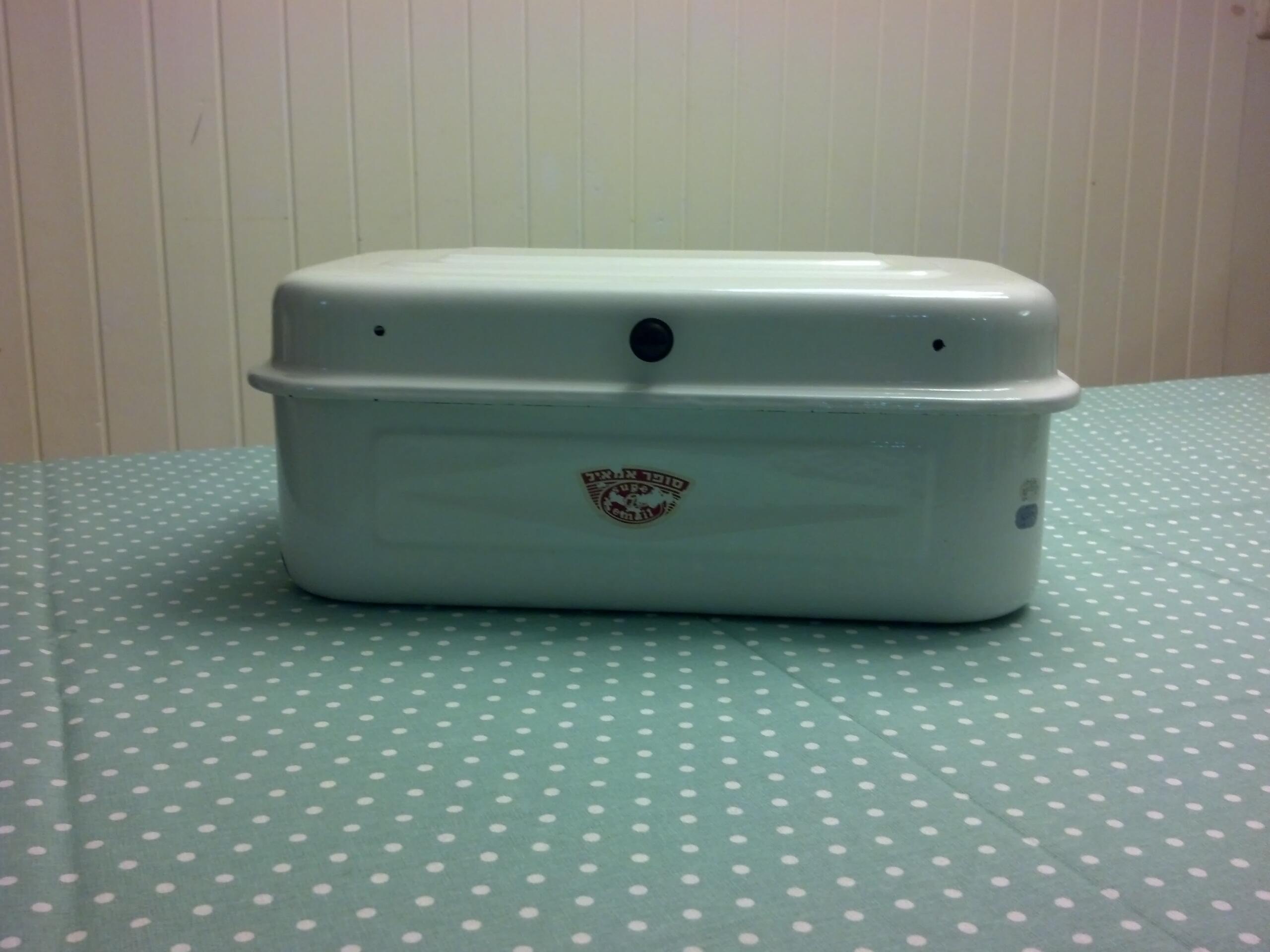
The lid came down but it did not seal. On the metal ones there were usually small holes punched in the back or the sides, sometimes arranged in a pattern. That was deliberate, and it is the single most informative thing about the whole object.
Like our content? Follow us for more.
Bread in 1964 Did Not Last and Was Not Expected To
Start with the problem the box was built for, because it is not a problem most households now have.
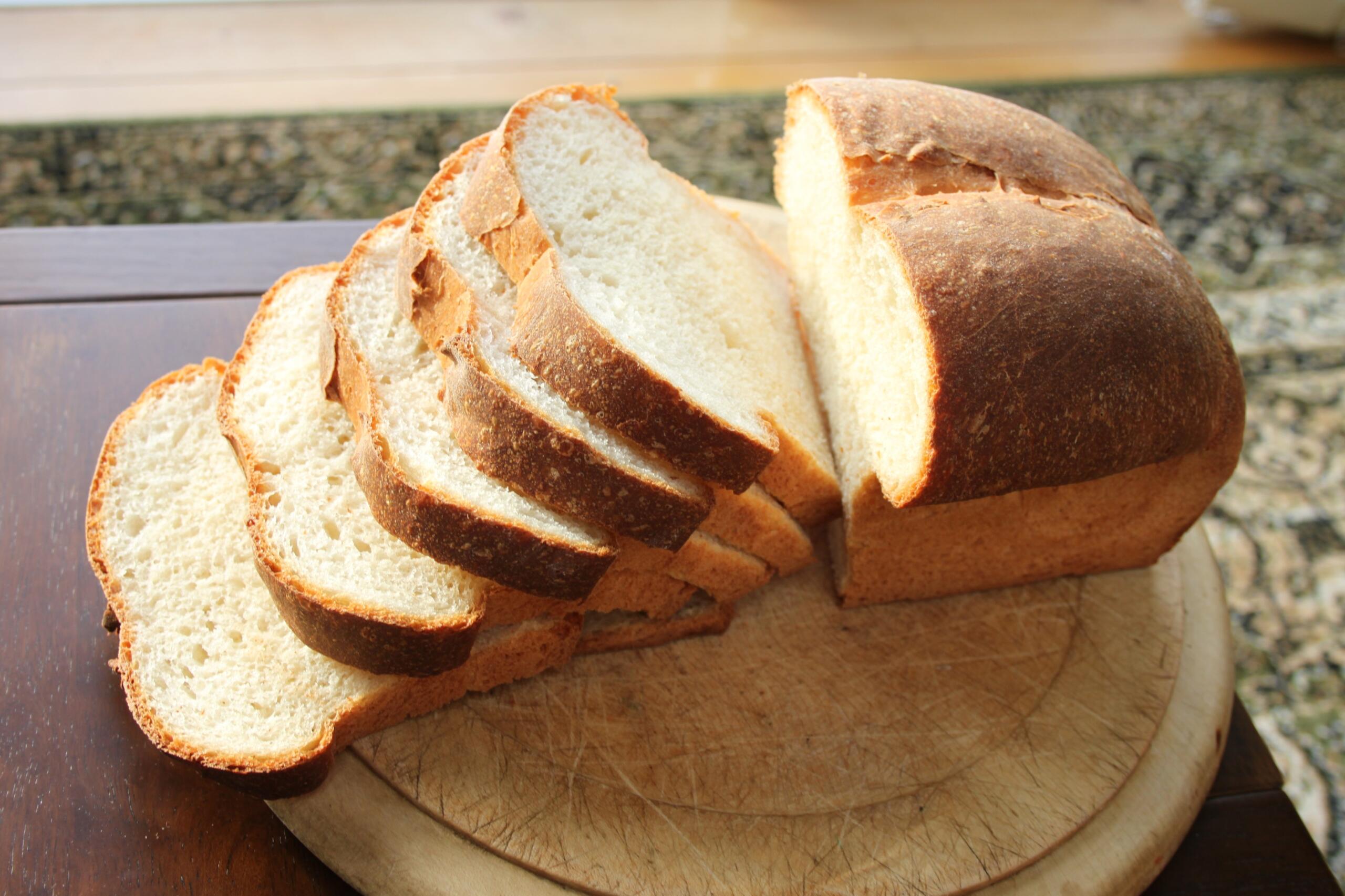
A loaf of bread of this period had, in most cases, four ingredients and nothing else in it. Flour, water, yeast, salt, with fat and sugar in some recipes and a mould inhibitor in commercial bread only sometimes and in small quantity. Nothing in it was there to extend its life beyond a few days.
So bread was bought or baked on a short cycle. A household bought bread two or three times a week, or every day, or baked it twice a week – and a loaf was expected to be eaten inside about three days, after which it went to toast, then to breadcrumbs, then to bread pudding or stuffing or the birds.
The staling of bread was not a failure anybody complained about. It was the normal timetable of the food, and American domestic cooking of this period contains an entire category of recipes that exist specifically to use up bread that has gone past being nice to eat.
What Staling Actually Is, and Why the Refrigerator Is the Worst Place
Here is the piece of food science that makes sense of the box, and it is one of the more counterintuitive facts about everyday cooking.
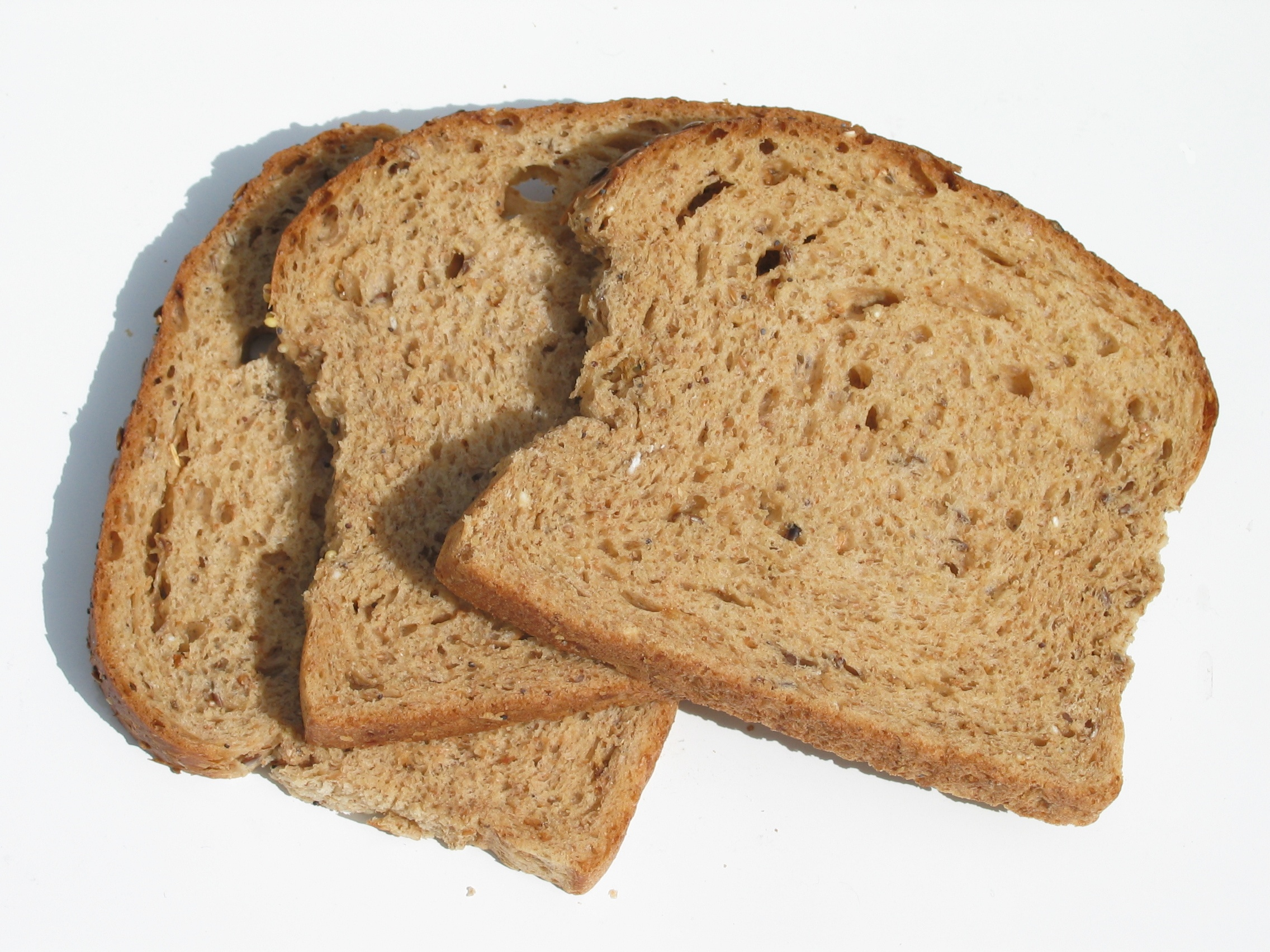
Bread going stale is mostly not about drying out. It is a process called starch retrogradation. When bread is baked, the starch granules absorb water and swell into a soft gel. As the loaf cools and then sits, those starch molecules gradually rearrange themselves back into an ordered crystalline structure, squeezing out the water they were holding and becoming firm.
The bread does lose some moisture to the air as well, and that makes it worse. But the firmness is the starch reorganising itself, which is why stale bread put in a warm oven becomes soft again – heat reverses the rearrangement temporarily – and why dry bread does not.
And the crucial part: retrogradation happens fastest at temperatures just above freezing. Somewhere around refrigerator temperature is close to the worst possible place to keep a loaf, and bread in a refrigerator goes firm substantially faster than the same loaf left on the counter.
Which is precisely why the answer was a box in the kitchen. Not a cold place. A cool, shaded, room-temperature place with a lid on it.
The Holes Were Solving the Other Half of the Problem
So why not seal it completely, if drying is part of the problem?
Because the household was managing two failures at once, and they pull in opposite directions.
Seal a loaf in an airtight container at room temperature and it holds its own moisture against its own crust. The crust goes soft and leathery, the surface stays damp, and mould – which needs moisture and warmth and has plenty of both – gets going within a couple of days.
Leave the loaf out in the open air and it dries hard at the edges within a day.
A box with a loose lid and a few ventilation holes sits between the two. It cuts the air movement over the loaf down to almost nothing, which slows the drying a great deal, while letting just enough moisture escape that the inside of the box does not become a damp chamber.
That is a genuinely well-judged compromise, and it was arrived at by the oldest method available, which is thousands of households finding out what happened when they got it wrong.
It Was Also Keeping Things Out

The box had a second job that nobody put in the advertising and everybody understood.
A kitchen of this period was a less sealed environment than a kitchen now. Screens on the windows were not universal and were frequently torn. Flies got in, and in summer they got in constantly. Ants found their way to anything sweet. And mice were a routine fact of life in a very large number of American houses, rural and urban alike.
A loaf left out on a counter overnight was available to all of them. A loaf in a metal box with the lid down was not.
Which explains the material. There was no reason for a bread container to be made of enamelled steel rather than something lighter and cheaper, except that steel cannot be chewed through and a tight-ish lid on a rigid box cannot be nosed open.
Everybody Knew How Big One Was
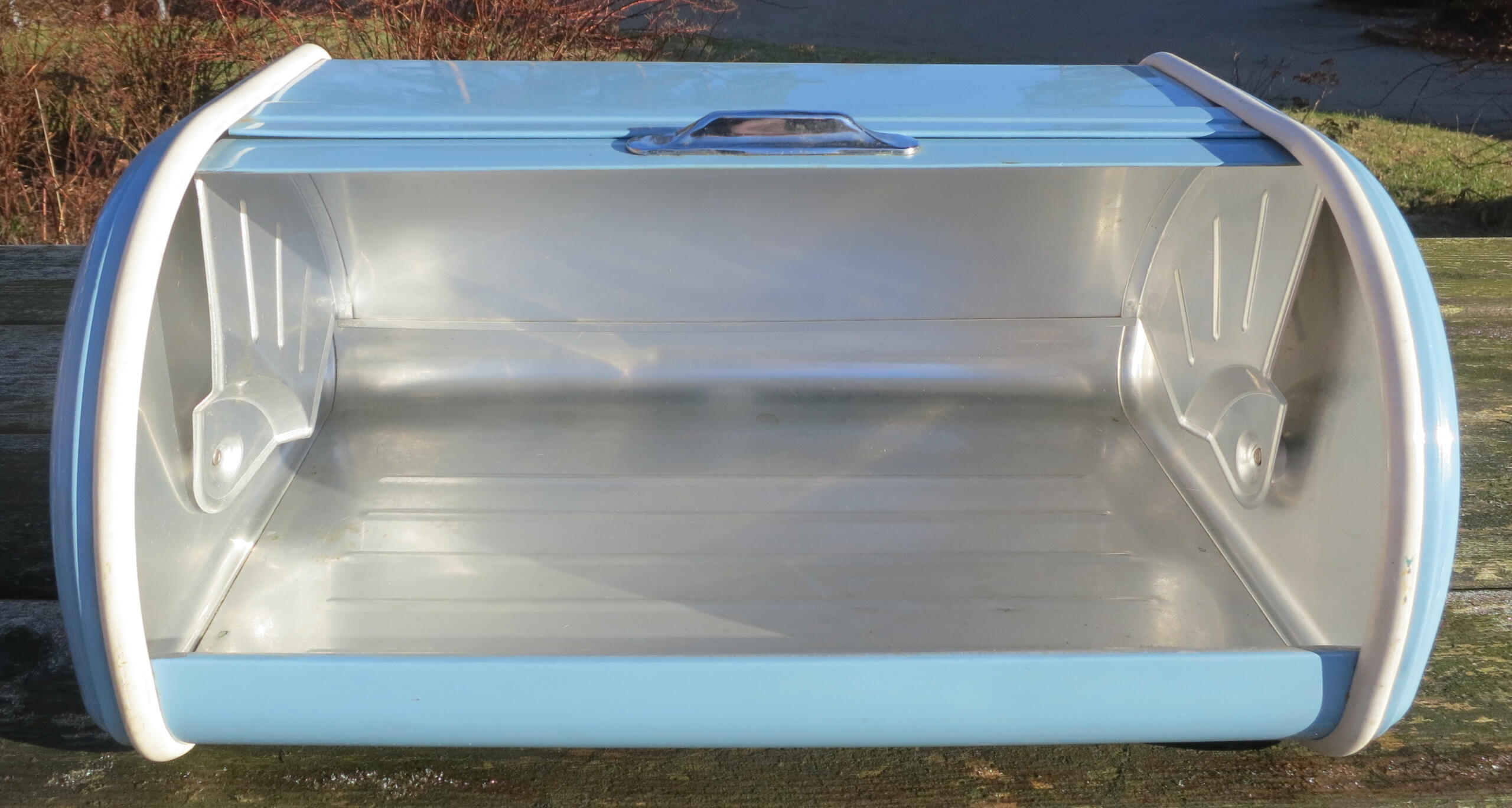
The bread box is one of the few household objects to have become a unit of measurement.
For decades, the standard question used to narrow down an unidentified object was whether it was bigger or smaller than a bread box – a phrase that became a national shorthand through its use on broadcast panel games and then survived in ordinary speech for a generation after that.
It worked as a reference because the answer was genuinely universal. Everybody had one, they were all roughly the same size, and that size – about the volume of a large loaf plus a bit – was a thing every adult in the country could picture instantly.
It is a reasonable test of how completely an object has disappeared. The phrase is still half-remembered. The object it referred to is now something a great many people have never seen.
Four Things Took It Off the Counter
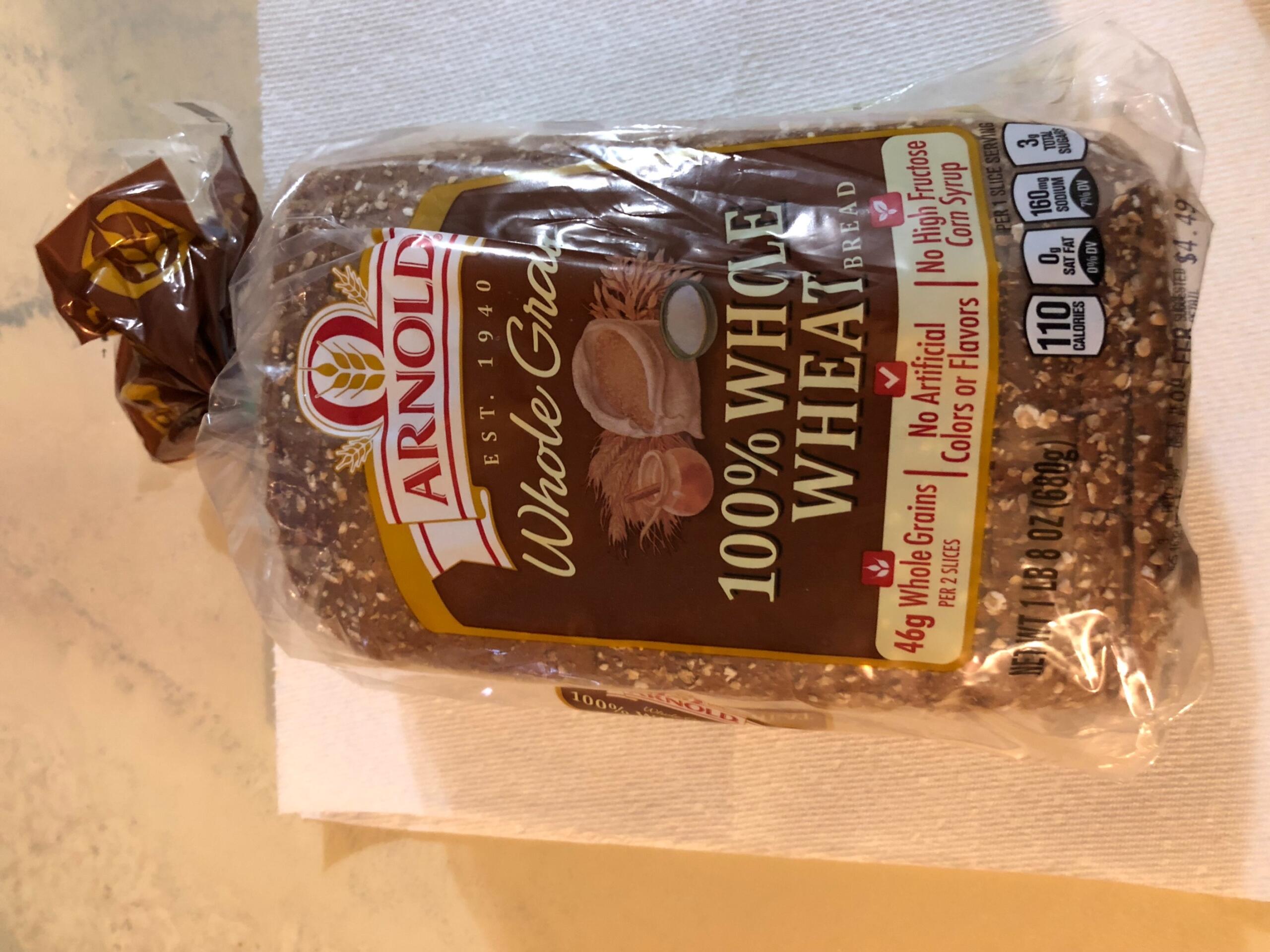
The plastic bag came first and did most of the damage. Bread sold in a sealed polyethylene bag with a twist tie or a plastic clip arrives in its own container, and putting a bagged loaf inside a box accomplishes very little.
Preservatives did the rest. Commercial bread acquired mould inhibitors in reliable quantity, which extended a loaf’s usable life from about three days to one or two weeks – at which point the whole short-cycle rhythm of buying and using bread stopped existing.
The freezer finished the storage argument. A loaf frozen on the day it is bought and thawed in portions does not stale at all in the meantime, because retrogradation essentially stops below freezing. Freezing is the correct answer for long storage and always was; households simply did not have freezers.
And counter space became valuable. Kitchens filled up with appliances that had to live out where they could be plugged in, and a large empty steel box holding one loaf was an expensive use of eighteen inches.
The Twist: The Bag Did Not Solve the Problem, It Swapped It
Here is what actually happened, and it is not the straightforward improvement it looks like.
The bread box was managing a trade-off between drying out and going mouldy, and it was managing it reasonably well by sitting in the middle. The plastic bag did not find a better position on that trade-off. It went all the way to one end of it.
A sealed bag is excellent at preventing a loaf from drying. It is also, for exactly the same reason, close to an ideal environment for mould – warm, dark, and holding all of the bread’s own moisture against the bread.
Which means modern bread in a bag does not stale the way bread used to. It moulds. And the only reason it does not mould in three days is the mould inhibitors that were added to it, which is to say: the plastic bag created a problem that chemistry then had to solve.
That is a real engineering trade and there is nothing dishonest about it. It produced bread that keeps for a fortnight, which is an enormous practical gain for anybody who does not want to shop every second day.
But it is worth noticing where it leaves anybody who buys bread without the inhibitors – from a bakery, or made at home. That loaf has exactly the 1964 problem. It will dry out on the counter in a day, and it will mould in a sealed bag in two, and the correct place for it is a cool, shaded, lidded, slightly ventilated container at room temperature.
Which is why bread boxes are quietly back on sale, in wood and steel and ceramic, at prices the enamelled ones never commanded, bought by people who have discovered independently the thing every kitchen in America already knew.
The object did not become obsolete. The bread did.
Like our content? Follow us for more.

