It Was a Small Box Full of Other People’s Handwriting
There was a box on the kitchen counter or in a cupboard, wooden or tin or plastic, about the size of two decks of cards side by side, with a hinged lid and sometimes a flower painted on it.
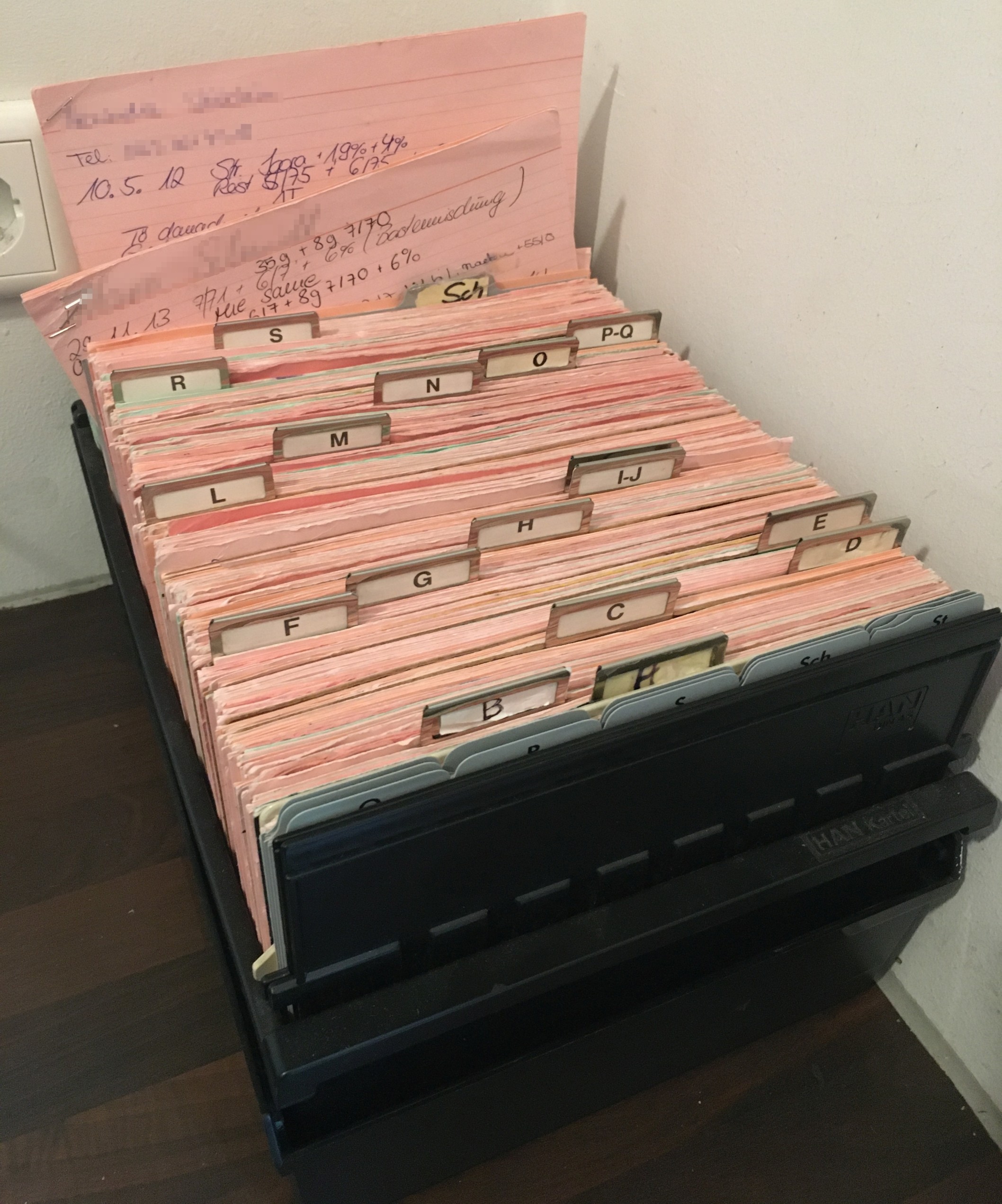
Inside were index cards, three by five, standing on edge behind tabbed dividers: Appetizers, Breads, Cakes, Casseroles, Cookies, Desserts, Main Dishes, Pickles, Salads, Soups.
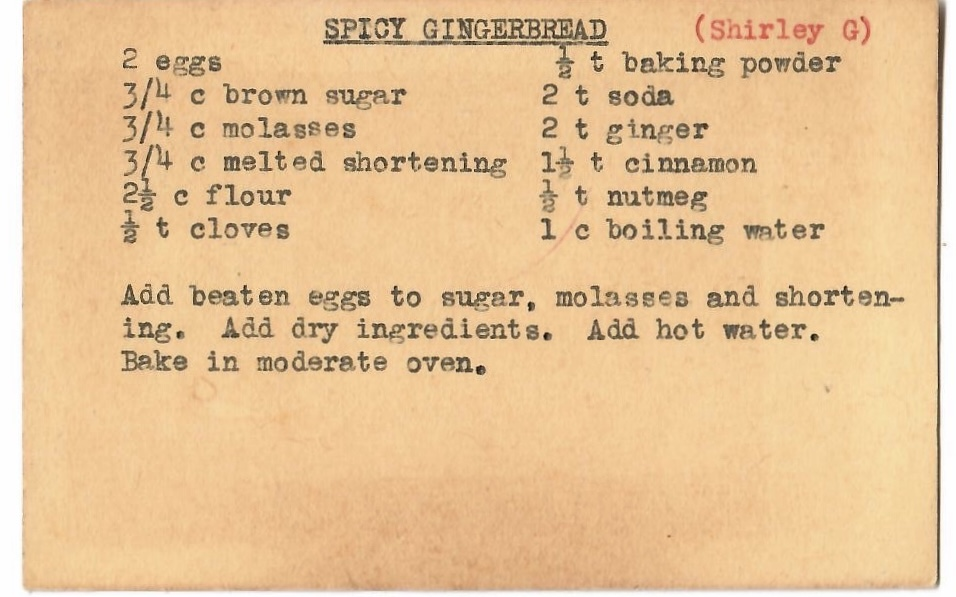
And almost none of them were in the owner’s handwriting. They were in her mother’s, her aunts’, her neighbours’, her sister-in-law’s, and a dozen women she had known at some point – each in a different hand, in pencil or in several colours of ink, some on proper printed cards and some on the back of an envelope cut down to size.
Like our content? Follow us for more.
The Name on the Card Was Part of the Recipe
This is the detail that explains everything about the object, and it is the thing a cookbook cannot do.
A card did not say Chicken Casserole. It said Edna’s Chicken Casserole, or Mrs Hollis’s Rolls, or Aunt Ruth’s Pickles – and the name was not an attribution added out of politeness. It was functionally part of the recipe’s identity, and it stayed attached for decades, outliving in many cases any memory of who the person had been.
That naming did a great deal of work. It told you who stood behind the dish, which was a kind of guarantee. It told you where to go with a question, because the author was somebody you could telephone. And it recorded an obligation, because a recipe given was a thing received, and the box therefore held a running account of who had been generous to you.
Which means the box was not primarily a collection of cooking instructions. It was a record of a social network, written in that network’s own handwriting, indexed by course.
They Were Written Badly on Purpose
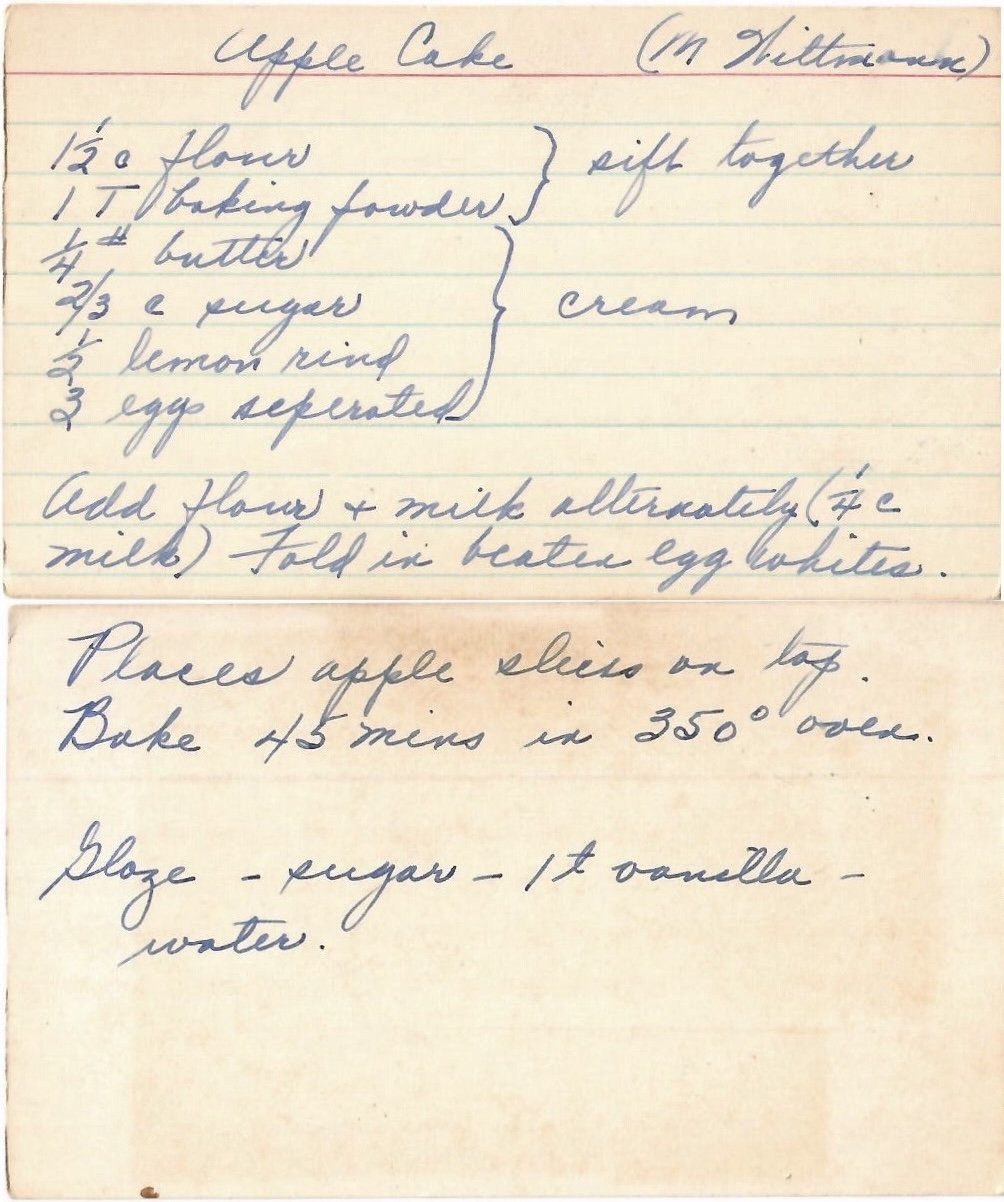
Anybody who has tried to cook from one of these cards knows the problem, and it is not carelessness.
A card typically listed ingredients without all their quantities, gave an oven temperature but no pan size, said bake until done, assumed you knew what a moderate oven was, and left out whole operations on the grounds that obviously you would do that.
The reason is that the card was never meant to work on its own. It was a prompt for somebody who had already been shown. These recipes moved between women who cooked in the same way, with the same equipment, in the same region, and who had frequently watched the dish being made before they wrote anything down.
So the card recorded only the part that was not obvious – the proportions that were unusual, the one ingredient you would not have guessed, the step that was easy to get wrong. Everything else lived in the reader’s hands.
Which is also why those recipes are so hard to reproduce now. The missing information was not written down anywhere, and the people who had it are no longer available to ask.
The Box Had a Hierarchy and the Front Cards Were Greasy
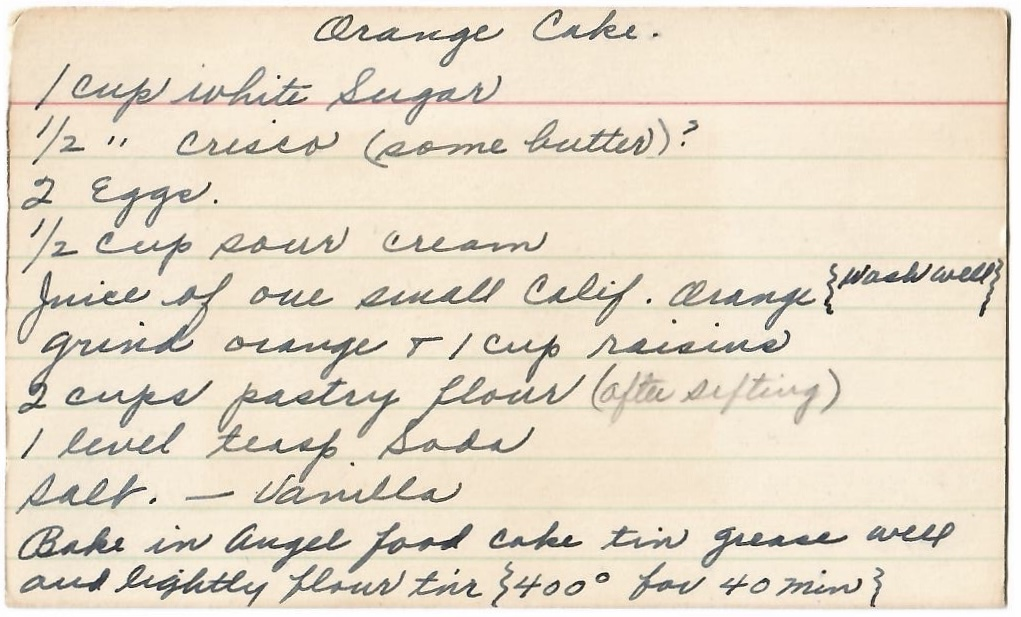
A box that had been in use for twenty years sorted itself physically, and you could read a household’s actual diet off the condition of the cards.
The ones that got cooked weekly migrated to the front of their sections, became soft at the corners, picked up a transparent patch of grease, and acquired annotations: double this, too sweet, Bob doesn’t like, use the big pan, 350 not 375, cut the sugar.
The ones that had been copied out dutifully from a magazine and never made stayed crisp and clean at the back forever.
And there was almost always a card so far gone that it had been copied out again onto a fresh one, with the original kept behind it because it was in the handwriting of somebody who had died.
Where the Cards Came From
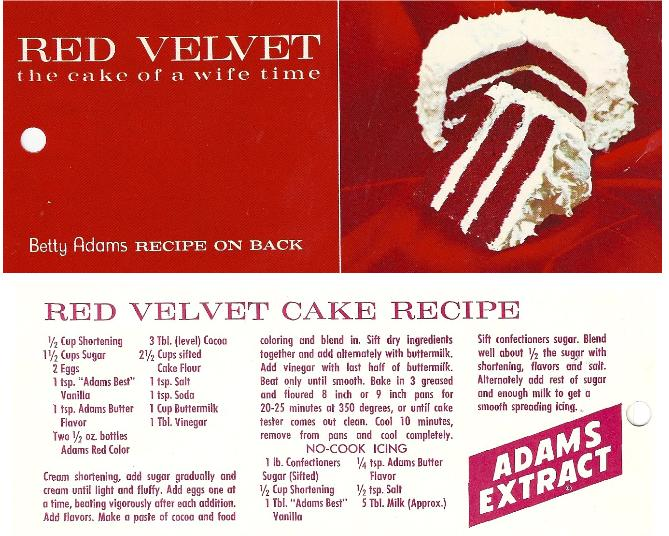
Recipes entered the box through about six routes, and each left a recognisable trace.
Hand copying at a kitchen table, which produced the cards in other people’s writing. A dish brought to a potluck or a church supper that somebody then asked for. The back of a package or the inside of a box lid, cut out and taped to a card. A newspaper food column or a magazine page, clipped and folded. A printed card given away free at a store, by a utility company demonstrating a new appliance, or by a manufacturer promoting an ingredient. And the community cookbook – the spiral-bound fundraiser in which a church or a club collected recipes from its members, each one credited by name, which is the printed form of exactly the same social arrangement.
What all of them have in common is that none came from a professional. Every recipe in the box had been cooked, in a domestic kitchen, by somebody the owner knew of, before it got in.
It Was the One Household Object a Woman Was Expected to Leave Behind
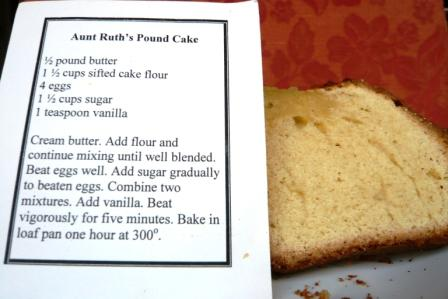
The box was inherited, and it was inherited along a specific line.
A household’s recipe box passed to a daughter or a daughter-in-law, usually intact, and the receiving kitchen kept the cards in the dead woman’s handwriting rather than copying them out. Which is why so many of these boxes contain four generations of hands, and why the oldest cards in them are frequently the ones in the best condition – too precious to cook from.
It is worth saying plainly what this amounted to. A great many women of this period had little property to pass on, no business, no title, and no record of their working lives anywhere. The recipe box was, in a meaningful number of households, the single documentary object a woman left: a thing she had built over forty years, in her own hand, that recorded what she had made, who she had known, and what her family had actually eaten.
That is why they are kept in the houses that still have them, and why almost nobody can bring themselves to throw one out.
What Replaced It Did Not Replace All of It
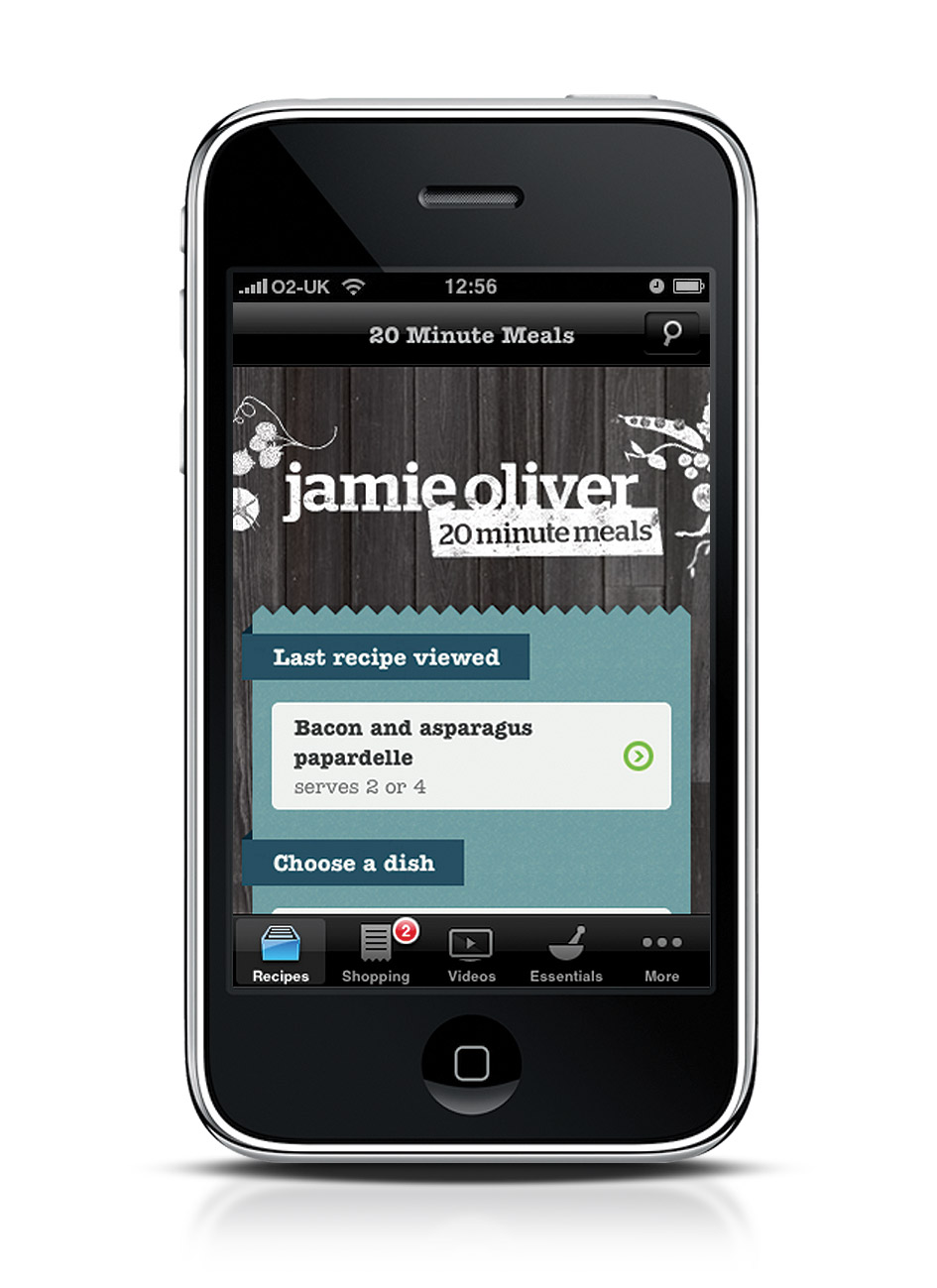
The printed cookbook was never the competition; the box coexisted with cookbooks for a century. Three later things did the damage.
Prepared food took away the volume. A household that buys a meal in a package does not need a card for it, and the share of American dinners assembled from scratch fell a long way across the second half of the century.
Then the internet took away the scarcity. A recipe is now a search away, in unlimited quantity, with photographs, video, measurements in two systems, reviews from four hundred strangers and substitution advice for every ingredient. On every practical measure that is overwhelmingly better than a card that says bake until done.
And the kitchen stopped having a place for paper. Counters filled up, cupboards filled up, and the reference material moved to a screen propped against the backsplash.
The Twist: The Instructions Got Better and the Attribution Disappeared
Here is the trade, and it is worth being precise about it, because the modern side wins the part everybody measures.
A recipe found online is better than a recipe card in nearly every way that can be tested. It is complete. It gives quantities for everything, a pan size, a real temperature, a time and a visual cue for doneness. It has been tested, frequently many times. It can be scaled, converted and searched. If something goes wrong, four hundred people in the comments have already had the same thing go wrong.
The card loses that comparison badly, and anybody who has tried to cook from one knows it.
But look at what the card had that the search result does not, because it is the entire point of the object.
The card came from a specific person whose name stayed on it. It was given, deliberately, by somebody who had made the dish and chose to hand it over. It carried an obligation, because you now owed her one. It was a thing you could hold that had been written by a woman who is dead. And it recorded, by its condition, which dishes your family had actually eaten week after week for twenty years.
None of that has a modern equivalent. A saved link has no handwriting, no author you knew, no grease on it and no inheritance. Nothing in a browser history will ever be the only document a person left behind.
So the recipes got better and the record got deleted. We traded a bad set of instructions written by somebody we loved for an excellent set written by nobody in particular – which is a good trade for dinner and a poor one for everything else the box was doing.
The boxes are still in the backs of cupboards in millions of American houses, full of cards nobody cooks from, kept by people who cannot explain why they keep them.
They can explain it, actually. It is the handwriting.
Like our content? Follow us for more.