It Came in the Middle of Winter and It Was Free

Sometime in January, in the worst part of the year, a thick paper catalog arrived in the mailbox. Nobody had ordered it. It cost nothing.
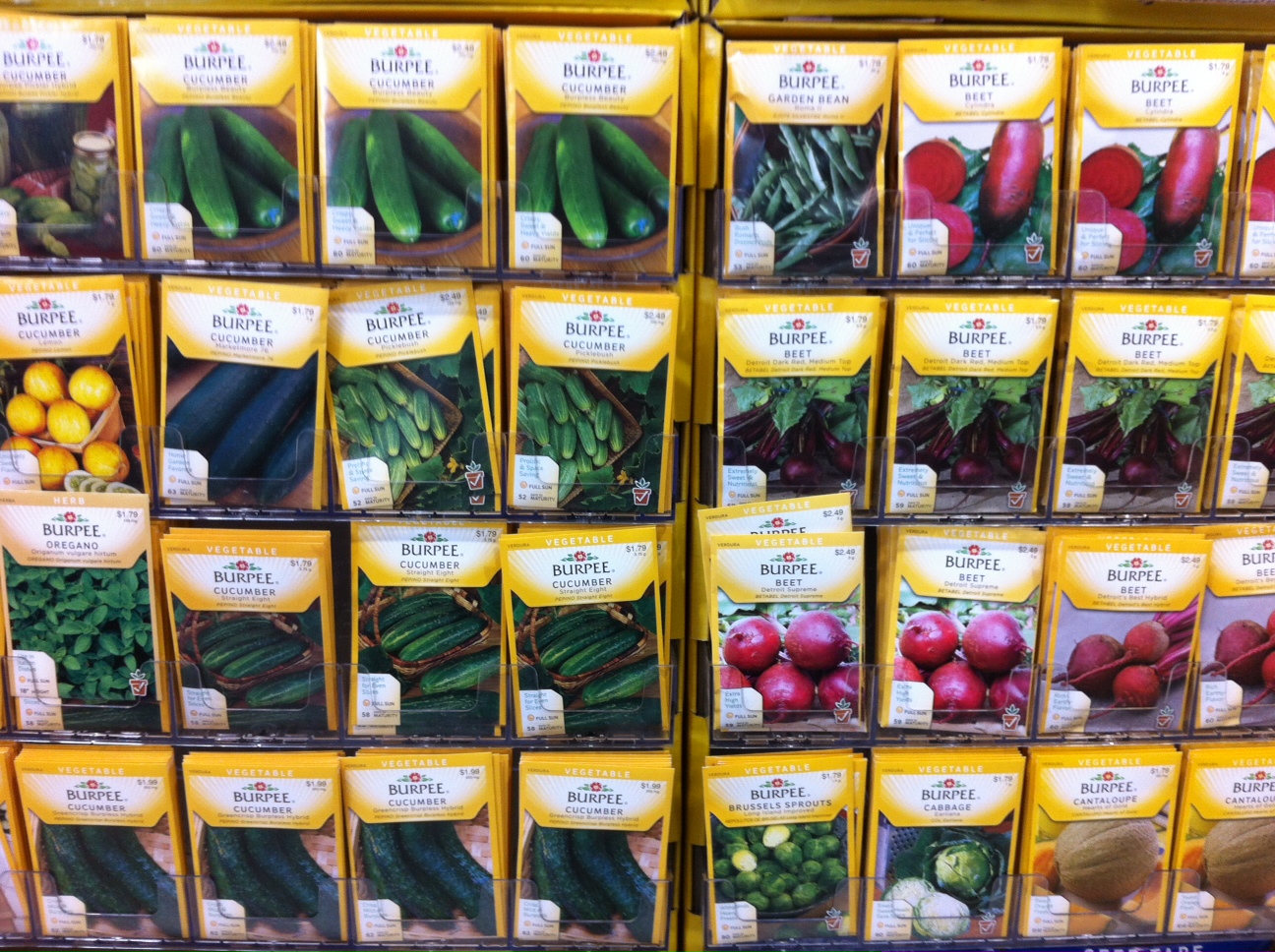
It was printed in colour – full, saturated, improbable colour – at a time when a great deal of what came into an American house was black and white. Page after page of tomatoes, melons, sweet corn, zinnias and gladioli, each one photographed or painted at a size and a brightness that no actual vegetable has ever managed.
It sat on the kitchen table for weeks. Everybody in the house read it, including the children, who read it the way they read anything else that had pictures in it and happened to be lying around in February.
Like our content? Follow us for more.
It Was a Buying Document for the Year’s Food

The catalog looks like a wish book and functioned as a planning instrument, which is the thing to understand about it.
For a household with a real garden – and in 1974 a very large number of American households still had one that mattered – the year’s vegetables were not bought at a store. They were grown, over about five months, from decisions taken in a single sitting in January.
How many tomato plants. Whether to put in a second planting of beans. Whether this is the year for asparagus, which will produce nothing for two seasons. How much space to give to sweet corn, which takes a great deal of room for what it returns. Whether to try the melon again after last year.
Every one of those was decided from the catalog, with a pencil, at a table, usually by two people disagreeing – and once the order went in, that was the year’s food settled. A mistake in January was a gap on the table in August, and there was no correcting it in June.
The Descriptions Were Doing Real Technical Work
Read the small print in one of these and it is a surprisingly dense technical document.
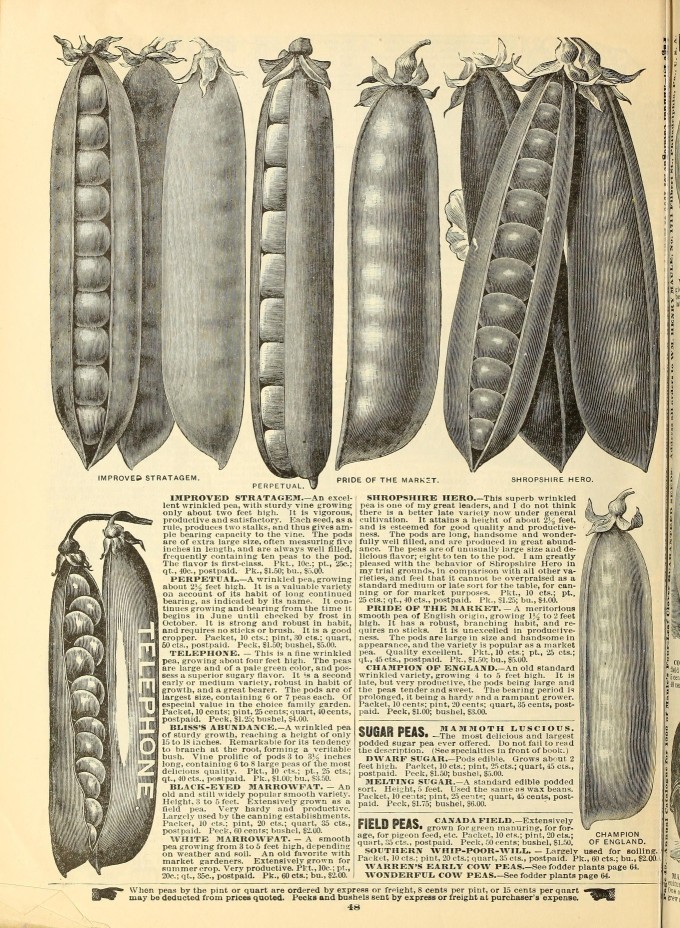
Each variety carried its days to maturity, which is the number a northern household lives by, because a tomato needing ninety days will not ripen before frost in a short season. There were notes on habit – whether a bean climbs or stands, whether a squash runs or stays in a bush – which determine how much ground it takes.
There were disease resistance codes, printed as letters after the name, telling a grower that a variety would stand up to the specific wilt or mosaic that had wrecked the planting two years earlier. There were notes on what suited a heavy soil and what wanted sand, what would bolt in heat, what could be sown early and what could not be moved.
That is agronomy, written for amateurs, distributed free, by a company that only made money if your garden worked well enough that you ordered again the following January. The incentives were unusually well aligned, and the quality of the information reflected it.
The Order Form in the Back Was the Whole Ritual
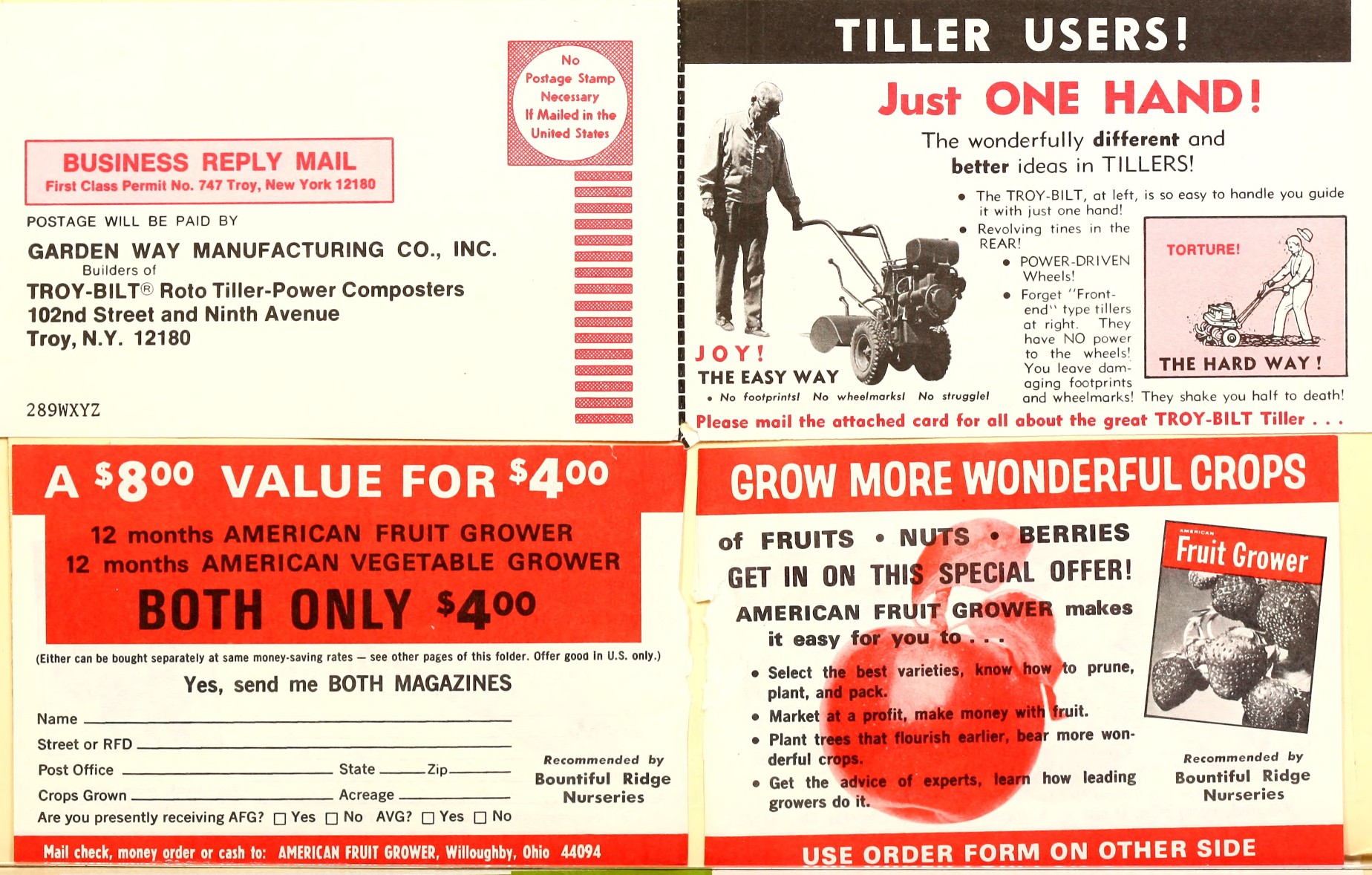
Bound into the last pages, or loose and liable to be lost, was the order form: a grid of ruled lines, a column for the item number, a column for the quantity, a column for the price, and a space at the bottom to add it up.
The process was fixed. Mark the catalog first, in pencil, over several evenings. Argue. Cross things out. Then transfer the survivors onto the form, write out the item numbers, do the arithmetic by hand, make out a check or a money order, and put the whole thing in the mail.
Then wait several weeks, during which nothing arrives and the garden is still frozen.
And then a flat package of paper packets turns up in early spring, weighing almost nothing, containing the entire summer.
Seed Was Cheap and the Garden Was Not a Hobby
The arithmetic is worth stating because it is what made the whole thing make sense.
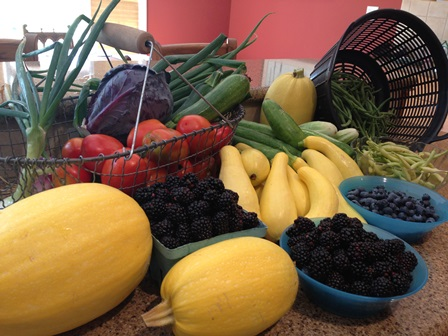
A packet of seed cost a few cents. The ground was already there. The labour was family labour, counted at nothing. And the return was several months of vegetables for a household that would otherwise have bought them.
For a great many American families of this period that was not a pleasant pastime but a meaningful part of how the household ate, particularly through the summer and – once the canning and freezing had been done – through the winter after it. The garden fed people, and the catalog was the point at which the year’s food supply was specified.
Which is why these catalogs were kept and consulted and argued over rather than flicked through. The decisions in them were consequential.
There Was a Question About Saving Seed, and It Was Already Live
Running underneath the whole business was a technical choice that the catalogs discussed openly and that most households understood.
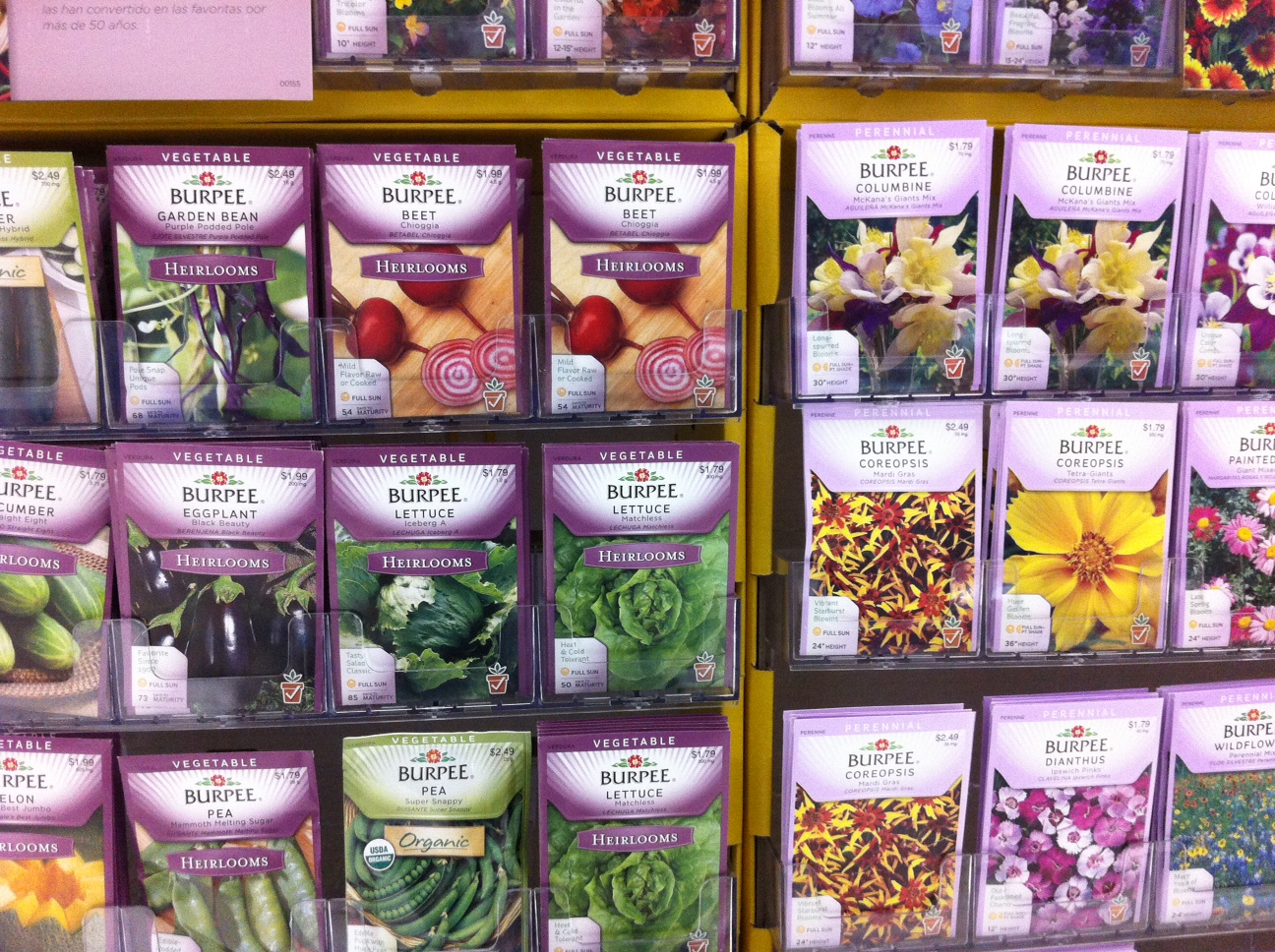
Some varieties breed true. Plant seed saved from one of those and you get the same plant next year, which means a household can save its own and buy nothing – and a great many families did exactly that with beans, peas, tomatoes, squash and whatever grandmother had been growing since before anybody could remember.
Hybrids do not. A hybrid is the first-generation cross of two parent lines, bred for vigour and uniformity, and it frequently outperforms anything a household could save. But its own seed does not come true – the following generation scatters back toward the parents – so a grower who wants that performance has to buy it again every year.
The catalogs sold both, labelled both clearly, and explained the difference, because an informed customer buying hybrids annually is a better customer than a confused one who stops trusting the company. The argument about what that trade-off means at an agricultural scale came much later and much louder. In a 1974 kitchen it was simply a line in a catalog and a decision about beans.
What Else Was in the Back
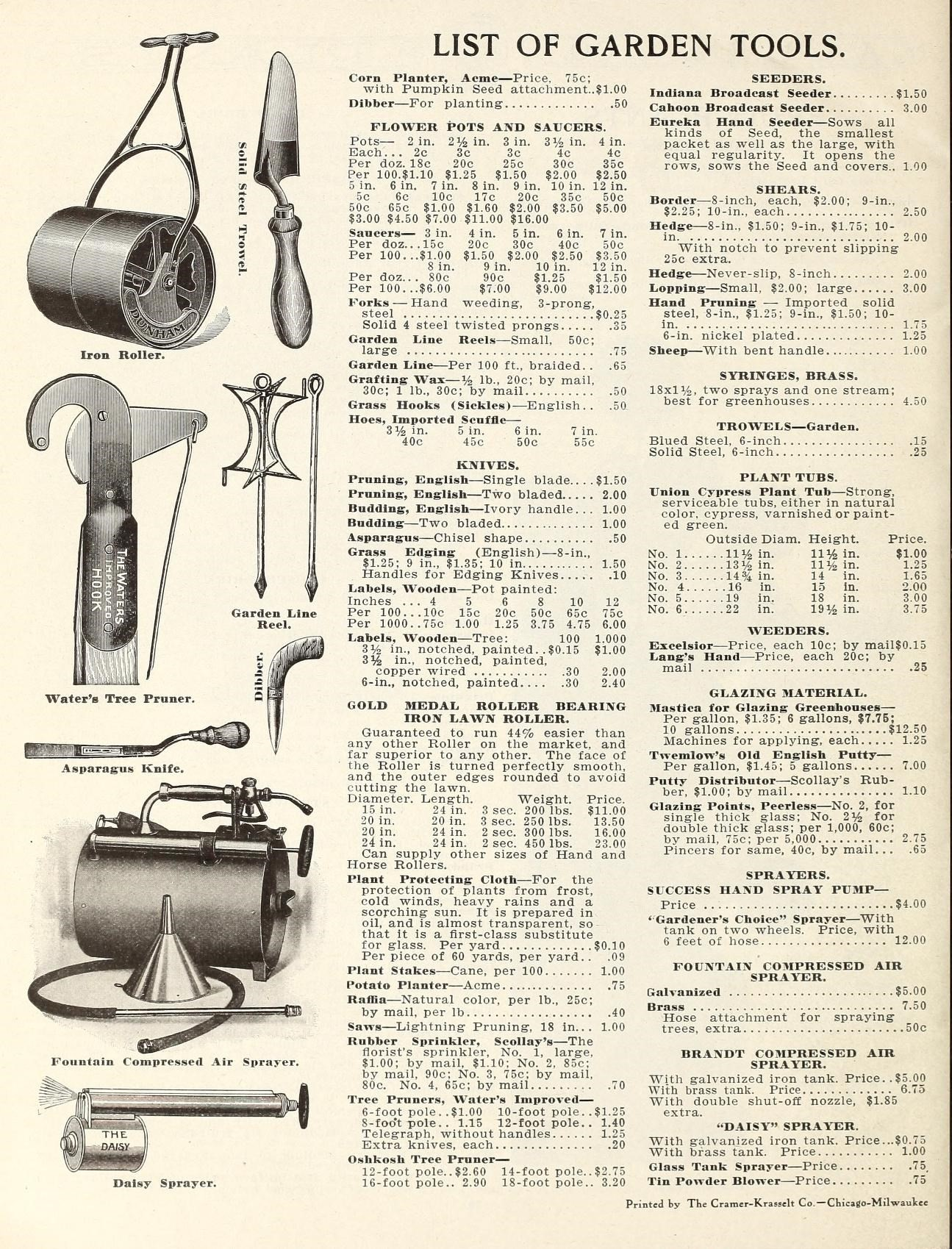
The seed was the front of the book. Behind it was everything else a household with ground might need.
Fruit trees and berry canes, sold bare-rooted and shipped at the right moment for your region. Nursery stock, roses, bulbs and perennials. Hand tools, hoes, seeders, sprayers and twine. Fencing, netting and stakes. Jars of a dozen things. In many catalogs, live poultry – day-old chicks shipped by mail, which is a sentence that reads strangely now and was an entirely ordinary line item then.
So the January catalog was not only the food plan. It was the capital plan too: the one document in which a household decided what it was going to plant permanently, what it was going to buy to do the work, and what it was going to raise.
Several Catalogs Arrived and They Were Compared
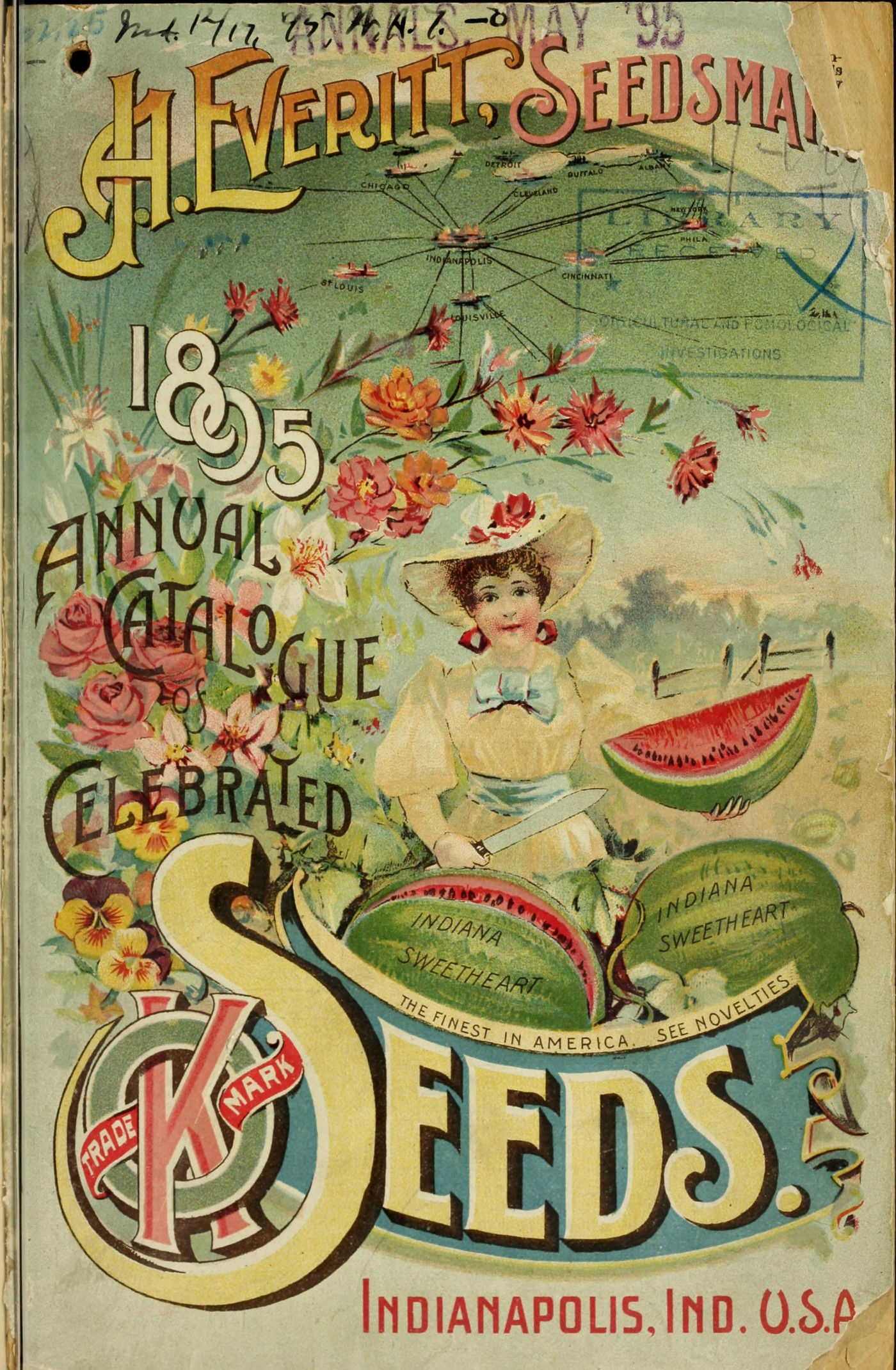
A household on the mailing lists did not get one catalog. It got four or five, from companies in different parts of the country, and they were not interchangeable.
A northern seed house carried short-season varieties and said so on every page, because that was its market and its reputation depended on a customer in a cold region not being sold something that would never ripen. A southern house carried heat-tolerant varieties and crops that a northern grower could not attempt. Regional houses stocked the things that worked locally and had been selected over decades of complaints from people a day’s drive away.
So the comparison between catalogs was itself part of the work. Prices were checked against each other. A variety praised in one book and absent from another told you something. And a household that had been burned by a shipment arriving three weeks late simply stopped ordering from that company, which in a mail-order business built entirely on repeat custom was a genuine sanction.
That is a market operating well, and it is worth noticing how it was policed. There was no rating system and no way to publish a complaint. The discipline came from the fact that a seed house needed the same families to order again every single January, which meant a bad year for a customer was a permanent loss of revenue.
The Twist: What Disappeared Was Planning Eight Months Ahead
Seed catalogs still exist. They are better than they ever were – more varieties, better photographs, honest trial data, online ordering, and an active market in heirloom and open-pollinated seed that would have astonished a 1974 seed house. The object is not extinct and is arguably in its best condition ever.
What has gone is the thing it was for.
In 1974 the catalog arrived in January because January was when an American household had to commit. It had to decide, in the middle of winter, with no information except last year’s results and the small print in a free book, what it would be eating in August and what it would be opening a jar of in February. That decision could not be revised, it could not be outsourced, and getting it wrong showed up on the table months later.
No household now makes that decision. Produce arrives in the same quantity and the same variety every week of the year, from wherever it is currently summer, at a price that makes growing your own a choice about flavour and interest rather than about supply. The share of American households growing a serious proportion of their own vegetables fell a very long way, and with it went the entire category of decisions the catalog existed to support.
So the catalog did not lose its market. It lost its function. It stopped being a planning document and became a shopping one – and a shopping document does not need to arrive in January, does not need to be read by the whole family, does not need to be argued over for three weeks, and does not need to be kept.
The ones that still turn up in January are going to people who have chosen to put themselves back in that position on purpose. For everybody else, the strangest thing about the old catalogs is not the prices or the pictures.
It is that a family used to sit at a table in the snow and work out, together, exactly what they would be eating in eight months’ time.
Like our content? Follow us for more.