In 1964 a canvas tent would go up in a field at the edge of an American town, and for a week or two weeks there was something happening there every single night.
The floor was sawdust laid several inches thick over a pasture. The chairs had been borrowed from the school, the lodge hall and three churches. A piano had been hauled in on a truck and tuned on site. The sidewalls were rolled up because it was hot, moths came to the lights, and several hundred people moved cardboard fans in unison.
Then the crew struck it overnight and the field held nothing but flattened grass and scattered sawdust. Here are sixteen things every town knew about it.
1. A Tent Went Up in a Field on the Edge of Town
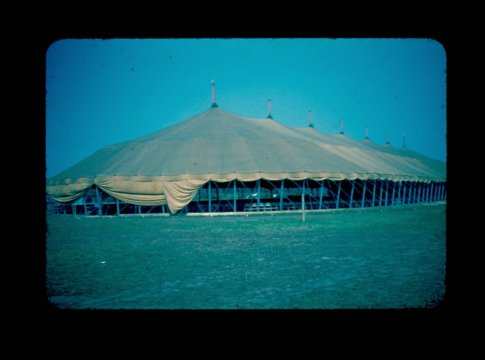
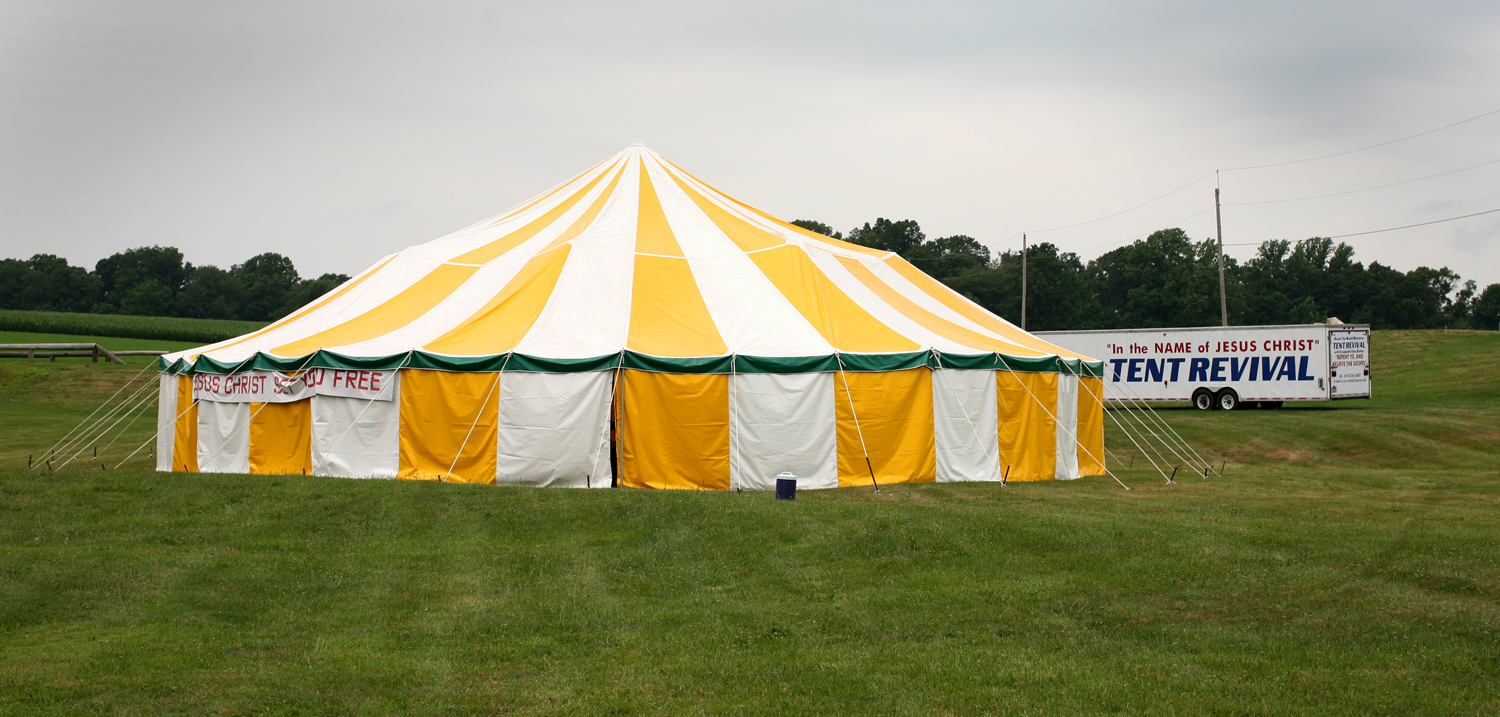
A canvas tent large enough to seat several hundred people appeared over two or three days on rented or borrowed ground – a pasture, a vacant lot, a field beside the highway – put up by a travelling crew with poles, guy lines and stakes.
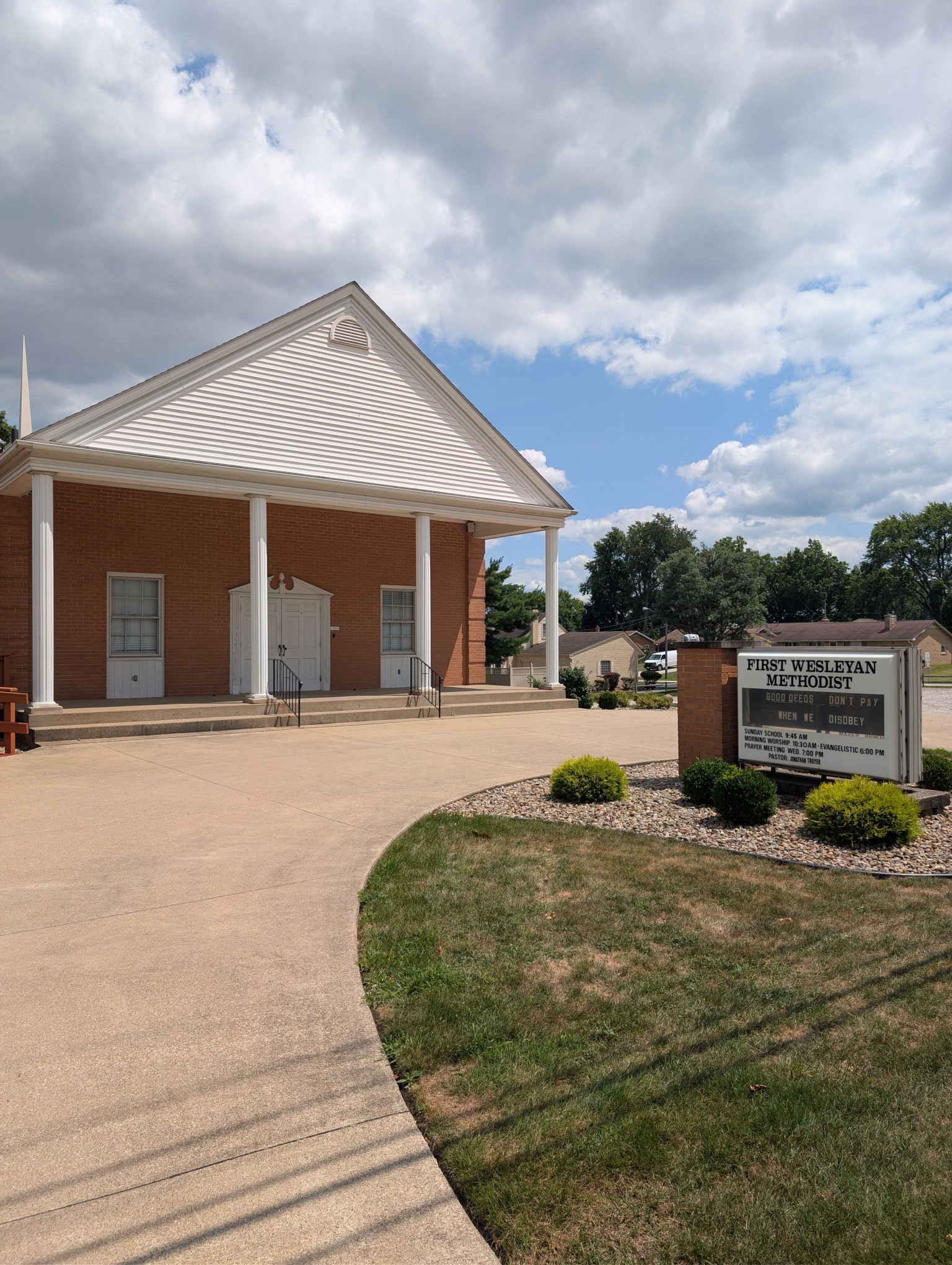
Permanent church buildings, rented auditoriums, school gymnasiums and civic halls, used for the same kind of gathering with none of the temporary structure.
The choice of ground was practical and deliberate. A field on the edge of town was cheap or free, it had room for cars, it belonged to nobody’s congregation, and it put the meeting on neutral territory – which is exactly where an event meant to draw from every church in the county needed to be.
Like our content? Follow us for more.
2. It Was Advertised Like a Show
Handbills went up in store windows, cards were handed out, a sign appeared beside the highway, spots ran on the local radio station, and a notice went in the newspaper – with dates, times, the name of the visiting speaker and the promise that everyone was welcome.
Church websites, social media, email lists and streaming, reaching a self-selected audience that has already chosen to look.
The advertising was general rather than targeted, which is the key difference. A handbill in a hardware store window and a sign on the highway reach everybody who passes – including people with no church connection at all, who were the entire point of holding the thing in a field in the first place.
3. It Ran Every Night for a Week or Two
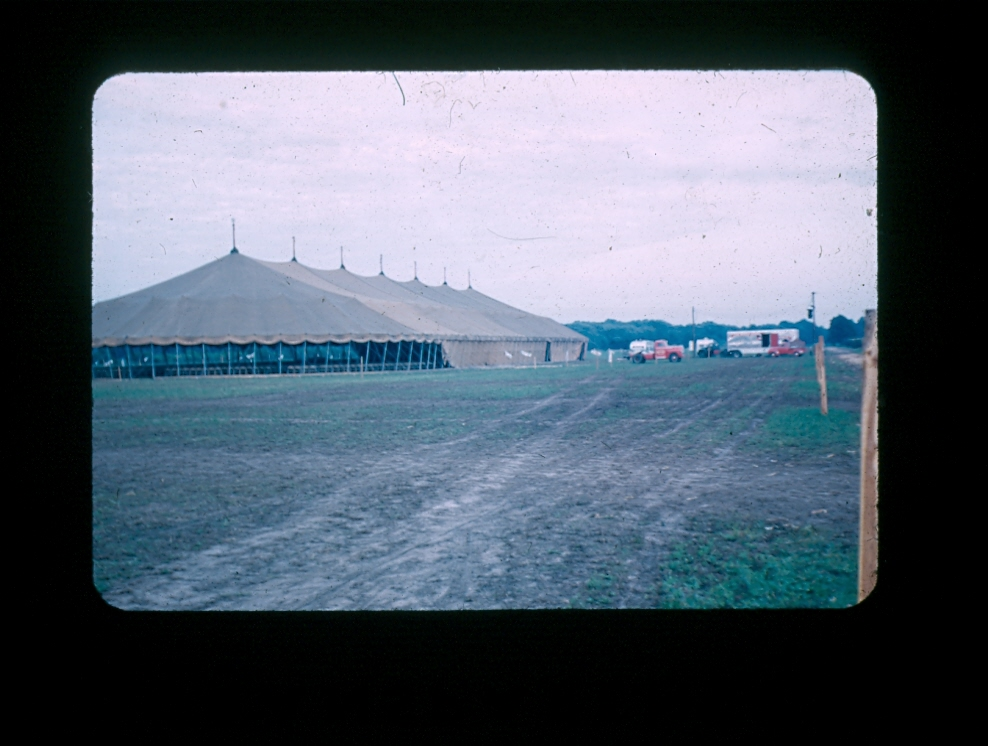
Services were held nightly, usually at seven or seven thirty, for anything from three nights to three weeks, with an additional afternoon service on Sunday and sometimes a morning one during the week.
A single service a week in most congregations, with special series running for a few consecutive evenings at most.
The duration was a design feature rather than an excess. A nightly meeting over two weeks allows people to come back, to bring somebody the second time who was not ready the first, and to be drawn in gradually as word gets round town – and attendance in these meetings characteristically built through the run rather than peaking on the first night.
4. The Floor Was Sawdust Over Dirt
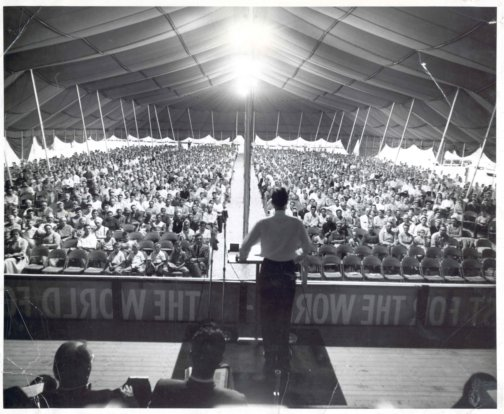
The ground inside was covered with sawdust, shavings or straw, laid down several inches thick to control dust, soak up rain and keep the footing usable in a field that had been a pasture the week before.
Carpeted or tiled floors in heated buildings, with no ground conditions to manage and nothing underfoot to notice.
The sawdust gave the whole tradition the phrase by which it was known for a century, and it was a practical necessity. A field full of several hundred people in summer becomes dust, and the same field after a thunderstorm becomes mud – and sawdust is the cheap answer to both, available by the truckload anywhere there was a mill.
5. The Seating Was Borrowed From Everywhere
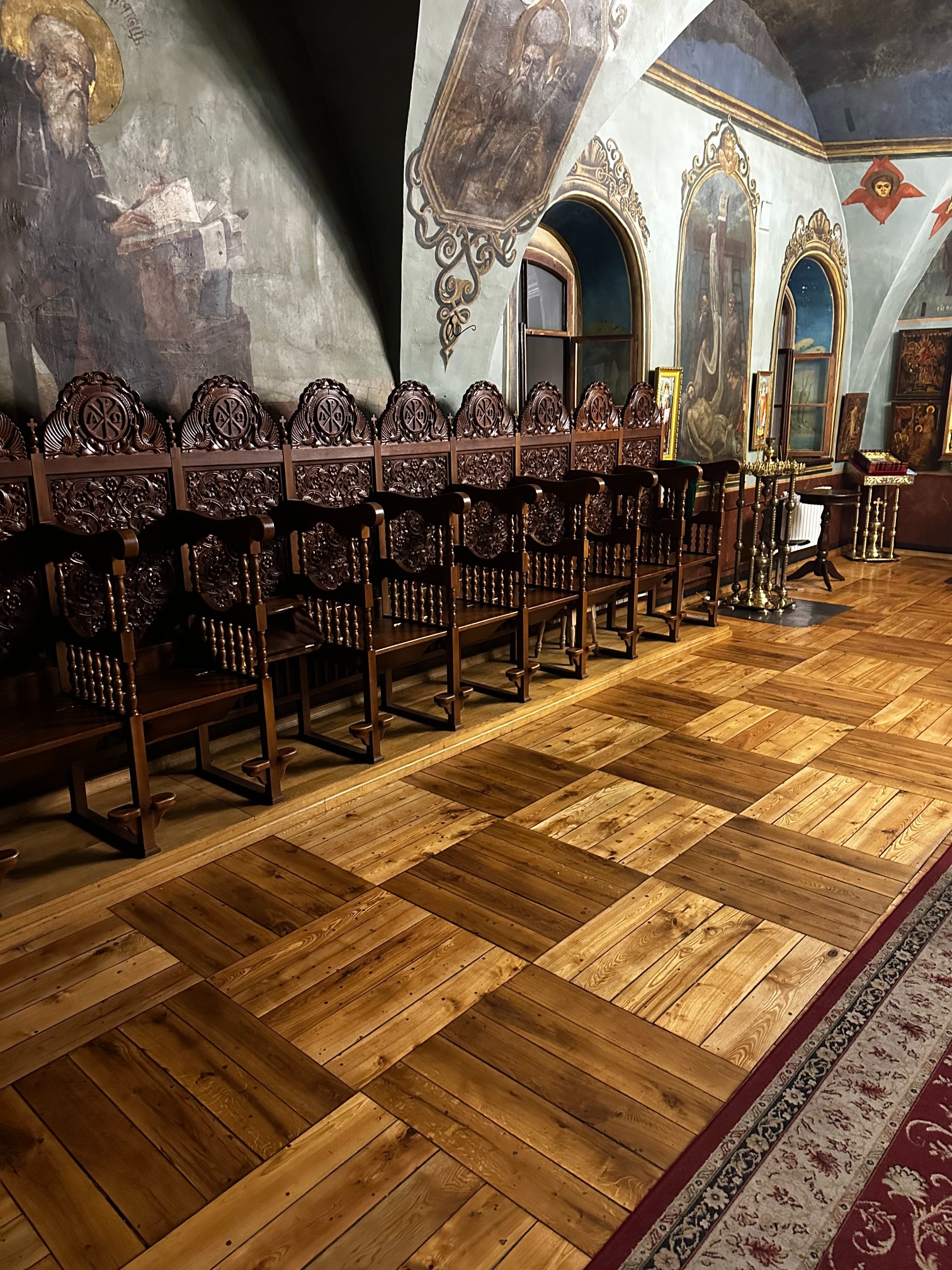
Rows of wooden folding chairs, benches, planks laid on blocks and chairs borrowed from churches, schools, funeral homes and the lodge hall – assembled into aisles with a sawdust centre aisle running to the front.
Fixed pews or stacking chairs owned by the building, in a permanent arrangement nobody has to assemble.
Borrowing the seating was itself a form of local cooperation and a form of commitment. A church that lent fifty chairs had publicly associated itself with the meeting, which is a decision rather than a favour – and the chairs going back afterwards was an occasion for a word about how it had gone.
6. There Was a Platform, and an Instrument Was Brought In
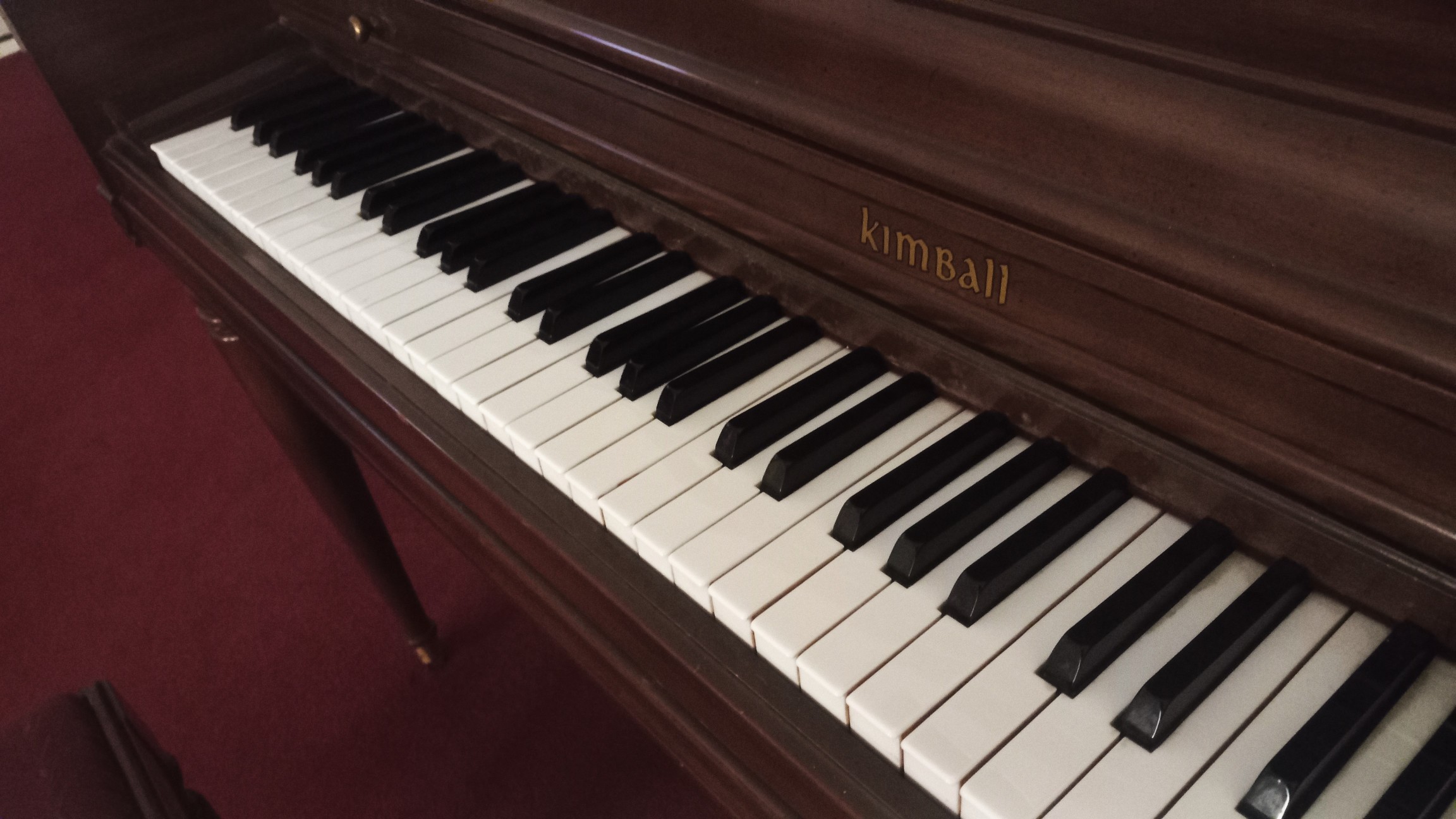
At the front stood a raised wooden platform with a pulpit, chairs for the visiting party and local ministers, and a piano or a pump or electric organ hauled in on a truck and tuned on site.
Permanent chancels and stages with installed sound, fixed instruments and in many buildings a full band arrangement.
The instrument mattered enough to move. Hauling a piano into a field and keeping it in tune through two weeks of humidity is a real nuisance, and the fact that it was done every time tells you how central the music was to the proceedings – which is the part most accounts underplay.
7. The Music Came First and It Was the Draw
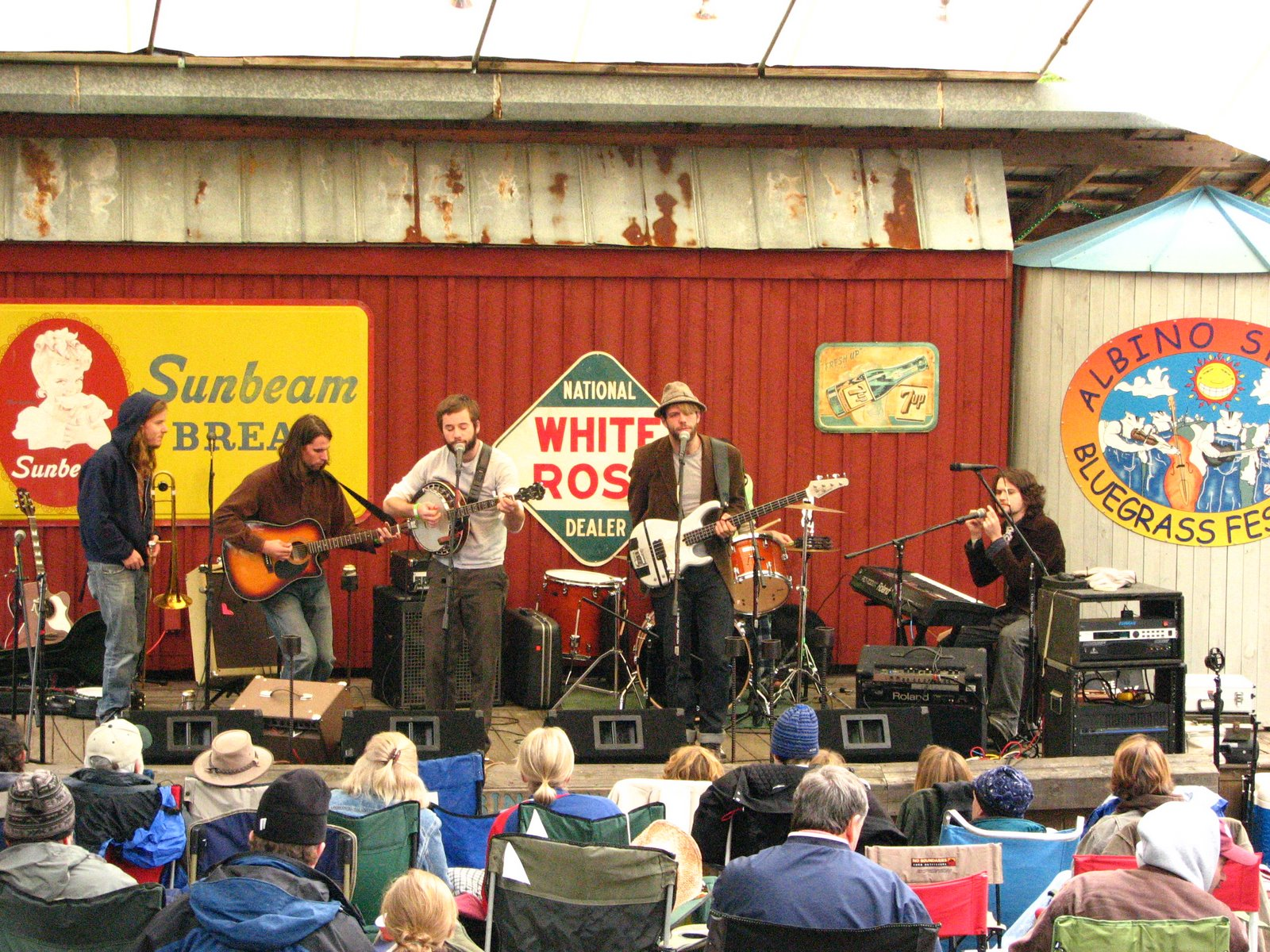
The first substantial portion of every service was singing: congregational hymns and gospel songs led from the platform by a song leader, with special numbers from a soloist, a family group or a quartet travelling with the party.
Worship music as the opening portion of a service, performed by a band with amplification, in substantially the same structural position.
The song leader was frequently the second named figure on the handbill, and the music was what brought people who would not have come to hear preaching. A travelling quartet with a reputation drew a crowd on its own merits, and the structure of the evening used that deliberately: the singing came first, it was good, and the audience was in the tent before anything was asked of them.
8. The Preaching Was Long and It Was the Point
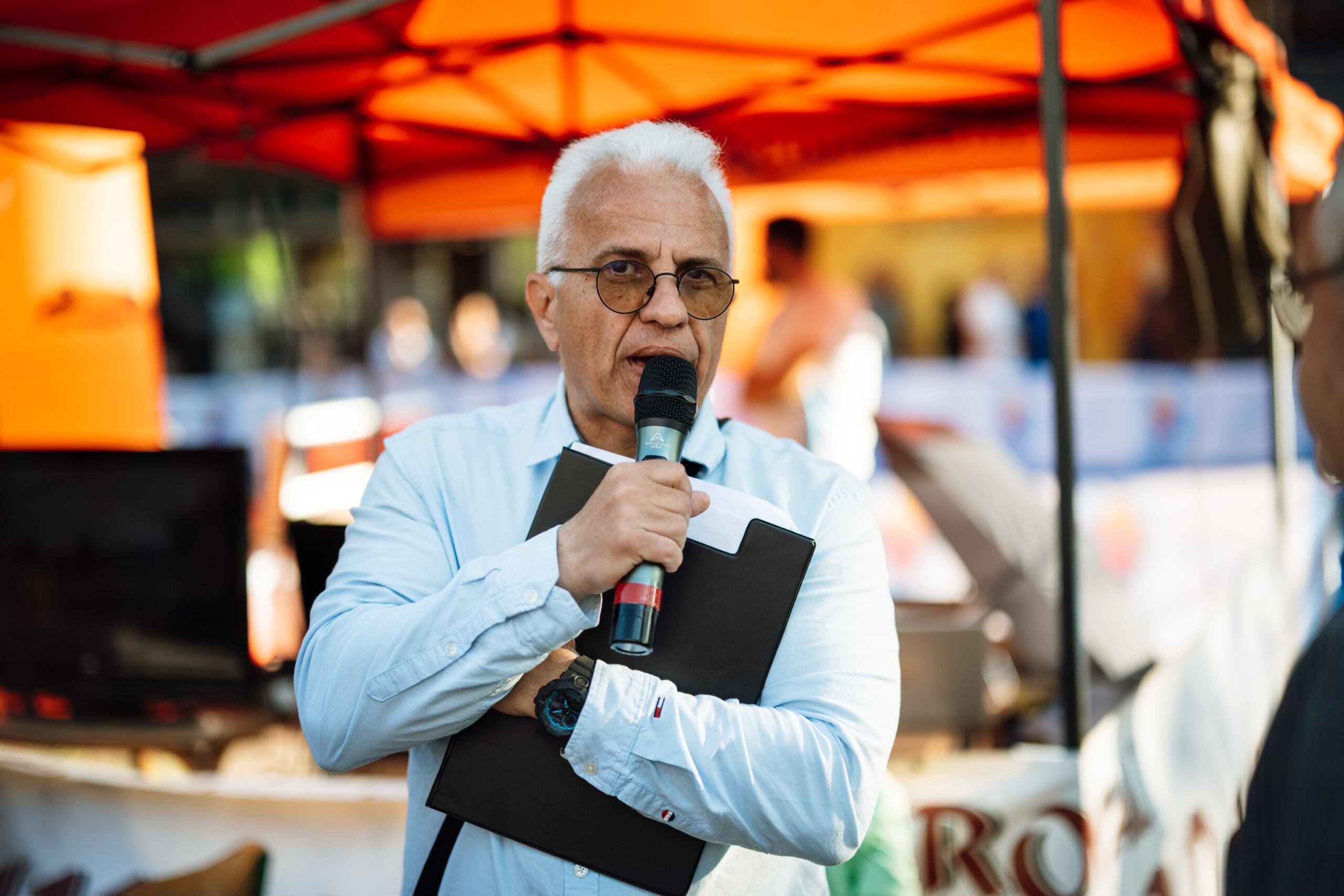
After the music came the sermon – typically forty minutes to an hour, delivered standing, without notes in many cases, at volume, from the platform, with the sides of the tent rolled up and the sound carrying across the field.
Sermons of twenty to thirty minutes in most congregations, with amplification, projection and a written structure.
The length is not an artefact of a less hurried age. A long address allows an argument to be built, repeated, and brought to a point, and the tradition these meetings belonged to had developed a well-understood structure for doing that over a century of practice – which is why the speakers who were good at it could fill a tent in a town they had never visited.
9. Every Service Ended With an Invitation
The sermon concluded with a direct and explicit request: that those who wished to respond should come forward to the front of the tent, during a final hymn, while the congregation remained standing and singing.
The same element, in substantially the same position, in a great many congregations – sometimes at the front, sometimes by raised hand, sometimes by a card.
This is the single most structurally important feature of the whole form. The entire evening is built toward a specific moment at which a decision is asked for publicly, in front of the room, with the music continuing to hold the moment open – and it is the element that has transferred most completely intact into every later medium the tradition has used.
10. The Offering Was Taken in Buckets and It Paid for Everything
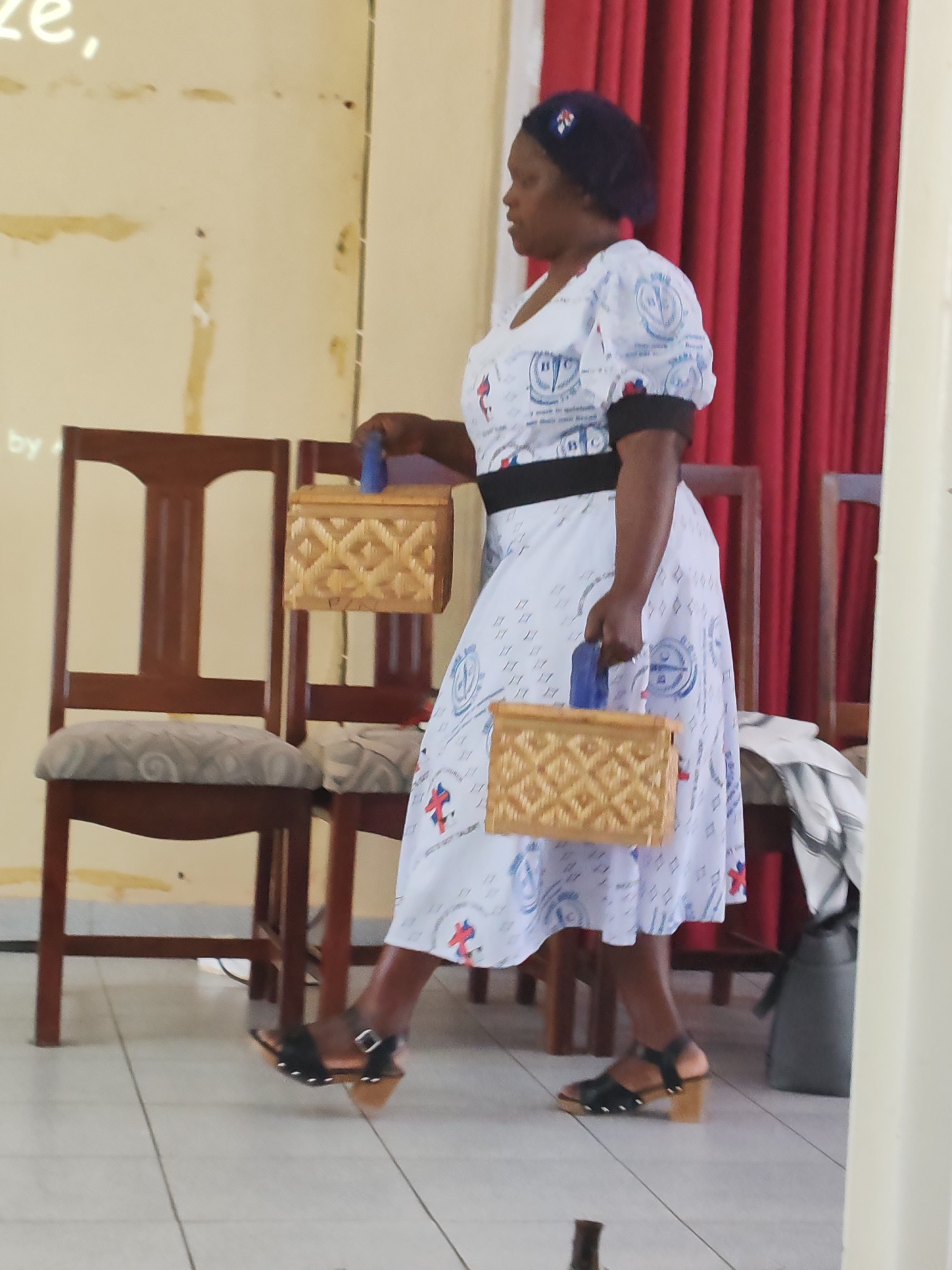
Collections were taken during the service in buckets, baskets or hats passed along the rows, with an explicit appeal from the platform explaining what the costs were – the tent, the crew, the travel, the radio time, the lighting.
Electronic giving, envelopes, text-to-give and card readers, with budgets published annually and appeals made in general terms rather than from a platform during an event.
The economics were entirely transparent and entirely precarious. A travelling party had no congregation, no building and no standing income; it had a tent to move, a crew to pay and advertising to buy in the next town, funded by what came in on the nights it was in this one. The appeal was candid because it had to be.
11. It Crossed Denominations on Purpose
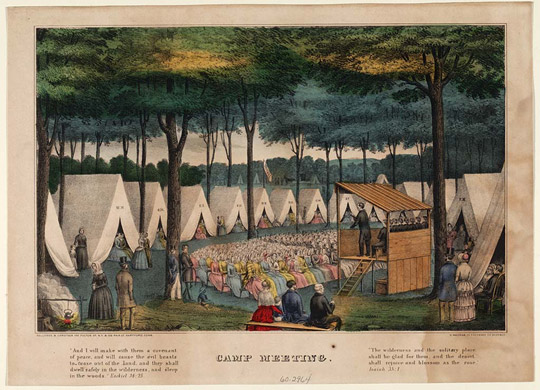
The meeting was not held by one congregation. It drew people from several churches and from none, local ministers of different affiliations sat on the platform together, and the preaching was pitched at what they held in common rather than at where they differed.
Gatherings and conferences that still cross congregational lines, alongside a much more segmented landscape in which most people encounter only their own tradition.
That was the structural purpose of the whole arrangement. A meeting in a neutral field, advertised to the general public, with a visiting speaker belonging to no local church, can gather a whole county in a way that no single congregation’s building can – and the cooperation it required was itself a significant part of what the event accomplished in a town.
12. The Local Churches Helped and Also Worried
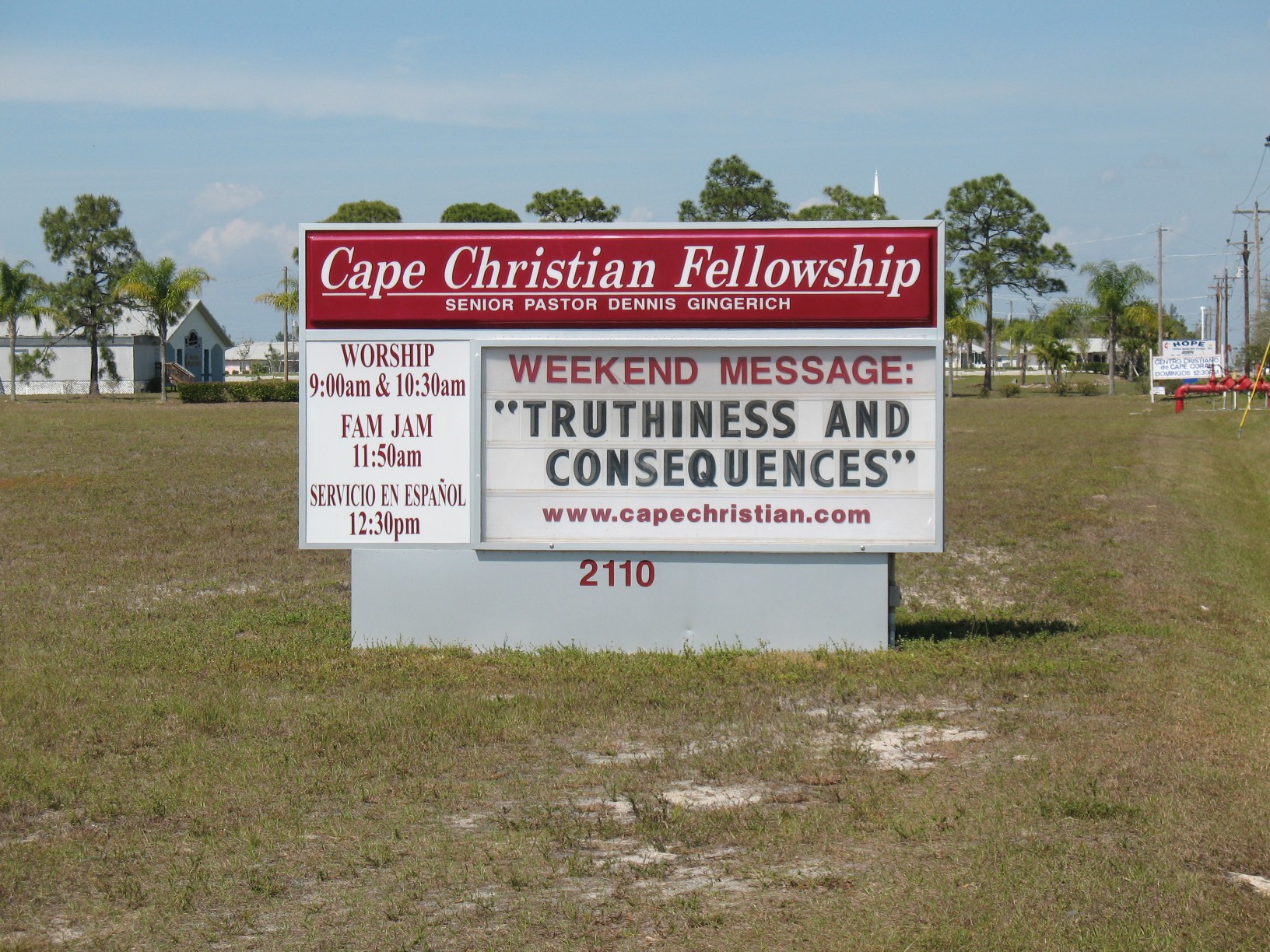
Ministers lent chairs, announced the dates, sat on the platform and encouraged attendance – while also, in many cases, having real reservations about an outside figure drawing their congregations for two weeks and about where those people would be afterwards.
Cooperative events organised between settled congregations with agreed arrangements, and no itinerant figure arriving from outside with no accountability to anybody local.
Both attitudes were sincere and both were reasonable, and the tension is part of the honest history. A pastor could believe the meeting was doing real good and still notice that his own Wednesday evening was empty for a fortnight – and the question of what happened to the people who responded, once the tent came down, was a genuine and openly discussed problem.
13. Children Ran Loose Outside and That Was Expected
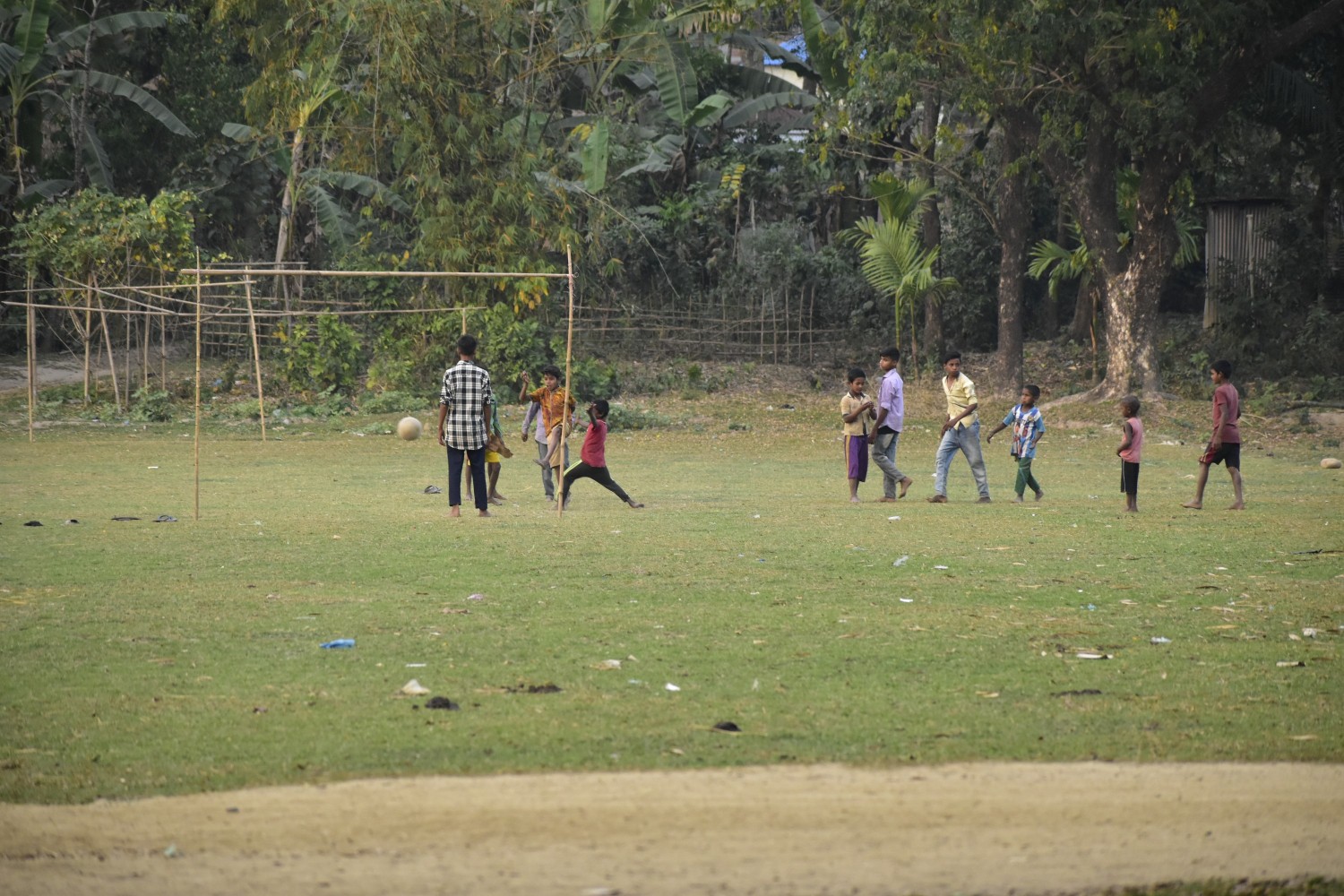
Beyond the lighted tent the field was dark, and children of every age spent the services playing in it – running between parked cars, catching insects round the lights, going in and out of the back rows – with nobody especially concerned.
Supervised programmes for children running in parallel in separate rooms, with registration, assigned staff and defined pickup.
The arrangement is remembered fondly by a very large number of people who were those children, and it is one of the clearest illustrations of how differently unsupervised time was regarded. A field at night full of other people’s children was not a situation anybody felt required managing.
14. It Was Hot, and the Sides Rolled Up
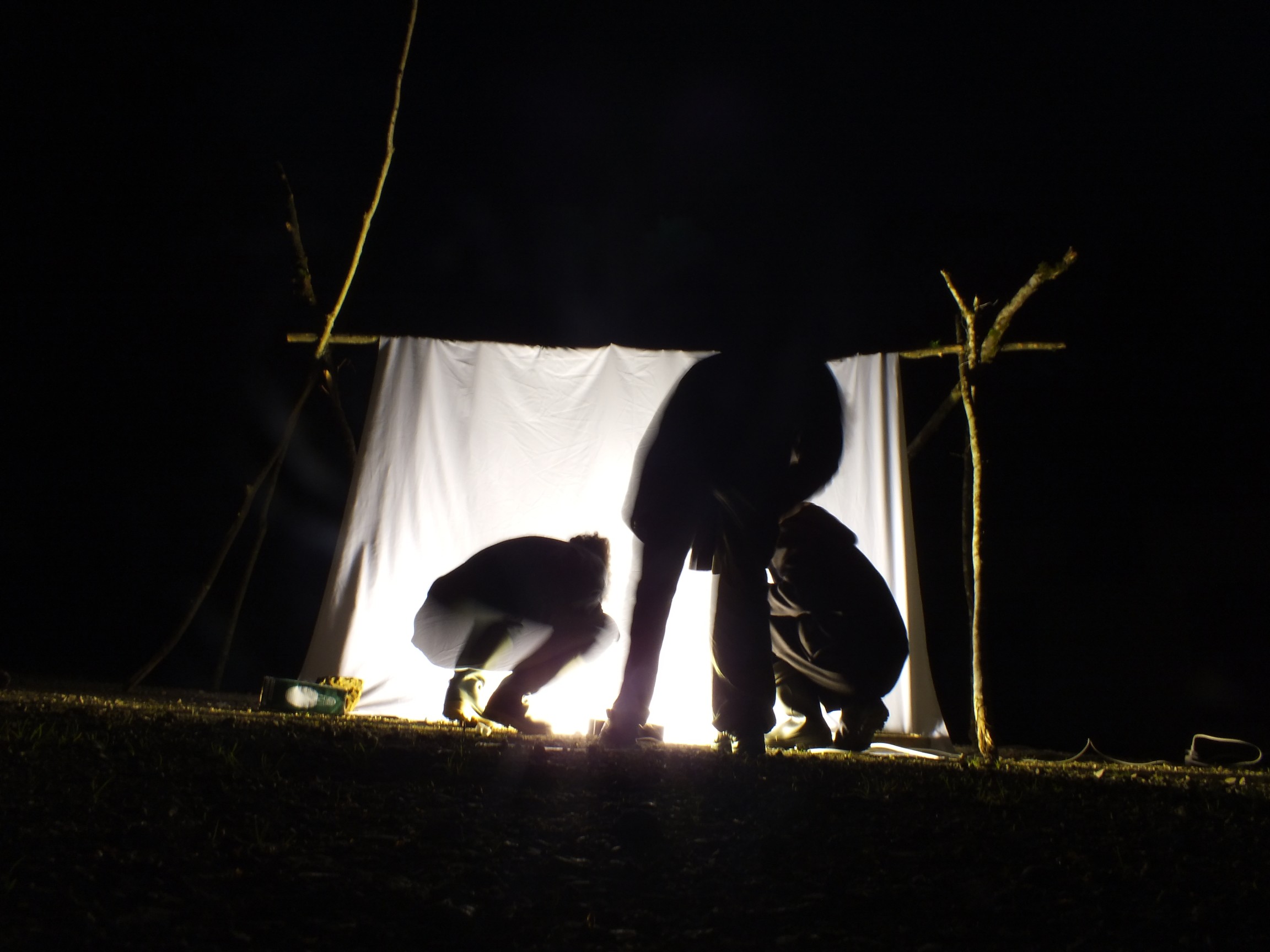
Summer meetings in a canvas tent full of people were genuinely hot, so the sidewalls were rolled up and tied to let air through, cardboard hand fans were supplied or improvised, and insects came to the lights in quantity.
Air-conditioned buildings in which the weather is not a factor and the season is not noticeable.
The physical discomfort is in every account and so is the specific sensory memory attached to it – canvas, sawdust, cut grass, hot still air, moths at the bulbs and the sound of several hundred people moving paper fans in unison. People who attended these describe the smell before they describe anything that was said.
15. Then It Came Down Overnight and the Field Was Empty
At the end of the run the crew struck the tent, loaded the poles, chairs, lighting and platform onto trucks, and left – and within a day the field held nothing but flattened grass, a rectangle of scattered sawdust and the tracks of several hundred cars.
Permanent buildings that are still there on Monday, with the same gathering occurring in the same room indefinitely.
The disappearance was abrupt and total, and it was part of the design. A meeting that lasts two weeks and then physically vanishes leaves nothing to maintain, nothing to pay for and nothing to argue about – and the empty field with sawdust in the grass is the image that everybody who grew up around this remembers best.
16. Then the Whole Thing Got a Transmitter
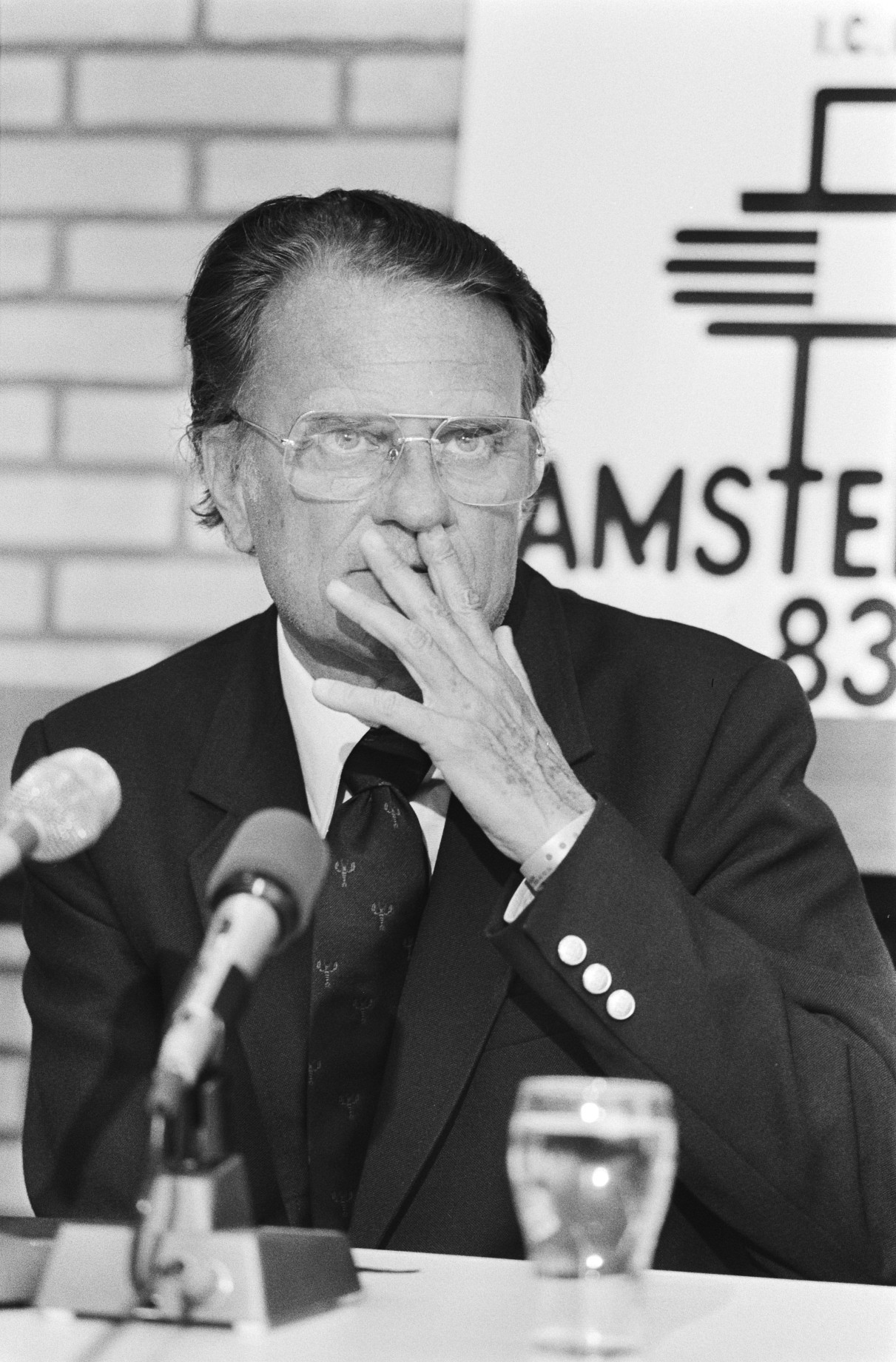
The form was canvas, sawdust, borrowed chairs, a hauled piano, a song leader, a long address, a public invitation, a bucket offering, and a visiting figure with no local congregation – assembled in a neutral field, advertised to everybody, for two weeks, then gone.
Broadcast and streamed services, large-venue events, and recorded programming that reach audiences of a size no tent could hold, with none of the canvas and none of the field.
And the point worth making is that almost nothing was actually lost in that transition, because the tent was never the substance. What the tent revival really was is a well-developed piece of communication engineering – refined over a century of practice into a sequence that works: advertise generally rather than to the committed, gather on neutral ground, lead with music good enough to bring people who came for the music, build a long argument to a single point, ask for a decision publicly while the music holds the moment open, and fund it from the room. Every one of those elements transferred to radio, then to television, then to satellite and streaming, without modification – because they were never dependent on canvas. What the broadcast version cannot reproduce is the other half: that it happened in your own town, that your neighbours were in the chairs beside you, that the chairs had come from the school and the funeral home, and that the field was empty on Monday. The method scaled and the locality did not.
The Canvas Was Never the Substance
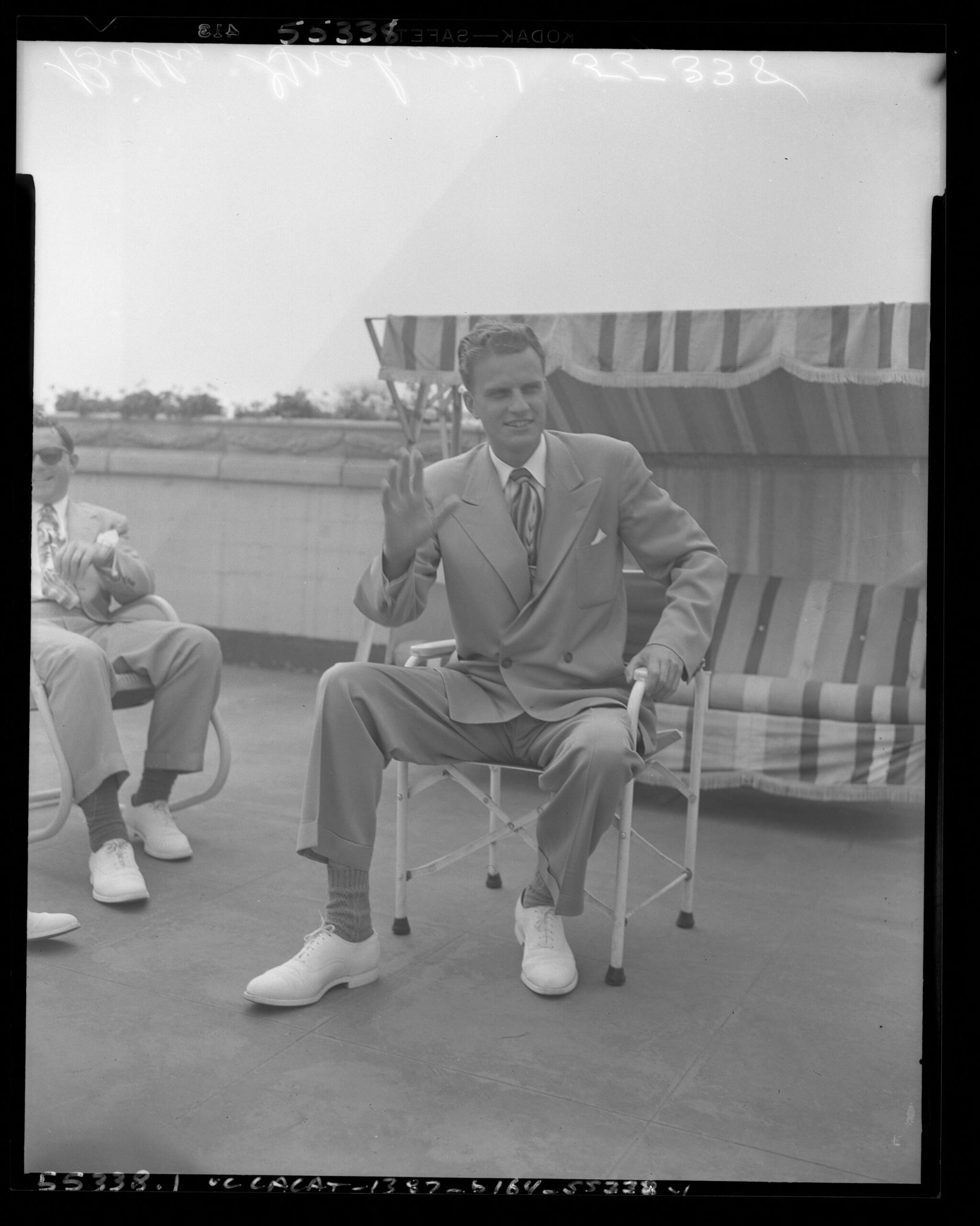
It is easy to look at a photograph of a revival tent and see something quaint – a vanished rural folkway, canvas and sawdust and hand fans, swept away by air conditioning and television.
That reading misses what the thing actually was, and the evidence is simply that every single component of it is still in use.
Set the structure out plainly, without the canvas.
Advertise to the general public rather than to people already committed – handbills in store windows, a sign on the highway, spots on local radio, a notice in the paper, all of it aimed at whoever happens to pass. Gather on ground that belongs to nobody’s congregation, so that attending implies no prior affiliation and costs nobody any loyalty. Lead with music, performed well enough that people come for the music alone, and put it first so that the room is full before anything is asked. Then deliver one long sustained address – forty minutes to an hour – built, repeated and brought to a single point, because an argument of that length can do what a short one cannot. End with a specific, public, immediate request for a decision, made while the music continues so that the moment stays open rather than closing. Fund the whole thing from the room, candidly, by explaining what it costs. And run it night after night for a fortnight, so that people can come back, bring somebody, and be drawn in gradually as word moves round the town.
That is not a folkway. It is a piece of communication engineering, developed and refined over about a century of practice by people who paid close attention to what worked, and it is extremely well made.
Which is why it transferred without modification. Every element above moved onto radio, then onto television, then onto satellite and streaming, and none of it needed changing – because none of it ever depended on canvas, sawdust or a field. The advertising, the neutral ground, the music first, the long address, the public invitation, the candid appeal and the repeated run are all still there, reaching audiences of a size no tent could have held.
So the method won completely, and the tent was simply the hardware it happened to run on in 1964.
What did not transfer is the other half, and it is the half that the people who were there remember.
It was in your town. In a field you knew, that had been a pasture the previous week. The chairs had come from your school, your lodge hall and three churches whose ministers were sitting on the platform together, which is a thing those three congregations did not otherwise do. The people in the row beside you were your neighbours, and they could see you, and you could see them. Your children were outside in the dark running between the parked cars with everybody else’s. It was hot and it smelled of canvas and cut grass and sawdust.
And on Monday the field was empty.
A broadcast can do the sequence perfectly and cannot do any of that. The method scaled, which is a real achievement. The locality did not, and nothing has replaced it.
If you were taken to one, you remember the sawdust and the heat and the moths at the lights before you remember a single thing that was said.
And you remember that you were outside in the dark for most of it, with everybody else’s children, and that nobody came to check.
Like our content? Follow us for more.