In 1964 an American household kept a scrapbook, and what went in it was the evidence that the family existed in the public record.
Clippings from the local paper – a wedding notice, a promotion, an obituary. Pressed flowers from a corsage. Ticket stubs with the price printed on them. A lock of a child’s hair taped down with a date beside it in somebody’s handwriting. Printed programmes from recitals and commencements. A telegram, flattened and pasted in, from the one day that had warranted sending one.
All of it stuck down with rubber cement onto thick coloured acidic pages that were quietly destroying it. Here are fifteen things every American kept.
1. Newspaper Clippings About Your Own Family
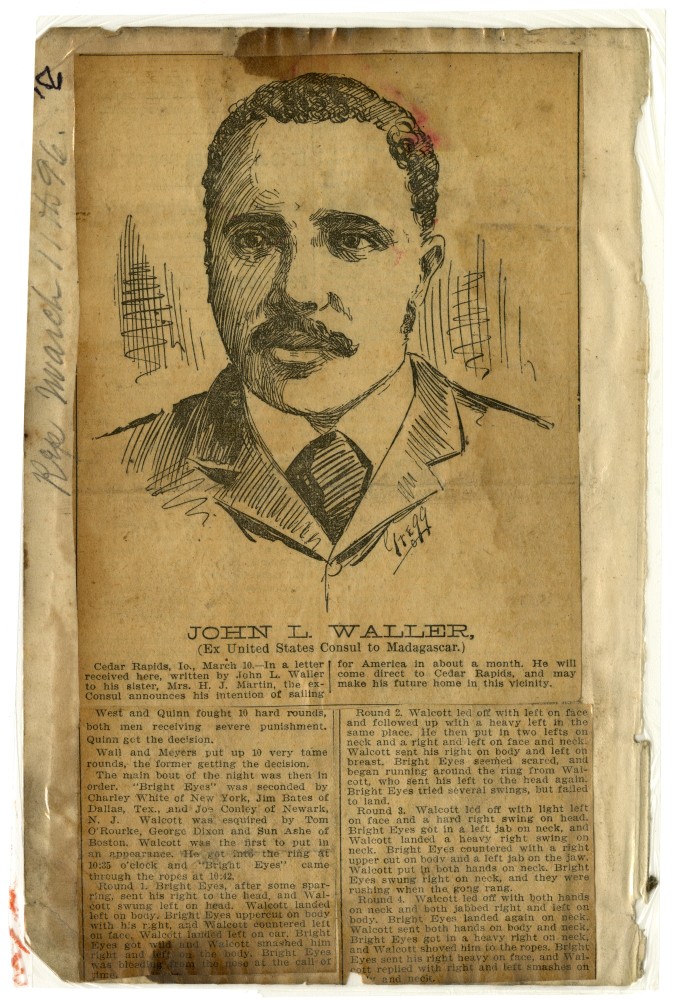
The core of a scrapbook was cut from the local paper: the notice of a birth, a wedding, an engagement, a graduation, a promotion, an election to an office, a win, a visit, a death.
Nothing, because the local paper that printed those notices has in most places contracted or closed, and because the same information now appears and stays online without anybody cutting anything.
The clipping existed because being printed was rare. A small-town paper carried a few hundred names a week, and having yours among them was an event – which made the paper a public register of a family’s existence and the scissors the way a household kept its own copy of it.
Like our content? Follow us for more.
2. The Obituary, Folded, Near the Front
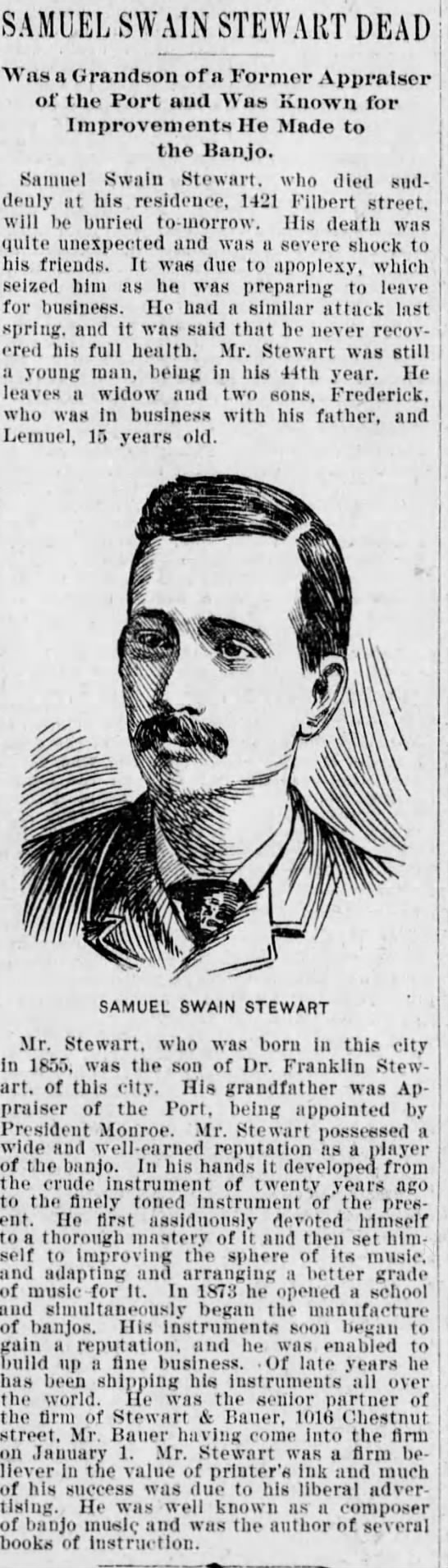
Death notices were cut, read, kept and in many books mounted on their own page with the date written beside them – frequently several decades’ worth, in order.
Online notices, funeral home pages and social media posts, which persist without being saved and are rarely printed by anybody.
The obituary clipping is the most consistently preserved item in American family scrapbooks and it is why these books are now consulted. A run of them is a genealogical record of a family’s losses with dates, relationships and surviving relatives listed – information that frequently exists nowhere else.
3. Pressed Flowers, Flattened Under the Page
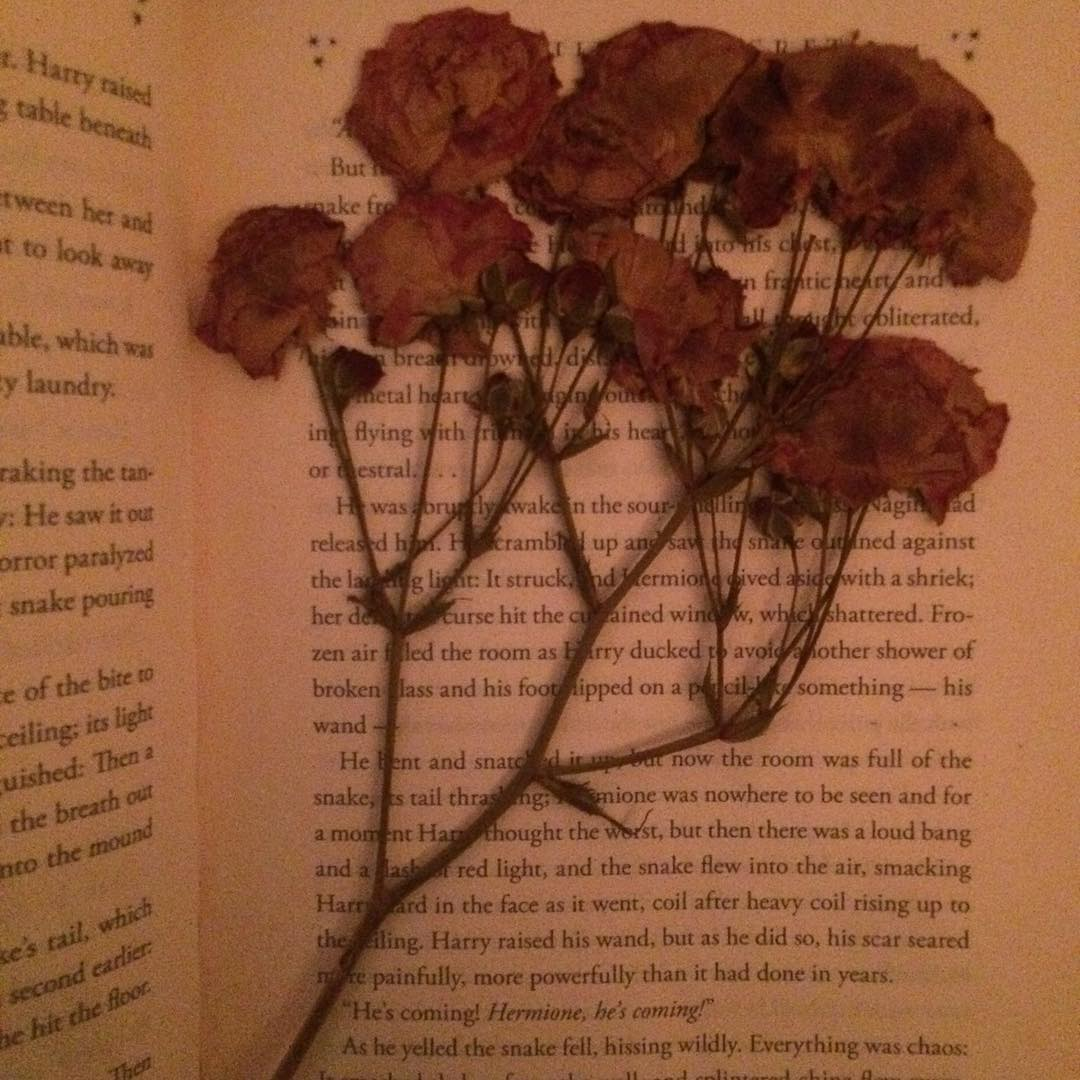
A corsage, a bouquet, a flower from a funeral or a first garden went between the pages and was left there – drying flat, losing its colour, and becoming brown and translucent over the following decades.
Photographs of flowers, which do not fade, do not stain the page and do not have to be found anywhere.
Pressed flowers are the item that destroys the books. The organic material stains and acidifies the paper around it, the page it is on is frequently the first to fail, and anybody who has opened one of these knows the crumbling brown shape and the brown shadow of it on the facing page.
4. Ticket Stubs From Things You Had Been To
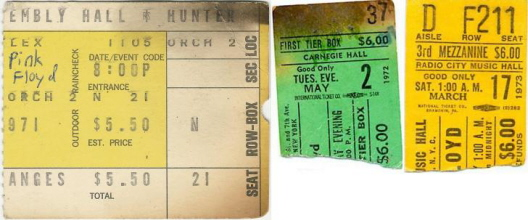
Stubs went in by the dozen: a ballgame, a concert, a dance, a fair, a train journey, a theatre, a school event – torn, dated, and carrying the price printed on them.
Digital tickets on a telephone, which produce no object and leave nothing behind to keep.
The stubs turn out to be the most informative items in the whole book for anybody reading it later, because they are dated, priced and specific. A ticket tells you exactly where somebody was on one evening and what it cost them, which is more than most photographs manage.
5. A Lock of Hair, Taped Down
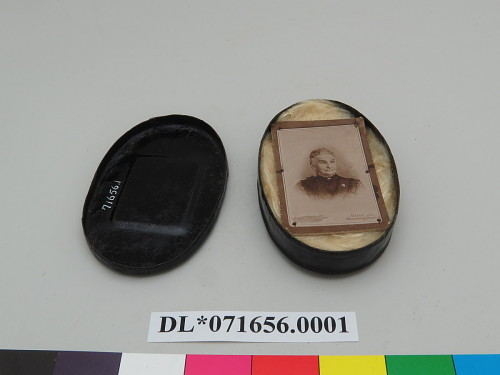
A child’s first haircut, kept as a small coil of hair taped or tied into the book, sometimes with a ribbon round it and a date in a parent’s handwriting.
Nothing kept in a book, though the first haircut is still frequently photographed and the hair is still frequently kept in an envelope in a drawer.
It sits oddly with modern sensibility and it was entirely ordinary. Hair keeps indefinitely, costs nothing, and is unmistakably the actual substance of the person rather than a representation of them – which is precisely the reason the practice is much older than photography and continued long after it.
6. The Autograph Book Was a Separate Object Entirely
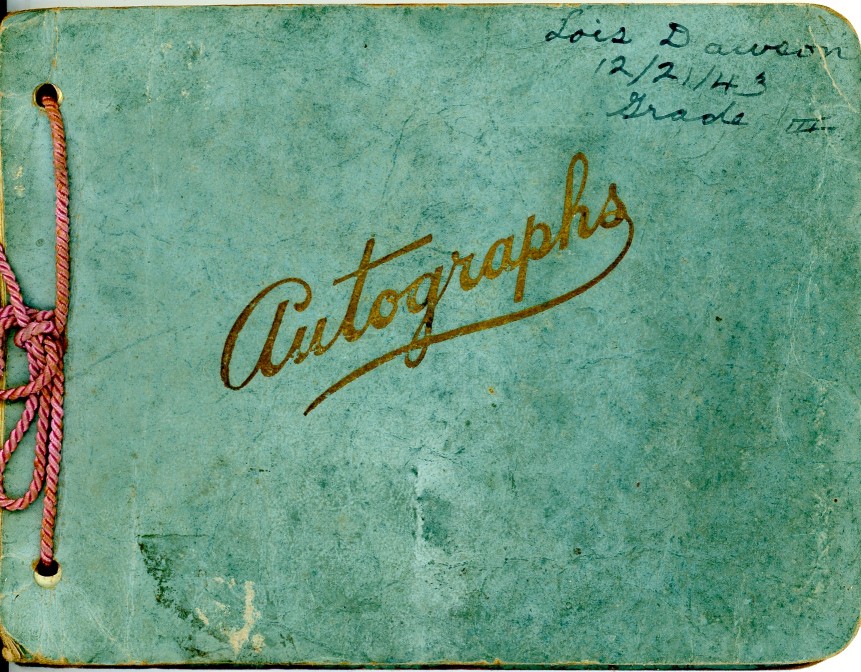
Alongside the scrapbook, and particularly among schoolchildren, there was a small bound book of blank coloured pages carried around and handed to people with a request that they write something in it.
Signed yearbooks, which perform the same function once a year at a scale the autograph book never attempted.
The two objects did different jobs. A scrapbook collected evidence that something had happened; an autograph book collected handwriting, deliberately, from people who were present – which makes it a record of a social circle at one moment rather than a record of events.
7. People Wrote Verses, and the Verses Were Traditional
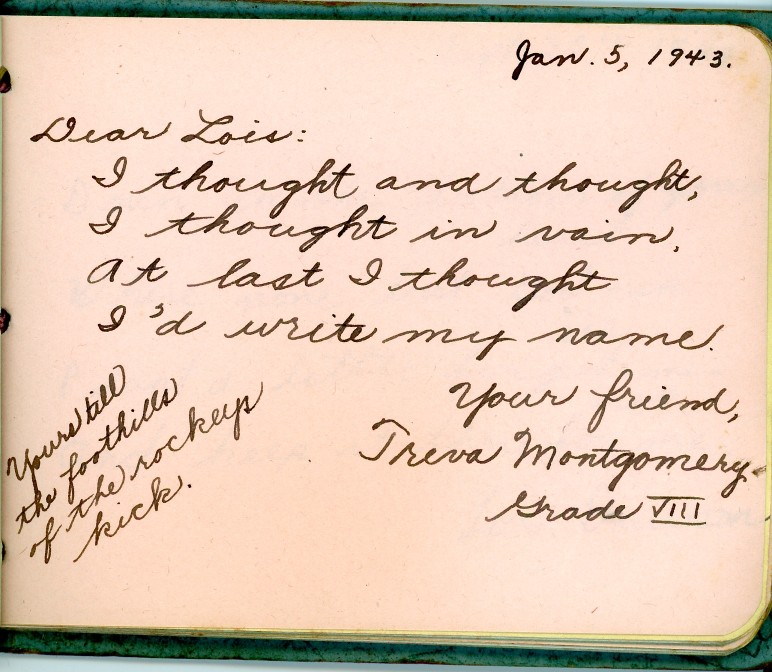
Entries were rarely original. Contributors wrote short rhymed sentiments from a stock of well-known verses passed between children for generations – teasing, affectionate, mock-solemn or deliberately absurd – signed and dated.
Short written messages in yearbooks and cards, now almost always composed on the spot and personal rather than drawn from a shared repertoire.
The shared repertoire is the interesting part. There was a body of verse that American children knew, had not been taught in school, and passed on by copying out of each other’s books – which is oral tradition operating through handwriting, among eleven-year-olds, with regional variants.
8. Programs From Anything With a Program
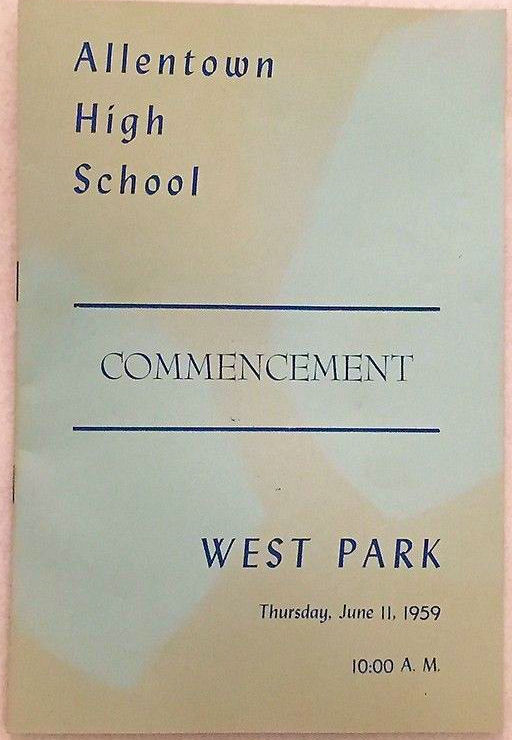
Printed programmes were kept by the handful: school plays, recitals, commencements, concerts, church services, dedications, funerals, weddings – anything that had been printed for an occasion.
Printed programmes still produced for formal occasions and discarded, with most events now having no printed document at all.
The programme is valuable to a later reader for the same reason as the ticket. It is dated, it lists names, and it states what happened in order – so a run of them from one family reconstructs a decade of a town’s institutional life in a way no other surviving document does.
9. Place Cards, Napkins and Matchbooks
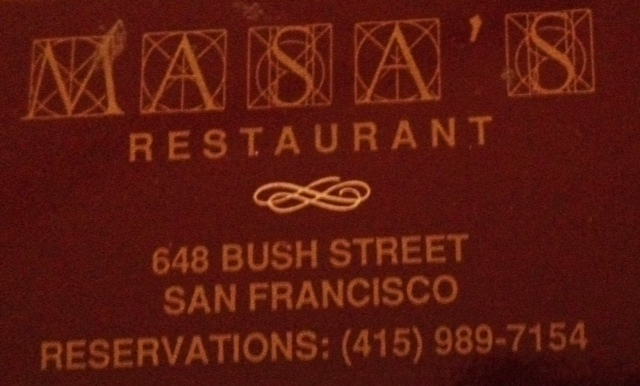
Small printed ephemera from meals and parties went in: a place card with your name on it, a printed paper napkin from a wedding, a matchbook from a restaurant or a hotel.
Nothing comparable. Named place cards are rare, printed napkins less common, and matchbooks have essentially disappeared as giveaway items.
Matchbooks were kept because they were free, printed, place-specific and pocket-sized – which made them the cheapest possible proof of having been somewhere. A page of them is a travel record assembled at no cost by somebody who never thought of it as one.
10. Telegrams, Flattened Out
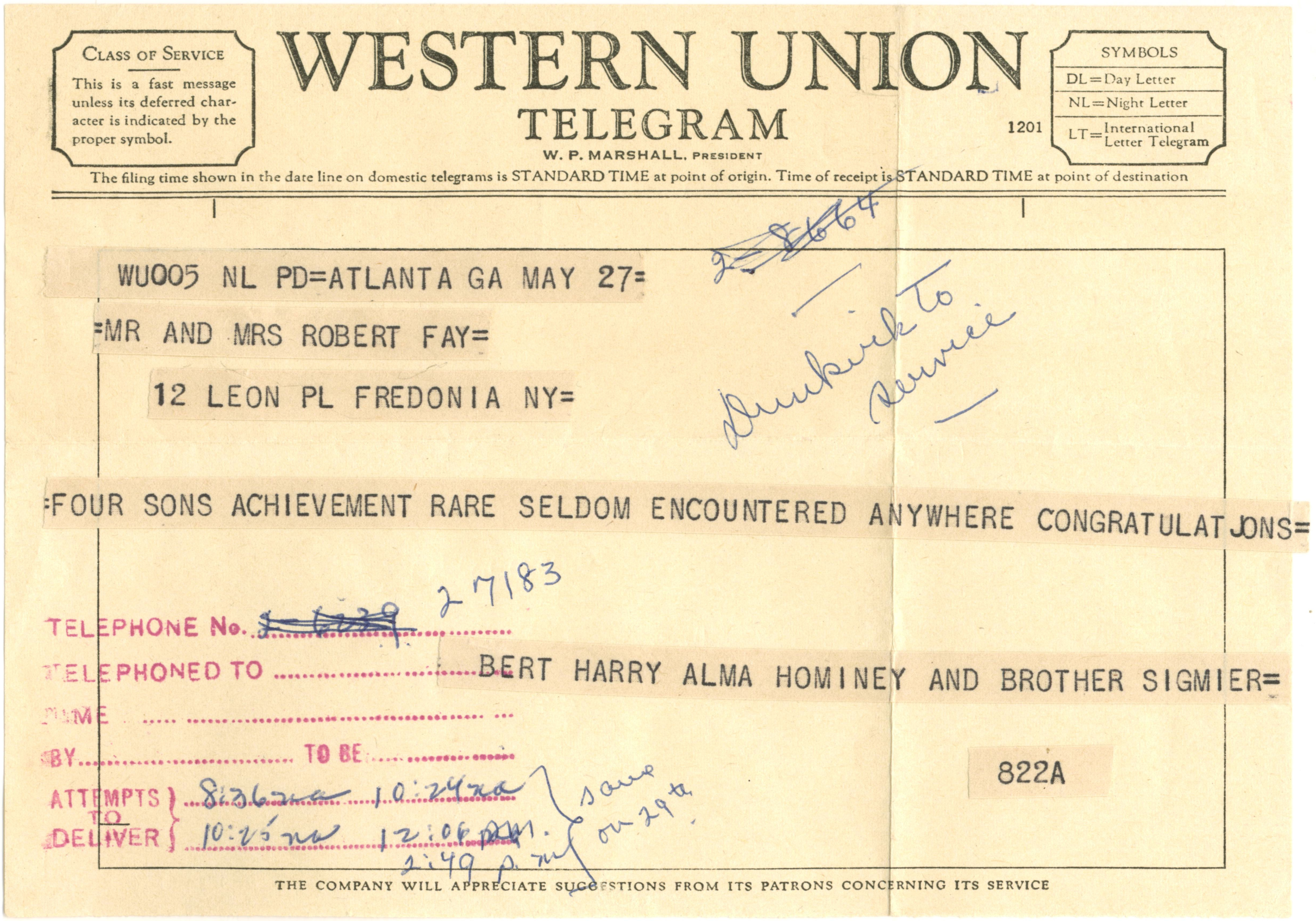
Telegrams were pasted in – congratulations on a wedding or a birth, an announcement of a death, a safe arrival – with the strips of printed message still glued to the form.
Nothing, since the message service is gone and no electronic message produces a physical document.
A telegram in a scrapbook is always a significant one, because nobody sent a telegram casually at the price. The presence of one marks the most important days in a family’s record, and a scrapbook can frequently be read by looking only at those pages.
11. Report Cards, Certificates and Letters
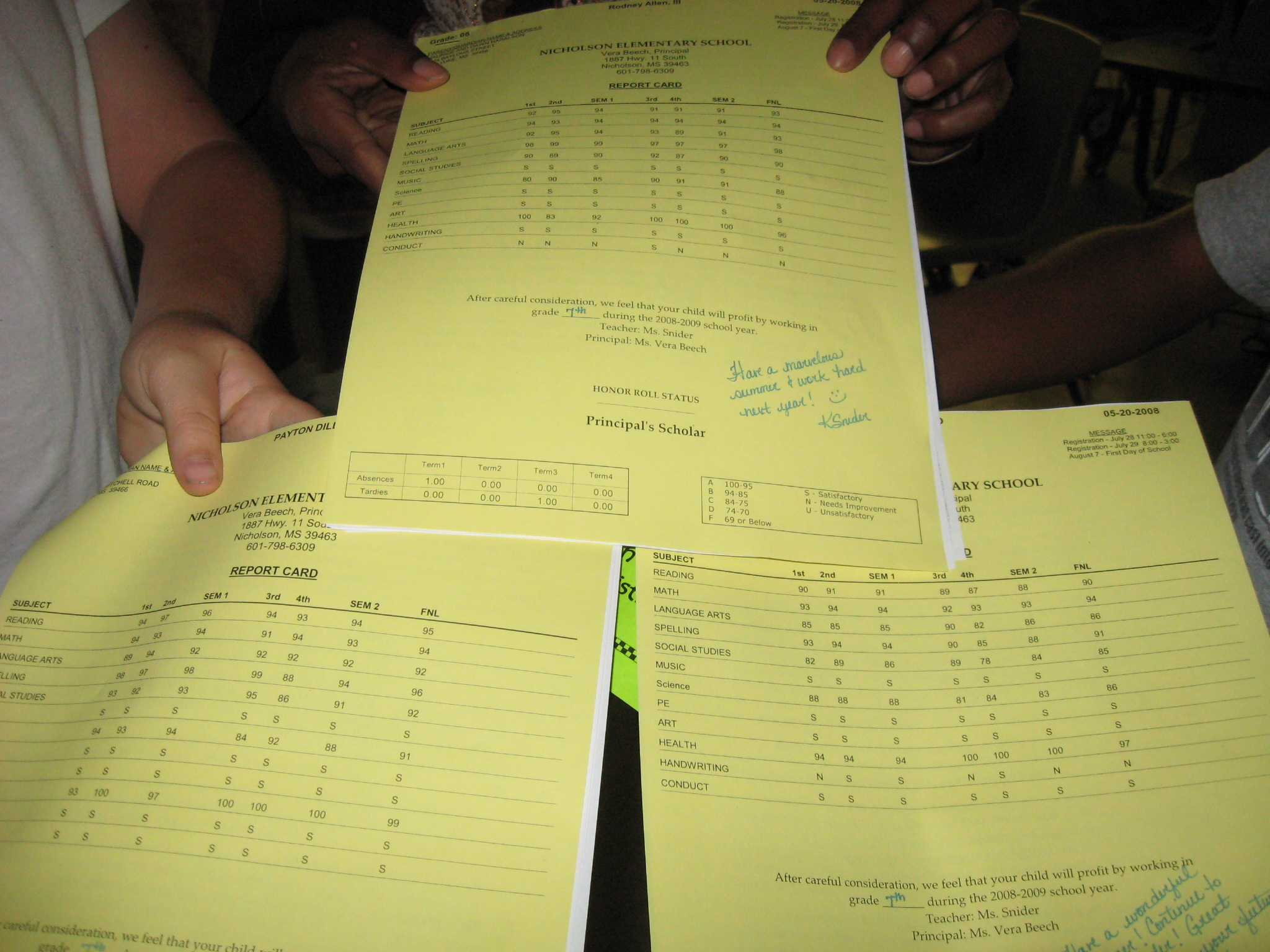
Official paper went in: report cards, perfect attendance certificates, merit awards, a letter of acceptance, a notice of enlistment, a licence, a baptismal certificate.
Digital records held by institutions, accessible to the person but not possessed by them, and increasingly not issued on paper at all.
The distinction is possession. A report card in a scrapbook is the family’s copy of an institutional judgement, held by the family, in the house – whereas a grade in a school database is a record about a person that the person does not have and cannot paste into anything.
12. The Paste Was the Problem and Everybody Used It
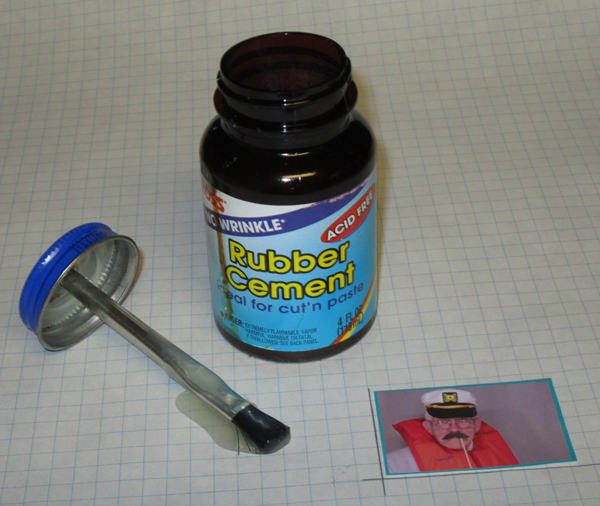
Items were attached with flour paste, rubber cement, mucilage, library paste or ordinary household glue – applied generously, frequently to both surfaces, directly onto absorbent coloured pages.
Photo corners, archival sleeves, acid-free pages and digital storage, none of which bond to or chemically attack the thing being kept.
Almost every surviving American scrapbook is damaged and the paste is the cause. Rubber cement in particular degrades into a brown stain that penetrates both the item and the page, which means the most carefully kept family records of the period are frequently the most comprehensively ruined.
13. The Pages Were Coloured, Thick and Terrible
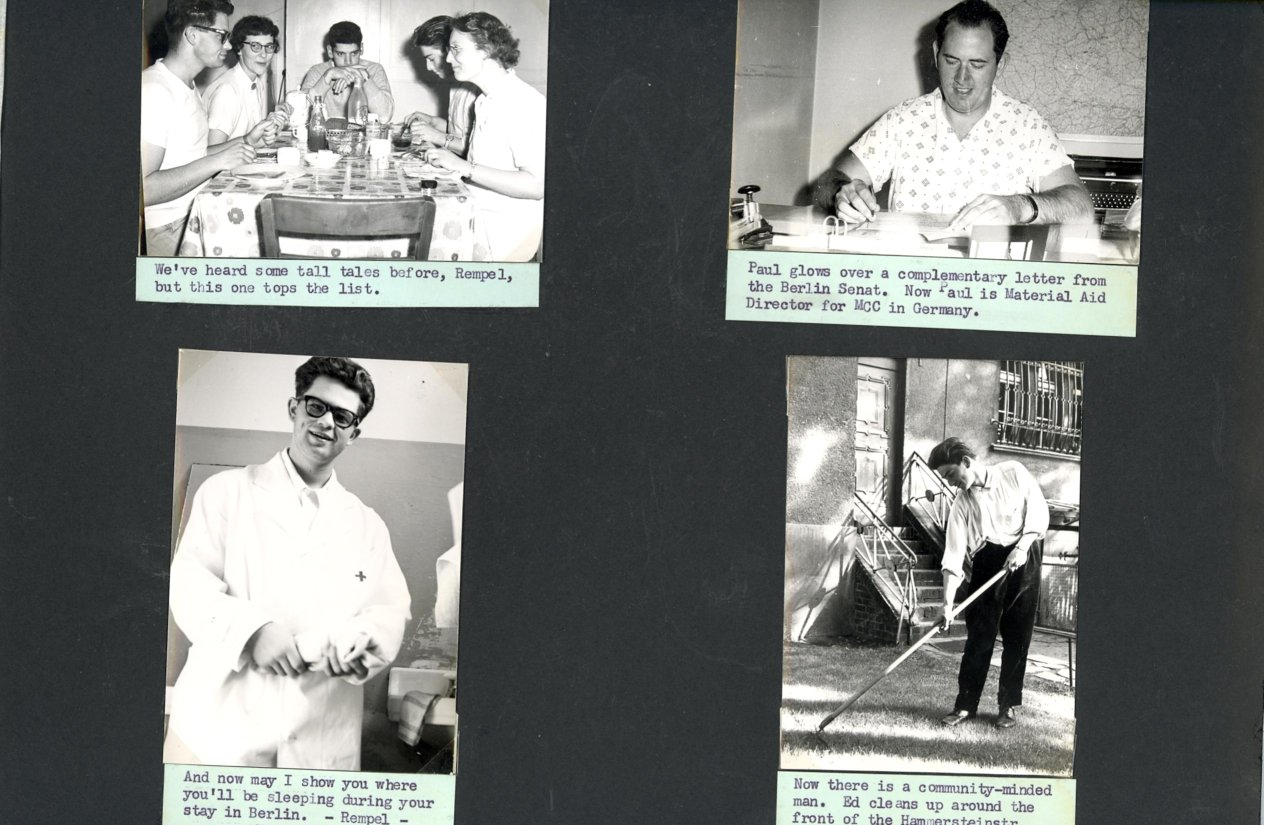
Books were bound with heavy black, grey, green or brown paper pages, frequently tied with a cord through punched holes, with interleaving tissue between them.
Albums with inert plastic sleeves, white or cream archival board, and bindings designed to allow pages to be added or removed.
The coloured pages were chosen to look handsome and are chemically among the worst materials available. Highly acidic paper in contact with photographs, clippings and organic matter degrades everything it touches, which is why a 1964 book is frequently in worse condition than a photograph from 1890.
14. It Was Shown to Visitors
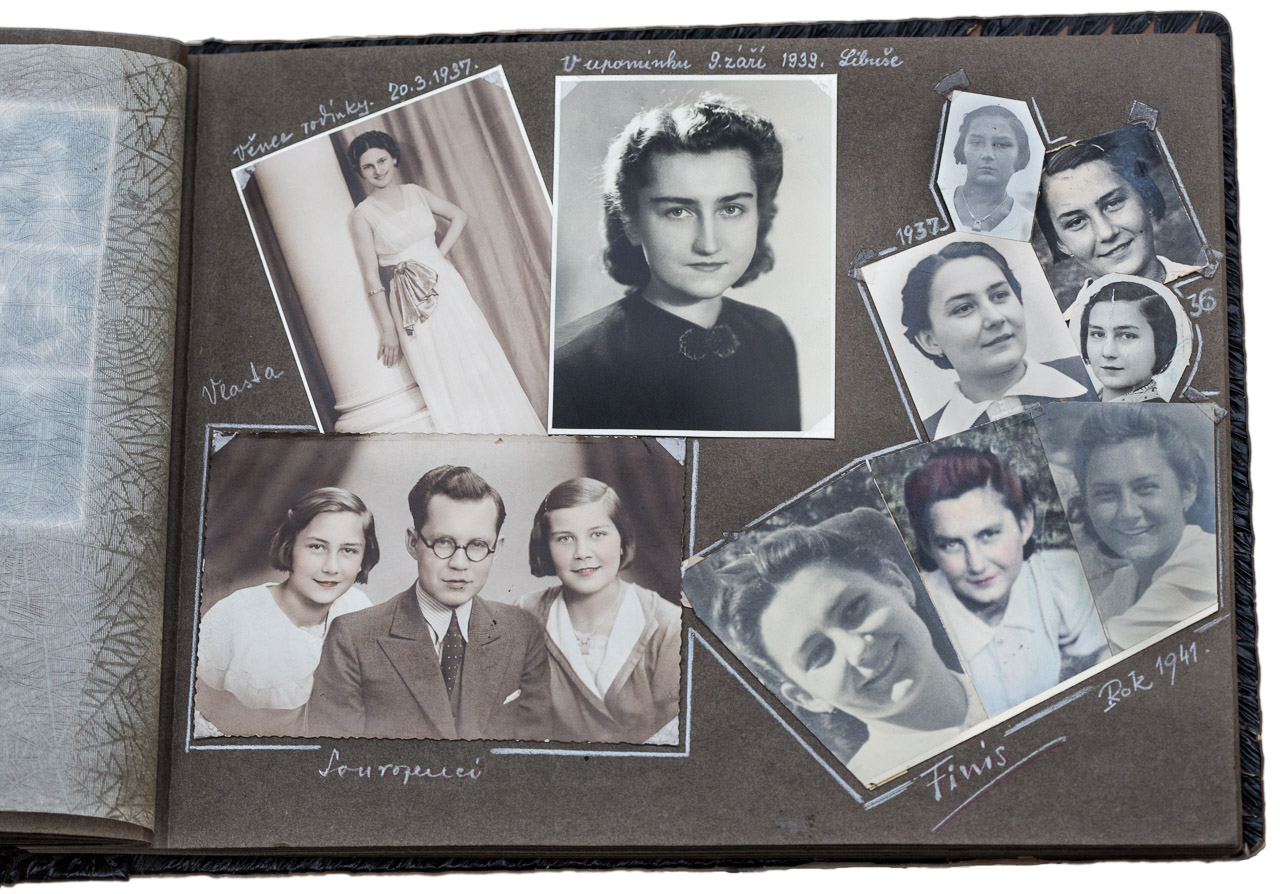
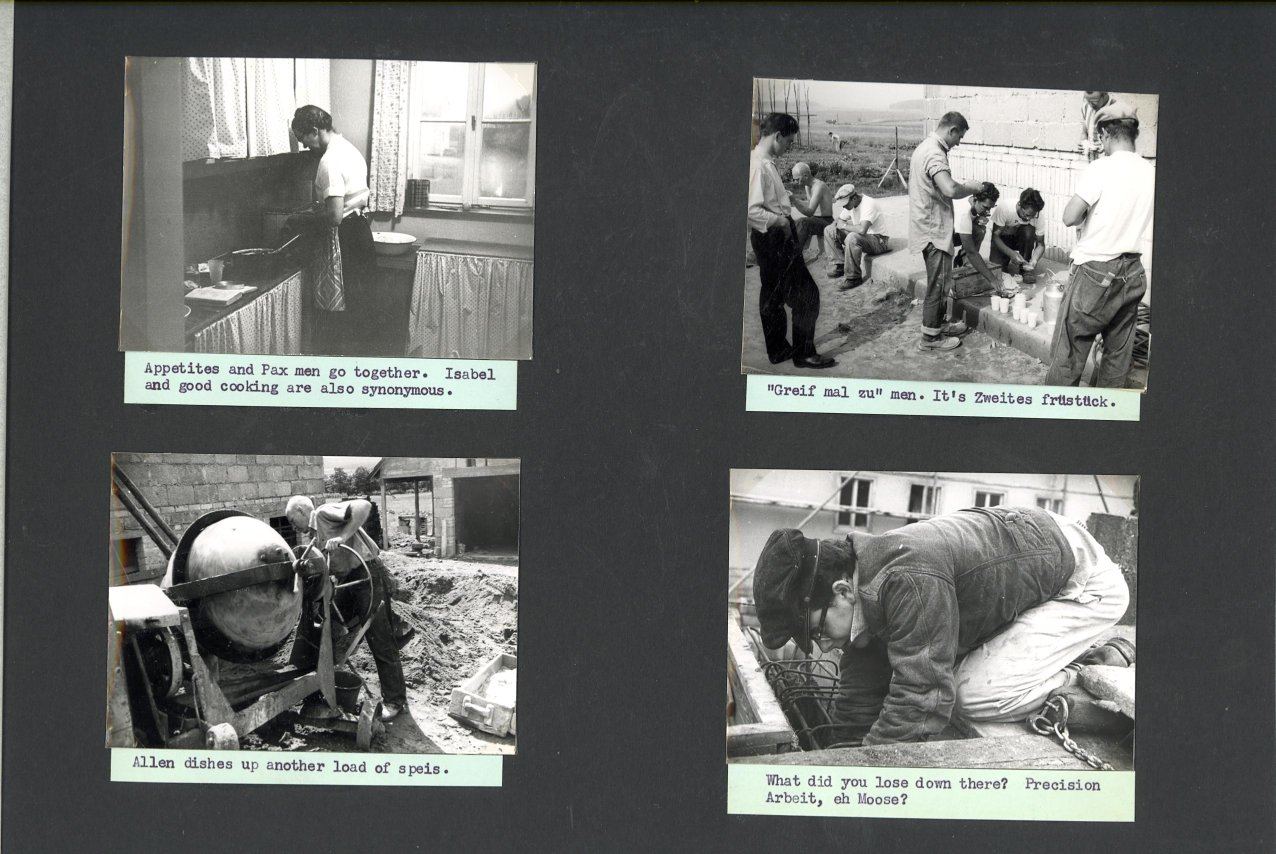
The book came out when people came round. It was brought to the table, opened, turned page by page, and narrated – who that was, when that was, what happened after.
Photographs handed round on a telephone screen, which performs the same social function with the narration intact and the object gone.
The narration was the point and it is the part that is genuinely lost. A scrapbook is almost unreadable without somebody to explain it, which means the book and the person who kept it were a single functioning unit – and an unnarrated book, found in a house after that person has died, is a set of clippings nobody can place.
15. Then Everything in It Started Keeping Itself
A scrapbook was a selected record: a person decided which clippings, stubs, programmes, telegrams and certificates were worth cutting out and pasting down, and the selection was the work.
An automatic, complete and permanent record of nearly everything, assembled without anybody choosing anything – photographs by the thousand, messages, tickets, records, notices and transactions, all retained by default.
And the thing that disappeared is not the keeping. It is the deciding. A scrapbook exists because its contents were scarce and preserving them took effort, which forced a judgement on every single item: is this worth the paste. Ten thousand photographs require no judgement at all, so none is made – and the result is a complete archive that nobody has ever sorted through and nobody will ever sit at a table and narrate page by page. The 1964 book was selective, fragile, badly made, chemically self-destructive and frequently unreadable without its author. It was also, unmistakably, somebody’s considered account of what had mattered – and that is the one function the complete automatic record cannot perform, because a record of everything is a judgement about nothing.
The Work Was the Deciding, Not the Keeping
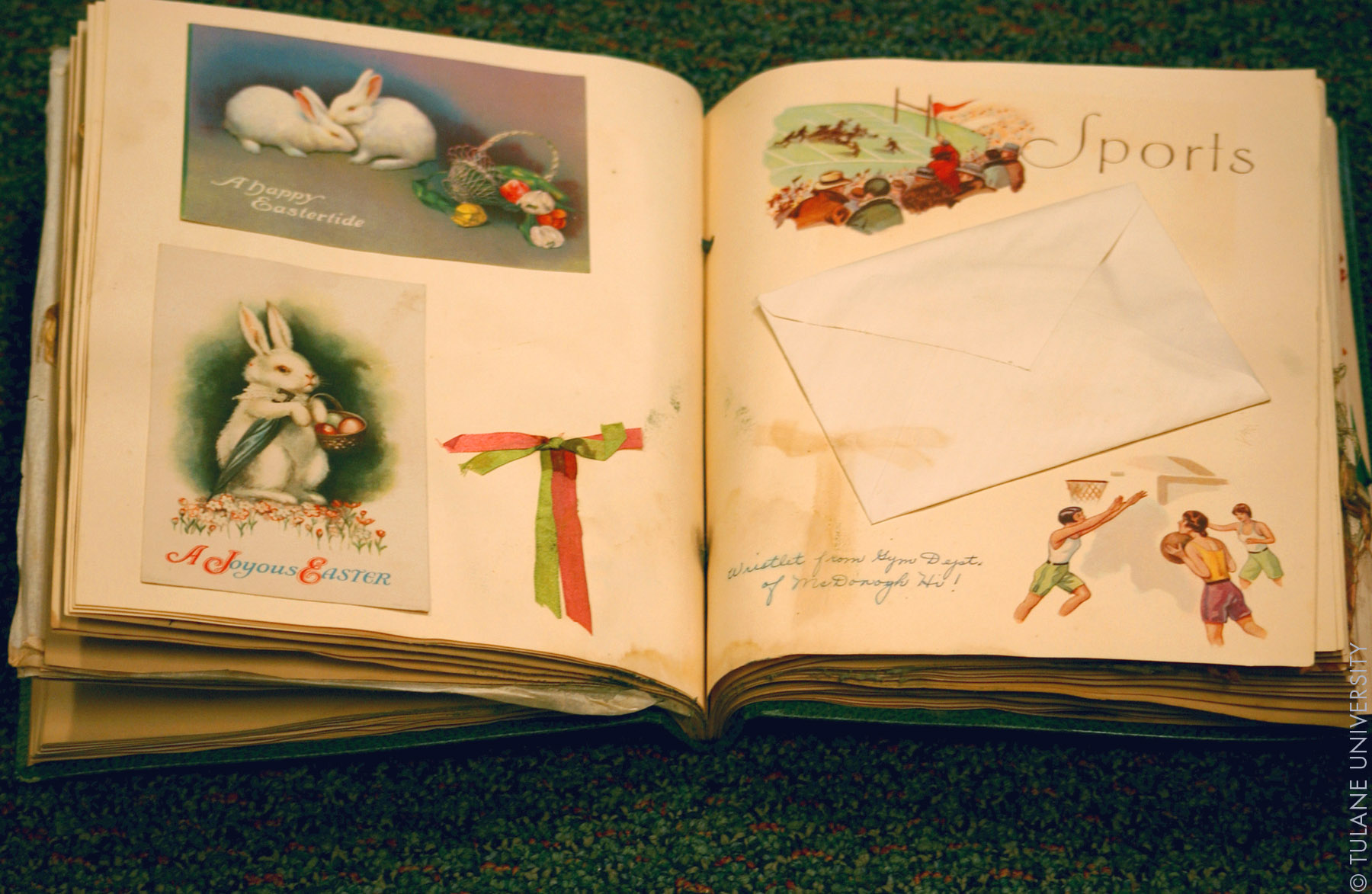
It is tempting to say the scrapbook was replaced by the phone, and that we now keep far more, far better, at no effort. All of that is true and it is the wrong comparison.
Look at what the old object actually required.
Its contents were scarce. A local newspaper printed a few hundred names a week, so being in it was an event. A telegram cost enough that nobody sent one casually. A printed programme existed only because an occasion had warranted printing one. A ticket stub was the single physical trace of an evening. Photographs came twelve or twenty-four to a roll, were paid for, and arrived a week later.
And preserving any of it took work – scissors, paste, a page, a date written in pen, and a decision about where it went in the sequence.
Put those two facts together and you get the thing that has disappeared. Every single item in a scrapbook had to clear a bar: is this worth cutting out, and is it worth the paste. Somebody sat at a table and made that judgement, hundreds of times, over decades. The book is not a record of a family’s life. It is a record of what one person in that family thought was worth keeping of it, which is a completely different and much rarer document.
Now the keeping is free, automatic, complete and permanent. Ten thousand photographs accumulate without a decision being made about any of them. Messages, tickets, records, notices, receipts and transactions are all retained by default, by systems, whether anybody wants them or not.
Which means no judgement is being exercised anywhere, because none is required. A record of everything is, necessarily, a judgement about nothing.
And the second loss follows from the first. A scrapbook was shown. It came out when visitors arrived, it was opened on a table, and it was narrated page by page by the person who had made it – who that was, when that was, what happened afterwards. The book and its keeper were one functioning object, which is also why an unnarrated scrapbook found in a house after a death is so frustrating: a hundred pages of clippings and faces that nobody alive can place.
Nothing now gets narrated at a table. Photographs are handed round on a screen for a few seconds and swiped past.
The honest verdict is mixed and should be said both ways. The modern record is vastly larger, better preserved, instantly searchable and does not destroy itself – and anybody who has opened a 1964 book and found a brown stain where a pressed corsage had eaten through two pages knows that the old method was genuinely terrible at its own job.
But those books were somebody’s considered account of what had mattered, assembled one deliberate decision at a time, and intended to be sat down with.
We have replaced them with something that keeps everything and says nothing.
If your family had one, you remember the smell of the pages and the brown shape where a flower used to be.
And there is probably one in a closet right now that nobody can read, because the only person who could explain it is gone.
Like our content? Follow us for more.