It Arrived in December and Nobody Bought It
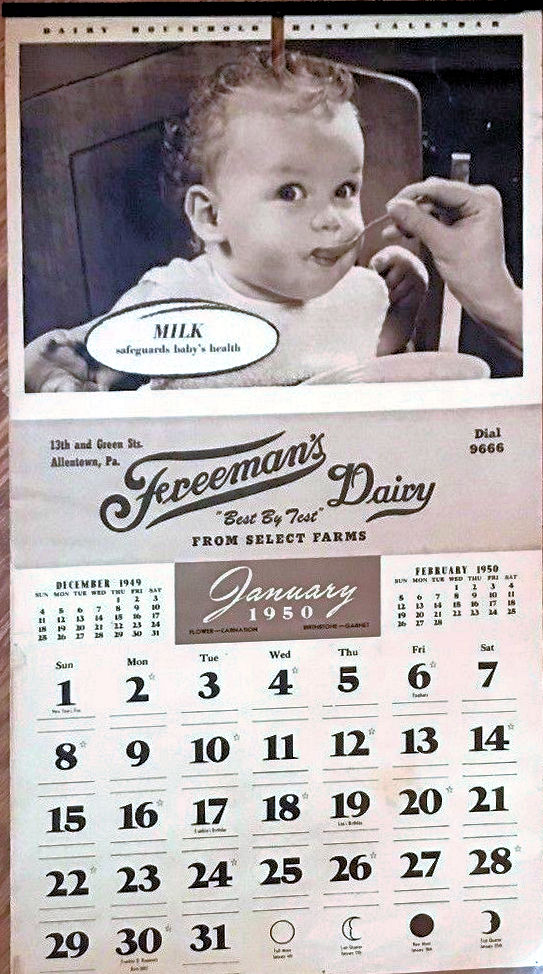
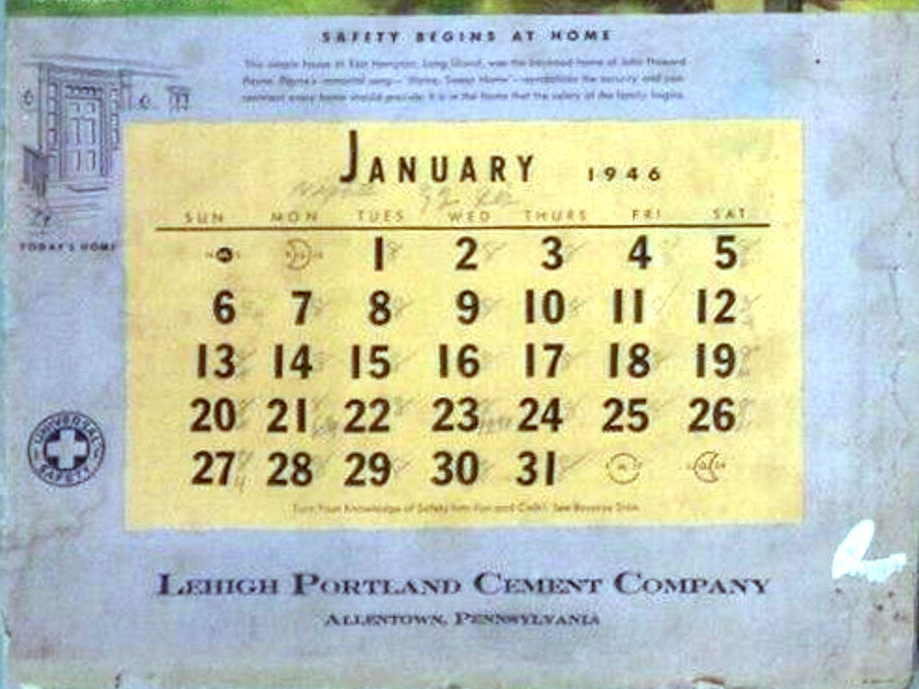
Sometime in the last weeks of the year, calendars began turning up. The bank handed one across the counter. The feed store had a stack by the door. The insurance man brought one when he came. The funeral home mailed one. The implement dealer, the dairy, the hardware, the garage, the lumber yard, the seed company and the drug store all had theirs.
A household did not buy a calendar. It received four or five, kept the best one, put another in the barn or the garage, and had a surplus.
And every one of them had a business name printed across the bottom.
Like our content? Follow us for more.
The Good One Went on the Kitchen Wall
There was a hierarchy and everybody enforced it without discussing it.
The kitchen calendar was the household’s actual record. It hung where everybody passed it, usually beside the telephone or the back door, and it carried the family’s appointments written straight onto the dates – doctor, school, birthdays, when the insurance was due, when somebody was coming.
Which meant the choice of which calendar got that spot was a real decision, made on specific criteria: whether the number squares were big enough to write in, whether it showed one month at a time, whether the picture was any good, and whether you could stand to look at it until December.
The rejected ones went to the barn, the workshop, the basement and the back of a door – and in a great many houses, into a drawer unused, because nobody throws away a calendar in January.
The Picture Was the Whole Fight
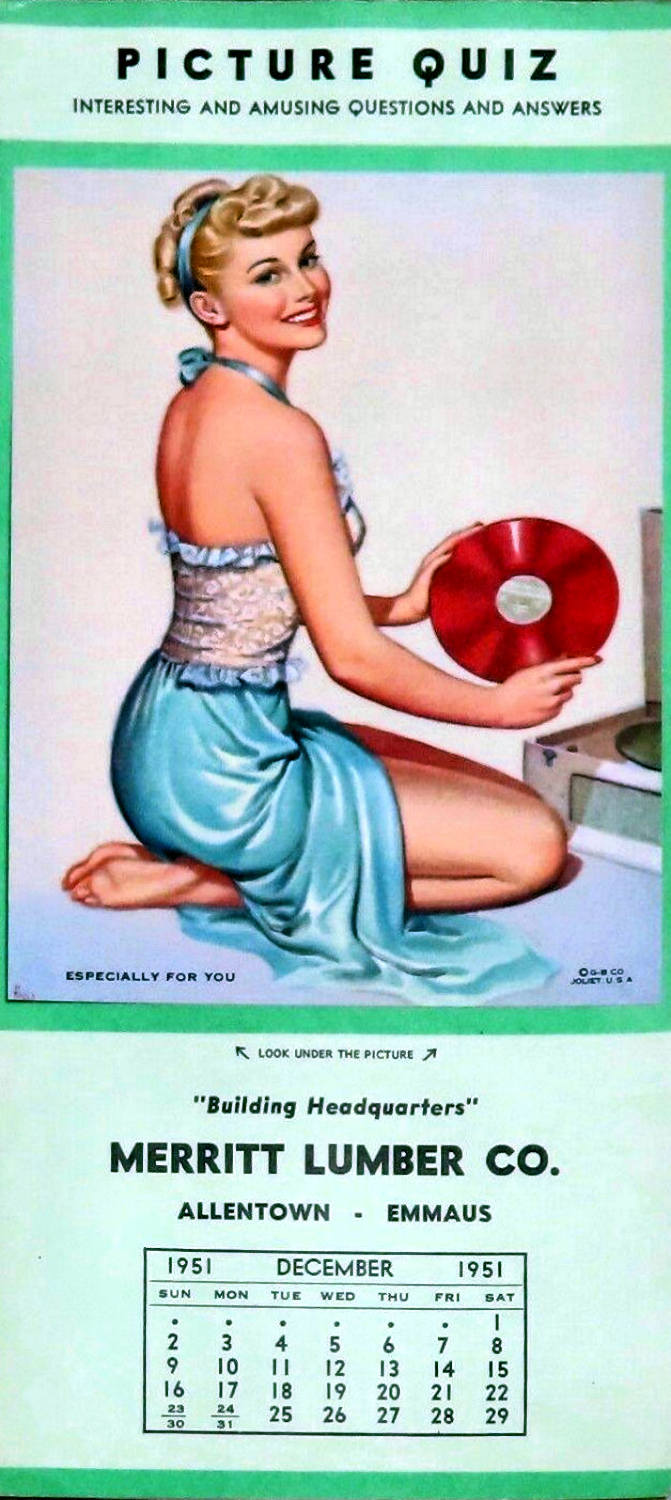
Businesses knew the kitchen wall was the prize, and the picture was how they competed for it.
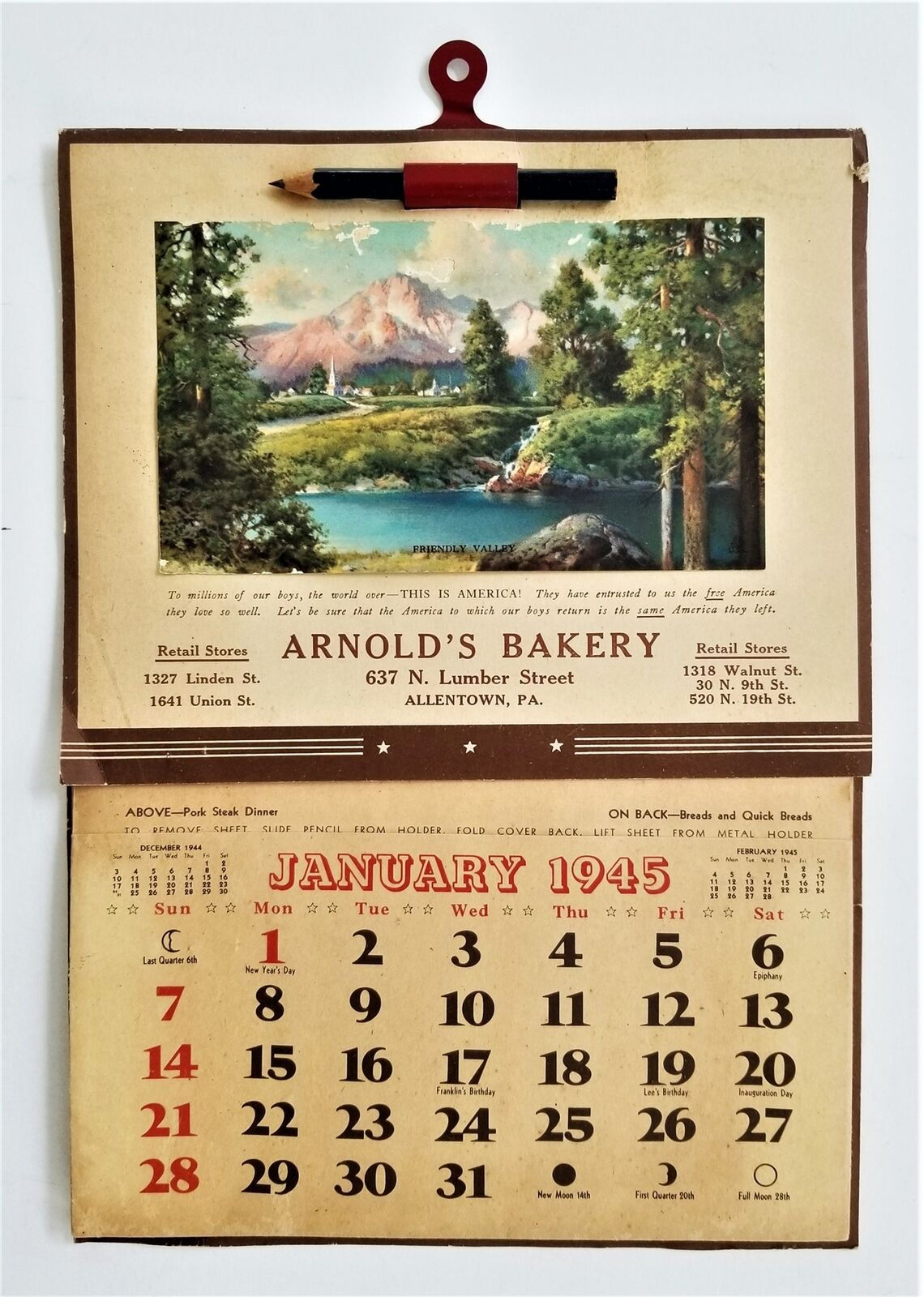
The reliable choices were landscapes, usually American and usually spectacular – mountains, canyons, autumn trees, a river, a lighthouse. Wildlife worked. Puppies and kittens worked extremely well. Covered bridges, barns and lighthouses were safe. Children in old-fashioned clothing worked for a particular audience.
Farm suppliers used farm scenes and prize livestock. Hardware stores used tools and workshops. Some businesses used reproductions of paintings, which gave a household a framed-quality image it would otherwise never have owned.
And a significant portion of the trade used pictures of women, in varying degrees of propriety, aimed at a garage wall or a workshop rather than a kitchen – which was understood by everybody, including the businesses that handed them out, and which is a whole category of this industry that was never going to end up beside the telephone.
The Date Pad Was a Different Product Entirely

Alongside the picture calendar was the other format: a small cardboard back with a thick pad of tear-off sheets, one day per sheet, printed with the date in very large figures.
That was not for the kitchen. It went in an office, a shop, a workshop or a kitchen counter, and its purpose was different – it told you what today was, in numerals you could read across a room, and the previous day was physically removed.
The two formats solved two problems. A month grid lets you see what is coming and write on it. A day pad tells you where you are right now and nothing else – which is why bookkeepers, shopkeepers and anybody working to a daily schedule wanted one, and why tearing the sheet off became a small ritual of starting the day.
Why a Business Would Pay for This
Set out the arithmetic and the advertising calendar turns out to be an extraordinarily good buy, which is why it was universal rather than occasional.
A newspaper advertisement is seen once, by whoever happens to read that page, and then thrown out. A radio spot lasts thirty seconds. A sign is only seen by people who pass it.
A calendar is hung up, voluntarily, by the recipient, in the room they use most, and looked at every single day for twelve months. The business name sits underneath a picture the household chose to keep. It is referred to, written on, and consulted dozens of times a week.
There is no other form of advertising that a customer installs in their own kitchen and maintains for a year. The cost per exposure was absurdly low, and the businesses buying them were not sentimental – they were buying the cheapest sustained local advertising available, and they knew exactly what they were getting.
It Was Also a Relationship Rather Than an Advertisement
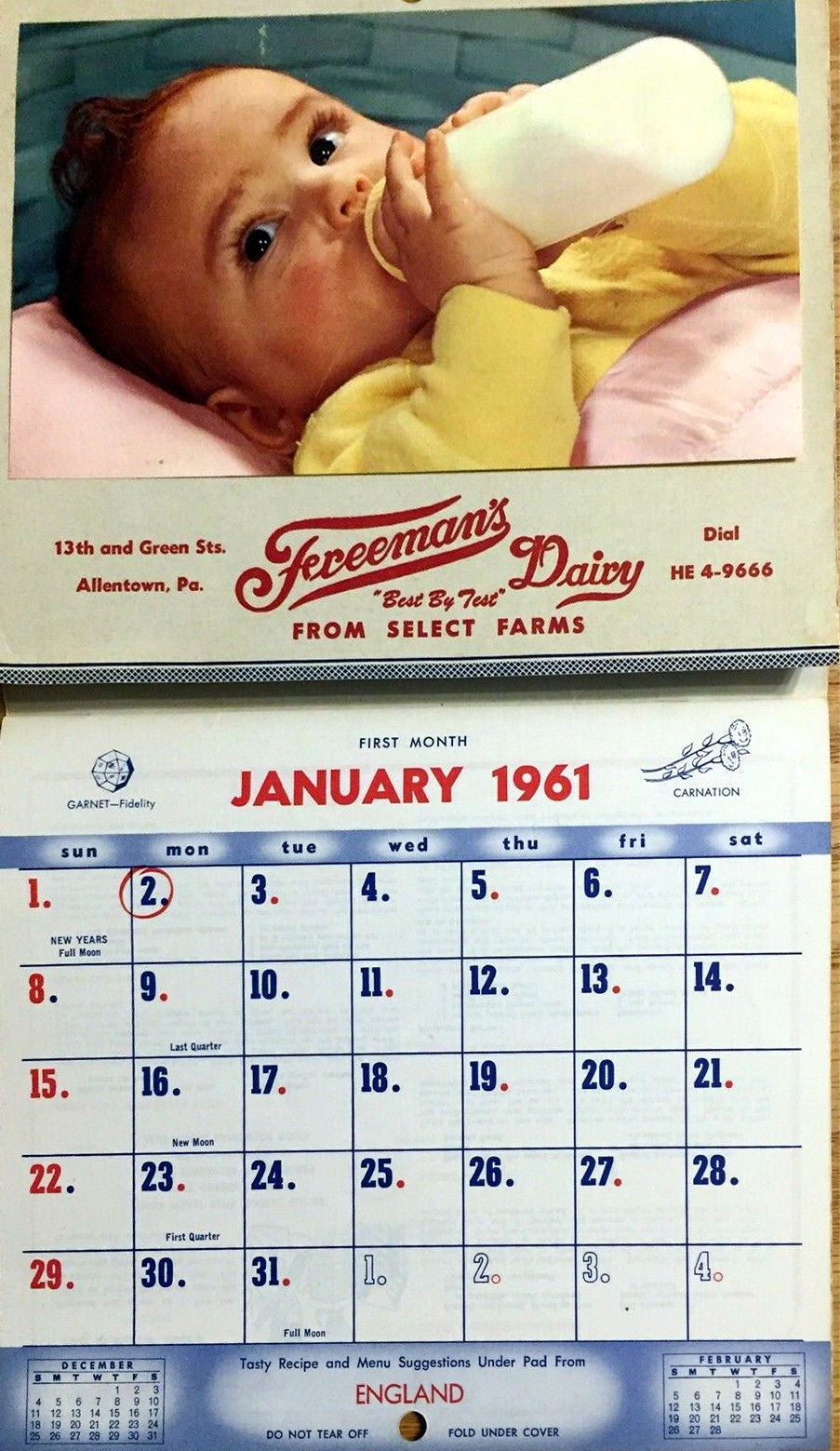
The second function mattered as much as the first and it was not about the printing.
The calendar was given, by hand in most cases, as a small annual gift from a business to a customer. The insurance man brought one when he called. The feed store handed one over with a bag of something. The banker gave one across the desk.
That exchange did work that no advertisement does. It marked the household as a customer, it created a small obligation, and it gave the business a reason to make contact in December when there was otherwise nothing to say.
And it was reciprocal in a quiet way. A household that took the funeral home’s calendar every year for twenty years had a relationship with that funeral home, and both parties understood that the calendar was part of it.
The Printing Was a Real Industry With a Specific Shape
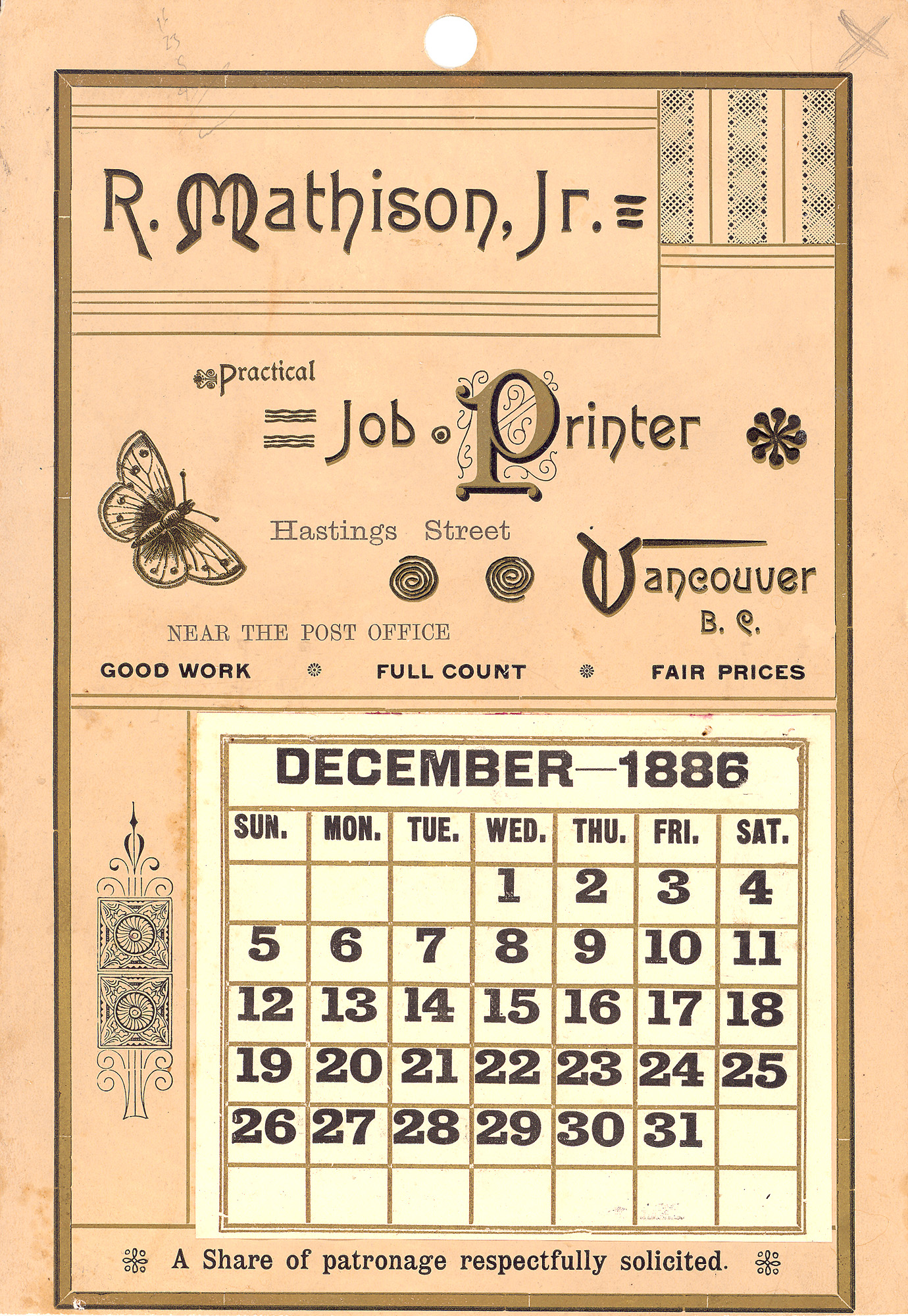
Behind all of this was a sizeable specialty trade, and the way it worked explains why the calendars looked the way they did.
Specialty advertising printers produced calendars in enormous quantities with the picture, the grid and the layout already set, and left a blank area at the bottom for the customer’s imprint. A business chose a design from a sample book, specified a quantity, supplied its name, address and telephone number, and received boxes of finished calendars in the autumn.
Which is why a bank in one state and a feed store in another frequently had the identical mountain photograph with different names under it. The picture was a stock item bought by the hundred thousand; only the bottom two inches were local.
Salesmen worked this trade on a seasonal cycle, calling on small businesses in spring and summer to take orders for autumn delivery, with the sample book as the whole of the pitch.
Three Things Took It Off the Wall
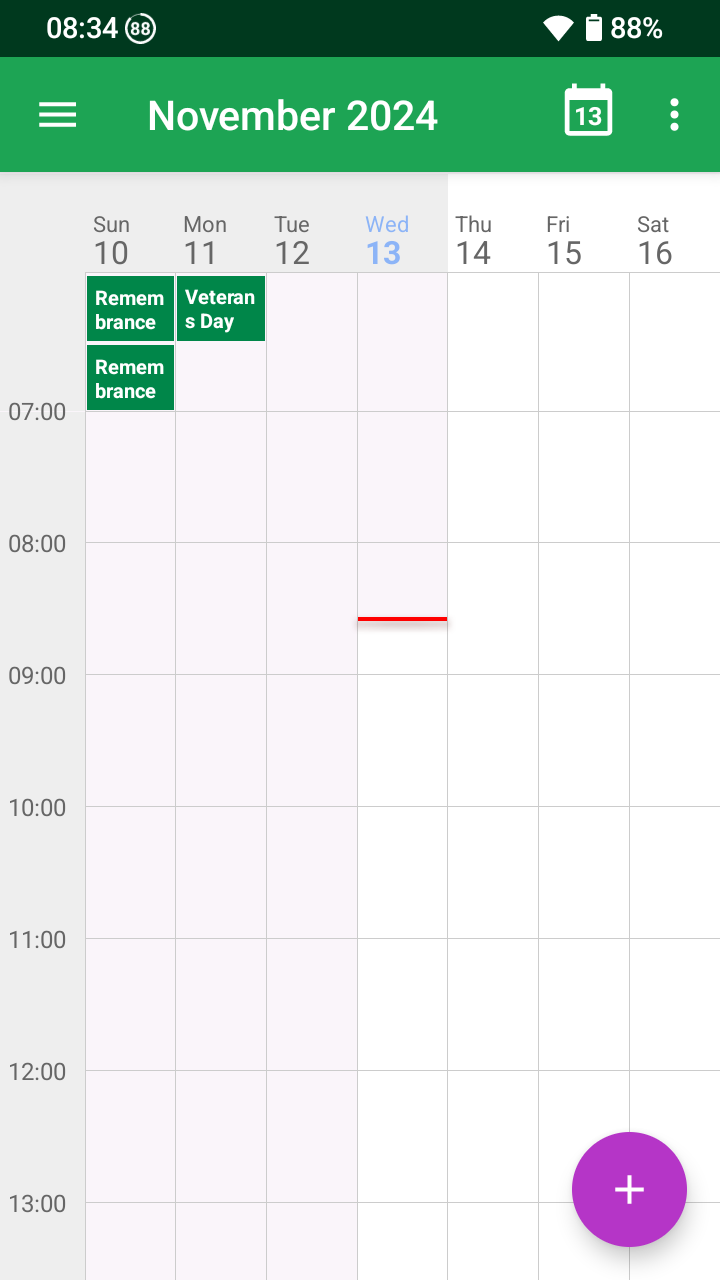
The first was that the household stopped needing a paper grid. Appointments moved into a telephone, which reminds you rather than waiting to be consulted, syncs between people, and does not run out in December.
The second was the collapse of the local businesses that gave them away. A calendar is advertising for a business that expects to deal with the same few hundred households for decades. Independent feed stores, dairies, hardware stores, implement dealers, local banks and neighbourhood insurance agents consolidated, were bought or closed – and a national chain has no reason to buy local calendars because it is not pursuing a local relationship.
The third was a change in what advertising is for. Calendar advertising builds slow familiarity with no measurable response – nobody can tell you how many sales a calendar produced. Modern advertising is bought on measurement, and a medium whose entire value is unmeasurable reassurance over twelve months is extremely difficult to justify to anybody holding a budget.
Some of Them Had Information Printed On Them
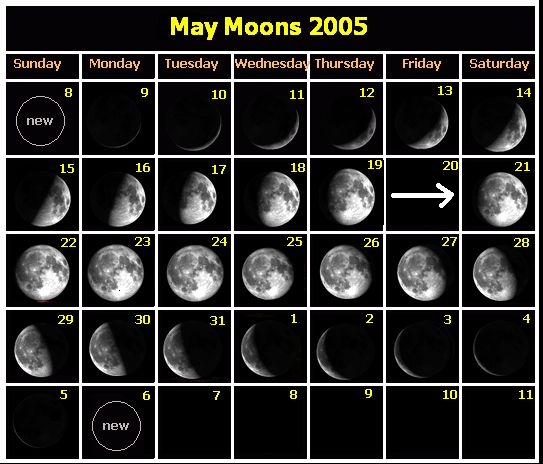
The better calendars did not stop at a grid, and the additions tell you who they were made for.
Agricultural versions printed moon phases on each date, because a substantial part of the audience planted by them. Many carried the dates of local fairs, livestock sales and auctions. Bank calendars printed the days the bank would be closed. Some marked the dates that quarterly payments fell due, which is a genuinely useful thing for a business customer to have in front of them all year.
There were conversion tables on the back, postal rates, a page of holidays including the obscure ones, and in some editions a small amount of reference material of the kind an almanac carried.
Which means a kitchen calendar was frequently doing more than holding appointments. It was the household’s reference for when things happened locally – and a business that printed the sale barn dates on its calendar had made itself genuinely useful to every farmer in the county for twelve months, under its own name.
The Nail Was Part of the Design
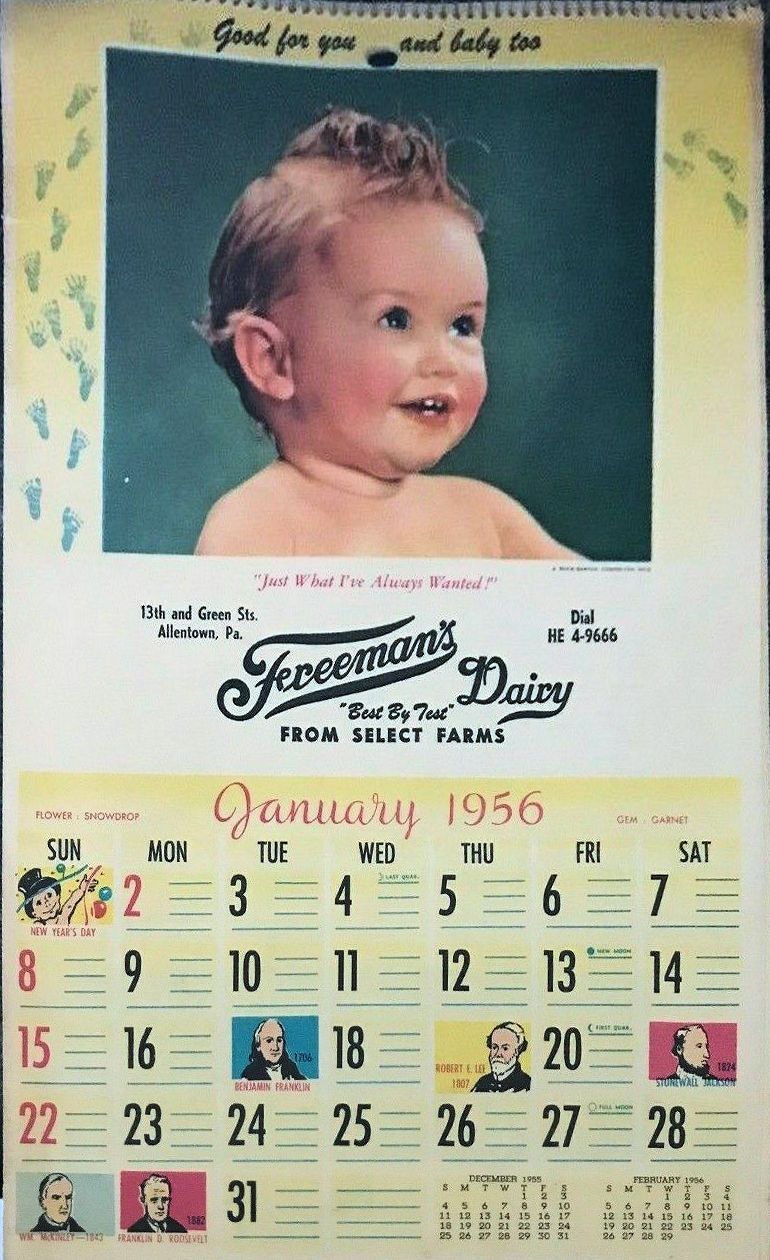
One small detail that nobody notices until it is pointed out.
Calendars came with a hole punched at the top, or a metal strip crimped across the top edge with a hole in it, or a loop of cord already threaded through. Every one of those is a decision made by the printer to guarantee that the object actually got hung up.
A calendar leaning against something on a counter is worth a fraction of a calendar on a wall, because the wall position is what produces the daily glance. So the printers removed every possible obstacle between receiving the thing and installing it, which is why none of them ever required a hook, a tack from your own drawer, or any decision about how to mount it.
It is a tiny piece of design thinking and it is the same thinking behind the whole product: make it effortless for the recipient to do the thing the advertiser wants, and they will do it themselves and thank you.
The Twist: It Was the Only Advertisement People Wanted
Here is what makes the advertising calendar worth more than nostalgia, and it is a point about advertising rather than about calendars.
Almost all advertising is an intrusion. It interrupts something the person was doing, occupies space they did not offer, and is tolerated rather than welcomed – which is why every technology for avoiding it, from leaving the room during the commercials to blocking it entirely, has been adopted the instant it became available.
The calendar is the exception, and it is close to the only one.
A household actively wanted it. It went out and collected several, compared them, chose the best, installed the winner in the most-used room in the house, and used it daily for a year. The advertisement was not endured; it was selected on merit and given the best position available, by the person being advertised to, for free.
The reason is simple and it is the lesson: the thing was genuinely useful. A household needed a calendar, calendars cost money, and this one was free and had a nice picture on it. The advertising rode along on an object with real utility, and because the utility was real the recipient did the installation and the maintenance themselves.
Nothing in modern advertising works this way, and the attempts to reproduce it mostly fail because the usefulness is a pretext rather than the product.
The grids are gone, the local businesses that paid for them are gone, and the household’s dates live in a phone. But somewhere in almost every older American house there is still a calendar on a nail with a bank’s name on it – and in a great many of them, the year is wrong.
Like our content? Follow us for more.