Every other crop in the garden was planted each spring and cleared each autumn. The asparagus and the rhubarb stayed in the same ground for decades and came up on their own.
That permanence is what made them matter, because of when they arrived. Both come up in early spring, weeks before anything sown that year is ready, at exactly the point when the cellar is nearly empty and last year’s stores are finished – which means something fresh and green in April was not a pleasant novelty but the first new food in months.
And nobody alive had planted them. An asparagus bed produces nothing for its first seasons while the plants establish, so a household harvesting one had almost always inherited it from somebody who dug it in thirty years earlier. Here are sixteen things every garden knew.
1. They Were the Only Permanent Things in the Garden
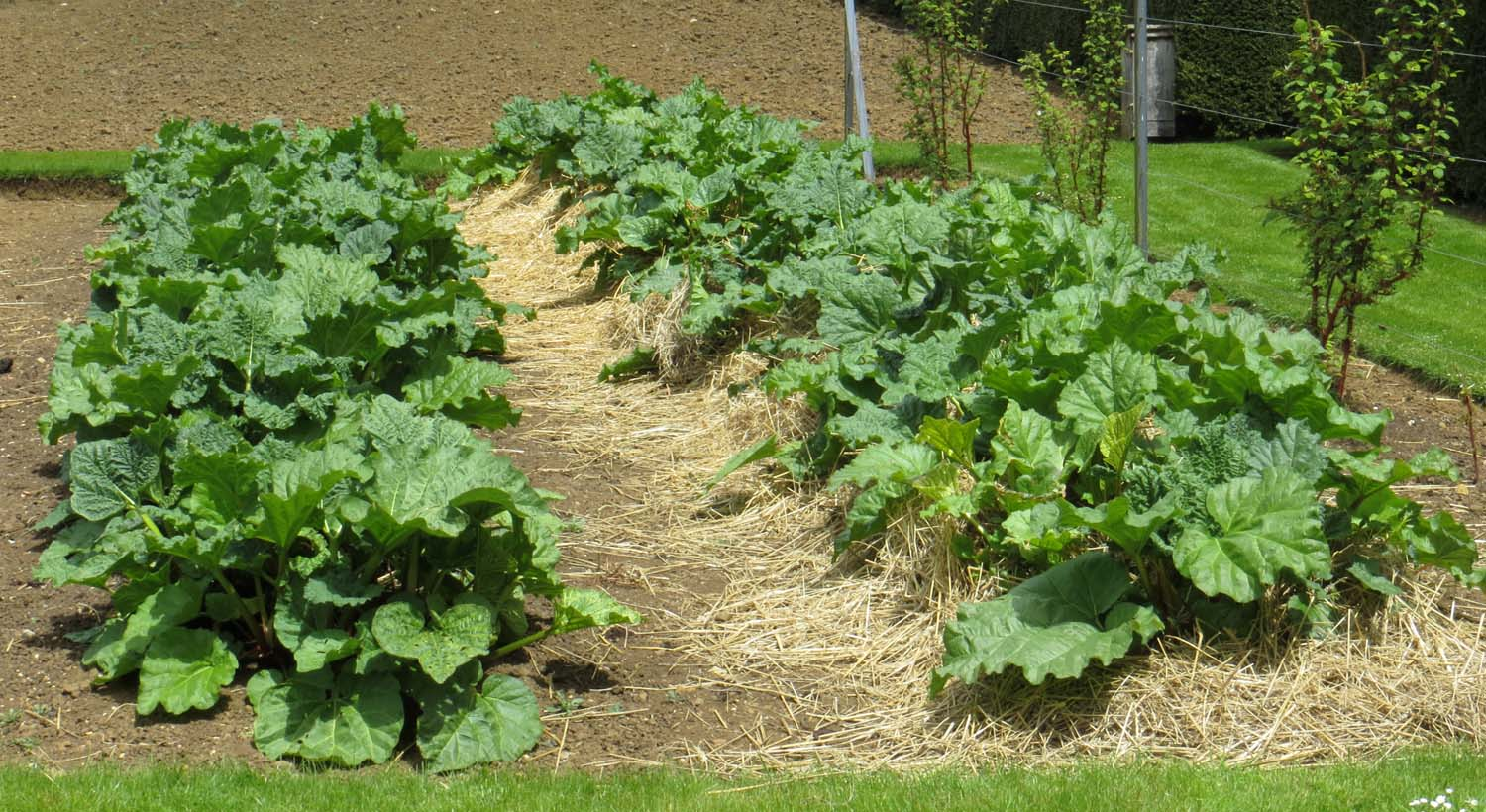
Every other crop was planted each spring and cleared each autumn, but the asparagus and rhubarb beds stayed in the same ground for decades and came up on their own.
Both are still grown, mostly commercially, with household beds now unusual.
Permanence is what made these special and it is worth stating first. A garden that is ploughed and replanted annually has no memory, while a perennial bed is a piece of ground that produces food every year without anybody planting anything – which is a completely different relationship to a patch of soil.
Like our content? Follow us for more.
2. They Arrived in a Household’s Hungriest Month
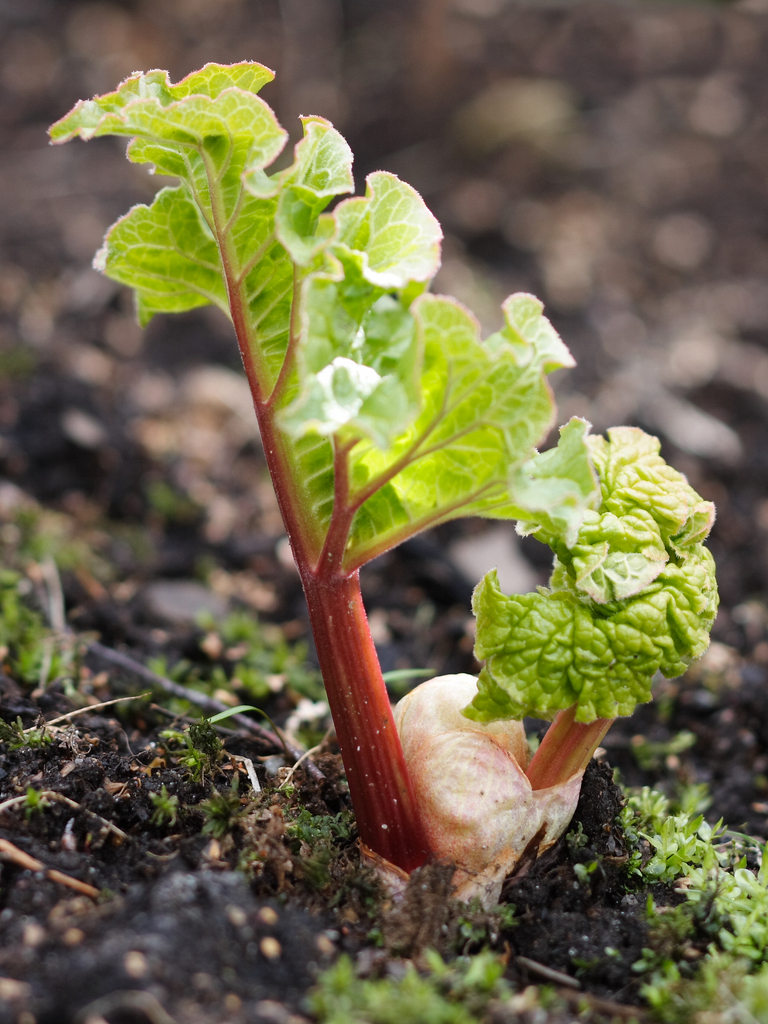
Both come up in early spring, weeks before anything sown that year is ready, at the point when the cellar is nearly empty and the previous year’s stores are finished.
Not applicable. Fresh produce is available continuously.
The timing is the entire reason these mattered, and it is the thing modern readers cannot feel. Late winter and early spring is the lean period in a household living off stored food, and something fresh and green coming out of the ground in April was not a pleasant novelty – it was the first new food in months.
3. Nobody Planted Them Recently
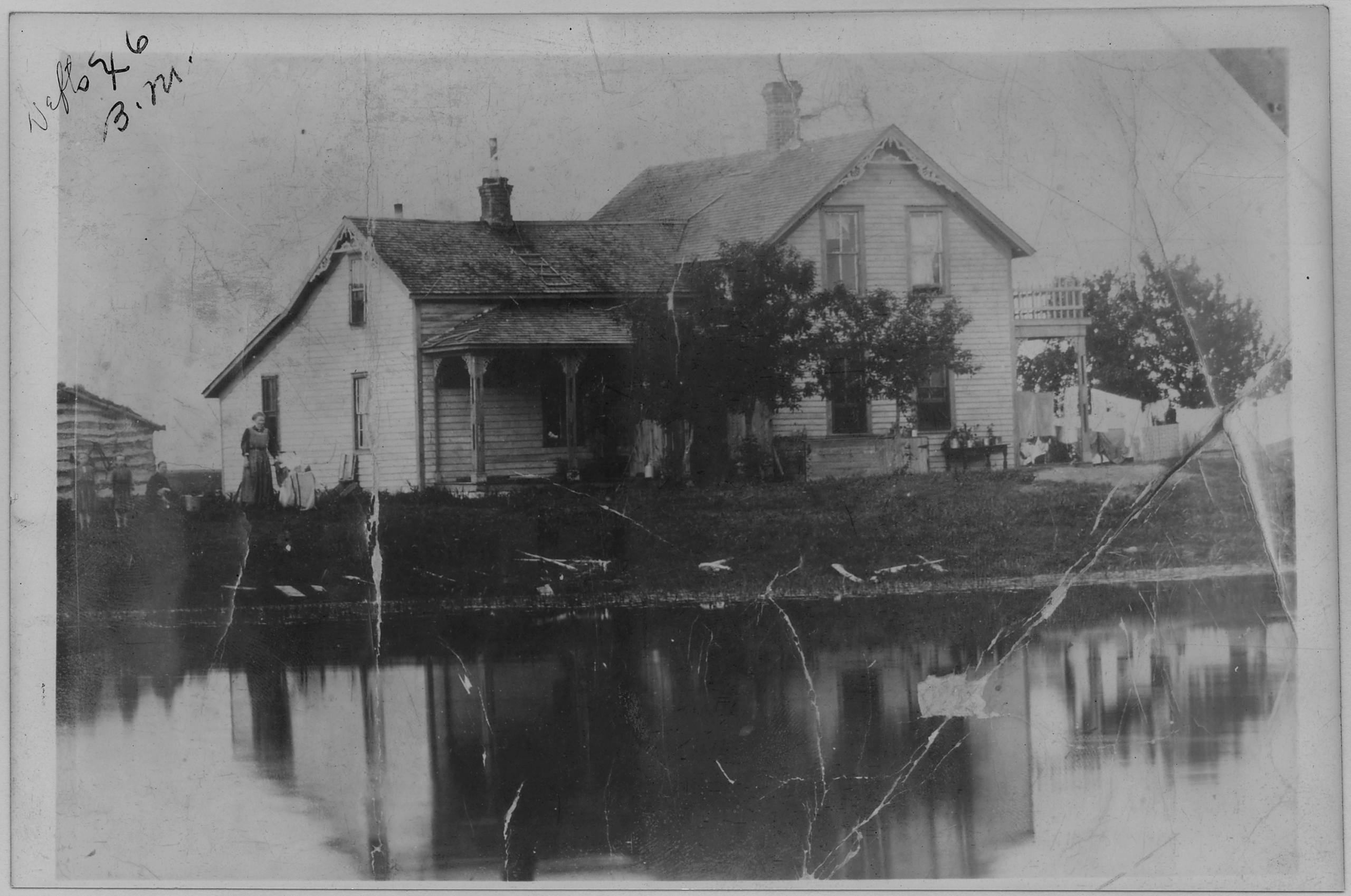
A bed was typically put in by a previous generation, and the household harvesting it had inherited rather than established it.
Not applicable.
Inheriting a food plant is a particular thing. The person eating the asparagus had frequently never planted any, did not know exactly how, and was benefiting from a decision somebody had made thirty years earlier – which makes the bed a kind of legacy rather than a crop.
4. The First Years Produced Nothing
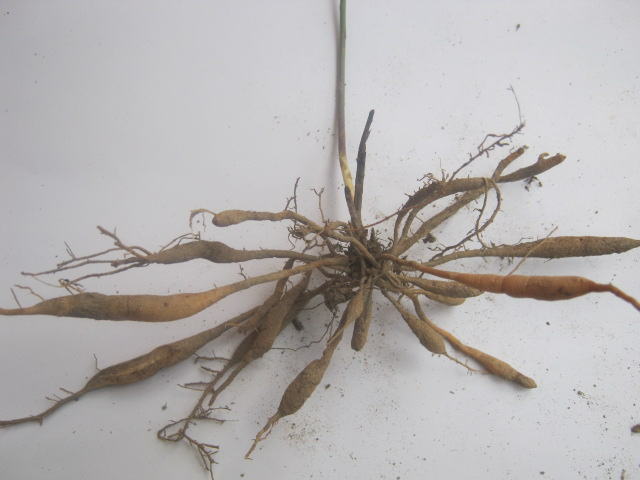
An asparagus bed must be left uncut for its first seasons to let the plants establish, which means somebody put in work and waited years before taking anything from it.
Unchanged in principle.
The delay explains why beds were inherited rather than planted. A crop that pays nothing for three years is only worth establishing if you expect to be there, and that is the same calculation that governed hedges, orchards and grape arbors – which is why all of them are now rare.
5. You Had to Stop Cutting at the Right Time
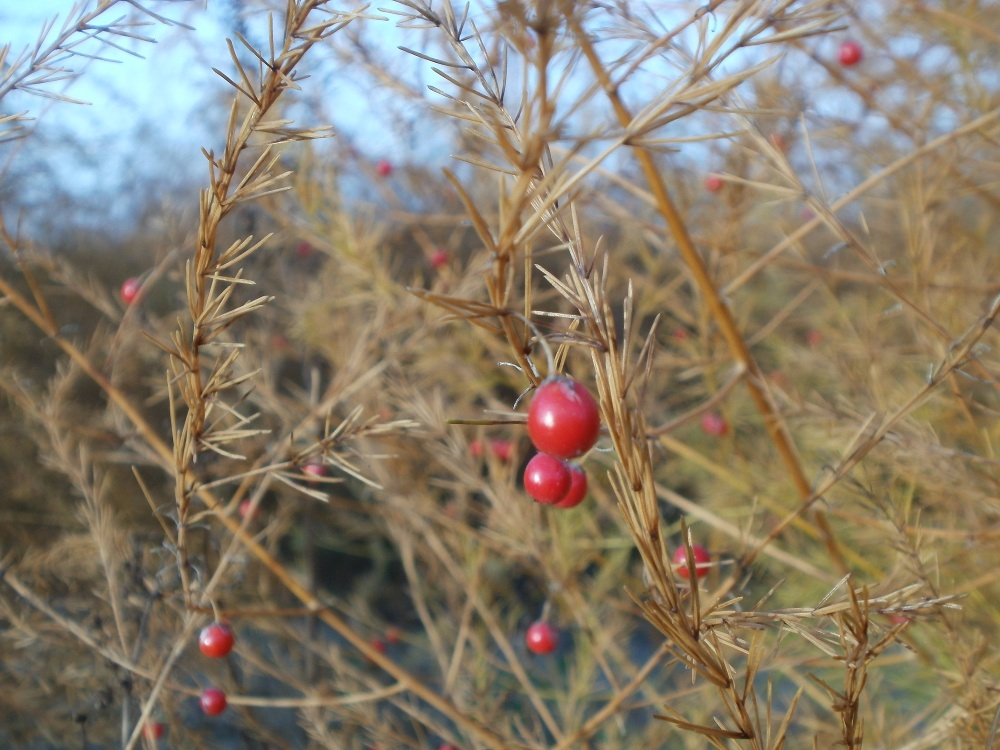
Harvest ran for a few weeks and then stopped, with the remaining shoots left to grow into tall ferny tops that feed the roots for the following year.
Unchanged, and the commonest error among people who inherit a bed.
Knowing when to stop is the actual skill and it is counterintuitive. Keep cutting and the bed starves itself and declines; stop in time and it feeds its own roots and comes back stronger – which means the harvest is limited not by what is there but by what the plant needs to survive.
6. The Bed Had to Be Fed and Weeded Forever
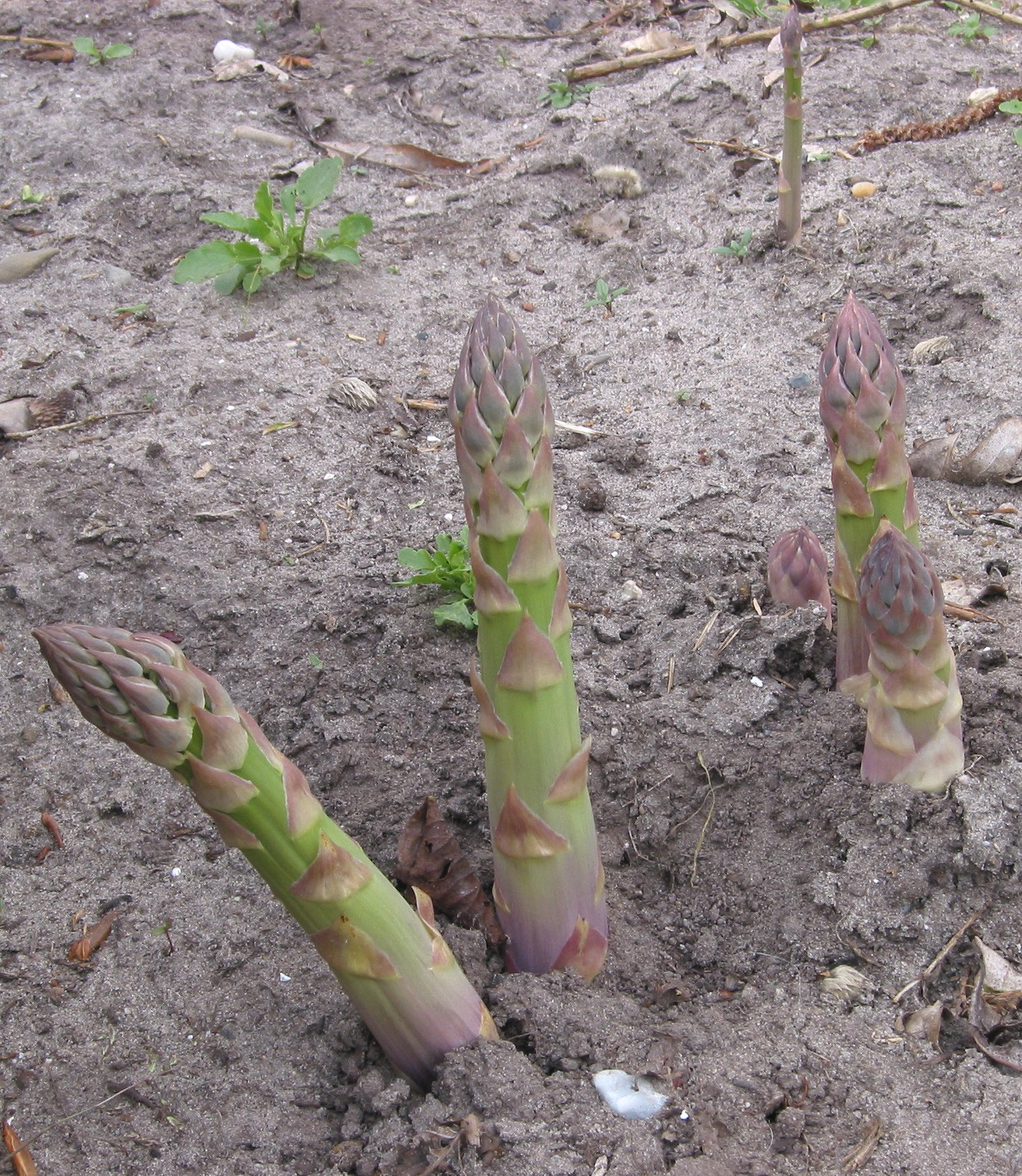
Perennial beds were mulched, manured and kept clear of weeds and grass, because there is no annual ploughing to control what invades them.
Unchanged.
The maintenance is the hidden cost of permanence. An annual crop gets a clean start every spring; a bed that is never dug has to be defended continuously against everything trying to colonise it, which is a small ongoing task that never ends and that kills a bed within a few years if neglected.
7. Rhubarb Was Treated as a Fruit
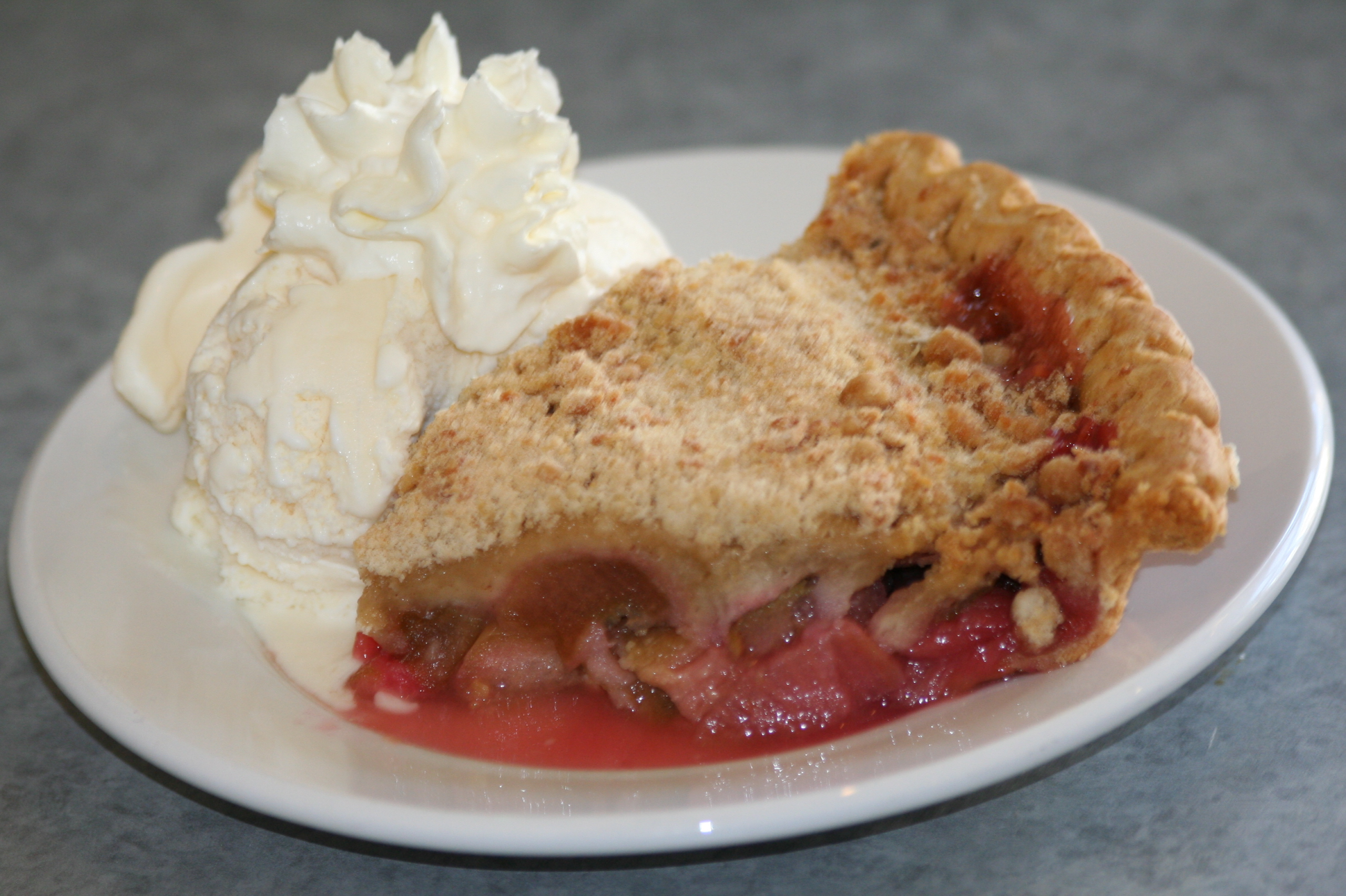
Rhubarb is a stalk, used almost entirely as if it were fruit – in pies, sauce, preserves and puddings, with sugar.
Unchanged, and still called a fruit by most people who eat it.
The reclassification is practical rather than botanical, and the sugar is the key to it. Rhubarb is sour enough to need sweetening heavily, which is why it functions as a fruit in cooking – and in a period when sugar was a real expense, that made it a less cheap food than it appears.
8. Only the Stalks Are Used
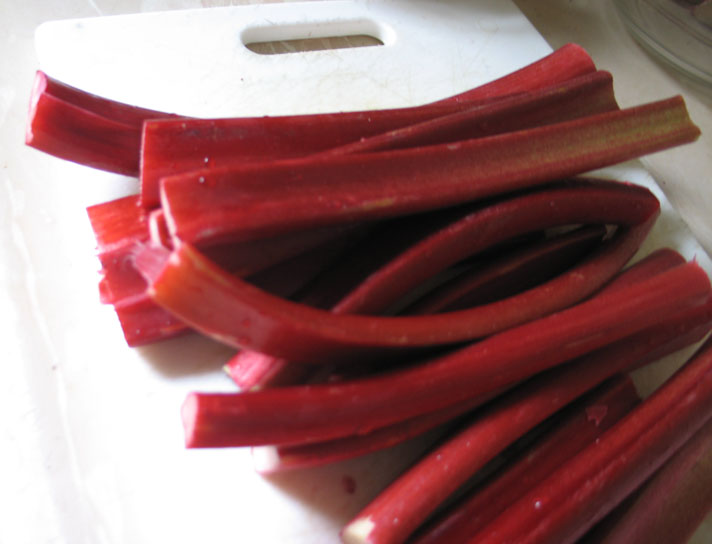
The leaves of rhubarb are not eaten and were discarded or composted, with only the stalk going to the kitchen.
Unchanged, and widely known.
This is the one piece of plant knowledge in the subject that genuinely matters and it was universally understood. The rule in a household was simple and absolute – stalks yes, leaves no – and it was taught to children as a flat prohibition rather than explained, which is the correct way to teach a rule that must never be broken.
9. Rhubarb Was Forced for an Earlier Crop
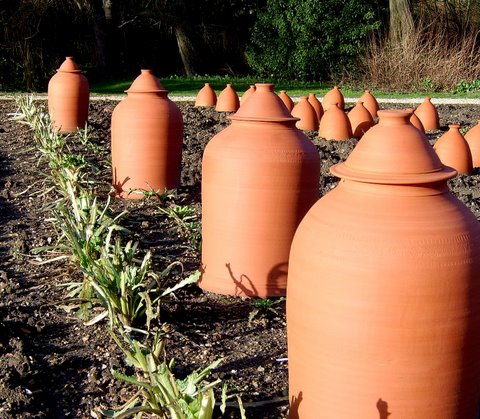
A pot, bucket or box placed over a crown in late winter produced earlier, paler, more tender stalks by excluding light and holding warmth.
A hobby practice, done with purpose-made forcers.
Forcing is a neat piece of household horticulture. Covering a plant makes it reach for light and produce soft pale growth, which arrives weeks earlier than the open crop – and in a hungry season a few weeks earlier is worth a bucket upturned in the mud in February.
10. Both Were Shared by Division
Beds were increased and spread between households by digging up and splitting the roots, which means a neighbourhood’s plants were frequently all descended from one bed.
Both are sold as plants and as seed, bought rather than given.
Division is how these plants actually travelled and it is a social mechanism as much as a horticultural one. A piece of root given over a fence carries an obligation, an origin and a story – and a great many American gardens held plants that could be traced by name to the person who had handed them over.
11. The Asparagus Bed Marked Where a House Had Been
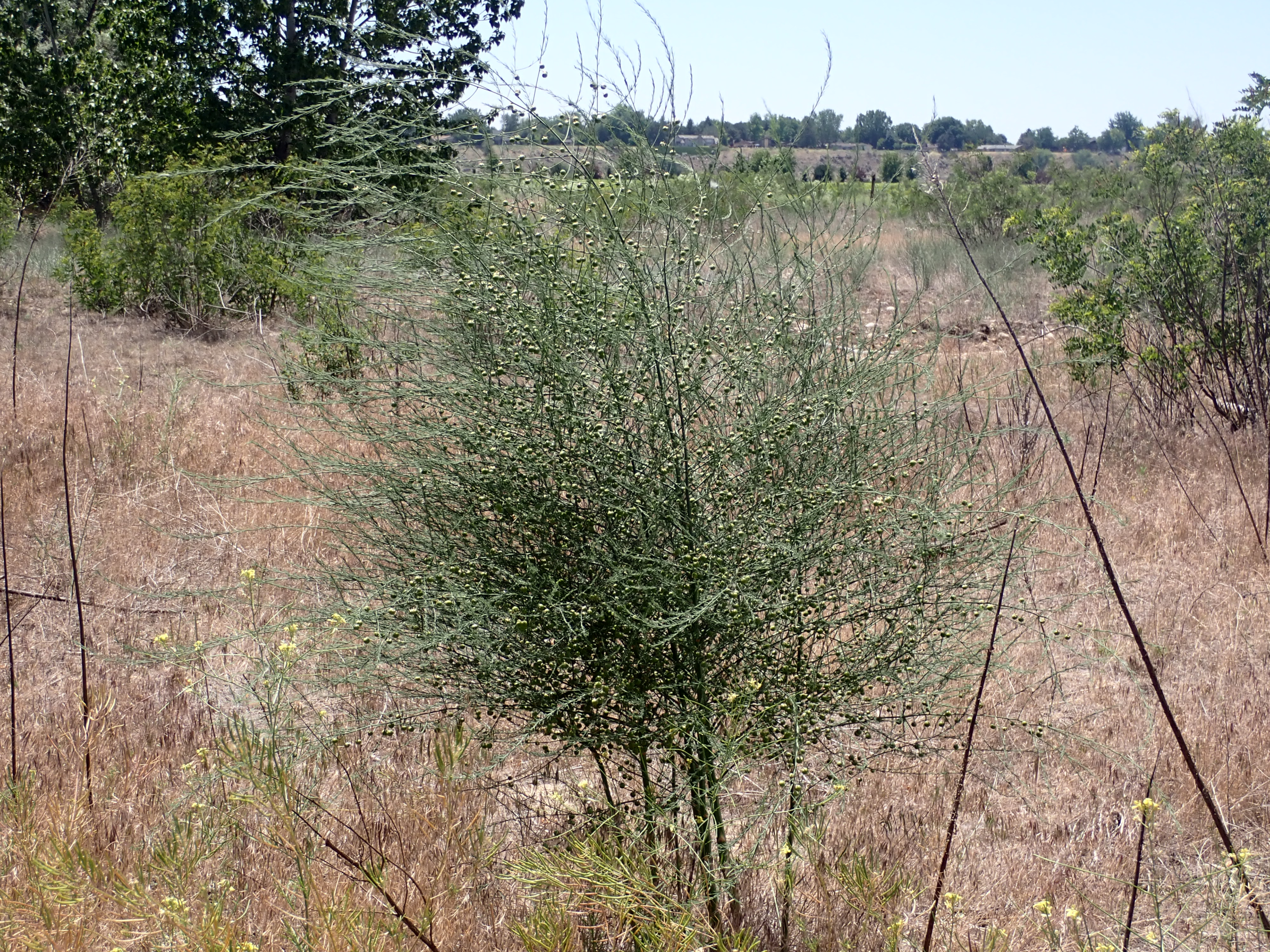
Asparagus persists for decades after a garden is abandoned, so a patch of it coming up in a field or a fencerow frequently indicates a vanished homestead.
Unchanged, and used by people who look for such things.
That persistence is the most evocative fact here. A bed outlives the house, the fences, the garden and the family, and keeps coming up in the same rectangle every April – which makes an asparagus patch in an empty field a genuine archaeological marker.
12. Rhubarb Did the Same Thing
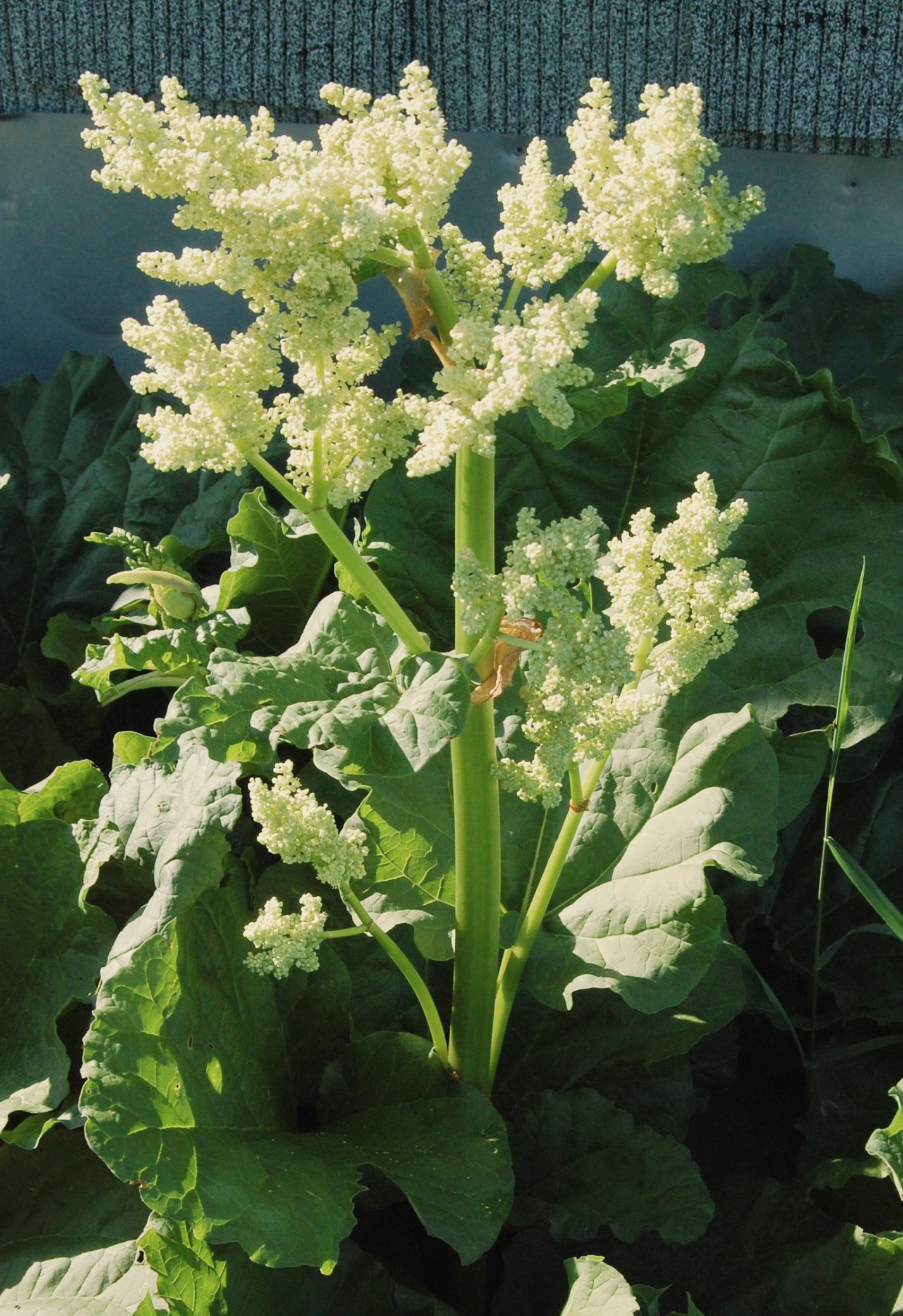
An abandoned rhubarb crown will keep producing for a very long time with no attention at all, and old clumps survive beside foundations and in hedgerows.
Unchanged.
The two together are the standard giveaway. Somebody who knows what to look for can stand in an empty field and identify where a kitchen door was, from a clump of rhubarb and a line of asparagus, decades after everything built has gone.
13. Then the Supermarket Removed the Season
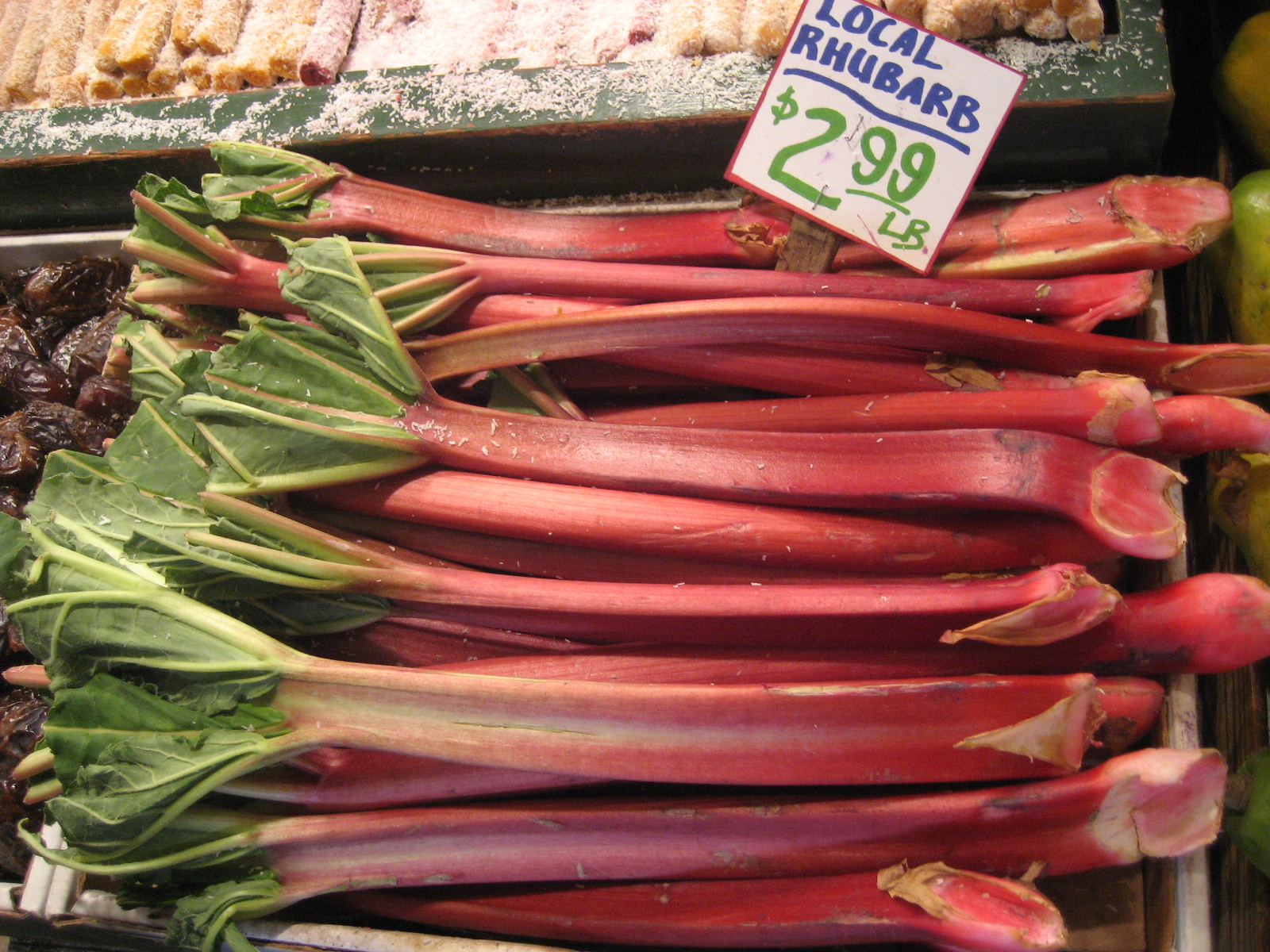
Asparagus and rhubarb became available as bought produce, in season and then out of it, which removed the significance of a crop that arrives in April.
Standard.
Buying the thing collapses the whole point of growing it. The value of these plants was overwhelmingly in their timing, and a shop that sells asparagus in November has destroyed the one advantage a perennial bed had.
14. Then the Freezer Removed the Lean Season Entirely
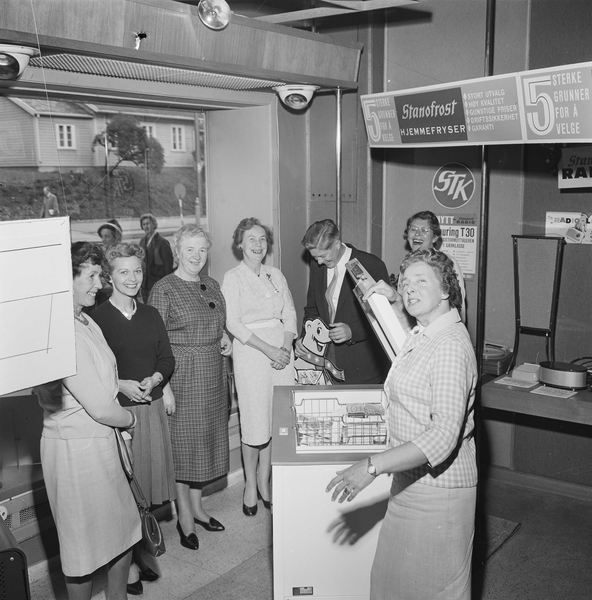
Home freezing and then year-round shipped produce meant a household no longer faced a month with nothing fresh in it.
Universal.
This is the decisive change and it is the same one that ended most household food production. The beds were a solution to a gap in the year, and once the gap closed permanently they became a preference rather than a necessity.
15. Then Nobody Expected to Stay Long Enough
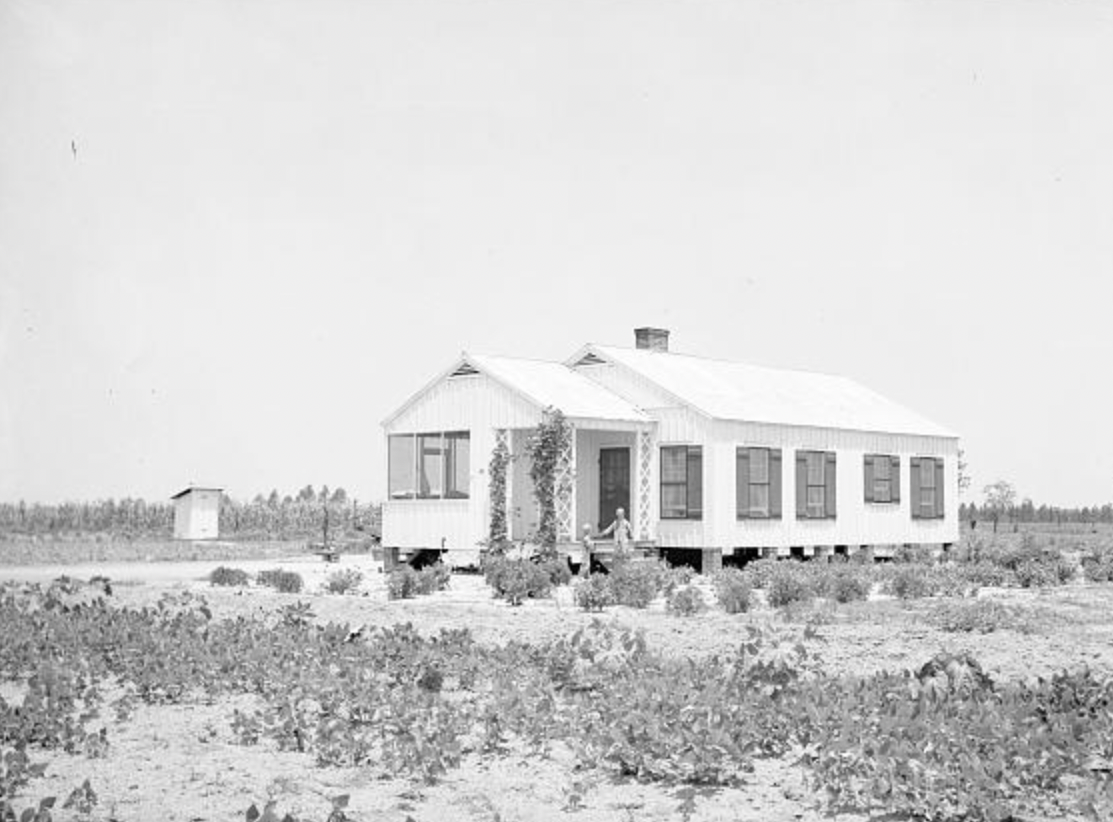
A perennial bed is an investment that takes years to pay and lasts decades, which only makes sense for a household expecting to be in the same place.
Americans move considerably more often than they did.
Mobility is the quiet cause and it applies to everything slow in a garden. A household that expects to move in five years will not establish something that peaks in fifteen, which is why long-horizon plantings in American yards are almost always inherited rather than installed.
16. Then They Became the Thing You Find Already There
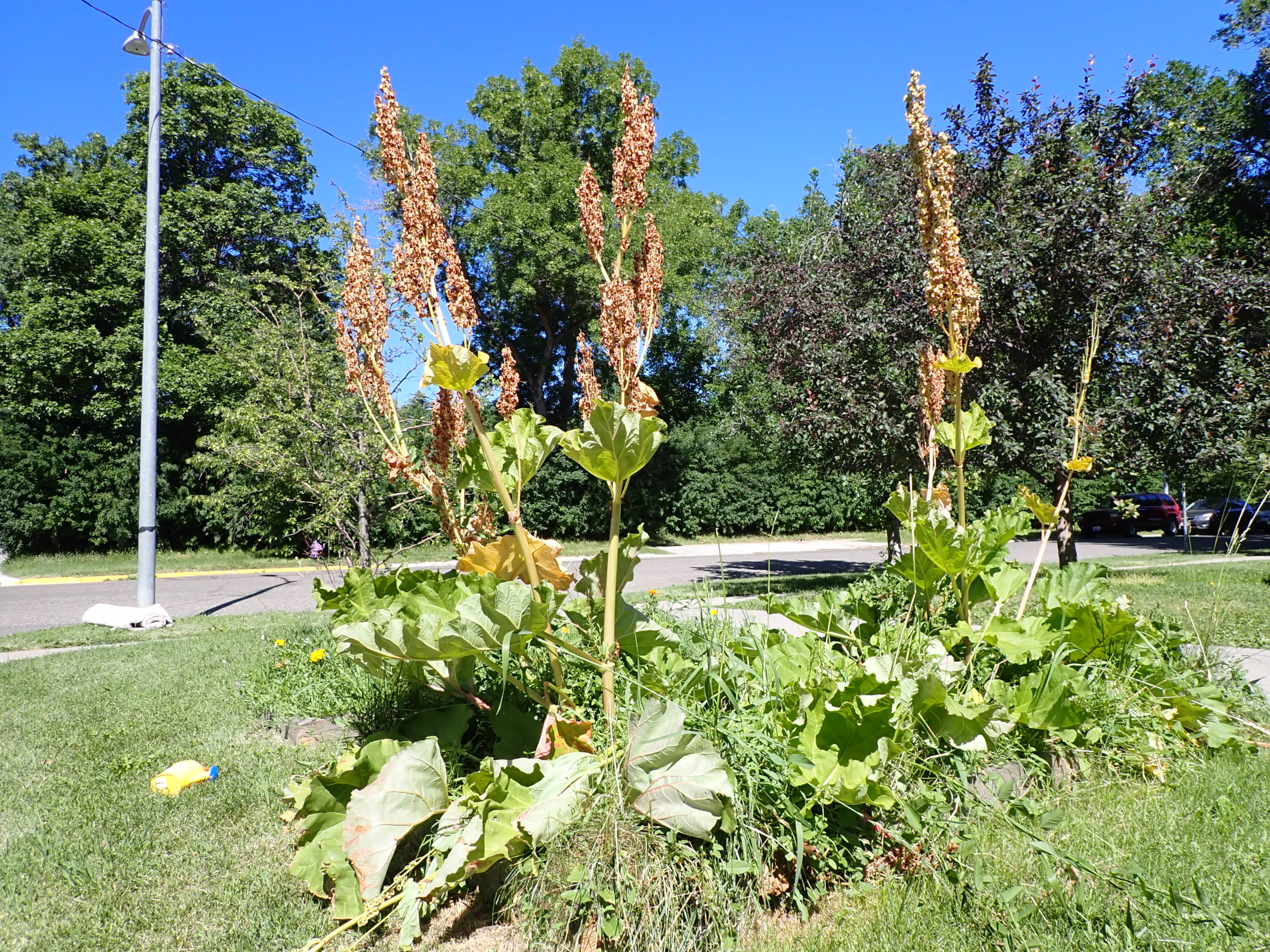
By 1964 household asparagus and rhubarb beds were mostly inherited survivals on older properties rather than things anybody was establishing.
Both bought as produce, with a small number of enthusiasts planting beds deliberately.
And the thing worth taking from it is that these were the only food plants in an American garden that nobody alive had planted. Everything else was an annual decision – sown this spring, cleared this autumn, decided every year. The asparagus and the rhubarb were a decision somebody had made decades earlier, by digging in a root and then waiting three years for nothing, on the assumption that the household would still be there. And they paid that assumption back by arriving in the hungriest month of the year, every year, without being asked, for longer than the people who planted them lived. Which is why they are still coming up. Walk an empty field in April where a farmhouse used to stand and there will be a clump of rhubarb and a straight line of asparagus ferns, in exactly the rectangle where somebody’s kitchen garden was – outliving the house, the barn, the fences and everybody who ever ate from it.
A Decision Somebody Made Decades Before Anybody Ate From It
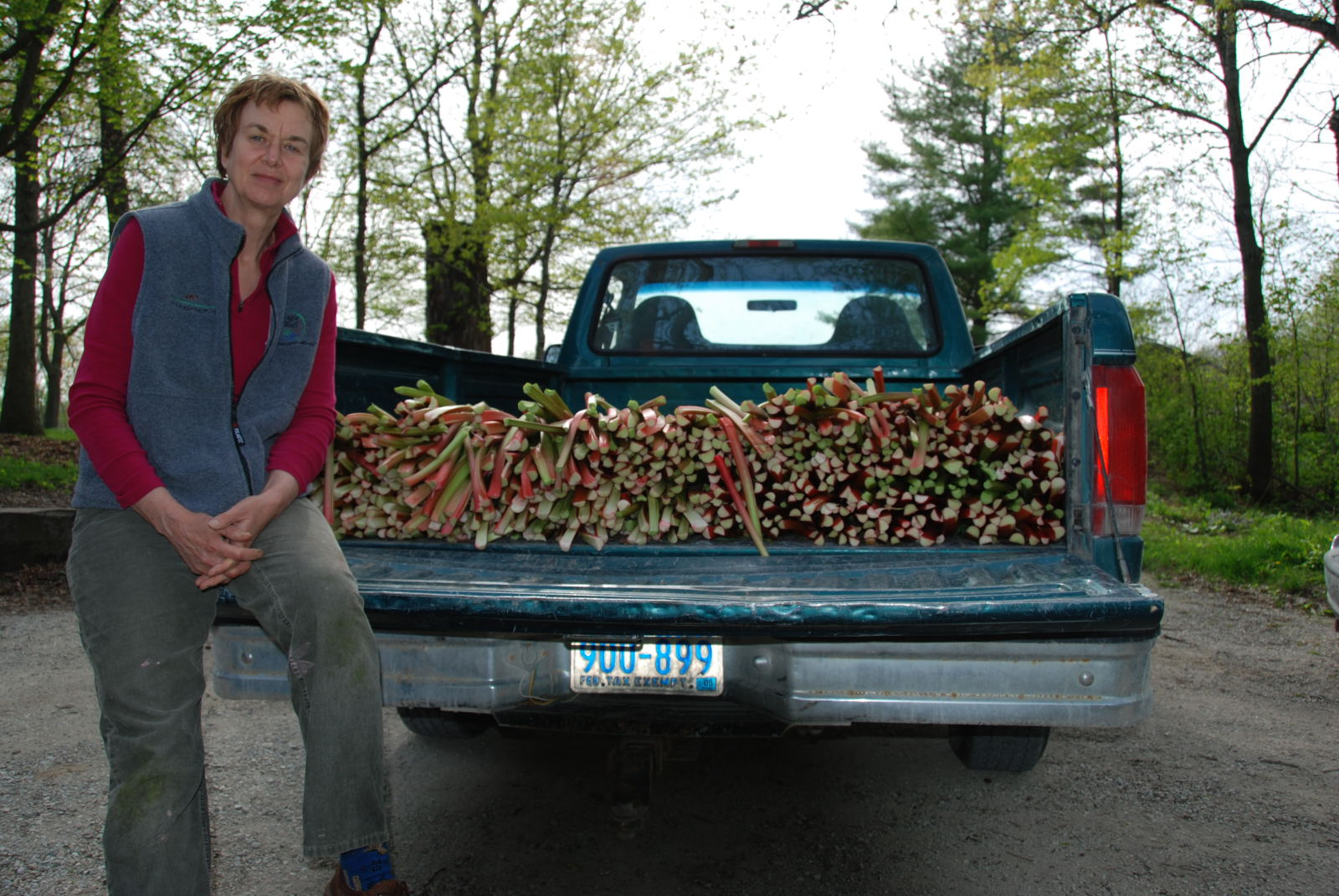
The thing that sets these two plants apart from everything else a household grew is that they were not an annual decision.
A vegetable garden is re-decided every spring. What goes in, where, how much – all of it chosen that year, planted that year, cleared that autumn, with the ground ploughed and the memory wiped. A perennial bed is the opposite: a piece of ground that produces food every year without anybody planting anything, which is a completely different relationship to a patch of soil.
And it produces at the right moment. Both come up in early spring, weeks ahead of anything sown that season, at the point when a household living off stored food has nearly run out. That is the lean period, and the arrival of something fresh and green out of the ground in April was the first new food in months rather than an agreeable extra.
Then the catch, which explains why these beds were almost always inherited.
An asparagus bed must be left uncut for its first seasons so the plants can establish. Somebody put in the work and then waited years before taking anything – which is only worth doing if you expect to be in that place, and is exactly the same calculation that governed hedges, orchards and grape arbors. All of which are now rare for the same reason.
Living with an established bed required two pieces of knowledge, and both are counterintuitive.
You have to stop cutting. Harvest runs a few weeks and then ends, with the remaining shoots left to grow into tall ferny tops that feed the roots for the following year. Keep cutting and the bed starves itself and declines – which means the harvest is limited not by what is standing there but by what the plant needs to survive, and over-cutting is the commonest mistake made by people who inherit one.
And you have to defend it forever. There is no annual ploughing to control what invades a bed that is never dug, so it must be mulched, fed and kept clear of weeds and grass continuously – a small task that never ends and that will kill a bed within a few years if neglected.
Rhubarb came with its own rule, and it is the one piece of plant knowledge in this subject that genuinely matters: stalks yes, leaves no. It was taught to children as a flat prohibition rather than explained, which is the correct way to teach a rule that must never be broken.
Both plants travelled by division rather than by purchase – a piece of root dug up and handed over a fence – which means a neighbourhood’s plants were frequently all descended from one bed, carrying an obligation and an origin with them.
Then the reasons for having them went, one at a time.
The supermarket collapsed the point of growing them, because the value was overwhelmingly in the timing and a shop selling asparagus in November destroys the one advantage a perennial bed had. The freezer and year-round shipped produce closed the lean season permanently, which is the same change that ended most household food production. And mobility finished it, because a household expecting to move in five years will not establish something that peaks in fifteen.
But they are still coming up, which is the part worth knowing.
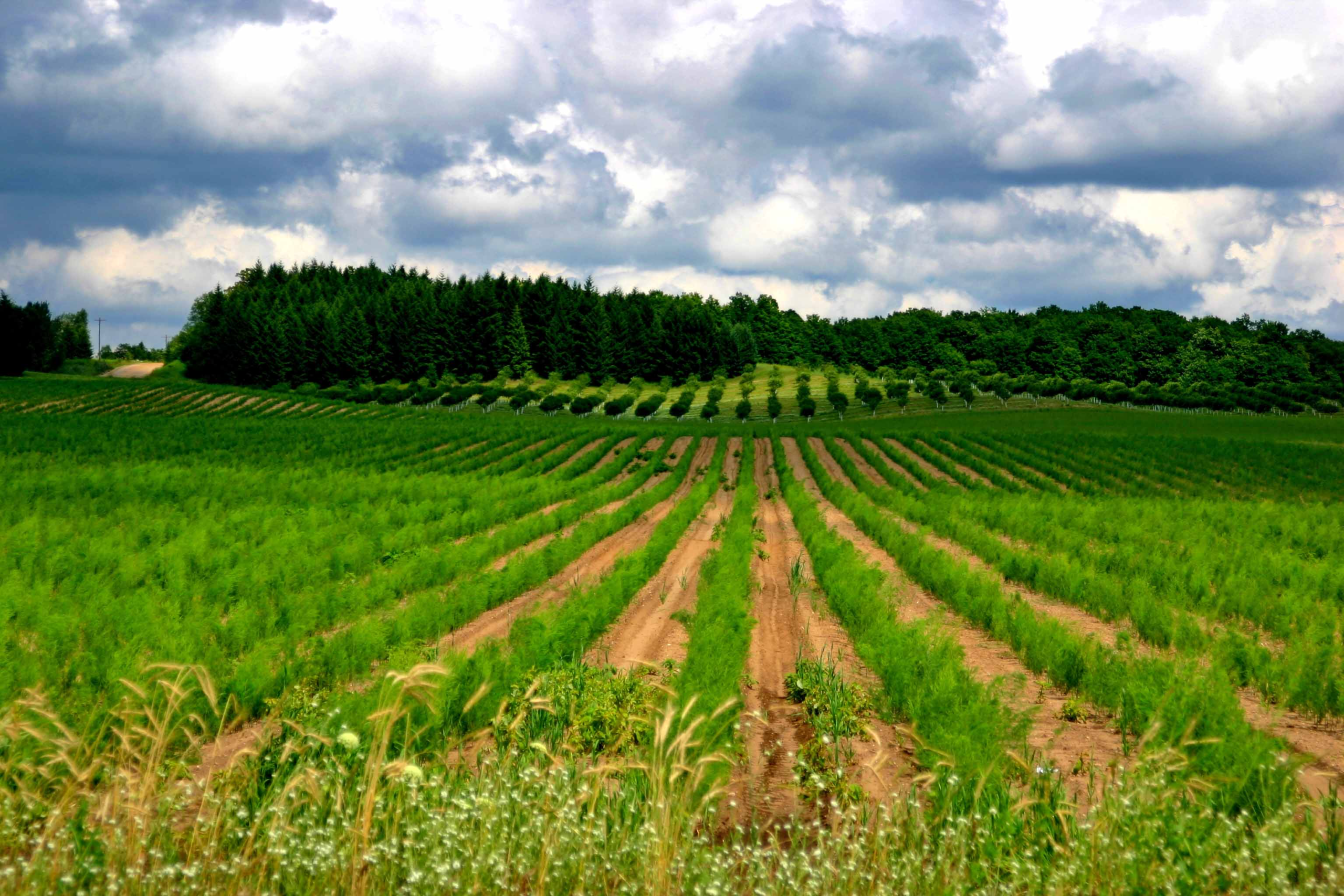
Asparagus persists for decades after a garden is abandoned, and so does rhubarb. Walk an empty field in April where a farmhouse used to be and there will be a clump of rhubarb and a straight line of ferns, in exactly the rectangle where the kitchen garden was.
Outliving the house, the barn, the fences, and everybody who ever ate from them.
If your grandparents had a bed, nobody in the family knew who planted it.
And it is probably still there.
Like our content? Follow us for more.