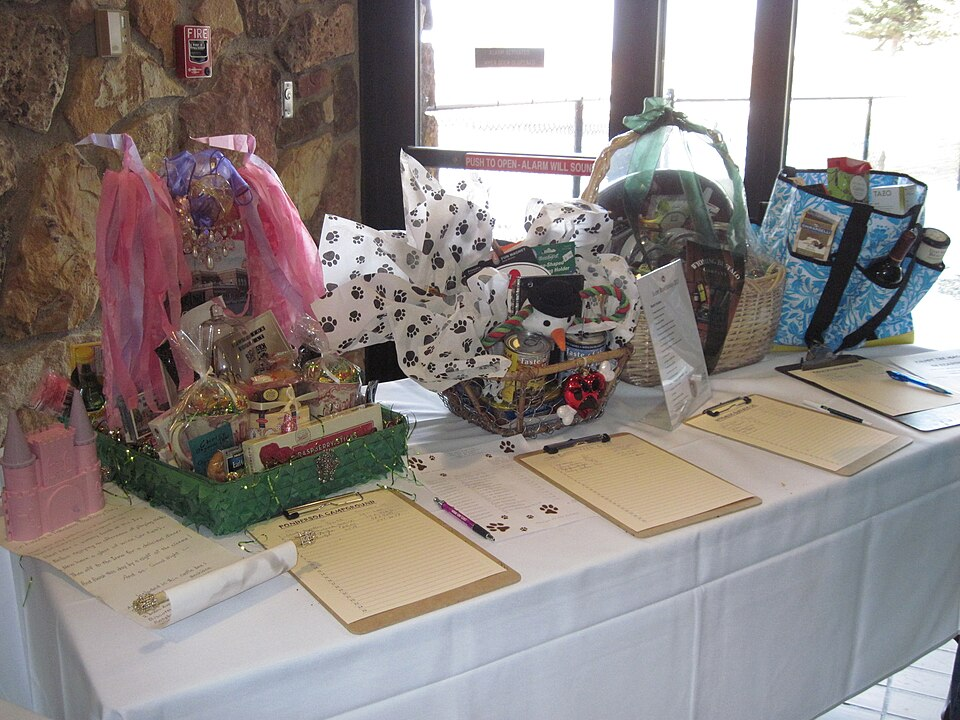
The boxes were auctioned, and the buyer ate the supper with whoever had made it.
Women and girls packed a meal for two into a decorated box. The boxes went to the men by auction. The buyer sat down with the maker – which means what was being sold was not food but an hour of company at a table, in front of the whole district.
The money went to a school, a church, a library, a team or a family in difficulty, and that purpose licensed everything else. The boxes were supposed to be anonymous, and that fiction is what made the evening holdable in a church basement. Nobody was actually fooled. Information leaked through a glimpse of ribbon, a sister’s hint, a remark at school – and a great deal of the evening’s interest lay in who knew what. Here are sixteen things every small town knew.
1. The Box Was Auctioned and the Buyer Got the Company
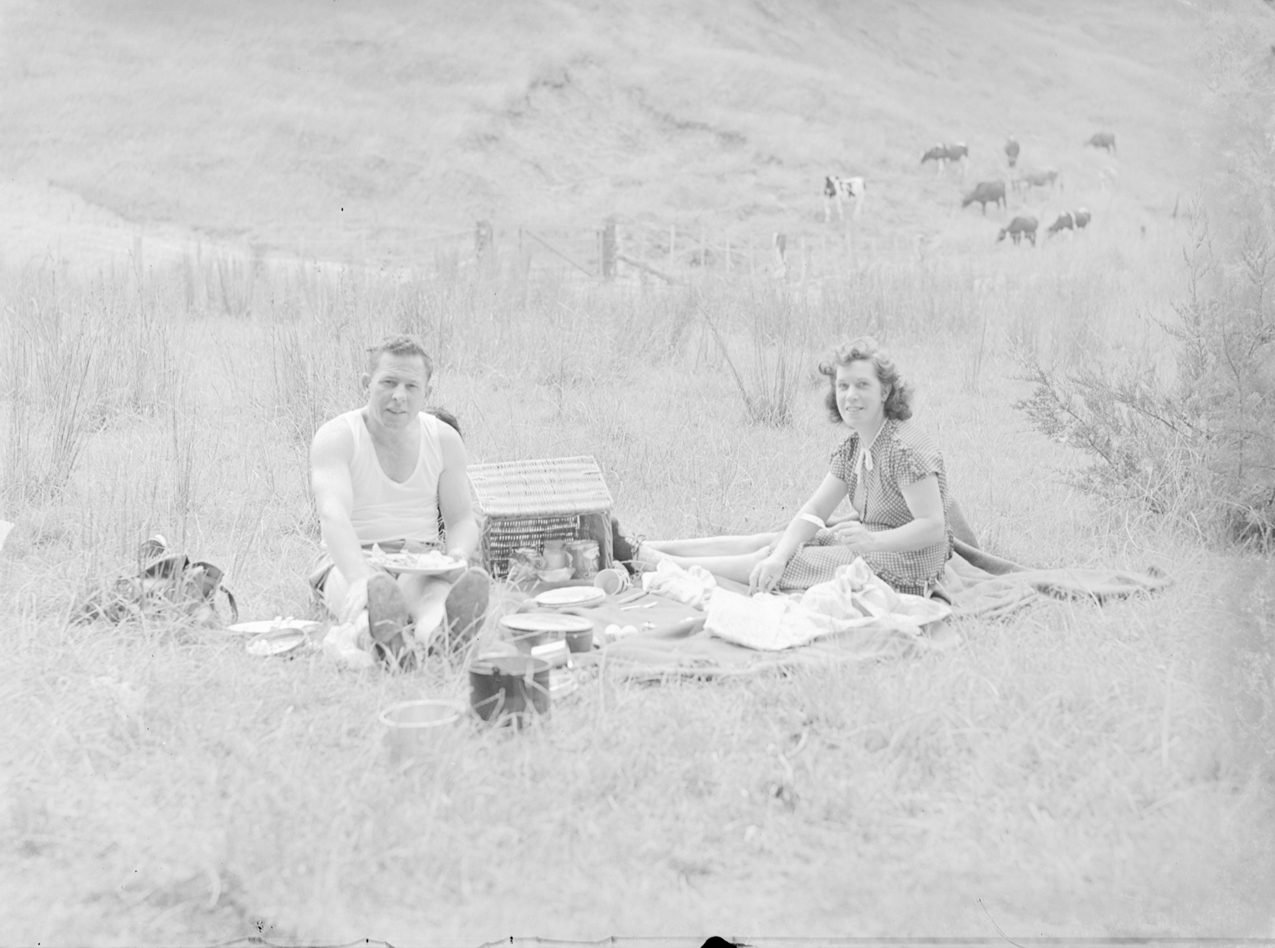
Women and girls packed a supper for two in a decorated box, the boxes were auctioned to the men, and the buyer ate it with whoever had made it.
Not applicable; fundraising takes other forms entirely.
Start with the mechanism because the whole thing is an auction with a social clause attached. What is being sold is not the food but an hour of somebody’s company at a table, and the entire structure of the evening – the anonymity, the bidding, the price – follows from the fact that everybody present understood that.
Like our content? Follow us for more.
2. It Was a Fundraiser First
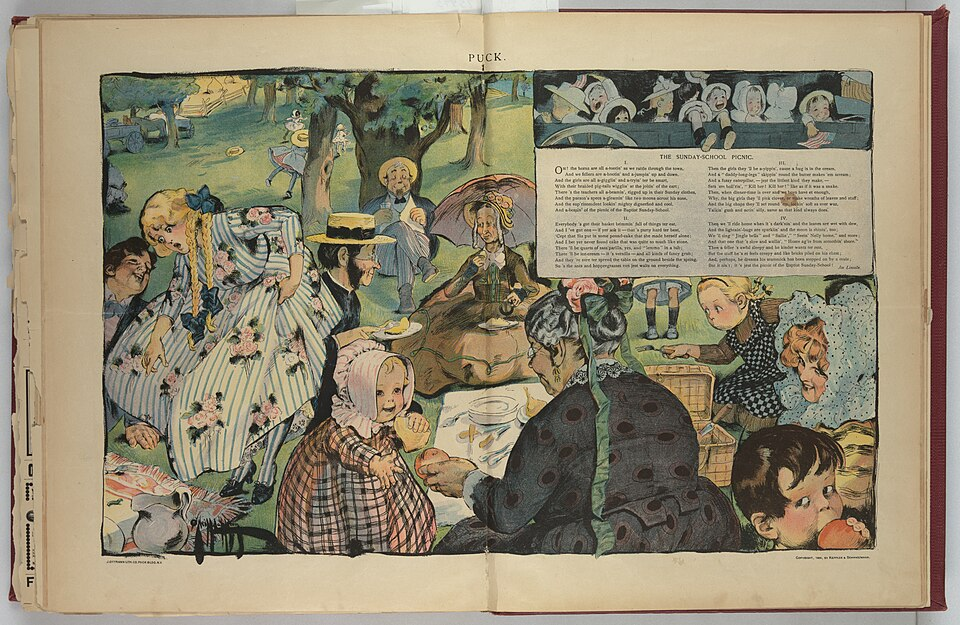
The money went to a school, a church, a library, a team, a building fund or a family in difficulty, and that purpose was the stated reason the event existed.
Not applicable in that form.
The charitable object matters because it licensed everything else. A community with no appetite for public courtship rituals would still hold a box social, because the frame was raising money for the schoolhouse – which gave everybody involved a respectable reason to be there and a respectable reason to bid.
3. The Boxes Were Supposed to Be Anonymous

Each box was decorated by its maker but not labelled, and the auction proceeded on the theory that nobody knew whose was whose.
Not applicable.
The anonymity is the fiction the whole evening rests on, and it was only ever partly real. The pretence that bids were being placed on boxes rather than on people is what made the event possible to hold in a church basement, and everybody maintained it while nobody entirely believed it.
4. Nobody Was Actually Fooled
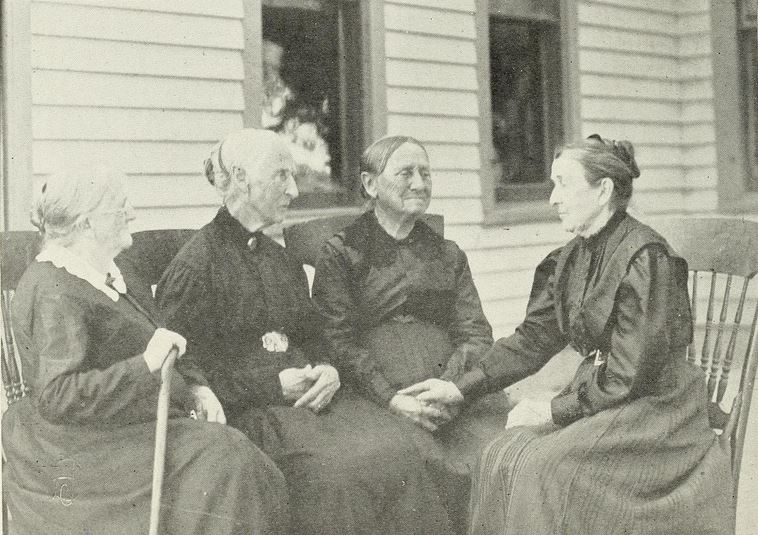
Information leaked constantly – a glimpse of ribbon, a sister’s hint, a remark at school, the recognisable handiwork of a particular girl – and much of the evening’s interest lay in who knew what.
Not applicable.
This is the genuine game and it is more interesting than the auction. A young man who had been told which box to bid on was in a strong position; one who had not was bidding on a decorated box and hoping; and a girl who wanted a particular outcome had to get her information to one person without it reaching everybody.
5. The Decoration Was the Signal

Boxes were covered in crepe paper, ribbon, cut paper and flowers, and the effort put into one was visible and compared.
Not applicable.
The decoration was carrying two kinds of information at once. It advertised the maker’s taste and industry to the whole room, which was the respectable reading, and it was also the only legitimate channel by which a girl could make her box identifiable to somebody who had been told what to look for.
6. The Auctioneer Ran the Room
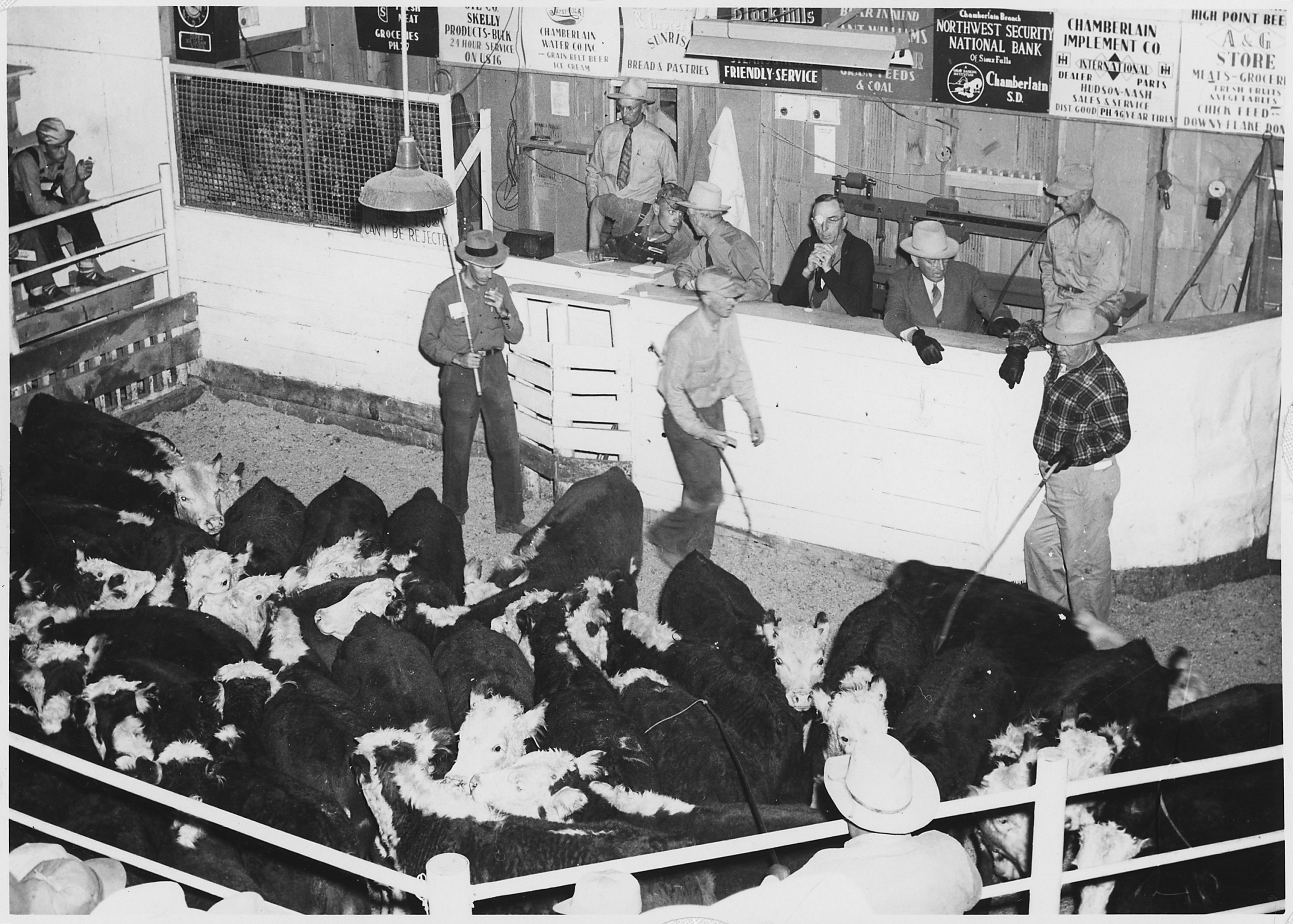
A local man with a voice and a sense of timing took the boxes, worked the crowd, drove up prices and decided how long to let a bidding contest run.
Not applicable.
The auctioneer is the reason these evenings worked or did not. His job was to extract the maximum money while keeping the whole thing good-humoured, which meant knowing exactly when a contest between two young men had become funny and when it was about to stop being funny.
7. Prices Got Out of Hand Deliberately
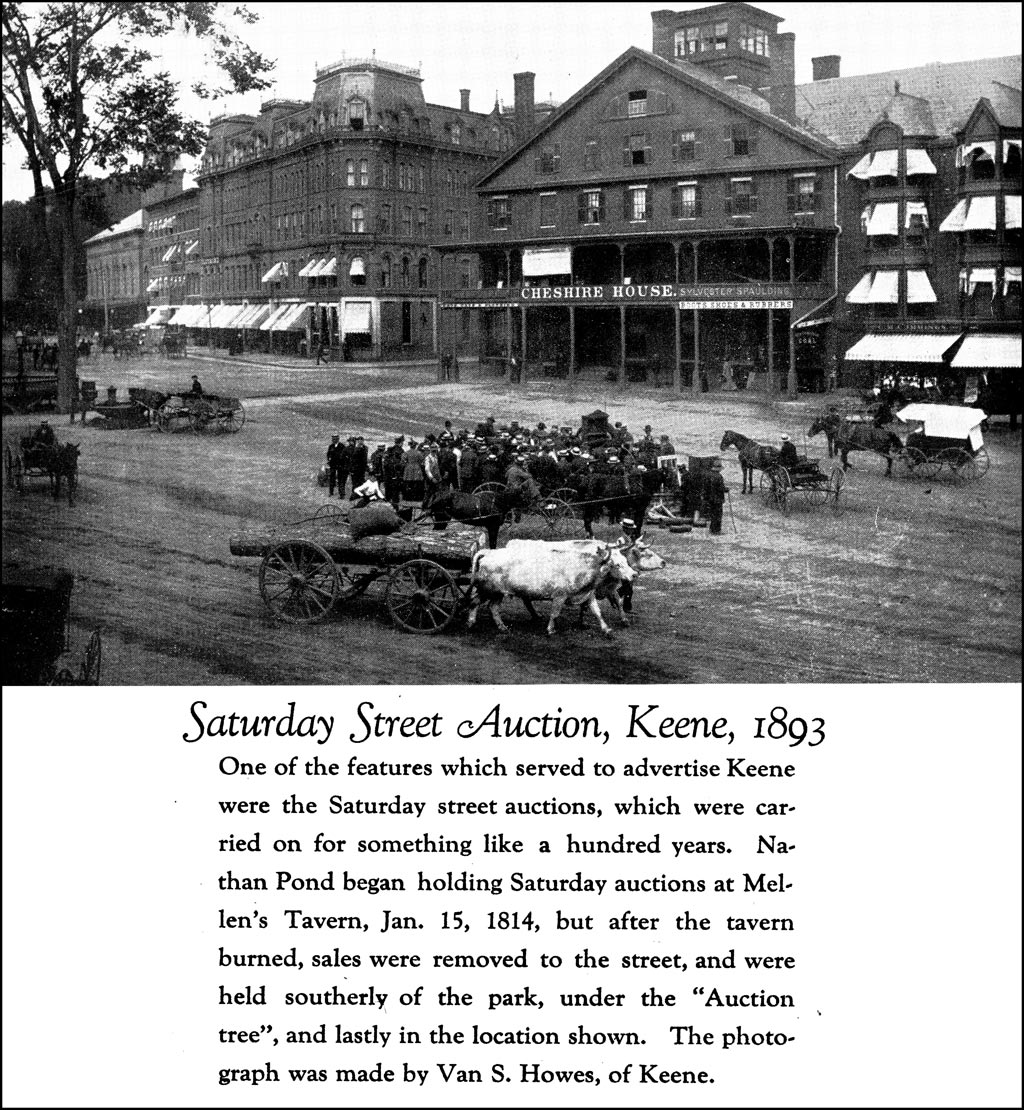
Bidding on a box believed to belong to a popular girl could reach sums wildly out of proportion to a supper, and the crowd encouraged it.
Not applicable.
Runaway bidding was a feature rather than a problem, and it is where the money came from. A contest that escalates is entertainment for everybody watching and revenue for the cause, so the room had every incentive to egg it on – which is exactly why the system raised more than a straightforward collection would.
8. Friends Bid to Make It Expensive
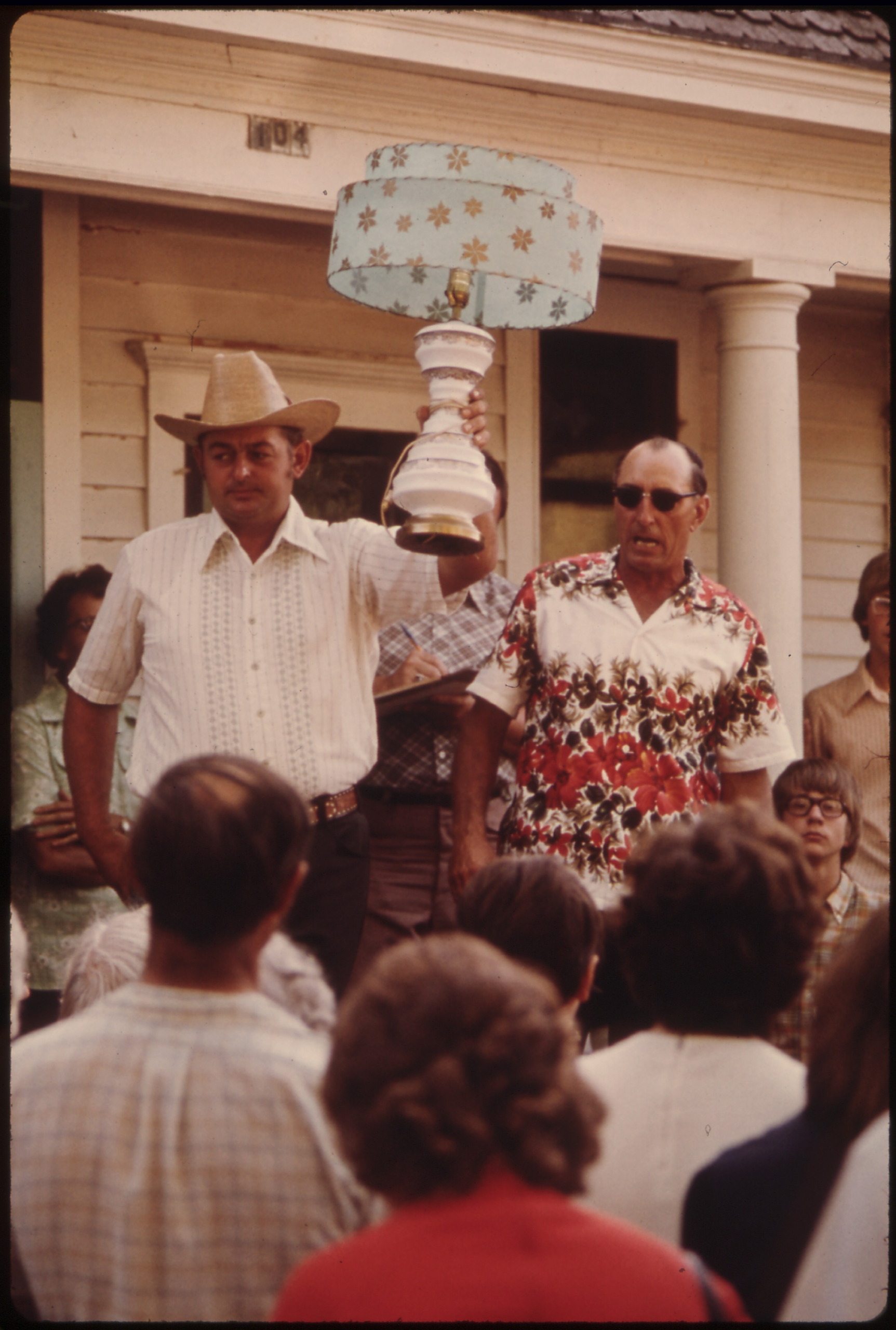
Young men bid against each other for sport, sometimes with no intention of winning, specifically to run up the price on a rival.
Not applicable.
The sabotage bidding is the detail everybody remembers and it had real teeth. A man who ran up his friend’s bid and then stopped had cost him real money for a joke, and a man who miscalculated ended up owning a box he had no interest in – which is how the evening produced both debts and grudges.
9. Somebody Always Ended Up at the Wrong Table
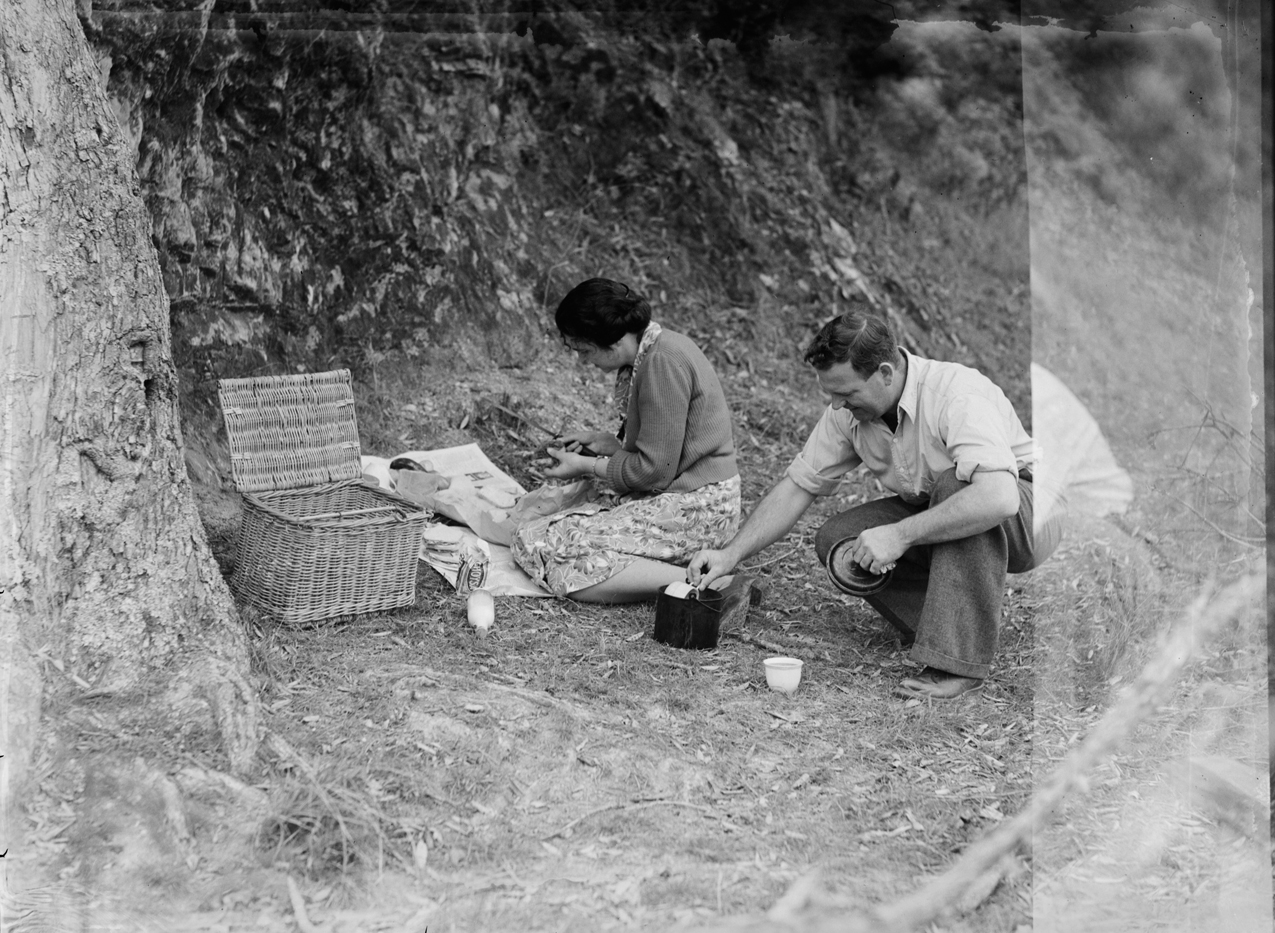
Mistaken identification was common, and the result was two people who had not expected each other sitting down to eat a supper in front of the entire district.
Not applicable.
This is the part the accounts dwell on, and it cut both ways. The mismatch was funny for the room and could be genuinely unpleasant for the two people involved, especially for a girl whose box went cheaply or to somebody she had not wanted – and there was no way out of it, because the whole community was watching and the money had been paid.
10. The Supper Itself Was Judged Too
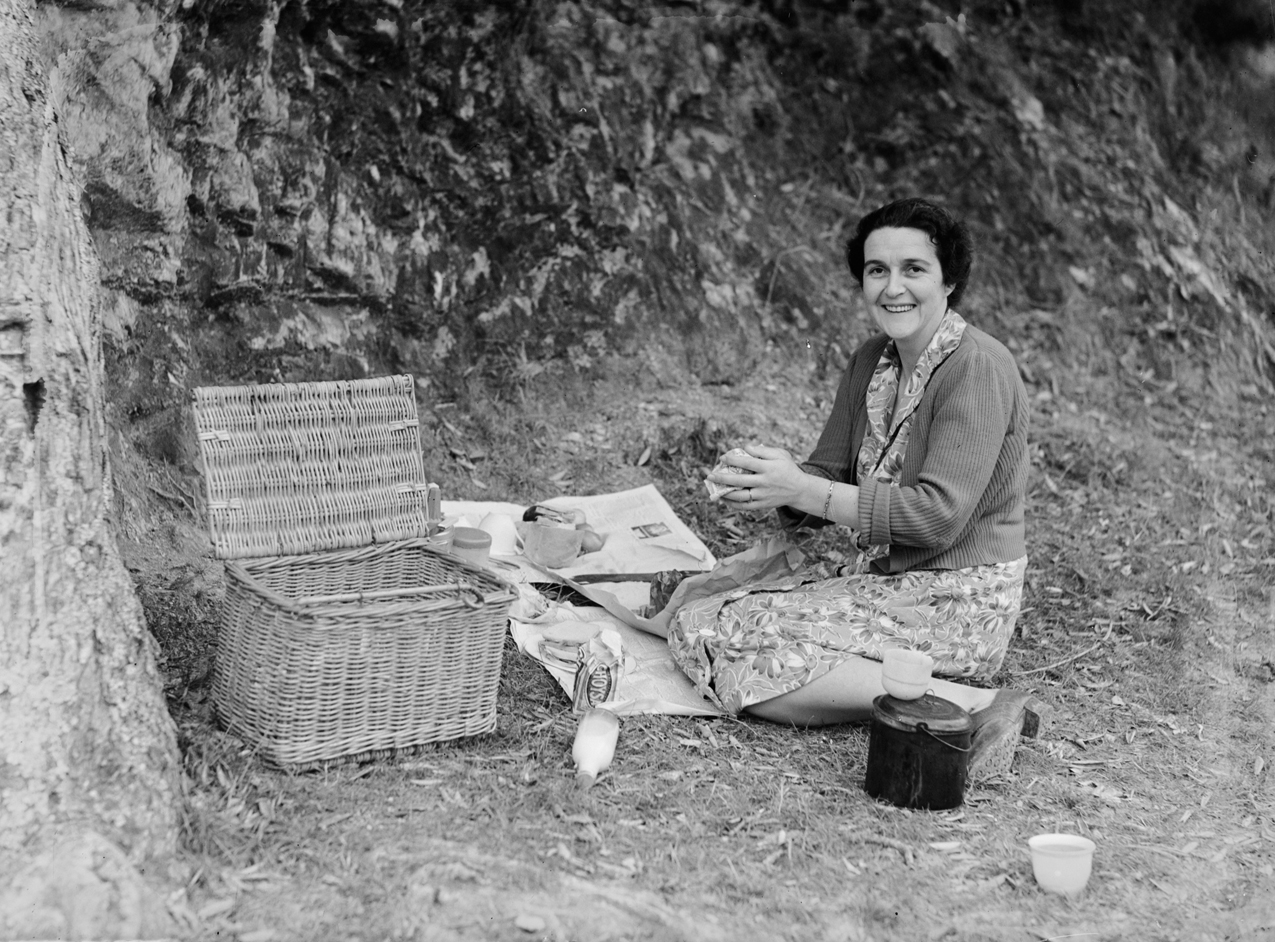
What was in the box was eaten publicly and assessed, so a girl’s cooking was on display alongside her decoration and her price.
Not applicable.
Three separate public evaluations in one evening is a great deal to ask of anybody, and it is worth stating plainly. The box, the bidding and the meal each measured something, in front of everybody she knew, and the results were discussed afterwards.
11. The Schoolhouse Was Usually the Venue
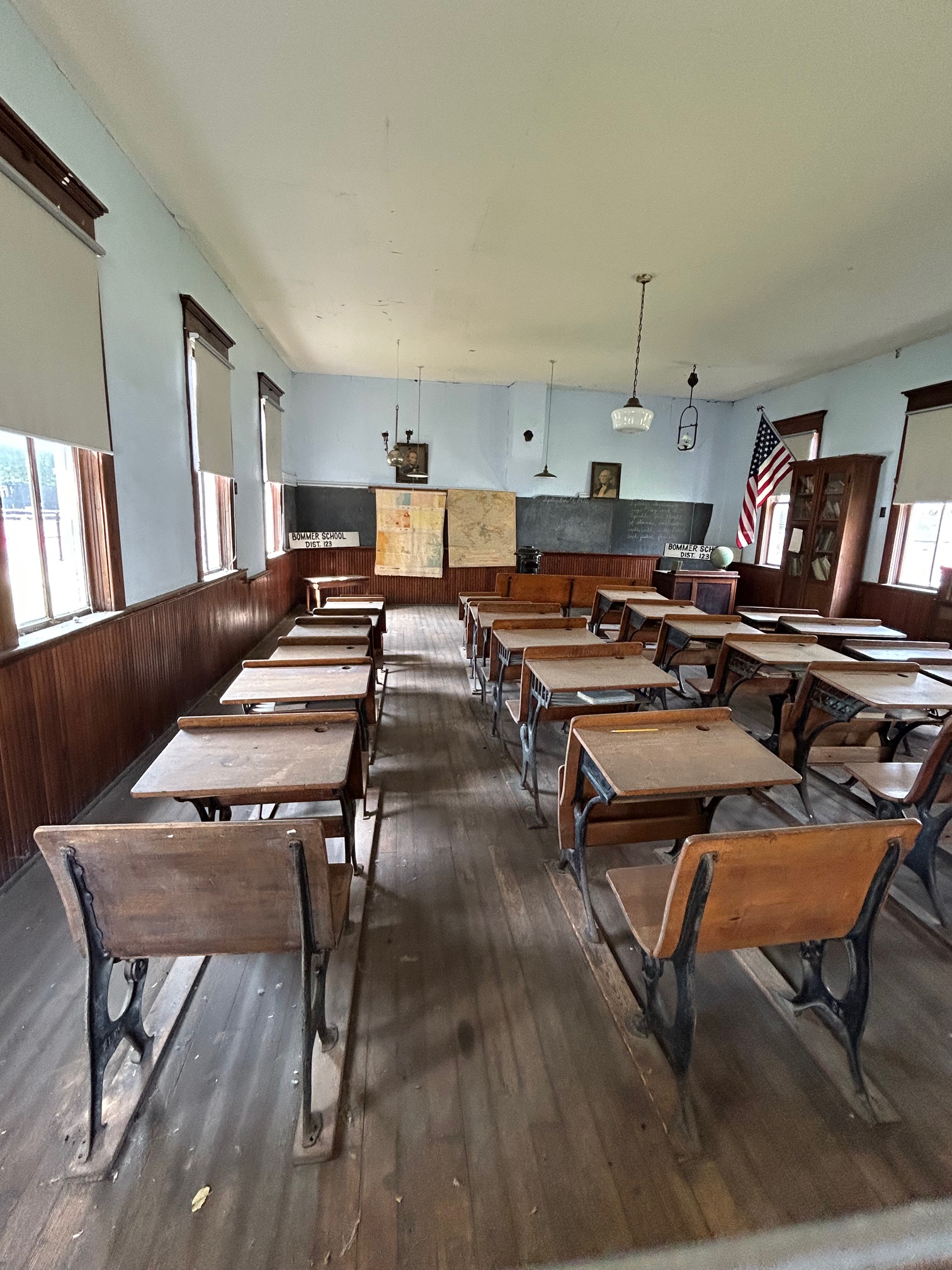
The district school, the church basement or a hall supplied the room, the lamps and the benches, and the event was organised by a committee of women.
Not applicable.
The venue is a reminder of what these buildings were for. A one-room school was a general-purpose public space for its district, and an evening auction with a hundred people in it was exactly the sort of use it got – which is also why the proceeds so often went back into the building.
12. It Was One of Very Few Sanctioned Occasions
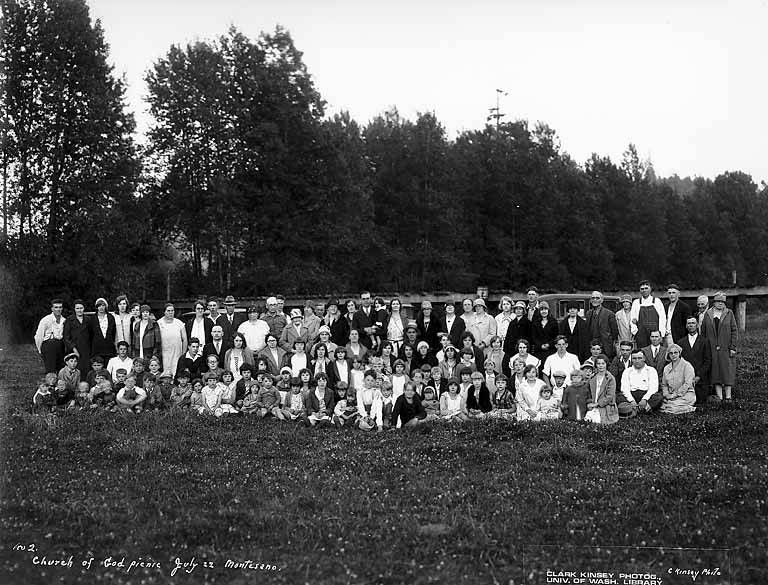
In communities where young men and women had almost no legitimate opportunity to choose each other’s company in public, the box social was an approved exception.
Not applicable.
This is the real function and it explains the institution’s persistence. A rural district with scattered farms, no public entertainment and strict conventions about unsupervised contact needed some mechanism, and an auction for charity in a schoolhouse with every adult present watching is about as supervised as a mechanism can be.
13. Married Women and Children Took Part Too
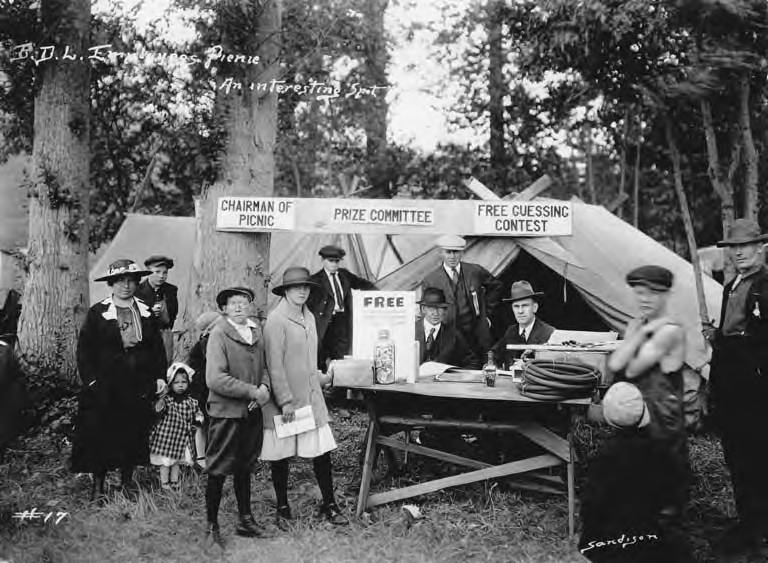
The event was not only for the unmarried – wives packed boxes bought by their husbands, children packed small ones, and the whole district attended.
Not applicable.
The inclusiveness is worth stating because it corrects the usual picture. A box social was a community fundraiser that the entire district attended and contributed to, with the courtship element as one strand rather than the whole fabric.
14. The Pie Social Was the Same Idea
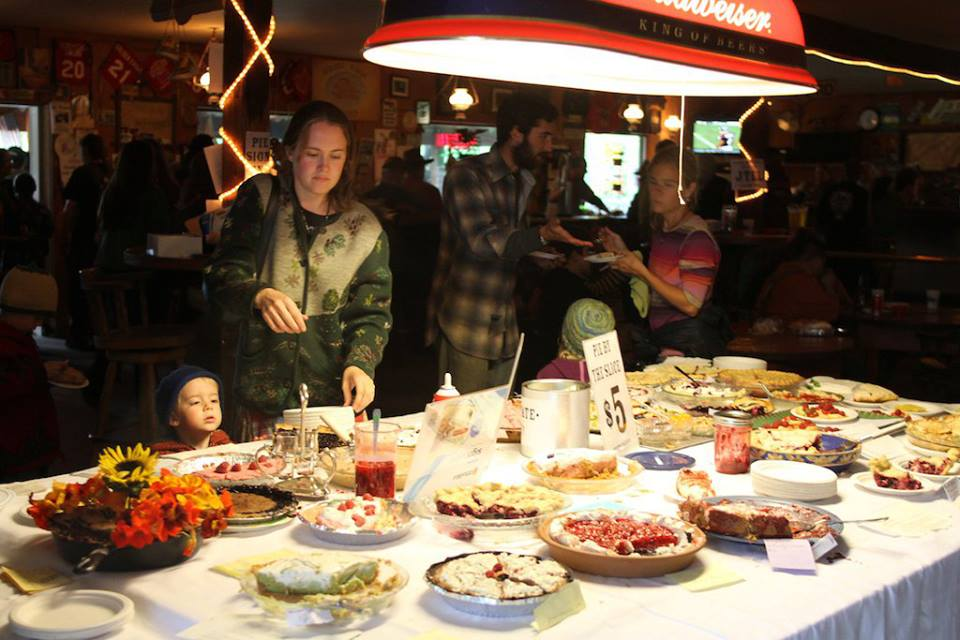
Variants auctioned pies, cakes or baskets instead of boxes, with the same structure of anonymity, bidding and shared eating.
Not applicable.
The variations show that the box was incidental. What mattered was a sealed anonymous unit of food attached to a person, sold to the highest bidder, with the proceeds going to a cause – and any container that could be decorated and carried would serve.
15. Then the Car Gave Young People Somewhere Else to Go
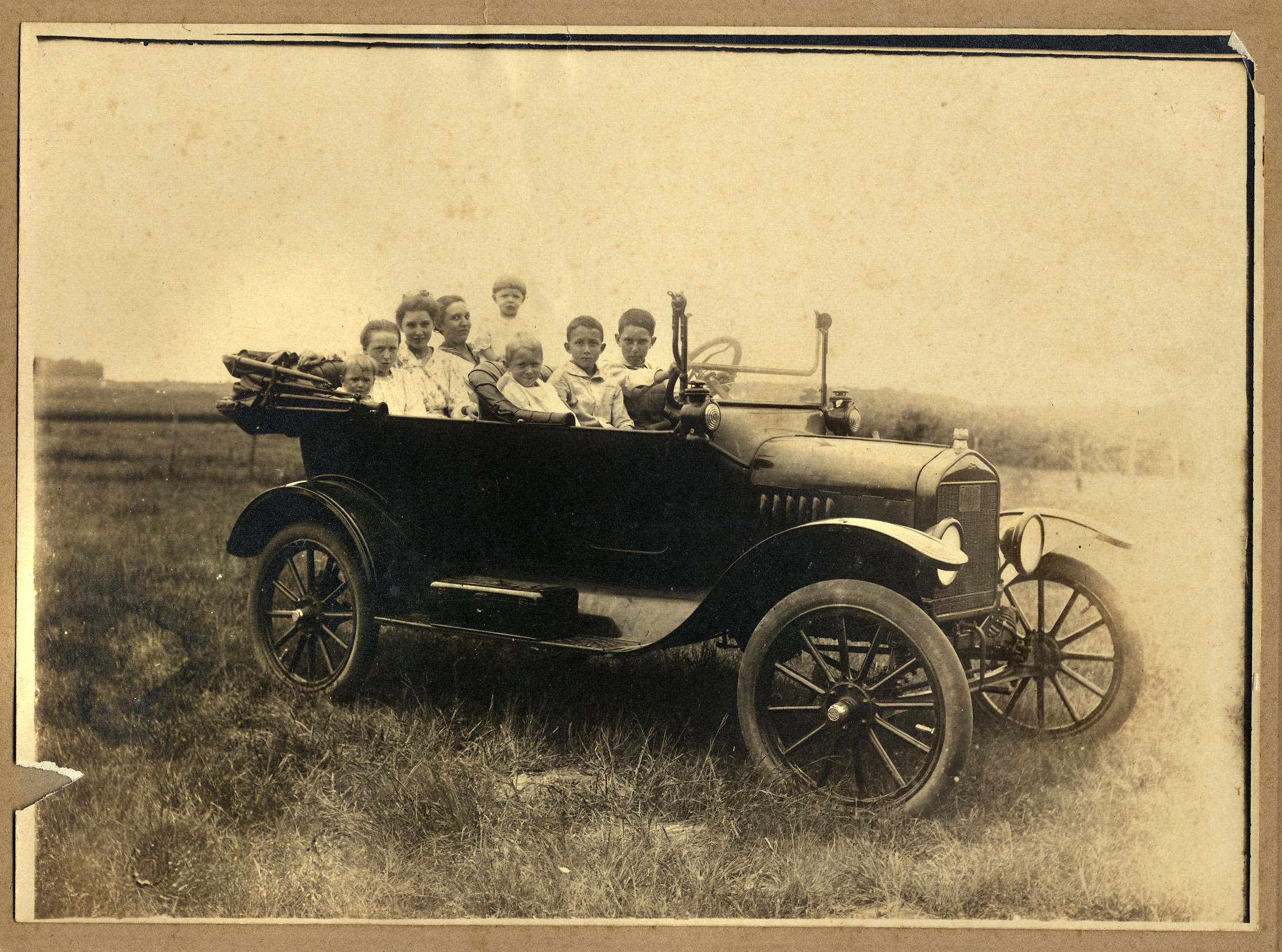
Once couples could reach a town, a cinema, a dance hall or a drive-in on their own, a supervised auction in a schoolhouse stopped being the available option.
Universal.
Mobility is the decisive change and it removed the institution’s real purpose rather than its stated one. The fundraising could have continued in some form; what could not continue was the premise that this was one of the only sanctioned ways for young people to spend an evening together.
16. And by 1964 It Survived as a Novelty
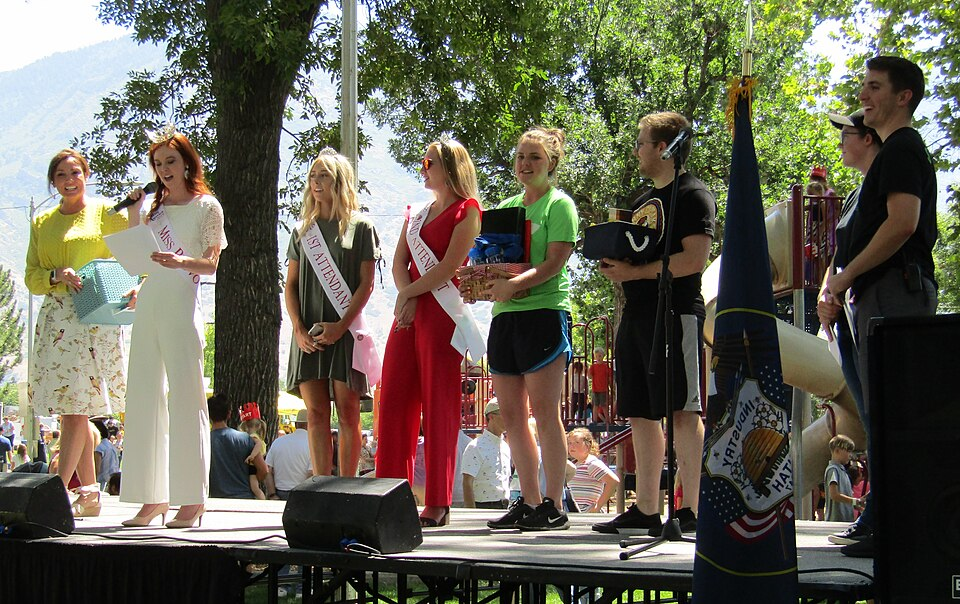
Box socials were still held here and there, as a deliberately old-fashioned event for a church or a school, with everybody aware it was a revival rather than a custom.
Occasionally revived as a themed fundraiser.
And what deserves the last word is how much work this one evening was doing. It raised money for a building. It gave an entire scattered district a reason to gather in one room on a winter night. It let young people exercise a degree of choice about each other inside a structure that every adult present could see and approve of. It put women’s cooking and taste on public display and attached a price to it. And it generated an evening’s entertainment out of nothing but bidding and embarrassment. That is five functions from one trestle table and a stack of decorated boxes, and not one of them was the supper. When American young people could get into a car and drive somewhere by themselves, the institution lost the only function that could not be replaced – and the other four went with it, because nobody holds a fundraiser that elaborate for its own sake.
Five Functions From One Table of Decorated Boxes
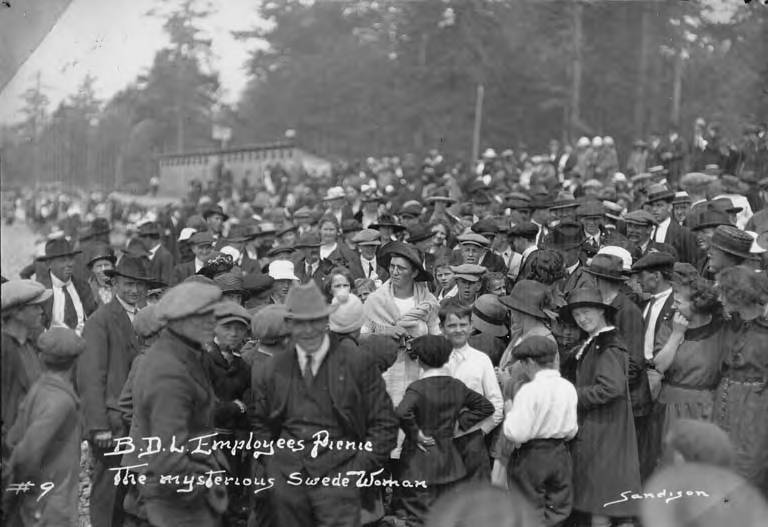
A box social looks like a quaint fundraiser and was one of the hardest-working institutions a rural district had.
The mechanism first. Women and girls packed a supper for two into a box they decorated themselves. The boxes were auctioned to the men. The buyer ate the supper with the maker. So the thing being sold is an hour of somebody’s company at a table, and every feature of the evening follows from everybody in the room understanding that.
The charitable object is what licensed it. The money went to a school, a church, a library, a team, a building fund or a family in trouble – which gave everybody a respectable reason to be there and a respectable reason to bid.
The anonymity was the necessary fiction. Boxes were decorated but not labelled, and the auction proceeded on the theory that nobody knew whose was whose. That pretence – bidding on boxes rather than on people – is what made the event possible to hold in a church basement, and everybody maintained it while nobody entirely believed it.
Because nobody was fooled. A glimpse of ribbon, a sister’s hint, a remark at school, the recognisable handiwork of a particular girl. A young man who had been told which box to bid on was in a strong position; one who had not was bidding blind; and a girl who wanted a particular outcome had to get her information to one person without it reaching everybody. That is the real game, and it is more interesting than the auction.
The decoration carried both messages at once. It advertised the maker’s taste and industry to the whole room, which was the respectable reading. It was also the only legitimate way to make a box identifiable to somebody who had been told what to look for.
Then the auctioneer, who was the reason an evening worked or did not. His job was to extract maximum money while keeping it good-humoured, which meant knowing precisely when a contest between two young men had become funny and when it was about to stop being funny.
Runaway bidding was a feature, not a problem. A box believed to belong to a popular girl could go for sums wildly out of proportion to a supper, and the crowd encouraged it – because an escalating contest is entertainment for everybody watching and revenue for the cause. Which is exactly why the format raised more than a collection plate would.
And friends bid against each other for sport, sometimes with no intention of winning, purely to run up a rival’s price. A man who did that and then stopped had cost his friend real money for a joke. A man who miscalculated owned a box he had no interest in. The evening produced debts and grudges.
It also produced mismatches. Mistaken identification was common, and the result was two people who had not expected each other eating a supper in front of the entire district – funny for the room, and sometimes genuinely unpleasant for the two involved, particularly for a girl whose box went cheaply or to somebody she had not wanted. There was no way out of it. Everybody was watching and the money had been paid.
And the supper itself was eaten publicly and assessed. Three separate public evaluations in one evening – the box, the price and the meal – each measuring something, in front of everybody she knew, and all discussed afterwards.
The venue was usually the district school, a church basement or a hall, organised by a committee of women, which is a reminder that a one-room school was a general-purpose public space for its district. Which is also why the proceeds so often went back into the building.
Now the real function. In communities where young men and women had almost no legitimate way to choose each other’s company in public, this was an approved exception. A rural district with scattered farms, no public entertainment and strict conventions about unsupervised contact needed some mechanism – and an auction for charity in a schoolhouse with every adult present watching is about as supervised as a mechanism can be.
It is worth correcting the usual picture, though: this was not only for the unmarried. Wives packed boxes bought by their husbands, children packed small ones, and the whole district attended. The courtship element was one strand rather than the whole fabric. And the variants – pies, cakes, baskets – show that the box was incidental. What mattered was a sealed anonymous unit of food attached to a person, sold to the highest bidder, for a cause.
So count what this one evening did. It raised money for a building. It gave a scattered district a reason to gather on a winter night. It let young people exercise choice about each other inside a structure every adult could see and approve. It put women’s cooking and taste on public display with a price attached. And it generated an evening’s entertainment out of nothing but bidding and embarrassment.
Five functions from a trestle table and a stack of decorated boxes, and not one of them was the supper.
When young people could get into a car and drive somewhere by themselves, the institution lost the only function that could not be replaced. The other four went with it, because nobody holds a fundraiser that elaborate for its own sake.
If your grandmother ever mentioned what her box went for, that number was a public fact.
The whole district heard it, and remembered it.
Like our content? Follow us for more.