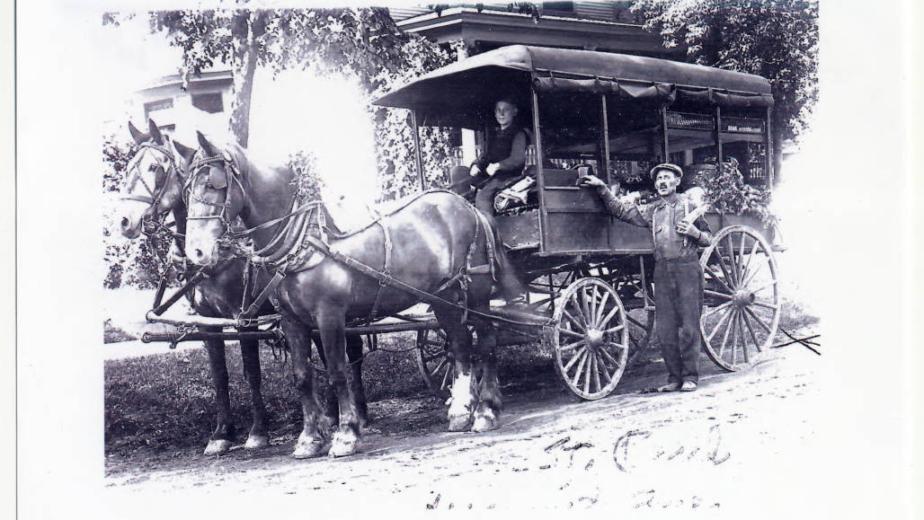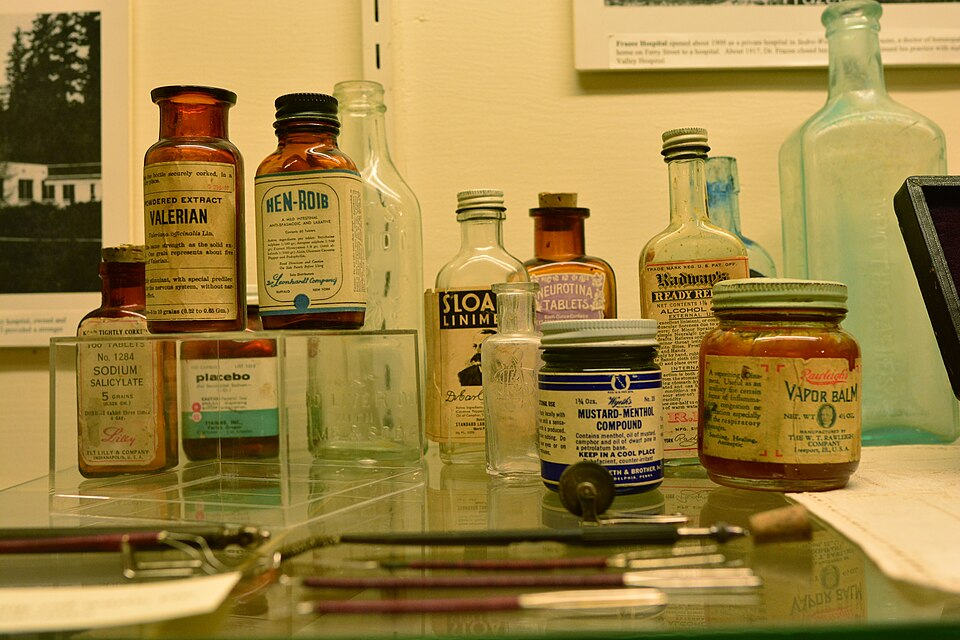
A bottle that claims to treat forty unrelated things is telling you about its market, not its contents.
Labels listed enormous ranges of complaints because a remedy sold for one condition reaches fewer buyers than one sold for forty. And nobody had to declare the ingredients – which means a household had no way to distinguish a harmless flavoured syrup from something containing a powerful drug, and informed consent was impossible in principle rather than merely in practice.
The money went into advertising rather than manufacture. If contents are cheap and claims unverifiable, the only thing separating one bottle from another is how many people have heard of it – so these were advertising businesses with factories attached. And that advertising paid for a great many American newspapers, which gave editors a structural reason not to look closely. Here are sixteen things every American household knew.
1. A Bottle on the Shelf Claimed to Treat Everything
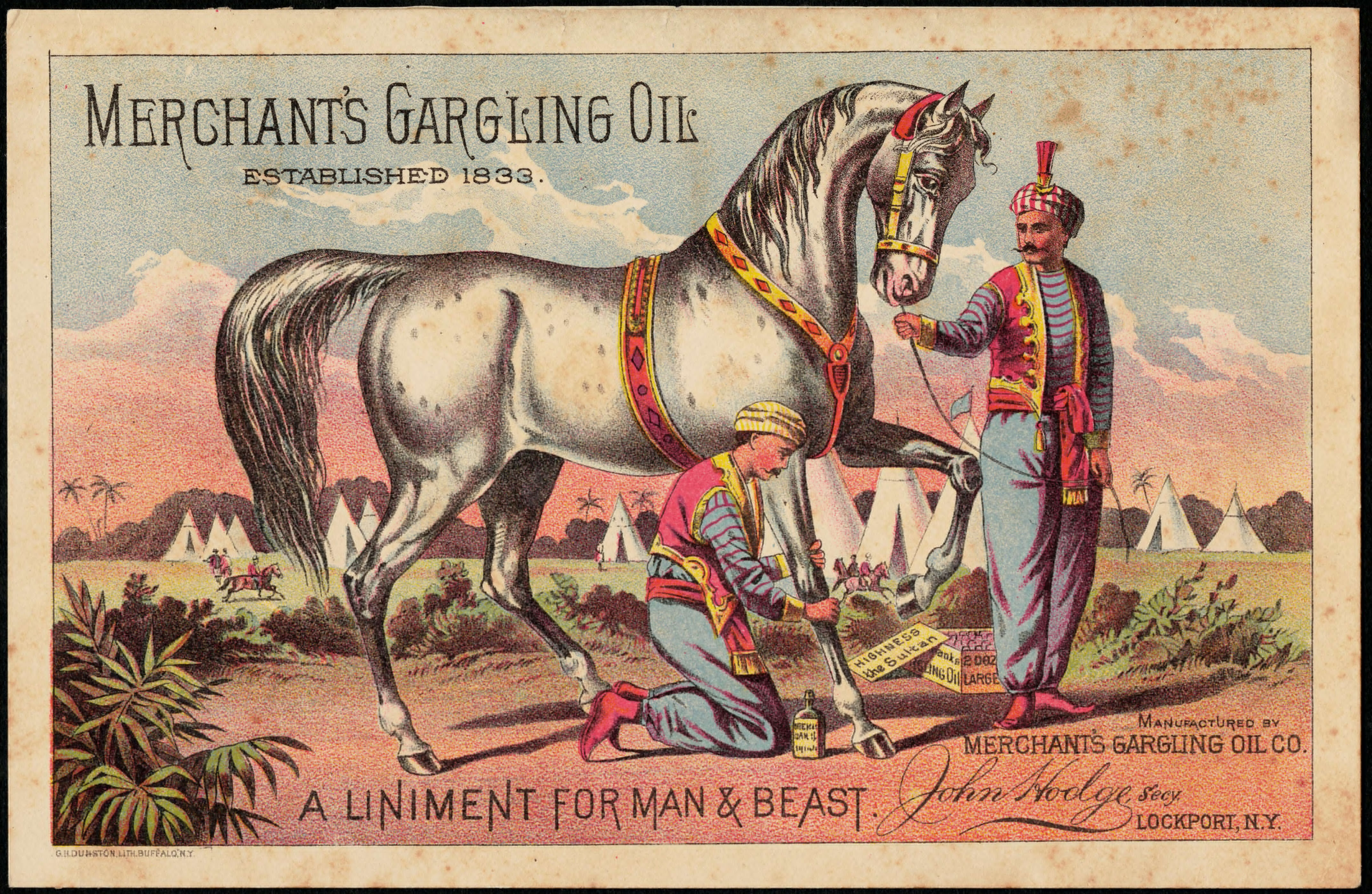
Labels listed enormous ranges of unrelated complaints, because a remedy sold for one thing sells to fewer people than a remedy sold for forty.
Claims are regulated, specific, and must be supported.
Start with the breadth of the claims, because it is the clearest signal of what the business actually was. A product genuinely effective against one condition would be advertised as such; a list of forty unrelated complaints is a marketing decision about the size of the available market rather than a description of anything.
Like our content? Follow us for more.
2. Nobody Had to Say What Was In It
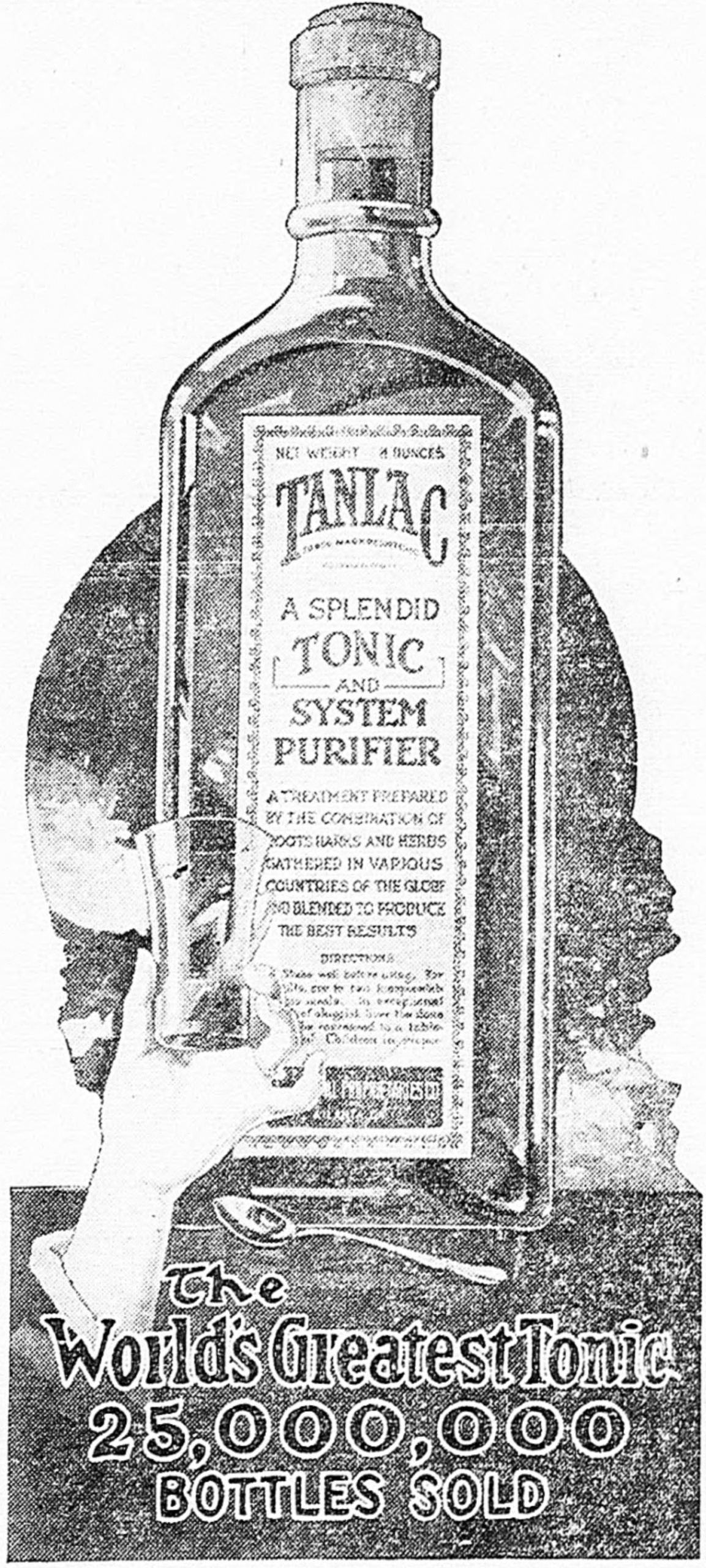
Ingredients did not have to be declared, so a household buying a bottle had no way of knowing what it was giving anybody.
Labelling of contents is a legal requirement.
This is the central fact of the era and everything troubling about it follows. A purchaser could not distinguish a harmless flavoured syrup from something containing a powerful drug, because the information simply was not on the bottle – which means informed consent was impossible in principle, not merely in practice.
3. The Advertising Was the Product
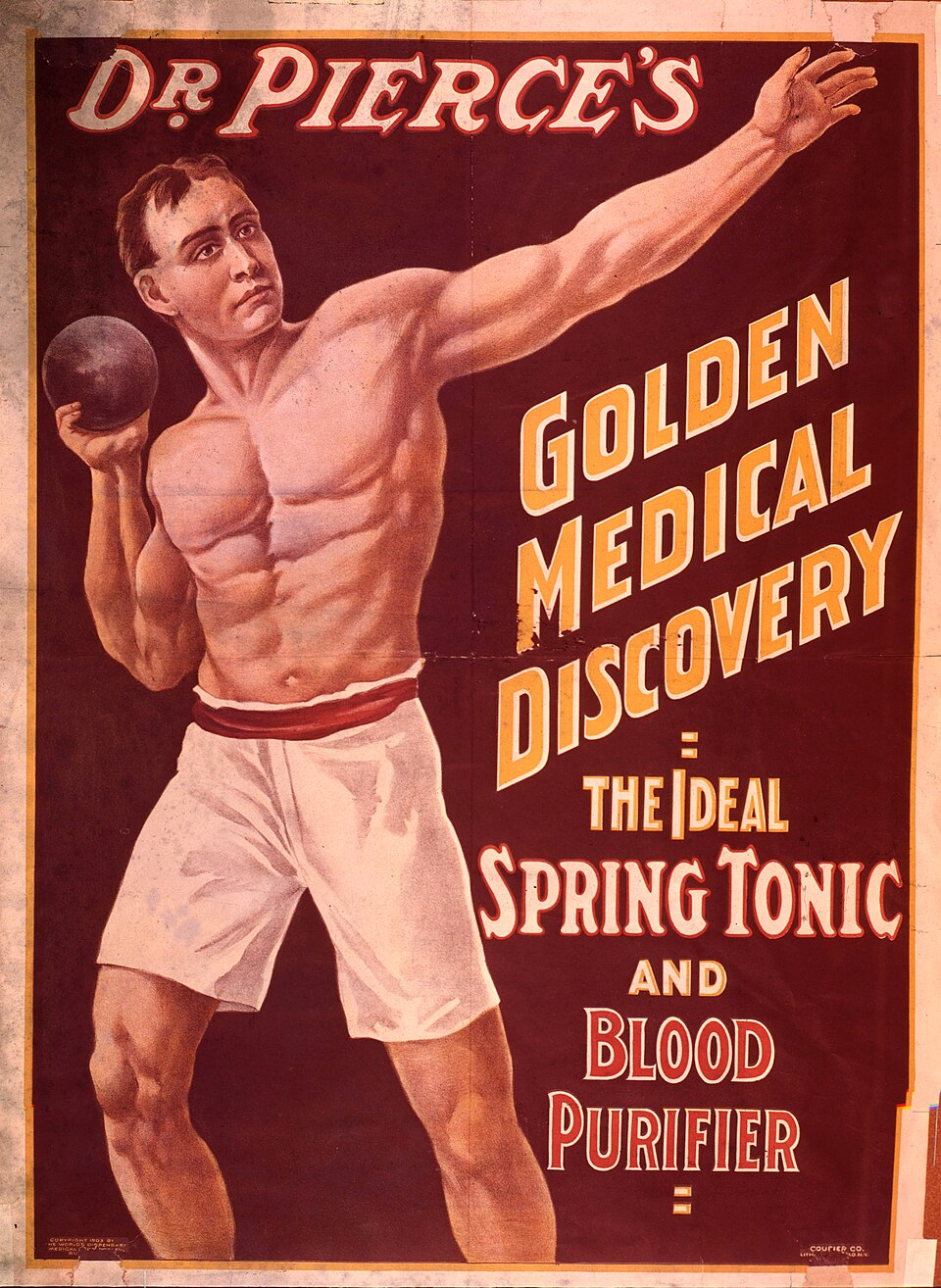
Enormous sums went into newspaper space, almanacs, trade cards, painted barns and roadside signs, and the manufacturing cost of the contents was frequently trivial by comparison.
Advertising is regulated and the economics are different.
Understanding where the money went explains the whole industry. If the contents are cheap and the claims are unverifiable, the only thing distinguishing one bottle from another is how many people have heard of it – so the business was advertising with a factory attached rather than the other way round.
4. It Paid for the Newspapers
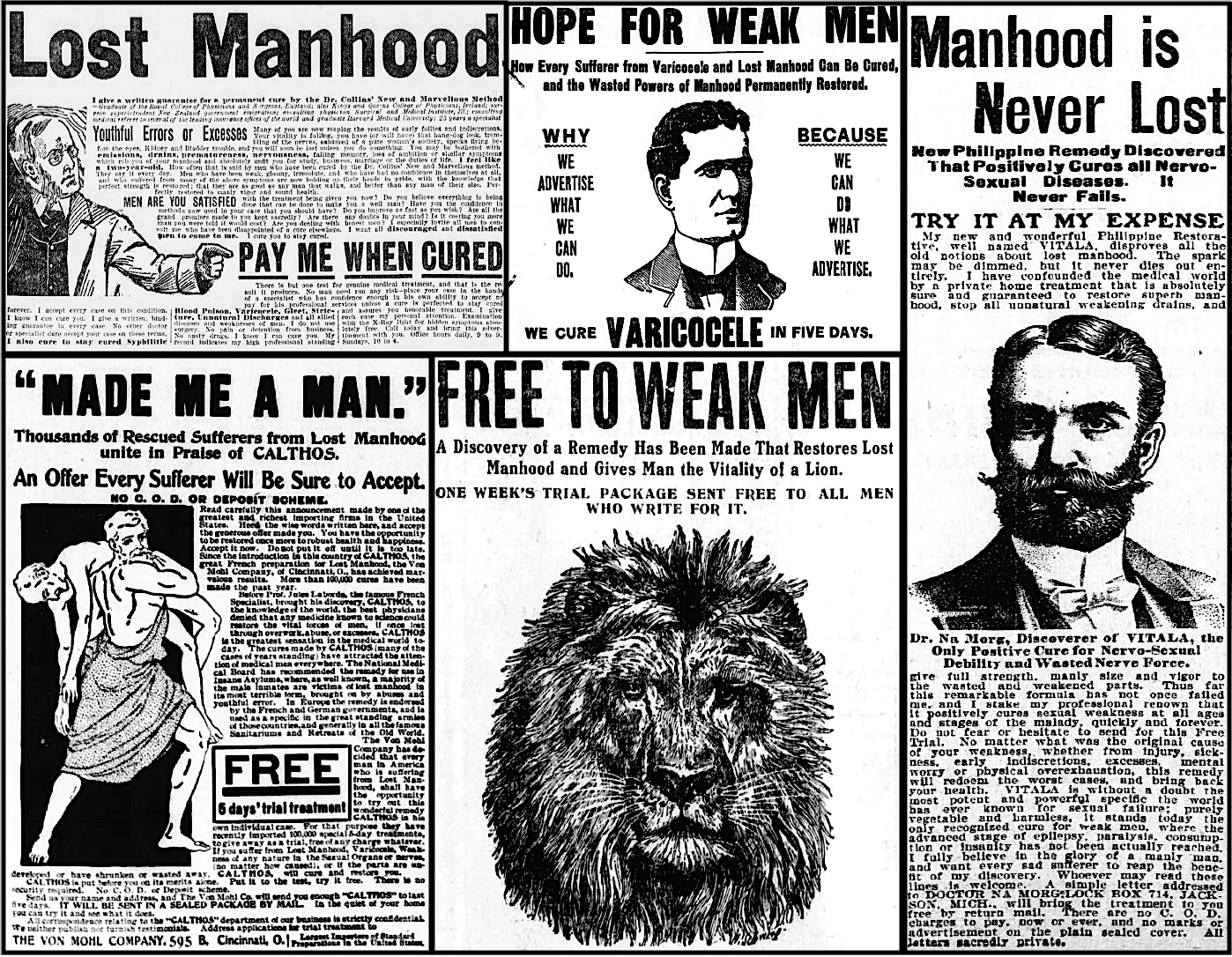
Patent medicine advertising was a major source of revenue for American newspapers and almanacs, which made editors reluctant to examine the claims.
Not applicable in the same form.
The financial relationship is the part that deserves attention. A publication dependent on a category of advertiser has a structural reason not to investigate that category, which is why exposure took so long and why it eventually came from outside the newspapers rather than from inside them.
5. The Testimonial Was the Main Evidence
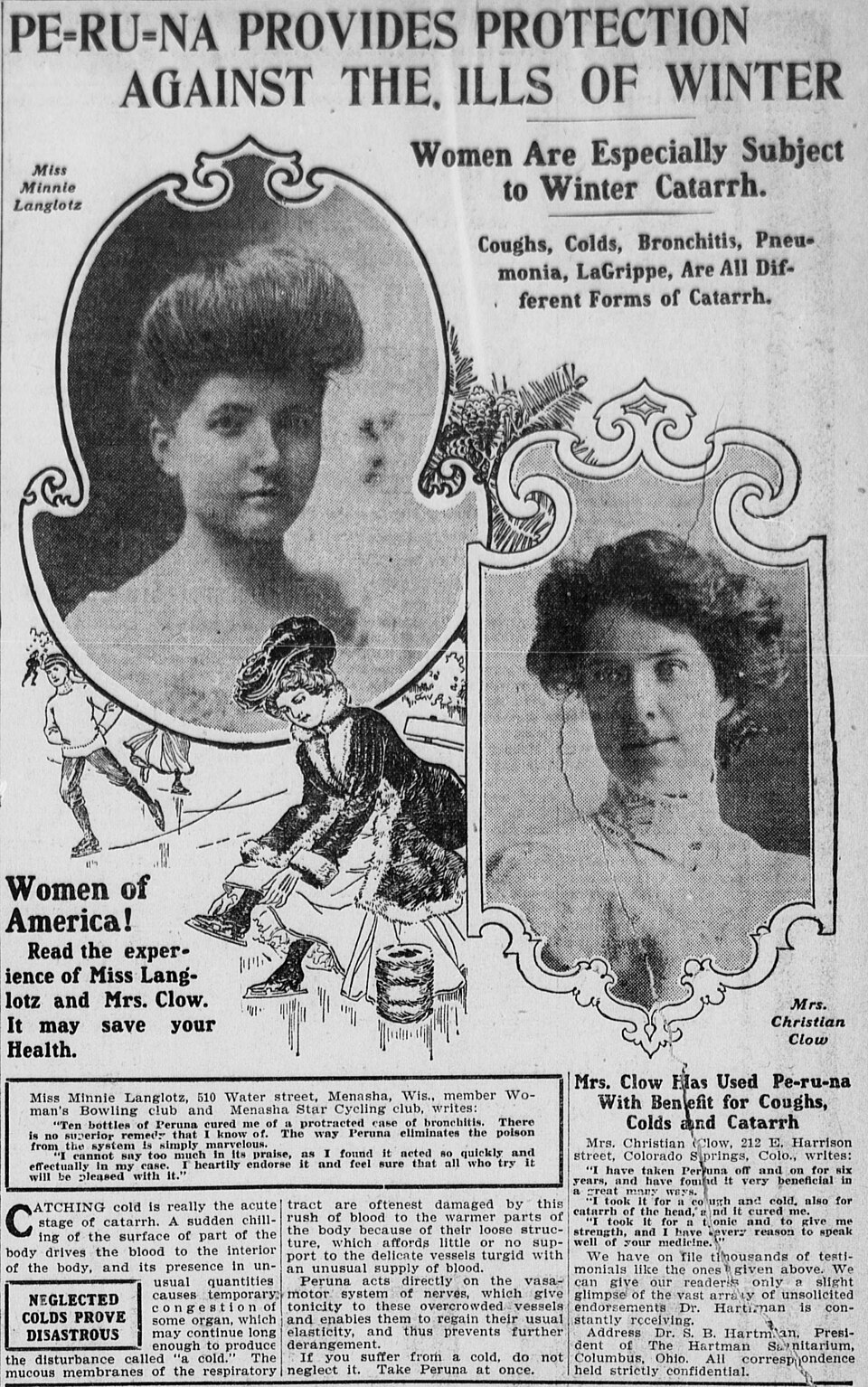
Advertisements consisted largely of letters from satisfied users, frequently with names, towns and portraits attached.
Testimonials are regulated and cannot substitute for evidence.
The testimonial is persuasive for a reason that has nothing to do with whether the product works. A named neighbour’s account is far more convincing to most people than a statistic, and it is also unfalsifiable, unrepresentative and sometimes simply invented – which makes it the ideal form of evidence for something that cannot be demonstrated.
6. People Got Better Anyway and Credited the Bottle
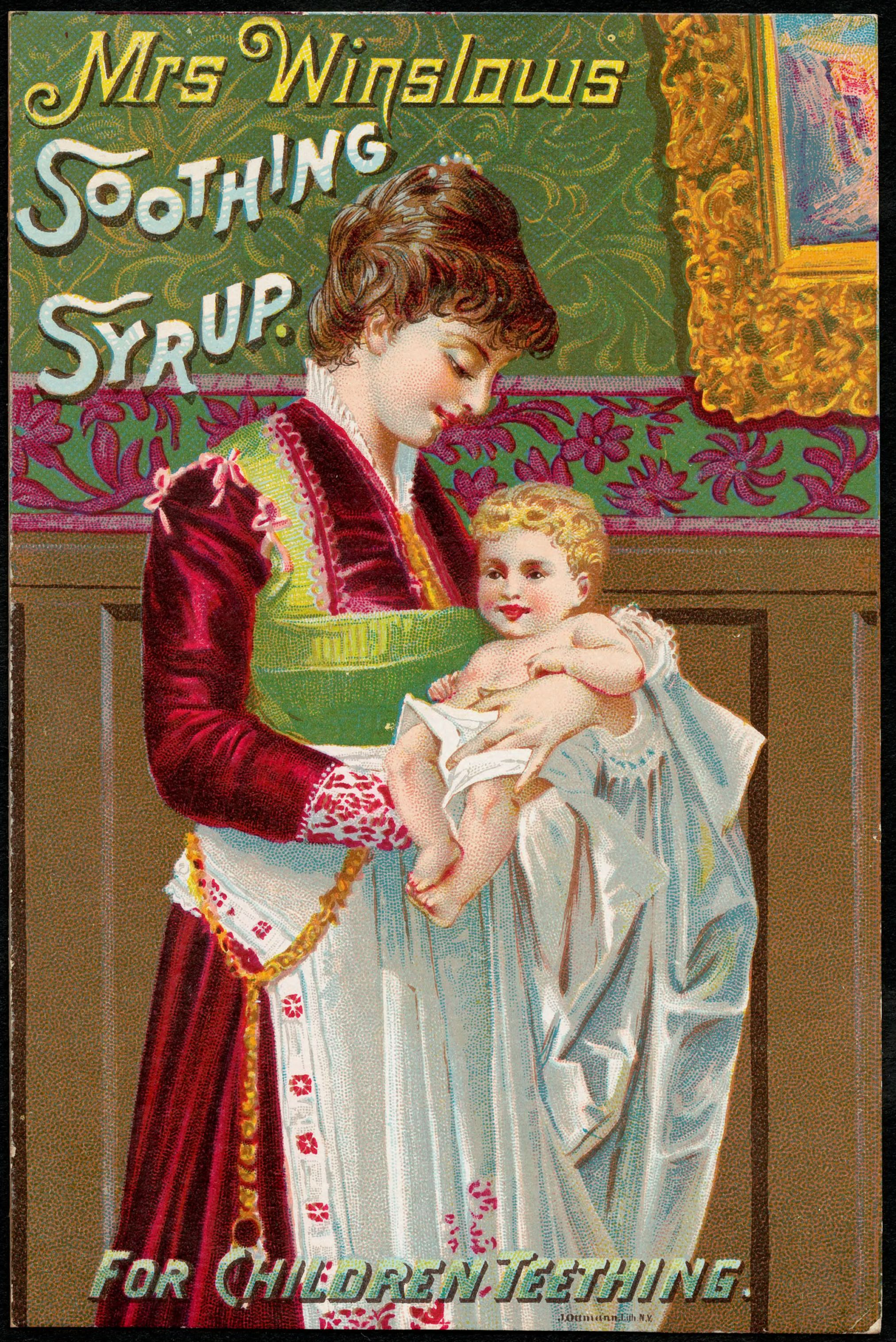
Most complaints resolve by themselves, so a remedy taken during an illness will appear to have worked most of the time regardless of what is in it.
Understood and controlled for in testing.
This is the mechanism that sustained the entire industry and it required no dishonesty from the customer. A person who takes something and then recovers has every reason to connect the two, and nobody has access to the alternative version of events where they recovered without it – which means sincere testimonials accumulate around products that do nothing at all.
7. The Travelling Show Was a Sales Technique
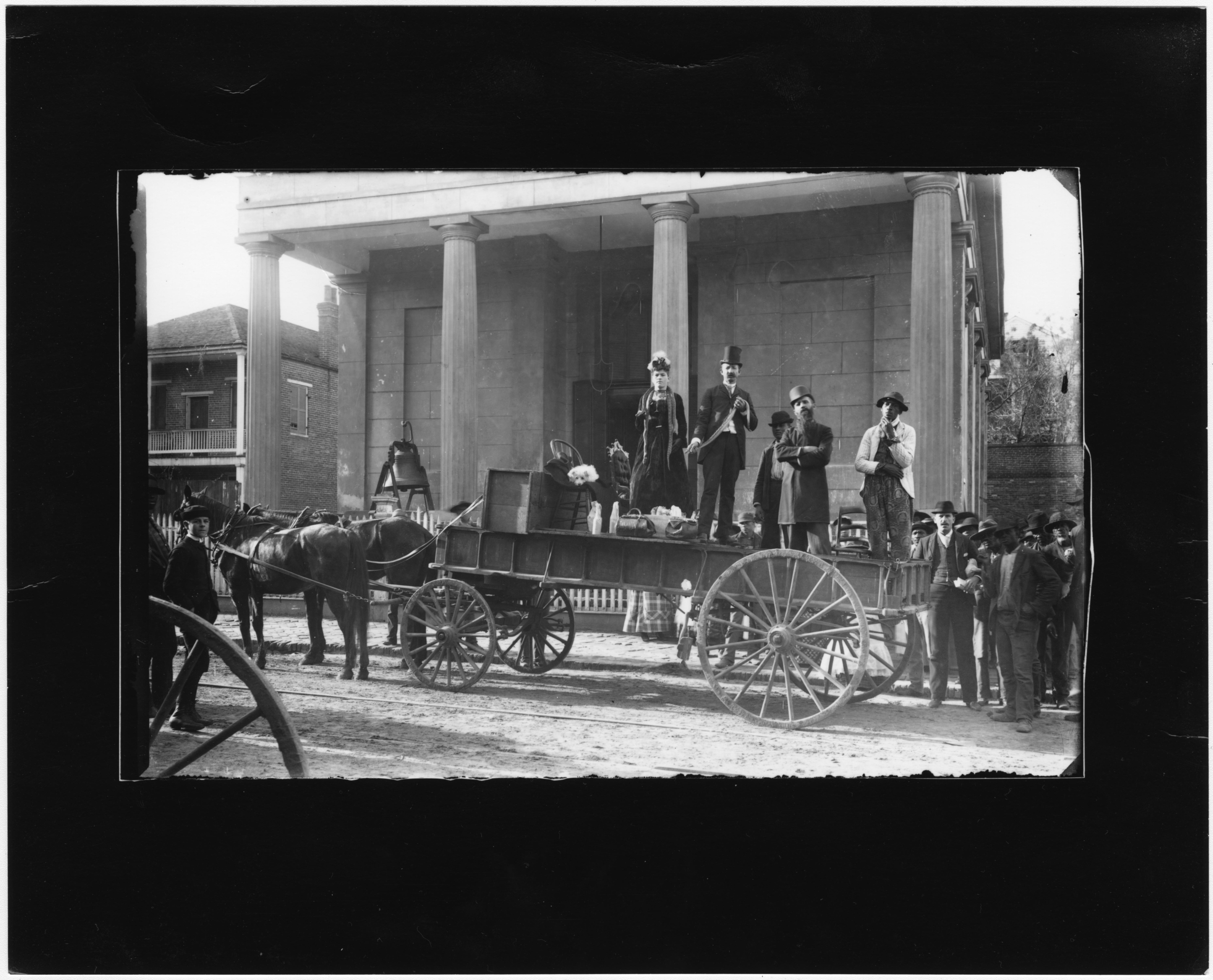
Companies sent out wagons with musicians, comedians and lecturers who drew a crowd, entertained it, and sold bottles at the end.
Not applicable.
The show is the part people remember fondly and it was a precisely engineered sales funnel. Free entertainment assembles an audience, a lecture establishes a need, and a crowd that has enjoyed itself and feels obliged is more likely to buy – which is a sequence modern selling still uses.
8. Rural Households Had No Alternative to Compare It With
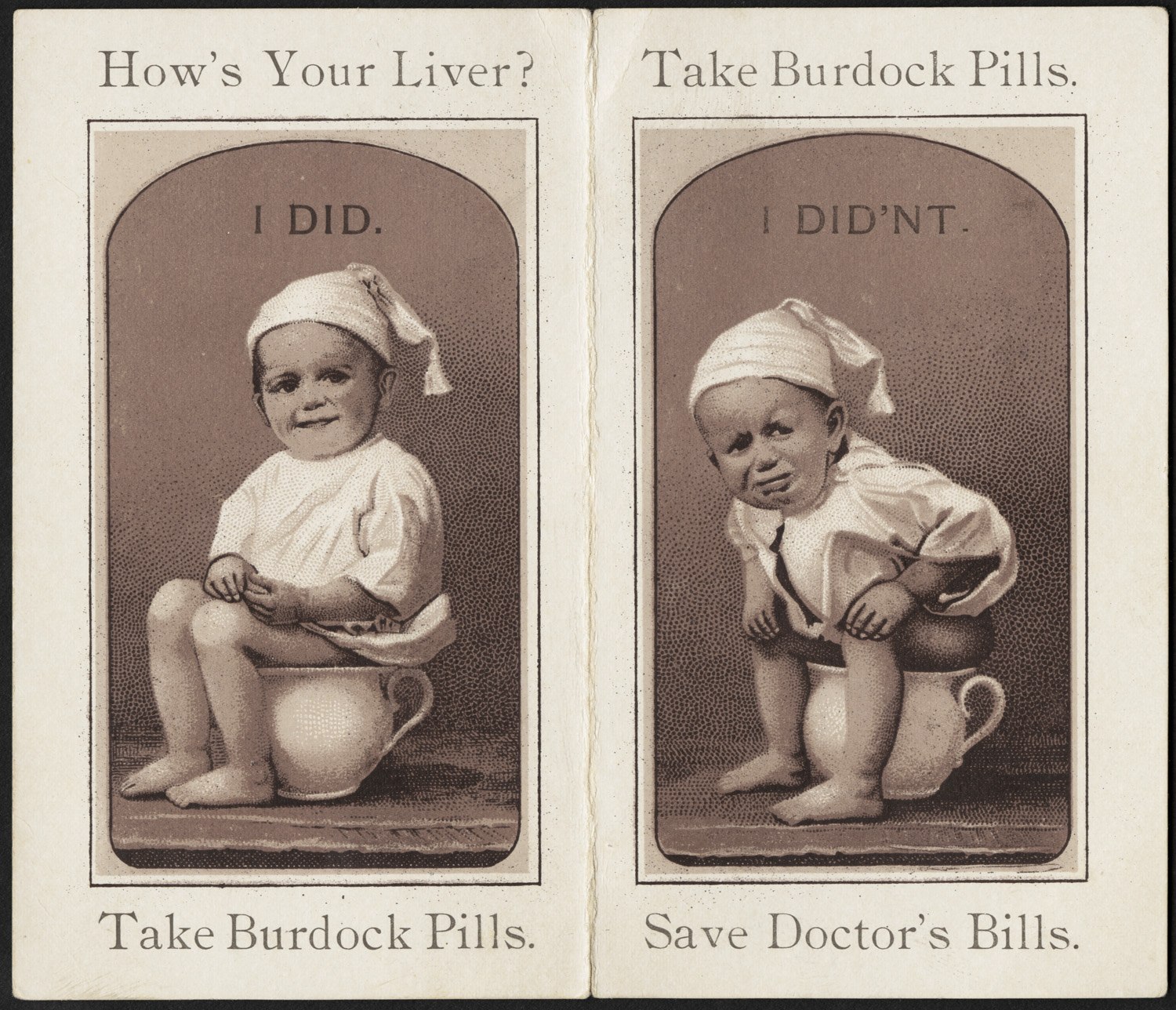
A farm a day’s travel from the nearest doctor, with no money for a visit, had a bottle on the shelf and nothing else.
Not applicable.
This is the part that has to be understood before any of it can be judged. The alternative to a patent medicine was frequently not proper treatment but nothing whatever, which means the people buying these things were making a reasonable decision under conditions of complete information scarcity – and blaming them for it is both unfair and beside the point.
9. Medicine at the Time Had Little to Offer Either
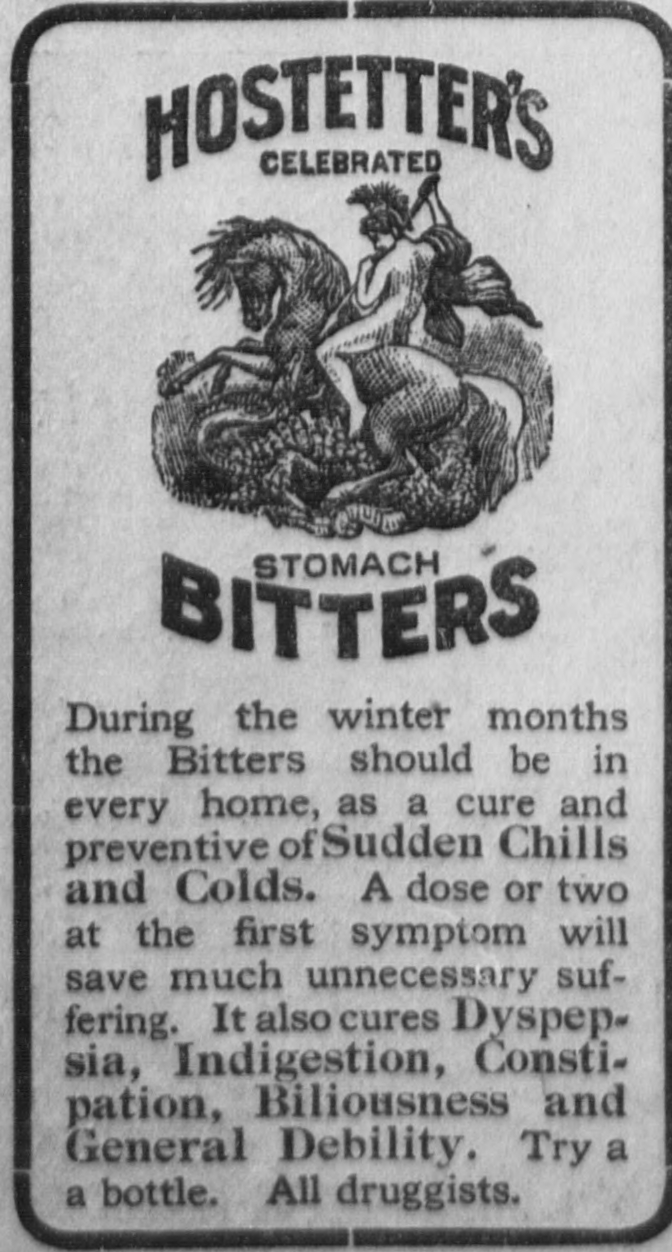
For much of the period, trained practitioners possessed few treatments that reliably worked, which narrowed the practical gap between a doctor and a bottle.
The gap is now enormous.
Stating this plainly is necessary for honesty and it is not an endorsement. A great deal of what proper practitioners did in that period was ineffective, which is precisely why the industry could flourish – and it is also why the arrival of treatments that demonstrably worked was the beginning of the end for it.
10. Some of It Was Genuinely Dangerous
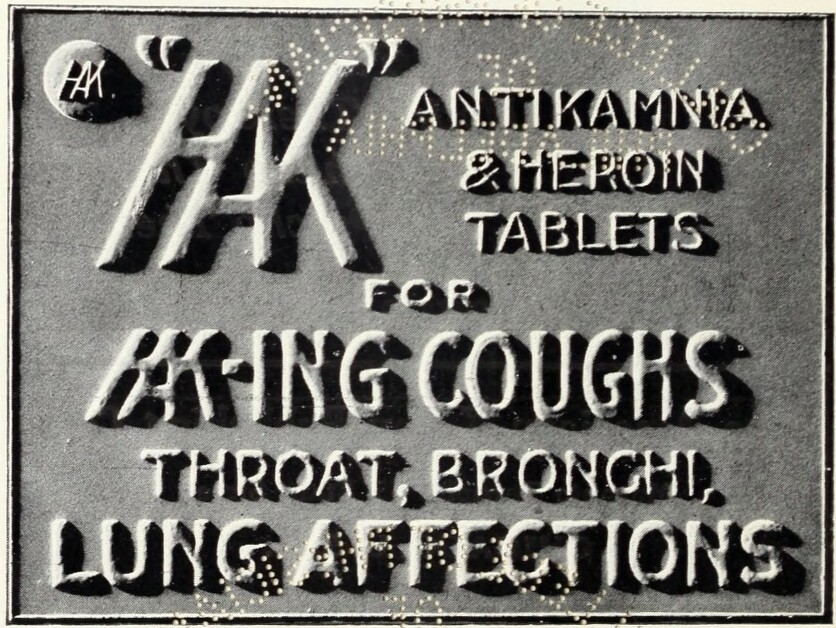
Undeclared contents meant that some products contained substances with serious effects, which households administered without knowing, including to children.
Prohibited, and controlled substances are regulated.
This has to be stated plainly and without detail. The absence of labelling meant real harm occurred, including to children, and this file names no substance and no product because naming them would be both unnecessary and unhelpful. The point is structural: a market in which contents are secret cannot be used safely by anybody, however careful.
11. The Almanac Was a Sales Catalogue
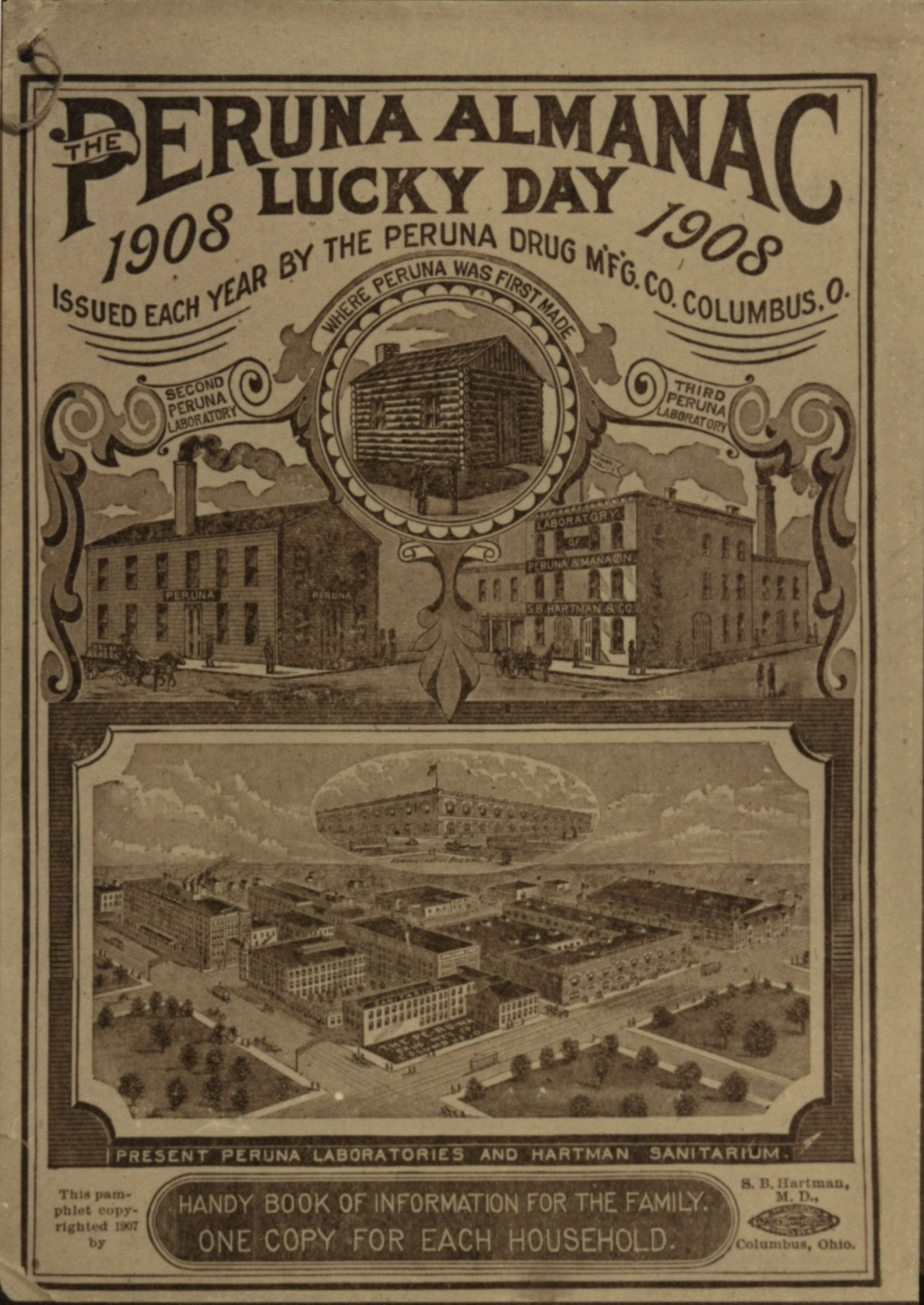
Companies published free annual almanacs with weather, planting tables, recipes and jokes, built around advertisements for their own products.
Not applicable.
The almanac is a brilliant piece of marketing and worth admiring as such. A free useful book that a household keeps all year, consults constantly and reads for entertainment is a far better advertising medium than a newspaper page – and the genuinely useful content is what got it off the shelf.
12. Then Journalists Took the Industry Apart
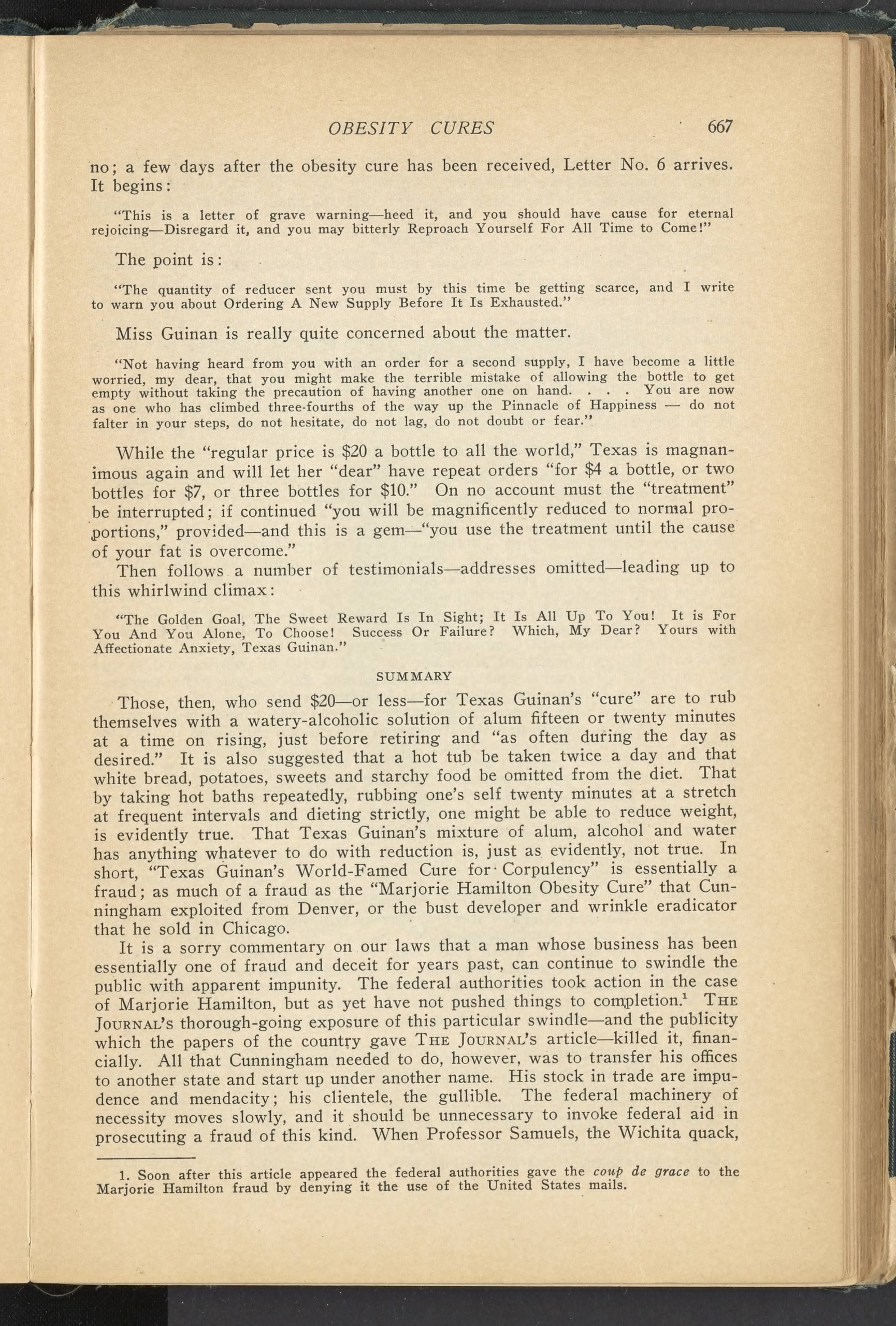
Magazine investigations analysed contents, published what was in the bottles, and connected specific products to specific harms.
Journalism continues to play this role.
The investigative work is the turning point and it came from outside the newspapers that depended on the advertising. Publishing the actual contents of a product whose selling point was that nobody knew them is a direct attack on the business model, and it worked because the facts were indefensible once stated.
13. Then the Law Required Labelling
Federal legislation forced disclosure of certain contents and restricted some claims, and later laws went considerably further.
A comprehensive regulatory framework governs medicines.
Labelling is the decisive intervention and the reason is simple. The industry’s whole position rested on asymmetric information, so a law requiring the contents to be printed on the bottle destroyed the advantage directly – without needing to prove anything about efficacy at all.
14. Then Treatments That Actually Worked Arrived
Drugs with demonstrable effects on specific conditions changed what medicine could do, and a bottle claiming to treat forty complaints could no longer compete with something that treated one.
Standard.
Effective medicine is the final cause and it is the most complete one. Regulation removed the secrecy and journalism removed the credibility, but what truly ended the industry was the arrival of alternatives that worked – at which point a product with no specific effect had nothing left to sell.
15. Some Brands Survived by Becoming Something Else
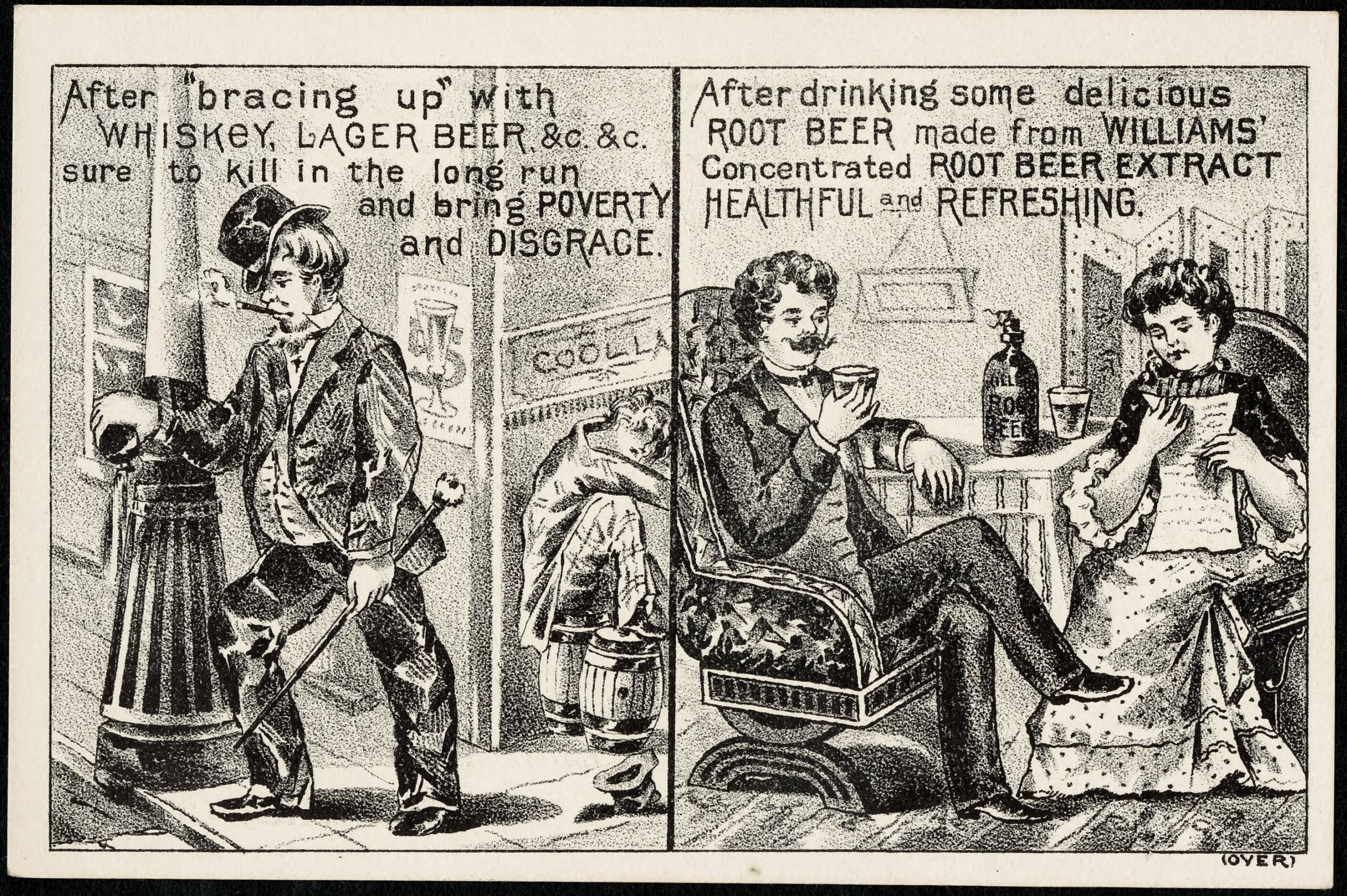
A number of products remained on sale by dropping their medical claims and continuing as flavourings, tonics, soft drinks or mild over-the-counter preparations.
Several familiar products have this history.
The survivals are the most interesting footnote in the whole story. A product with a well-known name, an established distribution network and nothing much in it can be repositioned as something harmless – and a number of entirely respectable modern items began as bottles claiming to cure things.
16. And by 1964 It Was History With Living Witnesses
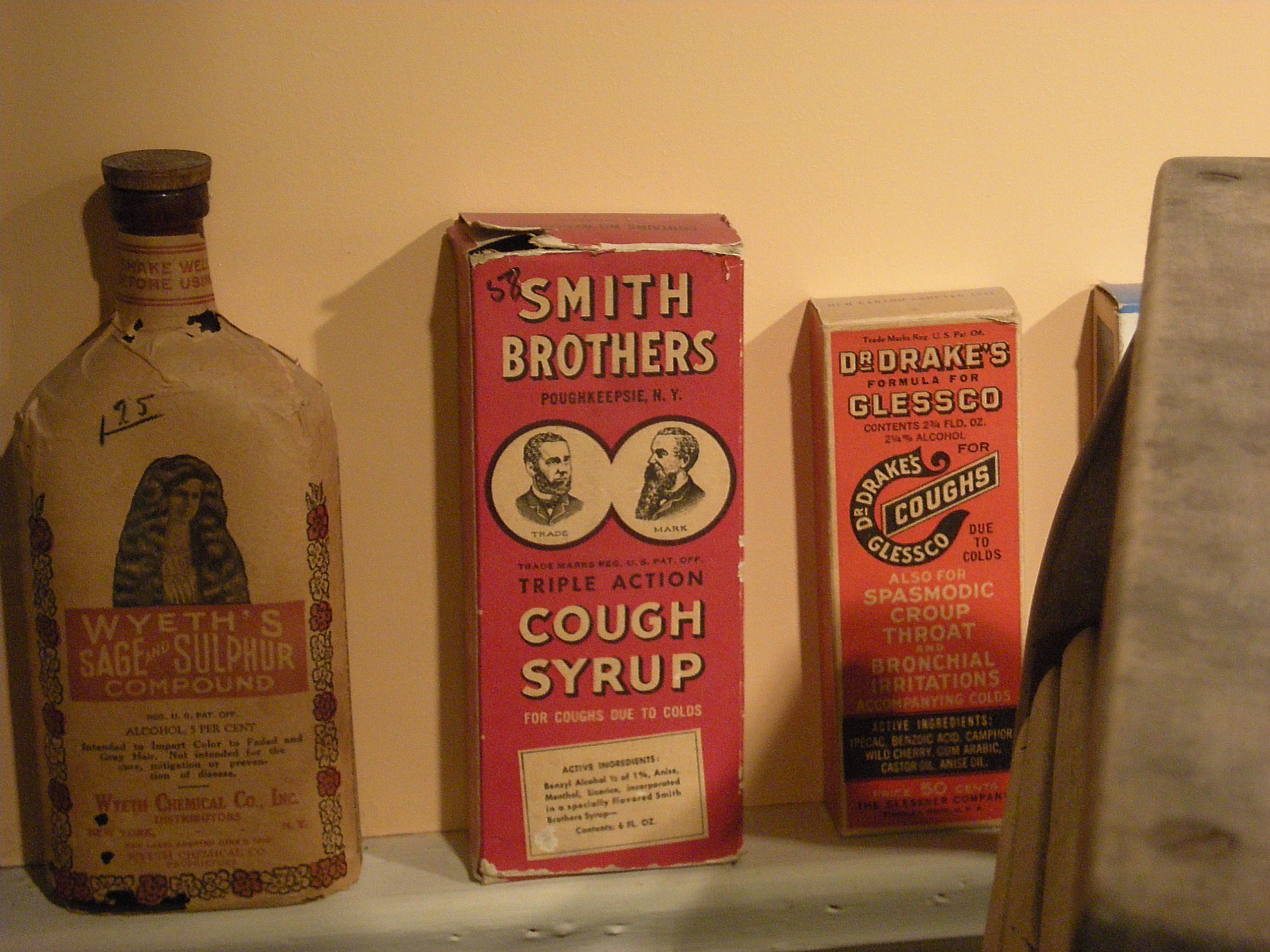
The industry had been dismantled for decades, but people were alive who remembered the wagons, the almanacs and the bottle on the shelf, and the bottles themselves had become collectables.
Thoroughly historical, with the bottles collected.
And what deserves the last word is that this was not a story about gullible people. An American household far from any doctor, with no money, no way of knowing what was in anything and no way of finding out, bought a bottle that promised to help – and most of the time the illness resolved on its own and the bottle got the credit. The sellers understood every part of that and built an advertising industry on it, funded the newspapers that might have questioned them, and sent out shows that entertained people into buying. What ended it was a combination of journalists publishing the contents, a law requiring the contents to be printed, and medicine finally having something to offer that worked. All three were necessary. And the reason the subject still matters is that the underlying situation – a confident claim, an unverifiable product, a buyer with no way to check, and an illness that was going to improve anyway – is not a historical curiosity. It is a permanent feature of how people are sold things.
It Was Never a Story About Gullible People
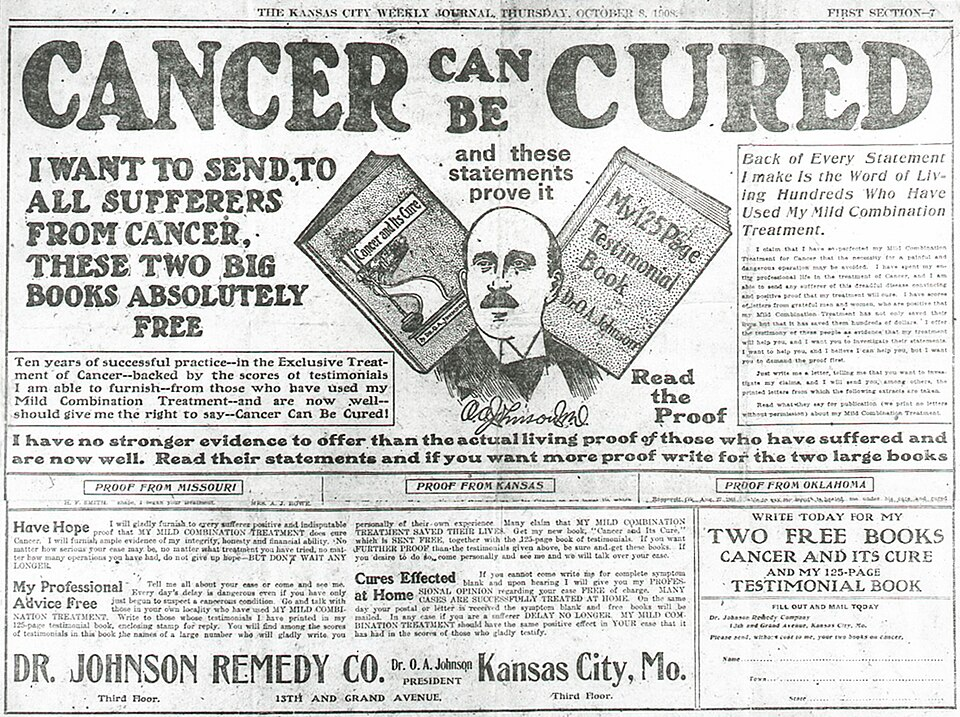
Patent medicine is usually told as a story about how foolish people used to be. It is actually a story about information, and the people buying the bottles come out of it far better than the people selling them.
Start with the two facts that made the industry possible.
The claims were enormous – labels listing forty unrelated complaints, because a remedy sold for one condition reaches fewer buyers than one sold for forty. And the contents were secret, because nobody had to declare them. Which means a purchaser could not tell a harmless flavoured syrup from something containing a powerful drug. Informed consent was impossible in principle.
From there the economics follow. If the contents are cheap and the claims unverifiable, the only thing distinguishing one bottle from another is how many people have heard of it – so these were advertising businesses with factories attached. Enormous sums went into newspaper space, almanacs, trade cards, painted barns and roadside signs.
And that advertising paid for the newspapers. A publication dependent on a whole category of advertiser has a structural reason not to investigate that category, which is why exposure took so long and why it came from outside the newspaper business rather than inside it.
The evidence offered was the testimonial – letters from satisfied users, with names, towns and portraits. Which is persuasive for reasons unconnected to whether anything works: a named neighbour’s account convinces most people more than a statistic, and it is also unfalsifiable, unrepresentative and sometimes invented.
Then the mechanism that sustained all of it, which required no dishonesty from anybody buying.
Most complaints resolve by themselves. So a remedy taken during an illness will appear to have worked most of the time regardless of its contents. A person who takes something and recovers has every reason to connect the two, and nobody has access to the version of events where they recovered anyway. Sincere testimonials accumulate around products that do nothing.
The travelling show was a sales technique rather than a charming curiosity – and a precisely engineered one. Free entertainment assembles a crowd, a lecture establishes a need, and an audience that has enjoyed itself and feels slightly obliged is more likely to buy. Modern selling still uses that sequence.
The almanac deserves genuine admiration as marketing. A free useful book with weather, planting tables, recipes and jokes, which a household keeps all year and consults constantly, is a far better advertising medium than a newspaper page – and the useful content is exactly what got it off the shelf.
Now the two things that have to be said before any of this can be judged.
A farm a day’s travel from the nearest doctor, with no money for a visit, had a bottle on the shelf and nothing else. The alternative to a patent medicine was frequently not proper treatment but nothing at all. And for much of the period, trained practitioners had few treatments that reliably worked either, which narrowed the practical gap between a doctor and a bottle considerably. Neither of those is an endorsement – but they mean the people buying were making a reasonable decision under total information scarcity, and blaming them is both unfair and beside the point.
The harm was real, though, and it should be stated plainly. Undeclared contents meant some products contained substances with serious effects, administered by households that did not know, including to children. The point is structural rather than a matter of carelessness: a market in which contents are secret cannot be used safely by anybody, however careful they are.
Three things ended it, and all three were necessary.
Magazine journalists analysed the bottles and published what was in them – a direct attack on a business model whose selling point was that nobody knew. Then federal law required disclosure and restricted some claims, which destroyed the asymmetry without needing to prove anything about efficacy. Then treatments arrived that demonstrably worked on specific conditions, at which point a product claiming forty effects and having none had nothing left to sell.
A number of brands survived by dropping the medical claims entirely and continuing as flavourings, tonics, soft drinks or mild preparations – which is the best footnote in the whole story, since several entirely respectable modern products began as bottles that promised to cure things.
And the reason any of this still matters is not historical.
A confident claim, a product nobody can verify, a buyer with no way to check, and a complaint that was going to improve on its own. That is not a curiosity from the age of painted barns.
It is a permanent feature of how people are sold things.
If an old barn near you has faded writing on it, that was probably advertising a remedy.
The company paid the farmer, and the paint has outlasted the product by a century.
Like our content? Follow us for more.