A shovel makes the wrong shape of hole entirely, and that is why a special tool had to exist.
The problem is geometry. A shovel enters at an angle and has to withdraw along the same path to bring its load out, so every stroke widens the top of the hole – and what you end up with is a funnel. A funnel is the worst possible shape for setting a post, and no amount of care produces anything else.
What a post needs is a hole barely larger than itself with walls going straight down, because then the material packed back in around it is confined, and confined material can be compacted. In a funnel there is nothing for the fill to press against except more fill, so it can never be made tight. Here are twelve things every farmer knew.
1. A Shovel Makes the Wrong Shape of Hole Entirely
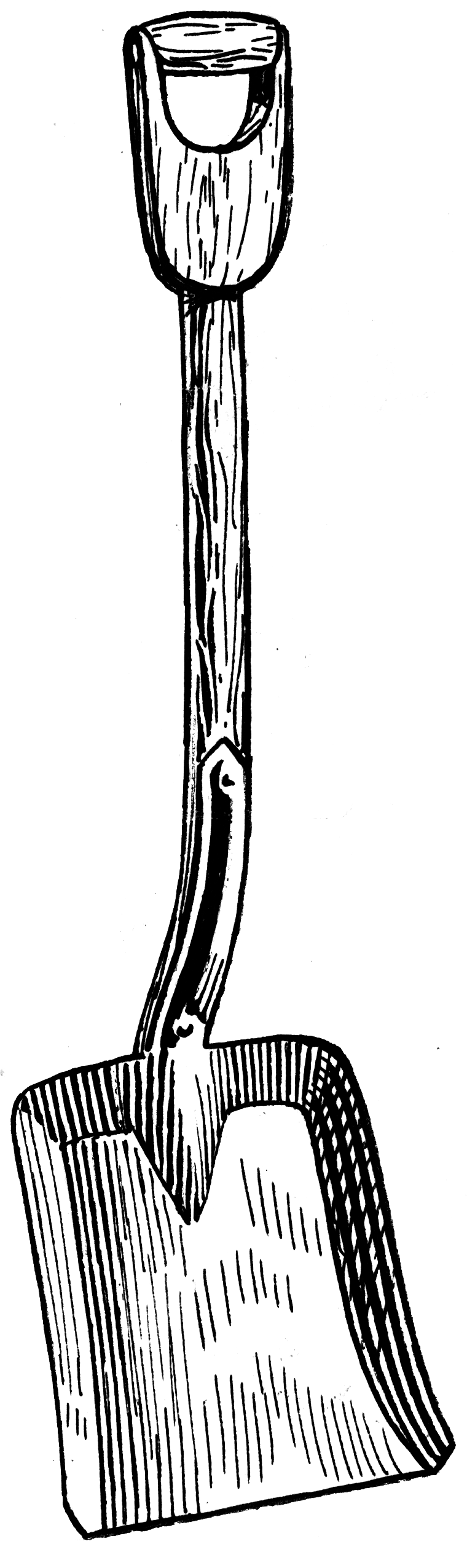
Digging with a shovel produces a wide cone, because a shovel has to be able to come back out with its load, and a post needs a narrow hole with vertical walls.
Powered augers on a tractor.
Start with why a special tool existed at all, because a shovel seems like it ought to do. The problem is geometry: a shovel enters at an angle and must withdraw along the same path, so every shovelful widens the top of the hole, and what you end up with is a funnel. A funnel is the worst possible shape for setting a post, and no amount of care with a shovel produces anything else.
What a post actually needs is a hole barely larger than itself, straight-sided from top to bottom. That way the material packed back in around the post is confined, and confined material can be compacted. In a funnel there is nothing for the fill to press against except more fill, which means it can never be made tight.
Like our content? Follow us for more.
2. The Clamshell Digger Lifted Soil Straight Up
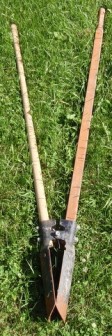
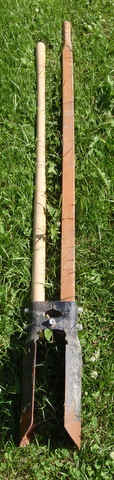
Two hinged blades on long handles were driven down, closed on the soil between them, and lifted out vertically with the spoil held between the jaws.
Not applicable in the same form.
The mechanism solves exactly the problem the shovel creates, and it is a genuinely clever bit of design. Because the blades close on each other rather than scooping sideways, the tool removes material from directly beneath itself and comes straight back up the hole it made. Nothing widens, and the walls stay where they are.
Opening the handles closes the jaws and closing the handles opens them, which is the part that confuses anybody picking one up for the first time. The handles cross at the hinge, so the motion is reversed – and once you know that, the whole operation reads correctly: drive down with the handles together, spread them to bite, lift with them spread, and bring them together to drop the spoil.
3. The Hole Got Harder the Deeper It Went
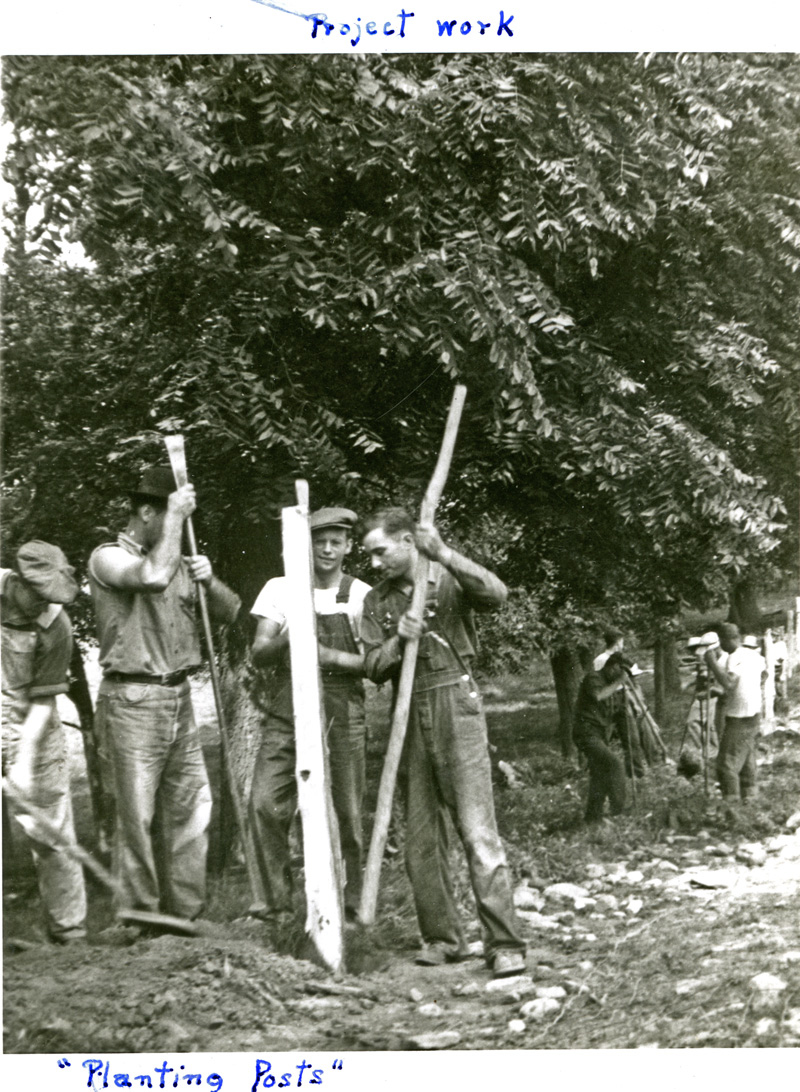
At full depth the operator is working at arm’s length down a narrow shaft, with soil that is wetter, denser and sometimes stony, and with no room to use any force sideways.
Not applicable.
The difficulty curve is the thing anybody who has done this remembers, and it is not linear. The first foot is easy, the second is work, and the last is unpleasant – partly because the soil below the worked layer is undisturbed and compact, and partly because the operator’s purchase gets worse with every inch as more of the handles disappear into the ground.
There is also the matter of what comes up. Deeper soil is heavier, wetter and more likely to stick in the jaws, so the tool stops releasing its load cleanly and each lift has to be shaken or scraped out. At the bottom of a deep hole the operator is lifting a few handfuls at a time, which is why the last stretch takes as long as everything above it.
4. The Spud Bar Did the Work the Digger Could Not
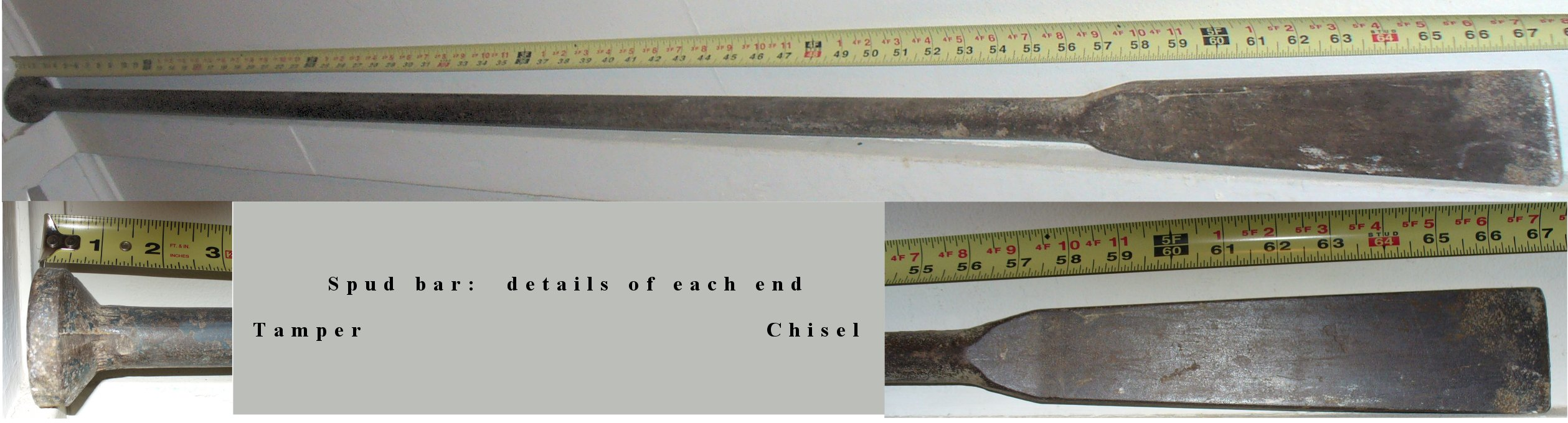
A heavy iron bar with a chisel or point at one end was dropped into the hole to break stones, cut roots and loosen packed ground so the jaws could take it.
Not applicable in the same way.
The bar is the other half of the kit and the pair is what made hole digging possible in real ground. A clamshell digger grips and lifts, which works beautifully in soil and not at all against anything solid – so the bar exists to convert what the digger cannot handle into what it can.
It works by weight rather than by swing, which is the important point about using one. Lifting a heavy bar a short way and letting it drop delivers a concentrated blow at the bottom of a narrow shaft where no swinging tool could reach, and it does so with a minimum of effort from the operator, who is essentially raising and releasing a falling mass rather than striking anything.
5. Depth Was Decided by Frost, Not by the Post
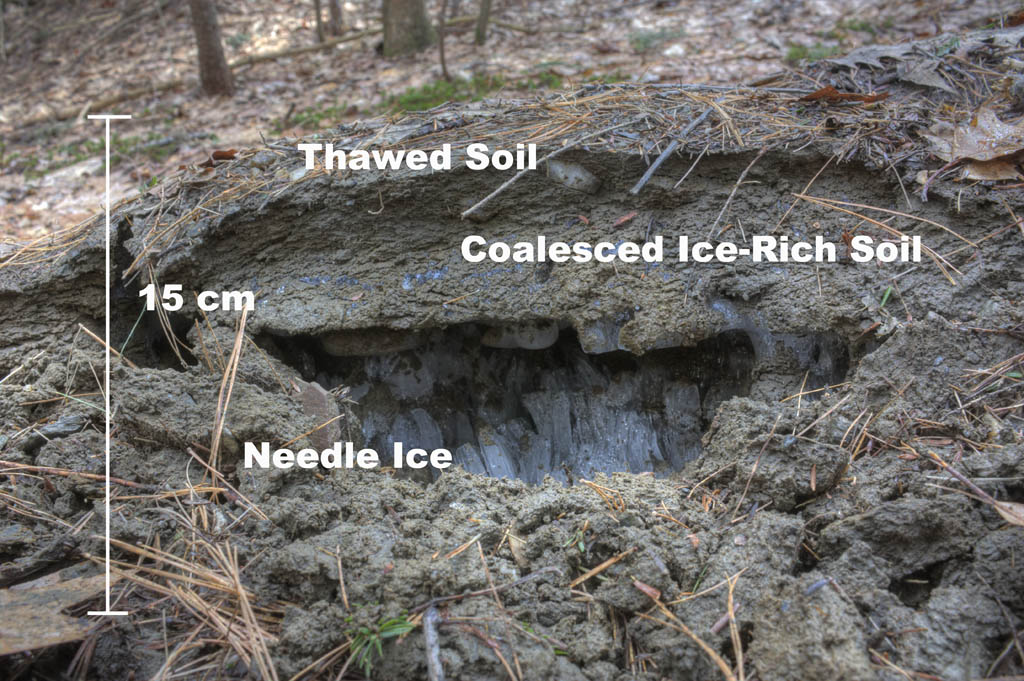
A hole had to go below the depth to which the ground froze, because ground that freezes expands and will lift anything set above that line.
The same requirement.
This is the fact that governed the whole job and it is the one most people never learn. Freezing soil expands, and expanding soil pushes upward on anything embedded in it – so a post set shallow is gradually jacked out of the ground over successive winters, a little at a time, until it is loose and leaning.
Which means the required depth had nothing to do with the height of the post or the load on it. It was a property of the location, and everybody who built fences in a cold climate knew their local number without ever having read it anywhere. Digging deeper than necessary is wasted work; digging shallower is work that will have to be done again.
6. Backfilling Was Done in Layers and Tamped Each Time
Material went back in a few inches at a time and was packed down before the next lot, because a hole filled all at once cannot be compacted at the bottom.
Concrete, often.
The tamping is where a post is actually made solid, and it is the step people skip and then regret. Loose fill in a hole supports nothing: it settles, water runs down through it, and the post works back and forth in a sleeve of mud. Packed fill becomes something close to the ground it came out of.
And it can only be done in layers because a tamping bar reaches the top of whatever is in the hole, not the bottom. Dump the whole lot in and the upper few inches get compacted while everything below stays loose – which produces a post that feels firm when you push it and falls over in a year. This is the single clearest case in all of fencing of a shortcut that costs more than it saves.
7. Soil Decided How Bad the Day Would Be
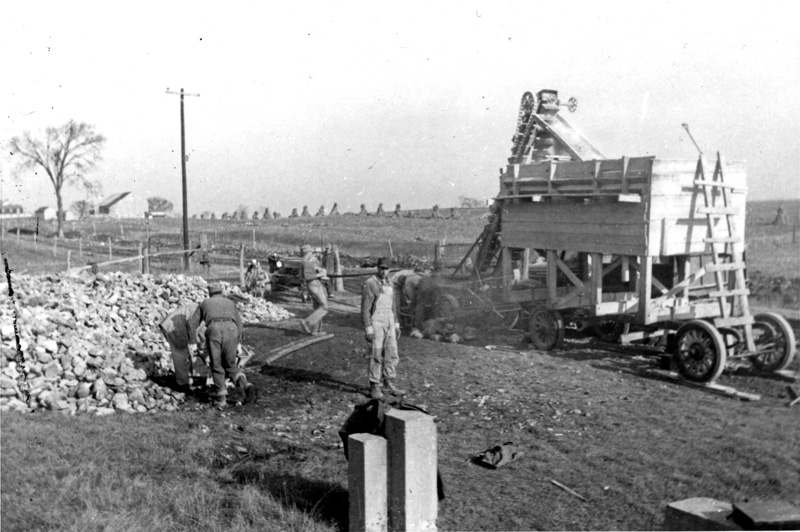
Loose sandy ground collapsed its own walls, clay came out in sticking lumps and would not release from the jaws, and stony ground defeated the digger entirely.
Mechanised, but still true.
Ground type is the variable that turned the same job into three completely different jobs, and nobody got to choose. Sand digs easily and will not hold a wall, so the hole caves in as fast as it is made and has to be dug wider than it should be. Clay holds a perfect wall and clings to everything, so every lift ends with the operator scraping the jaws.
Stone is the one that stops the work. A rock larger than the jaws can neither be gripped nor lifted, so it has to be broken with the bar or worked loose around its edges and levered out – and a single large stone at depth can cost more time than the rest of the hole. There was no way to know what was down there until the tool found it.
8. The Line Was Set Before Any Hole Was Dug
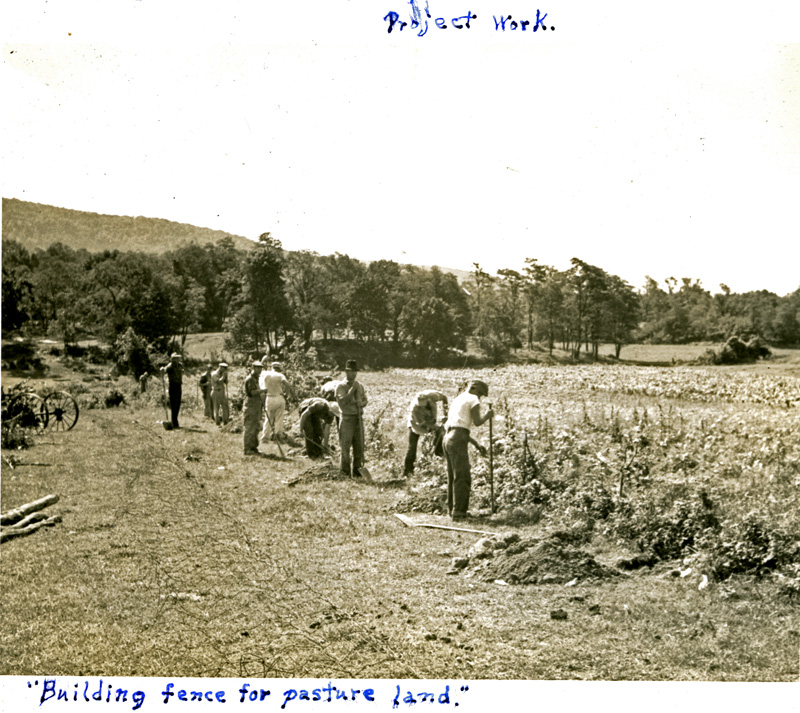
Stakes and a string established where every post would stand, because a hole in the wrong place cannot be moved and a crooked fence is permanent.
The same practice.
Laying out first is the discipline that separates a fence that looks right from one that does not, and the reason is that a dug hole is a decision you cannot take back. Soil that has been removed and replaced is never as firm as soil that was never touched, so a post moved a foot sideways is standing next to a soft spot.
The spacing mattered as much as the line. Posts too far apart let the wire sag and the fence loses its tension between them; posts too close is wasted timber and wasted digging. So the layout was a calculation about what the fence was for, made with string and stakes before a single blade went into the ground.
9. Corner Posts Were a Different Problem Altogether
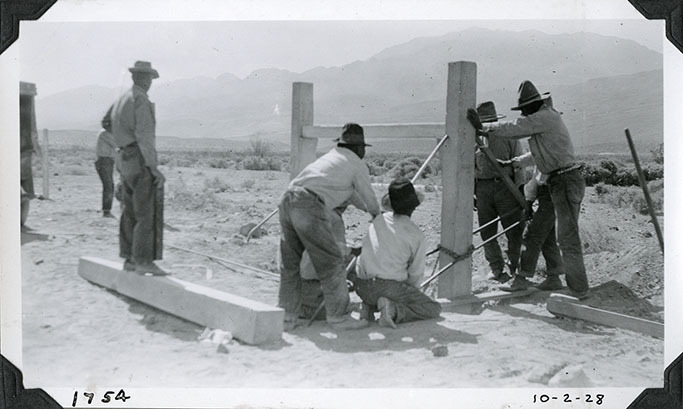
A corner or an end post carries the pull of every wire in the run, so it needed a bigger hole, a deeper setting and usually a brace.
The same, with engineered assemblies.
The load distinction is the piece of structural reasoning at the heart of fence building and it is worth stating plainly. A line post only holds wire up; it is loaded sideways hardly at all, because the pull from one direction is balanced by the pull from the other. A corner post has pull from two directions with nothing opposing it, and an end post has pull from one direction with nothing at all.
Which is why those posts got the serious work. A deeper hole, a heavier timber and a brace running back along the line – because the brace converts a bending load at the top of the post into a push against the ground some distance away, which is something soil is much better at resisting. Getting a corner wrong means the whole run goes slack.
10. It Was the Work Nobody Wanted and Everybody Did
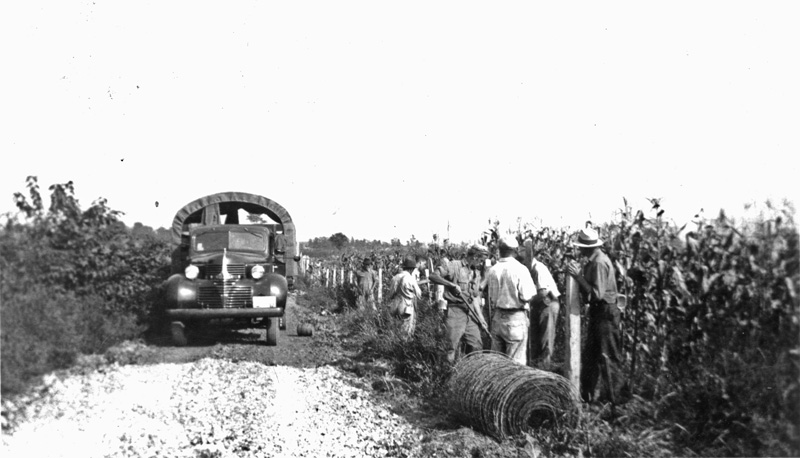
Digging holes by hand in a line across a field, in whatever ground and weather there was, is among the least pleasant jobs in farming.
Largely eliminated.
It should be said without decoration that this was miserable work. It is repetitive, it is heavy, it is done bent over a hole in full sun or cold wind, and the reward for finishing one hole is beginning the next – and a fence line is not measured in holes but in dozens of them.
It also could not be put off indefinitely, which is the other half of the misery. Fences fail at the posts, livestock find the failure quickly, and a fence down is a problem that compounds by the hour – so the digging happened when it had to happen rather than when the ground was pleasant to work, which in practice meant it was often done in exactly the conditions that made it hardest.
11. Then a Tractor-Mounted Auger Ended It in an Afternoon
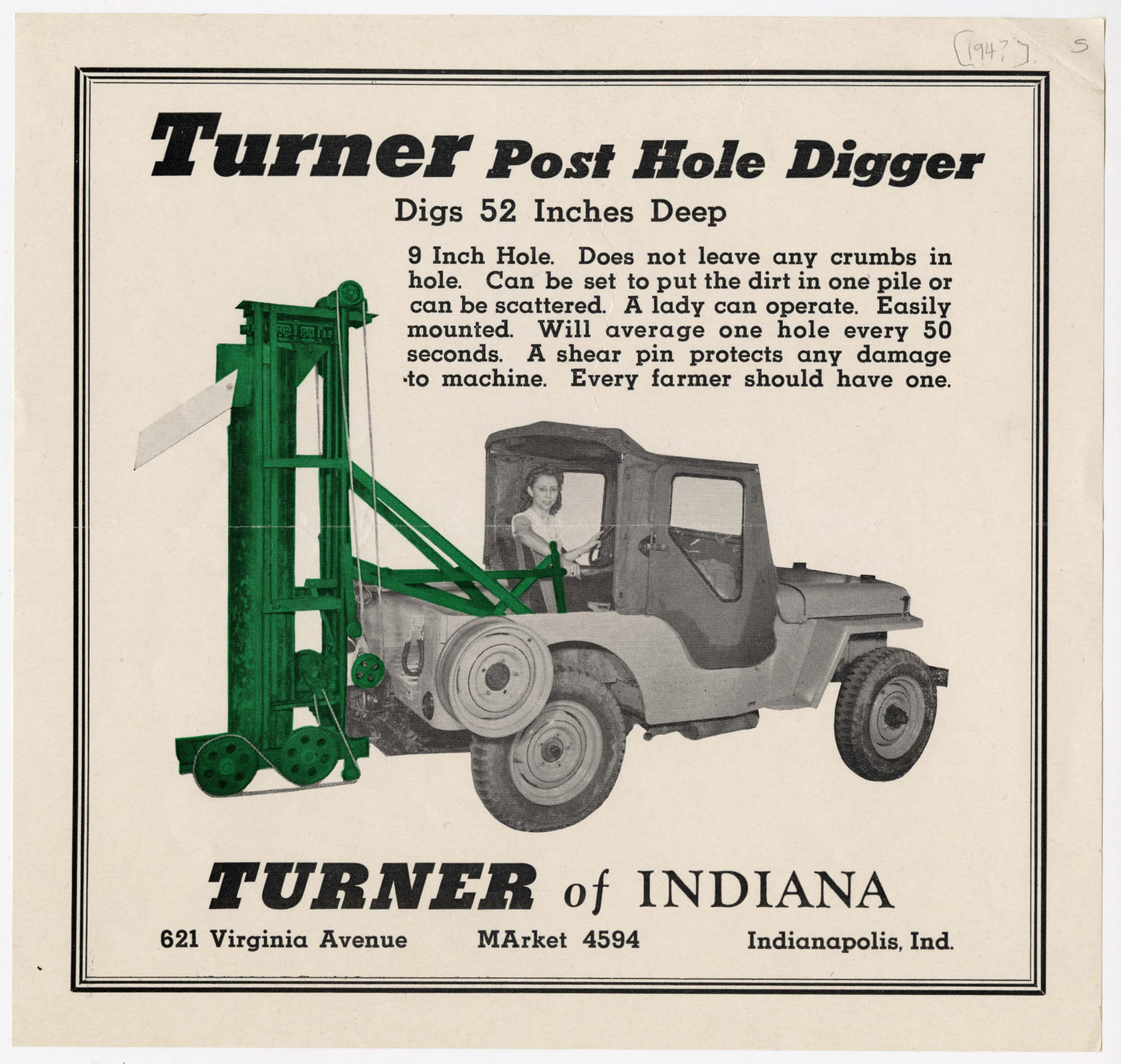
A powered auger turning a helical bit cuts a clean vertical hole in seconds, with the spoil carried up the flights rather than lifted by anybody.
Universal.
The replacement is total and it deserves recognition for what it changed. An auger does not merely dig faster – it removes the depth penalty entirely, because the flights carry spoil up continuously and the machine does not care how far down it is. The hardest part of the hand job, the last foot, becomes indistinguishable from the first.
What it does not solve is stone, which is the one honest limitation. An auger meeting a rock either stops, climbs out of its own hole or breaks something, so the bar is still in the back of the truck – which means the oldest tool in the kit outlasted every other part of the process.
12. And by 1964 the Digger Hung Up in the Shed
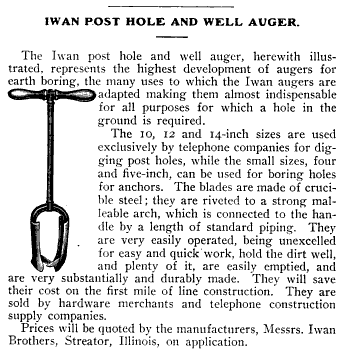
Clamshell diggers stayed on shed walls because they were still the only way to put a hole somewhere a tractor could not go.
Still sold, still used occasionally.
And what deserves the last word is that the whole job was about one shape. A post does not hold because it is deep and it does not hold because it is heavy – it holds because the material packed around it is confined and compacted, and that is only possible in a hole barely bigger than the post with walls going straight down. A shovel cannot make that hole, because a shovel must come out the way it went in and so widens the top with every stroke. The clamshell digger can, because its blades close on each other and lift straight up the shaft they cut.
Everything else in the job follows from that shape and from one other fact, which is that freezing ground expands and will slowly push a shallow post out over successive winters, a little each year. So depth was a property of the place rather than of the post, the fill went back in layers because a tamping bar only reaches the top of what is in the hole, and the bar did the work the jaws could not against stone and roots.
And the line was laid out with string first, because a dug hole is a decision that cannot be reversed – disturbed soil never regains the firmness of soil that was never touched. Corner and end posts got the deep holes and the braces, since they carry a pull with nothing opposing it while a line post carries almost none. Then a powered auger removed the depth penalty altogether and the work went in an afternoon, leaving one thing behind: the iron bar, still in the truck, because nothing has ever been invented that gets a rock out of a hole.
The Whole Job Was About One Shape
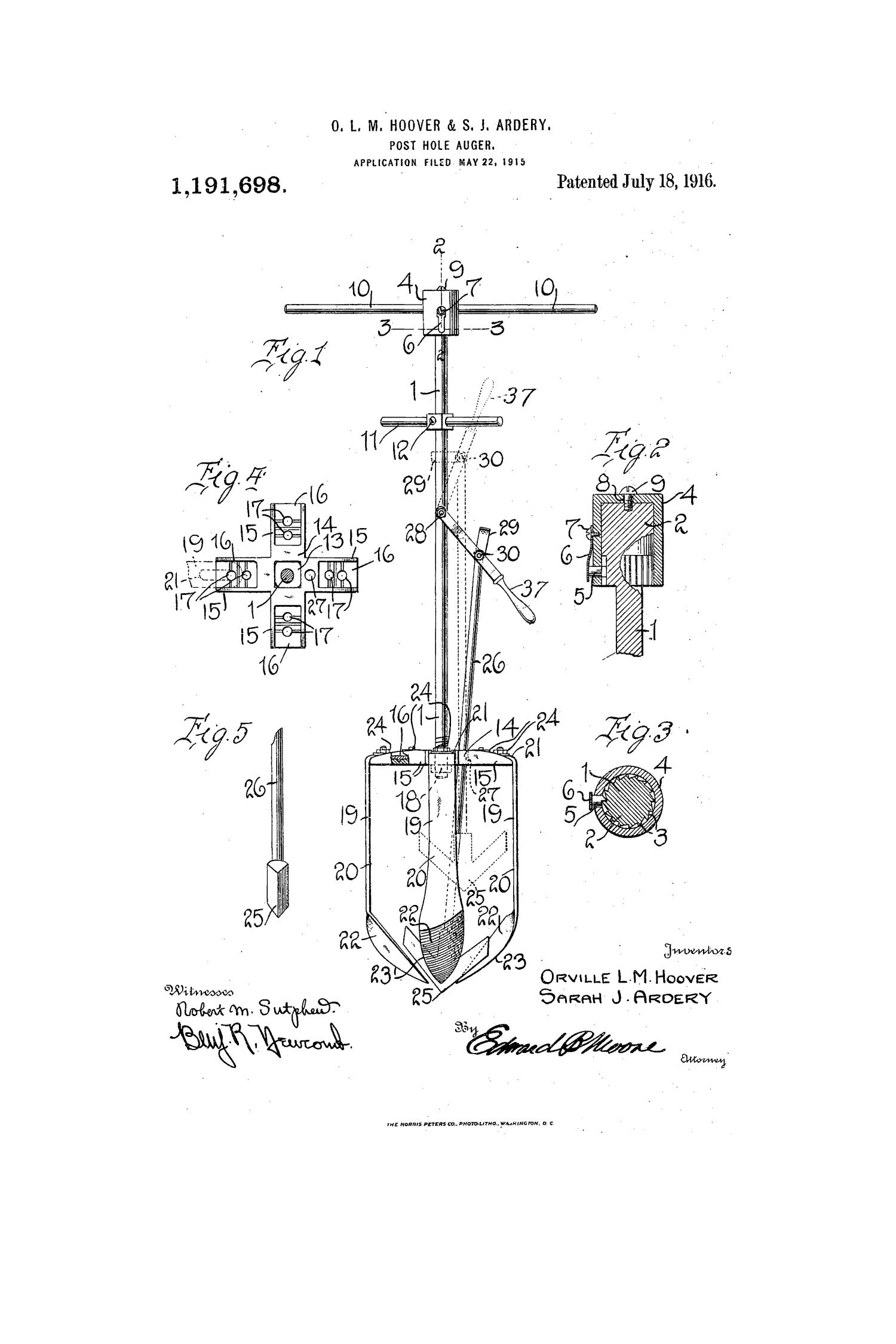
Digging a post hole looks like the least sophisticated work on a farm, and it rests on a piece of reasoning most people never encounter.
Start with why a post holds at all. Not because it is deep, and not because it is heavy. It holds because the material packed around it is confined and compacted – and that is only possible in a hole barely bigger than the post, with walls running straight down.
Which is why a shovel is the wrong tool. A shovel enters at an angle and must come out along the same path carrying its load, so every stroke widens the top. The result is a funnel, and in a funnel the fill has nothing to press against but more fill. It can never be made tight, however carefully it is dug.
The clamshell digger solves exactly that. Two hinged blades on long handles are driven down, closed on the soil between them, and lifted straight back up the shaft they cut. Nothing scoops sideways, nothing widens, and the walls stay where they are. The handles cross at the hinge, so spreading them closes the jaws – which confuses everybody the first time and makes complete sense once known.
Then the job gets harder the further down it goes, and not in a straight line. The soil below the worked layer is undisturbed and dense, it is wetter and heavier, it sticks in the jaws instead of dropping out, and the operator’s purchase gets worse with every inch as more of the handle length disappears into the ground. At the bottom of a deep hole somebody is lifting a few handfuls at a time, which is why the last foot takes as long as everything above it.
Which is where the bar comes in, and the bar is the other half of the kit. A heavy iron bar with a point or chisel end, dropped rather than swung, delivers a concentrated blow at the bottom of a narrow shaft where no swinging tool could reach. It breaks stone, cuts roots and loosens packed ground – it converts what the jaws cannot handle into what they can.
Now the fact that governed everything, and most people never learn it. Depth was decided by frost, not by the post. Freezing soil expands, and expanding soil pushes upward on whatever is embedded in it, so a post set above the frost line gets jacked out of the ground a little each winter until it stands loose and leaning. The required depth was therefore a property of the location rather than of the post or its load – and every fence builder in a cold climate knew the local number without having read it anywhere.
Backfilling is where the post is actually made solid, and it is the step people skip. Material goes back a few inches at a time and gets packed before the next lot, because a tamping bar reaches the top of what is in the hole and not the bottom. Fill the whole thing at once and the upper few inches compact while everything below stays loose – which gives a post that feels firm when pushed and falls over within the year. Loose fill settles, water runs down through it, and the post works back and forth in a sleeve of mud.
The ground itself decided how bad the day would be, and nobody got to choose. Sand digs easily and will not hold a wall, so the hole caves in as fast as it is made. Clay holds a beautiful wall and clings to everything, so every lift ends with somebody scraping the jaws. And stone stops the work entirely – a rock bigger than the jaws can be neither gripped nor lifted, so it has to be broken or levered out, and one large stone at depth can cost more time than the rest of the hole.
Two things were settled before any digging started.
The line was laid out with stakes and string, because a dug hole cannot be moved. Disturbed soil never regains the firmness of soil that was never touched, so a post shifted a foot sideways is standing next to a soft spot. And spacing was a calculation: too far apart and the wire sags between posts, too close and both the timber and the digging are wasted.
And corner posts were a different problem altogether. A line post only holds wire up, loaded sideways hardly at all because the pull from one direction is balanced by the pull from the other. A corner has pull from two directions with nothing opposing it, and an end post has pull from one direction with nothing at all – so those got a deeper hole, a heavier timber and a brace, because a brace converts a bending load at the top into a push against the ground some distance away, which soil resists far better. Get a corner wrong and the whole run goes slack.
It is worth saying plainly that the work was miserable. Repetitive, heavy, done bent over a hole in sun or cold wind, with the reward for finishing one hole being the start of the next – and a fence line is counted in dozens. It also could not be deferred, because fences fail at the posts and livestock find the failure quickly, so the digging happened when it had to rather than when the ground was pleasant.
Then a tractor-mounted auger ended it. A helical bit carries spoil up its flights continuously, so the machine does not care how deep it is – which removes the depth penalty entirely and makes the hardest part of the hand job indistinguishable from the easiest.
What it did not solve is stone. An auger meeting a rock stops, climbs out of its own hole, or breaks something.
So the bar is still in the back of the truck. Nothing has ever been invented that gets a rock out of a hole.
If you ever set a post, put the dirt back a few inches at a time.
That is the only part of the whole job that actually makes it hold.
Like our content? Follow us for more.