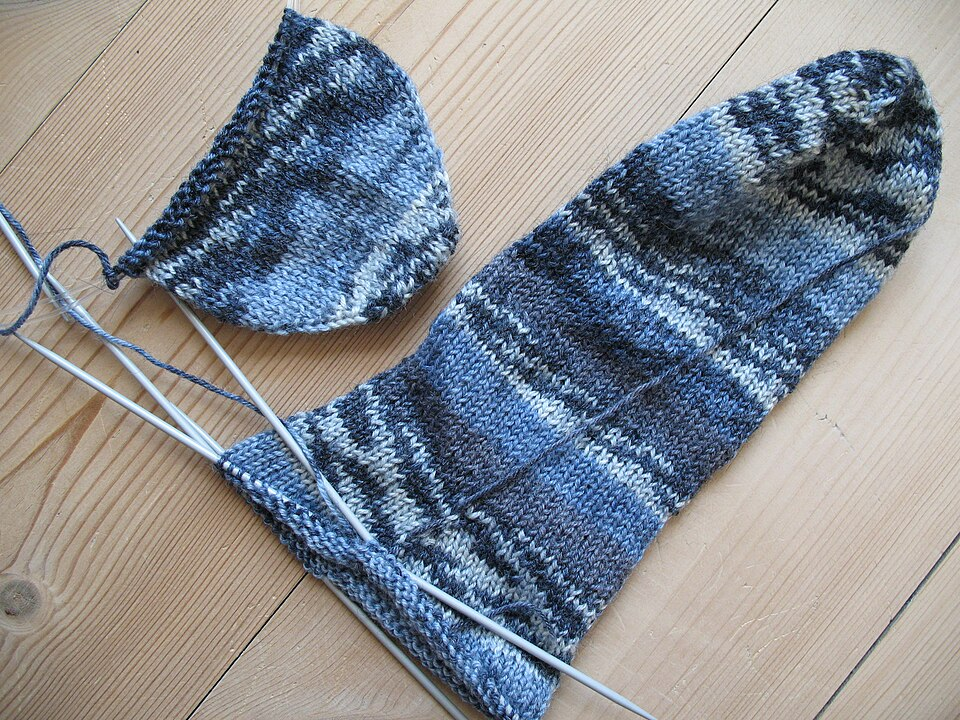
A sock is a tube that has to turn a corner, and that is the entire difficulty.
A foot goes forward and a leg goes up, so the fabric must change direction by about ninety degrees in the middle of itself and then widen into a different cross-section – with no cutting and no seam, because a seam inside a sock rubs a foot raw. Every sock pattern ever written exists to solve that.
Which is why the heel was the recognised dividing line in the craft. Everything before it is a tube anybody can learn in an evening; the heel means working short rows and decreasing in a set sequence to produce a shape you cannot see forming until it is finished. The phrase about turning a heel entered ordinary speech precisely because it was the hard part. Here are fifteen things every household knew.
1. A Sock Is a Tube That Has to Turn a Corner
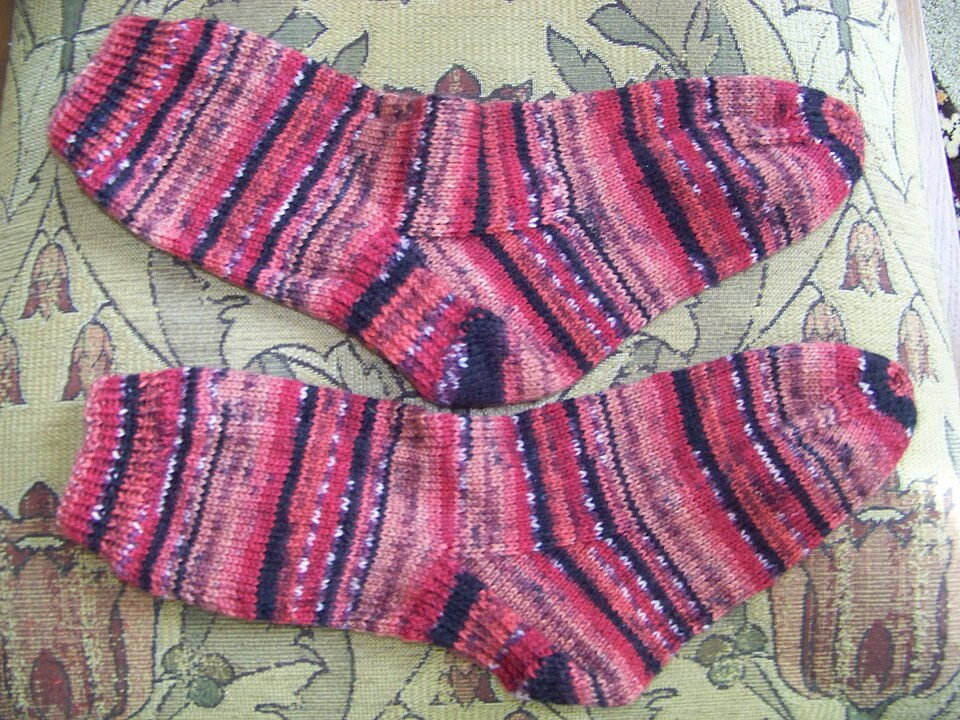
A foot goes forward and a leg goes up, which means a sock has to change direction by about ninety degrees in the middle of itself without a seam.
Machines do it, and the shaping is identical.
Start with the geometry, because it is the whole difficulty. A straight knitted tube fits an arm. A foot requires the tube to bend sharply and then widen into a different cross-section, and doing that in a continuous fabric with no cutting and no seam is the problem that every sock pattern ever written exists to solve.
Like our content? Follow us for more.
2. The Heel Was the Hard Part and Everybody Knew It
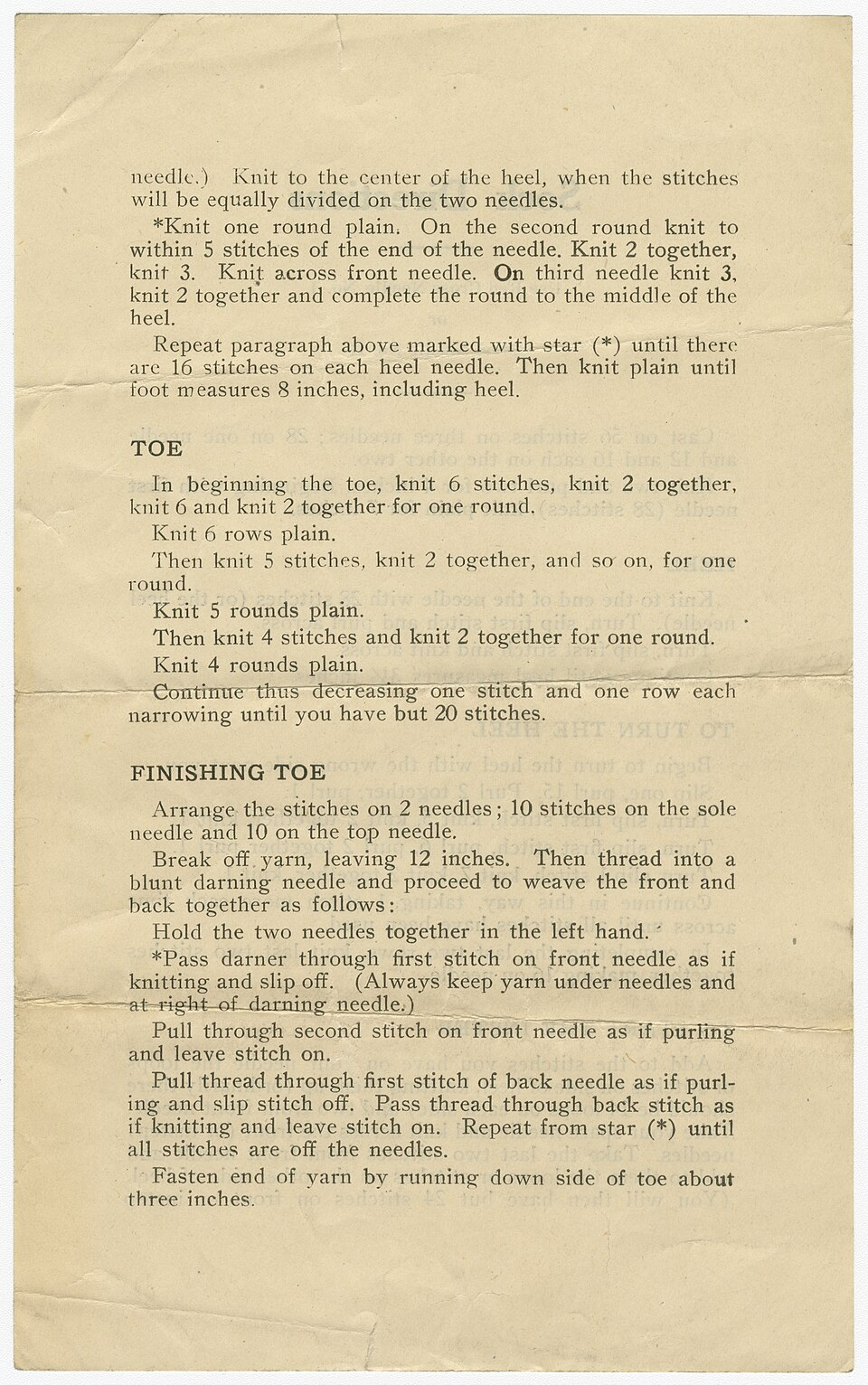
Turning a heel means shaping the fabric three-dimensionally by working short rows and decreasing in a set sequence, and it is the step at which beginners stopped.
Not applicable.
The heel is the recognised dividing line in the craft and it was spoken about as such. Everything before it is a tube anybody can learn in an evening; the heel requires following a sequence that produces a shape you cannot see forming until it is done – and the phrase about turning a heel entered ordinary speech precisely because it was the thing that was difficult.
3. It Was Worked on Four Needles With No Seam
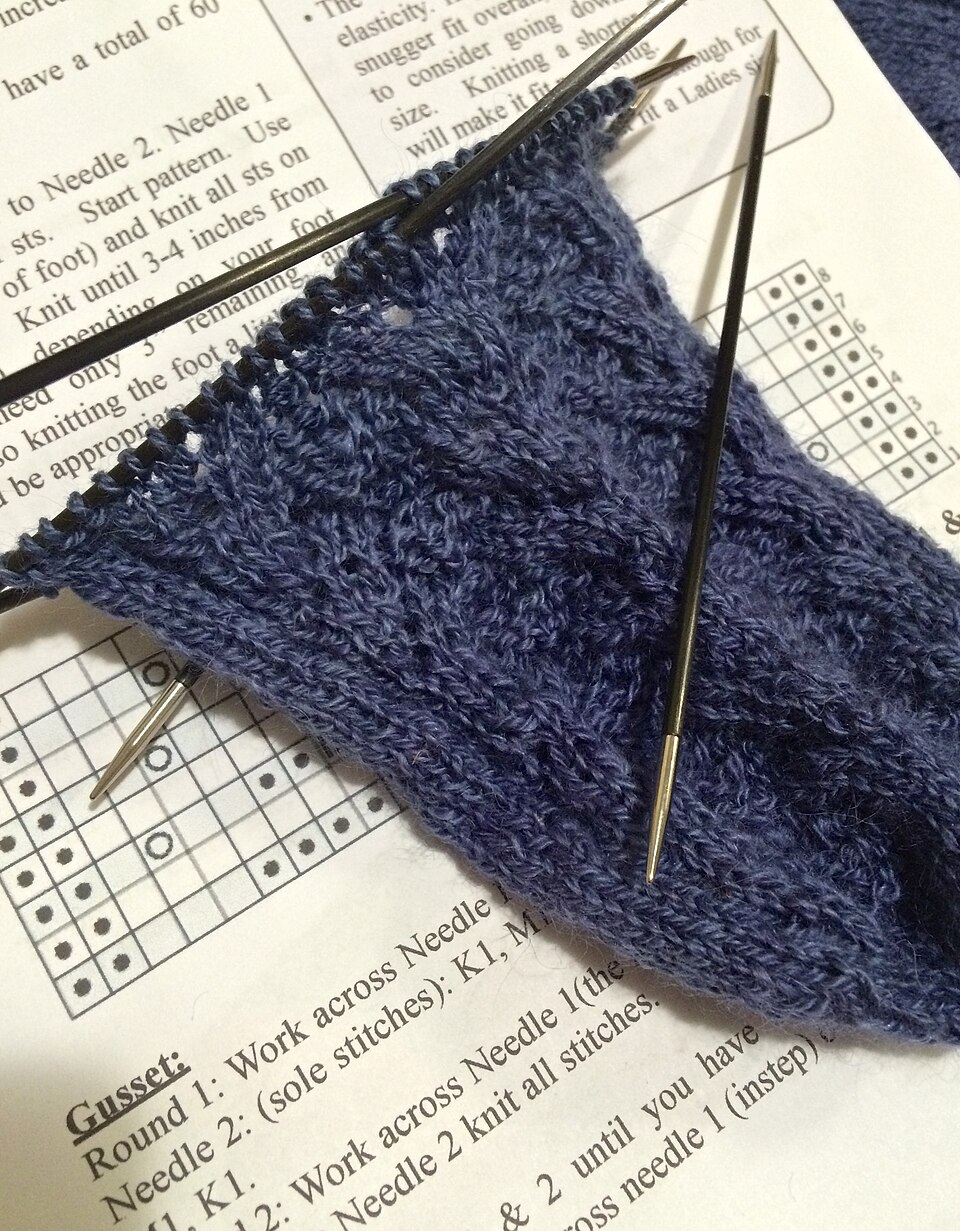
Socks were knitted in the round on a set of short double-pointed needles, which keeps the fabric a continuous tube.
Circular needles and machines do the same job.
Working in the round is what makes the whole thing possible and it is also why the equipment looks alarming. A seam inside a sock rubs a foot raw, so the fabric must be continuous – which requires the stitches to be distributed round several needles with the work turning constantly, and that is a genuinely awkward thing to hold.
4. The Yarn Had to Be Hard and Tightly Spun
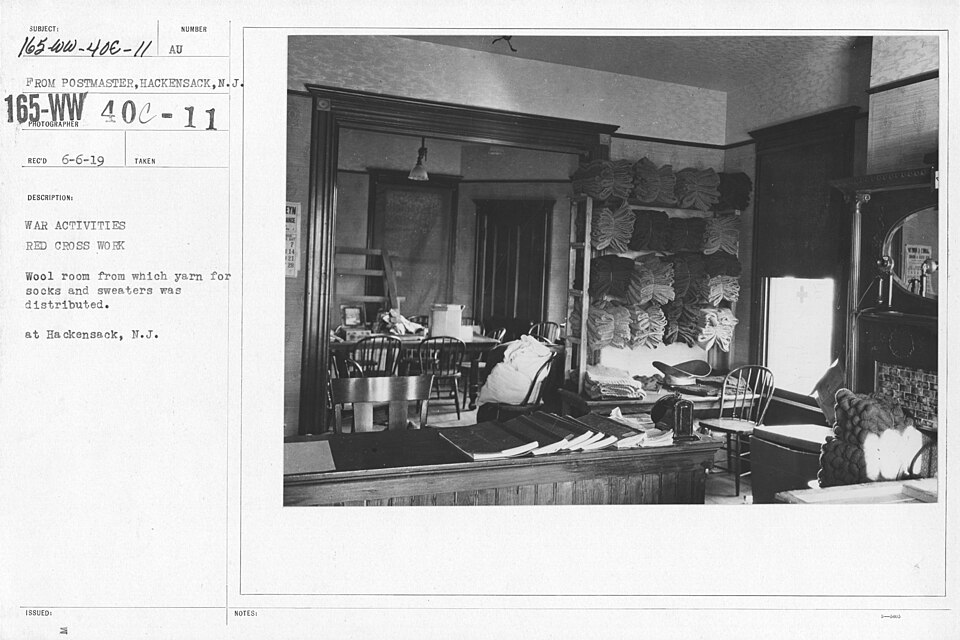
Sock yarn was spun harder and plied tighter than yarn for anything else, because a sock is abraded between a foot and a boot every hour it is worn.
Still true, and modern sock yarn is reinforced.
The material choice is a direct response to wear. Soft loosely spun yarn is pleasant and disintegrates in a boot, while hard tightly plied yarn is less comfortable and lasts – so sock yarn was deliberately the harshest wool in the house, chosen for durability over feel.
5. The Heel and Toe Were Reinforced on Purpose
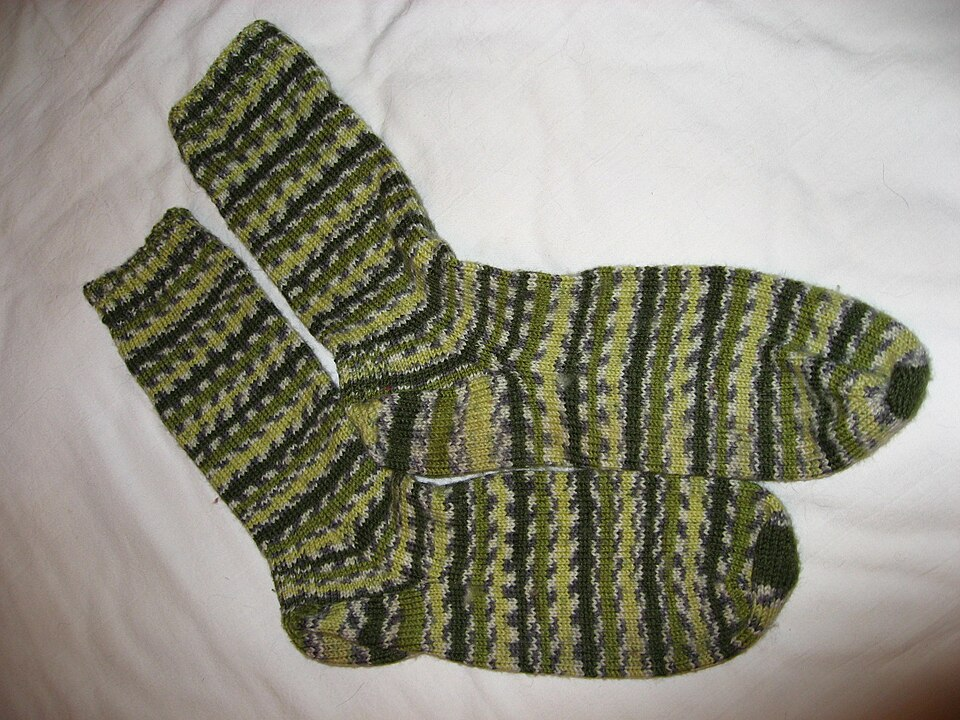
The areas that wear fastest were knitted with a second strand carried alongside, or with a stitch pattern that doubles the fabric.
Standard practice.
Reinforcement is the household recognising where the failure would happen before it happened. A sock does not wear out evenly – it wears at the heel and the toe and almost nowhere else – so putting extra material only in those two places gets the benefit without the weight or the cost anywhere else.
6. Socks Were Darned Rather Than Replaced
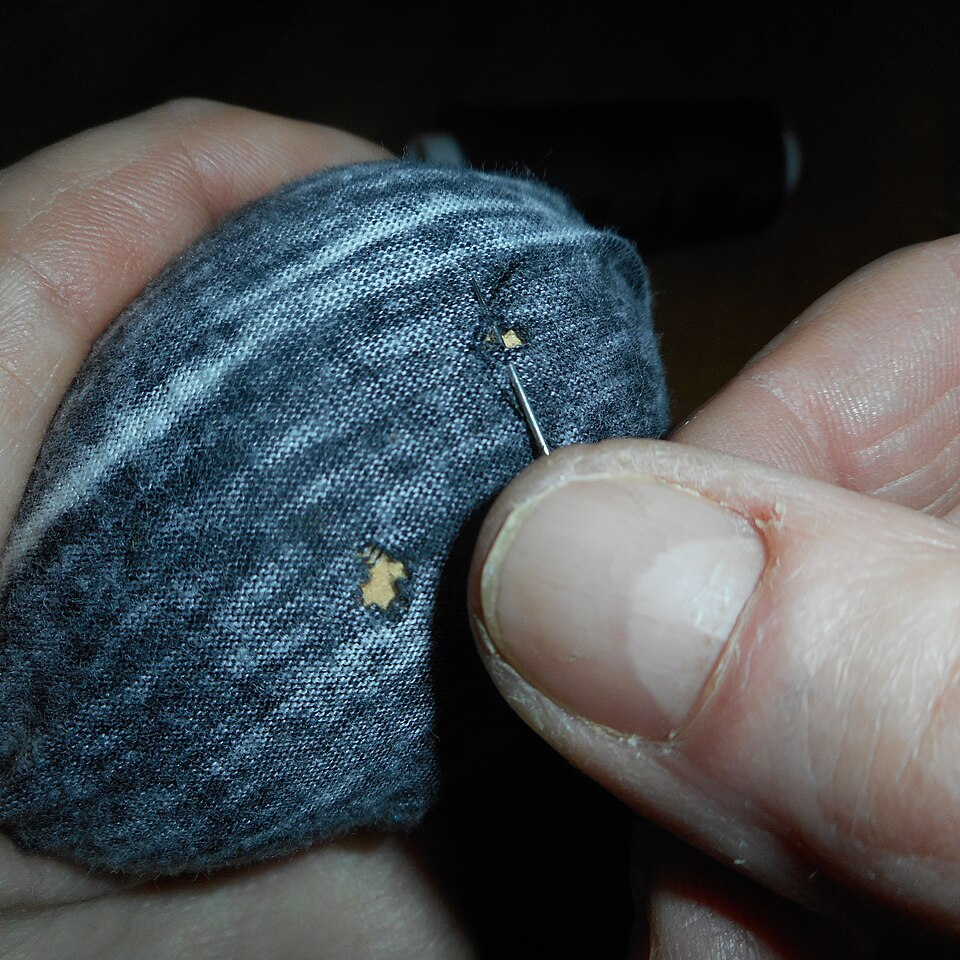
A hole was repaired by weaving new yarn across it over a rounded form held inside the sock, and a well-used sock carried several darns.
Rarely done.
Darning is the second half of the economics and it changes how a sock should be understood. The object was not expected to last until it failed – it was expected to be repaired repeatedly, which means a knitted sock was a maintained asset with a working life measured in years rather than a consumable.
7. Everybody in the Household Needed Several Pairs
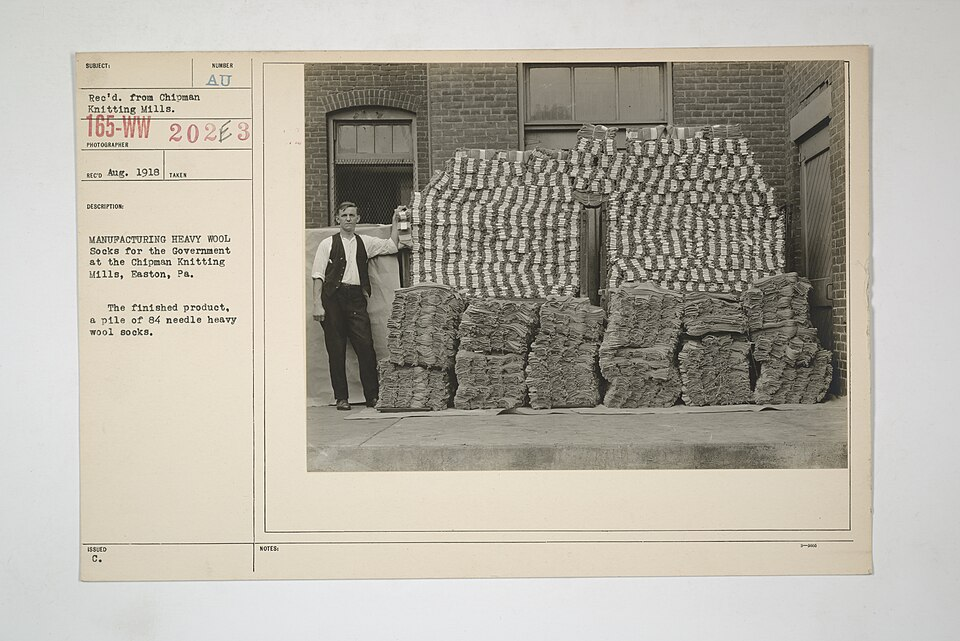
Feet get wet, socks have to dry, and a person working outdoors needs dry ones daily – so a household required a continuous supply that only continuous knitting could meet.
Not applicable.
The arithmetic of the demand is what made this permanent work. Several people, several pairs each, constant wear, constant washing and constant darning adds up to an enormous standing requirement – which means somebody in that house was knitting socks more or less all the time, forever.
8. It Was the Work You Did While Doing Something Else
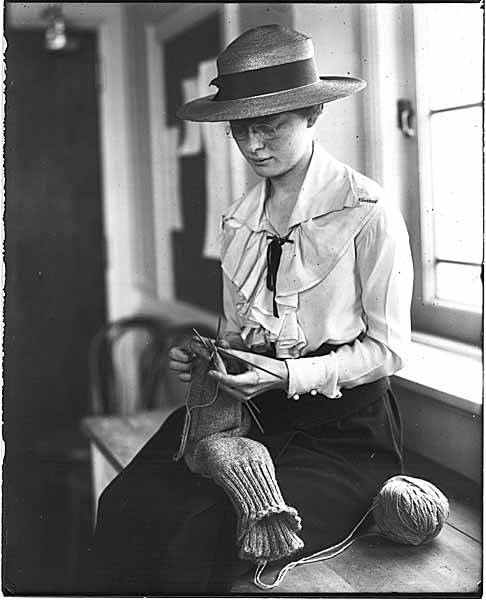
Knitting needs no light to speak of once learned, no table, no setup and no uninterrupted stretch of time – so it filled every gap in the day.
Not applicable.
Portability is why this particular task absorbed so much of the available time. Work that can be picked up for four minutes and put down mid-row goes into the intervals – waiting, riding, talking, minding a child, sitting after dark – which means the sock supply was produced almost entirely out of time that had no other use.
9. Children Were Taught on a Plain Tube
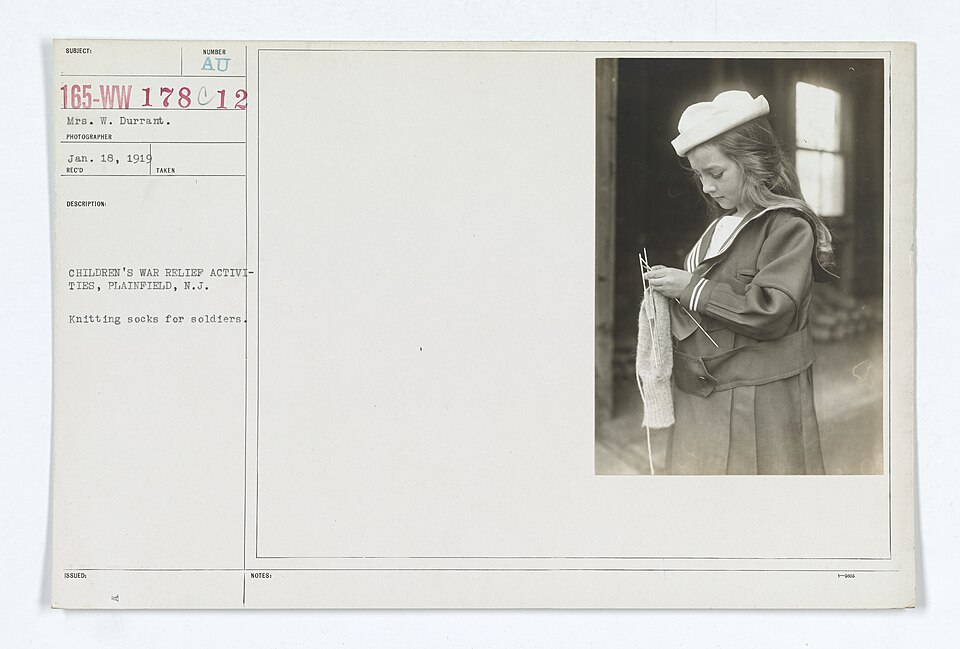
Beginners were started on something straight and forgiving, then advanced to the leg of a sock, and the heel was taught last.
Not applicable.
The teaching sequence follows the difficulty exactly. A straight tube builds the hand movements without requiring any shaping, and the heel is withheld until those are automatic – which is why so many people learned to knit a sock leg as children and never got any further.
10. Measurements Were Taken Off the Person
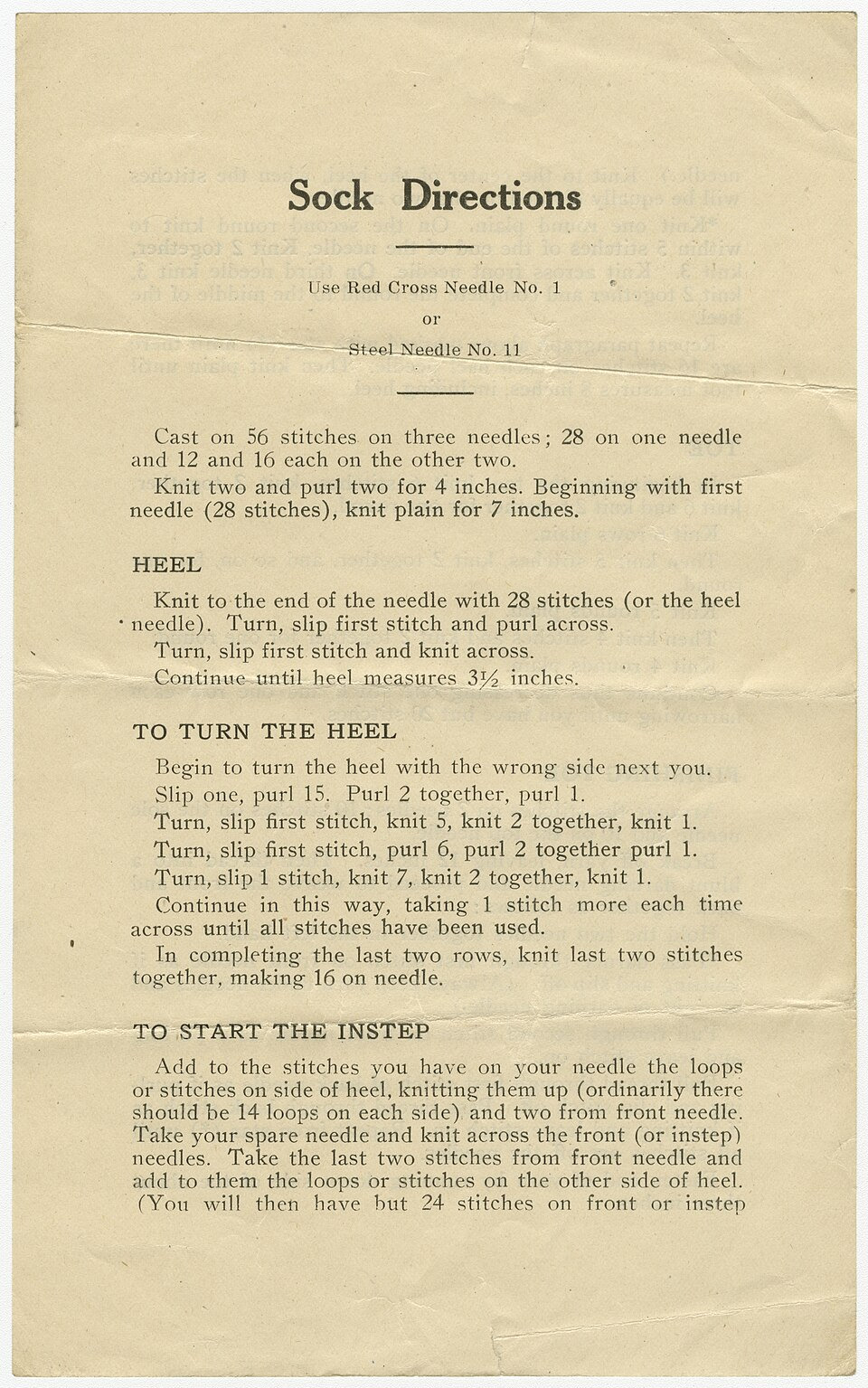
Foot length, ankle circumference and calf were measured against the person or against an existing sock, and the pattern was adjusted.
Standardised sizing.
Fitting is where the handmade object beats the bought one and it mattered for a specific reason. A sock that is too long wrinkles under a foot and causes blisters while one that is too short pulls the heel out of position – so a sock made to a particular foot is genuinely better than one made to an average, which is the opposite of most garments.
11. Knitting Was Counted as Doing Nothing
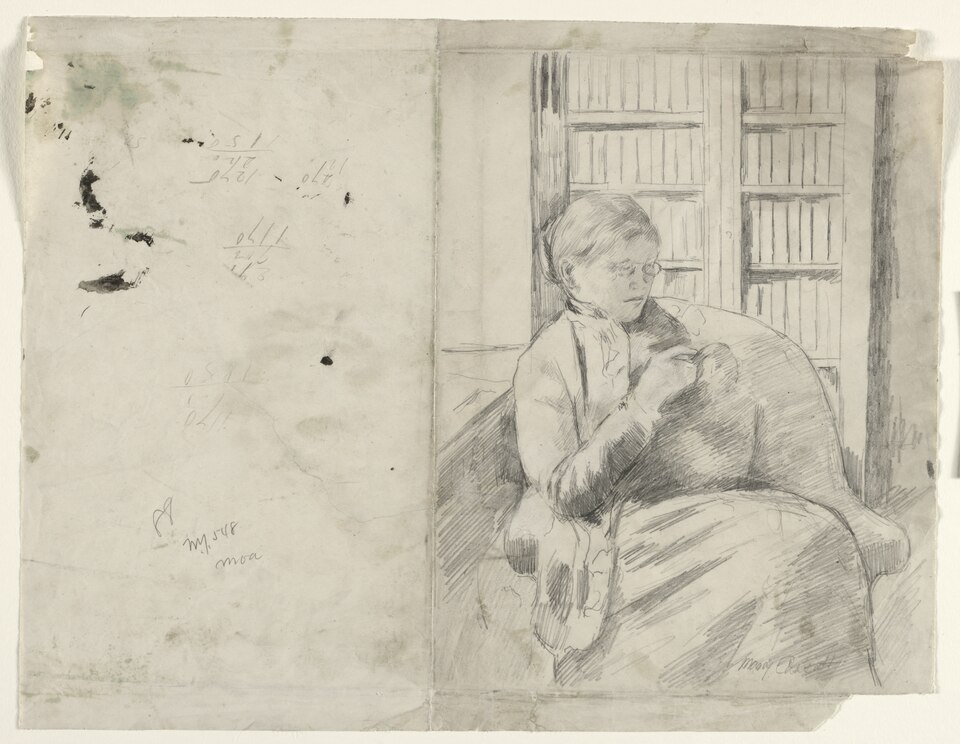
A woman knitting in company was regarded as available for conversation rather than as working, which meant the labour was invisible even while it was being watched.
Not applicable.
This is the point worth sitting with. A task performed in the evening, in company, while talking, does not look like work – so an enormous quantity of necessary production was carried out in plain sight without being counted as labour by anybody, including frequently the person doing it.
12. Wartime Turned It Into Organised Production
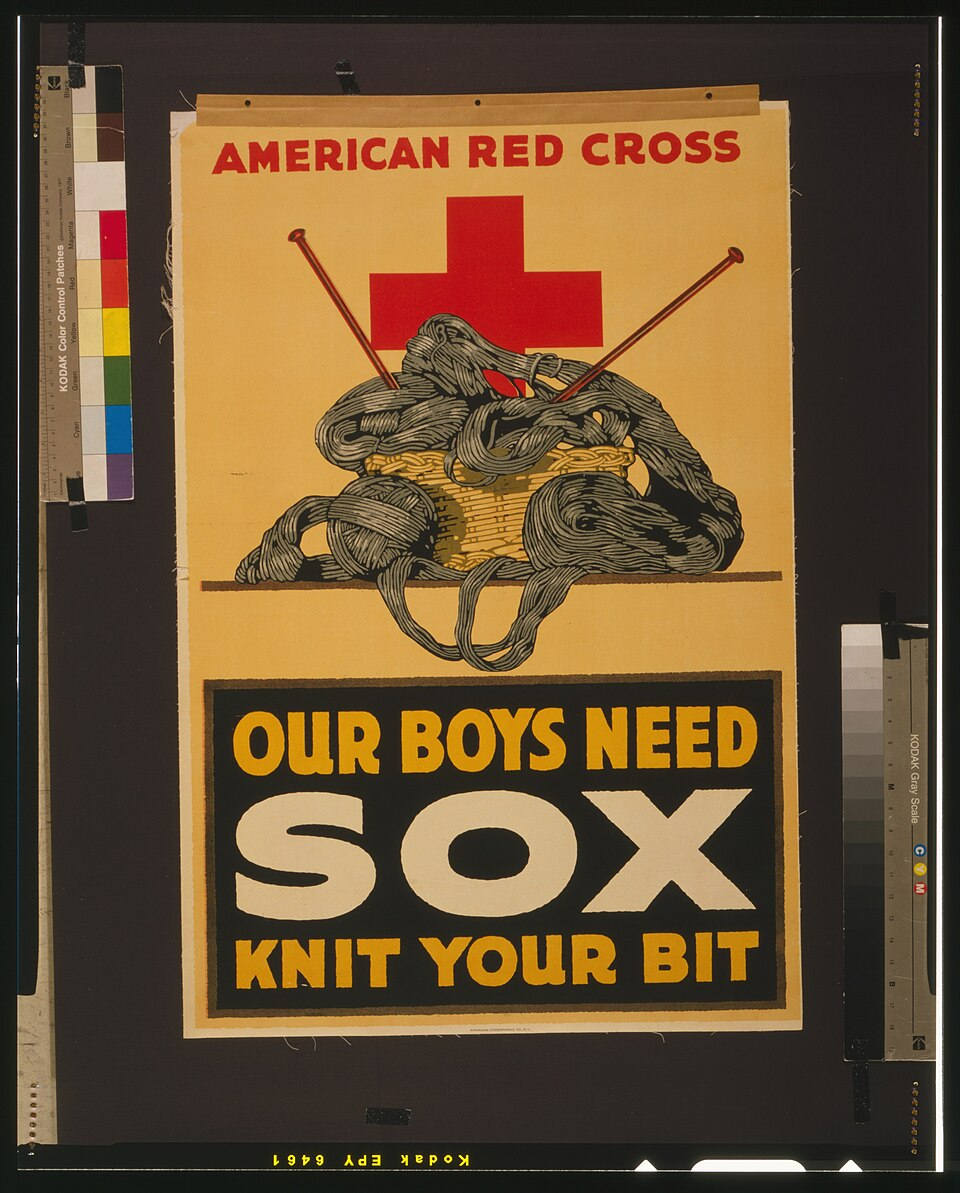
During wartime, knitting for soldiers was coordinated nationally, with patterns distributed, quantities requested and output collected.
Not applicable.
The organised version shows what the latent capacity was. A skill held by a very large proportion of the adult population, requiring no equipment and no premises, can be directed at a specific product in enormous volume by simply distributing a pattern – which is a manufacturing capability hiding in a domestic habit.
13. Machine Socks Were Cheaper Almost Immediately
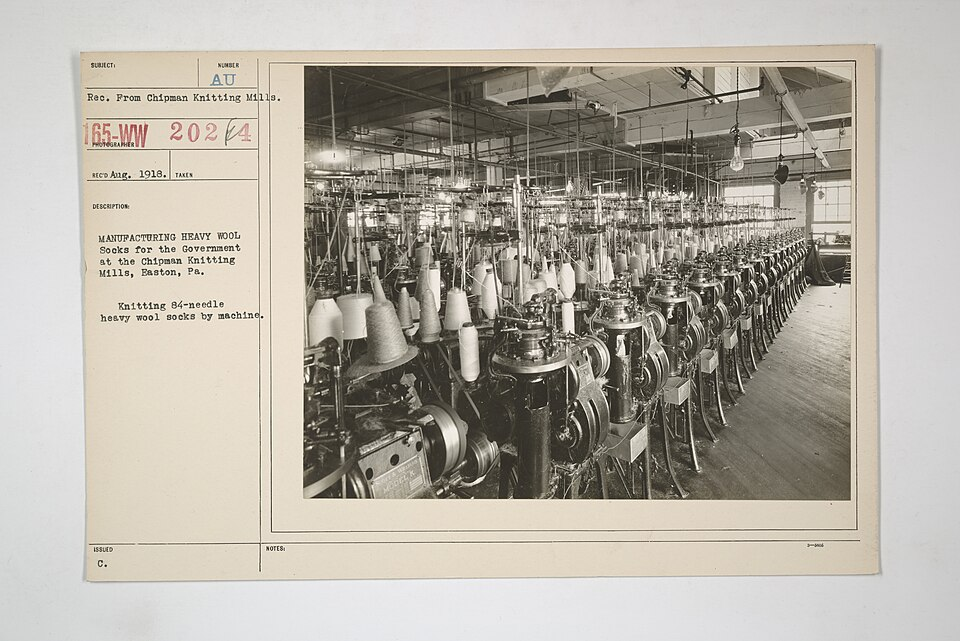
Knitting machinery produced socks faster and at lower cost than hand work could, long before most households stopped knitting them.
Universal.
The economics turned early and the practice continued anyway, which is worth explaining. Hand knitting persisted after it stopped being cheaper because the yarn was already in the house, the labour was performed in otherwise unused time and was not counted, and the fit and the reinforcement were better – so the comparison a household made was not the comparison a factory made.
14. Then Nylon Made Darning Pointless
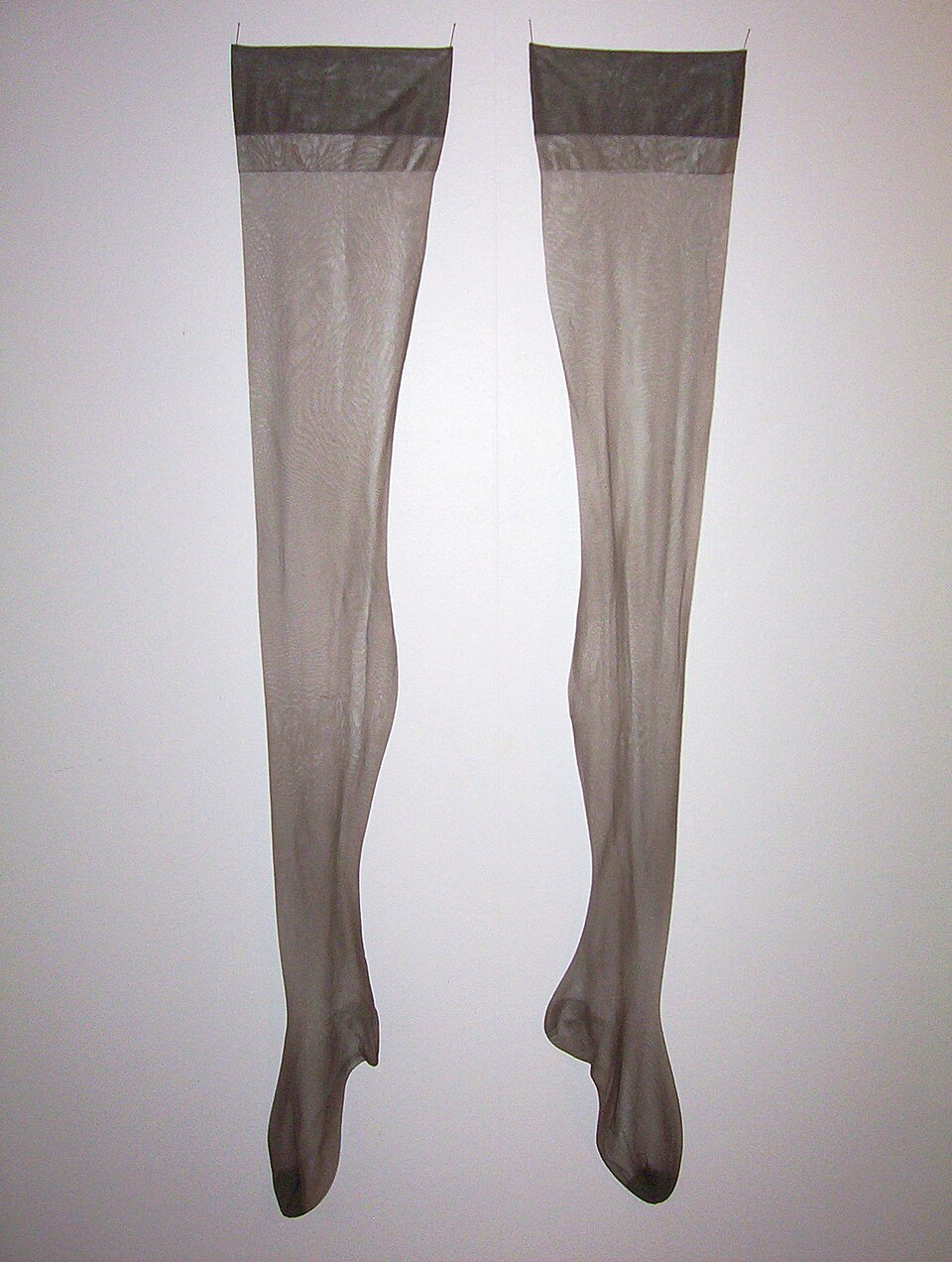
Synthetic fibres and blends produced socks that lasted far longer, cost very little and were not worth repairing when they finally failed.
Universal.
The material change is what finally ended it. A sock that survives much longer and costs almost nothing removes the entire case for making or mending one – and when the repair is worth more than the object, darning stops being thrift and becomes a hobby.
15. And by 1964 the Needles Were in a Drawer
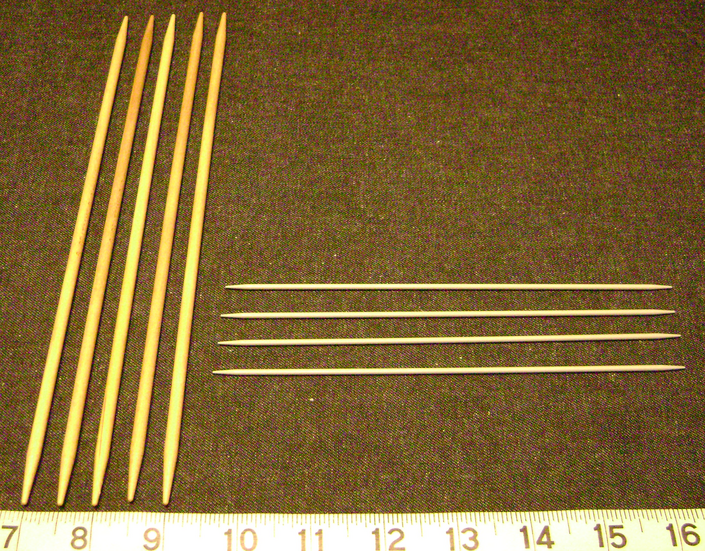
Most households had bought socks and somebody’s double-pointed needles and darning egg sat unused in a sewing drawer, with the heel-turning knowledge going with them.
A substantial and skilled craft, pursued deliberately.
And what deserves the last word is what a sock actually is. It is a tube with no seam in it that changes direction by ninety degrees in the middle of itself, widens into a different cross-section, is made of deliberately harsh yarn chosen for abrasion resistance, carries doubled fabric in exactly the two places that wear, is fitted to one particular foot, and is designed from the outset to be repaired repeatedly over a life measured in years. Somebody produced those continuously, for everybody in the house, in the gaps between other work, in the evening, in company, while talking – and was regarded as sitting down doing nothing while she did it. The machine made them cheaper and the synthetic fibre made them disposable, which is a straightforward improvement. But the thing that went with the needles into the drawer was a specific piece of three-dimensional shaping that a great many people learned the easy half of and never finished.
An Enormous Amount of Production That Nobody Counted as Work
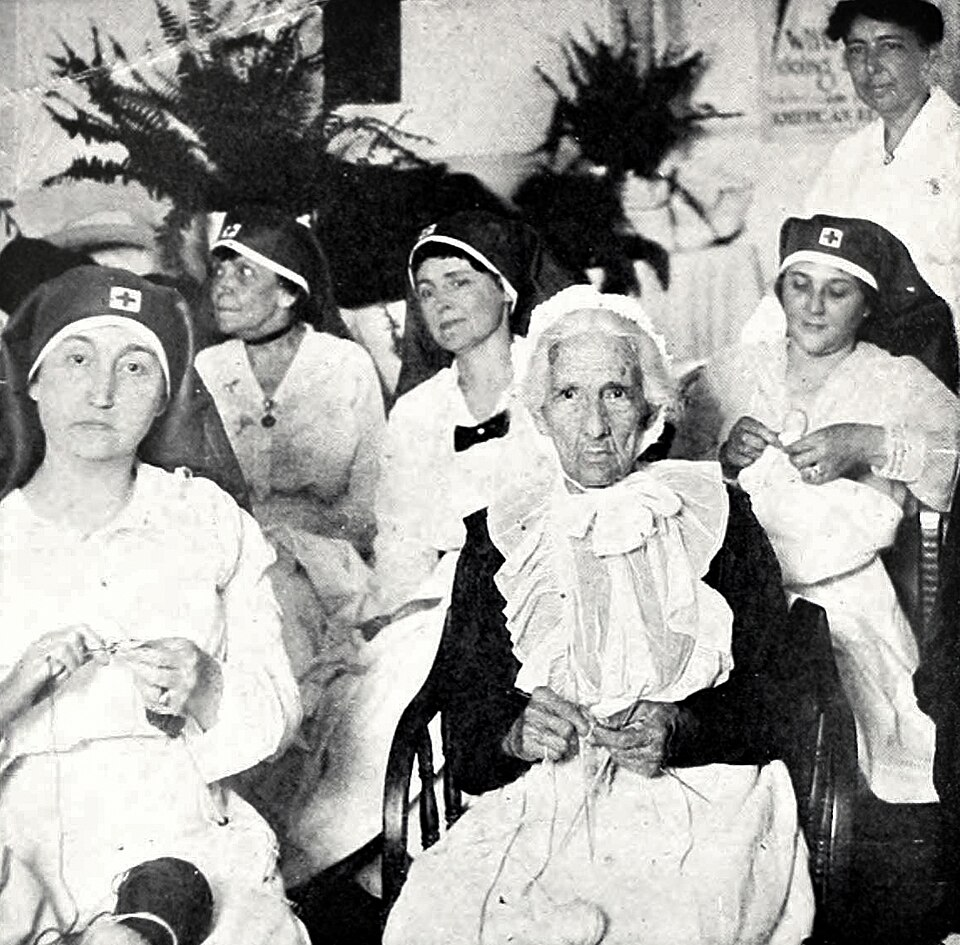
Sock knitting is the clearest case in these files of necessary manufacturing being performed in plain sight and not registering as labour at all.
Start with why it is difficult, because that part is genuine. A sock is a tube with no seam in it that has to change direction by about ninety degrees in the middle of itself and then widen into a different cross-section. A seam inside would rub a foot raw, so the fabric must stay continuous – which means working in the round on a set of short double-pointed needles, turning the work constantly, which is a genuinely awkward thing to hold.
And the heel is the dividing line. Turning one means working short rows and decreasing in a set sequence to produce a three-dimensional shape that cannot be seen forming until it is done. Everything before it is a tube; the heel is the step at which beginners stopped, which is exactly why the phrase entered ordinary speech.
The material was chosen against wear rather than for comfort. Sock yarn was spun harder and plied tighter than anything else in the house, because a sock is abraded between a foot and a boot every hour it is worn – so it was deliberately the harshest wool available. And the heel and toe were reinforced with a second strand carried alongside or a doubling stitch pattern, because a sock does not wear out evenly. It wears in two places and almost nowhere else, so extra material went only there.
Then the object was repaired rather than replaced. A hole was darned – new yarn woven across it over a rounded form held inside the sock – and a well-used sock carried several darns. Which means a knitted sock was a maintained asset with a working life in years, not a consumable.
Now the arithmetic, which is what made this permanent.
Feet get wet, socks have to dry, and anybody working outdoors needs dry ones daily. Several people, several pairs each, constant wear, constant washing, constant darning – that is an enormous standing requirement, and it means somebody in that house was knitting socks more or less all the time, indefinitely.
And here is how it was done. Knitting needs almost no light once learned, no table, no setup and no uninterrupted stretch of time, so it filled every gap in the day: waiting, riding, talking, minding a child, sitting after dark. The entire sock supply was produced out of time that had no other use.
Which is where the invisibility comes from. A woman knitting in company was regarded as available for conversation rather than as working. So a very large quantity of necessary production happened in front of everybody without being counted as labour by anybody – frequently including the person doing it.
Two further things are worth noting.
Fitting mattered more than for most garments. A sock too long wrinkles under a foot and causes blisters while one too short pulls the heel out of position, so measurements were taken off the actual person – which makes a handmade sock genuinely better than an average-sized bought one, the opposite of most clothing.
And in wartime the whole thing was organised nationally, with patterns distributed, quantities requested and output collected. That reveals what the latent capacity was: a skill held by a large share of the adult population, needing no equipment and no premises, could be pointed at a specific product in enormous volume by distributing a sheet of paper. A manufacturing capability hiding inside a domestic habit.
The economics turned early and the practice continued anyway. Machines were cheaper long before households stopped, because the yarn was already in the house, the labour was performed in otherwise unused time and was not counted, and the fit and the reinforcement were better. The comparison a household made was not the comparison a factory made.
What finally ended it was the material. Synthetic fibres and blends gave socks that lasted far longer and cost almost nothing, which removes the case for both making and mending – and once the repair is worth more than the object, darning stops being thrift and becomes a hobby.
So the needles went into a drawer.
And what went in with them was a specific piece of three-dimensional shaping, produced continuously for everybody in the house, in the gaps between other work, in the evening, in company, while talking – by somebody who was regarded as sitting down doing nothing.
If somebody in your family knitted, ask whether they could turn a heel.
That one answer separates the people who finished learning from the people who did not.
Like our content? Follow us for more.