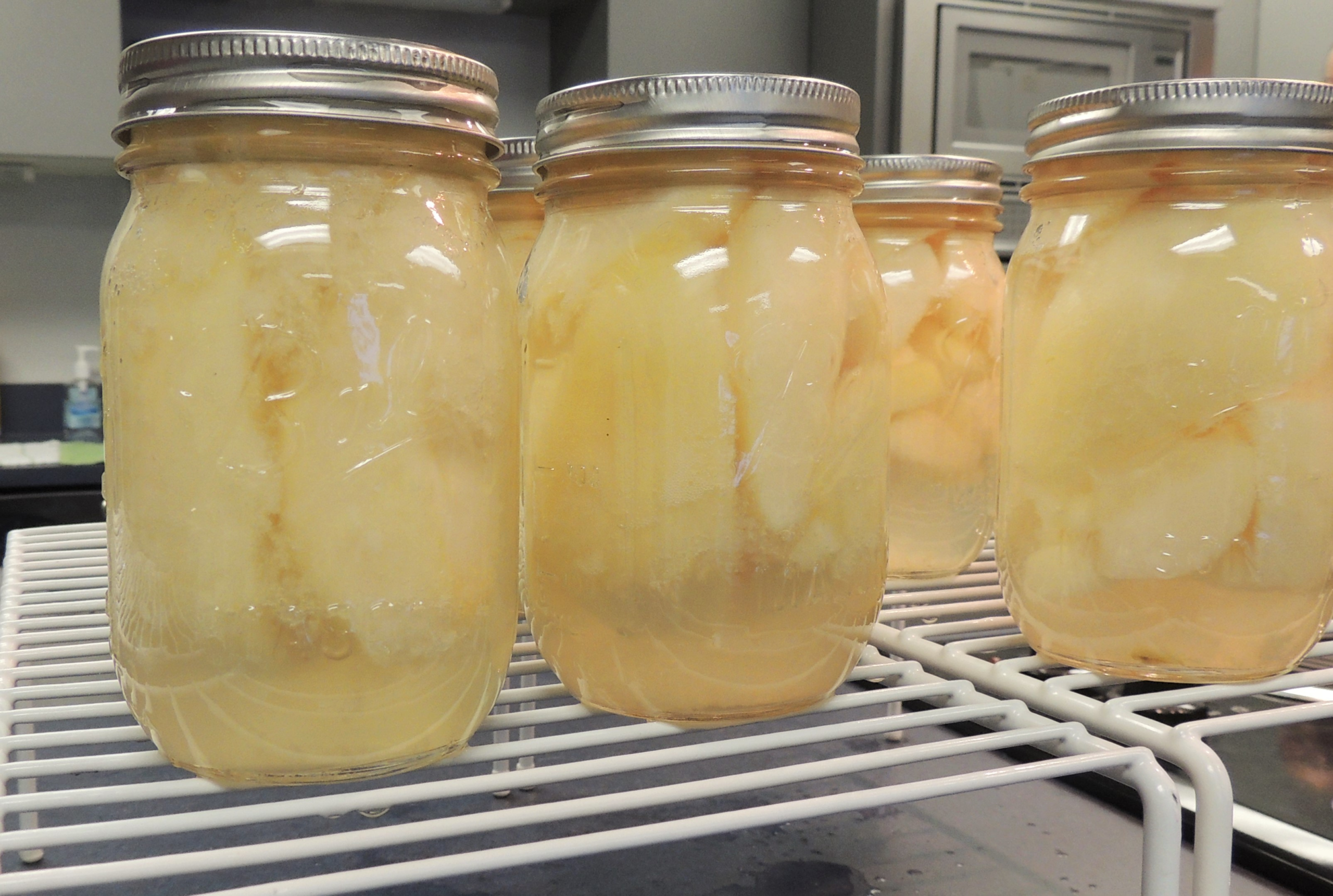
The box of old jars in my family came with a paper bag of perished rubber rings, flat and cracked and completely useless, and I threw them out before anybody told me they were the important part. The glass is just glass. The metal lid is just a lid. The thing that made the whole system work – the thing that was actually invented – was a ring of rubber about the thickness of a pencil line.
The Problem Was Never the Heat
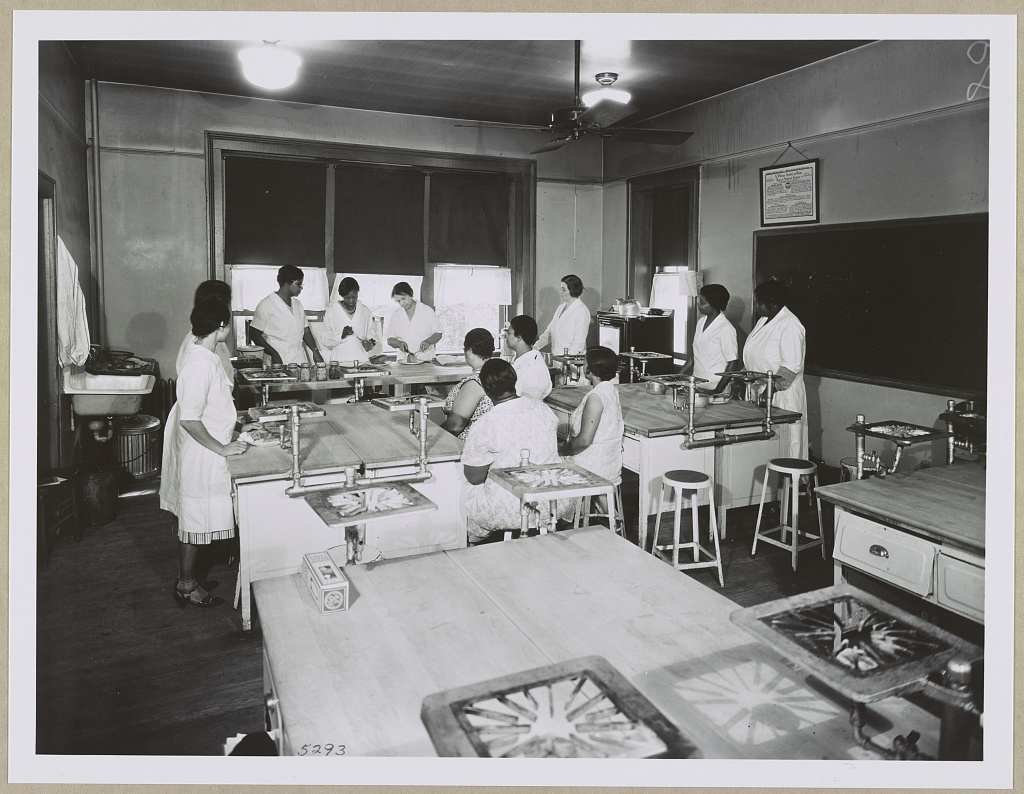
People understood the principle long before they could do it reliably.
Heating food in a sealed container and then keeping air out of it keeps the food. That was known, it worked, and it had been demonstrated. What nobody could manage domestically was the sealing.
Because the seal is where the difficulty lives. A jar that is nearly airtight is not airtight, and nearly is worth nothing – air gets in, the contents spoil, and the household has lost both the food and the work that went into putting it up.
Like our content? Follow us for more.
Glass and Metal Will Not Seal Against Each Other
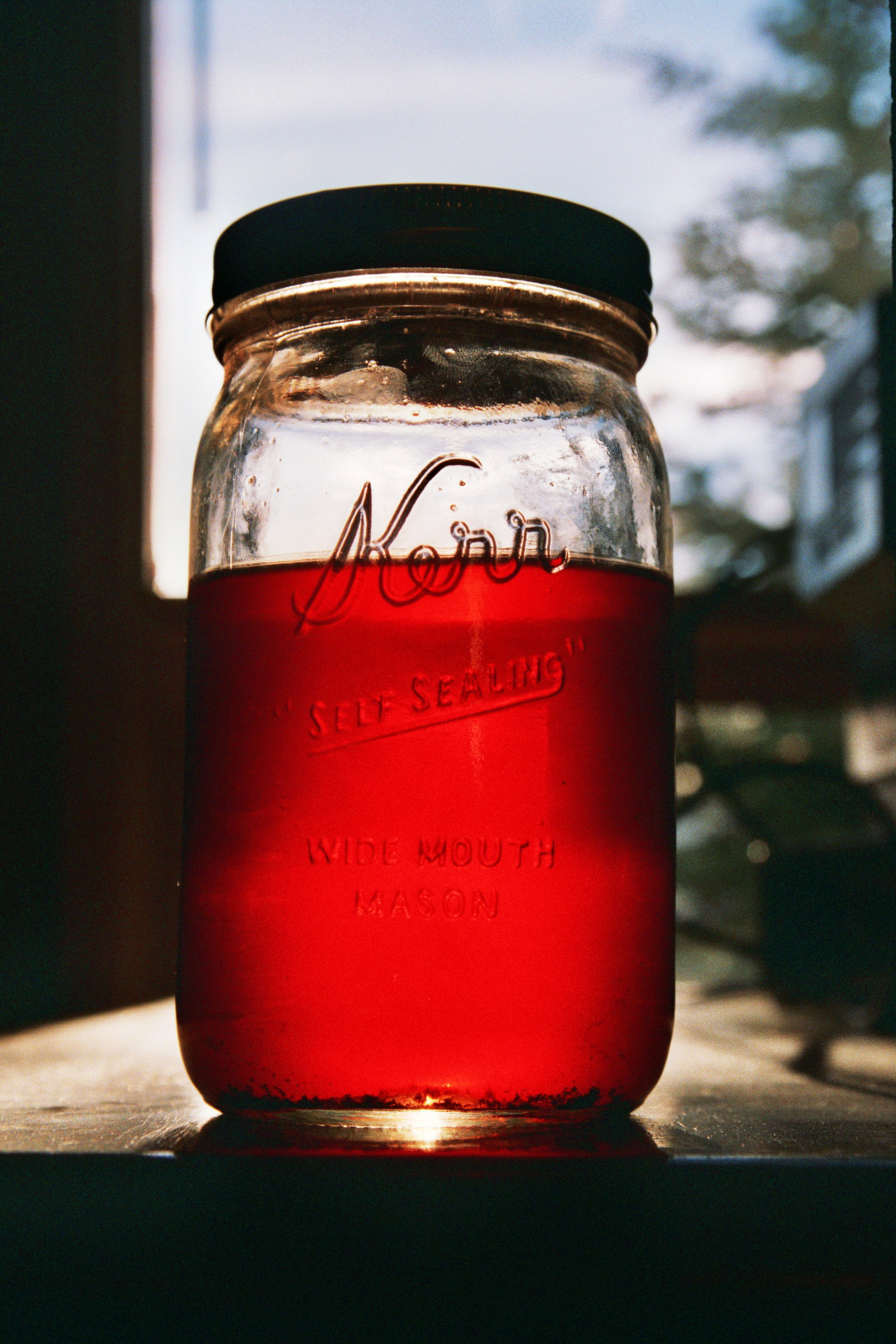
Here is the physical fact everything turns on.
Both glass and metal are hard. Neither deforms meaningfully under hand pressure. Press a metal lid onto a glass rim as hard as you like and there will still be microscopic irregularities on both surfaces that air can pass through – because sealing requires one surface to flow into the imperfections of the other, and neither of these will.
Earlier attempts worked around this with wax, with cork, with cement, with elaborate ground-glass stoppers. All of them either leaked, or were expensive, or could not be reused, or required skills a household did not have.
Rubber Deforms and Then Pushes Back
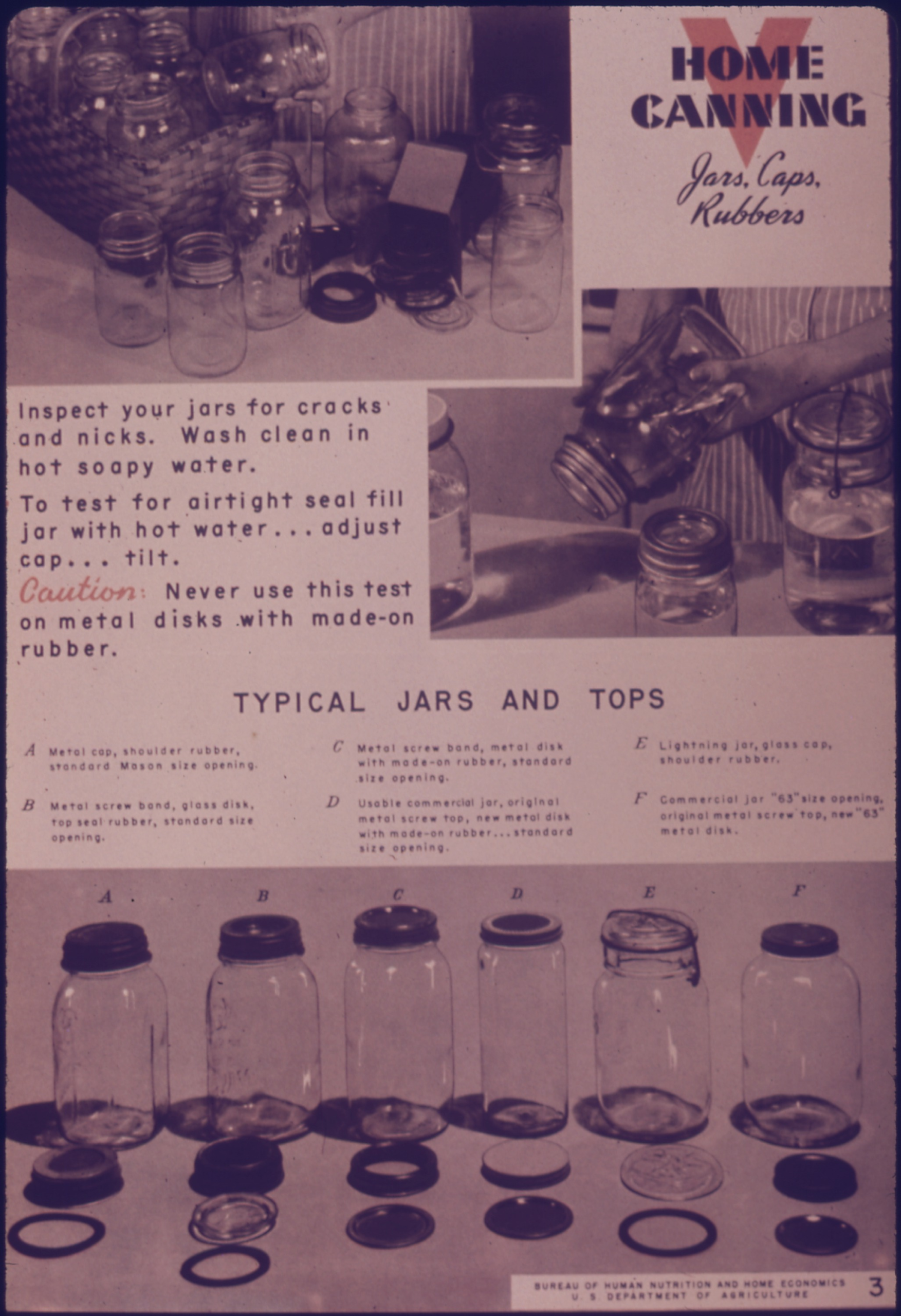
Which is what the ring solved.
Rubber is soft enough to squash into every irregularity on both surfaces, and elastic enough to keep pushing outward against them once it has. That combination is exactly what a seal needs: it conforms, and then it stays conformed under pressure.
So a soft ring compressed between a glass rim and a metal lid closes every gap on both sides at once. It is a cheap, reusable, mass-producible object that requires no skill to install – you lay it on the rim – and it works.
That is the invention. Everything else in home canning was already available.
The Vacuum Did the Real Work
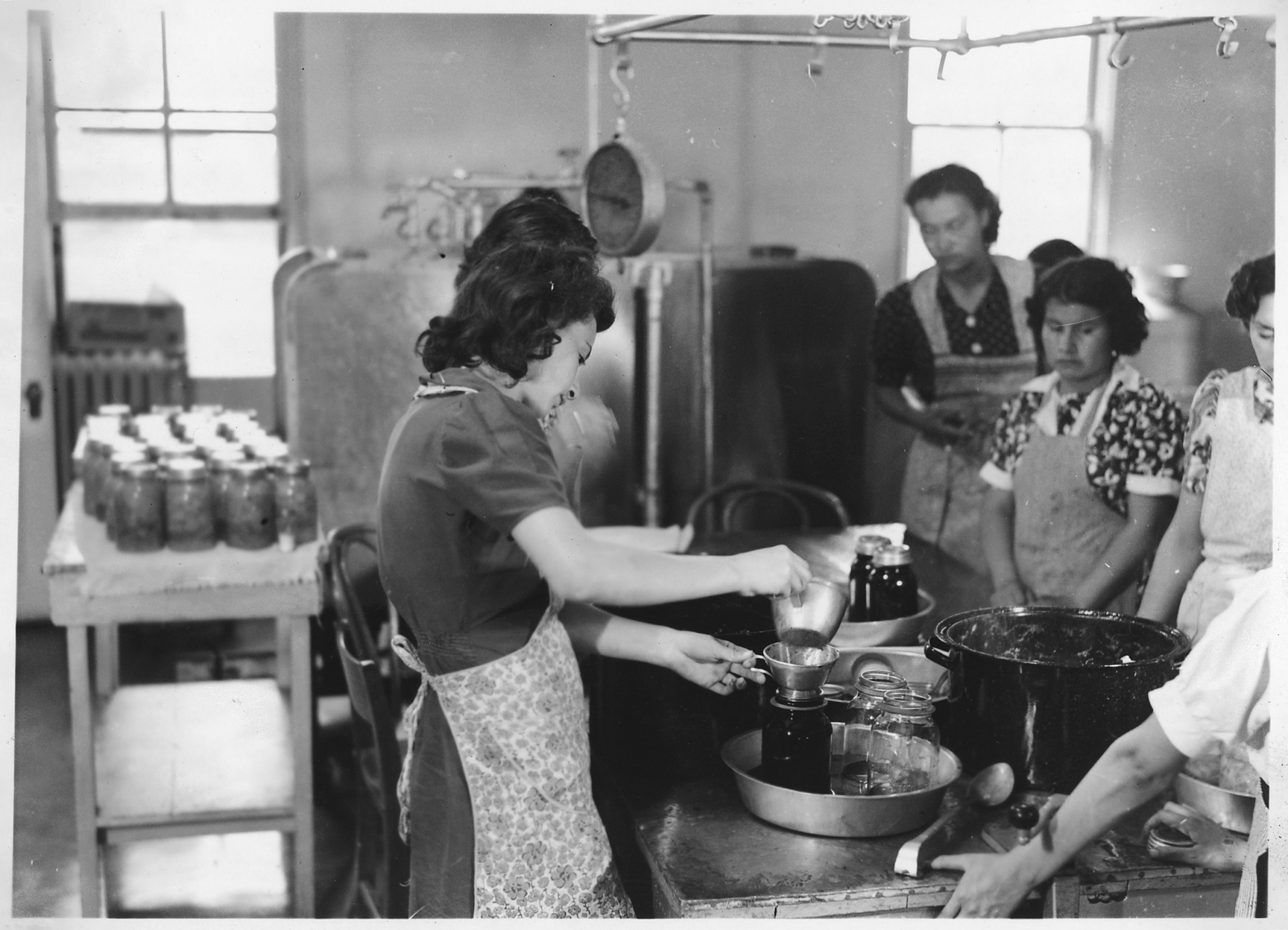
Now the part that is genuinely elegant.
Filling a jar with hot contents and sealing it traps hot air and steam. As everything cools, that gas contracts and the steam condenses, so the pressure inside the jar drops below the pressure outside.
The outside air then presses the lid down onto the ring, hard, with a force that increases the better the seal is. Which means a good seal gets tighter rather than looser, and holds itself shut without any clamp, screw or weight.
A household could test this by pressing the centre of a cooled lid. No movement meant the vacuum had formed; a lid that flexed meant it had not, and that jar had to be dealt with immediately rather than stored.
The Zinc Lid and the Glass Insert
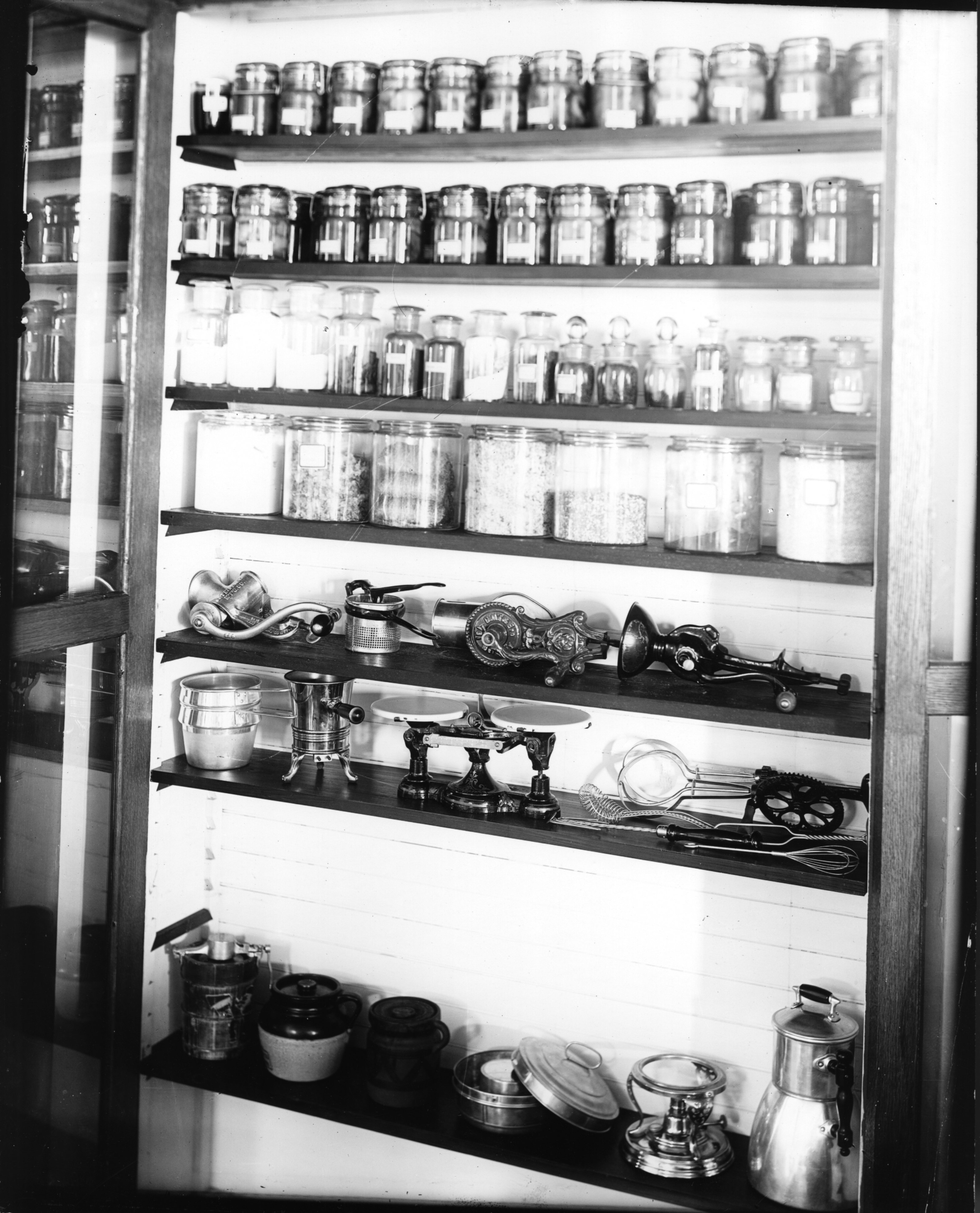
The early standard was a zinc screw cap with a glass disc inside it.
The glass disc is there because the contents should not touch the metal. Acidic food reacts with zinc, which both damages the lid and puts metal into the food, so the inner face of the lid was made of glass and the zinc served purely as the thing that applied pressure.
So the complete closure is four parts doing four jobs: glass jar, rubber ring to seal, glass disc to face the contents, metal cap to supply the force. Each one is there because the others cannot do its job.
The Wire Bail Was the Other Approach
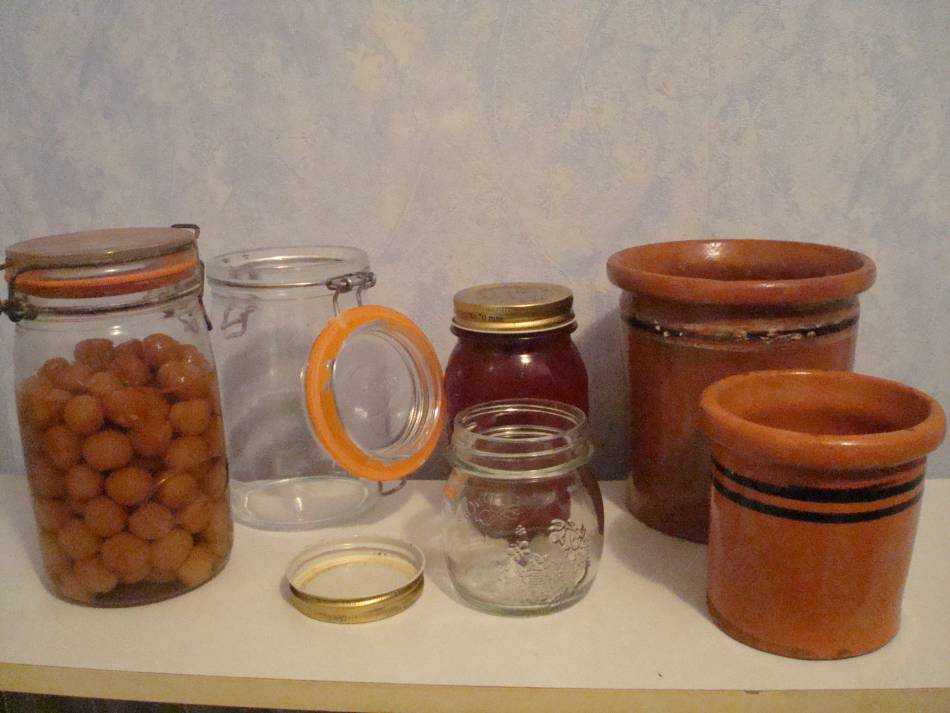
The alternative design used a hinged wire lever to clamp a glass lid down.
A bail does the same thing as a screw cap by a different route – it applies pressure to compress the ring – and it has the advantage of being quick and of never seizing, where a metal screw thread on glass can corrode and bind.
Both designs needed the ring. The bail is a clamping mechanism and the screw cap is a clamping mechanism, and neither of them seals anything on its own.
The Rim Had to Be Perfect and Often Was Not
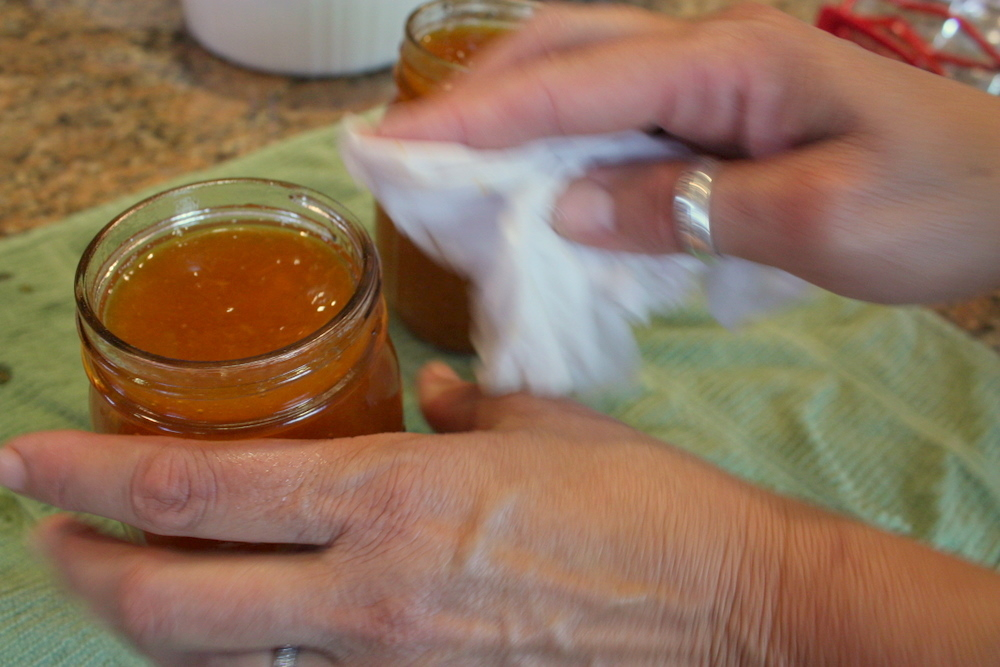
There is a failure mode that belongs to the glass rather than the rubber.
The ring seals against the flat top edge of the jar, which means that edge has to be smooth and unbroken all the way round. A chip in it – even a small one, even one you can barely feel with a fingernail – leaves a channel the rubber cannot bridge, and the jar will not hold.
So checking rims was part of the routine, done by running a finger around every jar before it was filled. A chipped jar was not thrown out, because glass was worth keeping; it was set aside for dry storage, for nails or buttons or anything that did not need a seal.
And the chips mostly came from the lids. Screwing a metal cap down onto glass, season after season, concentrates force on exactly the edge that has to stay perfect – which means the thing applying the pressure was also the thing slowly destroying the sealing surface.
Boiling the Jars Was Not Sterilising Them
One more thing worth separating out, because the two get confused.
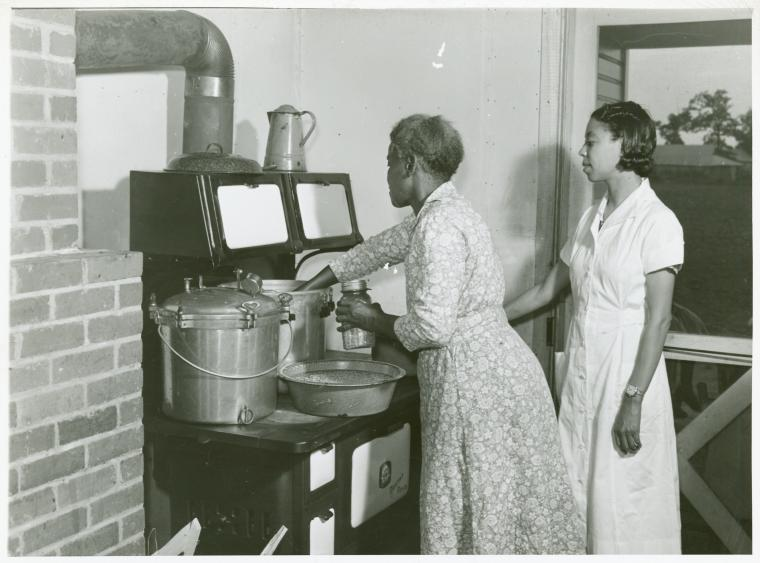
Jars and rings were put through boiling water before use, and people frequently described that as sterilising. Boiling water does a great deal, and it is not the same as making something sterile – which is why the heat applied to the filled and sealed jar, rather than the heat applied to the empty one, is what the preservation actually depends on.
The practical reason for boiling empties was simpler and perfectly sound: a hot jar does not crack when hot contents go into it, and a clean hot ring is softer and seats better than a cold one. Both of those are real benefits that have nothing to do with sterility.
The Rings Were a Consumable and That Mattered
Here is where households got caught.
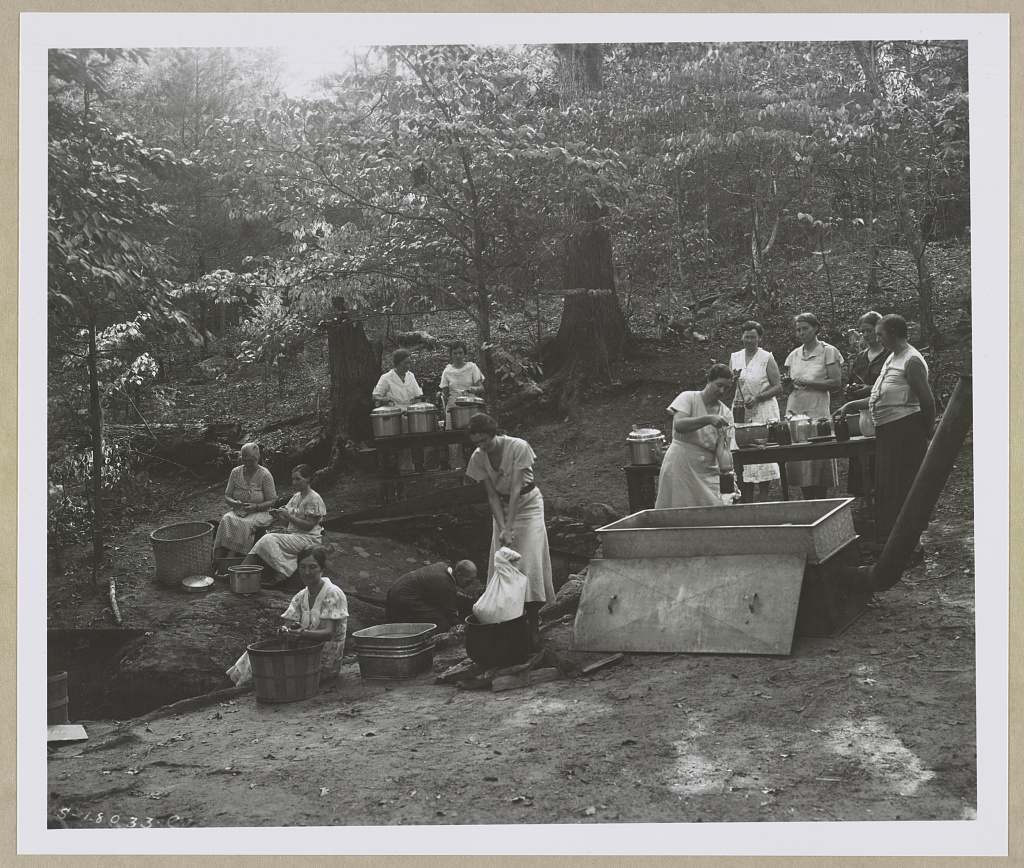
Rubber hardens, cracks and takes a permanent set. A ring that has been compressed for a year and then boiled is not the same ring, and one that has sat in a drawer for five years is worthless even if it looks fine.
So rings had to be bought fresh every season, and a household that economised by reusing them lost jars – which is a particularly bitter way to lose food, because the failure is invisible until the jar is opened months later and the contents are gone.
Every set of instructions ever printed for these jars says to use new rings. The paper bag of perished rings in my family’s box was exactly what it should have been: rubbish.
The Two-Piece Lid Replaced All of It
The modern arrangement is cleverer and it is worth seeing why.
A flat metal disc has sealing compound bonded to its underside, and a separate screw band holds it down only while the jar cools. Once the vacuum forms, the disc holds itself and the band comes off – and the band is reusable while the disc is not.
That separates the two functions completely. The sealing surface is new every time, which removes the perished-ring failure entirely, and the part that costs money is reused. It also means the lid can flex, which is what gives the audible click that tells somebody across the room that a jar has sealed.
The Jars Themselves Were Nearly Immortal
And this is why so many survive.
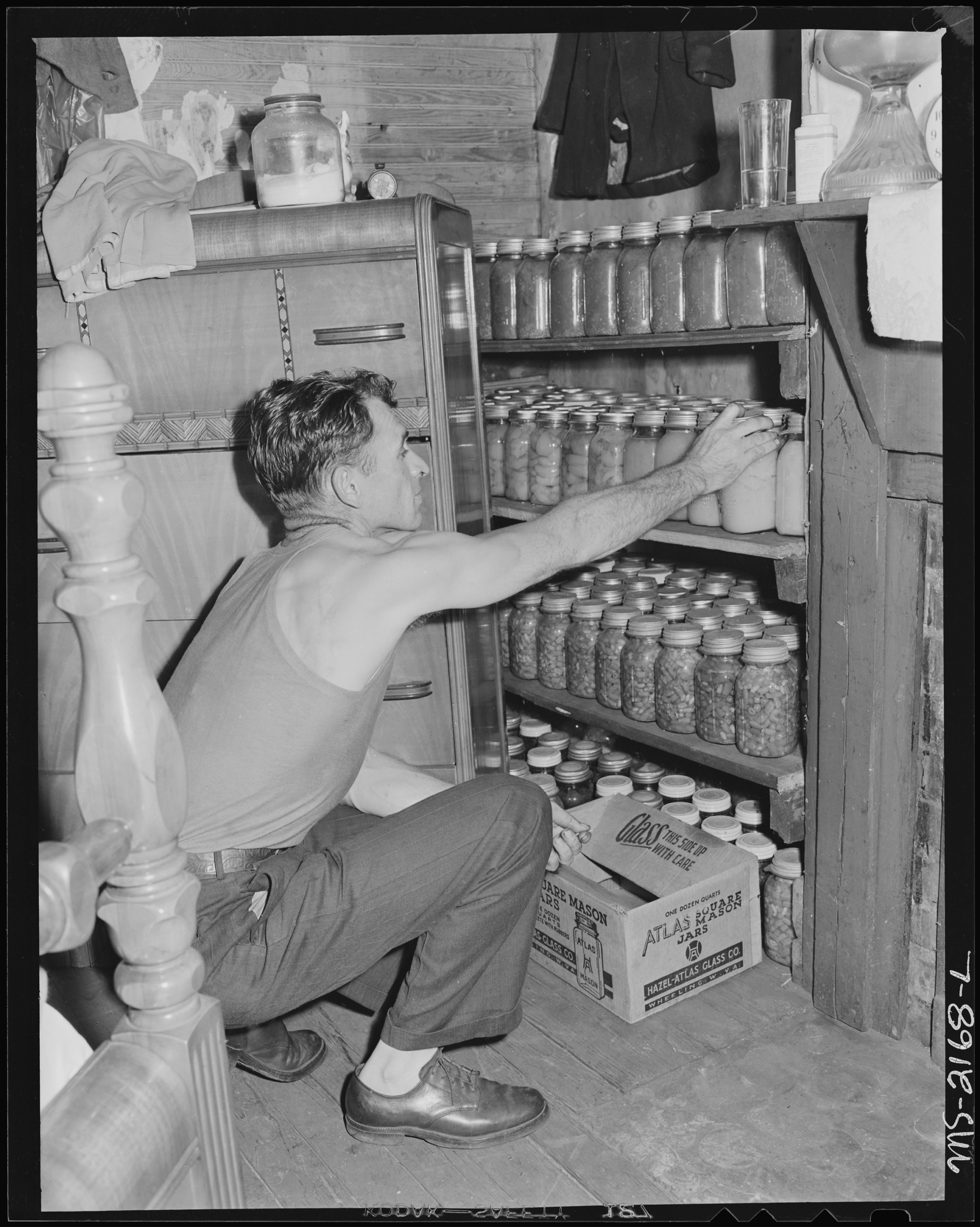
A glass jar has nothing to corrode, nothing to perish and no moving parts. Barring breakage it lasts indefinitely, which is why households accumulated them over generations and why they are still in cellars and barns in enormous numbers.
The economics of that are significant. A household bought jars once and bought rings annually, which makes the entry cost high and the running cost low – so a family that had accumulated a few hundred jars had a capital asset that let it preserve a garden’s entire output for the price of some rubber and some fuel.
It Changed What a Household Could Eat in February
Which is the point of all of it.
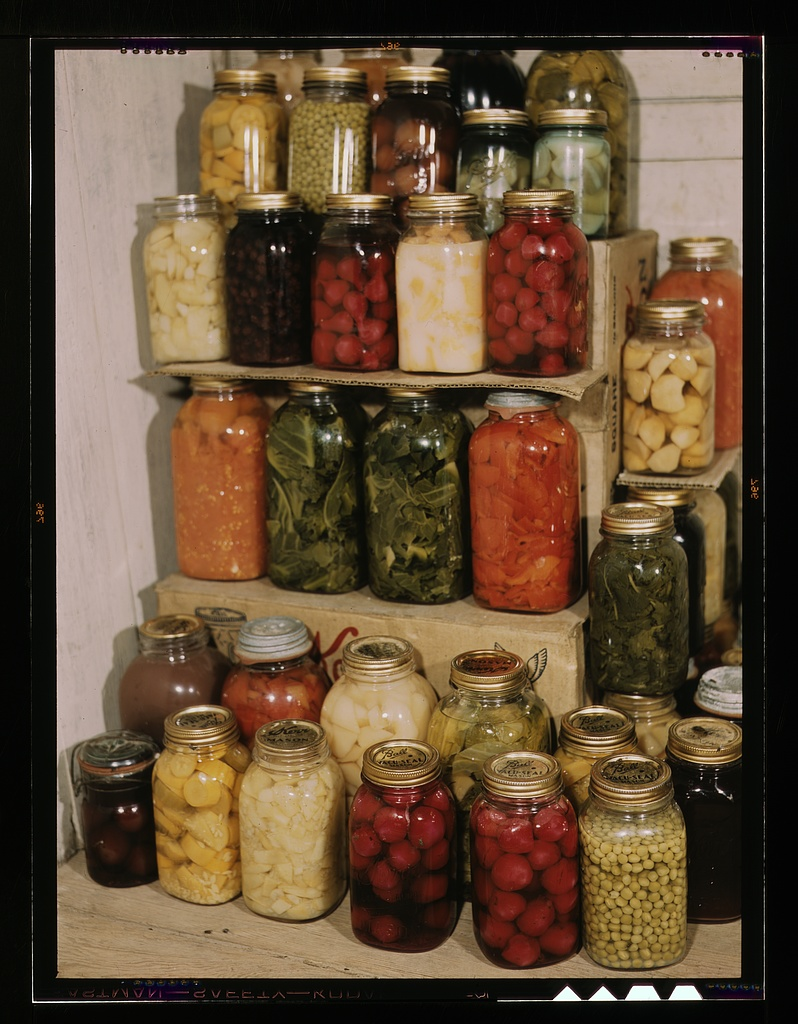
Before reliable home canning, the winter diet was whatever could be dried, salted, buried in sand or stored in a cellar – a short list that does not include most vegetables or most fruit in anything like their original state.
A reliable seal adds almost everything else. Beans, tomatoes, corn, greens, fruit, juice and anything else a garden produced could be put up in July and opened in February tasting roughly like itself.
That is a genuine change in what a household could eat for half the year, and it rests entirely on a ring of rubber being soft enough to deform and springy enough to push back.
What I Threw Out
I still think about that paper bag.
The jars in that box are the part that looks valuable – heavy, old, embossed, collectable, and now worth money to people who put flowers in them. The rings were worth nothing, perished to the point of uselessness, and were the only component in the whole system that anybody had to invent.
Glass containers are ancient. Metal lids are trivial. Heating food to preserve it was understood. The missing piece, for centuries, was a cheap soft elastic ring that would squash into the gap between two hard surfaces and stay there – and when that arrived, an ordinary household could suddenly keep a summer garden until spring.
Like our content? Follow us for more.