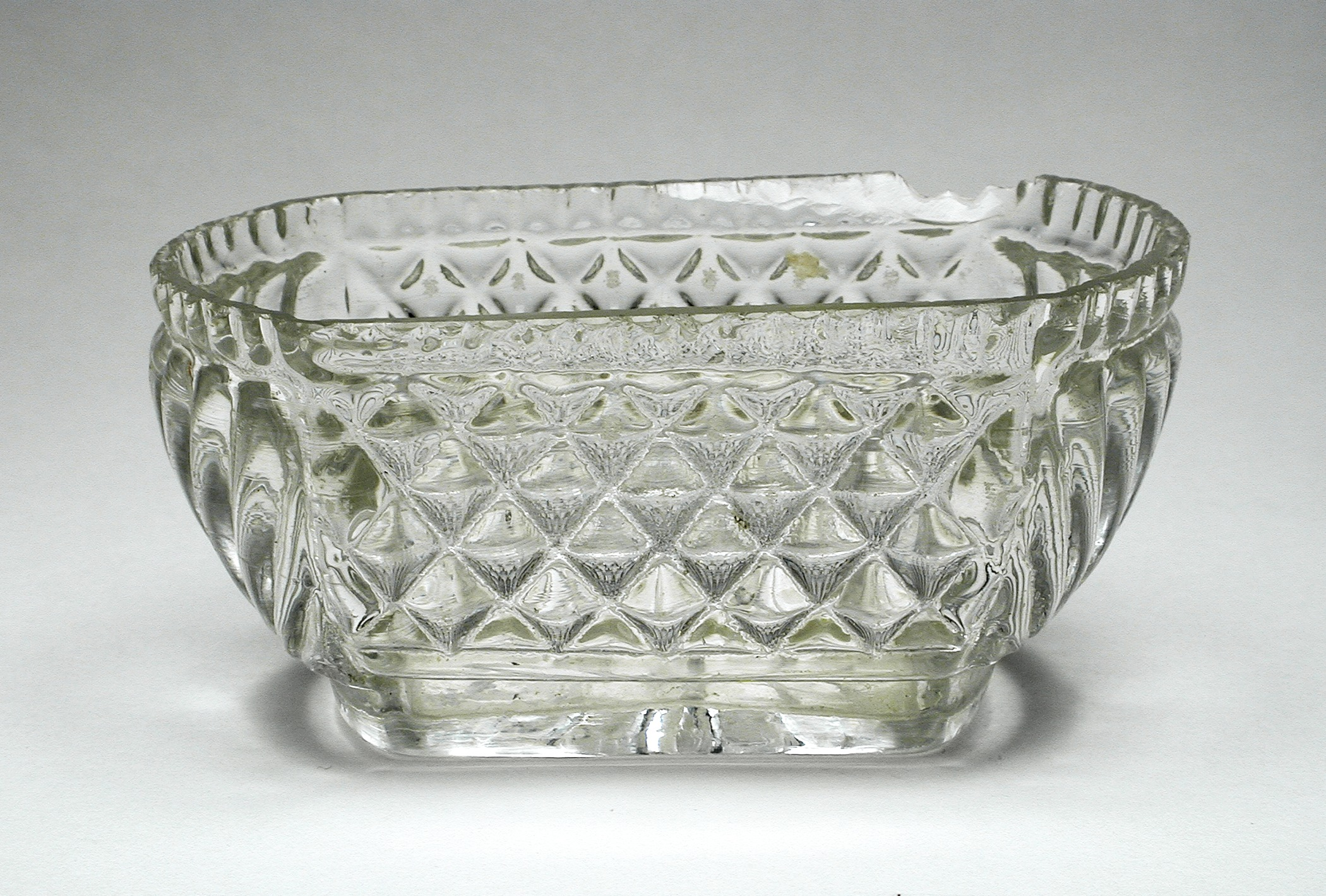
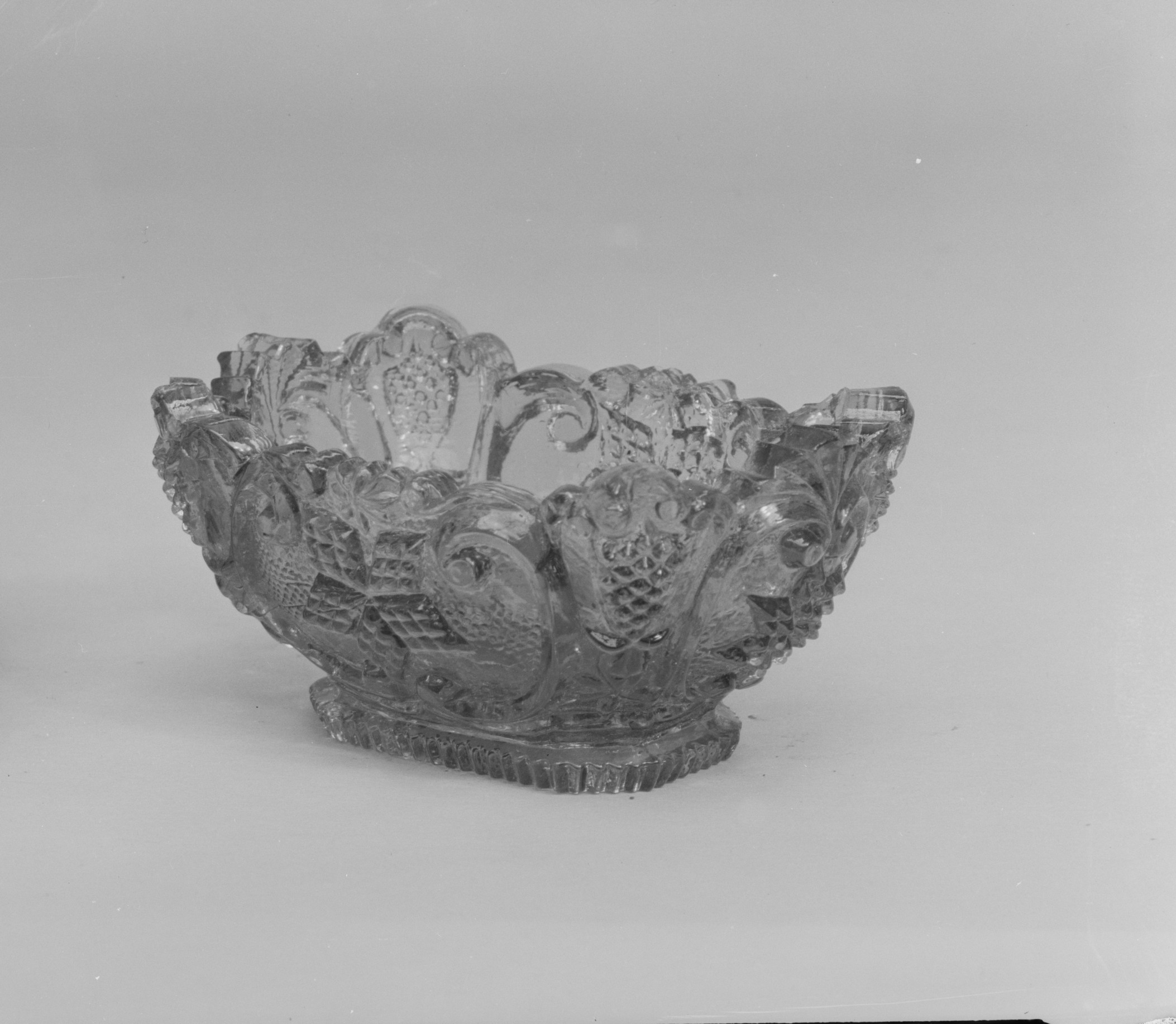
The tiny glass dishes in the back of my family’s china cabinet, each about the size of a thimble and each with an absurd little spoon, were explained to me as being for salt, which raised the obvious question of why anybody would put salt in an open dish instead of a shaker. The answer is that for a long time a shaker did not work. Salt absorbs water out of the air, sets into a solid lump, and blocks the holes – and the open dish is the solution to a problem that was only fixed by chemistry.
Salt Pulls Water Out of the Air
Start with the property, because everything else follows from it.
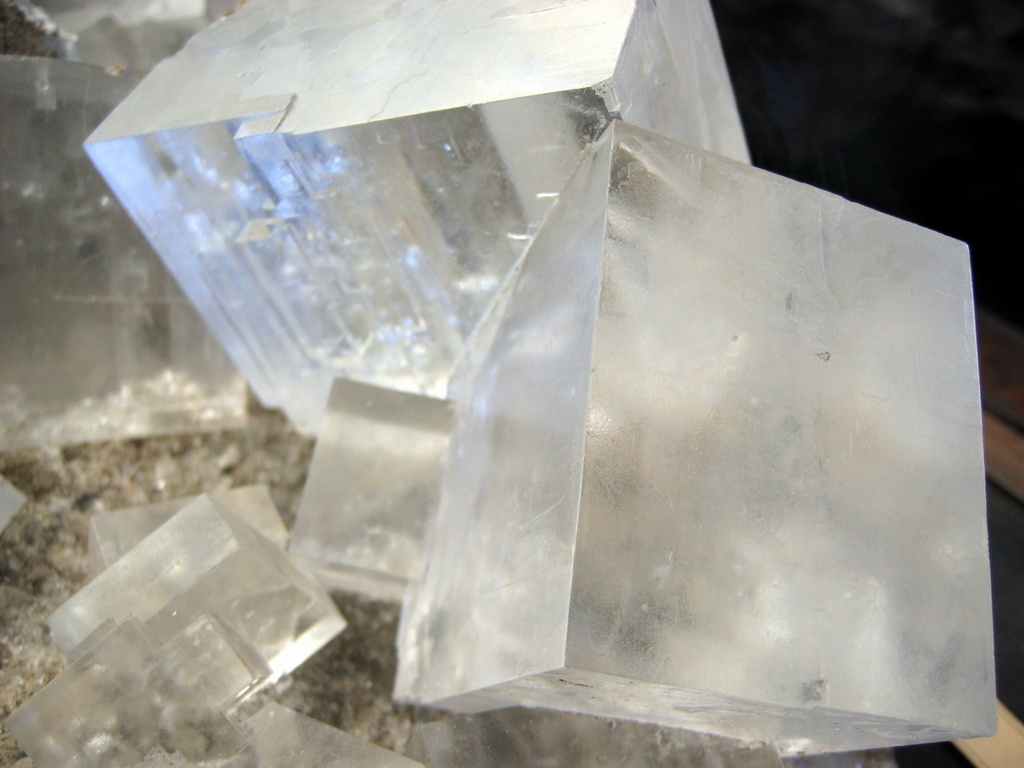
Salt is hygroscopic: it attracts water molecules from the air around it and holds them. In a humid room, salt sitting in the open takes up moisture continuously, and the surfaces of the individual grains become slightly wet.
Those damp surfaces then dissolve a little, and when the air dries out again the dissolved salt recrystallises – bridging between grains and welding them together. Repeat that cycle a few times and loose salt becomes a solid cake.
Which means the problem is not dirt or age. It is a reversible chemical process happening every time the humidity in the room changes.
Like our content? Follow us for more.
A Shaker Needs Free-Flowing Powder and Salt Is Not
Now the design consequence.
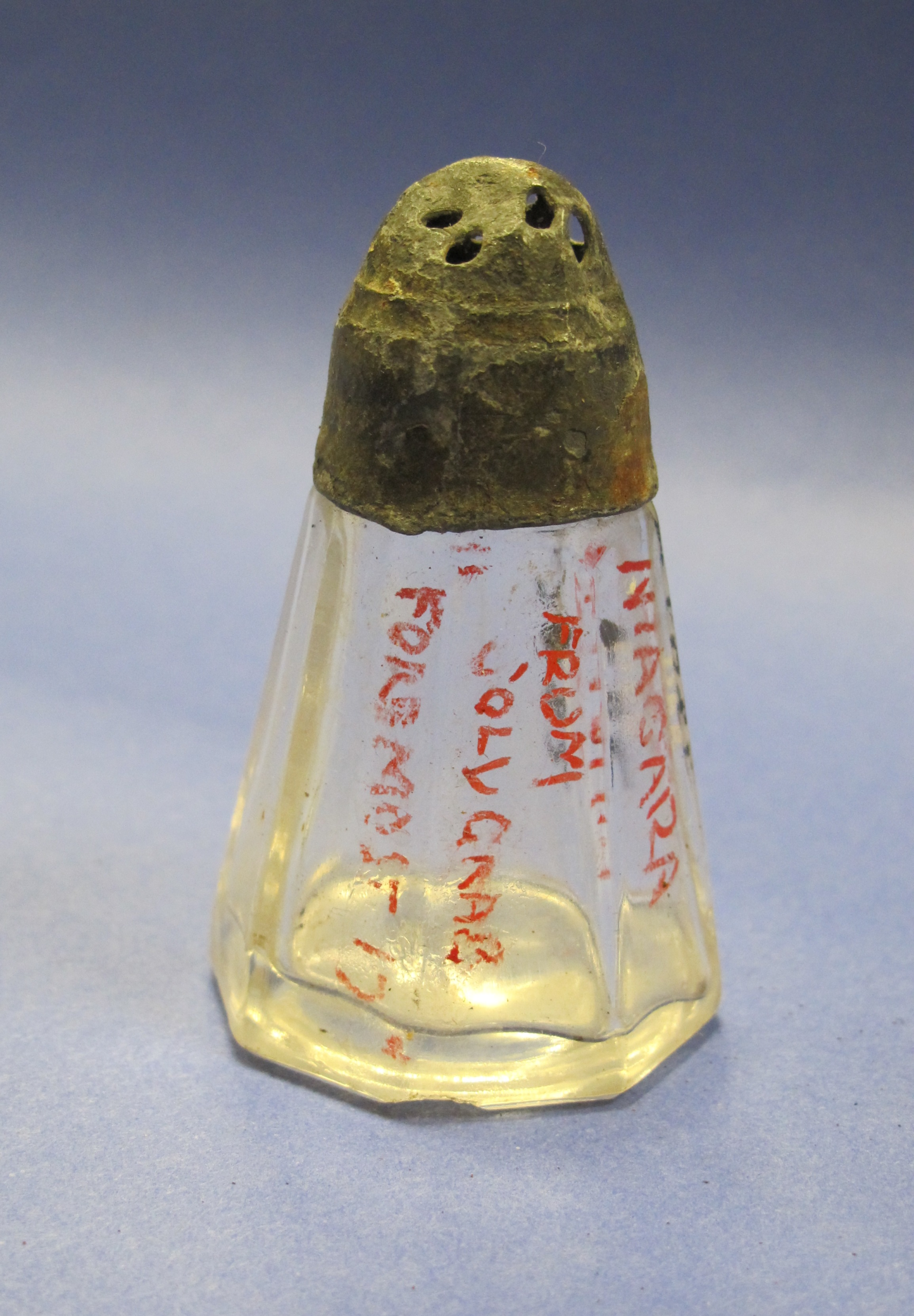
A shaker works by letting a measured trickle fall through small holes when the vessel is tipped. That requires the contents to behave like a dry powder – individual particles moving independently.
Caked salt does none of that. It will not pass the holes, it blocks them from inside, and a shaker that has caked is worse than useless because it looks functional and delivers nothing. Shaking harder produces either nothing at all or a sudden lump.
So for most of the period there was no reliable way to dispense salt from a closed container, and households used open ones instead.
The Open Dish Admitted the Problem
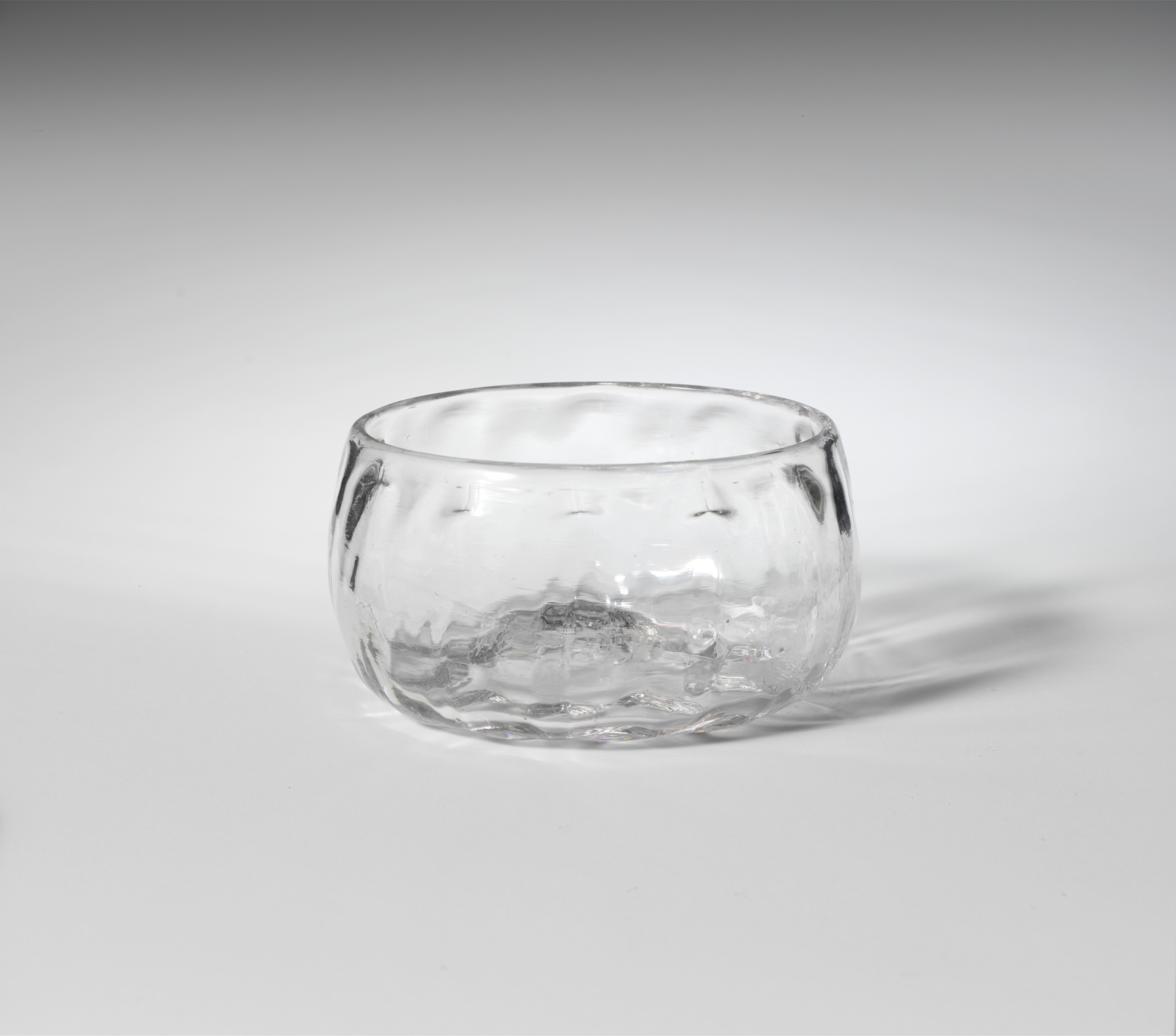
Which is exactly what the little dishes are.
An open salt is a small shallow vessel from which salt is taken with a spoon or with the fingers. It makes no attempt to meter anything. If the contents cake, you can see it, break it up with the spoon and carry on – which a shaker does not allow.
That is a design that accepts a material’s behaviour rather than fighting it. The salt will cake, somebody will break it up, and the vessel is shaped so that both of those are easy.
The Spoons Were Tiny Because the Salt Was Dear
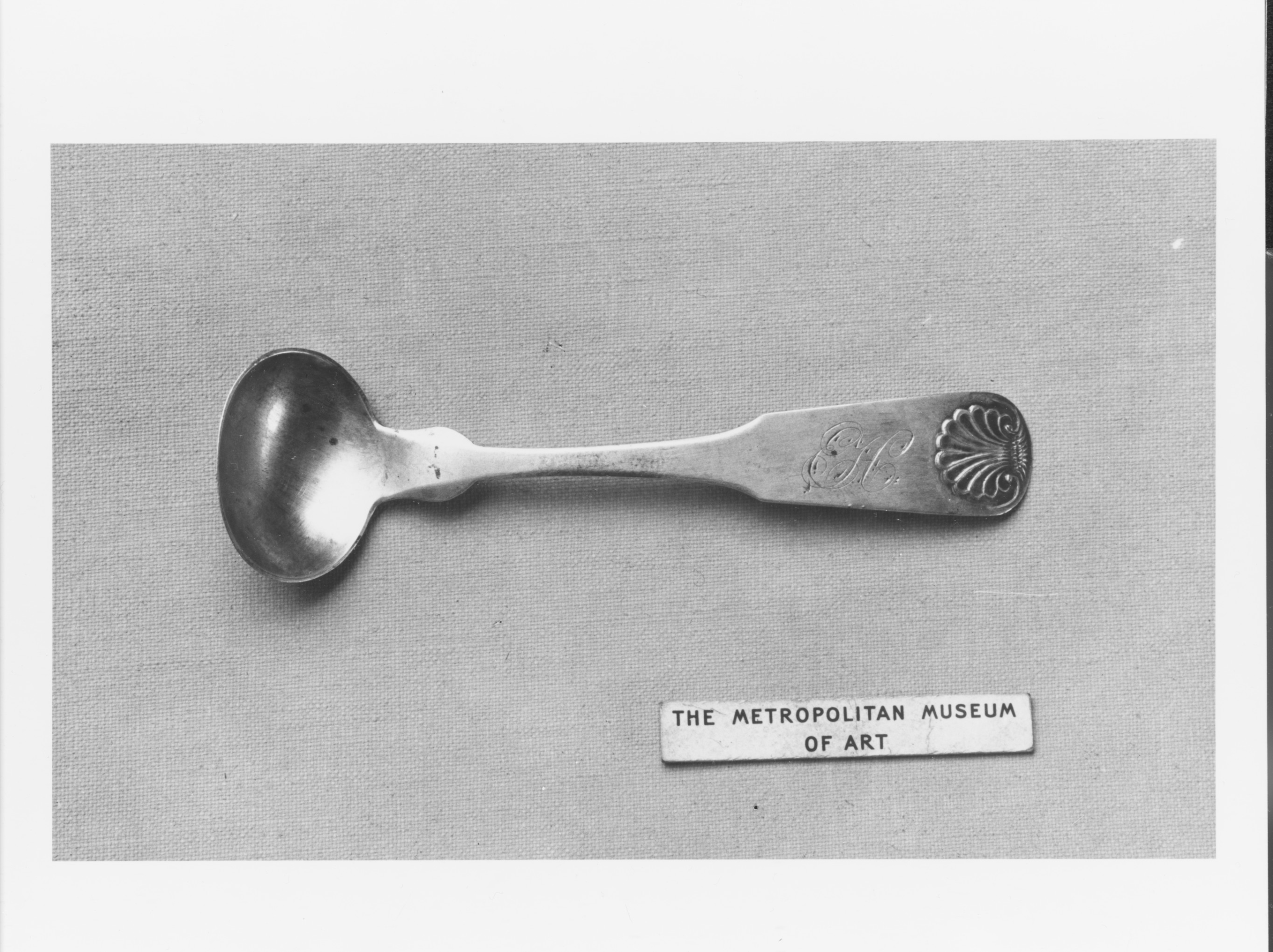
Worth stating, because the scale of these objects surprises people.
Salt was a purchased commodity that had to be carried inland, and while it was not ruinously expensive by this period it was not free either. A dish holding a spoonful at a time, refilled from a larger store, controls how much is on the table and how much gets wasted or spilled.
The spoons themselves were made in bone, horn, wood, glass and silver, and they were tiny – because a pinch is the quantity anybody actually wants and a large spoon in a small dish simply will not fit.
Fingers Were Perfectly Acceptable
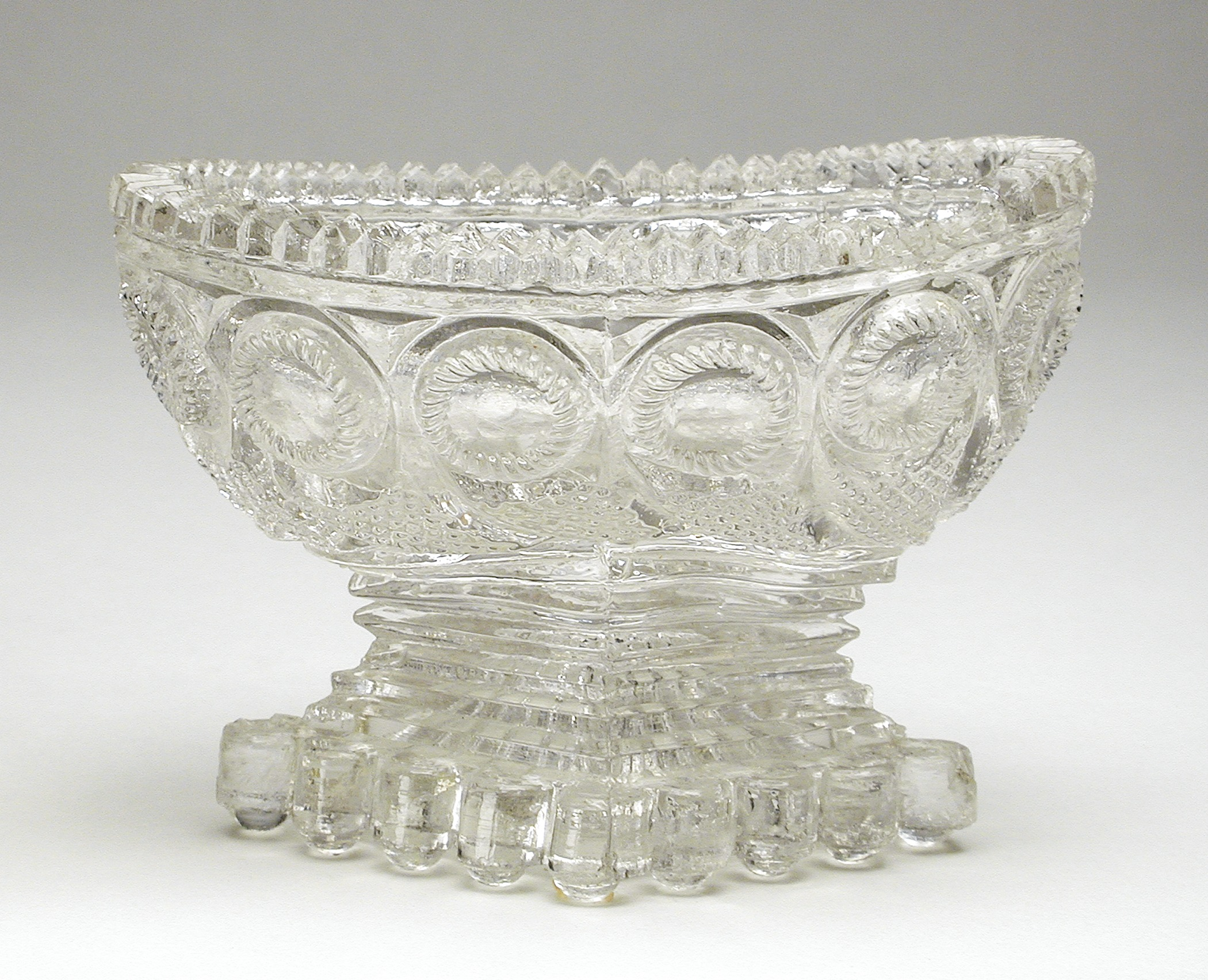
A detail that modern readers find startling.
Taking a pinch of salt from an open dish with the fingers was ordinary practice for a long time, and the open salt is shaped for exactly that – wide enough for a hand, shallow enough to reach the bottom.
The spoons came in as table manners formalised, and the shift from fingers to a spoon is a change in etiquette rather than in function. Which is why both arrangements exist in surviving sets and why some dishes have no spoon at all.
Every Place Setting Had One in the Formal Arrangement
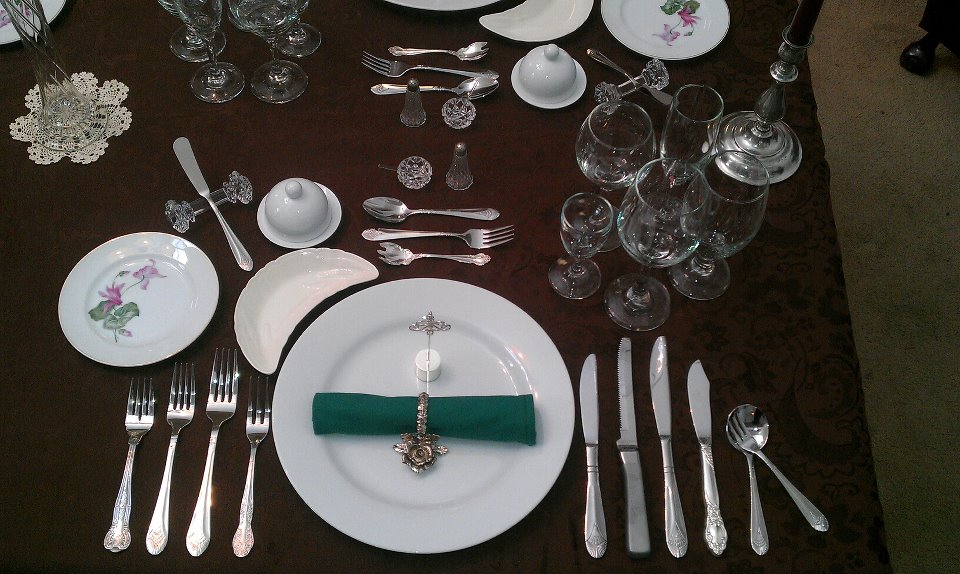
This is why there are so many of them.
A single large open salt served a whole table in the earlier arrangement. Later, formal settings gave each diner an individual salt beside their place, which multiplies the number of objects by the number of chairs.
So a household that entertained had a set of six or twelve matching tiny dishes, and that is the quantity that turns up in china cabinets now. They are not a random accumulation; they are the remains of a service.
The Kitchen Had a Different Vessel Entirely
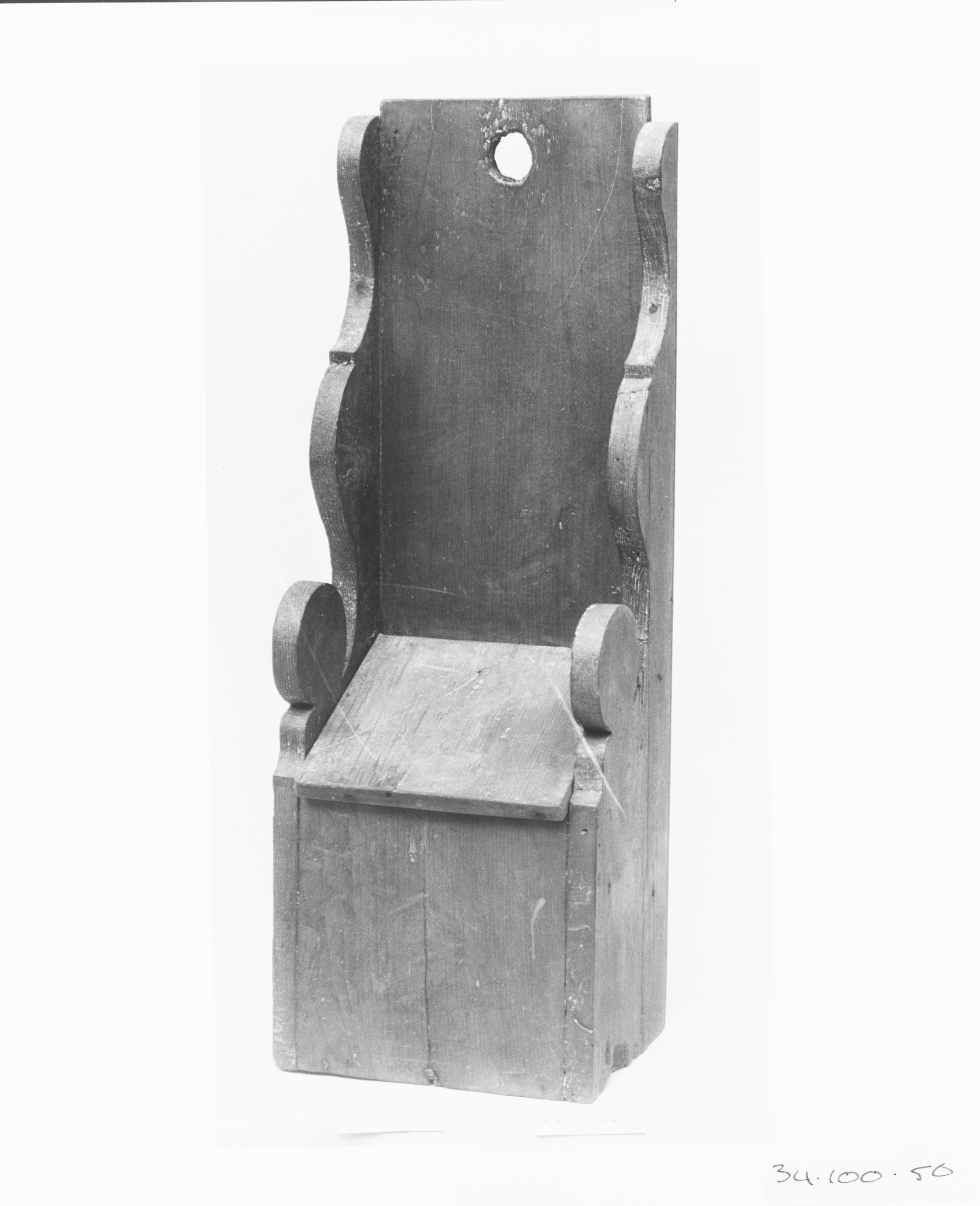
The table dish is the ornamental end of the story and there was a working one.
A kitchen kept a much larger salt container – a box with a lid, frequently wooden, hung on the wall beside the stove. The lid keeps out most of the moisture, and the position beside the stove keeps the contents warm and dry, which is the simplest available defence against caking.
That is a genuinely clever use of the room. The warmest, driest spot in a kitchen is next to the fire, and putting the salt there means the hygroscopic material is stored in the one place where the air is least able to give it water.
Rice in the Dish Was the Household Fix
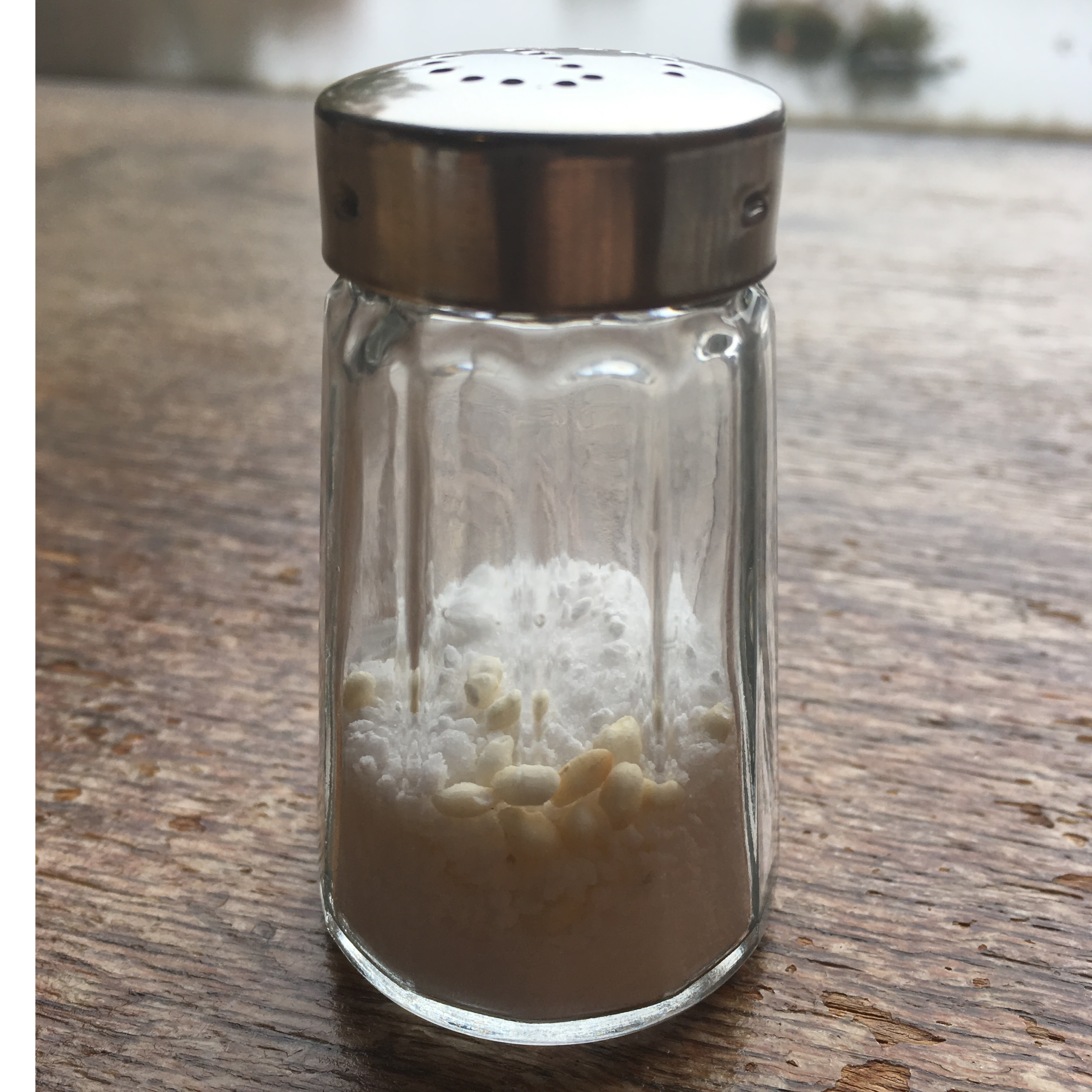
And this is the trick everybody’s grandmother knew.
A few grains of rice in a salt container absorb moisture themselves, which means some of the water in the air goes into the rice rather than into the salt. It also physically interrupts the salt, keeping grains apart so that bridges cannot form as easily.
It works, partially, and it was close to universal. Which is a household arriving empirically at the principle that the way to stop a hygroscopic material caking is to put something else in with it that either absorbs the water or keeps the particles separated.
Glass Was the Best Material and Silver Was the Worst
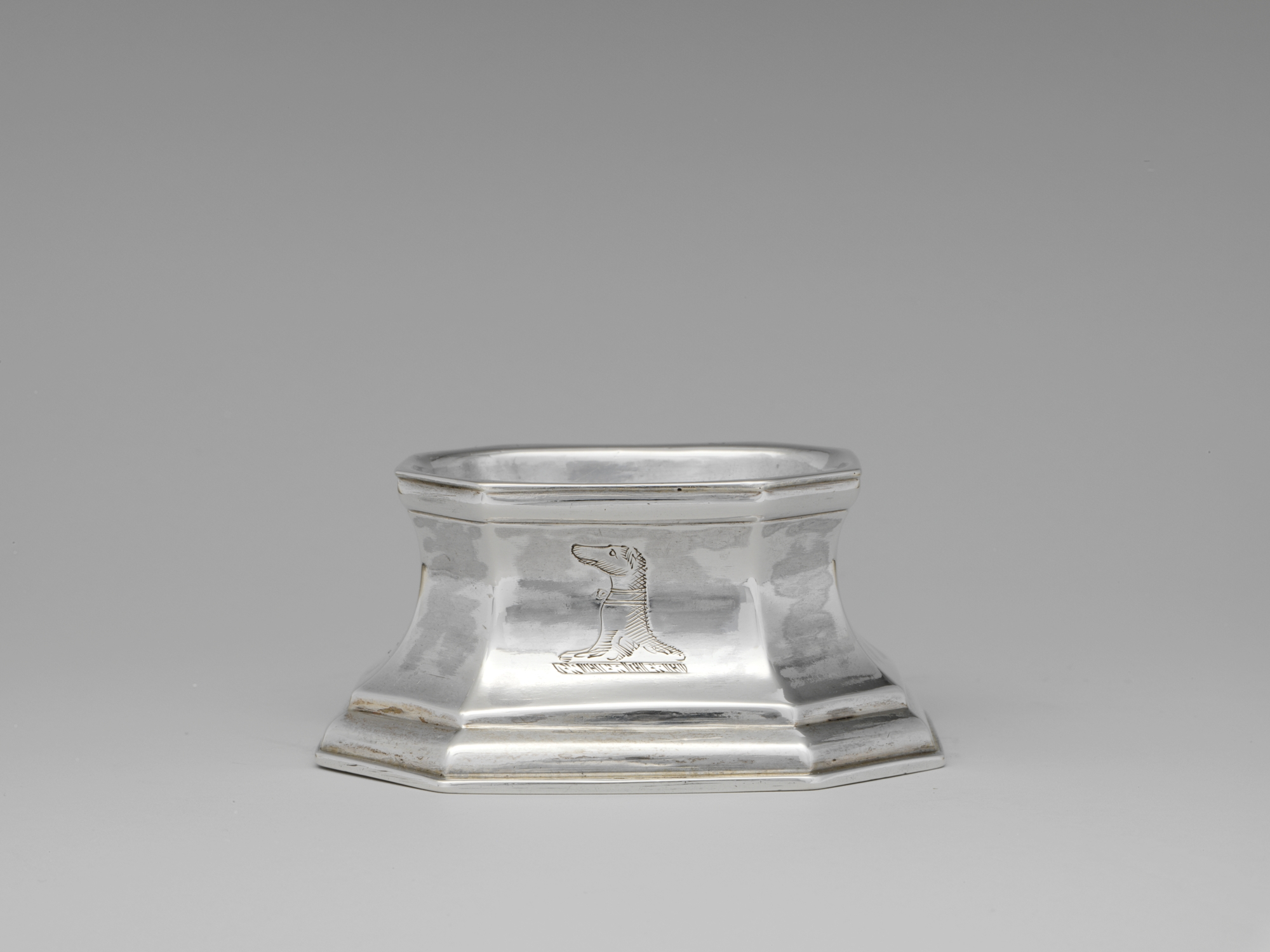
The materials these were made in look like a matter of taste and are partly a matter of chemistry.
Salt is corrosive to most metals, and a vessel that holds damp salt against a metal surface for years will be attacked by it. Silver in particular is marked and pitted by salt, which is why silver salts were almost always made with a glass liner dropped inside them – the silver is the visible part and the glass is the part in contact with the contents.
So the hierarchy of materials runs the other way from the hierarchy of value. Glass and porcelain are chemically indifferent to salt and last indefinitely. Silver is the expensive option and needs protecting from what it is holding.
Which is also how you can identify what a surviving piece was for. A small silver dish with a loose glass liner in it is a salt; the same dish without a liner has usually lost it, and the inside of the silver will show the damage.
The Salt Went Round the Table and That Had Rules
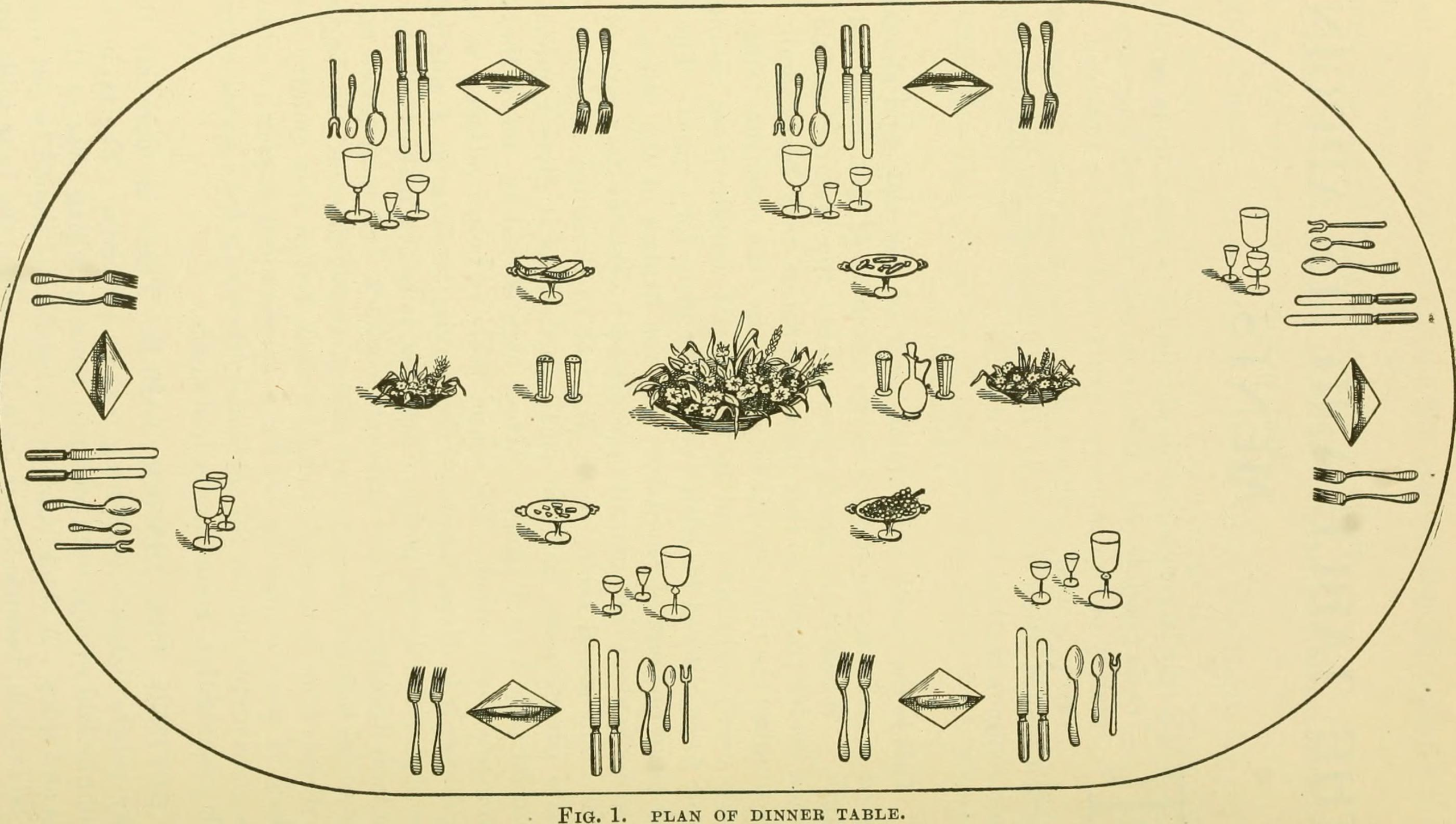
One social detail, because it is the part that attached itself to the object.
With a single open salt serving a table, it had to be passed, and passing it was governed by the same sort of conventions as everything else at a formal meal – which way it went, whether it was handed or set down, who reached and who asked.
There is a well-known superstition about not handing salt directly from one person to another, which is why a great many accounts describe it being put down on the cloth for the next person to pick up. The file takes no view on where that belief came from; what is worth noting is that the custom has a practical effect, since a small shallow open dish being handed between people is exactly the arrangement most likely to end up in somebody’s lap.
Then Chemistry Solved It Properly
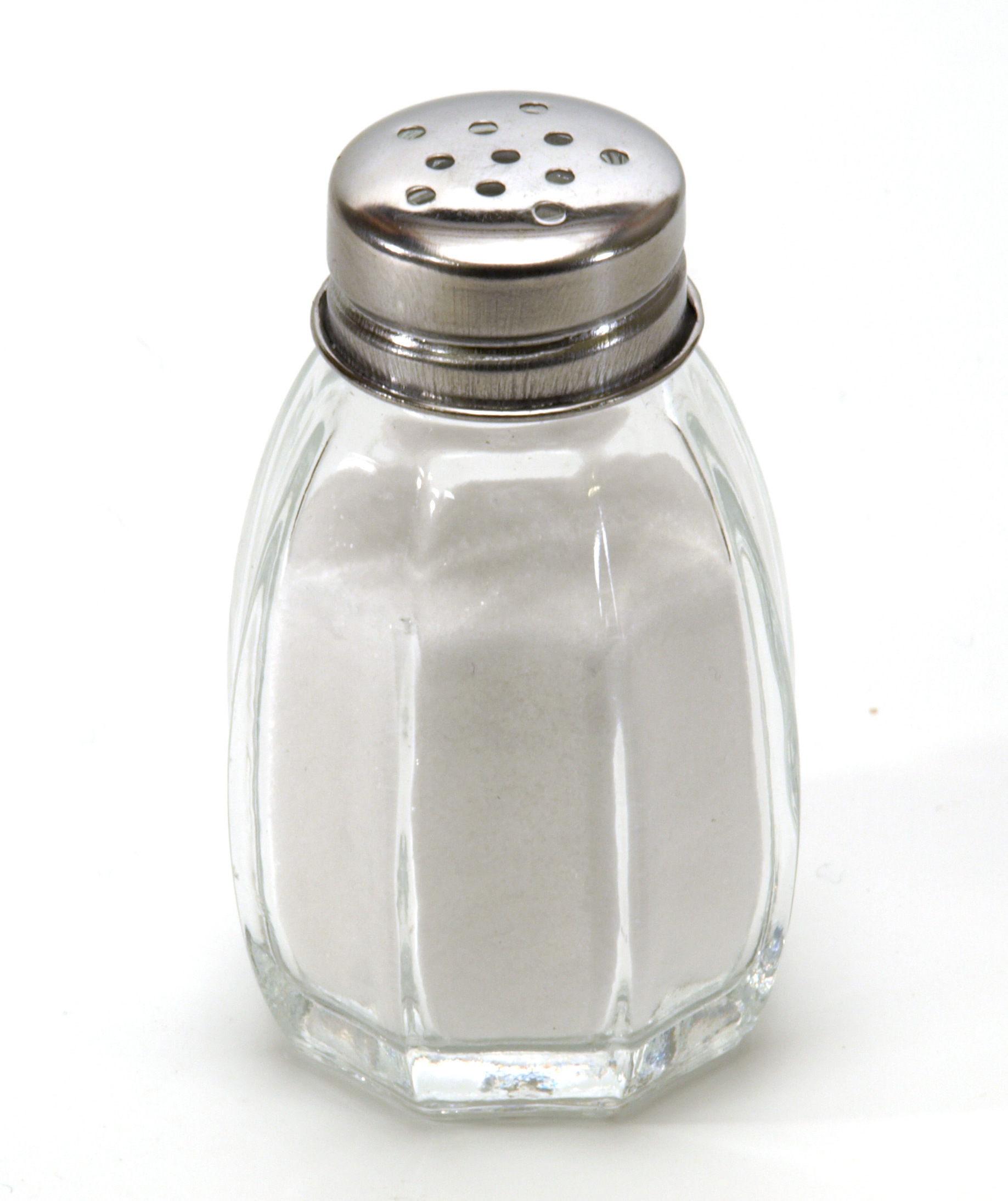
The shaker became usable because the salt changed, not because the shaker did.
Additives were developed that do exactly what the rice was approximating – coating the grains or interfering with the formation of bridges between them, so that the salt stays loose through humidity cycles that would previously have set it solid.
That is the whole reason a shaker works now. Pour modern table salt into an antique shaker and it flows; pour unprocessed salt into a modern shaker and it will cake. The container was never the variable.
The Dish Lost Its Job and Kept Its Place
Which produced an odd afterlife.
Once salt flowed reliably, the open dish had no function – it is strictly worse than a shaker for dispensing, since it cannot meter and leaves the contents exposed. There was no reason to keep using one.
But they are small, decorative, frequently glass or silver, and they came in sets. So they stayed in cabinets as ornaments, got repurposed for pins, rings, mustard and condiments, and are now collected by people who mostly use them for olives and almonds.
Coarse Salt Brought the Dish Back
The part I find satisfying, because the logic ran in reverse.
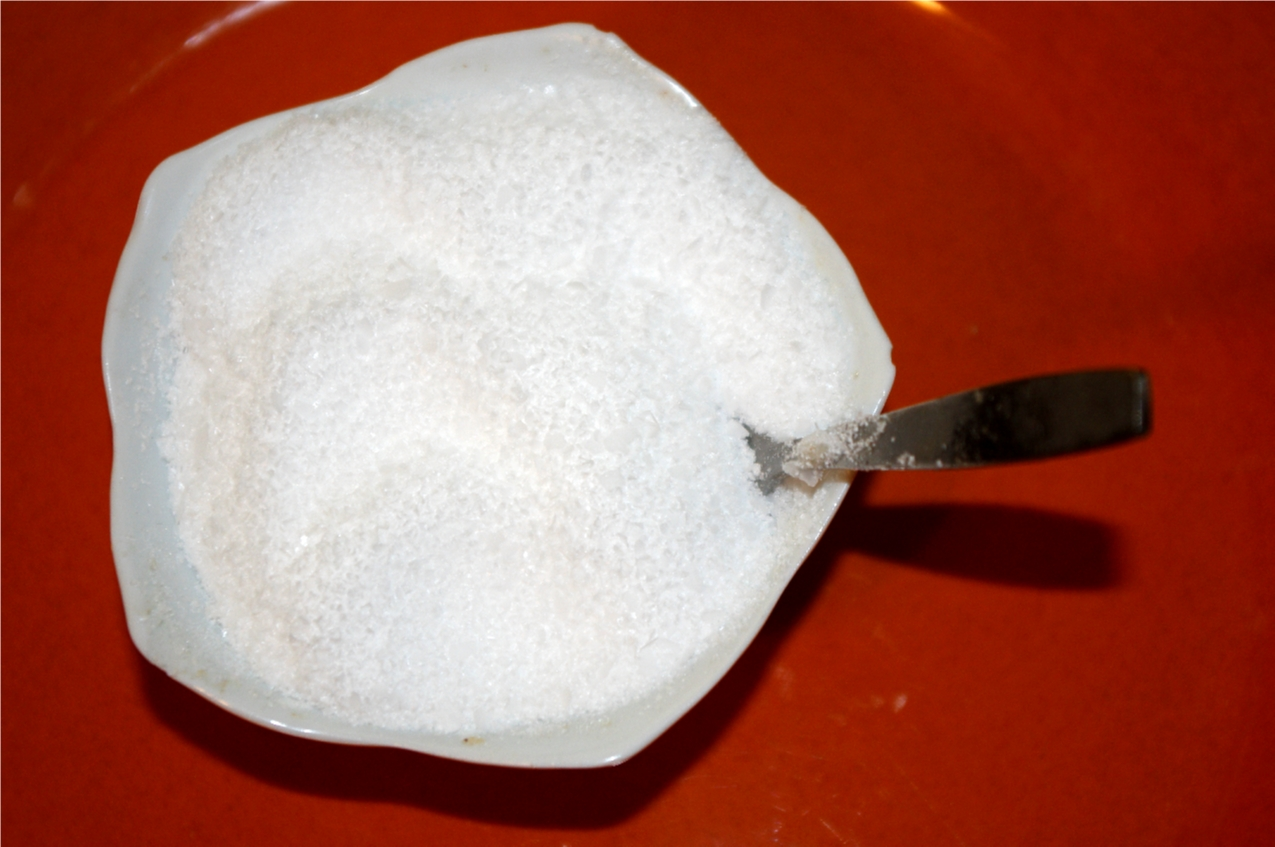
Coarse and flaked salts will not go through a shaker at all – the crystals are too large and irregular – so anybody using them needs an open vessel and takes a pinch with the fingers.
Which means the modern salt dish beside a stove is not a revival of a quaint custom. It is the same object returning for the same reason: a salt that a shaker cannot handle requires something you can reach into.
What the Little Dishes Are
So the thimble-sized objects in the cabinet are evidence of a specific technical limitation.
Salt takes water out of the air, dissolves slightly at the surface of each grain, recrystallises as bridges when the air dries, and becomes a solid lump – which makes it undeliverable through small holes. For a very long time nobody had a fix, so households used open dishes they could reach into and break up, stored the bulk in a lidded box beside the stove where the air was driest, and put rice in with it.
Then somebody worked out how to coat the grains, and within a generation the shaker became the normal object and the dishes became ornaments. Which is a rare case of a piece of chemistry making a whole category of tableware obsolete – and the only reason the dishes survive in such numbers is that they are pretty, came in sets of twelve, and are too small to be in anybody’s way.
Like our content? Follow us for more.