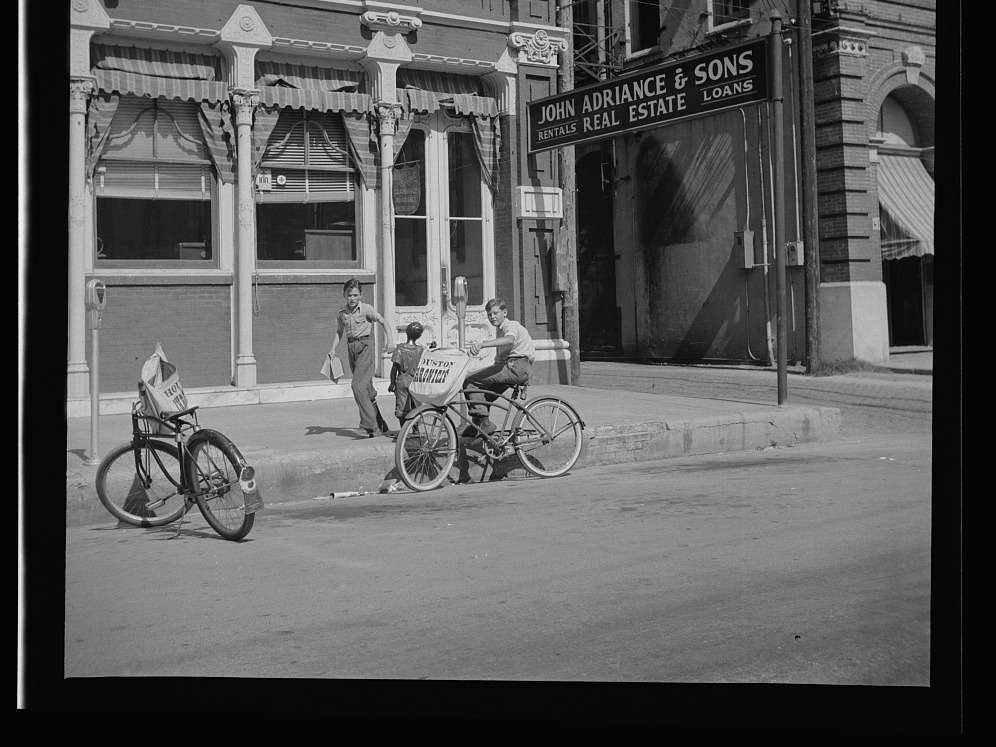
I had a paper route in 1968, and the thing nobody tells you about it is that it was not a job in any sense a twelve-year-old would recognise now. It was a small business, and I was the proprietor. The newspaper did not pay me. I bought the papers from the newspaper, at a wholesale rate, and then I sold them to my customers at the retail rate, and the difference between those two numbers was mine. Which means I was also the one carrying the loss when somebody did not pay.
The Carrier Was a Buyer, Not an Employee
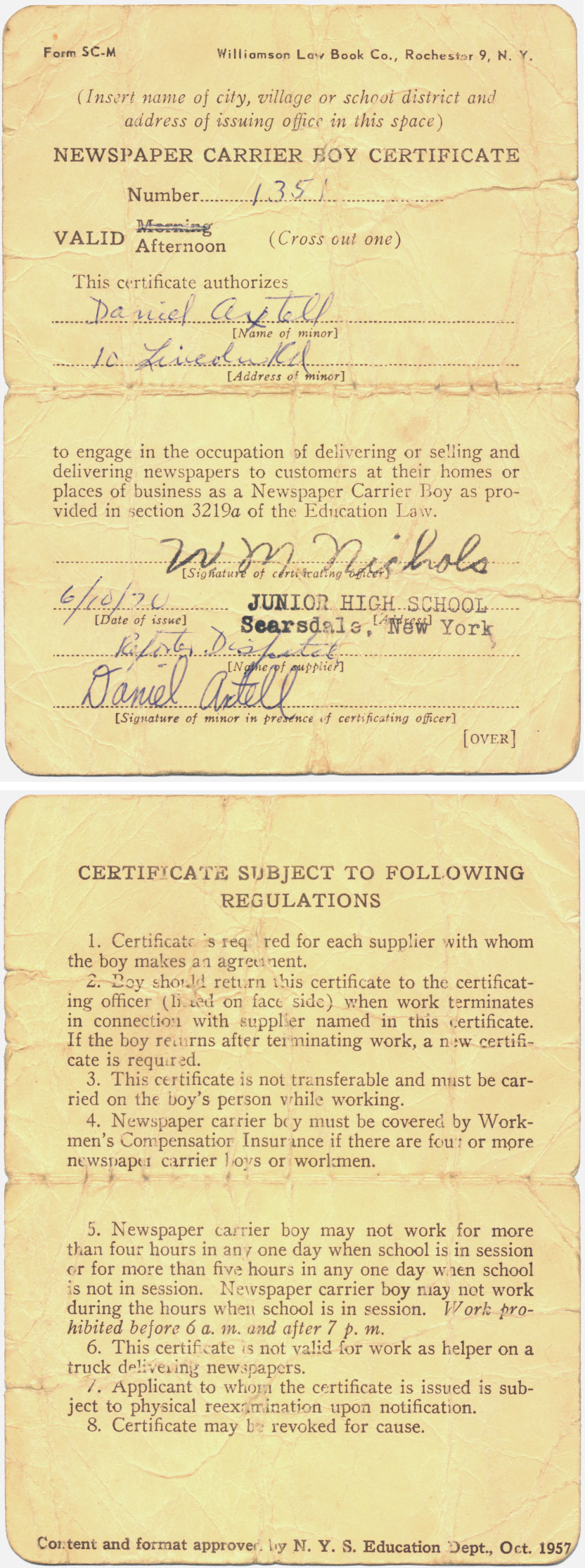
This is the part that surprises people most, and it is the fact everything else about the job follows from. A newspaper carrier was an independent contractor – a child independent contractor – who purchased inventory on credit and resold it.
The paper handed me a bundle every afternoon and a bill every week. What I owed was fixed and known. What I collected was neither. So the arithmetic of the route was not a wage at all: it was a margin, and the margin only existed if the collecting went well.
Like our content? Follow us for more.
Collecting Was the Actual Job
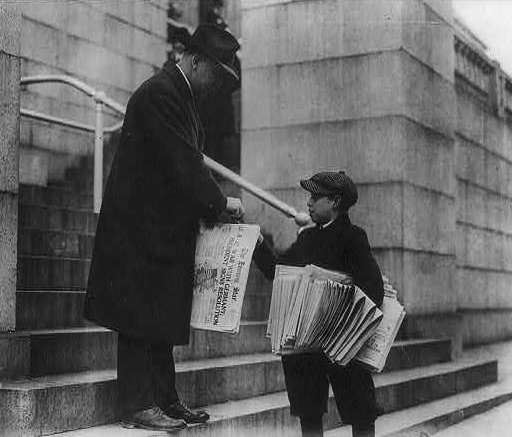
Delivering papers is the easy half, and everybody remembers it as the whole thing. The hard half was going door to door once a week or once a month and asking people for money.
Some paid immediately. Some were never home. Some had decided, for reasons they did not share, that this particular week was not convenient. And a child standing on a porch asking an adult for a dollar and thirty cents has very little bargaining power – which is the first real lesson the job taught, well ahead of anything about responsibility.
The Ring of Cards Was the Accounting System
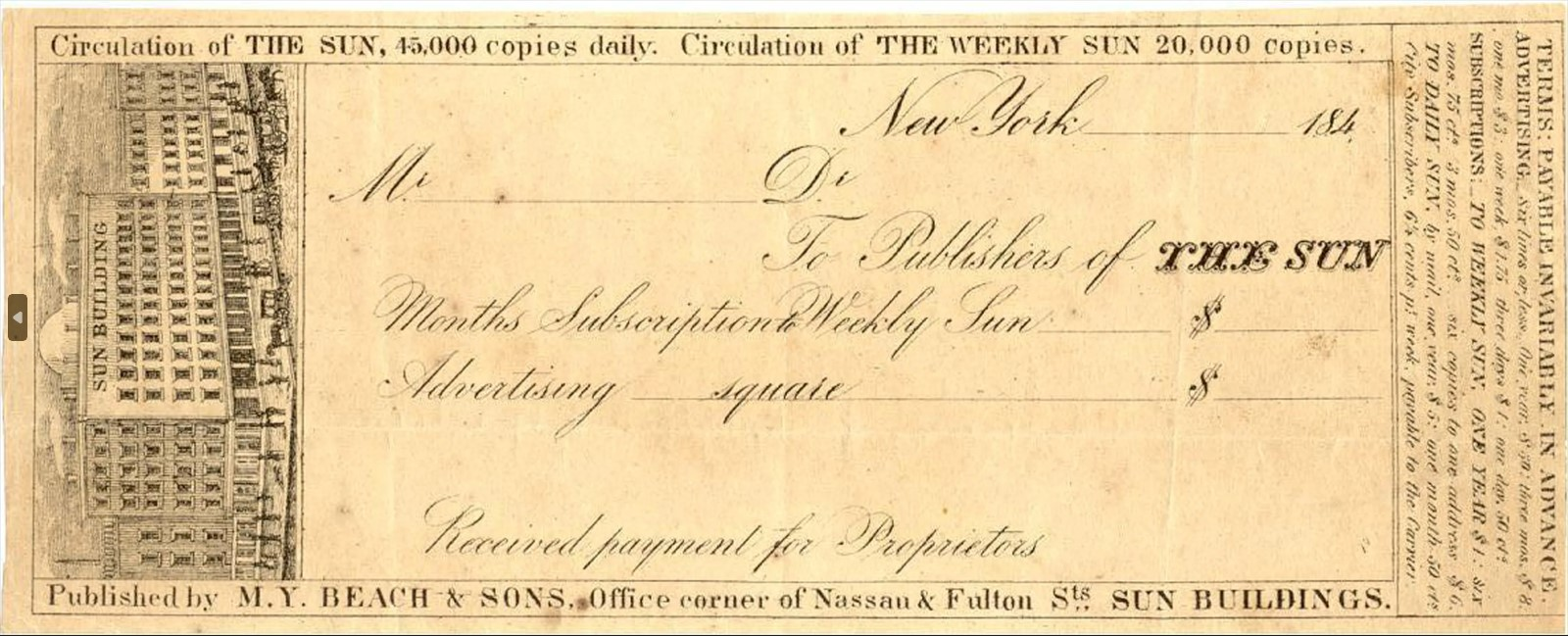
Every carrier had a small ring of cardboard cards, one per customer, with the weeks printed along the edge. When somebody paid, you punched or tore the week off.
That ring was the entire financial record of the business, it lived in a back pocket, and losing it was catastrophic – because the only proof that a customer had paid was the card, and the only record of who owed what was the same card. There was no copy anywhere.
Deadbeats Came Out of the Carrier’s Own Money
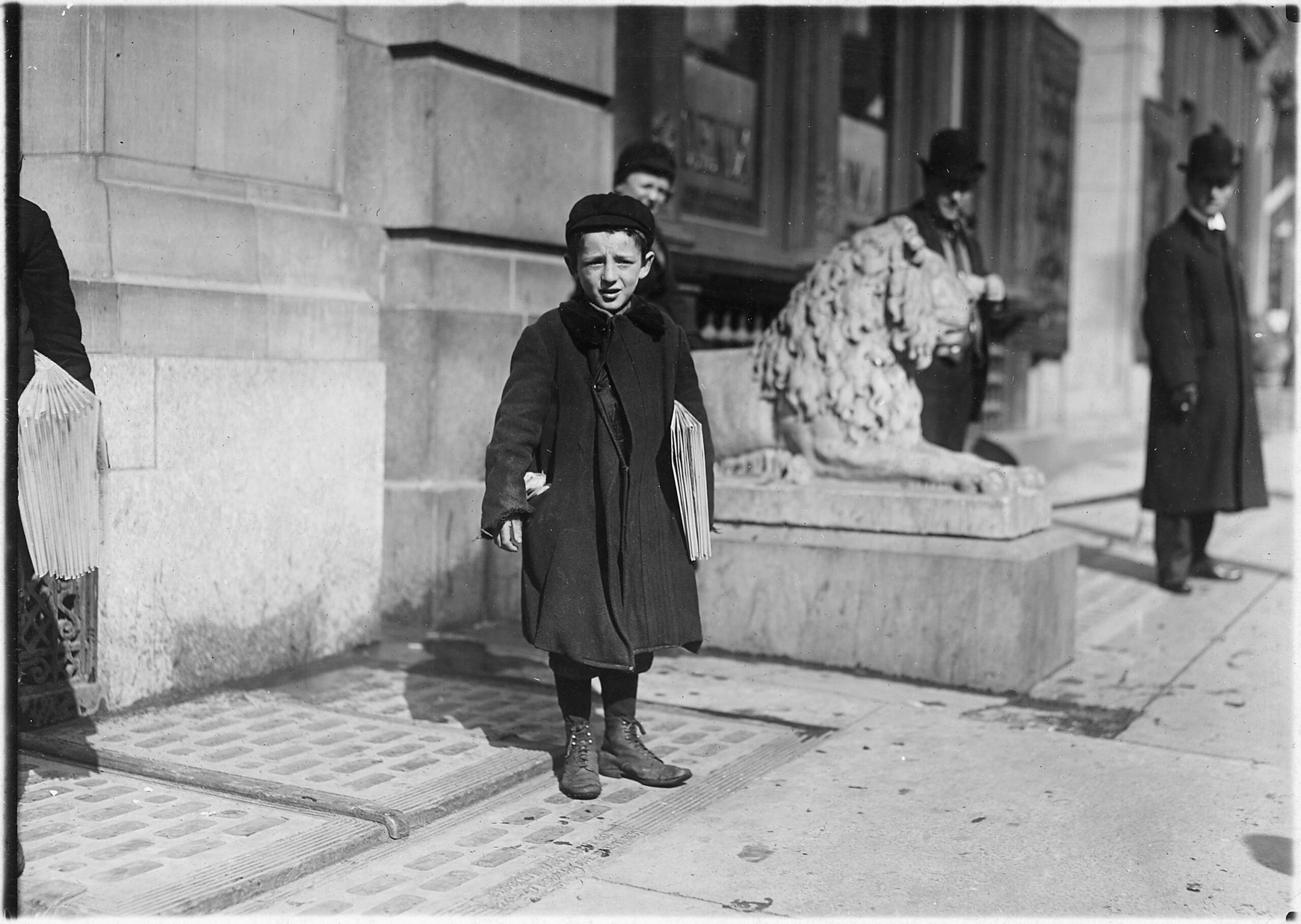
A customer who moved away owing six weeks did not cost the newspaper anything. The newspaper had already been paid, by me, for those six weeks of papers.
So every unpaid account was a direct loss against a child’s earnings, and there was no appeal, no write-off and nobody to complain to. A route with two or three bad accounts could earn noticeably less than an identical route with none, for reasons entirely outside the carrier’s control.
The Route Was Walked or Ridden in Every Kind of Weather
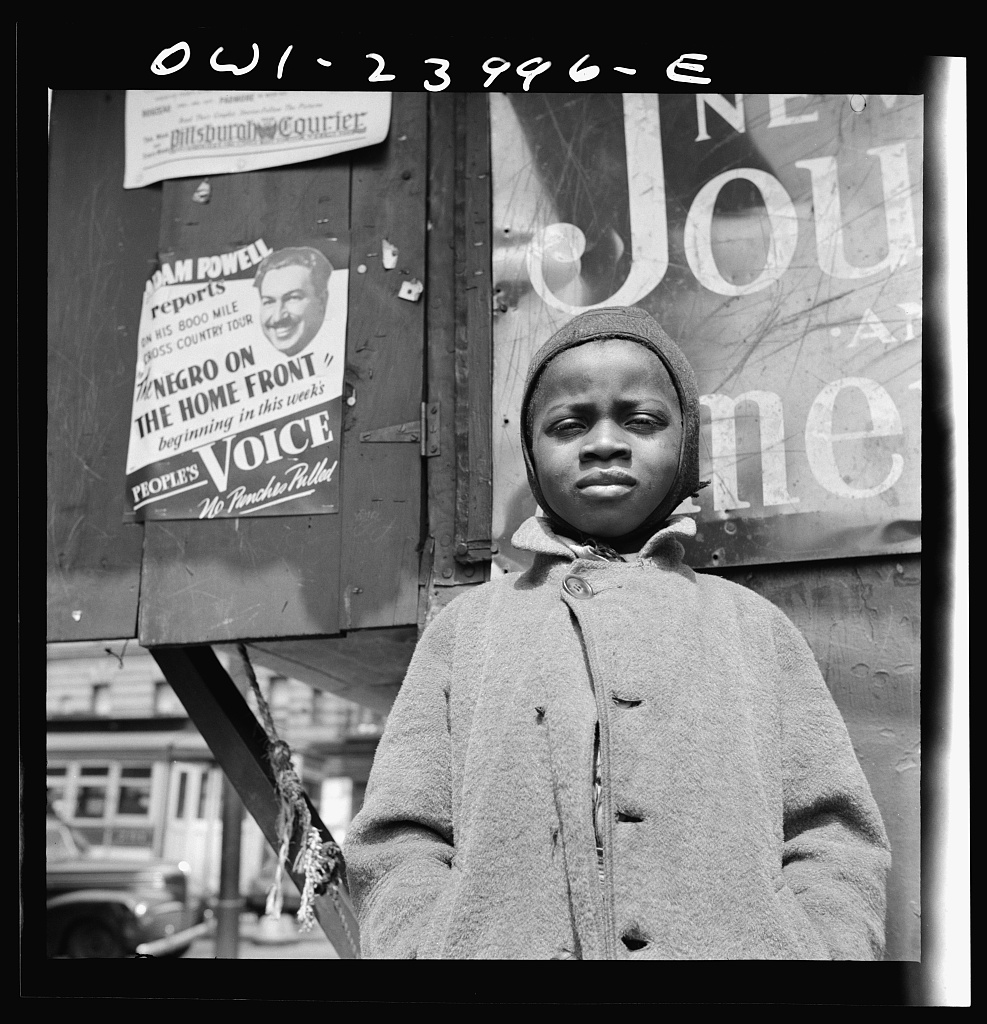
Papers came out daily, which means the route ran daily, which means it ran in rain, in snow and in the dark.
Weather did not reduce the obligation and it did not reduce the number of houses. What it did was make the papers heavier – wet newsprint takes on a startling amount of water – and make the bag harder to carry, at exactly the time of year when the walk was least pleasant. Nobody substituted for you.
Keeping the Papers Dry Was the Carrier’s Problem
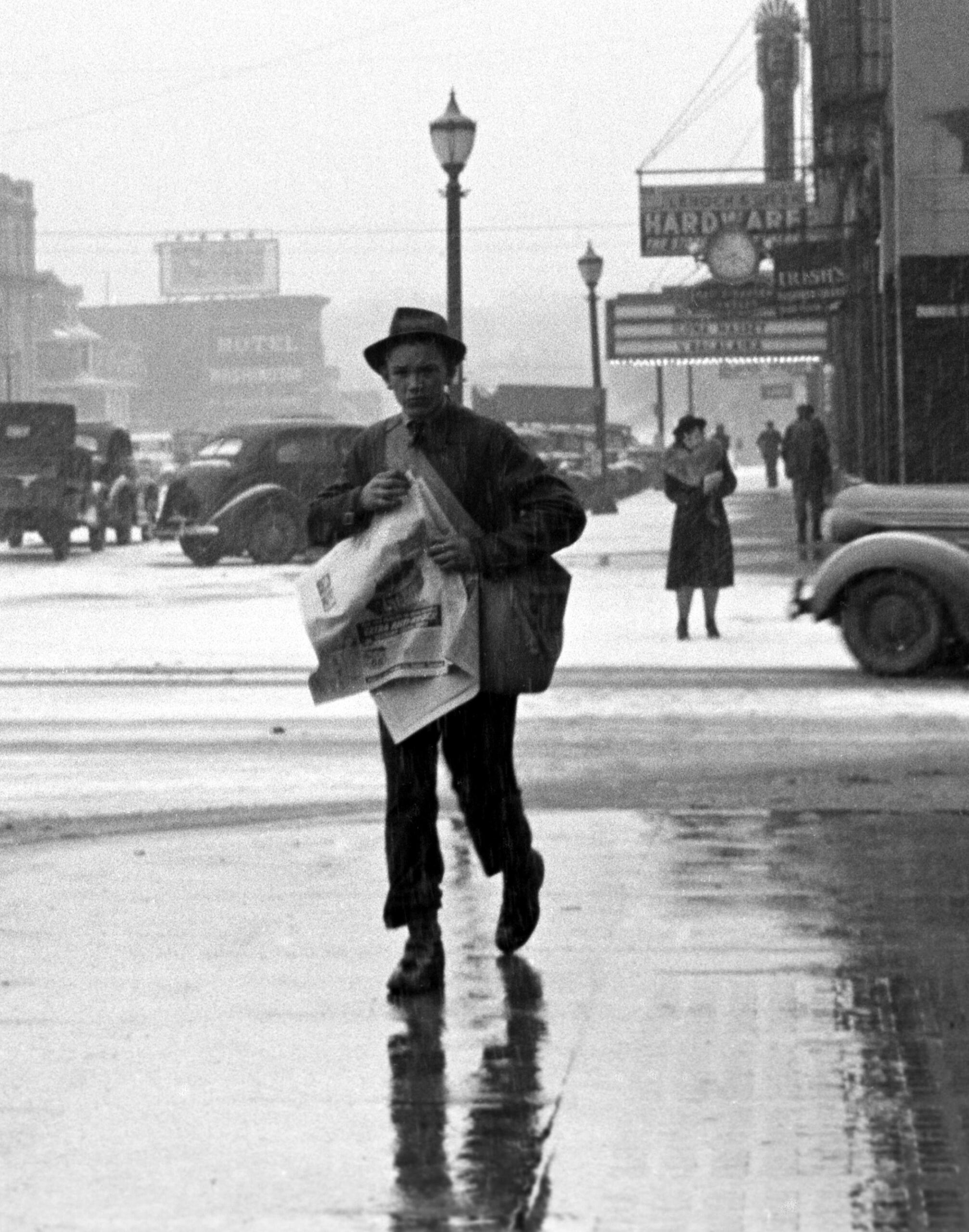
A wet newspaper is a complaint, and enough complaints meant losing the customer and the margin attached to them.
So carriers developed a whole technique nobody taught them: folding the paper into a tight square that would not come apart, bagging in wet weather, and knowing which porches had an overhang and which did not. The folding in particular was a real skill, and a well-folded paper could be thrown accurately while a loose one could not.
Sunday Was a Different Job Entirely
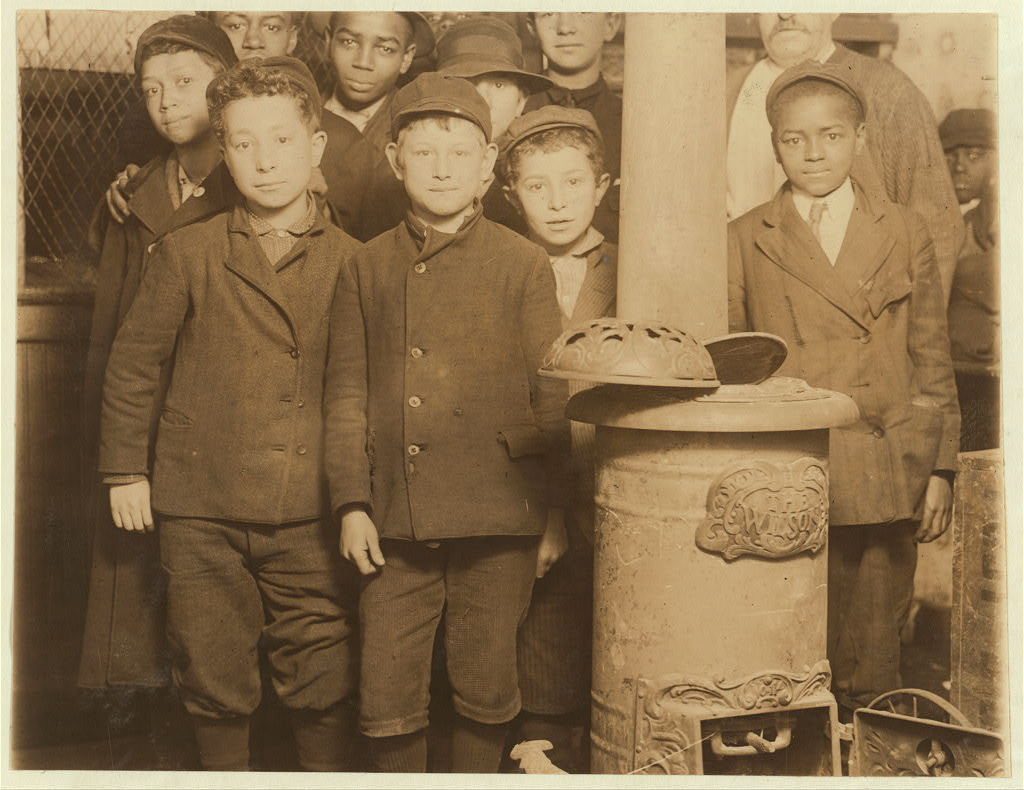
The Sunday edition was several times the weight of a daily, which changed the physics of the route completely.
A bag that held a full daily route could not hold a quarter of a Sunday route, so Sundays meant multiple trips, a wagon, a bicycle with saddlebags, or a parent and a car. And Sunday delivery happened very early, which meant a child was up before dawn one day a week, every week, all year.
The Bicycle Was Equipment, Not Recreation
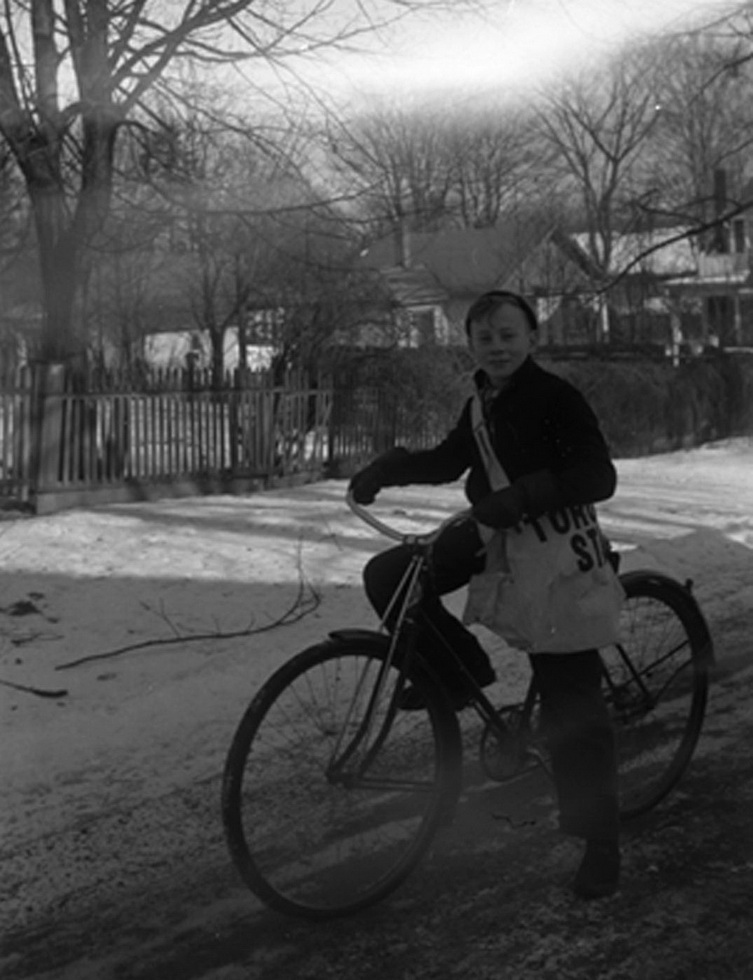
A carrier’s bicycle was a working vehicle, and it was loaded in a way bicycles are not designed for.
Weight in the front basket makes the steering unstable, weight in rear bags makes the bike want to stand up out of a turn, and a loaded bicycle on ice is close to unrideable. Which is why so many routes were walked in winter even by children who owned perfectly good bicycles.
New Customers Were Worth More Than Tips
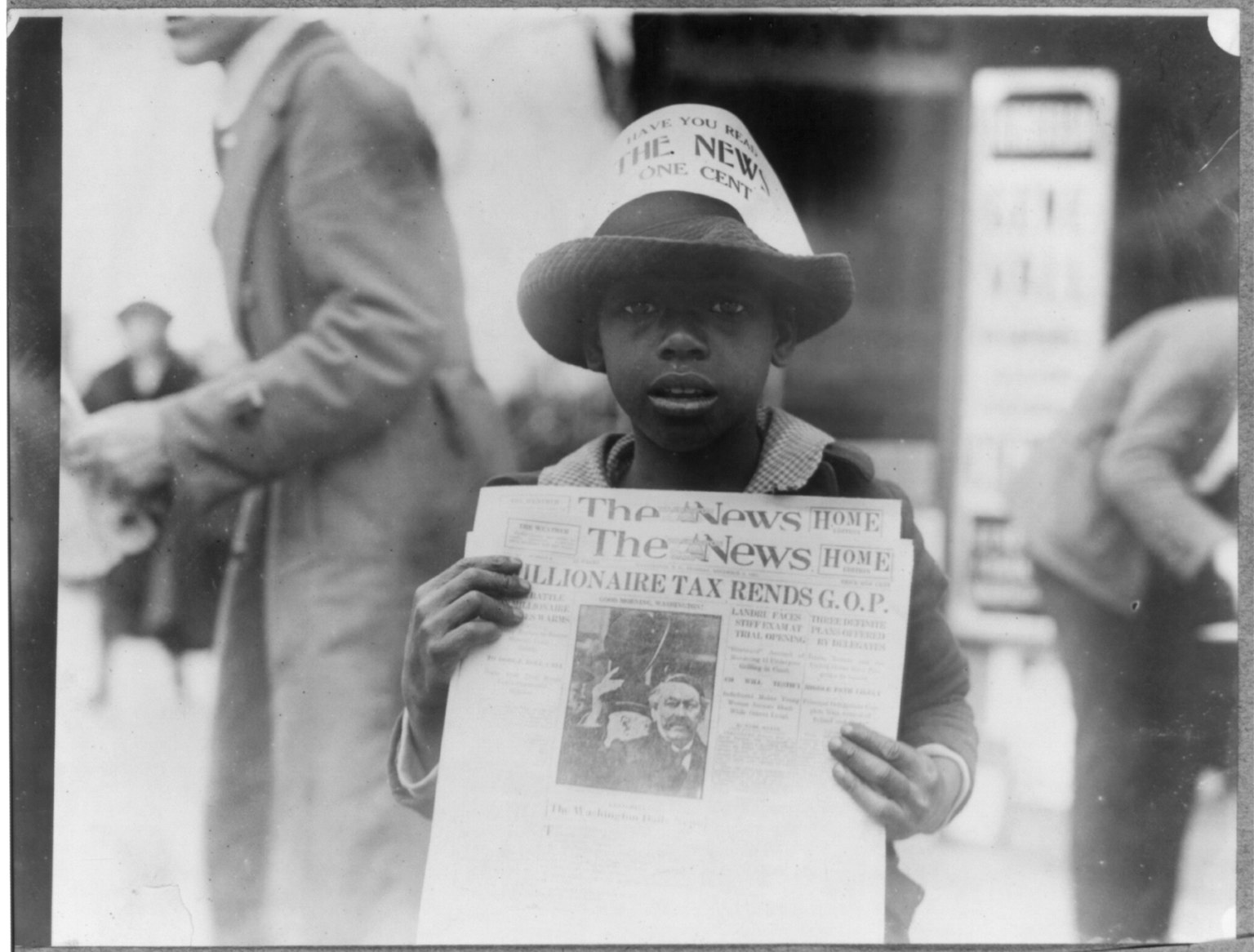
Because the income was a margin per paper, the only real way to earn more was to sell more papers – so carriers were pushed to recruit subscribers.
The newspaper ran contests and offered prizes for new accounts, and a child who added four houses to a route had permanently increased their own income. That is a genuinely unusual thing for a twelve-year-old to understand, and the ones who grasped it treated the route very differently from the ones who did not.
Tips Were the Difference Between a Good Route and a Poor One
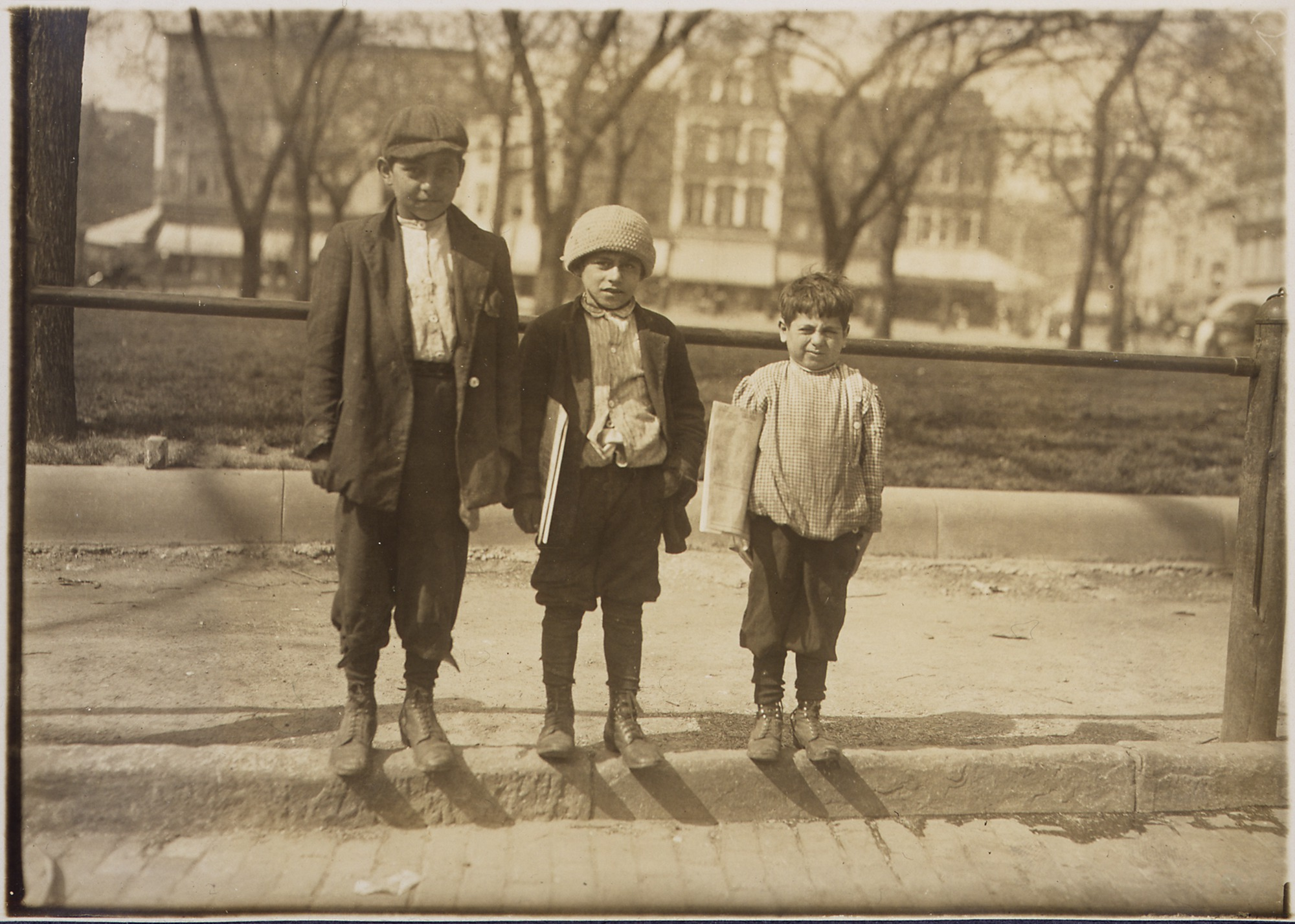
The margin on a paper was small. A customer who rounded up, or handed over something extra at the end of the year, could easily contribute more than several weeks of margin.
Which meant service mattered in a direct and measurable way. Putting the paper inside the screen door rather than on the walk, or carrying it up the steps for somebody who found steps difficult, was not politeness – it was the part of the business that actually moved the earnings.
The Money Was Real and It Was the Carrier’s Own
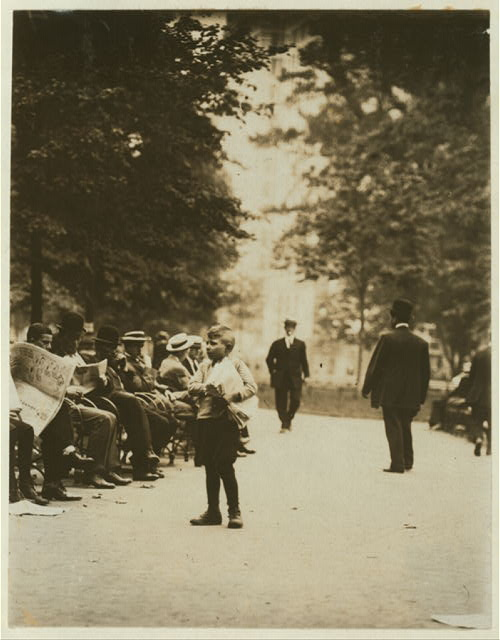
What a route paid was not pocket money handed over by a parent. It was income, received in cash, from strangers, in exchange for a service delivered.
That distinction is the whole reason the job mattered. A child with a paper route had their own money, knew exactly where it came from, knew what it had cost in time and effort, and made their own decisions about it – which is a completely different relationship with money than an allowance produces.
The Route Was Property That Could Be Handed On
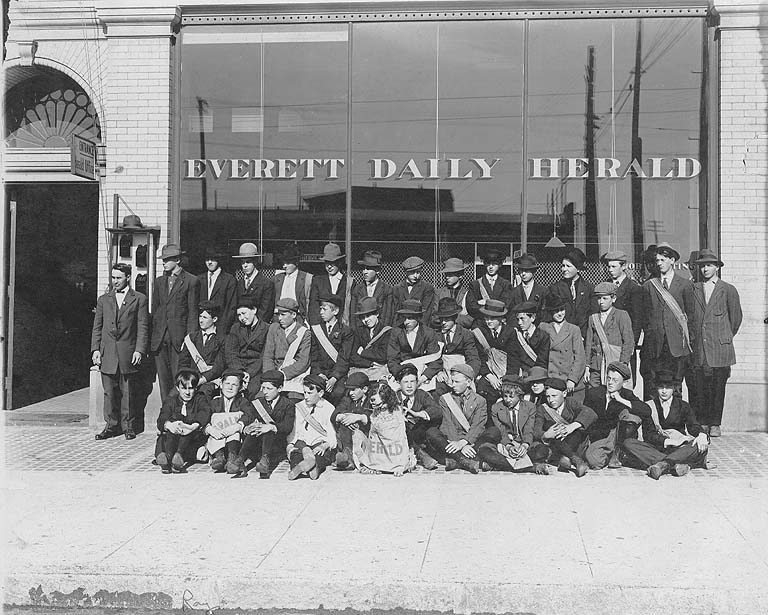
Routes were inherited within families and traded between friends, because a route with good accounts and reliable payers was worth having.
A carrier leaving the job would often pass it to a younger sibling or a neighbour, sometimes with the ring of cards and a walk-through of which houses paid promptly and which did not. That hand-over was a transfer of a small going concern, and everybody involved understood it that way.
Everybody Knew the Carrier and the Carrier Knew Everybody
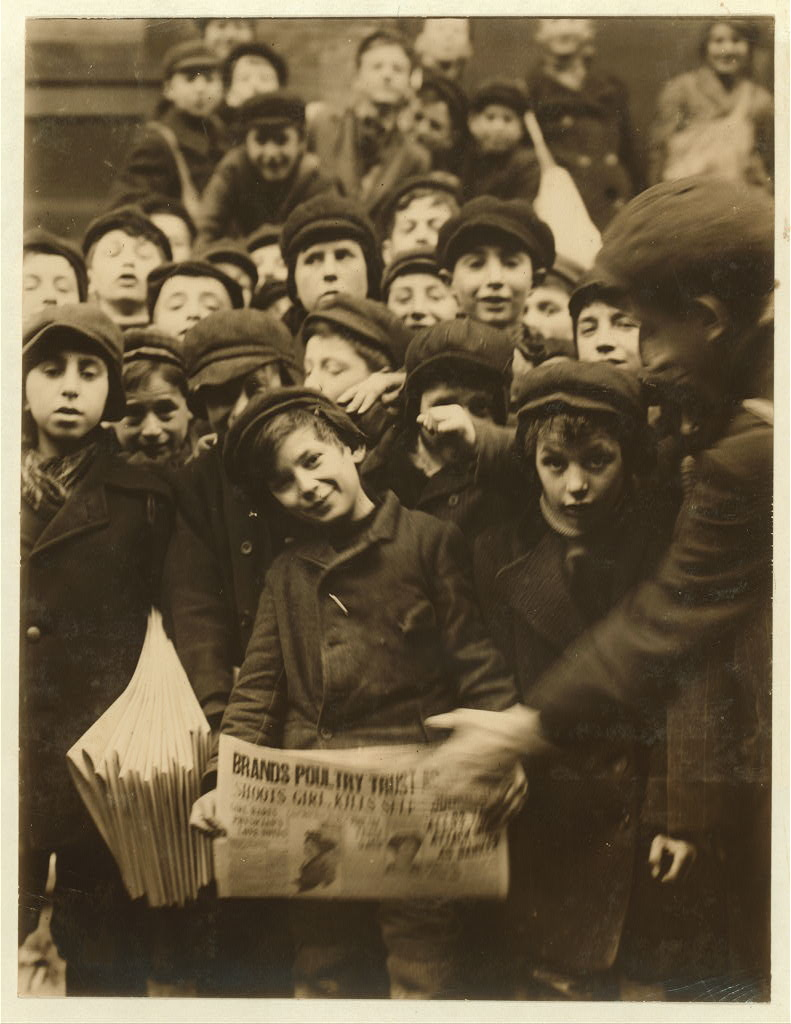
Visiting every house on several streets, every single day, for two or three years, produces a kind of local knowledge nobody else in a neighbourhood has.
A carrier knew which families were up early, whose dog was a problem, who had been away, who left the porch light on for them. That was not sentiment – it was operational information – but it also meant a child had a working relationship with sixty adults, which is unusual at any age.
The Bag Itself Shaped How the Route Was Run
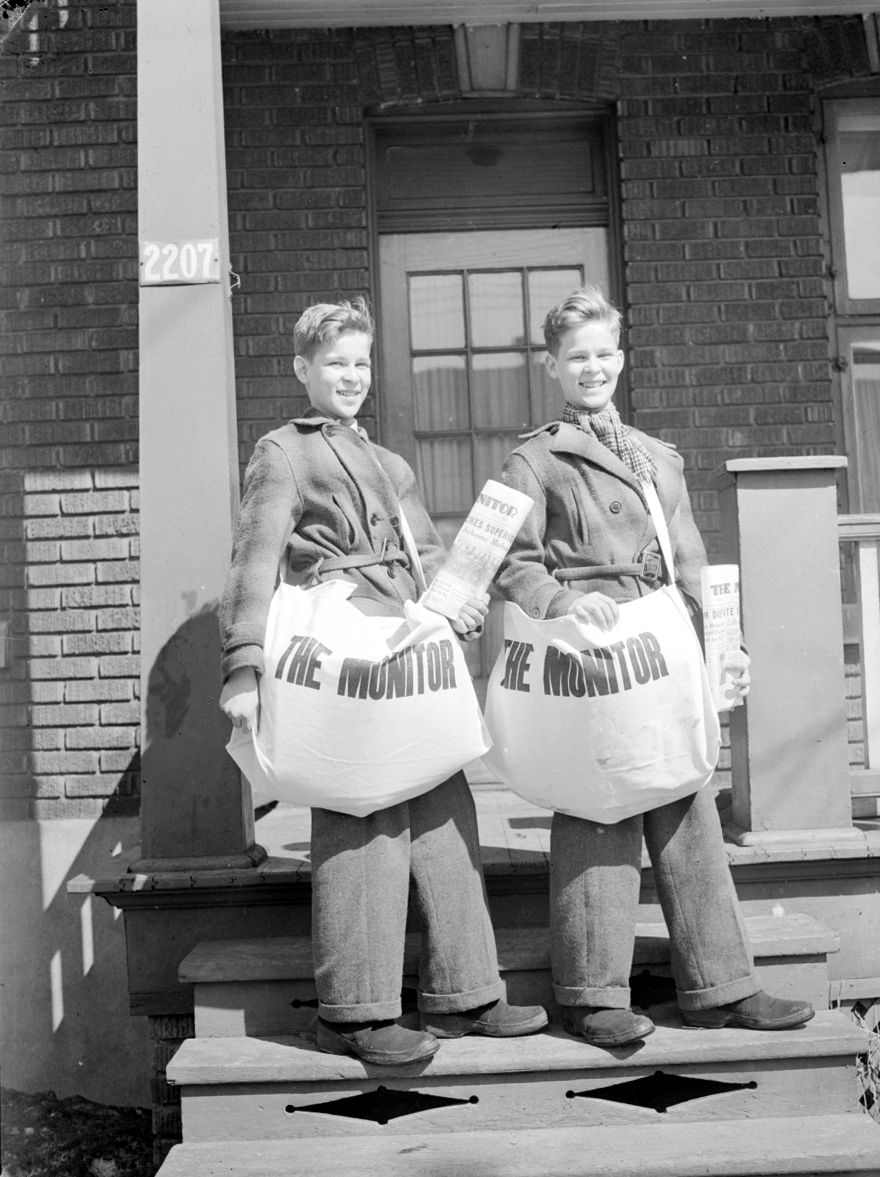
The canvas bag was worn across the body with the weight on one shoulder, and it got lighter as the route progressed, which changed the walk from start to finish.
That sounds trivial and it determined the order of the streets. A full bag is heavy enough to matter, so the sensible route starts with the houses closest to where the bundle was dropped and works outward as the load drops – which means the geography of a route was not a loop somebody drew on a map but a sequence somebody worked out by carrying it.
Then Adults in Cars Took Over the Whole Business
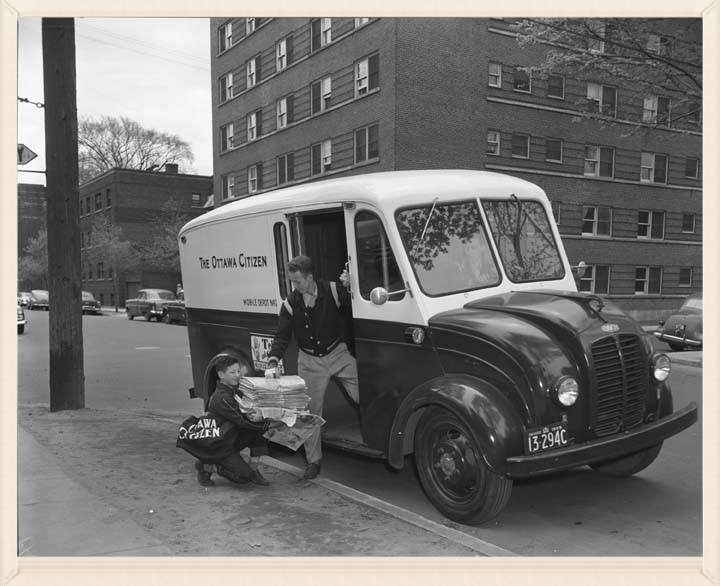
The job did not become safer or less popular. It stopped existing in that form, because the economics changed underneath it.
Early-morning delivery by adults in vehicles covers far more houses per hour than a child on foot, and once newspapers moved their main edition to the morning, a route became something a car does before work rather than something a child does after school. The child carrier was not replaced by a better child – the route itself was redesigned around a vehicle.
And the Accounting Moved to the Newspaper
The other half of the change is the part that genuinely was an improvement, and it removed the worst feature of the job.
Centralised billing – paying the newspaper directly rather than paying the carrier – took the collecting, the ring of cards and the unpaid accounts away from the person delivering. Which is a straightforward improvement in fairness, and it also removed the single thing that made the job an education. Once the carrier is not the one carrying the loss, the route is a delivery task; before that, it was a business, and the twelve-year-old running it was the one with the money at risk.
Like our content? Follow us for more.