A child carried actual money to school every single day, and that is more than it sounds.
Milk at school was paid for daily, in coins, handed over by the child – which means a five-year-old was responsible for money every morning, in a specific place, to a specific person, five days a week. A daily exercise in responsibility with an immediate and visible consequence for failure.
The amount was small and the stakes were not. Losing it meant going without, and going without was noticed by the whole class, so the coin was the most closely guarded object a child owned between the front door and the classroom. Which is why households taught a carrying method and insisted on it – a knotted handkerchief, a small purse, a buttoned pocket, an envelope with a name on it. Here are twelve things every kid knew.
1. A Child Carried Actual Money to School Every Single Day

Milk at school was paid for daily in coins handed over by the child, which meant a five-year-old was responsible for money every morning.
Paid by account, card or centrally funded.
Start with what was being delegated, because it is more than it looks. A small child carrying coins to a specific place and handing them to a specific person, five days a week, is a daily exercise in responsibility with an immediate and visible consequence for failure.
The amount was small and the stakes were not. Losing it meant going without, and going without was noticed by the whole class – so the coin in a pocket or a knotted handkerchief was the most closely guarded object a child owned between leaving home and reaching the classroom.
Like our content? Follow us for more.
2. The Money Was Carried in a Specific Way, Taught at Home
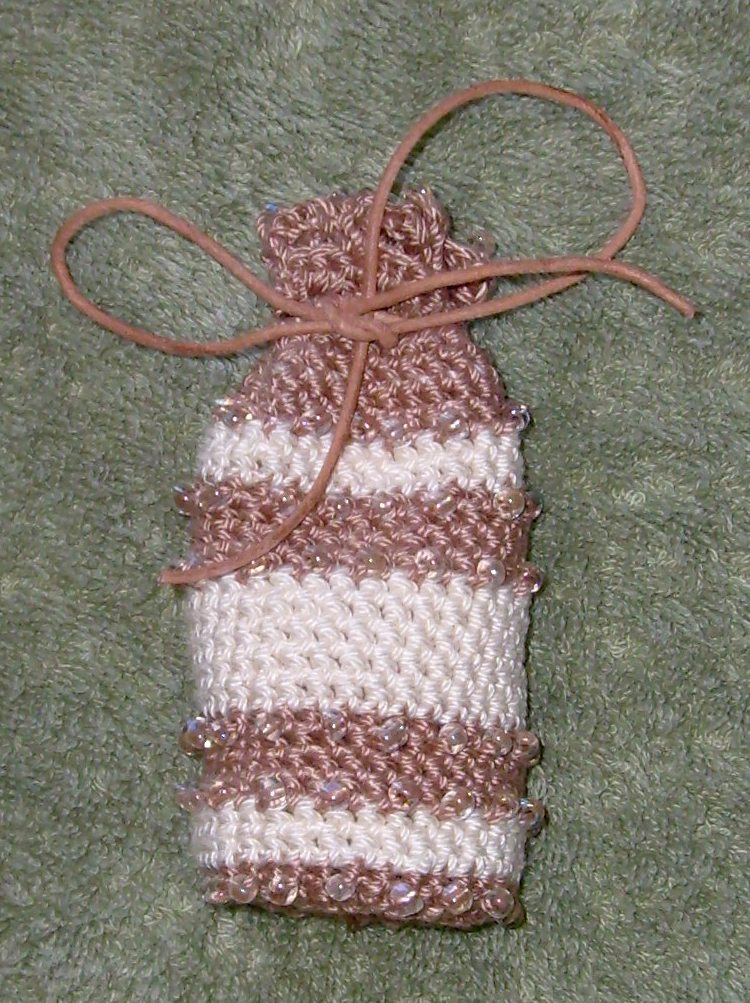
Coins went into a knotted handkerchief, a small purse, a buttoned pocket or an envelope with a name on it, and the method was prescribed.
Not applicable.
The carrying method was a genuine piece of parental engineering and it was taught rather than left to chance. A loose coin in a coat pocket is lost by Tuesday, so households developed containment solutions and insisted on them – which is why so many people remember the specific arrangement their family used.
The knotted handkerchief deserves particular mention because it is so well suited to the problem. It cannot be opened accidentally, it is impossible to spill, it makes a noise, and a child cannot easily take the money out and spend it on something else on the way.
3. Payment Was Made in Front of Everybody
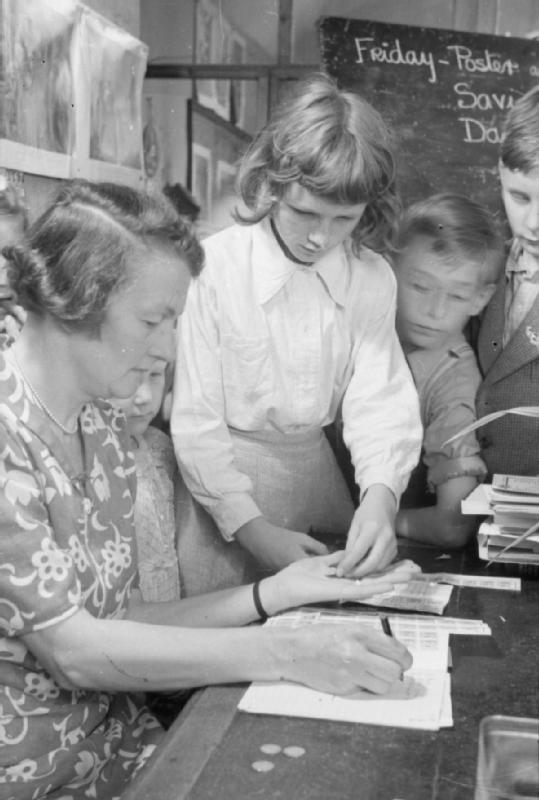
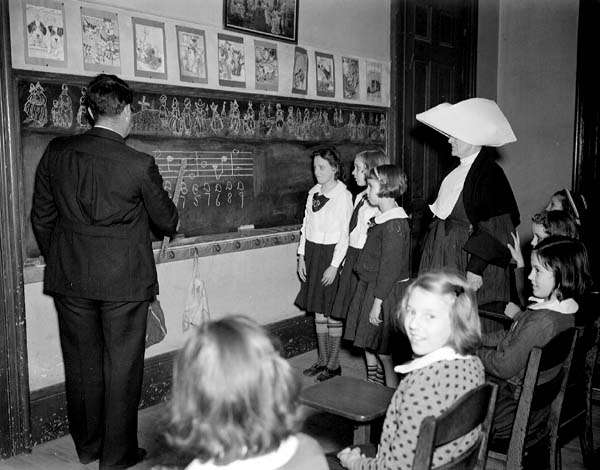
Collection happened in the classroom, in sequence, with each child coming forward and the teacher recording it in a ledger or on a card.
Invisible.
The public collection is the part that mattered socially, and it was unavoidable. A roll-call payment in a room of thirty means everybody sees who pays, who does not and who has a note instead – which turns a small administrative task into a weekly inventory of everybody’s household.
That visibility was not intended as anything and it functioned as a disclosure. A child who stopped paying, or who paid on a different arrangement, had that fact known to every other child in the room without anybody having to say a word about it.
4. Free Milk Existed and Everybody Knew Who Got It
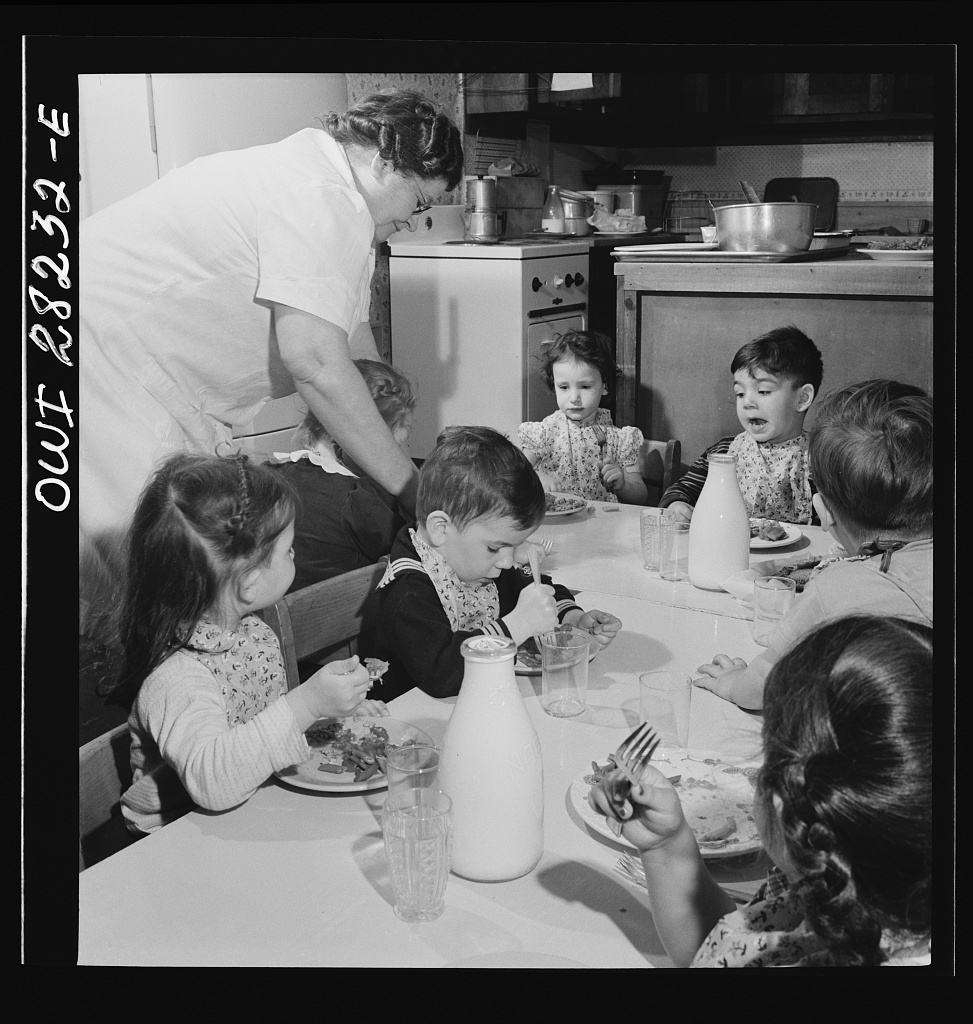
Children whose families could not pay were provided for, and in most classrooms the mechanism for that was not private.
Deliberately anonymised.
This should be said plainly rather than glossed over. A provision designed to help a child is undermined if the help is visible, and the arrangements of the period frequently were – which is precisely why modern systems go to considerable trouble to make the same support invisible.
The improvement here is real and worth crediting. A card, an account or universal provision delivers the same milk without announcing anything to anybody, which is a straightforward advance over a classroom collection where the exceptions were obvious.
5. The Bottles Were Glass, Small and Came in a Crate
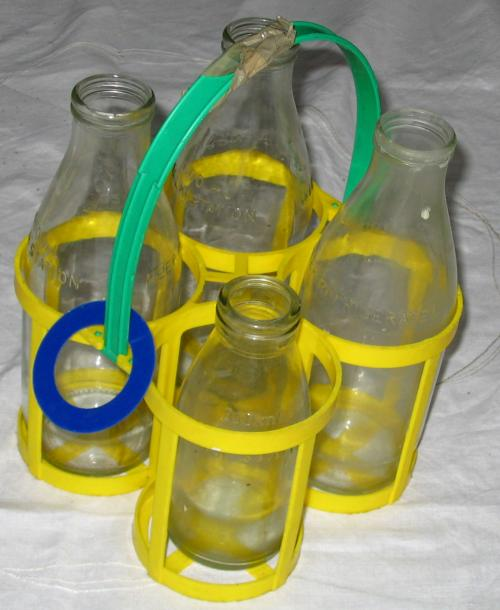
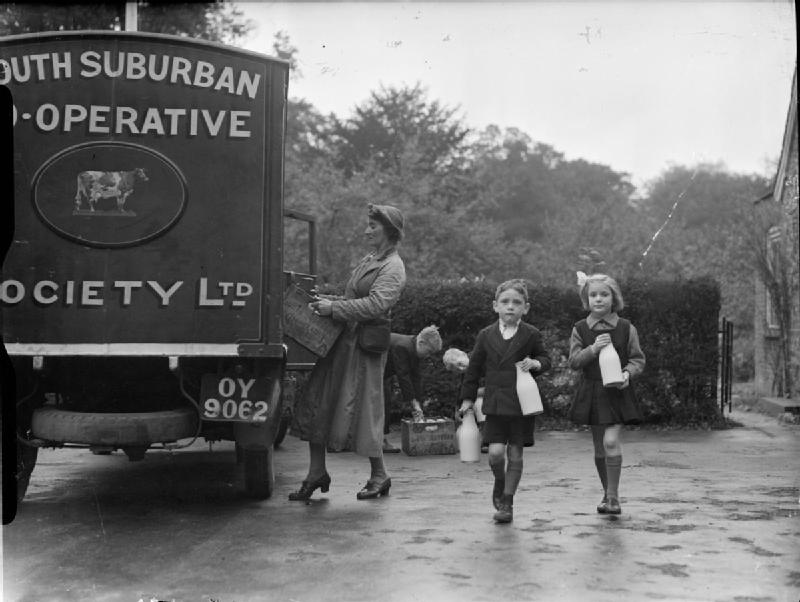
Milk arrived in individual glass bottles in a metal or wooden crate, delivered to the school and left somewhere until the break.
Cartons or cups.
The format explains the whole logistical operation around it. Glass bottles are heavy, breakable and returnable, so there was a crate to manage, a place to keep it, breakages to deal with and empties to collect and send back – a complete handling system for one drink.
Where the crate sat mattered a great deal and was frequently wrong. Left in the sun it warmed, left by a radiator it warmed faster, and left outside in winter it froze and pushed the closure out of the neck – which is why the location of the crate is remembered so vividly by so many people.
6. Monitors Were Appointed and It Was a Position of Status
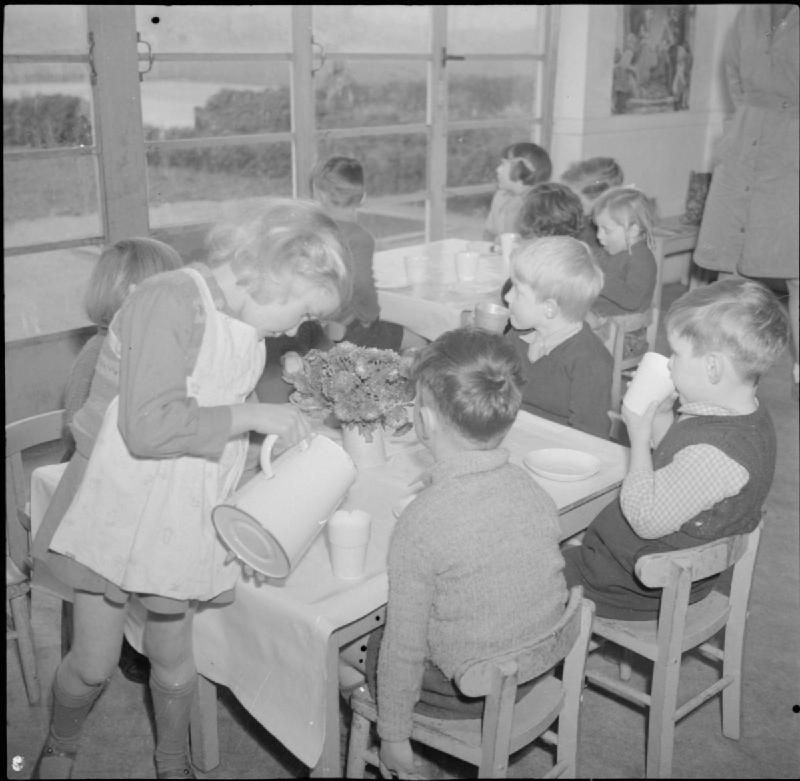
Carrying the crate, handing out bottles and collecting the empties was a job given to particular children, and being chosen mattered.
Done by staff.
Appointing children to run the operation is the most sensible thing in the whole arrangement. The job needs no judgement, takes five minutes and has to happen every day, which makes it ideal to delegate – and it gave the chosen children a visible position that cost the school nothing.
The status attached to it was entirely real and slightly absurd. Being the milk monitor is authority over a crate, which is not much, and in a room where a child has no authority over anything at all it was a genuinely significant appointment.
7. Drinking It Was Compulsory in Many Classrooms
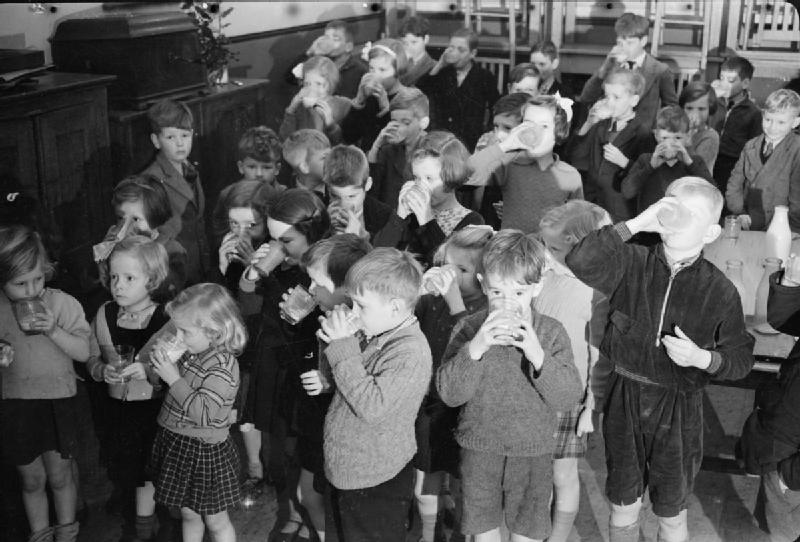
Children who had paid were expected to drink it, whether they liked it, wanted it or found it unpleasant that day.
Not applicable.
Compulsion is the part that produced the worst memories, and the reasoning behind it was straightforward. The milk had been paid for and provided for a nutritional purpose, so not drinking it was treated as waste rather than as a preference – which is defensible as policy and miserable in practice.
It was made considerably worse by the temperature problem. Warm milk is unpleasant to a degree that cold milk is not, and a child being required to finish a warm bottle in front of a teacher is the single most consistently reported bad memory of the entire practice.
8. The Straw Was a Separate Logistical Problem
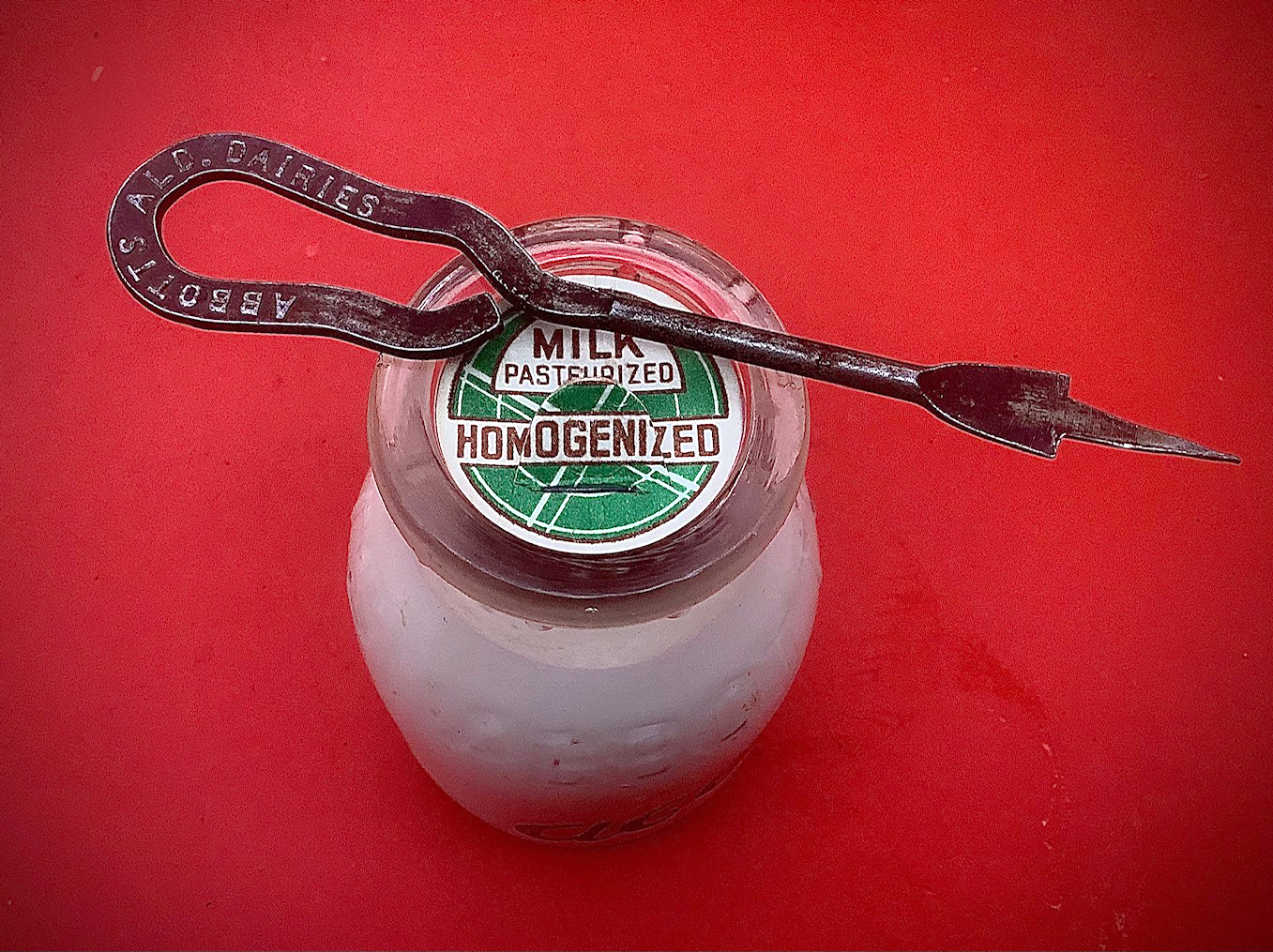
Bottles needed opening and drinking from, which meant paper straws, a device for punching the cap, or simply drinking from the bottle.
Integrated.
The opening problem is a small engineering story in itself. A sealed bottle cap has to be got off by thirty children at once, which produced punches, pull tabs and a certain amount of improvisation with a thumb – and spillage was constant.
Paper straws were the other half and they were genuinely bad. They soften within a minute or two in liquid, collapse when sucked hard and were given to children in a hurry – which is a combination that guarantees a certain number of failures every single day.
9. The Empties Had to Be Counted and Returned
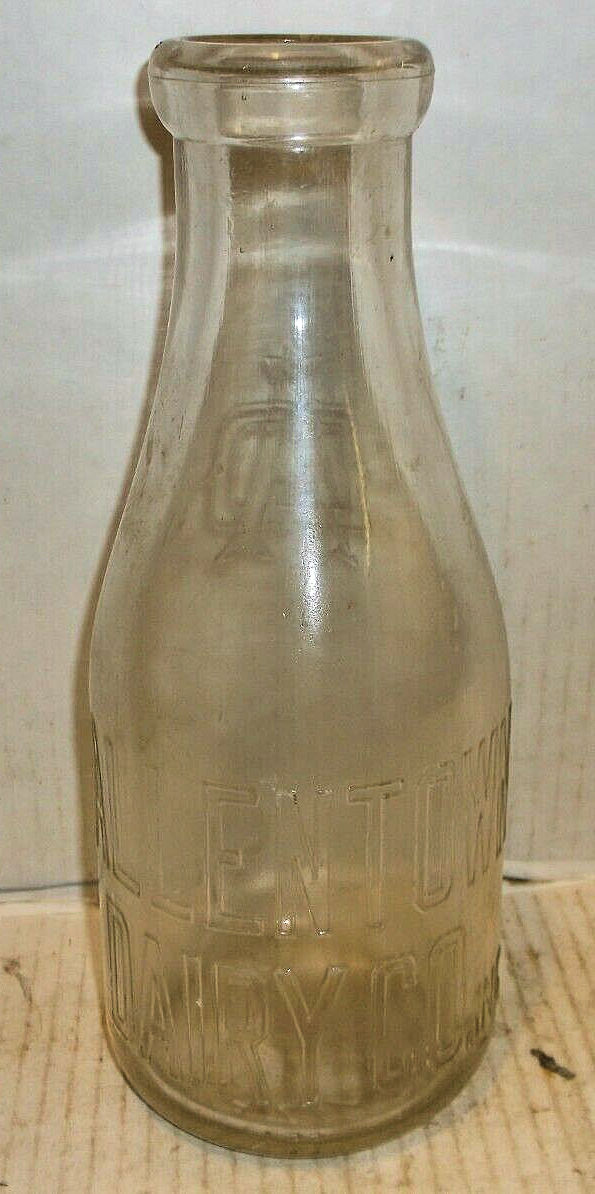
Bottles were rinsed or not, replaced in the crate, counted and sent back, because the dairy wanted its containers.
Not applicable.
The return obligation is the same arrangement as the home milk delivery, operating at classroom scale. The bottle is the dairy’s property on loan, so the school was performing a step in somebody else’s process – and a missing bottle was a small administrative problem somebody had to resolve.
Counting them made the whole thing auditable, which is why it was done. A crate that goes out with thirty and comes back with twenty-eight raises a question, and asking a room of children where two bottles went is a conversation every teacher of the period had.
10. Breakage Was Frequent and Handled Immediately

A dropped glass bottle on a hard floor produces broken glass and a quantity of milk, in a room full of children, at a predictable rate.
Not applicable.
The breakage rate is the honest cost of glass, and the response was routine rather than dramatic. Everybody stood back, somebody fetched whatever was used for clearing it, the floor was dealt with and the child concerned was given another bottle or was not.
Nobody treated it as a crisis, which is the interesting part. A predictable daily hazard becomes a procedure rather than an emergency, and schools of that period had the procedure down to about two minutes.
11. Then Cartons Removed the Glass, the Crate and the Return
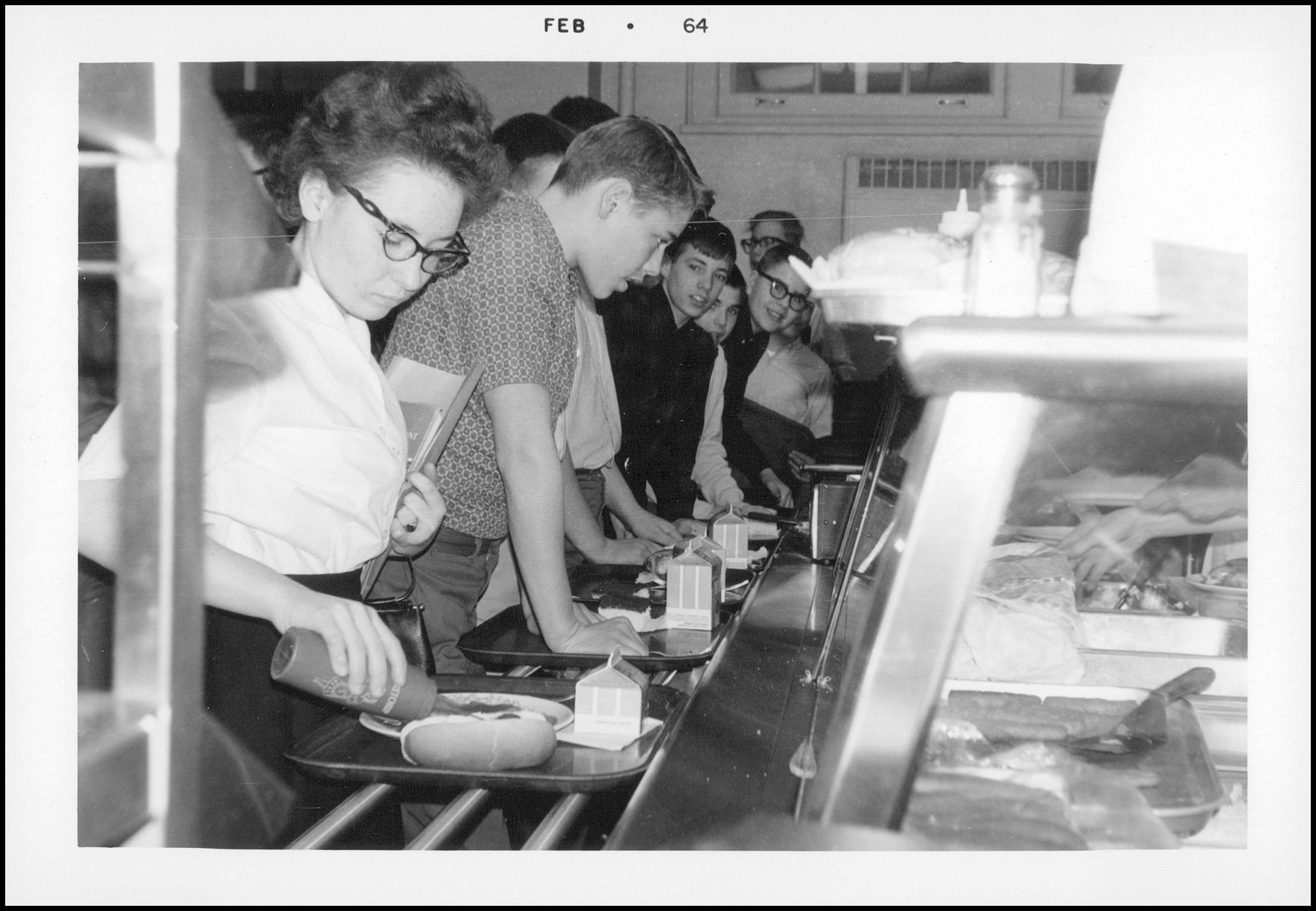
Waxed paper and later plastic-lined cartons are light, unbreakable, disposable and need no counting, which eliminated the entire handling system at once.
Universal.
The substitution removed four problems in one change and that is why it was total. No breakage, no weight, no empties to count, no returns to arrange – and the trade is a disposable container instead of a reused one, which at the time nobody regarded as a cost.
What went with it is the whole apparatus the glass bottle required: the crate, the monitors, the counting, the location problem and the two-minute breakage procedure. All of that existed to serve a returnable container, and when the container changed there was nothing left for any of it to do.
12. And by 1964 the Coin in the Handkerchief Was Already Going
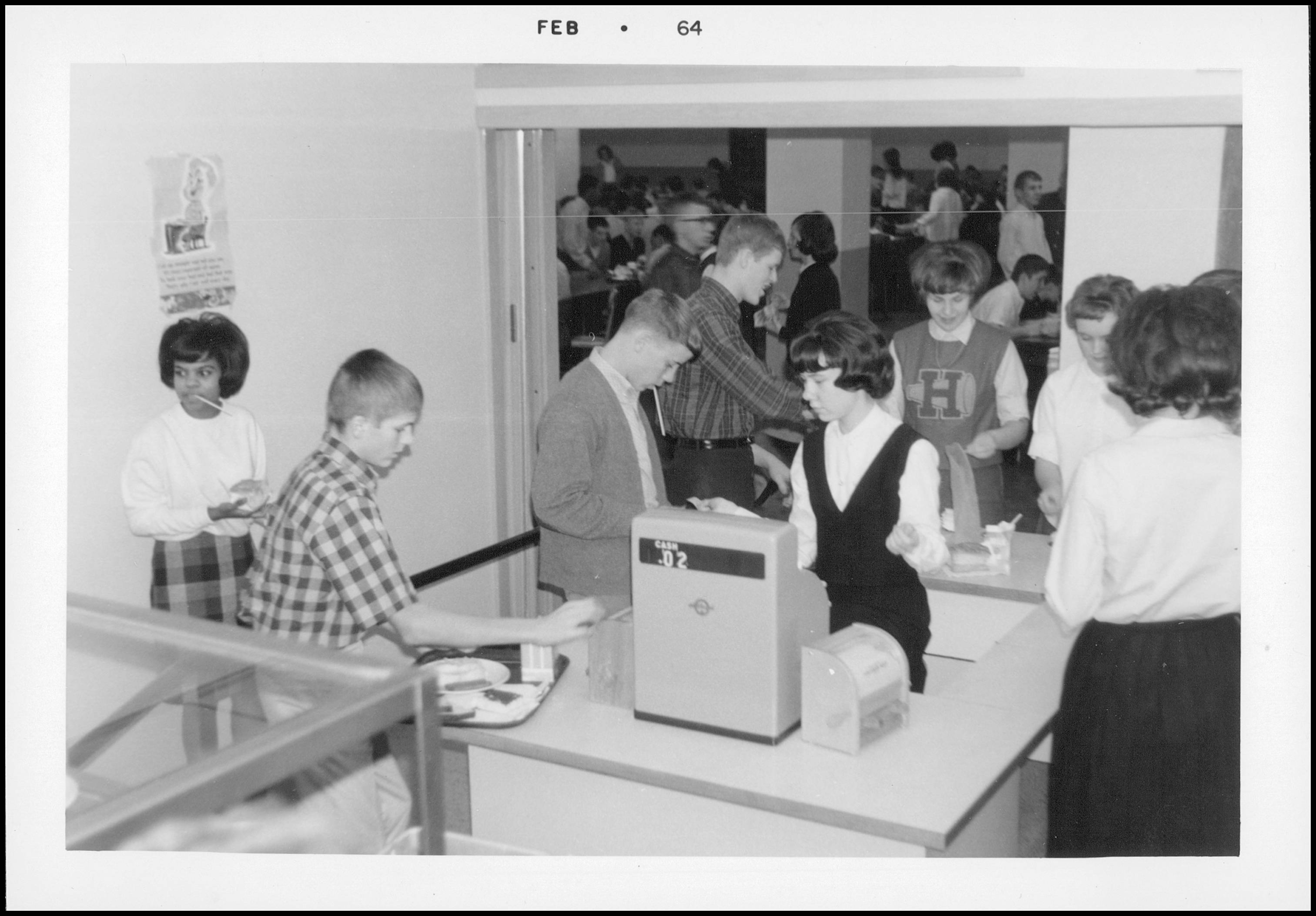
Payment was moving to weekly envelopes, accounts and central funding, which took the daily money out of children’s pockets entirely.
Universal.
And what deserves the last word is that one small bottle of milk required an entire system, and almost all of it was run by children. Money was carried daily by five-year-olds in a knotted handkerchief or a buttoned pocket, by a method their parents had taught them specifically because a loose coin is gone by Tuesday. Payment was collected in front of the whole class, which made it an unintended weekly disclosure about every household in the room – and that is precisely why modern arrangements go to such trouble to keep the same support invisible, which is a genuine improvement. The glass bottle generated everything else: a crate to carry, a place to keep it that was usually wrong, monitors appointed from the class, empties to count and return because the bottle belonged to the dairy, and a daily breakage procedure that took two minutes. Cartons then removed the glass, the weight, the counting and the returns in a single change. And the compulsory warm bottle is what most people actually remember.
One Bottle of Milk Required an Entire System
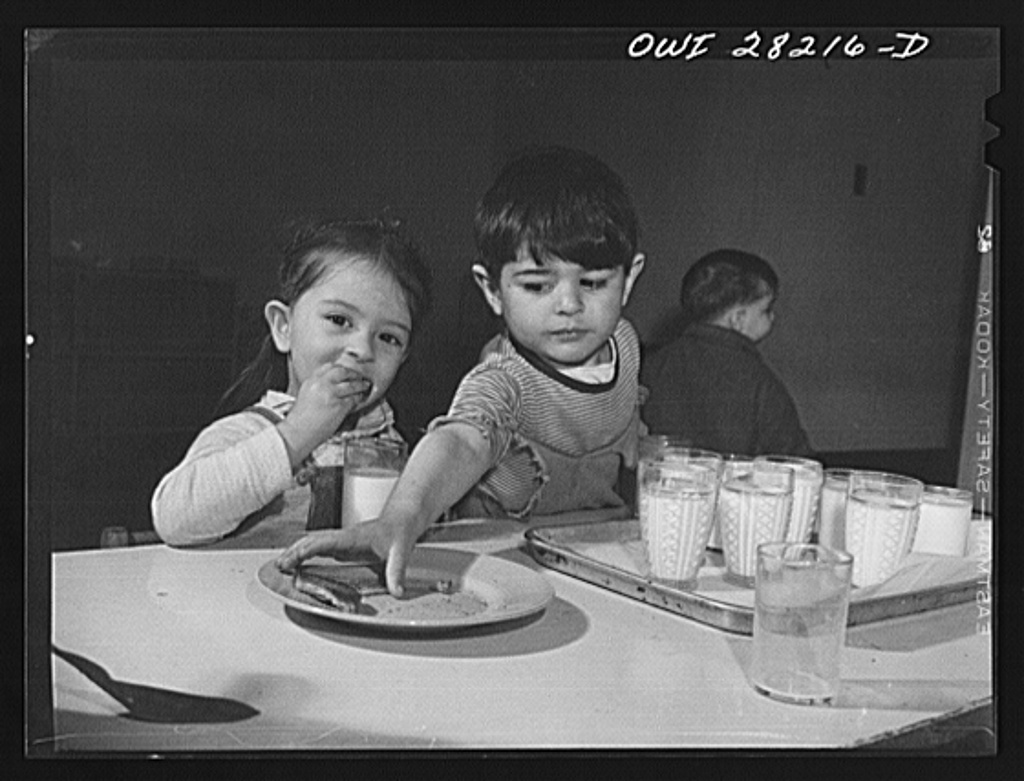
School milk looks like the simplest thing in the world, and it generated an operation that touched money, logistics, status, counting and daily breakage – almost all of it run by children.
Start with the money, because a five-year-old was carrying it daily. Households taught a specific containment method and insisted on it, and the knotted handkerchief deserves credit as the best of them: it cannot open accidentally, it will not spill, it makes a noise, and a child cannot easily get the money out and spend it on the way.
Then the collection, which was public. A roll-call payment in a room of thirty means everybody sees who pays, who does not and who has a different arrangement – so an administrative task became a weekly inventory of every household in the room.
That is worth saying plainly rather than glossing over. Free milk existed for families who could not pay, and in most classrooms the mechanism for it was not private. A provision designed to help a child is undermined when the help is visible – which is precisely why modern systems take such trouble to anonymise the same support, and that is a genuine improvement over a collection where the exceptions were obvious to everybody.
The glass bottle generated everything else.
Bottles are heavy, breakable and returnable, so there was a crate to carry, somewhere to keep it, empties to count and send back because the container belonged to the dairy, and a breakage to deal with at a predictable daily rate.
Where the crate sat was frequently wrong, and it is remembered vividly for that reason. In the sun it warmed, by a radiator it warmed faster, outside in winter it froze and pushed the cap out of the neck.
Monitors were appointed to run it, which is the most sensible thing in the whole arrangement – a job needing no judgement, taking five minutes, required every day, ideal to delegate. And the status was real and slightly absurd: authority over a crate is not much, and in a room where a child has authority over nothing at all it was a significant appointment.
Opening the bottles was its own small engineering problem – punches, pull tabs and a certain amount of improvisation with a thumb, with constant spillage. Paper straws were genuinely bad, softening within two minutes, collapsing under a hard suck and handed to children in a hurry, which guarantees a number of failures every day.
Breakage was routine rather than dramatic. Everybody stood back, somebody fetched the equipment, the floor was dealt with, and the whole thing took about two minutes – which is the interesting part, because a predictable daily hazard becomes a procedure rather than an emergency.
And in many classrooms drinking it was compulsory, on the straightforward reasoning that it had been paid for and provided for a nutritional purpose, so refusing was waste rather than preference. Defensible as policy and miserable in practice – and made far worse by the temperature problem, because being required to finish a warm bottle in front of a teacher is the single most consistently reported bad memory of the entire business.
Then cartons removed four problems at once: no breakage, no weight, no empties to count, no returns to arrange. And with them went the crate, the monitors, the counting, the location problem and the two-minute procedure, because all of it existed to serve a returnable glass container.
What most people actually remember is the warm bottle.
If your family knotted the coin into a handkerchief, that was a considered decision.
It cannot spill, it cannot open by itself, and you cannot spend it on the way.
Nostalgia, 1960s, School, Childhood, Americana,
Like our content? Follow us for more.