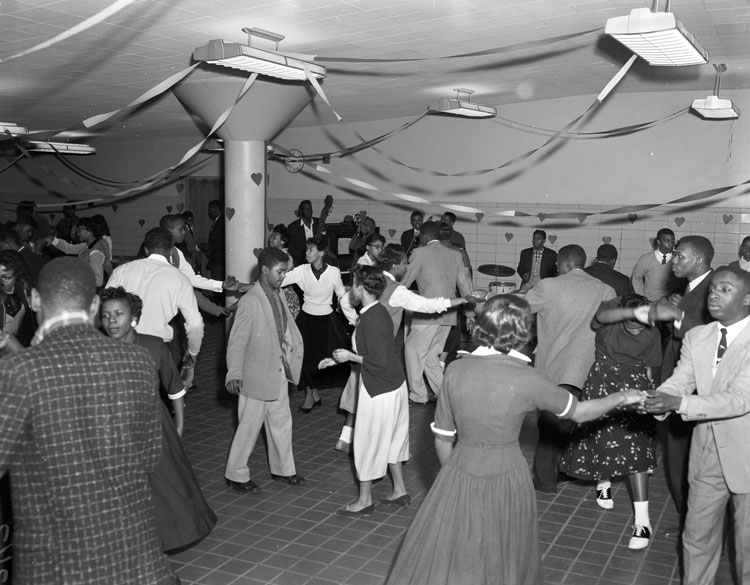
It was held in the gym because that was the only room big enough, and that single fact explains the whole format.
A gymnasium is a large hard-floored hall a school already owns, and using it costs nothing – which is why the dance was free or nearly free, and why it could happen at all on an ordinary Friday rather than as an occasional event.
The shoes came off to protect the floor. A varnished gym floor is expensive to refinish and hard soles mark it, so everybody danced in socks – which is where the name came from, and which produced an informality nobody had actually intended. Here are fourteen things every teenager knew.
1. It Was Held in the Gym Because That Was the Only Room Big Enough
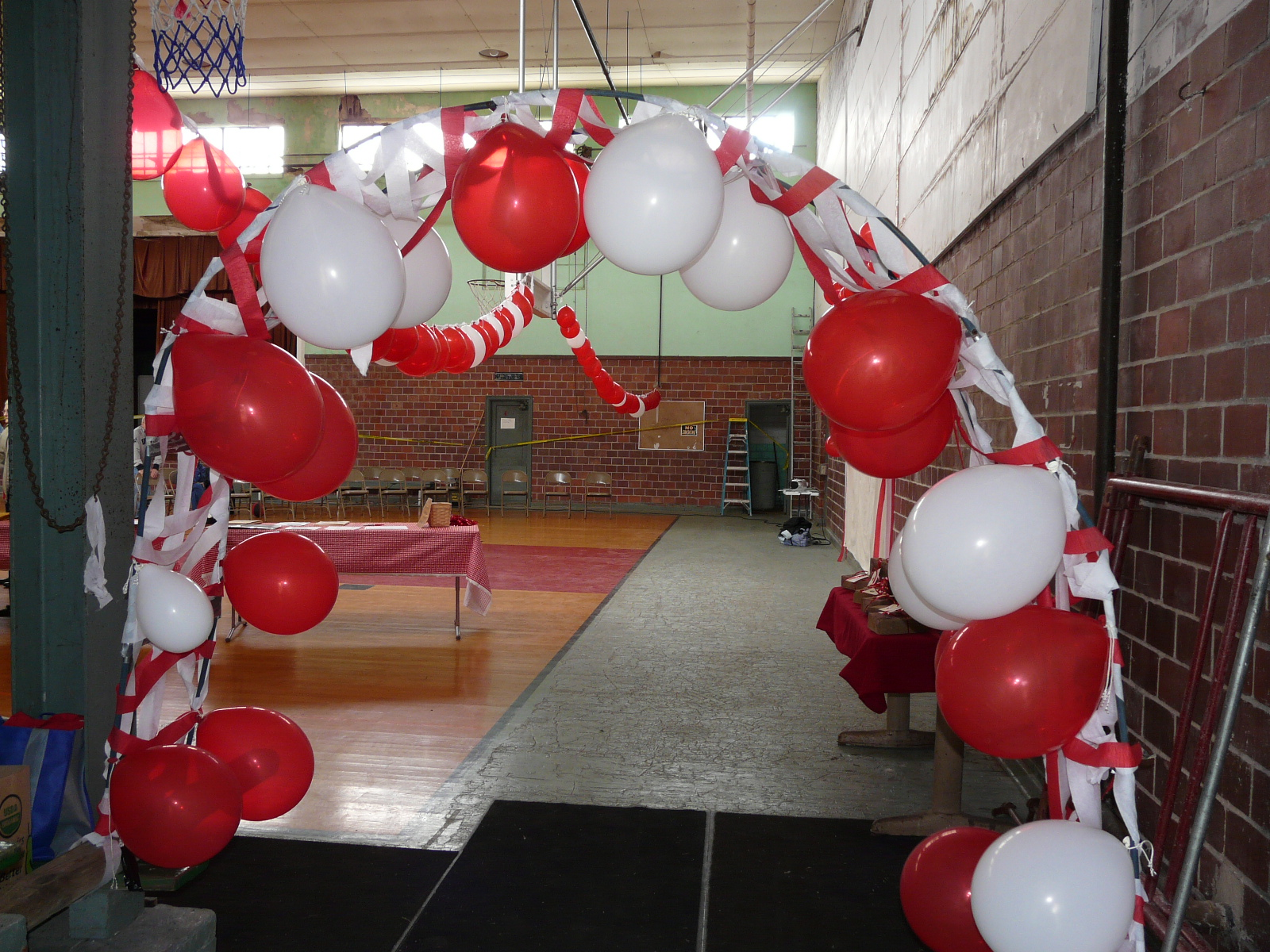
School dances happened in the gymnasium, with the floor protected, the lights changed and the basketball hoops still on the walls.
Hired venues or none at all.
Start with the room, because it explains the name and the character of the whole thing. A gym is a large hard-floored hall a school already owns, and using it costs nothing – which is why the dance was free or nearly free and why it happened at all.
Like our content? Follow us for more.
2. Shoes Came Off to Protect the Floor
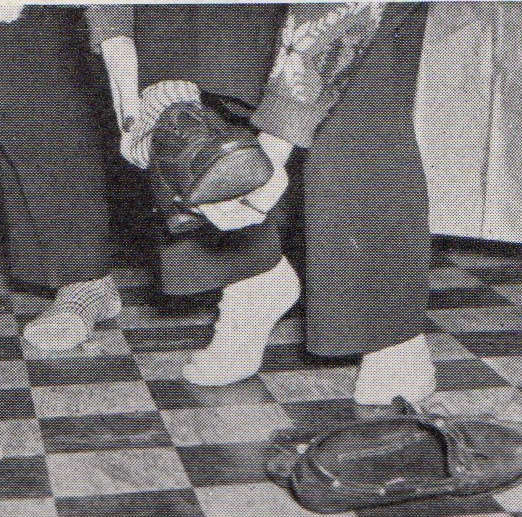
Street shoes were banned on a varnished gym floor, so everybody danced in socks, which is where the name came from.
Not applicable.
The shoe rule is the detail that gave the thing its name and it was purely practical. A varnished floor is expensive to refinish and hard soles mark it, so the compromise was socks – and the consequence was an informality nobody had intended.
3. The Music Came From Records, Which Was the Innovation
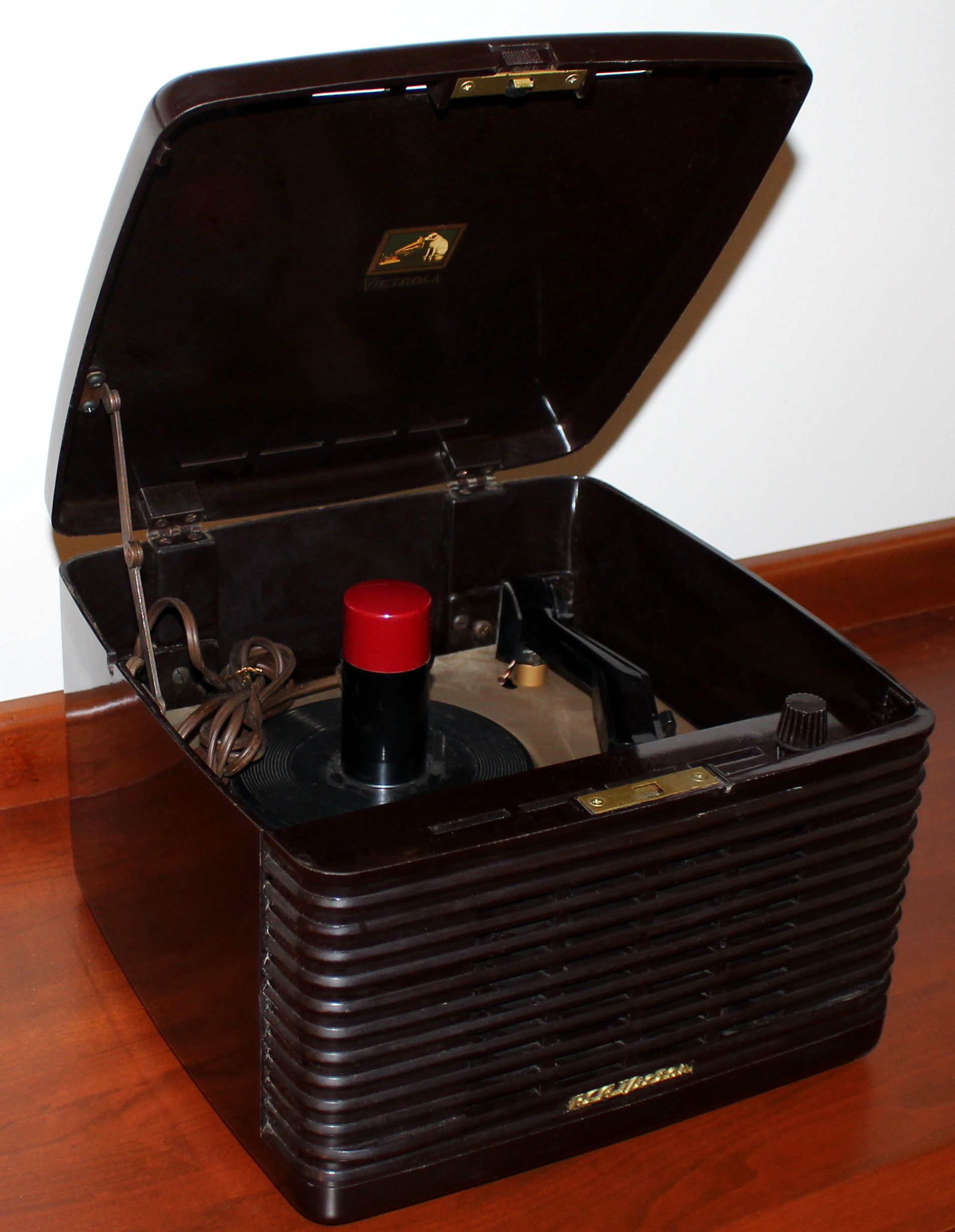
A record player and somebody to operate it replaced a live band, which made a dance something a school could put on any Friday.
Universal.
Recorded music is the technology that created the whole format. A band costs money and has to be booked, while a stack of records and a borrowed player costs almost nothing – so dances went from occasional events to a weekly possibility.
4. Somebody Chose the Records and Had Real Power
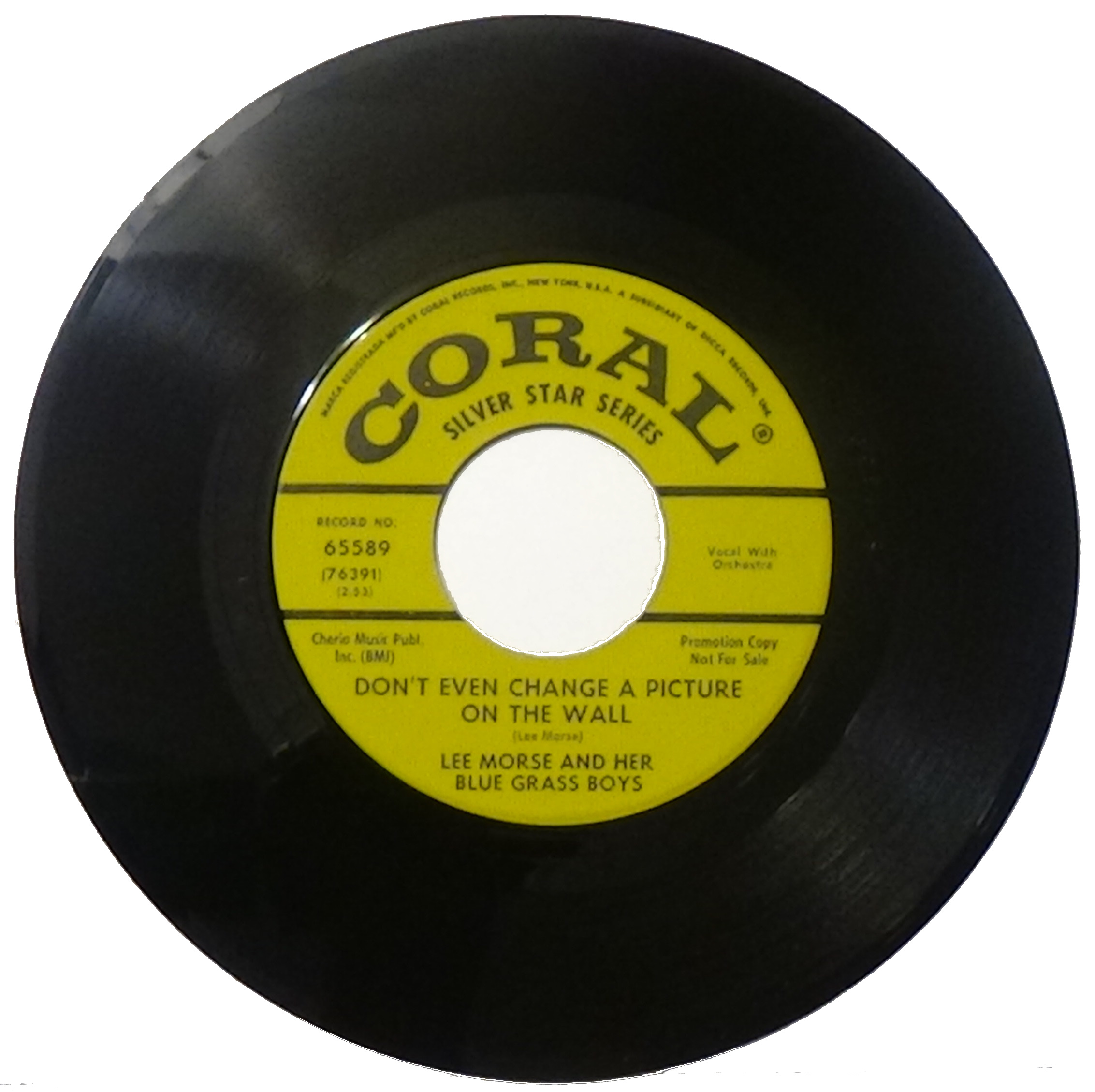
Whoever controlled the player decided what was played, in what order and how long the slow sequence ran.
Algorithmic or hand-picked playlists.
Control of the music is the most consequential job in the room, and everybody understood that. The person at the player set the pace of the evening and determined when the slow numbers happened, which is when the social stakes rose.
5. Fast Numbers and Slow Numbers Did Completely Different Jobs
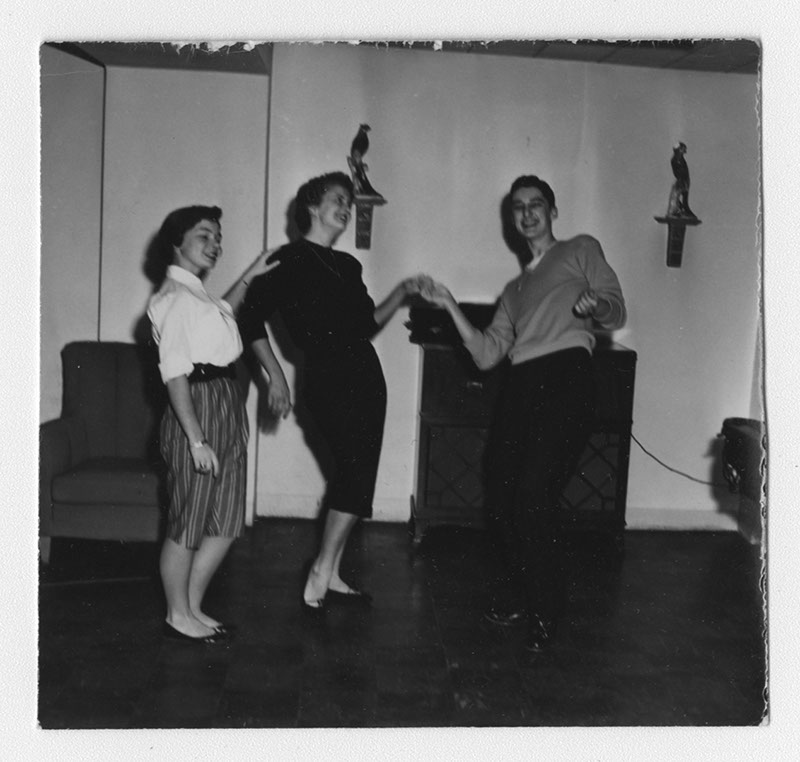
Fast songs could be danced to in groups or alone with nobody committing to anything, and slow songs required a partner.
Not applicable.
The alternation is the architecture of the evening. A fast sequence is low-risk and keeps the floor full; a slow one forces a decision, so the pattern of the records was effectively a schedule of social pressure with recovery periods built in.
6. Boys Stood on One Side and Girls on the Other
The default state of the room was two groups against opposite walls, with an empty floor between them for most of the evening.
Not applicable.
The standoff is the most reliably reported fact about these events. It is the natural equilibrium when one side is expected to initiate and the cost of a refusal is public, so the room stayed divided until the music or somebody brave changed it.
7. Asking Was the Boy’s Job and Refusing Was Permitted
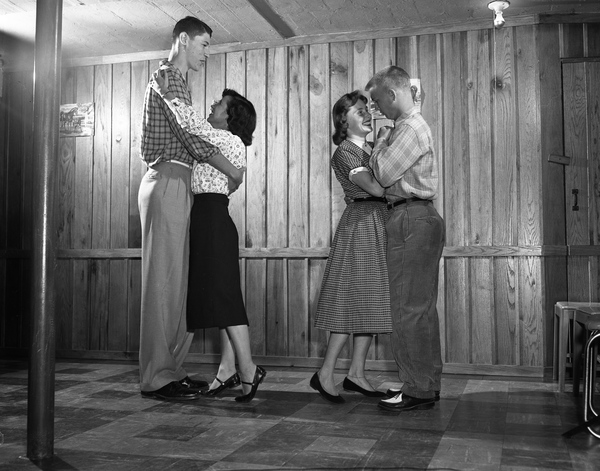
The convention was that a boy crossed the floor and asked, and a girl could say no, which made the whole transaction visibly risky for one side.
Less prescribed.
The asymmetry structured everybody’s evening. One side carried all the risk of a public refusal and the other carried the discomfort of waiting to be chosen – neither of which is comfortable, and both of which were simply the rules.
8. Being Asked or Not Being Asked Was Visible to Everybody
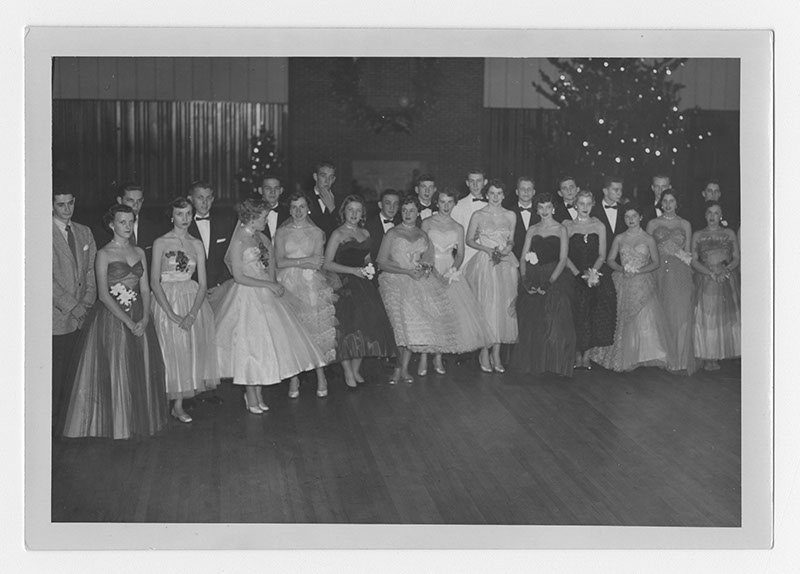
The whole room could see who was dancing, who was waiting and who had been passed over, because there was nowhere to be invisible.
Not applicable.
The visibility is what made these evenings memorable in both directions. A single large room with a lit floor and seated edges means every social outcome is public, which is wonderful if it goes well and extremely hard if it does not.
There is a second-order effect of the sock rule that is worth noticing, because it changed how the dancing actually worked. Socks on a varnished floor have almost no grip in one direction and far too much in another, which makes any move involving a pivot either impossible or alarming. So the steps that worked at these events were the ones that suited the surface – small, upright, not much turning – and a generation’s idea of how you dance at a school dance was quietly shaped by a decision made to protect a floor.
9. Chaperones Stood at the Edges and Intervened
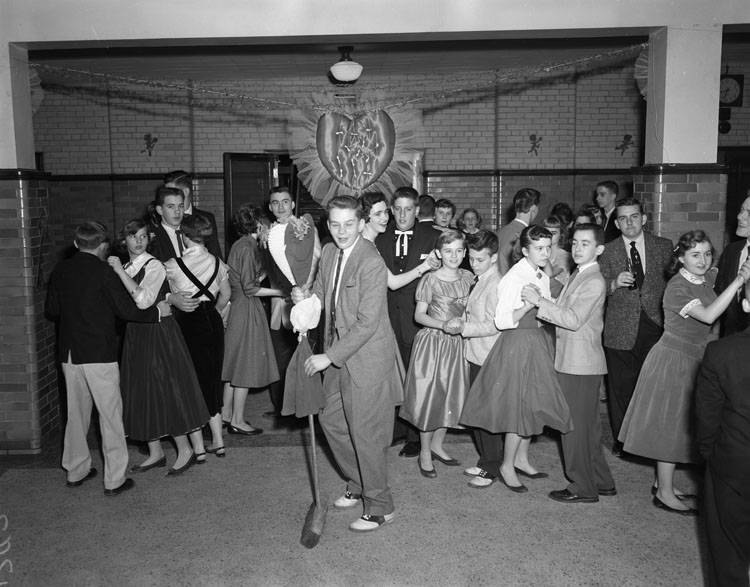
Teachers and parents were present with an explicit supervisory role, including over how closely couples danced during slow numbers.
Supervised differently.
Supervision was overt rather than implied and it was part of the design. A school dance is a school event, so the same adults who taught these students stood around the floor – which kept the thing within limits and also meant nothing was private.
10. Getting There and Home Was the Real Negotiation
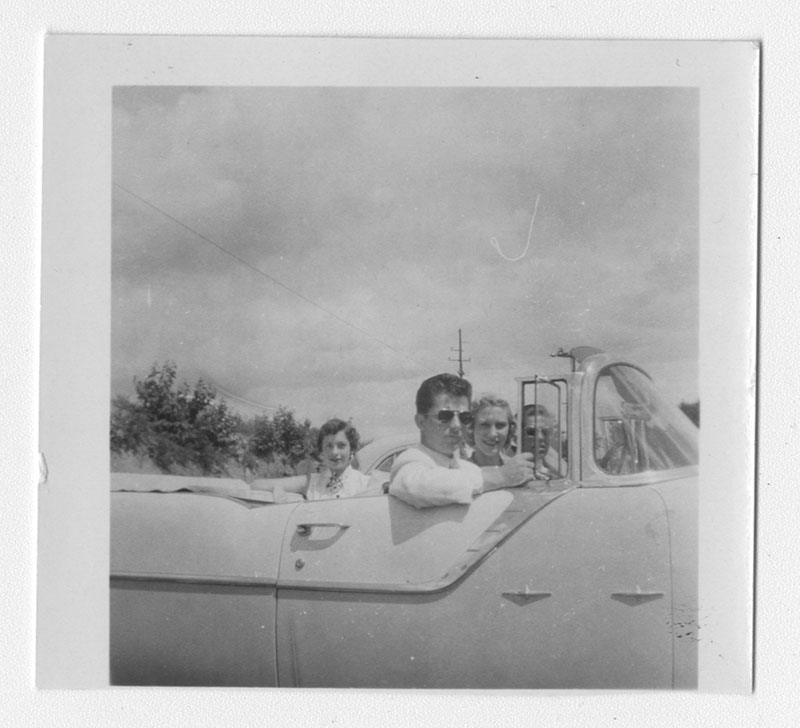
Transport was arranged with parents, and the arrangement determined when the evening ended regardless of when the music stopped.
Varies.
The logistics were the binding constraint, not the dance. An evening ends when the lift arrives, so the actual duration of anybody’s night was set in a conversation at home hours earlier – which is the same constraint that governed everything teenagers did.
11. What You Wore Was Decided Days in Advance
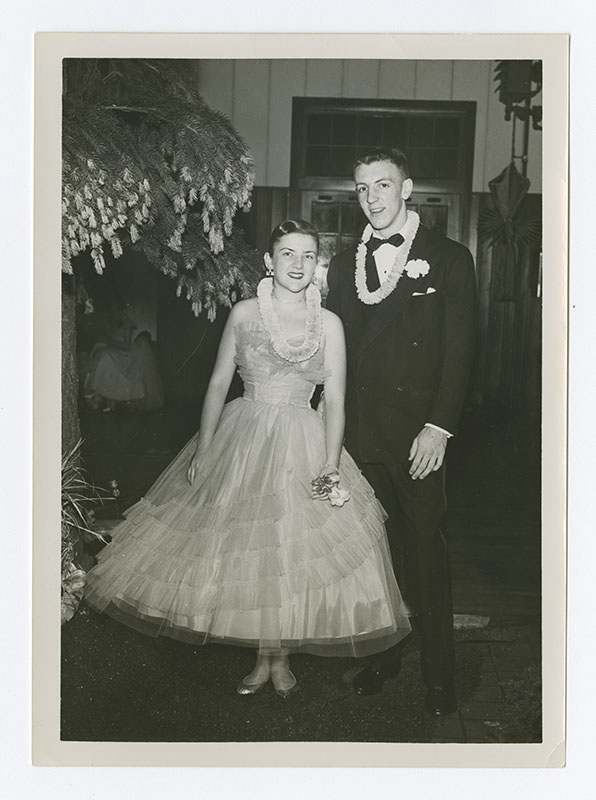
Clothes were planned, borrowed, altered or made, and the decision mattered because the room would see all of it at once.
Still true.
Dress preparation was proportionate to the exposure. An event where a whole school sees you in one room for three hours justifies real planning, and for a great many students the clothes were the most expensive thing they owned.
12. The Dances Themselves Were Learned From Television
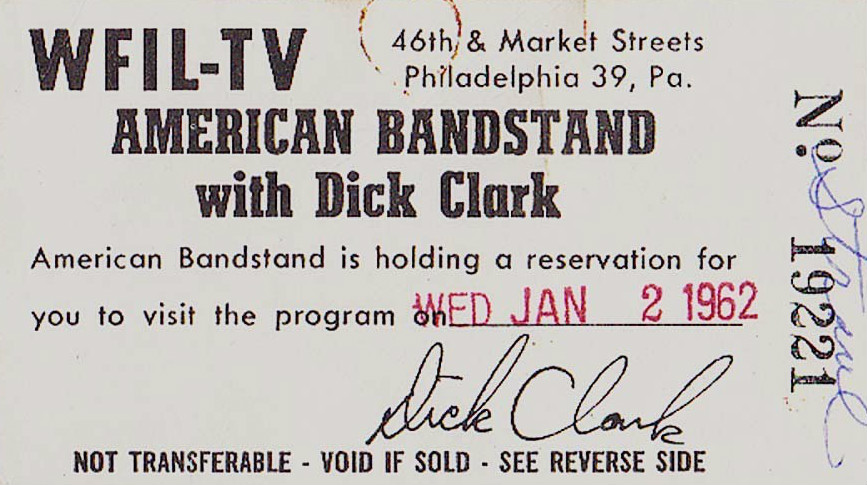
Steps and styles arrived through broadcast programmes rather than through lessons, which meant everybody in the country learned the same moves at the same time.
Learned online.
Broadcast transmission of dance is a genuinely new thing in that period and it standardised everything. A step demonstrated on a national programme on Saturday was on a gym floor by Friday, which is why these dances looked the same in every state.
One more practical constraint shaped the room, and it was the lighting. A gymnasium has bright overhead lights designed for a basketball court and nothing else, so creating any kind of atmosphere meant switching most of them off and improvising with whatever was available – which produced a hall that was either glaringly lit or almost completely dark, with very little in between. That is why so many accounts of these evenings describe not being able to see across the room, and it is also part of why the two groups against the walls stayed where they were.
13. Then the Supervision and the Format Both Loosened
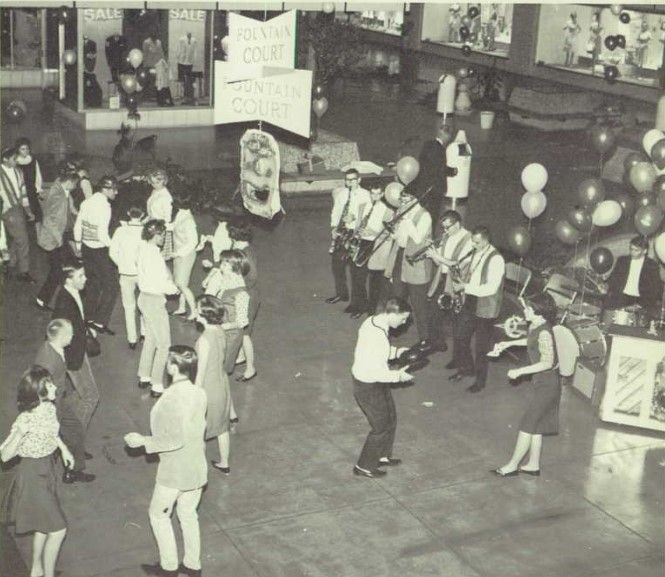
Dances got louder, later, less chaperoned and less formal, and the gym gave way to other venues and other kinds of evening.
Varies.
The format did not end so much as dissolve. Each element – the socks, the records, the standoff, the chaperones at the wall – relaxed separately over about a decade, until what remained had very little in common with the original arrangement.
14. And by 1962 the Record Hop Was Already the Standard Everywhere
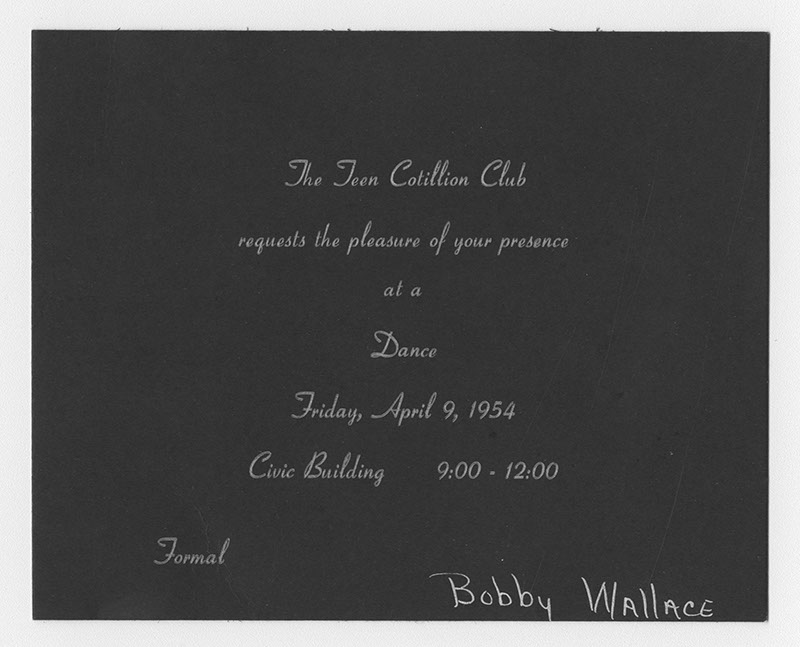
What had begun as a cheap improvisation using a borrowed player had become the default form of a school dance across the country.
Gone.
And what deserves the last word is that the whole thing was built out of two cheap substitutions. A gymnasium replaced a hall nobody had, and a record player replaced a band nobody could afford – which is what turned a dance from an occasional event into something a school could put on any Friday. Everything else followed: socks because a varnished floor marks, so the evening was informal by accident; alternating fast and slow records, which made the music a schedule of social pressure with recovery built in; and one person at the player holding more power over the evening than anybody else in the room. The hard parts were structural rather than musical. One side was expected to cross the floor and ask, the other to wait and be chosen, every outcome was visible to three hundred people at once, and the end of the night was decided hours earlier by whoever was providing the lift.
It Was Built From Two Cheap Substitutions
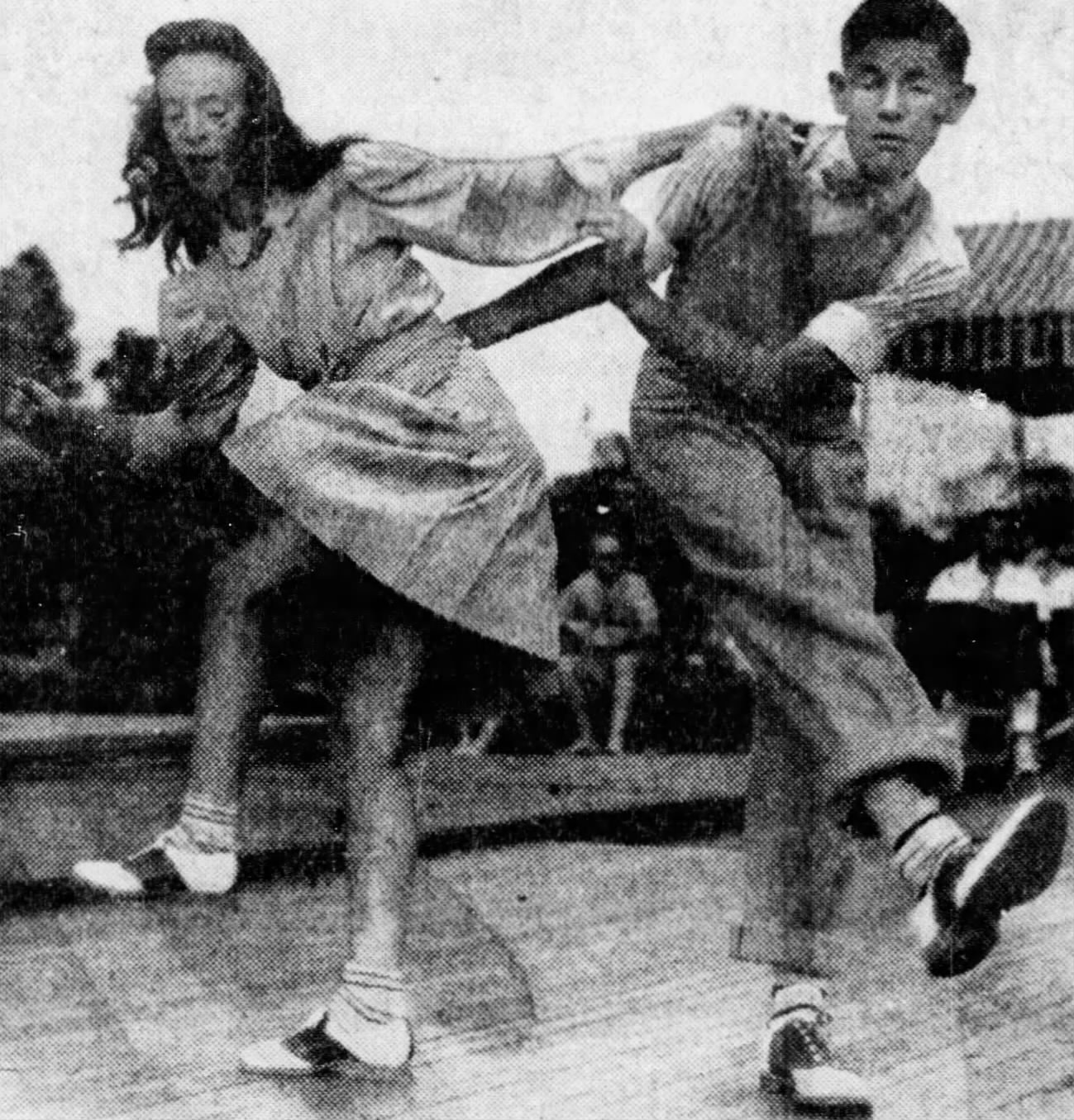
The sock hop is remembered as a style, and it was really a set of economies – two substitutions that made a school dance cheap enough to hold regularly, with everything else following from them.
The first was the room. A gymnasium is a large hard-floored hall the school already owns, so the venue costs nothing. The second was the music: a record player and somebody to operate it replaced a live band, which has to be booked and paid for. Together those two changes turned a dance from an occasional event into a weekly possibility.
Then the consequences.
Socks, because a varnished floor marks and refinishing is expensive – so the most characteristic feature of the whole thing was a maintenance decision, and the informality was accidental.
And a single person with enormous power, because whoever controlled the player decided what was played, in what order, and how long the slow sequence ran. Everybody in the room understood that, and it is the most consequential job at the event.
Which matters because fast and slow numbers do completely different jobs. A fast song can be danced to in a group or alone with nobody committing to anything; a slow one requires a partner and therefore a decision. So the running order was effectively a schedule of social pressure with recovery periods built into it, and the person at the record player was setting that schedule.
The hard parts of the evening were structural rather than musical.
The default state of the room was two groups against opposite walls with an empty floor between them, and that is the natural equilibrium when one side is expected to initiate and the cost of a refusal is public. The convention was that a boy crossed the floor and asked and a girl could say no – which puts all the risk of a visible refusal on one side and all the discomfort of waiting to be chosen on the other. Neither is comfortable and both were simply the rules.
And everything was visible. One large room with a lit floor and seated edges means there is nowhere to be invisible, so who was dancing, who was waiting and who had been passed over was public information – which is wonderful if the evening goes well and extremely hard if it does not.
Three practical facts round it out.
Chaperones stood at the edges with an explicit supervisory role, including over how closely couples danced during slow numbers. Same adults who taught these students, which kept the event within limits and meant nothing was private.
Transport was the binding constraint. An evening ends when the lift arrives, so the real duration of anybody’s night was fixed in a conversation at home hours earlier.
And clothes were planned days ahead – borrowed, altered or made – proportionate to the exposure, since a whole school sees you in one room for three hours. For a great many students, what they wore was the most expensive thing they owned.
One genuinely new thing was happening underneath all this. The dances themselves were learned from television rather than taught, which standardised them nationally for the first time: a step demonstrated on a broadcast on Saturday was on a gym floor by Friday, which is why these evenings looked the same in every state.
Then it dissolved rather than ended. The socks, the records, the standoff and the chaperones at the wall each relaxed separately over about a decade, until what was left had very little in common with the thing that started it.
If you were at one of these, the person by the record player ran your evening.
They decided when the slow numbers happened, which is when everything was at stake.
Like our content? Follow us for more.