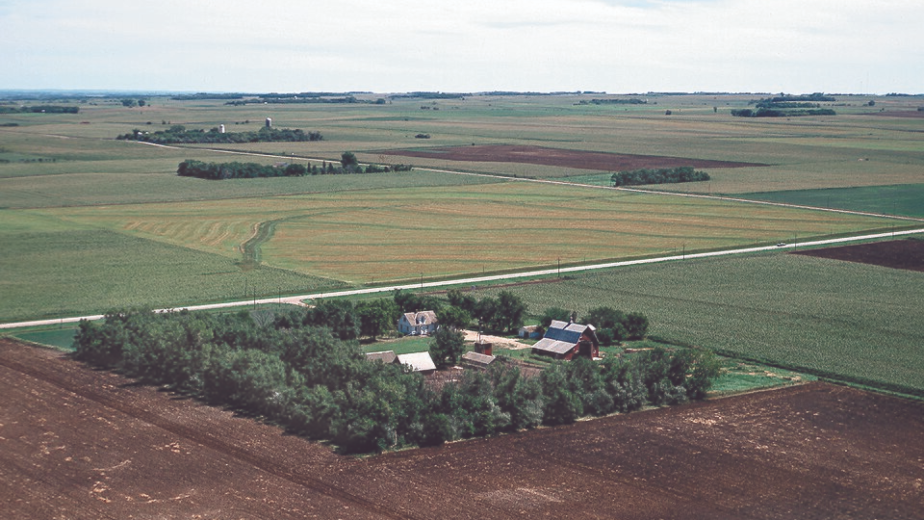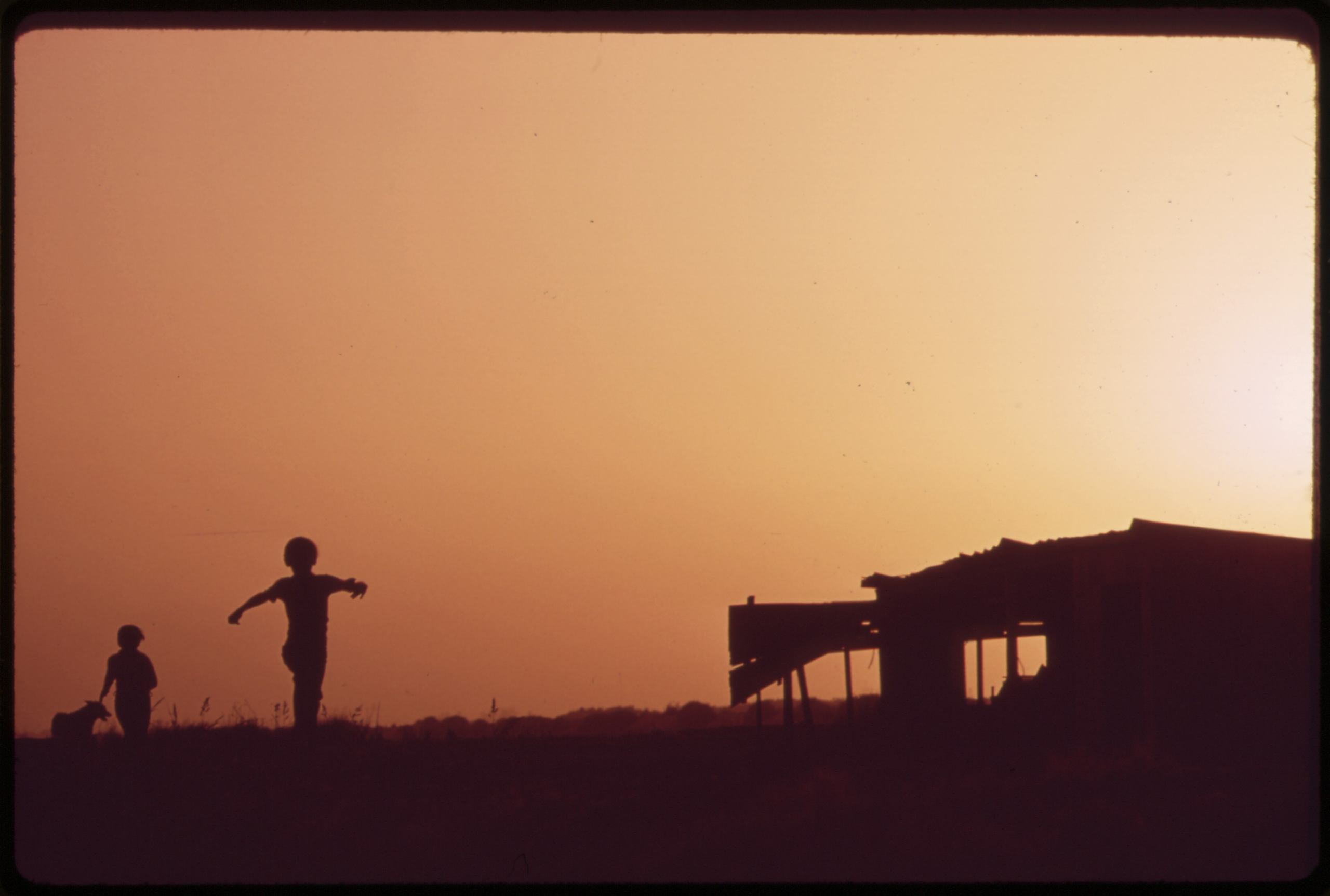
The games did not start until it was nearly dark, and the darkness was the mechanic rather than the atmosphere.
An open street in daylight offers nowhere to hide. These games were therefore literally impossible until the sun went down, which is why they all happened in the last hour of the evening and why being sent out after supper was the precondition for the entire category.
And the playing field was the whole neighbourhood – across several properties, through gardens, round garages, down the length of a street, with the limits agreed verbally before anybody started. That required dozens of households to tolerate children crossing their land in the dark, which is a permission nobody ever formally gave and everybody effectively granted. Here are fourteen things every kid knew.
1. The Games Did Not Start Until It Was Nearly Dark
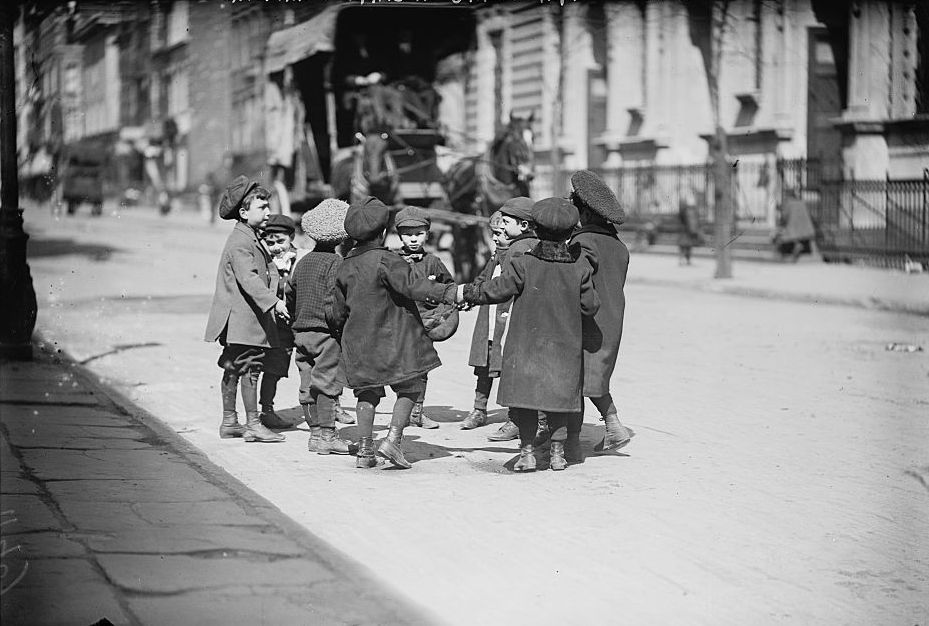
The whole category only worked once the light had gone, because darkness is what made hiding possible in an open neighbourhood.
Not applicable.
Start with the timing, because the darkness is not atmosphere – it is the game mechanic. An open street in daylight offers nowhere to hide, so these games were literally impossible until the sun went down, which is why they all happened in the last hour of the evening.
Like our content? Follow us for more.
2. The Boundary Was the Whole Neighbourhood, Not a Yard
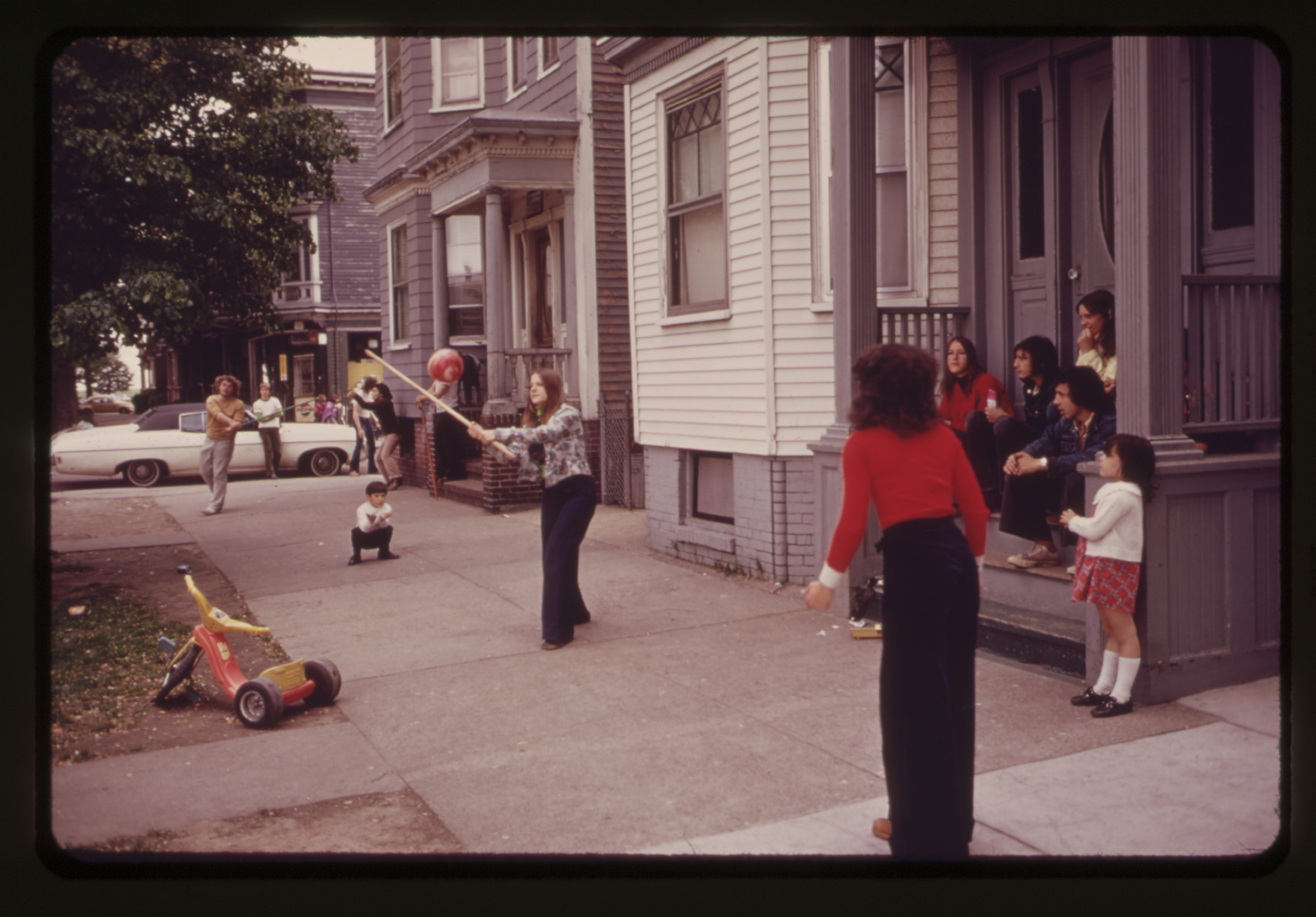
Play ran across several properties, through gardens, round garages and down the length of a street, with the limits agreed verbally.
Confined to one property or a park.
Using a whole block as the playing field is the thing that cannot be reconstructed. It required dozens of households to tolerate children crossing their land after dark, which was a permission nobody ever formally gave and everybody effectively granted.
3. A Tin Can or a Post Was the Only Equipment

The games needed one object or one fixed point – a can, a tree, a step, a lamp post – and nothing else at all.
Purpose-made equipment.
Equipment of effectively zero cost is why these were universal. Anything that can be designated as the base works, which means the game could start the moment enough children were present, in any location, with nothing prepared.
4. Everybody Within Earshot Was Automatically Invited
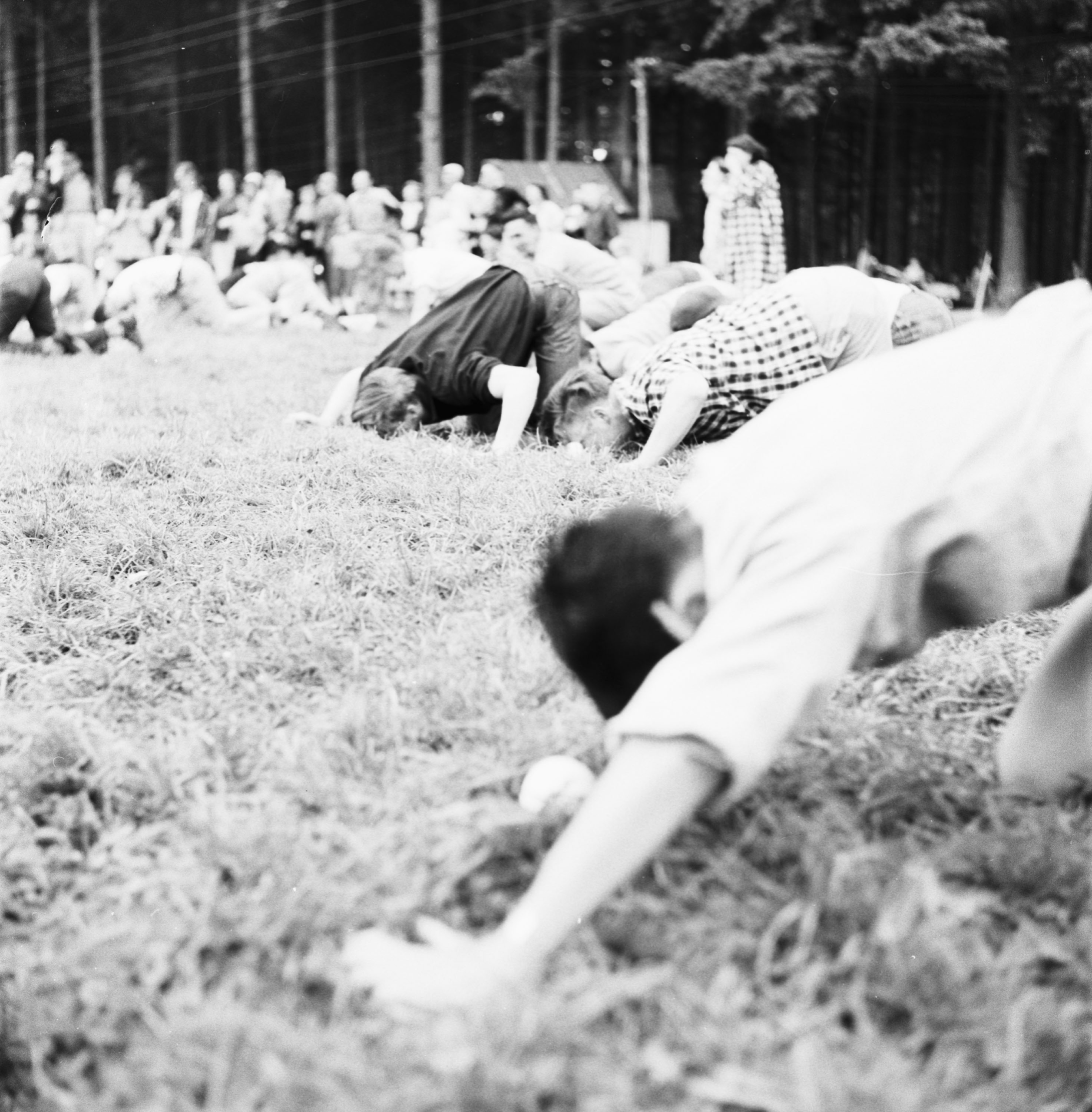
The game was announced by being played, and anybody who turned up joined, which meant the membership was whoever was outside.
Invited and arranged.
Open enrolment is what gave these their scale and their social value. Nobody was selected or excluded in advance, so the group was defined purely by who happened to be available – which is how a dozen children of different ages and families ended up in the same game.
5. Ages Mixed, and the Rules Bent to Accommodate It
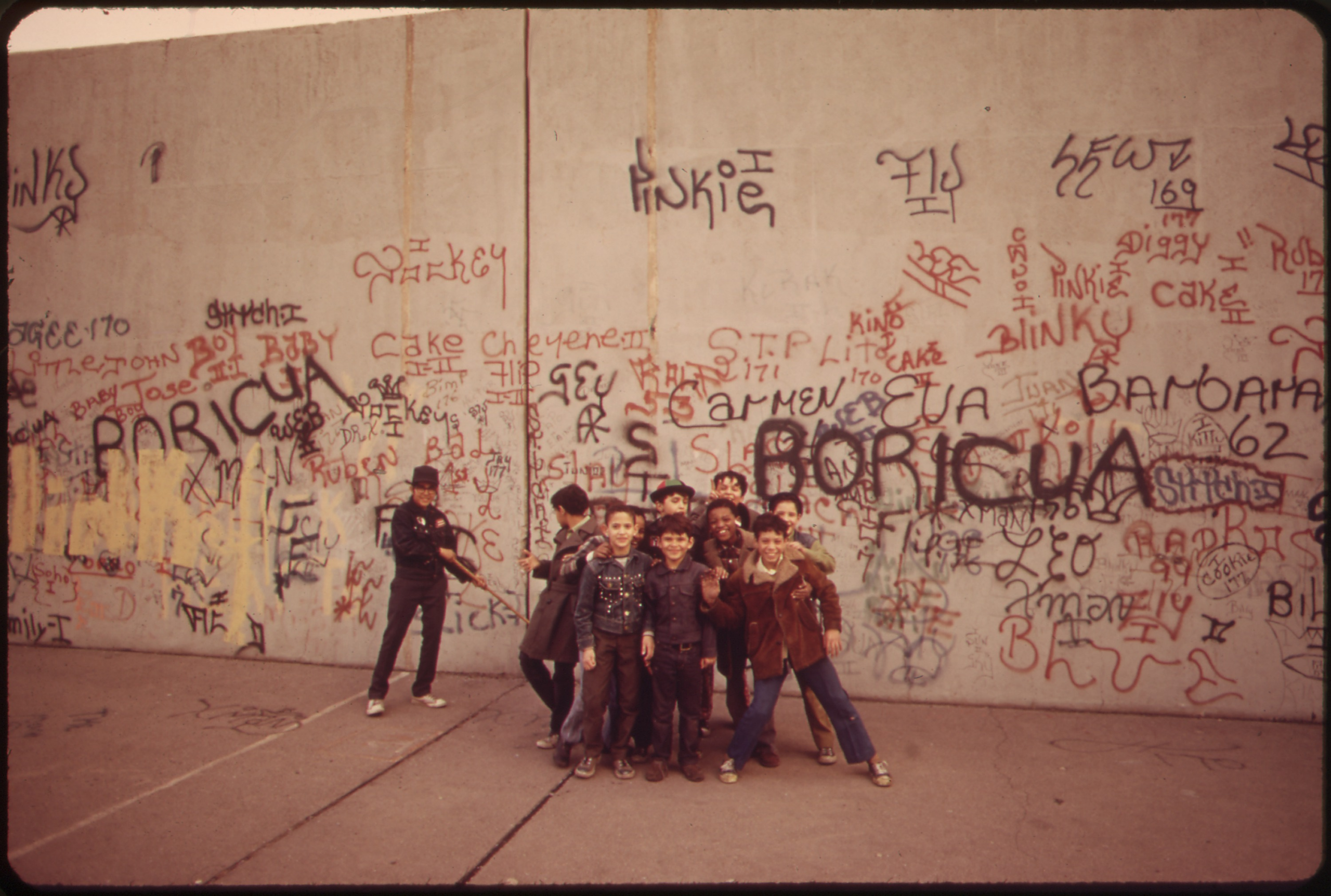
A game containing both six-year-olds and twelve-year-olds was handicapped informally – shorter counts, easier capture, generous interpretations.
Age-segregated.
Informal handicapping is a genuinely sophisticated piece of self-management. The older children had to make the game playable for the younger ones or the younger ones would leave and the numbers would collapse, so fairness was enforced by self-interest rather than by rules.
6. The Rules Were Agreed Fresh Each Night
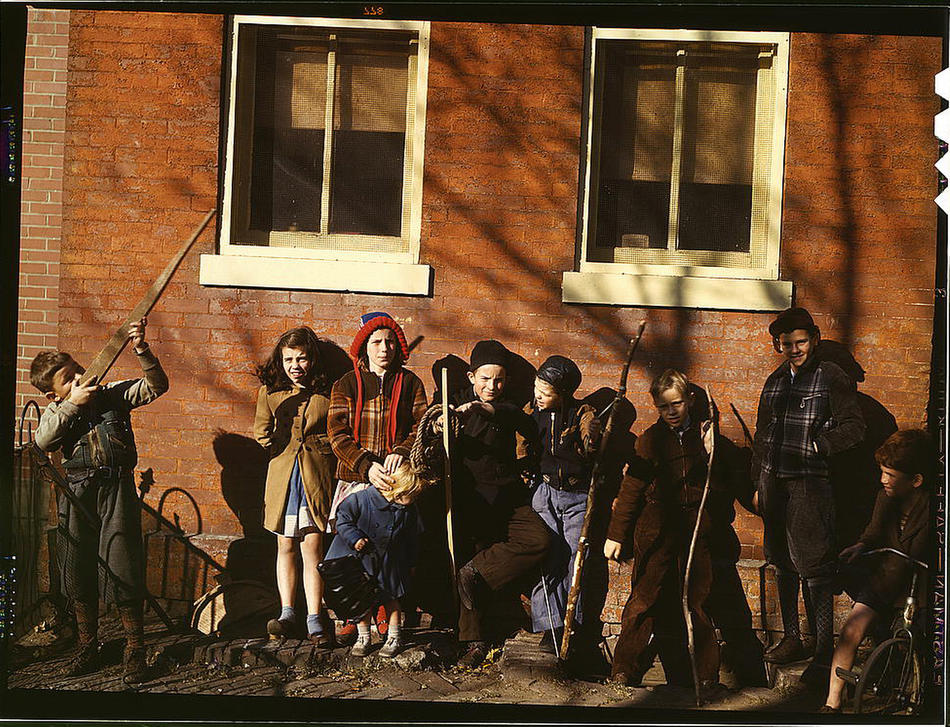
Boundaries, what counted as caught, how long the counting lasted and what was out of bounds were negotiated before every game and varied constantly.
Fixed and published.
Renegotiating from scratch is the real skill this developed, and it was practised nightly. Getting a dozen people of different ages to agree on a rule set in two minutes, without an adult, is a harder problem than anything in the game itself.
7. Disputes Were Settled Without Anybody to Appeal To
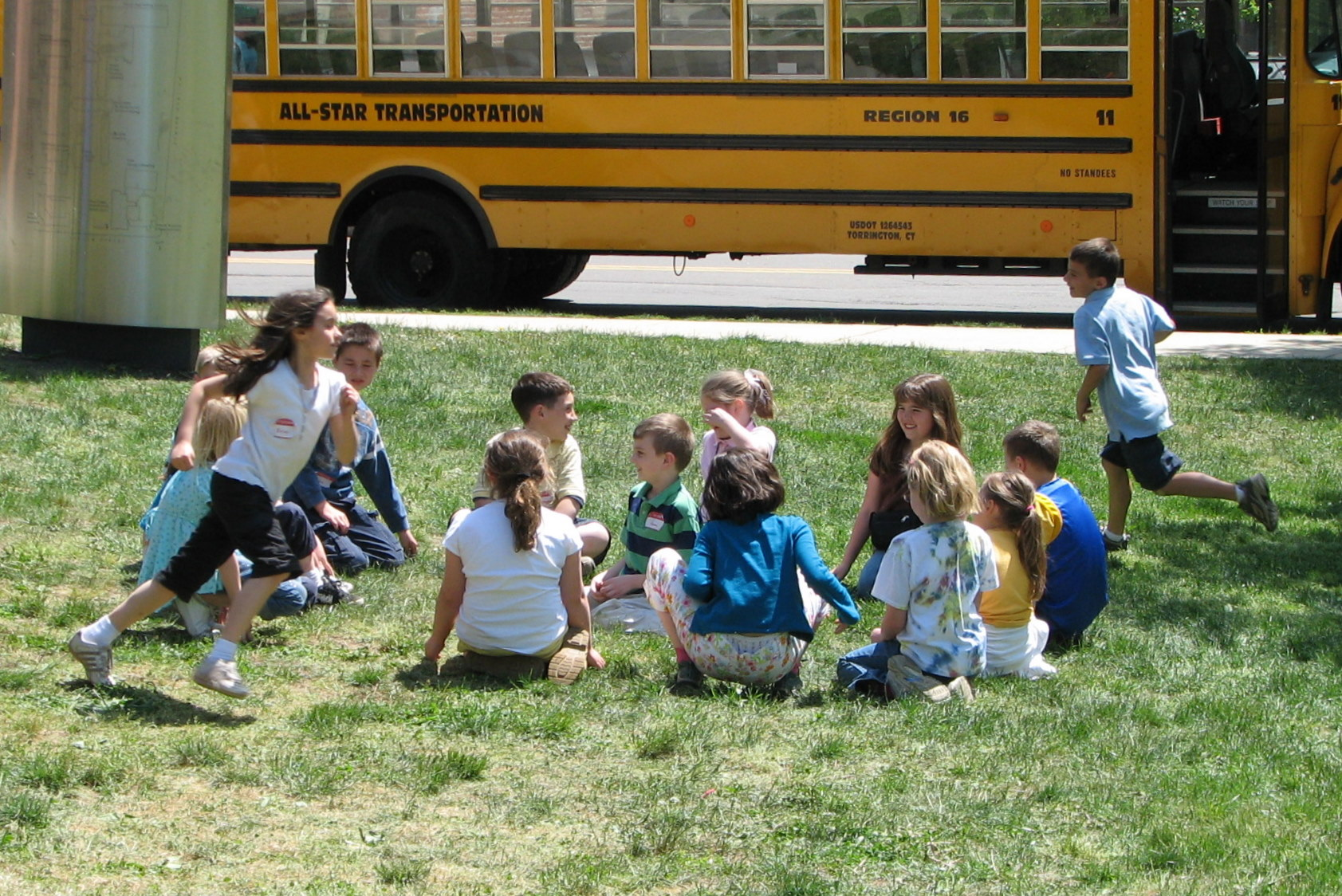
Arguments about whether somebody had been caught were resolved by persuasion, precedent, volume or compromise, because no referee existed.
Adults or officials decide.
Self-adjudication is the part that has disappeared most completely from children’s play. A group with no authority must resolve a disagreement or stop playing, which means every dispute ended in a negotiated outcome that everybody had to live with.
There is a tactical layer to all of this that deserves a mention, because it is where the cleverest children operated. The best position in most of these games was not the furthest hiding place but the nearest one – close enough to the base to reach it in a few seconds, concealed enough not to be seen from it. That is a genuine piece of strategic reasoning: the objective is not to remain hidden indefinitely but to be in a position to act, and a child who worked that out could win repeatedly while everybody else was still crouched behind a garage two gardens away.
8. Hiding Required Knowing the Neighbourhood in Detail
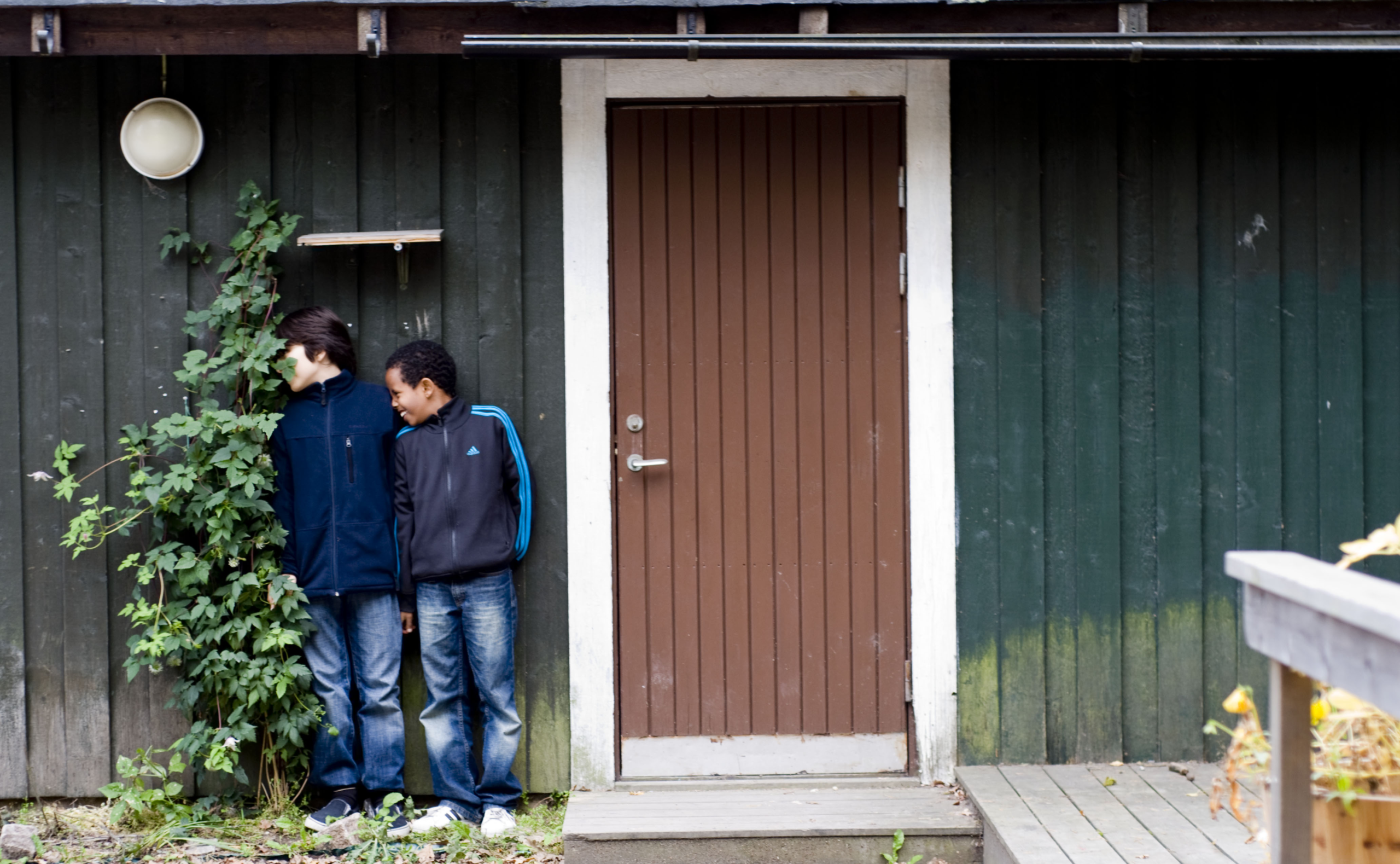
The good places – behind a particular hedge, under a specific porch, in the gap between two garages – were learned, remembered and shared selectively.
Not applicable.
The local knowledge involved was genuinely detailed and it was children’s property. An adult living on the same street for twenty years would not know which side of which shed could not be seen from the base, and the children knew all of it.
9. Sound Replaced Sight Entirely
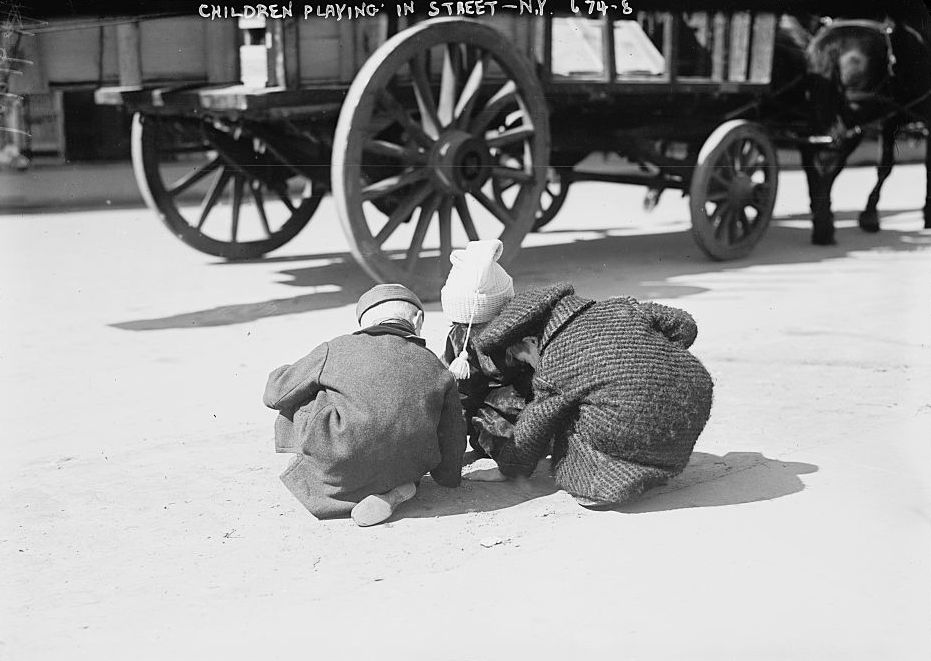
In the dark the game ran on footsteps, breathing, a gate hinge and the direction of a voice, which is a completely different set of skills.
Not applicable.
Shifting the game onto hearing is why darkness made it better rather than merely harder. A seeker who cannot see has to locate people by sound, and a hider has to control noise rather than visibility – which is a more interesting problem for everybody.
10. The Streetlight Coming On Was the Clock

Lights at dusk marked the start, and being called in – or a porch light going on and off – marked the end.
Clock times and messages.
Using the environment as a timepiece is what made the evening feel unbounded. Nobody consulted a watch, so the session ended when a parent produced a signal, which meant children on the same street finished at different moments without anybody coordinating.
11. Parents Had No Idea Exactly Where Anybody Was
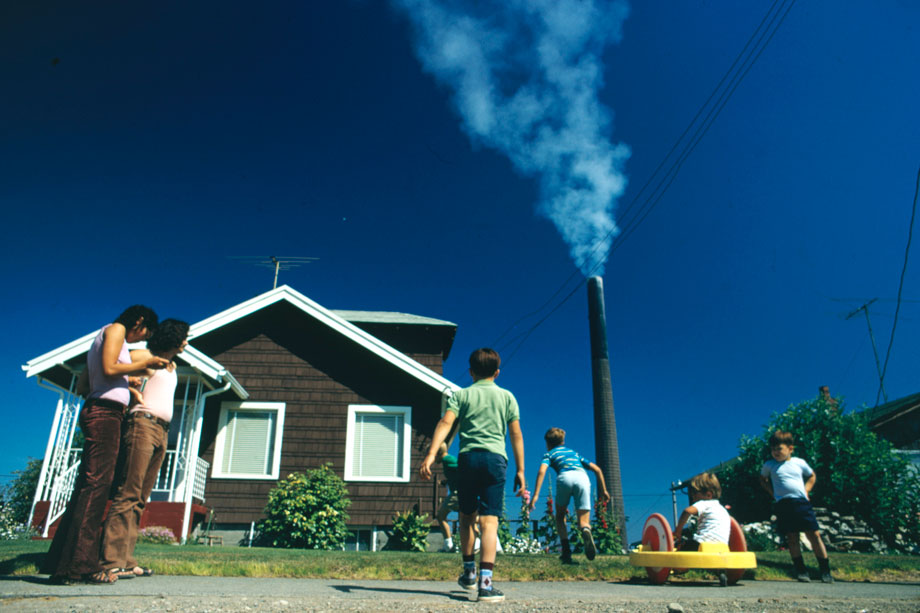
A child playing across six properties in the dark was genuinely unlocatable for an hour at a time, and this was normal.
Trackable.
The unlocatability is the single starkest difference and it should be stated plainly. Nobody could reach a child, nobody knew which garden they were in, and the arrangement depended entirely on a general confidence that they would come back when called.
12. Then the Boundary Shrank to One Yard
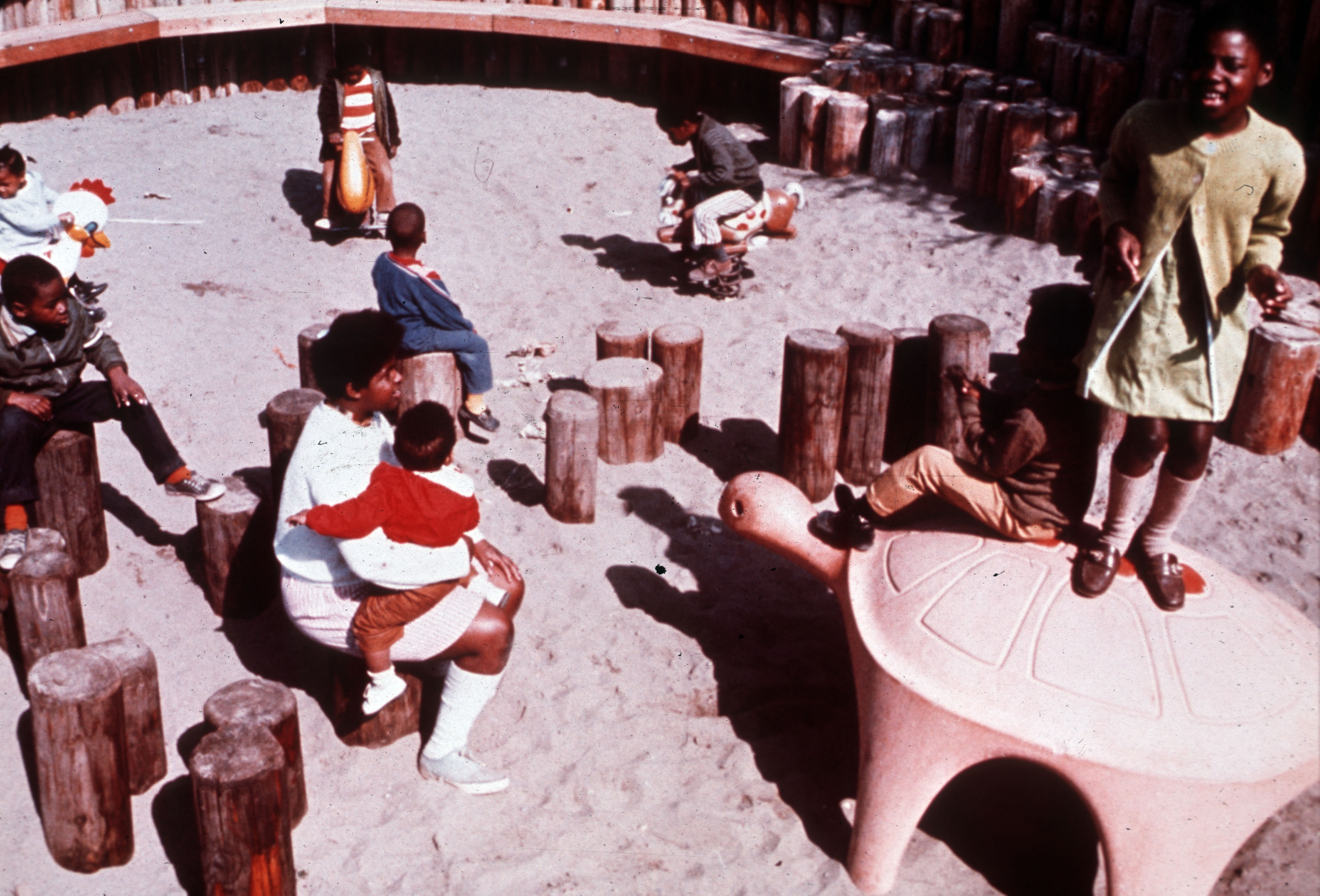
Changing expectations about supervision, fenced properties and a general reluctance to have children on other people’s land reduced the playing field to a single garden.
Universal.
The spatial collapse is what killed the category rather than any loss of interest. These games require a large area and many hiding places, and a single back garden provides neither – so the game does not get worse, it stops being possible.
One further condition is easy to overlook, and it concerns how many children lived on a street. These games needed a dozen participants within shouting distance, which required a neighbourhood with a lot of children in it at the same time – the product of a particular period’s family sizes and housing patterns rather than of anything anybody arranged. A street with four children on it cannot run a game like this however willing they are, so the thing was quietly dependent on a demographic fact that nobody involved ever noticed or could have changed.
13. Organised Activity Took the Evening as Well
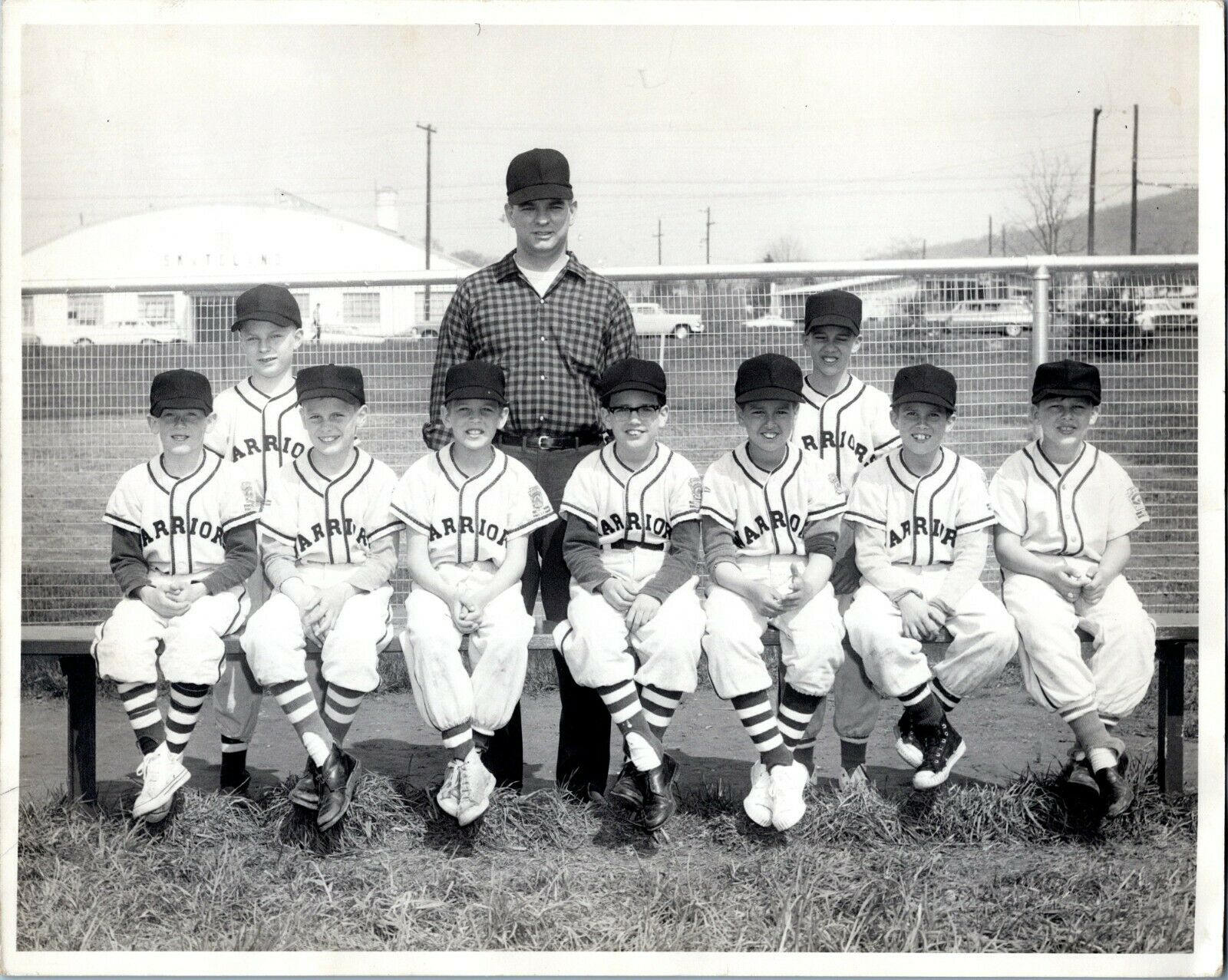
Practices, lessons and scheduled commitments filled the hour after supper, which removed the pool of children simultaneously free with nothing to do.
Universal.
The second mechanism is the one that removed the players. A game requiring a dozen available children within earshot cannot survive those children having individual schedules, because the thing being lost is not the game but the simultaneity.
14. And by 1966 the Hour After Supper Was Already Getting Shorter
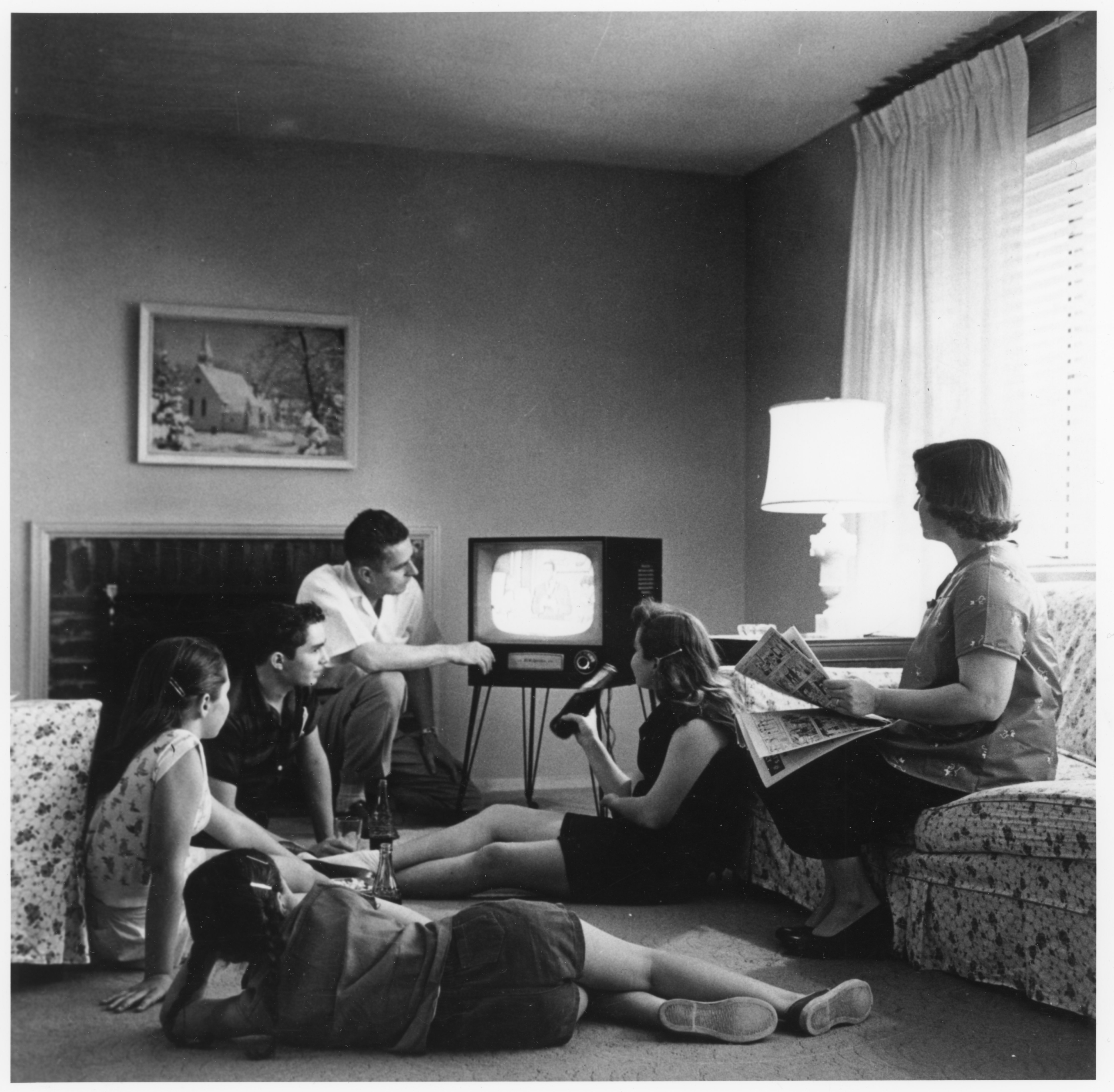
Television, homework and organised activities were all moving into the evening, and the window these games needed was closing.
Gone.
And what deserves the last word is that these games had four requirements and lost all of them. They needed darkness, because an open street in daylight offers nowhere to hide and the dark is a mechanic rather than a mood. They needed a whole neighbourhood as the field, which meant dozens of households tolerating children crossing their land after dark – a permission nobody formally gave and everybody effectively granted. They needed a dozen children simultaneously free with nothing scheduled, because membership was whoever happened to be outside. And they needed no adults at all, because the entire thing ran on rules renegotiated nightly, informal handicapping that kept the younger children playing, and disputes resolved by persuasion because there was nobody to appeal to. Fencing and supervision took the field, schedules took the players, and the hour after supper filled up. The one thing nobody lost interest in was the game.
They Had Four Requirements and Lost All Four
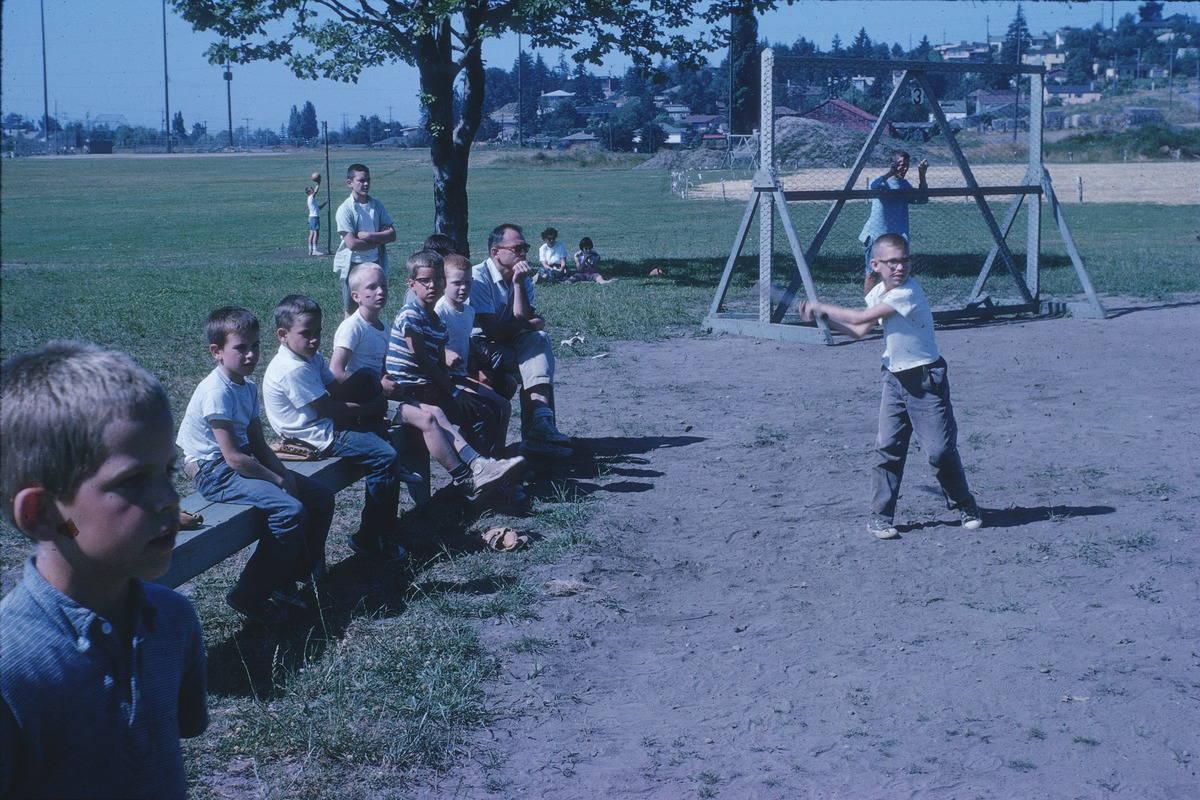
The games children played in the dark are usually remembered as a mood – summer evenings, streetlights, voices across gardens – and they are better understood as a system with four strict requirements, every one of which has since been removed.
The first was darkness, and it was functional rather than atmospheric. An open street in daylight offers nowhere to hide, so the games could not begin until the light had gone. Darkness also shifted the whole thing onto hearing: a seeker locates people by footsteps, a gate hinge and the direction of a voice, and a hider controls noise rather than visibility – which is a more interesting problem than the daylight version for everybody involved.
The second was space. The field was a whole block, not a yard, and the games needed many hiding places spread over a large area. The good ones were known in fine detail – behind a particular hedge, under a specific porch, the gap between two garages – and that knowledge was children’s property. An adult living on the street for twenty years would not know which side of which shed could not be seen from the base.
The third was simultaneity. Membership was whoever happened to be outside, because the game was announced by being played and anybody who turned up joined. That open enrolment is what produced a dozen children of different ages and families in one game, and it required them all to be free at the same time with nothing scheduled.
The fourth was the absence of adults, and this is where the real content was.
Rules were agreed fresh each night – boundaries, what counted as caught, how long the counting lasted, what was out of bounds – and getting a dozen people of mixed ages to settle a rule set in two minutes with no adult is a harder problem than anything in the game itself.
Ages mixed, and the rules bent to accommodate it. Shorter counts, easier capture, generous interpretations – informal handicapping enforced by self-interest rather than by fairness, because if the younger children stopped enjoying it they left and the numbers collapsed.
And disputes had nobody to appeal to. Arguments about whether somebody had been caught were settled by persuasion, precedent, volume or compromise, because a group with no authority must either resolve a disagreement or stop playing. Every dispute therefore ended in a negotiated outcome everybody had to live with.
The equipment was nothing – a can, a tree, a step, a lamp post. Anything designatable as a base works, so the game could start the moment enough children were present, anywhere, with nothing prepared.
And the clock was the environment. Lights at dusk marked the start, and being called in or a porch light flicking on and off marked the end, so nobody consulted a watch and children on the same street finished at different moments without coordinating anything.
The starkest difference should be said plainly: parents had no idea exactly where anybody was. A child playing across six properties in the dark was genuinely unlocatable for an hour, and the whole arrangement rested on a general confidence that they would come back when called.
Then the requirements went. Fencing, changing expectations about supervision and a reluctance to have children on other people’s land shrank the field to a single garden, which provides neither the area nor the hiding places – so the game does not get worse, it becomes impossible. And practices, lessons and scheduled commitments filled the hour after supper, which removed the pool of children simultaneously free with nothing to do.
What was lost was the simultaneity and the space. Nobody lost interest in the game.
If you played these, think about how many gardens you ran through.
Nobody ever gave permission for that, and nobody ever objected either.
Like our content? Follow us for more.