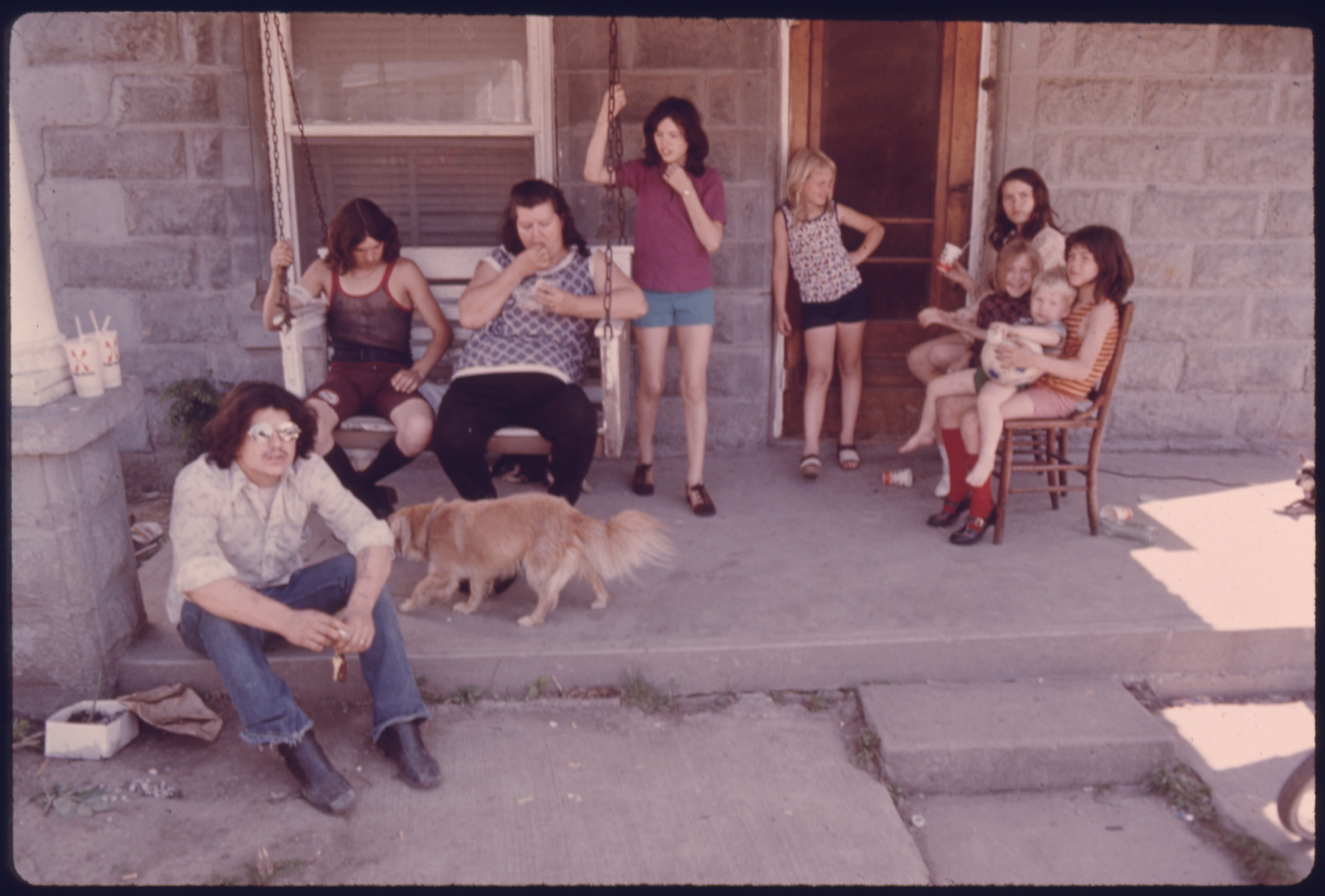
Coming out to the porch after supper told the whole street you were available.
That is what the porch actually was – a signalling device. An occupied chair facing the pavement means approachable; an empty porch means not. Which solves the entire problem of how to see people without arranging anything in advance, because nobody has to invite anybody and nobody has to refuse.
And the reason the household was out there in the first place was not sociability. In a period before cooling, the porch was reliably cooler than any room in the house, so people came out after supper because indoors was unbearable – and the company was simply what happened once they were there. Here are sixteen things every family did.
1. Sitting on the Porch Was How You Signalled You Were Available
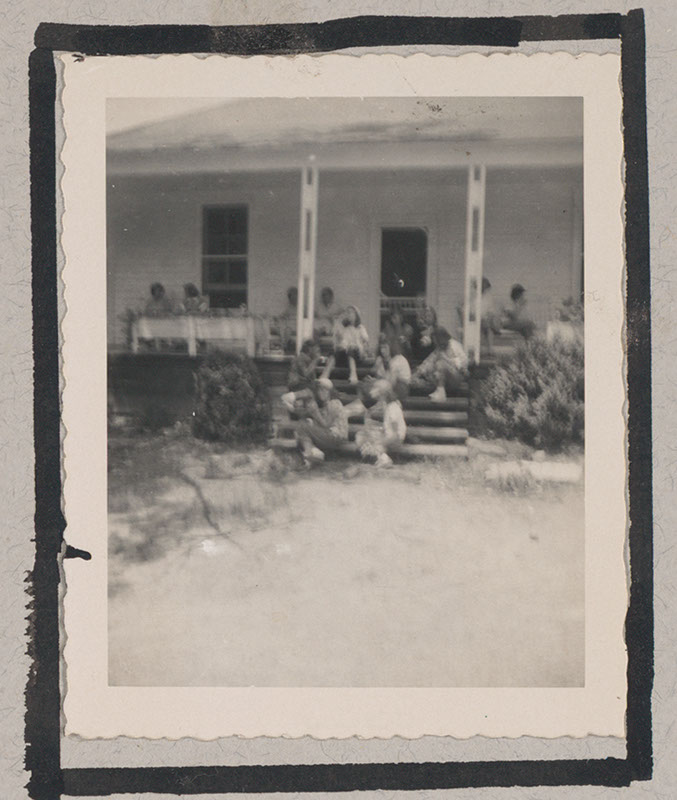
Coming out to the porch after supper told the whole street you were open to company, without anybody having to ask or be invited.
Invitations, arranged in advance.
Start with the signal, because that is what the porch actually was. A chair on a porch is a public statement of availability – occupied means approachable, empty means not – which solved the whole problem of how to see people without having to arrange anything.
Like our content? Follow us for more.
2. It Was a Room That Was Half Outside and Half In
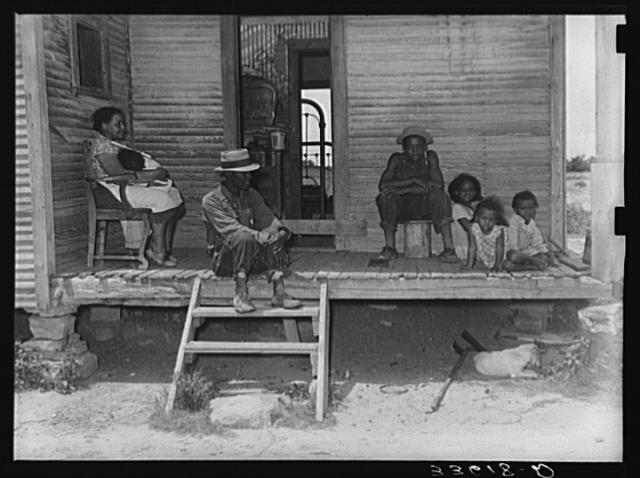
The porch belonged to the house and faced the street, which made it the only space where private and public life overlapped.
No equivalent space.
The architecture is doing something specific and it is why no modern arrangement replaces it. You are at home, in your own chair, and simultaneously in the street’s field of view – which is a social position that simply does not exist in a house with no front porch.
3. People Walked Past, and That Was the Whole Mechanism
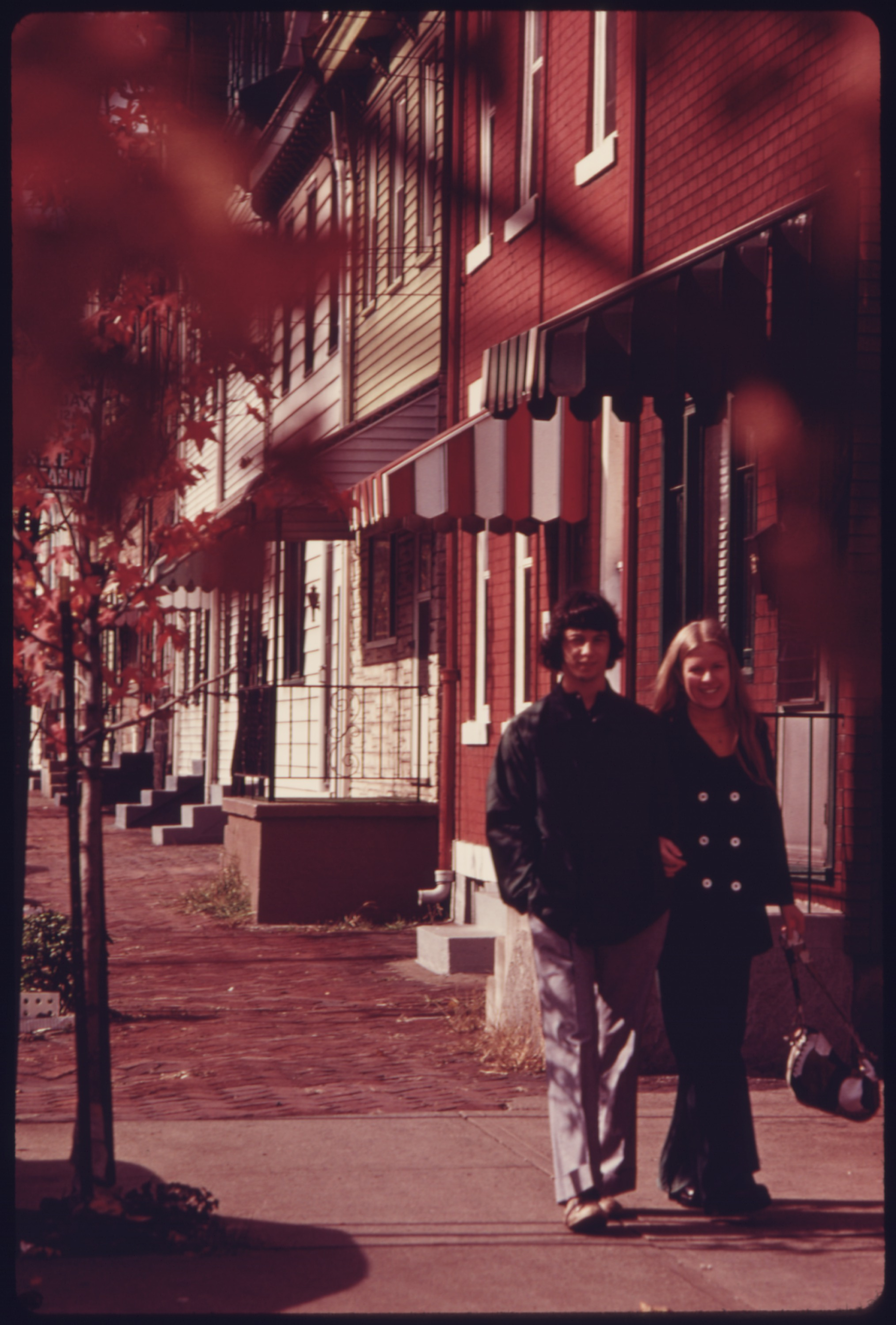
Before cars dominated, people moved through a neighbourhood on foot, which meant a porch sitter saw everybody and everybody saw them.
People pass in vehicles.
Foot traffic is the input the system ran on. A porch overlooking a pavement that nobody walks on is just a covered seat, so the practice depended entirely on there being a steady supply of people moving past at conversational speed.
4. Conversations Started Without Anybody Deciding To
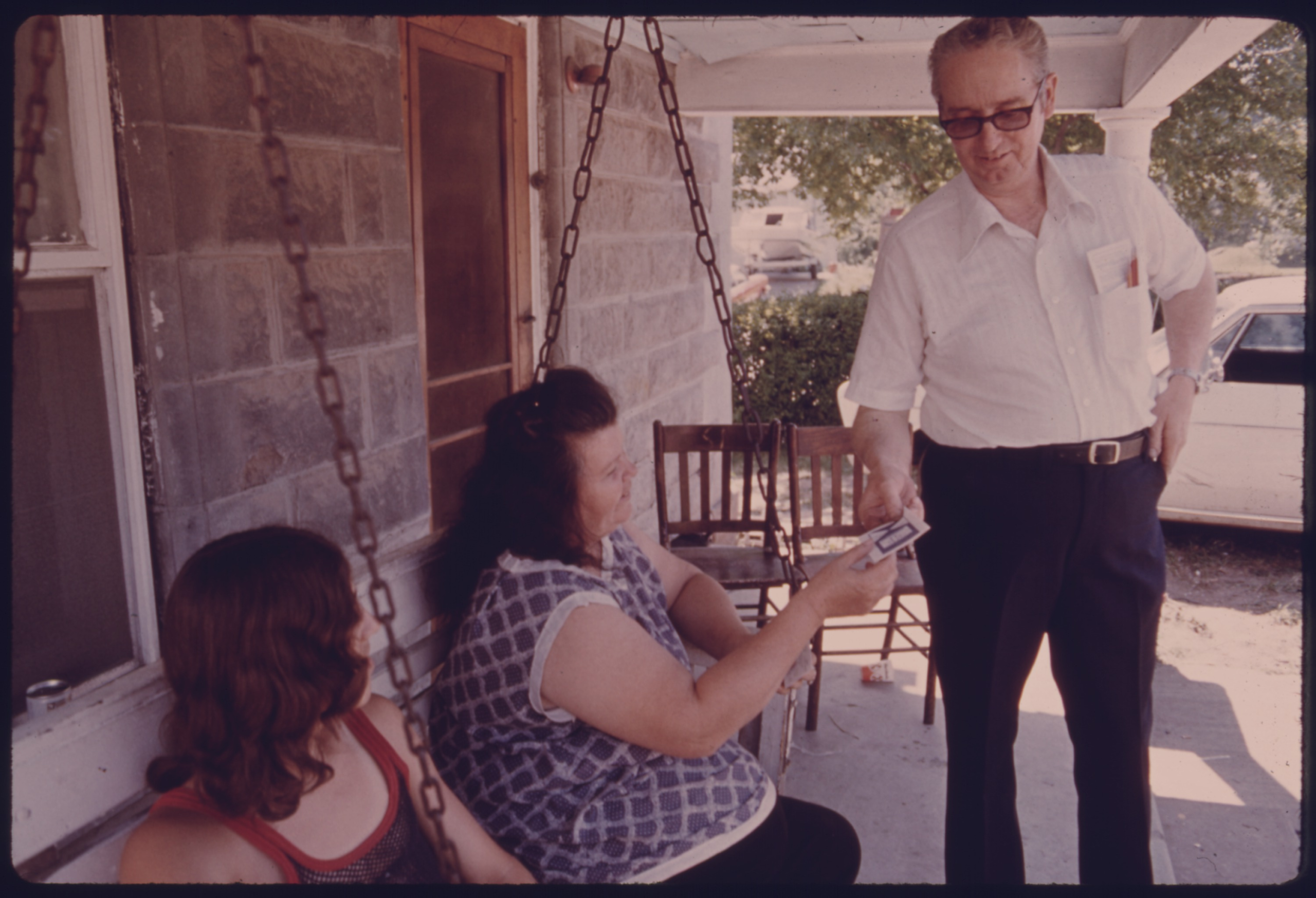
A greeting from a passer-by could become a two-minute exchange or a two-hour visit, and neither party had to commit at the start.
Requires a decision up front.
The gradual escalation is the genuinely clever part. Nobody has to invite, accept or refuse anything – the interaction can stop at a nod, expand to leaning on the rail, or end up with somebody sitting down, and every stage is an easy exit for both people.
5. The Porch Set the Boundary of How Far a Visit Went
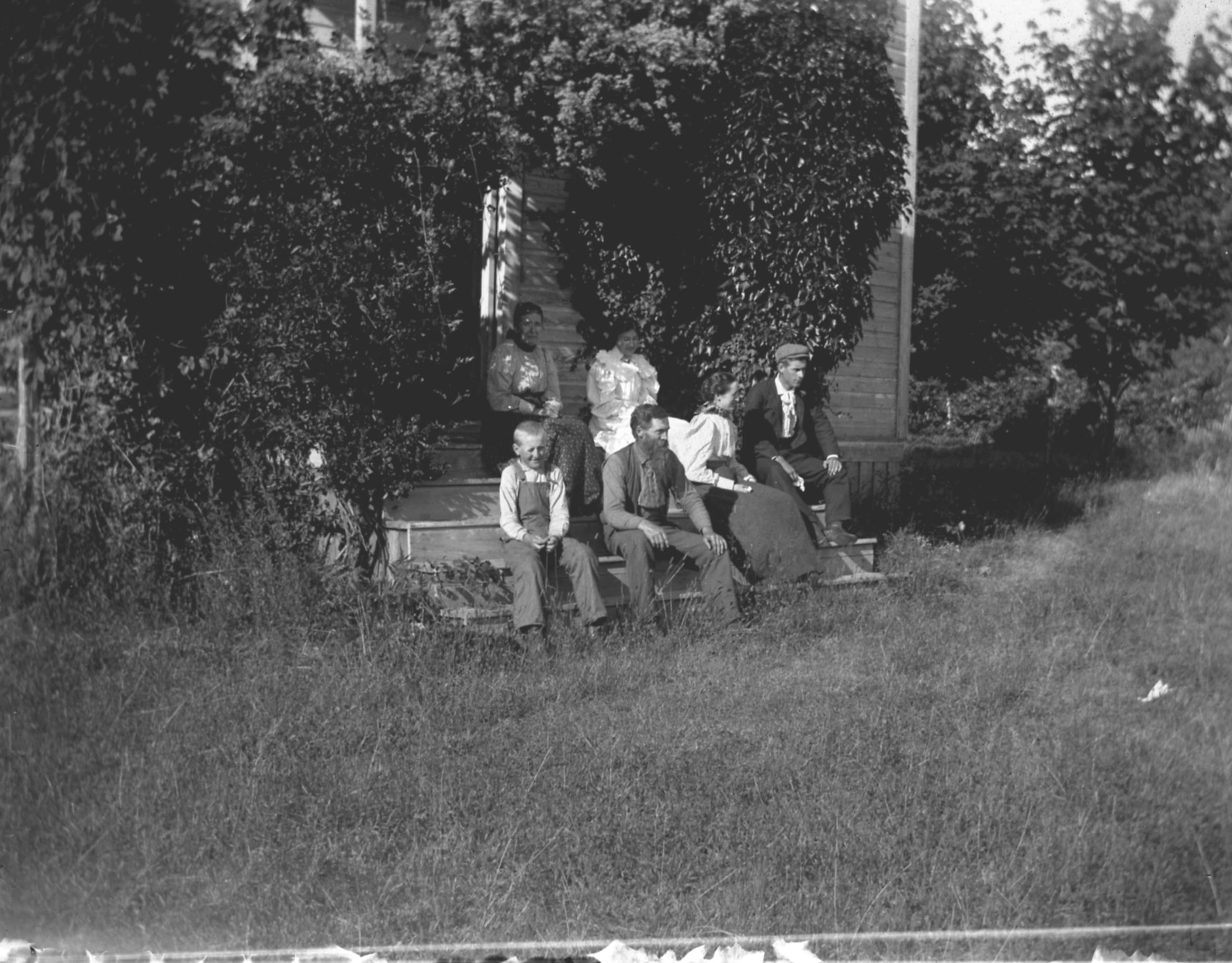
A caller might get as far as the steps, up onto the porch, or into the house, and which of those happened said exactly how close the relationship was.
Not applicable.
The gradation is a piece of social information everybody could read. Three distinct levels of admission, visible to anybody watching from the street, meant the standing of every relationship in a neighbourhood was displayed without a word.
6. Children Were Supervised Without Anybody Supervising Them

Adults on porches up and down a street produced continuous incidental oversight of every child playing outside.
Scheduled and direct supervision.
This is the function that mattered most and nobody was doing it on purpose. A dozen adults sitting out across a block covers the whole street between them, which meant children could range freely inside an area that was, without anybody intending it, entirely observed.
7. The Evening Was the Hour Because the House Was Hot
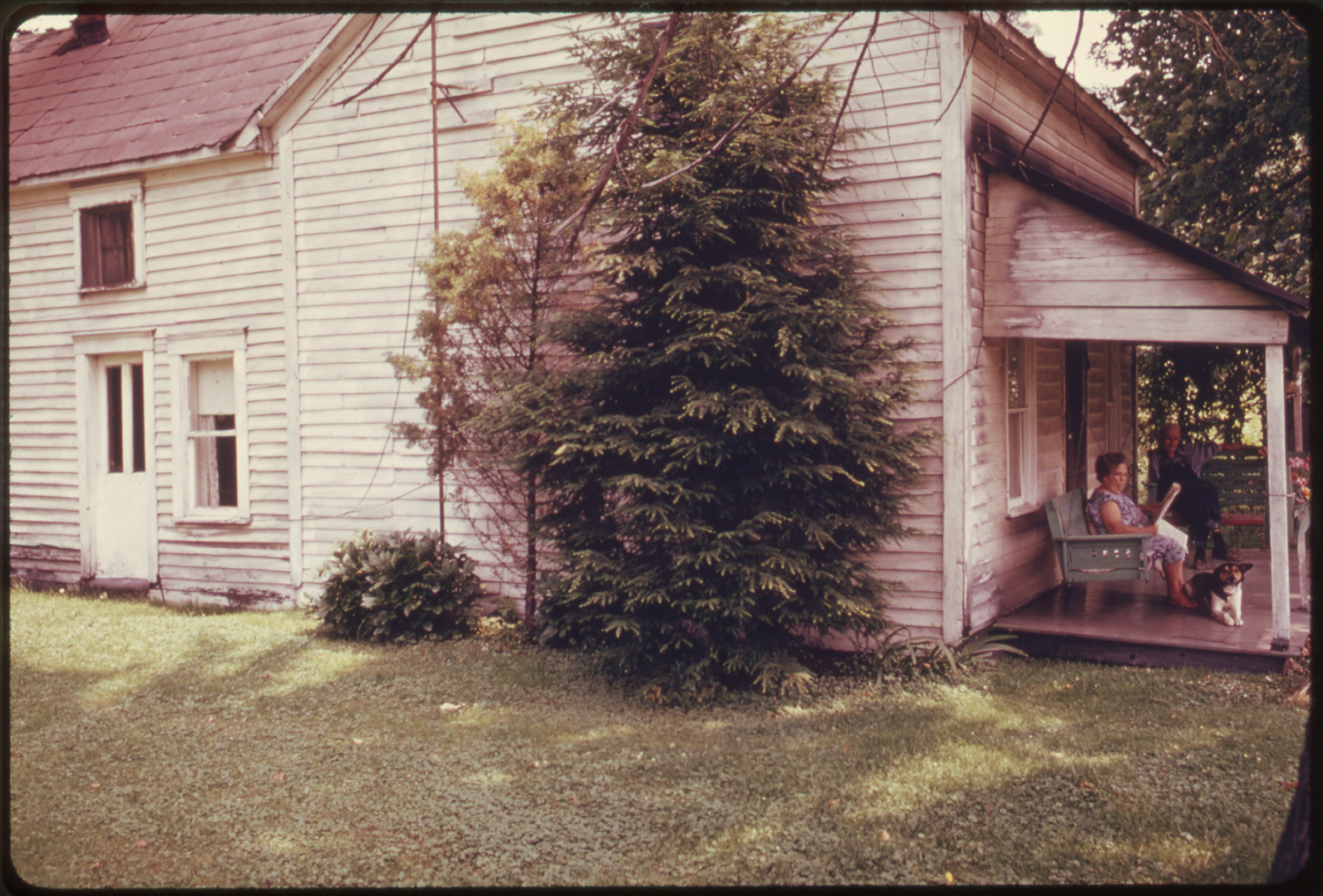
In a period before cooling, the porch was reliably cooler than any room indoors, so the household moved out there after supper.
Not applicable.
The thermal reason underpins the social one, and it explains the schedule precisely. People were not coming out for company first – they were coming out because it was unbearable inside, and the company was what happened once they were there.
8. Porch Furniture Was Chosen to Be Left Out
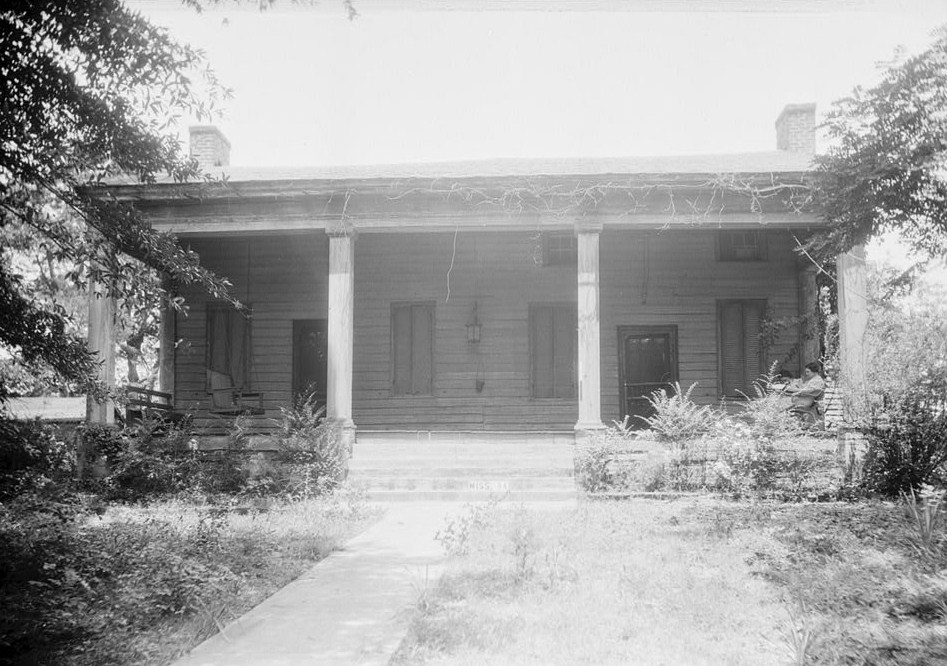
Swings, gliders, metal chairs and wicker were bought on the understanding that they would stay outdoors through the season.
Stored or seasonal.
A dedicated set of furniture tells you this was a real room rather than an overflow. Nobody buys seating for a space they use occasionally, so a porch suite is physical evidence that the household expected to spend a few hours out there most evenings.
9. The Swing Was the Best Seat and Everybody Knew It
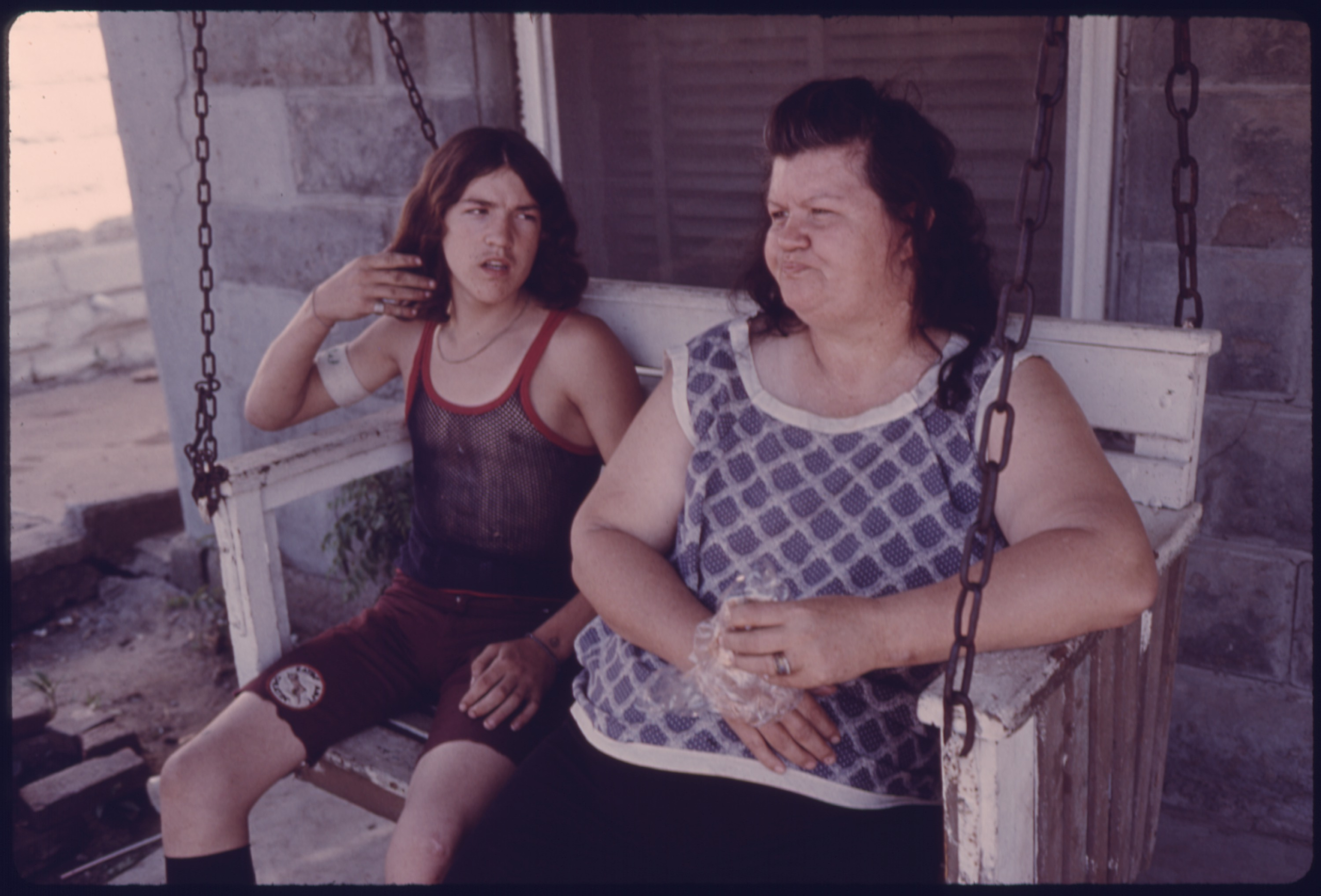
A hanging bench seated two or three, moved slightly, and was the most sought-after position on any porch.
Rare.
The swing deserves its reputation for a practical reason. Gentle continuous motion is unusually comfortable for long sitting, and a seat that holds two side by side facing the same direction is good for talking – which is the same geometry that made a lunch counter work.
10. Handwork Came Out With You
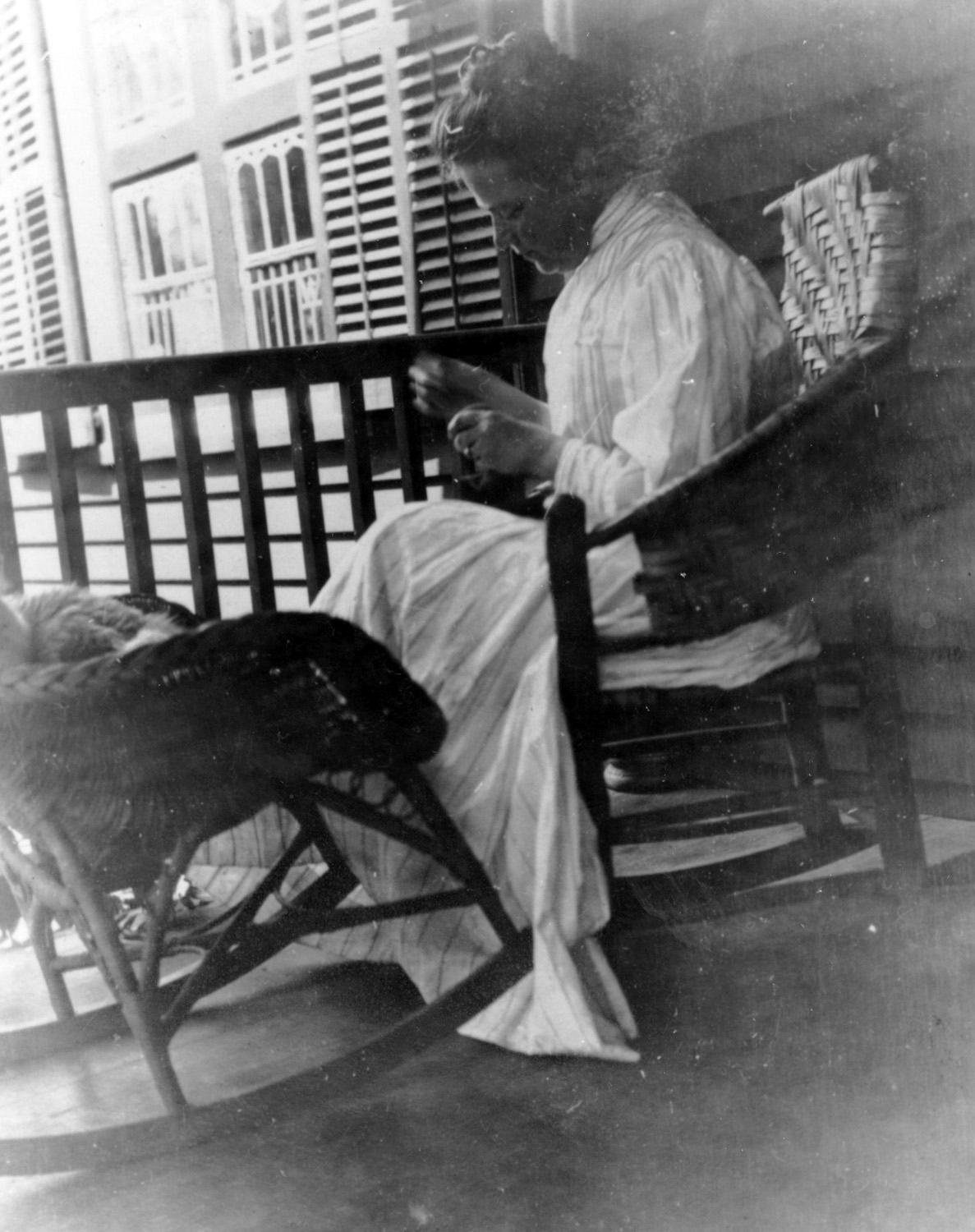
Shelling, mending, knitting, peeling and whittling were done on the porch, because the hands could work while the attention stayed on the street.
Not applicable in the same form.
Pairing a manual task with sociability is a recurring pattern in this period, and the porch was its ideal setting. The work got done, the conversation ran uninterrupted, and nobody had to choose between being useful and being available.
11. The Radio Came Out Too, and Then the Television Stayed In
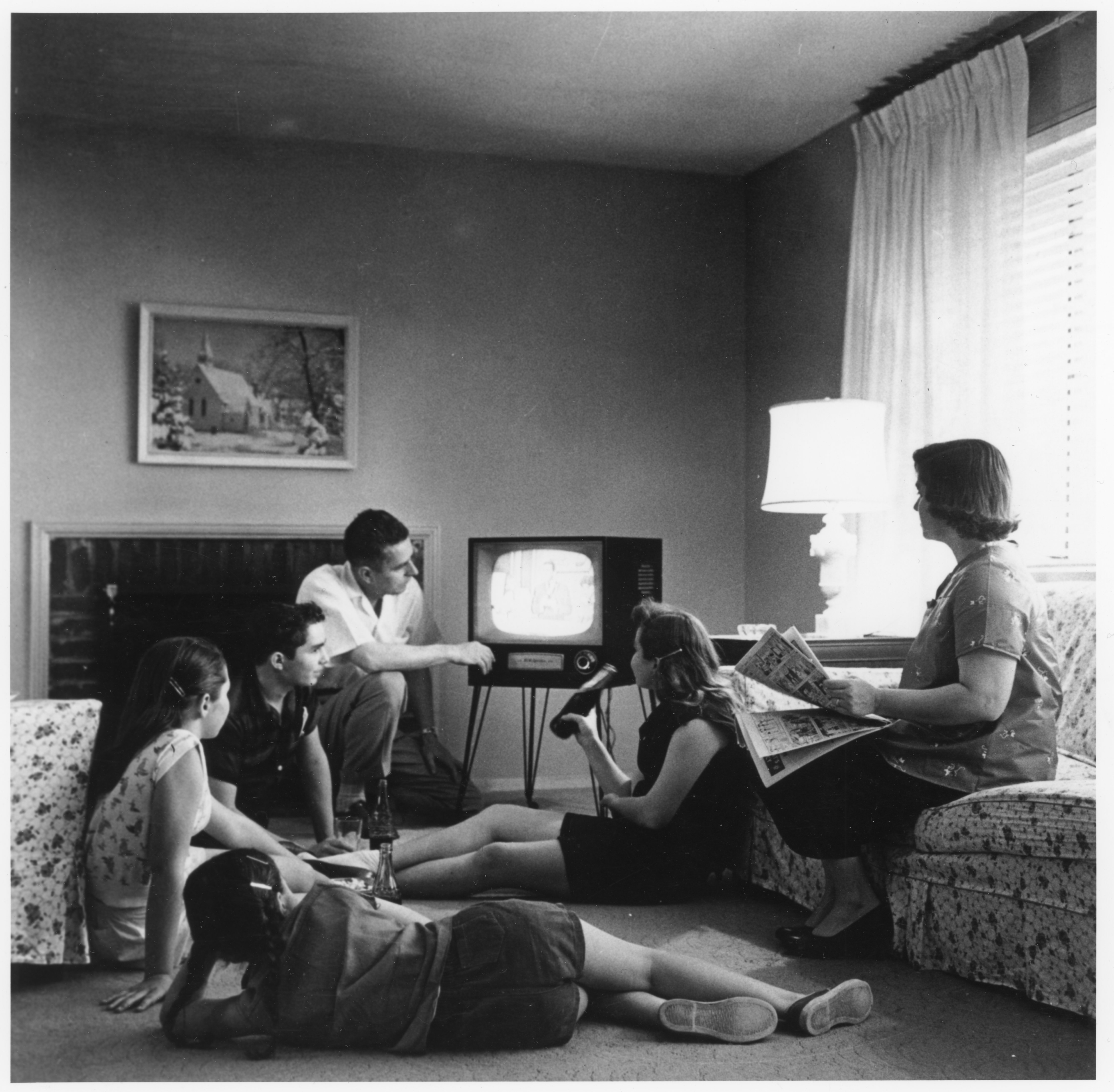
A radio could be carried out and listened to in company; a television could not, and it anchored the household in a dark room instead.
Universal.
This is one of the two mechanisms that emptied the porch and it is purely practical. A screen must be watched, indoors, facing one direction, which converts an outward-facing shared evening into an inward-facing one – and the porch had nothing to offer against it.
12. Air Conditioning Removed the Reason to Leave the House
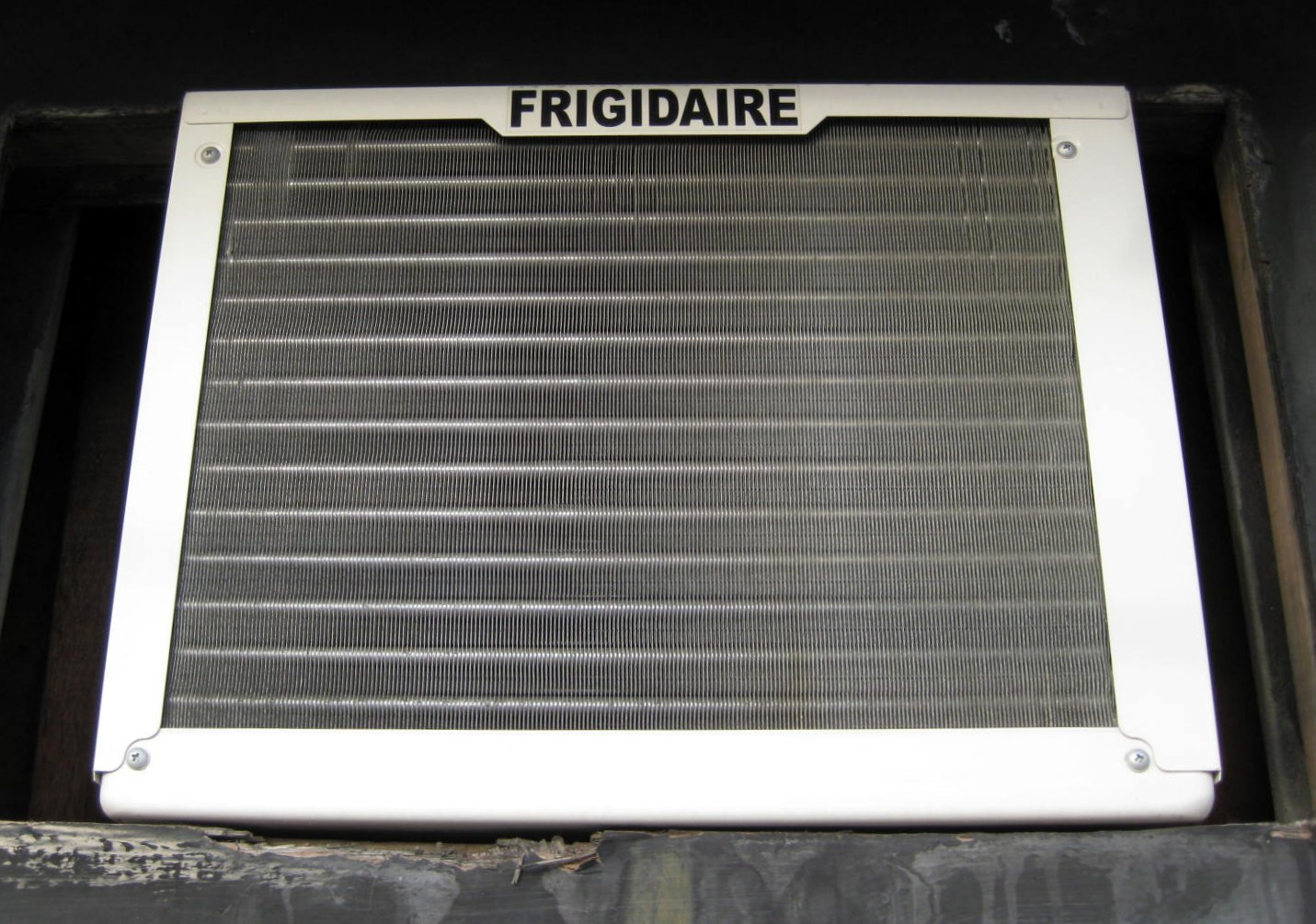
Once indoors was cooler than outdoors, the entire thermal justification reversed in a single step.
Universal.
The other mechanism is even more decisive. The porch’s advantage was always comparative, and cooling did not merely match it but beat it – so the household stayed in, and the social practice that had grown on top of a temperature difference had nothing left to stand on.
13. Then the Car Changed Which Side of the House Mattered
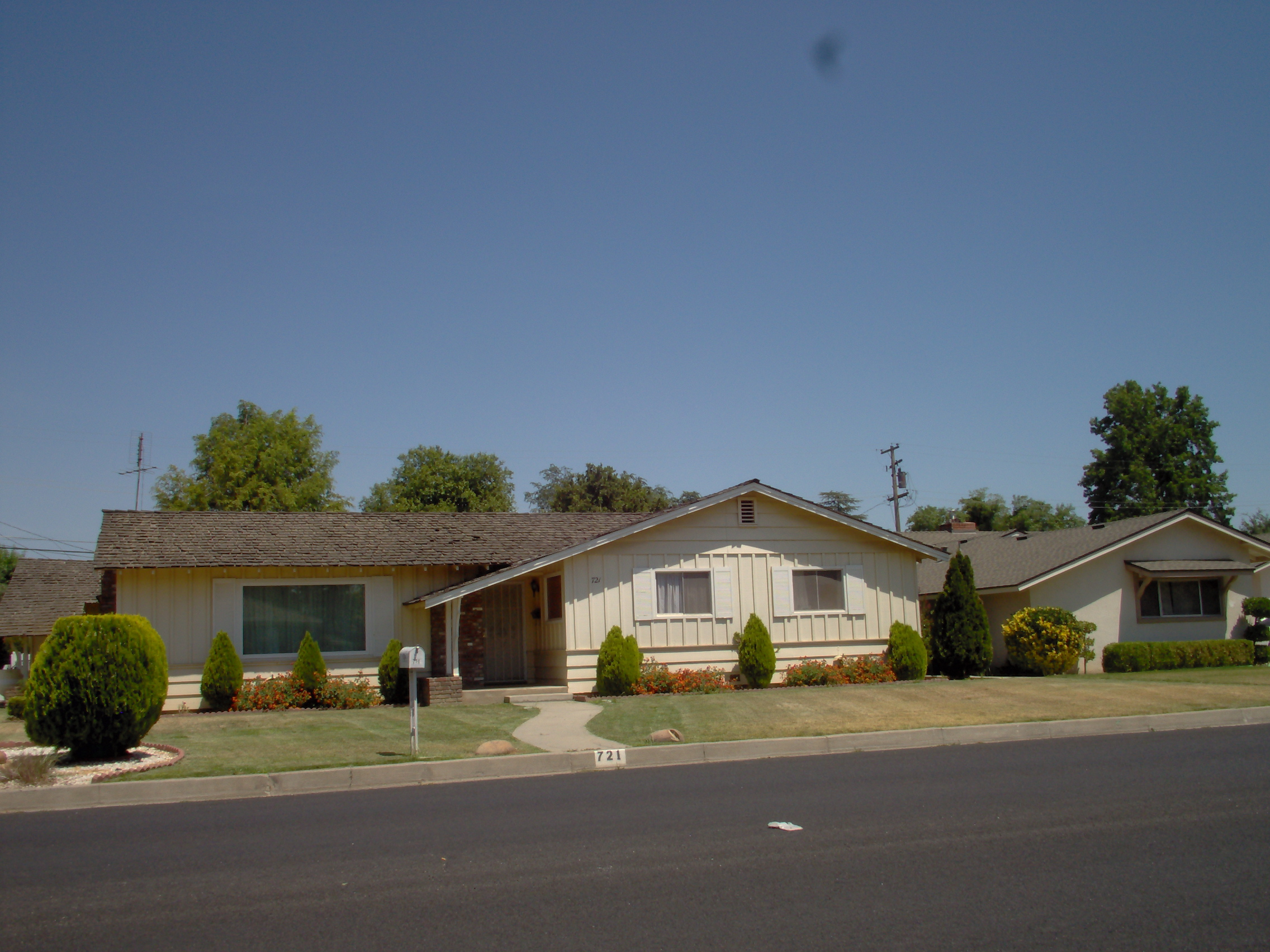
New houses put the garage at the front and the living space at the back, which moved both the entrance and the sitting area away from the street.
The standard.
The building itself finished the job, and this is the part that cannot be reversed. A house whose front is a garage door has no porch to sit on, and a household that enters through the garage never passes the street at all – so there is no longer a place to sit or a reason to be seen.
14. The Back Deck Replaced It and Does the Opposite Job
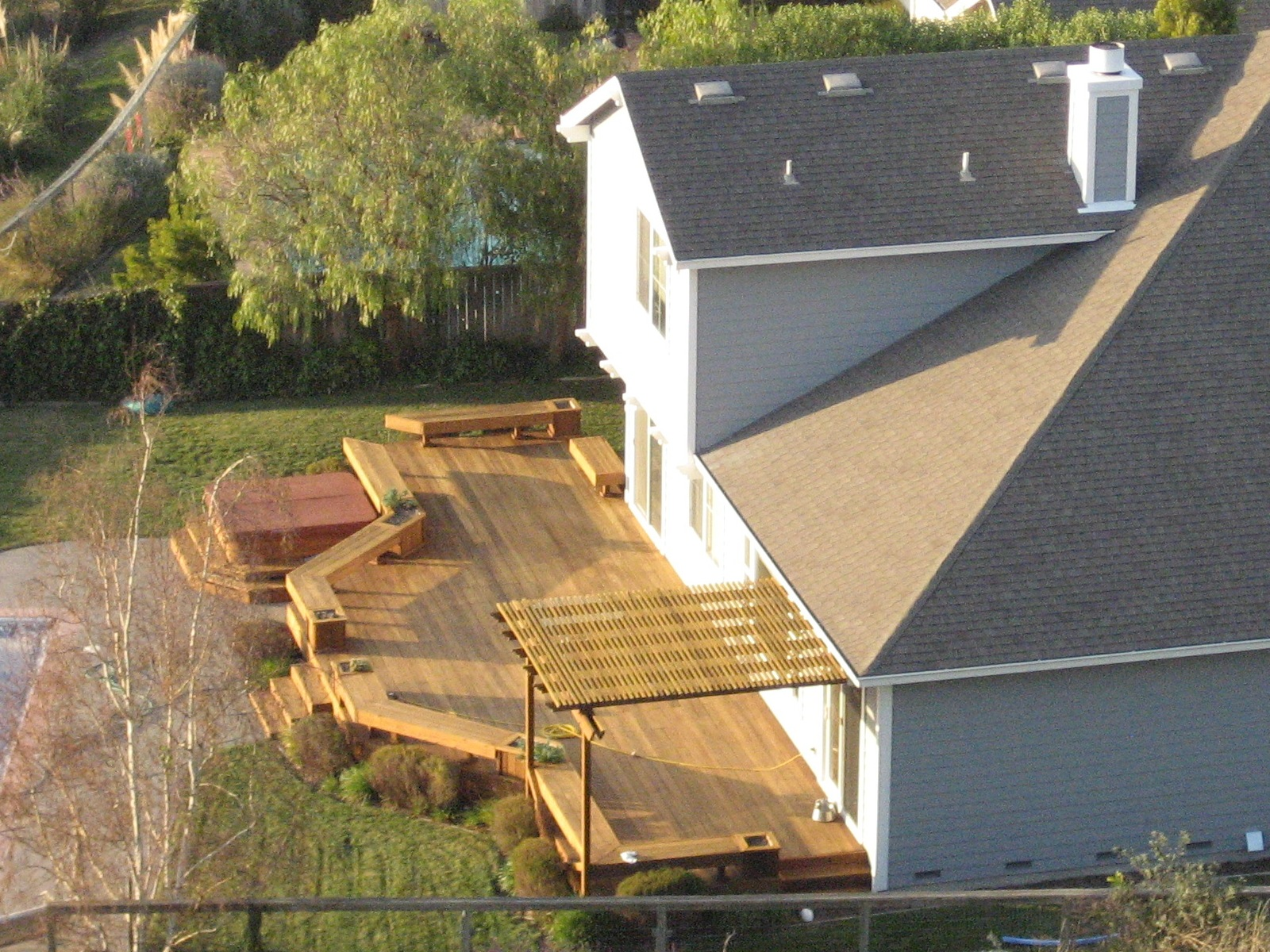
Outdoor living moved to the rear of the house, enclosed, facing away from the street and invisible to neighbours.
Universal.
The substitution is real and the function is inverted, which is worth stating precisely. A deck is for people you have invited; a porch was for people you had not. Both are outdoor seating, and only one of them produces encounters with anybody you did not already plan to see.
15. Knowing the Neighbours Was a Side Effect, Not a Virtue
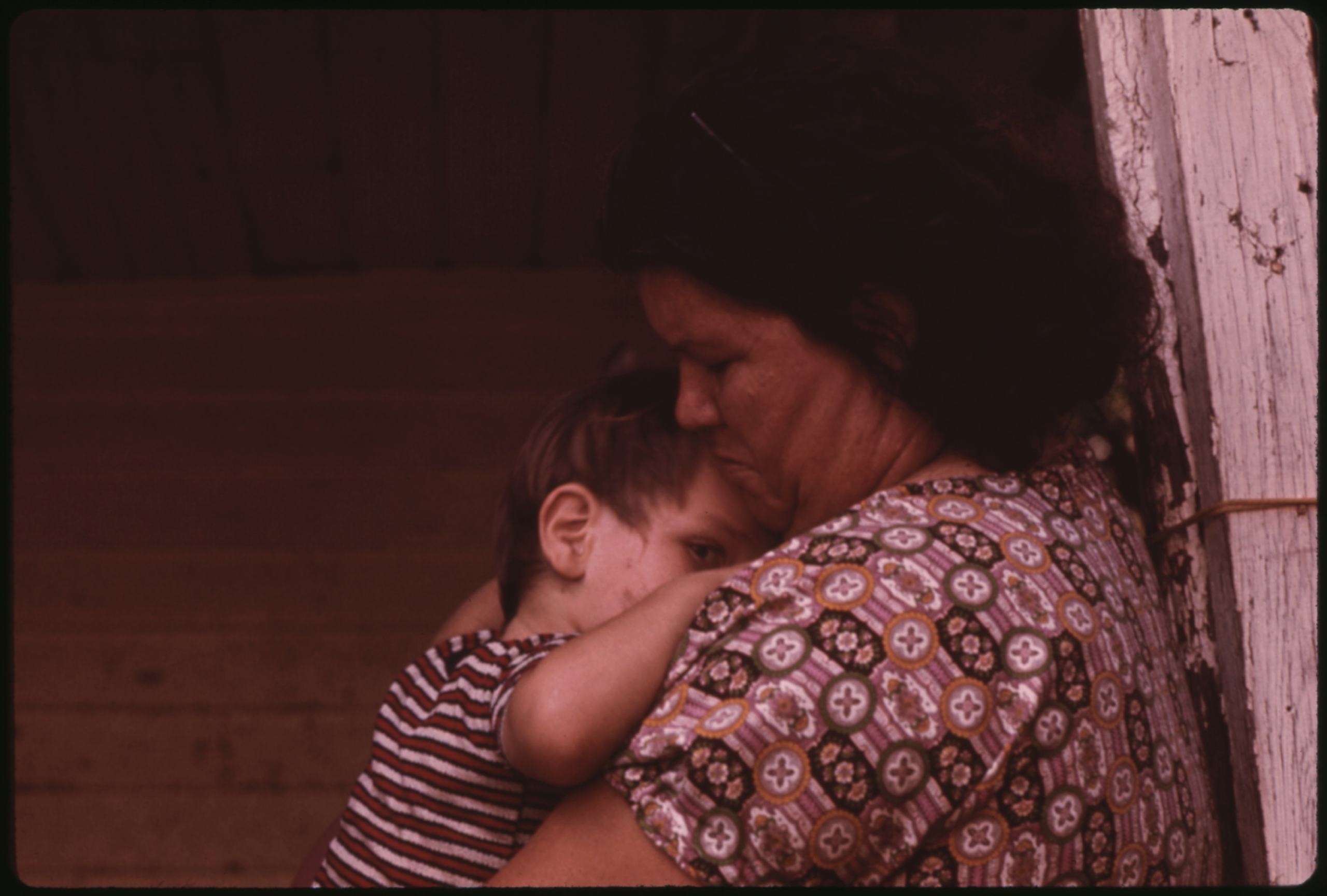
Nobody sat out in order to build community. They sat out because the house was hot, and knowing everybody happened to them as a consequence.
Requires deliberate effort.
It is worth resisting the sentimental version here. These were not more neighbourly people – they were people whose houses had no cooling and whose streets had foot traffic, and the sociability was a by-product of those two facts rather than an achievement of character.
16. And by 1962 the Porches Were Already Half Empty
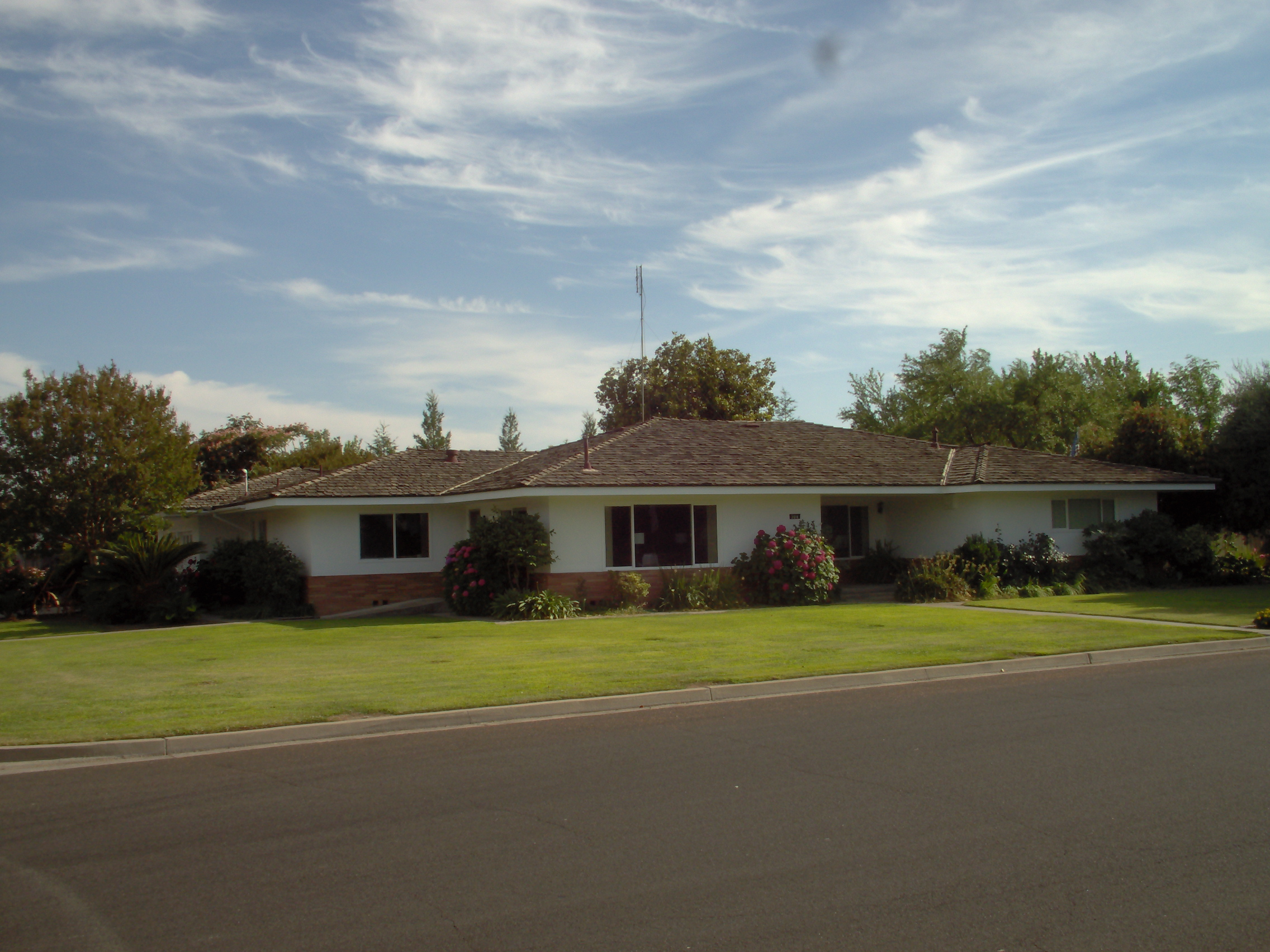
The furniture stayed, the swings stayed, and the hours people spent out there were already shrinking as cooling and television arrived.
Decorative.
And what deserves the last word is that the porch was a signalling device that ran on a temperature difference. The household came out because the house was hot; the chair being occupied told the street you were available; people passed on foot because that is how a neighbourhood moved; and a greeting could escalate by stages to a nod, a lean on the rail or an hour in a chair, with an easy exit at every step. The steps, the porch and the front door marked three visible levels of admission, so everybody’s standing with everybody was legible from the pavement. And a dozen adults sitting out covered an entire block of children without one of them intending to supervise anything. None of it was a virtue. Cooling reversed the temperature difference, television turned the evening inward, and the garage door moved the front of the house – and a social system that had grown on top of a thermal accident simply stopped having anywhere to happen.
It Was a Signalling Device Running on a Temperature Difference
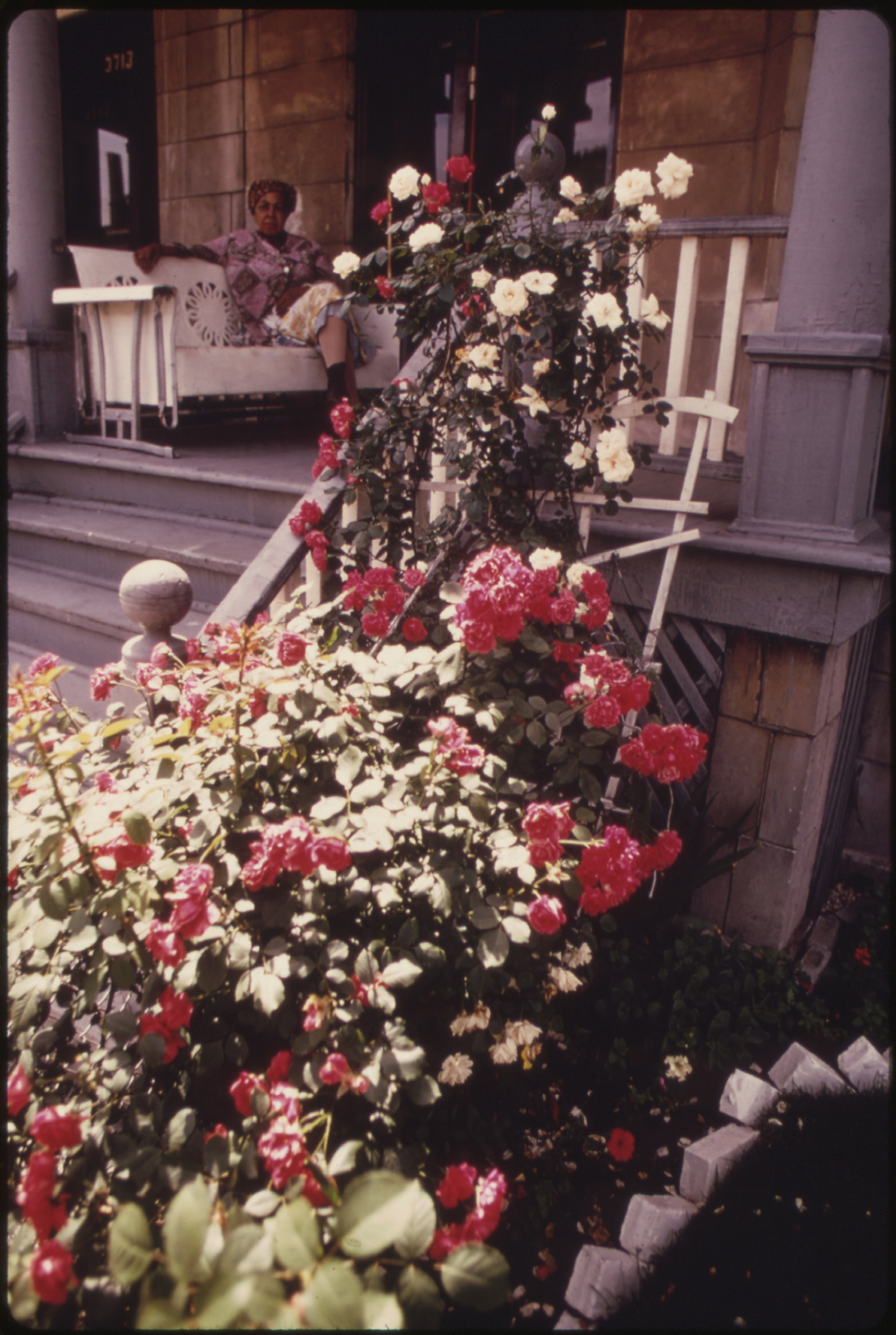
The front porch gets remembered as evidence that people used to be more neighbourly, and it is better understood as a piece of social machinery that ran on two conditions, both of which have gone.
The first condition was heat. Before cooling, a shaded porch with air moving through it was reliably cooler than any room indoors, so the household came out after supper because inside was unbearable. The sociability was downstream of that, not the reason for it.
The second was foot traffic. People moved through a neighbourhood on foot, at conversational speed, which meant a porch sitter saw everybody and was seen by everybody. A porch overlooking a pavement nobody walks on is just a covered seat.
On top of those two facts, a genuinely elegant system grew.
The occupied chair was the signal. Out on the porch meant available; indoors meant not. No invitation, no acceptance, no refusal – the state of the porch did the asking and answering.
Escalation was gradual and reversible. A greeting from a passer-by could stop at a nod, expand into leaning on the rail, or end with somebody in a chair for two hours, and every stage was an easy exit for both people. Nobody had to commit at the start.
And admission was graded and visible. A caller might get as far as the steps, up onto the porch, or into the house – three distinct levels, legible from the pavement, which meant the standing of every relationship on a street was on display without a word being said.
The function that mattered most was one nobody intended. A dozen adults sitting out across a block produce continuous incidental oversight of every child playing outside, which meant children could range freely inside an area that was, entirely by accident, completely observed.
The porch was equipped as a real room. Swings, gliders, metal chairs and wicker, bought to be left out through the season – and nobody buys seating for a space they use occasionally. The swing earned its reputation honestly: gentle continuous motion is comfortable for long sitting, and two people side by side facing the same way is good geometry for talking.
Handwork came out too – shelling, mending, knitting, peeling, whittling – because hands could work while attention stayed on the street. The job got done and nobody had to choose between being useful and being available.
Then three things emptied it, in order.
A radio could be carried out and listened to in company. A television could not: it must be watched, indoors, facing one direction, which converts an outward-facing shared evening into an inward-facing one.
Air conditioning reversed the thermal case entirely. The porch’s advantage had always been comparative, and cooling did not match it but beat it – so the household stayed in, and a practice built on a temperature difference had nothing left underneath it.
And then the building changed. New houses put the garage at the front and the living space at the back, which moved the entrance and the seating away from the street at once. A household that enters through a garage never passes the pavement, and a front elevation that is mostly garage door has nowhere to sit.
What replaced it does the opposite job, and the inversion is worth stating precisely. A back deck is for people you have invited. A porch was for people you had not. Both are outdoor seating, and only one produces an encounter with somebody you did not plan to see.
Which is why the sentimental reading should be resisted. These were not more neighbourly people. They were people whose houses had no cooling and whose streets had people walking down them, and knowing everybody happened to them as a consequence.
Take away the heat and the footfall, and the same people would have stayed inside too.
If you have a back deck, notice who ends up on it.
Only people you invited. That is the whole difference.
Like our content? Follow us for more.