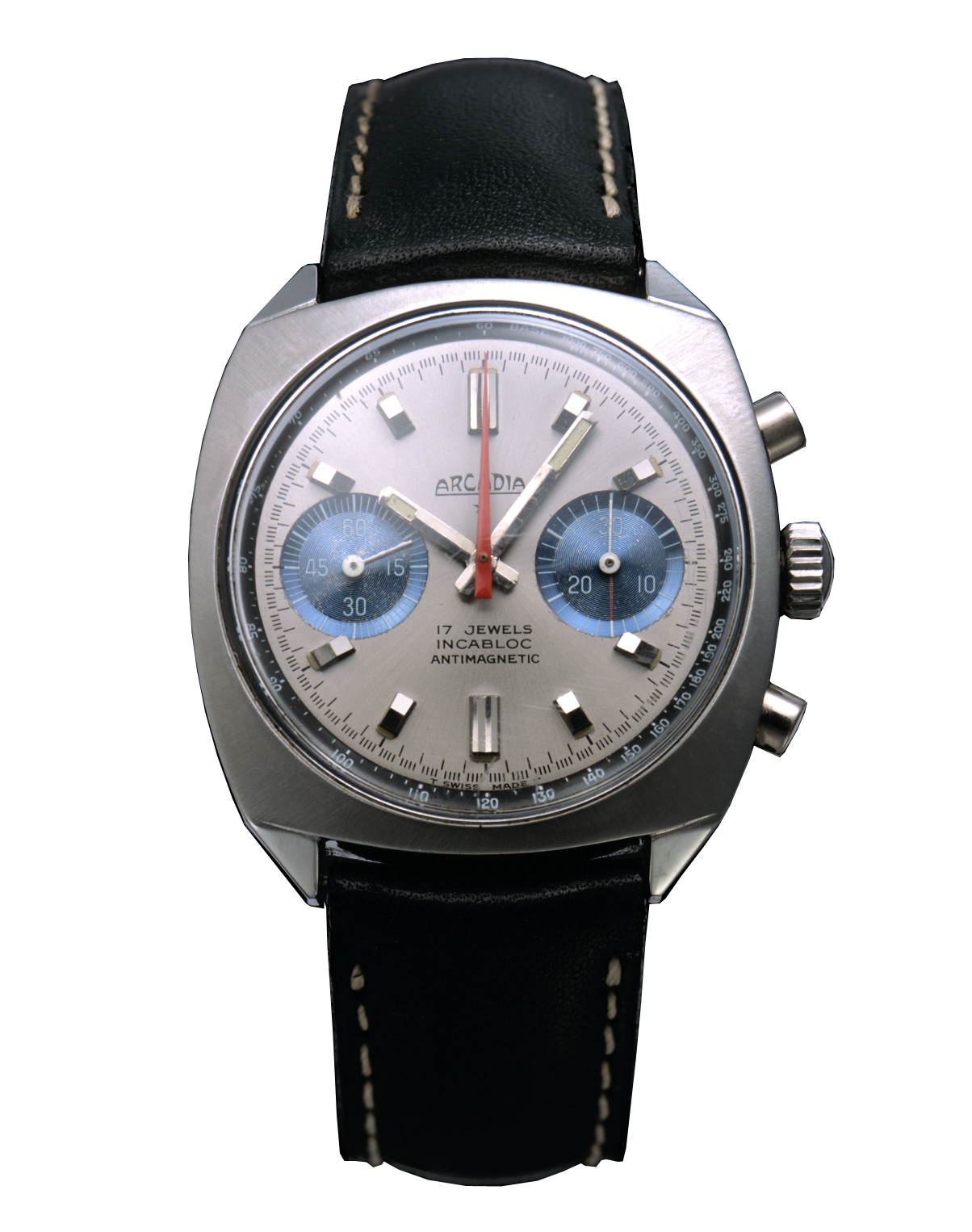
In 1966 a first watch arrived on a stated day, from a named person, usually wrapped, and never casually. It was the first expensive thing most children had ever been responsible for, it required winding every single day or it stopped, and it was handed over only once a child could reliably read it. Within about a week of receiving one, a child could be sent out with an instruction about when to come back – which is the part of the transaction that actually mattered. Here are fifteen things every kid knew about getting a first watch in 1966, and what the object was really doing. The thing itself was not remarkable. It was small, it was not accurate, it stopped if you forgot it, it had to come off for anything involving water and the strap never fitted for more than a few months at a time. What made it matter was everything attached to it: a named giver, a stated day, a daily obligation, an unspoken warning about losing it and a visible division in a classroom between the children who had one and the children who did not. Almost nothing else a child owned in 1966 carried that much freight, and almost nothing else was kept for fifty years after it stopped working.
1. It Arrived on an Occasion and Never Casually
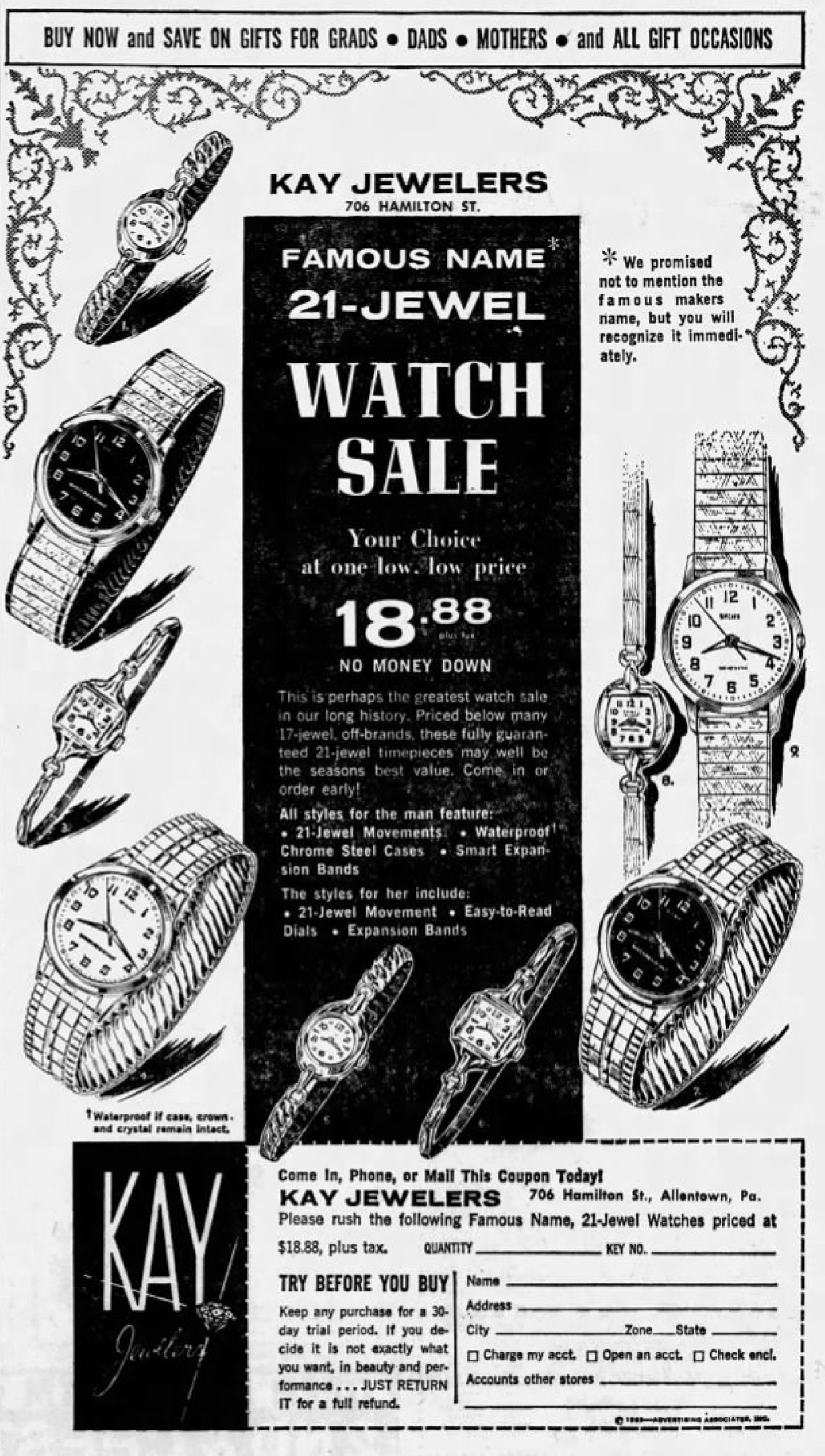
Nobody was given one for no reason. It marked a birthday, a milestone or a transition, and the occasion was part of the object.
The deliberateness is what separated it from everything else a child owned. Most possessions arrive gradually and without ceremony; this one came wrapped, on a stated day, from a named person, and everybody present understood that something was being marked.
It also meant the giver stayed attached to it. A child wearing one knew exactly who had given it to them for as long as they wore it, which is not true of almost anything else they owned.
Like our content? Follow us for more.
2. It Was the First Thing a Child Owned That Had Been Expensive
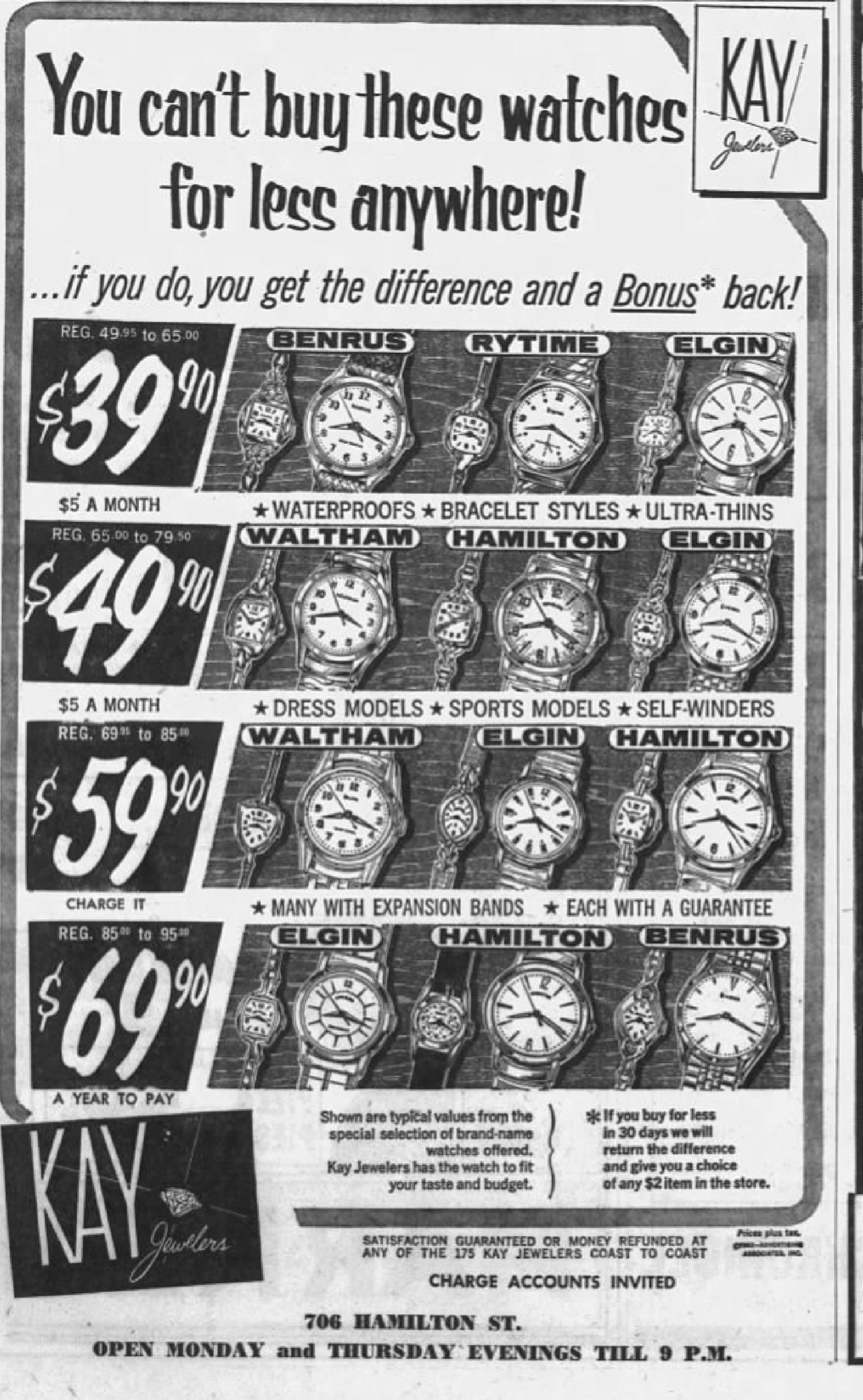
Whatever the actual sum, it was understood to represent a serious outlay by the household.
The weight of that is the governing fact. A child who has never been trusted with anything of value is being handed something that cannot be replaced casually, and the handover carried an unmistakable instruction with it.
The instruction was rarely stated in full. Nobody said that losing it would be a disaster, because nobody needed to, and the silence around that point was considerably more effective than a warning would have been.
3. Being Able to Read It Was the Actual Qualification
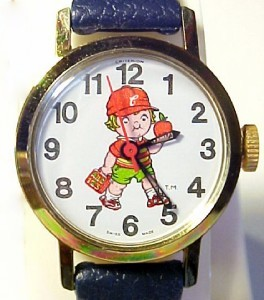
The watch arrived at the point a child could reliably tell the time, and not before.
The sequencing is the sensible part of the whole arrangement. An object nobody can use is a decoration, and households waited until the skill was secure before handing over the hardware that depended on it.
It also turned an abstract skill into a practical one. Telling the time on a classroom clock is an exercise; telling the time on your own wrist, because you need to know, is a different activity and children became much faster at it within weeks.
4. It Changed What a Child Was Trusted With Immediately
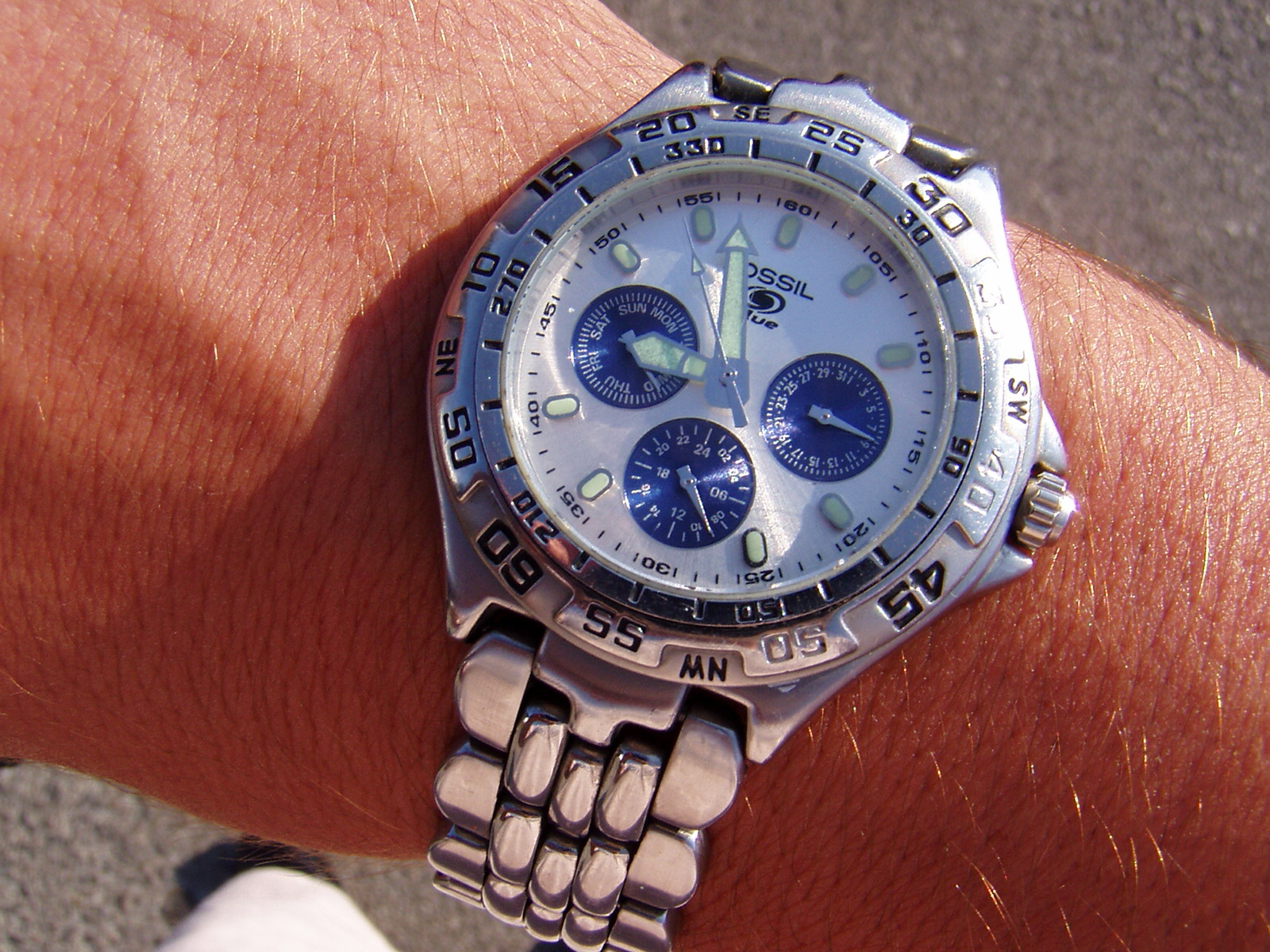
A child who could tell the time and had a watch could be sent out with an instruction about when to return.
That is the real transaction and everybody involved understood it. The object converted a vague arrangement into a precise one, and a precise arrangement is one an adult can extend much further.
The freedom followed within days. Be back by a stated time is an instruction that only works if the person receiving it has a means of knowing, and the watch is what made the longer afternoon possible.
5. Winding It Was a Daily Obligation
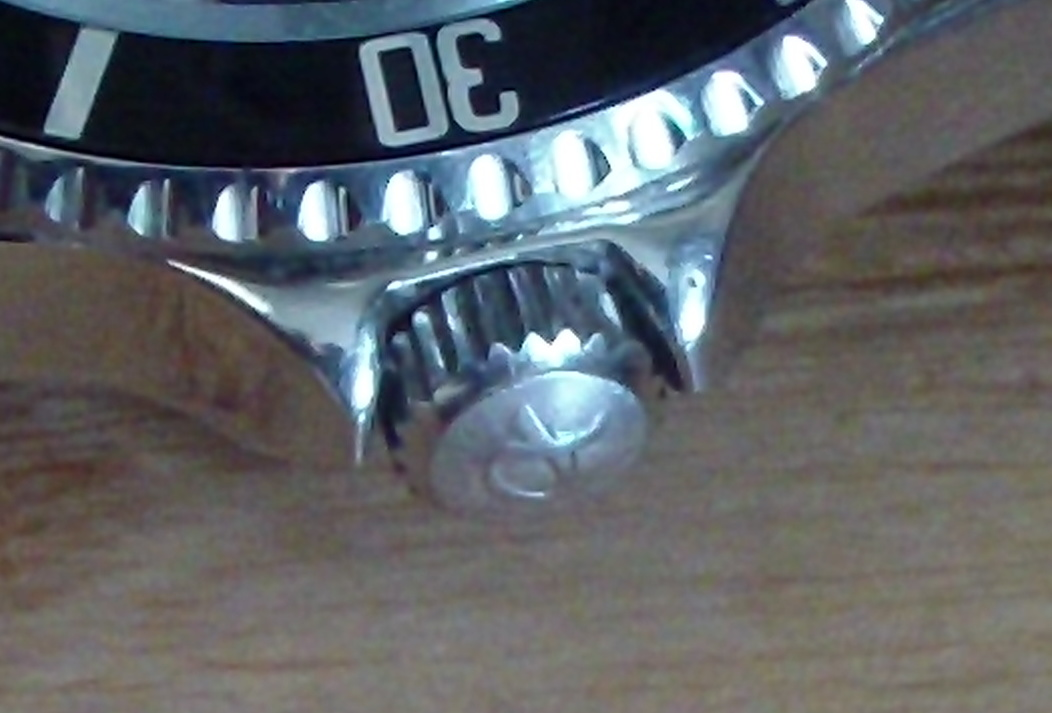
Most of them required winding, at roughly the same point every day, and forgetting meant the watch simply stopped.
The daily maintenance was a genuine responsibility and it was the first recurring one a great many children had. An object that fails if you neglect it for a single day teaches something that no amount of instruction can.
The stopping was instructive in itself. A watch found stopped at a quarter past four is a precise record of the moment attention lapsed, which is an unusually direct piece of feedback for a nine-year-old.
6. Overwinding Was the Great Fear
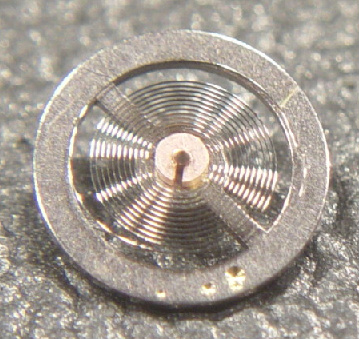
Everybody was warned about it, almost nobody understood what it meant, and the anxiety was real.
The warning was passed on with complete confidence by people who could not have explained it. A child told that something terrible happens if you go too far, without any description of what or why, will simply stop early every time out of caution.
The result was a population of slightly underwound watches. Children wound carefully, stopped before they were sure and consequently ran out before the day was over, which produced its own small problems.
7. It Was Checked Constantly for No Reason
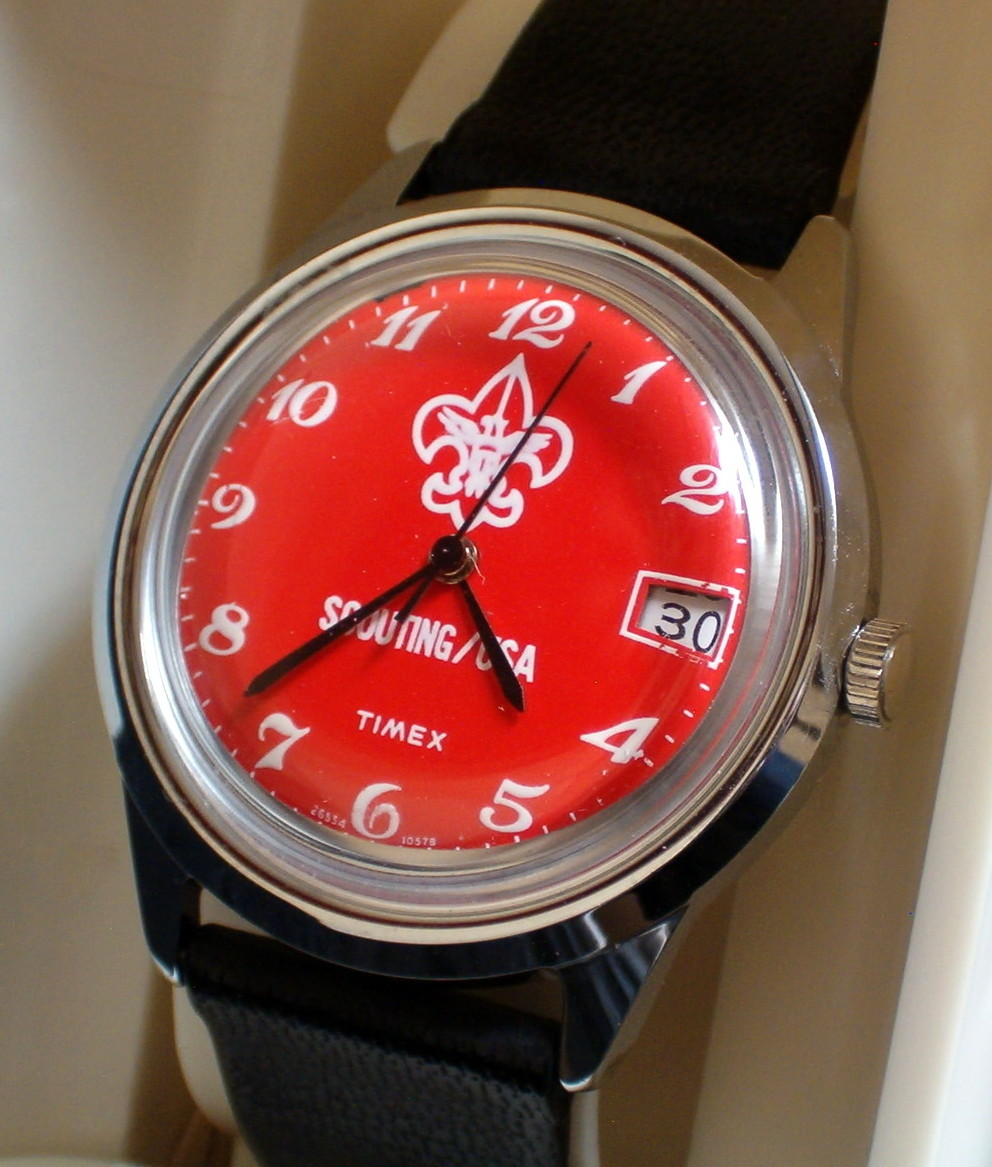
The new owner looked at it far more often than any possible need required.
The behaviour is completely predictable and lasted about a fortnight. A child with a new instrument uses it continuously, and the checking was about having a watch rather than about knowing the time.
It settled into a habit nobody noticed. The reflexive glance at a wrist is acquired during that first period and persists for life, and most people have no memory of acquiring it at all.
8. The Strap Never Fitted and Was Adjusted Repeatedly
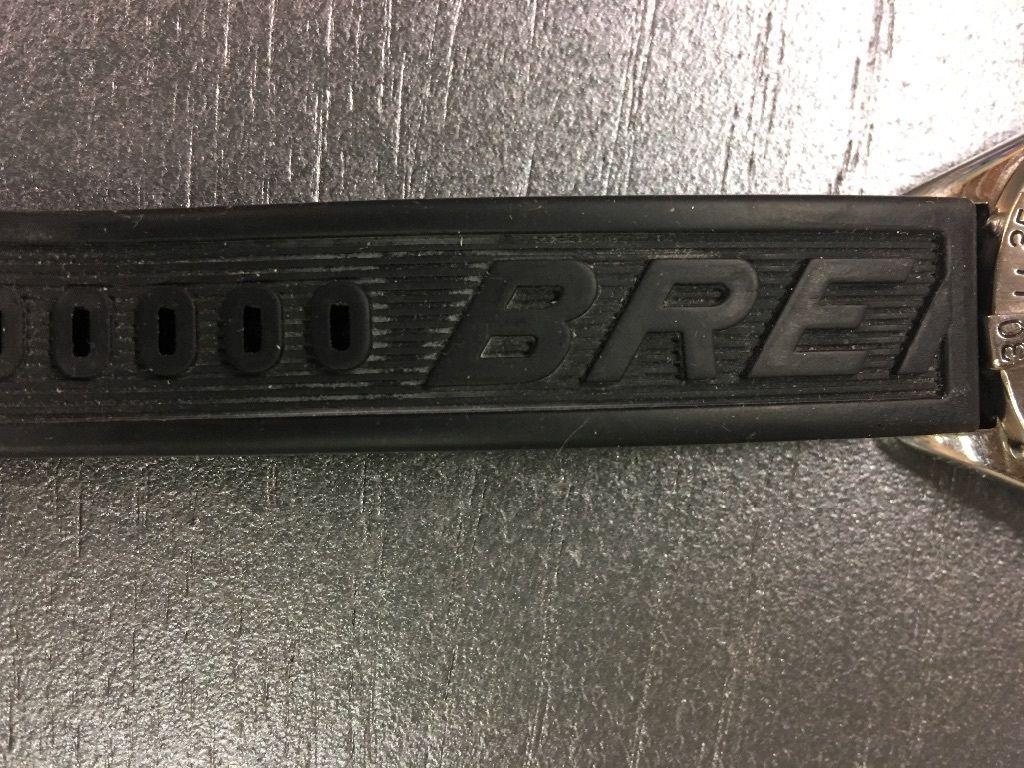
A watch bought for a growing child was either too loose or shortly going to be too tight.
The adjustment problem was permanent. A child’s wrist changes continuously for years, so the strap was moved, replaced and moved again, and the watch generally outlasted several of them.
It also marked growth. A strap on its last hole and then on a new one is a record of a child getting bigger, which is a measurement nobody was taking deliberately.
9. Losing It Was the Worst Thing That Could Happen
The possibility was present continuously, and the loss, where it occurred, was remembered for decades.
The disproportion is the point. The object was not valuable by adult standards, but it was the most valuable thing the child had ever been responsible for, and the loss of it was the first real failure of custodianship most of them experienced.
The adult response varied enormously and mattered a great deal. A household that treated it as a lesson rather than a catastrophe produced a very different memory from one that did not, and people remember which they got.
10. Swimming, Washing and Rain Were All Problems
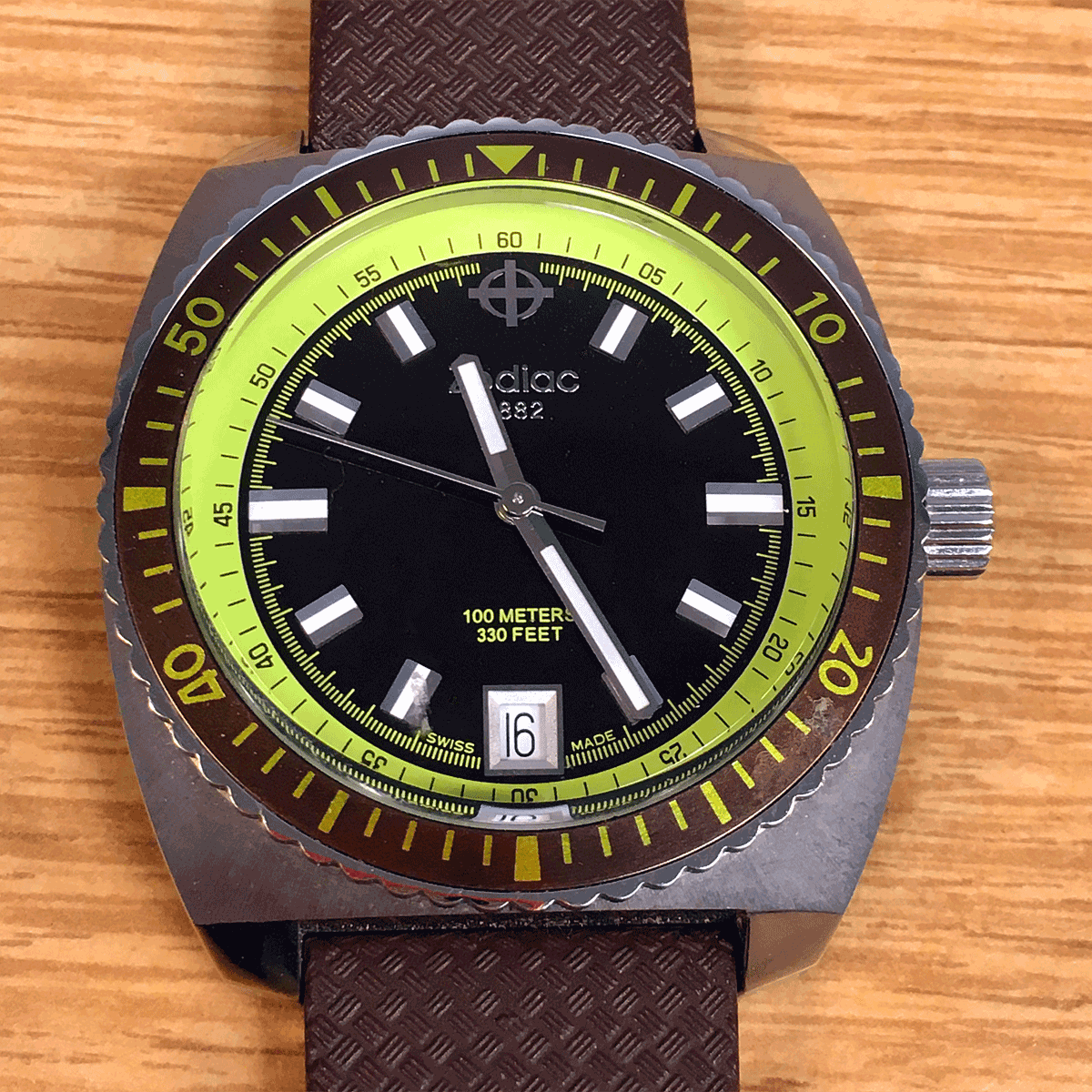
Water was the standing threat and the rules around it were absolute.
The vulnerability shaped daily behaviour. A child with a watch had to take it off for a whole category of ordinary activities, which meant it spent a significant proportion of its life somewhere other than on the wrist.
And that is where most of them were lost. A watch removed and set down on the edge of something is a watch at considerably greater risk than one being worn, which is a problem the precaution itself created.
11. It Got Taken to a Shop When It Stopped
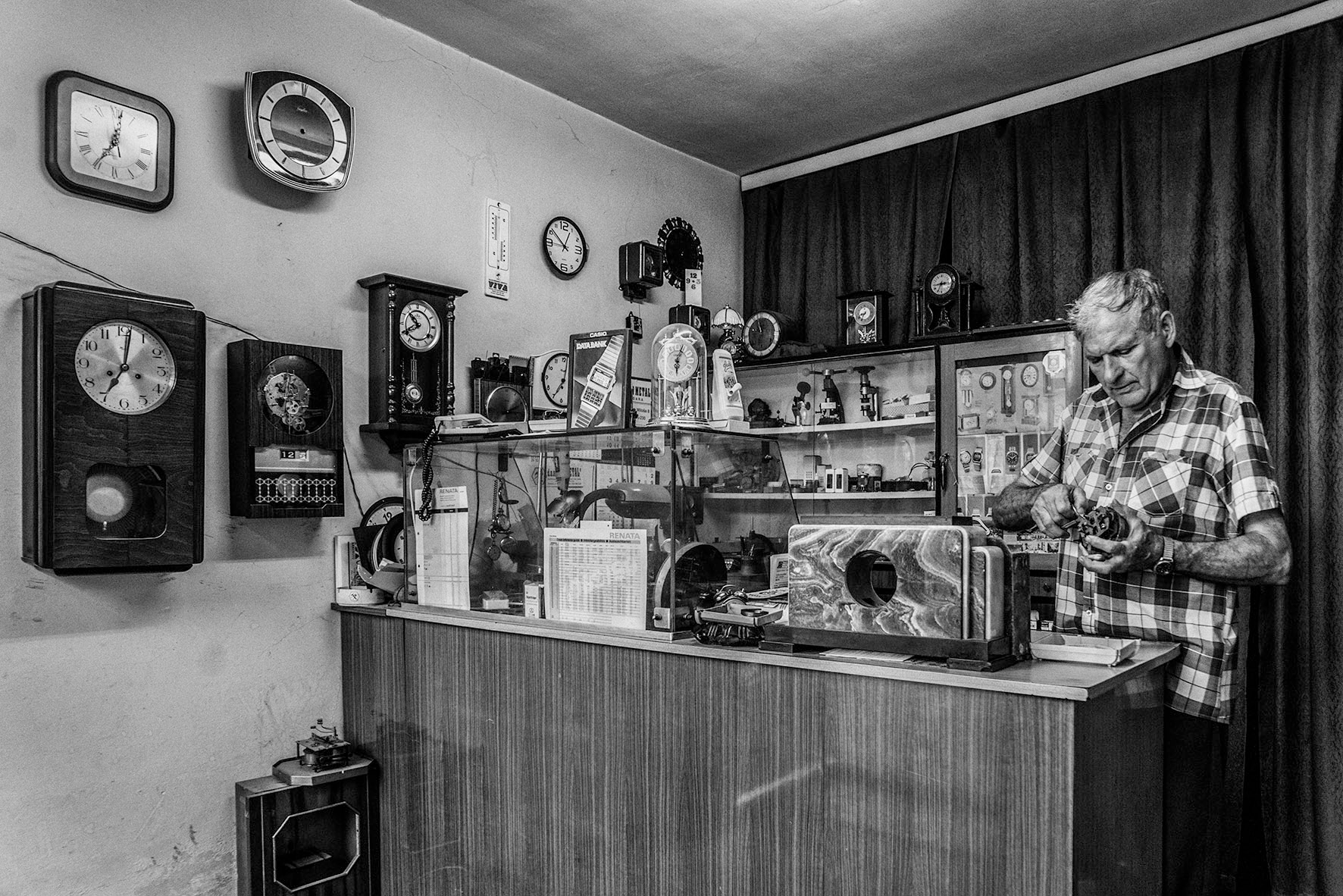
Repair was the normal response to failure, and a child learned that objects were fixed rather than replaced.
The assumption is the part that has genuinely changed. A watch that stopped went to somebody who opened it, and the child frequently went along and watched, which is a complete education in the idea that things have insides.
The waiting was part of it. Leaving something and coming back for it in a week is a transaction children no longer have much experience of, and the return of a repaired watch was an event in itself.
12. The Engraving Was What Made It Permanent
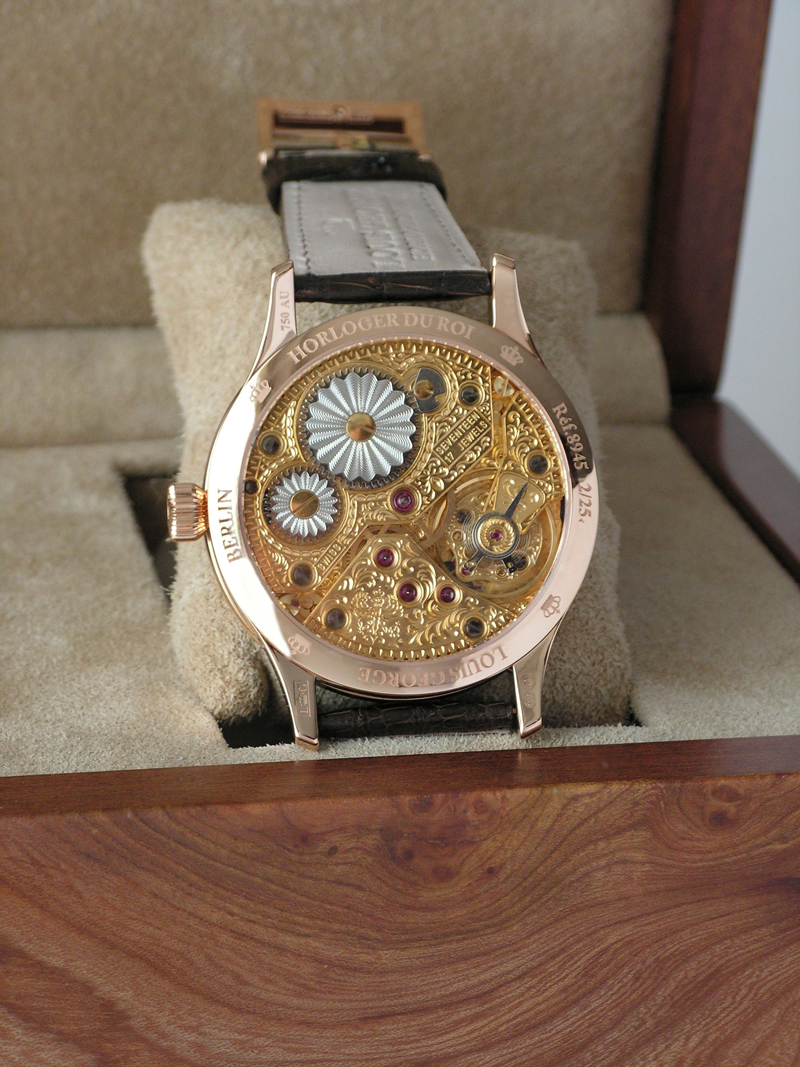
A name, a date or an initial on the back turned a manufactured object into a specific one.
The marking is why so many of them survive. An engraved watch cannot be sold casually, cannot be mistaken for anybody else’s and acquires a reason to be kept that an identical unmarked one does not.
It also fixed the occasion. A date on the back is a permanent record of why the object exists, which means that fifty years later the watch still states what it was given for.
13. Older Children’s Watches Were Compared
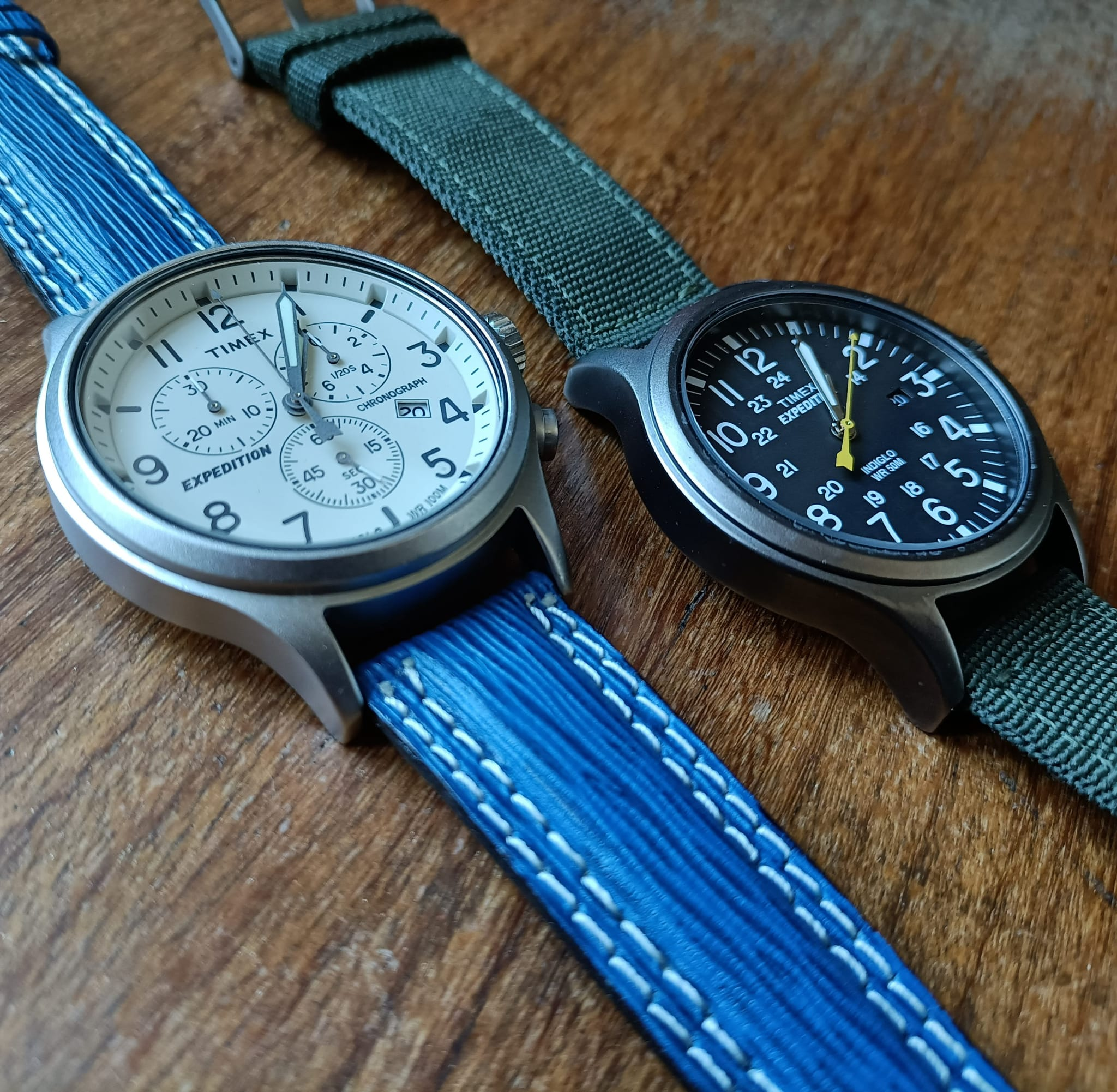
The arrival of one in a classroom was noticed, and comparison followed immediately.
The ranking was conducted within about a day and was based on criteria children invented. Size, whether it had a second hand, whether it was new and who had given it were all weighed, and the conclusions were not negotiable.
It was also a visible marker of stage. A classroom in which some children had one and some did not had a division running through it that everybody could see, which is a position the children on both sides registered without discussing.
14. They Were Kept Long After They Stopped Working
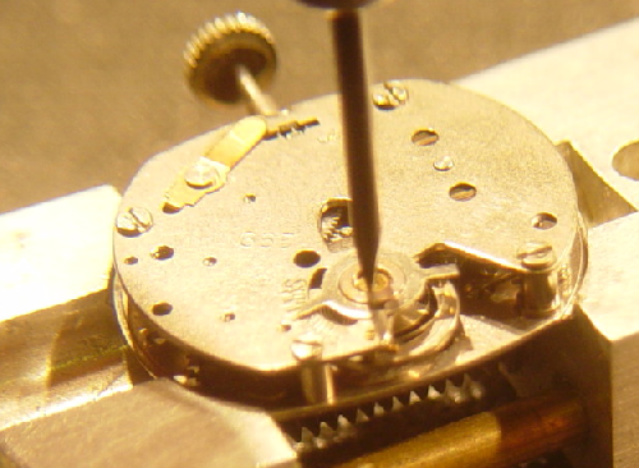
A watch that no longer ran was not thrown away; it went into a drawer and stayed there.
The retention is the clearest evidence of what the object actually was. Nobody keeps a broken instrument, and what was being kept was the occasion, the giver and the moment a household decided a child could be trusted.
That is why so many of them are still around. Drawers across the country contain watches that have not run since the 1970s, kept by people who could tell you the exact circumstances in which they received them.
15. Then the Time Was Everywhere and on Nothing in Particular
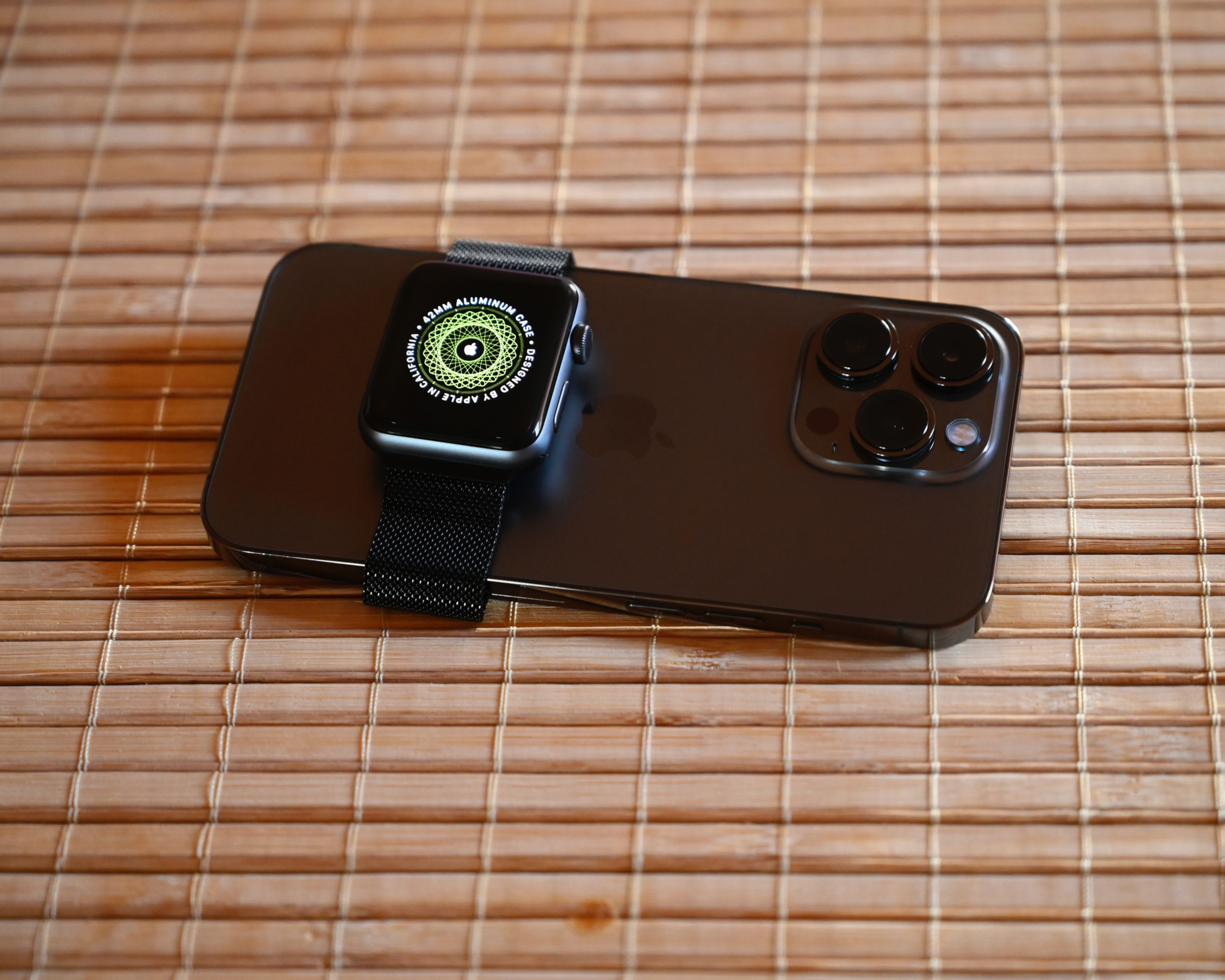
Clocks on every appliance, then a phone in every pocket, removed the need for a personal instrument entirely.
The redundancy is complete and nobody disputes it. A device that tells the time among a hundred other things is a better answer to the question than an object whose entire purpose is to tell the time, and children stopped being given one because there was nothing left for it to do.
What went was the handover. An expensive object, given on a stated day by a named person, requiring daily attention, carrying a quiet instruction about responsibility, and converting a child from somebody who had to be collected into somebody who could be told when to be home.
What the Object Was Actually Buying
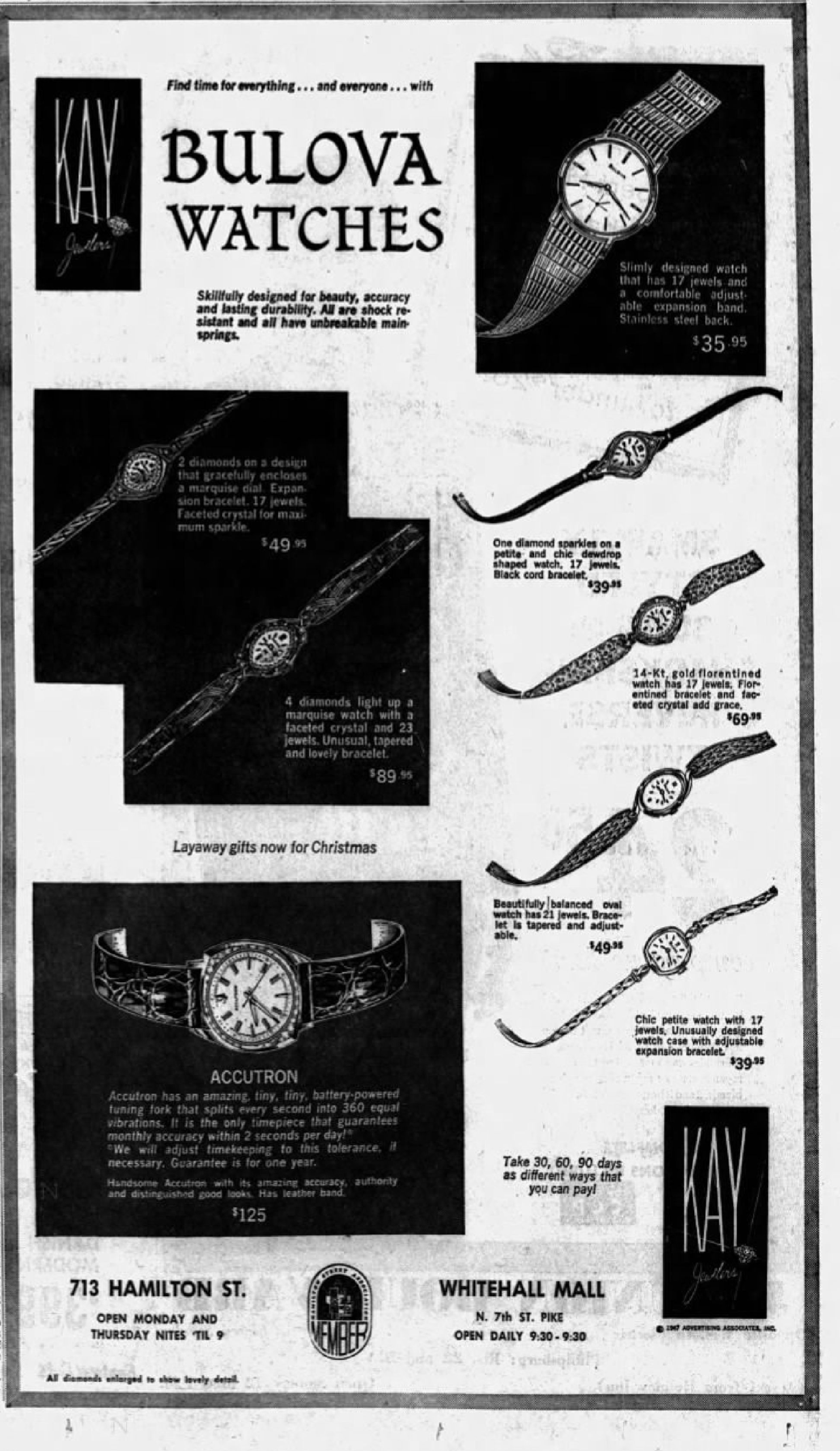
Read in order, the fifteen describe an exchange rather than a present. The watch was handed over at the point a child could read one, which meant the skill came first and the hardware confirmed it. It required winding every day, which made it the first recurring obligation a great many children had, with immediate and unmistakable feedback when they failed. And it converted every arrangement a child was part of from an approximate one into a precise one, which is what allowed an adult to extend the leash. Be back by a stated time is an instruction that only functions if the person receiving it has a means of knowing, and the afternoon got longer the week the watch arrived. None of that was explained to anybody. The object was presented as a gift and operated as a promotion. The engraving is the detail that explains why so many of them are still in drawers. A name or a date on the back makes an identical mass-produced object into a specific one: it cannot be sold casually, cannot be confused with anybody else’s and carries a permanent statement of why it exists. Fifty years later the watch has stopped, the strap has gone and nobody has worn it since the 1970s, and the back still says what it was given for and roughly when. That is a remarkably durable piece of record-keeping for something nobody intended as a record at all.
Nothing replaced it because nothing needed to. A device that tells the time alongside a hundred other things answers the question better than an object built to do nothing else, and children stopped being given watches because there was no longer a job for one. What went with it is the handover: an expensive thing, given on a particular day by a particular person, that had to be looked after daily, that could be lost, and that quietly moved a child from somebody who had to be collected to somebody who could be told when to be home. The watches themselves are mostly still in drawers, stopped at some point in the 1970s, kept by people who can still name the day they got them.
Like our content? Follow us for more.