In 1964 the Sunday paper was a physical object several times the size of any weekday edition, and getting through it took most of a morning. It arrived before anybody was up, was broken apart at the table, distributed according to an order nobody had ever agreed out loud, read aloud across the room at intervals, clipped, argued over and then used to line everything in the kitchen for the following week. Almost nothing about that is reproducible by anything that replaced it. The object did the organising. It was too big for one person, which meant it had to be shared; it was physical, which meant the sharing had to be negotiated; it was in one room, which meant anything interesting got announced out loud; and it was identical in almost every house in the town, which meant everybody spent the same morning with the same thing. Four properties of a lump of newsprint, between them producing most of what a household did on a Sunday. Here are sixteen things every family did with that object in 1964, and why nothing has replaced the morning.
1. It Was Several Times the Size of Any Other Day’s
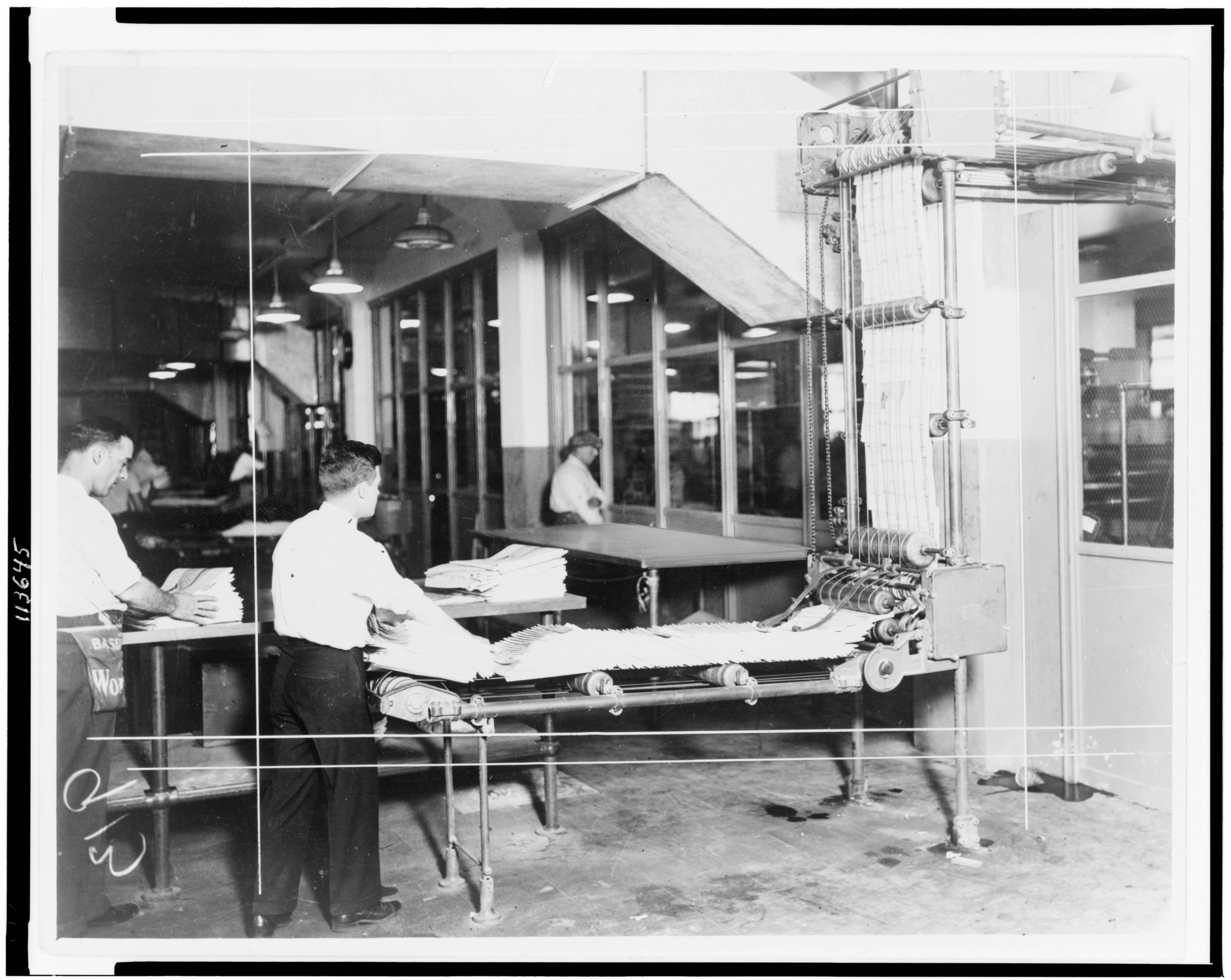
The Sunday edition was a different object entirely – thick enough to be awkward to carry and impossible to read in one sitting.
The bulk was deliberate and commercial. A paper that takes four hours to get through is a paper that occupies an entire morning, and the advertising that paid for all those pages was bought specifically because people spent that long with it.
It also changed how it was handled. A weekday paper is read by one person and discarded; a Sunday paper was dismantled, distributed and worked through by an entire household over the course of a day.
Like our content? Follow us for more.
2. It Arrived Before Anybody Was Up
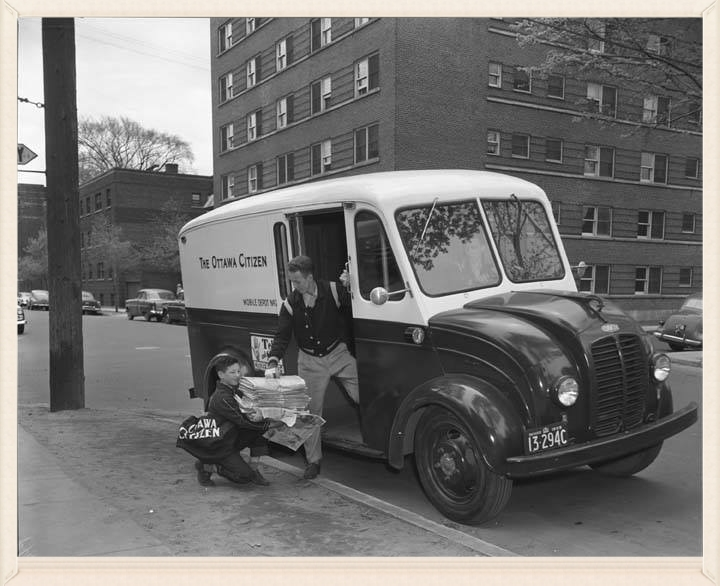
Delivery happened early enough that the paper was on the step, the porch or the path before the house had stirred.
The timing made collecting it a small job in itself. Somebody had to go out in a dressing gown to retrieve something heavy from the front of the house, and in most households the same person did it every week.
It was also frequently damp. A paper that has been lying outside since five in the morning has absorbed whatever the weather was doing, which is why so many people remember the specific smell of it.
3. The Sections Were Divided Up Immediately
The paper was broken apart on the table and the parts distributed according to a settled order nobody had agreed out loud.
The allocation was completely stable and completely unspoken. Everybody in a household knew which section was theirs, who had first claim on what and which parts would be fought over, and the arrangement held for years.
Reassembling it was nobody’s job and never happened. A Sunday paper that has been through a household is a pile of loose sections in the wrong order, which is one reason so few of them survived the day.
4. The Comics Went to the Children and Were Non-Negotiable
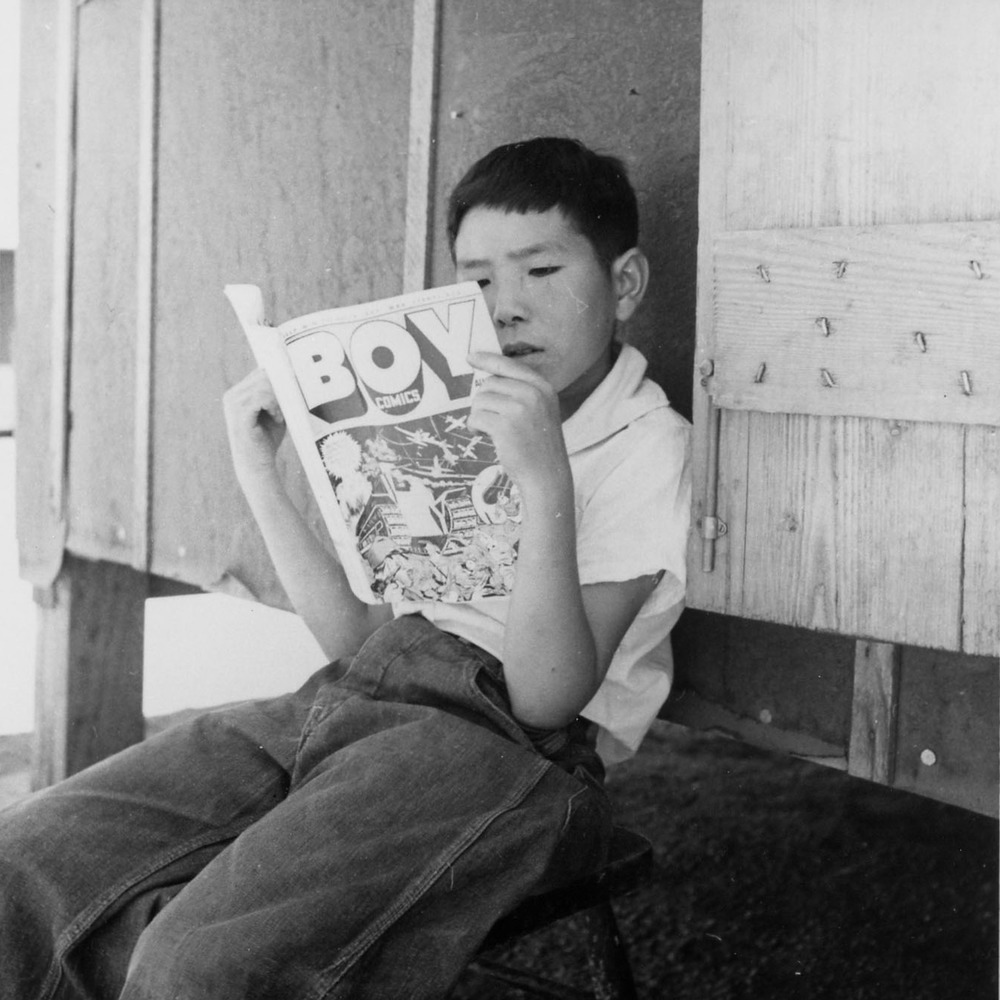
The colour section was the only part of the paper a child had any claim on, and the claim was absolute.
The arrangement was universally respected and is the clearest evidence of how the household order worked. An adult who took the comics first was committing a small offence that would be mentioned, which is not true of any other section.
It was also, for a great many children, the only thing they read all week by choice. A page of pictures printed in colour, arriving reliably on the same day, is a reading habit built by accident out of something nobody considered reading at all.
5. Reading It Took the Whole Morning and Nobody Rushed
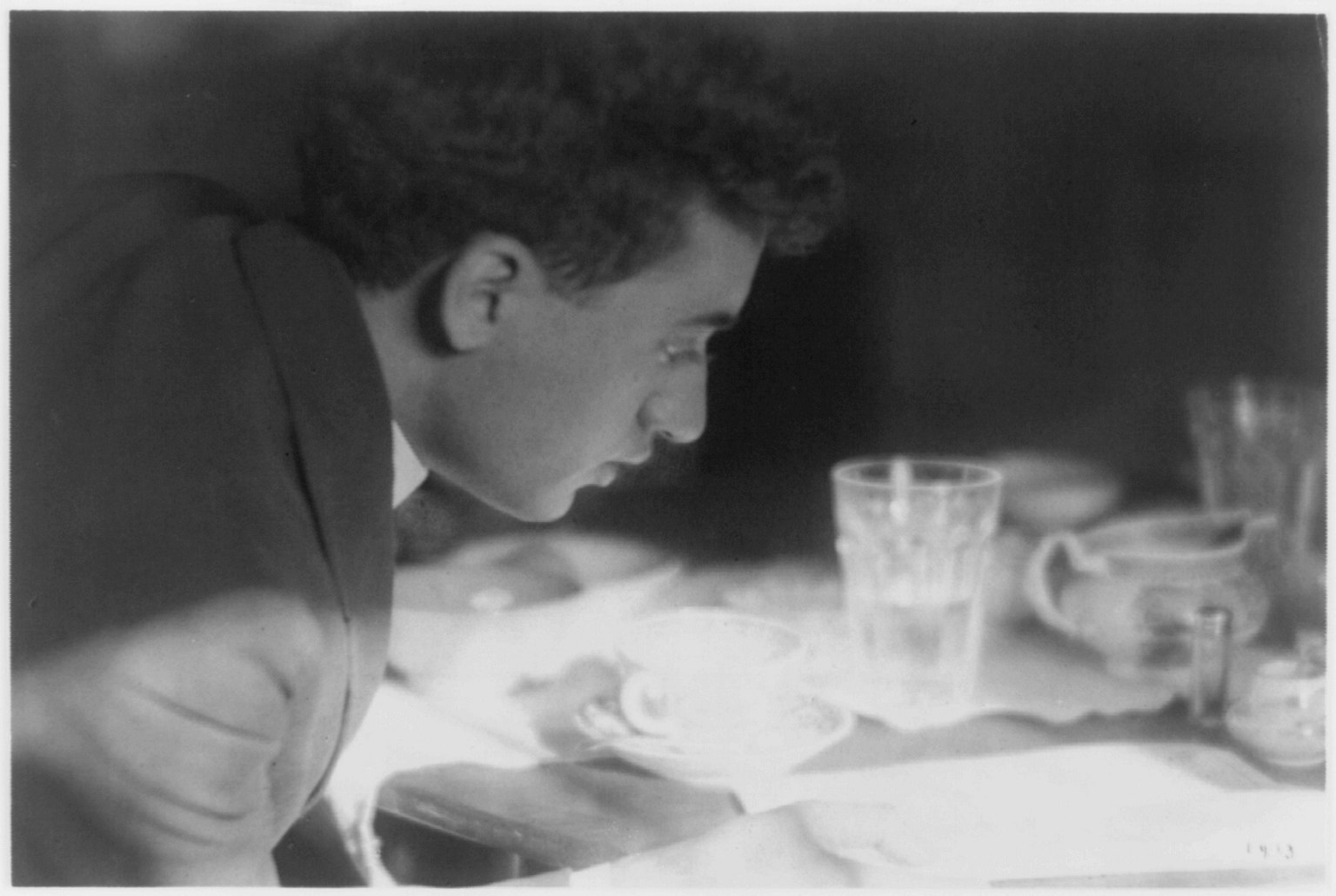
The paper was not consumed; it was worked through, with breaks, in a chair, over several hours.
The pace is what distinguished the day. Nothing about a Sunday morning required anybody to be anywhere, and the paper was the thing that filled the hours in a way that justified sitting still.
It also produced a particular silence. A room containing four people all reading different sections of the same object is quiet in a way that a room containing four people doing four different things is not.
6. Things Got Read Aloud Constantly
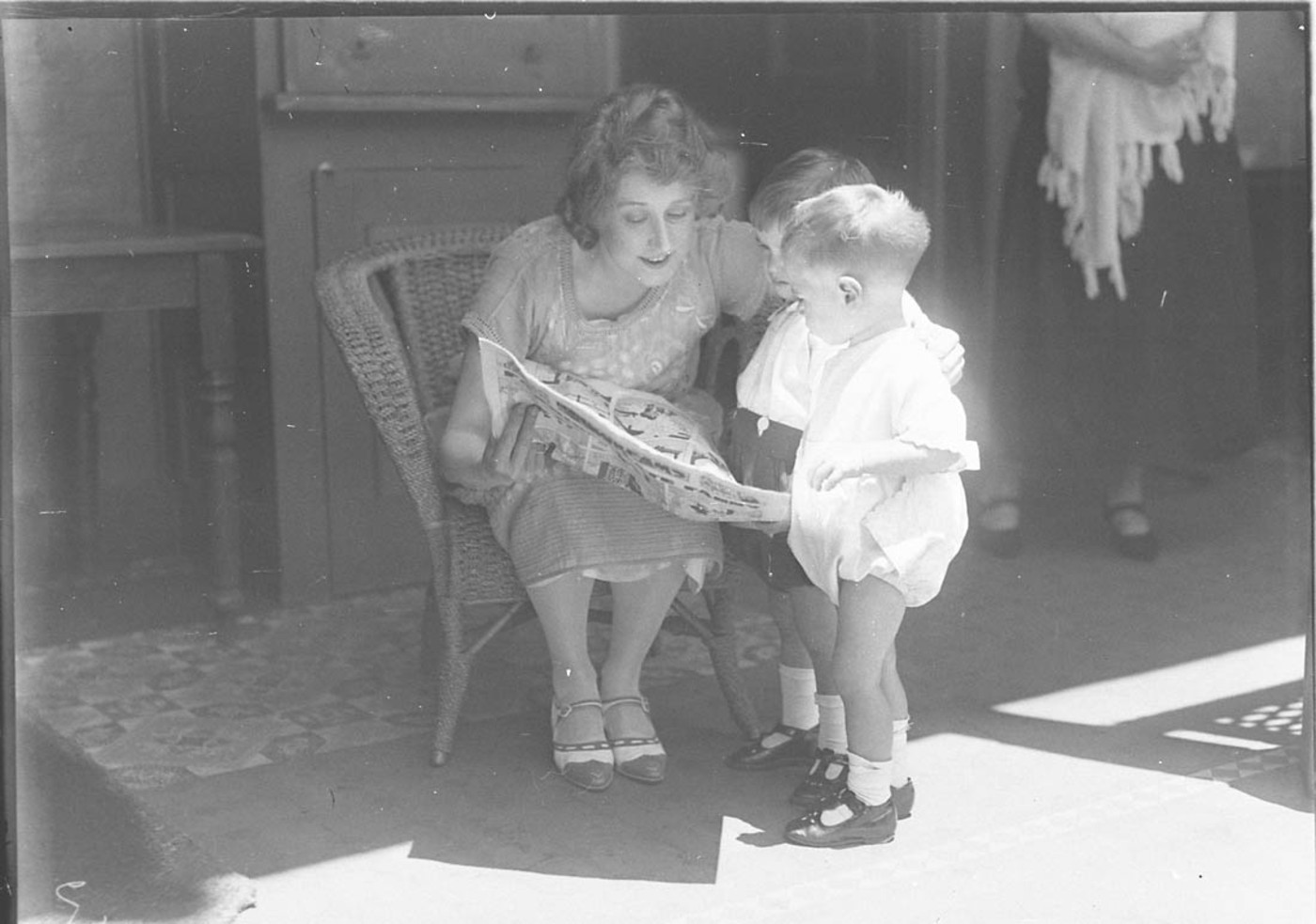
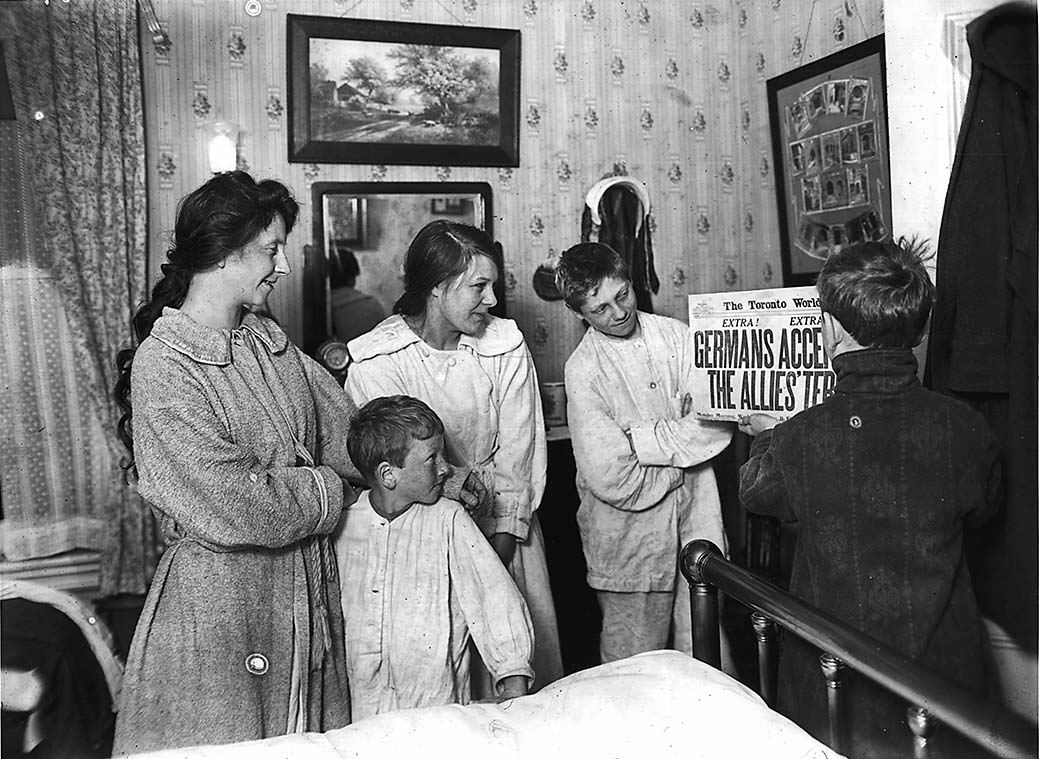
Anybody who found something interesting announced it, whether or not anybody else wanted to hear.
The interruption was the social half of the activity. A household reading separately but in the same room will share continuously, and a great deal of what people knew about the wider world arrived this way rather than from their own reading.
It also meant everybody got a summary of everything. A person who read only one section still finished the morning with a rough account of what was in all the others, assembled entirely from other people’s enthusiasms.
7. The Advertising Was Read as Content
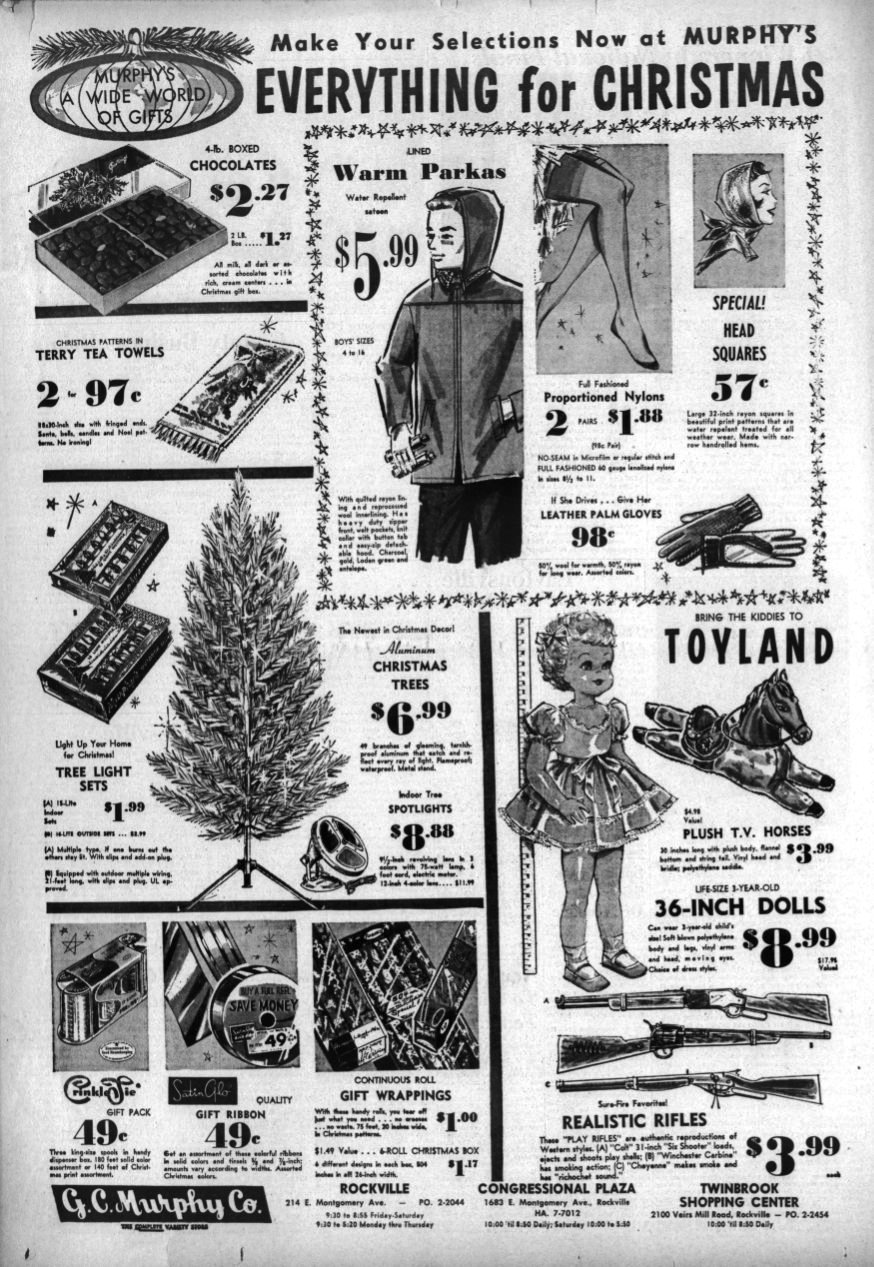
Pages of goods, prices and offers were examined with as much attention as anything else in the paper.
The behaviour looks odd now and was entirely rational then. Without any other way of knowing what was available or what it cost, the advertising pages were genuine information, and households planned purchases around them.
Children had their own use for it. A page of toys, bicycles or anything else desirable was studied, remembered and occasionally removed and kept, which is a form of wishing that required no money and produced considerable pleasure.
8. Something Always Got Cut Out
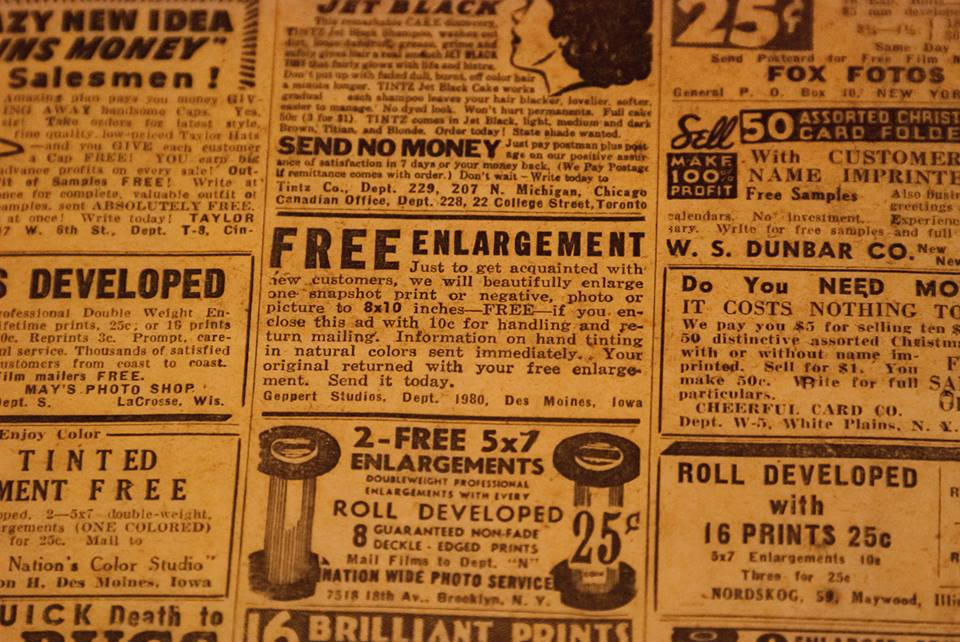
Recipes, articles, patterns, notices and pictures were removed with scissors and kept, often for decades.
The clipping is the part of the practice with the longest tail. A household that cut things out accumulated a collection in a drawer, a tin or the back of a book, and those fragments frequently outlasted everybody who cut them.
It also produced holes. A section read after somebody had already clipped from it had a rectangle missing out of the middle of something else entirely, which was a recurring and entirely unresolvable household grievance.
9. The Paper Had a Second Life Immediately

Once read, it became wrapping, lining, packing, cleaning material and the thing you put under anything messy.
The reuse was so standard that nobody thought of it as reuse. A household producing a large quantity of newsprint every week had a continuous supply of a useful material, and the uses were established before anybody needed them.
Nothing was bought for those purposes. The existence of a weekly surplus of paper meant that a whole category of household consumables simply did not need to exist, which is a quiet piece of economy that disappeared with the object.
10. It Was the Main Source of Everything Local
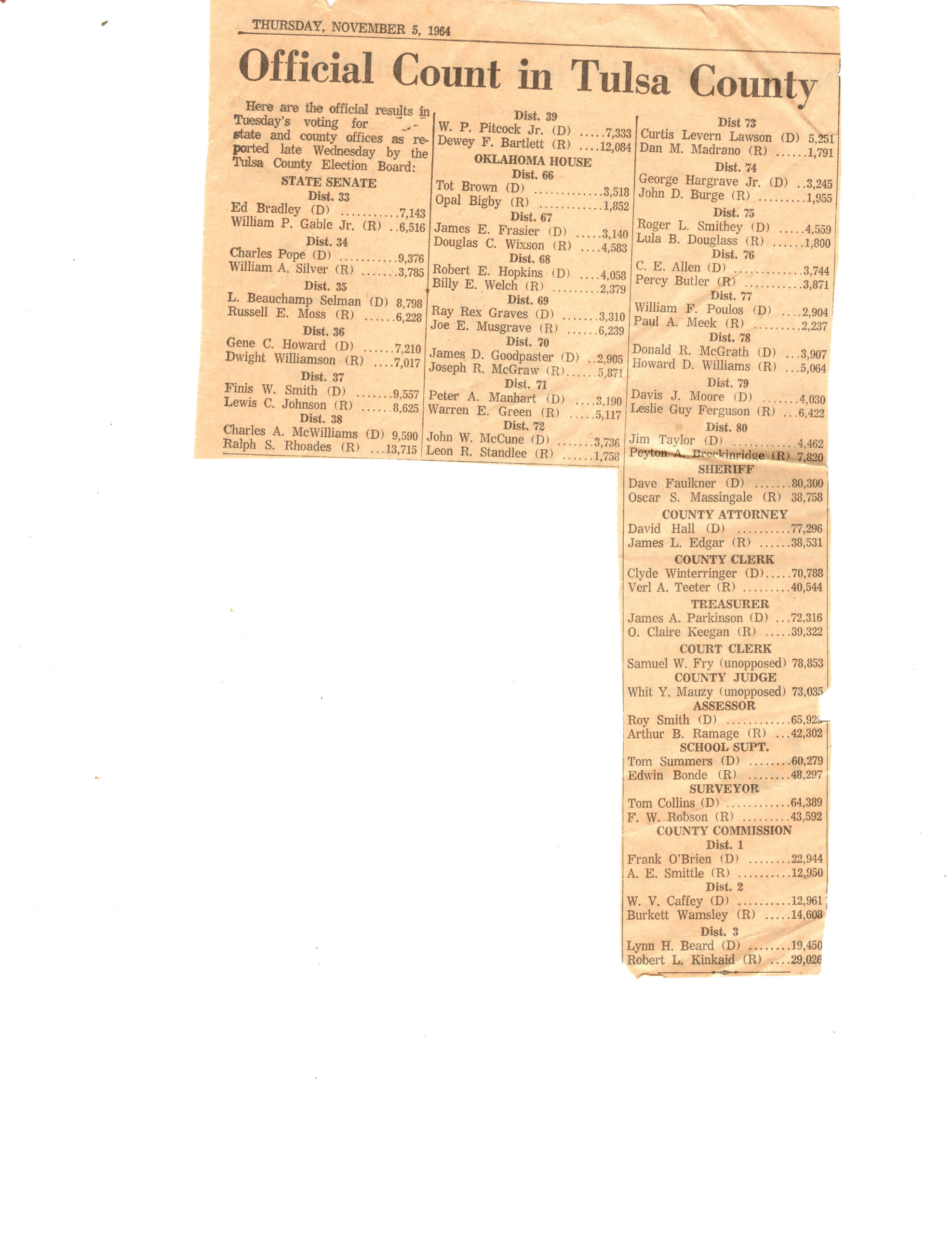
Notices, announcements, obituaries, sales and the small business of a town were in it and nowhere else.
The monopoly on local information was close to complete. If something happened in a town and was not in the paper, most people did not know about it, which gave the publication a role that has no modern equivalent.
That is why people read parts they had no interest in. Scanning announcements about people you do not know is only worthwhile when there is a reasonable chance one of them will turn out to concern somebody you do.
11. The Coupons Were Clipped Before Anybody Read Anything
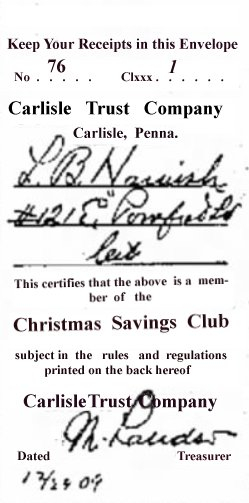
Somebody in the household went through the paper first specifically to extract what could be used.
The pre-processing had a settled place in the routine. A section arriving at the table already reduced was normal, and the person doing the extraction had first access by established right.
It was also genuinely worth doing. A household that systematically used what the paper contained got a measurable return from an object it was buying anyway, which is a sensible piece of behaviour dressed up as a habit.
12. The Magazine Section Was Kept for Later
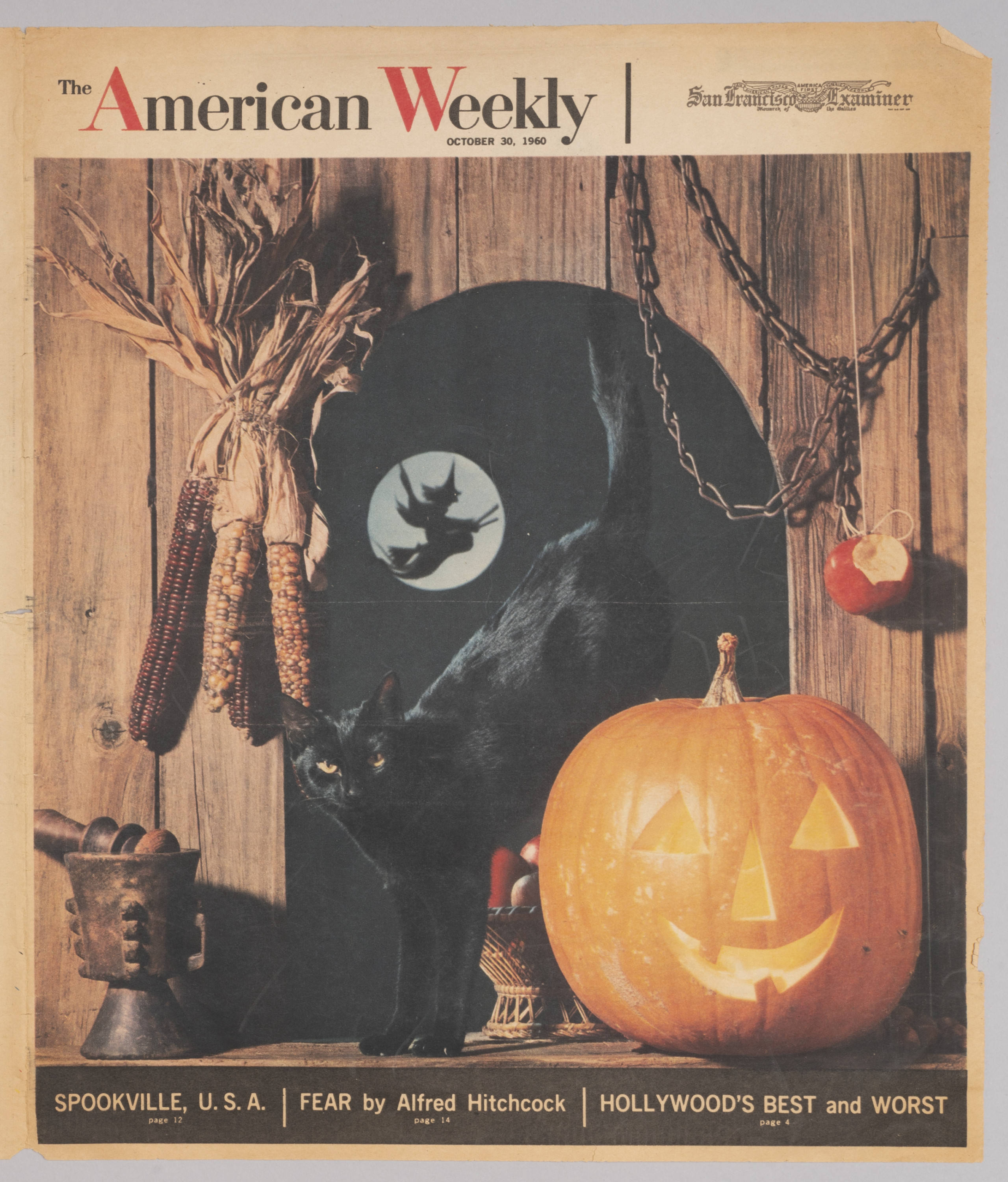
The glossier, longer-form part of the paper was often set aside and read during the week.
The deferral is a reasonable response to volume. Nobody could get through everything on the day, so the material least tied to the date was postponed, and it circulated through the house for days afterwards.
It also had the longest life. A supplement left on a side table was picked up repeatedly by different people, which means it was read by more of the household than anything else in the paper.
13. The Puzzle Belonged to One Person
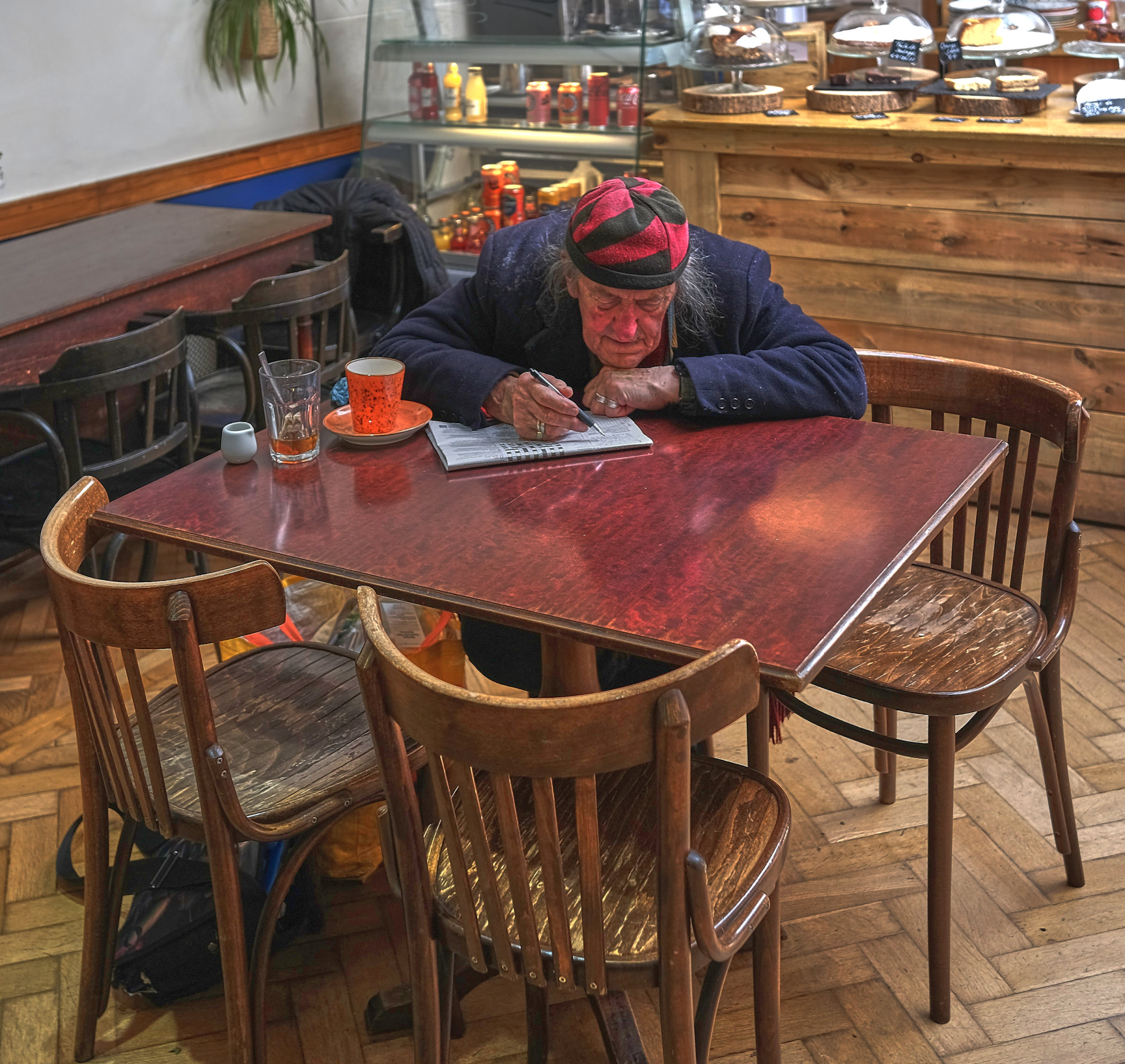
Whoever did the crossword did it alone, in pen or pencil according to confidence, and resented assistance.
The territoriality is almost universally reported. A puzzle is a solitary performance, and a household member who filled in two answers without being asked had committed a genuine offence.
Consultation was permitted on request only. The puzzle-doer could ask, at which point everybody was expected to contribute, and could then dismiss every suggestion without any obligation to be gracious about it.
14. The Whole Thing Was Finished by Afternoon and Thrown Out

An object that had occupied an entire morning was in a bin, a fire or a pile by the end of the day.
The disposability was complete and nobody found it strange. A daily publication is worthless the following morning, and a household had no reason to keep something whose entire value expired within hours.
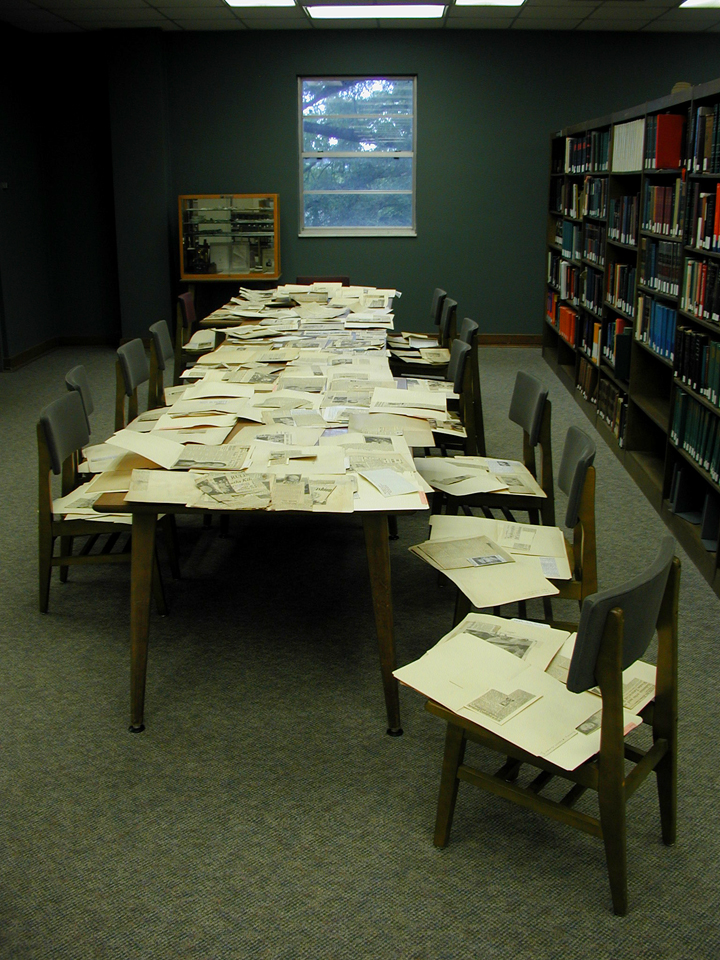
Only the clippings survived. The gap between what a Sunday paper contained and what is left of it is almost total, and what remains is a handful of fragments somebody thought worth cutting out.
15. Not Having One Was Noticeable
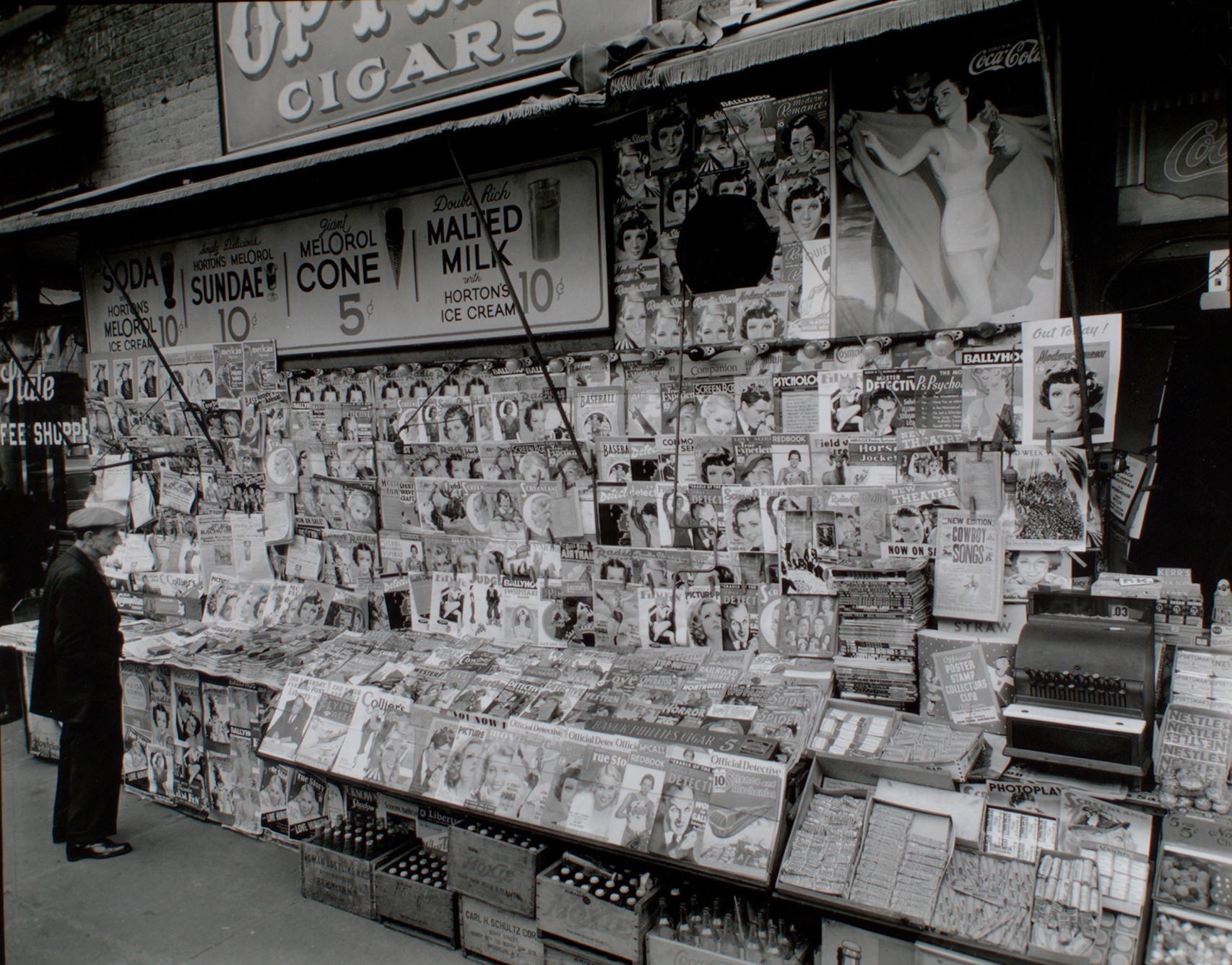
A household that did not take a Sunday paper was unusual enough to be remarked upon.
The near-universality is the thing that is hardest to convey now. A single object arriving in almost every house in a town on the same morning, and occupying most of that morning, created a shared experience of a kind that nothing now produces.
It also made conversation easy. Everybody had read roughly the same things on the same day, which meant that any two people in a town had a guaranteed common reference by Sunday afternoon.
16. Then the Information Arrived Faster and From Everywhere
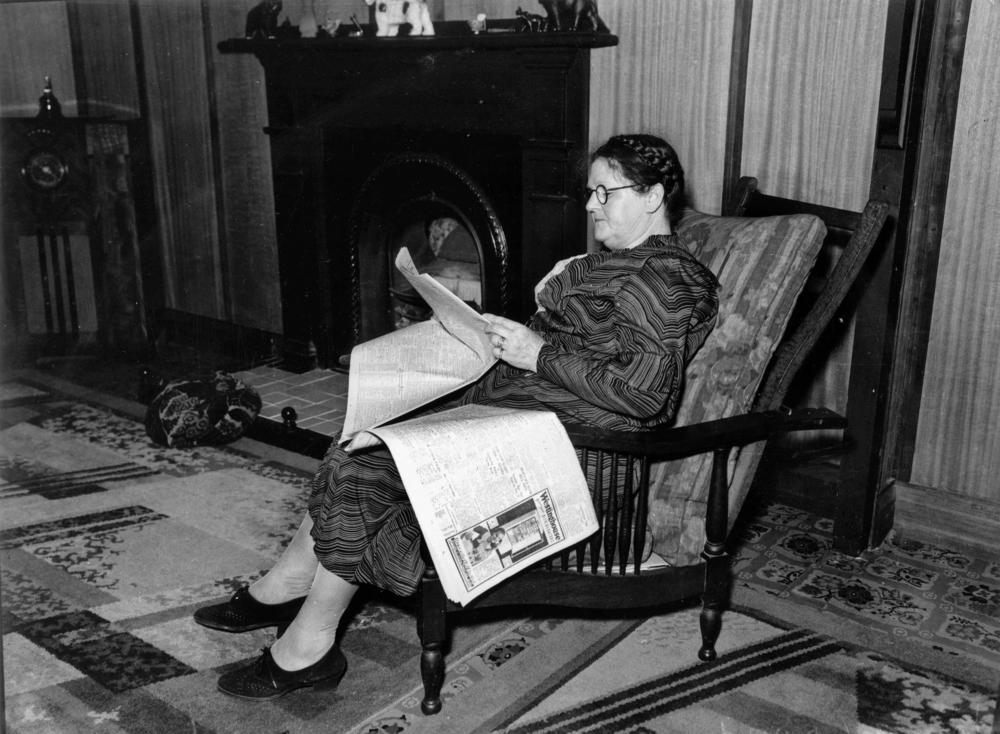
Television, then everything that followed, delivered the same content sooner, continuously and without the wait.
The competition was not really about quality. A paper’s great weakness is that it is finished before it is delivered, and anything capable of updating has an advantage no amount of editing can overcome.
What went was the morning. The information all survives somewhere and most of it arrives faster, but the object that took four hours, divided itself among a household, got read aloud across a room, produced a drawer of clippings and lined everything in the kitchen for a week does not have a successor.
What the Object Actually Organised
Taken in order, the sixteen describe a household routine built around a single physical thing. The paper could be divided, which meant everybody got a piece. It could not be read in one sitting, which meant the morning had to be given to it. It was in one room, which meant everything interesting got announced aloud and everybody finished with a rough account of what was in sections they never opened. It was disposable, which meant it became wrapping and lining for a week afterwards. And almost every household in a town had the same one, which meant any two people had a guaranteed common reference by Sunday afternoon. None of that was anybody’s intention. All of it followed from the object being large, shared, physical and identical across a town. The children’s position in that arrangement is worth stating separately, because it is the part most people remember and the part least often examined. A child had one claim on the whole object and it was absolute: the colour section was theirs, first, without negotiation, and an adult who took it was committing an offence that would be mentioned. Nobody set that rule and nobody could have explained where it came from. What it produced, for an enormous number of children, was the only reading they did all week by choice, delivered reliably on the same morning, in a form nobody involved considered reading at all. A reading habit built entirely by accident out of a free colour supplement is a better outcome than most things designed on purpose to produce one.
The information survived the object and arrives faster. A paper is finished before it is delivered, which is a weakness nothing could fix, and everything that replaced it updates continuously and costs nothing to distribute. What did not survive is the morning: an object substantial enough to be worth four hours, divisible enough that everybody got a section, communal enough that the interesting parts were read out across a room, and disposable enough that by Tuesday it was lining a drawer. The only part of it anybody still has is a tin of clippings somebody cut out and nobody has thrown away.
Like our content? Follow us for more.