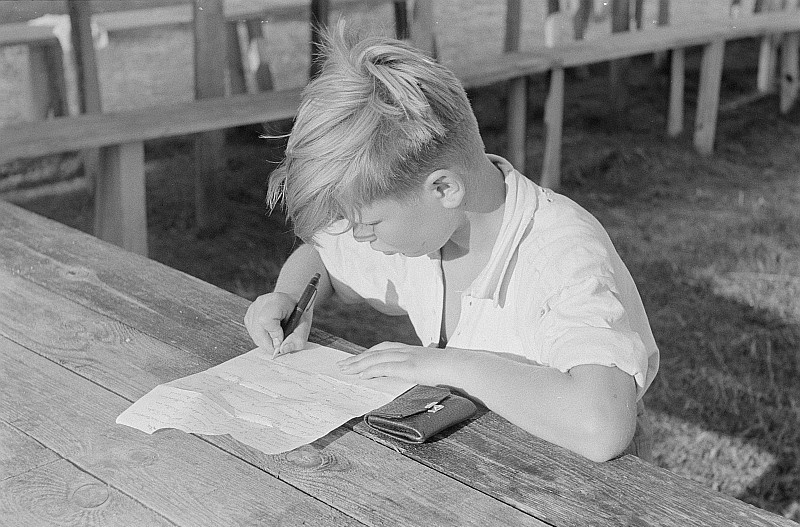
You were given a name, an address in a country you had only seen on a map, and an instruction to write. In 1964 a very large number of children were assigned a correspondent on the other side of the world and then conducted a relationship with them, entirely in handwriting, for years – and in a good many cases neither of them ever found out what the other one looked like.
The Match Was Made by an Adult and Was Essentially Arbitrary
Schools, clubs and organisations paired children off by age and sometimes by a stated interest, and that was the whole of the matching.
The arbitrariness is the interesting part. Two children with nothing in common beyond their year of birth were handed to each other, and whether the thing worked depended entirely on what they made of it after the introduction.
Like our content? Follow us for more.
The First Letter Was the Hardest Thing Anybody Had Written
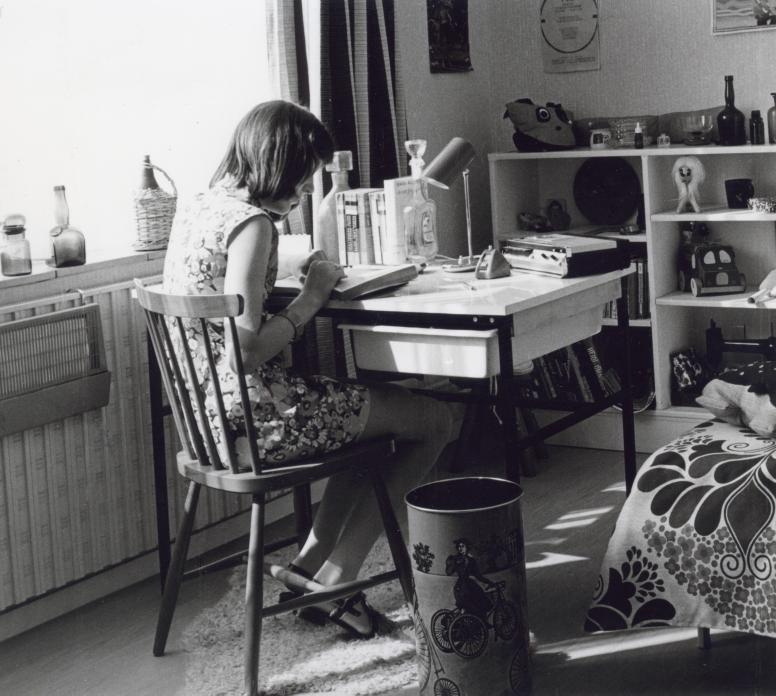
Introducing yourself to a complete stranger, in writing, with no idea what they would find interesting, is a genuinely difficult composition problem.
Children approached it the same way everywhere. A list of facts – age, family, school, pets, what they liked – because a list is the only safe structure available when you have no idea who is reading.
Everything Had to Be Explained From Nothing
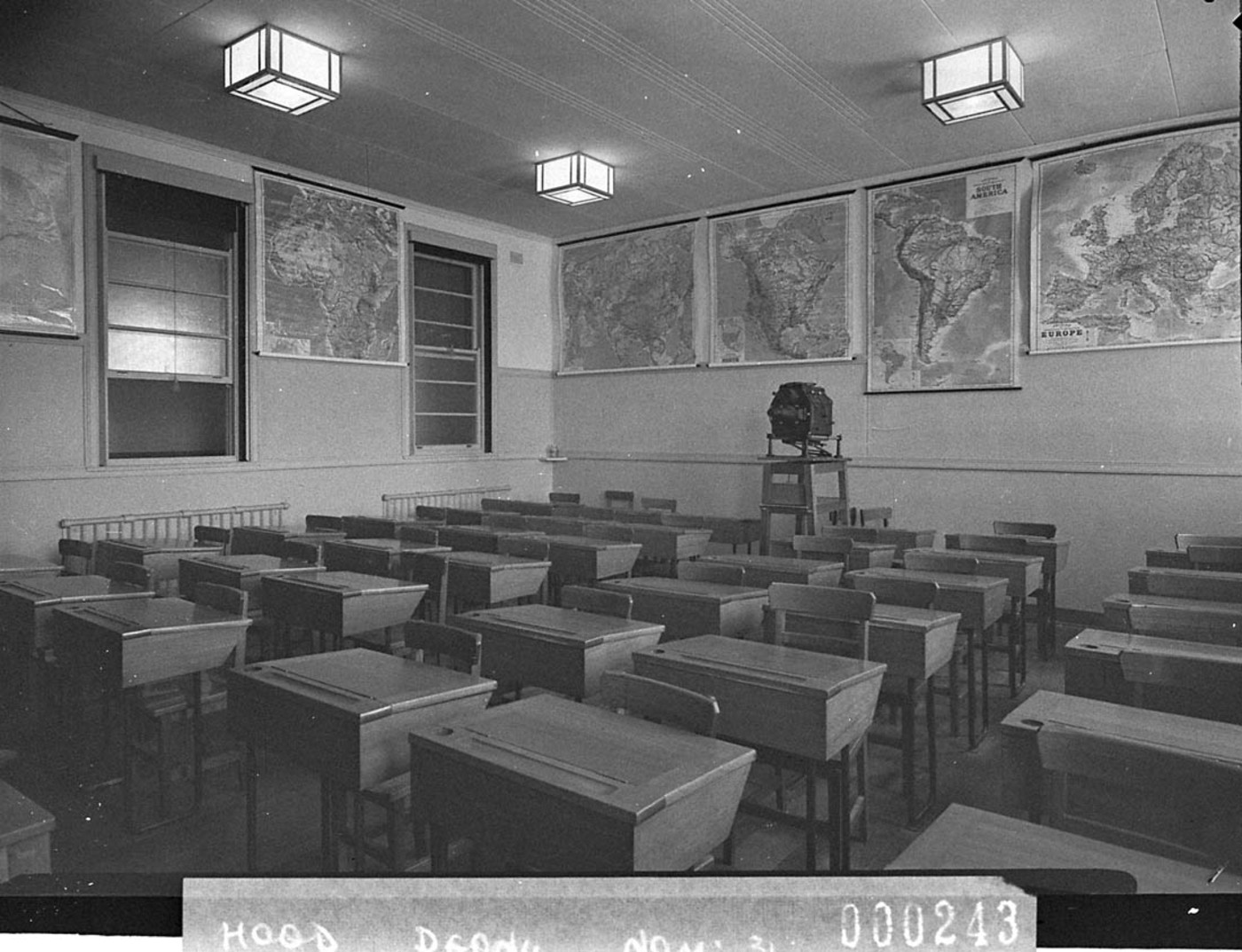
You could not refer to anything local, because the person reading had no idea what any of it was.
That constraint is what made the exercise valuable. A child describing their own street, school or dinner to somebody who cannot picture any of it has to notice it properly first, which is a kind of attention nobody had asked them for before.
The Wait Was Measured in Weeks
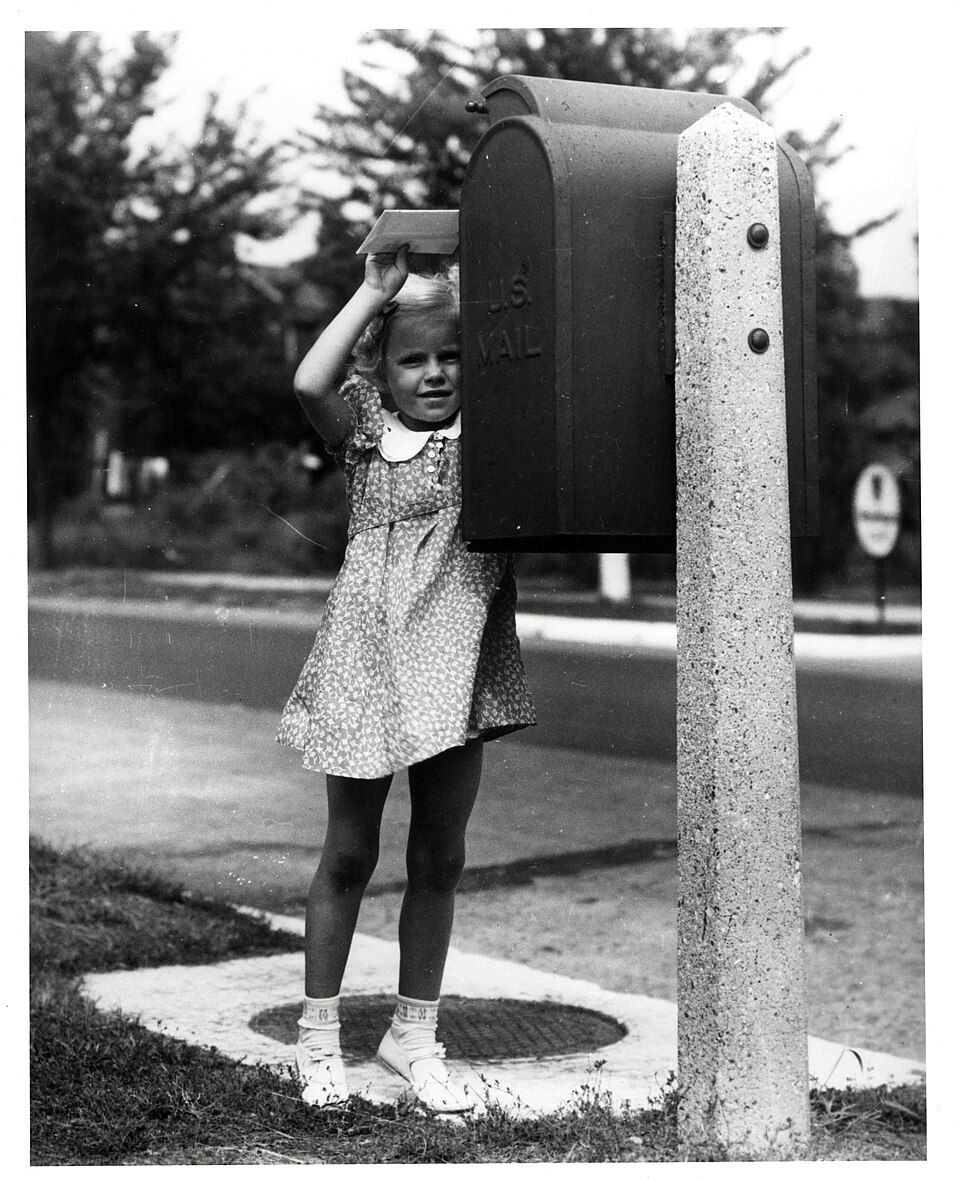
Surface mail across a distance took a long time in each direction, which meant a single exchange occupied the better part of two months.
The slowness changed the nature of the correspondence completely. A reply arriving six weeks later cannot respond to anything immediate, so the letters were about general things, and both parties wrote as though describing a condition rather than reporting an event.
Nobody Could Correct a Misunderstanding Quickly
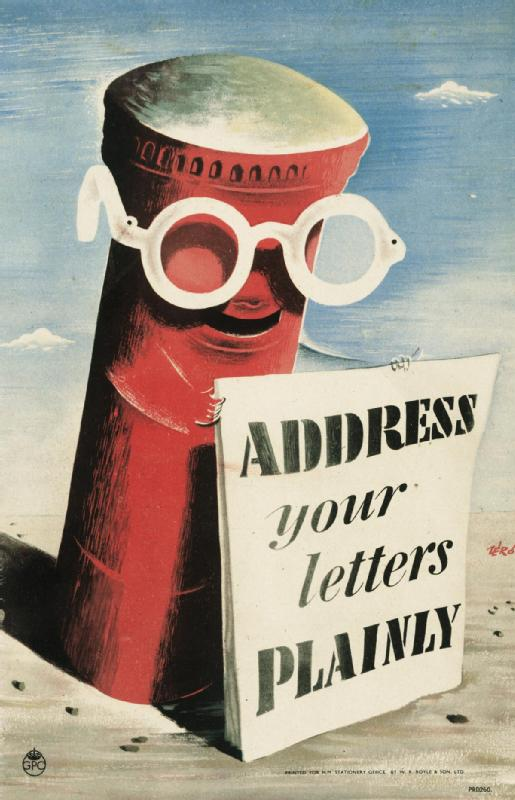
A confusing sentence sat uncorrected for two months, and by the time the question came back the context had gone.
The lag produced a particular kind of patience. Children learned to write unambiguously because there was no opportunity to clarify, which is a discipline that very few forms of writing now require of anybody.
The Envelope Itself Was Exotic
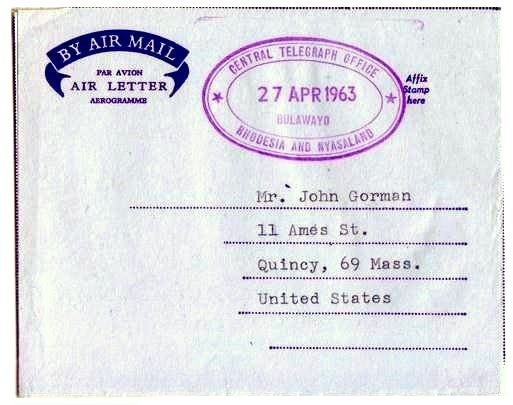
Foreign stamps, unfamiliar handwriting, a return address in another alphabet or another arrangement – the outside of the letter was half the event.
The physical object carried information the contents did not. A child holding an envelope that had crossed an ocean was holding evidence of distance, and the stamps in particular were examined, saved and sometimes traded.
The Postage Was a Real Consideration
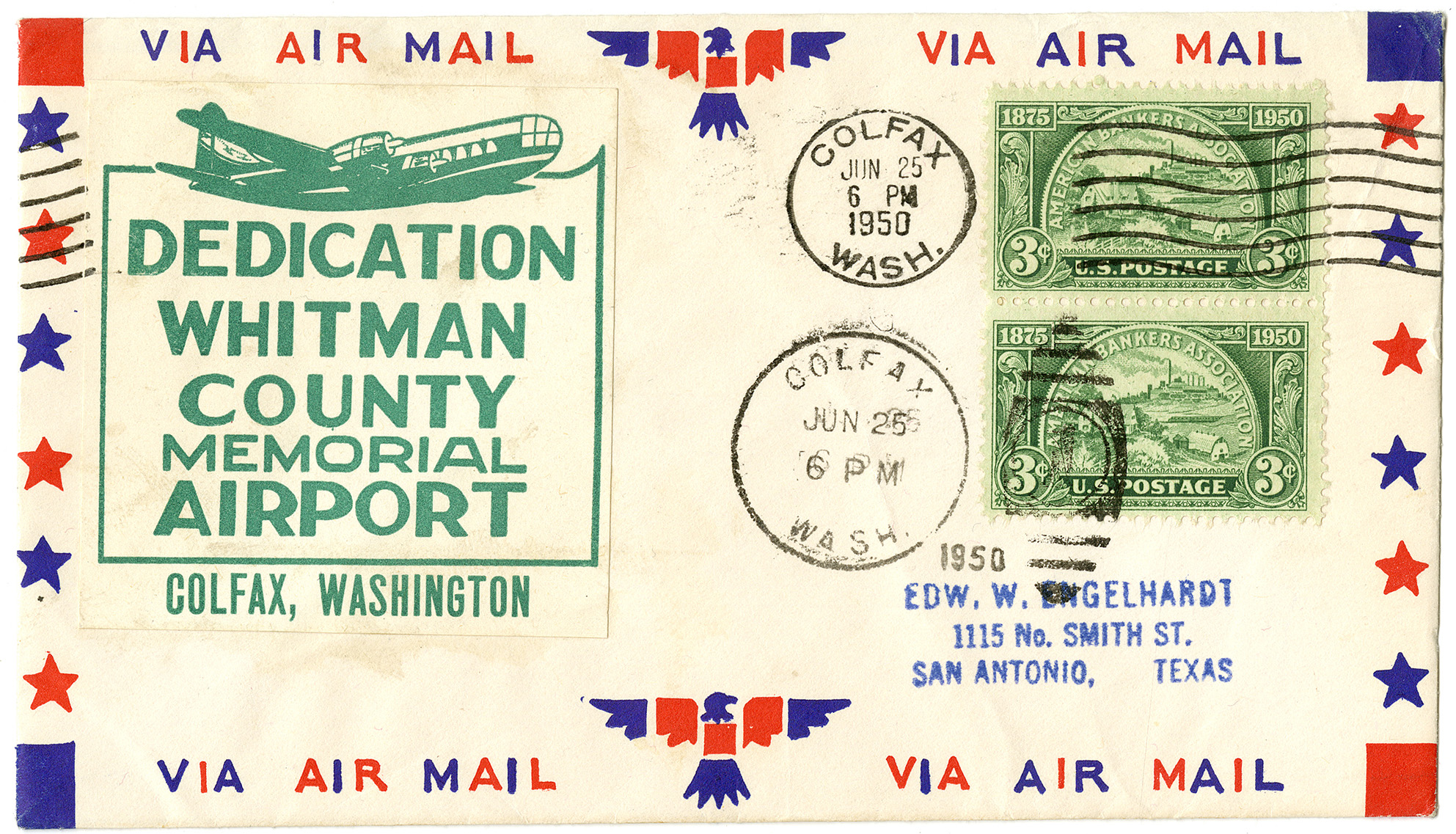
Airmail cost more and arrived sooner, surface mail cost less and took much longer, and the choice was made by whoever was paying.
That decision sat with an adult, which gave a parent quiet control over the whole correspondence. A household that supplied airmail postage was investing in the thing, and one that did not had slowed it down without ever discussing it.
Weight Mattered and Shaped What Could Be Sent
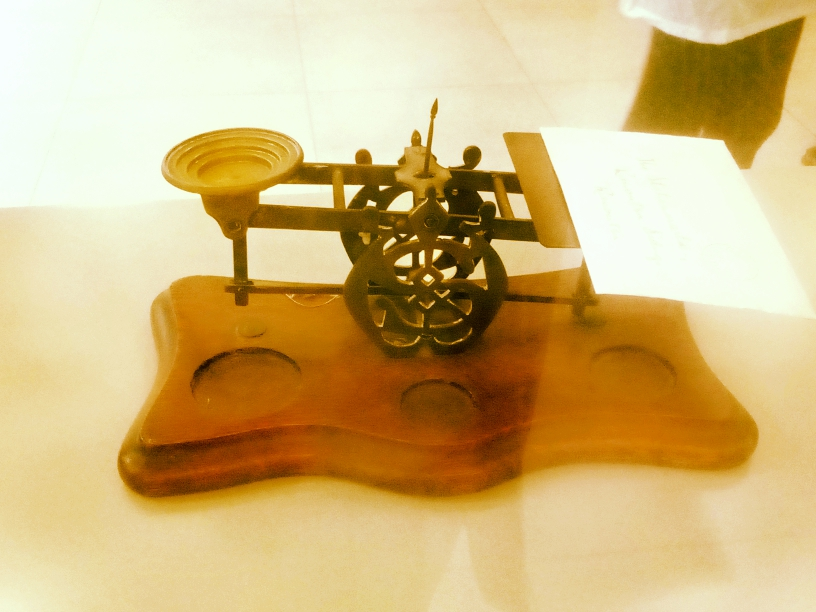
Postage was charged by weight, which meant thin paper, light enclosures and a constant small calculation about what could be included.
The constraint produced ingenuity. Children sent pressed flowers, cut-out pictures, drawings on one sheet and anything else flat, because flatness and lightness were the whole specification for a gift sent this way.
Photographs Were the Great Event and Were Rare
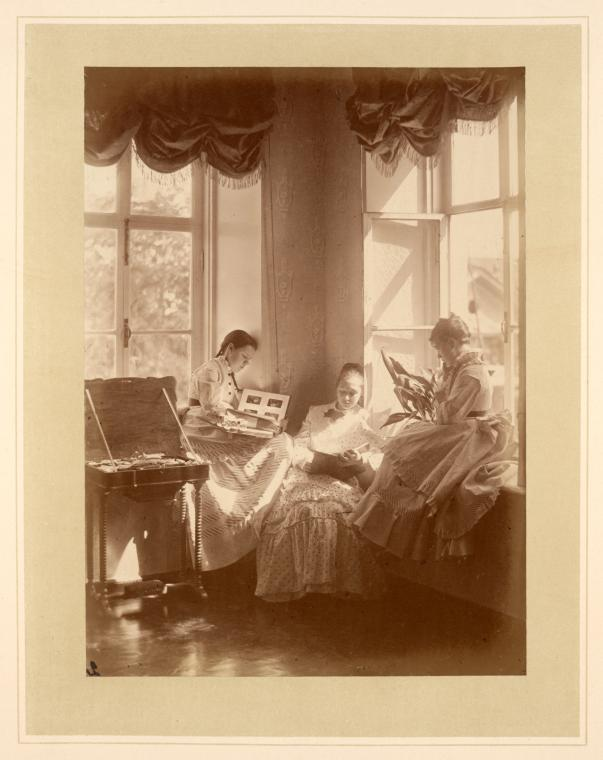
Sending a picture required having one to spare, which was not a trivial thing in a household with one camera and expensive film.
The scarcity is why the arrival of a photograph is remembered so vividly. A correspondence conducted for a year in handwriting alone, suddenly resolving into a face, is an experience that has no modern equivalent at all.
Language Was Frequently a Shared Difficulty
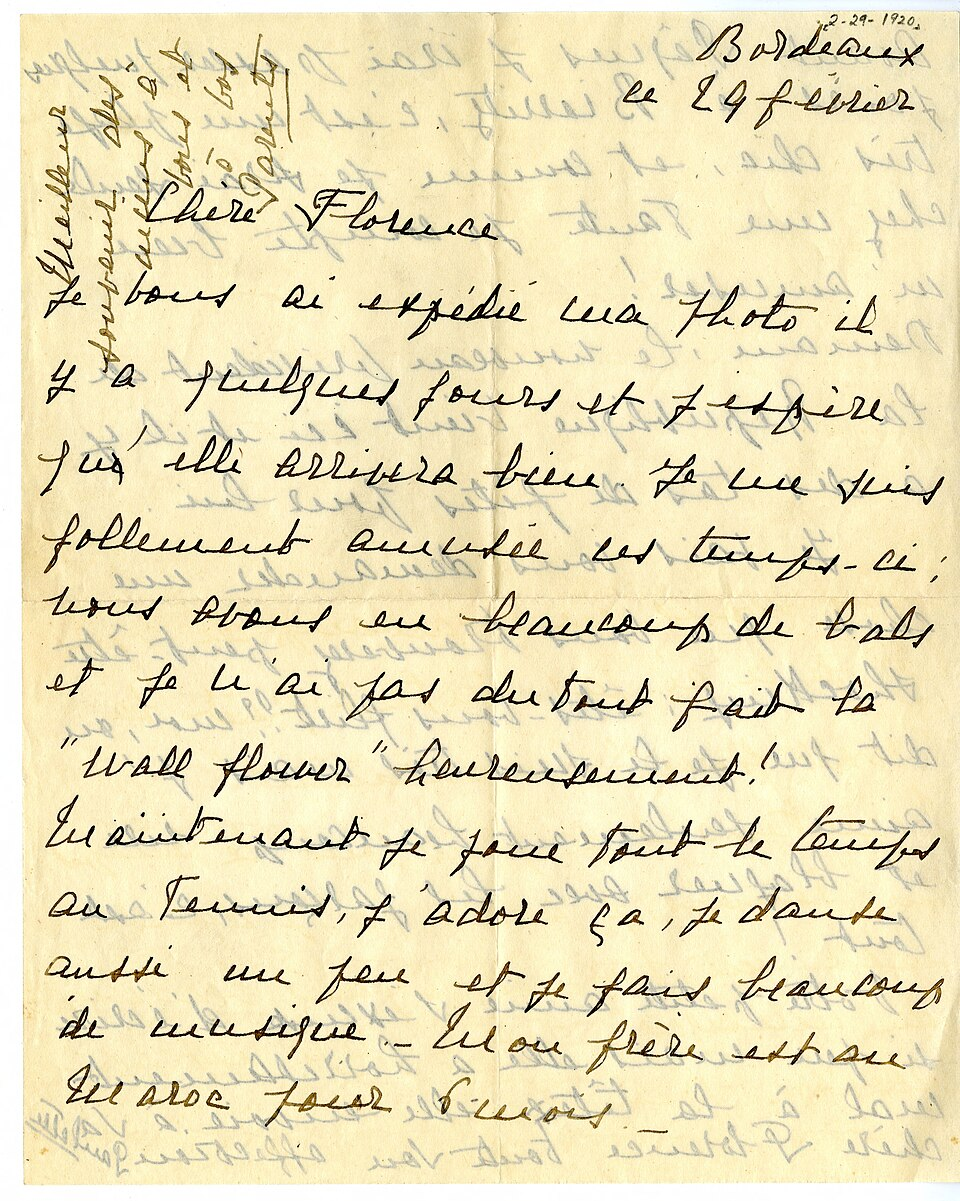
Many of these pairings crossed languages, and both children were writing in something at least one of them was still learning.
The mutual imperfection made it work rather than hindering it. Two children struggling in the same direction are considerably more forgiving of each other than a learner and a native speaker, and the letters got better on both sides over years.
Adults Read Them and Edited Them
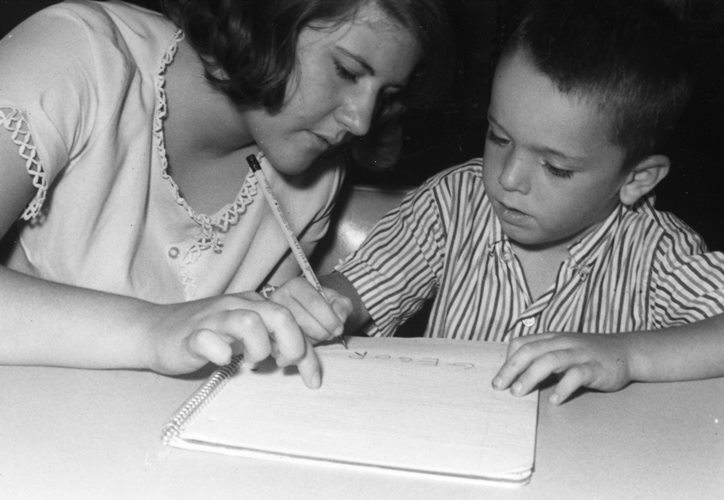
A parent or a teacher looked over outgoing letters, corrected the spelling and occasionally removed things.
The supervision was routine and mostly invisible to the recipient. A letter arriving from a nine-year-old abroad had frequently passed through an adult’s hands before it was sealed, which both improved the writing and quietly bounded the content.
Questions Were the Engine of the Whole Thing
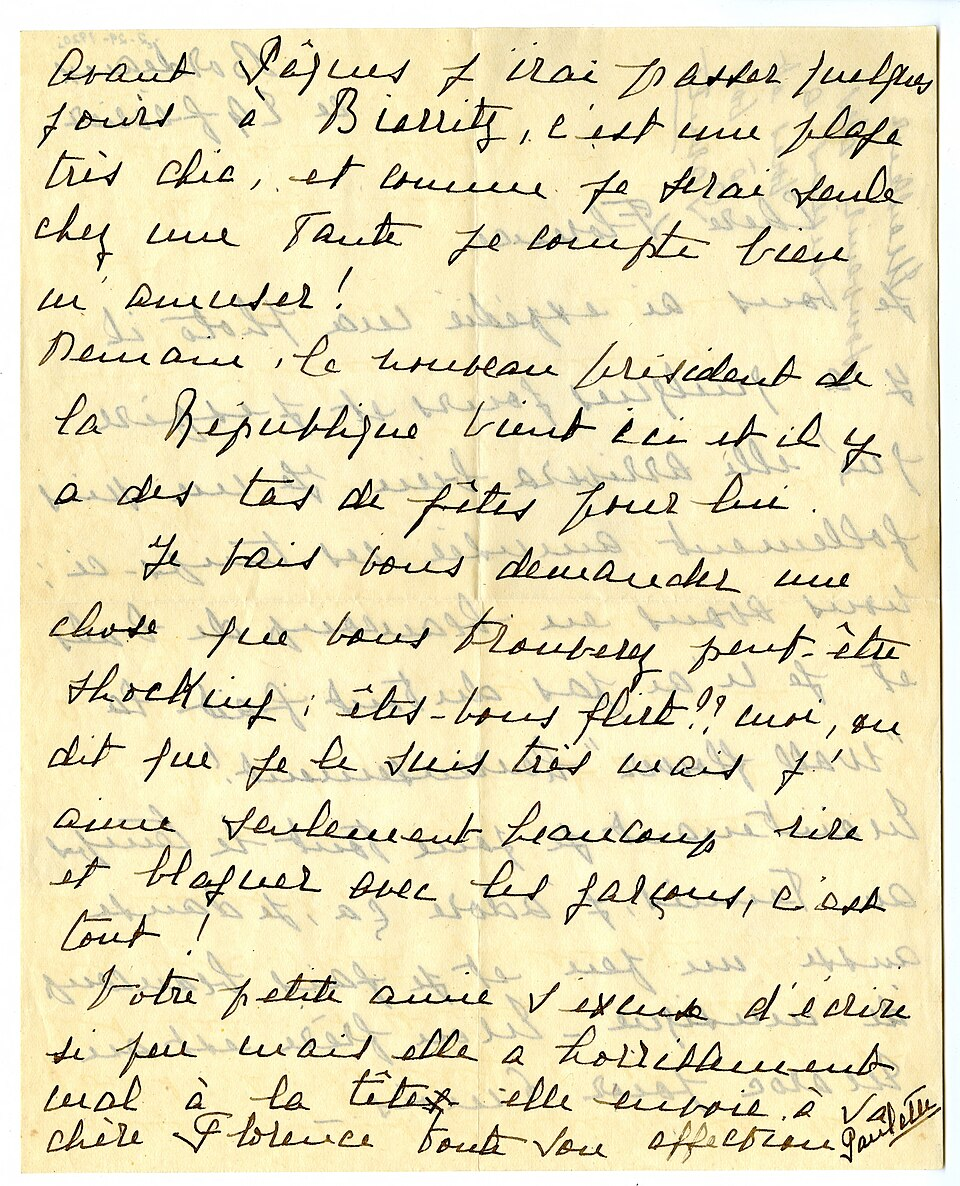
A letter that asked nothing produced a short reply, and children worked this out within two or three exchanges.
The discovery is a genuine social lesson arrived at by trial and error. Asking somebody about themselves obliges them to write back at length, and a child who learned that at ten had learned something that remains true of every conversation they will ever have.
A Great Many Lapsed Without Anybody Deciding To Stop
One side failed to reply, the gap stretched, and after four months the thing had simply ended.
The endings were almost never explicit. Nobody wrote a final letter; the correspondence just ran out of momentum, usually because a school year changed or a household moved, and both children were left not quite sure whether it was over.
Some Ran for Decades
A proportion of these survived into adulthood, through marriages, children and moves, on one or two letters a year.
The durability of the successful ones is remarkable given how they started. A relationship founded on an arbitrary pairing by a teacher, maintained entirely in writing, across a distance neither party could afford to cross, is a thin thread and plenty of them held for fifty years.
A Few of Them Finally Met

After years or decades, a small number of these pairs managed to be in the same place, and the meetings are described the same way by everybody involved.
What people report is not strangeness but recognition. Two people who have written to each other for thirty years know each other in a way that has nothing to do with having seen each other, and the first meeting is reported as a confirmation rather than an introduction.
It Was Most Children’s Only Contact With Anywhere Else
Without television showing much of the world, without travel and without any other channel, a pen pal was the entire foreign policy of a nine-year-old’s life.
That is the thing that is hardest to reconstruct now. A child in 1964 had almost no way of knowing what ordinary life looked like somewhere else, and one correspondent supplied the whole of it – which gave a single person’s account an influence out of all proportion to its accuracy.
The Picture It Gave Was Narrow and Powerful
Everything a child believed about a country frequently came from one other child’s description of their own street.
The distortion is obvious and was invisible at the time. A correspondent who happened to live somewhere unrepresentative supplied an unrepresentative picture, and it was accepted entirely because there was nothing available to check it against.
Writing to Somebody Who Could Not Check Was Freeing
A child could present their own life to somebody with no means of verifying any of it, and some of them took the opportunity.
The embellishment was mild and nearly universal. Nobody was deceiving anybody in a way that mattered, and a certain amount of improving one’s own circumstances for an audience that cannot see them is probably the first piece of autobiography anybody writes.
The Letters Were Kept and Are Still Being Found
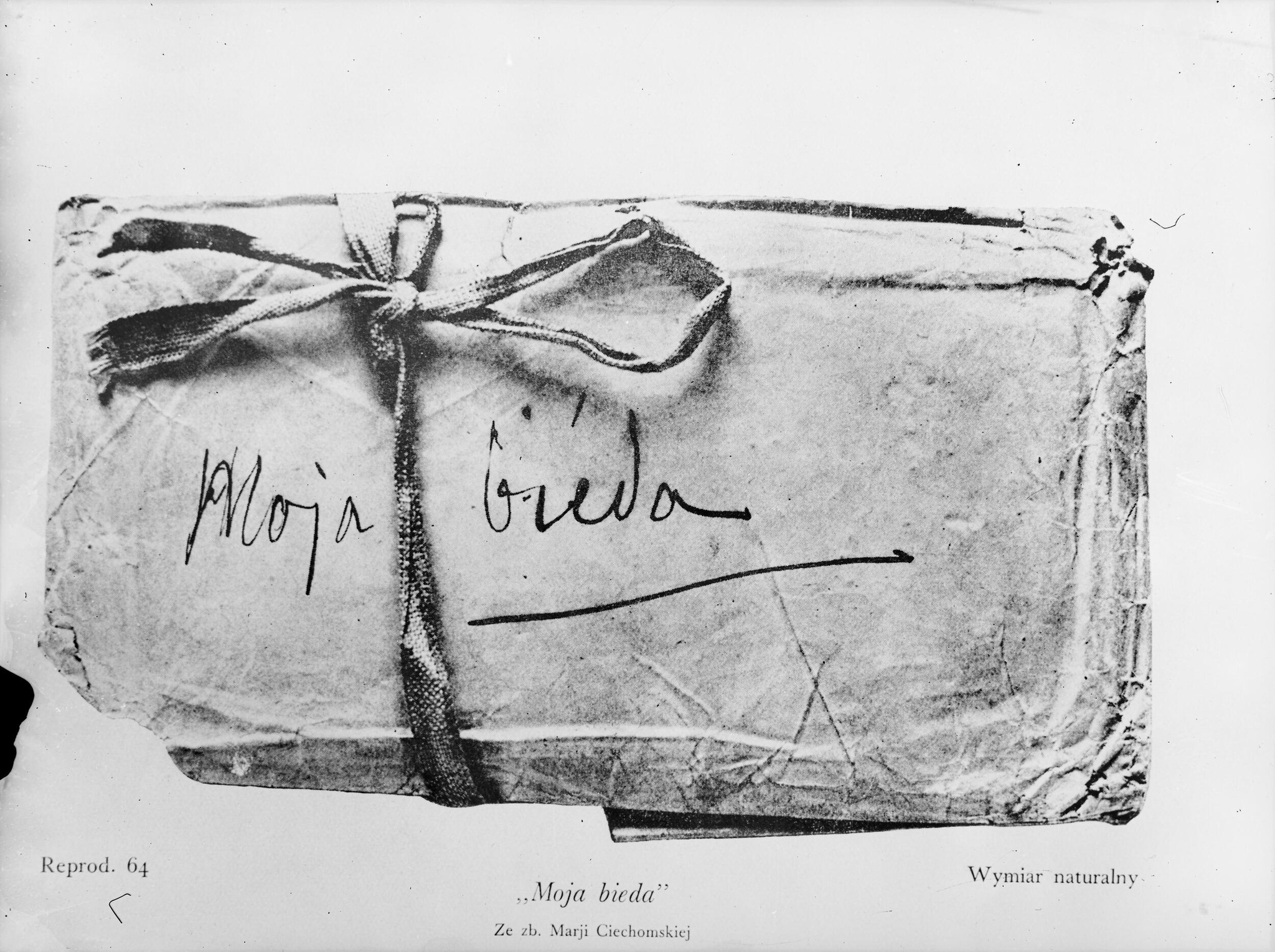
Bundles of them survive in boxes, and they are frequently the most complete record of a particular childhood that exists.
The preservation rate is high for the same reason as with any handwritten letter. Nobody throws away a bundle of correspondence, and a stack of them covering six years contains a description of an ordinary life written at the time by somebody who had to explain everything from scratch.
Then the Programmes Wound Down
School exchange schemes contracted, the organisations that ran them changed, and the formal matching that produced most pairings became much less common.
The removal of the introduction is what mattered. These relationships were almost never sought out by the children themselves; they existed because an adult handed over a name and an address, and when the handing-over stopped the pairings stopped with it.
And Then Distance Stopped Being the Point
Contact with anybody anywhere became instant, free and continuous, which solved the problem the pen pal existed to solve and dissolved everything else about it.
Which is better in every practical respect and removed the whole structure. What is gone is not contact with somewhere else, which is now universal, effortless and vastly more accurate. It is the specific shape of the old thing: one person, assigned at random, six weeks between letters, nothing to look at, every ordinary detail of your own life needing to be explained from nothing, and a photograph arriving a year in to tell you at last what the person you had been writing to actually looked like.
Like our content? Follow us for more.