


You were given a coin to keep in your shoe, your pocket or the back of your wallet, with an instruction never to spend it, and the whole arrangement existed so that you could reach a household from anywhere at all. In 1968 a child sent out of the house for the afternoon was handed exactly one piece of emergency infrastructure, and it was that coin.
The Coin Was Not Money and Everybody Treated It Differently
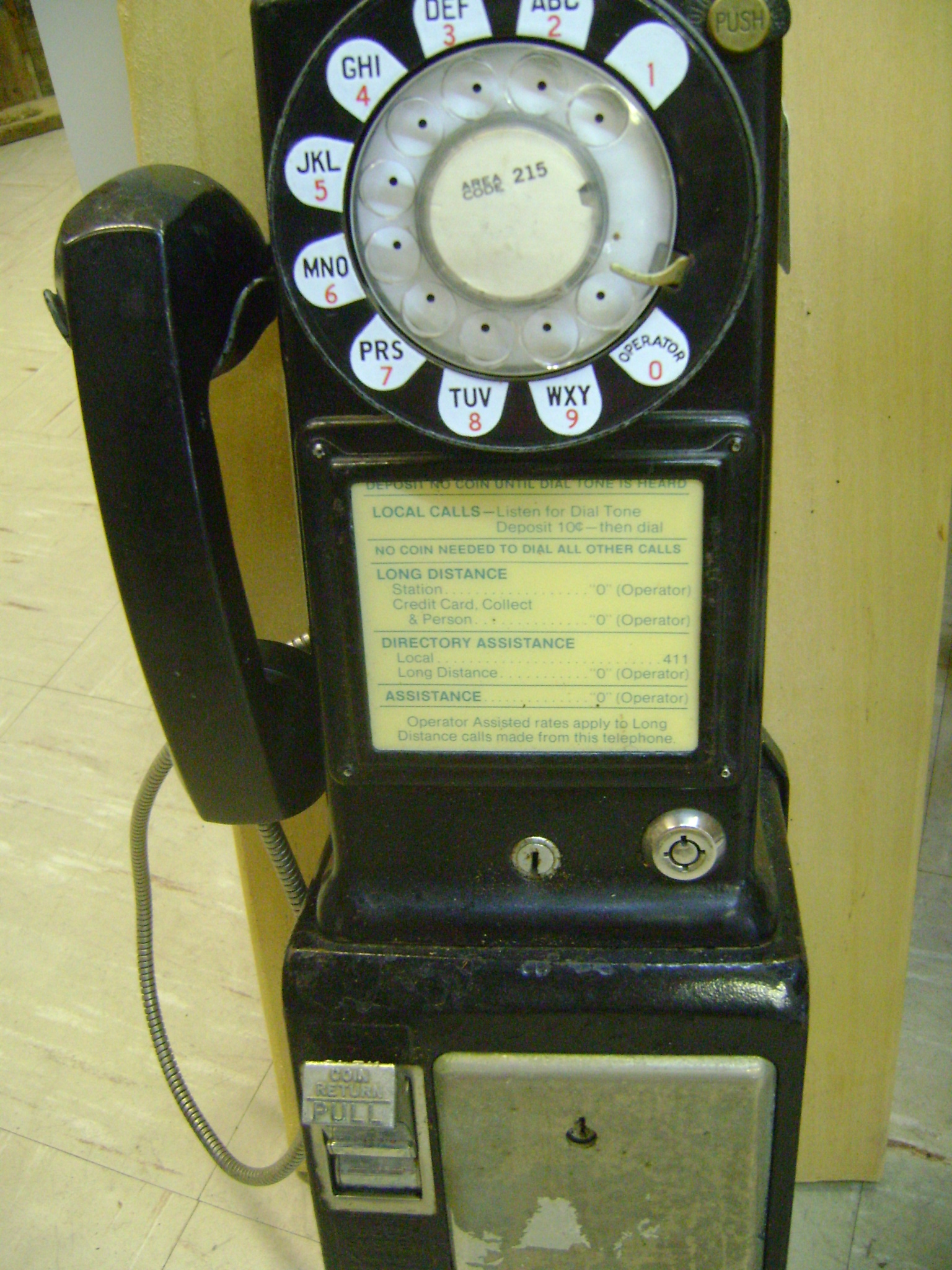
It was carried separately, kept where it could not be mixed up with spending money and checked for before leaving.
The separation is the whole principle. A coin that is also money will be spent, so the household’s solution was to make it a different kind of object by keeping it somewhere no ordinary coin would be, and children understood the distinction completely.
Like our content? Follow us for more.
Spending It Was a Specific Offence

Using the emergency coin on something you wanted was understood as a serious failure rather than an ordinary piece of disobedience.
The weight attached to it is disproportionate until you see what it was for. A child who had spent that coin had disconnected themselves from their own household, and the telling-off was about the disconnection rather than about the purchase.
The Machine Was Mechanical and Entirely Unforgiving
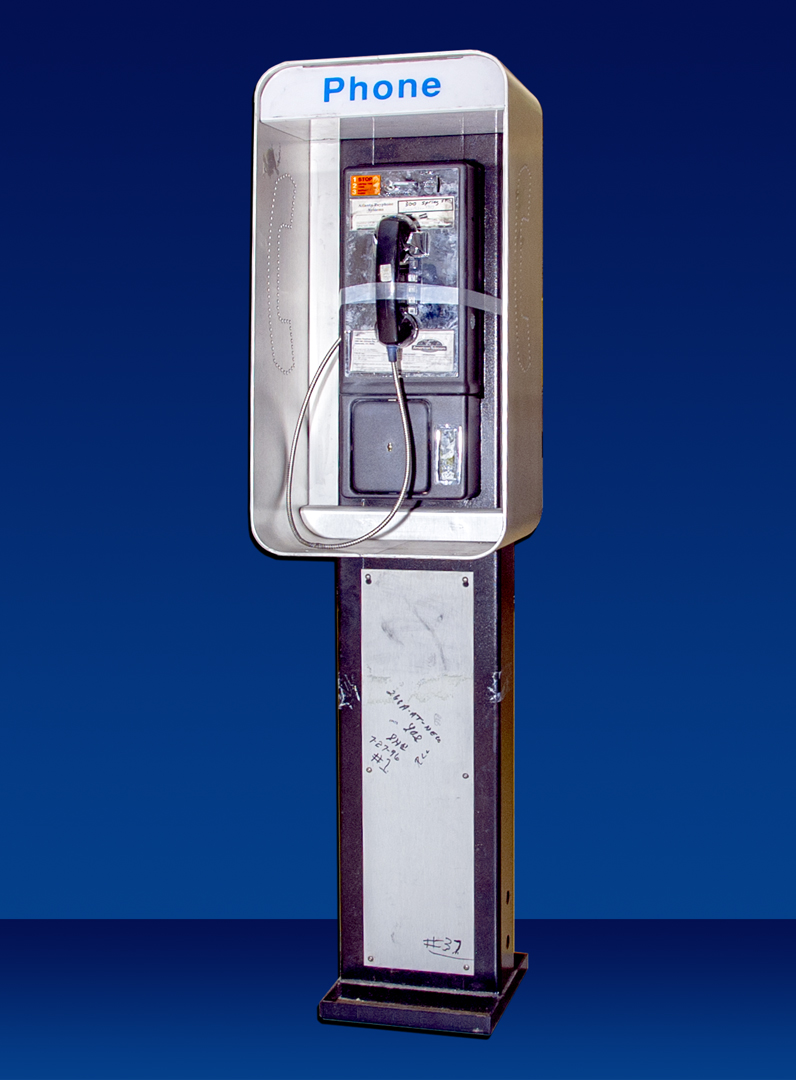
A coin went in, a connection was attempted, and if anything failed you did not necessarily get the coin back.
The absence of a remedy is what made the whole operation tense. A child with one coin and one attempt had no second chance, which is a considerable amount of pressure to attach to a telephone call.
You Had to Know the Number From Memory
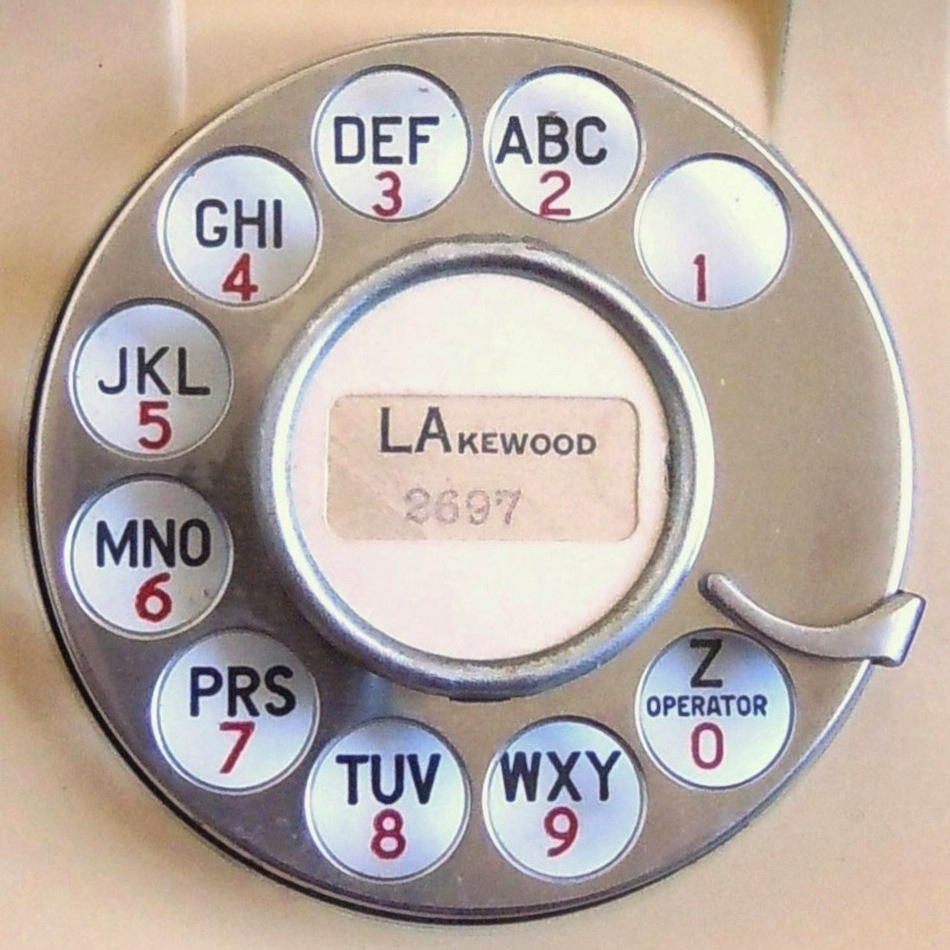
There was nothing to look it up in and nobody to ask, which meant a household number had to be learned by heart before a child was allowed out.
Memorising it was therefore a precondition of independence. A child who could not recite their own number was a child who could not be sent anywhere, and the testing of it happened repeatedly at home until it was automatic.
The Order of Operations Mattered and Was Not Obvious
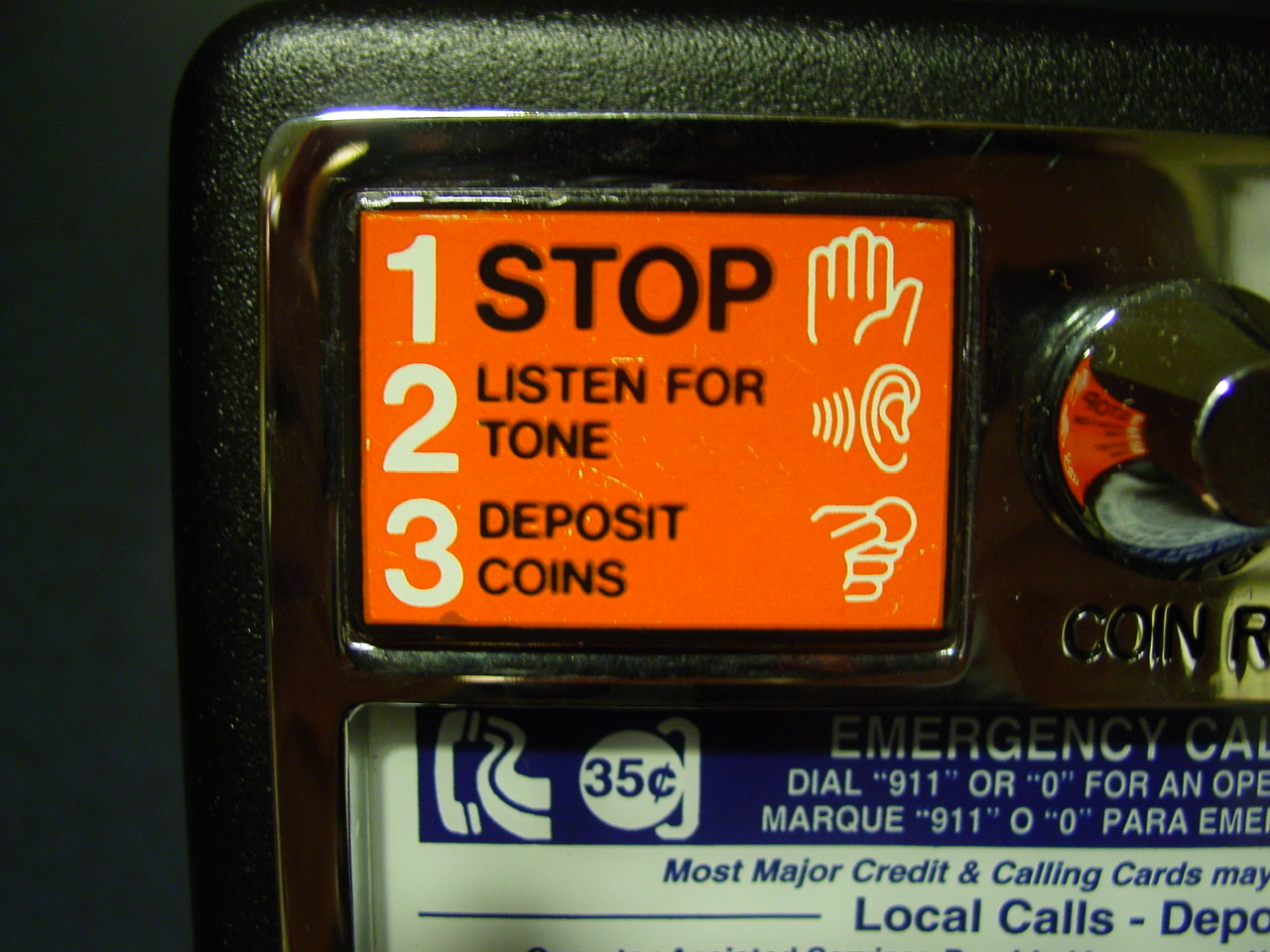
Coin first or number first, when the tone came, what the clicks meant – the sequence had to be learned and could not be worked out by guessing.
The procedure was taught by an adult standing alongside, once, and then performed alone. Nothing about the machine explained itself, and a child who had not been shown stood in front of it with no way to proceed.
The Hardest Part Was Hearing Anything
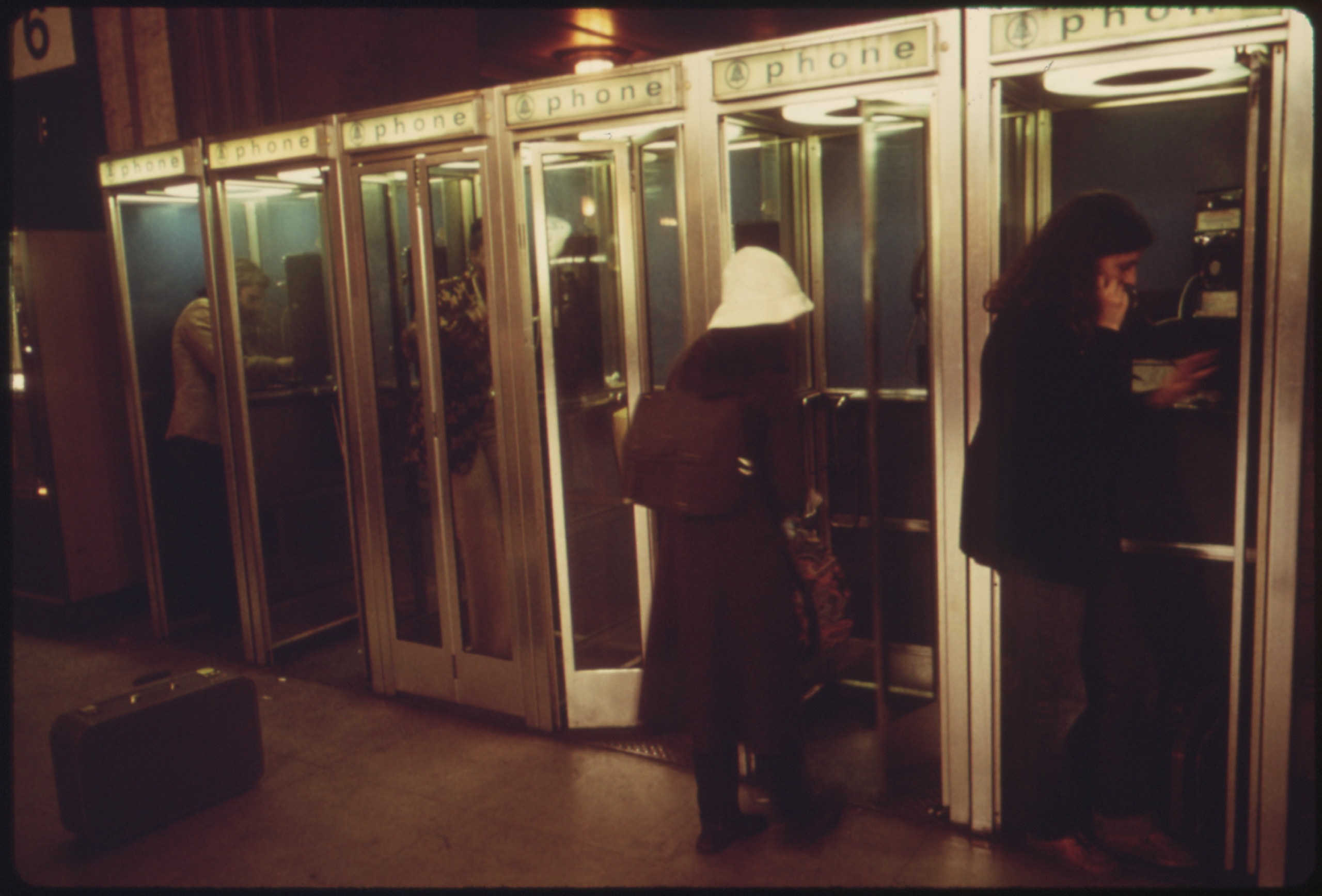
Boxes were frequently placed where the noise was worst – on roads, in corridors, outside shops – and the acoustics were against you.
The practical difficulty is the part people forget. A call conducted while standing in traffic, with a poor connection, by a child who is already nervous, is a call in which half the content is lost in both directions.
The Door Was the Only Privacy and It Rarely Worked
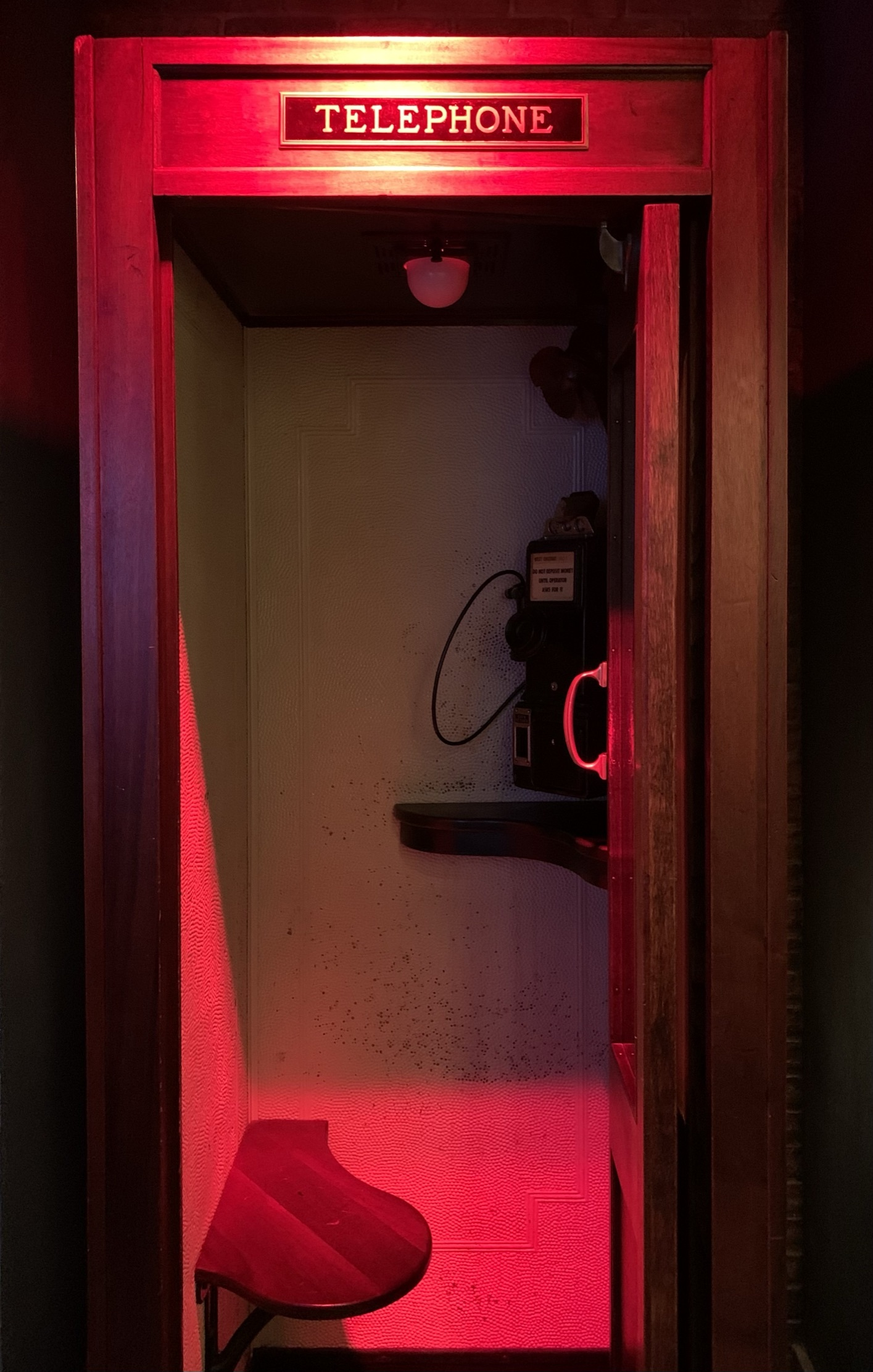
Enclosed boxes existed, the doors were heavy and stiff, and a child frequently could not close one properly at all.
Which meant the conversation was public. A ten-year-old reporting something to a parent, loudly, in a doorway on a street, is conducting a private matter in front of whoever happens to be passing.
You Could Be Overheard and Could Not Avoid It

There was no quiet option, so everything had to be said at volume to somebody who could barely hear it.
The exposure shaped what children said. A child who knew they could be heard reported the minimum, which means a great many of these calls conveyed considerably less than the situation actually warranted.
Running Out Mid-Call Was the Standard Failure
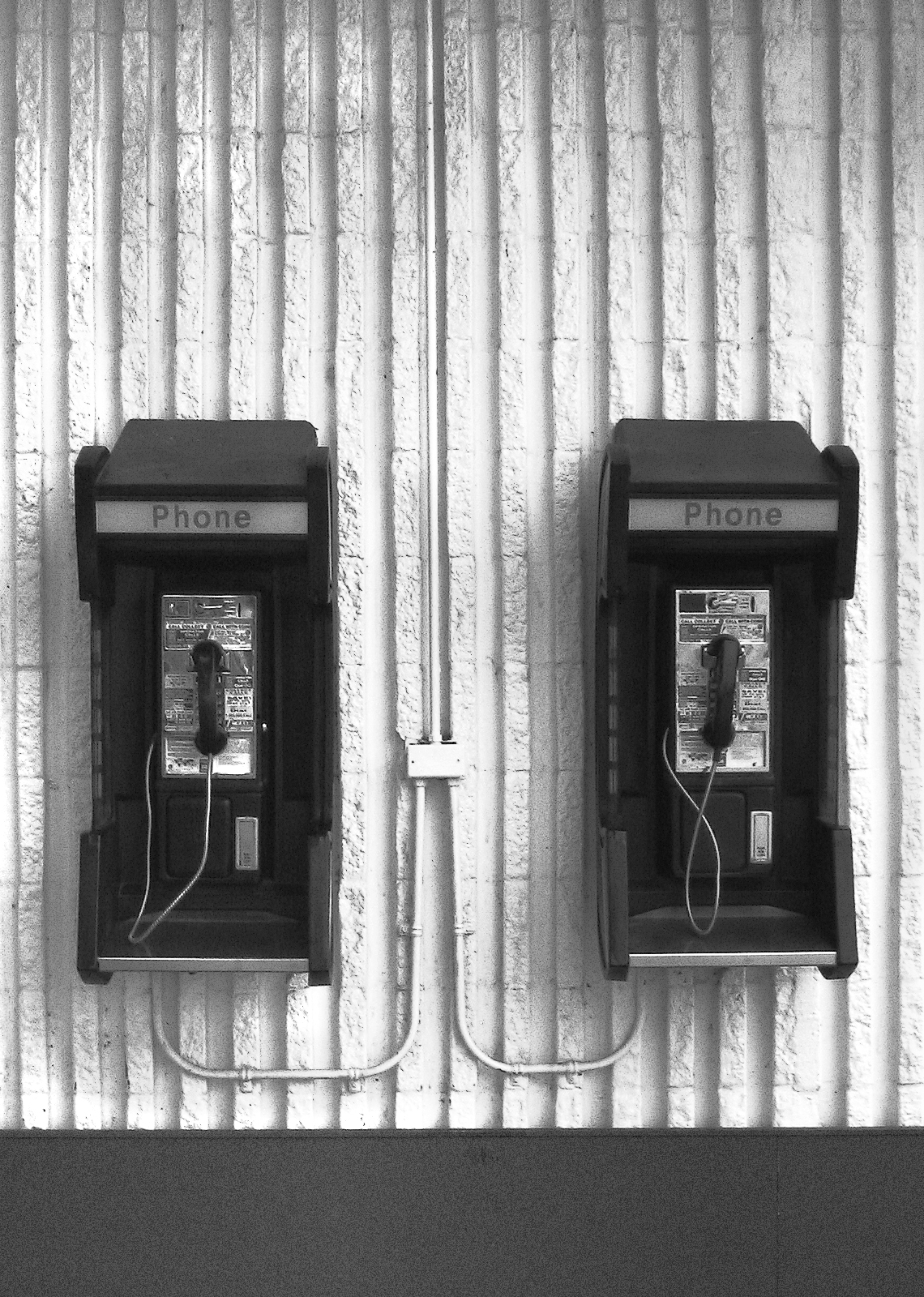
A connection lasted a set period and then ended, with or without a warning, and a child with no second coin was simply cut off.
The abruptness was the design rather than a malfunction. The arrangement sold a fixed amount of time, and the consequence was that children learned to say the essential thing first – which is a communication discipline nobody teaches deliberately.
There Was a Way to Call Without Paying and Everybody Knew It
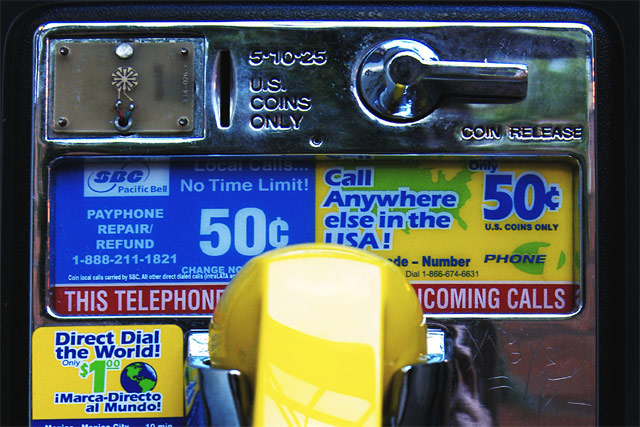
A call could be placed to be charged to the household at the other end, which turned the emergency coin into a backup rather than the only route.
The existence of that route is why the system worked at all. A child with no coin and a serious problem still had a method, and the method required speaking to an adult stranger and asking for help, which is its own small ordeal.
The Operator Was the Fallback for Everything
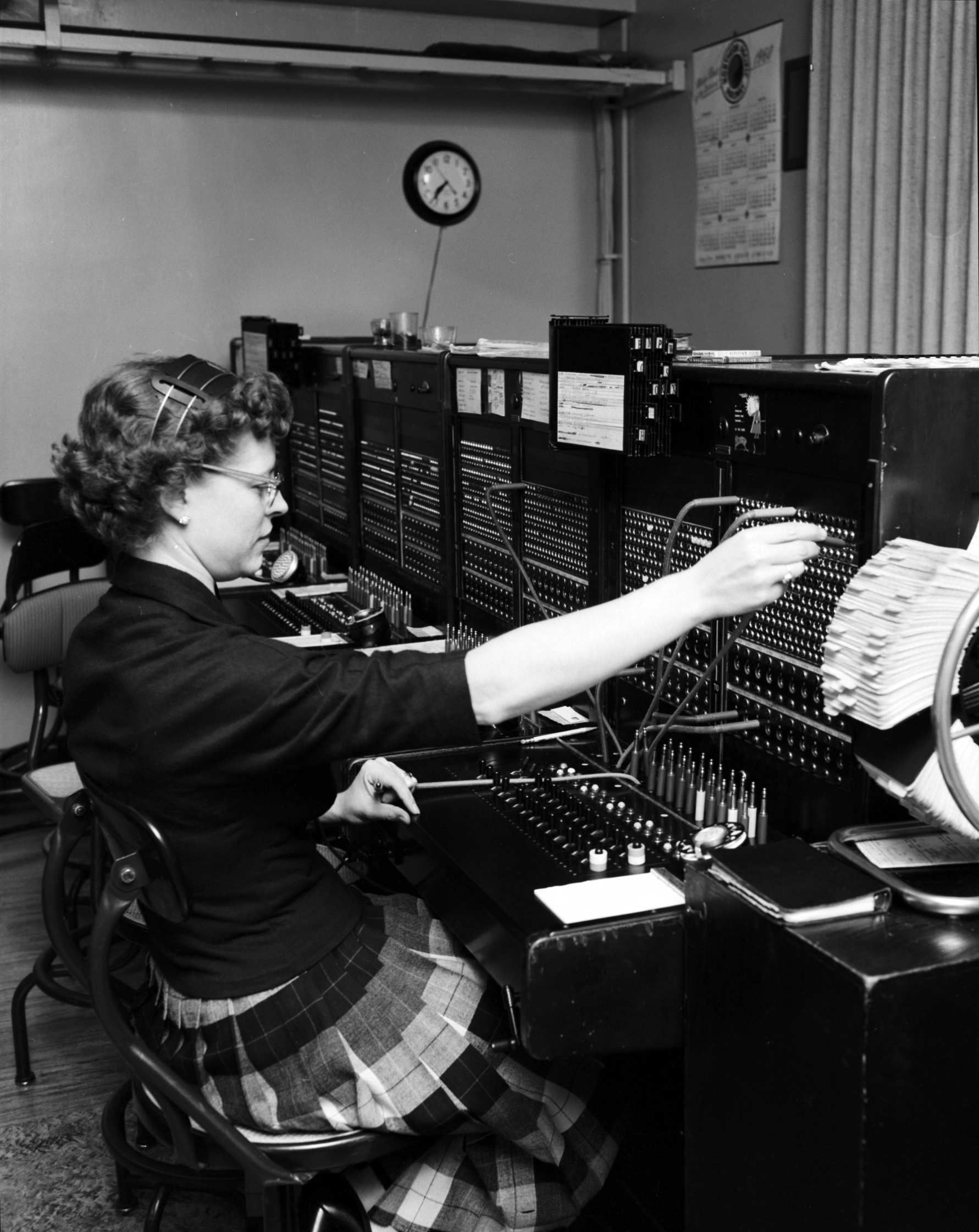
Somebody could be reached without any coin at all, and that person could connect a call, explain a procedure or summon help.
The human backstop is the part that has no modern equivalent. A child in difficulty, with no money and no idea what to do, could reach a competent adult whose job was to deal with exactly that, which is a reassurance no mechanism supplies.
Finding One Was a Skill in Itself
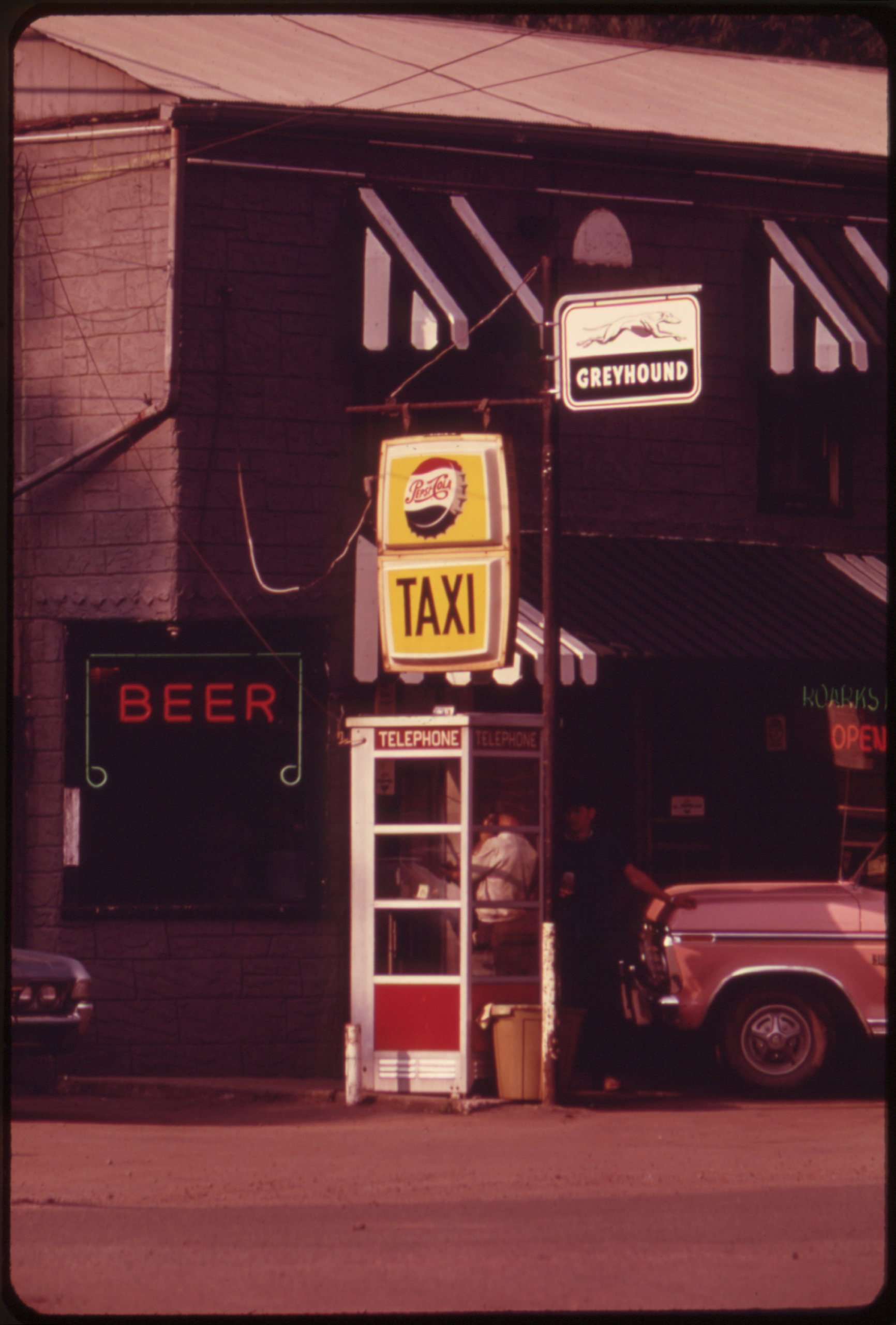
Children carried a mental map of where the boxes were, and the knowledge was specific, local and shared.
The mapping was learned by use. A child knew which box worked, which one took coins without connecting and which one had a door that closed, and the information travelled between children in the way all practical local knowledge did.
A Broken One Was a Genuine Problem
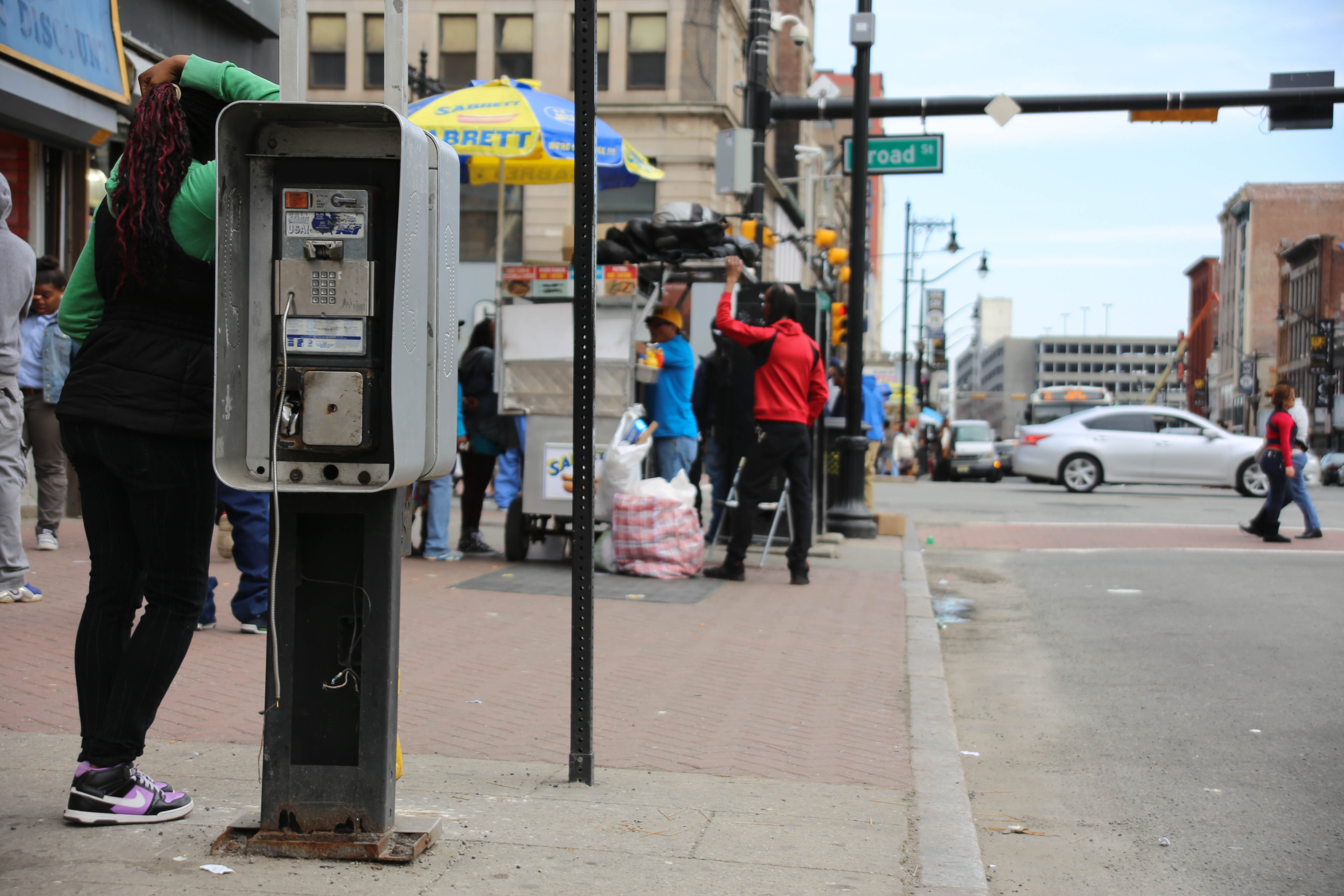
A box that did not work meant walking to the next one, and the next one might be a considerable distance away.
The fragility of the network is easy to underestimate. The whole arrangement depended on a functioning machine being within reach, and a child standing in front of a dead one had lost their only connection to anybody.
The Coin Was Issued and Reissued by an Adult

A parent handed it over before a child went out and took it back afterwards, which made it a piece of equipment rather than a possession.
The issuing is the detail that shows how the arrangement was understood. Nobody gave a child a coin to keep; they lent them a connection for an afternoon, on the understanding that it came back, and the transaction was repeated every single time a child left the house.
The Call Was Always Short and Always About One Thing
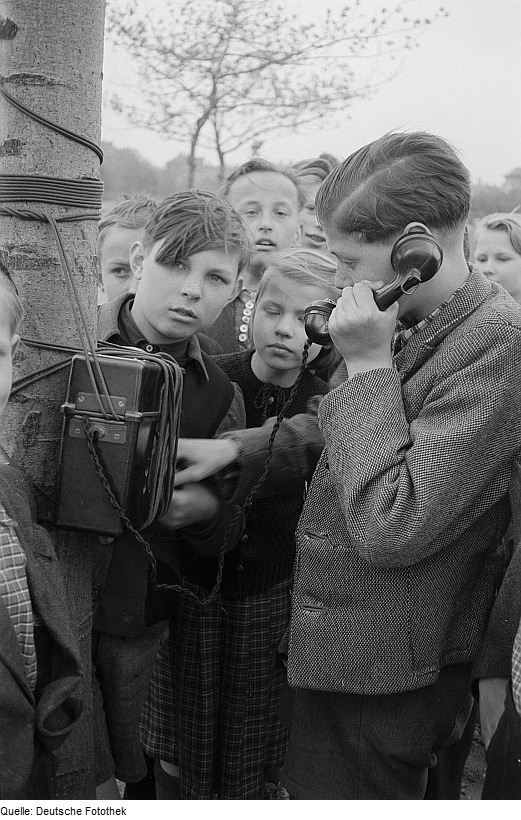
Children rang to say where they were, to ask permission or to report a change of plan, and almost never for anything else.
The narrowness reflects the cost. A paid, timed, public, hard-to-hear call is not a medium for conversation, and the entire traffic consisted of logistics delivered in about twenty seconds.
It Was the Only Way a Household Could Be Reached
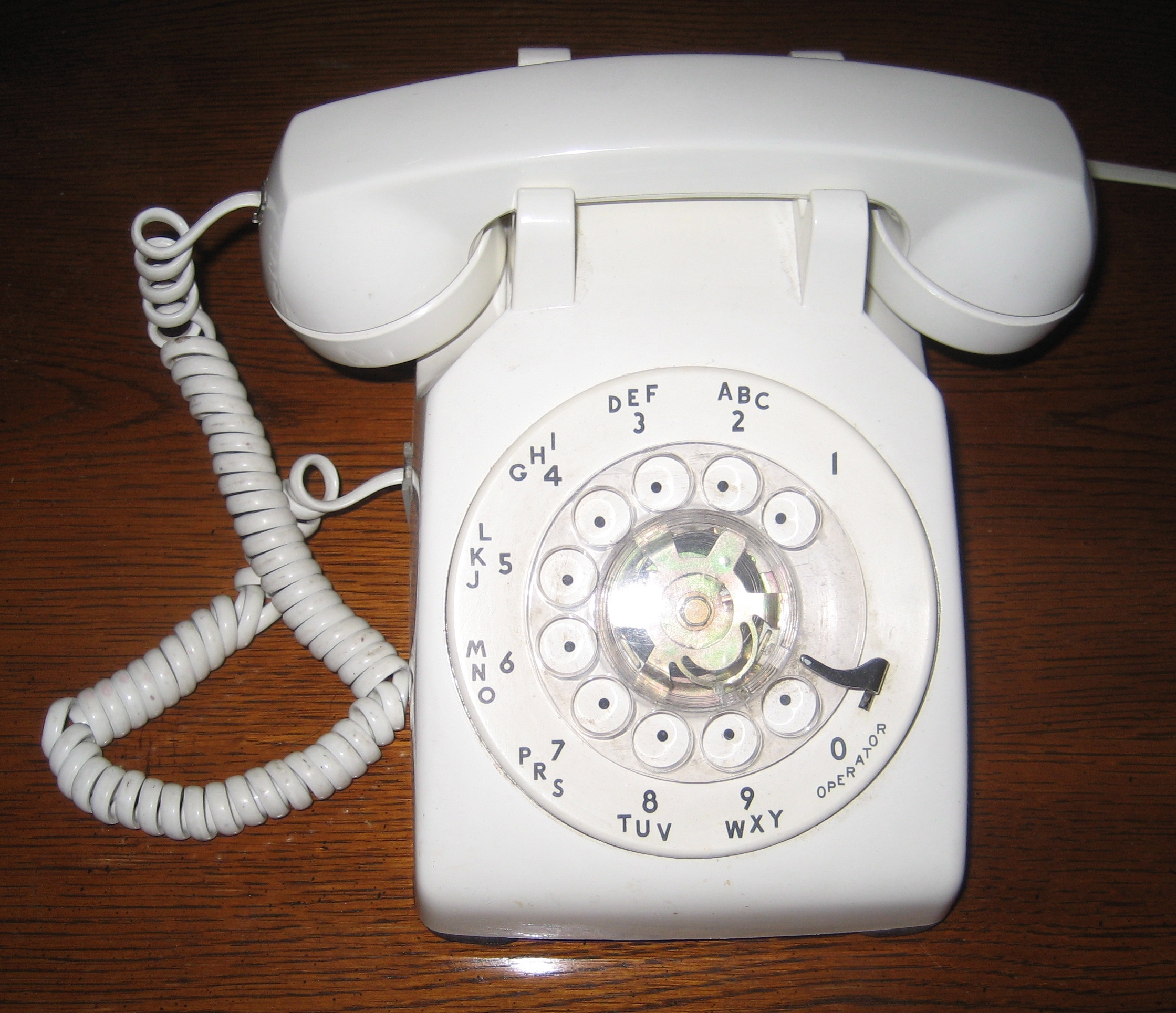
A parent at home had no means of contacting a child who was out, which made the direction of the whole system one-way.
That asymmetry is the central fact of the period. A household could not reach a child under any circumstances, so the child carried the entire responsibility for maintaining contact, which is why the coin mattered so much.
Not Calling Was the Normal State
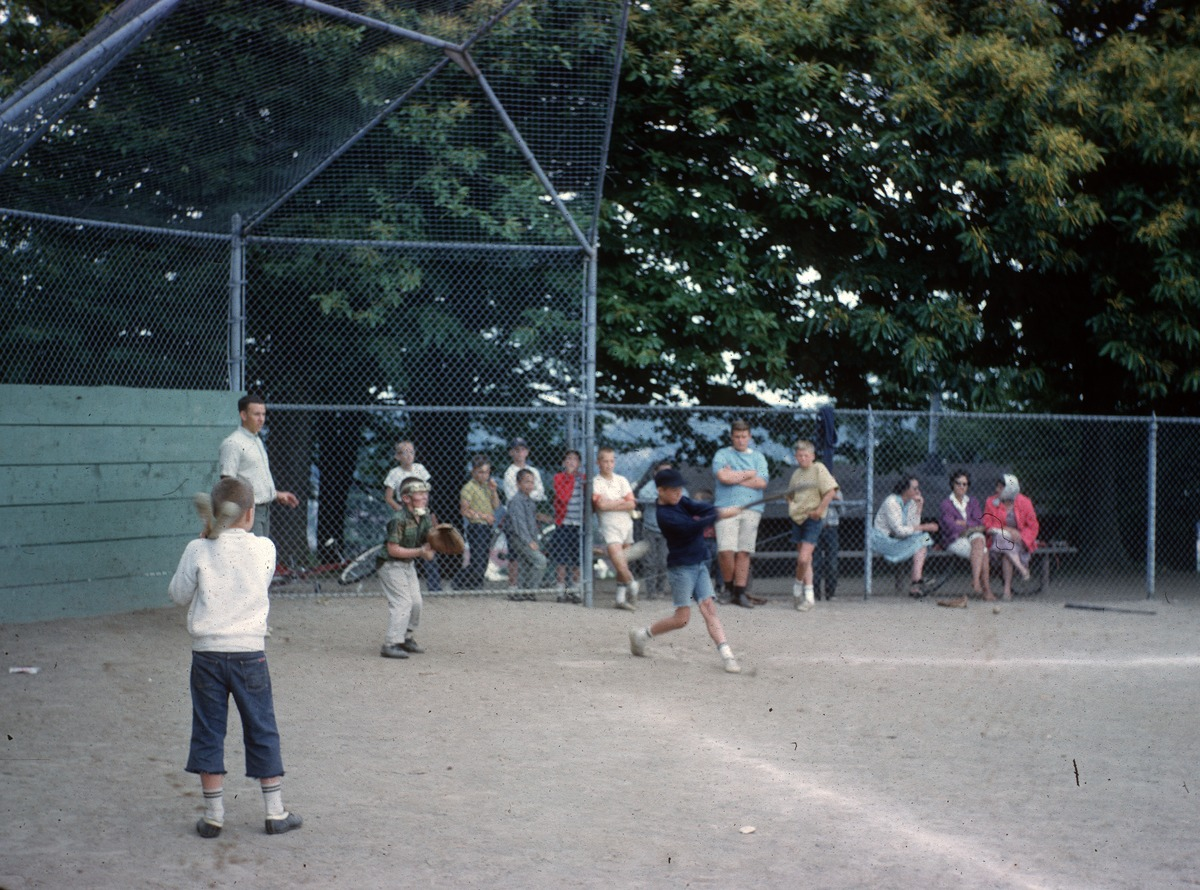
Most afternoons produced no call at all, and that was expected rather than worrying.
The silence was the default and nobody read anything into it. A child out for five hours who did not ring had simply had an ordinary afternoon, and a household that had heard nothing assumed exactly that.
The Coin Came Home Again and Was Checked

At the end of the afternoon the coin was still there, and its continued presence was part of the account a child gave of themselves.
The accounting is a small piece of custodianship. An object issued, carried, not used and returned is a complete demonstration of reliability, and a child who produced the same coin for a whole summer had established something about themselves.
It Taught a Specific Kind of Self-Reliance
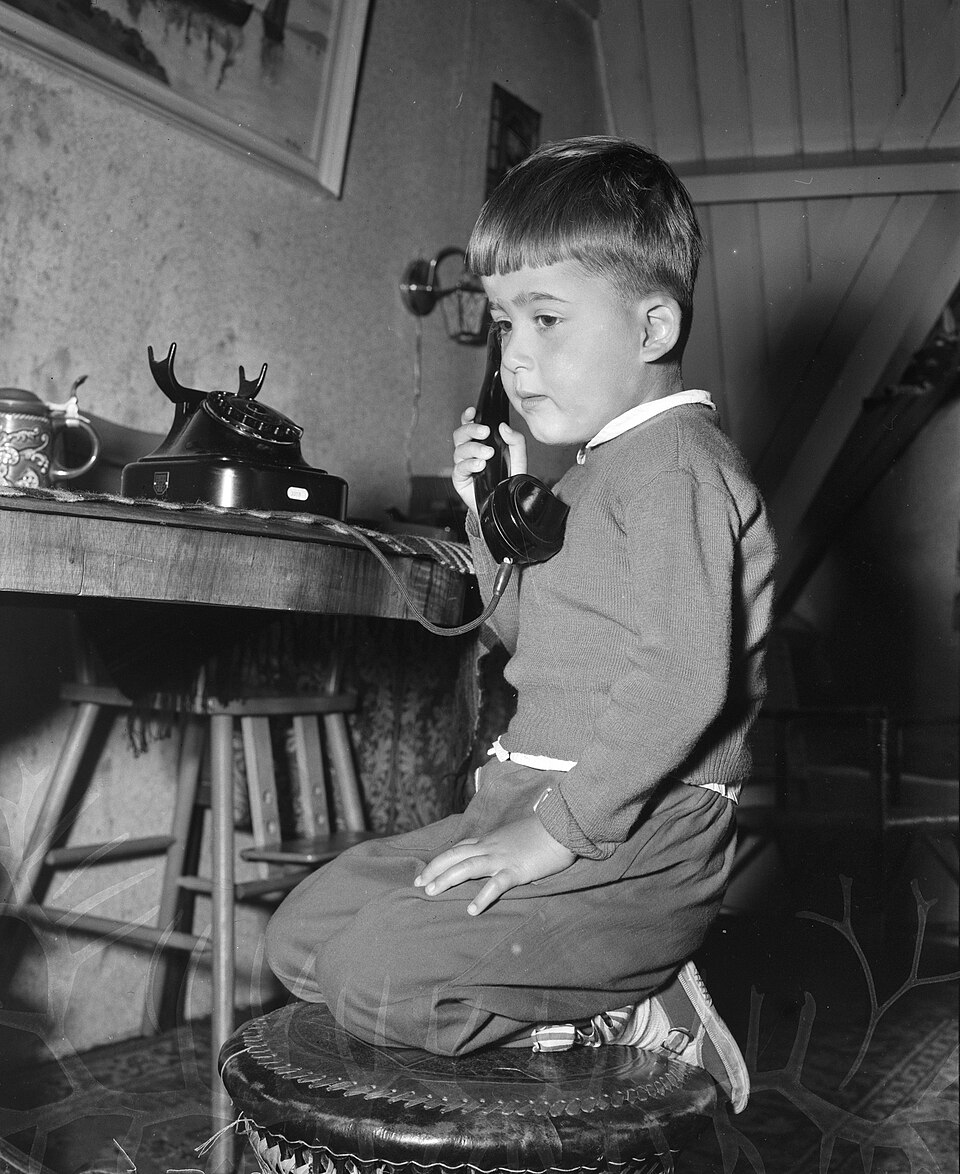
A child with one coin, one memorised number and one attempt had to think about consequences before anything went wrong.
That is the genuine lesson in the whole arrangement. Planning for a failure you cannot fix afterwards is a different mental habit from calling somebody whenever you like, and it was installed in an entire generation by a single coin in a shoe.
Older Children Were Expected to Place the Call for Younger Ones
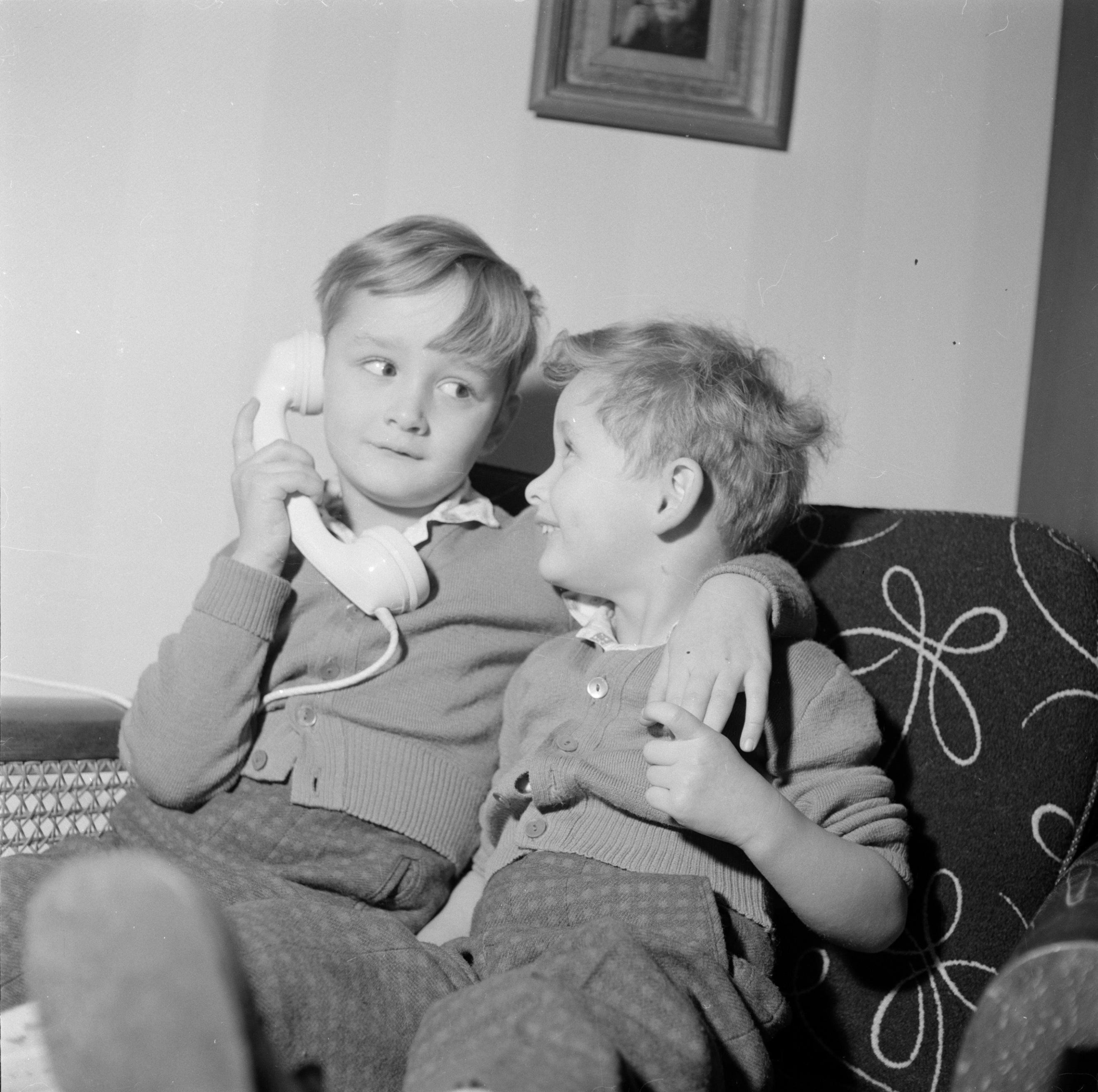
A group of children out together had one member who was responsible for knowing the number and handling the machine, and it was always the oldest.
The delegation was automatic and never discussed. An operation requiring a memorised number, a sequence nobody could guess and a conversation with an adult under time pressure is not a job for the youngest person present, and the group sorted that out without anybody suggesting it.
Then the Boxes Started Disappearing
Maintenance costs, falling use and vandalism reduced the network steadily, and the machine stopped being reliably within reach.
The thinning out removed the premise before anything replaced it. For a period there was neither a dependable box nor anything in a child’s pocket, which is the one genuinely worse moment in the whole story.
And Then Everybody Carried One
A telephone in a pocket does everything the coin did and the entire asymmetry reversed – a household can now reach a child at any moment.
Which is better in every respect and removed the structure completely. What has gone is not the ability to call home, which is now constant and two-way. It is the particular arrangement around it: one coin, kept where it could not be spent, a number held in memory, one attempt, twenty seconds, a stiff door that would not close, and the same coin produced at the end of the afternoon to show that nothing had gone wrong.
Like our content? Follow us for more.

