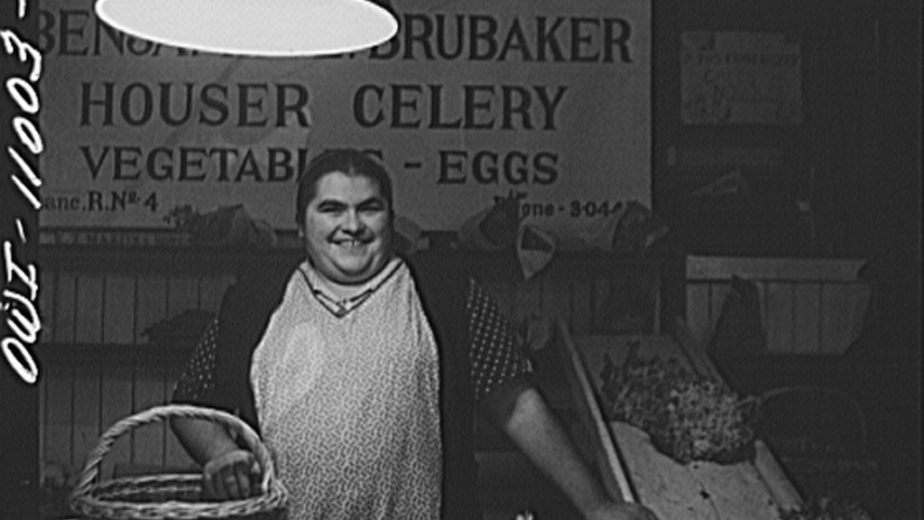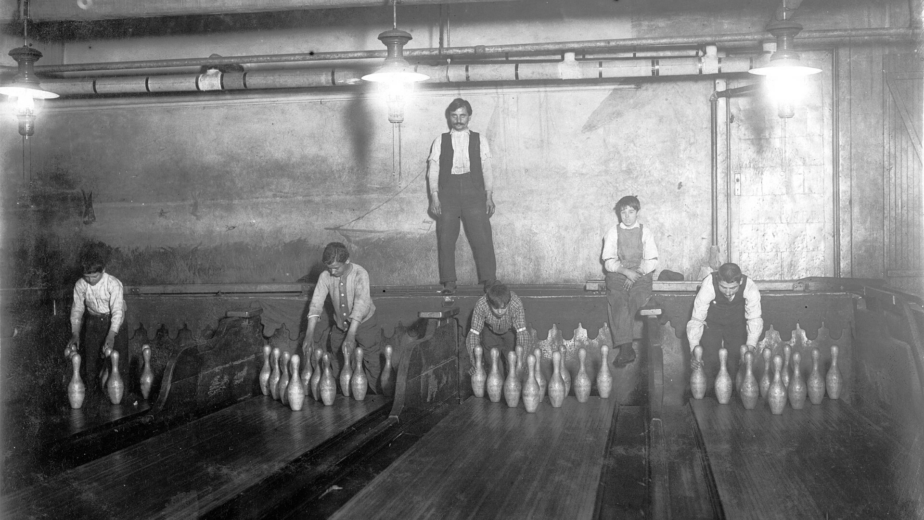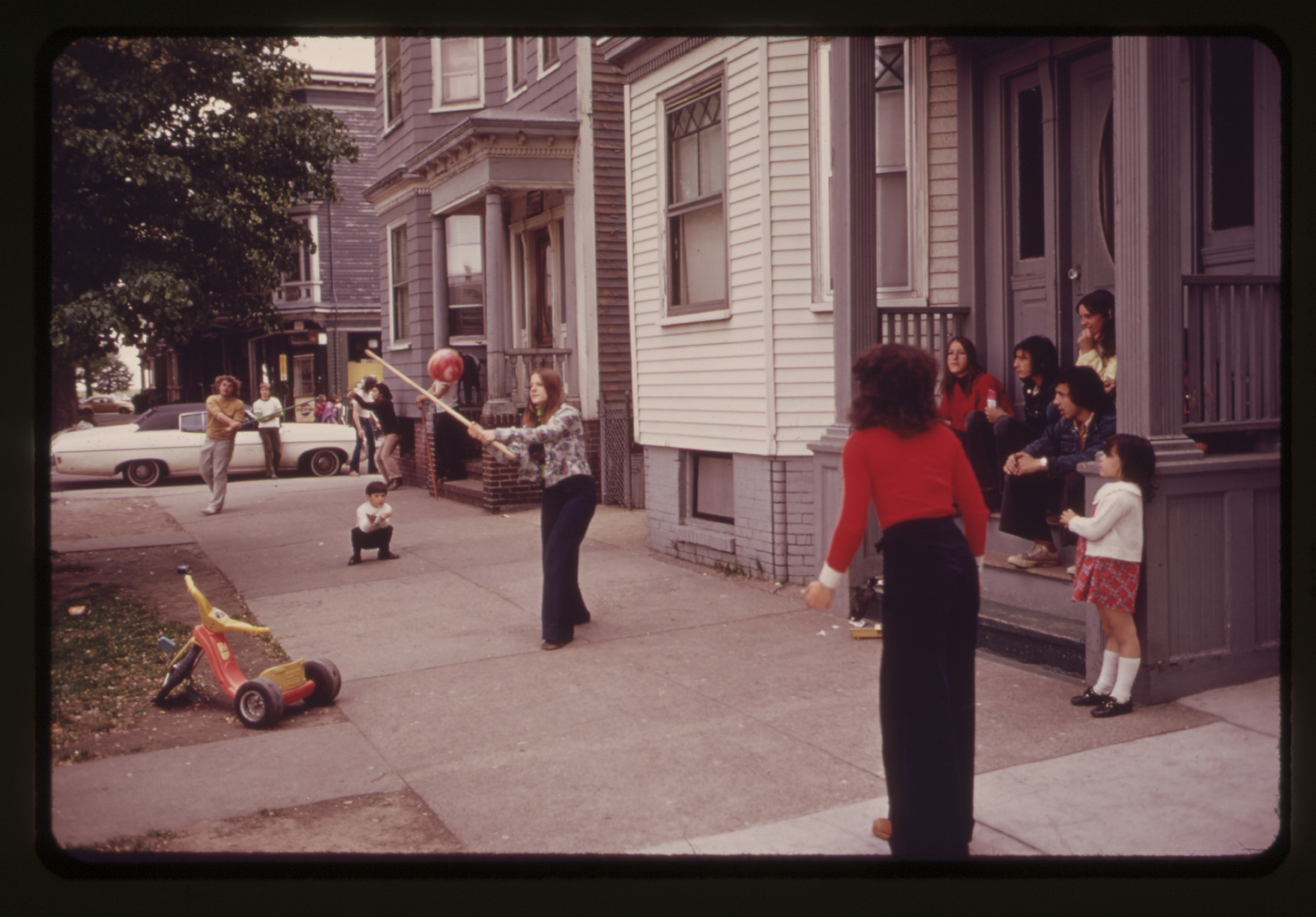
You were out of your own garden and out of sight of your own house within about ninety seconds, and it made almost no difference, because every window on the street had somebody behind it who knew exactly who you were. In 1964 a child’s supervision was not performed by their parents. It was performed by a dozen adults who had never discussed the arrangement and had never agreed to it.
The Adults Were Simply There All Day
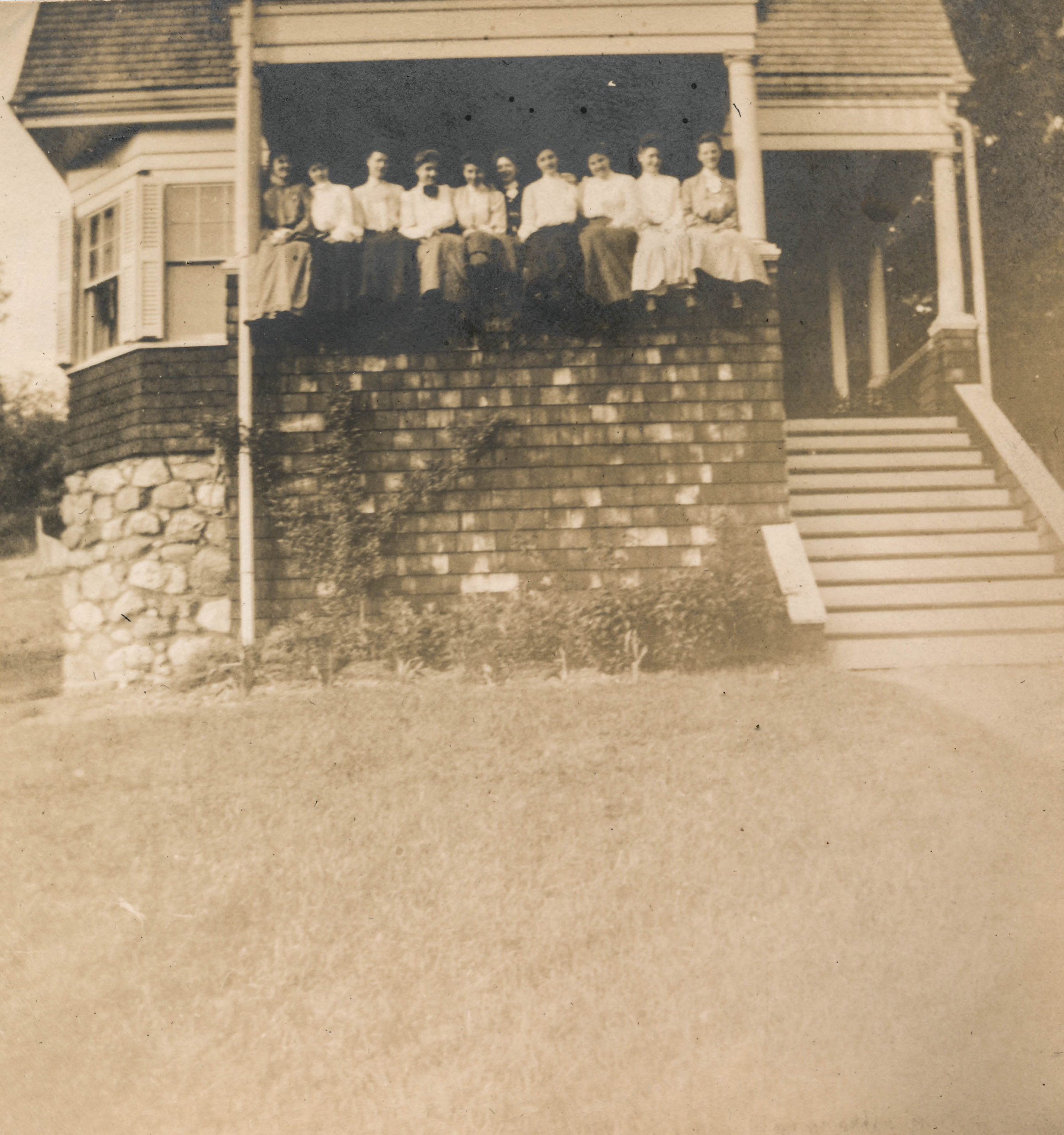
A street in which most households had one adult at home during the daytime is a street with continuous informal coverage, and that is the entire structural basis of the thing.
Everything follows from the occupancy. Supervision that requires nobody to do anything except be present in a house is free, continuous and effectively complete, and it existed because of how households happened to be arranged rather than because anybody designed it.
Like our content? Follow us for more.
Nobody Was Watching and Everybody Was
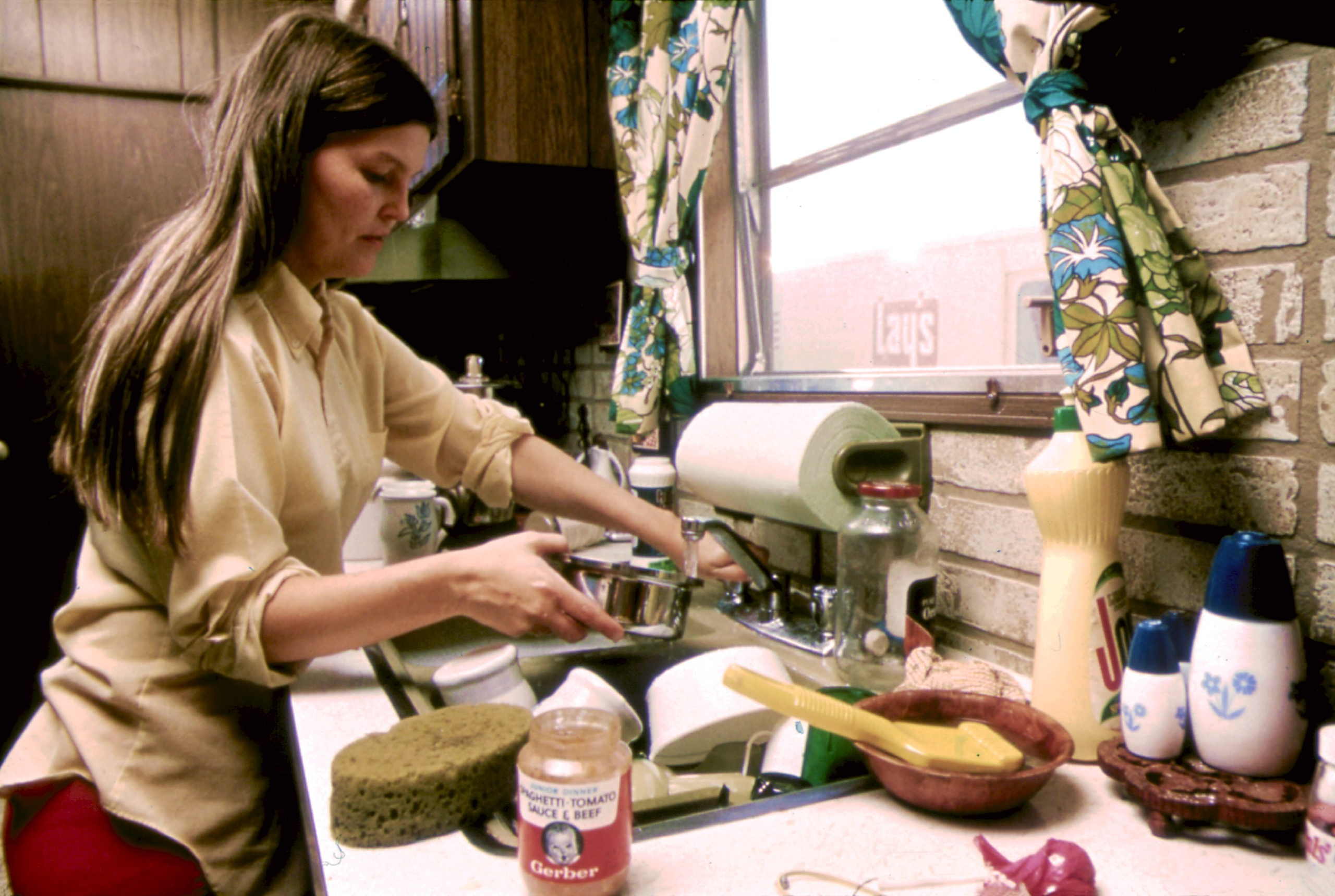
No adult spent any time observing children. What they did was notice things while doing something else.
The distinction matters enormously. Deliberate supervision is expensive and exhausting; incidental supervision costs nothing and catches almost as much, because an adult at a kitchen sink with a window over it sees the street without looking at it.
Any Adult Could Correct Any Child
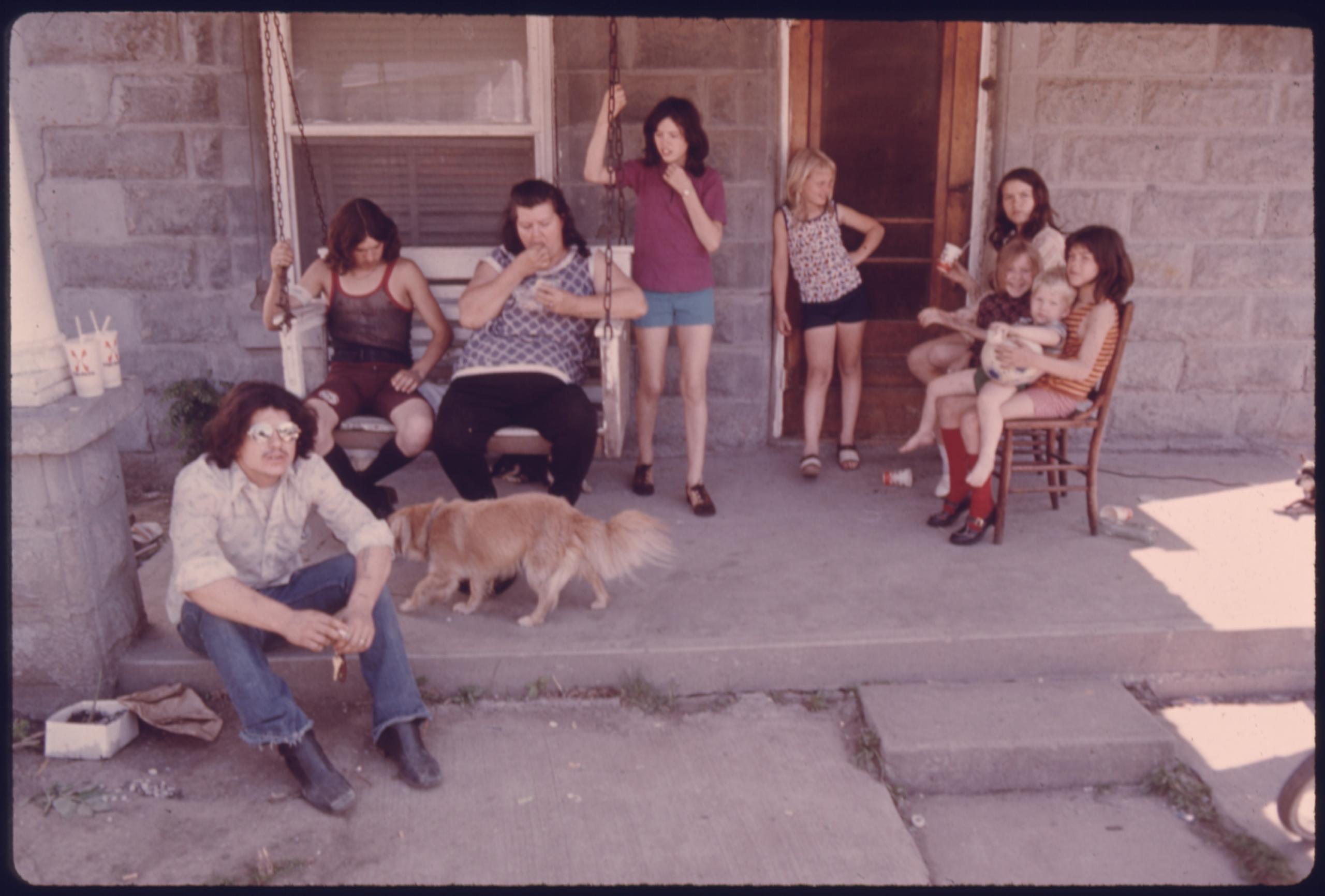
A woman three doors down had the standing to stop something, say something and be obeyed, and nobody questioned the authority.
The delegation was universal and completely unspoken. Nothing had conferred that authority on anybody, and the reason it worked is that every adult on the street both exercised it and submitted to it being exercised on their own children.
Being Corrected by Somebody Else’s Mother Was Worse
A rebuke from an adult who was not your parent carried more weight rather than less, which is the opposite of what anybody would predict.
The reason is reporting. A parent who tells a child off has concluded the matter; a neighbour who tells a child off has created the possibility that it will be mentioned later, and the uncertainty was considerably more effective than the rebuke.
Information Travelled Faster Than Children Could Walk

Something that happened at one end of a street was known at the other before the child involved got home.
The speed is the part people remember with most feeling. A ten-year-old walking home slowly to delay a conversation was frequently walking into a household that already knew, which is a dispiriting discovery to make repeatedly.
The Channel Was Entirely Verbal and Entirely Reliable
Nothing was written, nothing was formal and the network consisted of adults talking to each other across hedges, at doors and in shops.
The informality was the strength. A system with no record, no procedure and no delay moves information at the speed of conversation, and conversation between people who see each other eight times a day is extremely fast.
Children Mapped the Street by Risk
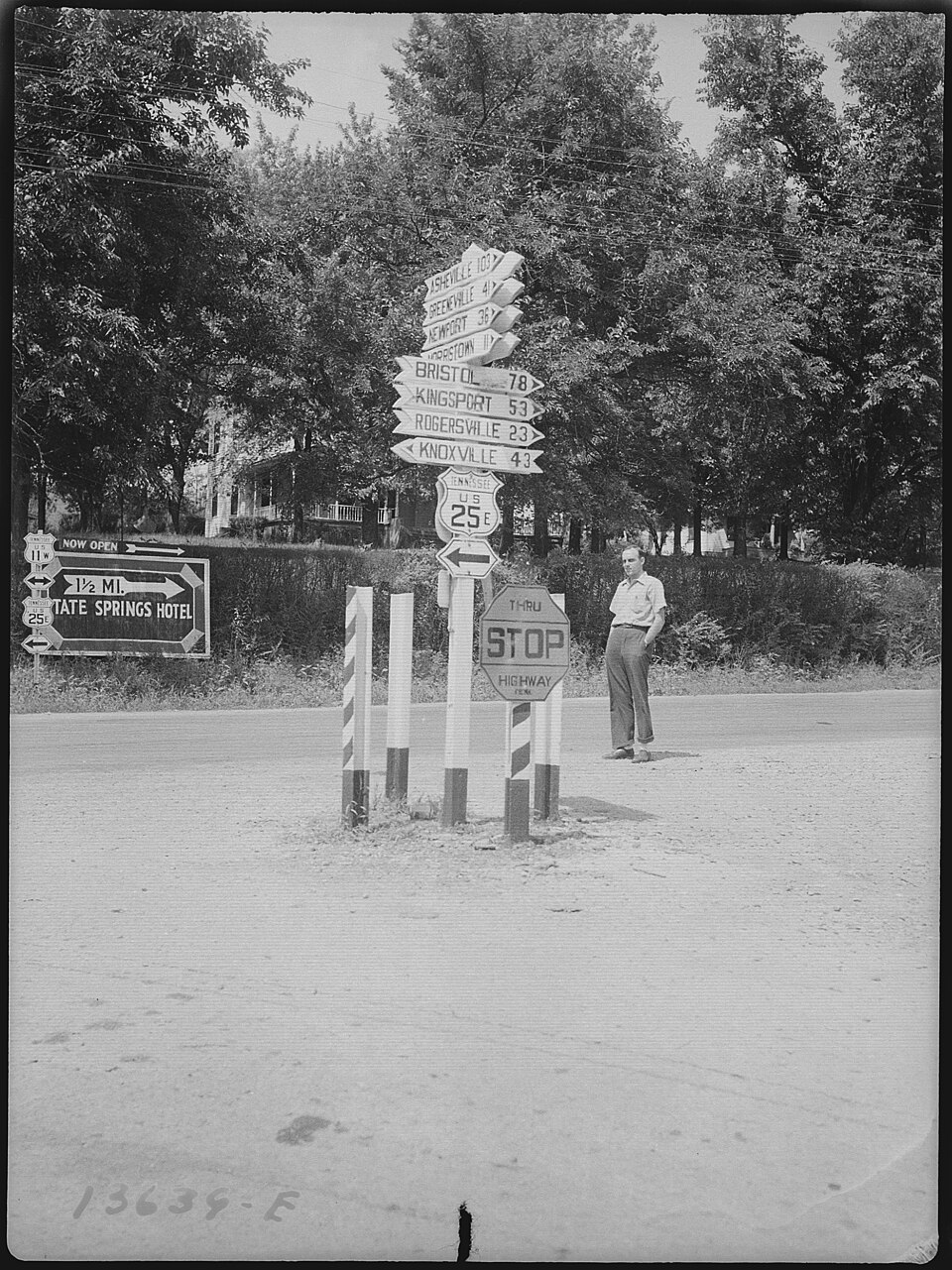
Every child knew which houses noticed things, which ones reported them and which ones could be relied upon not to.
The knowledge was detailed and accurate and was compiled entirely by experience. A route home could be chosen on the basis of who was likely to be at which window, and children made that calculation without ever describing it to themselves as one.
Some Houses Were Sanctuary and Everybody Knew Which
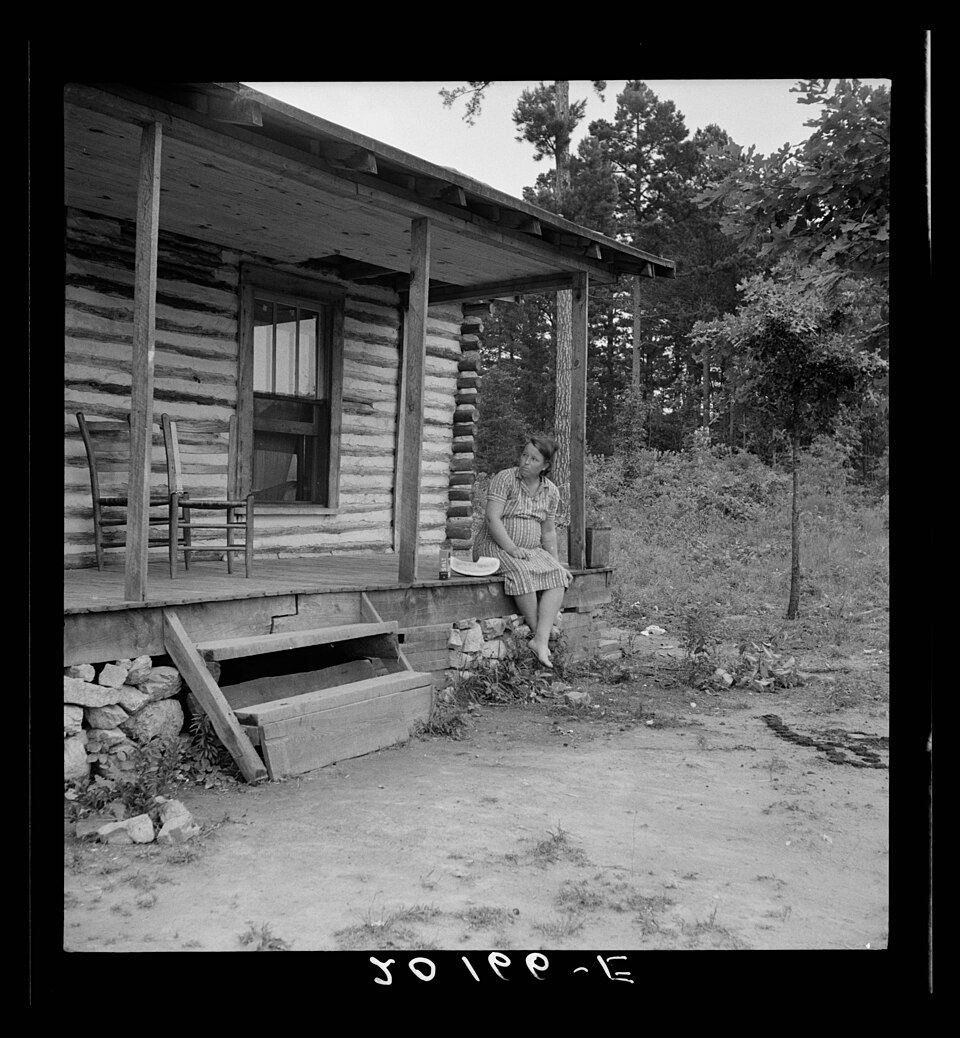
A particular household could be relied on for a plaster, a drink of water, a telephone or simply somewhere to sit, and children went there as a matter of course.
The designation was never official and never varied. One or two adults on every street had somehow established themselves as approachable, and the children of that street had sorted this out among themselves without any adult involvement at all.
The Front Window Was the Instrument

A chair positioned to see the street, a sink under a window, a door frequently open – the architecture of these houses put adults in a position to see without arranging anything.
The buildings did half the work. A kitchen at the front with a window over the sink means an adult washing up is facing the street, and an enormous amount of informal supervision was a by-product of where somebody had put a plumbing fixture.
Being Sent Out Was the Default State
Children were expected to be outside, and a child indoors on a fine afternoon was regarded as a problem rather than a relief.
The expectation inverted the modern arrangement completely. A household wanted its children out of the house, the street was where they went, and the supervision system existed because the street was full of them.
The Boundaries Were Named and Absolute
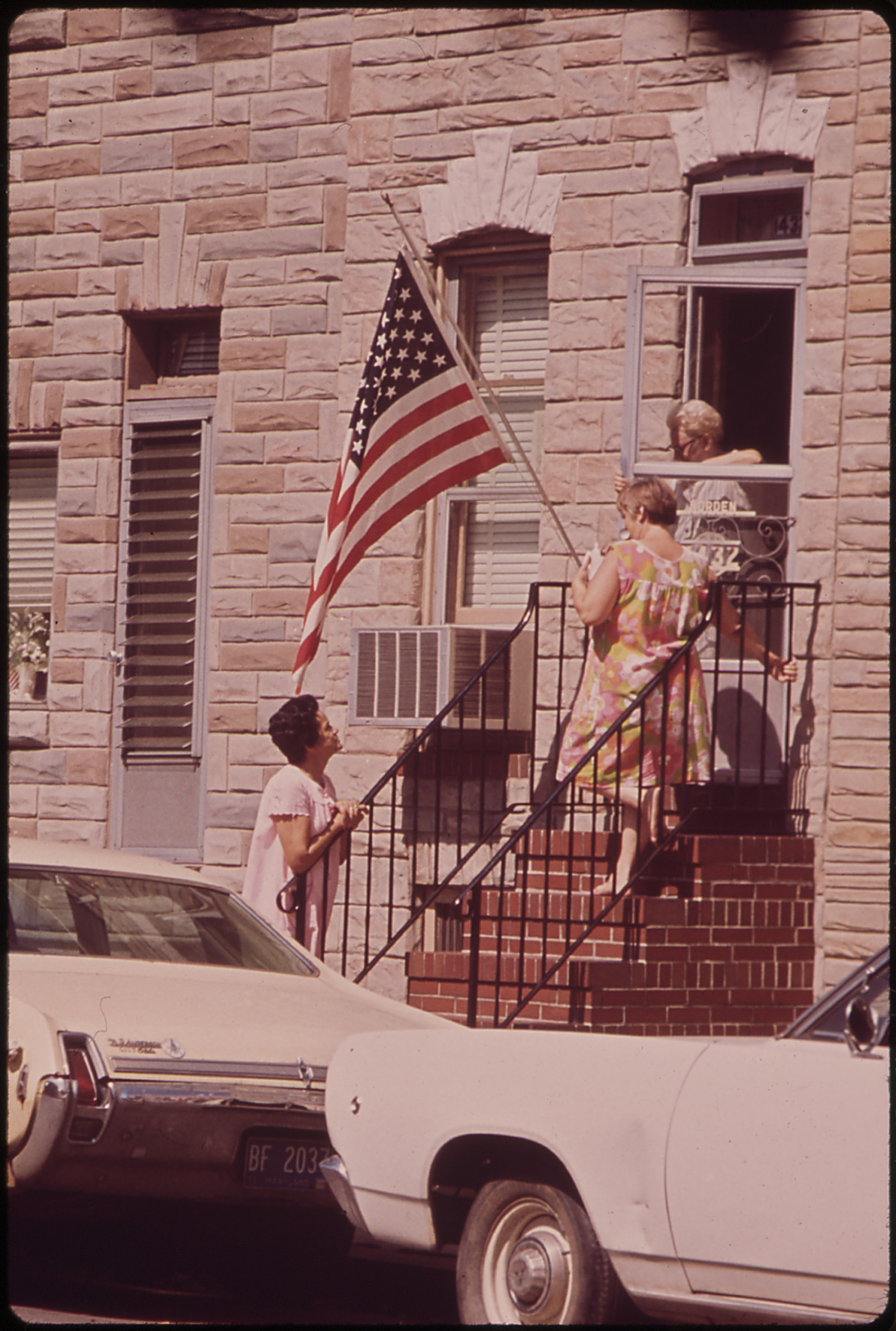
A child was told which corner, which road or which house marked the limit, and the limit was obeyed considerably more often than anybody would expect.
The compliance is the surprising part. A boundary that cannot be enforced by anybody is obeyed because crossing it is visible, and a child who went past the named corner had entered territory where the watching adults did not know them.
Going Beyond the Known Street Changed Everything
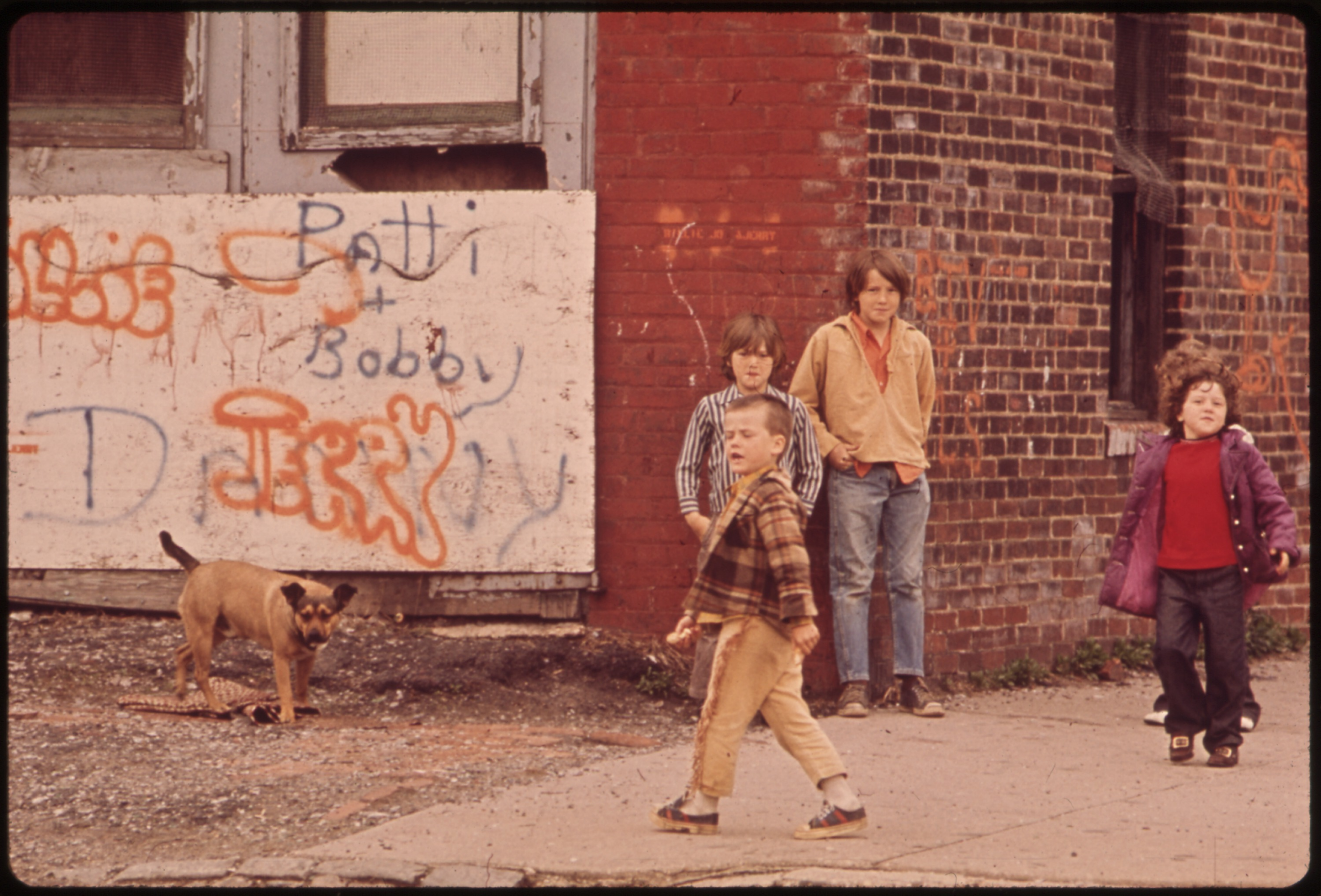
Two streets away a child was anonymous, and anonymity removed both the supervision and the safety at the same time.
The trade was understood instinctively rather than explained. A child who could not be recognised also could not be reported, and the same adults who would have corrected them would also have helped them, which is a connection children worked out early.
The Calling In Was Audible and Collective
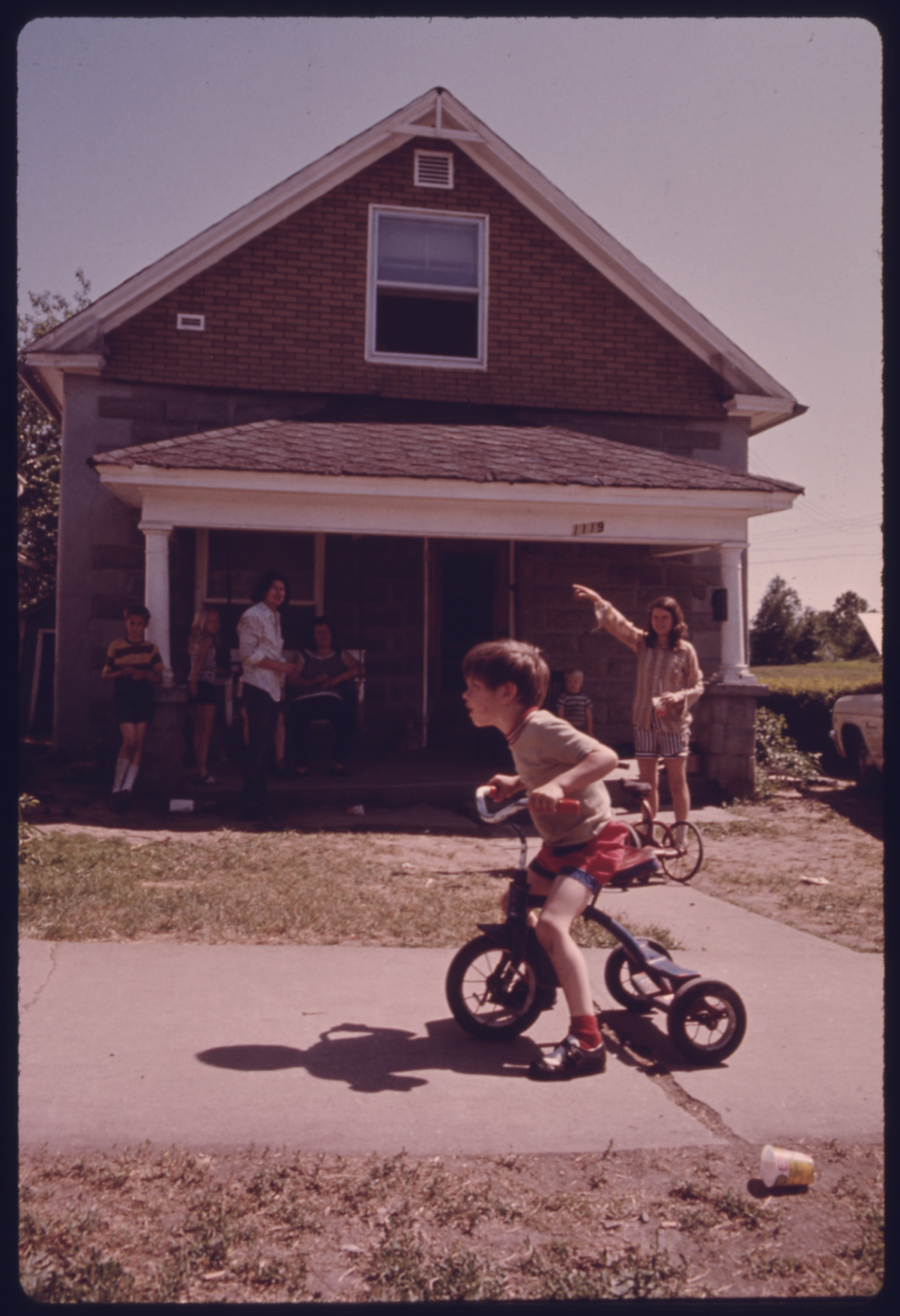
Children were summoned by name, by voice, from doorsteps, and the whole street heard every summons.
The publicity of it structured the evening. A child called in while others remained out had been publicly singled out, and the sequence of names across a street between five and six in the evening was a kind of timetable everybody could hear.
Mothers Knew Every Child’s Name and Every Household’s Business
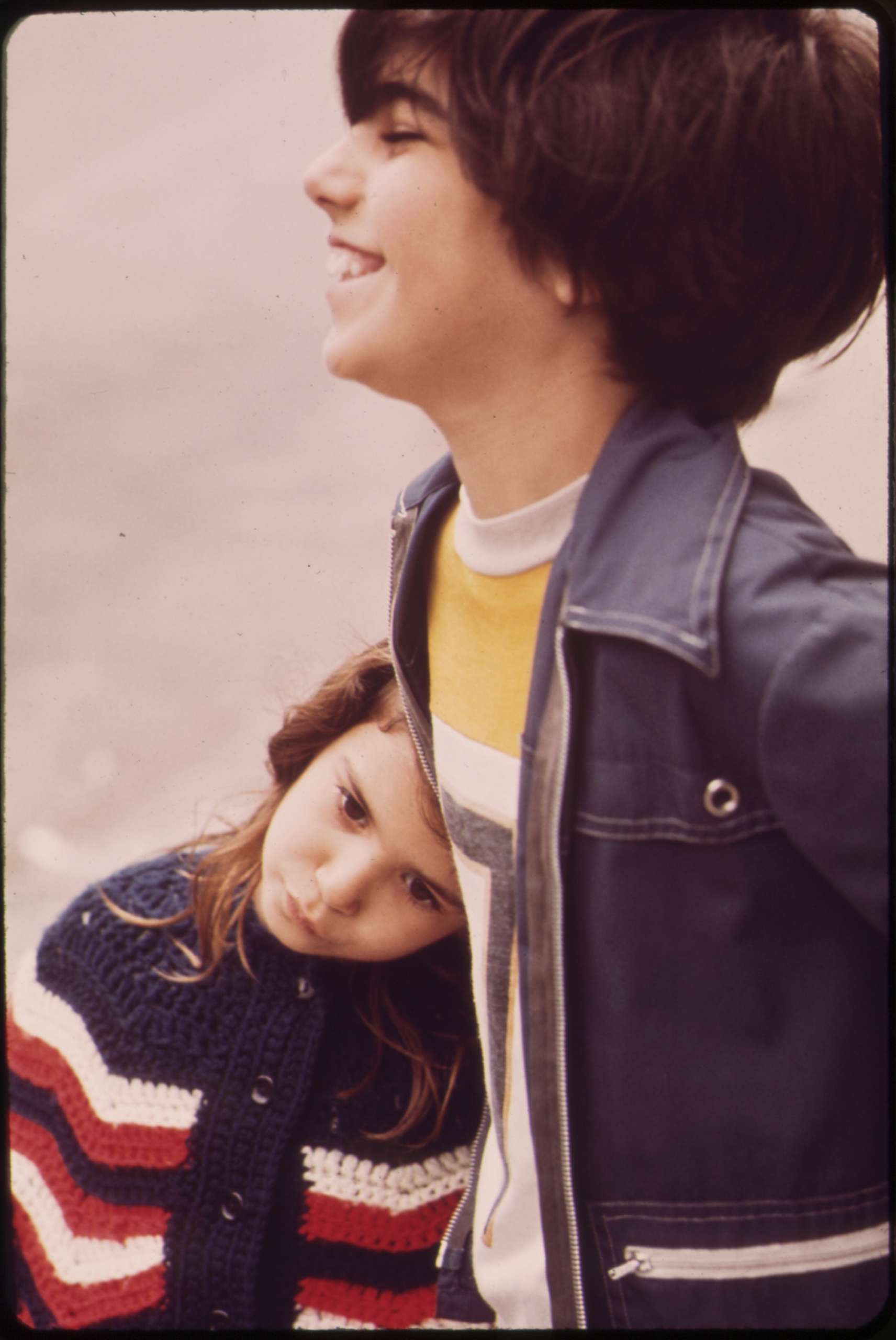
The information held by a street’s adults about its children was comprehensive, accurate and entirely informal.
That knowledge is what made the whole system function. Supervision requires identification, and a network in which every adult can name every child, place them in a household and recall what happened last week has solved the hardest part of the problem.
It Was Not Benign and Nobody Pretended It Was

The same network that noticed a child in difficulty also noticed everything else, and a household with any kind of trouble had no privacy at all.
That is the honest cost and it was substantial. A system of complete mutual observation protects children and exposes adults, and the families who found it oppressive had entirely legitimate grounds for doing so.
Judgement Travelled Alongside the Information
A household’s arrangements, habits and difficulties were known, discussed and assessed by people who had no business assessing them.
The surveillance cut in every direction. The street that would have told you your child was in trouble was also the street that had opinions about your washing, your visitors and your marriage, and plenty of people left exactly that arrangement with enormous relief.
A Child in Genuine Difficulty Was Noticed Quickly
The one unambiguous benefit was speed. A child who was lost, hurt or somewhere they should not be was identified and returned within minutes.
The response time is the thing the system was best at. A dozen adults who know every child by name will locate one almost immediately, and that is a form of protection that no amount of individual parental attention can match.
Then the Houses Emptied During the Day
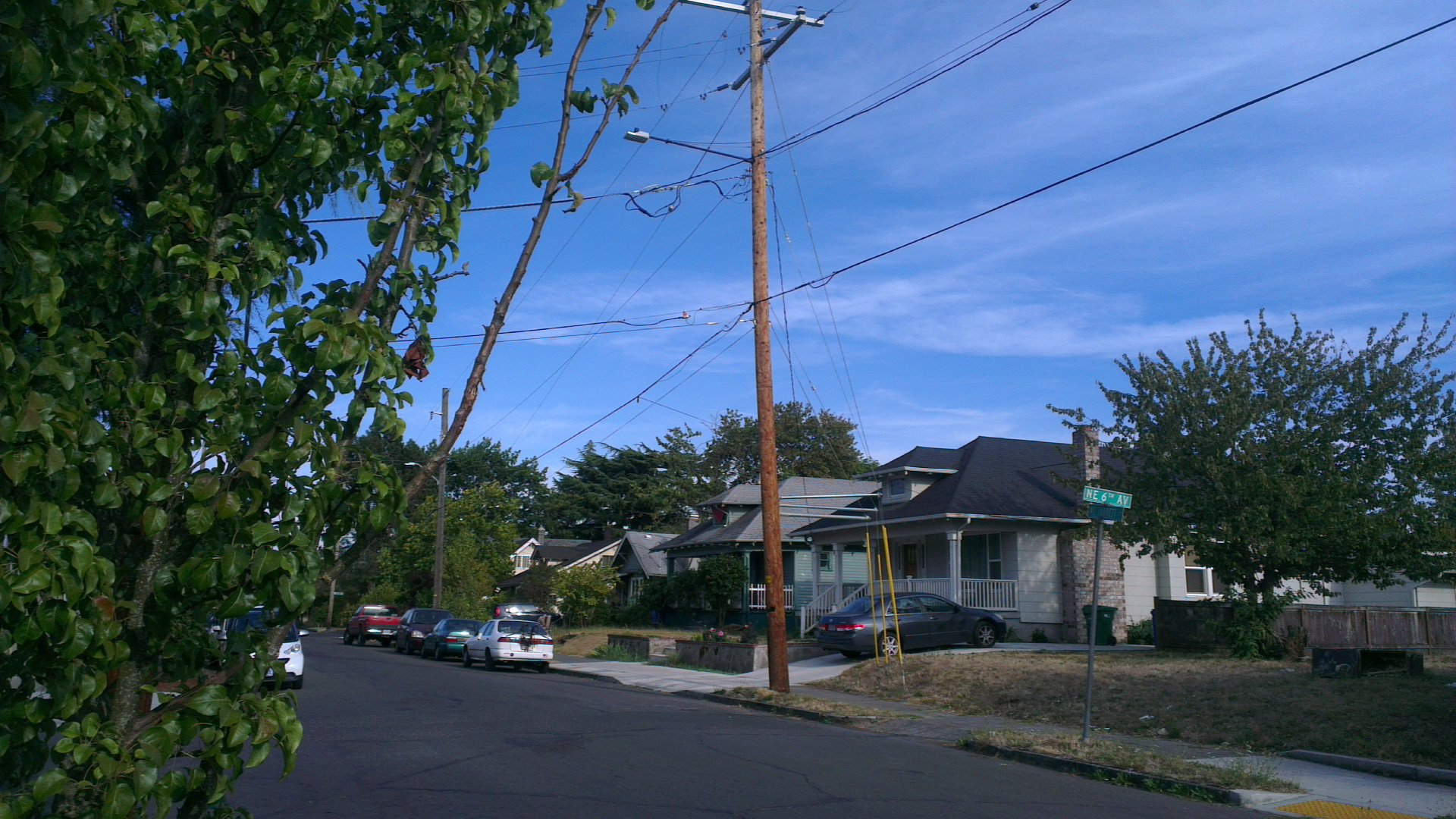
Households in which every adult was out at work removed the occupancy the whole system depended on, and the windows went dark.
The cause was economic and demographic rather than anybody’s decision about supervision. A street with nobody in it during the day cannot watch anything, and the arrangement ended without a single person choosing to end it.
Then the Children Stopped Being Outside

Organised activity, different expectations about where a child should be and considerably more indoor provision reduced the population of the street to almost nothing.
The second removal finished it. Even where adults remained at home, there was nothing to notice, because the children who had supplied the whole subject of the network had been relocated indoors and into scheduled activities.
And Nobody Would Accept the Authority Now
An adult correcting somebody else’s child on a street would today be exercising a standing that no longer exists and would not be recognised.
That is the honest end of it, and it is not simply a loss. The authority was never conferred, rested entirely on mutual consent between people who knew each other, and came packaged with a degree of mutual surveillance that a great many households were glad to escape. What went with it is the specific thing it bought: a street on which a six-year-old could be out of sight of their own house all afternoon and still be, at every moment, within sight of somebody who knew their name.
Like our content? Follow us for more.