

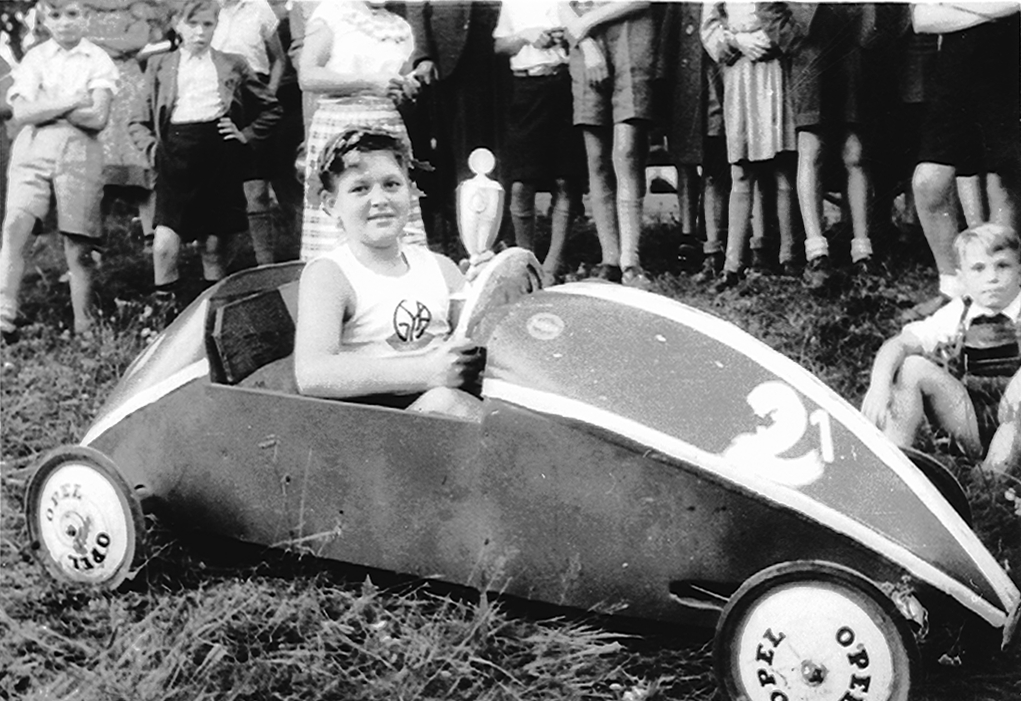
It started with a set of wheels somebody had found and ended somewhere near the bottom of a hill, and the entire middle of it was conducted by children with no plan, no measurements and no adult. In 1966 building something that moved was one of the few genuinely open-ended projects available to a child, and almost everything about how it was done came from what could be obtained for nothing.
The Wheels Decided Everything
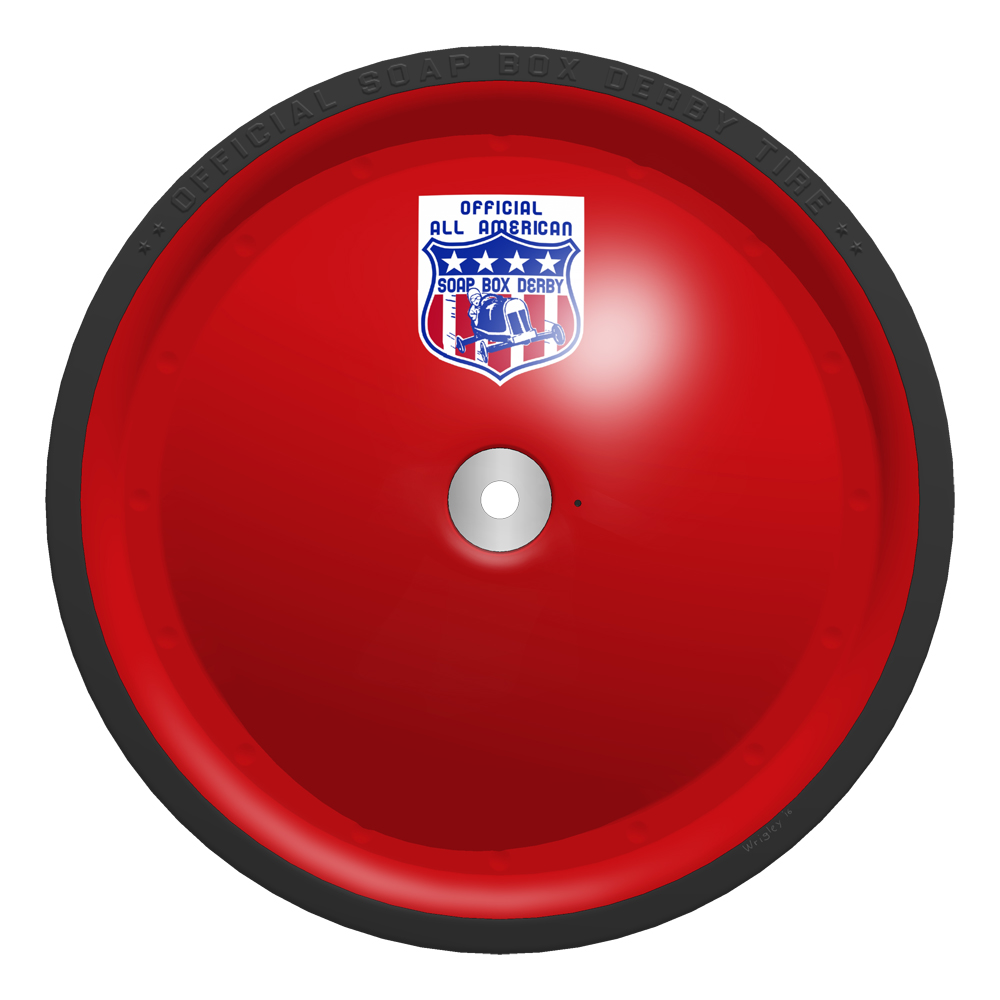
Nothing could start until a set of four wheels existed, and the wheels that turned up determined the size, the shape and the whole character of the result.
The sequence is backwards from how anybody would design something and it was unavoidable. Wheels were the one component that could not be improvised from scrap, so the project began with whatever was available and the rest was built to fit.
Like our content? Follow us for more.
Everything Else Came From What Was Lying Around
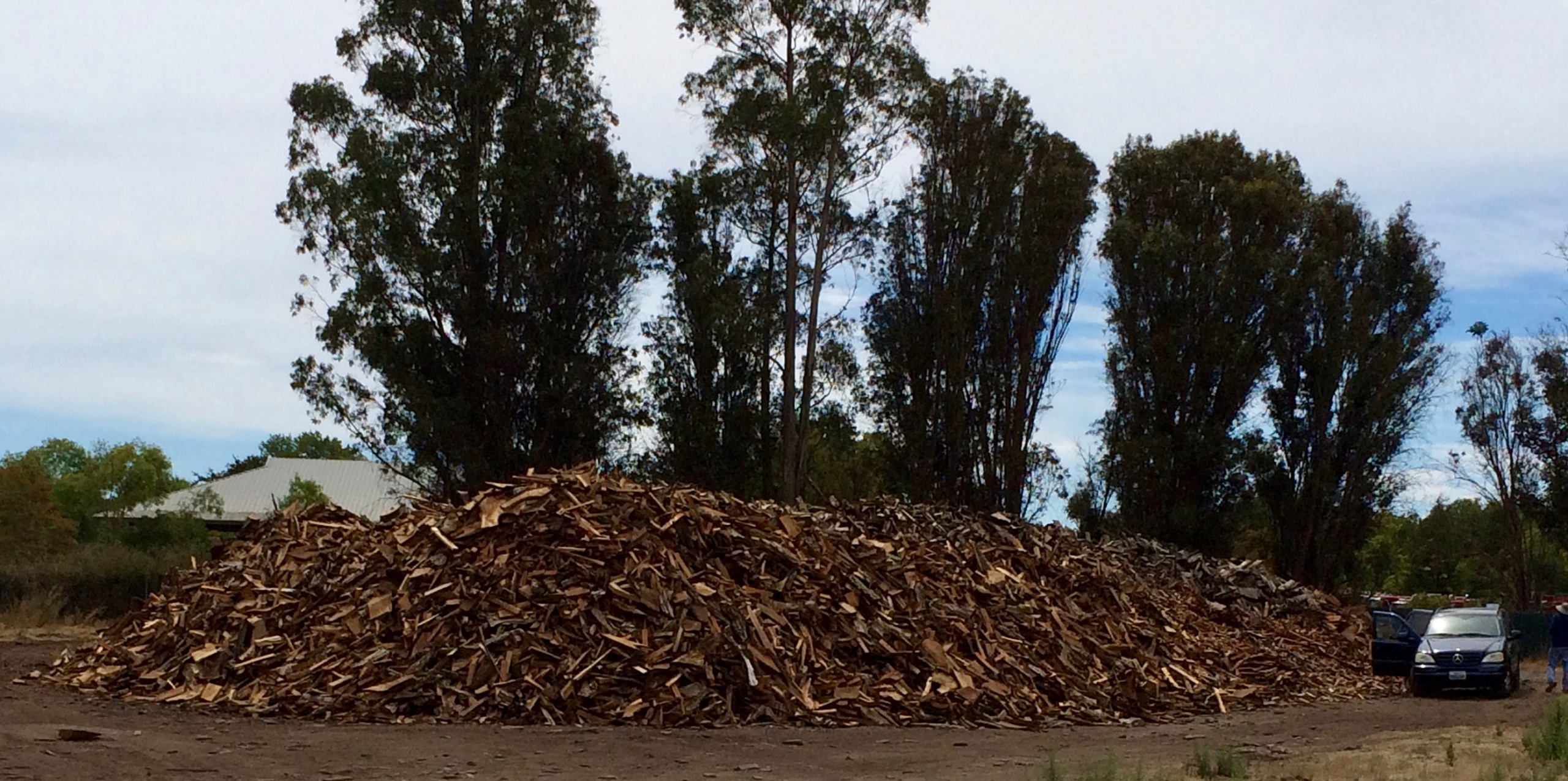
Boards, crates, planks from a fence, pieces of a broken piece of furniture and whatever a household had stopped using supplied the entire structure.
The sourcing is the part that is hardest to reproduce now. A 1966 household and its surroundings contained a continuous supply of reusable timber and hardware, and a child looking for materials had a genuine inventory to work from.
Nothing Was Measured and Nothing Was Drawn
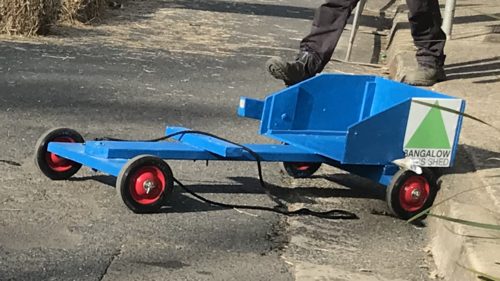
There was no plan, no sketch and no dimension, and the thing was assembled by holding pieces against each other and deciding.
The absence of a design is a feature rather than a failure. A project with no drawing has no specification to fall short of, which means every outcome counts as a success and nothing can be judged wrong by anybody.
The Steering Was the Real Engineering Problem
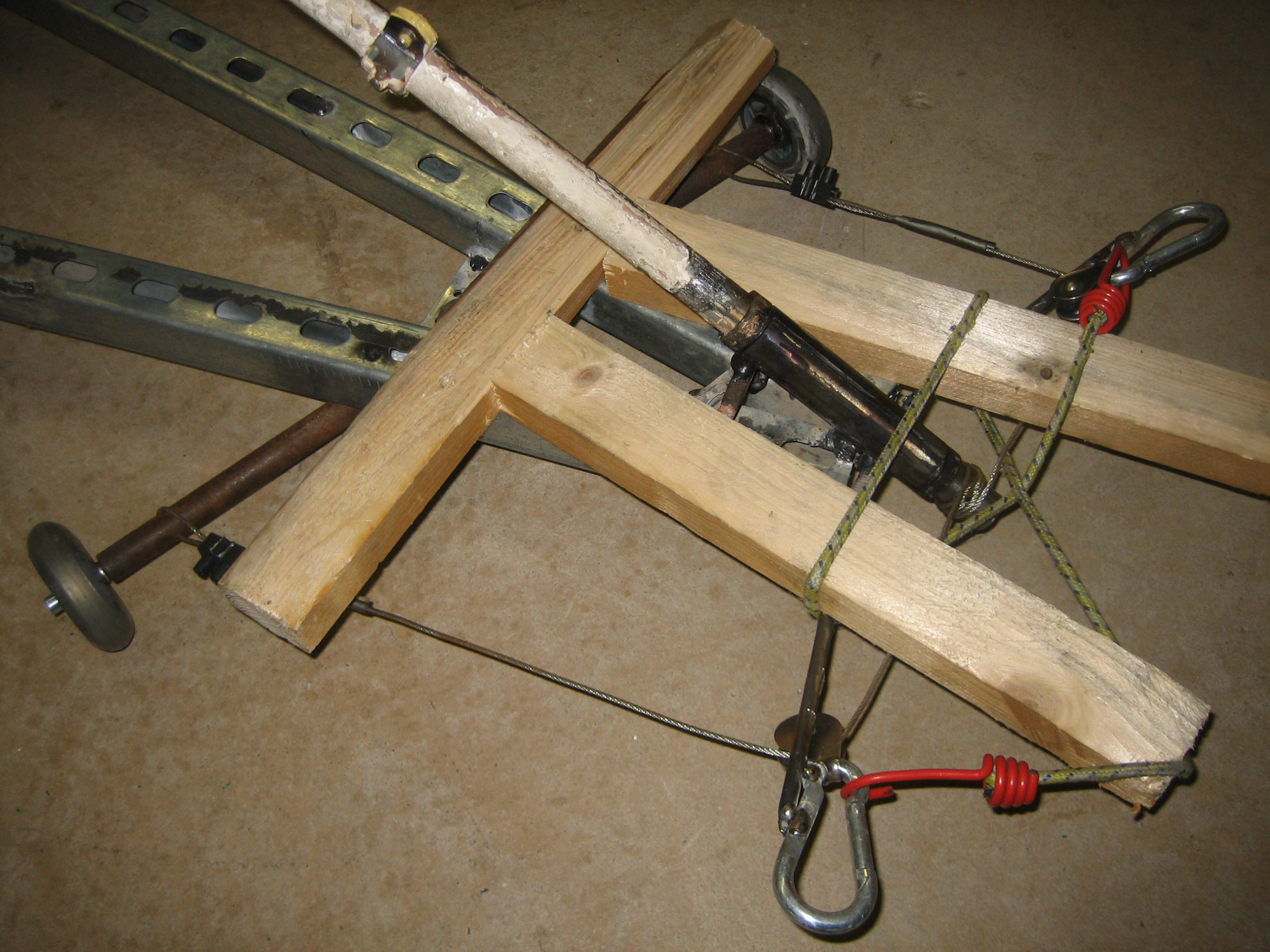
Making something turn requires a pivot, and a pivot requires a bolt, a hole and a degree of precision the rest of the construction did not.
That one component is where every build either worked or did not. The front axle had to turn and stay attached, which is the only part of the whole object that cannot be solved by adding more nails, and most of the failures were there.
The First Version Always Failed
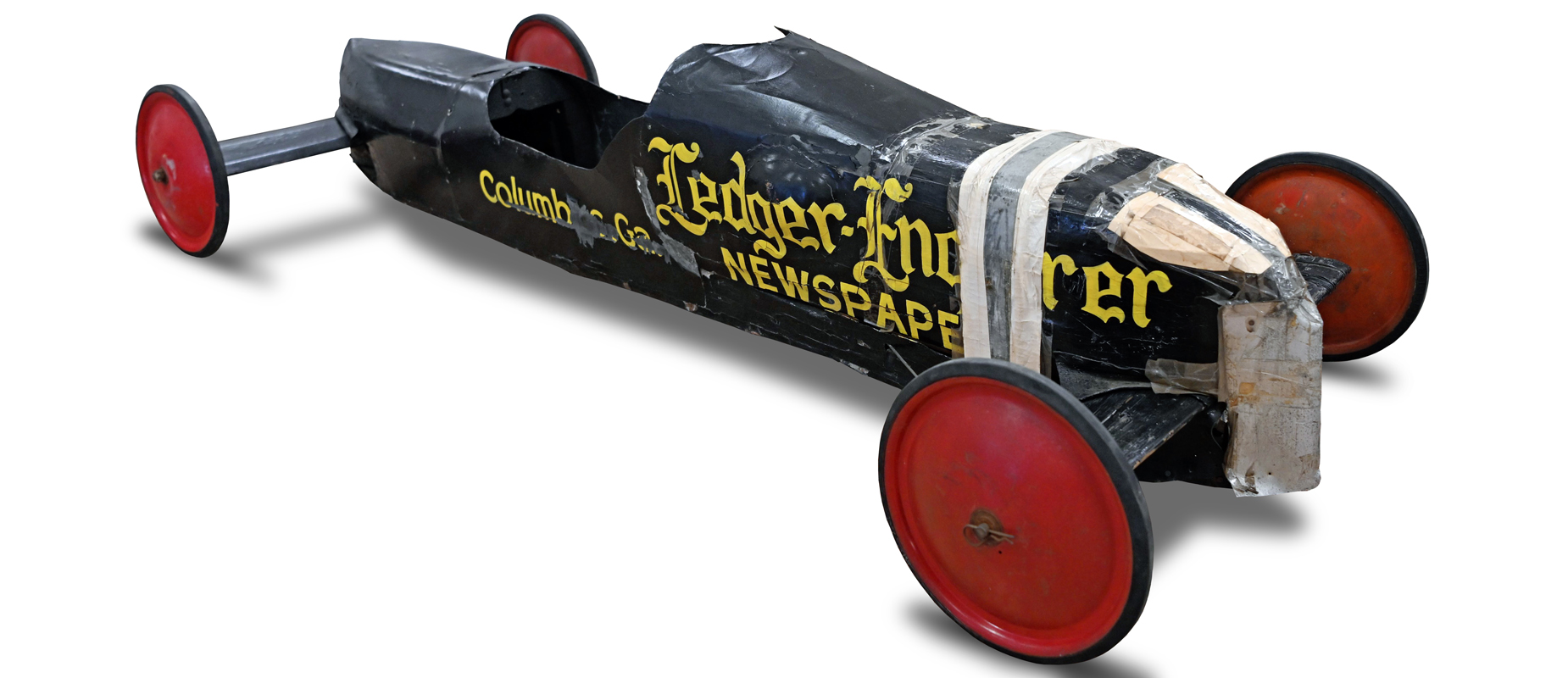
It came apart, would not steer, would not roll or collapsed under the first person who sat on it.
The failure was expected and nobody treated it as a setback. A first attempt is a test of assumptions, and children rebuilding the same object three times in a week were iterating in a way that no school project of the period permitted.
Nails Were Used Where Bolts Were Needed
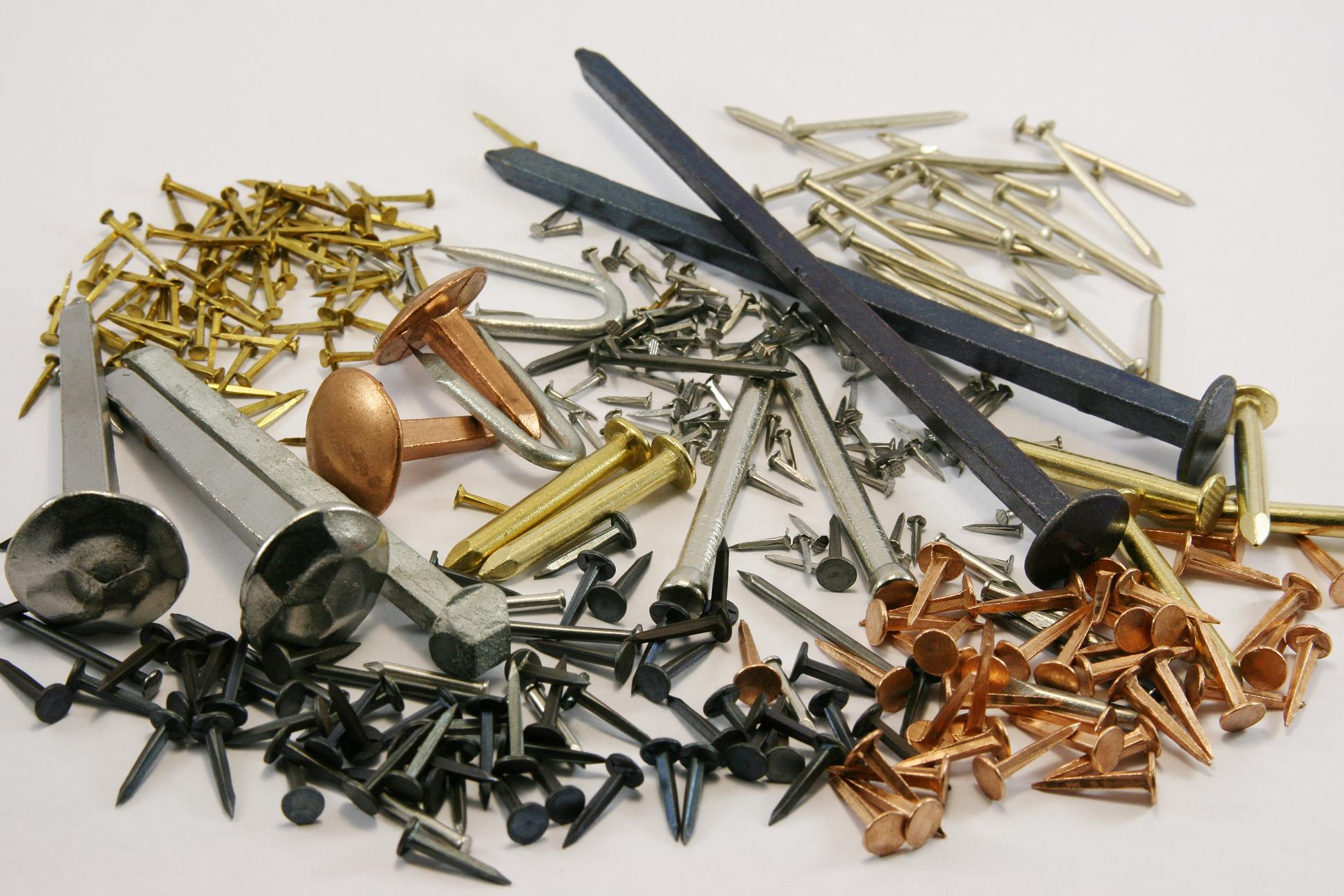
Everything was nailed, because nails were available and bolts were not, and nailed joints in a vehicle carrying a person do not survive long.
The materials dictated the method and the method dictated the lifespan. A nailed frame works until something twists, and the whole history of these objects is a sequence of joints giving way one at a time.
There Were No Brakes and Everybody Knew It
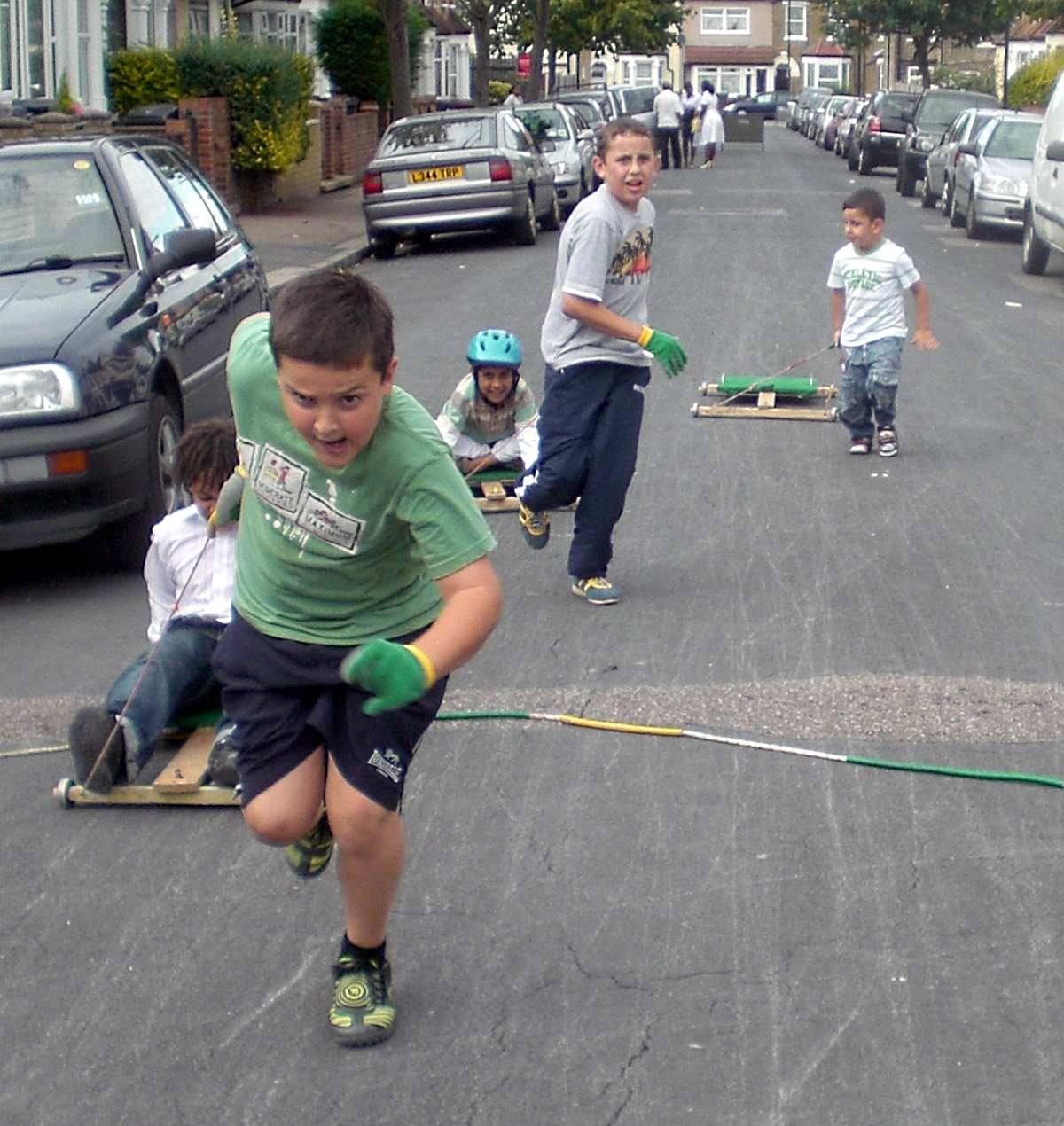
Stopping was accomplished by dragging a foot, steering into something soft or waiting for the slope to run out.
That absence is the single most important fact about the whole subject and it is why the standards of the time were not the standards now. Nothing in this piece should be read as describing how anybody ought to build or ride anything today, and the risks involved were real, poorly understood and in a great many cases discovered the hard way.
The Hill Was Chosen Before the Thing Was Finished
A slope was identified first, assessed for length and surface, and the whole build was aimed at it.
The venue drove the project. A gentle slope needs a free-rolling vehicle and a steep one needs steering that works, and children selected their hill according to how much confidence they had in their own construction.
The First Run Was Done by the Builder
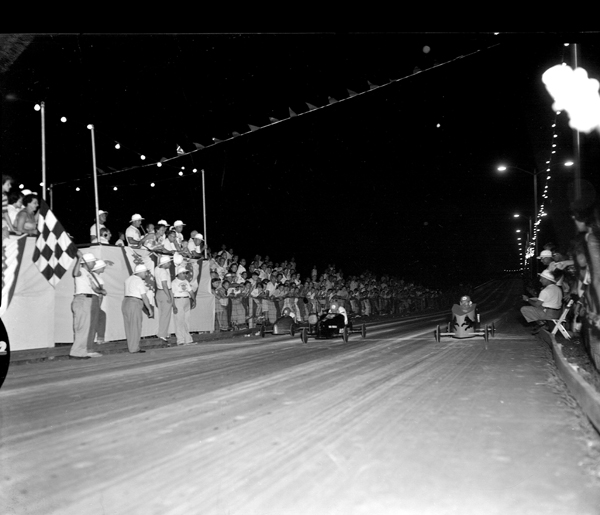
Whoever had made it went first, which was understood as both a privilege and an obligation.
The convention is a reasonably honourable piece of children’s law. The person who built the thing takes the risk of finding out whether it works, which both rewards the labour and prevents anybody from handing an untested object to somebody smaller.
Somebody Had to Hold It at the Top
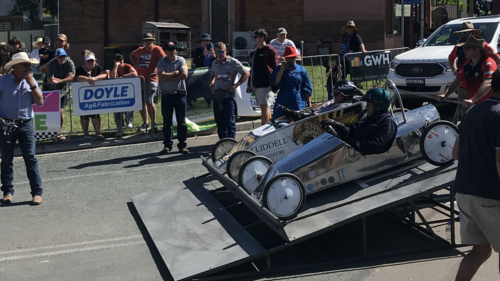
A vehicle with no brakes cannot be boarded on a slope without assistance, which made the whole operation a two-person minimum.
The practical requirement produced the social structure. A build is a solo project and a run is not, and every one of these things had a launcher as well as a driver, which is why they are remembered as a group activity.
Adults Were Aware and Mostly Did Not Intervene
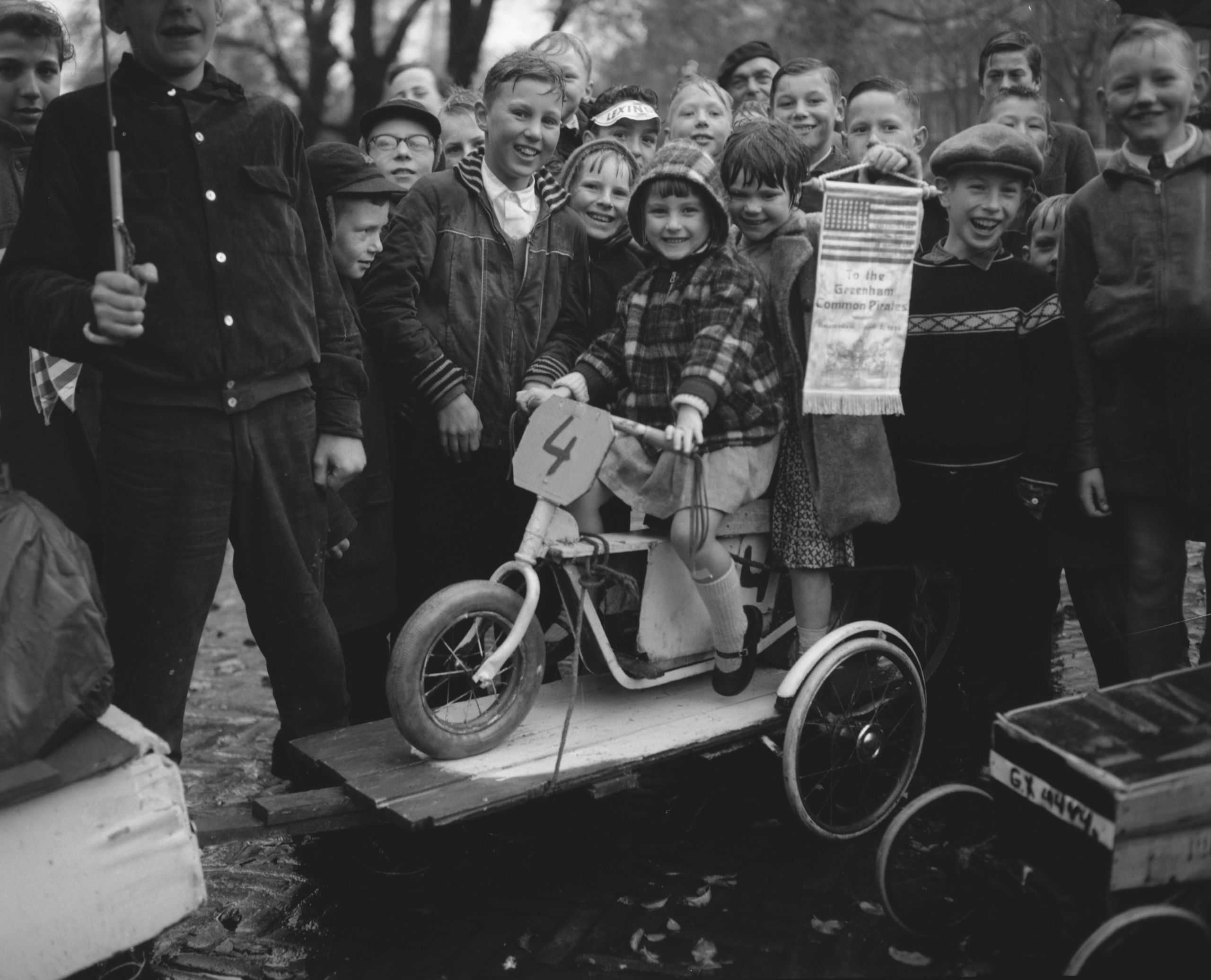
Parents knew what was being built, could see the hill and largely let it proceed.
The tolerance is the fact that is hardest to explain from here. The adults involved understood the project perfectly well and allowed it, which reflects a set of assumptions about children and risk that has changed substantially and for good reasons.
An Adult Who Helped Changed the Whole Thing
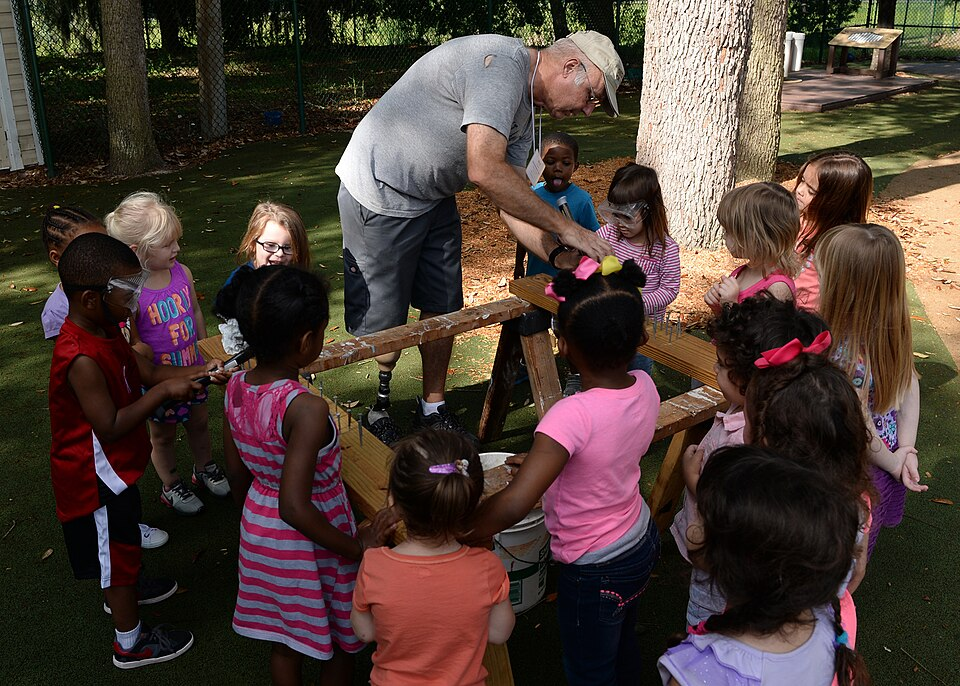
A father or uncle who supplied a bolt, drilled a hole or showed somebody how to make a joint improved the object enormously and removed something from it.
The trade-off was recognised even by the children involved. A properly engineered steering pivot makes the thing work and makes it somebody else’s, and plenty of children preferred their own worse version.
The Object Got Progressively Better Over a Summer
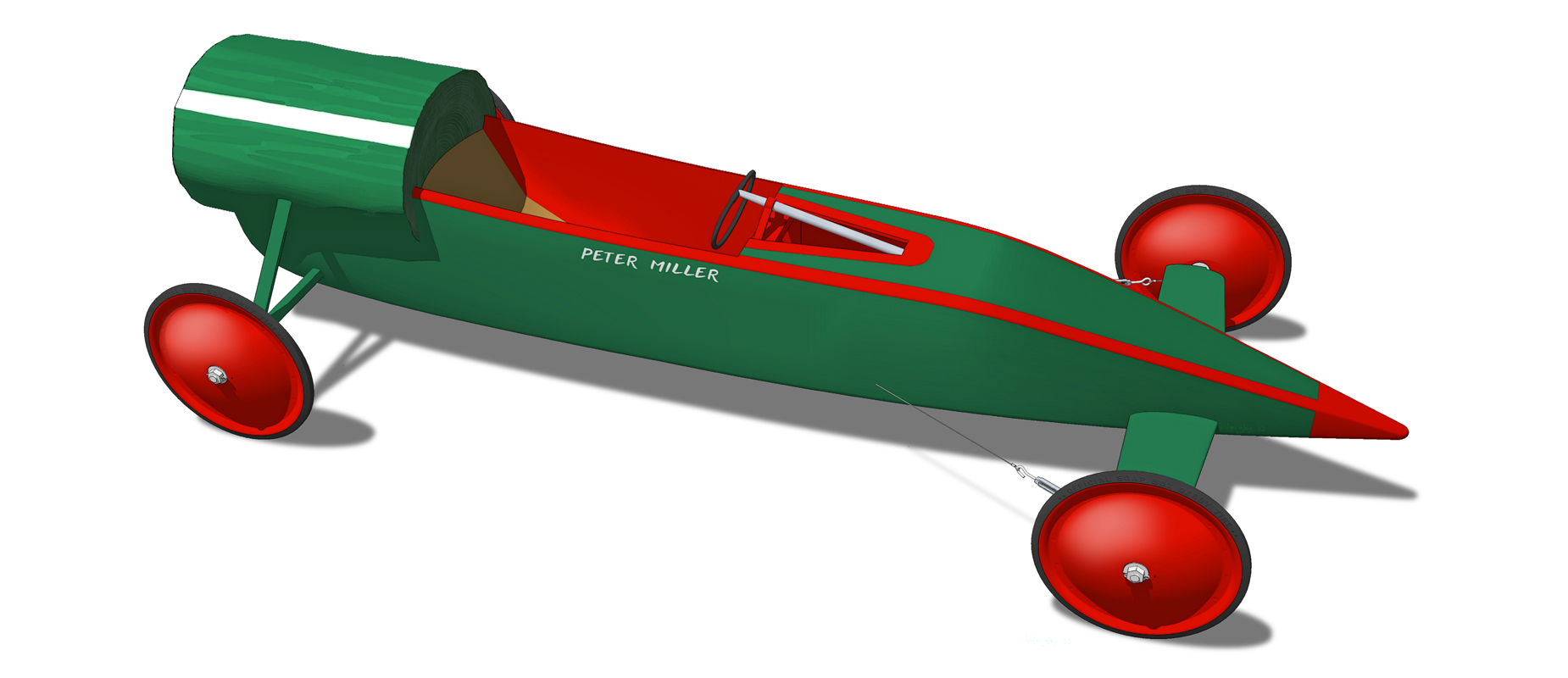
Each rebuild incorporated what had failed last time, and by August the thing was substantially better than the one built in June.
That iteration is the genuine education in the whole business. Nobody taught anybody anything; a child who had watched three joints fail understood why the fourth was built differently, which is how every practical skill in that period was actually acquired.
Everybody’s Looked Different
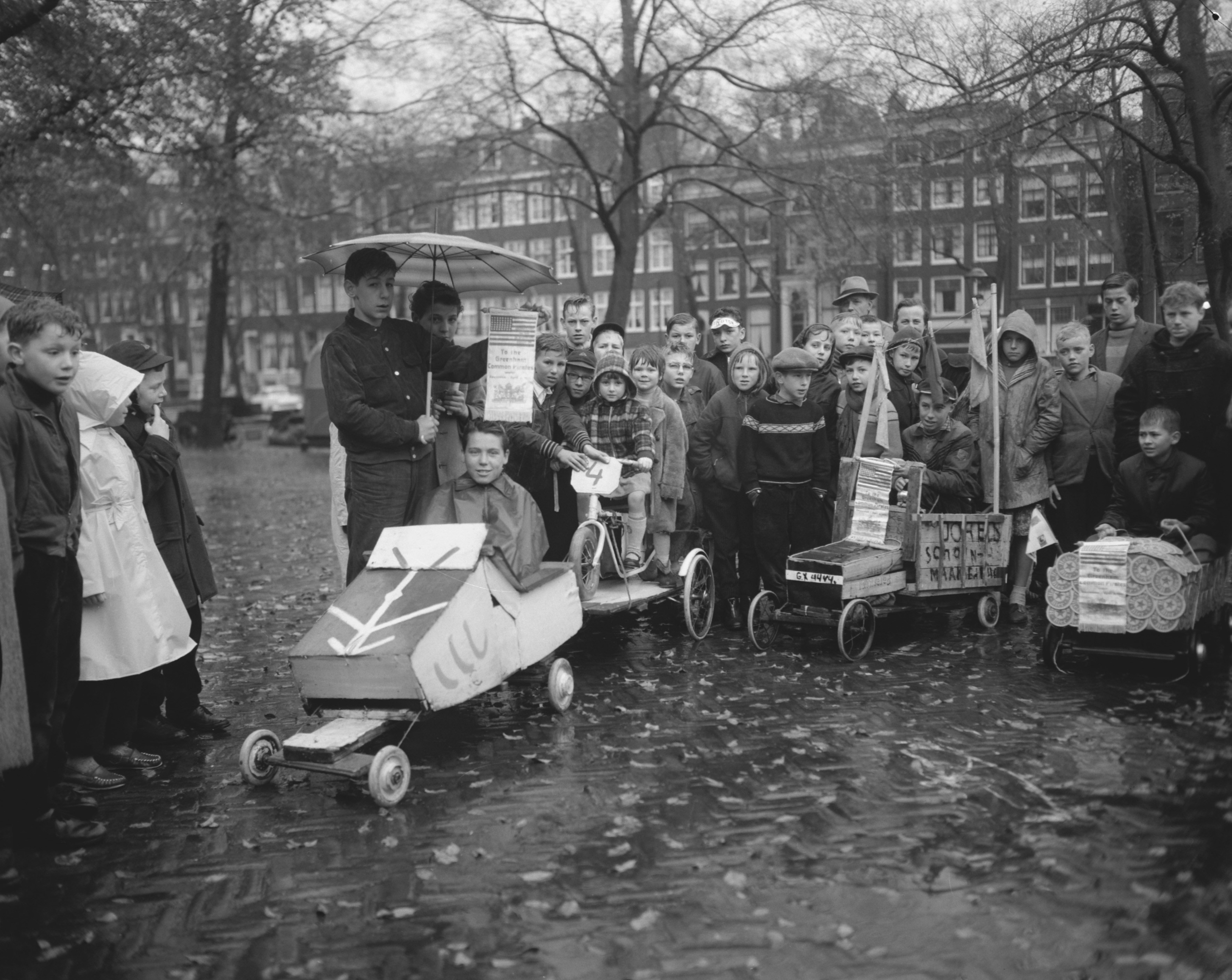
There was no template, so no two were alike, and the variation was the subject of a great deal of comparison.
The absence of a standard meant the comparison was about invention rather than execution. Two children with identical materials produced completely different objects, and the differences were argued about at length.
The Names Were Painted On
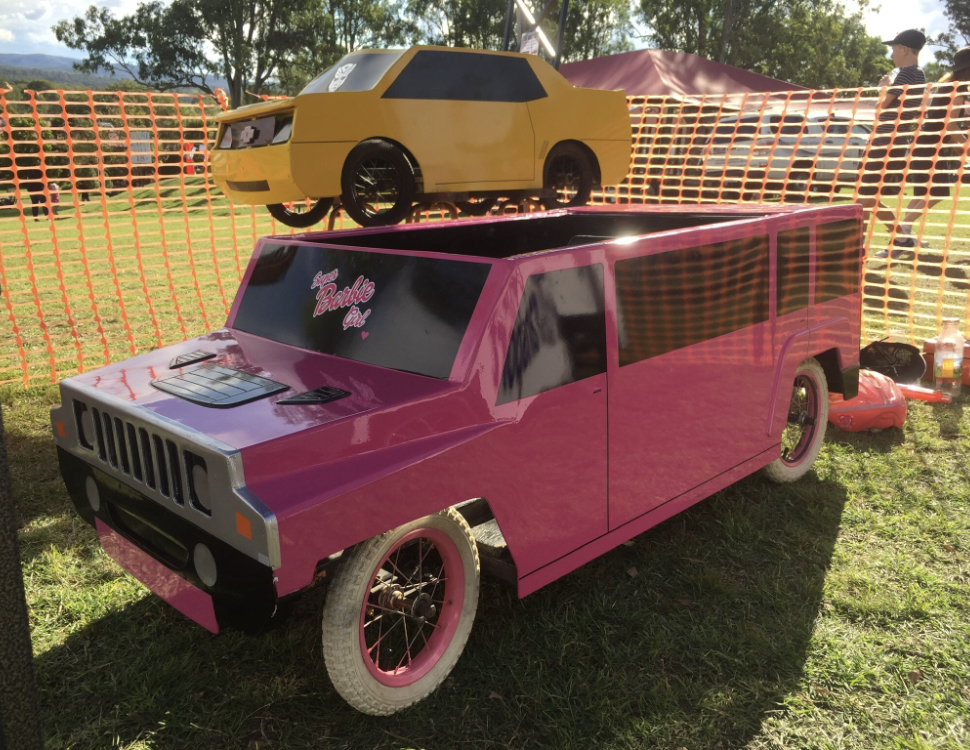
Whatever was built acquired a name, lettered on the side in whatever paint a household had.
The naming is the detail that tells you what these things meant. Nobody names a plank with wheels on it unless they regard it as a vehicle, and a child who had painted a name on the side had made a claim about the object that everybody around them accepted.
They Were Dismantled for Parts
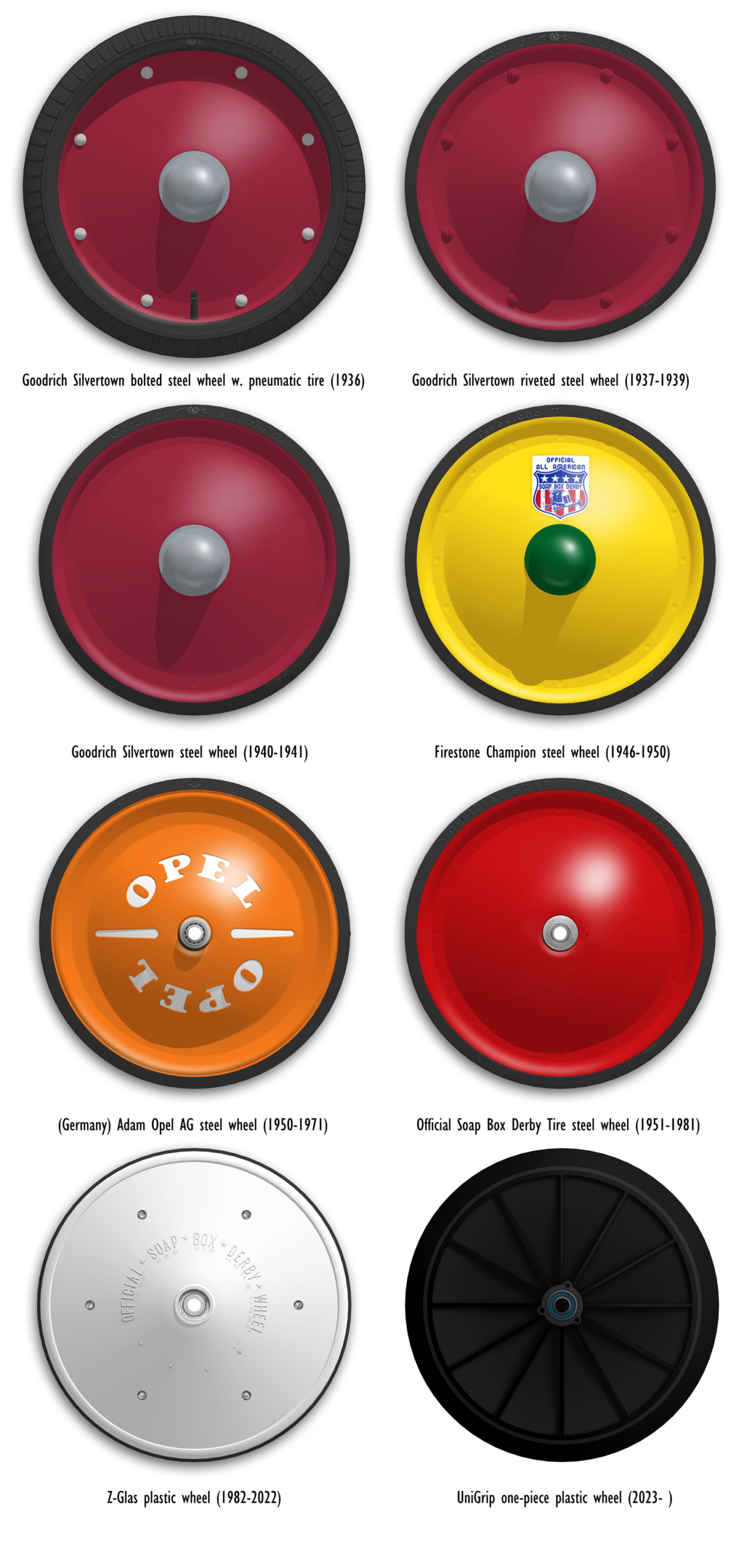
When something finally failed beyond rebuilding, the wheels came off and went into the next one.
The recycling closed the loop. Wheels were the scarce component and therefore the permanent one, and a single set could pass through three or four complete vehicles across two summers before anybody lost track of them.
Nothing Was Ever Finished
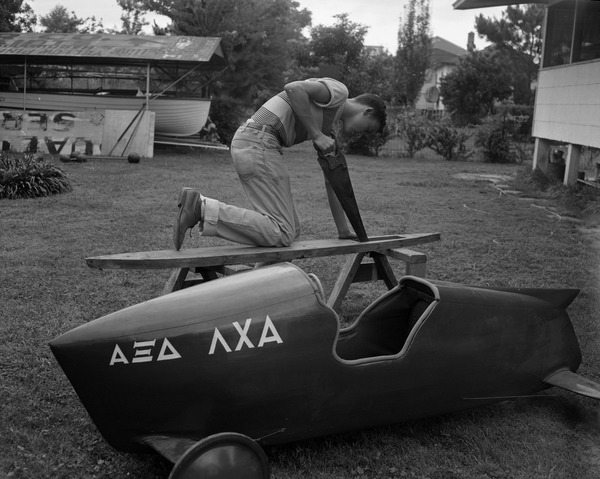
These objects existed in a permanent state of modification, and a completed one was simply one that had not yet been improved.
The open-endedness is what distinguishes this from almost every other childhood project. A model that is finished goes on a shelf; something that gets ridden gets broken, and something that gets broken gets changed, which means the work never actually concluded.
The Skills Acquired Were Entirely Accidental
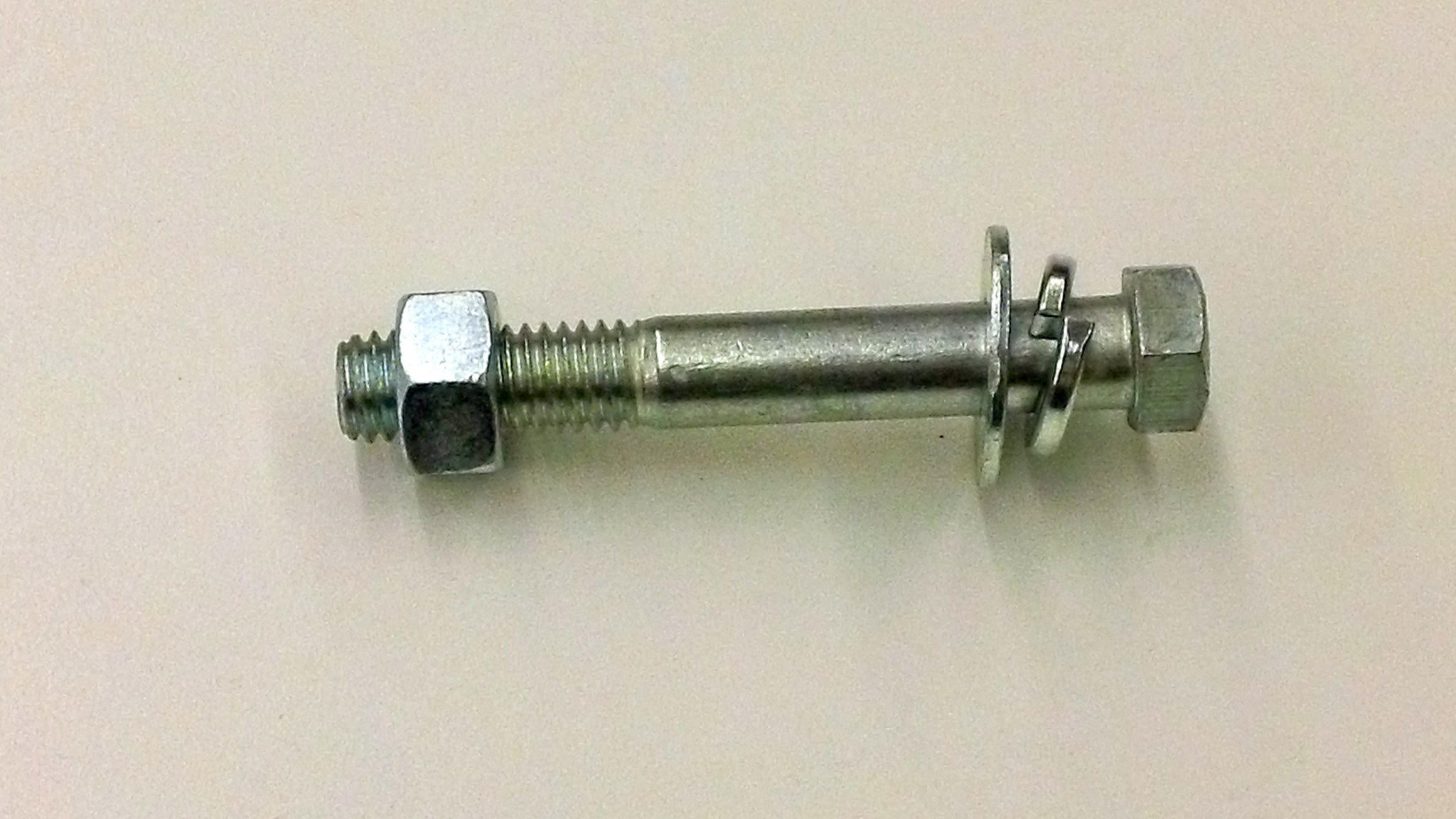
Joints, purchase, weight distribution, the difference between a nail and a bolt and why a pivot needs a washer were all learned without a single word of instruction.
Nobody involved could have named any of it. A child who had worked out that weight at the front makes steering heavier had learned a principle they could not articulate, and that is a completely ordinary way for knowledge to arrive.
Then the Materials Disappeared
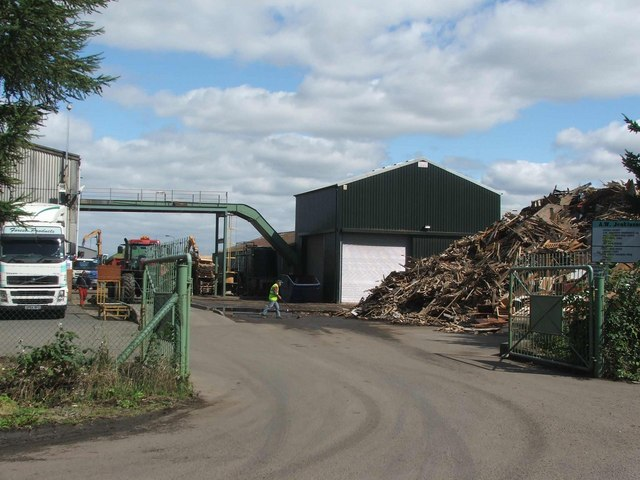
Scrap timber, loose hardware, crates, old wheels and household surplus all became much less available, and the supply the whole practice ran on dried up.
The material cause is the main one and nobody noticed it happening. A project assembled entirely from what was lying around cannot survive a world in which considerably less is lying around, and the end of the practice had nothing to do with anybody’s attitude to it.
And Then Nobody Would Permit It
Attitudes to children building and riding a brakeless vehicle down a hill changed completely, and for entirely sound reasons.
That is the honest conclusion and it is not a complaint. The reasons the practice ended are good ones, the absence of brakes was never acceptable and the fact that it was tolerated says more about how little was understood at the time than about anything admirable. What went alongside it, and is worth naming separately, is the shape of the project rather than the object: no plan, no measurements, no instructions, no correct answer, a scarce component that dictated everything else, three complete rebuilds in one summer, and a nine-year-old who had worked out by August exactly why the June version had come apart.
Like our content? Follow us for more.
