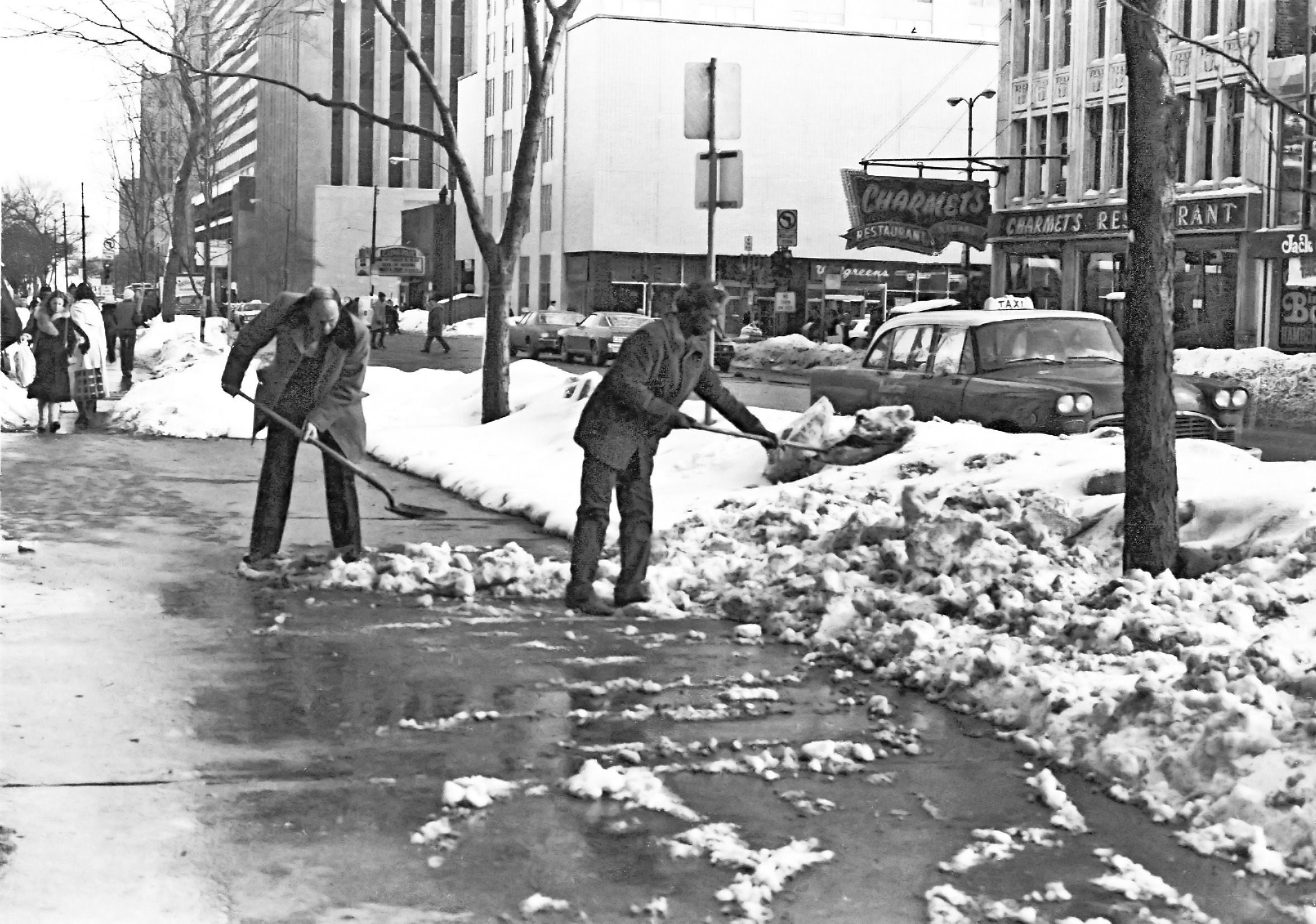
Somebody woke you, you put on everything you owned, and you were outside with a shovel before anybody in the house had eaten anything. In 1964 clearing snow was not a service anybody bought, a job anybody hired out or a task that could be postponed, and the household that did not get it done before the morning was a household that did not go anywhere that day.
The Deadline Was Set by Somebody Leaving for Work
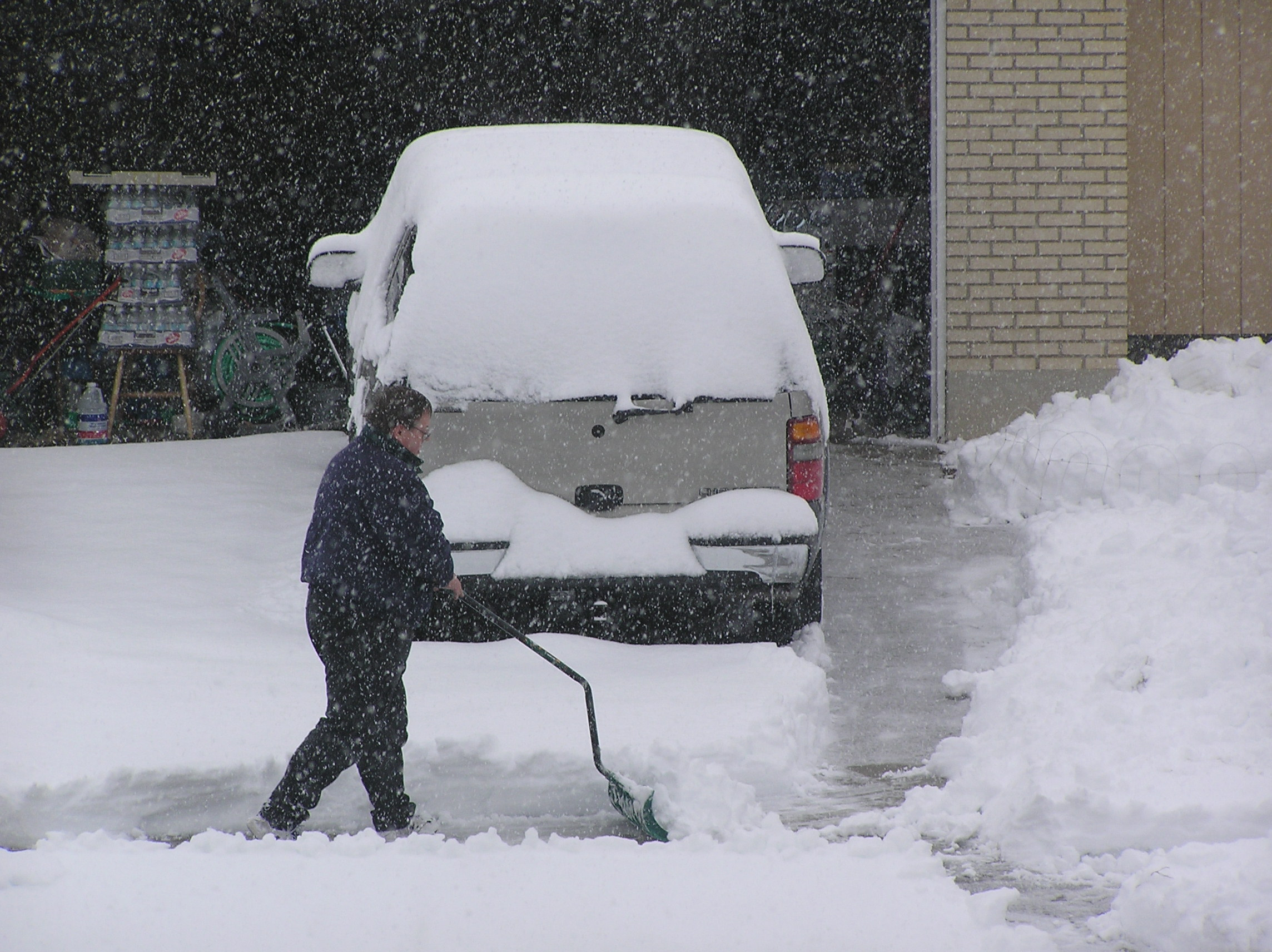
A vehicle had to get out by a particular hour, which meant the clearing had to be finished before that, which meant it started in the dark.
Everything about the job follows from that single constraint. A path cleared at nine in the morning is useless to somebody who left at seven, so the whole operation was scheduled backwards from one person’s departure and everybody else’s morning was arranged around it.
Like our content? Follow us for more.
Everybody Able-Bodied in the House Was Involved
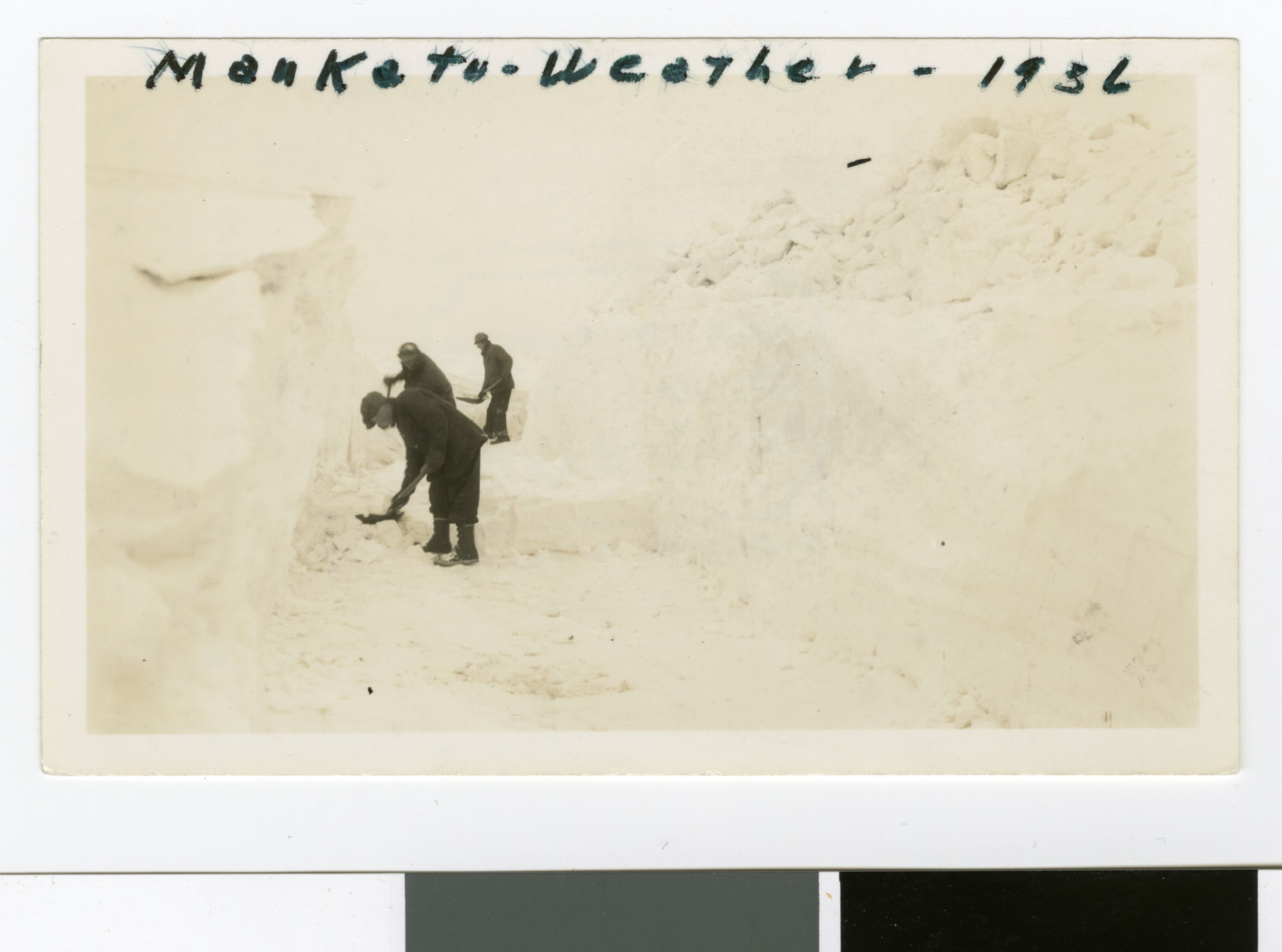
It was not a job allocated to one person. Adults and children all went out, because the quantity of work was simply larger than any individual could manage in the time available.
The arithmetic made the recruitment automatic. A driveway represents a volume of snow that one person cannot move before a deadline, and a household facing that total did not need to discuss who was going to help.
Children Were Given the Path Rather Than the Drive

The narrow, flat, low-consequence sections went to whoever was smallest, and the heavy work stayed with the adults.
The allocation was sensible and was never explained. A front path is a manageable quantity, requires no judgement about where the snow should go and cannot be done badly in a way that matters, which makes it exactly the right first assignment.
The Snow Had to Go Somewhere and That Was the Real Problem
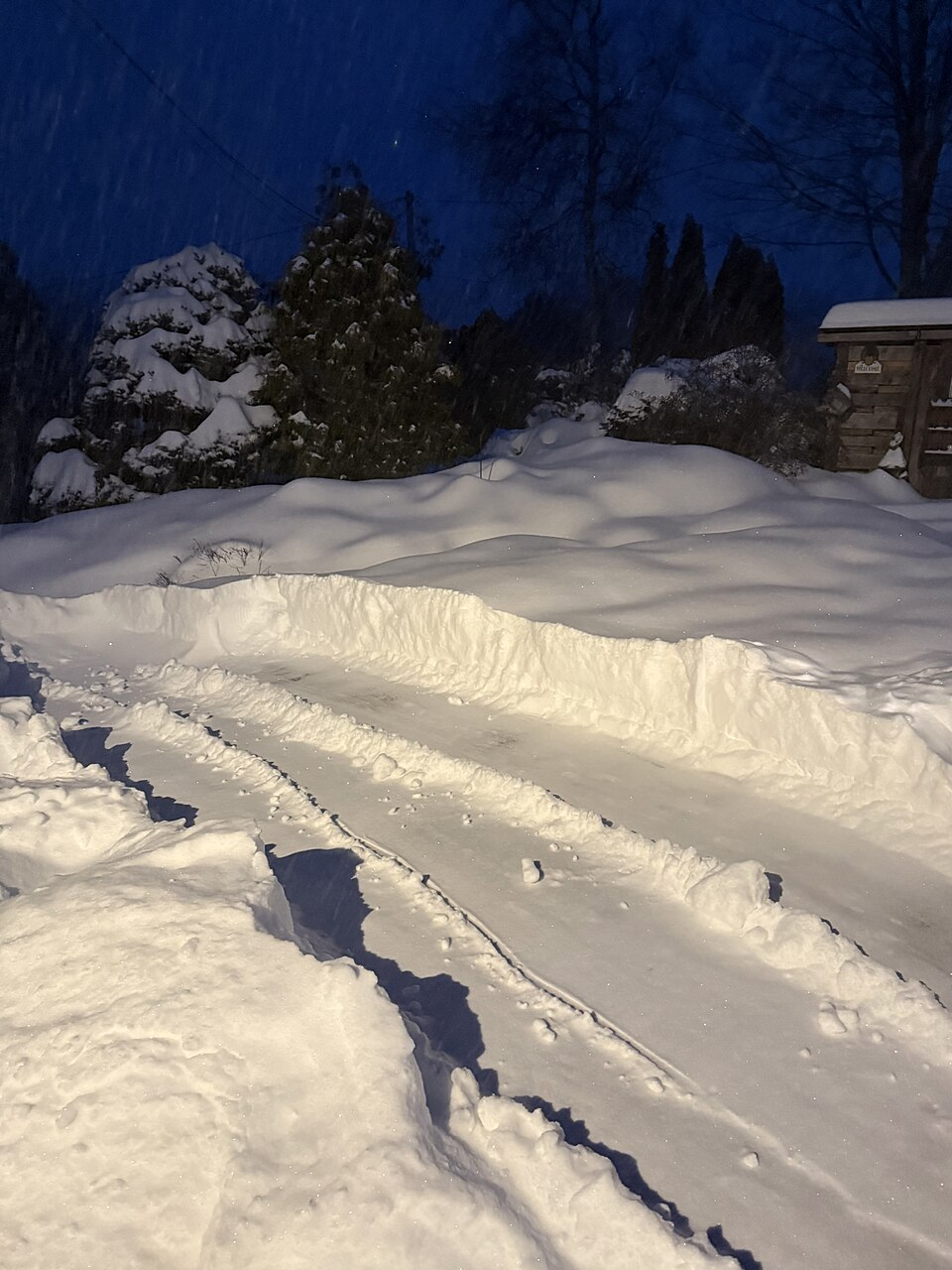
Clearing is only half the job. The cleared material has to be put down somewhere that is not going to be walked on, driven over or in the way of the next fall.
Nobody thinks about this until they have done it. A driveway’s worth of snow is a substantial volume, the obvious places fill up within one session, and a household that had made bad decisions in December was still living with them in February.
Doing It Wrong Made the Next Fall Worse
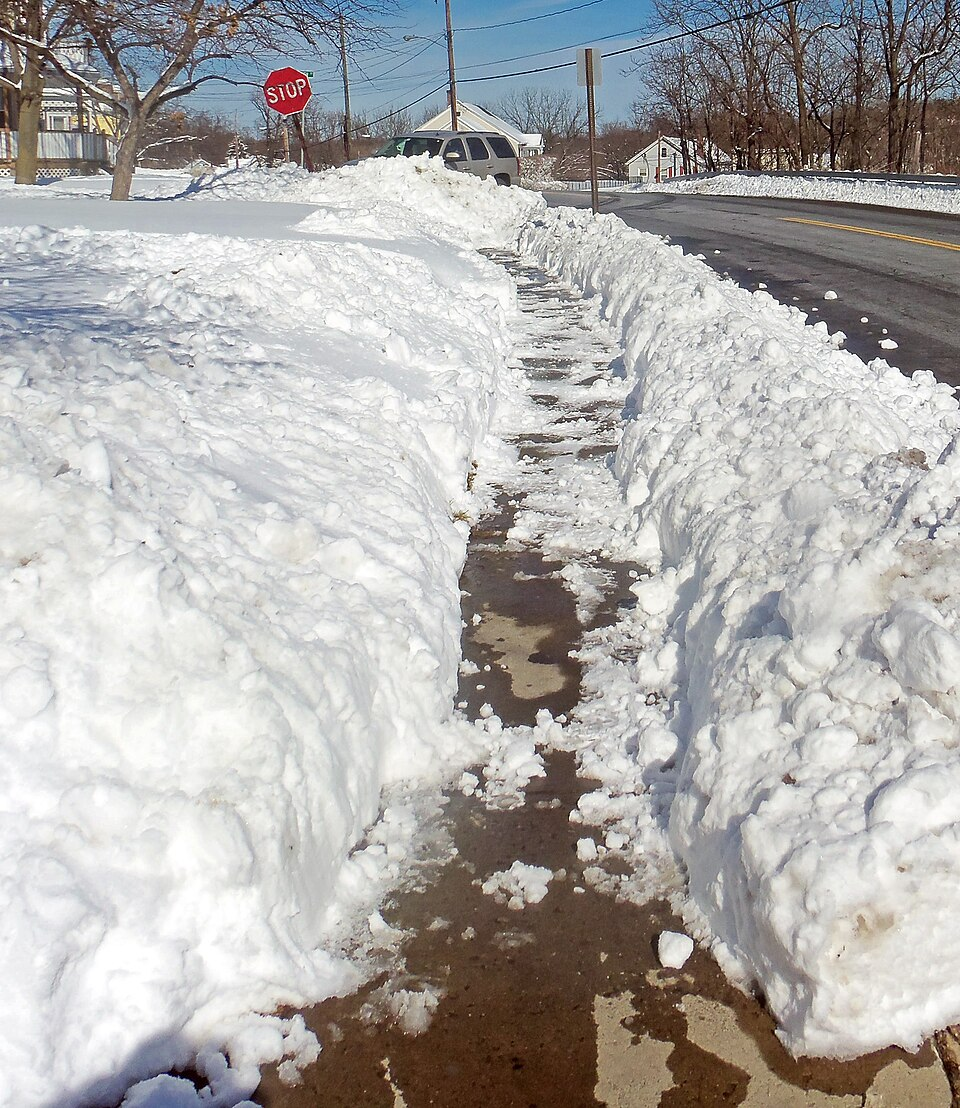
Snow piled at the end of a drive becomes a wall, snow piled beside a path narrows it permanently, and the second storm arrives with nowhere left to put anything.
The compounding effect is the part that made people care. Each clearing was a decision about where the next three clearings could go, and the households that got it right had thought about it in advance.
The Order Mattered and Was Always the Same
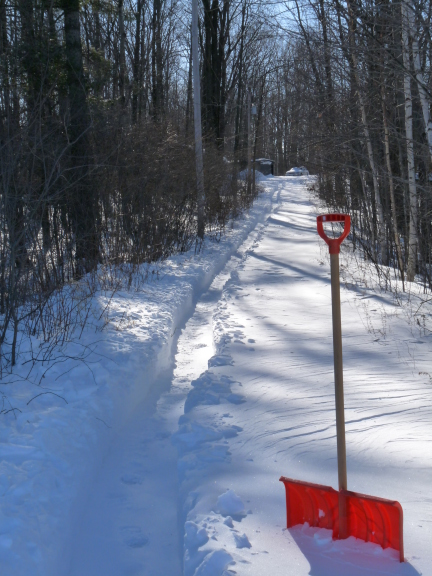
The path to the door first, then the route to the vehicle, then the pavement, then anything else – and the sequence was never varied.
The priority list reflects who needed to move and when. A household gets out of its own door before it gets out of its own drive, and nobody cleared a pavement before they could reach their own car.
Clearing the Pavement Was Considered an Obligation
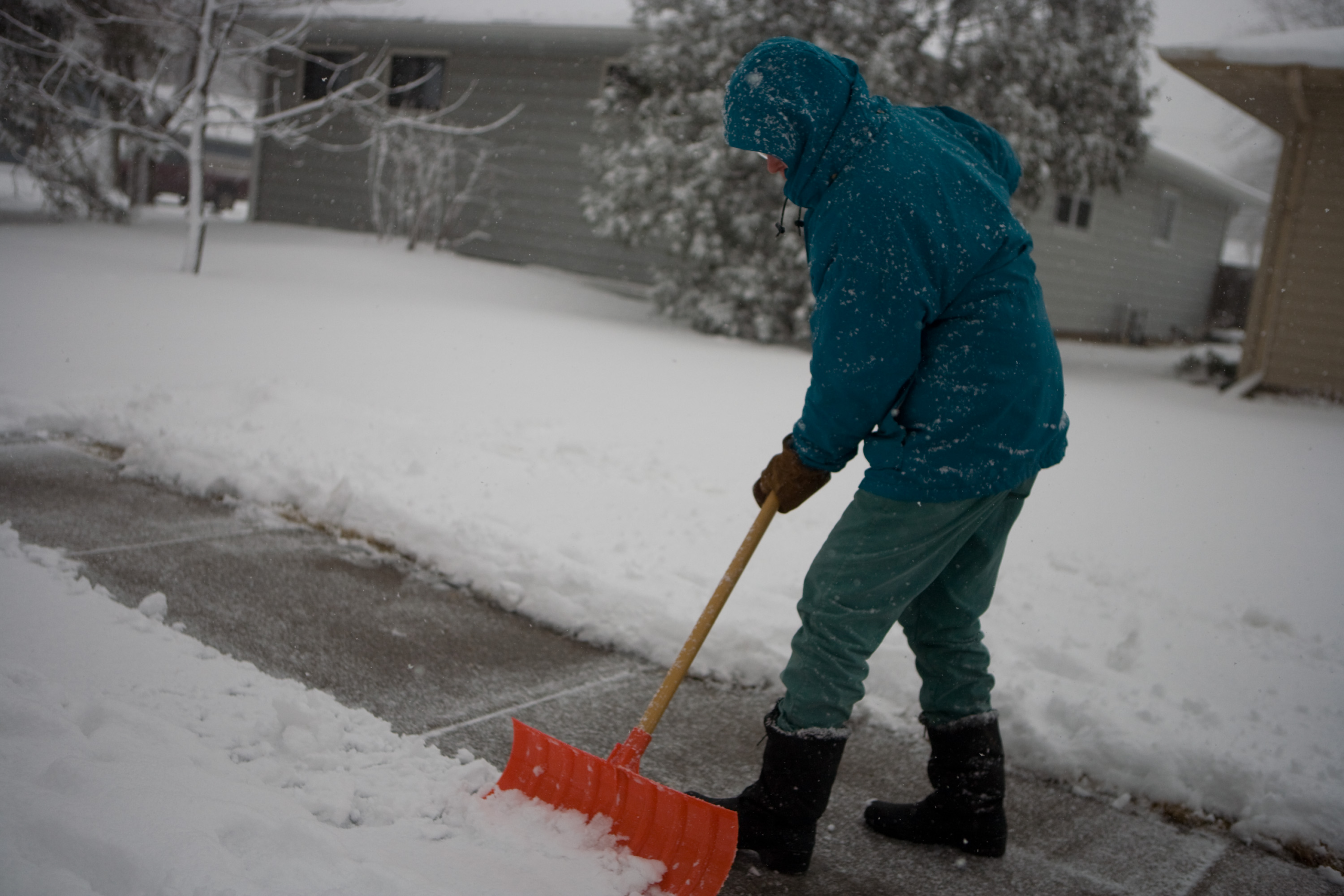
The stretch in front of a house was done as a matter of course, and a household that left theirs was noticed.
The convention was universal and entirely unenforced. Nobody had to do it, everybody did it, and the one house on a street with an uncleared frontage was the subject of comment that nobody delivered to their face.
Older Neighbours Were Done Without Being Asked
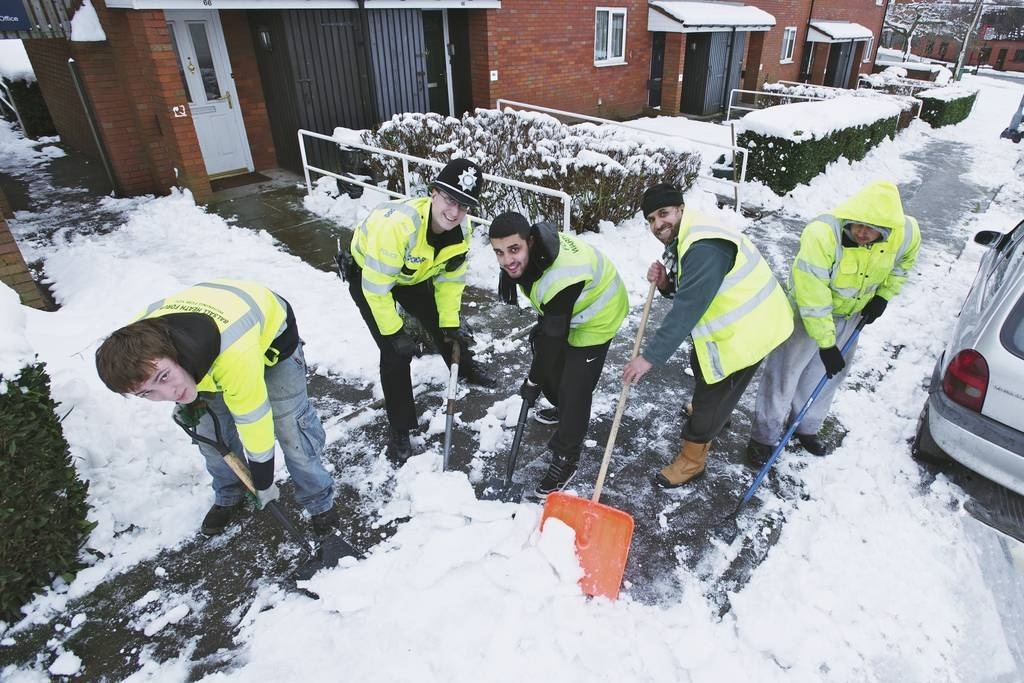
A household that had finished its own went and did somebody else’s, and the arrangement was never discussed before or afterwards.
The practice was close to automatic. An adult or a teenager with a shovel and a cleared drive had surplus capacity, somebody three doors down could not do it at all, and the matching happened without any conversation.
Thanking Anybody Was Mildly Embarrassing

The person whose path had been cleared knew who had done it, and the acknowledgement was deliberately minimal on both sides.
The understatement was the convention. Making a great deal of it would have made the help into a transaction, and both households preferred an arrangement in which something substantial had happened and almost nothing had been said.
Teenagers Were Paid to Do It and It Was the Best Work Available
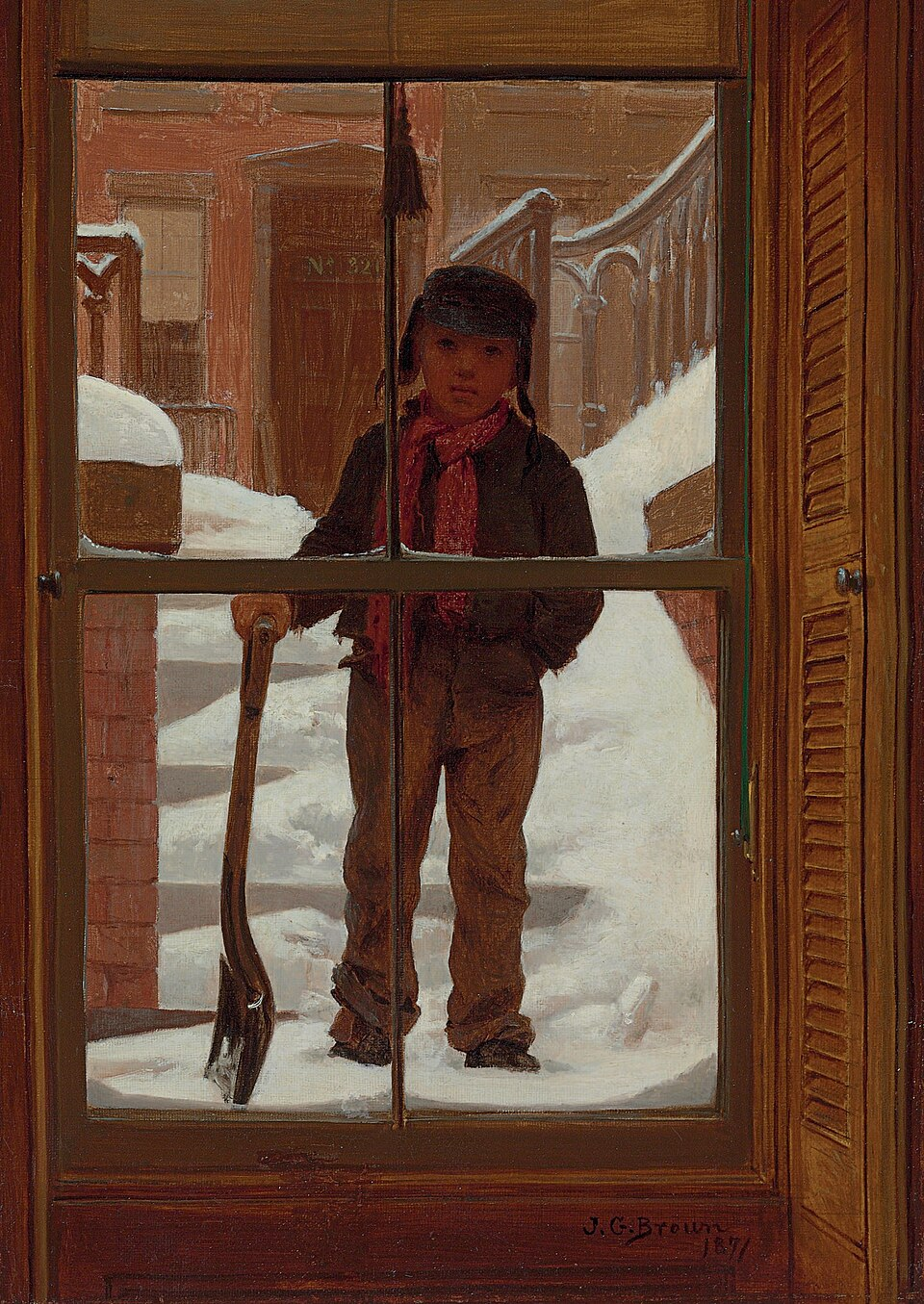
A storm created immediate demand across a whole street, payment was in cash and the job could be done before school.
The economics were unusually good. Work that appears without warning, in quantity, within walking distance, for people who need it done urgently is close to ideal for a fifteen-year-old, and a heavy winter was a genuinely profitable season.
The Price Was Never Agreed in Advance
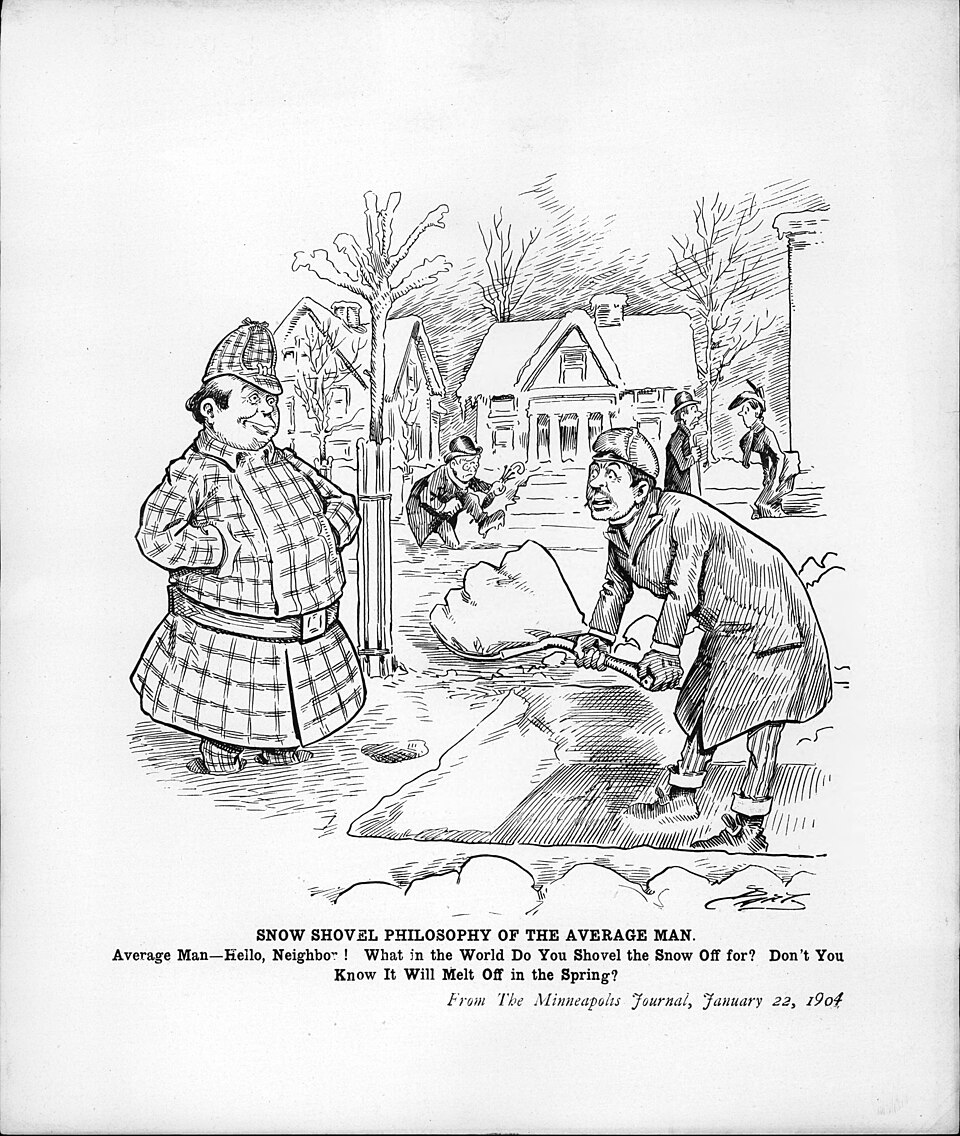
Somebody knocked, did the work and was given whatever the householder thought was right, and nobody negotiated anything.
The informality cut both ways and mostly worked. A young person who did a thorough job was paid better than one who did not, which is a market mechanism operating without a single word about money being exchanged beforehand.
Doing It Too Early Was a Wasted Morning
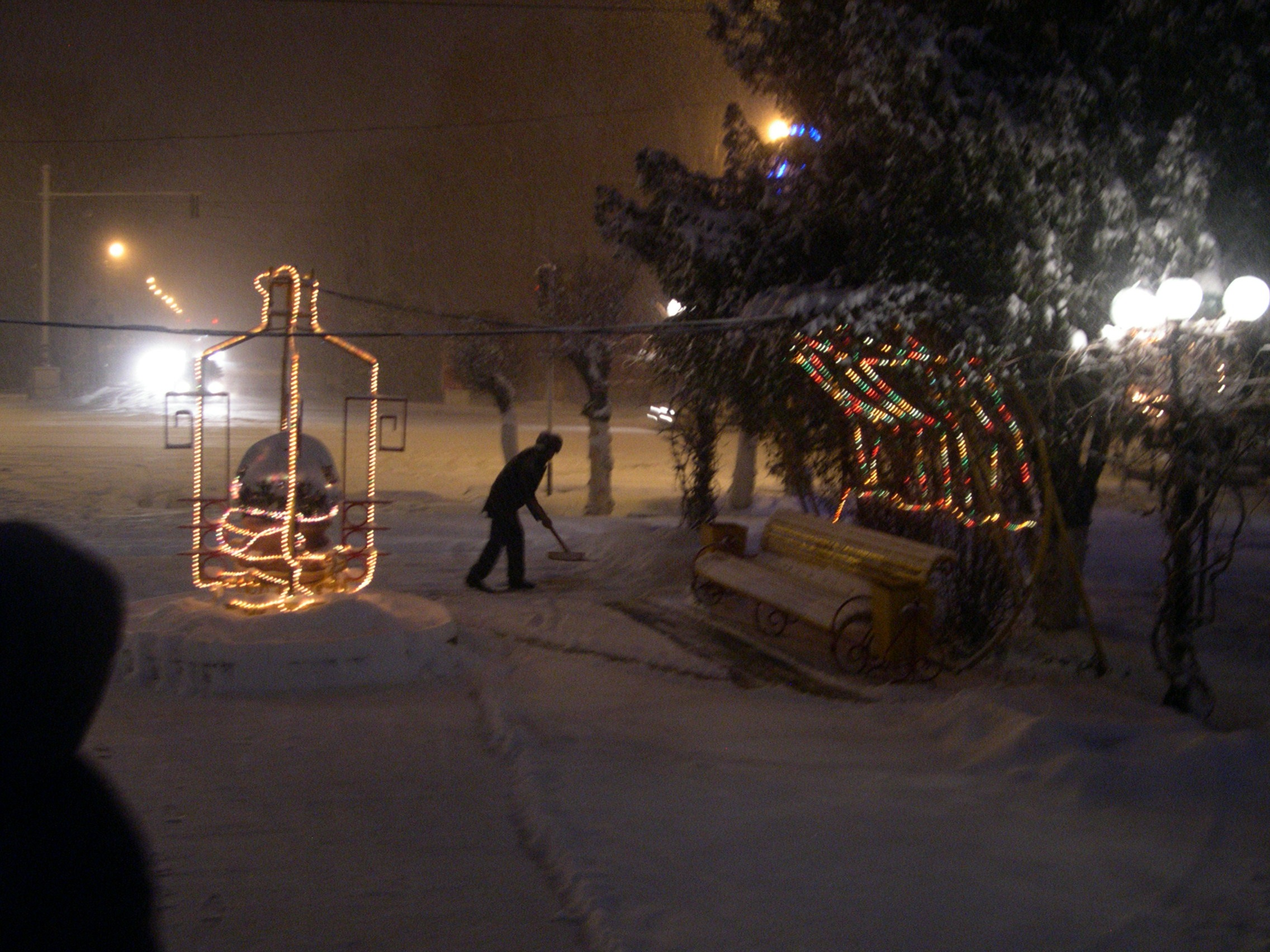
Clearing while it was still falling meant doing the whole thing again, and judging when to start was the only skill in the job.
The timing decision was genuinely difficult. A household that waited got a harder job and a household that went early got two jobs, and the correct answer depended on information nobody had.
The Second Clearing Was Always Worse
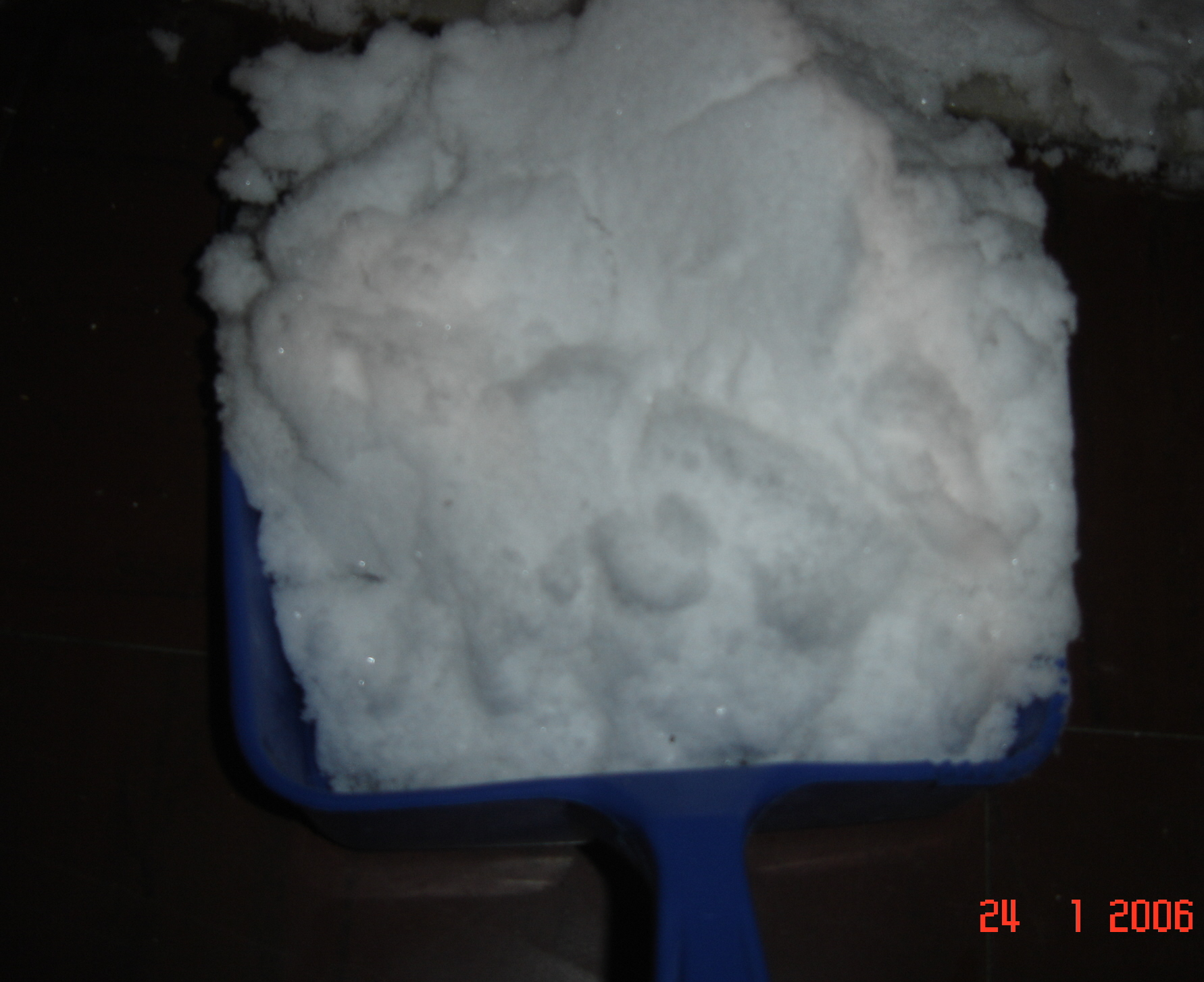
Snow that has been walked on, driven over and then frozen is a completely different material from fresh snow.
That is the technical fact that governed everything. Fresh snow lifts and compacted snow does not, which is why the whole household was got out of bed early rather than allowed to do it at a civilised hour.
Everybody Overdressed and Then Overheated
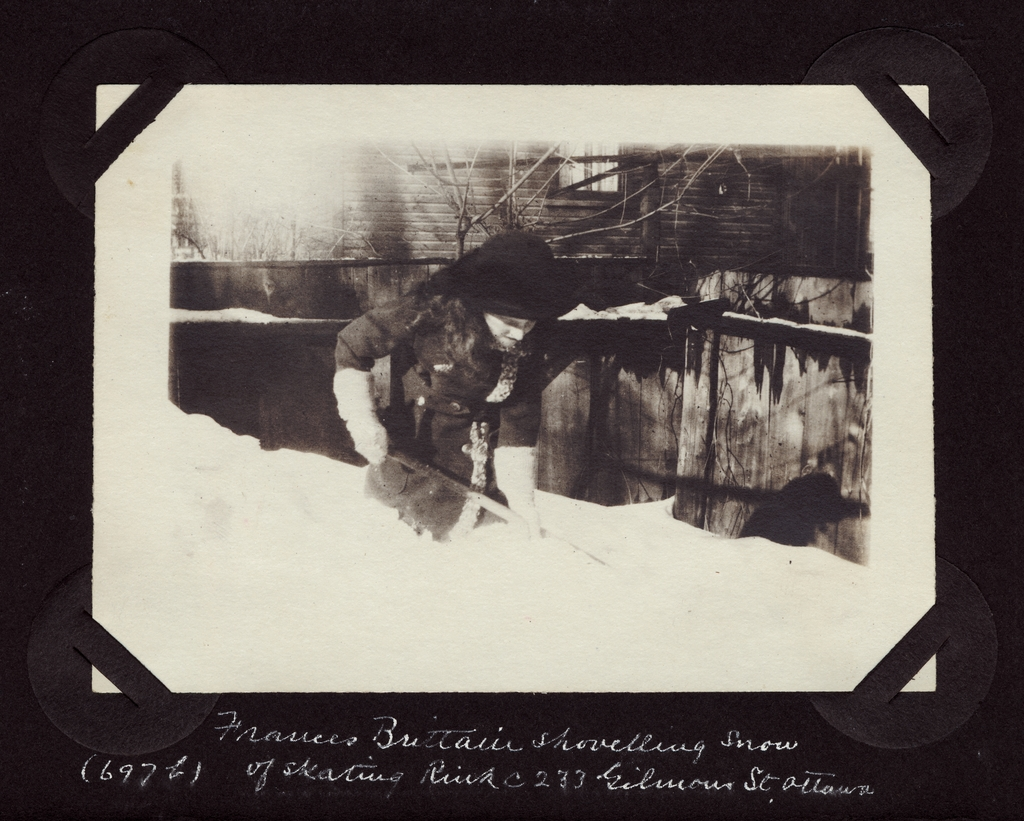
A child sent out in every garment they owned was uncomfortably hot within ten minutes and uncomfortably cold within thirty of stopping.
The thermal mismanagement was universal. Clearing snow is hard physical work in cold conditions, the two effects arrive in sequence rather than together, and nobody of that era had worked out how to dress for it.
Coming Back In Was the Best Part

Wet clothing in a heap, hands that could not feel anything, something hot and about twenty minutes of sitting still.
The reward was proportionate and immediate, which is why the job is remembered fondly by people who complained bitterly at the time. An hour of cold physical work followed directly by warmth and food is an extremely satisfying sequence.
The Whole Street Was Out at the Same Time
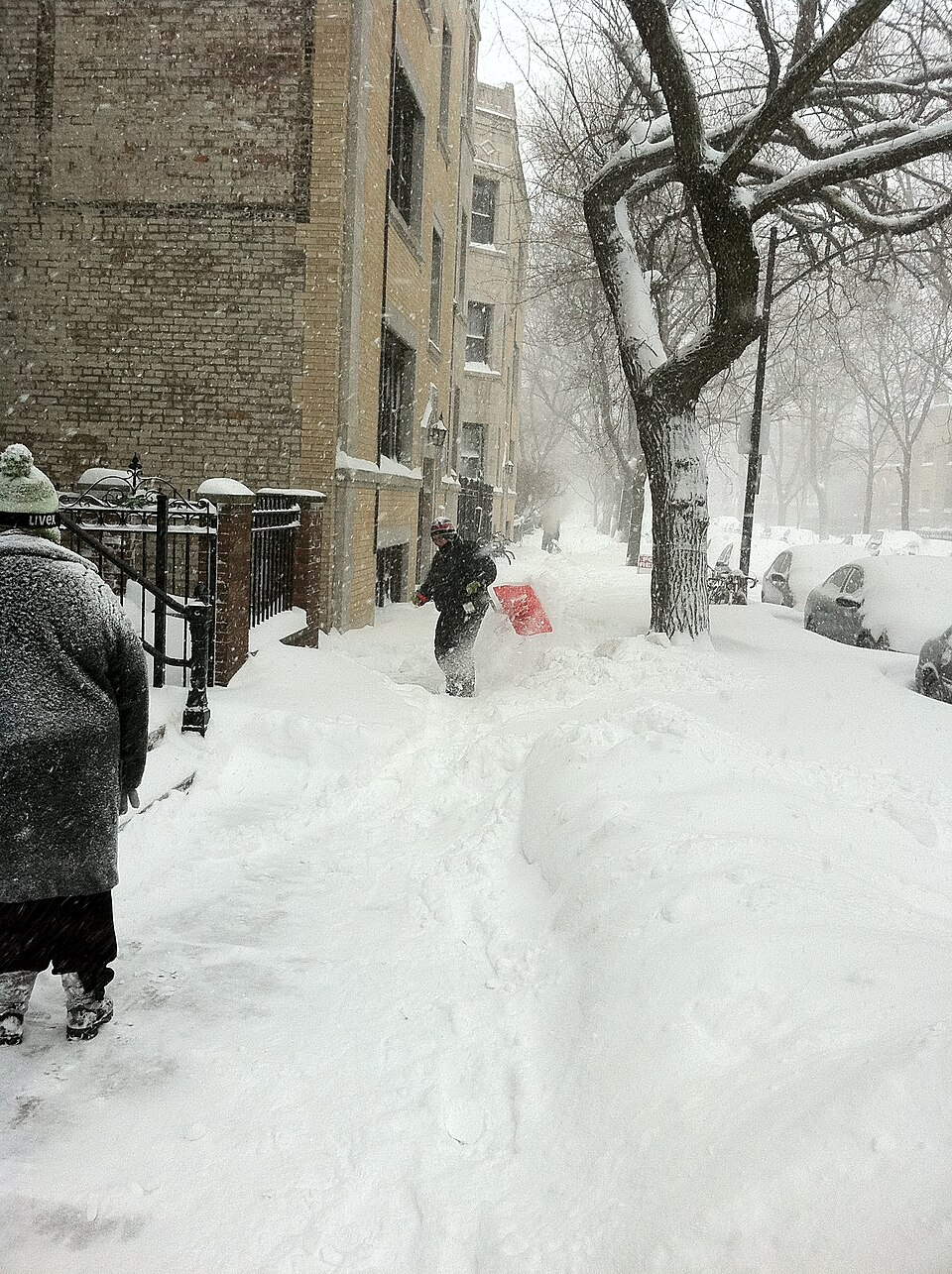
Because the deadline was the same for everybody, every household on a street was outside simultaneously, which made the morning social.
The synchronisation produced the only sociable part of a winter morning. Neighbours who would otherwise not have seen each other for a month were all outdoors at seven, doing the same thing, within shouting distance.
Information Travelled Across the Street While People Worked
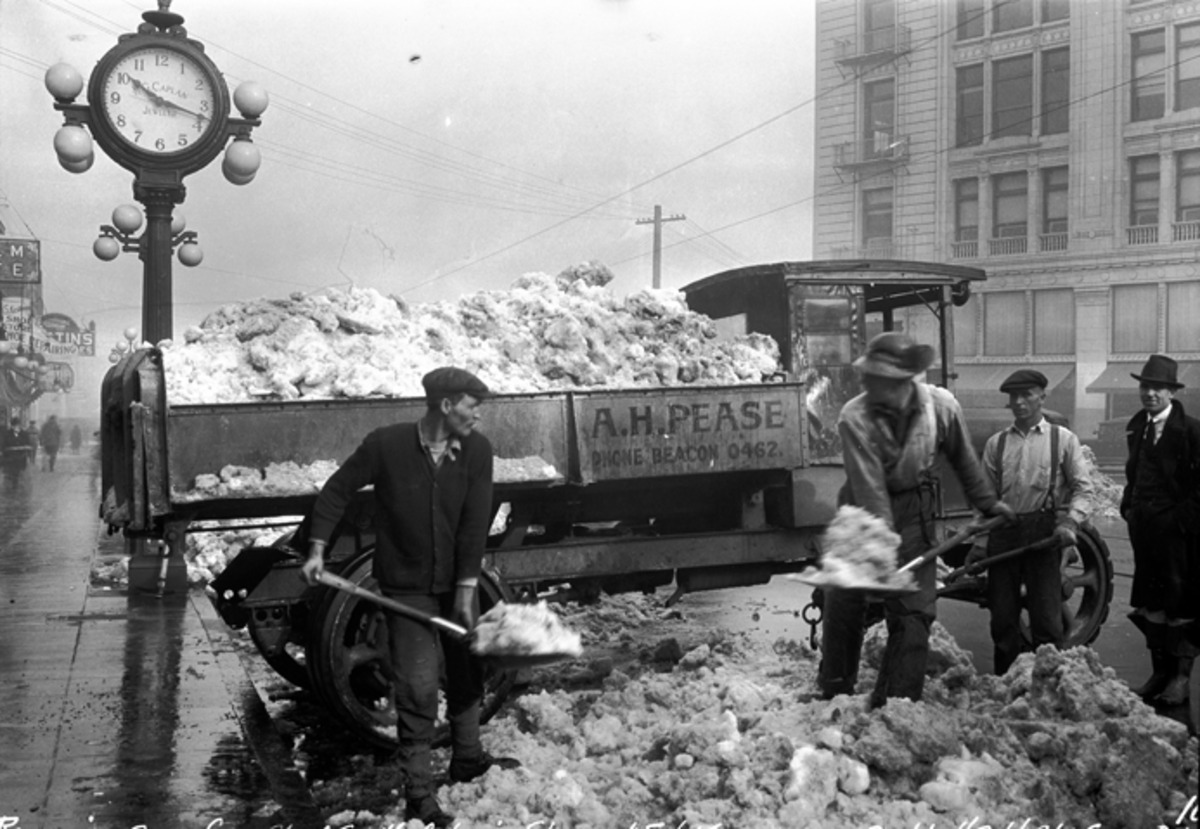
Whether the school was open, whether the road was passable and whether anybody had been seen going out were all established in the course of the clearing.
The clearing was therefore an intelligence operation as well as a chore. A household with no telephone call to make found out everything it needed to know from six people with shovels, before anybody had decided anything.
Then the Machines Arrived
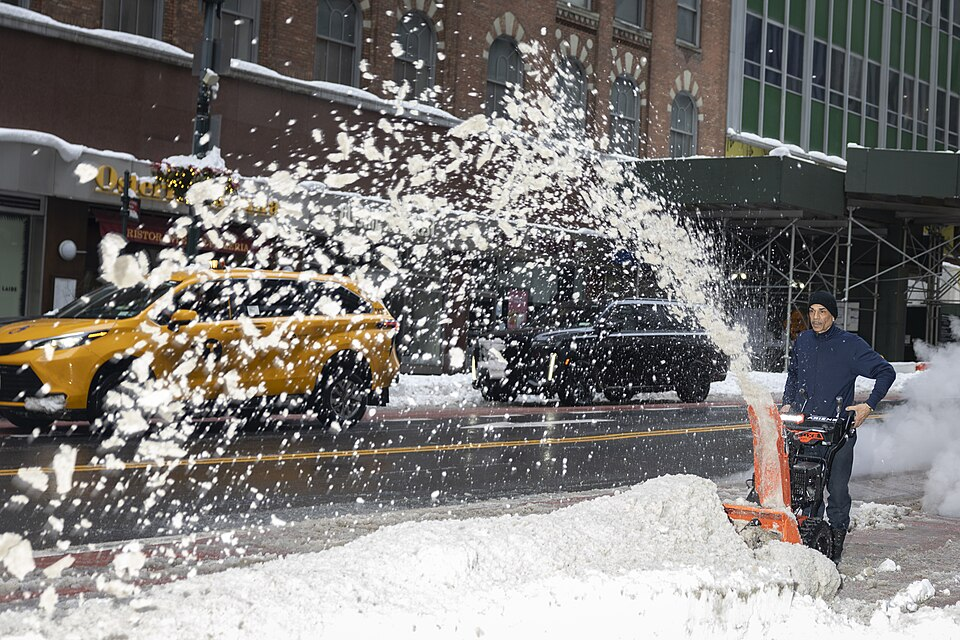
Powered clearing equipment became affordable and widespread, and one person with a machine could do in fifteen minutes what a household had taken an hour to do.
The replacement was overwhelming on every practical measure and removed the recruitment entirely. A job one person can do does not require anybody else to get out of bed, and the collective morning dissolved the moment the machine did.
Then the Services Took It Over
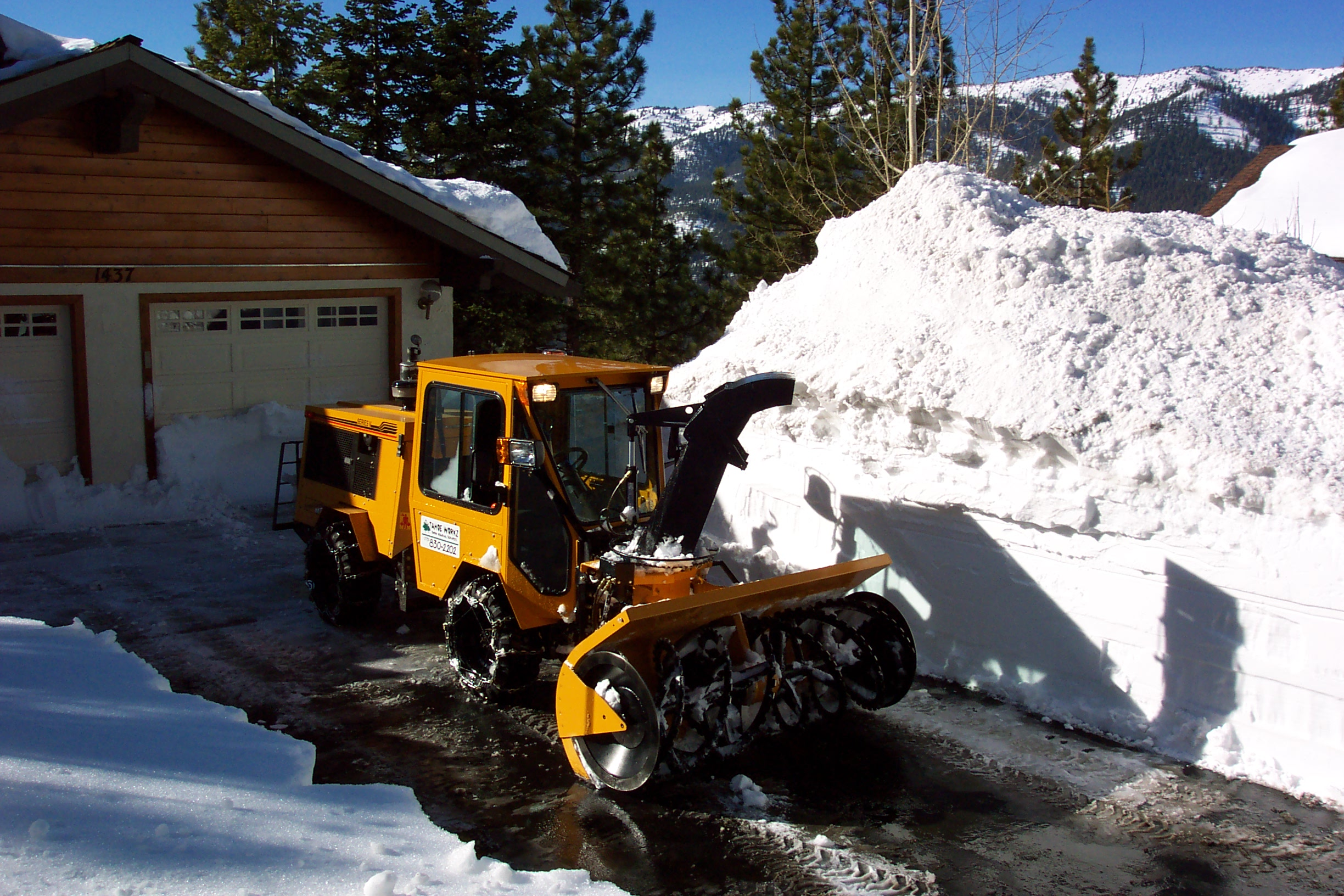
Contracted clearing, municipal arrangements and paid providers removed the task from households altogether in a growing number of places.
Which also removed the teenager with a shovel. A street covered by a contract has no demand for somebody knocking on doors, and one of the few genuinely good jobs available to a fifteen-year-old disappeared with it.
And Nobody Is Outside at Seven Any More
The work still has to be done and is done by one person, or by a machine, or by somebody under contract, and the street is empty while it happens.
Which is better in every respect that can be measured and removed the one thing nobody was measuring. The snow still gets cleared, it gets cleared faster, and nobody has to be woken up to help. What has gone is the morning itself: an entire street outside in the dark at the same hour, children on the paths and adults on the drives, somebody doing an older neighbour’s without mentioning it, and everything anybody needed to know about the day established across a hedge before the sun came up.
Like our content? Follow us for more.