In 1966 the map hung rolled up on a spring roller above the blackboard, which is the most valuable wall space in a classroom, and it was permitted to cover the board entirely when somebody pulled it down. The cord was too high for most of the room, the mechanism was stiff, and letting go of it carelessly produced the loudest noise of the school day. Here are sixteen things every class did with the map above the blackboard in 1966, and why the object mattered far more than its accuracy deserved.
1. It Lived Rolled Up Above the Blackboard and Came Down Like a Blind
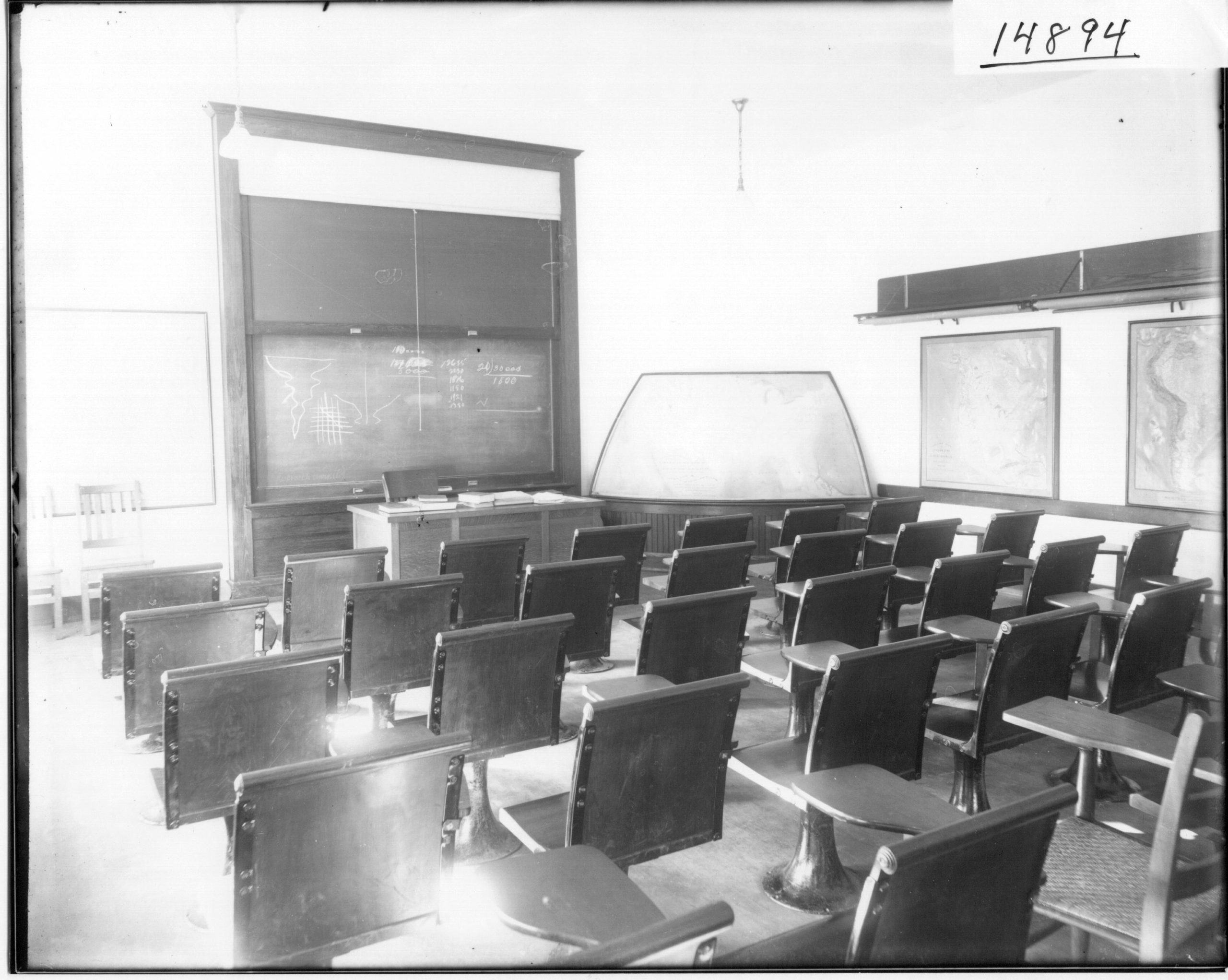
A spring-loaded roller mounted above the board held the thing out of the way until somebody pulled it down over everything else.
The mounting is the detail that explains its status. Nothing else in the room occupied the space directly above the board, which is the most important surface in a classroom, and an object permitted to cover it had been given priority over whatever was written there.
Bringing it down was therefore an interruption. The lesson stopped, the board was obscured and the room’s attention was redirected, which meant the act of pulling the cord was a signal that something different was about to happen.
Like our content? Follow us for more.
2. Pulling It Down Was a Job Somebody Was Chosen For
The cord was high, the mechanism was stiff and the operation was given to a particular child.
The selection worked exactly as every other classroom privilege did. A task that involves standing up, handling something and being watched by the room is worth having, and the teacher who handed it out knew that perfectly well.
Height was the usual qualification. The cord hung above where most of the class could comfortably reach, which meant the job went to the tallest few children by default and rotated among them for a whole year.
3. Letting It Go Was the Great Catastrophe
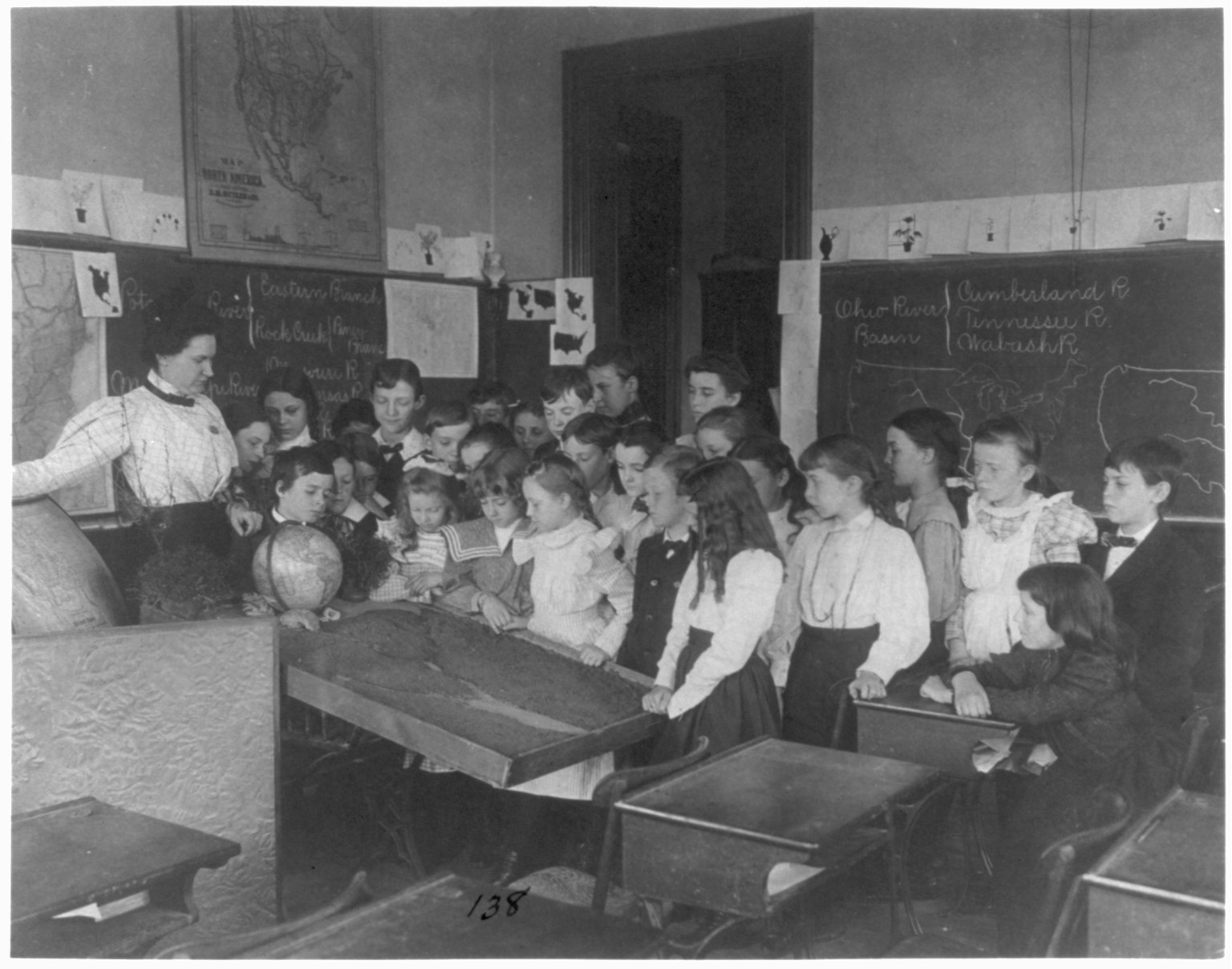
A spring roller released carelessly travelled up at speed, with a noise that stopped everything, and sometimes it did not stop where it should have.
The accident was common and entirely predictable. A tensioned mechanism operated by an eleven-year-old who has lost their grip produces exactly one outcome, and every class of this period witnessed it several times.
The consequence was social rather than practical. Nothing was usually damaged, and the child responsible had produced the loudest noise of the day in front of thirty people, which is a form of attention nobody wanted.
4. There Were Several of Them on the Same Roller
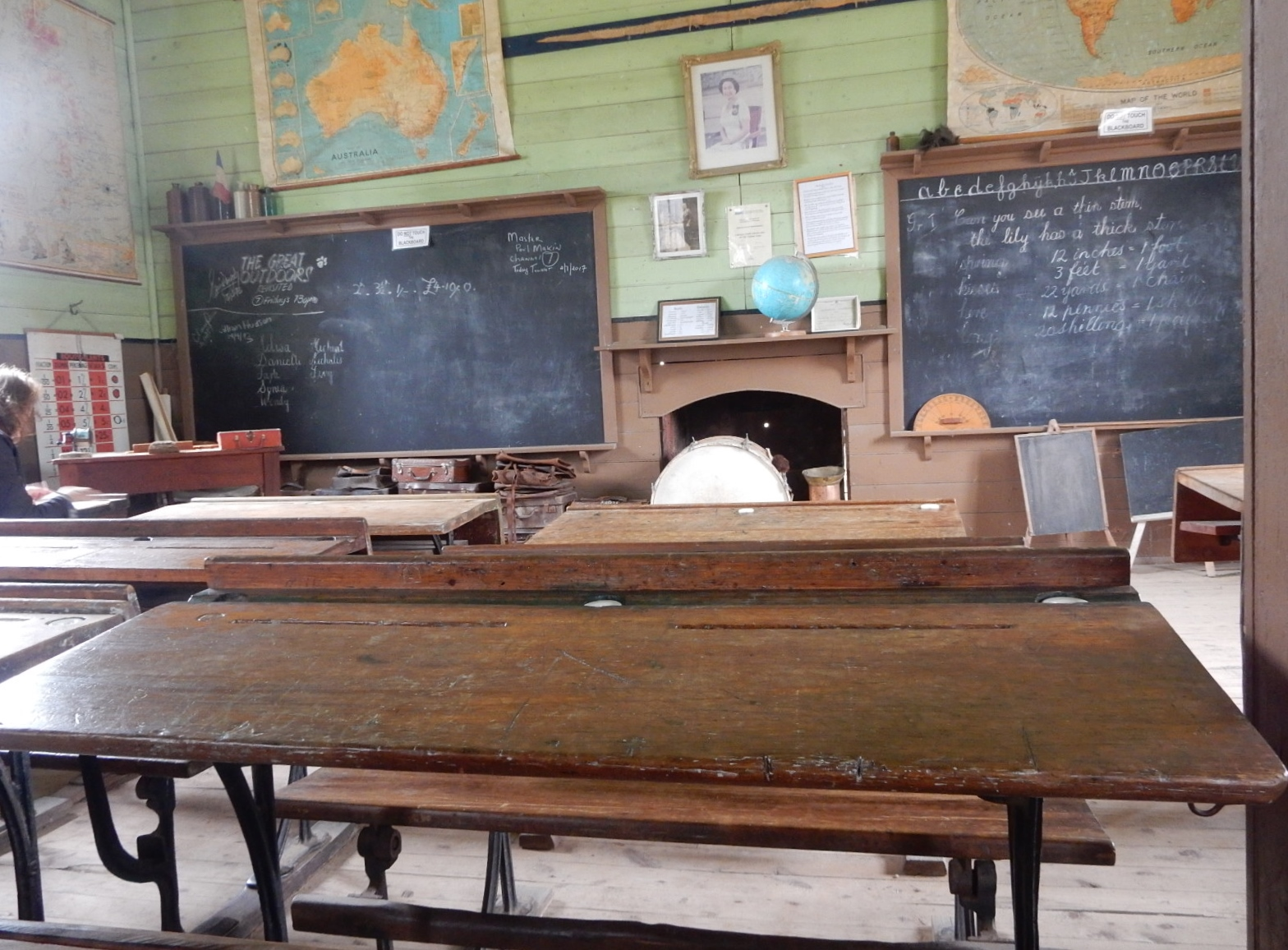
A set of maps hung together, layered, so that a different one could be selected by pulling down whichever was wanted.
The stacking is a neat solution to a real problem. A classroom needs several maps and has one good position for them, so the whole collection occupied a single mounting and the teacher chose from it.
The order they hung in was fixed and never changed. Children consequently knew exactly which one was second and which was fourth, and a teacher reaching for an unexpected one in the sequence had signalled an unusual lesson.
5. The Thing Was Enormous and That Was the Entire Point
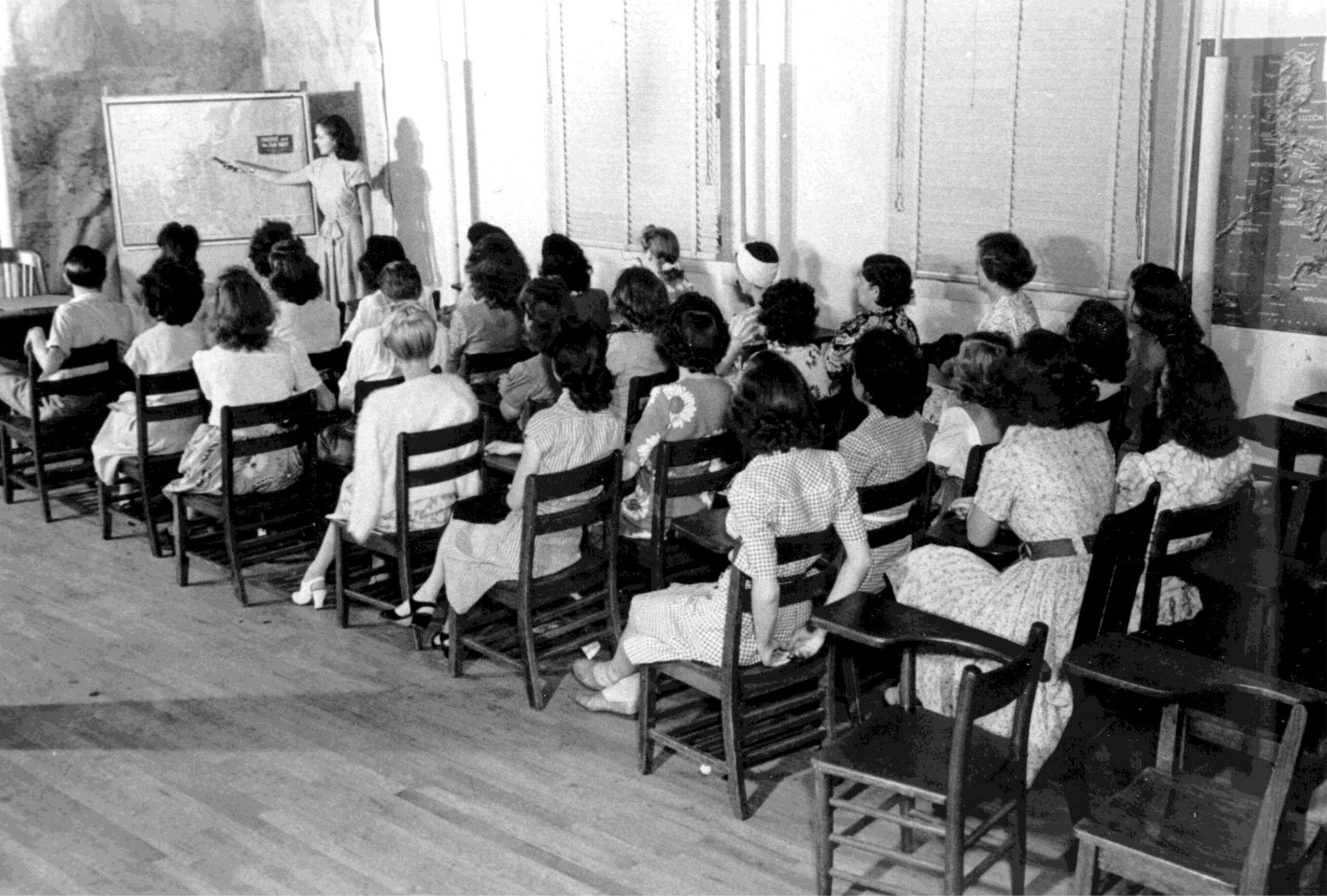
It covered most of a wall, which meant every child in the room could see it from where they were sitting without moving.
The scale is what distinguished it from every other source of the same information. A book shows a map to one person at a time, and an object six feet across shows the same map to thirty people simultaneously, which makes a shared reference possible.
It also meant everything on it was visible at once. A child looking at a large map takes in the whole of it, the relationships between its parts and the proportions of the thing, which is a different experience from scrolling across a surface.
6. It Was Years Out of Date and Nobody Could Tell
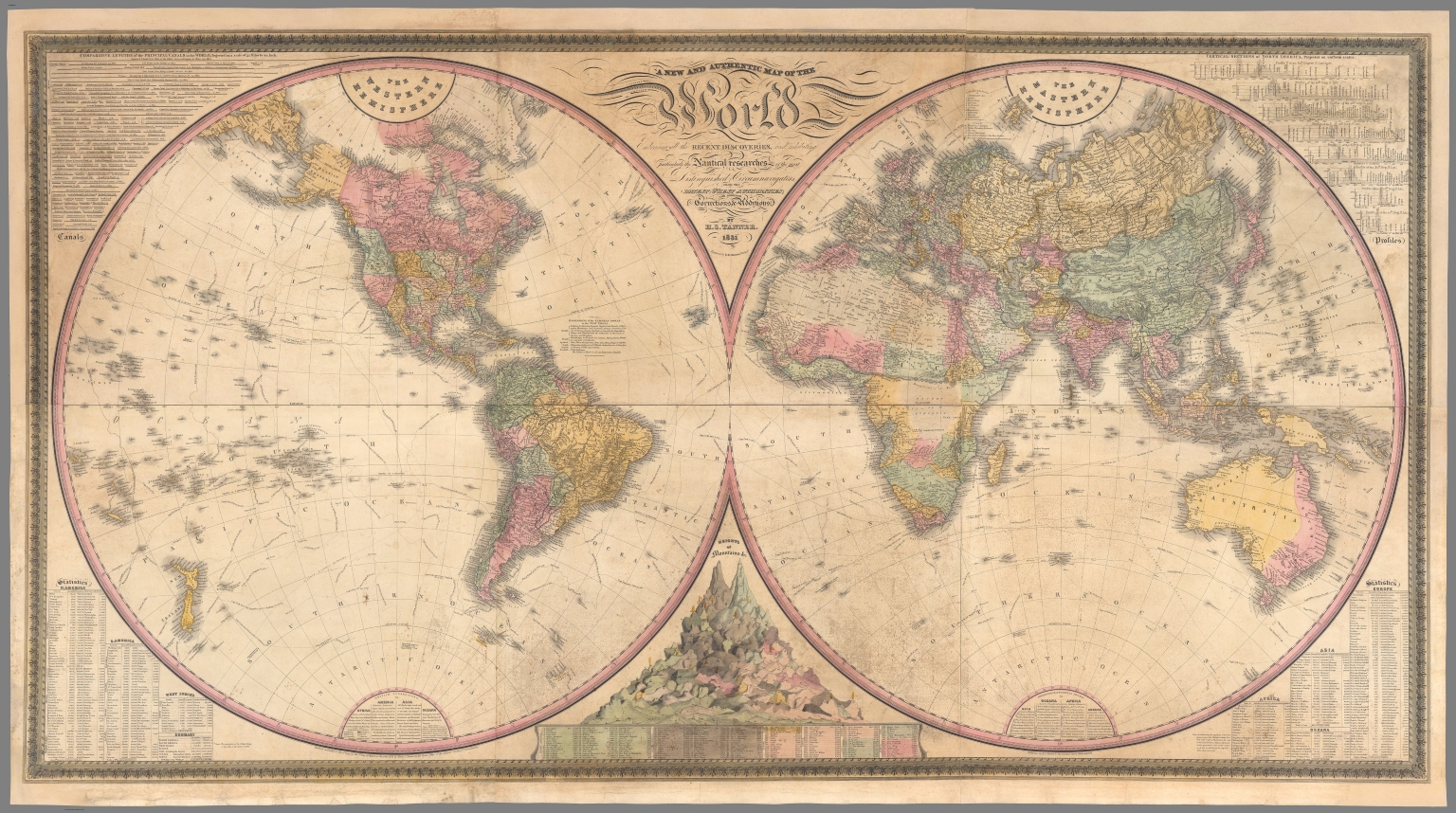
The map on the roller had been bought at some point and had not been replaced since, and the world on it had moved on.
The obsolescence was silent and that is the problem with it. A map does not announce its own age, so a classroom could be teaching from something a decade stale without anybody in the room having any way to know.
Replacement was rare and expensive. A full set of maps was a substantial purchase for a school, which meant a classroom frequently used the same set for the whole of a child’s time in the building.
7. The Teacher Had a Pointer and It Mattered
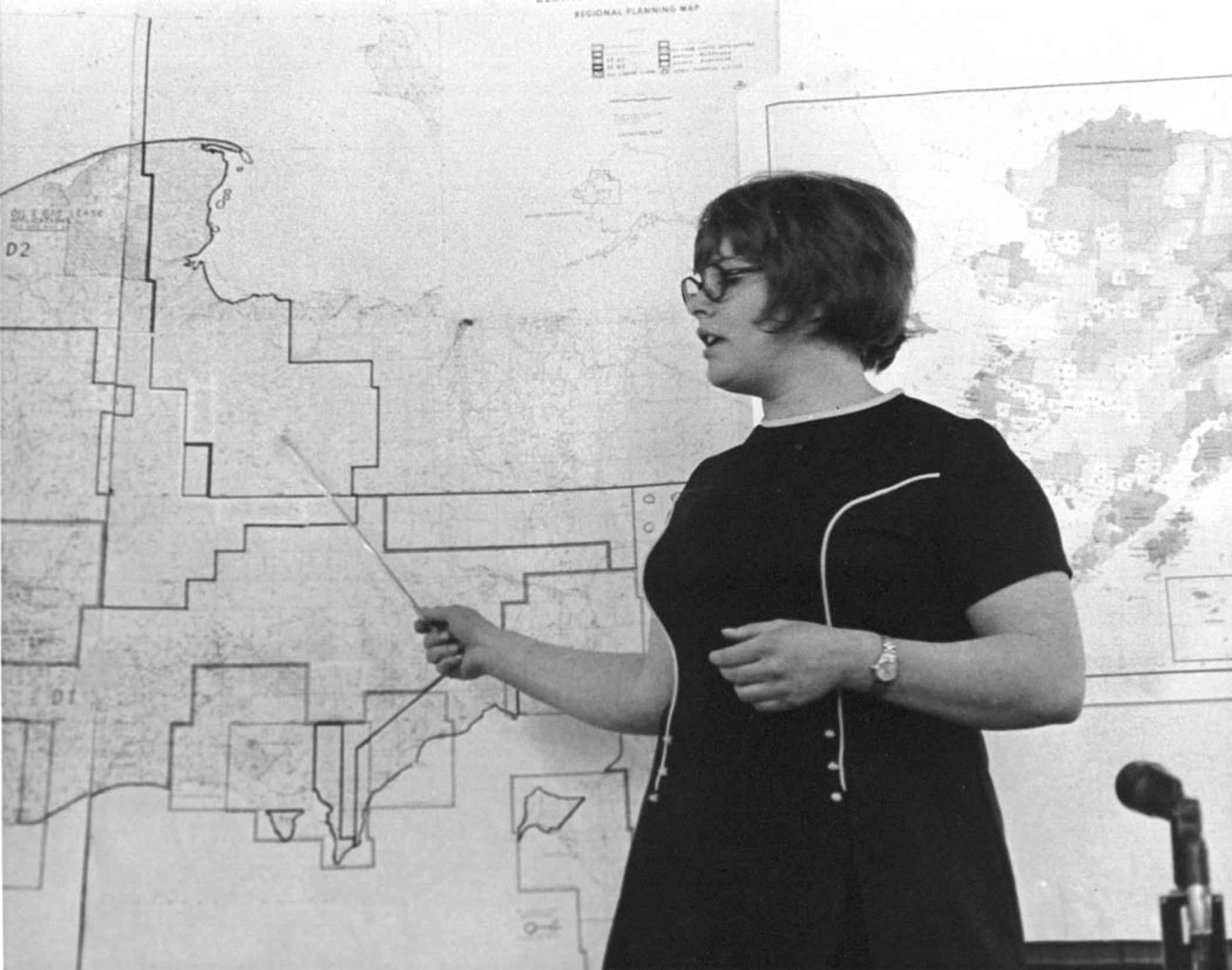
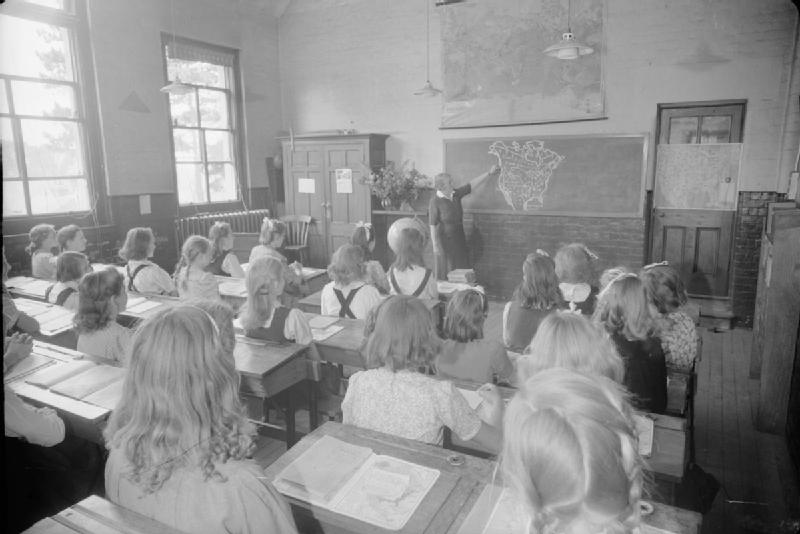
A stick, a cane or a rolled-up something was used to indicate a place on the map, and nobody taught without one.
The instrument was necessary rather than theatrical. An object six feet across cannot be indicated by hand from a position where thirty people can still see it, and the pointer solved a geometry problem.
Being allowed to use it was a distinct reward. A child invited to come up and point at something had been given the teacher’s own instrument, which was understood by everybody in the room as a considerable promotion.
8. Coming Up to the Front to Find Something Was a Public Test
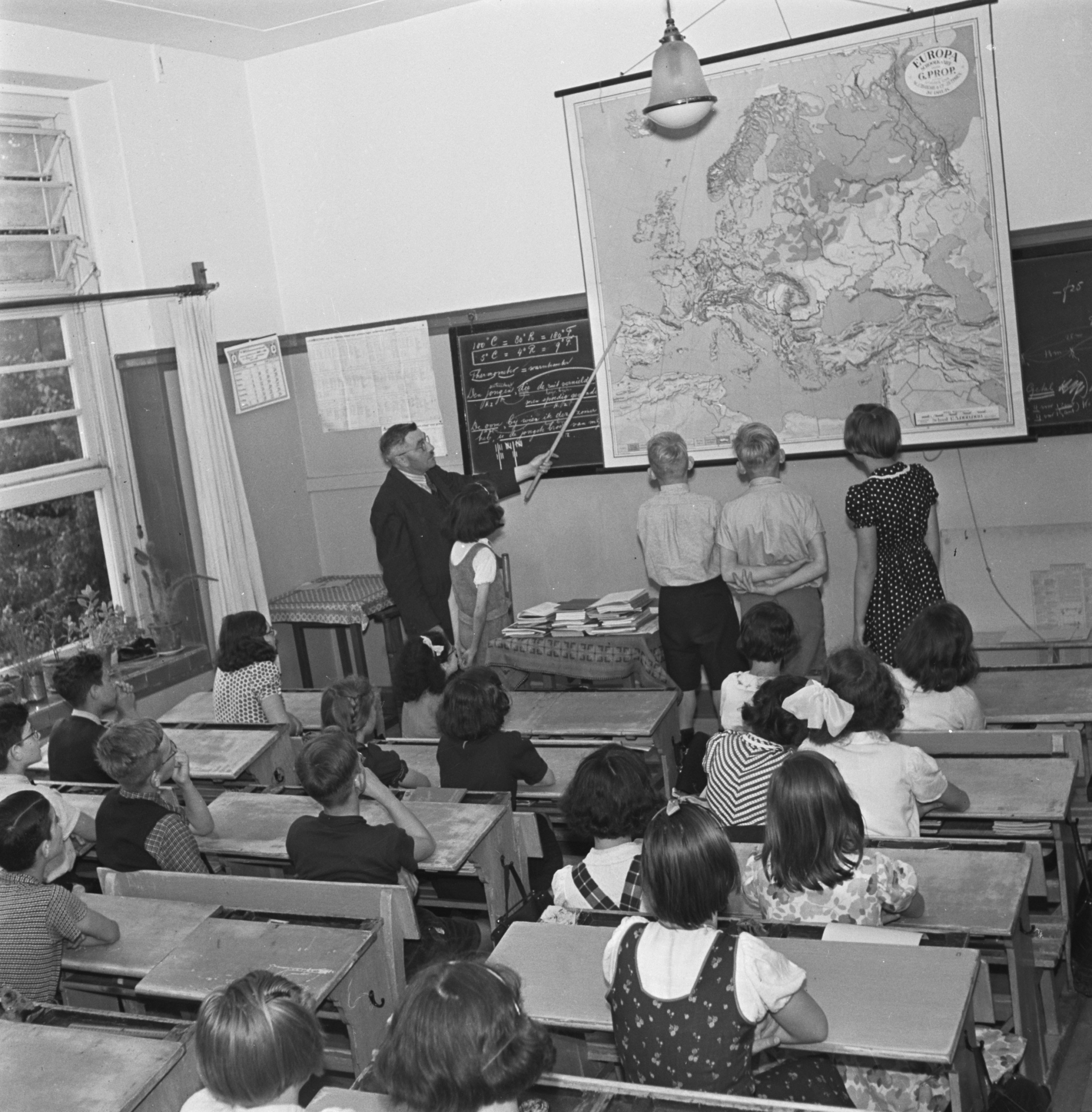
A child sent to locate a place on the map succeeded or failed in front of everybody, immediately and unambiguously.
The exposure is what made it memorable. Most classroom questions can be answered quietly or hedged, and standing at a map with a pointer either finds the thing or does not, with no available ambiguity.
Everybody else was working on it too. Thirty seated children were locating the same place from their desks while one person searched at the front, which meant the room reached the answer before the child at the board did.
9. The Colours Did the Teaching
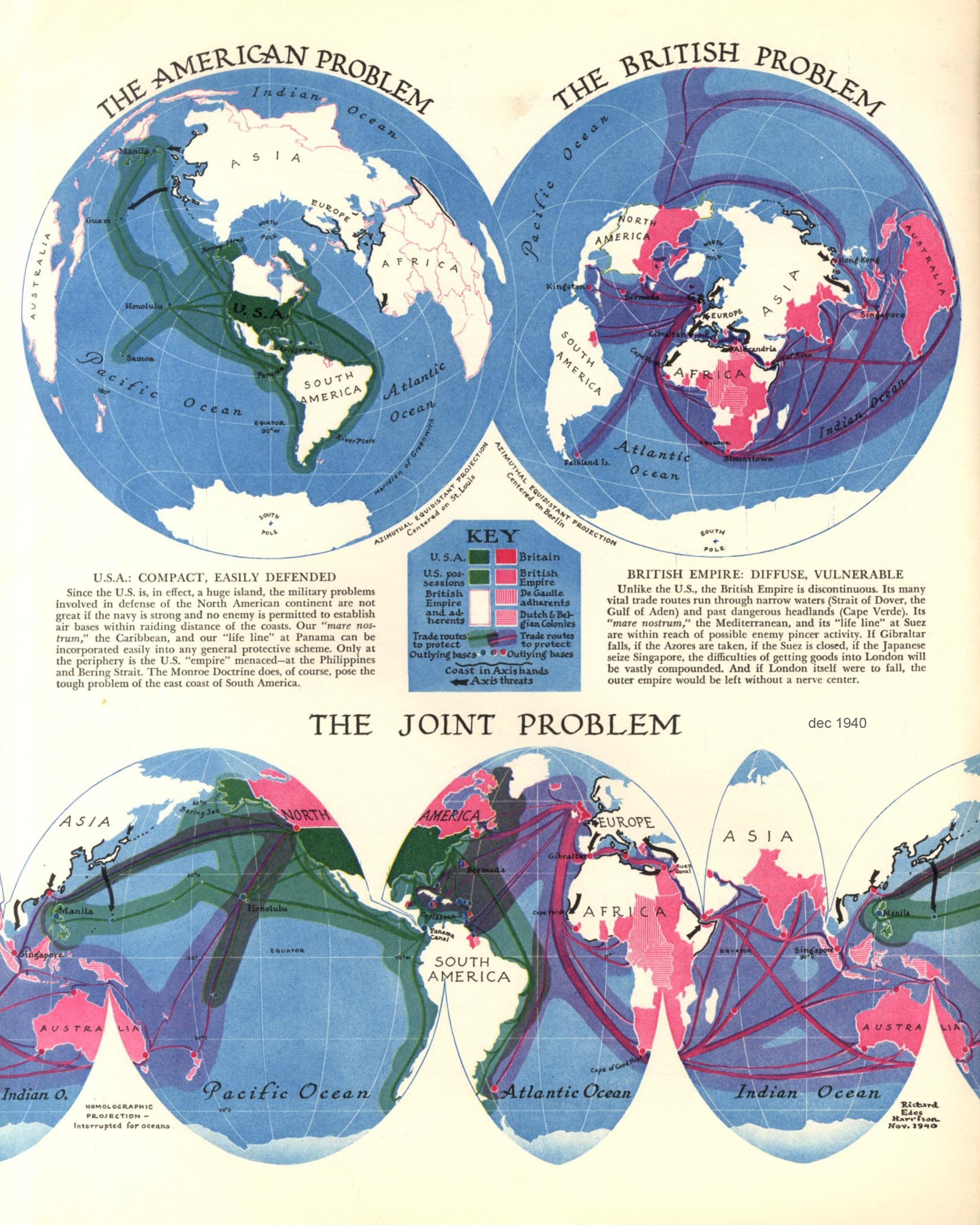
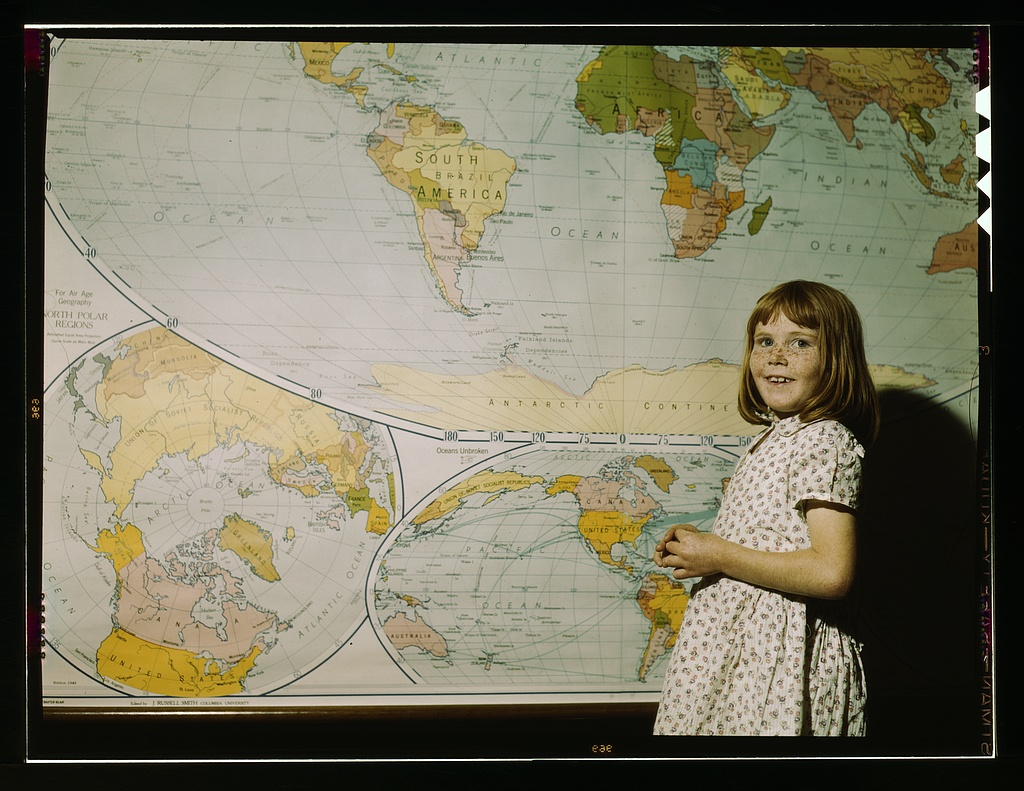
Political divisions, elevation, ocean depth and vegetation were all shown by colour, and children absorbed the scheme without ever being told what it meant.
The visual coding was doing more work than anybody acknowledged. A child who had looked at the same map for four years had internalised a colour system, and could read a different map using the same conventions without ever having learned them explicitly.
The colours also fixed the world in people’s heads in a particular arrangement. An entire generation’s mental picture of the globe is coloured according to whichever set of maps hung in their own classroom.
10. The Projection Distorted Everything and Nobody Mentioned It
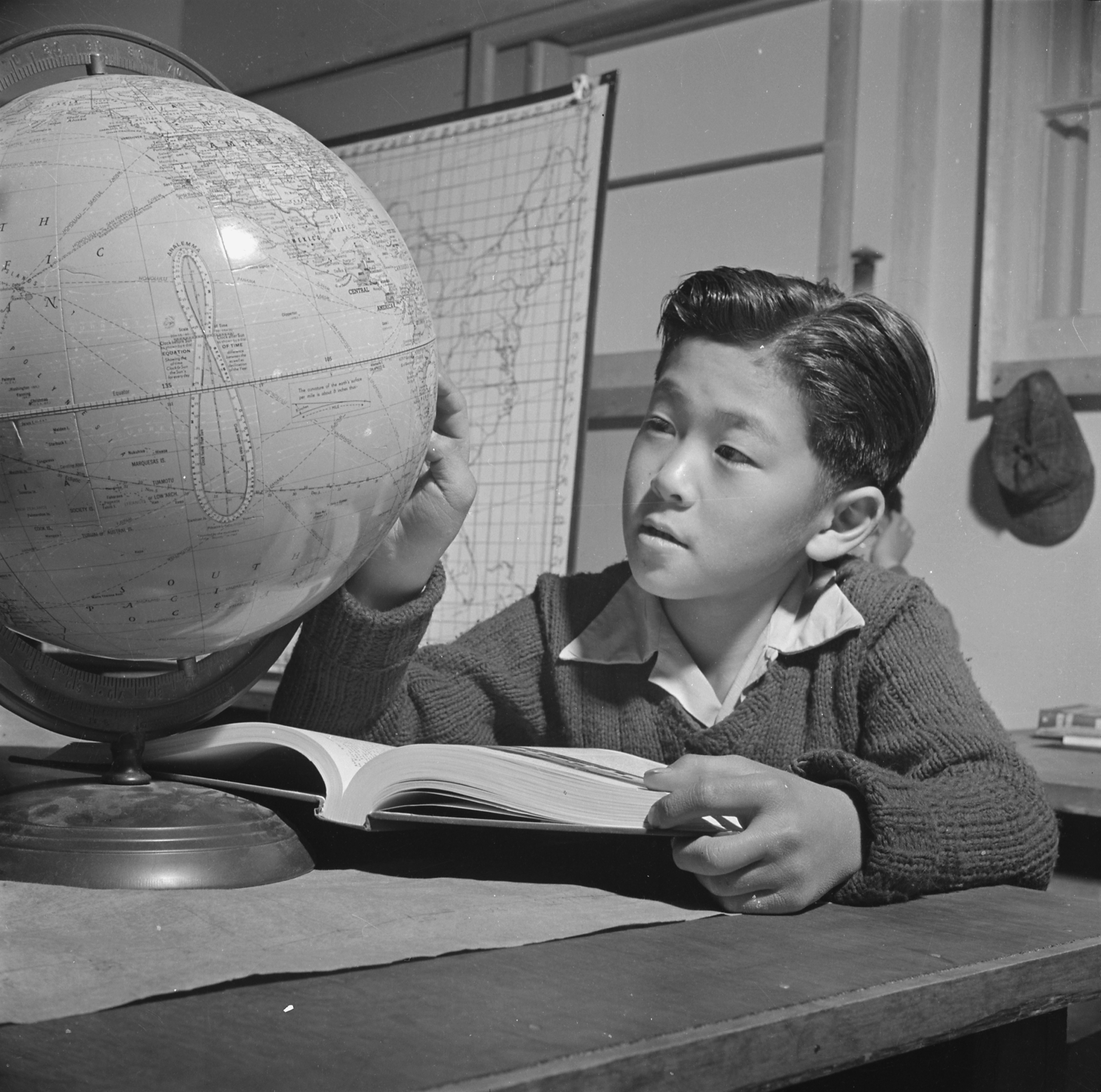
Any flat map of a sphere misrepresents something, the ones on these rollers misrepresented size at the extremes, and no lesson addressed it.
The omission is the single most consequential thing about the whole object. A child who learns the world from one flat map acquires a specific and incorrect sense of the relative size of its parts, and almost nobody corrected it.
The globe in the same room was the available remedy and was rarely used for that. Two objects showing the same information, one of them accurate about size and the other not, sat in the same classroom, and the inaccurate one was the one on the wall.
11. Children Looked for Their Own Town and Usually Failed
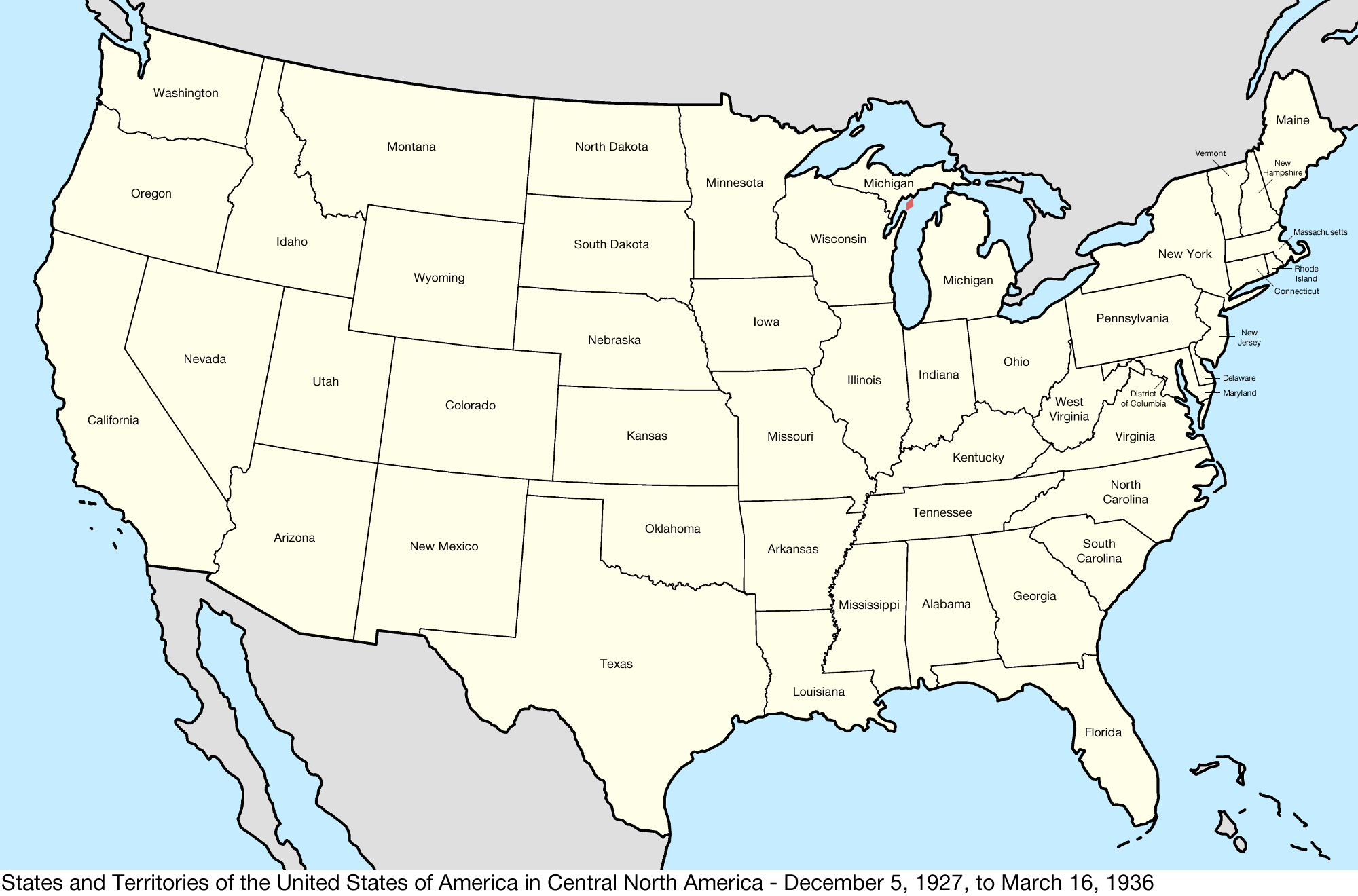
The first thing anybody did with a map was try to find where they lived, and on a map of that scale most places are not shown.
The disappointment was universal and instructive. A child who cannot find their own town on a classroom map has discovered something about scale, about significance and about the size of the world, all in about fifteen seconds.
The ones who could find it never forgot. A child whose town happened to be printed on the map had a permanent small advantage in the room, which is an entirely arbitrary distinction and was taken seriously by everybody.
12. It Was the Only Image of the Whole World Most Children Saw
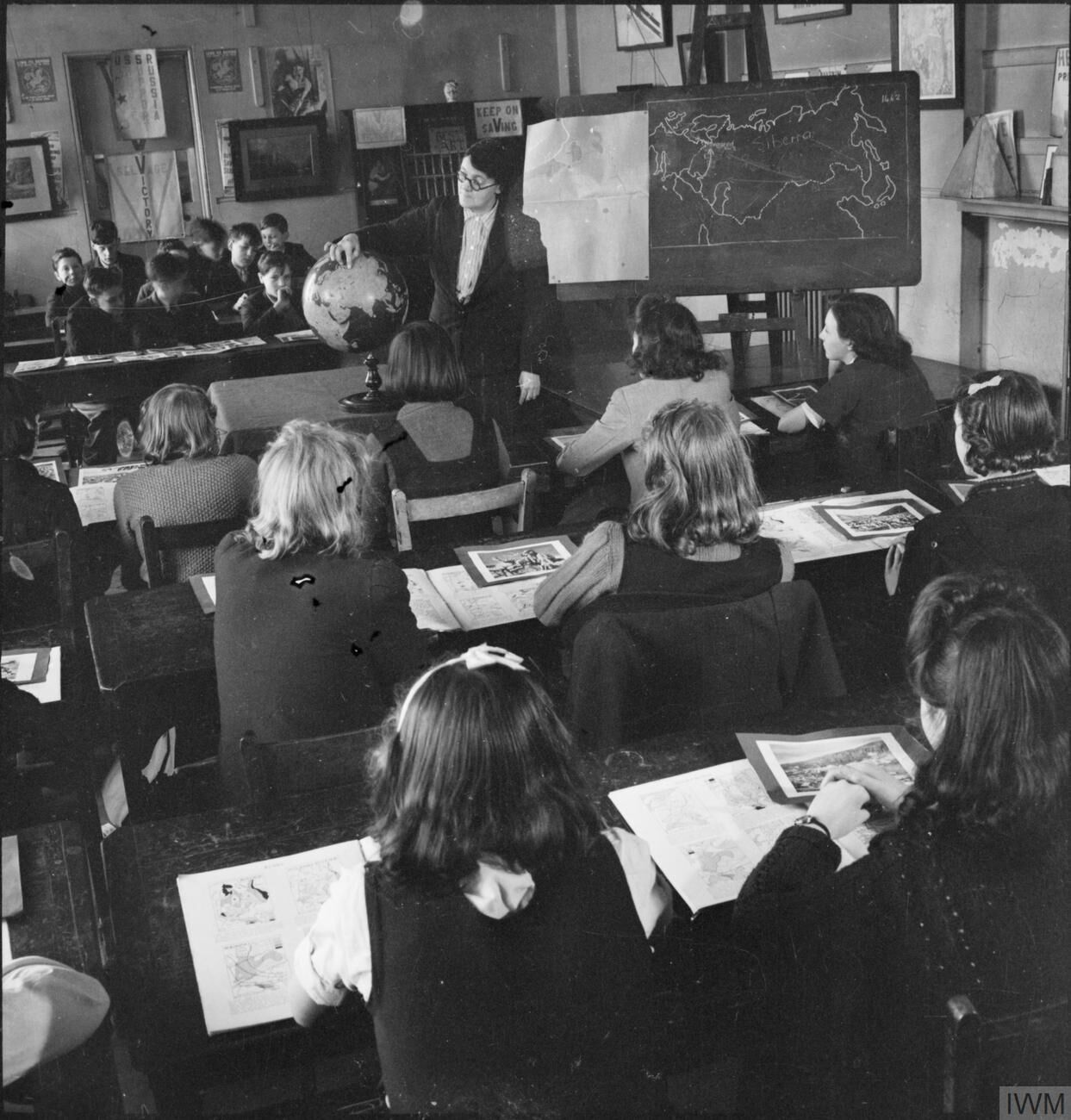
Without television showing much, without travel and without any other large image available, this was the picture.
The monopoly is difficult to reconstruct now. A single object, on one wall, was effectively the whole of a child’s visual information about the shape of the world, which gives it an influence out of all proportion to its accuracy.
Which is why the errors mattered so much. A distorted projection seen once is a curiosity and the same one seen every day for six years becomes what somebody believes the world looks like.
13. Tracing From It Was a Standard Exercise
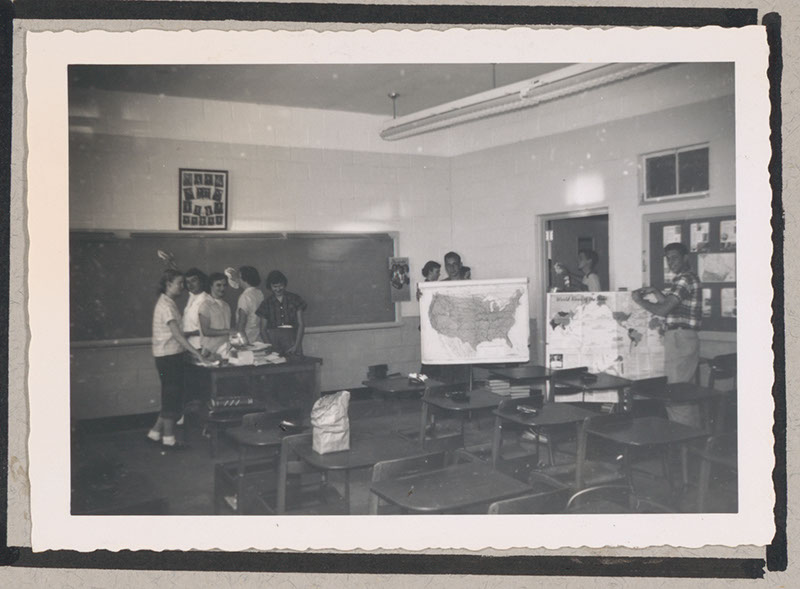
Children were sent up with paper to copy an outline, and the copying was a recognised piece of classwork.
The exercise taught the shape by hand rather than by eye. A child who has drawn a coastline has attended to it in a way that looking at it does not require, which is why the practice persisted long after anybody could explain the reasoning.
It also produced a reliable queue. One map, thirty children and a tracing exercise means a rota, and the whole business occupied considerably more of a lesson than anybody had planned.
14. Rolling It Back Up Properly Was a Skill
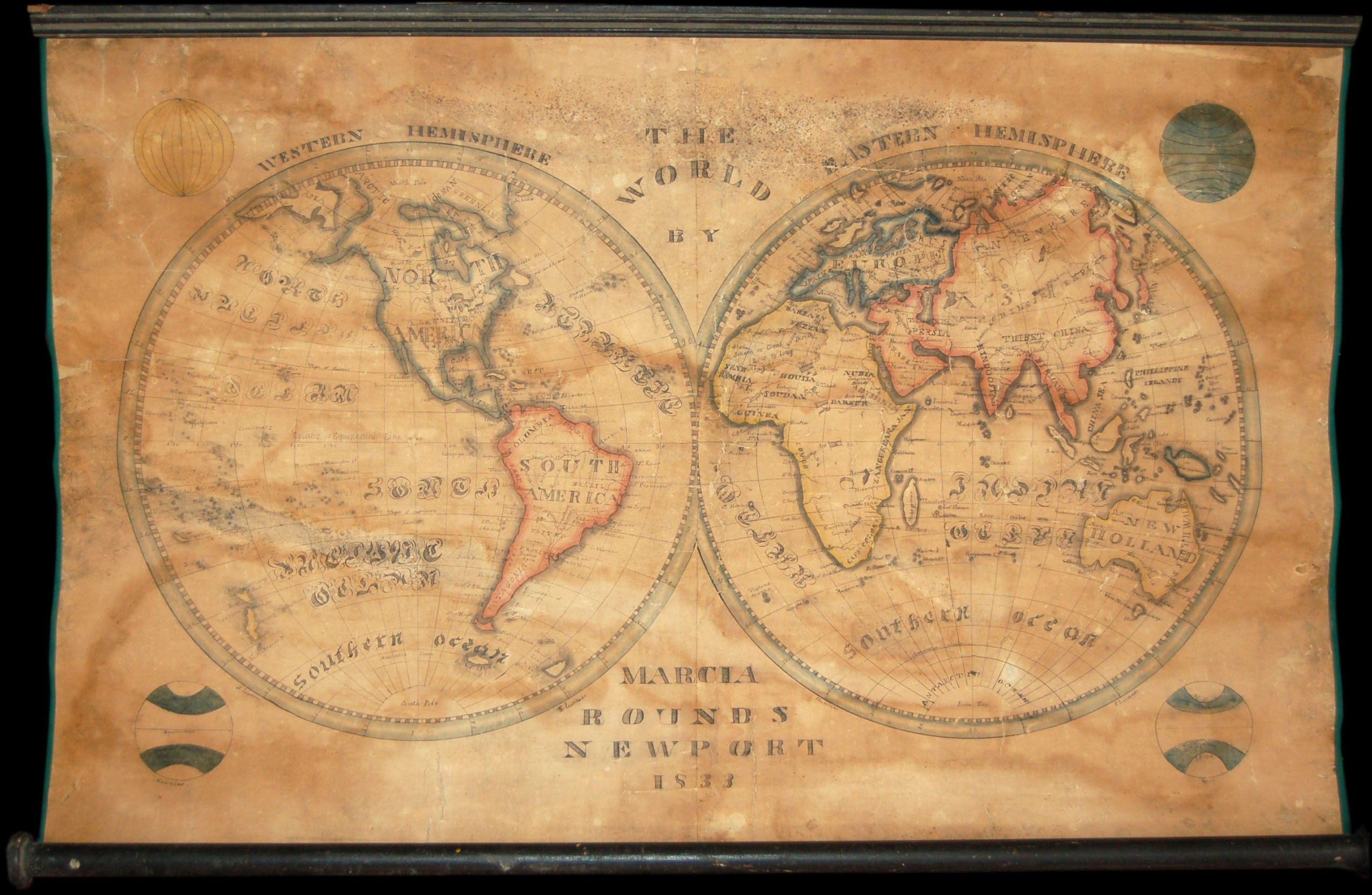
Returning the thing to its housing without creasing it, catching it or letting it travel took a particular technique.
The difficulty was real and was learned by failure. A large sheet on a spring roller does not return straight unless it is guided, and a map rolled badly developed a permanent crease that everybody could see for the rest of its life.
The creases accumulated into a record. A map with four diagonal folds across it had been rolled badly four times by four different children, and the damage identified the incidents permanently.
15. Then the Screen Replaced the Wall
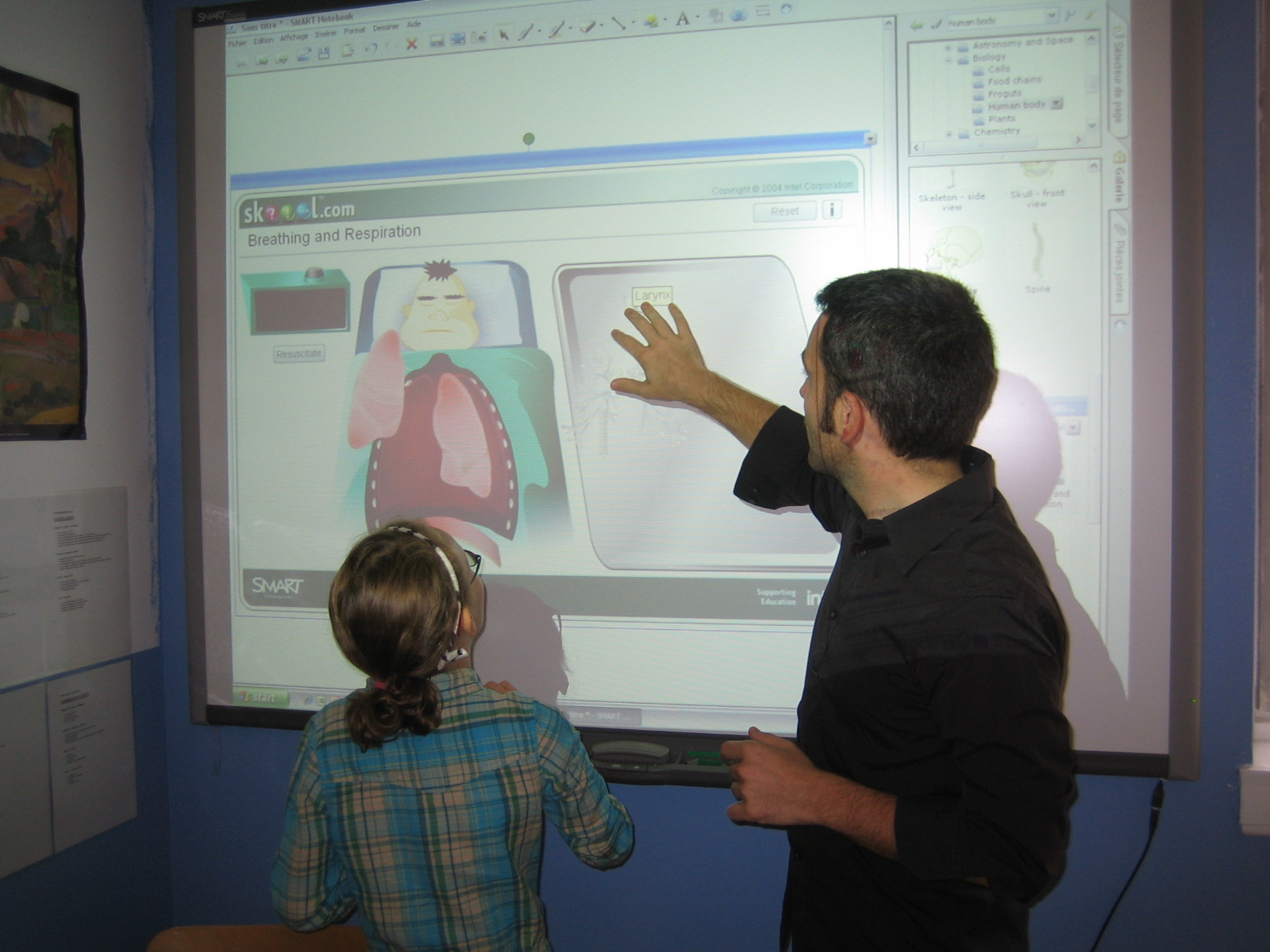
Projection, then displays, then individual devices moved the image off the wall and onto something that could be changed in a second.
The improvement on every measure is not in dispute. A current, accurate, zoomable map available to every child instantly is better than a decade-old flat sheet on a roller in every single respect.
What went was the shared object. Thirty people looking at one enormous thing in the same room at the same moment, all seeing the same proportions and the same colours, with one child at the front holding a pointer and the whole class finding the answer before they did – and an entire generation whose mental picture of the world is still the one that hung above their own blackboard.
What One Enormous Sheet Actually Did
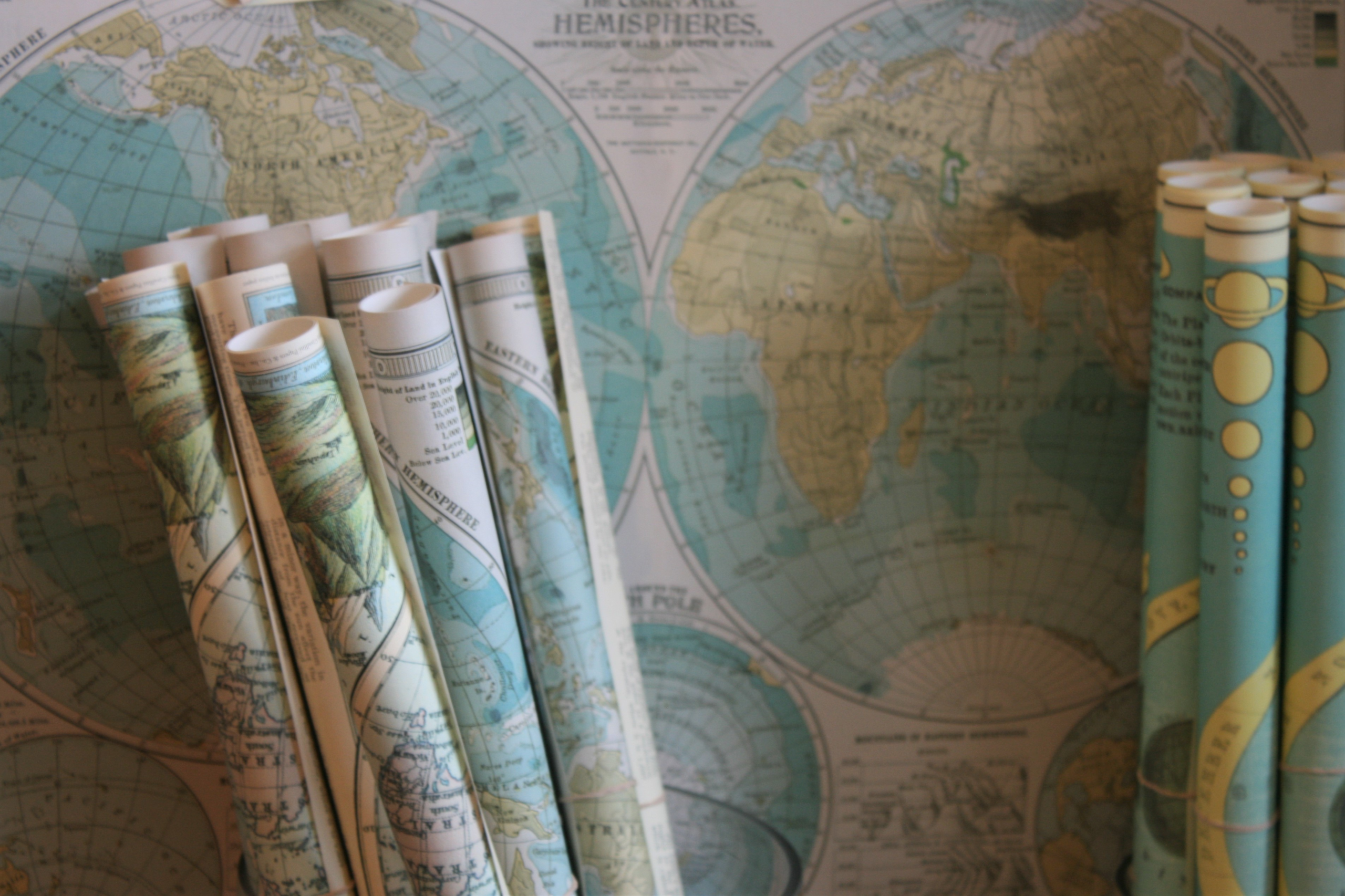
Read in order, the sixteen describe an object whose value came almost entirely from its size. A book shows a map to one child; something six feet across shows the same map to thirty children simultaneously, which is what makes a shared reference possible at all. Everything on it was visible at once, which means a child took in the whole thing and the relationships between its parts rather than a window onto a fragment. The colour coding taught a system nobody ever explained, and a child who had looked at the same sheet for four years could read an unfamiliar map using conventions they had never been taught.
The cost of all that is in the tenth item and it is substantial. Any flat map of a sphere misrepresents something, these ones misrepresented size at the extremes, and no lesson addressed it. The globe in the same room was the available remedy and was almost never used as one. A child who sees a distorted projection once has seen a curiosity; a child who sees the same one every day for six years has acquired a picture of the world that is wrong in a specific way, and a great many people are still carrying it.
Nothing about the replacement is worse. A current, accurate, zoomable map available to every child in a second beats a decade-old sheet on a roller in every measurable respect, and the obsolescence of the old one was silent – a map does not announce its own age, and a school could not afford to replace a full set often enough to matter. What went with it is the shared object: thirty people looking at one enormous thing at the same moment, seeing the same proportions and the same colours, with one child at the front holding the teacher’s pointer while the entire room found the answer before they did.
Like our content? Follow us for more.