Fame feels invincible from the outside, but for many performers it turned out to be a thin layer covering real instability. Big paychecks came and went, eaten up by managers with too much power, contracts that favored everyone else, addiction that drained both work and health, and tax bills that didn’t slow down just because a career did. By the time some of these artists reached their later years, the image the public carried of them no longer matched the realities they lived with. Their legacies remain enormous, but the financial struggles behind the scenes remind us how quickly money disappears when the system isn’t built to protect you.
Judy Garland
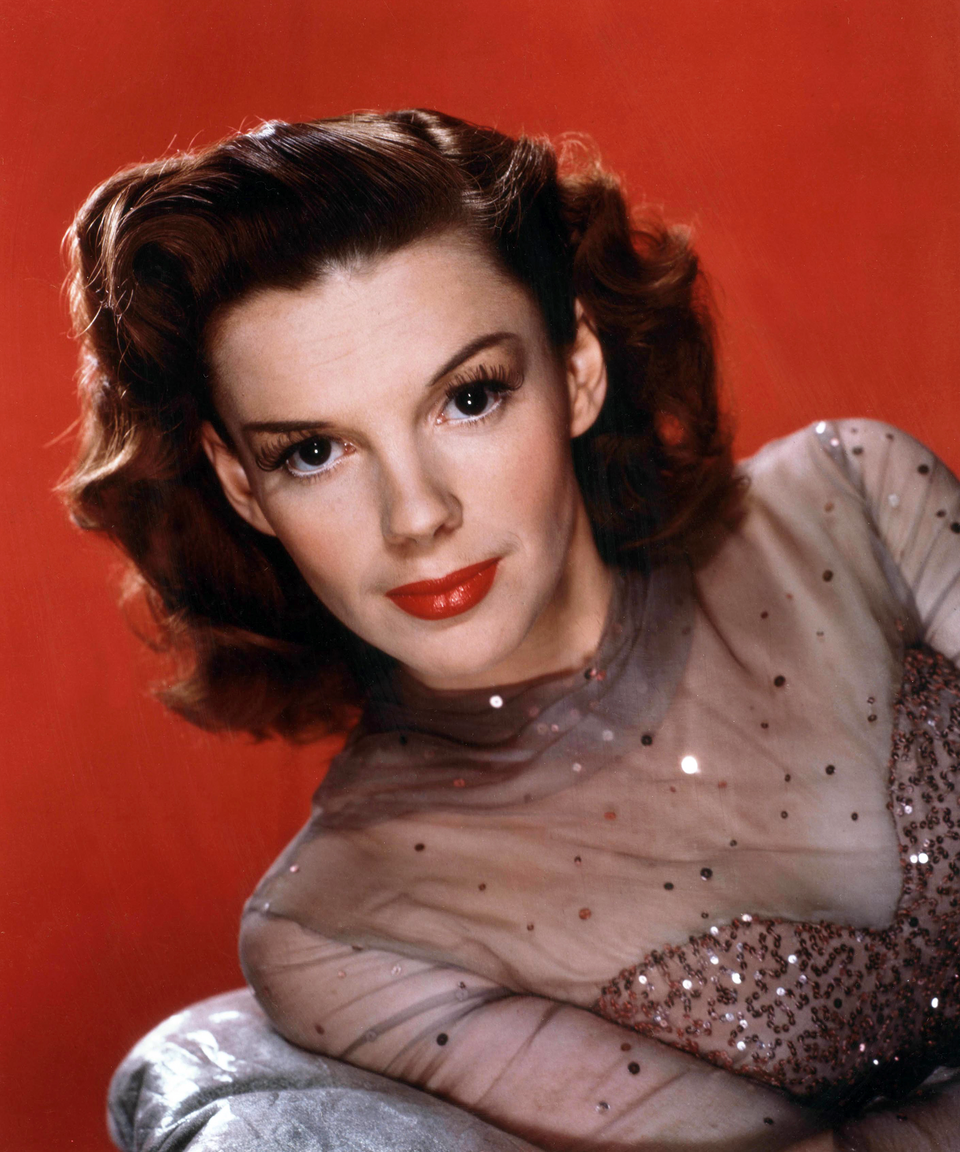
Judy Garland built one of Hollywood’s most recognizable legacies, yet she spent much of her life fighting for control of her own finances. Studio contracts from her youth gave her little say in how earnings were handled, and years of medical treatment, canceled work, and personal turmoil piled on expenses she never fully escaped. In her forties and fifties she returned to the stage constantly, not only because she loved performing, but because she needed the income to stay ahead of taxes and long-standing debts. Her later years show a stark contrast between the mythic power of her voice and the instability she carried privately.
Sammy Davis Jr.
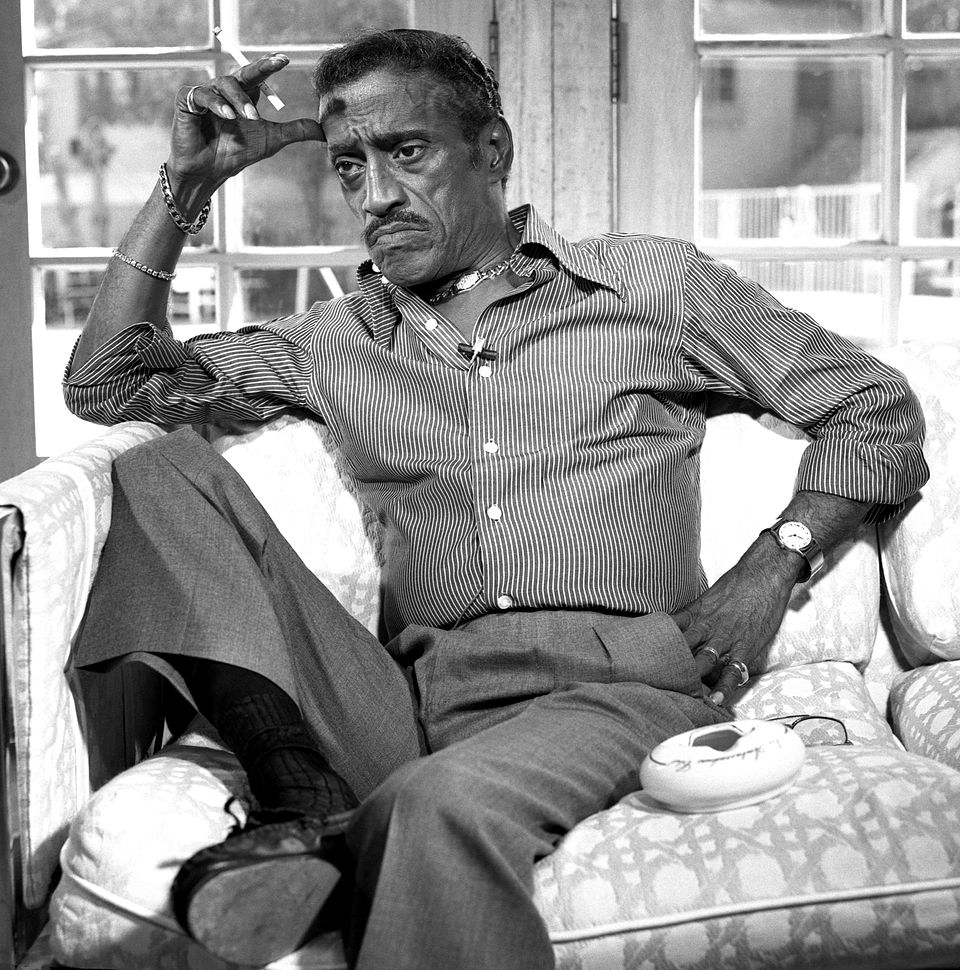
Sammy Davis Jr. seemed unstoppable on stage, bouncing between films, clubs, talk shows, and theaters with a pace few could match. Behind that shine, however, sat tangled finances, high living costs, and advisers who didn’t protect his long-term interests. IRS debts grew for years, and by the time he was facing serious illness, collectors were arriving just as often as fans. His final chapter reveals how even a career this packed with success can unravel when spending outpaces planning.
Bela Lugosi
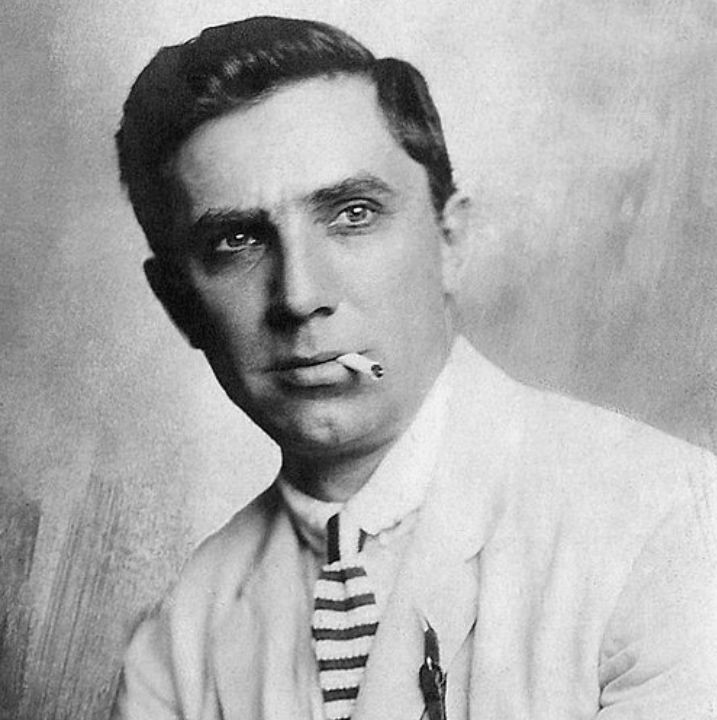
Bela Lugosi’s portrayal of Dracula shaped an entire genre, yet typecasting pushed him into lower-budget films that paid only a fraction of what major studios offered. As roles dwindled, addiction and health issues made his financial landscape even harsher. By the time he filed for bankruptcy, very little remained of the income he had once earned at his peak. He died with modest means, even though the character he created continued generating revenue for studios long after he was gone.
Billie Holiday
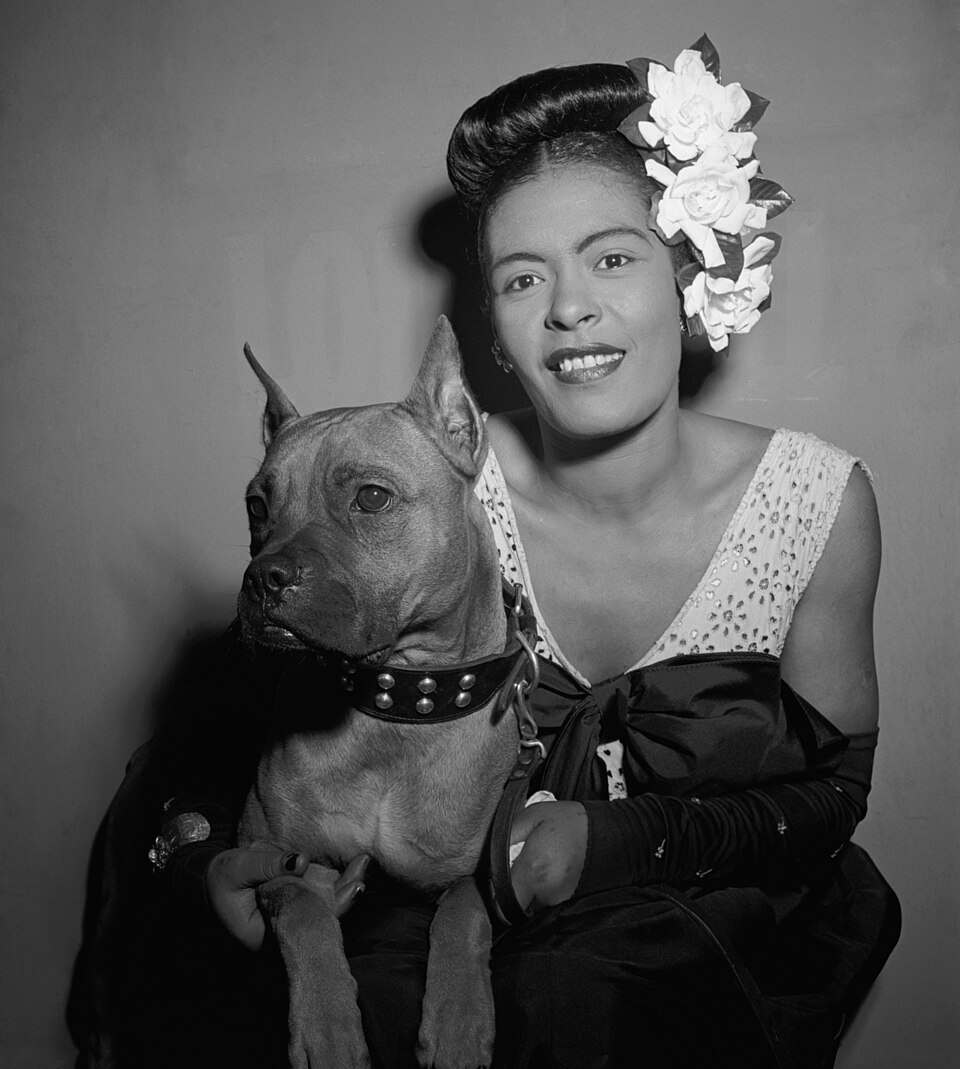
Billie Holiday revolutionized jazz with phrasing and emotional depth no one had heard before. But the same life that fueled her voice also made her financially vulnerable. Contracts rarely worked in her favor, and arrests tied to addiction shut her out of top-earning venues. A criminal conviction even barred her from performing in New York’s most profitable clubs. As she lay dying in a hospital, she had almost no financial resources left, a heartbreaking contrast to the cultural weight of her music.
Florence Ballard
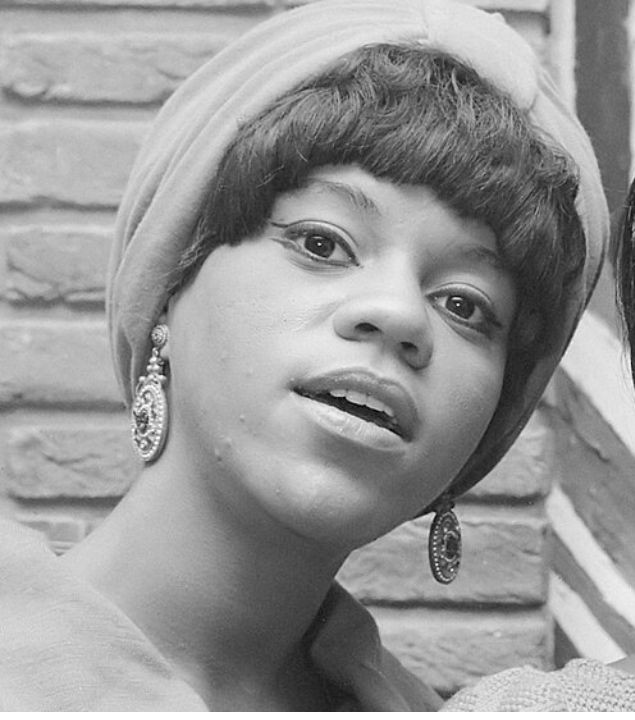
Florence Ballard co-founded The Supremes and helped define Motown’s early sound, but her financial reality never matched her musical influence. Disputes with management, limited control over money, and her eventual exit from the group stripped her of long-term stability. Solo projects stalled, and she spent years trying to rebuild in an industry that had already moved on. She died young with little left, even as the hits she helped create became timeless.
Marvin Gaye
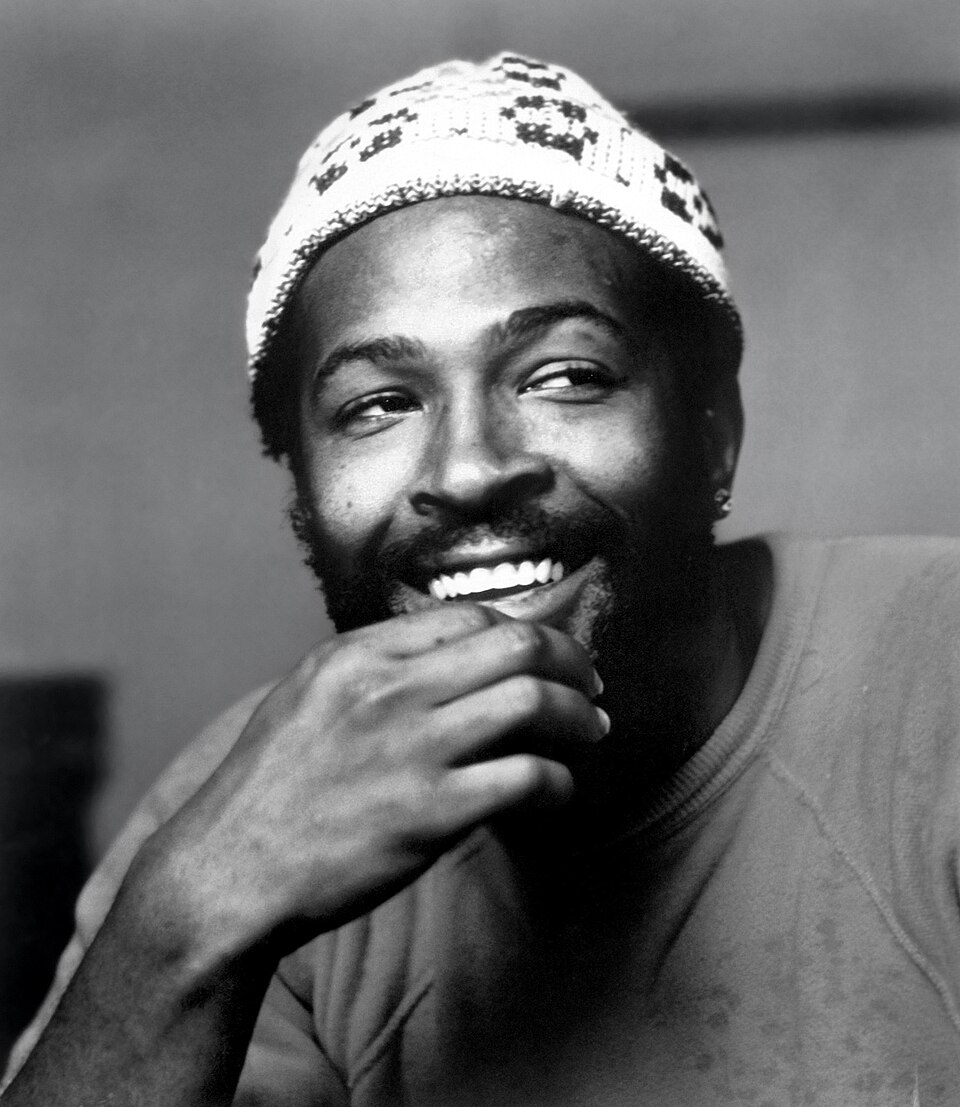
Marvin Gaye produced some of the most enduring songs in American music, yet behind that brilliance sat heavy debt, tax issues, and costly legal disputes. His spending habits and personal struggles deepened the financial stress. At one point he left the U.S. partly to escape creditors and regroup creatively. When his life was cut short, his estate relied heavily on future royalties to rebuild financial stability. His legacy endures, but his finances were a reminder of how fragile even a superstar’s foundation can be.
Whitney Houston

Whitney Houston’s career generated extraordinary sums, but a difficult marriage, addiction, and the nonstop expenses of fame — from security to staff to property — drained her accounts faster than many realized. Reports near the end of her life suggested financial strain that didn’t match her global reach. After her death, careful management was needed to repair an estate stretched thin by years of turbulence and high costs.
Michael Jackson
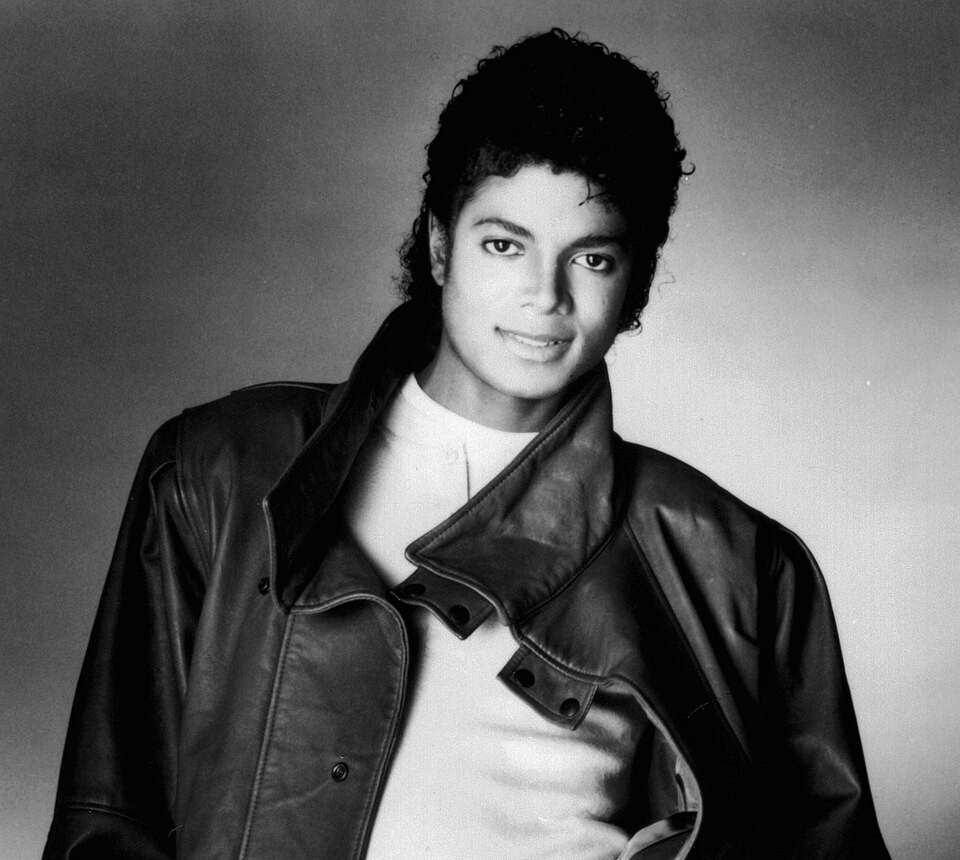
Michael Jackson possessed one of the most valuable music catalogs ever assembled, but massive touring costs, legal battles, and borrowing against future income left his finances deeply tangled. His lifestyle and entourage required an enormous ongoing budget. As he prepared for another major concert residency, part of the motivation was stabilizing the financial maze he’d created. Only after his death did the estate begin recovering through catalog deals and renewed interest in his work.
Mickey Rooney
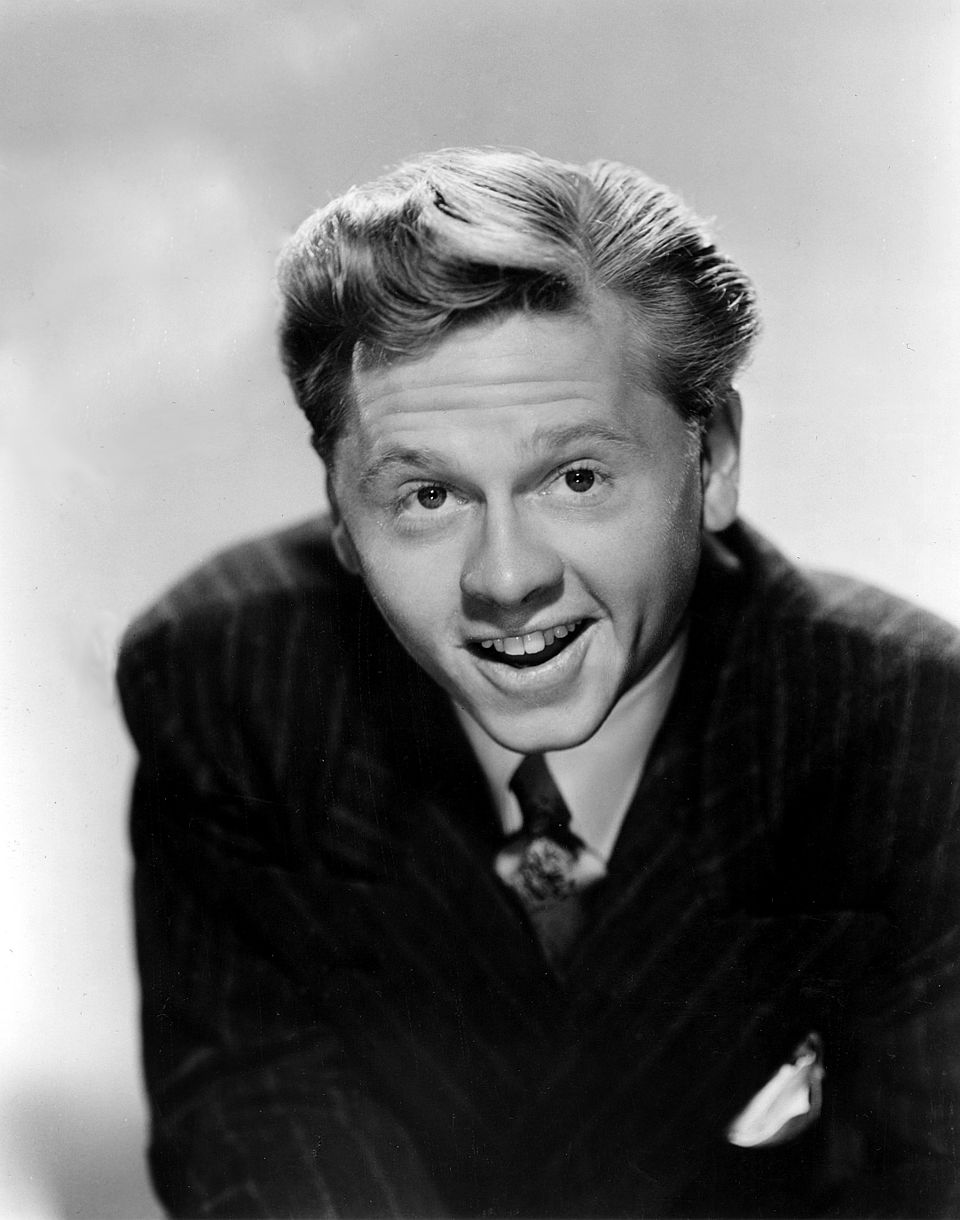
Mickey Rooney acted for nearly a century, jumping from child stardom to adult roles with relentless energy. But gambling, multiple divorces, and poor financial oversight steadily chipped away at his earnings. Late in life he spoke publicly about elder abuse and financial exploitation, revealing how vulnerable even a seasoned industry veteran could become. When he died, the estate was startlingly small compared to the sheer volume of work attached to his name.
Gary Coleman
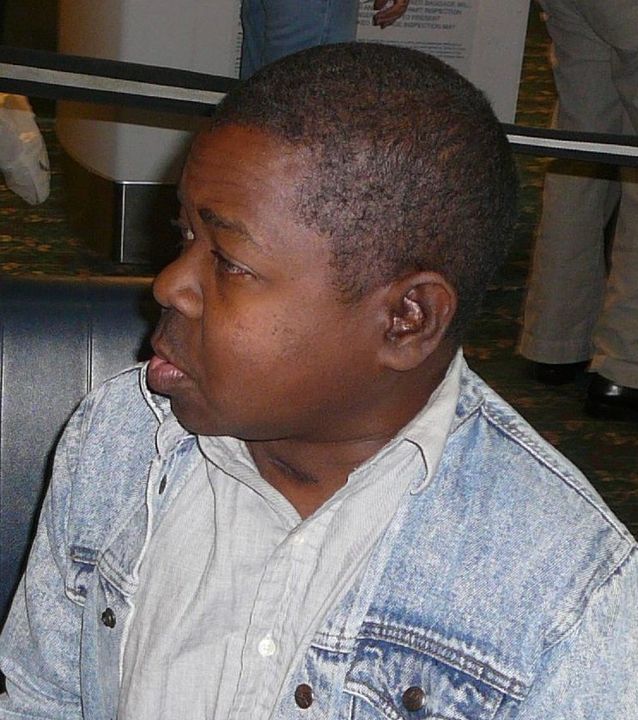
Gary Coleman became one of television’s most famous child actors, earning millions before he was a teenager. As an adult, he discovered that much of that money was gone, lost through mismanagement and family conflict. Legal battles, health problems, and inconsistent work pushed him into bankruptcy. In his later years he took smaller roles and everyday jobs, a tough shift from the fame he once held.
Corey Haim
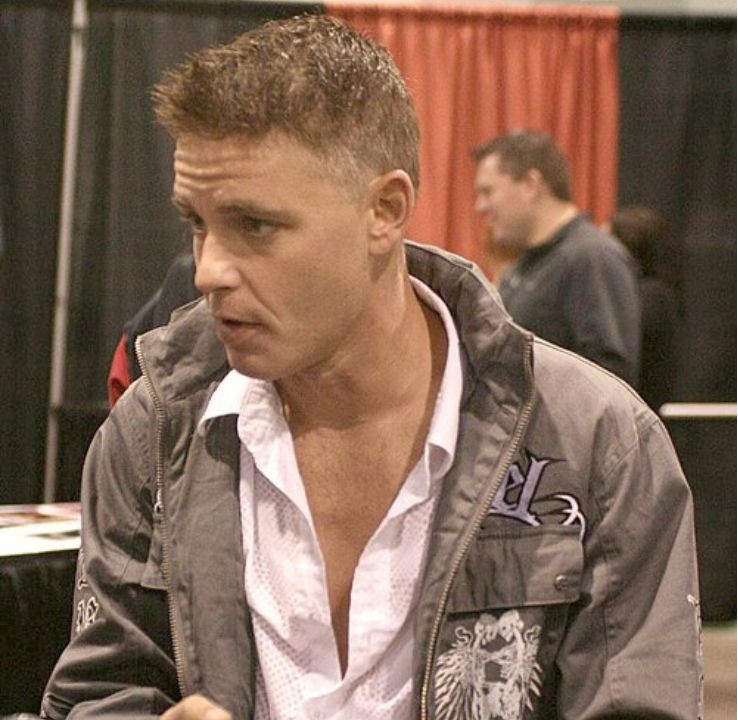
Corey Haim dominated 80s teen culture, starring in films that made him a pop-culture icon. The transition into adulthood proved difficult, and addiction took a toll on both his career and finances. As work slowed and medical issues grew, his debts mounted. By the time he entered bankruptcy, few assets remained. When he died, friends and supporters faced immediate financial concerns, a stark reminder of how quickly Hollywood success can fade.
Veronica Lake

Veronica Lake’s classic film noir look made her one of the defining stars of the 1940s. But changing industry tastes, personal struggles, and alcoholism weakened her career and finances. Tax problems pushed her into bankruptcy, and she eventually moved into lower-paid, everyday jobs far from Hollywood glamour. She died with limited means, even as her films continued to gain new fans watching late-night reruns.