In 1962 a house contained one object with a deadline attached to it. Everything else could be ignored indefinitely; the clock held about a week of stored energy and then stopped, which meant somebody had to attend to it on a schedule or the thing ceased to be a clock and became an ornament. That somebody was one specific person in the household, it was never rotated, and it was almost never a child. Here are sixteen things every American family knew about winding the clock in 1962, and why no household does any of it anymore.
1. The Clock Would Stop If Nobody Did It

A mechanical movement runs on stored energy, and a household clock had about a week of it before the hands halted.
The dependence was total and unavoidable. A spring unwinds at a fixed rate whatever anybody intends, which means the object required a person on a schedule or it simply ceased to be a clock and became an ornament.
That made it the only piece of furniture with a deadline. Everything else in a house could be ignored indefinitely; this one item made a demand every seven days and enforced it by stopping.
Like our content? Follow us for more.
2. One Person Did It and Everybody Knew Who
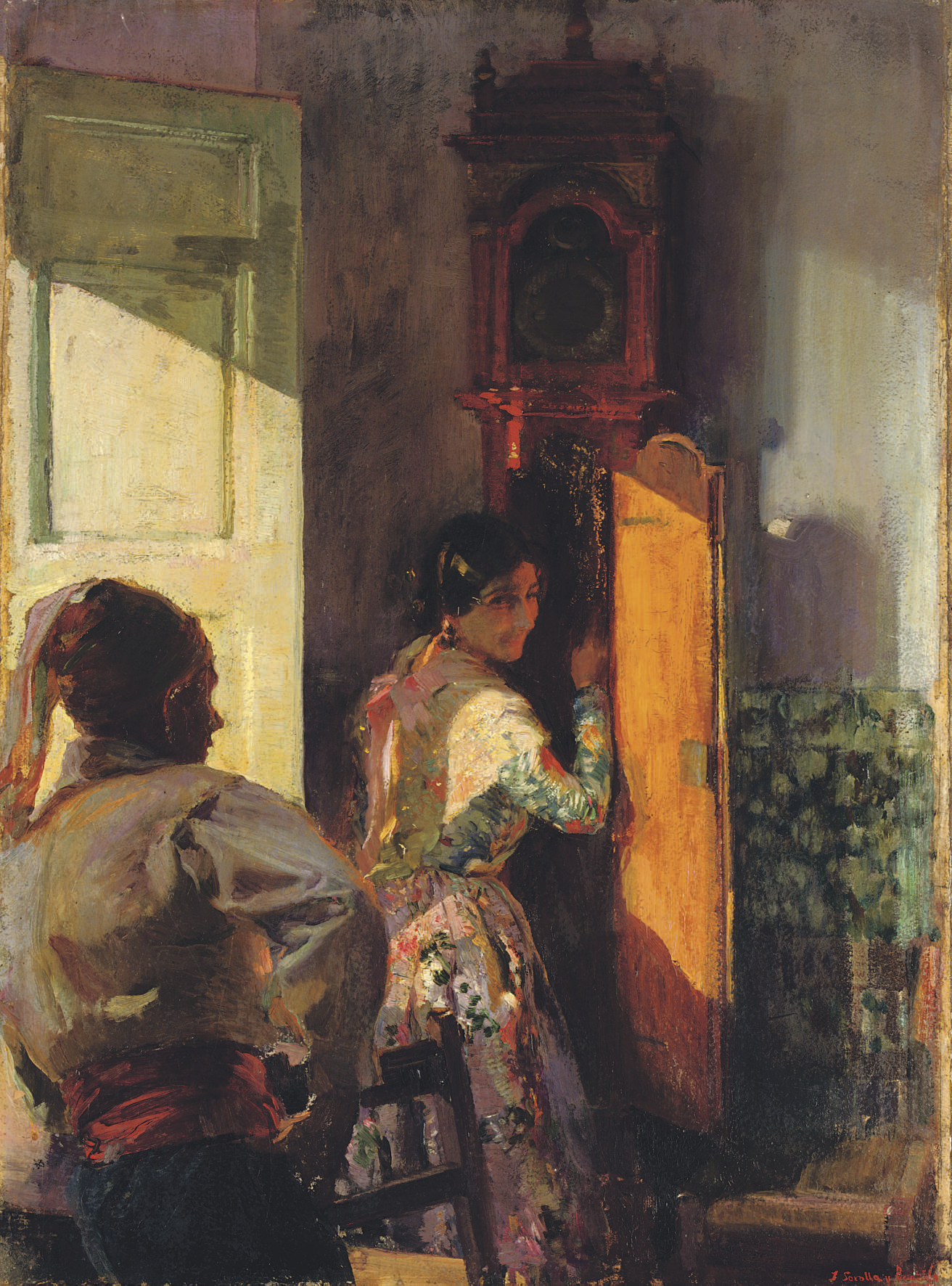
The job belonged to a specific member of the household, was never rotated and was never discussed.
The concentration of the task was practical. A clock wound by two people gets wound twice or not at all, so households settled on one person and the arrangement held for decades without anybody formalising it.
Children were almost never that person. Watching somebody else perform a weekly ritual you are excluded from is a particular experience, and the exclusion was about damage rather than trust.
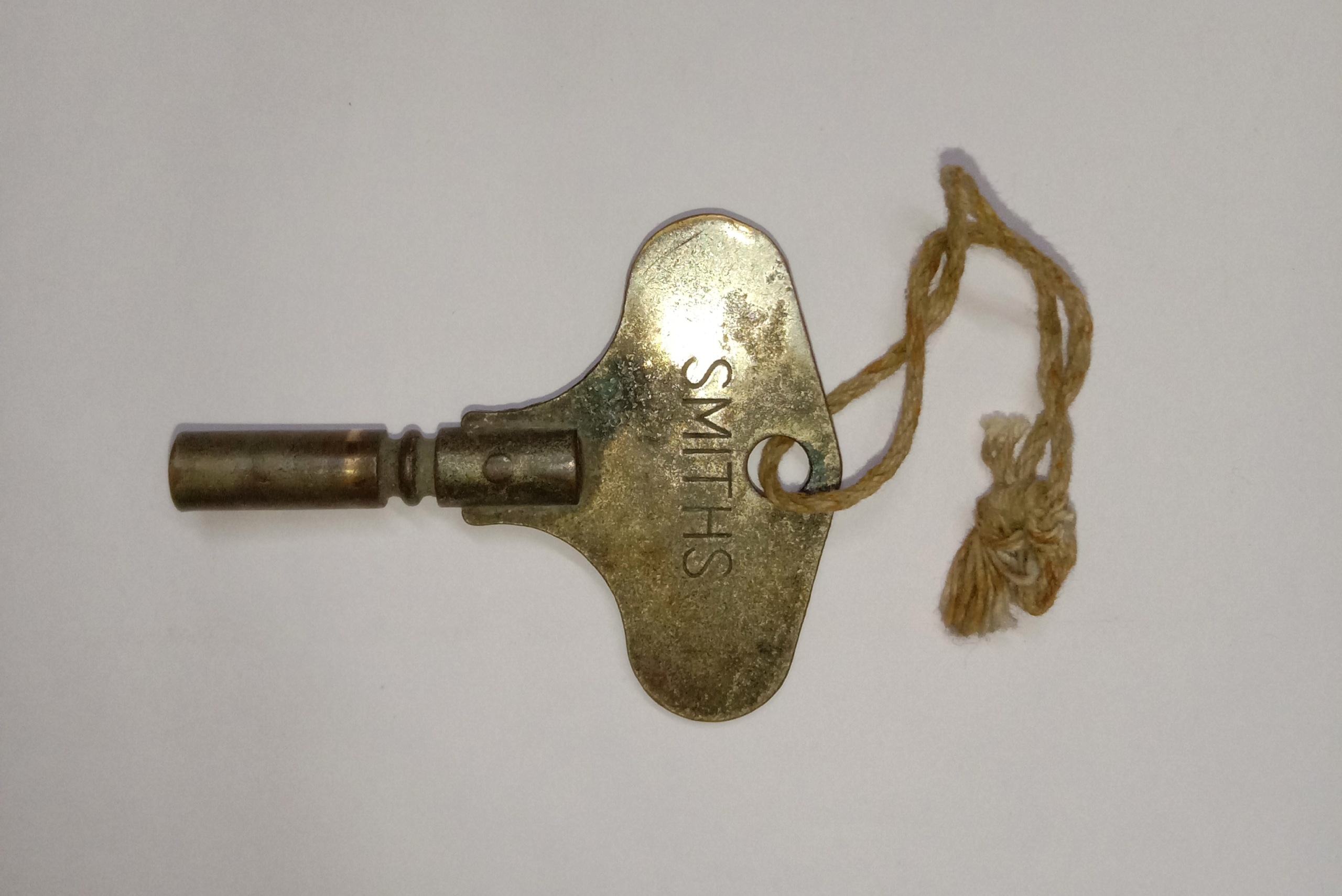
3. The Key Lived Somewhere Specific and Nowhere Else
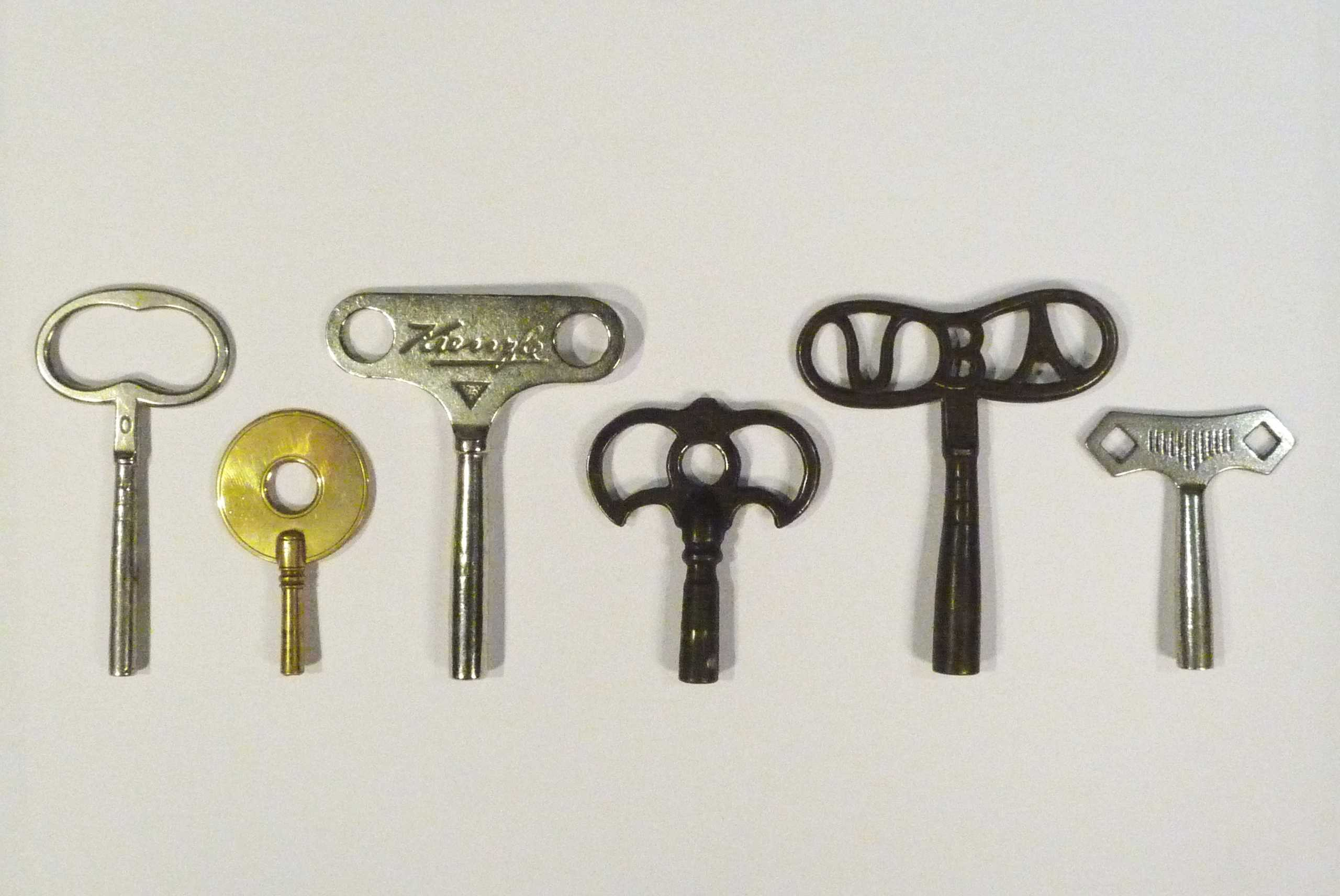
A winding key had one home – inside the case, on a hook, in a particular drawer – and it never moved.
The discipline was enforced by consequence. A key that went missing stopped the clock within the week, which meant the household had a strong practical reason to keep it in one place, and every household did.
Children knew exactly where it was. The location of the key was common knowledge and handling it was forbidden, which is a combination guaranteed to produce interest.
4. Too Tight Was Worse Than Not at All
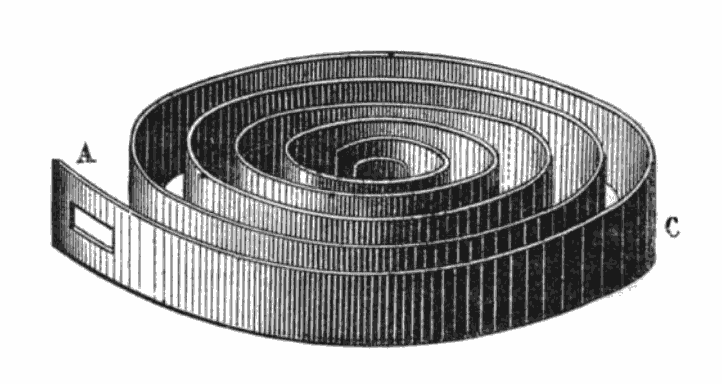
Over-winding was the one way to destroy the mechanism, and everybody had been warned about it.
The warning was slightly exaggerated and entirely effective. A spring wound fully is simply full, but the belief that force would break something made the person doing it stop early, which was the safe behaviour whether or not the reasoning was right.
The instruction passed down unchanged for generations. People who have never owned such a clock still know you are not supposed to over-wind one, which is a remarkable survival for a piece of advice with nothing left to apply to.
5. You Counted the Turns
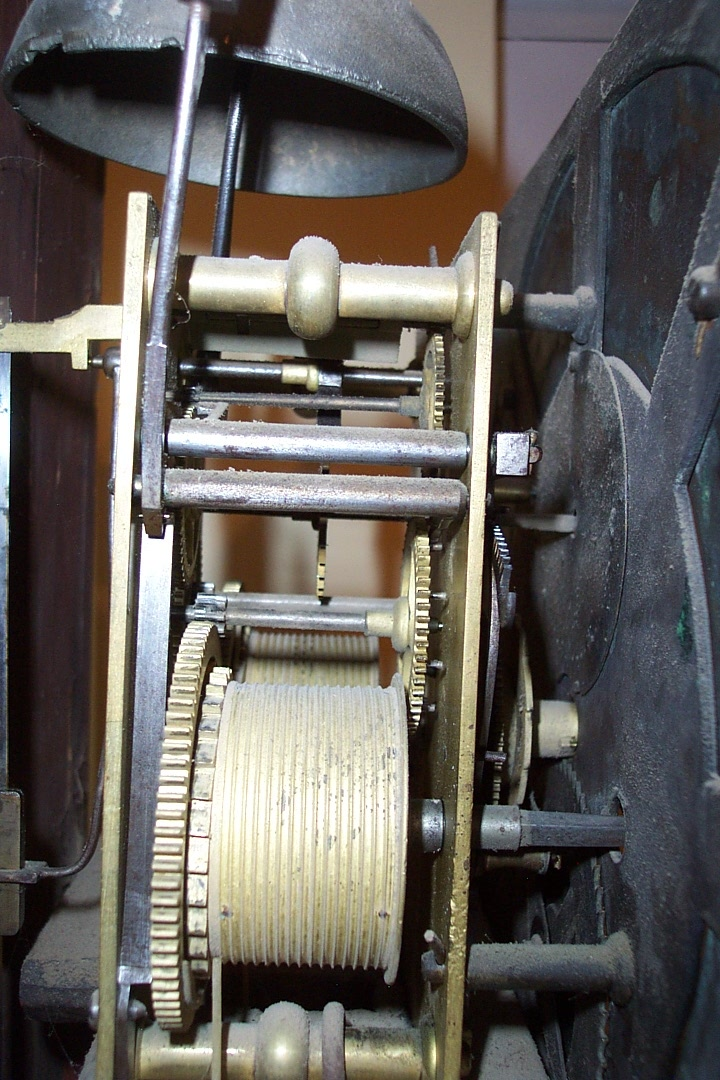
The number was known, was specific to that clock and was held by one person as a fact about the household.
The counting substituted for a gauge. There is no indicator on a mechanical clock to say how wound it is, so the only available method was to remember how many turns the thing took and stop there.
Nobody wrote it down. The number lived in somebody’s head, was never recorded anywhere, and in a great many households was lost when that person did.
The day it happened was fixed too. Almost every household wound on the same day each week, chosen for no stated reason and never varied, which meant the sound arrived on schedule and its absence was as informative as its presence.
6. The Sound of It Was the Weekly Announcement
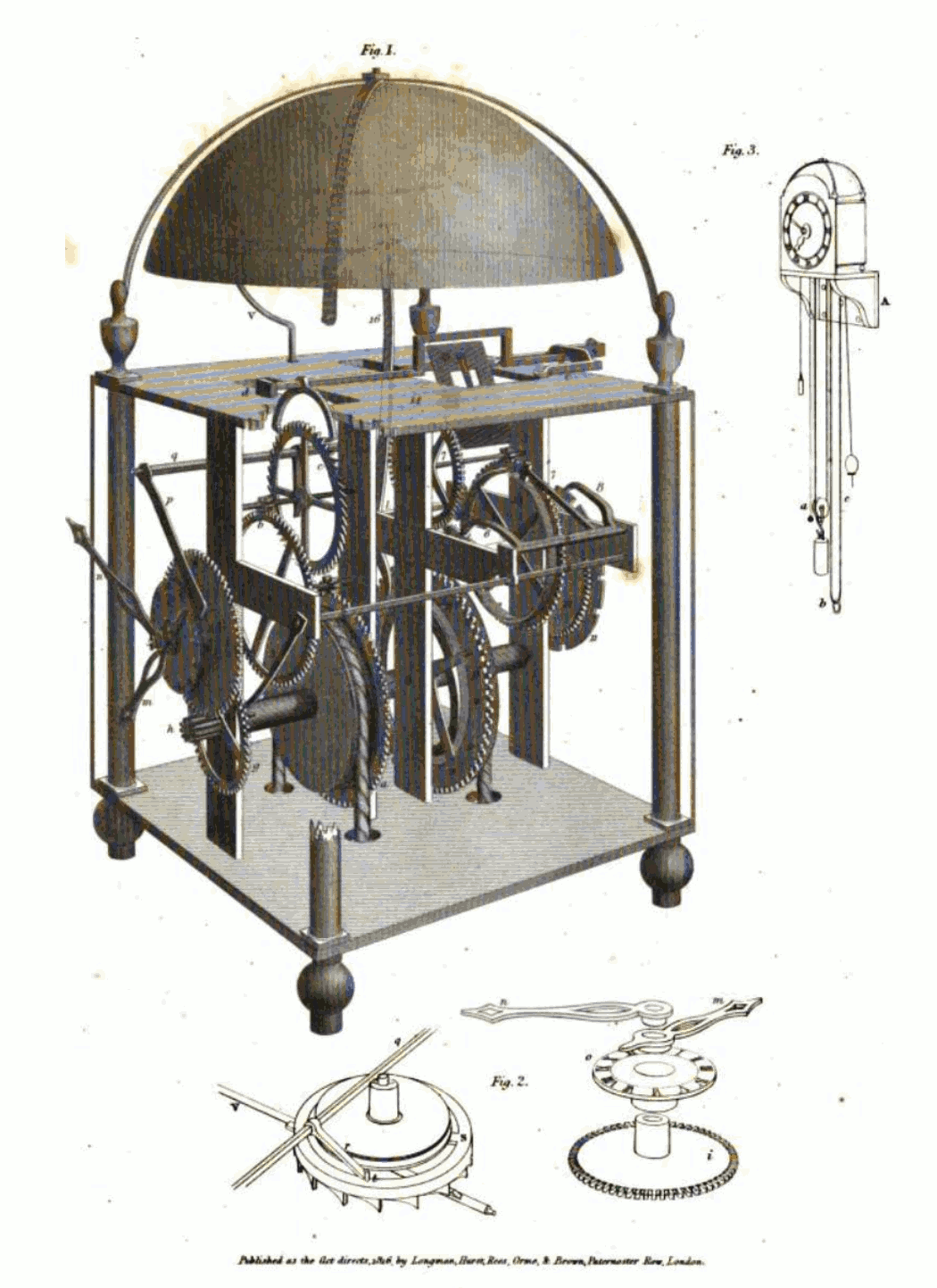
A ratchet turning is loud, distinctive and audible across several rooms, which made the operation a household event.
The noise identified itself immediately. Nothing else in a house made that sound, which meant everybody knew what was happening without looking, and children could locate the ritual from two rooms away.
It marked the week. In a great many households the sound was the clearest available indication of which day it was, more reliable than anything written down.
7. The Clock Had to Be Opened and the Inside Was Visible
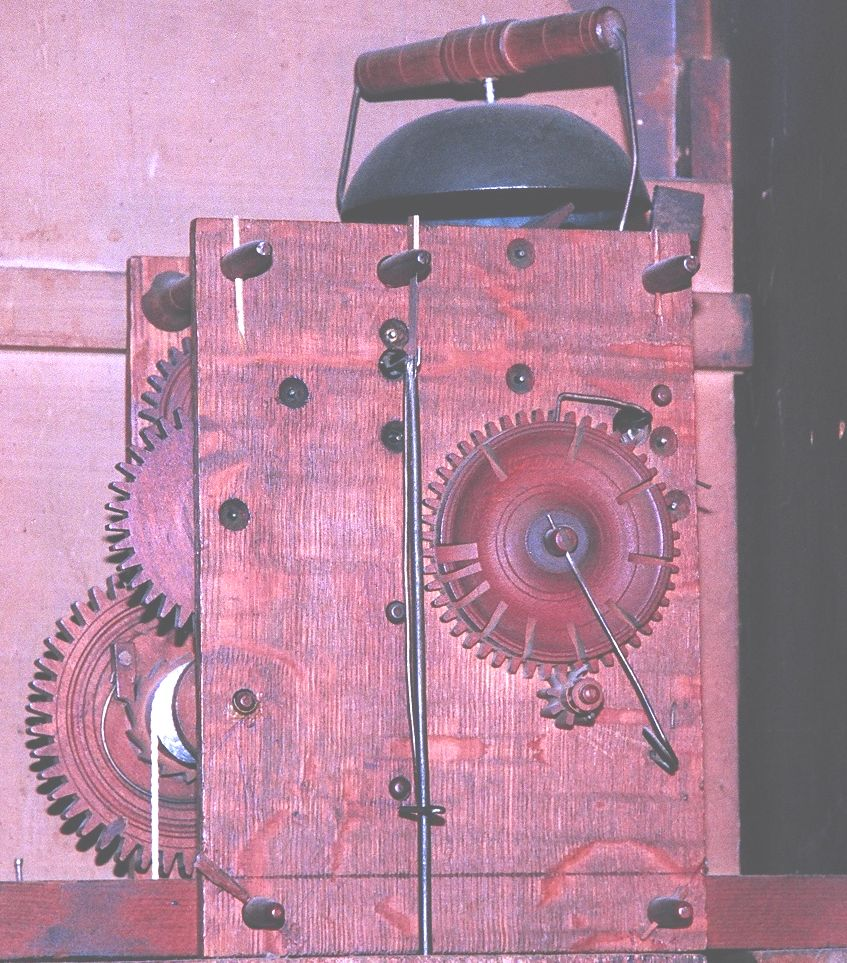
Winding required access, which meant a door or a panel came off and the mechanism was briefly exposed.
The glimpse was the attraction. A working movement, visible for thirty seconds a week, is the single most interesting thing in a room full of static furniture, and children positioned themselves accordingly.
Nobody explained what they were looking at. The parts were visible and unlabelled, the operation was not narrated, and children assembled a completely wrong understanding of how the thing worked and kept it for years.
8. The Pendulum Had to Be Restarted by Hand
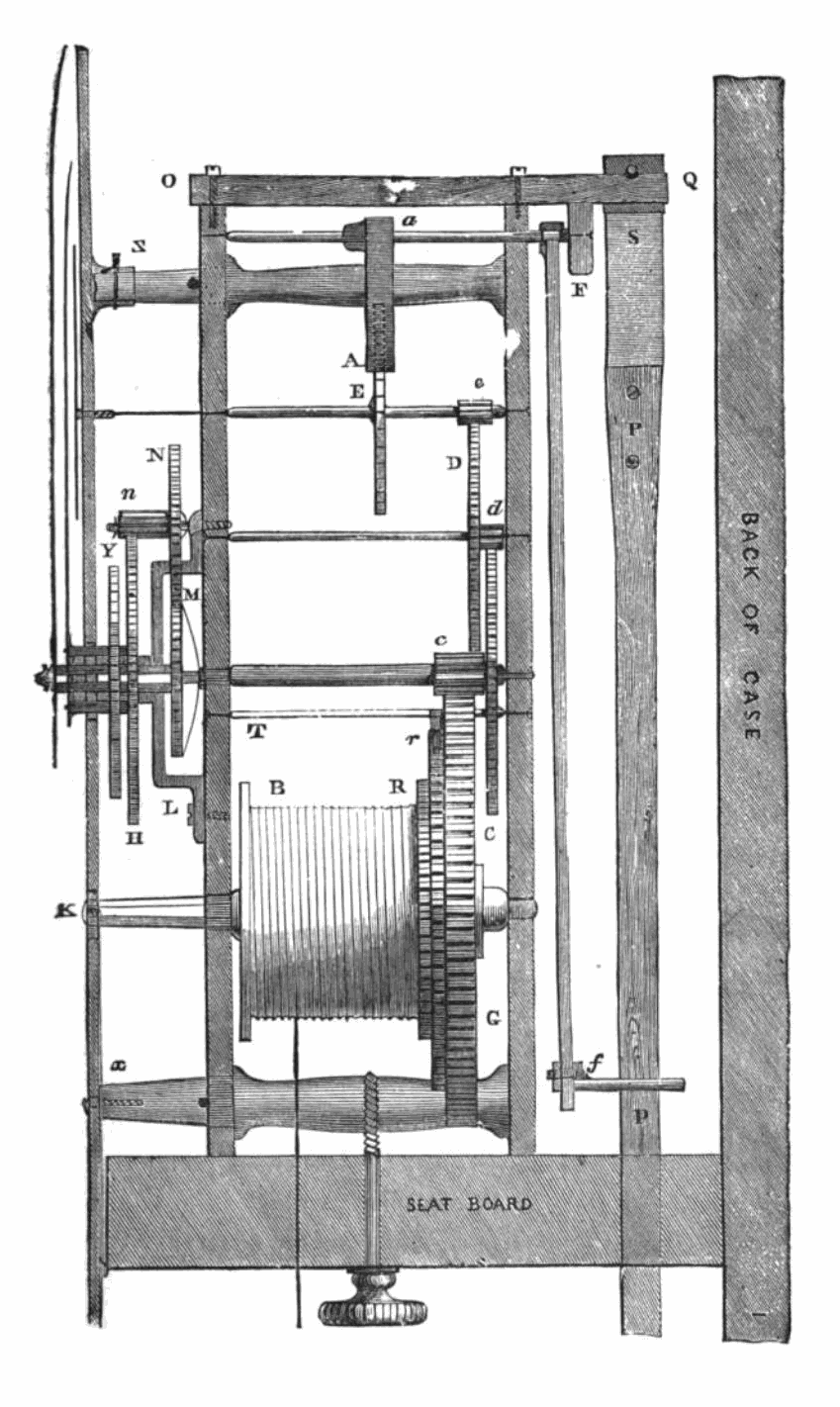
A clock that had stopped did not resume on its own; somebody had to set it swinging again.
The restart required a specific touch. Too little and it died within a minute, too much and it ran unevenly, and the correct amount was known by feel rather than by any stated amount.
Children were occasionally allowed to do this. It was the one part of the whole operation delegated to them, probably because nothing could be broken by it, and it is remembered out of all proportion.
9. Getting It Level Was a Permanent Problem
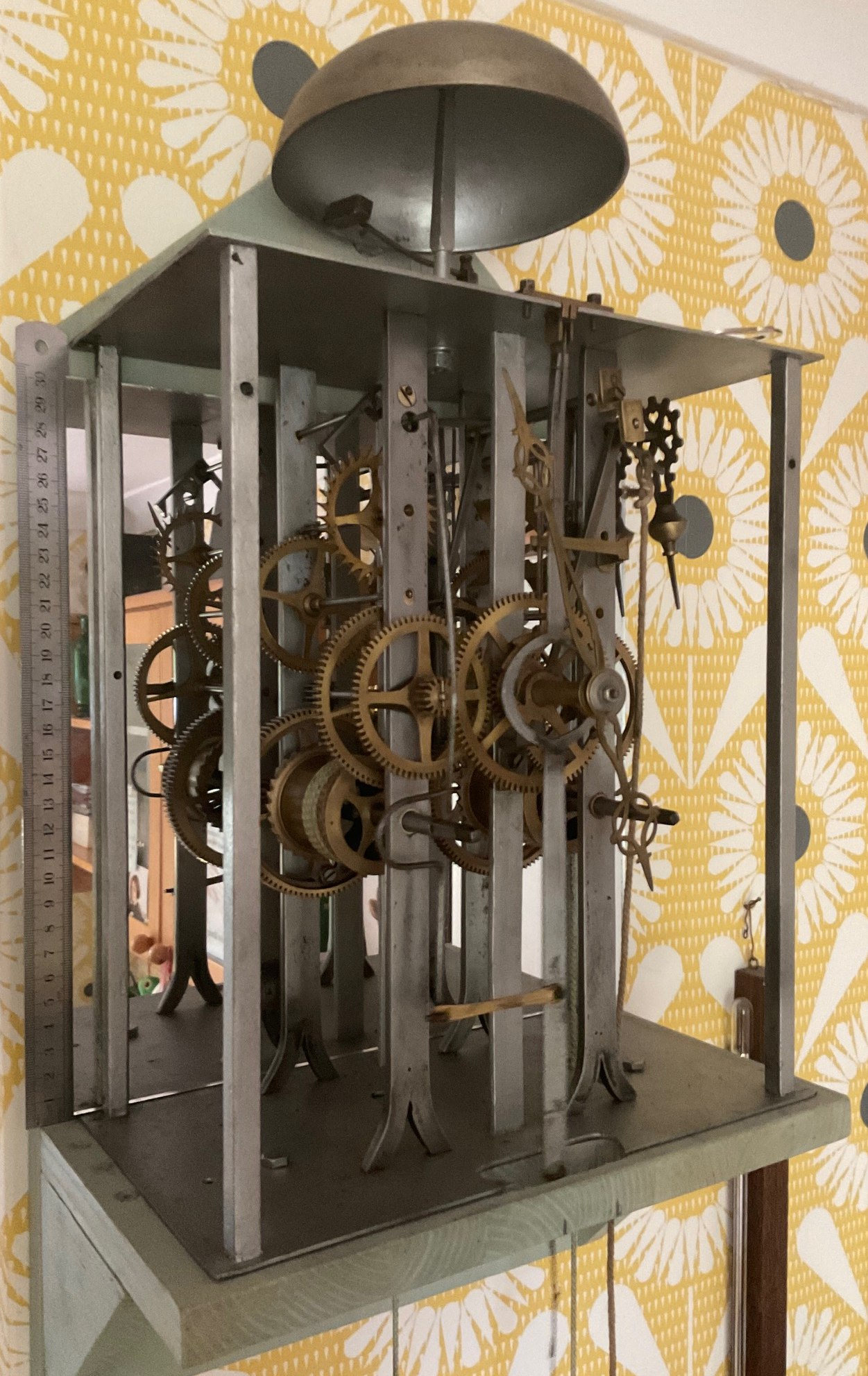
A pendulum clock out of true runs badly or not at all, which made the floor underneath it part of the mechanism.
The sensitivity surprised everybody. A piece of furniture moved an inch, a floorboard settling, or somebody leaning on the case was enough to alter the rate, which meant the clock reported on the building as much as on the time.
Households learned not to touch it. The rule against moving or leaning on the case was one of the firmest in a great many houses, and children understood it entirely in terms of what happened if they broke it.
10. It Was Always Wrong and Everybody Corrected for It
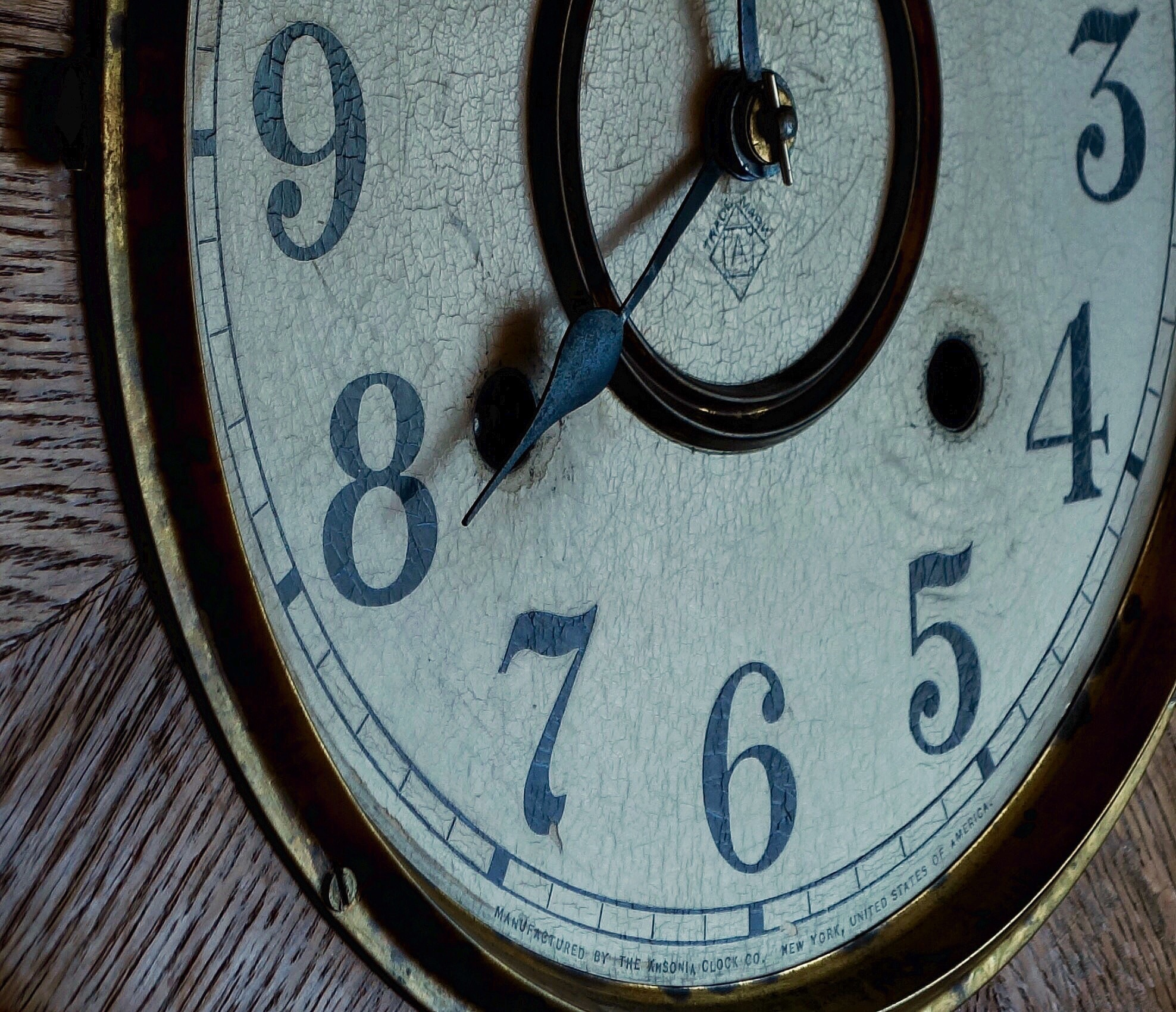
A mechanical household clock gained or lost a predictable amount, and the household simply adjusted its expectations.
The error became part of the information. A clock known to run four minutes fast was perfectly usable, because everybody in the house performed the correction automatically, and visitors did not.
That caught people out regularly. A guest who read the clock literally arrived at the wrong time, which nobody in the household had anticipated because none of them had read it literally for years.
11. Setting It Right Required Something Else to Check Against

The clock could not correct itself, which meant resetting it depended on a radio, a telephone service or somebody’s watch.
The dependency was an inconvenience nobody thought about. A household had no independent source of correct time, so the weekly adjustment was made against whatever external reference happened to be available that morning.
The references disagreed with each other. A household setting its clock by a radio and a neighbour setting theirs by a watch ended up several minutes apart, which is why nobody in a street agreed about the time.
Households with more than one clock had a worse problem. Two mechanical movements in the same house never agreed with each other for long, which meant the time in a hallway and the time in a kitchen differed by several minutes and everybody knew which one to believe.
12. The Chime Was Adjusted, Silenced or Endured
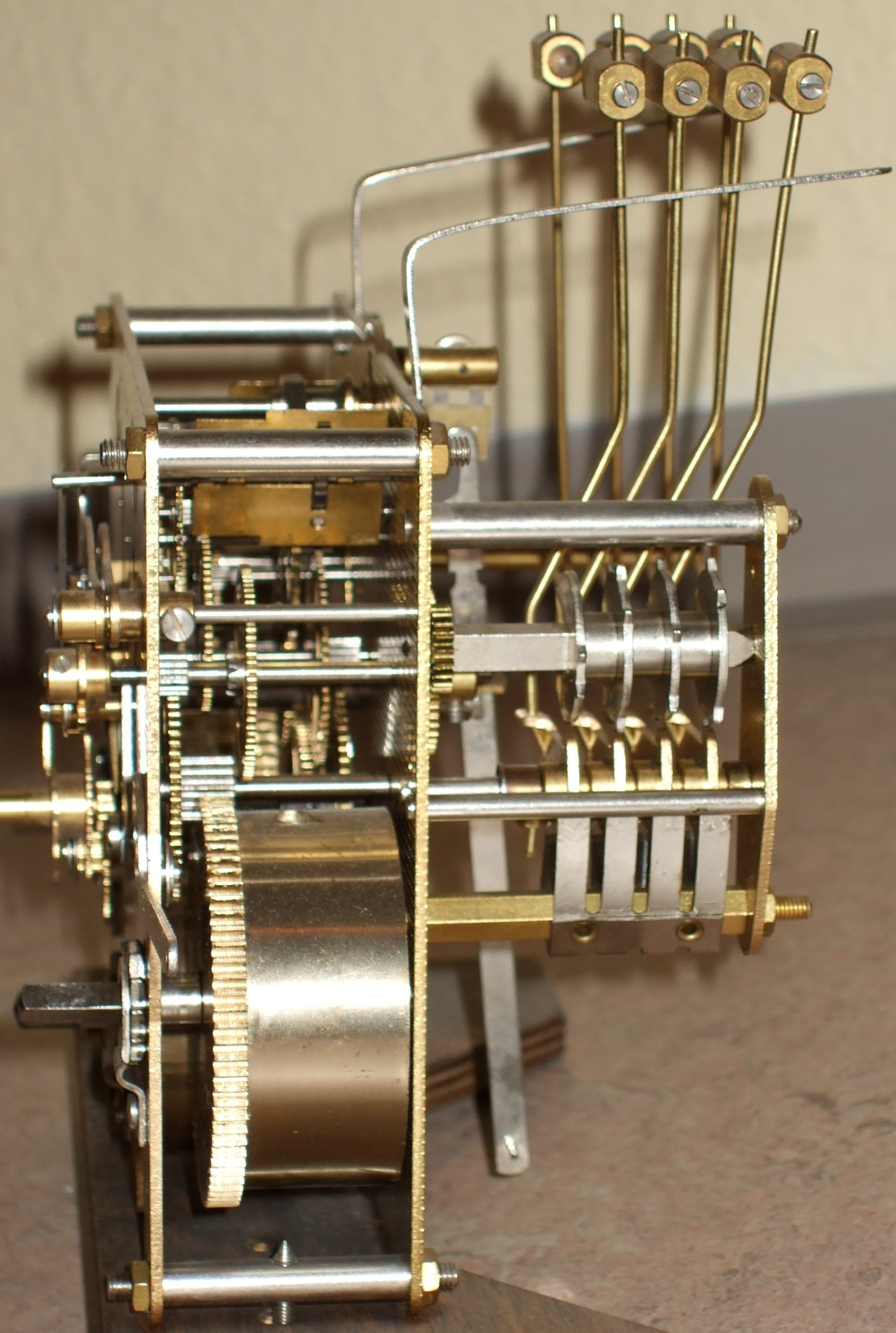
A clock that struck the hour did so whether anybody wanted it to or not, and households took one of three positions.
The decision was about sleep and nothing else. Households that silenced the strike did it for a specific reason, and households that kept it had either got used to it or had nobody light-sleeping enough to object.
Children slept through it completely. A sound that visitors found impossible was simply part of the house to anybody who had grown up in it, which several people only discovered when somebody said so.
13. Stopping It Was Done Deliberately on Certain Occasions
A household clock was sometimes halted on purpose, and the reasons were never explained to children.
The practice was a convention rather than a rule. Various traditions attached to stopping a clock existed in different households, were observed without discussion and were simply absorbed by whoever was in the house.
Children noticed the silence immediately. A clock that had stopped was the loudest thing in a house by its absence, and the children who asked why were generally not given an answer.
14. When It Finally Stopped for Good Nobody Fixed It
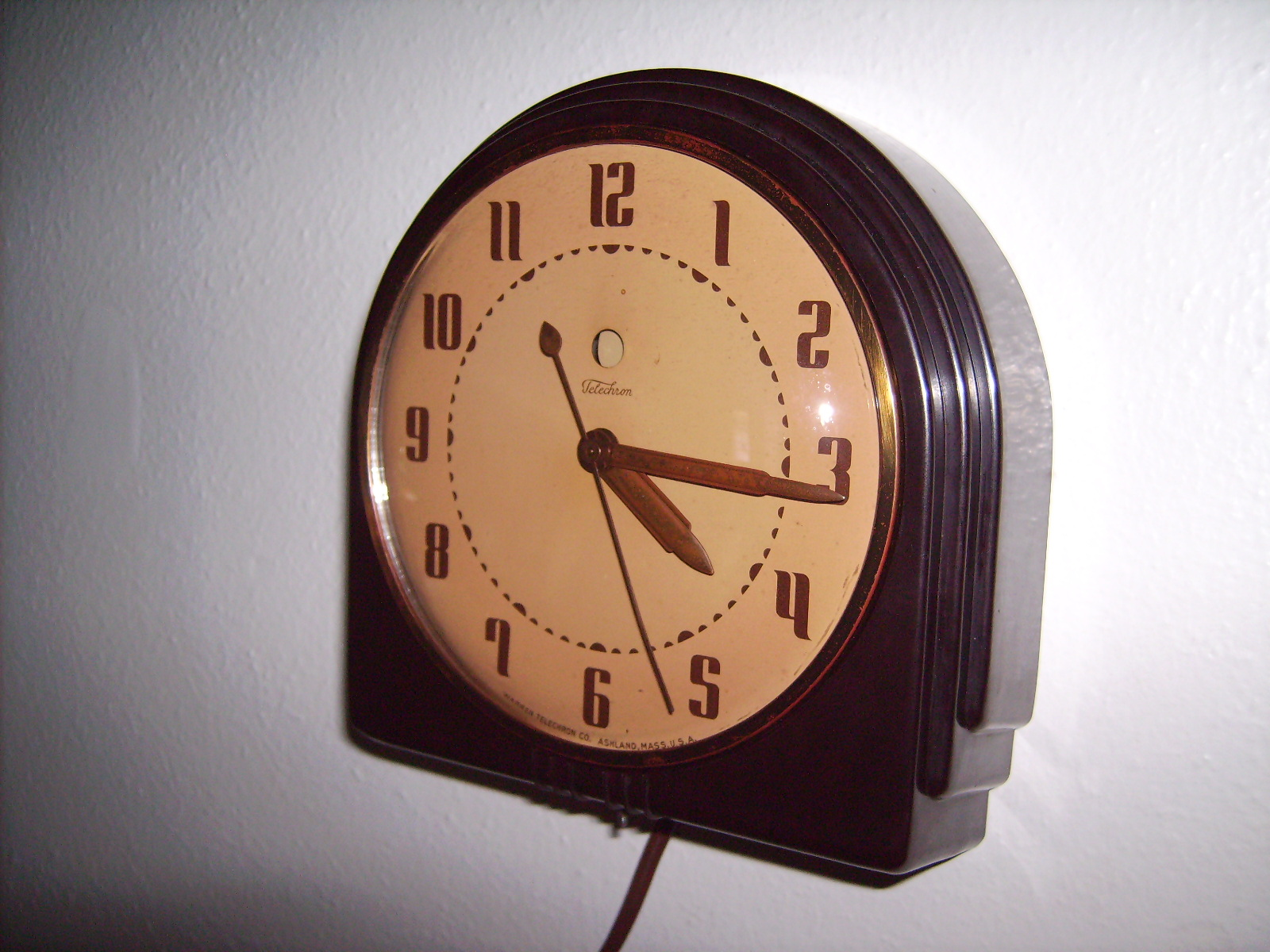
A mechanism that failed was rarely repaired, because the people who repaired them were disappearing faster than the clocks were.
The economics ended it. A repair cost more than a new electric clock, took weeks and depended on a trade that was contracting, which meant a great many of these objects stopped permanently in the middle of the decade.
They stayed on the wall anyway. A stopped clock was not removed, because it was furniture before it was an instrument, and a surprising number of households lived for years with an ornament showing the wrong time.
15. The Hands Were Left Wherever They Had Stopped
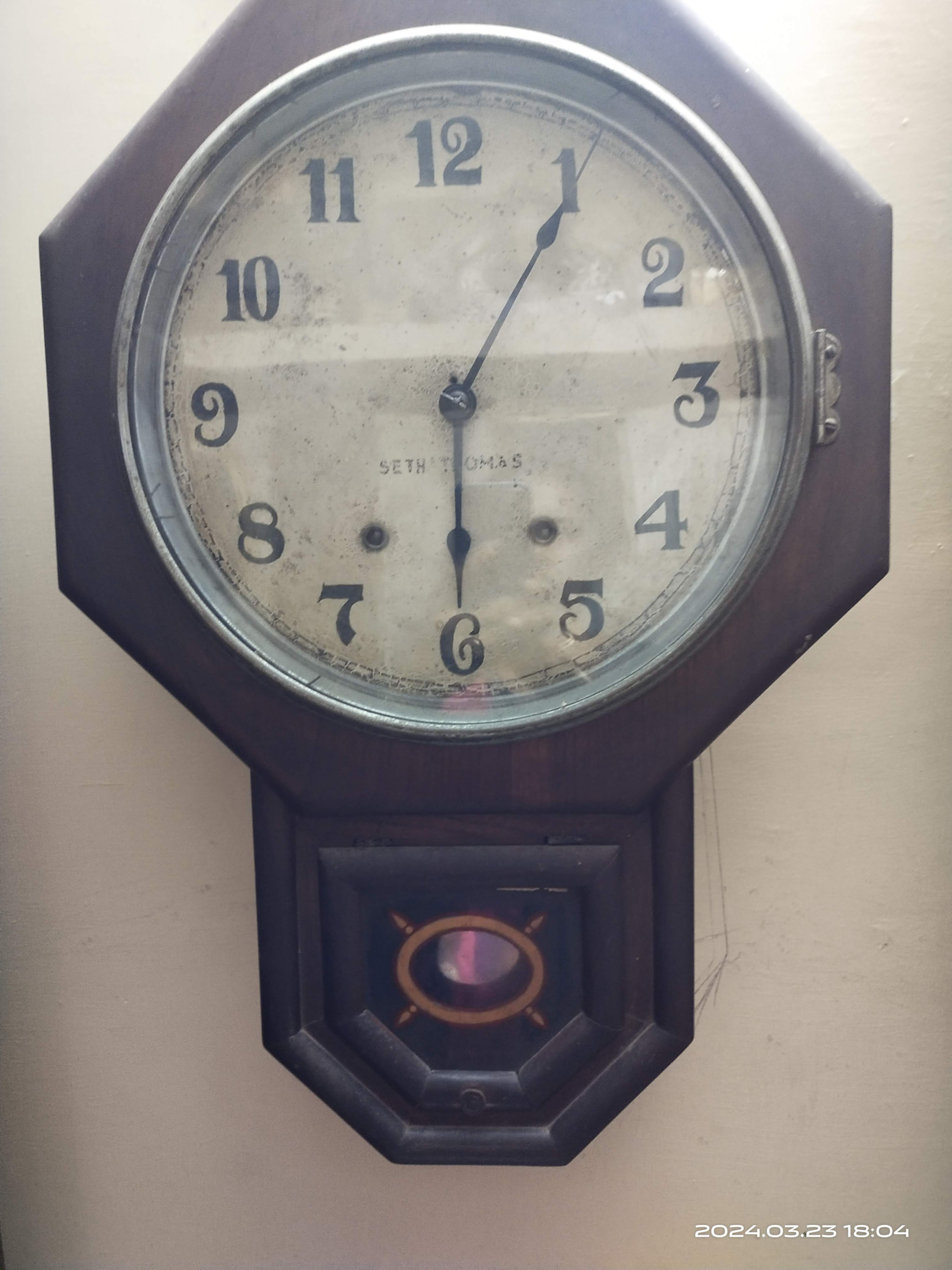
A dead clock in a house showed one fixed time indefinitely, and everybody in the household knew what it said.
The permanence was oddly memorable. A time that never changes becomes a feature of a room, and people who grew up with a stopped clock can frequently still say what it read.
Nobody thought to move them. Setting the hands of a clock that does not run serves no purpose, and the pointlessness of it meant the thing sat there reporting one particular minute for a decade.
16. Then Nothing in the House Needed Winding
Electric clocks, battery movements and eventually a clock in every device removed the weekly obligation and the object it belonged to.
The improvement is obvious and total. A timepiece that keeps itself accurate, needs no attention and does not stop is better in every measurable respect, and nothing here is an argument for the older arrangement.
What went with it is a household with a deadline in it. One person who knew the number of turns, a key that lived in exactly one place, a sound that told everybody which day it was, a thirty-second view of a working mechanism nobody explained, and a clock that was always four minutes wrong in a direction the whole family had memorised.
What a Weekly Obligation Did to a Room
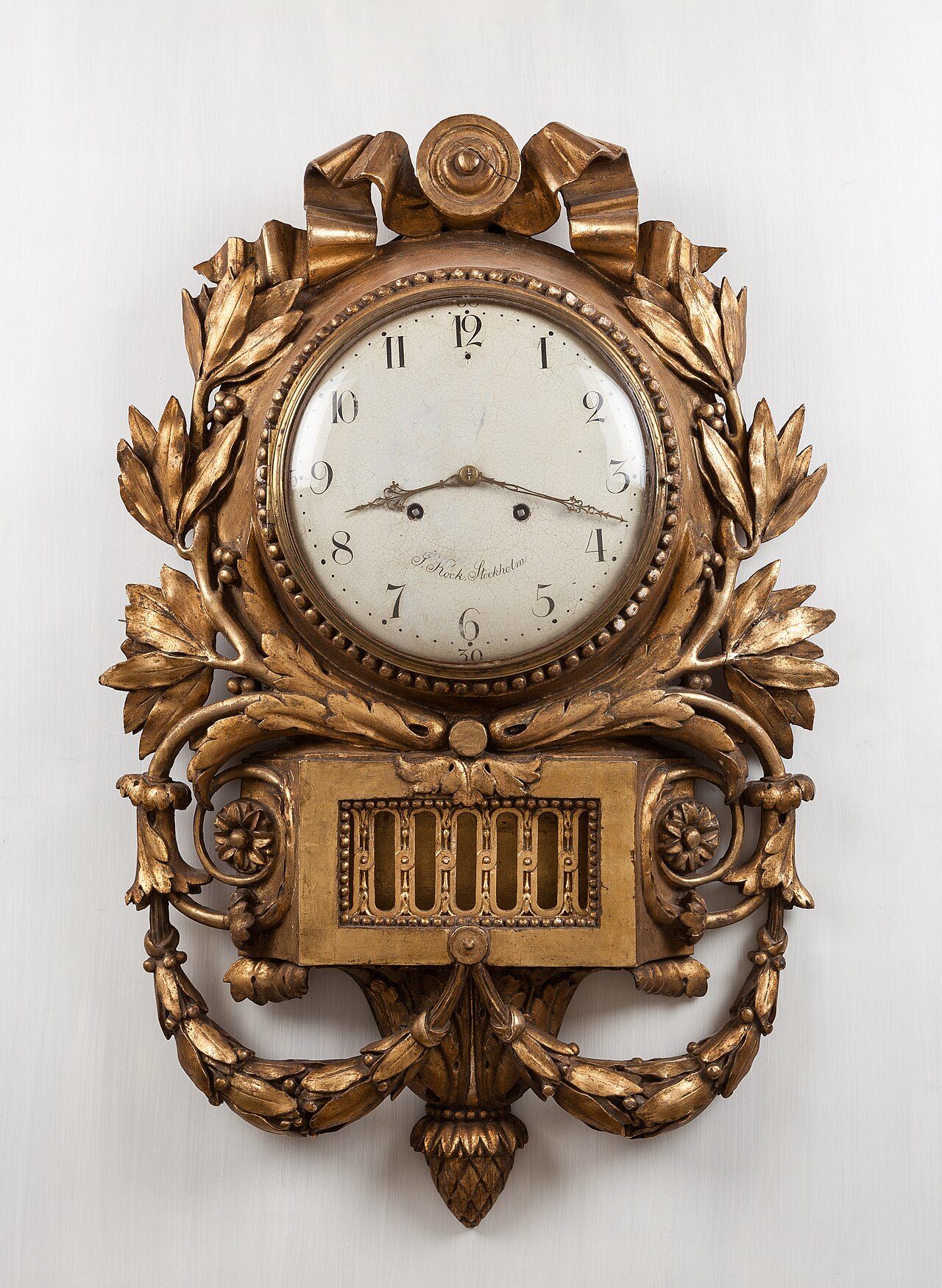
Read in order, the sixteen descend from one property of a mechanical movement: it runs on stored energy and unwinds at a fixed rate whatever anybody intends. That produced the schedule, the single designated person, the key that lived in exactly one place and nowhere else, and the counted number of turns that existed only in somebody’s head and was lost in a great many households when that person was.
Three things about it have no modern equivalent. The sound, which nothing else in a house made, and which in many households was a more reliable indication of what day it was than anything written down. The thirty-second view of a working mechanism, visible once a week, unlabelled and unnarrated, from which children assembled a completely wrong understanding of how the thing worked and kept it for years. And the error, because a clock known to run four minutes fast was perfectly usable to everybody who lived there and a trap for everybody who did not.
The clock was also the most sensitive object in the house. A piece of furniture moved an inch, a floorboard settling or somebody leaning on the case altered its rate, which meant it reported on the building as much as on the time – and produced one of the firmest rules in a great many houses, understood by children entirely in terms of what would happen if they broke it.
What finished these objects was not failure but arithmetic. A repair cost more than a new electric clock, took weeks and depended on a trade that was contracting, so a great many of them stopped permanently in the middle of the decade and were never attended to again. They stayed on the wall regardless, because a clock was furniture before it was an instrument, and a surprising number of households lived for years with an ornament reporting one particular minute.
The modern position needs no defending: a timepiece that keeps itself accurate, needs no attention and does not stop is better in every measurable respect. What went with the old one is a household with a deadline in it – one person who knew the number of turns, a key with exactly one home, a noise that announced the week, and a clock that was always wrong in a direction the whole family had memorised.
Like our content? Follow us for more.