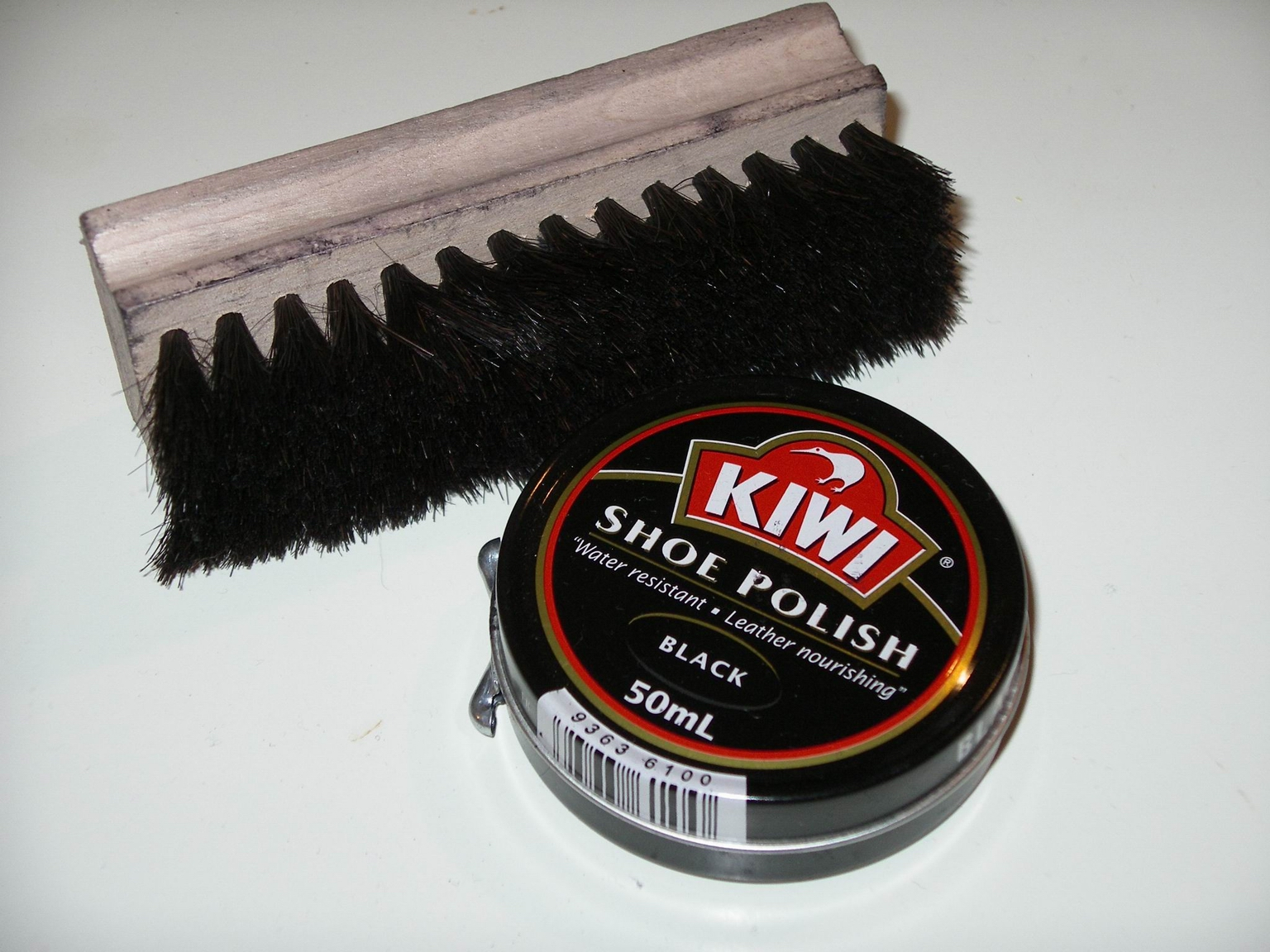
In 1964 this was a Saturday-evening job, not a Sunday-morning one, and the reason was the material: anything applied to leather needs time to set before it can be worked up properly. So the household’s footwear was collected, lined up and dealt with as a single operation on spread newspaper, in forty minutes, with one person applying, another finishing and the youngest fetching and carrying. Here are sixteen things every kid remembers about polishing shoes for Sunday in 1964, and why households stopped doing it.
1. It Happened on Saturday Night, Not Sunday Morning
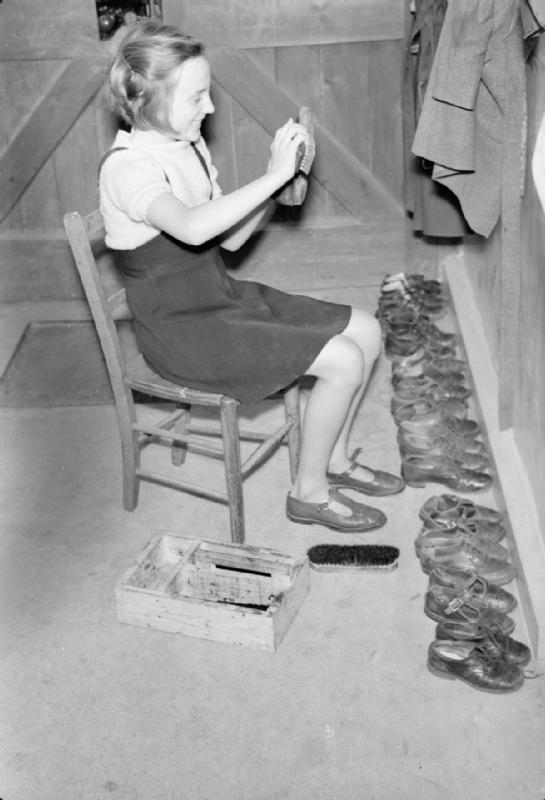
The work was done the evening before, because there was no time for it in the morning and because the result had to dry.
The timing was decided by the material rather than by anybody’s preference. Anything applied to leather needs time to set before it can be worked up properly, which meant the operation could not be left until the morning it was needed.
That made it part of Saturday rather than part of Sunday. A great many people remember the smell of it as a Saturday-evening thing, immediately after whatever the household did on Saturday evenings, and entirely separate from the day the shoes were actually worn.
Like our content? Follow us for more.
2. Everybody’s Shoes Were Done at Once

The household’s footwear was collected, lined up and dealt with as a single job rather than individually.
The economics of it required that. Opening the tin, laying out the cloths and getting everything to hand takes as long as the work itself, which means doing one pair is nearly as much effort as doing six.
So it became a production line. One person applied, another worked it up, the youngest fetched and carried, and the household’s entire week of appearance was settled in forty minutes on a newspaper.
3. The Newspaper Underneath Was Not Optional
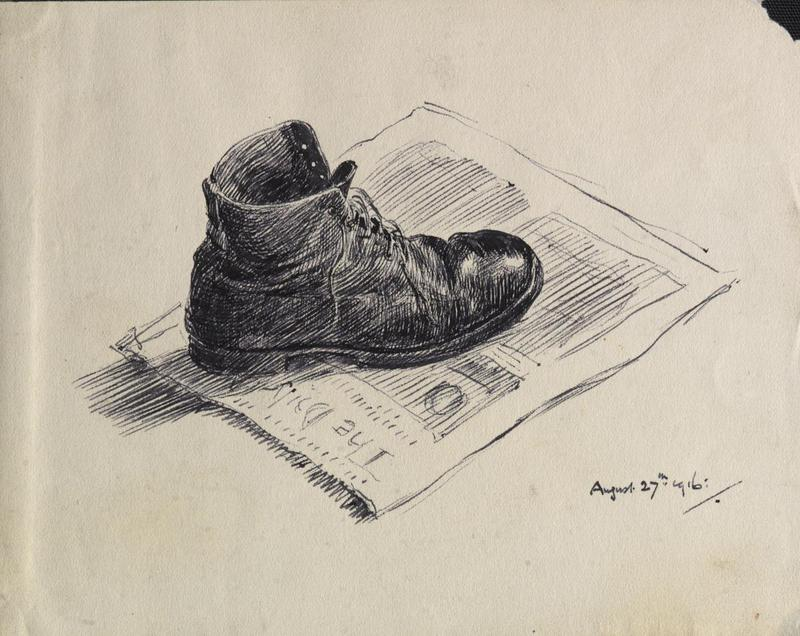
The whole operation was conducted on spread paper, because what was being used would mark anything it touched permanently.
The precaution was learned rather than taught. Every household had at some point discovered what happens when this work is done directly on a table or a floor, and the newspaper was the standing response to that discovery.
Children were in charge of laying it out. It was the one part of the job given entirely to the youngest person present, it required no skill, and it was inspected before anybody was allowed to start.
4. The Tin Was Always Nearly Finished
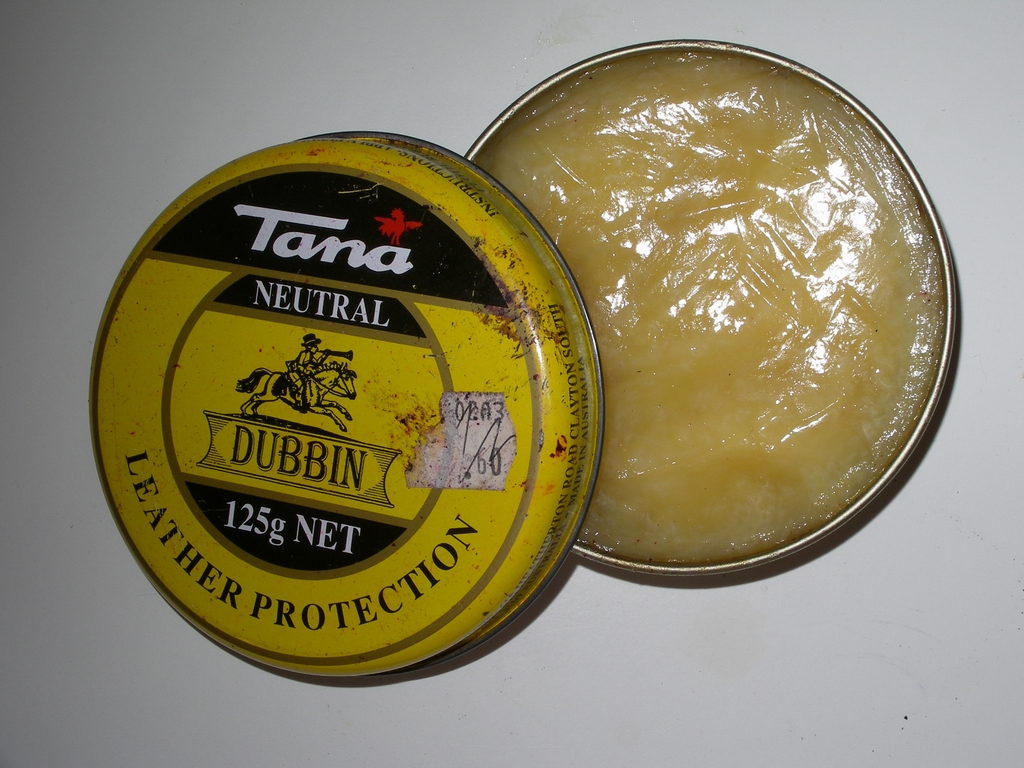
Household supplies of this ran down to a hard residue around the edge that somebody kept using for months.
The persistence was ordinary thrift. The last of it still worked if you pressed hard enough, which meant nobody replaced the tin until it was genuinely empty, and the definition of empty was generous.
Opening it was a job in itself. A lid that had been forced on and off weekly for a year did not come away easily, and the task of getting it open was handed to whoever had the strongest hands.
The implements themselves were never replaced either. A brush worn down to almost nothing and a cloth that had been in use since before the child was born were standard in most households, and the idea of buying new ones for a job this routine occurred to nobody.
5. The Brush and the Cloth Did Different Jobs and Nobody Said So
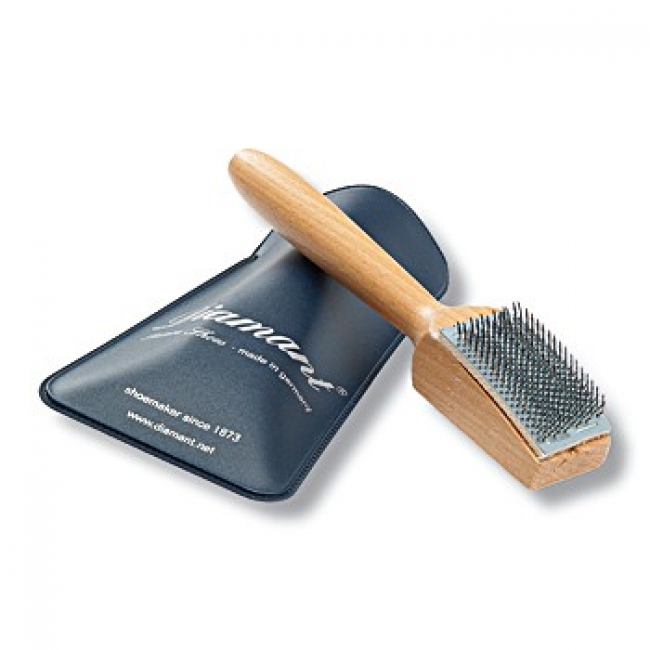
One implement applied and another finished, and using them in the wrong order produced a visibly worse result.
The distinction was never explained and was obvious once you had got it wrong. Applying with the finishing cloth ruins the cloth, and finishing with the applying brush produces a dull surface, and both mistakes were made once by everybody.
Children learned it by being corrected. The sequence – apply, leave, work up, finish – was transmitted entirely by watching and by being told when you had departed from it.
6. Getting It on Your Hands Was Guaranteed
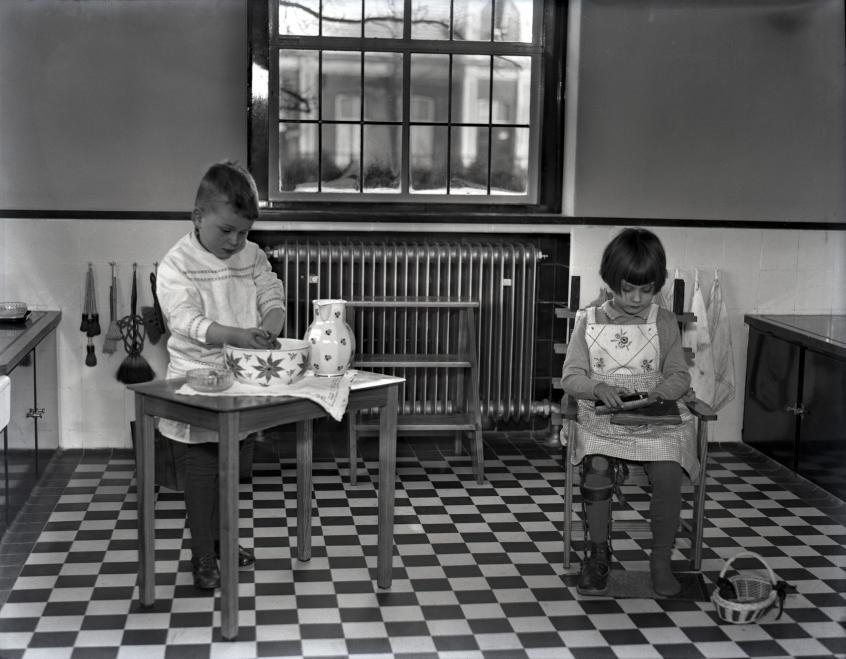
Whatever was being used ended up on the person using it, and it did not come off easily.
The transfer was unavoidable. Working something into leather requires pressure and contact, which means fingers end up marked regardless of technique, and the marks survived at least one washing.
A child with marked hands on Sunday morning had been working the night before. It was perfectly visible to everybody and nobody minded, because the whole congregation had the same thing.
7. The Edges and the Heels Were Where You Got Caught
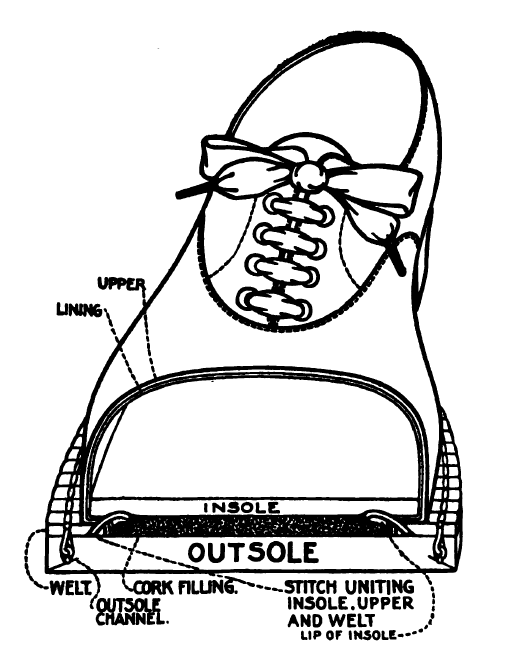
The flat surfaces were easy and the awkward parts were what anybody inspecting the result actually looked at.
The asymmetry is what made the job skilled. A child could produce a convincing finish on the broad areas in two minutes and would be sent back for the welt, the heel and the inside edge, which take longer than everything else combined.
Adults checked exactly those places. The inspection was quick, went straight to the parts most likely to have been skipped, and the children being inspected knew precisely where it would land.
8. Scuffs Could Be Hidden but Not Removed
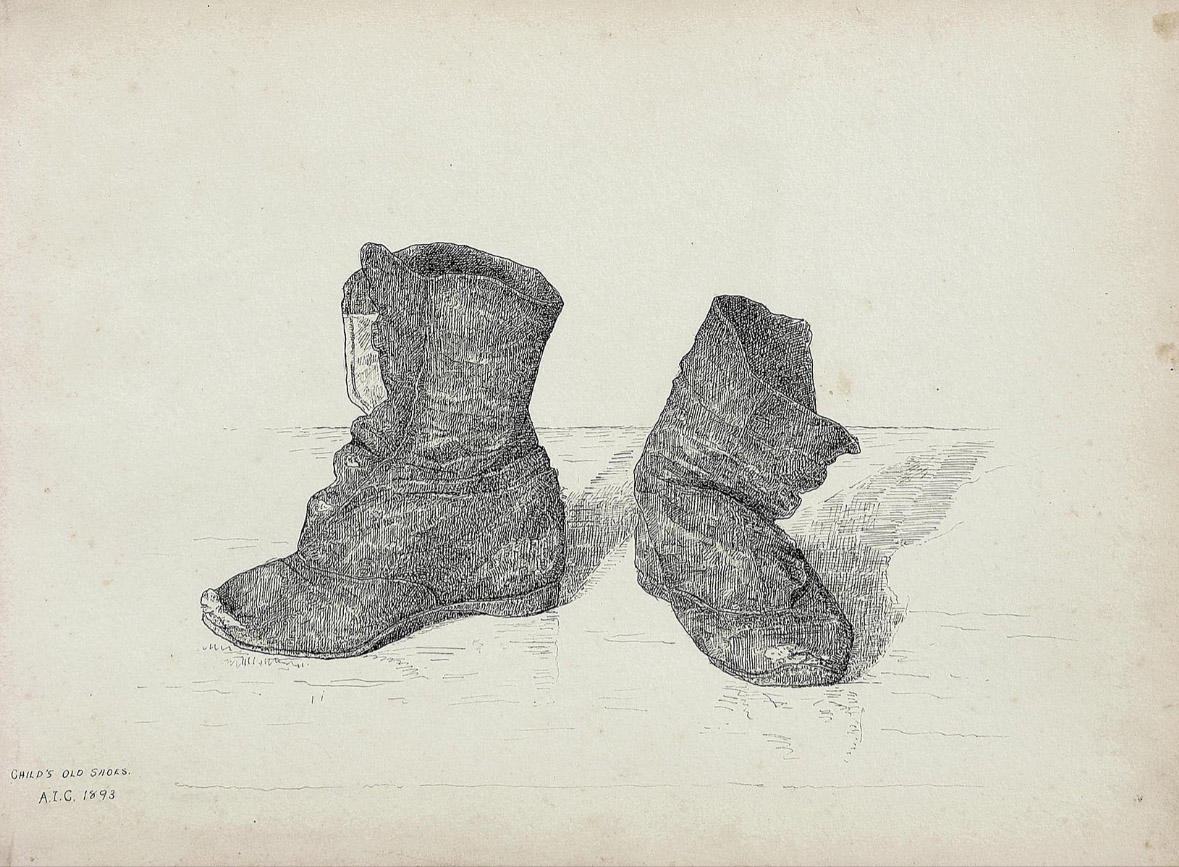
Damage to the surface was covered rather than repaired, and everybody understood that was what was happening.
The distinction mattered because it set the standard. Nobody expected a pair of children’s shoes to be undamaged by the end of a week; the expectation was that the damage would not be visible from a distance on Sunday morning.
That is an entirely different objective from cleanliness. The job was presentation rather than maintenance, and the children doing it understood the difference perfectly well without anybody having to spell it out.
9. The Shoes Were the Only Thing Nobody Could Replace
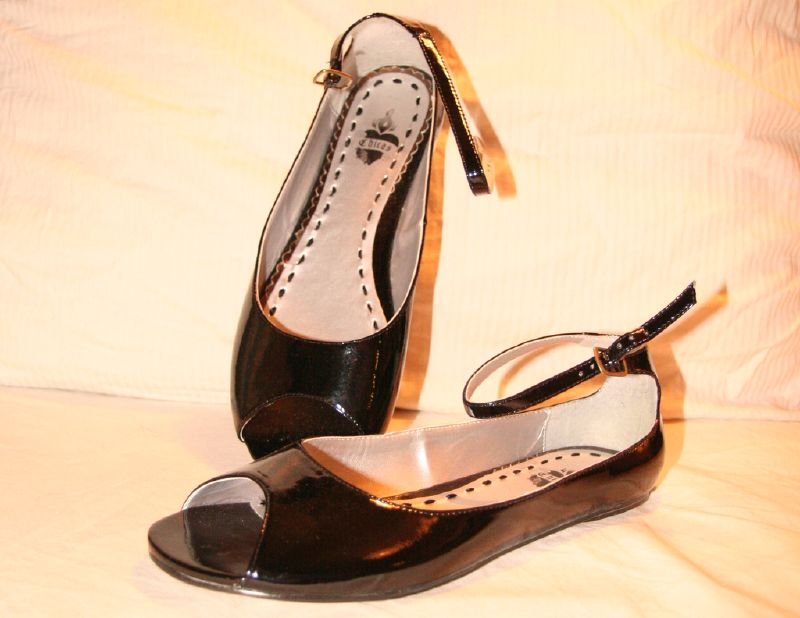
Clothing could be adjusted, handed on or improvised, and footwear could not, which gave it a particular standing in the household.
The constraint was structural. A garment that does not fit can be altered and a shoe that does not fit cannot, which meant footwear was the item a household thought hardest about and took most care of.
So the weekly work was protective as well as cosmetic. Leather that is kept conditioned lasts considerably longer, and households that did this rigorously were extending the life of the single most expensive thing a child wore.
10. Sunday Shoes Were Not the Other Shoes
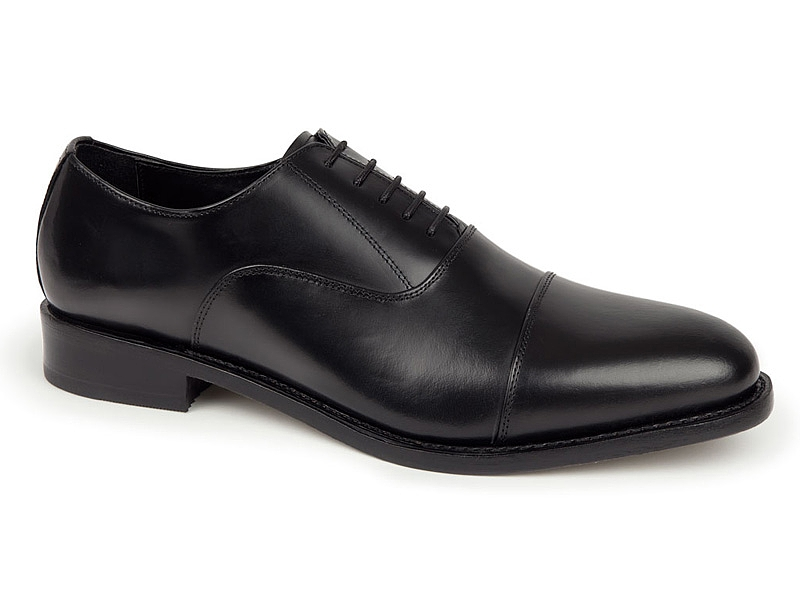
Most children had a pair for everyday and a pair reserved, and the reserved pair got almost all the attention.
The division was absolute and understood from an early age. The good pair did not go outside except on the day they were for, were not worn to play in, and spent the rest of the week in a specific place.
Children minded this less than might be expected. A pair of shoes that was not allowed out was also a pair that did not have to be looked after by the child during the week, which was a reasonable trade.
The place they were kept said how important they were. A pair of shoes that lived in a box, wrapped, at the back of a closet was being treated as an investment rather than as clothing, and children understood the distinction from where the things were stored rather than from anything anybody said.
11. Growing Out of Them Mid-Season Was the Household’s Problem
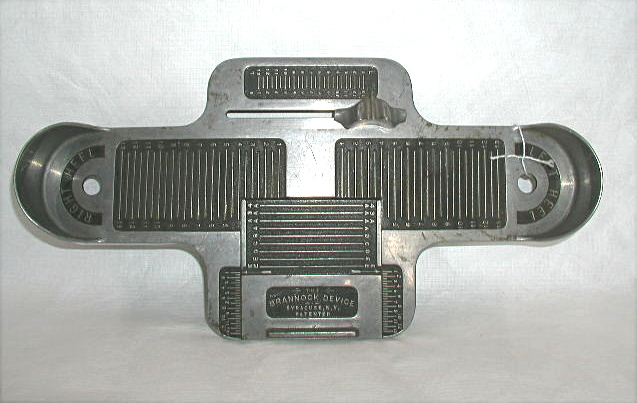
A child whose good shoes stopped fitting in November created a difficulty that could not be deferred until spring.
The timing was what mattered. Footwear that no longer fits has to be dealt with immediately, unlike almost everything else a child wore, which means this was the one clothing problem a household could not postpone.
How it was resolved varied and was not discussed with the child. The replacement simply appeared, or the existing pair was pressed on for several more weeks, and nobody explained which was happening or why.
12. The Smell Is What Everybody Remembers
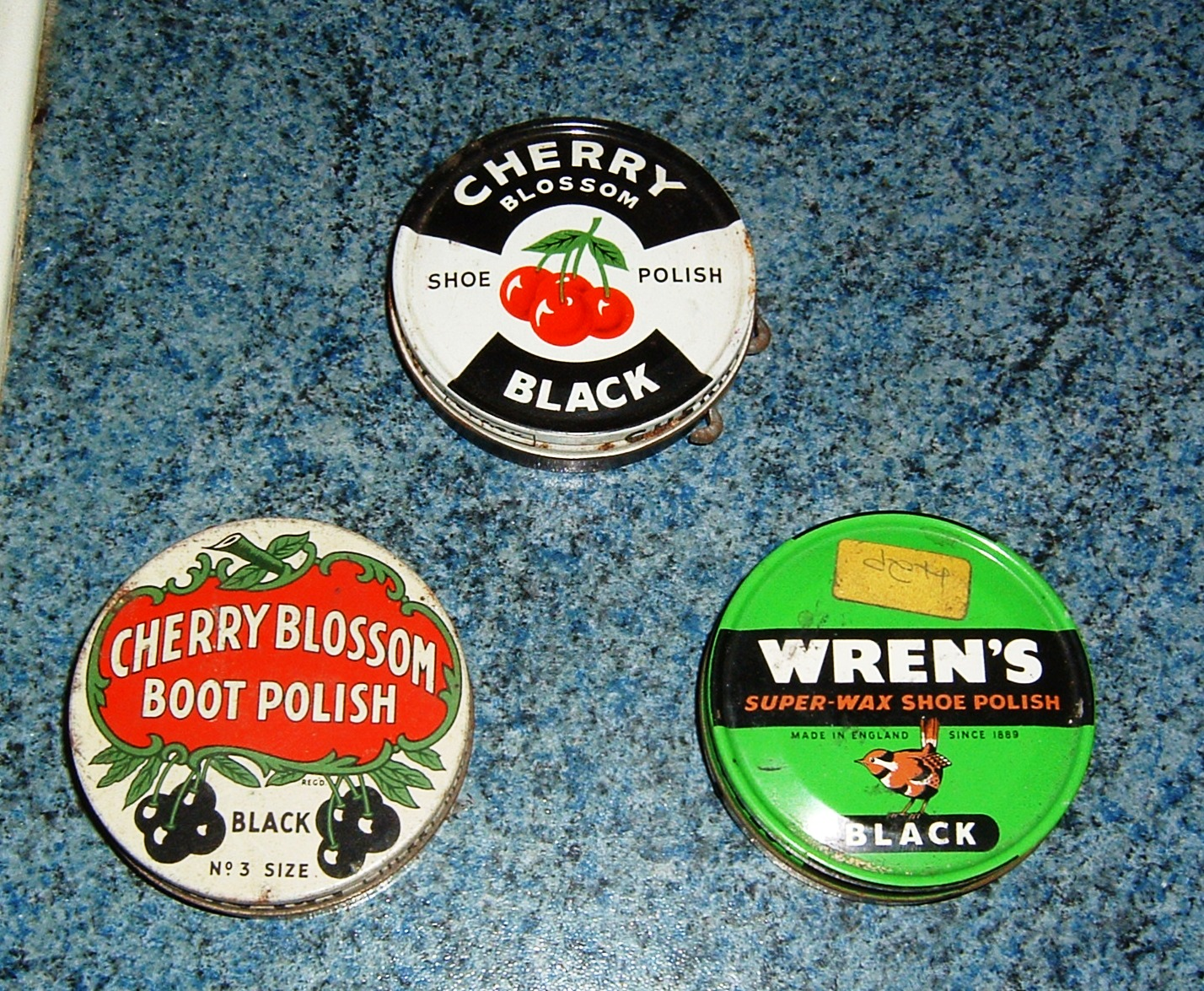
The product had a distinctive and powerful smell that filled a room for the whole evening and lingered afterwards.
The association was fixed by repetition. A strong smell encountered weekly, at the same time, in the same place, attaches itself to the whole context, which is why people can recall it immediately and in detail.
It is the single most frequently mentioned detail. People who cannot remember the brush, the cloth or the tin describe the smell accurately, which says something about which senses keep records.
13. The Job Was Done Watching or Listening to Something
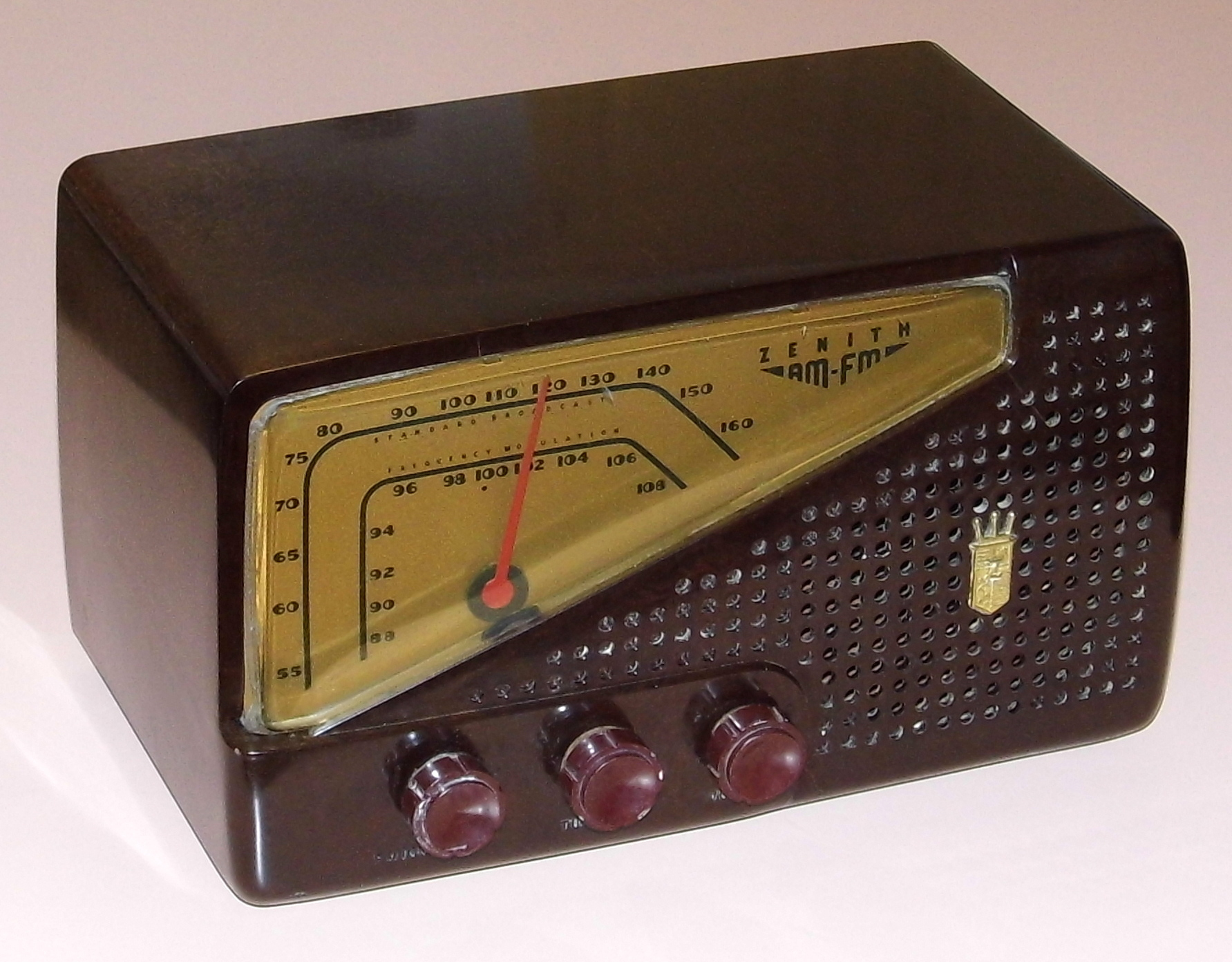
The work occupied hands and not attention, so it was conducted alongside whatever the household had on.
That is what made it tolerable. A repetitive task requiring no thought is considerably easier with something happening in the room, and households of the period scheduled these jobs for exactly the hours when something was on.
Children absorbed a great deal that way. A substantial amount of what that generation knows about the popular culture of the period was taken in while working on somebody else’s footwear.
14. Somebody Always Did It Badly and Was Made to Do It Again
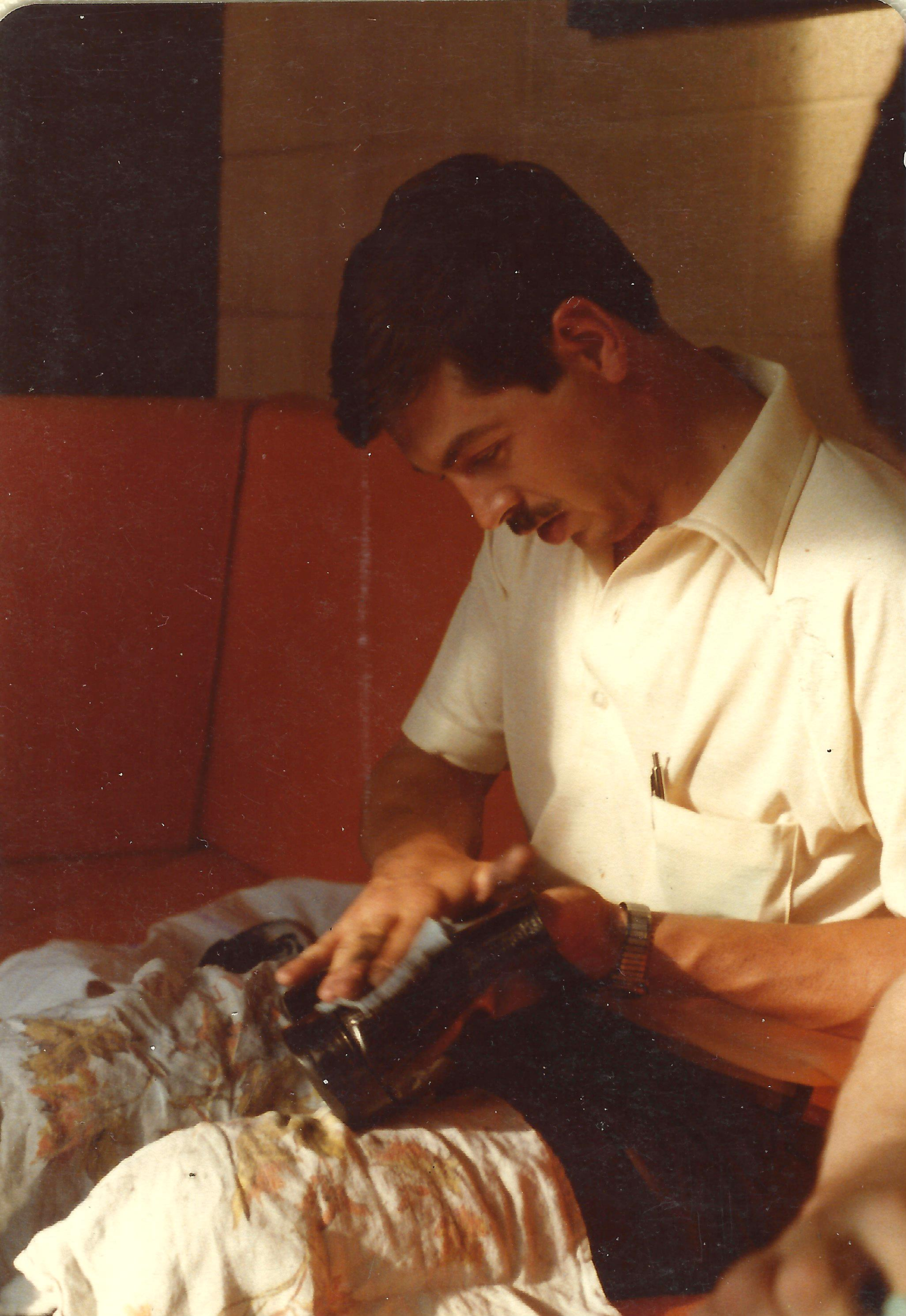
A pair returned for a second attempt was the standard sanction, and it cost the child the rest of the evening.
The arrangement was effective because it was proportionate. Being sent back was mildly humiliating, took time the child wanted and involved no punishment beyond the work itself, which is why it maintained the standard for years.
Everybody tried it on once. A child who had worked out that a convincing surface could be produced in ninety seconds tested that theory, was caught at the heel, and did not generally test it twice.
15. The Results Were Compared in Public the Next Morning
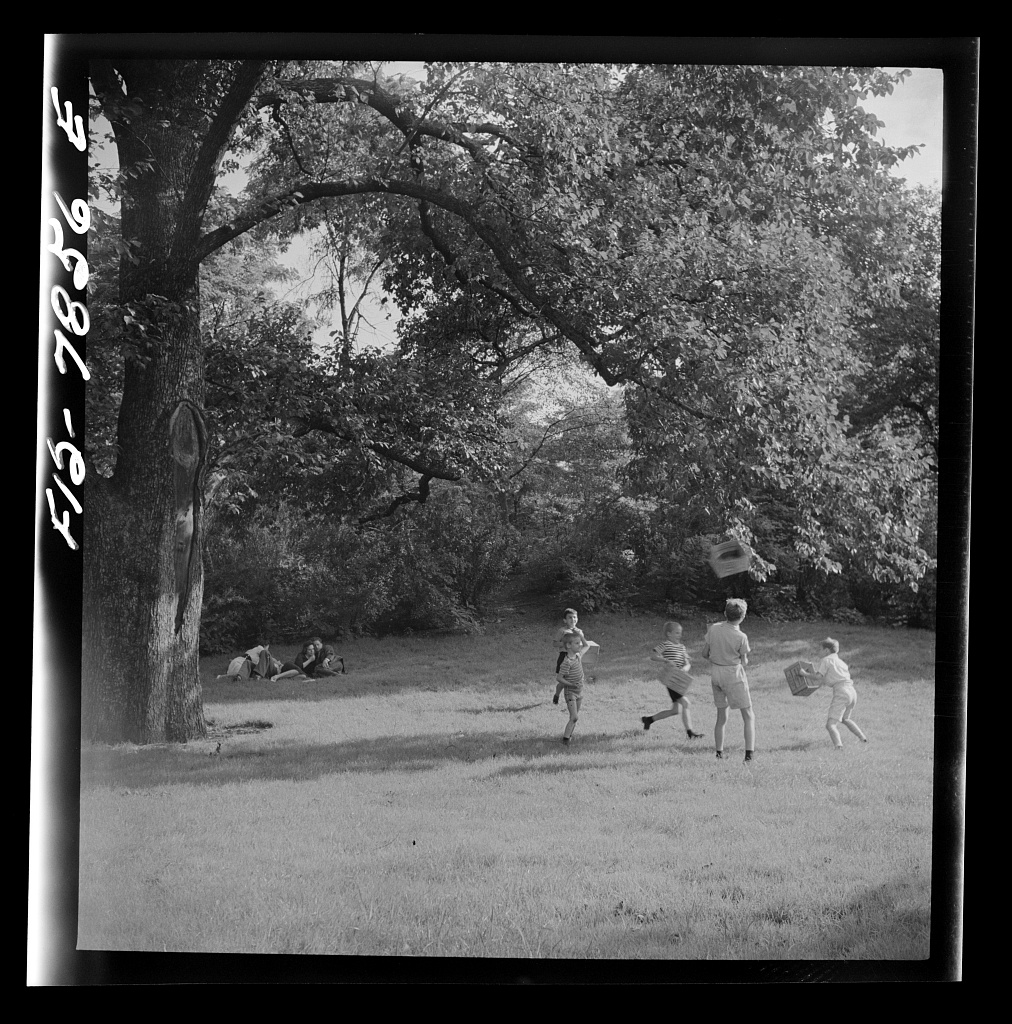
A row of people at the same event, in their best clothes, provided an immediate comparison of whose shoes had been done properly.
The visibility was the point of the whole exercise. This work existed because it would be seen, and the seeing happened in a context where everybody present had done the same job the night before and knew exactly what good work looked like.
Children registered the ranking precisely. Who had been made to do it properly and who had been allowed to skip it was legible to every child in the room, and the comparison was never mentioned by any adult.
16. Then the Material Changed and the Job Disappeared
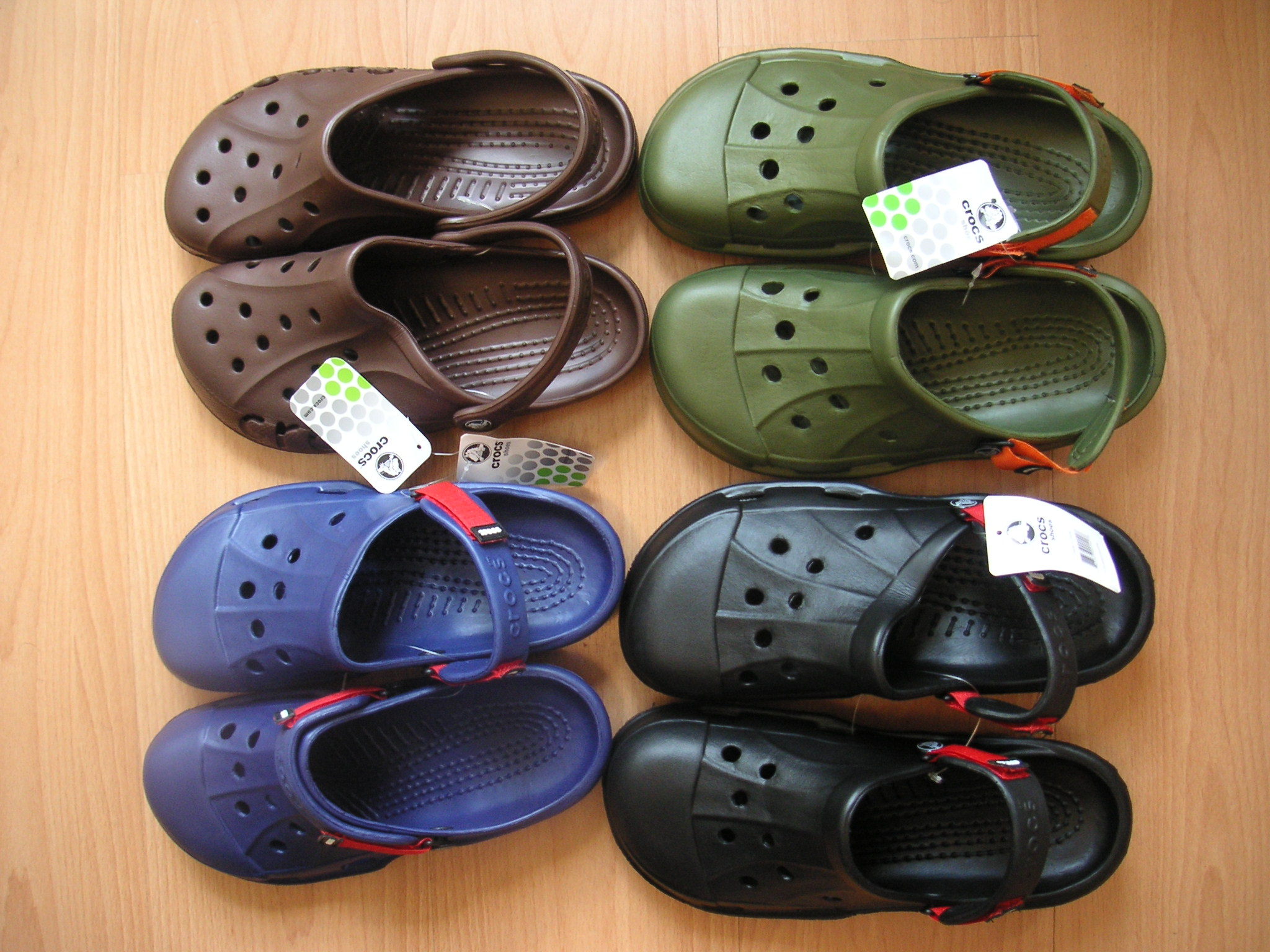
Synthetic uppers, wipe-clean finishes, far more pairs per person and a complete change in what anybody wears on a Sunday removed the whole operation.
The change is an improvement and needs no defending. Footwear that requires no weekly maintenance, in quantity, at a price that makes a single irreplaceable pair unnecessary, is better in every respect than what it replaced.
What went with it is forty minutes on a newspaper. A household’s entire week of appearance settled in one evening, a tin nobody would replace until it was genuinely finished, a sequence nobody had explained, an inspection that went straight to the heel, and a smell that is the first thing almost everybody mentions sixty years later.
Why It Was a Production Line
Read in order, the sixteen describe a task whose shape was set by two things: the material needed time, and the setting-up cost as much as the work. The first moved the whole operation to the evening before. The second meant nobody did one pair – opening the tin, spreading the paper and getting the cloths to hand takes as long as the job, so the household’s entire week of appearance was settled at once, with roles distributed by age.
The objective was not what it looks like. This was presentation rather than cleaning: scuffs were covered rather than removed, nobody expected a child’s shoes to be undamaged by Friday, and the standard was that the damage should not be visible from a distance the following morning. The children doing it understood that distinction perfectly without anybody spelling it out, which is why the shortcut was so tempting and why the inspection went straight to the heel, the welt and the inside edge, where ninety seconds of work shows.
Underneath all of it was the fact that footwear could not be improvised. A garment that does not fit can be altered and a shoe cannot, which made it the item a household thought hardest about, the one clothing problem that could not be postponed to spring, and the only thing a child wore whose weekly maintenance was genuinely extending its life.
Nothing about the change is a loss. Footwear that needs no weekly maintenance, in quantity, at a price that makes a single irreplaceable pair unnecessary, is better in every respect than one good pair kept in a particular place and worked on every Saturday.
What went with it is forty minutes on a newspaper: a tin nobody would replace until it was genuinely finished, a sequence of implements nobody had explained, a job done alongside whatever the household had on, an inspection everybody knew the location of in advance, and a smell that is the first thing almost everybody mentions sixty years later.
Like our content? Follow us for more.