In 1964 nobody acquired a big box on purpose. Packaging of any size was uncommon in an ordinary household, which meant a usable carton was a windfall produced by an unrelated event somebody else had arranged – and the timing was entirely out of a child’s control. You might go eighteen months without one and then get two in a fortnight. From the children’s point of view, a household that had bought something substantial had mainly acquired a box, an inversion adults found funny and remarked on in every house in the country as though nobody had ever noticed it before. Here are sixteen things every kid remembers about the big cardboard box in 1964, and how deliveries made it ordinary.
1. The Box Was Always an Accident
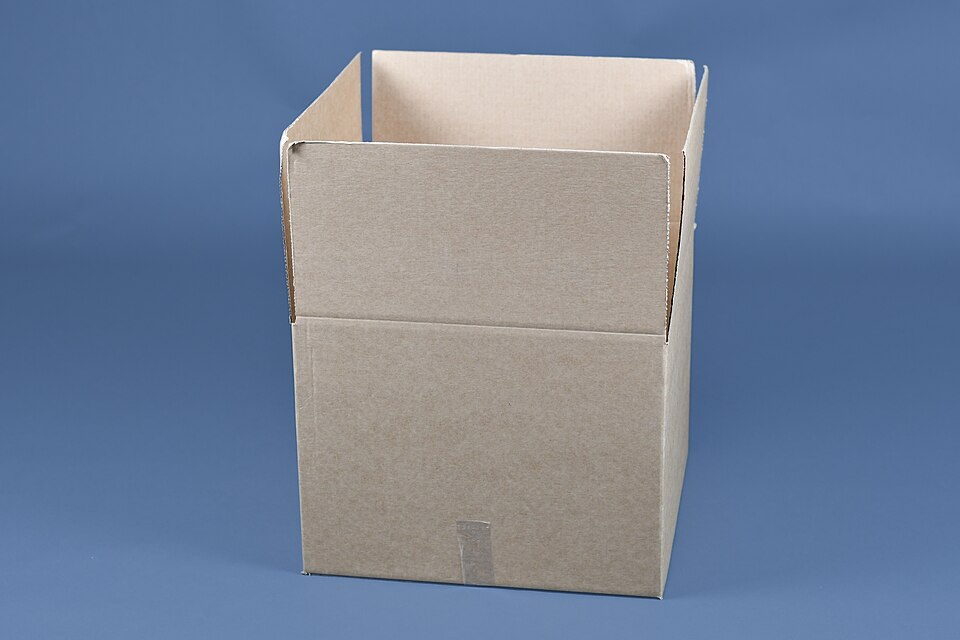
Nobody acquired one on purpose; a large carton arrived because something else had come in it, and the child got what was left.
That is the fact the whole subject rests on. Packaging of any size was uncommon in an ordinary household, which meant a usable box was a windfall produced by an unrelated event somebody else had arranged.
The timing was therefore out of anybody’s control. A child might go eighteen months without one and then get two in a fortnight, which made the arrival of a large carton a genuine event rather than a routine occurrence.
Like our content? Follow us for more.
2. The Appliance Mattered Less Than Its Container
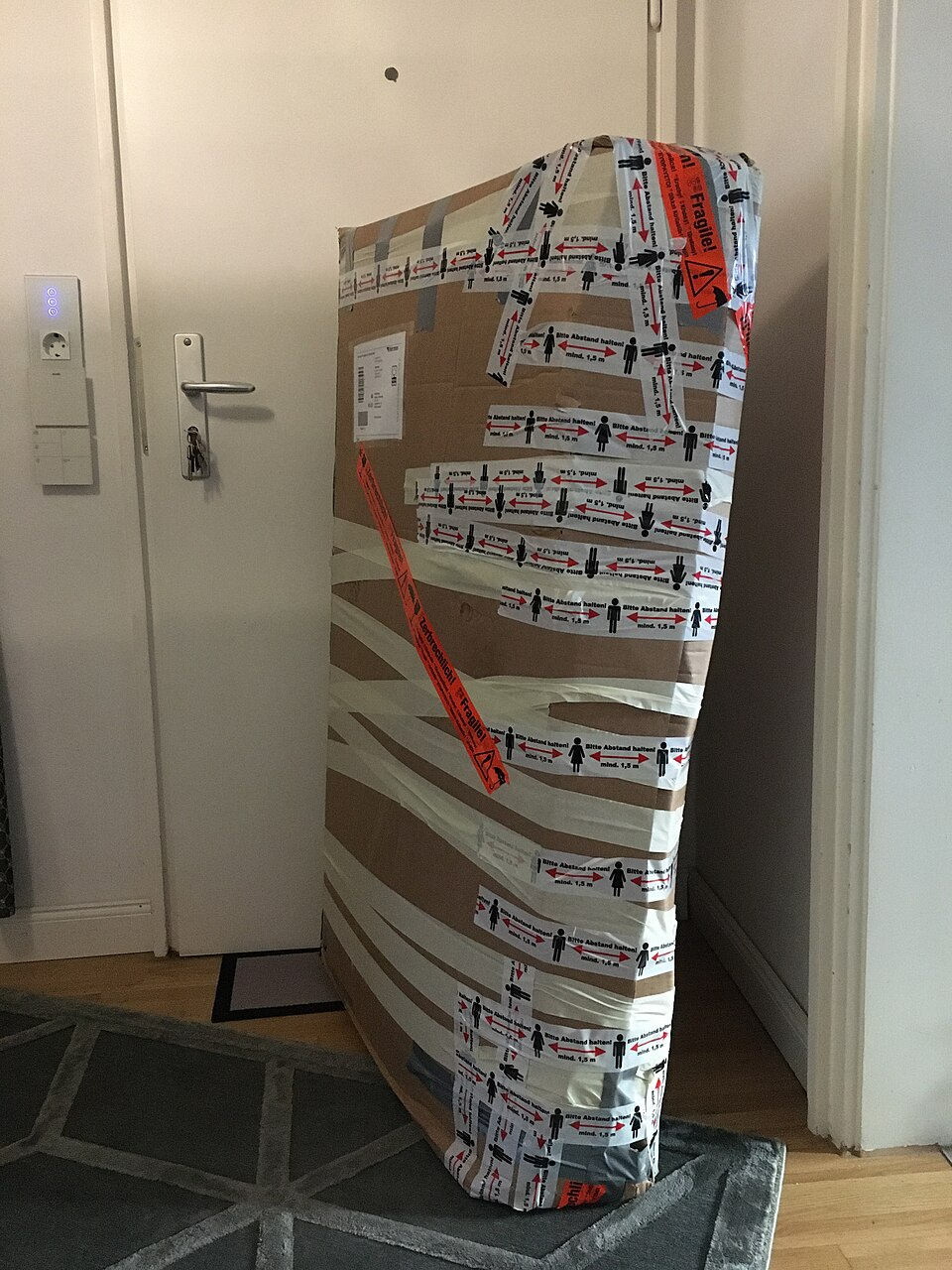
A household that had bought something substantial had, from the children’s point of view, mainly acquired a box.
The inversion was complete and entirely sincere. Whatever had been delivered was of interest to the adults and almost none to anybody under ten, for whom the significant object was the one the thing had travelled in.
Adults found this funny and said so. The observation that the children were more interested in the packaging was made in every household in the country, as though nobody had ever noticed it before.
3. You Had to Claim It Before Anybody Threw It Out
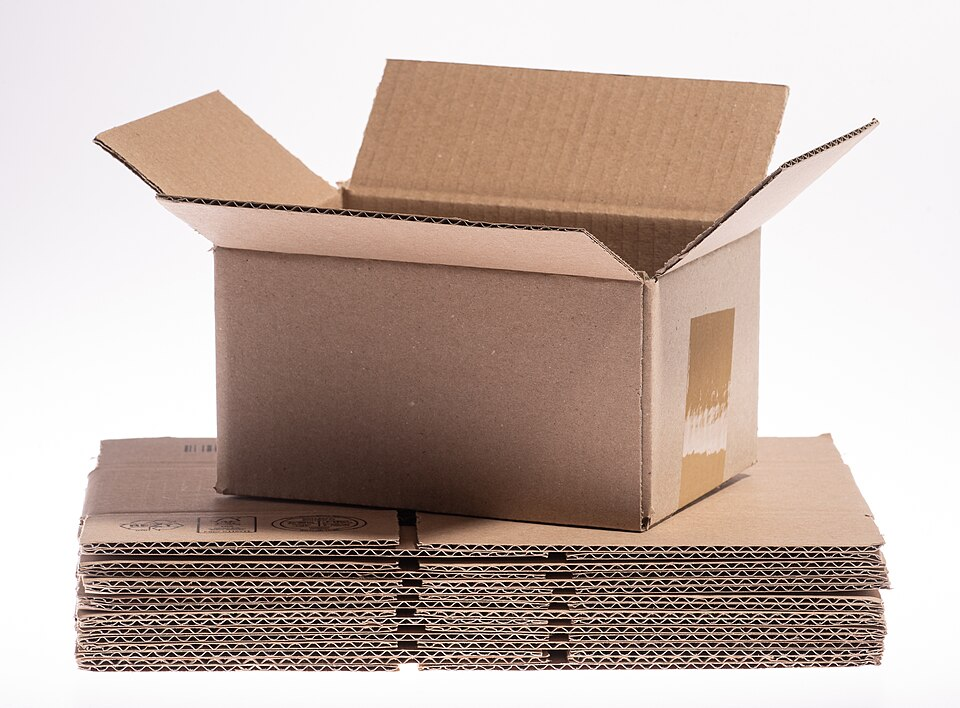
A box had a short window between being emptied and being disposed of, and children had to intervene in it.
The urgency was real. Nobody kept large packaging, there was nowhere to put it and the default was immediate disposal, which meant a child who did not get there first lost the thing entirely.
The negotiation was conducted fast and badly. A child arguing for a box they had just seen, against an adult who wanted it out of a hallway, rarely had a prepared case and frequently won anyway.
4. The First Question Was Always Whether It Was Big Enough
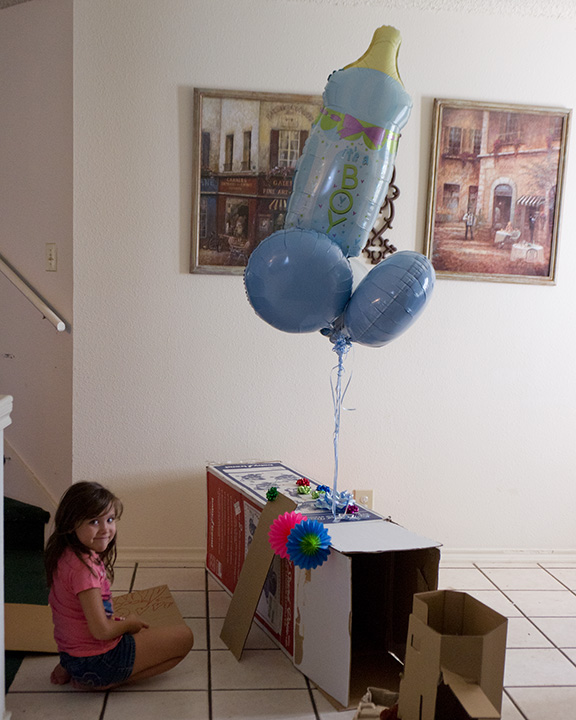
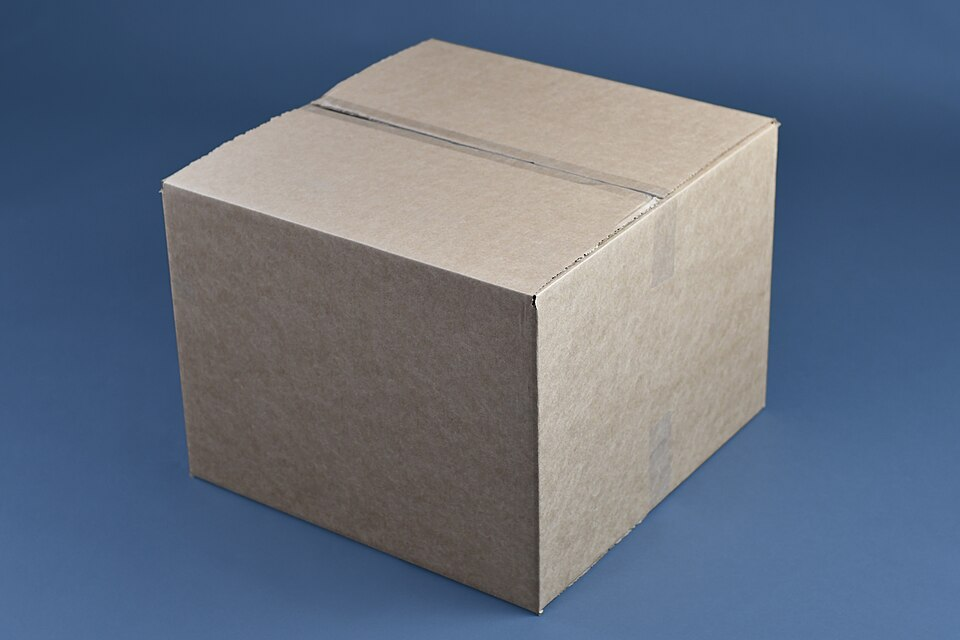
Everything depended on whether a child could get inside it, and the margin was usually narrow.
The threshold was absolute. A box a child can sit in is a space and a box a child cannot is just a box, and there is no intermediate state, which meant the dimensions decided the entire future of the object.
Siblings complicated it immediately. A carton that comfortably held one child was contested by two, and the age at which a child became too large for a particular box was a date everybody involved could see coming.
5. Getting Inside Was Harder Than It Looked
Entry required collapsing the top, which weakened the structure, which was the beginning of the end.
The engineering conflict was unavoidable. The strength of a carton is in its closed form, and opening it to admit a person removes the part holding the whole thing square, which means every box began deteriorating from the moment it became usable.
Children learned to manage it. Folding the flaps inward rather than tearing them off, and keeping one as a door, was arrived at independently and extended the object’s life by several days.
6. The Door Was the Only Modification Anybody Attempted
Cutting or folding an opening was the standard alteration, and almost nothing else was ever done to these objects.
The restraint was practical rather than aesthetic. Every cut weakens the walls, and a child who had made several discovered that the structure failed faster than one that had been left largely intact.
Windows were the common overreach. A box with a door lasted a week and a box with a door and two windows lasted an afternoon, which is a lesson in structural engineering a surprising number of children learned by ruining something.
7. Whatever It Became Was Decided in the First Ten Minutes
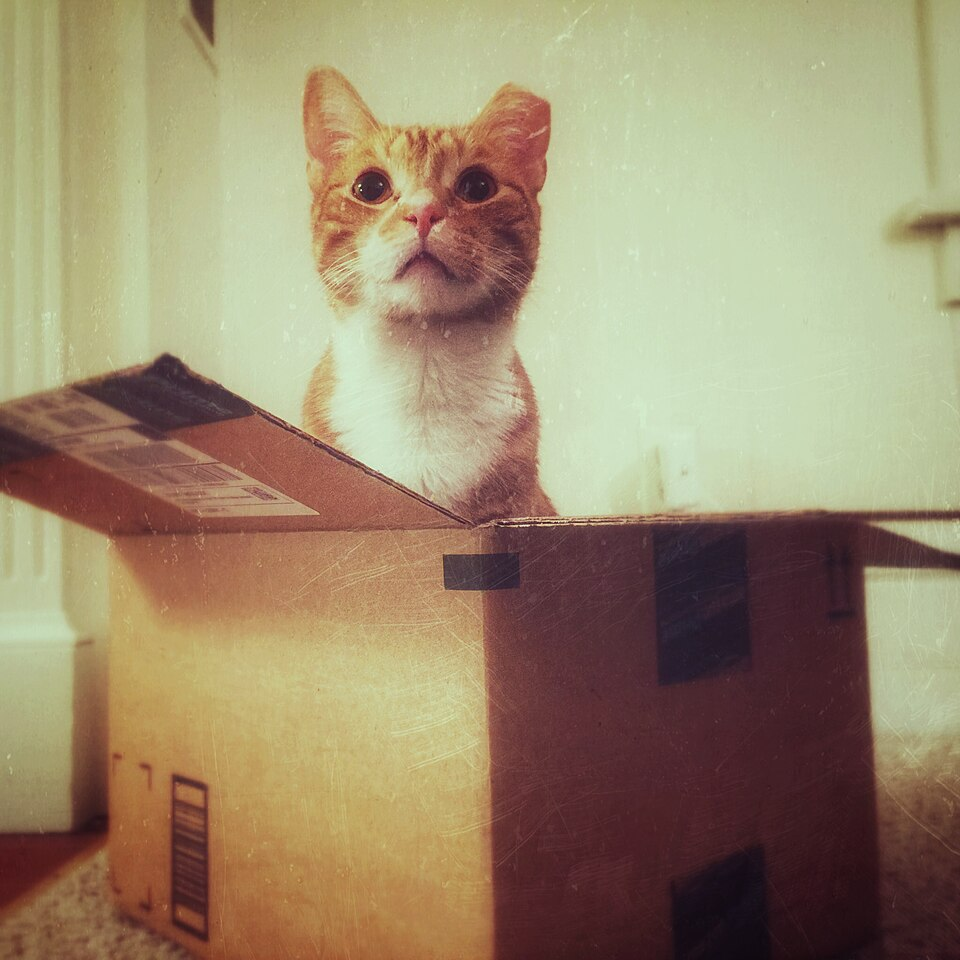
A box was designated as a vehicle, a building or a container early on, and the designation held for its whole existence.
The commitment was social rather than imaginative. Once two children had agreed what the thing was, changing it required renegotiation, which is more effort than simply continuing, so the first decision stood.
Which is why the designations were so various. The same object in two different gardens became two completely different things, for no reason other than what somebody had said in the first few minutes.
8. Decoration Was Announced and Rarely Completed
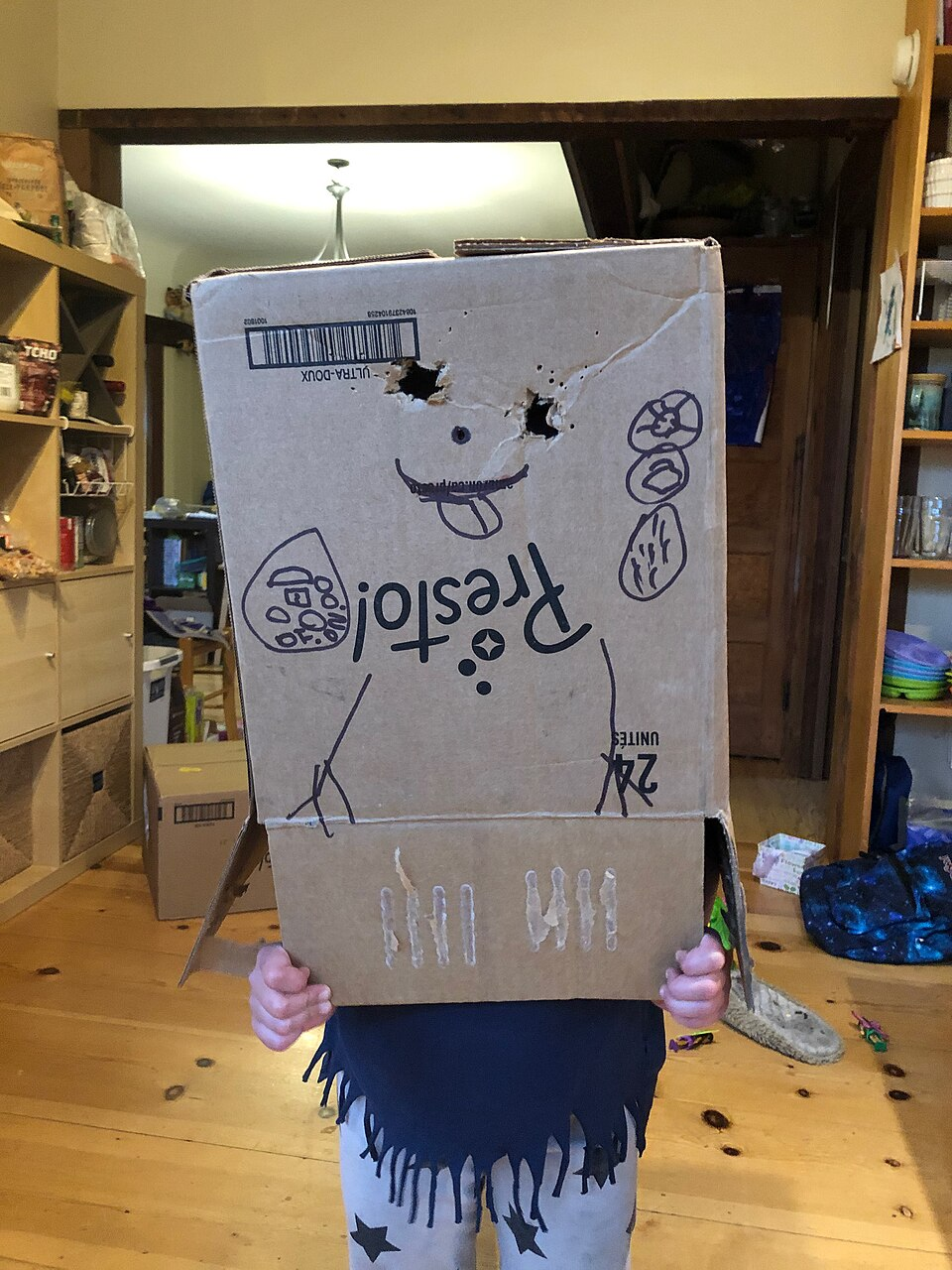
Children declared that the box would be properly finished and the work was almost never done.
The gap between intention and execution was consistent. Decorating a large object requires materials a child did not have, a plan they had not made and sustained attention over several sessions, and the enthusiasm did not last that long.
A partial effort was the normal state. Most of these objects carried some marking on one side and nothing anywhere else, which is the visible signature of a project abandoned at the point it stopped being fun.
9. It Only Worked Indoors and Was Not Allowed to Stay There
Cardboard and weather are incompatible, which meant the object had to live inside, where there was no room for it.
The conflict could not be resolved. One rain shower ends a cardboard structure permanently, and no household had space for a large empty carton in a room anybody used, which put the thing under permanent threat from both directions.
The compromise was a passage or a corner. These objects were almost always kept somewhere inconvenient, were constantly in the way, and were tolerated for a period that depended entirely on the patience of one adult.
10. The Weather Ended It Without Warning
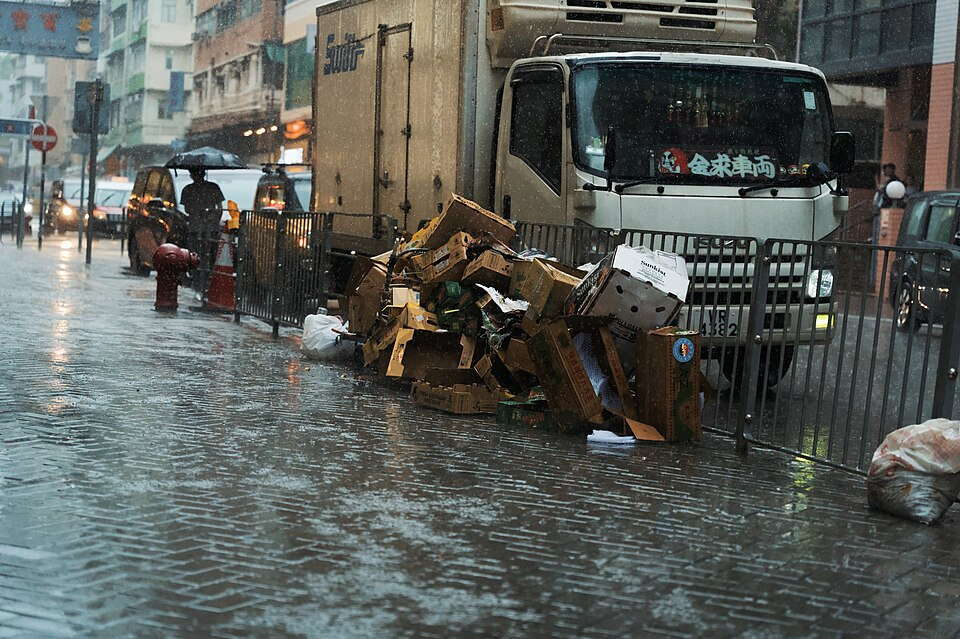
A box left outside once, by accident, was finished, and the loss was total rather than partial.
The failure is a property of the material. Wet cardboard loses all of its strength and does not recover any of it on drying, which means a single afternoon of rain converted the object into something that could not be stood up.
Children were not warned and were blamed. The instruction to bring it in was given, was forgotten, and the consequence was discovered the following morning, which is a sequence every household ran through at least once.
11. Several Children Fitted Only in Theory
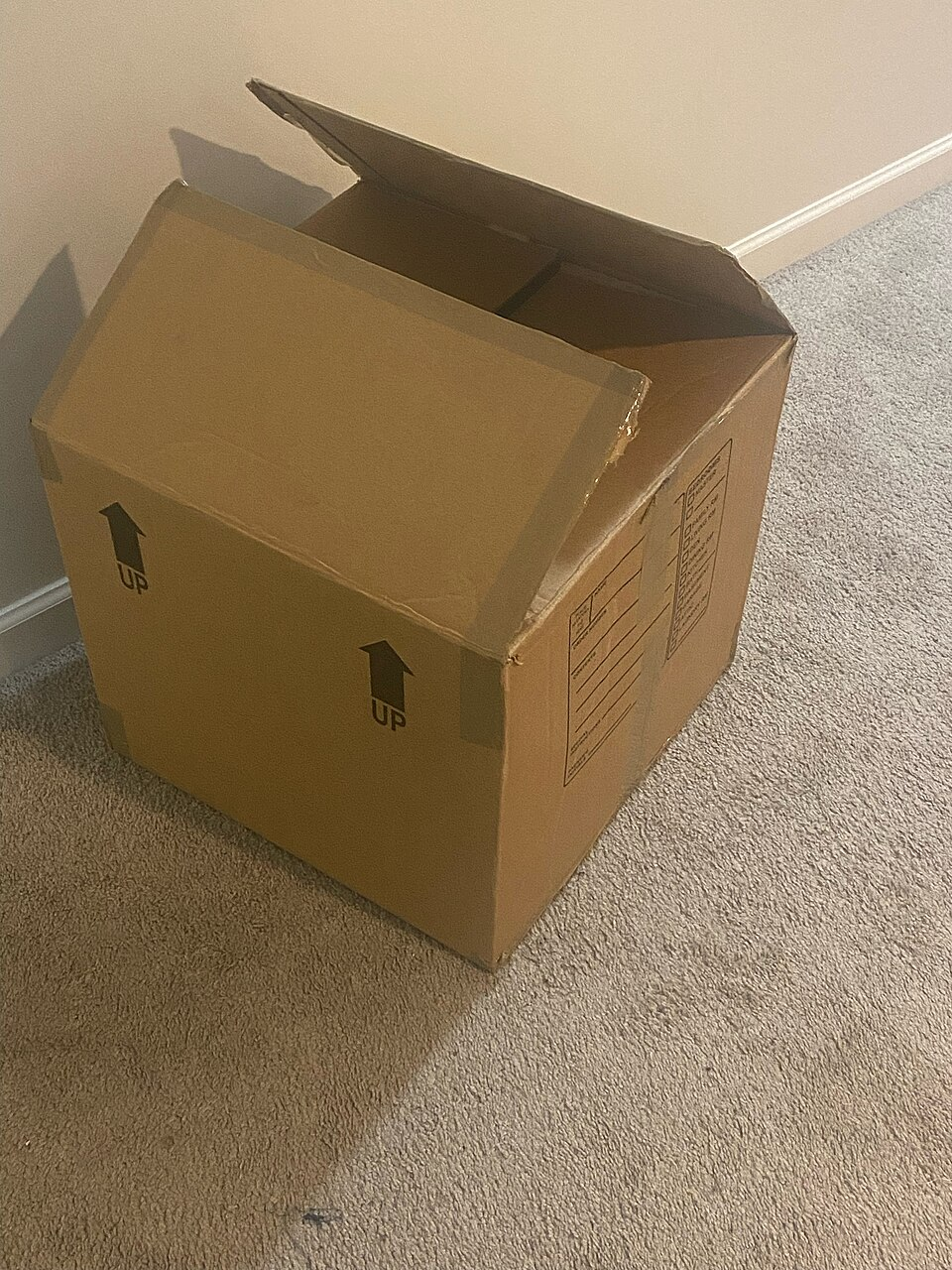
These structures were always presented as accommodating everybody and in practice held one person comfortably.
The capacity problem was universal. A carton large enough for two children does not exist in ordinary domestic packaging, which meant the sociable version of the activity was almost always a negotiation about turns.
That produced the standard dispute. Who was inside, for how long, and whose box it had been to begin with were argued over in every household, and the arguments lasted longer than the occupancy.
12. Being Inside It Was the Entire Point and Was Quite Boring
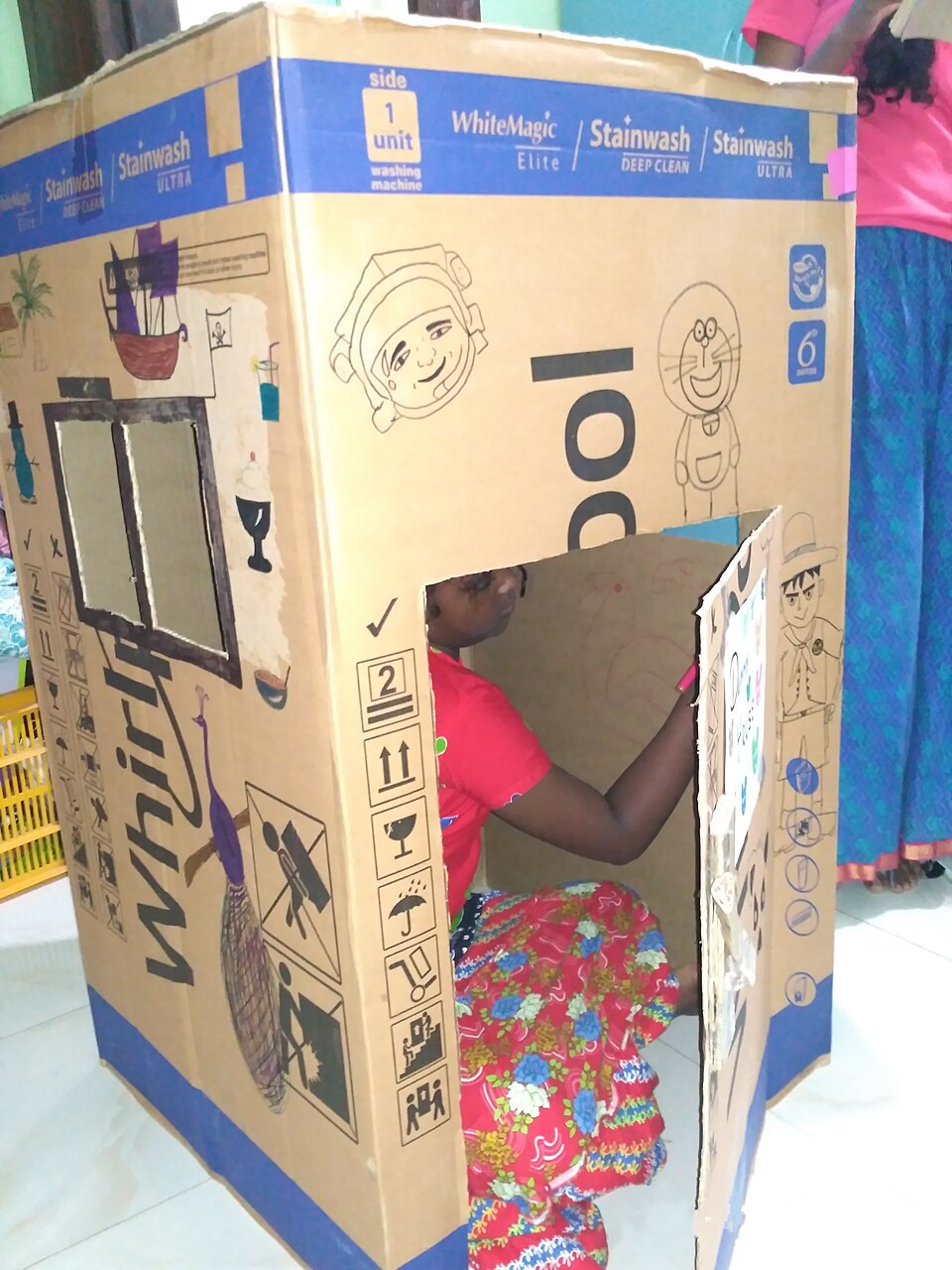
The appeal was the enclosure rather than anything that happened in there, and nothing happened in there.
The attraction is easy to state and hard to justify. A small enclosed space a child controls is appealing out of all proportion to its contents, and the contents were a child, sitting down, in the dark.
Children stayed for a long time anyway. Twenty minutes inside a cardboard box, doing nothing, is a widely shared memory, and almost nobody can say what the appeal consisted of.
13. The Collapse Was Progressive and Everybody Kept Using It
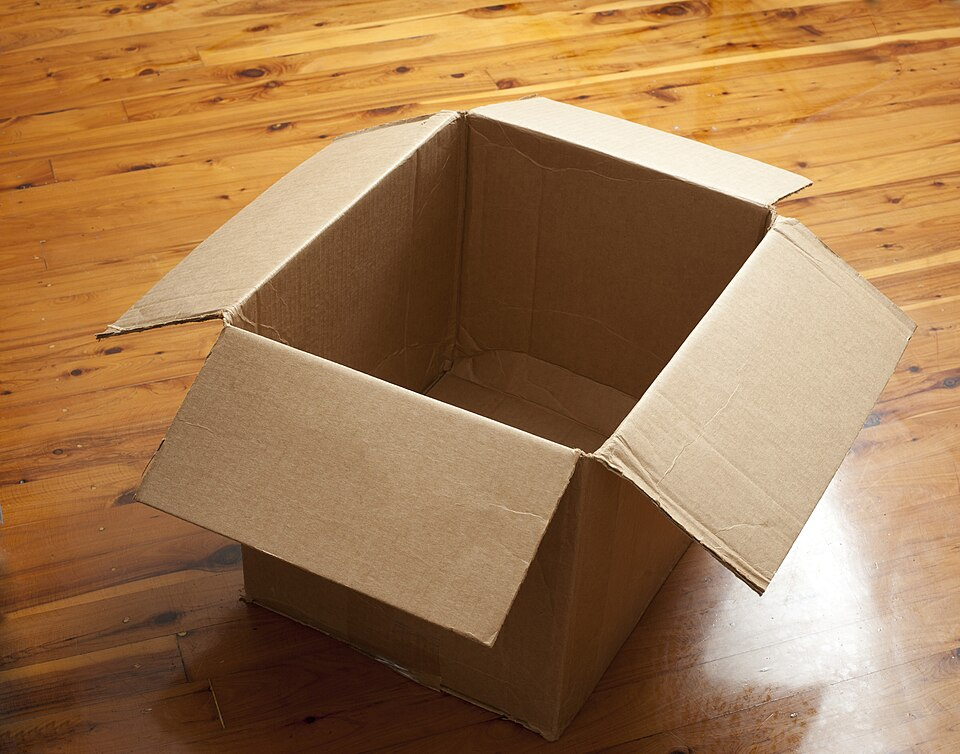
These objects did not break so much as sag, and a box well past its useful life continued in service for weeks.
The deterioration was gradual by nature. Corners soften, walls bow and the top goes first, which means there is no single point at which the thing stops working and no obvious moment to give up on it.
The final state was barely recognisable. A box in its last week was a flattened arrangement of panels that a child still referred to by whatever it had originally been designated as.
14. Disposal Was Somebody Else’s Decision Again
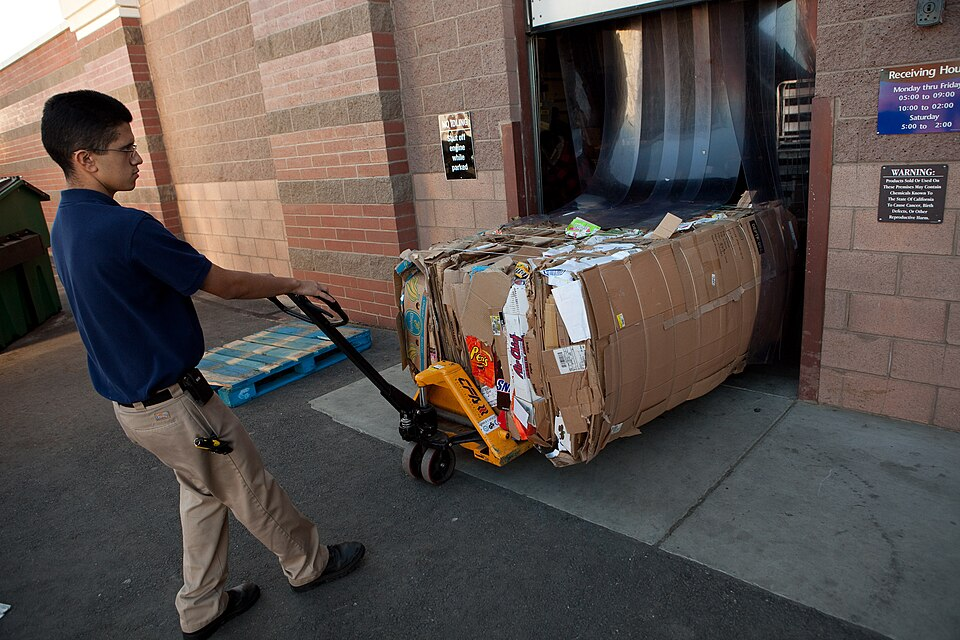
The object was removed when an adult had had enough of it, on no notice, and that was the end of the matter.
The asymmetry was the same as it had been at the start. A child had acquired the thing by persuading somebody to let them keep it, which meant that same person retained the authority to end the arrangement at any point.
There was no appeal and little protest. Children understood that a flattened carton in a hallway had no case to be made for it, and the removal was generally accepted with less argument than the acquisition had taken.
15. Nobody Photographed Any of It Either
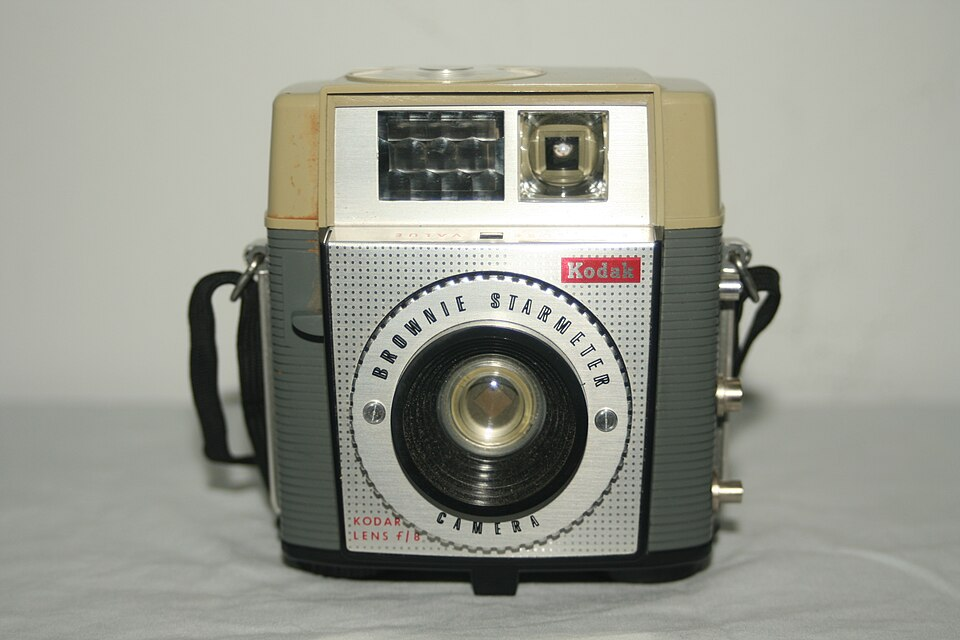
A structure that occupied a household for three weeks was almost never recorded in any form.
The reason is the same as for everything else of the period. Film was finite, a camera had to be fetched and nothing in a household’s thinking classified a cardboard box as an occasion, so the entire practice left almost no evidence.
The absence is slightly remarkable. An activity universal across a decade, in every household with children and a large delivery, survives almost entirely in description rather than in pictures.
16. Then Packaging Stopped Being a Windfall

Far more deliveries, far more packaging, bought play structures, less floor space given over to children’s projects and the end of the single large carton as a rare event removed the whole thing.
Most of that is simply abundance. A box is no longer a windfall because boxes arrive constantly, which means the object has lost the scarcity that made it significant, and nothing here is an argument about anybody’s childhood.
What went with it is a windfall nobody had arranged. A carton claimed in the ten minutes before it was thrown out, designated in the first ten minutes after that, with a door and no windows, living in a passage on one adult’s patience, used for twenty minutes at a time by a child sitting in the dark doing nothing at all.
Everything the Material Decided
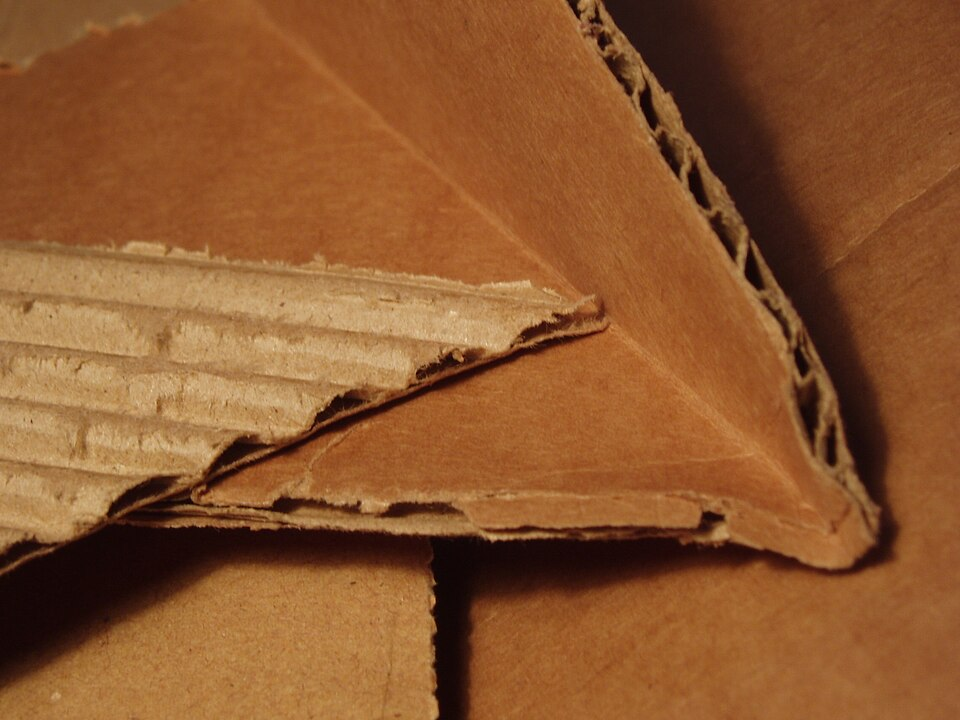
Read in order, the sixteen are governed by cardboard. The strength of a carton is in its closed form, so opening it to admit a person removes the part holding the whole thing square – which means every box began deteriorating at the moment it became usable. That is why the door was the only modification anybody attempted, and why windows were the standard overreach: a box with a door lasted a week and a box with a door and two windows lasted an afternoon. A surprising number of children learned structural engineering by ruining something.
The material also decided where it lived and how it ended. Wet cardboard loses all of its strength and recovers none of it on drying, so one forgotten afternoon of rain was total and permanent loss – and because the object therefore had to stay indoors, where no household had room for a large empty carton, it lived in a passage, was constantly in the way, and survived entirely on the patience of one adult.
The strangest part is the appeal itself, which the file does not pretend to justify. A small enclosed space a child controls is attractive out of all proportion to its contents, and the contents were a child, sitting down, in the dark. Twenty minutes in there doing nothing is a widely shared memory and almost nobody can say what it consisted of.
Most of the change is simply abundance. A box is no longer a windfall because boxes arrive constantly, which means the object has lost the scarcity that made it significant – and nothing above is an argument about anybody’s childhood.
What went with it is a windfall nobody had arranged: a carton claimed in the ten minutes before it was thrown out, designated in the first ten minutes after that, with a door and no windows, living in a passage on one adult’s patience, and removed when that patience ran out with less argument than the acquisition had taken.
Like our content? Follow us for more.