The 1970s stand as a singularly unbound era in commercial history. It was a time when unrestrained creativity often clashed head-on with an almost nonexistent regulatory framework. Brands routinely pushed boundaries using aggressive humor, overt sexuality, and ingrained stereotypes in ways that would ignite immediate public condemnation in the current media climate. Many advertisements normalized rigid gender roles, relied on thinly veiled racial caricature, or made dangerously misleading health claims, all presented as harmless, mainstream entertainment. Revisiting these spots offers a compelling glimpse into a decade where public tolerance was strikingly high and advertising ethics were shockingly undeveloped.
1. Calgon – “Ancient Chinese Secret” (1975)
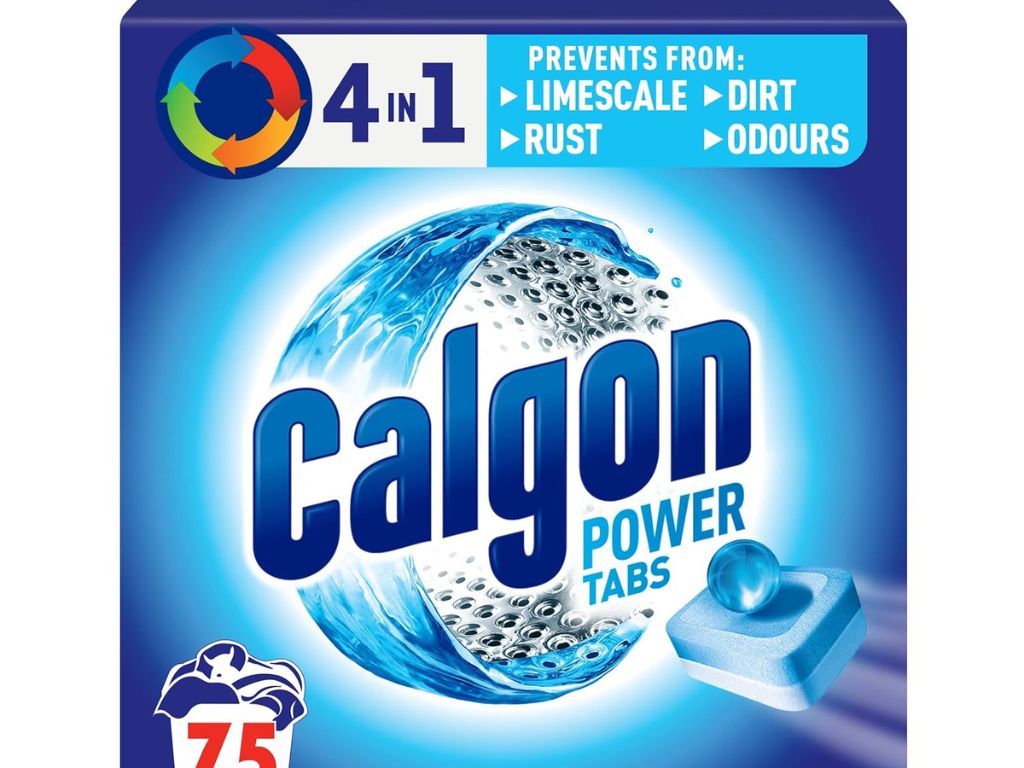
This spot revolved around a male laundry owner guarding his “secret” laundry formula, deliberately employing exaggerated accents and cultural tropes for humor. The commercial, broadcast over a thousand times nationwide, injected casual stereotyping directly into American popular culture. The narrative relied on portraying Asian individuals as exotic caricatures, a practice considered lighthearted comedy at the time. Modern guidelines, informed by decades of cultural advocacy and enhanced demographic sensitivity, would instantly flag this representation as deeply offensive.
2. Folgers Coffee – “Bad Coffee Wife” Series (1970-1976)
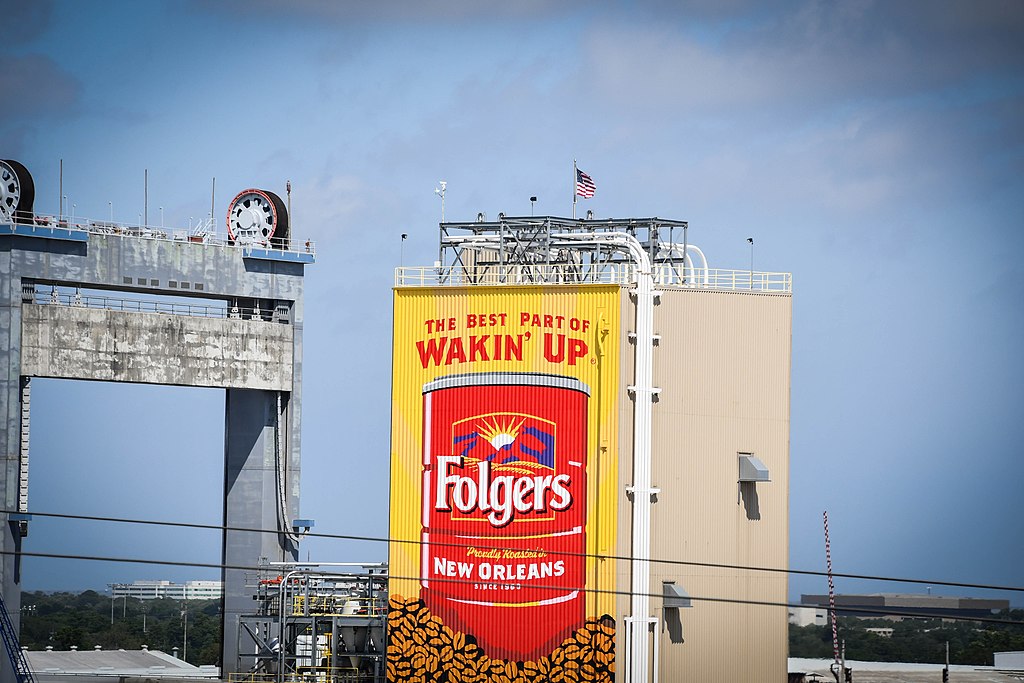
Spanning several years, this campaign featured husbands consistently berating their wives for serving weak or poor-quality coffee, framing it as a serious domestic shortcoming. With more than 20 distinct versions produced, the series turned spousal put-downs into successful comedic tropes. These commercials powerfully reinforced the rigid gender expectations prevalent in advertising. Contemporary viewers, far more aware of gender dynamics and emotional manipulation, would overwhelmingly reject a campaign that normalized humiliating partners as a marketing device.
3. National Airlines – “Fly Me” Campaign (1971)

The airline brazenly marketed its flights using overt sexual suggestion, deploying slogans like “Hi, I’m Cheryl. Fly Me,” alongside images of young female flight attendants. This costly campaign, budgeted at around $9 million, generated both intense publicity and significant backlash for using its staff as alluring commodities. While the corporation defended the campaign’s boldness, critics labeled the tactic degrading. In the modern era, with robust HR protections and stricter ethical advertising standards, turning employees into flirtatious selling points would face immediate corporate and legal rejection.
4. Virginia Slims – “You’ve Come a Long Way, Baby” (1970-1979)
This enduring cigarette campaign ran for nearly a decade, cleverly co-opting feminist rhetoric and merging it with tobacco consumption. The advertisements suggested that personal liberation could be achieved by lighting up, implicitly linking independence to a hazardous product. Although hugely popular at the time, the messaging strategically manipulated social progress for corporate profit. Current tobacco regulations and heightened sensitivity regarding health exploitation would prohibit merging narratives of female empowerment with a product directly tied to disease and mortality.
5. Schlitz Beer – “Real Men Drink Schlitz” Spots (1972)
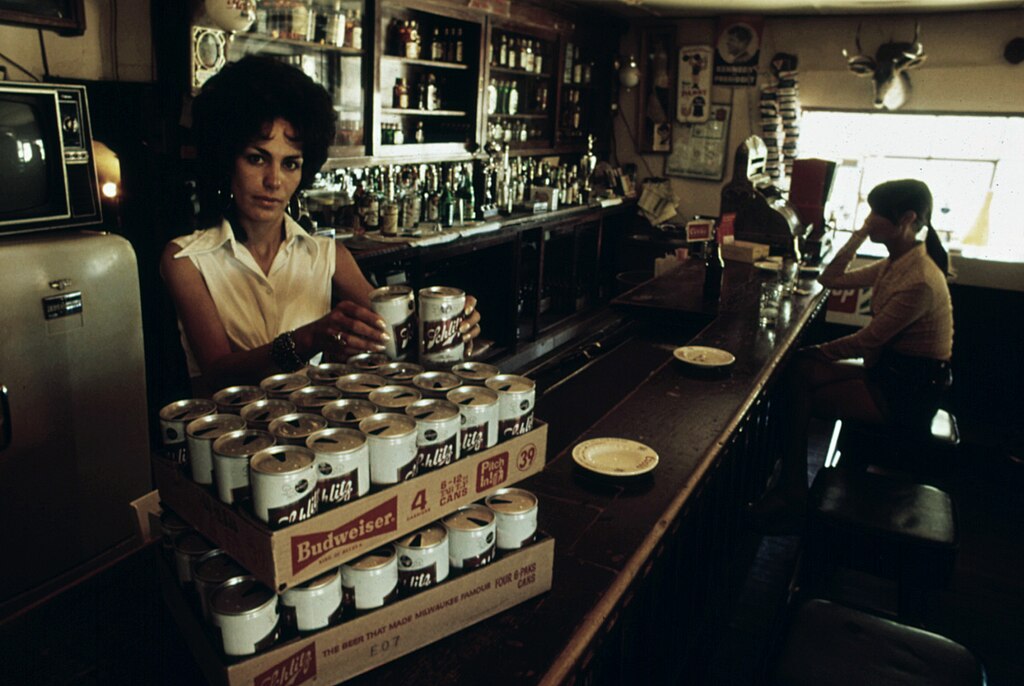
These commercials heavily relied on aggressive, traditional masculinity, subtly suggesting that choosing any rival beer brand was a challenge to a man’s identity. The brewery, then a leading producer, leveraged macho imagery to cement its market dominance. While the ads appealed directly to certain male audiences, they severely enforced narrow, traditional concepts of toughness. Modern advertising codes, which actively oppose gender stereotyping and toxic tropes, would prohibit campaigns that rely on policing outdated definitions of manhood.
6. Playtex – “Living Bra” Demonstrations (1970-1974)

Playtex broadcast numerous commercials where models stood largely undressed as technicians manually handled and adjusted the brassiere product. The brand released over 30 variations, prioritizing voyeuristic visual appeal over simple product information. The ads blurred the necessary line between fit testing and objectification, causing discomfort even among contemporary viewers. Current industry mandates require dignified, consent-driven presentation and respectful portrayal of the human form, meaning this advertising format would be instantly banned.
7. Benson & Hedges – “100s” Bump-and-Snag Ads (1970)
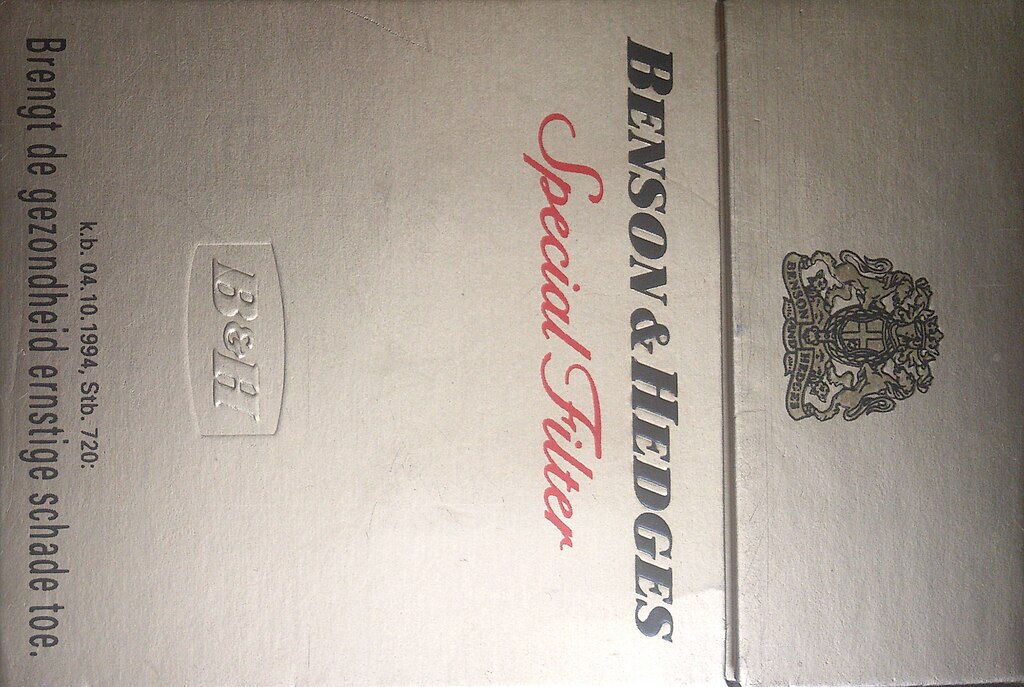
These peculiar commercials depicted the extra-long cigarette packs causing characters to stumble, knock into doorframes, or struggle awkwardly with physical space. Dozens of versions ran for comedic effect, but several mocked individuals with physical differences or extreme height. The exaggerated physical comedy contained ableist undertones masked as simple slapstick. Today, heightened inclusivity expectations and strict health advertising rules mean such negative physical portrayals would be both legally challenged and culturally rejected.
8. Alpine Cigarettes – Menthol “Clean Air” Spots (1976)
Alpine marketed its menthol cigarettes as a refreshing, almost therapeutic choice, utilizing imagery of snowy mountain vistas and taglines implying a “pure breeze.” The campaign, backed by a budget exceeding $5 million, dangerously suggested that menthol smoke was milder or safer than regular tobacco. Modern federal regulations strictly prohibit misleading health implications in the marketing of tobacco products. Any suggestion that smoking promotes clarity, wellness, or natural purity would face immediate government scrutiny and public backlash.
9. McDonald’s – Early “Exhausted Worker” Donut Tie-In Ads (1972)
Before the more famous 1980s remake, earlier versions of the “time to make the donuts” concept humorously showed overworked employees dragging themselves through punishingly long shifts. Some variants aired hundreds of times regionally, framing genuine workplace burnout as a comedic situation. While intended to be relatable, they ultimately trivialized labor strain during an era of increasing workplace demands. Today’s corporate communications actively avoid glorifying exhaustion, prioritizing messages of employee wellness and fair labor practices.
10. Pepsi – Global “Come Alive!” Translation Blunder (1970)
While the original U.S. slogan was innocuous, Pepsi’s global expansion into over 80 countries led to major misfires. In certain international translations, the slogan was erroneously rendered to suggest the drink could “bring your ancestors back from the grave.” This became a legendary case study in catastrophic cultural miscommunication. Though not malicious, the massive error caused offense to spiritual beliefs and exposed profoundly weak localization practices. Contemporary multinational marketing requires rigorous sensitivity audits to ensure respect for cultural or religious traditions.
11. Old Gold Cigarettes – “For Women Watching Their Weight” (1974)
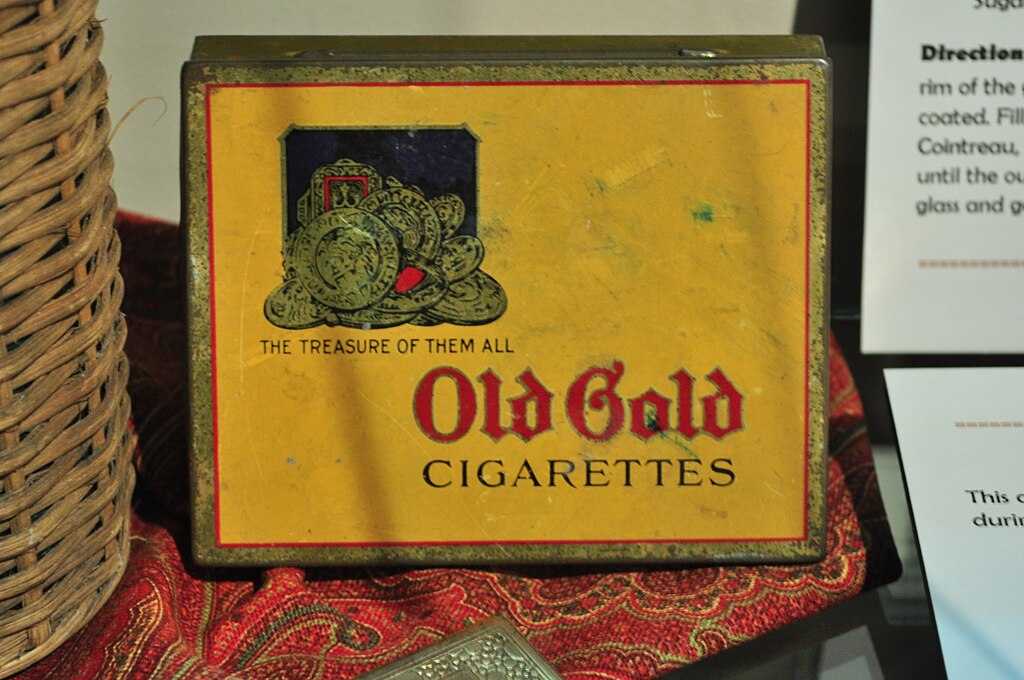
This advertisement overtly targeted female consumers by positioning cigarettes as effective appetite suppressants, a harmful strategy seen across several tobacco brands of the era. By explicitly framing smoking as a method for slimming, the campaign exploited pervasive body insecurities and completely ignored documented health risks. Today’s robust bans on misleading weight-loss claims, coupled with a greater understanding of eating disorders, make such manipulative messaging strictly prohibited.
12. Sprite – “Authenticity” Regional Ads (1977)
Certain regional Sprite promotions in the mid-70s utilized subtle, coded language about achieving “authenticity,” indirectly pressuring specific urban consumers to conform to stereotyped cultural expectations. Aired in select markets, the campaign dangerously blurred the line between identity and product consumption. Although nuanced, the tactic reinforced narrow, often inaccurate, depictions of certain cultures to build brand loyalty. Modern advertisers prioritize genuine representation and accuracy, making such cultural stereotyping wholly unacceptable.
13. Tootsie Pop – Native-Themed Wrapper Tie-In Spots (1970-1972)

While the product wrapper design existed previously, several 1970s commercials referenced the simplistic Native American star-shooting caricature printed on tens of millions of wrappers annually. The animated advertisements repeated outdated depictions, utilizing simplistic tribal imagery for perceived charm. Today, heightened public awareness concerning Indigenous identity and cultural appropriation ensures that such iconography is swiftly removed and replaced with respectful, accurate representation rather than perpetuated as nostalgic stereotype.
14. Bayer – “For the Nervous Housewife” Ads (1971)

This massive campaign, with over 500 scheduled national placements, framed women’s generalized stress and anxiety as a simple problem solved by taking an aspirin. Rather than acknowledging systemic burdens or emotional distress, the ads reduced women’s mental strain to triviality. Modern audiences would find this approach deeply patronizing and reductive. Regulatory bodies now discourage any messaging that reinforces outdated gendered emotional stereotypes, rendering this entire campaign unacceptable today.