In 1964 a newly laid surface was workable for part of one day and permanent forever afterwards, and that is the whole structure of the subject. The window was set by the material rather than by anybody’s decision – there was a period in which a mark could be made and then no period at all, and nobody got a second attempt. Children understood that finality completely, which was the entire appeal and is also why so few of them actually did it. Here are twelve things every kid remembers about wet cement in 1964, and why no sidewalk gives you a chance at it now.
1. The Opportunity Lasted About Four Hours and Never Came Back
A newly laid surface was workable for part of one day and permanent forever afterwards, which is the whole structure of the subject.
The window was set by the material rather than by anybody’s decision. A surface goes off on its own schedule, which means there was a period in which a mark could be made and then no period at all, and nobody got a second attempt.
Children understood the finality completely. The knowledge that this was a one-off opportunity producing a permanent result was the entire appeal, and it is also why so few of them actually did it.
Like our content? Follow us for more.
2. News of It Travelled Faster Than Anything Else
A neighbourhood’s children knew about new work within an hour of it starting.
The information moved by the usual route. A child who had seen something told everybody they encountered, and the network of children in a residential area was considerably faster at distributing that kind of news than any adult arrangement.
Children arrived to look rather than to act. The overwhelming majority of the attention a newly laid surface received consisted of people standing at the edge of it looking, which is what most of the memory actually consists of.
There was also no agreement about whether anybody had the right to be there at all. A new surface at the edge of a property or across a footway sat in an ambiguous zone, nobody had said anything either way, and children treated the absence of an instruction as something close to permission.
3. Present-Day Practice Is Different and Present-Day Practice Is Right
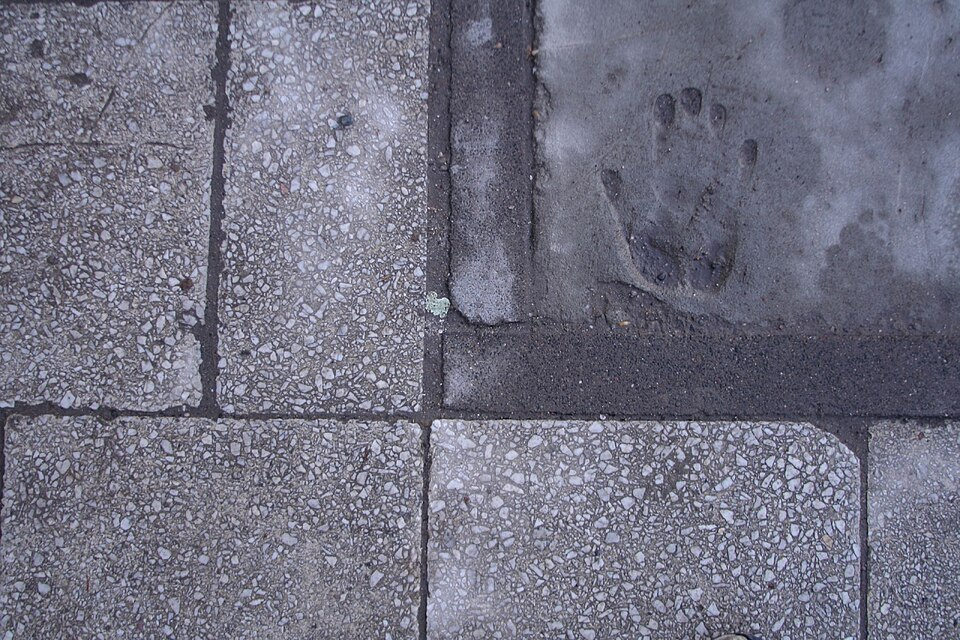
Nobody should be marking anybody else’s property or anything laid at public expense, and that was as true then as it is now.
The position needs stating plainly rather than treated as a technicality. Work paid for by a household or an authority is not a surface anybody is entitled to write on, the people who laid it had to deal with the result, and the cost of doing so fell on somebody.
Nothing in this piece is a recommendation. It records what children of the period did and should not be read as describing what anybody ought to do to anything, then or now.
4. It Was Also Genuinely Not Safe to Touch and Nobody Knew

The material is harsher on skin than its appearance suggests, and the period gave that no thought whatever.
The ignorance was general rather than anybody’s failing. Nothing in the household knowledge of 1964 addressed the question, children put their hands into it freely, and the people laying it worked without much protection either.
Current practice is better informed in every respect. The reasons for present-day advice about handling such material are well established, nothing here describes how anybody should approach anything, and this is an account of what was not known.
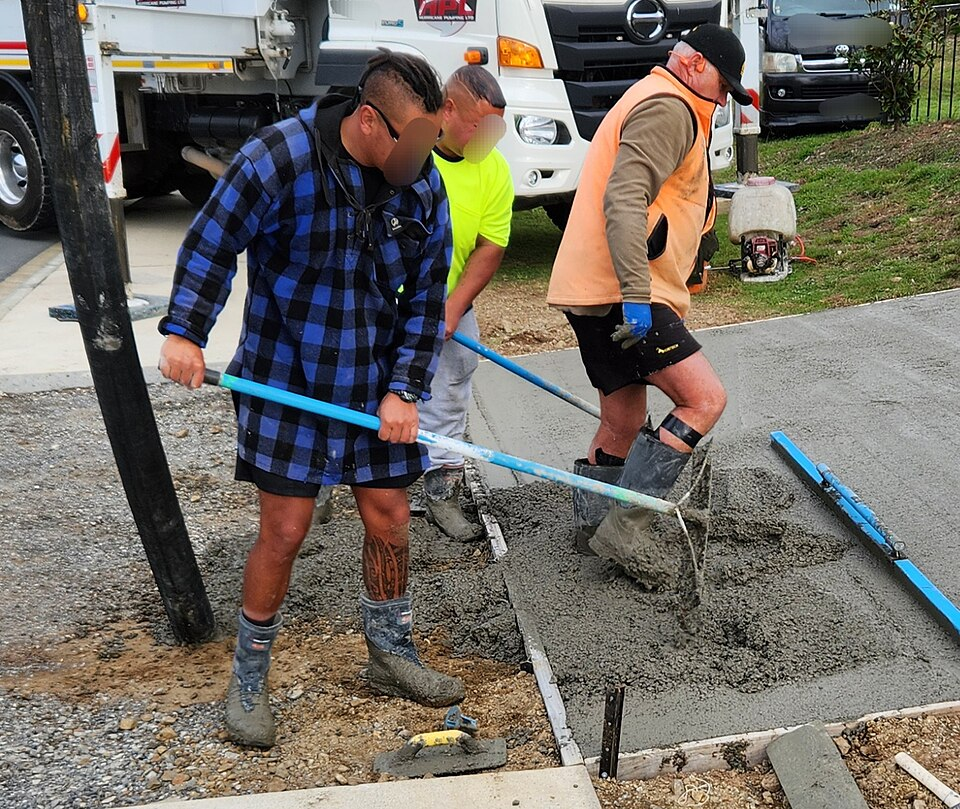
Whoever had laid it was usually still nearby too. These jobs did not finish and vacate; somebody came back to check the work, which meant the window a child was assessing was also a window in which an adult might reappear from any direction at any moment.
5. The Mark Had to Be Made at Exactly the Right Moment
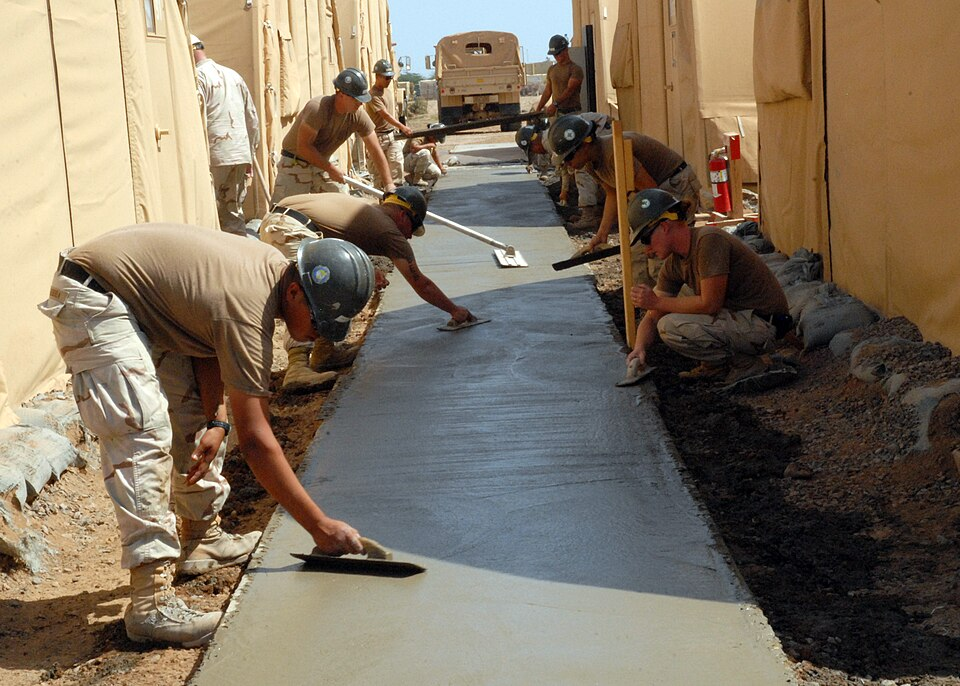
Too early and it closed up, too late and it would not take, and the correct interval was short.
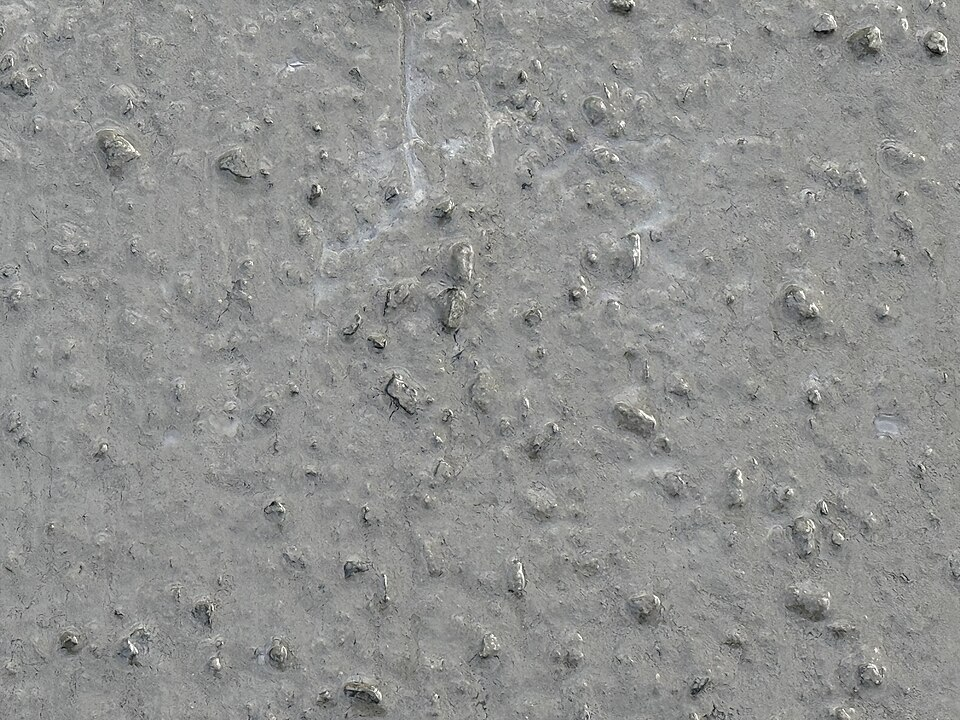
The timing problem was real and unsolvable without experience. A surface that is still liquid flows back over anything drawn in it, and one that has begun to set resists entirely, which leaves a narrow period that nobody could identify except by trying.
Most attempts failed for exactly that reason. The majority of marks made in these surfaces were made too early, closed up within minutes and left nothing, which children found baffling and never worked out.
The texture told you everything and children could not read it. An experienced pair of hands can tell the state of a surface by touching it, and a nine-year-old assessing one by looking had no information at all, which is why the whole business was conducted on guesswork.
6. Nobody Ever Made the Mark They Had Planned
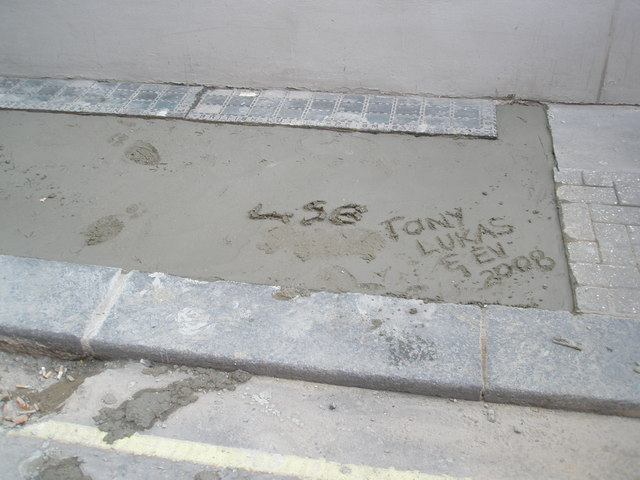
Children arrived with an intention and produced something considerably worse under time pressure.
The execution was the problem. Writing legibly in a soft surface, at arm’s length, in a hurry, with whatever was to hand, produces something that bears very little resemblance to what anybody intended.
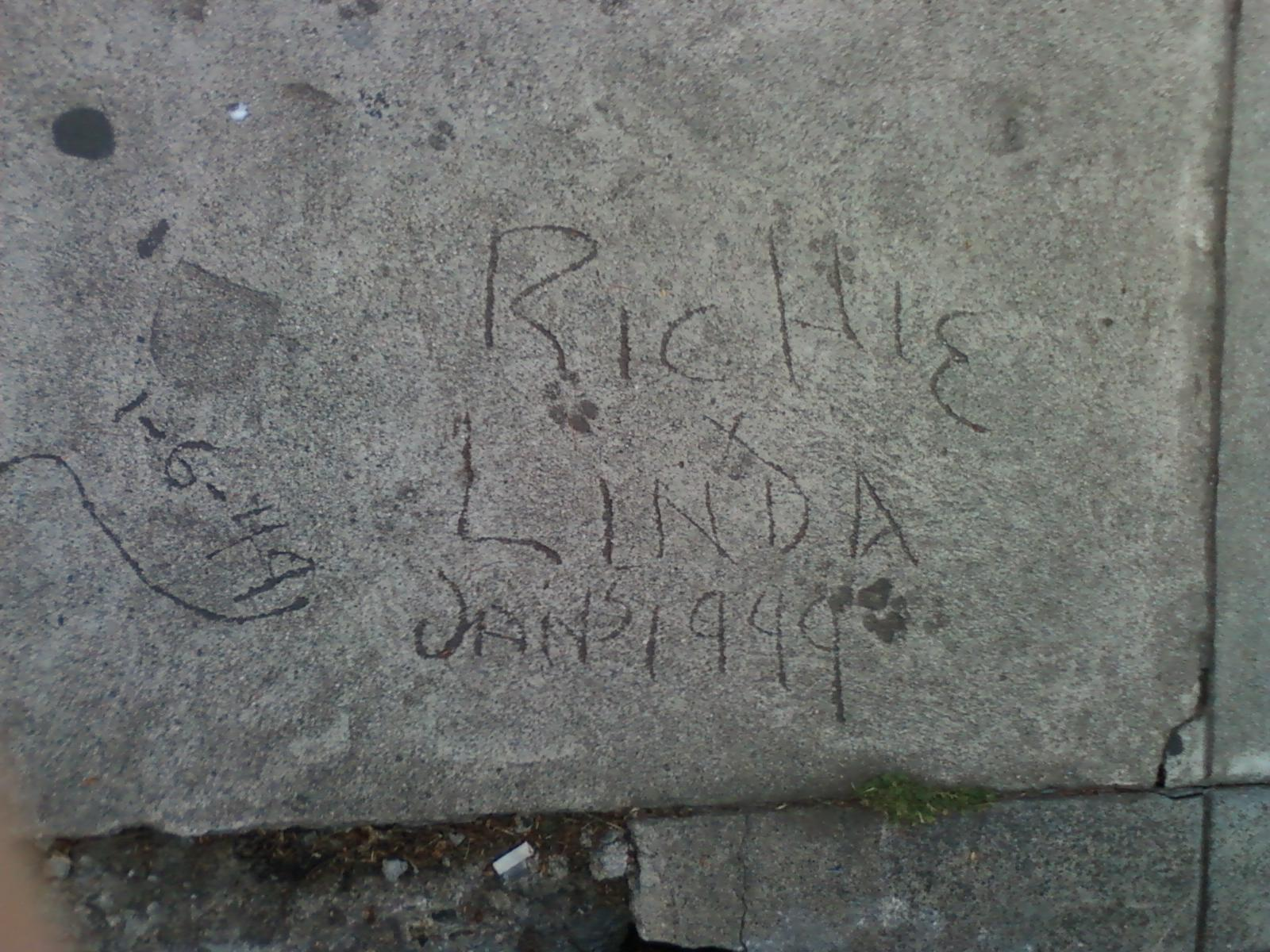
The results were therefore almost all bad. A great many of these marks are illegible, misspelled or incomplete, which is visible in surviving examples and was obvious to their authors immediately.
7. Doing It Was Almost Always Somebody Else’s Idea
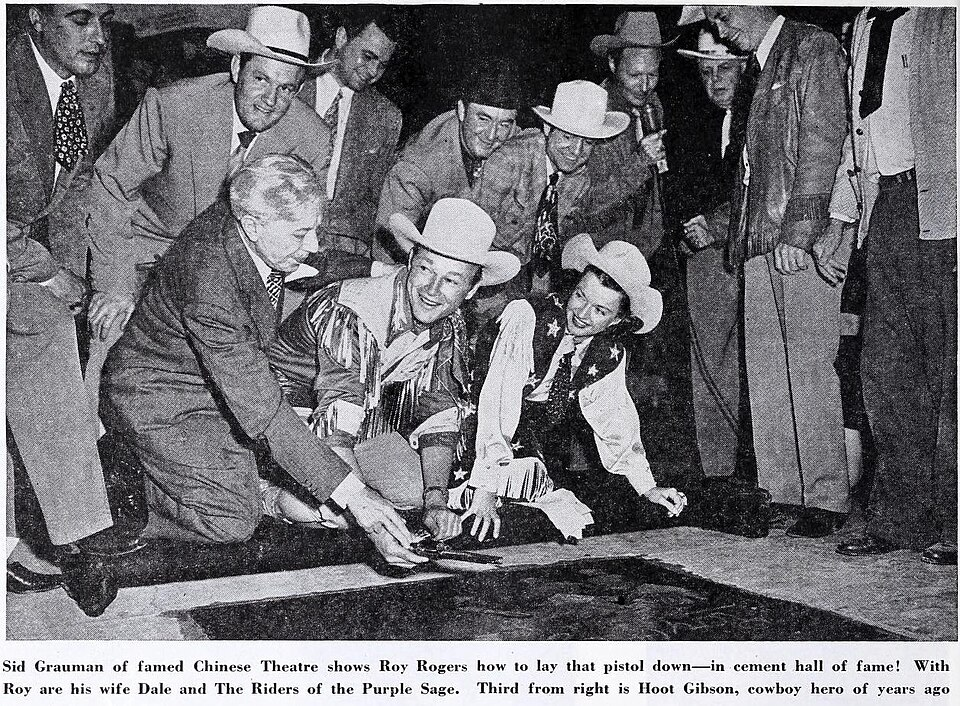
The child who made the mark was rarely the one who had suggested it, and the suggester frequently did not participate.
The dynamic was consistent. A group standing at the edge of something produces one person willing to act and several willing to encourage, and the division between those two roles was settled within about a minute.
That is why so many people remember watching. The ratio of children who stood and looked to children who actually marked anything was heavily weighted towards the former in every neighbourhood.
Spelling your own name wrongly was the specific disaster. A mark that was going to last for fifty years was being produced by somebody who had about six seconds, no way to correct anything and a nine-year-old’s confidence about letters, and a considerable number of them got it wrong permanently.
8. You Got Caught by the Evidence Rather Than the Act
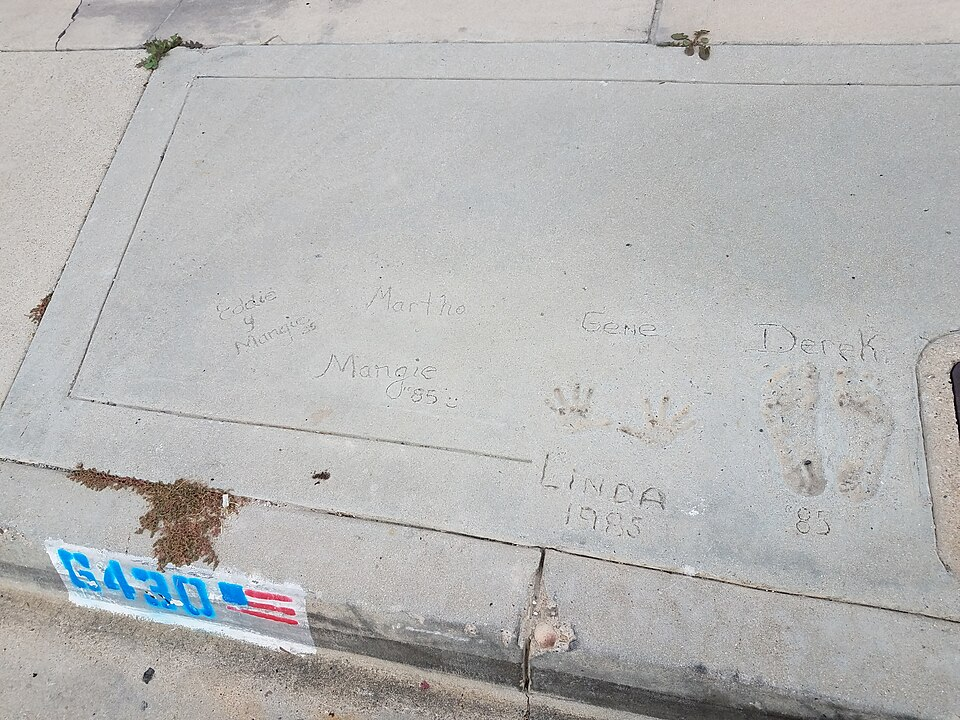
Nobody was observed doing it; everybody was identified afterwards from what had been written.
The detection was trivial. A mark containing a name, a set of initials or a date identifies its author to anybody who can read it, and the authors appear not to have considered that at all.
The consequences were mild and immediate. A short conversation, an instruction and in some cases a requirement to apologise to whoever owned the surface was the standard outcome, and nobody of that period treated it as more than that.
The group dispersed the instant it was done. Whatever had been standing at the edge of the surface for twenty minutes was gone within seconds of a mark being made, which is the clearest indication that everybody present understood exactly what had just happened.
9. Handprints Were More Common Than Names
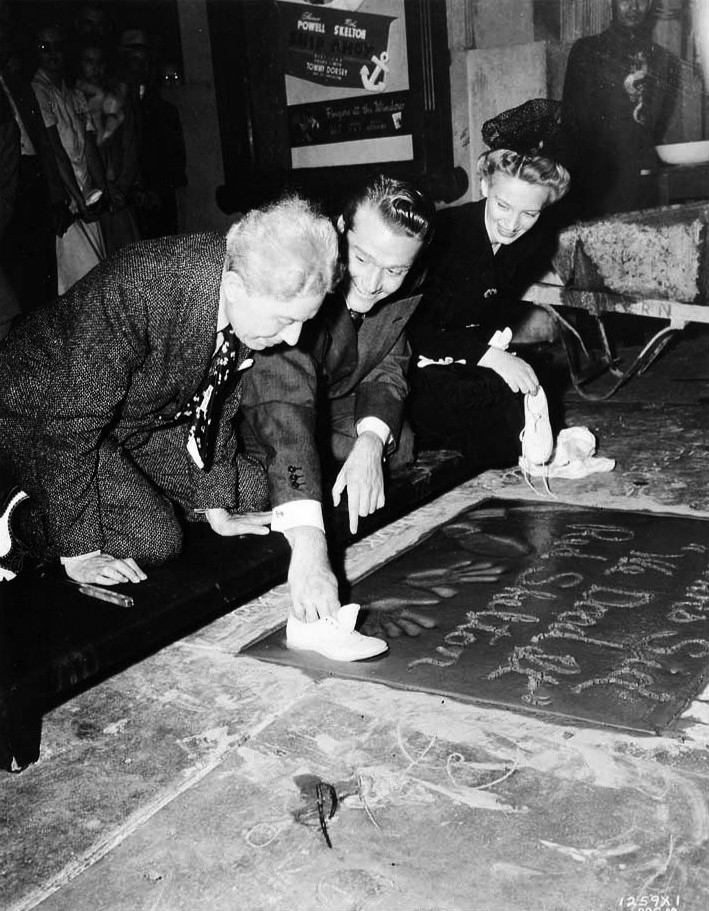
A great many of these marks are a hand rather than writing, because a hand requires no spelling and no time.
The practical advantage is obvious. Pressing a hand into a soft surface takes one second and produces a clear result, where writing takes thirty and frequently produces nothing legible.
They also aged better. A handprint remains exactly what it was for sixty years, which is more than can be said for most of the attempted writing in the same surfaces.
A print also recorded something nobody had intended. A hand pressed into a surface preserves the size of it, which means a great many of these marks are a precise record of how small somebody’s hand was on one afternoon, and that is the detail people find most affecting when they go back.
10. The Marks Outlived Everybody Who Made Them
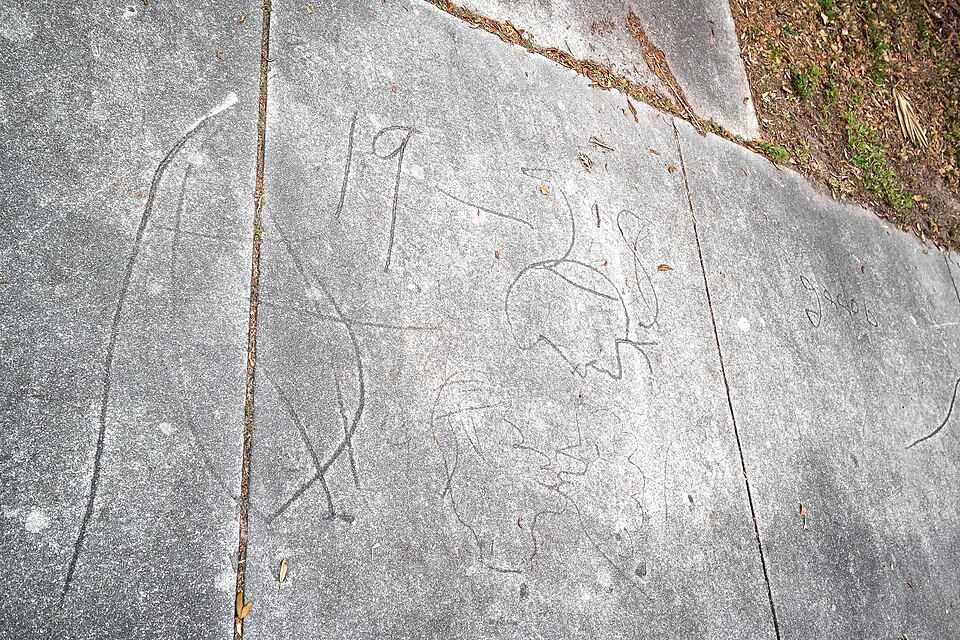
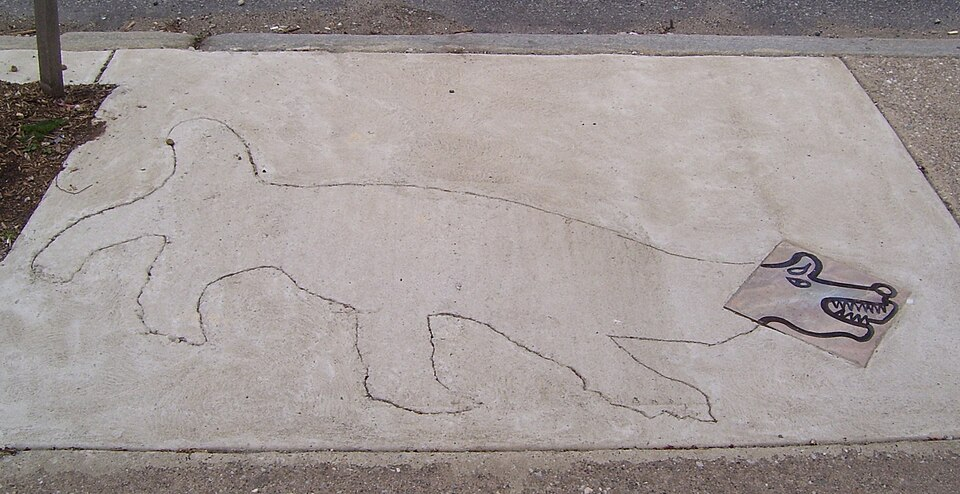
These surfaces last for decades, and a great many of the marks in them are still there.
The permanence is the thing children had correctly identified. A mark in a hard surface is not weathered away on any ordinary timescale, which means a decision taken in four seconds in 1964 is still producing a result now.
People go back and look. Adults returning to a street they grew up in frequently check for their own mark, find it and are more affected by that than they expect to be.
People also check for other people’s. An adult walking a street they grew up in reads every slab, recognises names belonging to children they have not thought about in fifty years, and finds that considerably more unsettling than finding their own.
11. Some of Them Have Been Removed and Nobody Was Told
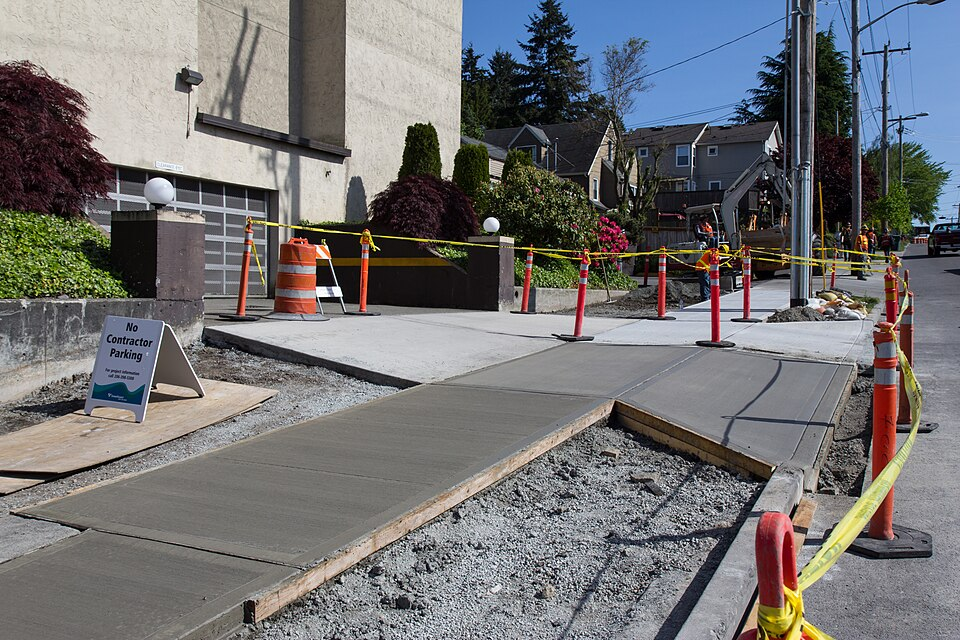
Resurfacing, repair and replacement have erased a proportion of these records with no notice to anybody.
The loss happens as ordinary maintenance. A surface replaced for perfectly good reasons takes whatever was written in it, which means the record ends without anybody involved being consulted or informed.
That is how most of them have gone. The marks that survive are the ones on stretches nobody has had cause to replace, which is a matter of chance rather than of anybody’s intention.
Nobody who did it ever said so at the time either. A child who had made a mark did not announce it at home, which means a considerable proportion of these records were never known to the households they belonged to, and some of them still are not.
12. Then Newly Laid Surfaces Stopped Being Accessible
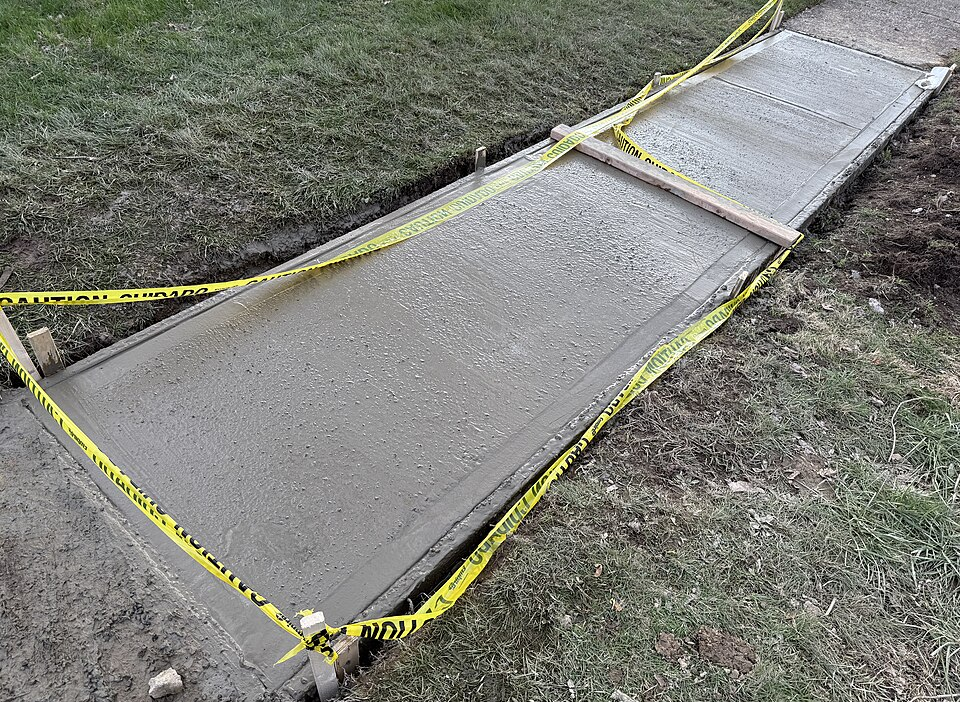
Barriers, faster-setting materials, continuous supervision of works and a general change in how such jobs are managed removed the opportunity entirely.
Every part of that is sensible and none of it needs defending. Work is now protected while it cures, which is better for the people paying for it and for the people who laid it, and nothing here argues otherwise.
What went with it is a four-hour window with a permanent result. News that reached a neighbourhood’s children within an hour, a crowd standing at the edge of it looking, a timing nobody could identify except by failing, a mark that bore no resemblance to what anybody intended, and a name that identified its own author to the first adult who read it.
Why Almost Everybody Only Watched
Read in order, the twelve describe an opportunity that almost nobody took. News reached a neighbourhood’s children within the hour, by the usual route – one child telling everybody they encountered – and the overwhelming majority of the attention a new surface received consisted of people standing at the edge of it looking. The ratio of children who watched to children who marked anything was heavily weighted towards the former in every neighbourhood, and the division between the one person willing to act and the several willing to encourage was settled within about a minute.
The two practical difficulties defeated most of the attempts that were made. The timing was genuinely narrow and could not be identified except by trying: a surface still liquid flows back over anything drawn in it, and one that has begun to set resists entirely – so the majority of marks closed up within minutes and left nothing, which children found baffling and never worked out. And writing legibly in a soft surface, at arm’s length, in a hurry, with whatever was to hand, produces something bearing very little resemblance to the intention, which is why so many surviving examples are illegible, misspelled or incomplete.
Handprints were the sensible solution and were commoner than names. A hand requires no spelling and no time, takes one second and produces a clear result – and it remains exactly what it was sixty years later, which is more than can be said for most of the writing beside it.
Two things here are stated plainly rather than as technicalities. Nobody should be marking anybody else’s property or anything laid at public expense; that was as true then as now, the people who laid it had to deal with the result, and the cost fell on somebody. And the material is harsher on skin than it looks, which the period gave no thought to at all – current advice about handling it is well established, and nothing above describes how anybody should approach anything.
What went with the window is the permanence children had correctly identified: a decision taken in four seconds is still producing a result, and adults who return to a street they grew up in and find their own mark are more affected by it than they expect to be.
Like our content? Follow us for more.