

In 1964 there were hours of the day in which a whole household operated in near silence because one adult was asleep, and every child in the country knew exactly which hours those were and what the rules were during them.
The Reason Was Usually Work and Was Rarely Explained
An adult asleep in the middle of the day was generally asleep because of when they worked, and the household arranged itself around that without discussion. Children were told to be quiet and not told why, which meant a great many of them assembled their own explanation and got it wrong for years.
The instruction was absolute regardless. Whatever the reason, it was not up for negotiation, and no child successfully argued their way out of it in an entire decade.
Like our content? Follow us for more.
You Learned Which Floorboards Carried
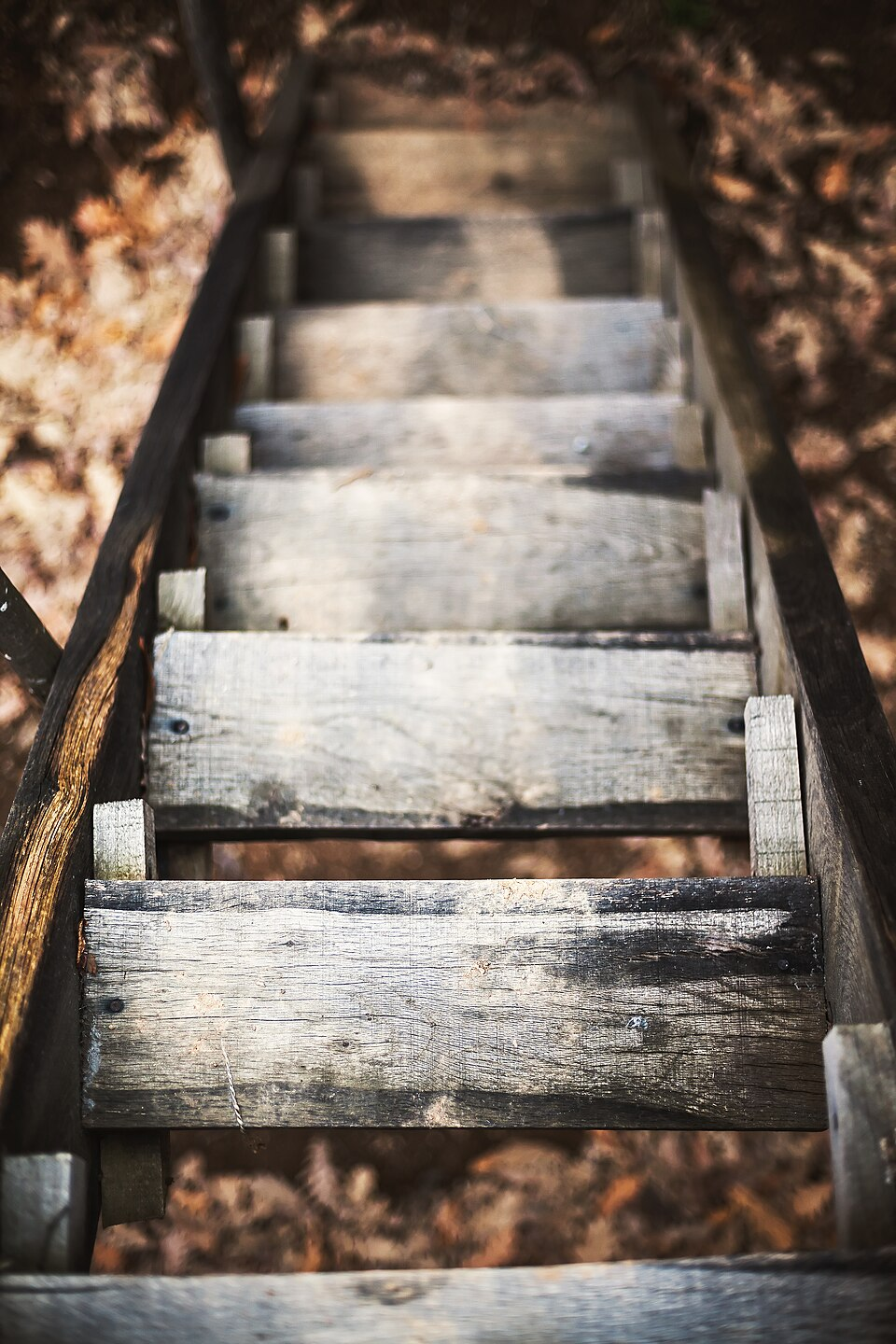
The knowledge was acquired by trial and held with precision. Which step on the stairs announced you, which part of a landing could be crossed and which door could be opened without a sound were all established by children who had got it wrong once and never forgot.
That map was never written down or shared with adults. It was also, incidentally, the same map used for every other piece of concealment a child ever attempted in that house.
The Door Handle Was the Hardest Part

Handles of the period were metal, sprung and loud, and the technique for operating one silently – turning it fully before pulling, releasing it slowly afterwards – was worked out independently by millions of children and taught by none of them.
Everything Had to Be Done Before It Started
A child who had not collected what they needed before the quiet period began was stuck with whatever was within reach. Planning an hour ahead for a restriction you had not yet entered is a logistical habit a great many people acquired at seven and never lost.
Whispering Was Louder Than Talking Normally
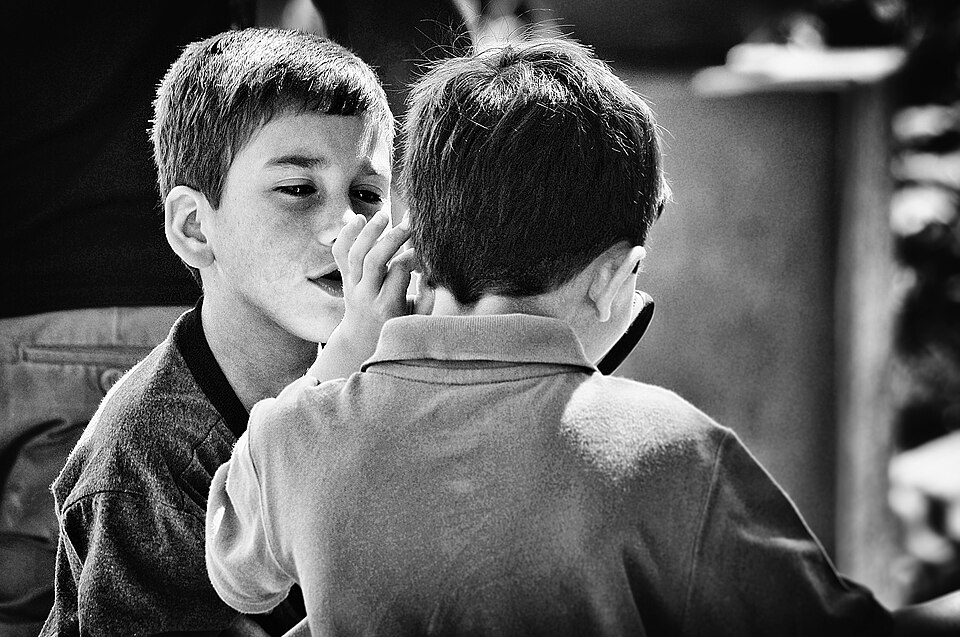
Children discovered, and nobody explained, that a whisper carries further than a low voice. Two children conversing in exaggerated hushed tones were considerably more audible than two children speaking quietly, and the ones who worked that out had a real advantage over the ones who did not.
Nobody corrected the mistake at the time. Adults who told children to be quiet almost never told them how, which meant an entire generation spent years whispering at exactly the wrong volume.
The Radio Went Off and Nothing Replaced It
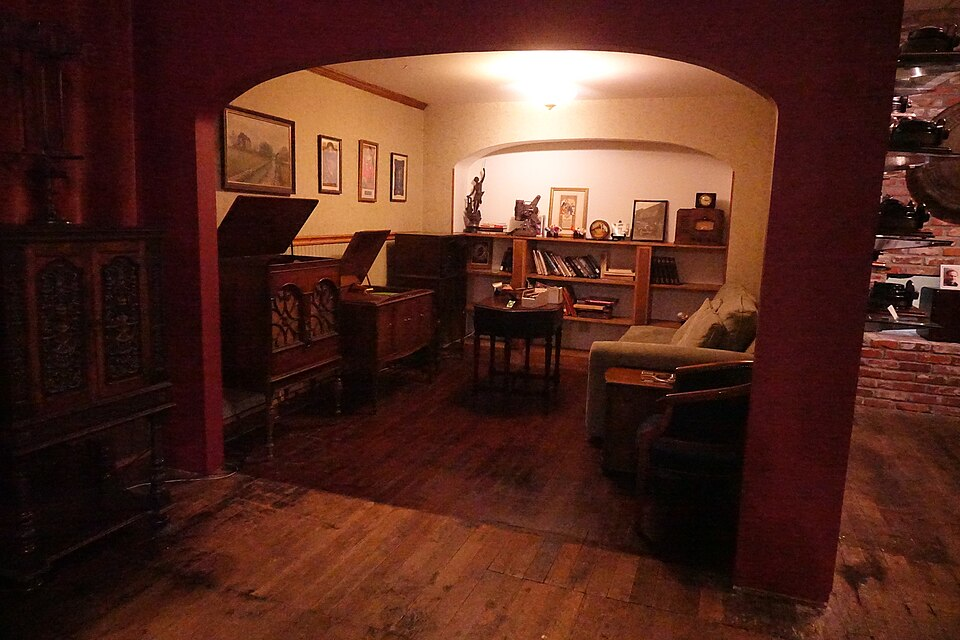
The household’s only source of noise was simply switched off, which left a silence children had no way to fill. There was no quiet alternative and no provision made, so the hours were spent on whatever could be done without sound.
Reading Was the Only Permitted Activity
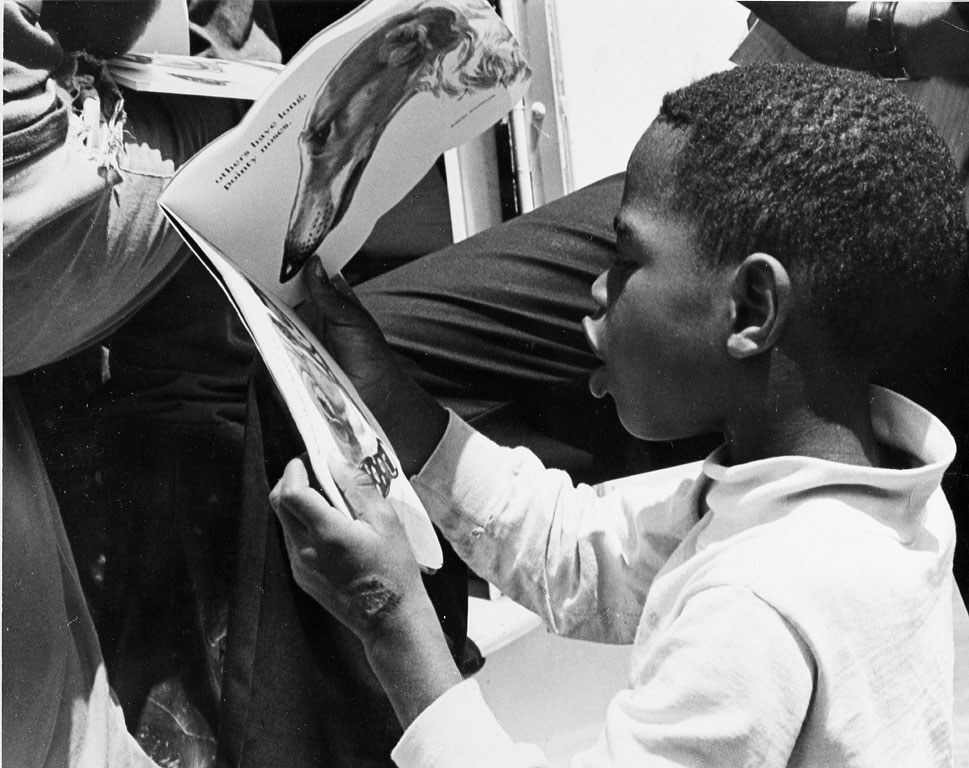
A book made no noise, required no equipment and could be done anywhere, which made it the default. A substantial proportion of the reading done by that generation was done not out of enthusiasm but because it was the only thing allowed between two and four in the afternoon.
That accounts for a lot. People who describe themselves as having been readers as children were frequently readers because the alternative was sitting still, and several of them say so when pressed.
Going Outside Was Better and Not Always Allowed
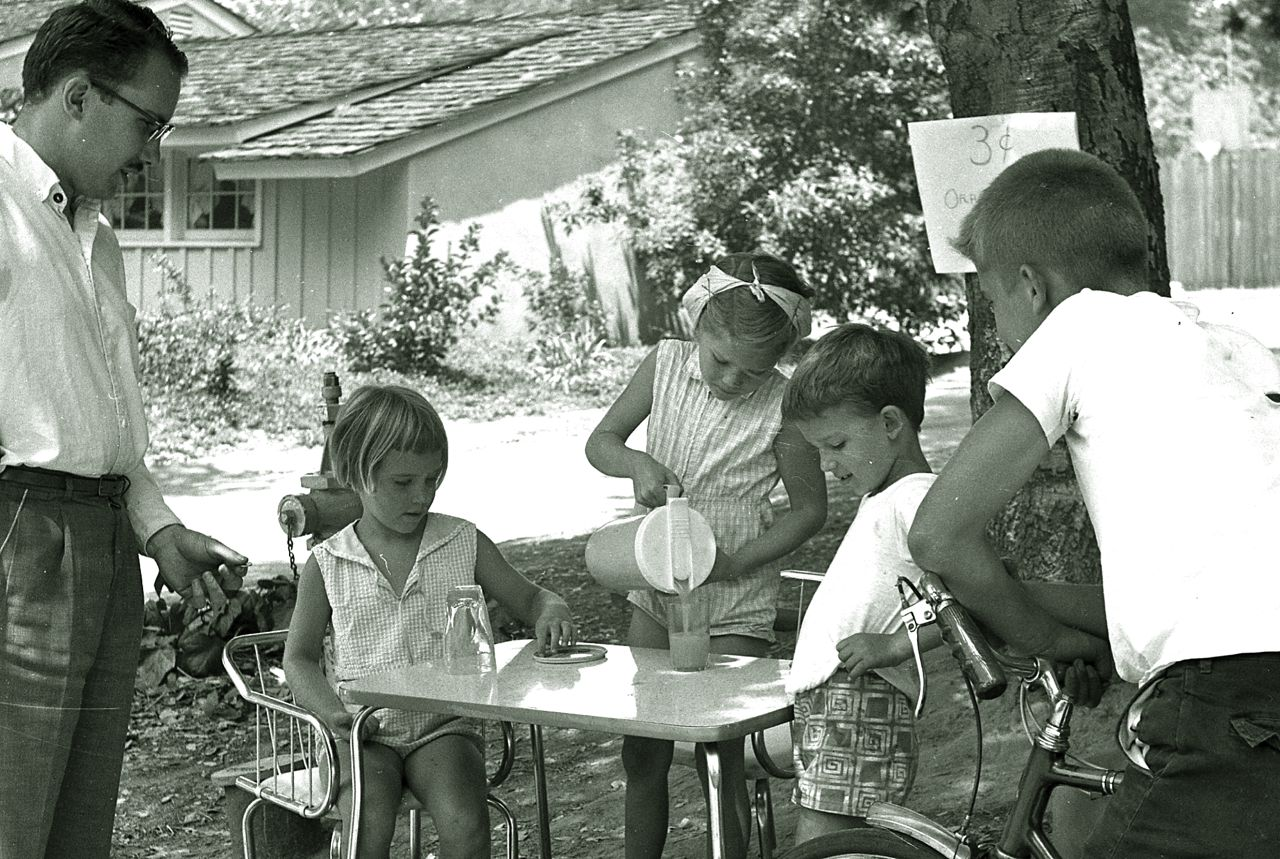
The obvious solution was to leave, and whether a child could depended on the weather, their age and whether anybody had said so. A child confined indoors during a quiet period had the worst of both arrangements.
Laughing Was the Thing That Could Not Be Stopped
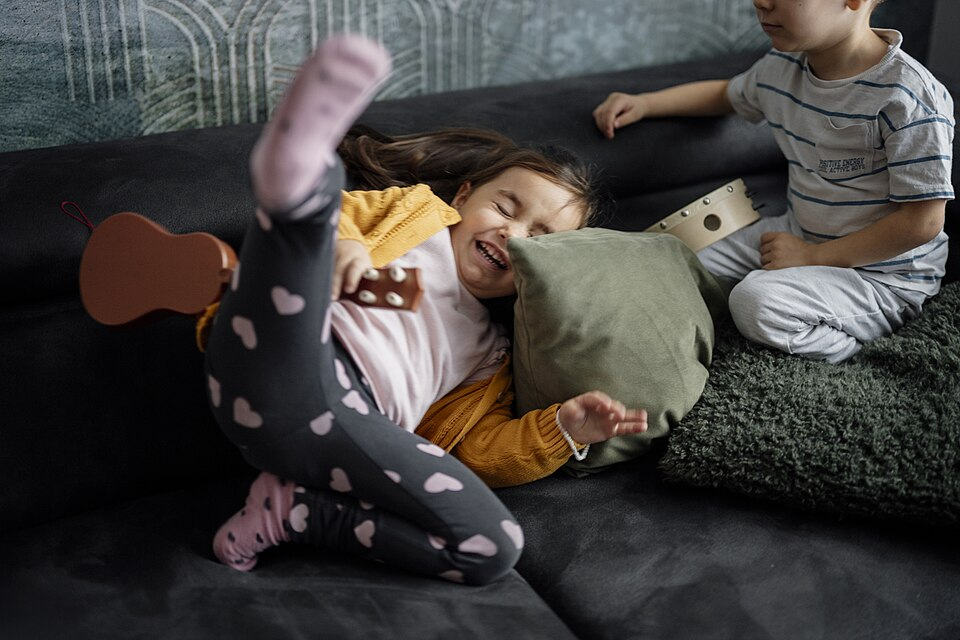
The single most dangerous event in a quiet period was something becoming funny. A child who was trying not to laugh is considerably noisier than one who is not trying, the effort is self-defeating, and the presence of a sibling in the same state made it certain.
It was also the only part nobody could be blamed for fairly. Adults who understood this let it go, and the ones who did not produced the specific resentment attached to being in trouble for something that could not have been prevented.
Siblings Were the Main Hazard
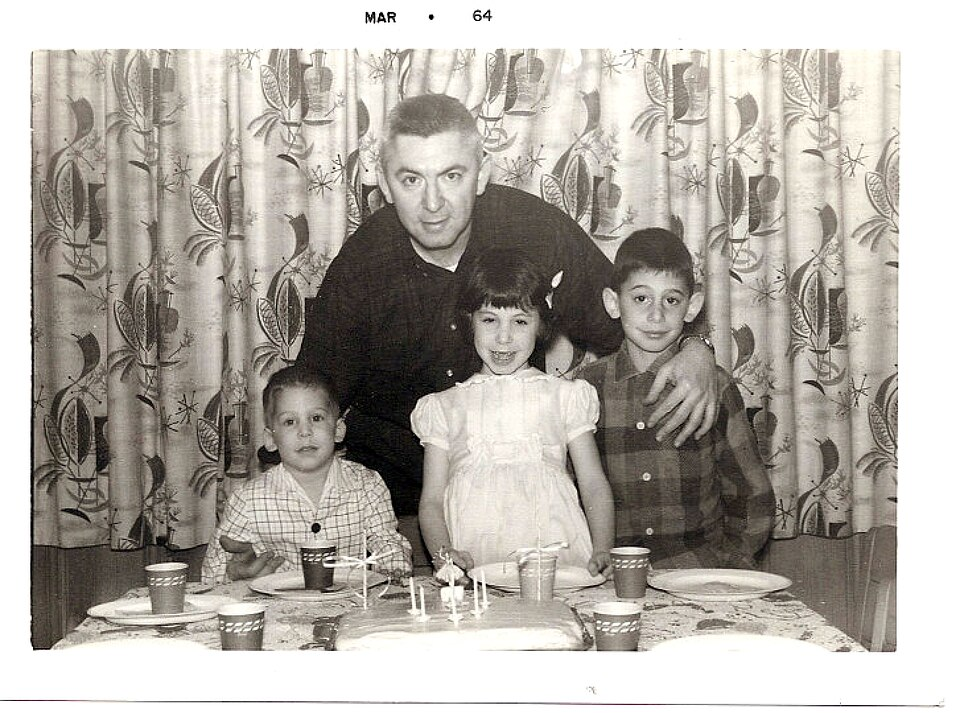
One child can be silent and two cannot. The presence of another person creates conversation, disagreement and noise by its nature, and the standard outcome was that both were blamed for something one of them had done.
Being Blamed for the Noise You Did Not Make
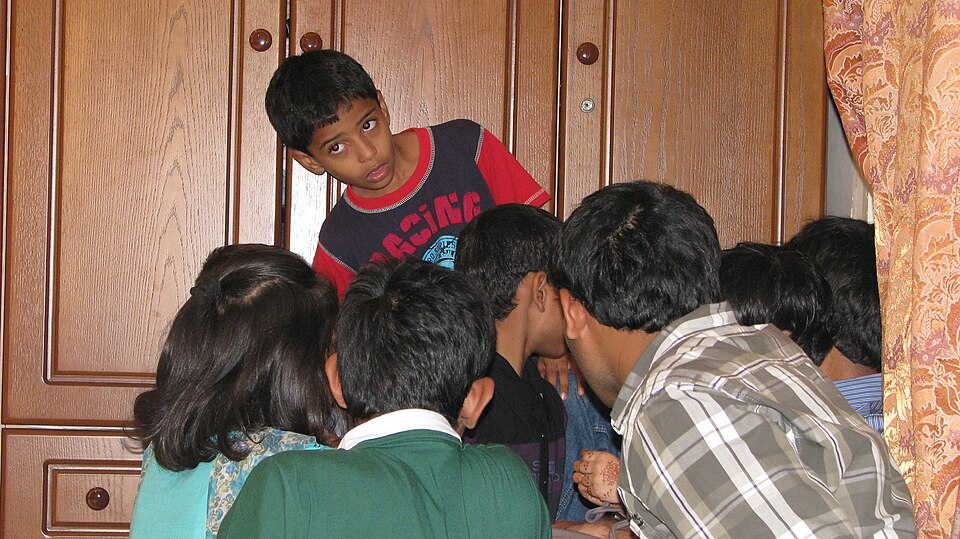
Waking the adult was the worst available outcome and the attribution was frequently wrong. A child who had been genuinely silent for an hour and was then held responsible for somebody else’s noise experienced an injustice they can still describe in detail.
The Telephone Was the Permanent Threat

Nothing a child could control was as loud as the household telephone, and it rang whenever it rang. Children learned to reach it inside two rings from anywhere in the house, which is a sprint most of them can still remember the route of.
Answering it quietly was a separate skill. A child who had got to the instrument in time then had to conduct a whole conversation in a near-whisper, to somebody who could not understand why they were doing it.
Callers at the Door Were Worse
A knock could not be prevented and a doorbell could not be intercepted, and anybody arriving had to be dealt with at the step, quickly, by a child explaining in a low voice that they could not fetch anybody. Most callers understood immediately.
The Quiet Was Not Restful for Anybody
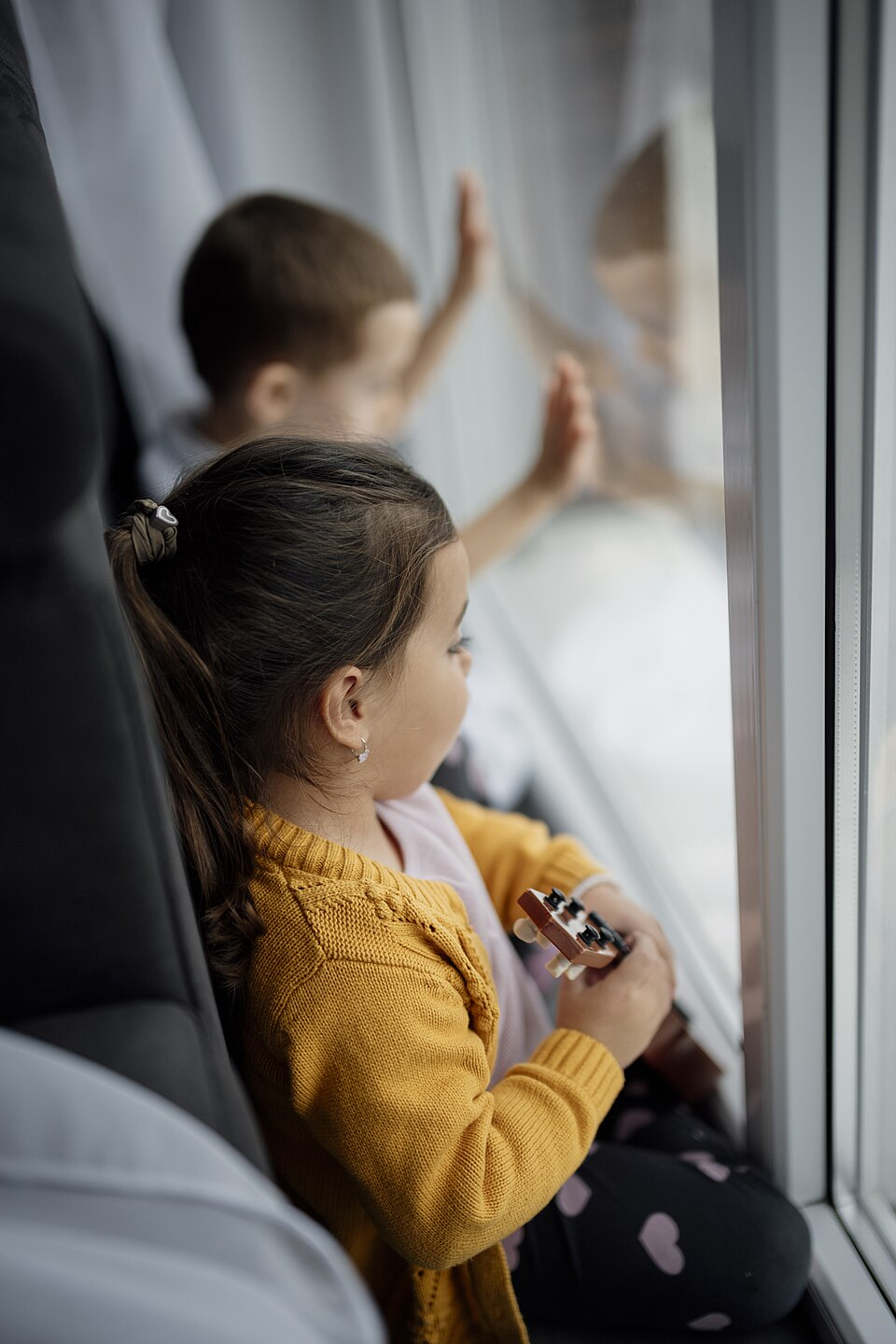
A child sitting still in a silent house for two hours is not relaxing; they are suppressing. The effort involved in continuous self-monitoring is considerable, and the period was experienced as work rather than as calm.
Clock-Watching Was the Main Occupation
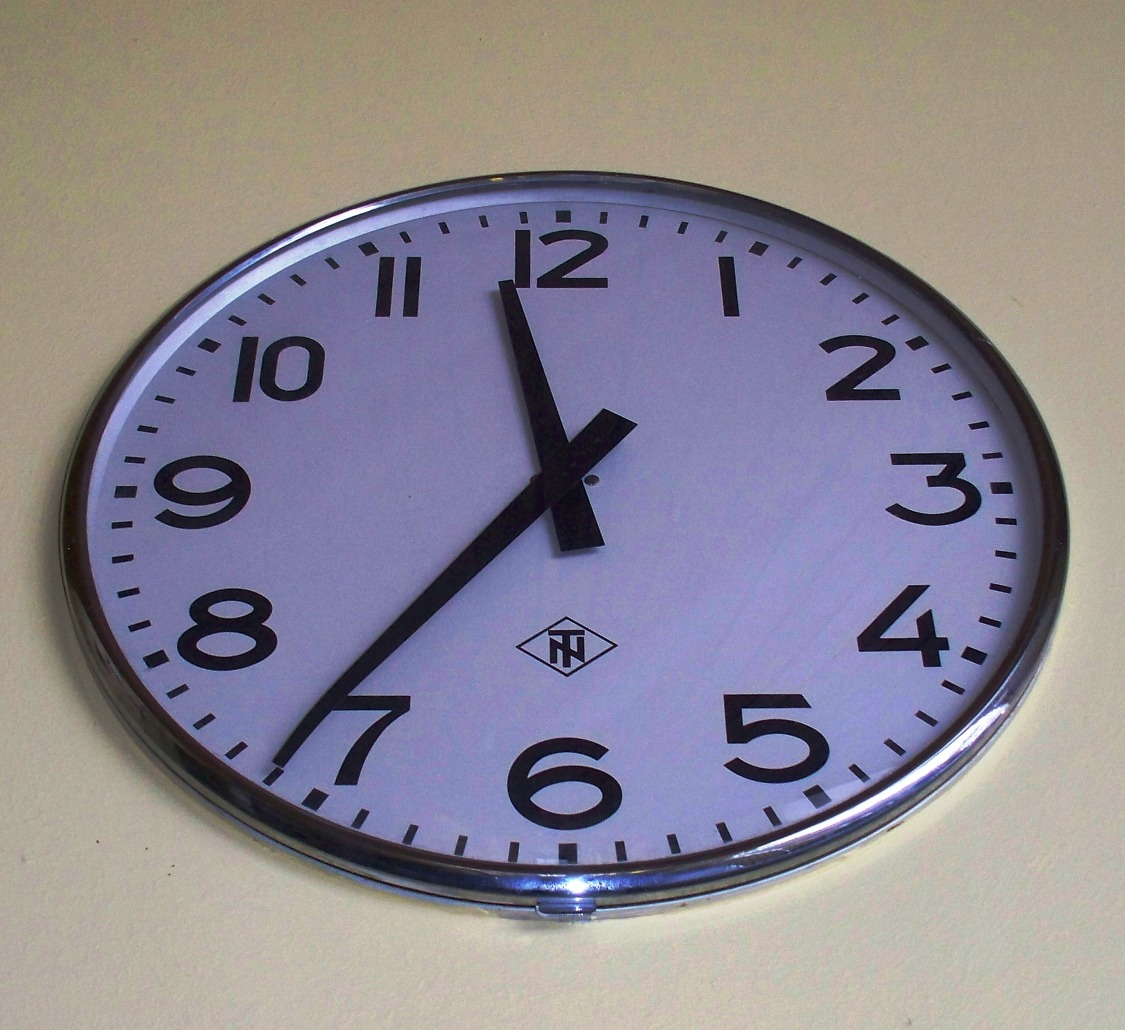
A great many children spent those hours primarily aware of how much of them was left. Watching a clock is the standard response to a restriction with a known end, and it makes the time pass considerably more slowly, which children discovered and could not stop doing.
The End Was Signalled by Sound From Above
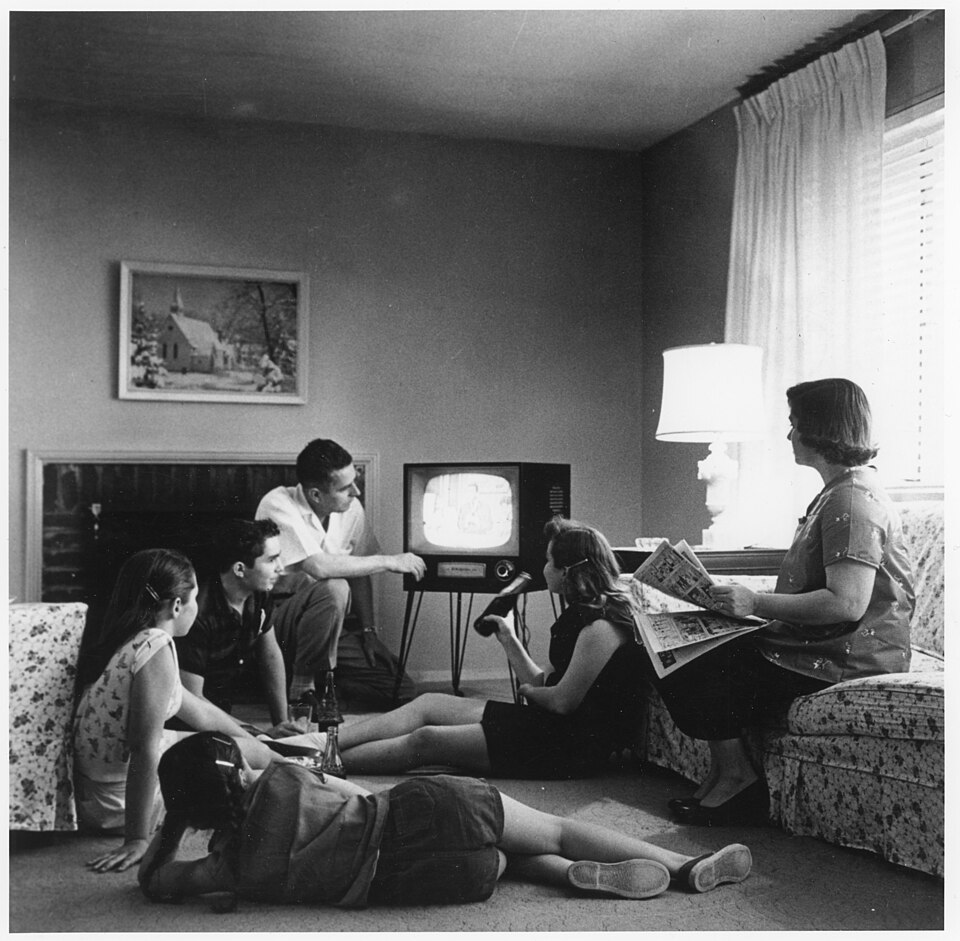
A floorboard, a cough, water running – any of it meant the period was over, and children were listening for it throughout. The transition from silence to normal operation took about four seconds and was audible across the whole house.
Waking Them Deliberately Was Unthinkable
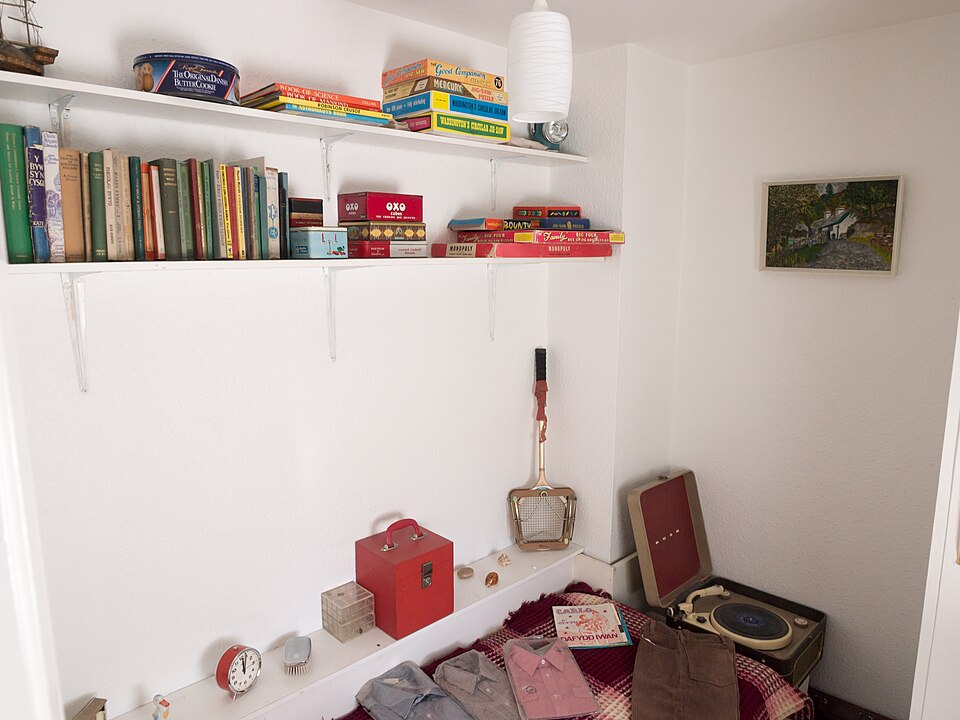
However long the period ran, no child ever went up and ended it. The prohibition was so complete that it was never even formulated as a rule, and the few children who tried it did so once.
Visitors Did Not Always Get the Message
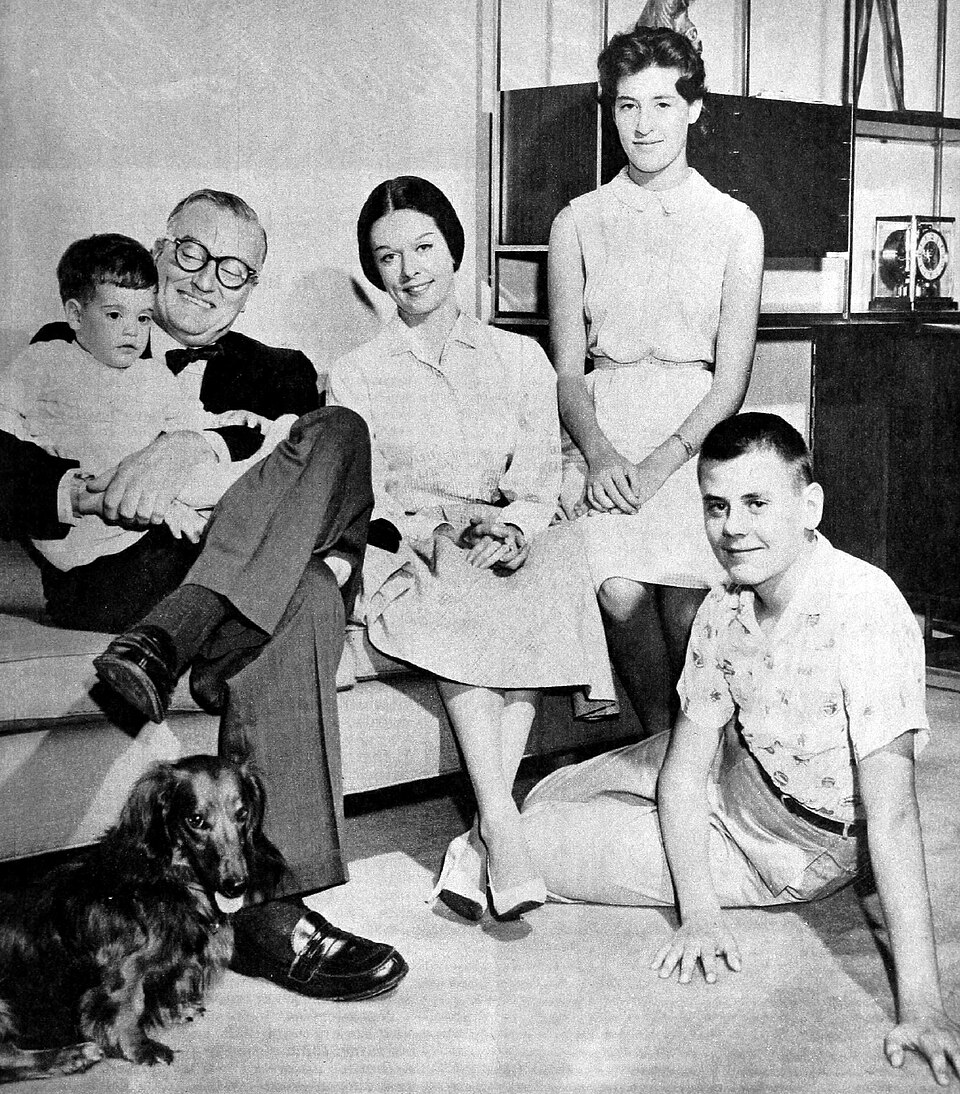
Anybody who did not live there had no idea, which meant a relative arriving in the afternoon could undo two hours of careful silence in thirty seconds. Children watched this happen and had no standing to intervene.
The Windows Decided How Bad It Was
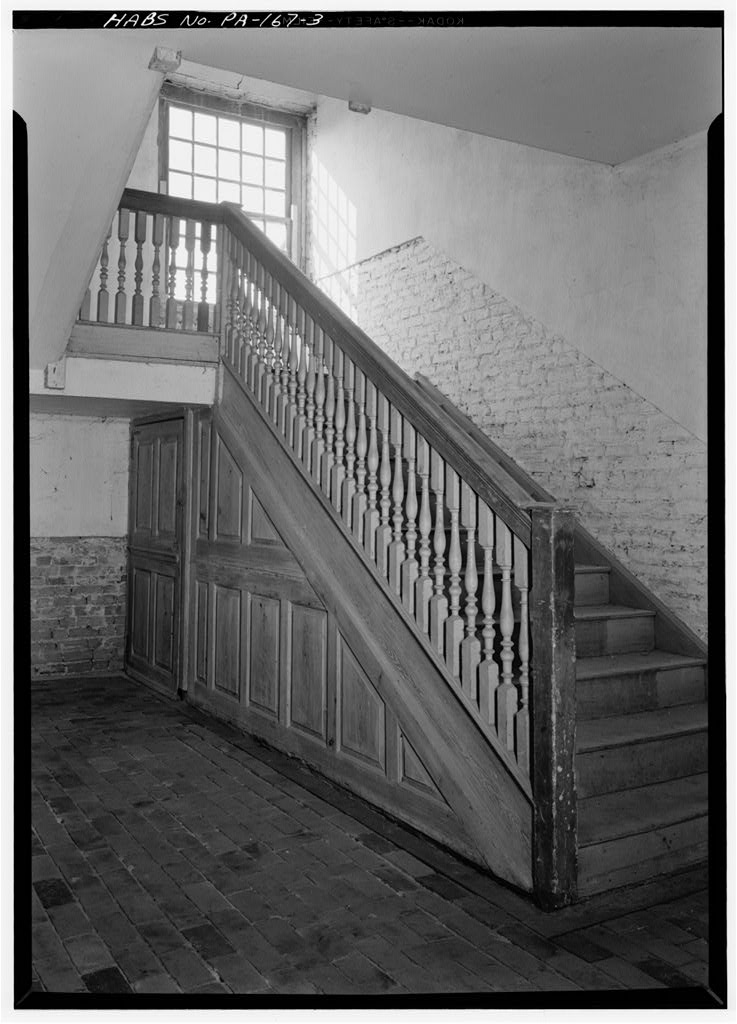
A household whose windows were open in summer had the street’s noise inside it, which meant the quiet period was effectively impossible to maintain and children were held to it anyway. In winter, with everything shut, the house was silent enough that a child’s own movements became the loudest thing in it.
Neither version was better. One produced constant anxiety about noise the child had not made, and the other made every small sound unmistakably theirs.
The House Sounded Different and Children Noticed
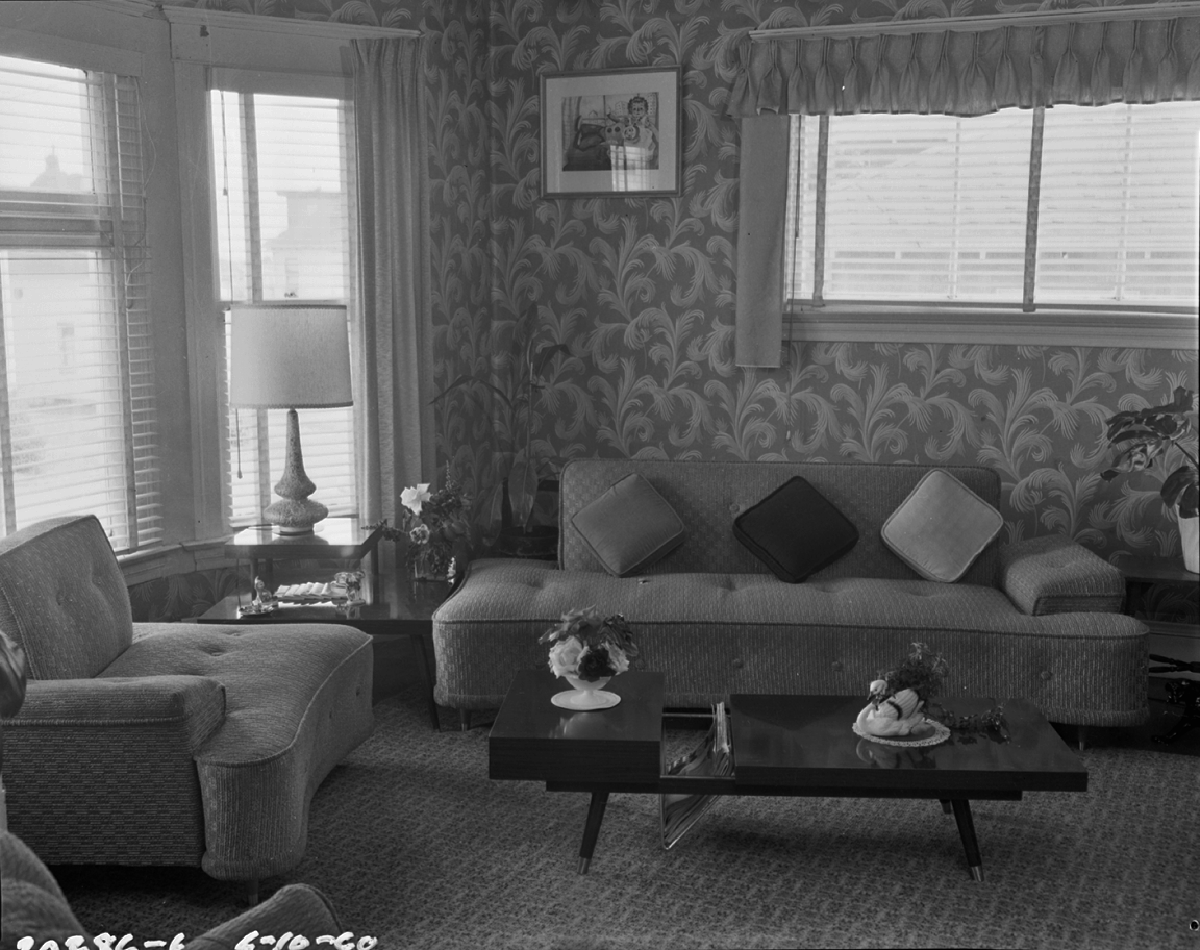
A silent house has its own noises – the building itself, the plumbing, whatever was outside – and children who spent hours in one became unusually familiar with them. People who did this can still identify the specific sound their house made when nothing was happening in it.
It Was Rehearsal for Something
The capacity to sit still and be quiet for two hours because somebody else needed you to is a real skill, and the children who had it were markedly better at waiting rooms, long journeys and formal occasions than the ones who did not.
Nobody framed it that way at the time. It was simply what the household required, and the competence it produced was a by-product nobody had aimed at.
Nobody Thanked Anybody for It
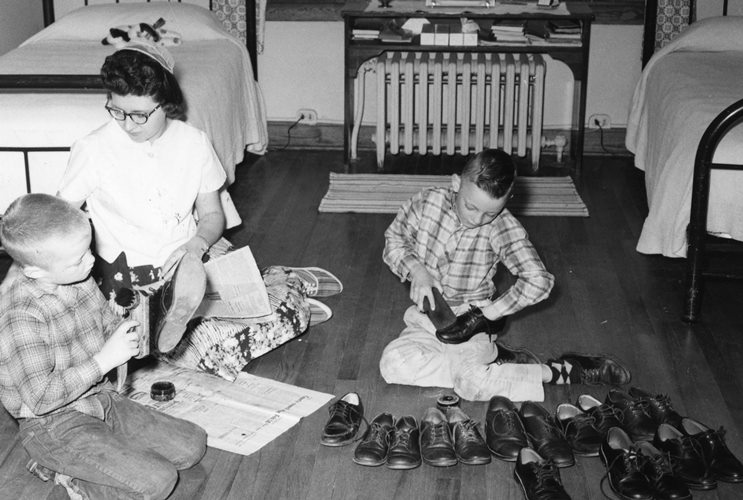
Two hours of continuous effort by every child in the house went entirely unacknowledged, because it was understood as the baseline rather than as a contribution. A child who had been praised for it would have been surprised.
The Arrangement Shaped the Whole Day Around It
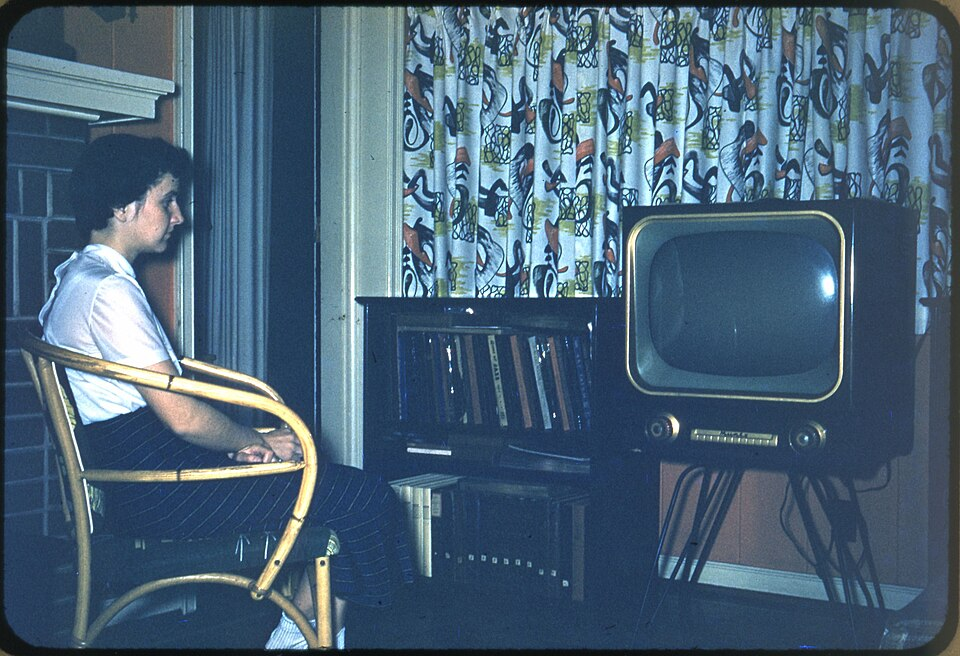
Meals, chores, visits and anything noisy were scheduled around the sleeping adult, which meant the household’s entire afternoon was organised by somebody who was unconscious throughout. Children understood the schedule better than they understood the reason for it.
Then Households Stopped Needing It
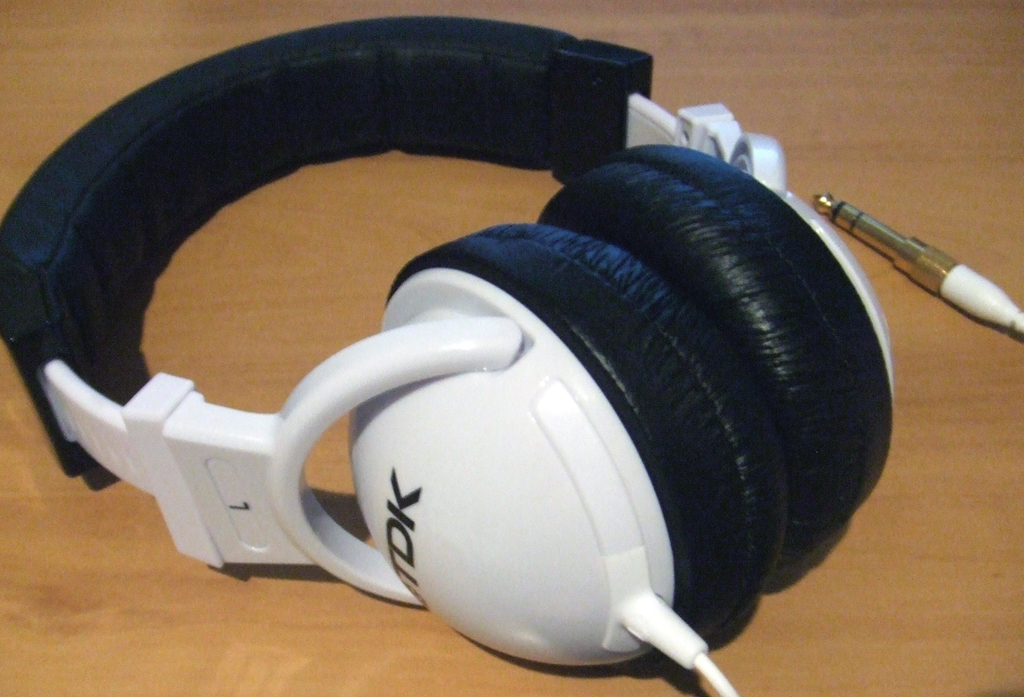
Changed working patterns, better-insulated houses, more rooms per household, individual devices with headphones and a general end to the single-source-of-noise living room removed the whole arrangement. None of that is a loss.
What Actually Went
A two-hour restriction nobody explained, a memorised map of which floorboards carried, a door handle technique passed between children and never to adults, a sprint to reach the telephone inside two rings, and a capacity for sitting completely still that most people who had it have never entirely lost.
Like our content? Follow us for more.

