In 1966 a bulb failing was a household event rather than a task. A house with one light per room loses the use of that room entirely, which turned a two-minute job into something that had to be dealt with immediately, by whoever was available – and since it needed somebody to hold something, somebody to fetch something and somebody to work a switch, a household with children had a ready-made crew for it. Here are fifteen things every American family remembers about changing a lightbulb in 1966, and how houses made it easy.
1. It Was a Household Event Rather Than a Task

A bulb failing stopped whatever was happening in that room and produced an operation involving several people.
The scale was a function of scarcity. A household with one light per room loses the use of a room entirely when a bulb goes, which turns a two-minute job into something that has to be dealt with immediately and by whoever is available.
Children were always involved. The job required somebody to hold something, somebody to fetch something and somebody to operate a switch, which meant a household with children had a ready-made crew for it.
Like our content? Follow us for more.
2. The Failure Was Announced by a Noise
Bulbs of that period went with an audible snap, which told everybody in the house what had happened before anybody said anything.
The sound was distinctive and universally recognised. A filament failing produces a specific short noise, and a household heard it from two rooms away and knew immediately which room had just gone dark.
Children responded to it like a bell. The snap produced an immediate convergence of everybody in the house on the room concerned, which is a reaction nobody had trained and everybody had.
3. There Was Rarely a Spare
Households did not keep a stock, which meant a failure frequently could not be resolved that evening.
The absence of a reserve was ordinary. These were bought when needed rather than held in quantity, and nobody of that period treated a supply of them as something a house should maintain.
That produced the standard improvisation. A bulb was removed from a less important room and moved to a more important one, and the household operated with one room dark until somebody went out and bought another.
The timing of a failure was also always the same. These things went when they were switched on rather than while they were burning, which meant the moment a household lost a room was the moment somebody had walked into it expecting to use it, with everything they had intended to do there still ahead of them.
4. Which Room Got the Working One Was a Decision
Moving a bulb meant ranking the rooms of a house, and the ranking was made out loud and was revealing.
The hierarchy had to be stated. A household with one working bulb and two rooms needing it had to decide which mattered more, which is a judgement nobody would otherwise have had occasion to make explicit.
Children listened closely to the reasoning. Hearing a household rank its own rooms is an unusual insight into what the adults in it thought the house was for.
5. Getting Up There Required Furniture

Almost nobody used a ladder indoors; the standard method was a chair, and the chair was the wrong one.
The improvisation was universal. A dining chair is the right height and the wrong shape for standing on, which meant the operation was conducted from something unstable by somebody not designed to be up there.
Present-day thinking about this is better and the reasons are not in dispute. Nothing in this piece describes how anybody ought to reach anything, and the standards of the period did not address it at all.
6. Somebody Had to Hold the Chair
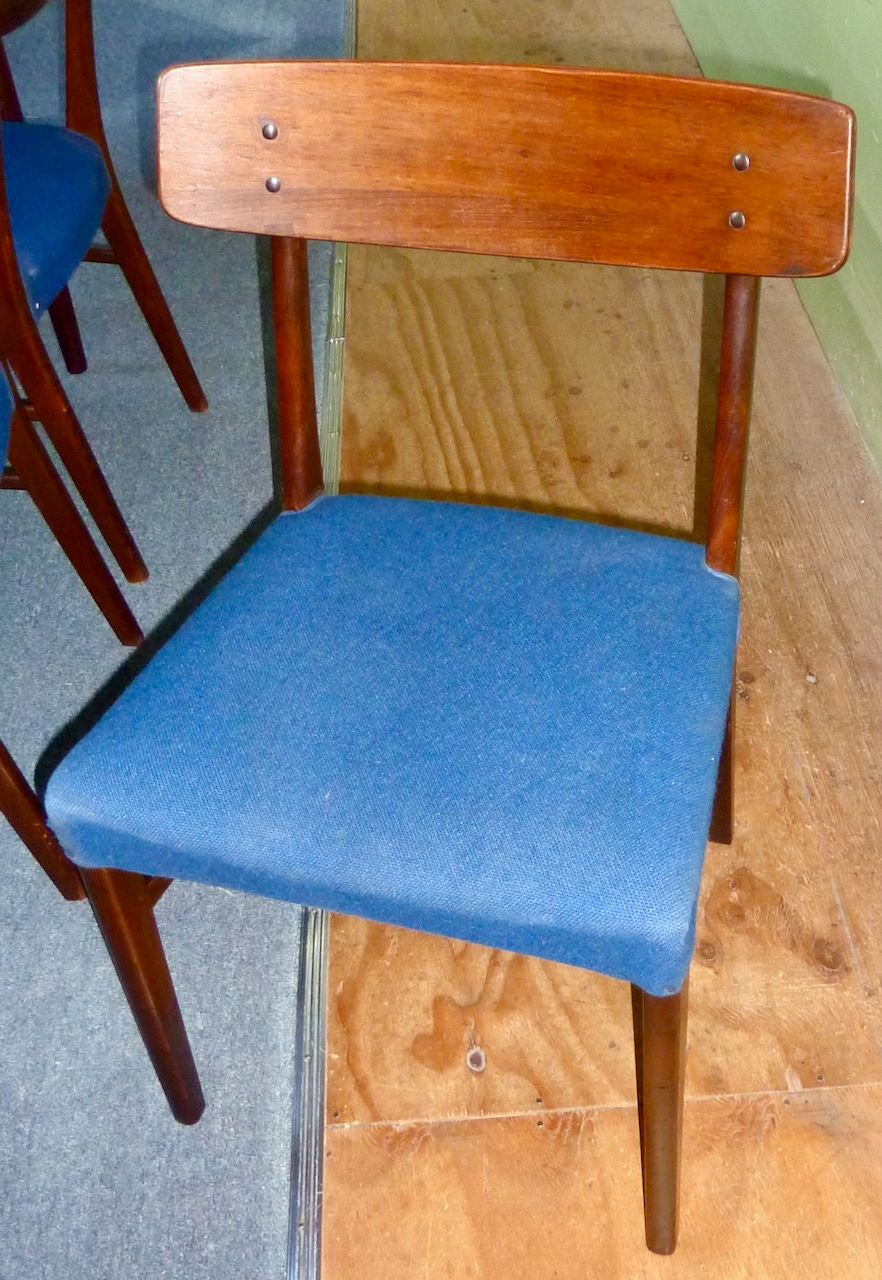
A child was stationed at the base of whatever was being stood on, with instructions not to move.
The arrangement was the same as every other version of this in a household of the period. A person at the bottom of something unstable is a precaution of limited effectiveness, and the child holding it was a presence rather than a safeguard.
That job is remembered more than the replacement itself. Standing still, looking up, holding a chair leg, for the duration of a job somebody else was doing, is the part most children actually performed.
Who went up was settled by height and nothing else. The tallest available adult did it regardless of whether they were the person who would normally have handled anything of the kind, which meant the job rotated around a household according to who happened to be in the building.
7. The Fitting Was Hot and Nobody Waited

A bulb that had just failed was too hot to handle, and the operation proceeded immediately regardless.
The impatience was standard. A dark room is an urgent problem, nobody wanted to wait several minutes for anything to cool, and the job went ahead with whatever cloth was nearest wrapped round somebody’s hand.
Modern practice is plainly better. The reasons for current advice about electrical fittings and heat are well established, nothing here is a recommendation about anything, and this is a description of what households did with far less thought given to it.
8. It Was Always Done With the Switch On
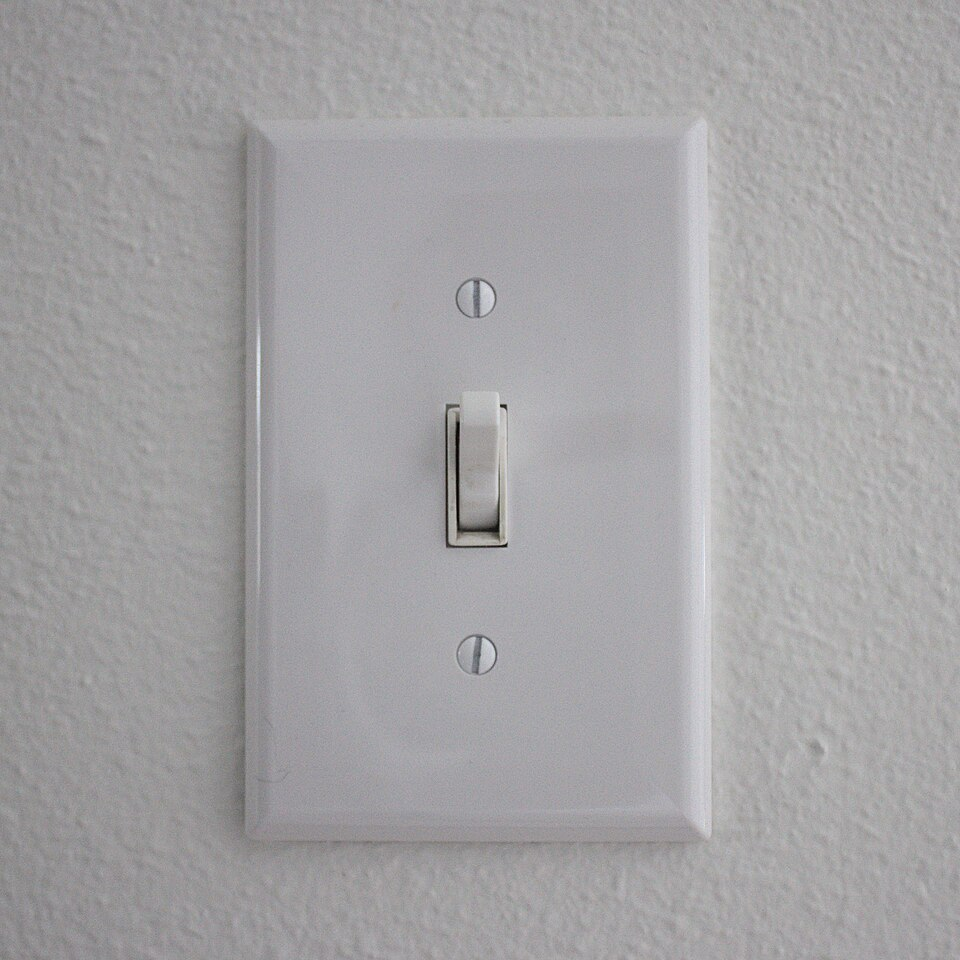
Households did not isolate anything, which meant the whole operation happened with the circuit live.
The practice was universal and should not be read as acceptable. Current standards address exactly this, the reasons for them are not in dispute, and everything about how such work is handled now is an improvement.
Nothing in this piece is instruction. The file records that this is what households did and makes no recommendation of any kind about any electrical work by anybody.
9. The New One Was Frequently Also Dead

A replacement taken from somewhere in the house regularly turned out to have failed already, which nobody had known.
The uncertainty was built in. A bulb that has been in a drawer for two years is of unknown condition, and the only test available was to fit it, which meant a proportion of these operations had to be performed twice.
That produced the standard anticlimax. A household that had assembled a crew, moved furniture and conducted the whole exercise, to no effect, had to begin again or give up for the evening.
10. Getting the Thread Started Was the Hard Part
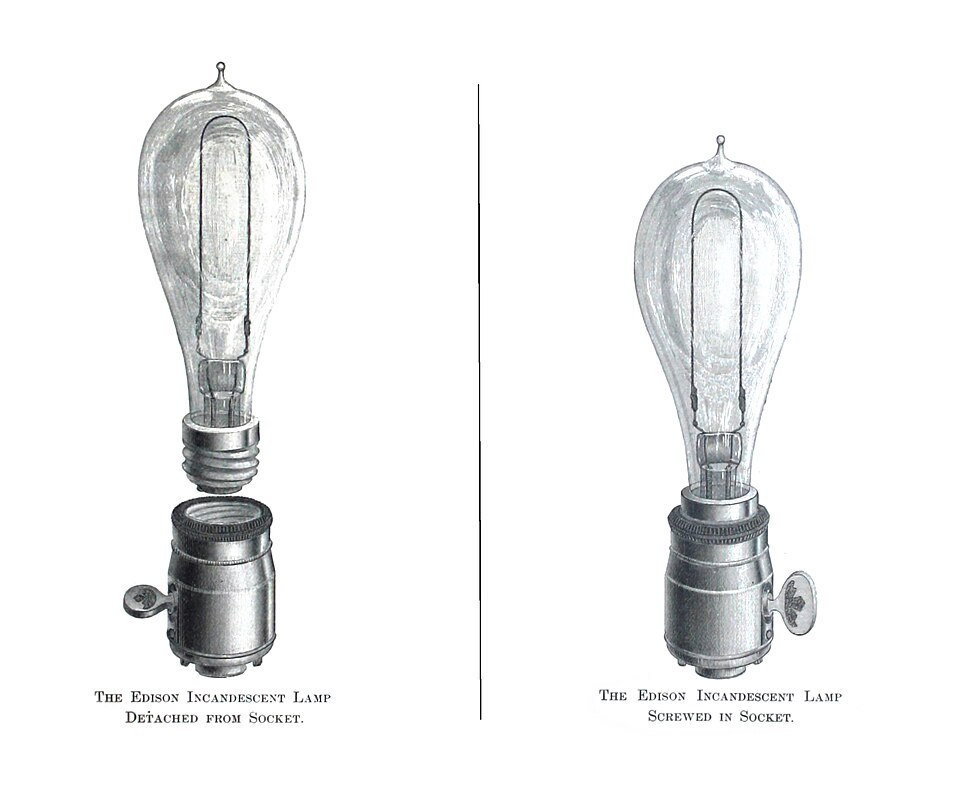
The fitting had to be engaged correctly, by somebody above their own eye level, working largely by feel.
The geometry was against them. A fitting directly overhead cannot be seen by the person operating it, which means the engagement is performed blind with the arms extended, which is the worst available posture for fine work.
Cross-threading was the common failure. A bulb forced in at the wrong angle will not seat, cannot be easily withdrawn and produced a short period of considerable frustration in front of an audience.
The first attempt to switch on afterwards was a genuine moment of doubt. Nobody knew whether the operation had worked until somebody tried it, and the two or three seconds between the instruction to try and the result were the only part of the whole business anybody was actually uncertain about.
11. The Moment It Worked Was Oddly Satisfying
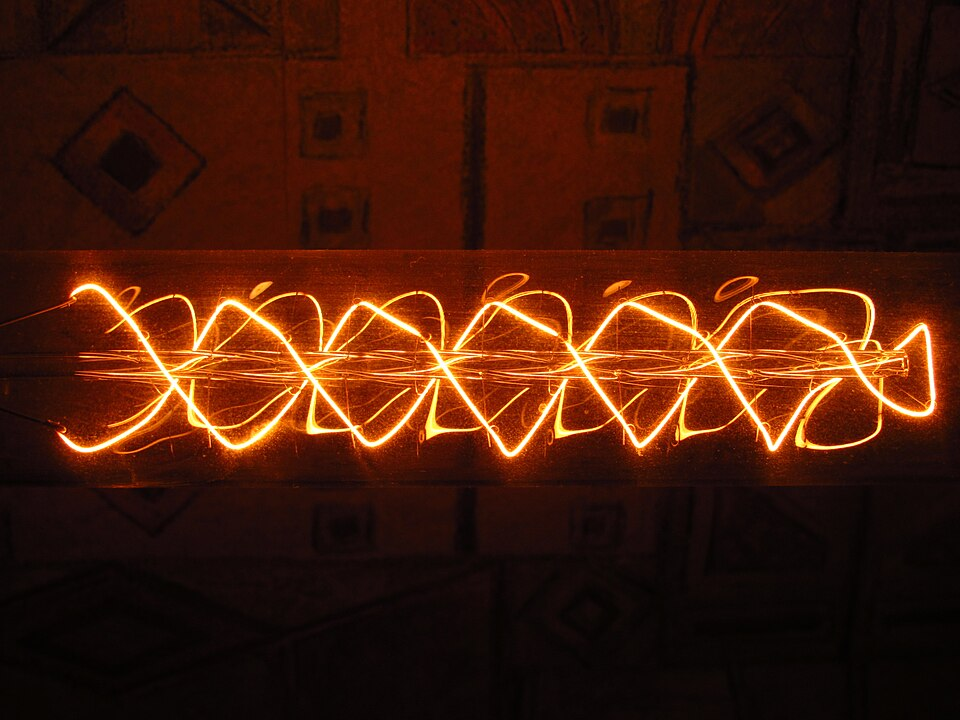
A room coming back on, with everybody present, produced a disproportionate reaction from a household.
The response was about the effort rather than the result. An operation involving three people, a chair and twenty minutes resolves in an instant, and the collective relief at that was out of all proportion to what had actually been achieved.
Children registered it clearly. A household briefly pleased with itself, all together, over something trivial, is a specific memory that a great many people describe without being able to say why it stuck.
12. The Old One Was Not Thrown Away Immediately

A failed bulb went onto a surface somewhere and stayed there, sometimes for weeks.
The delay was characteristic. Nothing was disposed of promptly in a household of that period, and a dead bulb was set down rather than binned, generally in a place where it then had to be moved around repeatedly.
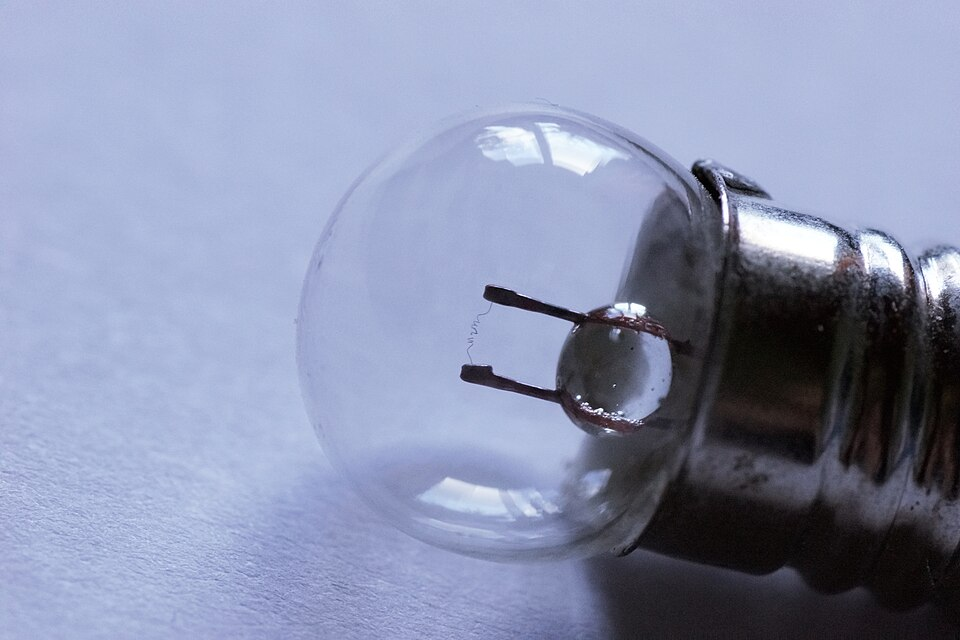
Children found them later and investigated. A failed bulb is an interesting object, the broken filament is visible, and a considerable number of children examined one closely at some point and were told to put it down.
13. The Light Was Never Right Afterwards
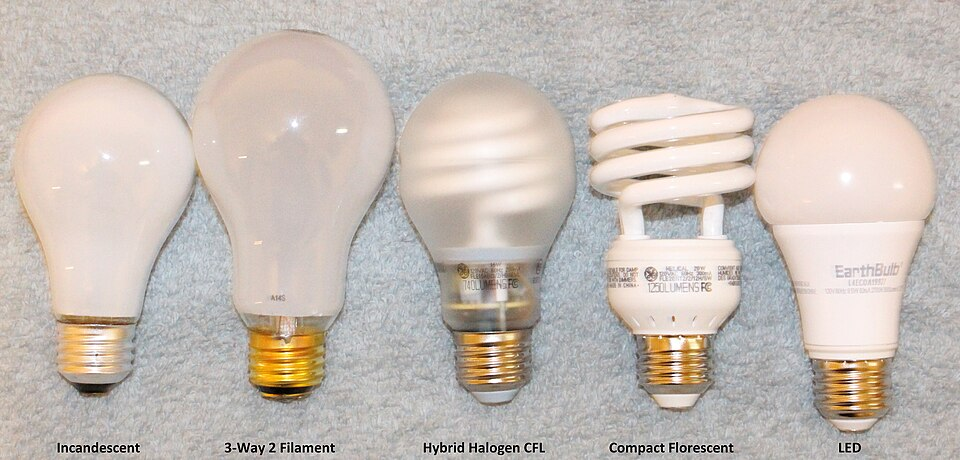
A replacement rarely matched what had been there, which changed the character of a room noticeably.
The variation was unavoidable. Bulbs differed in output and in warmth, nobody recorded what had been in a fitting and nobody was choosing carefully, which meant a replaced bulb produced a room that looked different.
Everybody noticed and nobody did anything. The observation that the room was brighter, dimmer or a different colour was made and then absorbed, and within a week the new state was simply how that room looked.
Where it was eventually put was never anywhere sensible either. A failed bulb migrated from one surface to another for weeks, was moved out of the way repeatedly by several different people, and in a considerable number of households was still in circulation when the next one went.
14. One Fitting in Every House Was Beyond Reach
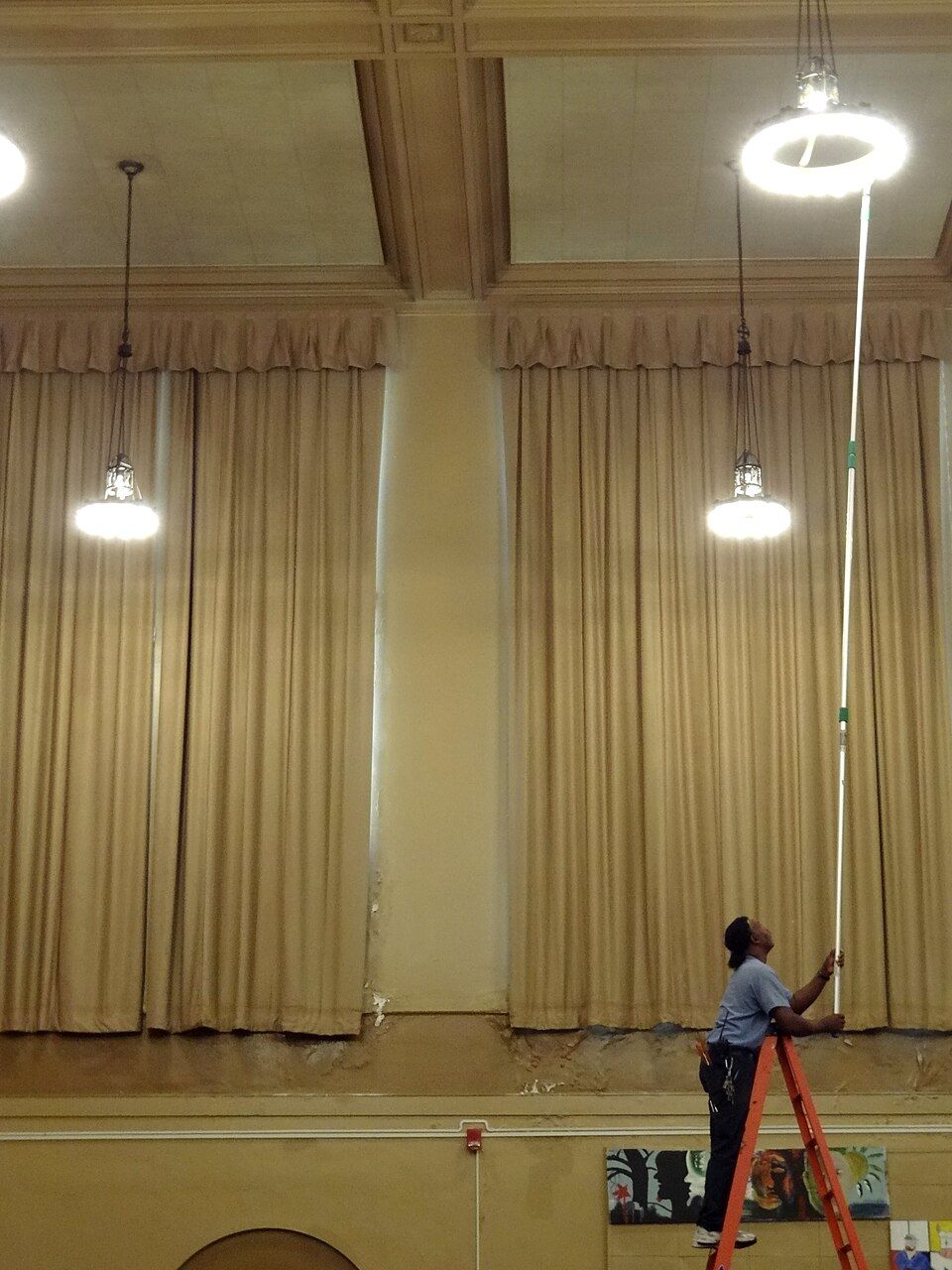
Every household had a light nobody could get to, which stayed dark for months or years.
The problem was height and nothing else. A stairwell, a high ceiling or an awkward position put one fitting outside what a chair could reach, and no ordinary household owned anything that would reach it.
Those rooms were simply used differently. A household adapted around a permanently dark fitting rather than solving it, which is a reasonable description of how a great many domestic problems of the period were handled.
15. Then the Whole Business Disappeared
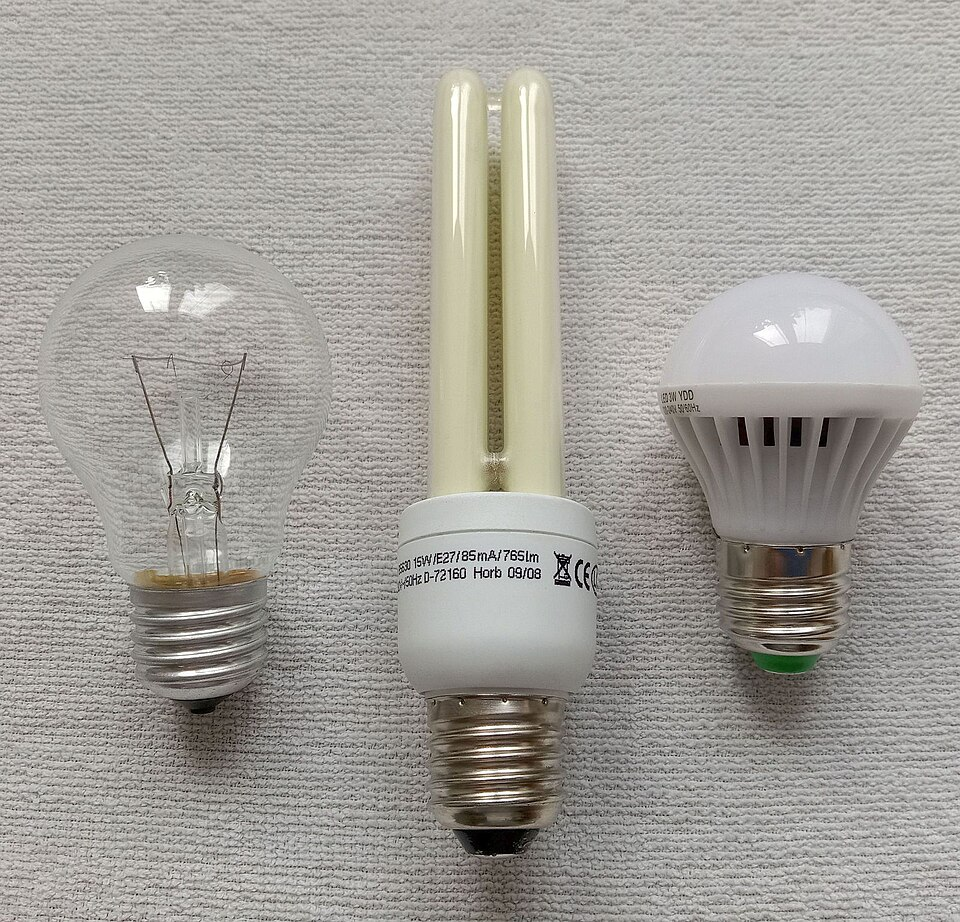
Longer-lasting lamps, multiple fittings per room, cheap stock kept in a drawer, better access equipment and a complete change in household electrical practice removed the event entirely.
Every part of that is an improvement and none of it needs defending. A bulb that lasts for years, in a room with three other lights, replaced from a packet in a cupboard, with the circuit isolated, is better in every respect than a crew, a dining chair and a hot fitting in the dark.
What went with it is a household converging on one room. A snap heard from two doors away, a ranking of rooms stated out loud, a child holding a chair leg and looking up, a replacement that turned out to be dead as well, and twenty minutes of effort resolving in an instant to a collective reaction nobody could later explain.
Why It Took Three People

Read in order, the fifteen come back to scarcity. One light per room means a failure is urgent; no spare in the house means it frequently could not be fixed that evening; and the standard remedy was to take a working bulb out of a less important room, which forced a household to rank its own rooms out loud. That ranking is the detail children remember best, because hearing a family state which rooms matter is an unusual insight into what the adults thought the house was for.
The practical difficulties all came from position. A fitting directly overhead cannot be seen by the person operating it, so the thread was engaged blind, arms extended, which is the worst available posture for fine work – and cross-threading was the common failure, in front of an audience. The replacement was frequently dead as well, because a bulb that has been in a drawer for two years is of unknown condition and the only test was to fit it, which meant a proportion of these operations had to be run twice.
And every house had one fitting nobody could reach – a stairwell, a high ceiling, an awkward position – which stayed dark for months or years, because no ordinary household owned anything that would get to it. Those rooms were simply used differently, which is a fair description of how a great many domestic problems of the period were handled.
Three things here are stated plainly as endorsements of present practice. Standing on a dining chair is not how anybody should reach anything, and the period gave that no thought at all. A fitting that has just failed is too hot to handle, and current advice about electrical fittings and heat is well established. And the whole operation was conducted with the circuit live, which should not be read as acceptable: current standards address exactly that, the reasons are not in dispute, and nothing above is instruction or a recommendation about electrical work by anybody.
What went with it is a household converging on one room over a noise, and twenty minutes of effort resolving in an instant to a collective reaction nobody could later explain.
Like our content? Follow us for more.