

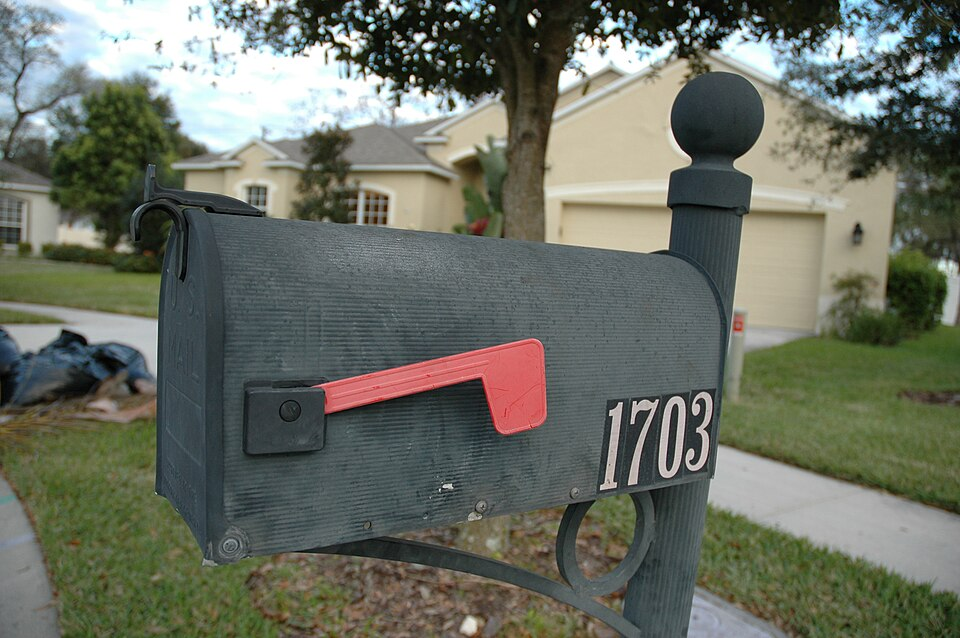
In 1964 a child was sent to the mailbox once a day, at roughly the same time, and came back with whatever was in it. The job took ninety seconds and was the only errand in a household that could not be done early, late or in advance.
The Timing Was Decided by Somebody Outside the Household
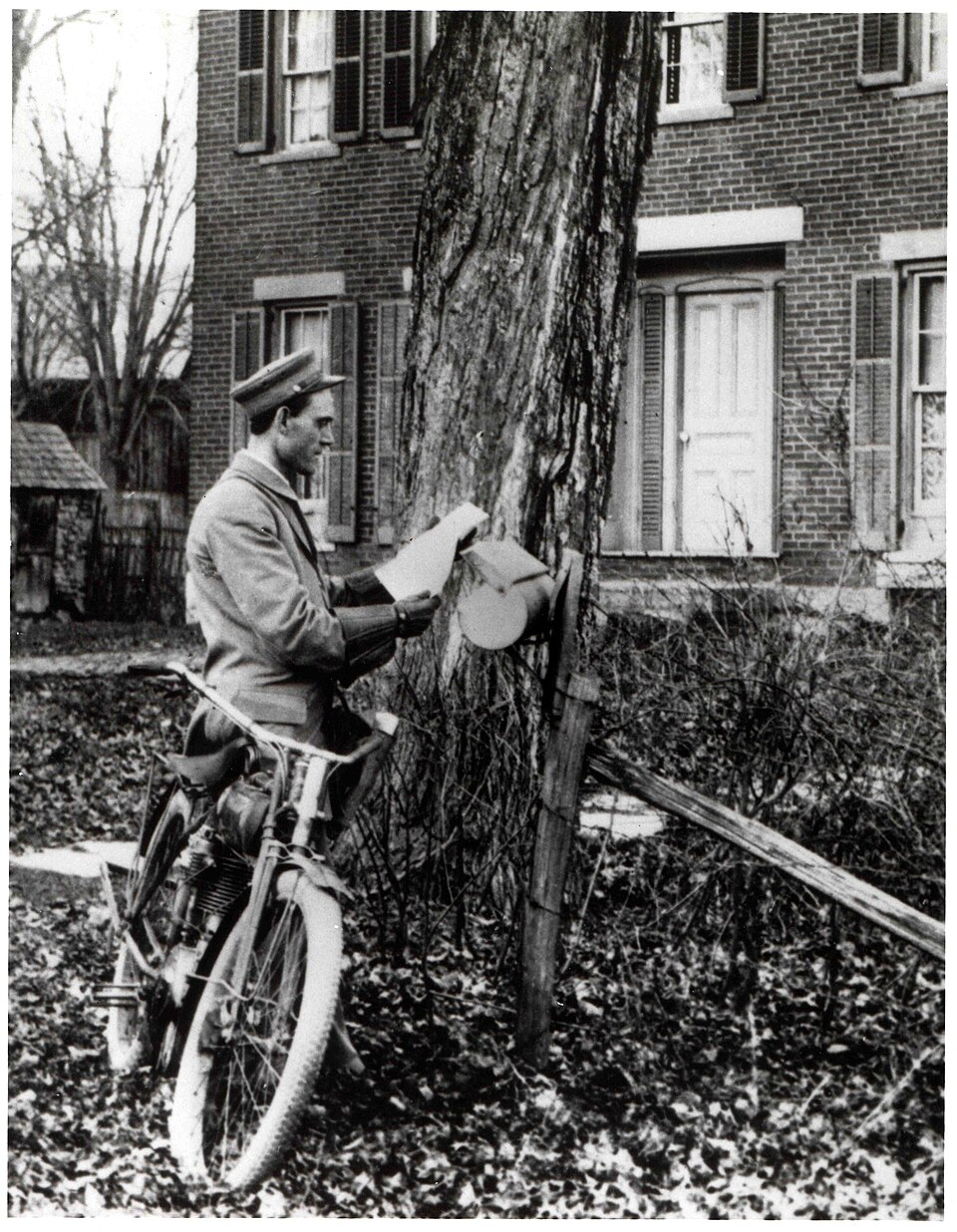
The delivery arrived when it arrived, which meant the household’s whole day had a fixed point in it that nobody inside the house controlled. Children learned the approximate hour and were sent at it.
That made the job unlike every other chore. Everything else a child was asked to do could be shifted; this one could only be done after something had happened elsewhere, and going too early achieved nothing except a second trip.
Like our content? Follow us for more.
Going Too Early Was the Standard Mistake

A child dispatched before the delivery returned empty-handed and was sent again, which meant the task frequently cost two journeys rather than one.
Children learned to check from a distance first. Looking at the box from a window or from the end of a path, rather than walking to it, was a refinement everybody arrived at independently and nobody was taught.
The Walk Was the Point From the Child’s Side

Ninety seconds outside, alone, with a reason to be there, is a small and entirely legitimate absence from a house, and children who had worked that out took considerably longer over it than the distance required.
You Looked at Everything Before You Got Back
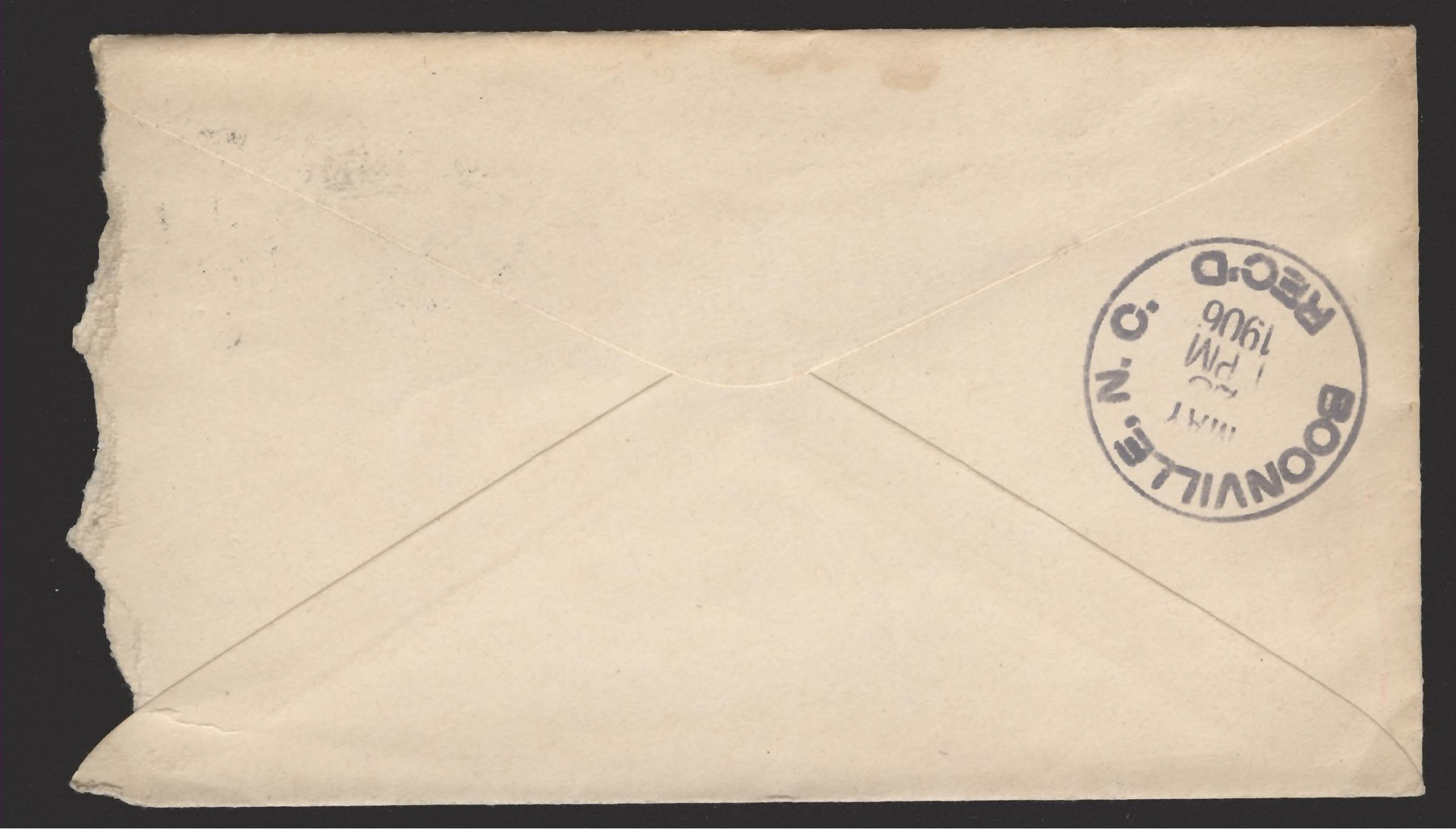
A child carrying the household’s post examined all of it on the way in, which is a thorough and completely unauthorised survey conducted daily.
The examination was limited by what could be seen. Nobody opened anything, and the whole business consisted of reading the outsides, assessing the handwriting and working out who the interesting items were for.
The Order You Handed Things Over In Mattered
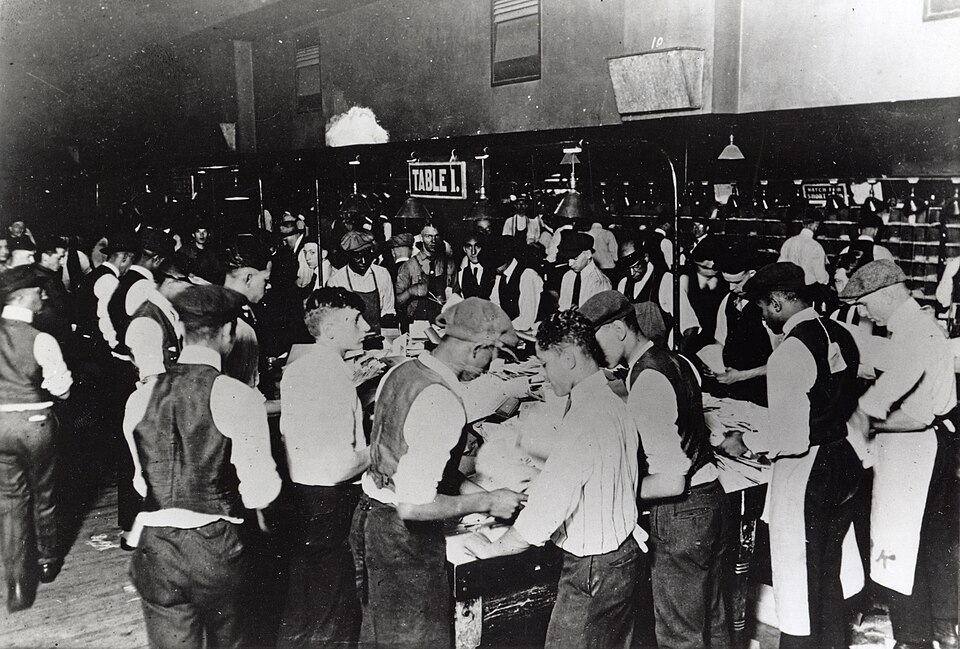
Nobody carried the post in as an undifferentiated handful. A child sorted it on the walk back and presented it in a sequence they had chosen, with whatever they judged most welcome on top, which is a small piece of household management performed daily by somebody with no standing whatever.
The sequence was read accurately by the recipient. An adult who had been handed a particular item first understood that the child had decided to lead with it, and in some households that was commented on and in most it was not.
Who Things Were Addressed To Was the Main Interest
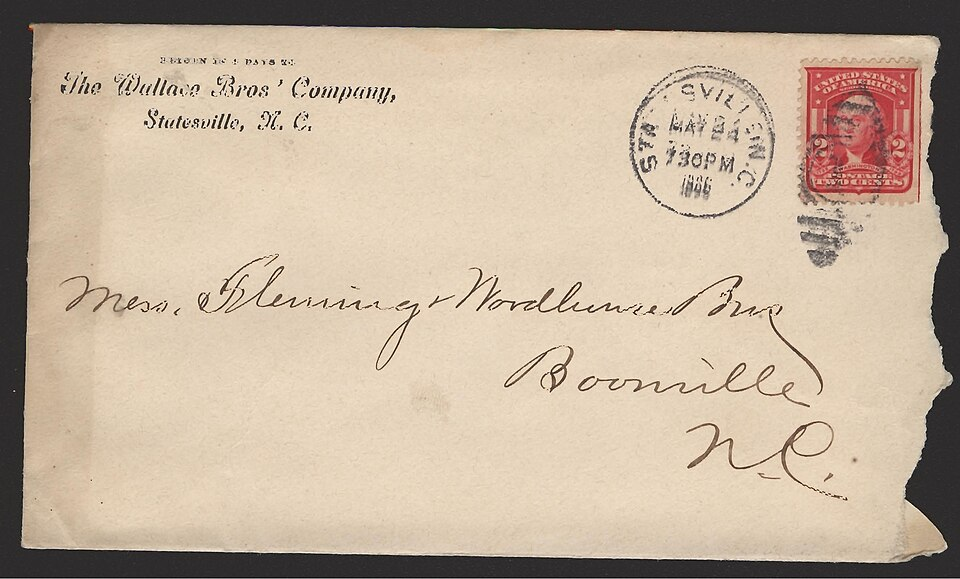
A child learned the household’s correspondents, their handwriting and their frequency entirely from carrying the post, which is a considerable amount of information nobody had set out to give them.
You Could Tell a Bill From a Letter at Ten Paces

The categories were visually distinct, and every child learned to sort them before reaching the door. Which category predominated on a given day was reported, or not reported, accordingly.
That produced a small editorial decision. A child who had seen what was in their hands chose how to announce it, and the announcement was shaped by what they thought the reaction would be.
Anything Addressed to a Child Was an Event

The overwhelming majority of what a child carried was for somebody else, which made the rare item in their own name disproportionately significant.
The Box Itself Was Usually in Poor Condition

These fittings were weathered, bent, badly mounted or missing a part, and no household repaired one until it had stopped working entirely.
The condition affected the job. A door that would not stay shut, a box at the wrong height or a fastening that had to be held in a particular way all made the ninety seconds more complicated than it should have been.
Nothing Arrived on Sunday and Children Tried Anyway
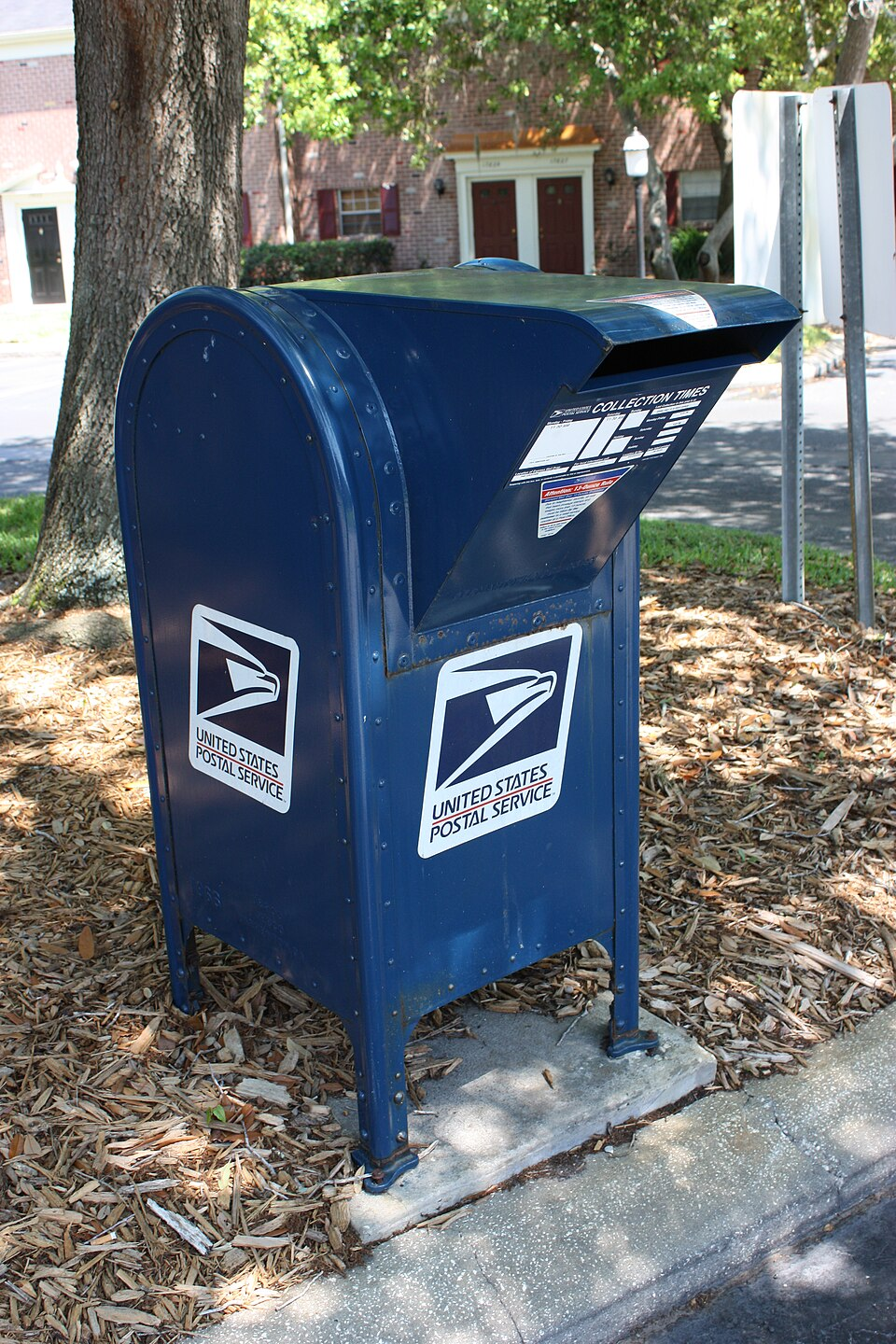
One day a week produced nothing at all, which every child knew and a surprising number of them checked regardless. The walk was made, the box was empty and the trip had been taken purely because the habit was stronger than the knowledge.
Adults found this funny and said so. Being asked where you had been and having to say you had gone to look at an empty box is a small weekly humiliation that a great many people remember collecting.
Wet Post Was a Recurring Problem Nobody Solved
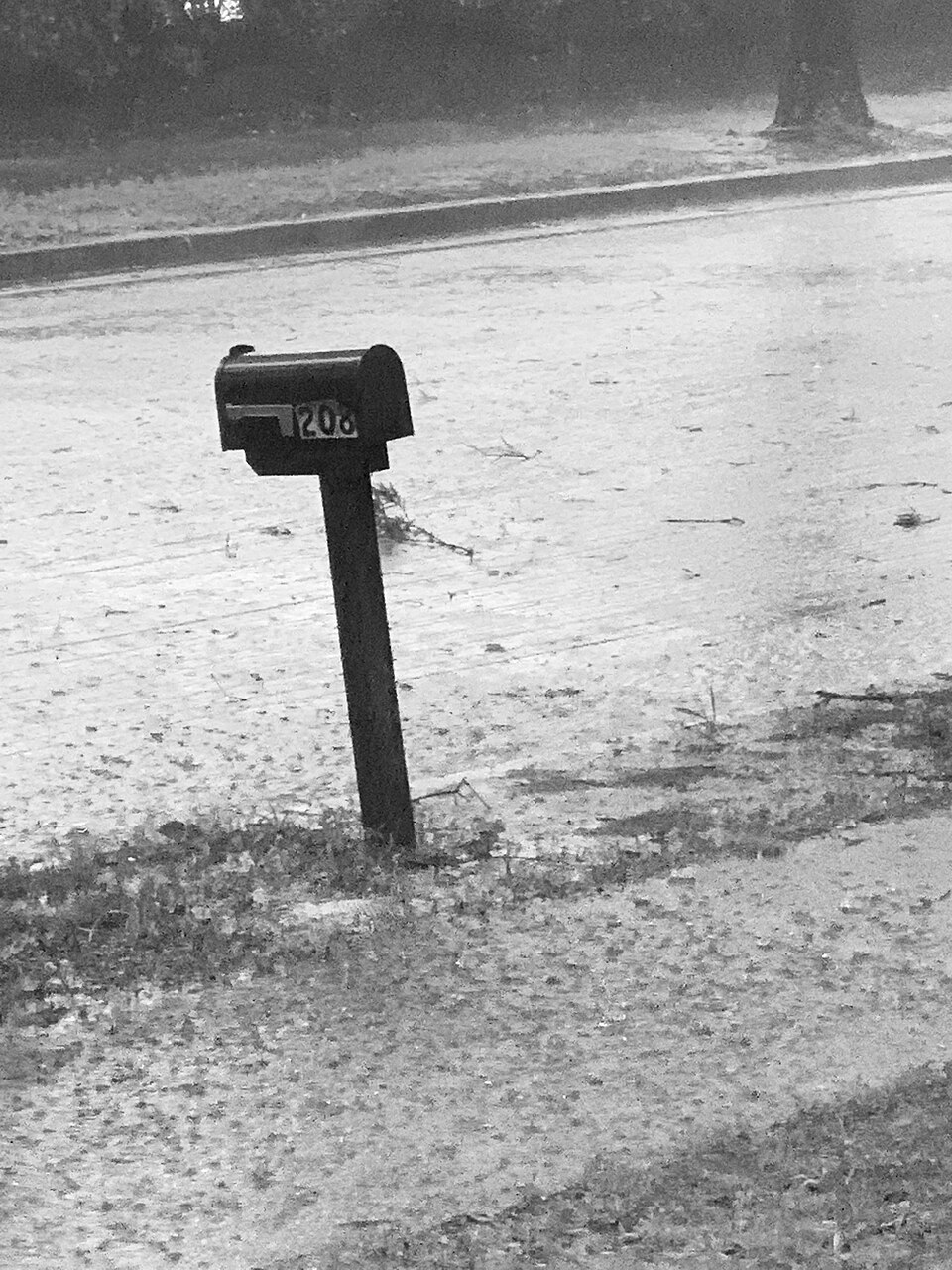
A box that let water in produced damp items on a regular basis, which was noticed, complained about and never addressed.
Reaching the Back Required a Technique

These boxes were deeper than a child’s arm was long, which meant collecting everything involved leaning in at an angle, feeling along the base and withdrawing without dropping what was already in hand. The whole operation was performed blind.
That is the actual explanation for what got missed. A child could not see the back of the box at any point, and the standard omission was a small flat item lying against the base that no amount of feeling about would reliably find.
Nothing Was Ever Left Behind and Something Always Was

A child collecting the post missed something at the back of the box with some regularity, and the omission was discovered the following day.
The Route Was Shared With Everybody Else’s Children
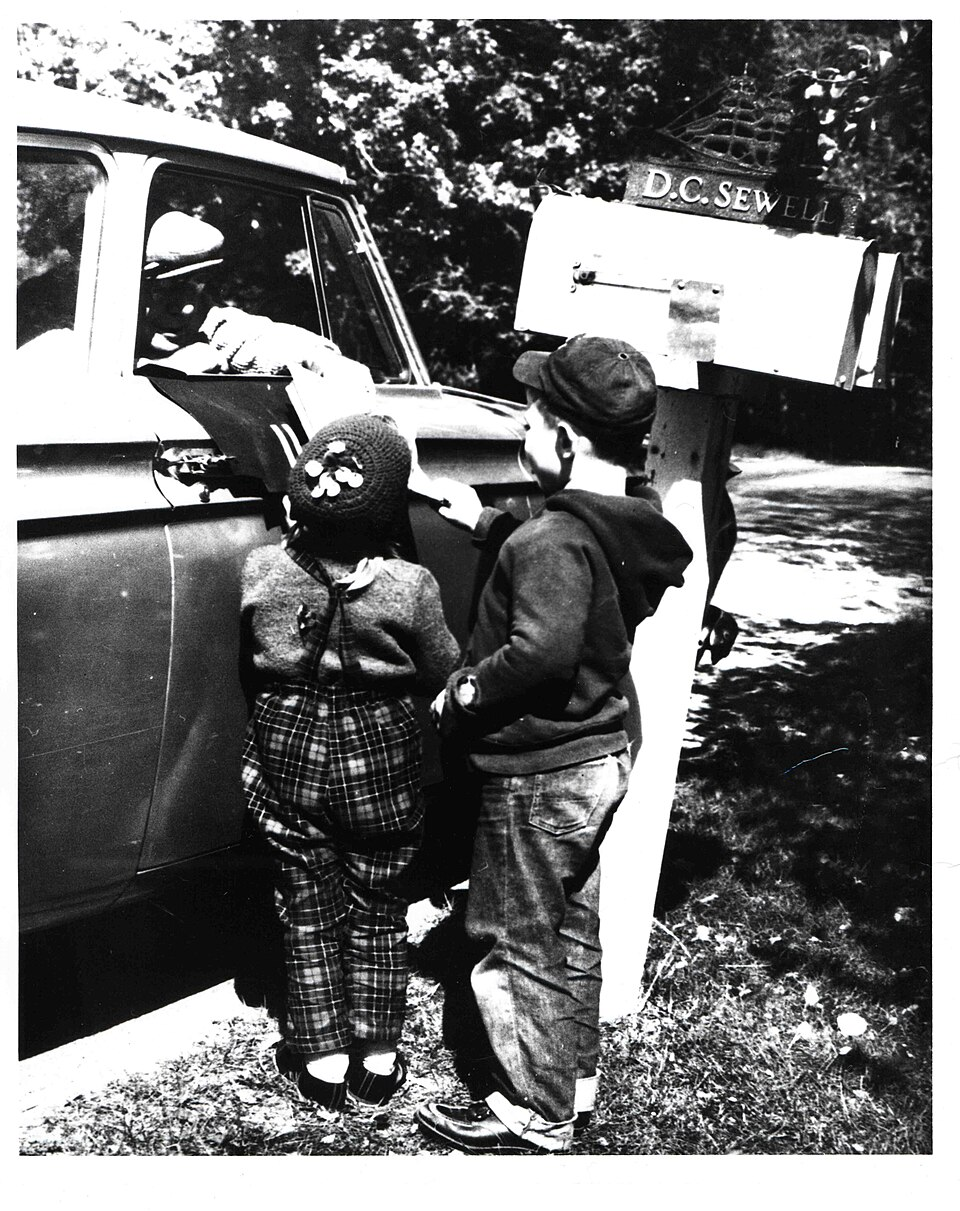
Several households sent children to collect at the same hour, which meant the task was conducted in the company of other people doing exactly the same thing.
The ninety seconds therefore became a daily meeting. A short, unsupervised, reliable encounter with the children of neighbouring houses, at the same time every day, is a social arrangement nobody had organised.
You Learned Which Households Got a Lot

A child standing at a box could see what other children were carrying, which produced a rough picture of which houses received a great deal and which received almost nothing.
Christmas Multiplied the Whole Thing

For a few weeks the volume increased several times over, which turned a ninety-second job into a two-handed one and made the examination on the way back considerably more interesting.
The Catalogue Was the Best Thing in It

A thick item of printed matter was the single most valuable thing that ever arrived, and the child who had carried it in had first access to it.
That first access was brief and contested. A household with several children had a queue for anything thick, and being the one who had collected it conferred a priority that was asserted strongly and not always respected.
Nobody Checked That You Had Brought It All In
The household received whatever the child handed over and did not verify it against anything, because there was nothing to verify against.
Things Were Occasionally Put Down and Forgotten

A child distracted between the box and the house set something on a surface, which was discovered days later by somebody looking for it.
The Job Was Given Early and Kept for Years
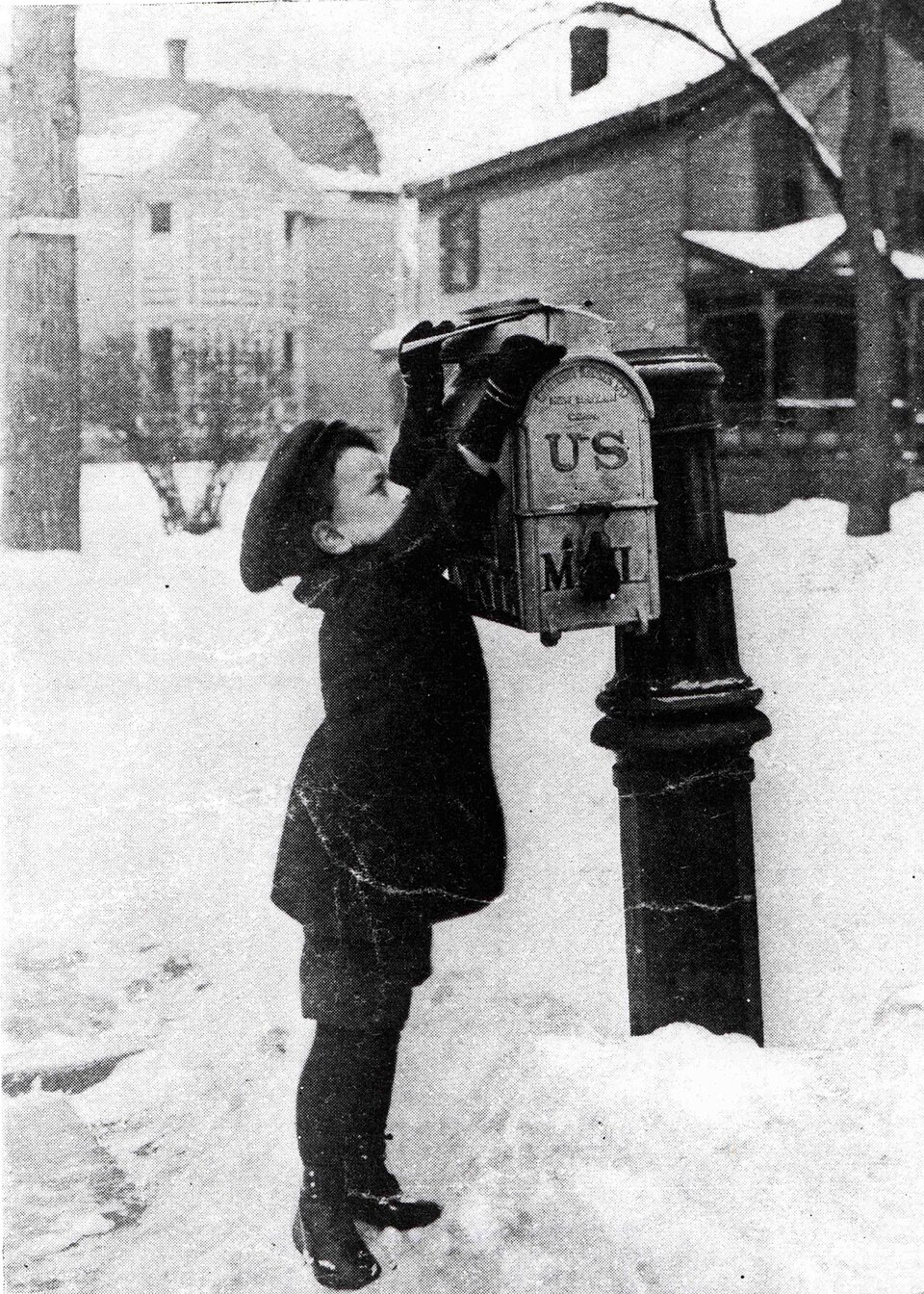
This was one of the first errands a child was trusted with and one of the last they were released from, which gave it an unusually long span in a childhood.
Being Sent in Bad Weather Was the Only Real Complaint
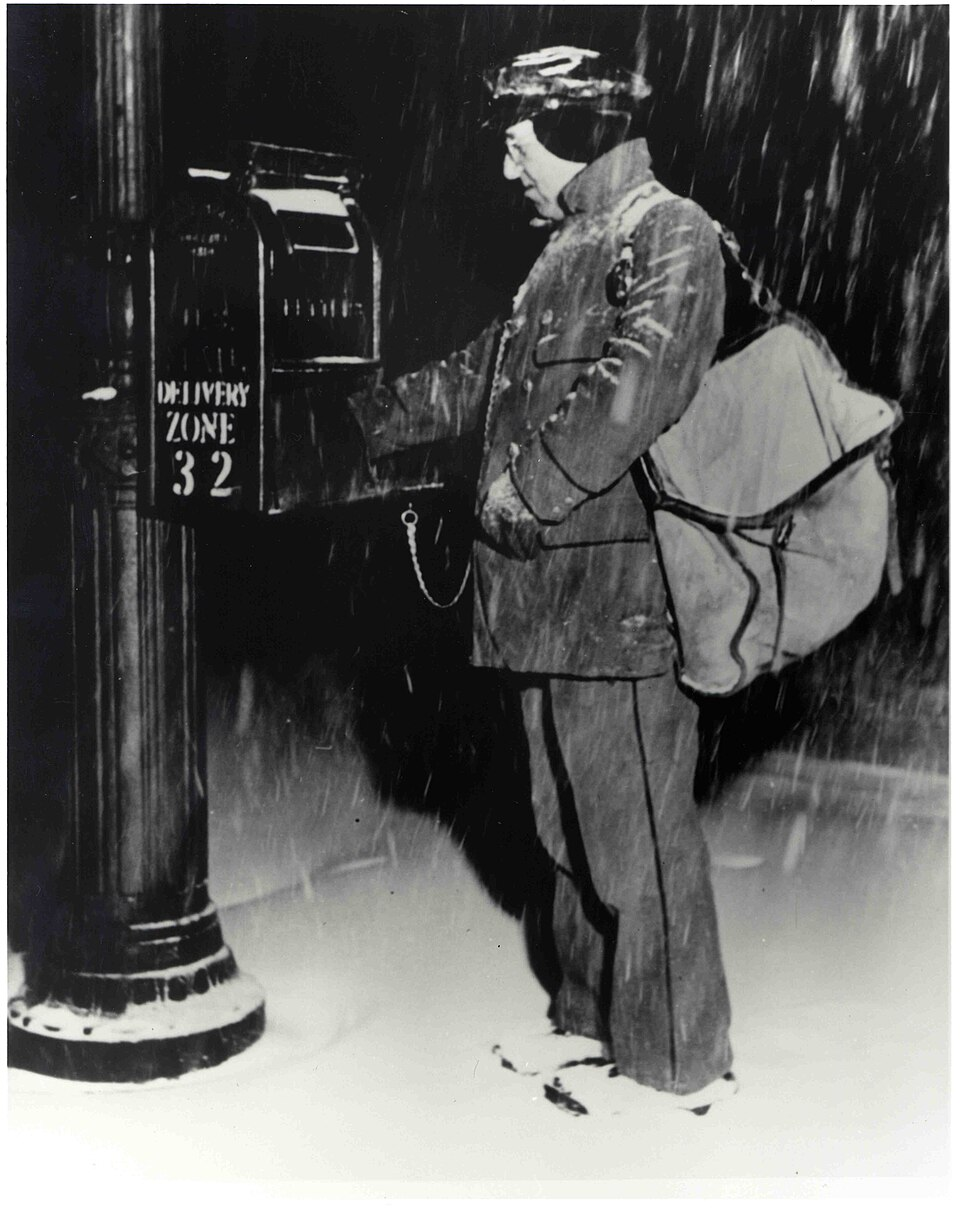
Ninety seconds is nothing in July and is a genuine imposition in February, and the instruction took no account of the difference.
Posting Something Was the Reverse Trip and Felt Different

A child sent the other way, carrying something to be collected, was handling the household’s outgoing business, which carried a responsibility the inbound journey did not.
Losing an outgoing item was the serious failure. Anything a household was sending had been written, prepared and sealed by somebody, and a child who had mislaid it had destroyed work that could not be reproduced quickly.
The Flag or the Door Said Whether Anything Had Been Collected
Whatever indicator the box had was read by children with complete accuracy, which meant the question of whether anybody had been was settled from a distance.
The Box Was Also the Household’s Public Face
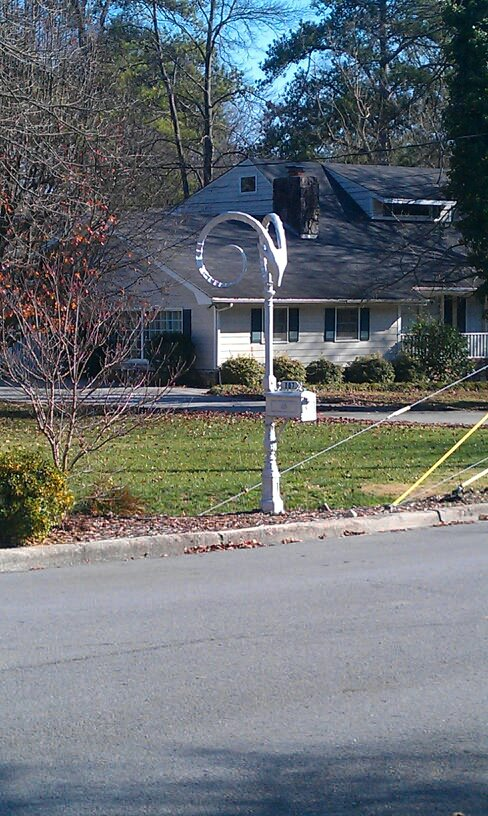
Whatever condition the thing was in was visible to everybody who passed, which made it the one piece of a household’s property that was constantly on display and never maintained. A bent box on a leaning post said something about a house that nobody inside it could see.
Children were aware of the comparison. A child who had noticed that four other boxes on the same stretch were straighter than theirs had made an observation they could do nothing about and did not raise indoors.
It Was How a Child Learned Their Own Address
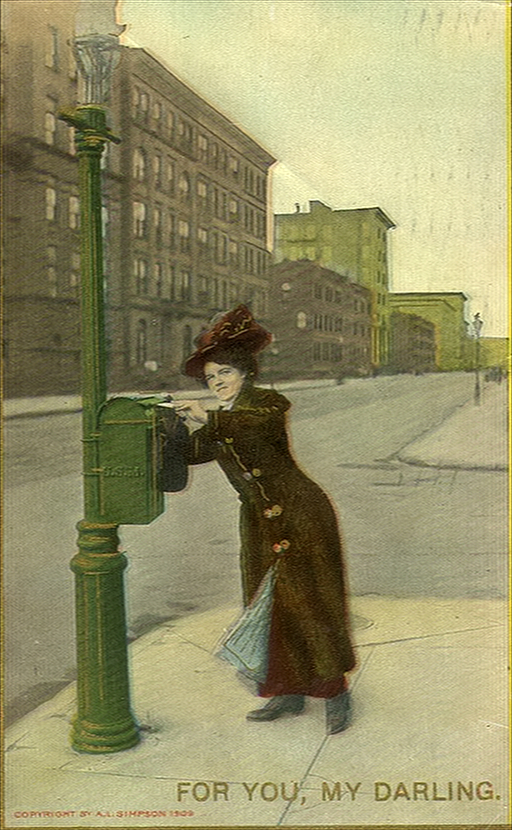
Carrying several items a day, all bearing the same lines of text, teaches an address thoroughly and without any instruction, which is how most children of that period knew theirs.
Then the Job Stopped Being Worth Sending Anybody For
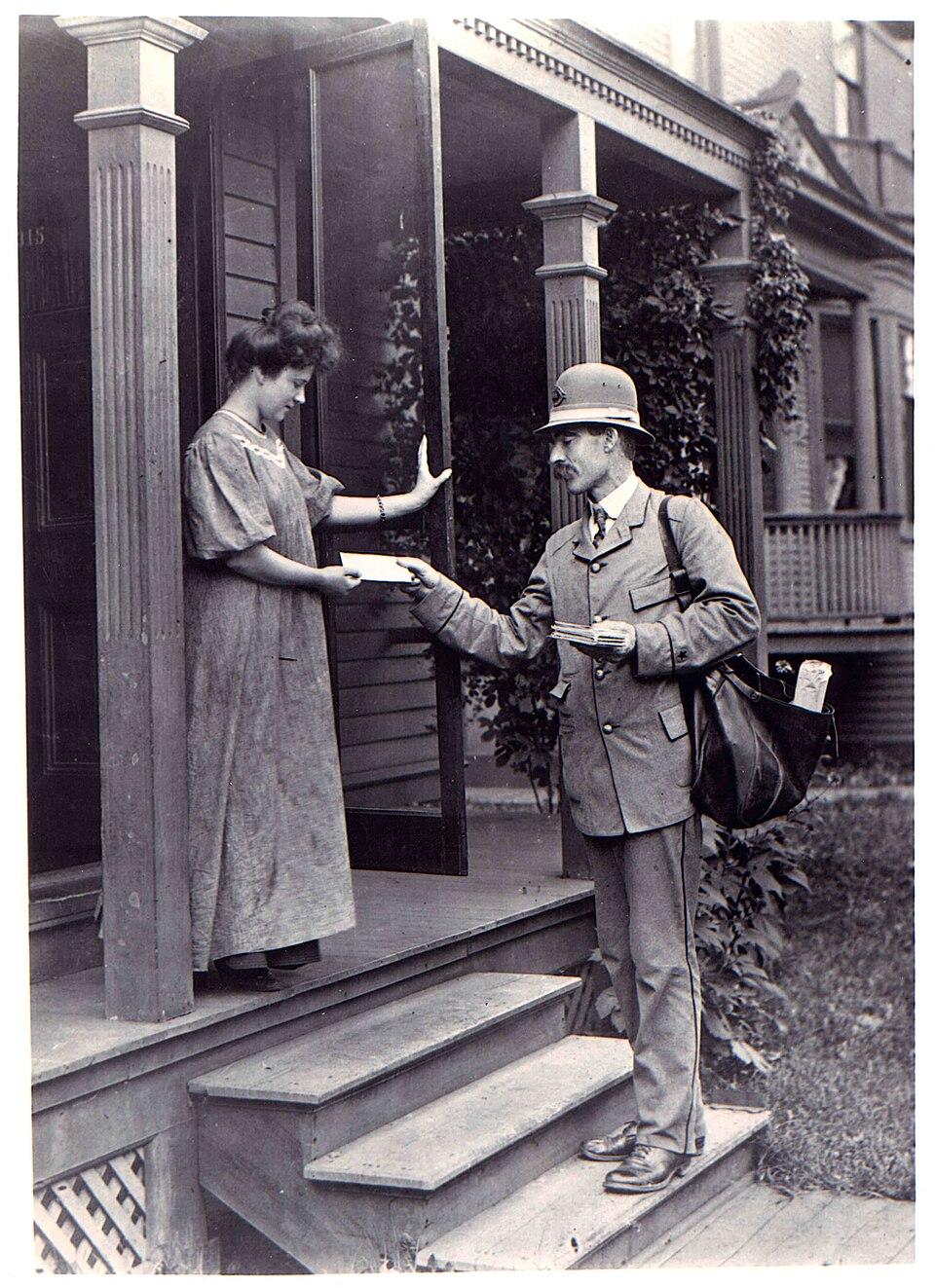
Far less post, nothing addressed to children, delivery to the door in a great many places and a general collapse in the volume of physical correspondence removed the errand entirely.
Nothing About That Is a Loss

Communication is faster, cheaper and more reliable than anything the arrangement replaced, and nobody should want a daily walk to a damp metal box back.
What Actually Went
A fixed point in a household’s day that nobody inside it controlled, a ninety-second absence children took twenty minutes over, a complete and unauthorised daily survey of the household’s correspondents, a small editorial decision about how to announce what was in your hands, and a reliable unsupervised meeting with the children of four other houses.
Like our content? Follow us for more.

