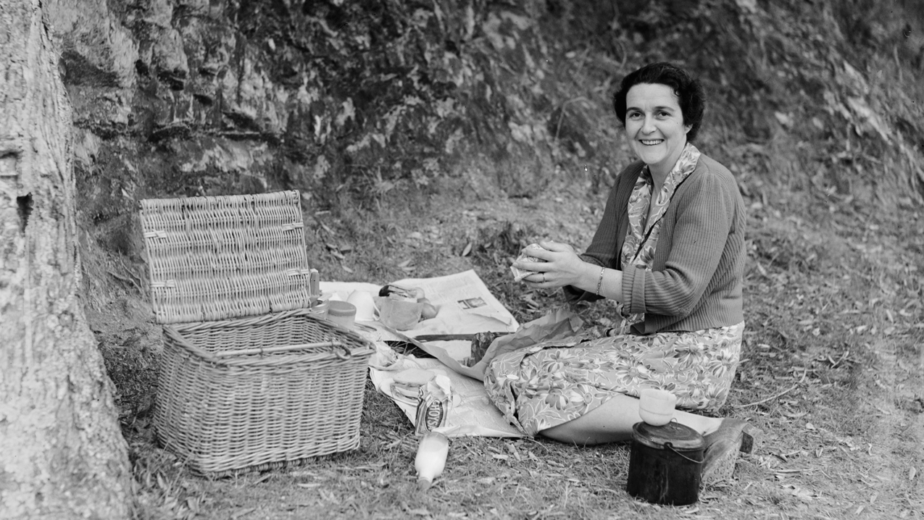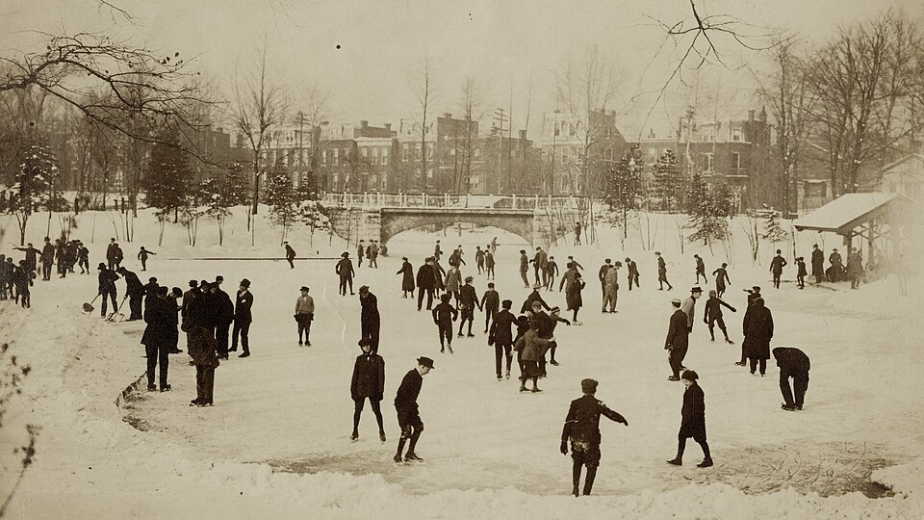
In 1964 a household that needed to tell somebody something had almost no way of doing it. The telephone was not in every house, and where it existed it was expensive enough to be reserved for things that mattered. A letter took two days. Walking round yourself cost twenty minutes you did not have. So the household used the resource it had in surplus, which was a child with legs and nothing scheduled, and the message went out the door on foot.
This was not an occasional arrangement. In a great many households it was the primary means of communication with everybody within half a mile, used several times a week, and the children doing it understood themselves to be performing a service the house genuinely depended on – which is a fairly unusual thing for an eight-year-old to be correct about.
The Message Was Always Short and You Were Never Told Why
The content was invariably brief. Somebody would be round at four rather than three. Somebody did not need the thing after all. Somebody should come over when they had a minute. Six or eight words, delivered verbally, with no explanation attached to any of it.
The absence of context was not carelessness. An adult issuing a message to a child was transmitting a fact between two adults who already shared everything the fact rested on, which meant the explanation would have been considerably longer than the message and would have served nobody. Children were handed the output of a conversation they had not heard and were not going to.
Like our content? Follow us for more.
You Set Off Immediately and That Was the Point
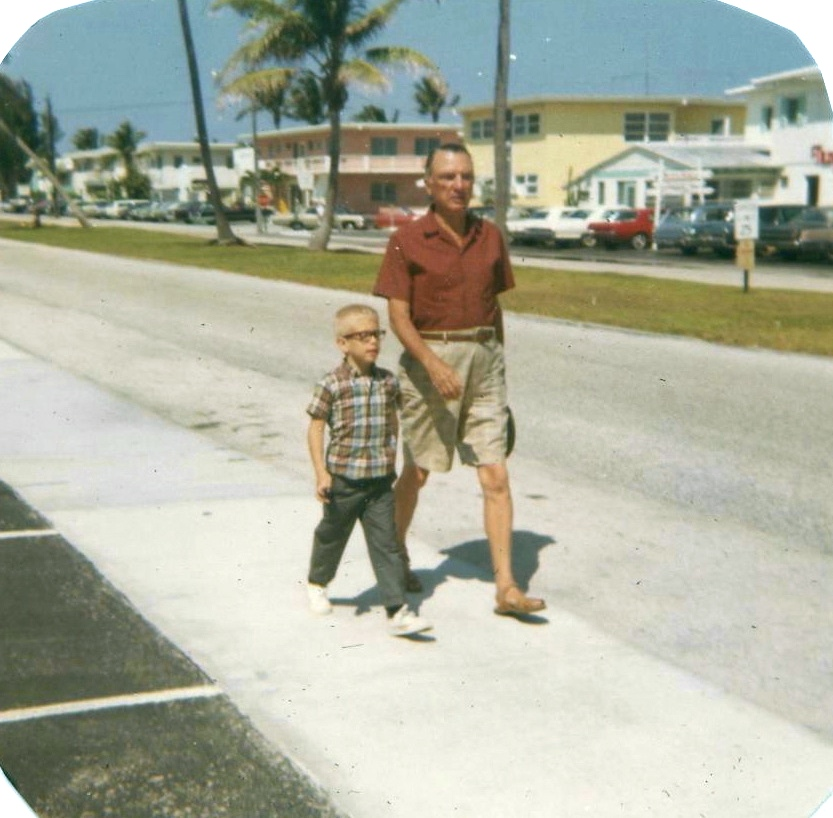
The whole value of the arrangement was speed, and the speed depended on there being no interval between the instruction and the departure.
Children understood this and left at once. A message issued at the door was being carried within about fifteen seconds, without a coat in most weather, often without shoes properly on, because an errand that could be completed in six minutes was being treated as though it would be. Adults never had to tell a child to hurry, which is unusual for anything a child was asked to do.
The Route Was Fixed and Nobody Had Fixed It
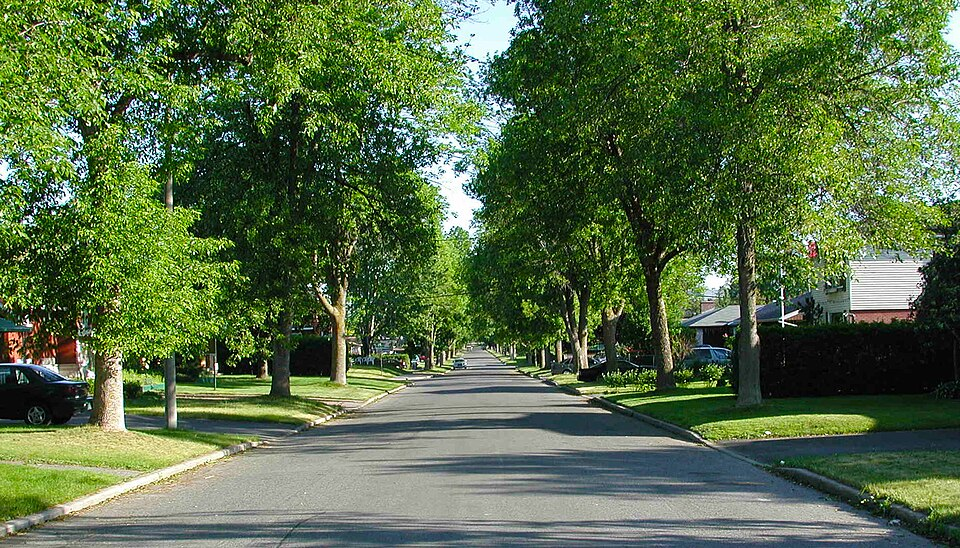
Every regular destination had one path to it, used every time, chosen originally for reasons nobody could recall.
The consistency was total. A child sent to the same house for the third time that month took the identical route, crossed at the identical point and turned at the identical corner, not because it was the fastest but because it was the one. Deviation was not forbidden and simply did not occur to anybody.
You Were Sent to Several Houses Without Being Told the Order
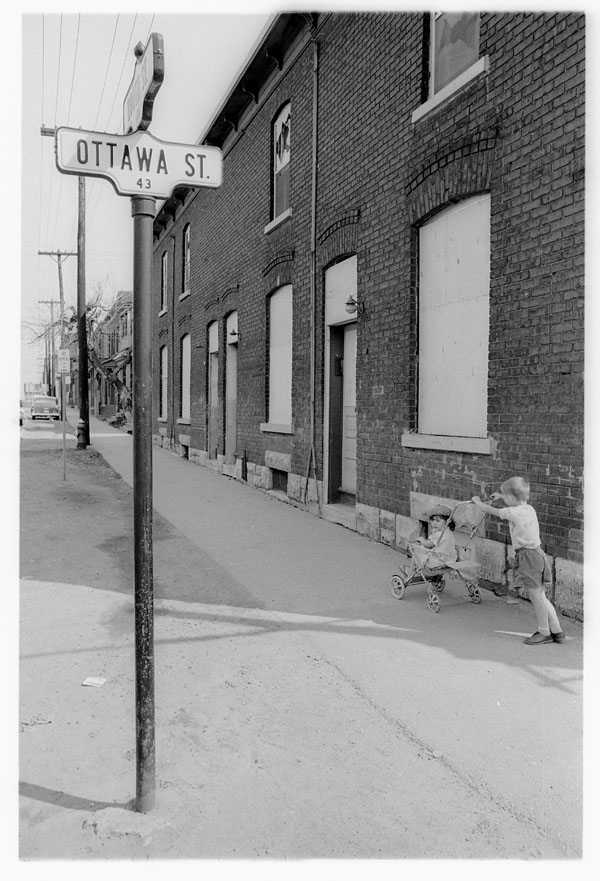
A message that concerned more than one household went out as a single trip, and the sequence was left to the child.
Nobody specified a route through three destinations, because the adult issuing the message was thinking about the message rather than about the geography. A child handed two or three addresses worked out the order themselves, on the step, in about four seconds, and generally got it right because they knew the distances better than the person sending them did.
That is a real piece of knowledge children held and adults did not. A household’s adults travelled their neighbourhood by a small number of habitual journeys; a child who had been sent everywhere repeatedly held something closer to a complete map, and the ordering of a multi-stop errand was the one occasion on which that map got used.
Half the Time Nobody Was In
The system had one structural flaw and it was never addressed. There was no way of establishing in advance whether the destination contained a person.
A child arriving at an empty house had completed the journey for nothing, and the message had to go again later or the following day. Nobody treated this as a failure of the arrangement, because the alternative was no communication at all, and a wasted six-minute walk by somebody with nothing else to do cost the household precisely nothing.
The Door Was Answered by Somebody Who Knew Exactly What You Were
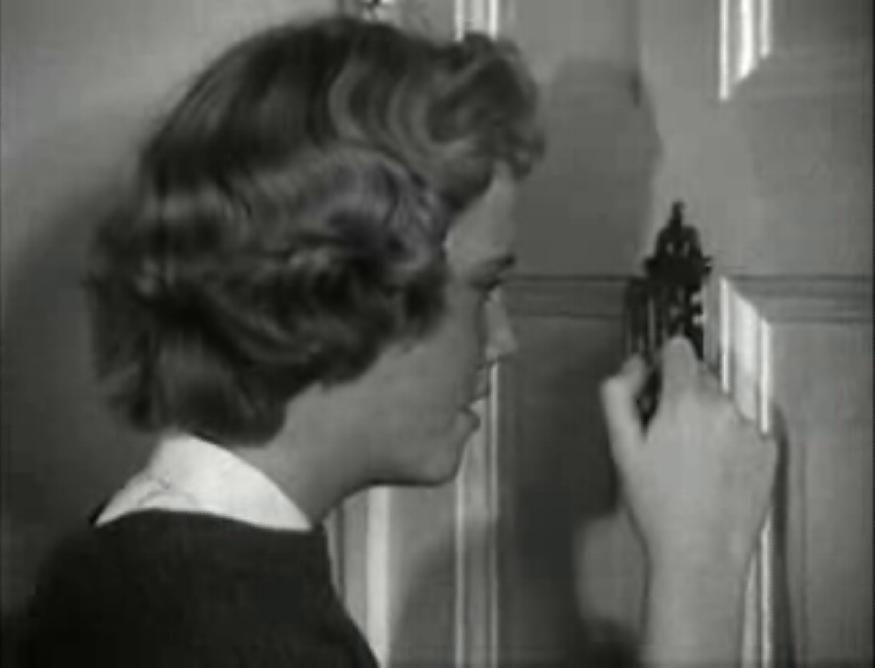
An adult opening a door to a child standing alone on a step understood the situation instantly, without being told.
The recognition was immediate and universal. A child at a door in the middle of the afternoon, out of breath and not selling anything, was a message from a known household, and the adult’s first words were generally a question about which household rather than a question about who the child was.
You Delivered It and the Adult Reacted to Information You Did Not Have
The most memorable part of the whole business was watching somebody receive news whose significance was invisible to you.
A child reciting eight words and then watching an adult’s face change had delivered something they could not evaluate. The reaction was frequently out of all proportion to the words – relief, mild annoyance, a small laugh, an immediate decision to go somewhere – and the child had no means of working out why.
There Was Usually a Reply and You Had to Hold It

Messages travelled in both directions, which meant the errand was rarely one-way.
The reply was given on the step, verbally, with no more explanation than the original, and had to be carried intact in the other direction. A child who had been concentrating on delivering one set of words now had to retain a different set for the journey back, which is a considerably harder task and was never acknowledged as one.
Nobody Ever Wrote Anything Down
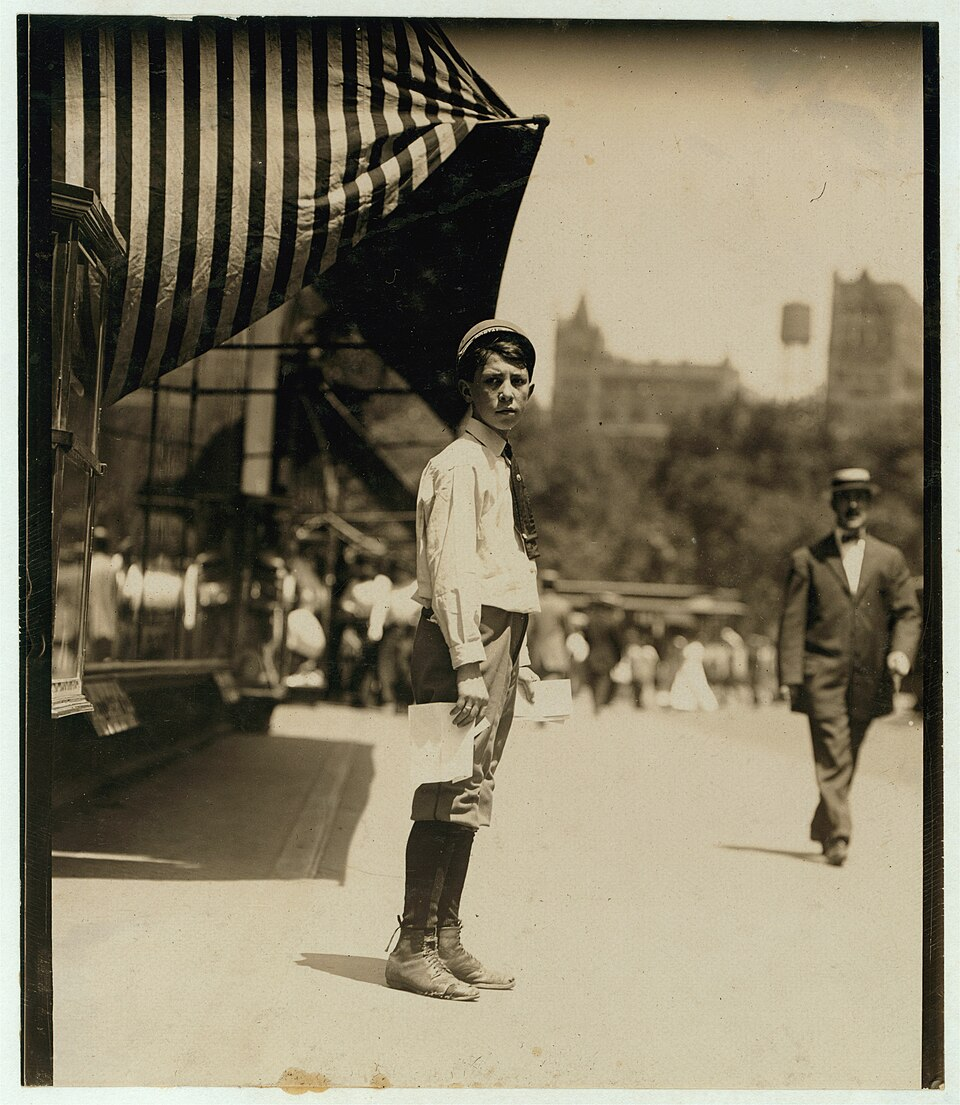
The entire arrangement ran on memory, at both ends, with no written record at any point.
This is the detail that surprises people most in retrospect. Households entrusted time-sensitive information to the verbal recall of a seven-year-old, routinely, with no backup, and the system worked well enough that nobody ever thought to improve it. Writing it down was available and was simply not done, and nobody who did this as a child can explain why.
Some Houses Kept You on the Step and Some Did Not
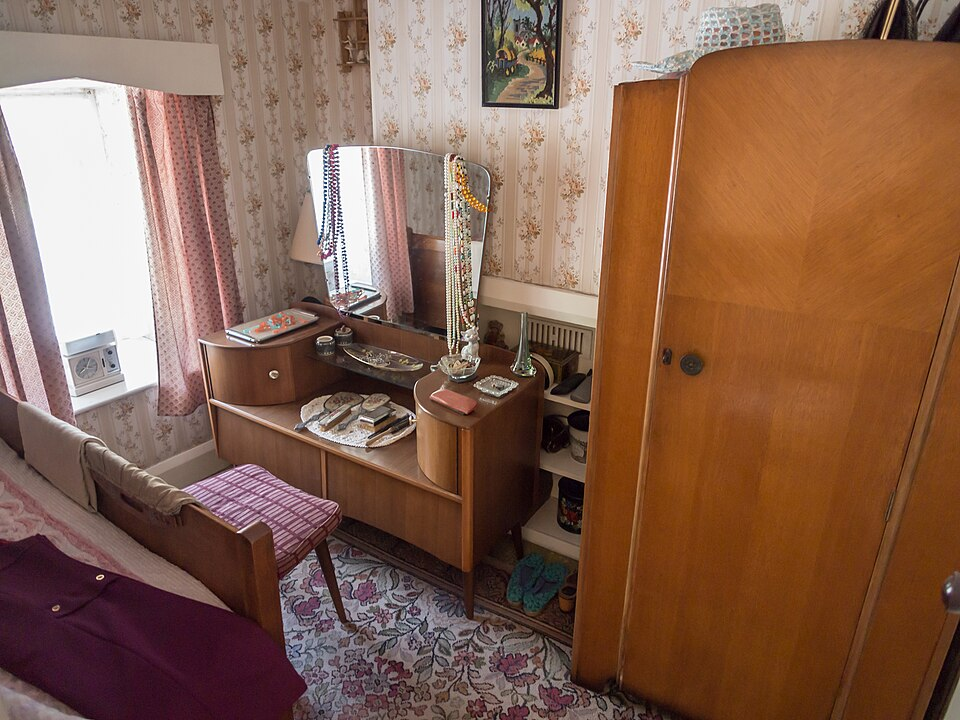
The reception varied by household and was entirely predictable once you knew which was which.
Certain destinations took the message at the door, replied and closed it, and the whole exchange lasted eleven seconds. Others opened the door wider, asked something, and produced a conversation a child had not budgeted for – which turned a six-minute errand into twenty and had to be accounted for on the walk home.
Children learned the classification exactly and never discussed it with anybody. A child told which house they were going to knew before setting off whether this was a short errand or a long one, and adjusted nothing about their behaviour, because the difference was not something a child could influence.
The Thanks Were Immediate and Specific
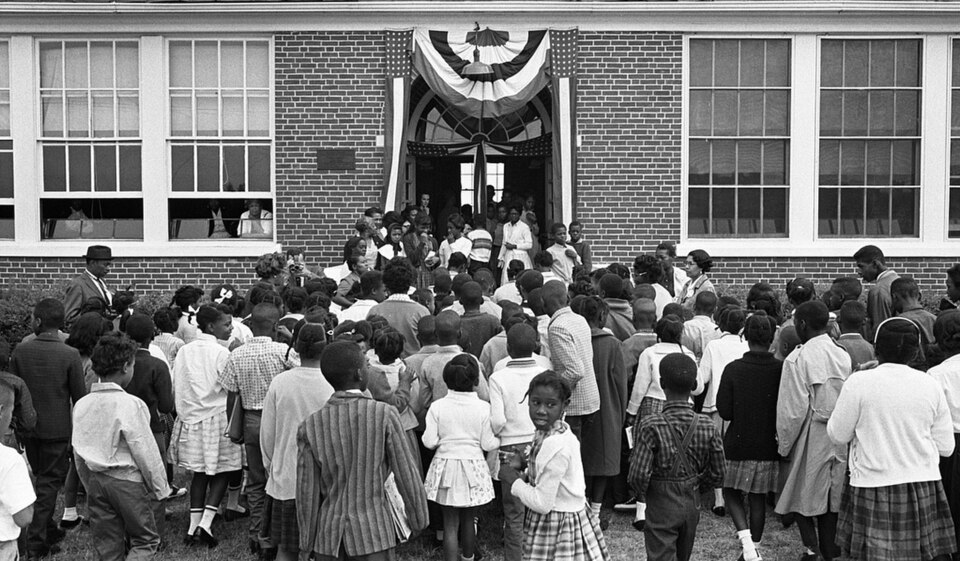
Adults receiving a message acknowledged the child who had brought it, every time, in a way children registered.
The acknowledgement was brief and direct – a thank-you addressed to the child rather than through them, sometimes a remark about how fast they had got there – and it is reported consistently by people describing this. It is also one of very few occasions on which a child of that period was thanked by an adult who was not a relative.
You Were Trusted Completely and Nobody Discussed It
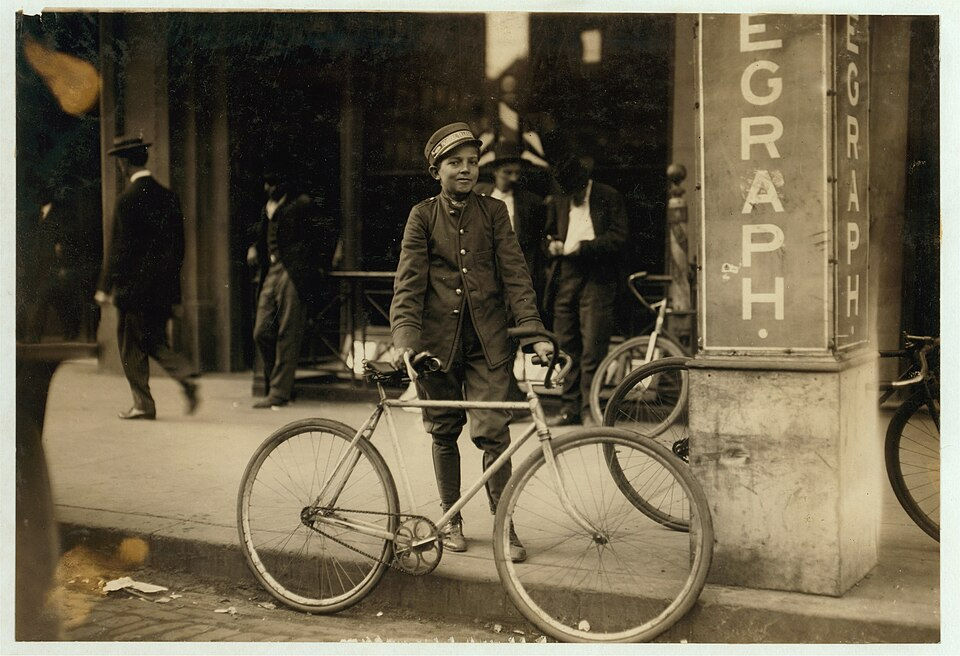
The arrangement rested on an assumption about reliability that was never stated or tested.
A household sending a message by child was assuming the words would arrive intact, that the child would go where they were told and come back, and that nothing on the route required supervision. All three were simply taken as read, and children noticed that they were being relied upon even if they could not have articulated what they were noticing.
The Walk Back Was Yours
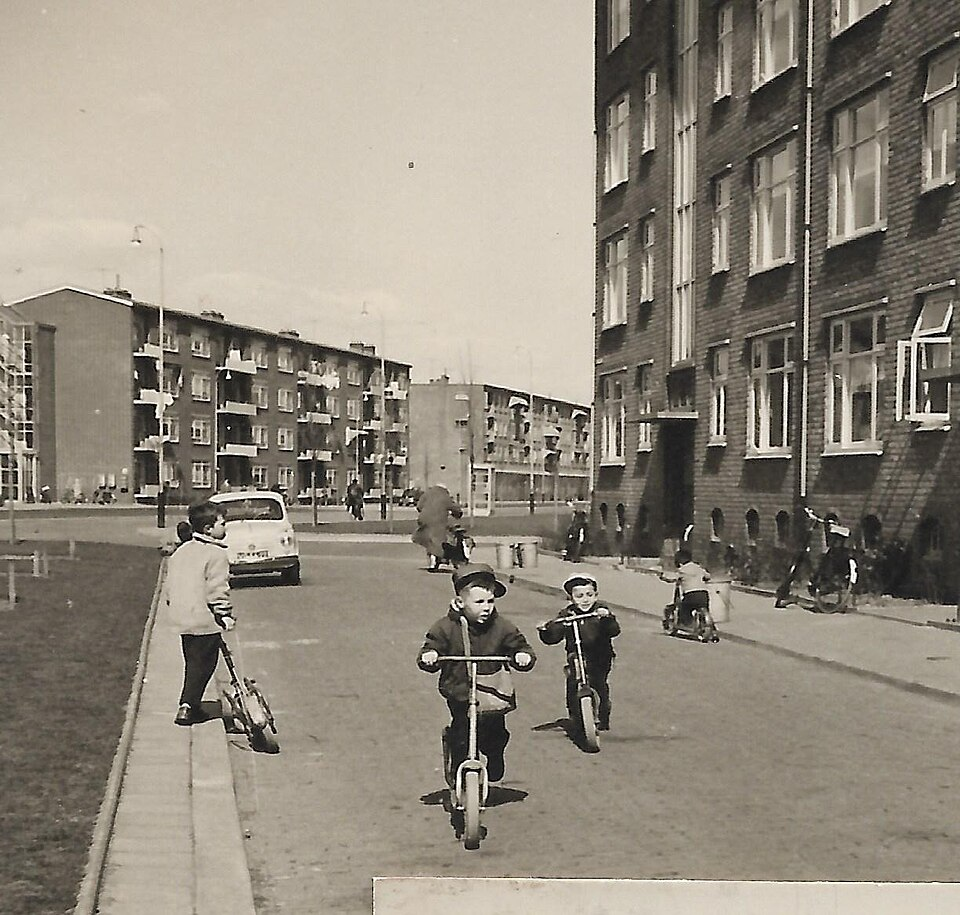
The return leg had no urgency attached to it, and that difference was felt sharply.
The outbound journey was a task with a clock on it. The inbound one had already discharged the obligation, which meant the same route took considerably longer in the other direction and was the only part of the errand a child controlled. People describe the walk back more than anything else about the whole arrangement.
It Was the Only Job Where Being a Child Was an Advantage
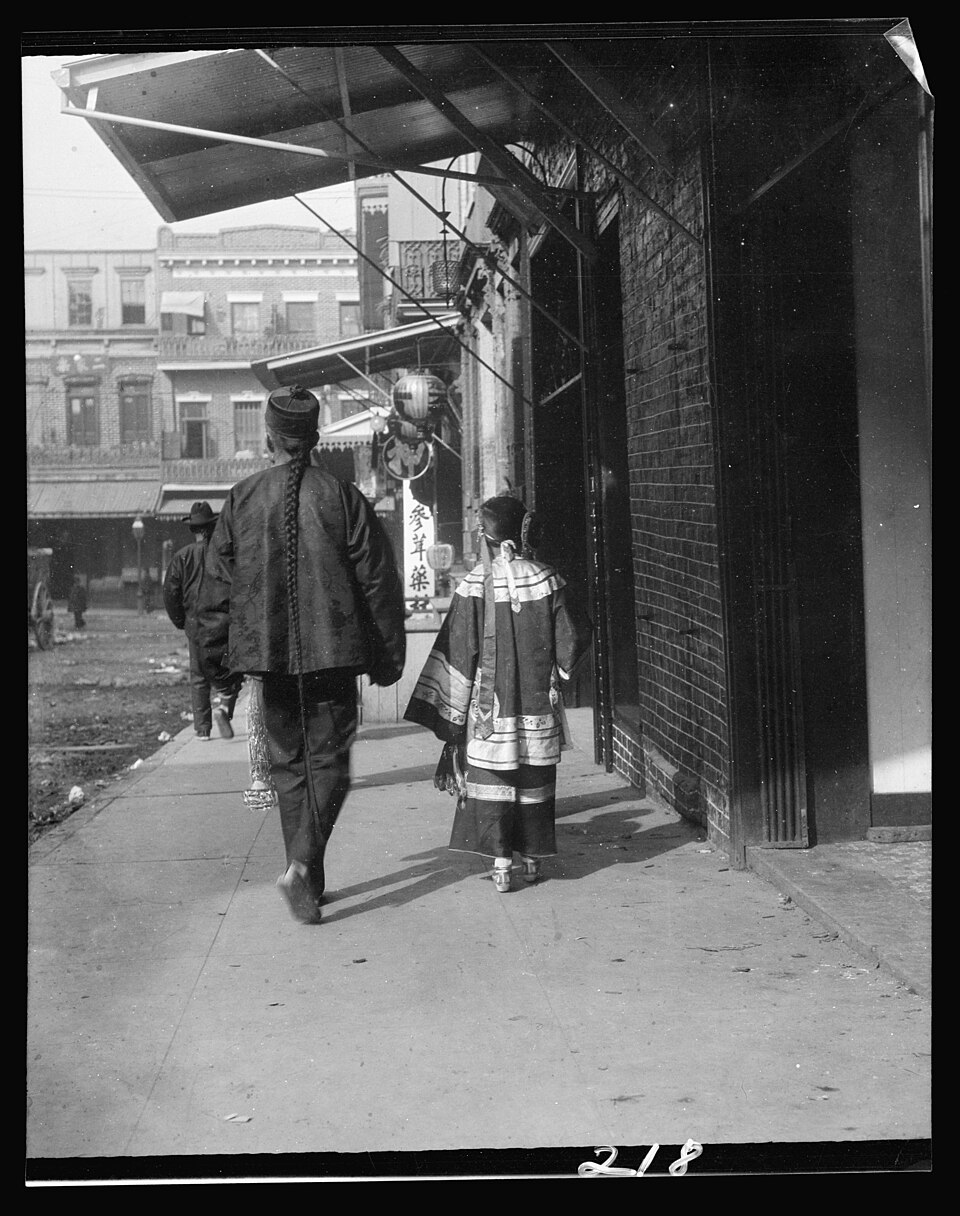
Everything else a child was asked to do, an adult could have done better. This one was different.
The advantage was structural rather than flattering. An adult’s time had a cost and a child’s did not, which meant that for this particular task a child was not a poor substitute for an adult but the correct choice – and children of that period had extremely few experiences of being the right person for a job rather than the available one.
Then the Telephone Arrived in Every House
Universal telephony, then everything after it, removed the entire arrangement within about a decade.
Every part of that is an improvement. Instant contact, confirmation that a message arrived, no dependence on whether anybody was home and no child walking anywhere in any weather are better in every respect than a seven-year-old carrying eight words across a neighbourhood from memory.
What went with it is a position. A child who was genuinely needed, trusted without discussion, thanked by somebody else’s parent, and walking home slowly on a route they had chosen for nobody’s reasons at all.
Like our content? Follow us for more.