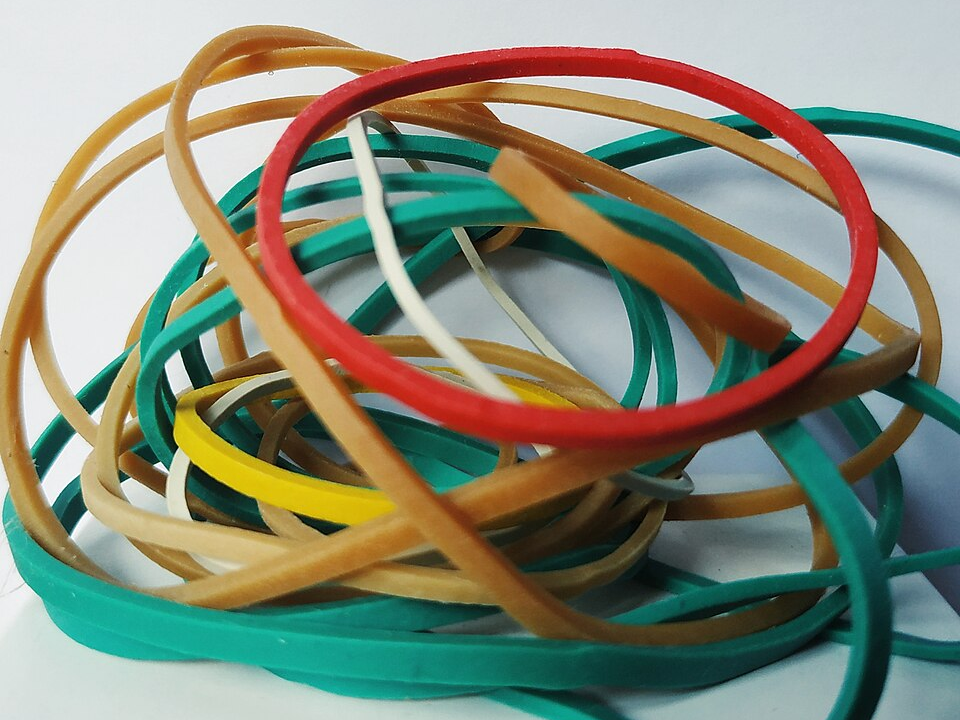
In 1964 they arrived constantly and nobody bought any, and that flow explains the practice completely. Things came to a house secured, the securing had to be removed before the thing could be used, and that left a small object in somebody’s hand with nowhere obvious to put it – and a household facing that situation several times a week either develops a destination or accumulates them in every drawer in the building. Most chose the destination. Children understood the economics without being told, and no child in any of these houses ever questioned why anybody bothered. Here are twelve things every kid remembers about the household rubber band stash in 1964, and why no house keeps one now.
1. They Arrived Constantly and Nobody Bought Any
The household’s entire supply came in attached to other things, and the supply never stopped.
The flow explains the practice completely. Things arriving at a house in that period came secured, and the securing had to be removed before the thing could be used, which left a small object in somebody’s hand with nowhere obvious to put it. A household facing that situation several times a week either develops a destination or accumulates them in every drawer in the building, and most households chose the destination.
Children understood the economics without being told. A thing that arrives free, repeatedly, and has an obvious use is worth keeping, and no child in any of these houses ever questioned why anybody bothered.
Like our content? Follow us for more.
2. There Was One Place They All Went
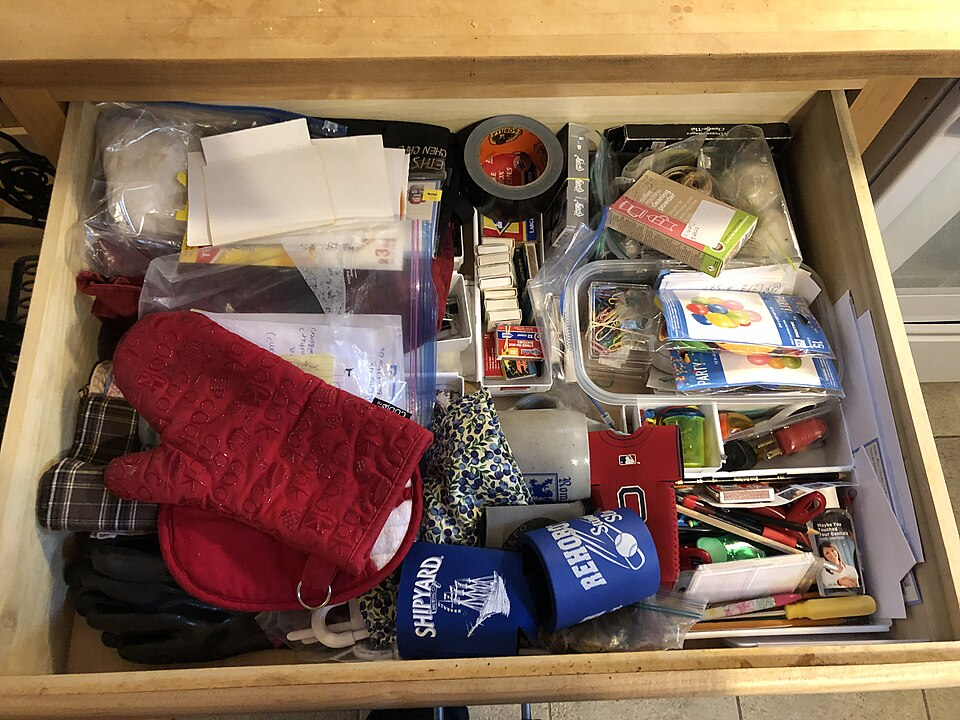
The accumulation had a designated location that everybody in the household used.
The designation was the practice’s only real rule and it was never stated. Somebody at some point put one somewhere, the next person put theirs in the same place, and within a year the location had become fixed by nothing more than repetition – which is how most household systems of that period were established.
Children knew the location before they could reach it. The place was known to everybody in the building regardless of age, and a child sent to fetch one went directly there without needing to ask, which is a small thing and is also the entire mechanism by which the system worked.
3. A Great Many Households Kept Them on a Doorknob
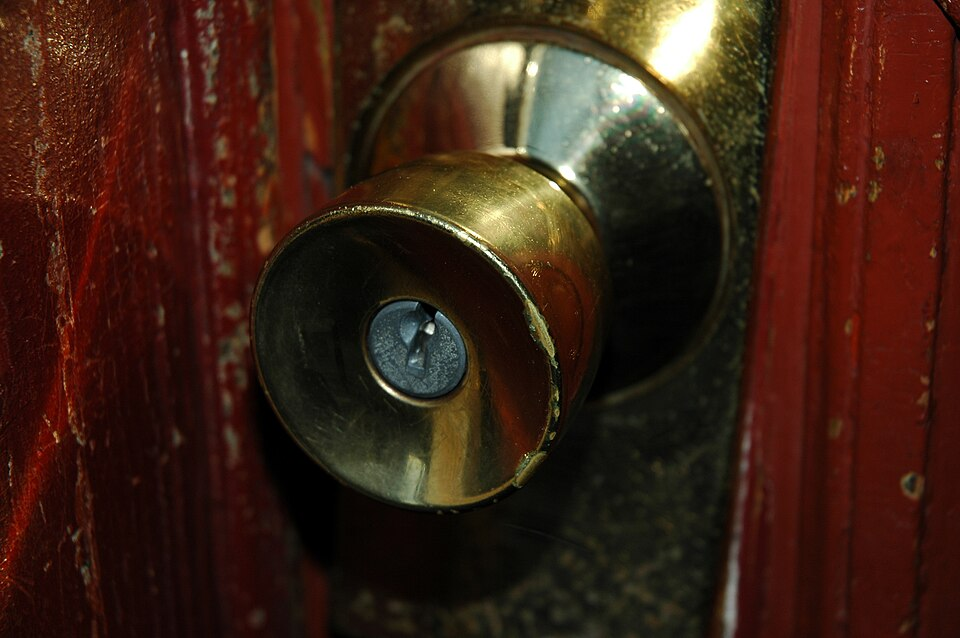
The accumulation frequently lived on a handle rather than in a container, which turned it into a visible object.
The arrangement had a practical origin and an unintended consequence. A handle is at hand height, in a place everybody passes, and holds a loop without needing anything else – which makes it the obvious solution. But it also puts the whole supply on display, which meant a household’s accumulation was visible to everybody who came into the building.
The visible version grew to a remarkable size. A handle with four or five years of accumulation on it carried a quantity nobody had intended and nobody could bring themselves to reduce, and children remember the sight of it considerably more clearly than any use it was ever put to.
4. The Old Ones Were Useless and Stayed Anyway
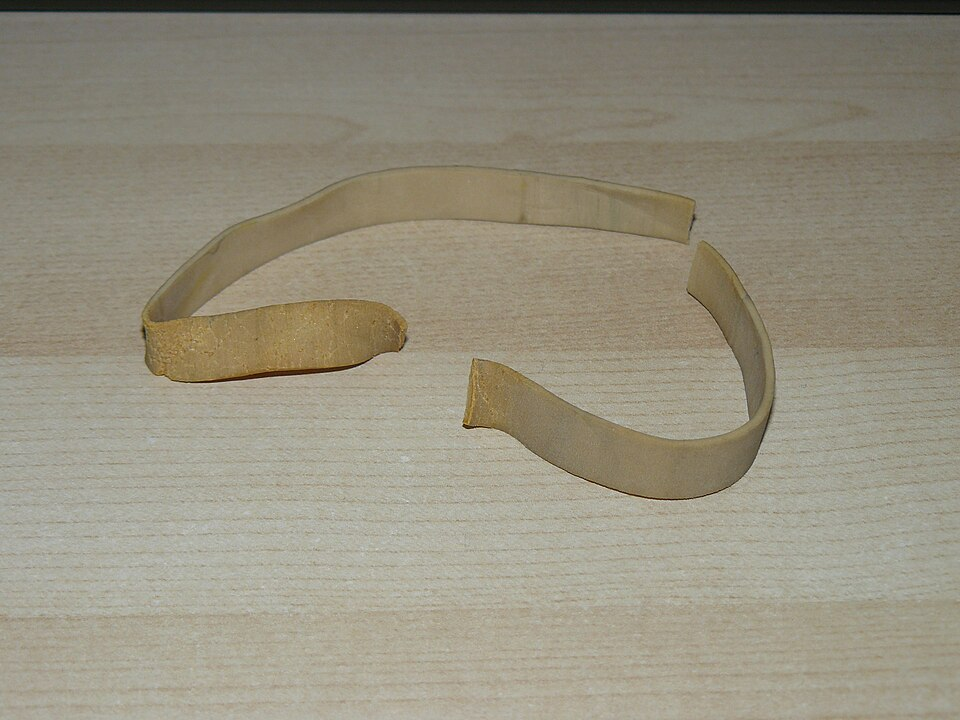
Material of this kind deteriorates in storage, which meant most of the accumulation did not work.
The deterioration was never accounted for. These objects perish whether they are used or not – they harden, lose their elasticity and eventually fail on the first attempt – which means an accumulation built over years consisted largely of items that would break the moment anybody tried to use them. Nobody in any household ever went through and removed them.
Children discovered this by being sent to fetch one. A child who returned with three broken ones and was sent back for a fourth learned, before anybody explained it, that the household’s apparent abundance was mostly illusory.
5. You Could Tell the Good Ones by Looking
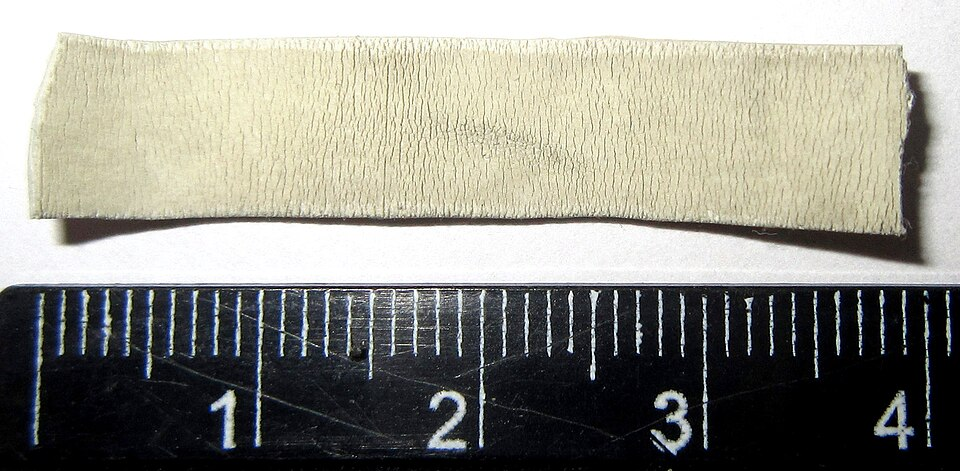
Condition was visible, and children learned to read it quickly.
The signs were consistent and are easy to state. A usable one was flexible and even in colour; a failed one had gone pale, slightly chalky and stiff, and would not return to shape after being stretched. A child who had been sent to fetch one twice could identify which was which from across a room, which is a skill acquired entirely through the frustration of getting it wrong.
Nobody taught this either. The knowledge was arrived at independently by every child in every household, which is the pattern with almost all the practical refinements of this period.
6. Breaking One Made a Specific Sound
Failure produced a noise that everybody in the room recognised immediately.
The sound was a function of the material and the tension. A stretched object under load that fails does so in a single event with an audible report, and the report is distinctive enough that people identify it instantly sixty years later without being able to describe it.
That sound is what people actually remember. Not the accumulation or the uses but the noise of one going, which is reported with complete confidence by people who can recall nothing else about the subject.
7. Children Were Not Supposed to Play With Them
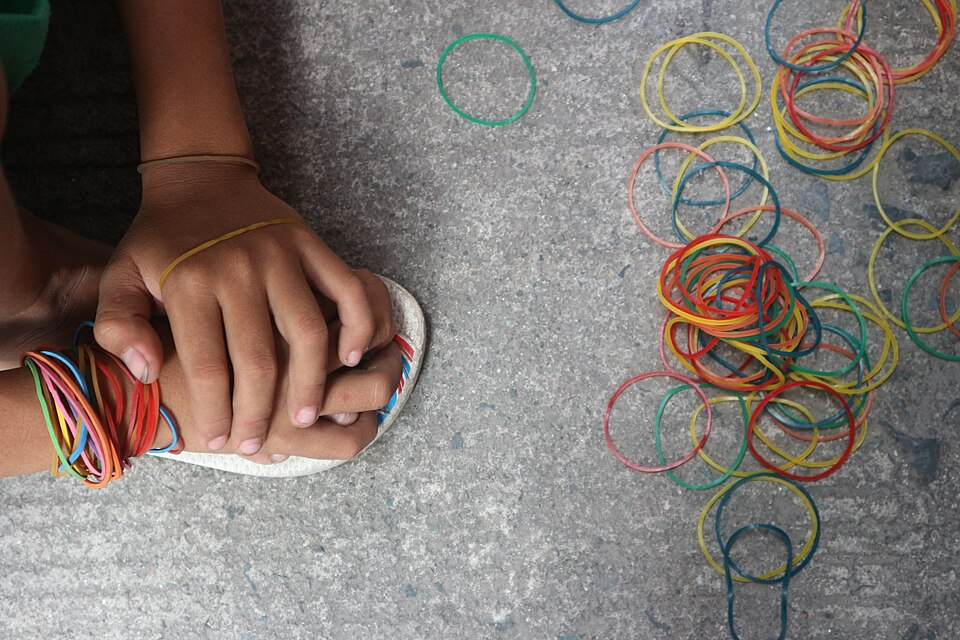
The one restriction on the supply concerned using them as anything other than a fastening.
The restriction was absolute in most households and the reason was obvious to everybody. A stretched elastic object released toward a person is a hazard, particularly to eyes, and adults of that period understood that perfectly well even without the language modern guidance uses – which is why this was one of the very few prohibitions children of the era remember being stated explicitly rather than absorbed.
Everything about current thinking is better and it is not in dispute. The understanding that these objects are not toys, that the risk to eyes is serious and that children should not be using them that way is entirely correct, the reasons behind present-day guidance are not arguable, and nothing in this piece should be read as describing how anything ought to be handled or played with.
8. The Supply Was Available to Children Without Asking
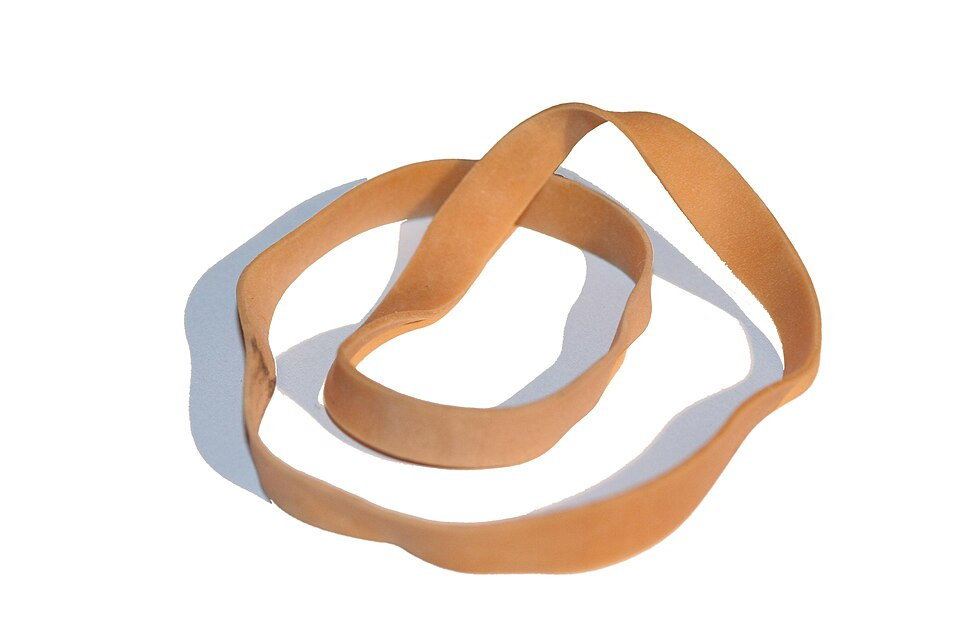
Taking one required no permission, which was unusual among a household’s possessions.
The openness followed from the status of the material. Something kept because it arrived free, which the household had more of than it could use, has no value to protect and no reason to be restricted – which made this one of the very small number of genuinely unrestricted household resources a child of that period had access to.
Children used them for practical purposes constantly. Holding things together, keeping things rolled and securing anything that needed securing are all described, which is the same set of uses an adult would have put them to and is exactly what the restriction permitted.
9. They Were Used to Secure Things That Had No Other Solution

The accumulation existed because a certain class of problem had no purchased answer.
The gap in the market is the whole point. In 1964 there was no cheap adhesive tape in every house, no plastic clip and no resealable anything, which means a household facing the problem of keeping something closed, rolled or bundled had one available answer – and that answer was the thing in the drawer or on the handle.
This is why the practice ended so completely. The moment several cheap alternatives arrived, the accumulation stopped being a resource and became simply a quantity of perishing material nobody had a use for.
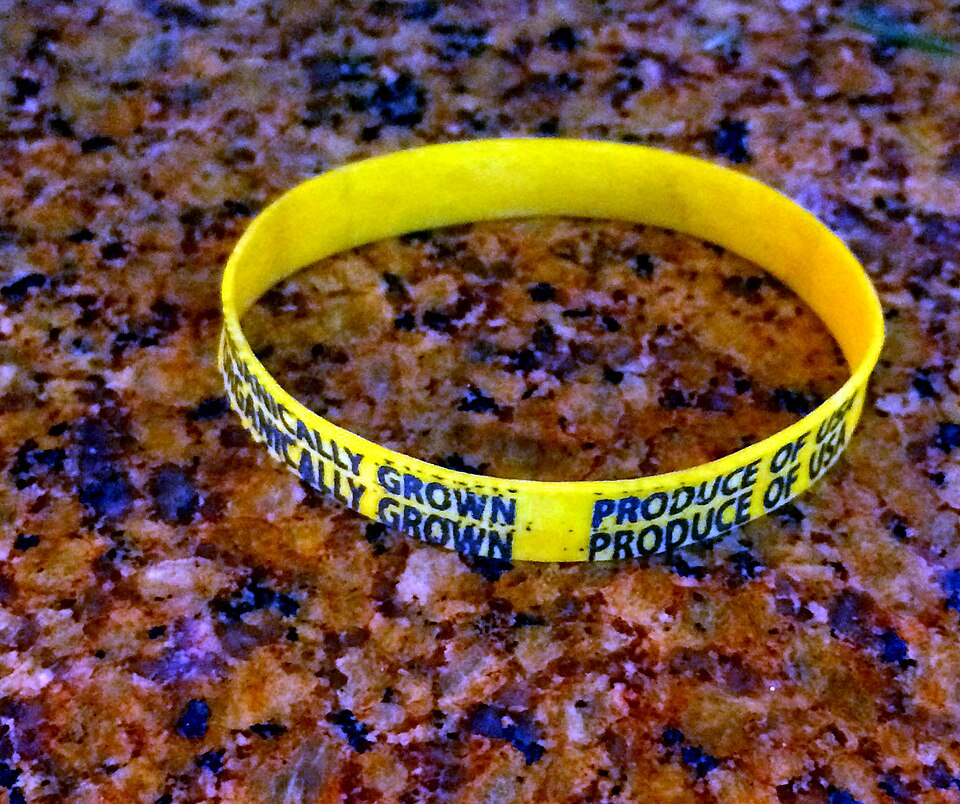
10. Somebody Always Wore One on Their Wrist
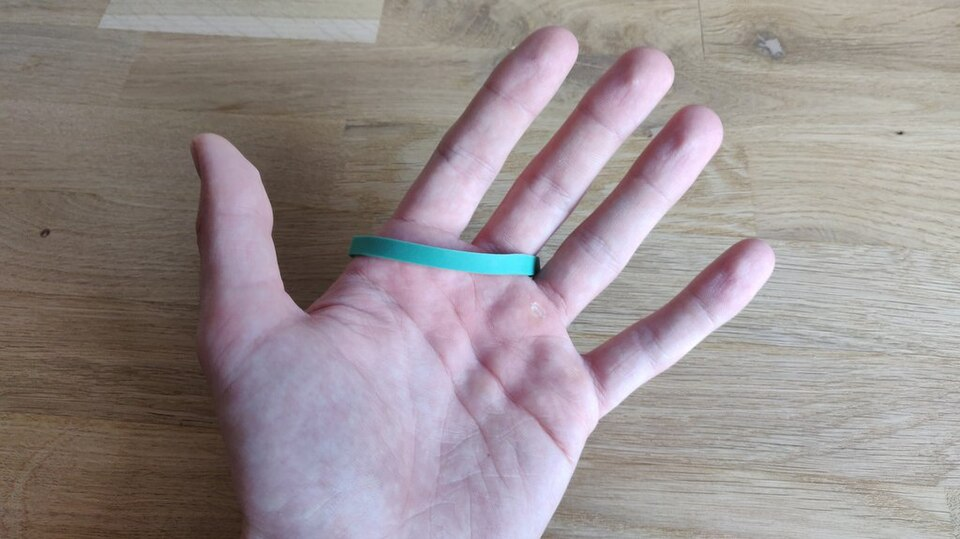
Carrying one on the person was a recognised habit, in households and classrooms alike.
The habit was practical rather than decorative. A person who expected to need one shortly, and had no pocket arrangement, put it where it could not be lost – and a wrist holds one without any effort at all, which made it the obvious place.
Children copied adults in this. A child with one on their wrist was imitating somebody they had seen, generally without any intention of using it, which is how a considerable amount of adult behaviour was adopted in that period.
11. The Accumulation Outlasted the Reason for It
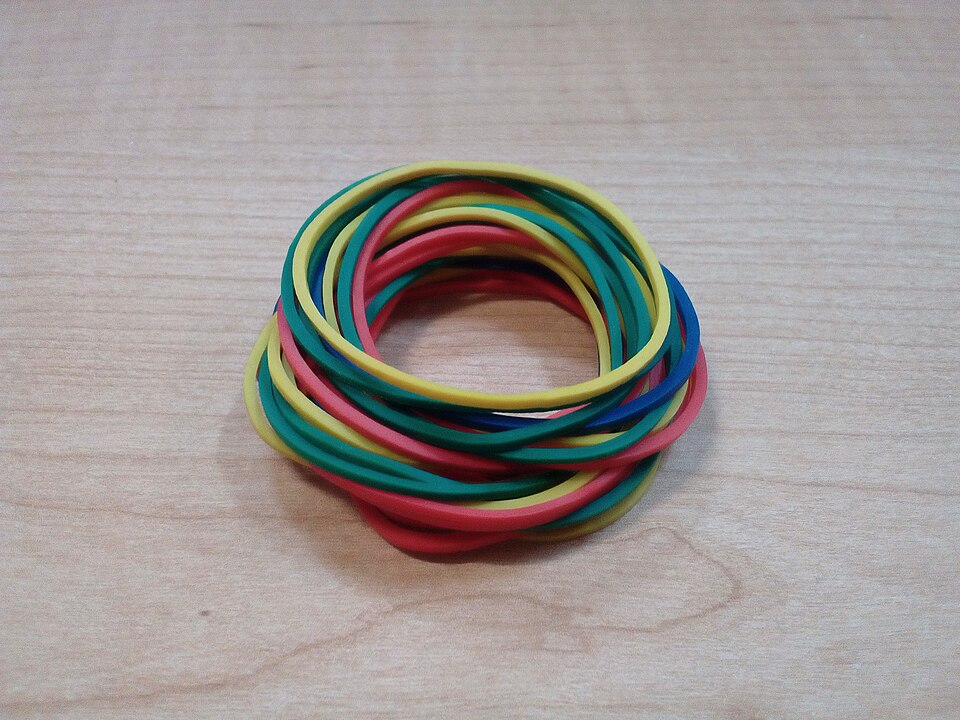
These collections survived in houses long after anybody had a use for them.
The survival follows from the same logic that preserved every other thrift accumulation of the period. Nobody discards something that was kept specifically in order not to be discarded, which is a small trap that left a great many of these in place for decades – perished, unusable and untouched.
People describe finding them later. Opening a drawer or a cupboard years afterwards and finding the whole supply still there, hardened and fused into a single mass, is a discovery a great many people report and which nobody expects.
12. Then the Flow Simply Stopped
Different packaging, adhesive tape, plastic fastenings, resealable containers and a complete change in how things arrive at a house ended both the supply and the need at once.
Every part of that is more practical. Fastenings that do not perish, packaging that reseals and a house that does not accumulate a perishing material by the hundred are better in every respect than a handle with five years of hardened loops on it.
What went with it is a household system nobody established. One location fixed by repetition alone, known to everybody in the building regardless of age, holding a free material with one permitted use and one explicitly stated prohibition – which is as close to a written rule as anything in a house of that period ever got.
The System Nobody Set Up
Read in order, the twelve describe a household arrangement that was never designed, never agreed and never written down, and which functioned anyway. The designation of a single location was the practice’s only real rule: somebody put one somewhere, the next person put theirs in the same place, and within a year the location was fixed by nothing more than repetition. Children knew it before they could reach it, which is a small thing and is also the entire mechanism by which the system worked – a child sent to fetch one went directly there without needing to ask.
The famous version put the whole supply on a handle, for reasons that are entirely practical. A handle is at hand height, in a place everybody passes, and holds a loop without needing anything else. The unintended consequence was display: a household’s accumulation became visible to everybody who came into the building, and a handle carrying four or five years of it held a quantity nobody had intended and nobody could bring themselves to reduce. Children remember the sight of it far more clearly than any use it was ever put to.
The whole thing rested on an unaccounted-for flaw. These objects perish whether they are used or not – they harden, lose elasticity and fail on the first attempt – which means an accumulation built over years consisted largely of items that would break the moment anybody tried to use them, and nobody ever went through and removed them. Children discovered that by being sent to fetch one, returning with three broken ones and being sent back, and learned to read condition from across a room: a usable one flexible and even in colour, a failed one pale, slightly chalky and stiff.
And the reason it existed at all is a gap that no longer exists. In 1964 there was no cheap adhesive tape in every house, no plastic clip and no resealable anything, so a household needing to keep something closed, rolled or bundled had exactly one available answer.
One prohibition is worth stating plainly, because it is the rare case of a rule children of that era remember being told rather than absorbing. These were not to be played with, and the reason was obvious to everybody: a stretched elastic object released toward a person is a hazard, particularly to eyes. Everything about current thinking is better and it is not in dispute – these objects are not toys, the risk to eyes is serious, children should not be using them that way, the reasons behind present-day guidance are not arguable, and nothing above should be read as describing how anything ought to be handled or played with.
What went with the practice is a system nobody established: one location fixed by repetition alone, known to everybody in the building regardless of age, holding a free material with one permitted use and one explicitly stated prohibition.
Like our content? Follow us for more.