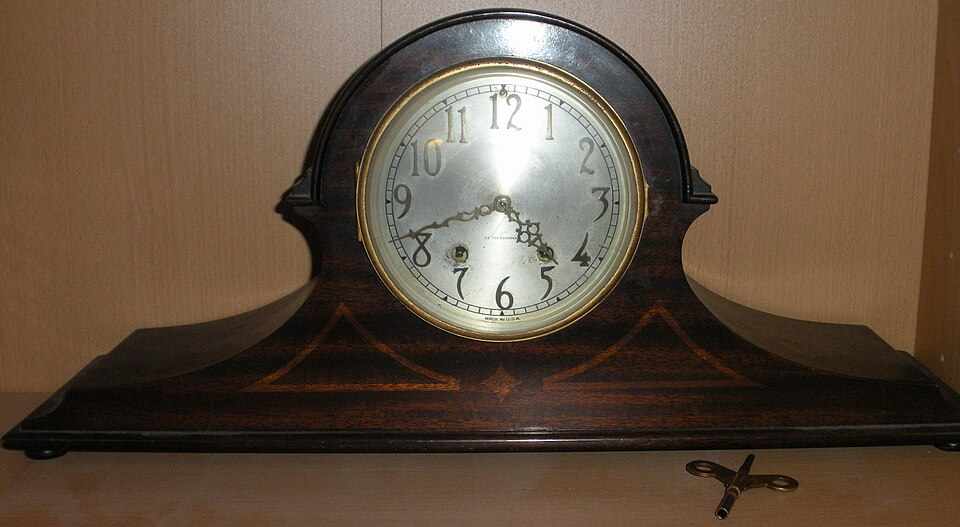
In 1964 a house did not have a clock in every room, and that is the fact the whole subject rests on. A household of that period had one reliable timepiece, possibly two, in particular rooms – and a person anywhere else in the building had no access to the time at all without going to where the clock was or asking somebody who had. Which meant a household could genuinely not know: a clock that had stopped, a room nobody had been into, or an ordinary morning in which nobody had looked produced a household with no idea what time it was, several times a month. So a child was sent out to find out. Here are fifteen things every kid remembers about being sent to ask the neighbours the time in 1964.
1. A House Did Not Have a Clock in Every Room
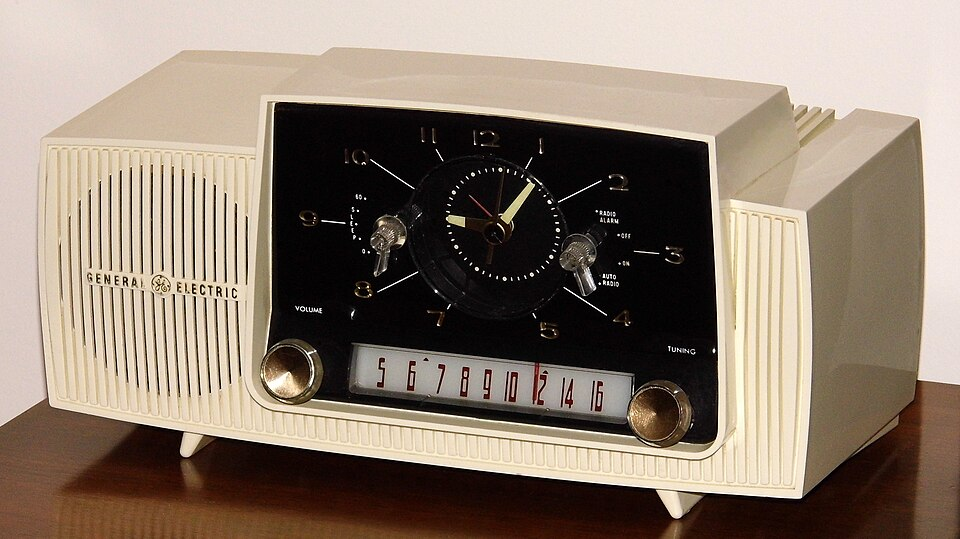
The errand existed because knowing the time was not continuously available inside a building.
That is the fact the whole subject rests on and it is almost impossible to reconstruct now. A household of that period had one reliable timepiece, possibly two, in particular rooms – and a person in any other part of the house had no access to the time at all without going to where the clock was or asking somebody who had.
Which meant a household could genuinely not know. A clock that had stopped, a room nobody had been into, or an ordinary morning in which nobody had looked produced a household with no idea what time it was, several times a month, which is why a child was sent out to find out.
Like our content? Follow us for more.
2. The Request Was Specific and Slightly Embarrassing
Asking a neighbour the time is a small admission about your own household.
The awkwardness was real and was understood on both sides. A household asking for the time was disclosing that it did not have access to it, which is a minor thing and is nonetheless something nobody enjoyed – and the child was the one who had to perform the disclosure.
Adults sent children partly for that reason. An errand slightly beneath an adult’s dignity was entirely within a child’s, which is a function children filled across a great many of the household’s dealings and which nobody ever stated.
3. You Were Told Which House and It Was Always the Same One
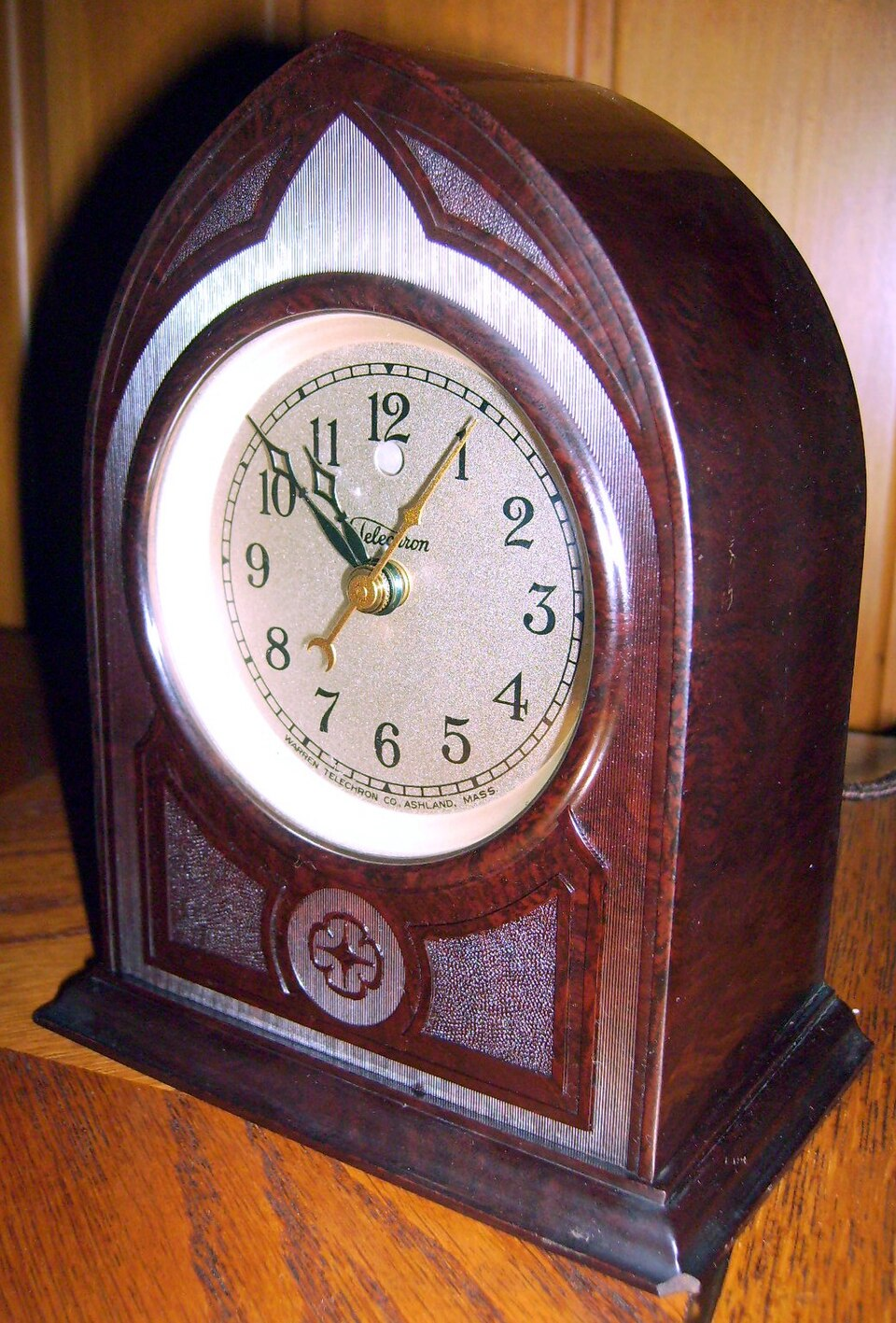
Households had a designated source for this and did not vary it.
The selection was based on known reliability. One household nearby had a clock that was trusted, was always in, and did not mind being asked – and that house became the time house for everybody around it, by a process nobody had formalised.
Children knew the designation precisely. A child sent for the time went to the one correct house without being told which, after the first occasion, which means the arrangement was transmitted once and then held.
4. The Answer Was Given Without Any Ceremony
The exchange was the shortest doorstep interaction of the entire period.
Nothing about it was elaborate. A child knocked, asked, received a figure and left, and the whole thing took eleven seconds – which makes it the most efficient errand of the period and the one least likely to produce any complication.
Nobody ever queried why. The question of what had happened to the asking household’s own clock was not raised, which is a piece of discretion that operated consistently and was presumably reciprocal.
5. The Figure Was Always Rounded
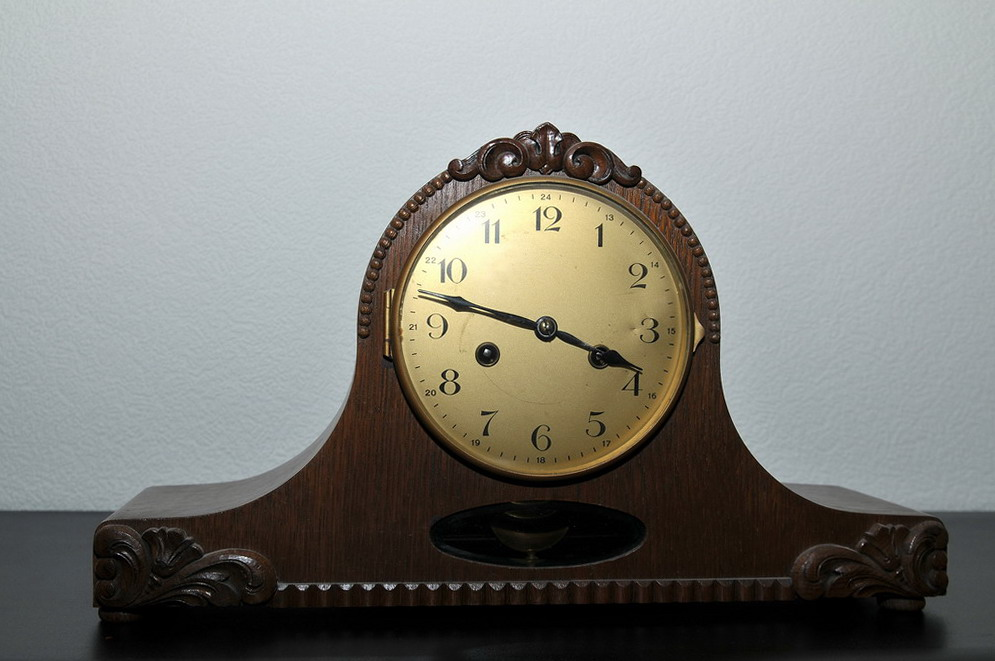
Nobody gave a child an exact time, and the rounding was substantial.
The practice was universal. The answer was to the nearest five minutes at best and frequently to the nearest quarter hour, which was entirely adequate for whatever the household needed and was a reasonable judgement about what a child could reliably carry.
Children transmitted the rounding faithfully. A figure given as about half past was reported as about half past, which means the household received the uncertainty along with the information – and acted on it without complaint.
6. You Had to Get Home Before It Changed
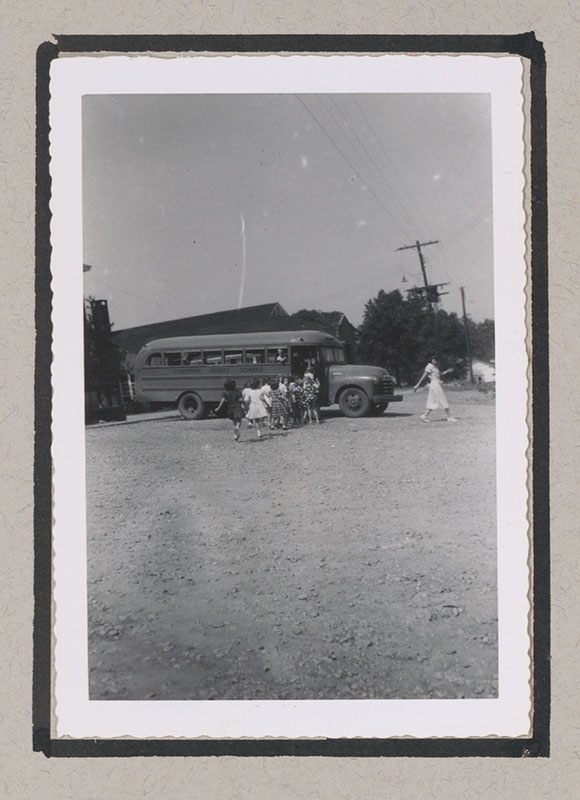
The information decayed while the child was carrying it, which is the structural problem of the whole errand.
The flaw was understood by everybody and was never solved. A time obtained at one house was already wrong by the time it reached another, by however long the walk took – and the walk was the one part of the process nobody could compress.
Children ran this errand more than any other. The accounts are consistent that the time errand was performed at a genuine run, in both directions, by children who understood exactly why it mattered that they should.
7. You Were Expected to Add the Walk Back On
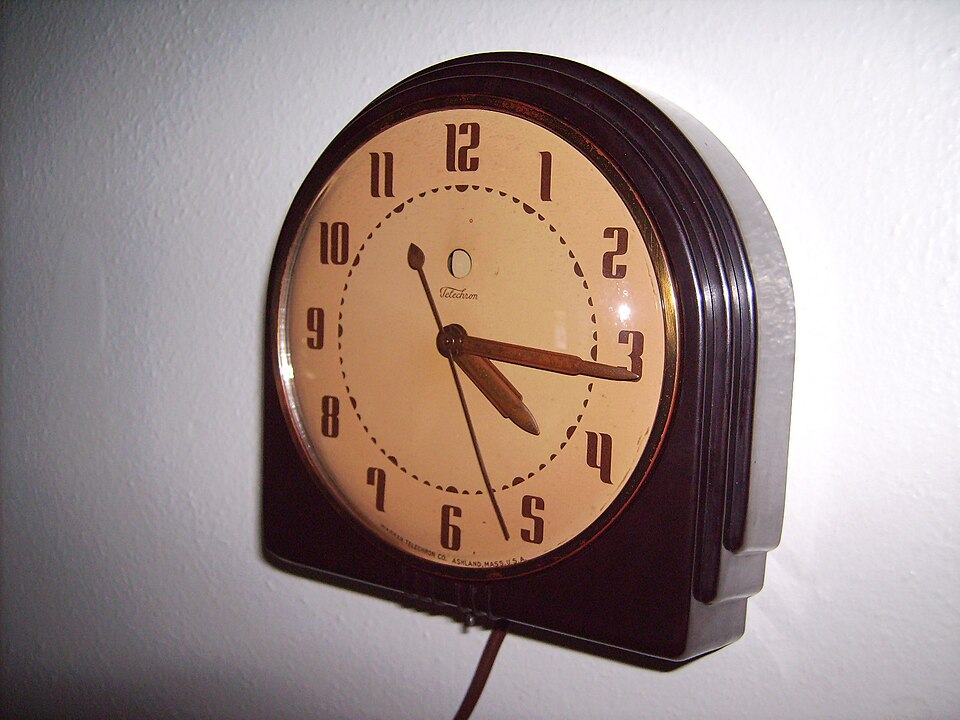
The arithmetic fell to the child and nobody had taught it to them.
The adjustment was real and was performed. A child who had been given a figure and had then walked four minutes reported the figure plus four minutes, having worked out unprompted that the raw number would be wrong on arrival.
Not every child did it and the difference showed. A household receiving an unadjusted time was out by several minutes and did not know why, which means the quality of the household’s timekeeping depended on whether a nine-year-old had thought to do a small sum.
8. The Clock You Were Asking About Was Visible From the Door
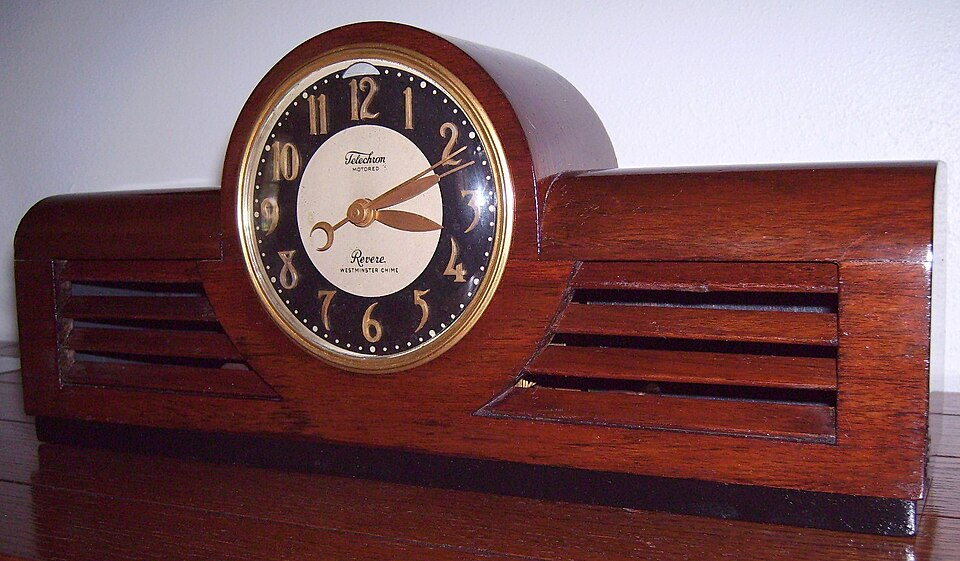
A great many of these exchanges were resolved by the child simply looking.
The arrangement was efficient and accidental. The trusted clock in the trusted house was frequently in a position visible from the doorway, which meant the adult answering sometimes just stepped aside and let the child read it themselves.
Children much preferred this version. Reading a figure off a clock face is considerably more reliable than receiving one verbally, and a child who had seen the clock reported with a confidence that a child who had been told did not have.
9. Nobody Ever Corrected the Time That Came Back
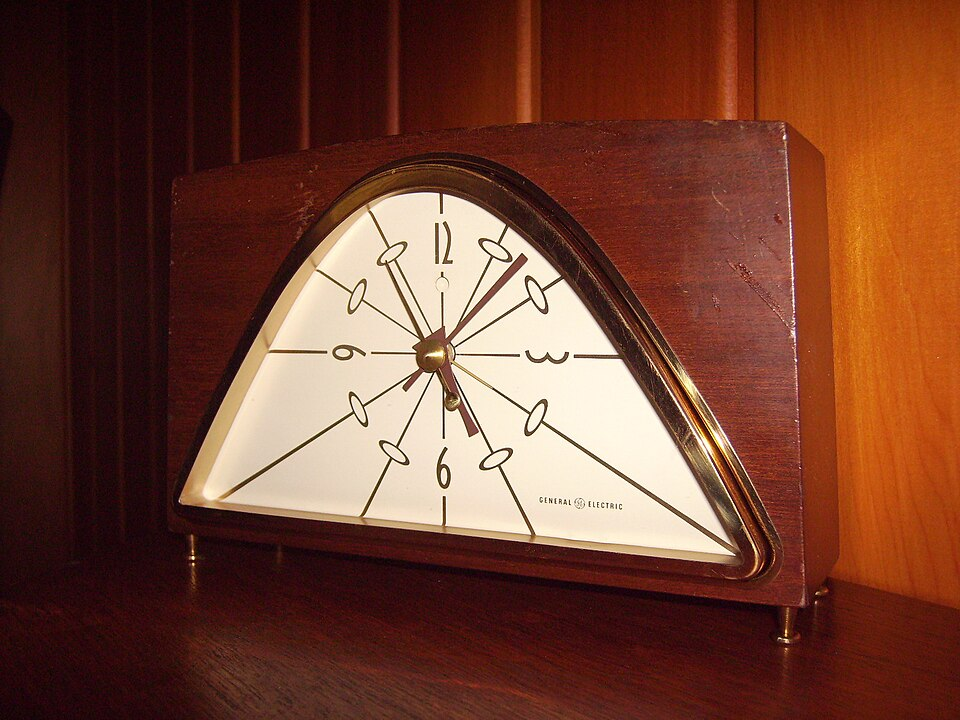
The figure the child brought was adopted without question by the household.
The acceptance was total. A household that had sent a child for the time set its own arrangements by whatever the child reported, with no verification available and none attempted – which means a nine-year-old’s recall and arithmetic were load-bearing for the household’s whole afternoon.
Errors were therefore invisible. A child who had misheard or mistransmitted a figure produced a household operating on a wrong time, which was generally discovered much later and was never traced back to the errand.
10. The Errand Revealed What the Household Did Not Have
Children drew a conclusion about their own house from being sent on this particular job.
The inference was available and was made. A child repeatedly sent to another household for the time understood that their own household’s arrangements for knowing it were worse than somebody else’s – which is the sort of comparison children of that period had very few opportunities to make.
The file makes no claim about why. A stopped clock, a room nobody had been into, a household that had never needed a second one – any of these produces the same errand, and nothing about being sent indicates anything about any household’s circumstances.
11. Asking Twice in One Day Was Avoided
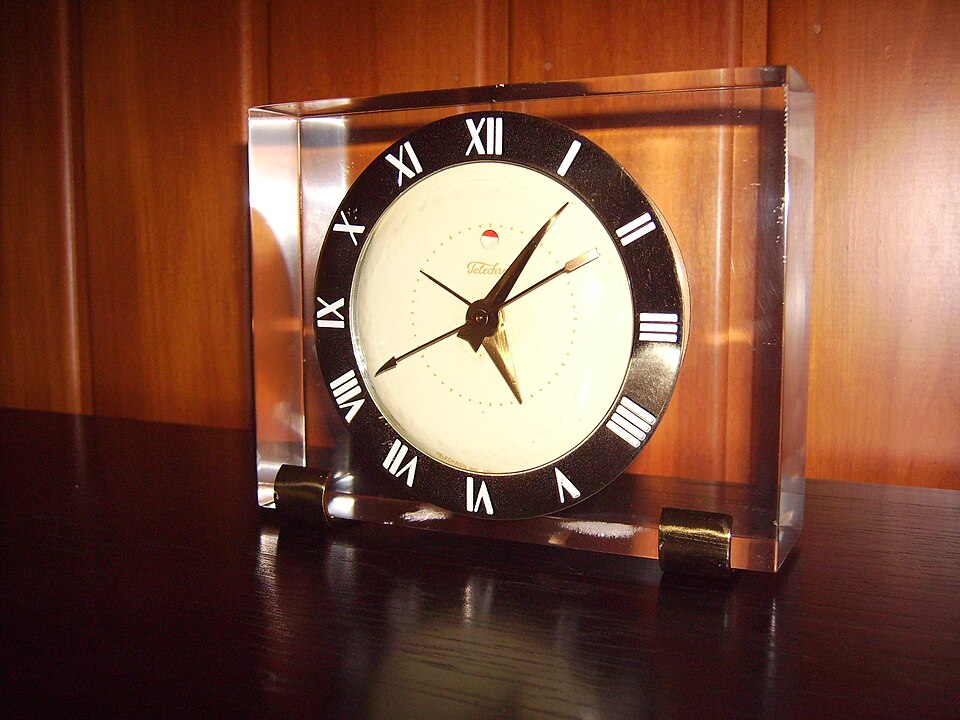
A second request to the same house on the same day was considered excessive.
The restraint was the child’s as much as the household’s. A child sent twice knew that the second request looked worse than the first, and in a number of accounts children made an estimate rather than asking again – which is the only occasion anybody reports inventing a time.
The estimates were not bad. A child who had been told a figure three hours earlier and added three hours produced something serviceable, and the household never knew the difference.
12. The Time House Knew Exactly Why You Were There
The purpose was obvious from the arrival and no explanation was required.
The recognition was immediate. A child from a particular household at a particular door with no object in their hands was asking the time, and the adult answering generally produced the figure before the question had been completed.
That made it the easiest doorstep errand of the period. No introduction, no explanation, no message to recite and no reply to carry beyond a number, which is why children who dreaded other doorstep errands were comparatively untroubled by this one.
13. You Never Thanked Them Properly and Nobody Minded
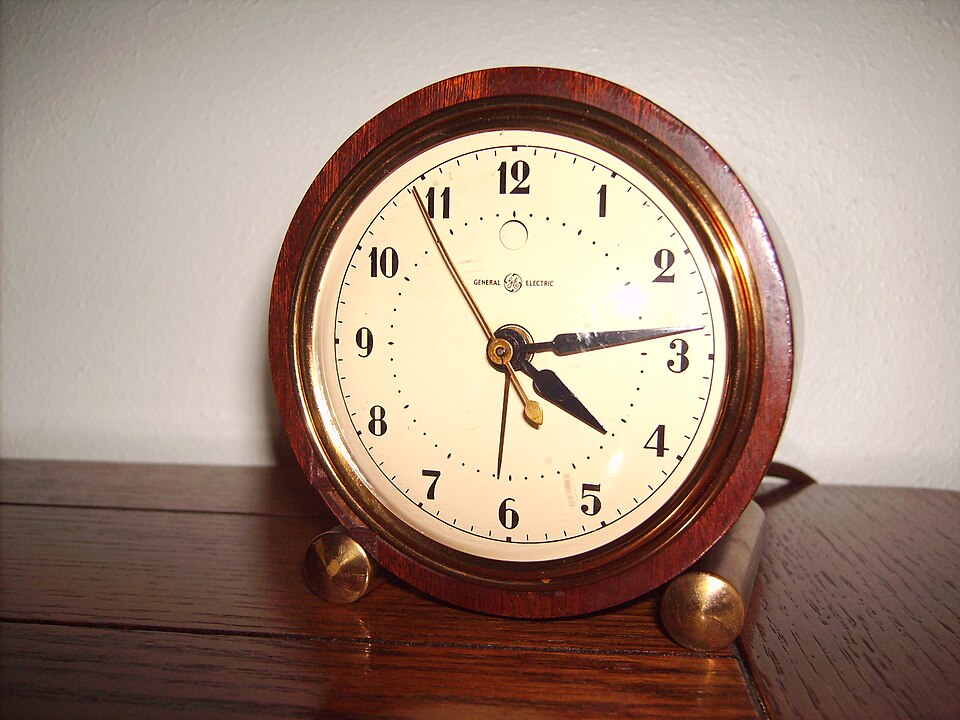
The exchange was too brief for any courtesy beyond a word.
The brevity precluded it. A child who had received a figure and needed to be back before it changed said something short and left at a run, which looked abrupt and was understood by everybody involved.
The time house never took offence. Across a great many accounts there is no instance of anybody objecting to the manner of a child’s departure, which suggests the urgency was as well understood on one side of the door as on the other.
14. It Is the Only Errand That Could Not Exist Now

Every other task in this batch has some modern equivalent and this one has none at all.
The comparison is instructive. Messages, collections, repairs and apologies all still happen in some form; an errand whose entire purpose was to obtain the current time is impossible to translate into a world where the time is on every surface a person owns.
That makes it the clearest measure of the distance. Nothing illustrates the difference between 1964 and now more economically than a household sending a child four hundred yards at a run to find out what time it was.
15. Then the Time Was Everywhere
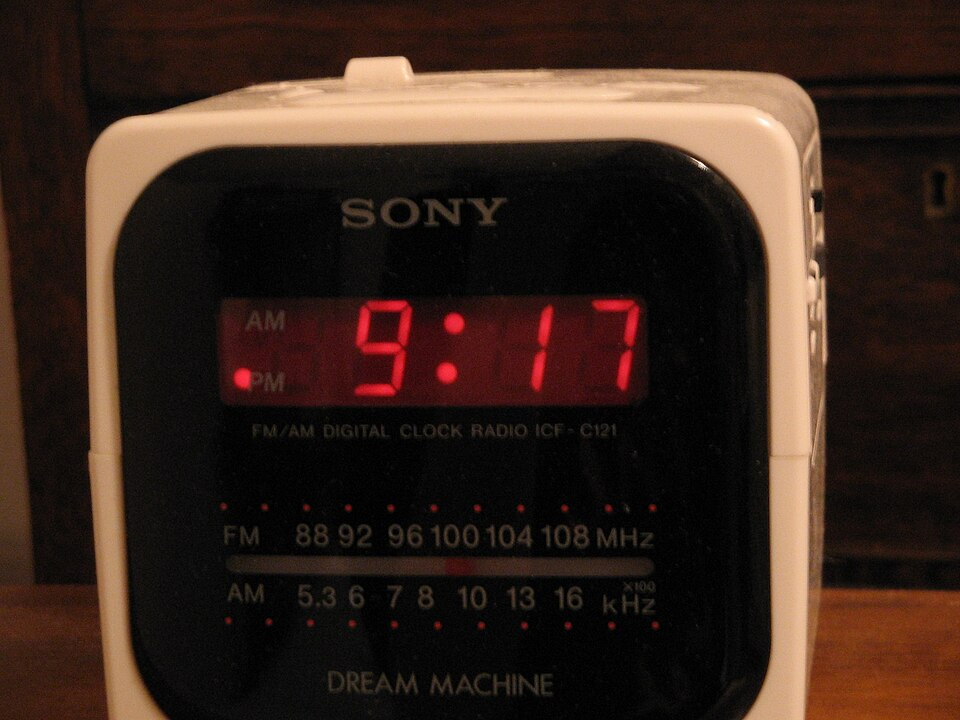
Cheap timepieces, then clocks on every device, removed the scarcity entirely and the errand with it.
Every part of that is an improvement. Knowing the time without asking anybody, without walking anywhere and without depending on a child’s arithmetic is better in every respect.
What went with it is a run. Four hundred yards each way at speed, a figure rounded to the nearest quarter hour, a small sum nobody had taught anybody, and a household setting its whole afternoon by whatever a nine-year-old came back and said.
The Problem Nobody Could Solve
Read in order, the fifteen keep returning to one structural flaw: the information decayed while the child was carrying it. A time obtained at one house was already wrong by the time it reached another, by however long the walk took, and the walk was the one part of the process nobody could compress. Everybody understood this and nobody solved it, which is why the time errand was performed at a genuine run in both directions – the accounts are unanimous that children ran this one.
The partial remedy fell to the child and nobody had taught it to them. A nine-year-old who had been given a figure and then walked four minutes reported the figure plus four minutes, having worked out unprompted that the raw number would be wrong on arrival. Not every child did it, and the difference showed: a household receiving an unadjusted time was out by several minutes and did not know why – which means the quality of a household’s timekeeping depended on whether a child had thought to do a small sum.
The acceptance at the far end was total. A household set its own arrangements by whatever the child reported, with no verification available and none attempted, which made a nine-year-old’s recall and arithmetic load-bearing for the whole afternoon. Errors were consequently invisible, discovered much later and never traced back to the errand.
Two details made it the easiest doorstep errand of the period despite all that. The purpose was obvious from the arrival – a child from a known household at the door with nothing in their hands was asking the time, and the figure was generally produced before the question had been completed. And the trusted clock was frequently visible from the doorway, so the adult sometimes just stepped aside and let the child read it, which children much preferred and reported with a confidence that a verbal figure never produced.
Two things are worth stating plainly. The errand carried a small admission – a household asking for the time was disclosing that it did not have access to it – and the child was the one who performed that disclosure, which is a function children filled across a great many of a household’s dealings and which nobody ever stated. But the file makes no claim about why any household was in that position: a stopped clock, a room nobody had been into, or a household that had never needed a second one all produce the same errand, and being sent indicates nothing about anybody’s circumstances.
And this is the only errand in the whole batch with no modern equivalent at all. Messages, collections, repairs and apologies all still happen in some form; an errand whose entire purpose was to obtain the current time cannot be translated into a world where the time is on every surface a person owns. Nothing measures the distance from 1964 more economically.
Like our content? Follow us for more.