Almost every toy on this list was ended by a rule written after somebody counted the injuries, and the dates are the most interesting part. Two of them fall in the early 1970s, when the United States first had a product safety commission to act at all. Several fall in 1978 and 1979. One falls in 1988, one in 1994, and three of them in 2008.
That spread matters, because the usual version of this story is that toys got safer once, at some point in the past, and childhood was tidied away. What the dates actually show is a process that has been running continuously for fifty years and is still running. The chemistry set is excluded here and handled separately in this batch, because it belongs to substances regulation rather than to toy safety and the two are genuinely different bodies of rule. Here are sixteen toys from that box and the finding that caught each one.
1. Lawn darts, sold for the backyard
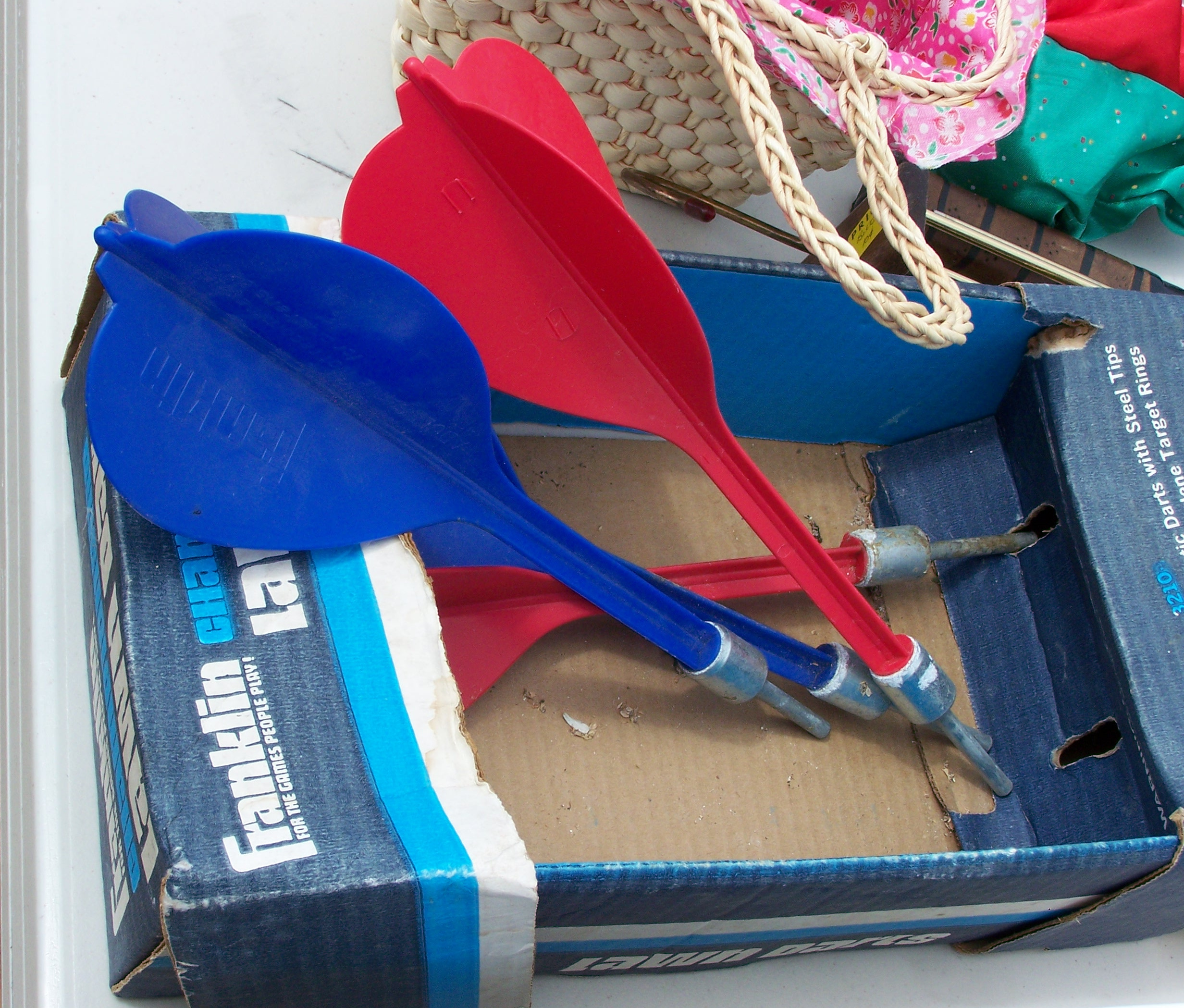
Heavy metal-weighted darts with a plastic tail, thrown overhand to arc down into a plastic ring on the grass. They were a family lawn game, sold in sets of four with the rings, and they were in a great many American garages.
The Consumer Product Safety Commission acted on them in 1970, allowed them back with warnings and restrictions on how they could be marketed, and then banned their sale in the United States outright in 1988. They cannot be sold here at all.
The hazard is not subtle and was not unknown at the time. What changed between 1970 and 1988 was that the commission concluded warnings on a product of that design could not do the work being asked of them.
Like our content? Follow us for more.
2. Clackers, which were the most popular toy in the country for about a year
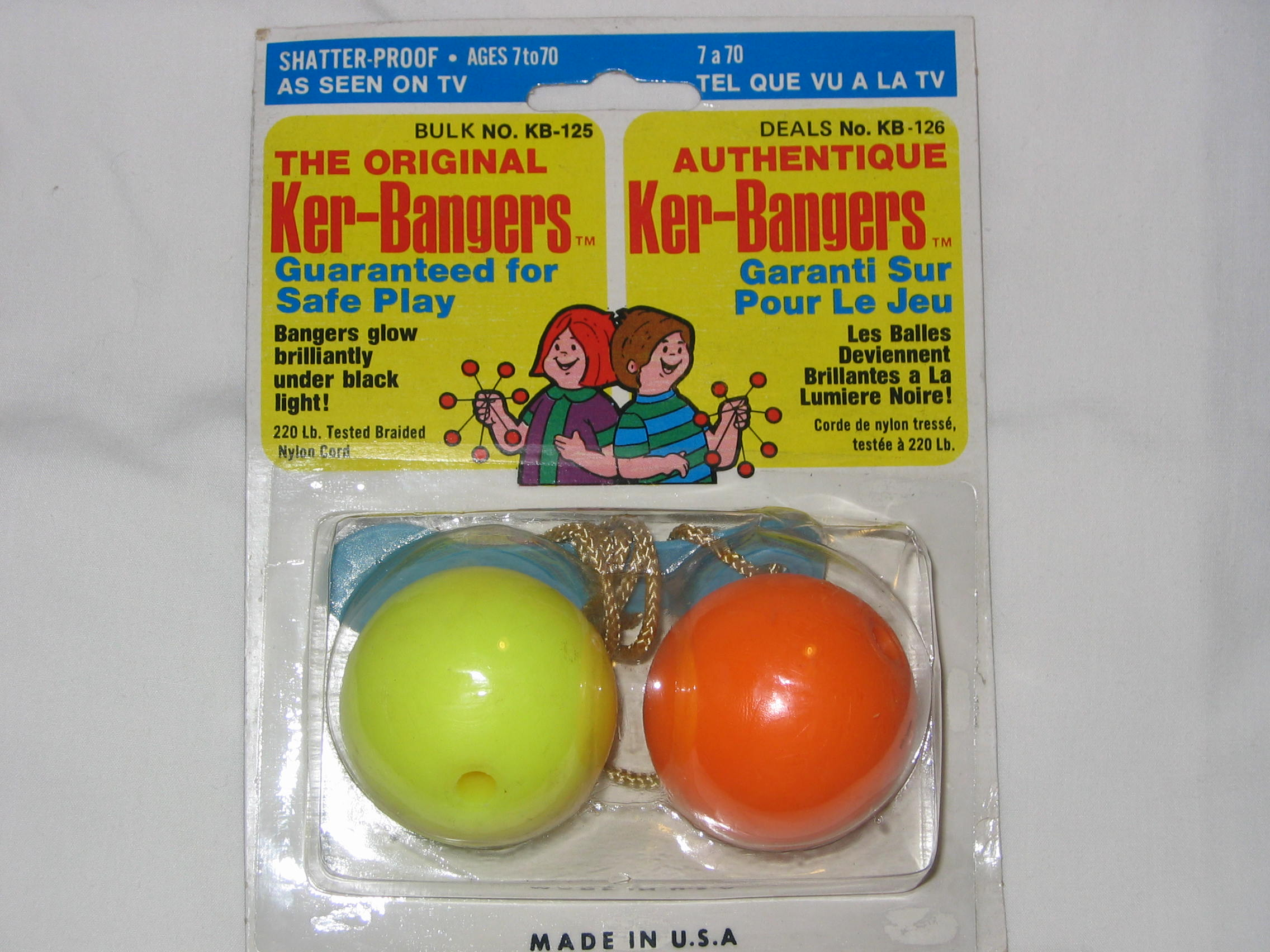
Two hard acrylic spheres on a cord with a ring in the middle. You moved your hand to make them knock together above and below, faster and faster, and the sound carried across a whole playground. Every American child wanted a pair in 1970 and nearly every one got them.
Federal product safety authorities declared them hazardous in 1971 and they came off the market inside a year of arriving on it. The spheres shattered under repeated impact and sent fragments outward at speed, and the hazard was to the user’s face.
Later versions made of softer plastic were sold and are still sold, and they do not shatter and do not make the noise. The toy that everybody remembers is specifically the acrylic one, and its entire commercial life was about eighteen months.
3. A plastic-moulding toy with a hot plate in it
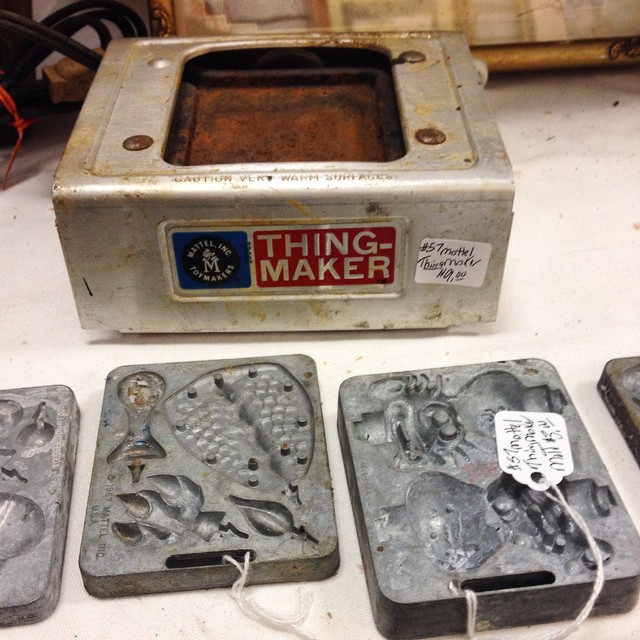
A metal die was filled with liquid plastic from a squeeze bottle and set on an electric plate that got genuinely hot, then lifted off with a wire tool so the child could peel out a rubbery insect. The smell was part of the memory.
The temperature the plate reached is not permissible in a toy, and the design was withdrawn in the 1970s. Later versions of the same idea were reissued with a fully enclosed heating element, an interlock and a much lower working temperature.
This is the clearest case on the list of a toy being redesigned rather than banned. The concept was fine. What was not fine was an uncovered element at that temperature within reach of the hand holding the tool.
4. Metal figures finished in lead paint
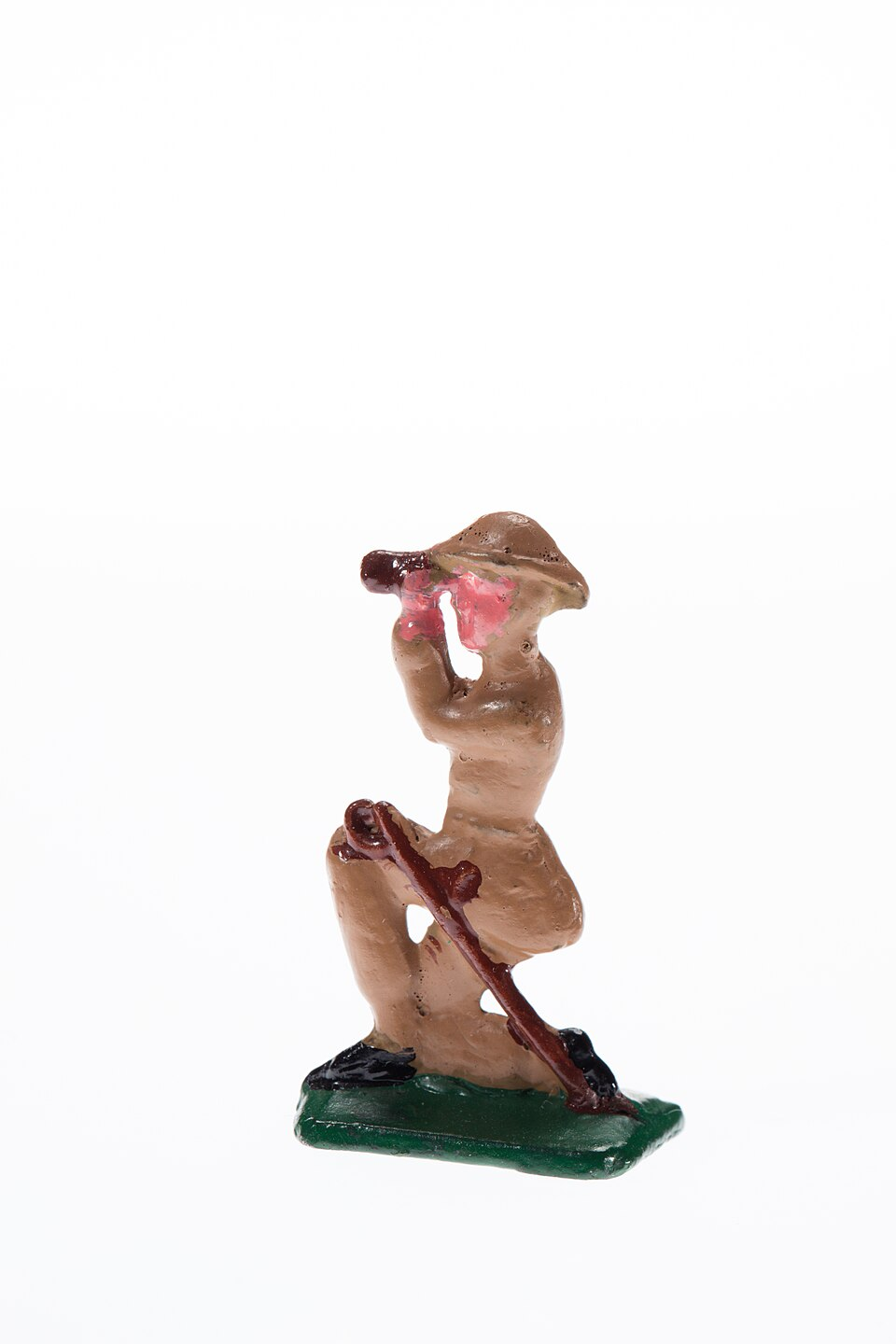
Cast soldiers, farm animals, cars and figures were painted in colours whose pigments were lead-based, because lead pigments were durable, opaque and cheap. The paint chipped, and the figures went in children’s mouths as a matter of routine.
Lead in paint on children’s products was restricted by the Consumer Product Safety Commission in 1978, and the permitted limit was reduced much further by federal legislation in 2008, which also made the industry toy safety standard mandatory.
Vintage painted figures are consequently handled with care by collectors and are not given to children. The chipped ones, which are the ones that were played with, are exactly the ones where the exposure is highest.
5. Toys that fired hard projectiles at a child’s eye level

Guns that shot hard plastic or metal projectiles, spring-loaded launchers, and dart pistols with rigid tips were ordinary stock. The aiming was the point of the toy and the target was frequently another child.
Projectile toys sold in the United States are now governed by specific requirements covering tip design, kinetic energy and how far a projectile may travel, written primarily around eye injury. Rigid-tipped darts are not permissible.
The suction-cup dart and the foam projectile are the direct descendants of this rule. They exist in that form because a standard specified what the end of a flying toy has to be like.
6. Cap guns with loose caps sold by the roll
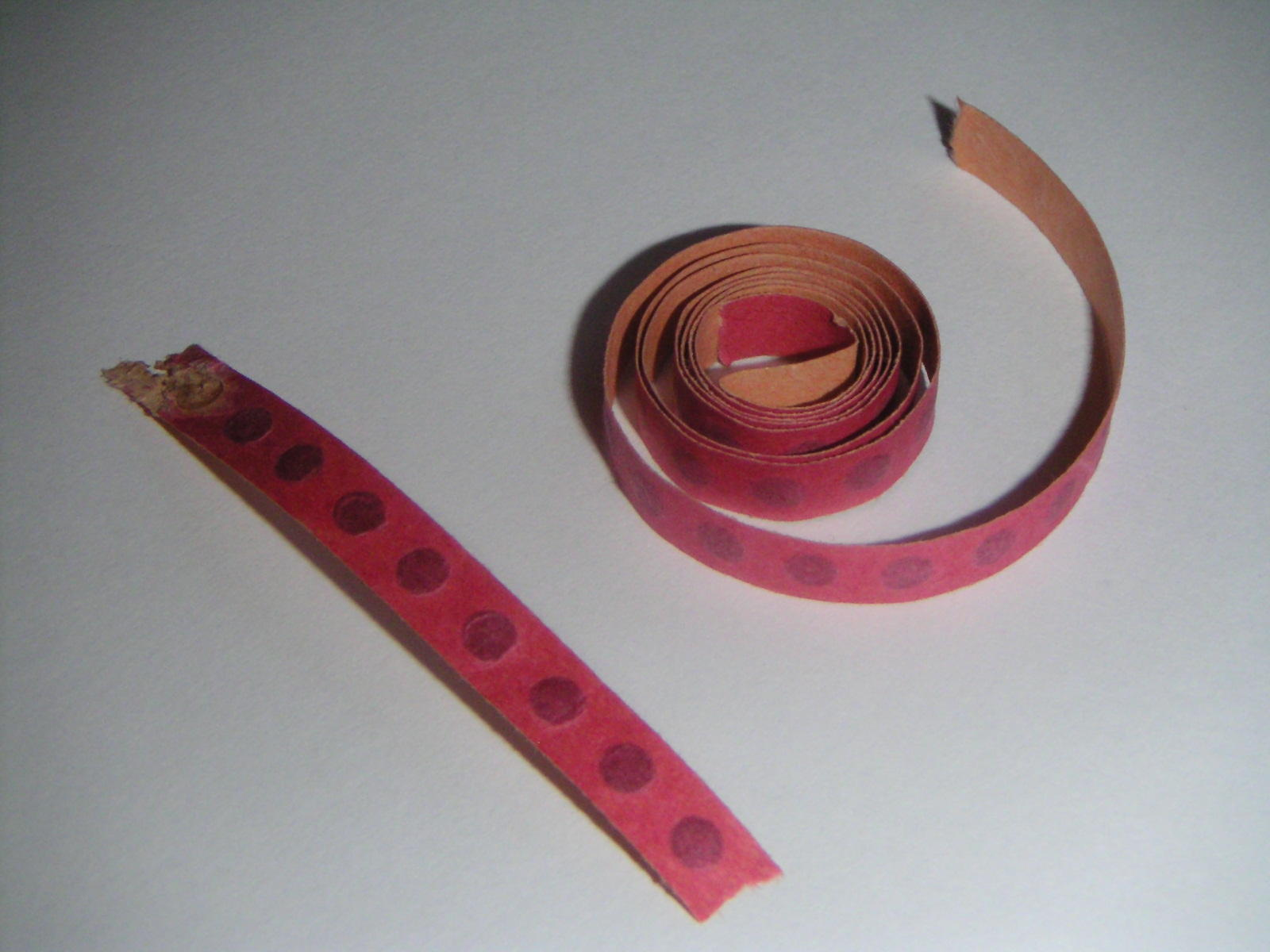
A roll or ring of paper caps, each a small charge, loaded into a toy pistol and fired for the bang. Loose caps were sold separately in quantity, children carried them in pockets, and hitting a single one with a stone or a hammer was a known game.
Toy caps are now regulated for charge and for noise in the United States, and sound output limits for toys are part of the mandatory standard. Loose caps of the old kind are not a current consumer product.
The noise was the regulatory issue as much as anything else. A cap fired close to the ear produces a level well into the range that causes permanent hearing damage, and that was the finding nobody had made in 1965.
7. Celluloid toys, which burned like nothing else in the house
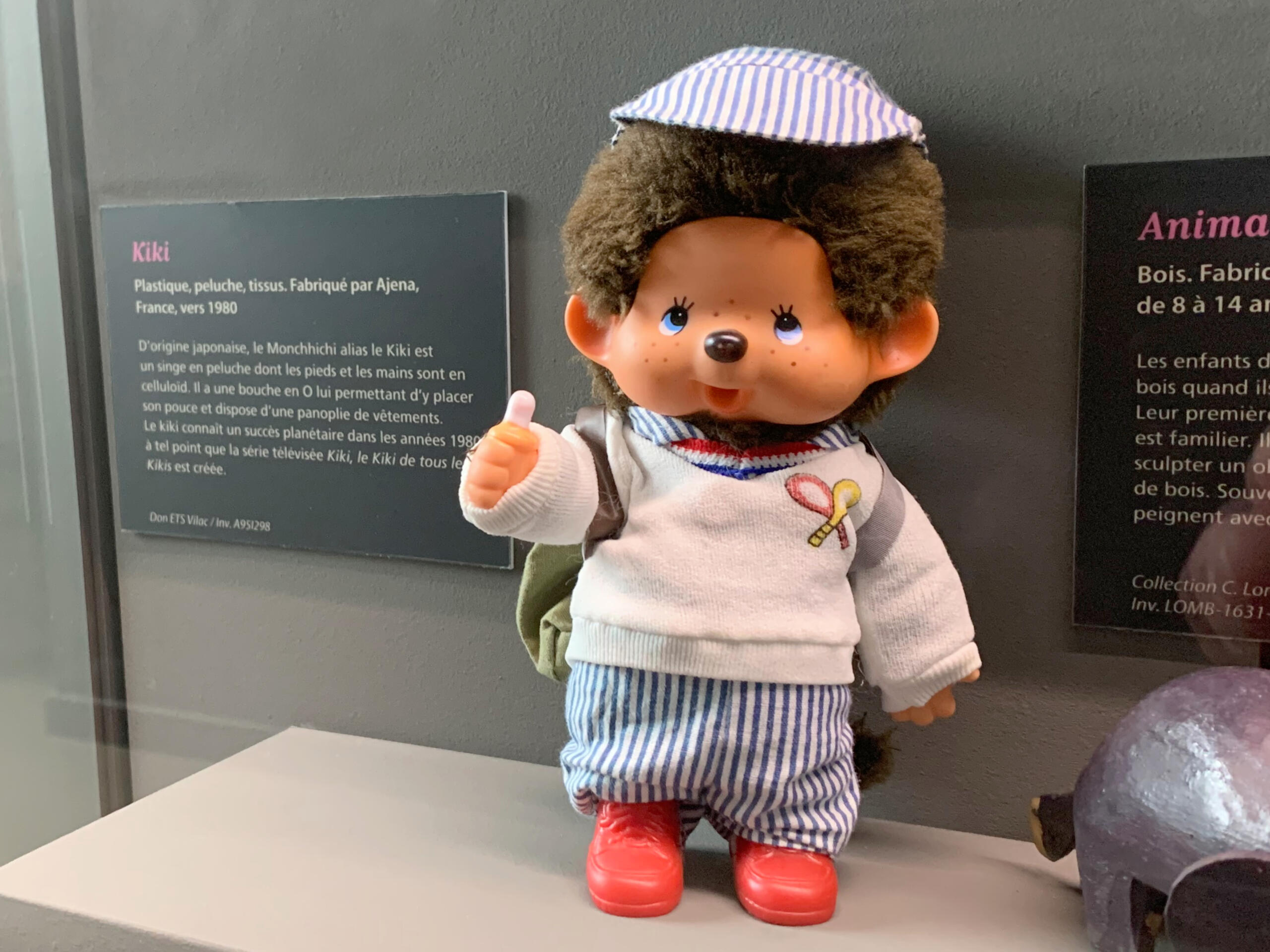
Dolls, rattles, windmills and small figures were made of celluloid, a nitrocellulose plastic. It was light, cheap and took colour beautifully. It also ignites readily and burns extremely fast once lit.
Celluloid was displaced in American toys by safer plastics through the middle of the century and is not used now, and flammability requirements for toys and children’s goods make its use impossible.
Collectors store celluloid separately from everything else for this reason. It is one of the few vintage toy materials that is a hazard in a cupboard rather than only in a child’s hands.
8. A toy steam engine with a real boiler and a real burner
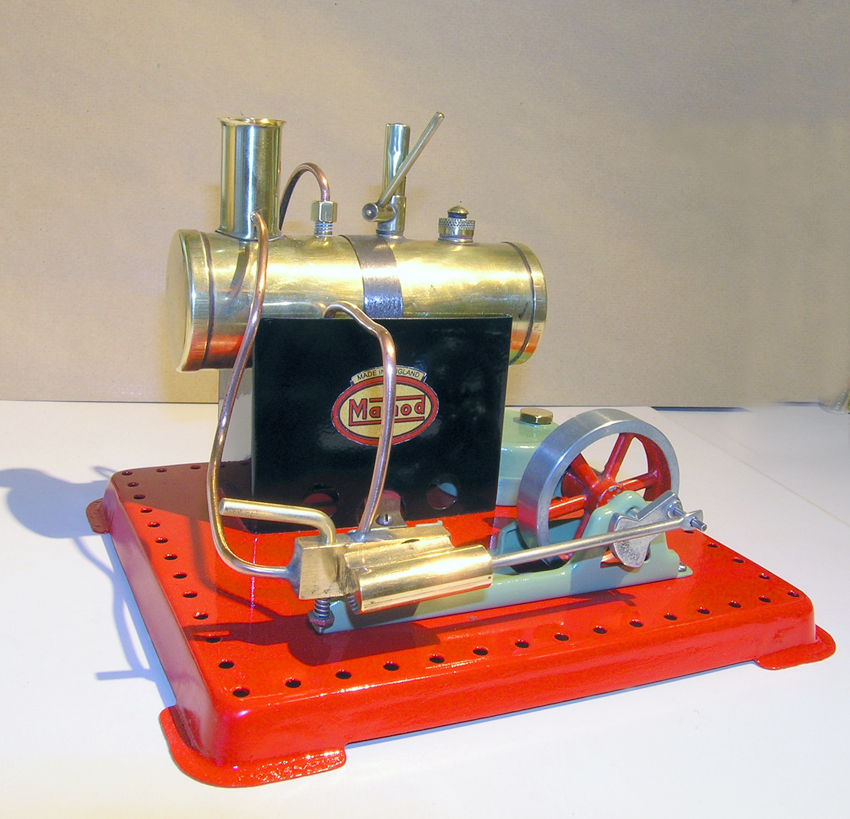
A small brass boiler, a spirit burner underneath, a whistle and a flywheel. It made steam, it drove accessories, and it was sold as a toy for a child and given as a serious present.
Live steam models are still made and sold in the United States, but as hobby equipment for adults, not as children’s toys. A pressurised boiler over an open flame cannot be placed in the toy category under current standards.
This is a change of classification rather than a prohibition, and it is the most common form that toy regulation takes. The object survives; it is simply no longer sold to the person it used to be sold to.
9. A wood-burning kit, which was an electric iron for a child
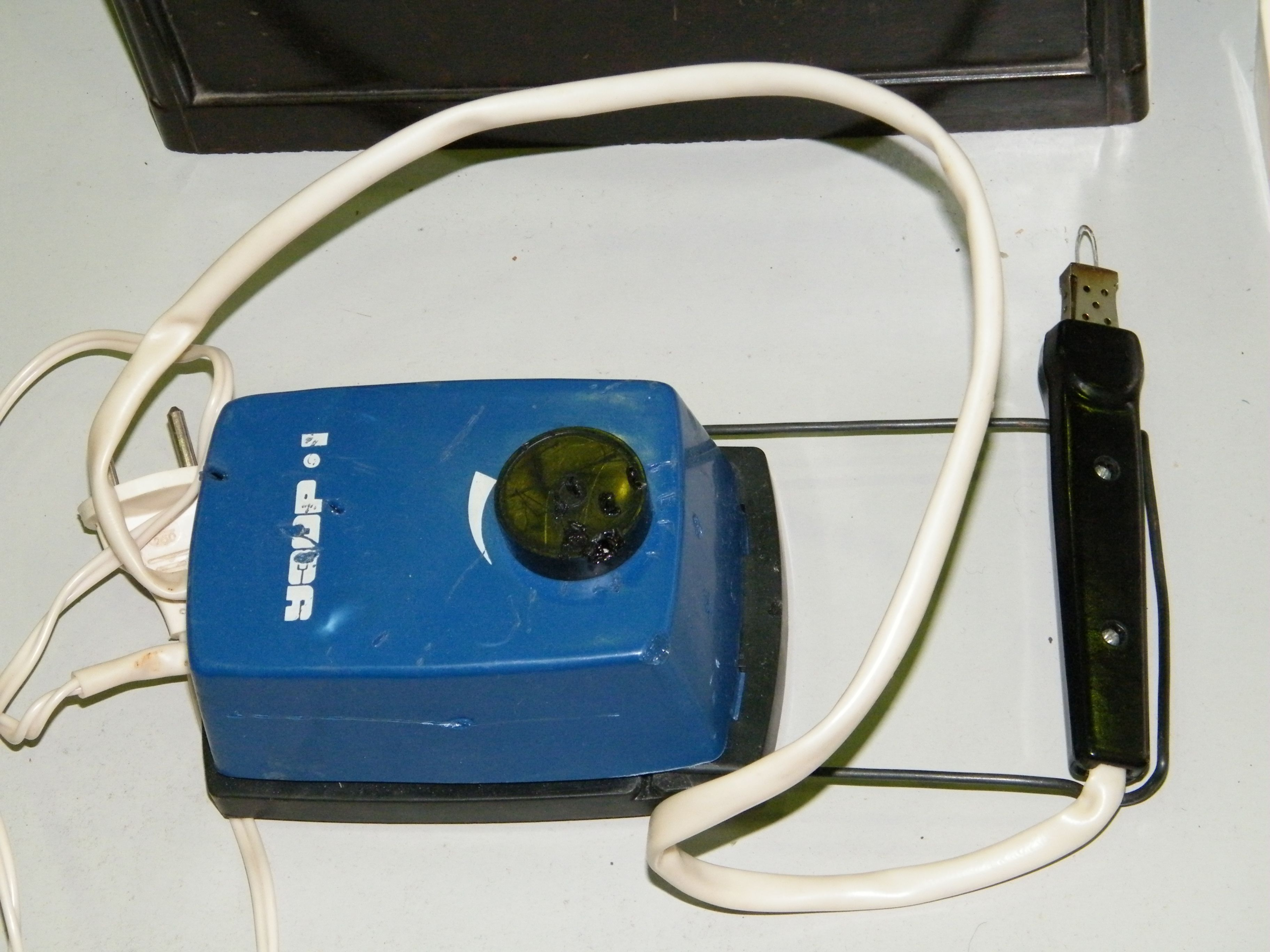
A heated metal stylus, a set of tips, a sheet of pre-printed plywood and instructions. The tool reached a temperature sufficient to char wood, had no guard, had no automatic shutoff and was left on its stand while hot.
Equivalent tools are now sold as craft equipment with adult age labelling, guards and stands, and are not marketed or packaged as children’s toys. The age grading is the whole of the change.
A surprising number of Americans still have the plaque they made. It is also the item on this list most likely to have produced a scar somebody will show you, which is why the labelling moved.
10. Construction sets with sharp edges and a hundred small parts
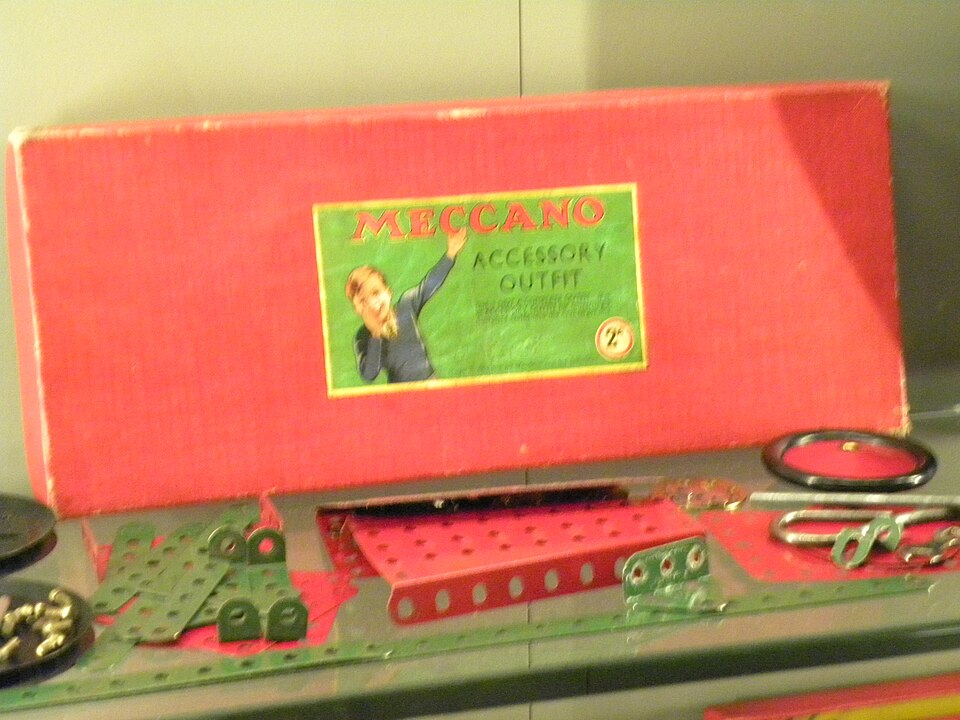
Metal construction sets came with punched steel strips, brackets, small nuts and bolts, and in some sets a working electric motor. The cut edges of stamped steel were sharp and the fasteners were the size of a pea.
The small-parts rule of 1979 bars components of that size in toys intended for children under three, and current standards address sharp edges and points directly with a defined test. A set like that is now graded for older children and built differently.
Nothing was taken away from the older child here. What changed is that the set can no longer sit in a house where a toddler also lives without the packaging saying so, which is the honest aim of age grading.
11. A toy sewing machine with a real needle and a real motor
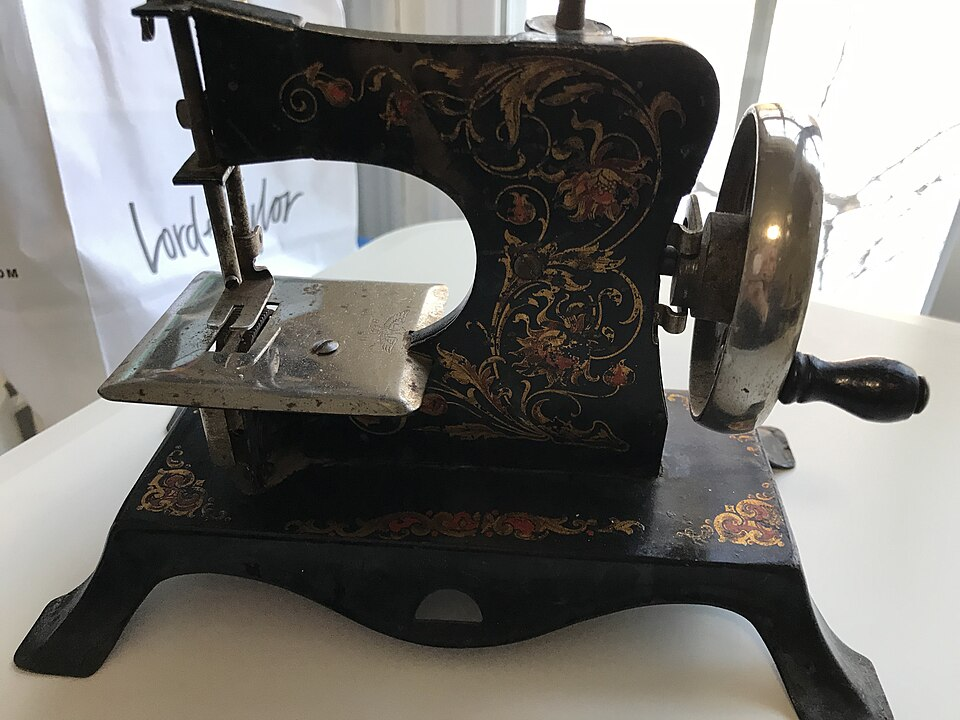
Child-sized sewing machines worked. They had a steel needle, a treadle or a small electric motor, and they sewed, which was the point. They were sold to girls alongside toy irons that heated and toy ovens that cooked.
Modern children’s sewing machines exist with finger guards, needle shields, speed limiting and in many cases no exposed needle at all. The functional toy appliance category was redesigned rather than removed.
The gendered marketing of the whole appliance category is part of this story and is dealt with properly in the chemistry set piece in this batch. Here the point is narrower: the machines sewed, and so did the fingers.
12. Marbles and small bouncing balls, in a house with a baby in it
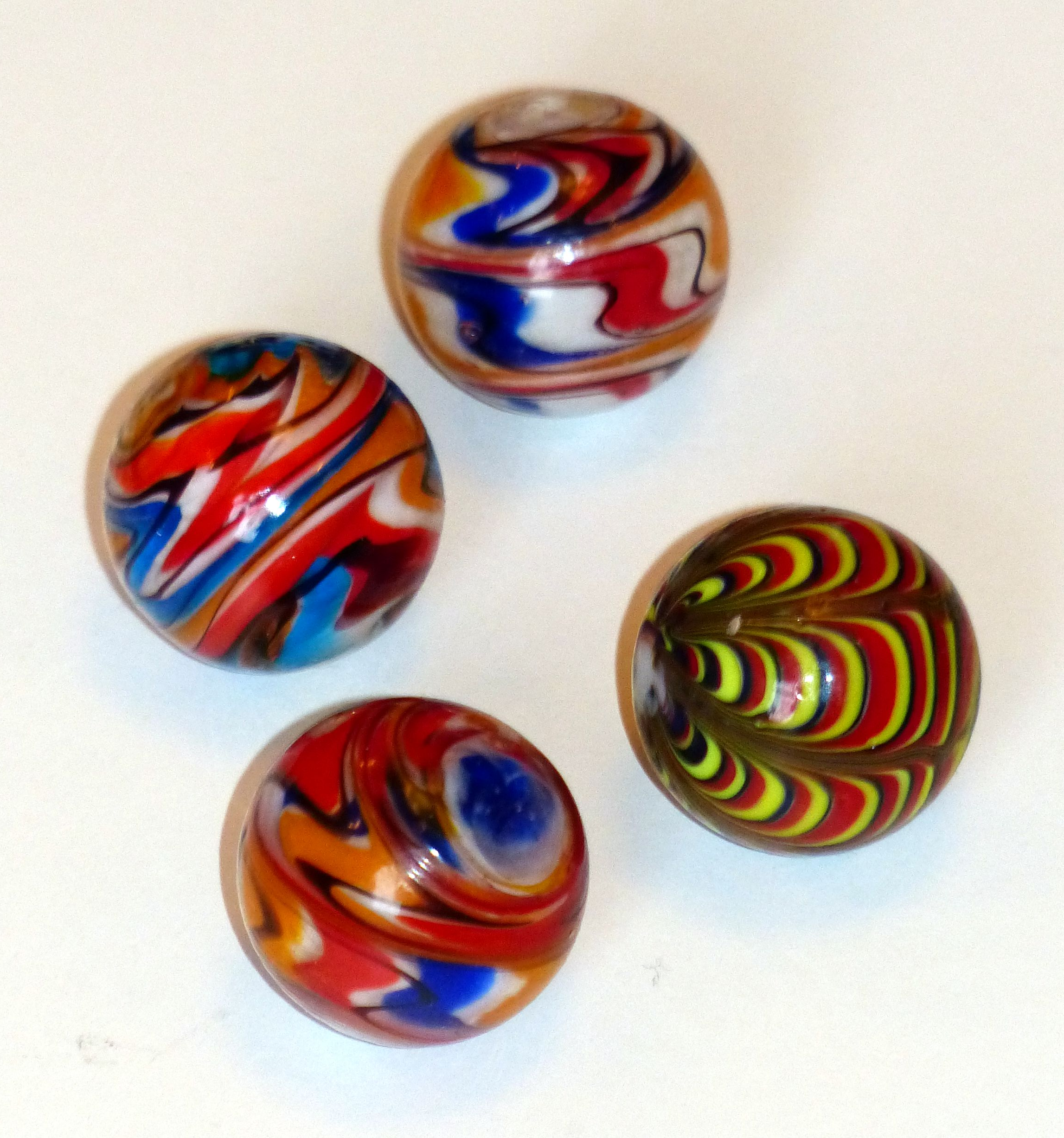
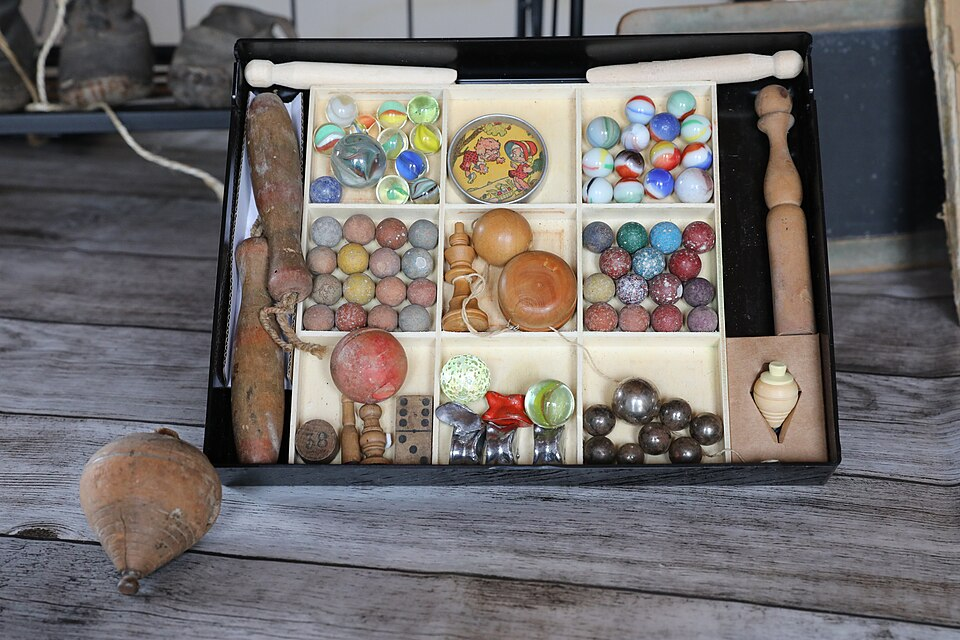
Marbles came in bags of fifty and ended up everywhere: under furniture, in coat pockets, in the vacuum cleaner. Small rubber bouncing balls were sold from gumball machines for a penny and were the same size.
The Child Safety Protection Act of 1994 banned small balls in toys intended for children under three and required cautionary labelling on marbles, small balls and toys containing them. It is why a bag of marbles now carries a warning.
Marbles themselves are untouched and still sold. The law addressed labelling and the under-three category, which is the proportionate response to an object that is a perfectly good toy for a seven-year-old and a hazard to a one-year-old in the same room.
13. Latex balloons, with nothing on the bag to say anything
Balloons were in every American house and at every party, and uninflated or burst ones were handled by the youngest children present. A balloon is the classic example of a hazard that is obvious once stated and invisible before.
The same 1994 act required the cautionary labelling that is now on every bag of latex balloons sold in the United States, warning about children under eight and about supervision. No ban was imposed and none was proposed.
This is the lightest-touch item on the list and arguably the most effective. The product is unchanged, the price is unchanged, and the only difference is a sentence printed on the packet.
14. A toy chest with a heavy hinged lid and nothing to hold it
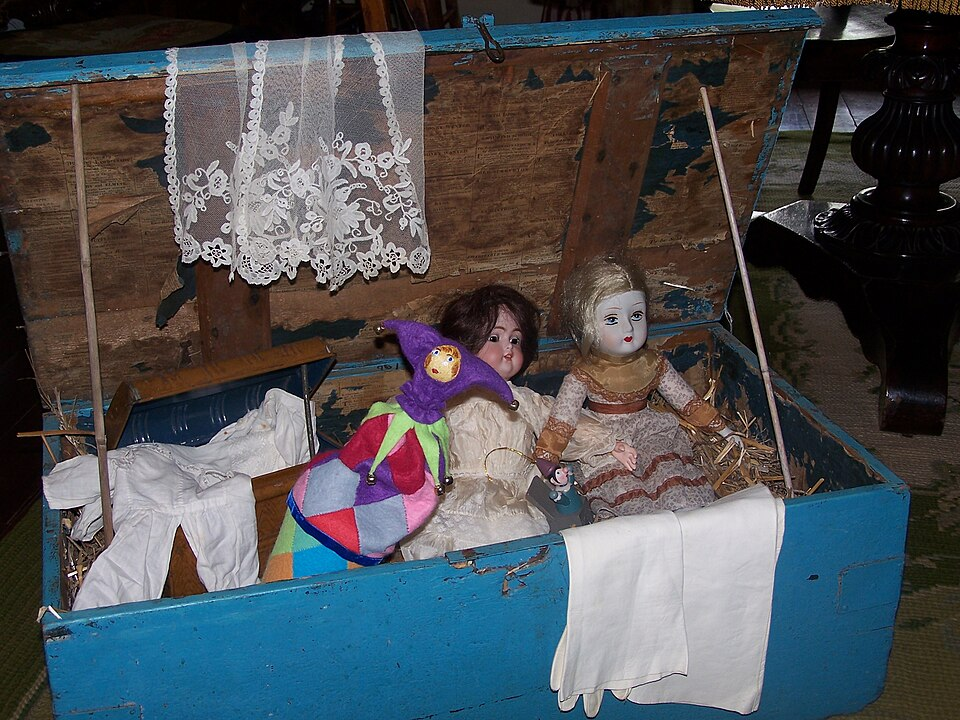
The classic wooden toy box had a solid lid on plain hinges. It fell under its own weight, it fell on hands and heads, and the lid could close on a child who had climbed in, with no ventilation and no way to push it open from inside.
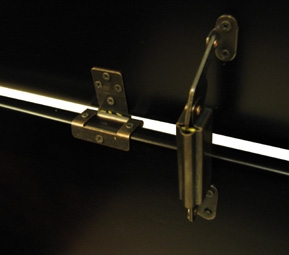
American toy chests are now required to have a lid support that holds the lid in any position, or a removable or sliding lid, together with ventilation. The requirement came through the industry standard and was made mandatory by federal legislation in 2008.
The lid support is a small spring-loaded strut that costs very little and is on every toy chest sold. It is one of the most unobtrusive safety fittings in a house and it addresses two separate hazards at once.
15. A swing set bolted together with open S-hooks, standing on bare ground
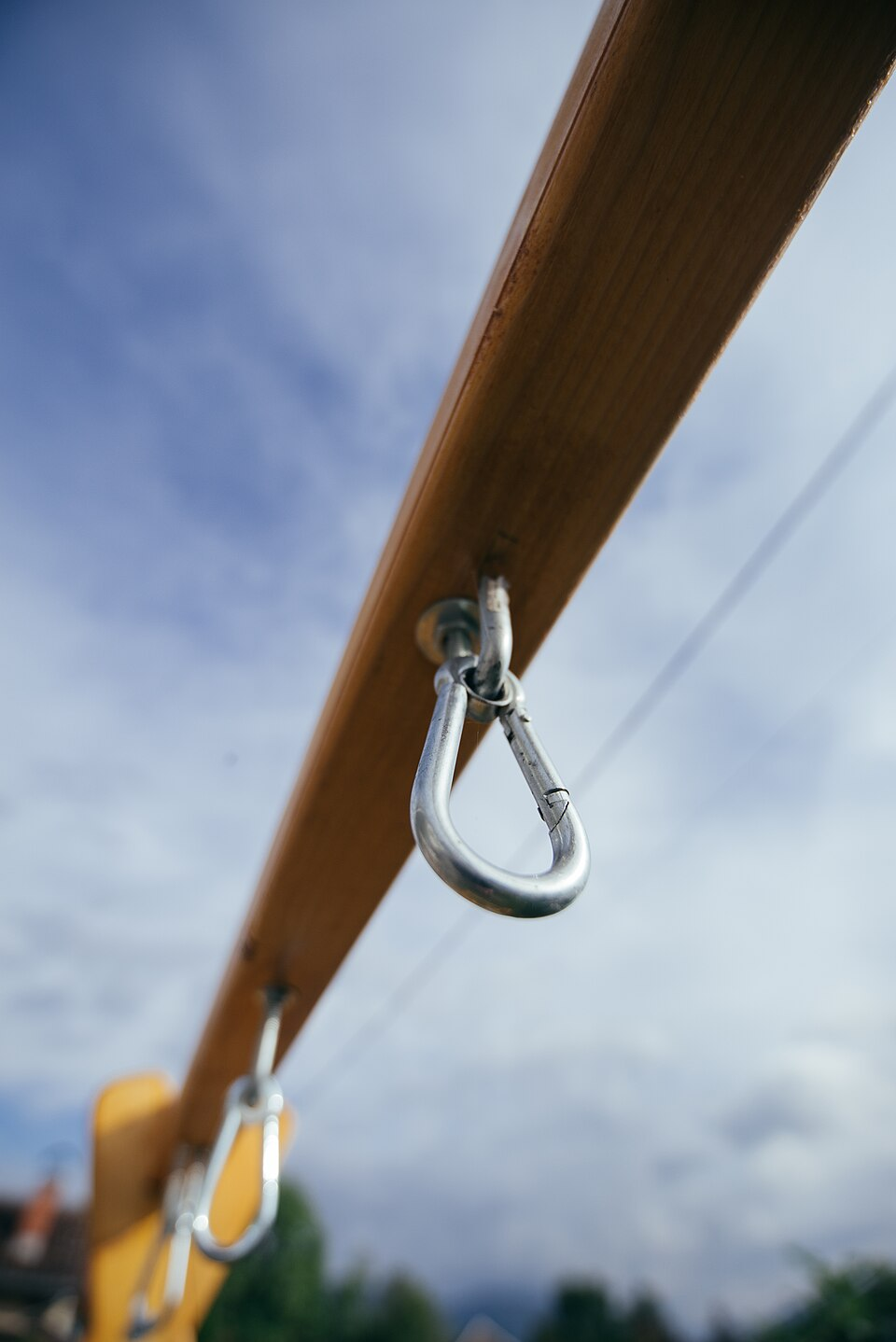
Home swing sets hung on open S-hooks that caught clothing and hair, had exposed bolt ends, had rigid seats of wood or metal, and stood on whatever the yard was made of, which was usually hard-packed dirt or concrete.
Current American playground guidance, which began with a federal handbook in 1981 and is built out in the industry standards, specifies closed hardware, capped protrusions, soft seats, and impact-attenuating surfacing under and around equipment.
The surfacing is the part that matters most and the part nobody thinks about. Almost all serious playground injury is from falls, and the single most effective change in fifty years is what the ground is made of.
16. Soft vinyl toys made flexible with phthalates
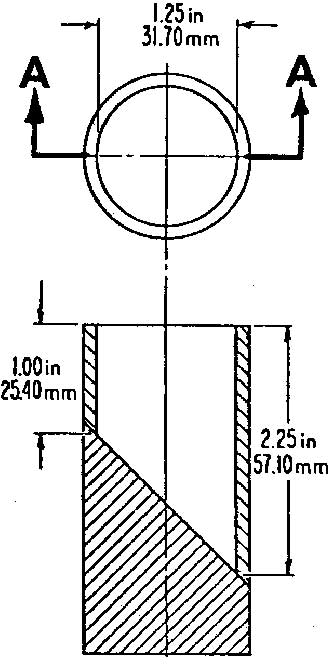
The squeezy vinyl animals, bath toys, teethers and dolls that felt pleasantly soft were plasticised with phthalates, and the ones intended for babies were designed to be chewed, which is how a plasticiser gets out of a toy.
Federal legislation in 2008 permanently prohibited three phthalates in children’s toys and child care articles and imposed an interim prohibition on three more, with later rulemaking extending the list. The same act made the industry toy standard federally mandatory.
This is the most recent item here and the only one whose research base is still actively developing, which is worth saying plainly. It is included because it demonstrates that the process did not stop in 1979, and the 1965 toy box is not the last one anybody will look back at.
What the rules were actually written about
Almost nothing here was banned for being dangerous in general. Each rule addresses a specific mechanism that somebody identified and measured: fragments from a shattering sphere, a projectile tip, a sound level at the ear, a part that fits in an airway, a lid falling under its own weight, a plasticiser migrating out of a chewed toy, the hardness of the ground under a swing.
That specificity is why so many of the toys survived in modified form. The dart game is gone, the acrylic clackers are gone, and the loose caps are gone. But the plastic-moulding toy, the steam engine, the sewing machine, the construction set, the marbles, the balloons, the toy chest and the swing set are all still sold, redesigned or relabelled or reclassified around the exact finding that applied to them. Regulation of this kind is much more surgical than its reputation suggests, and much of it costs the manufacturer almost nothing: a strut, a guard, a closed hook, a sentence on a bag.
The best single answer to the argument that childhood used to be braver is the toy chest. The box is the same box. It still holds the same things. It has a strut on the lid that costs about a dollar, holes in the side, and a label.
Nobody’s childhood was diminished by the strut. That is the shape of most of this list, and it is worth remembering when the lawn darts come up at a family gathering.
Like our content? Follow us for more.