Parenting in 1950s America was defined by a specific kind of quiet structure. While the era had its flaws, the daily rhythm of the home was built on predictability and community standards rather than the high-intensity “helicopter” parenting common today. Now, developmental experts are looking back at these mid-century habit, not out of nostalgia, but as a potential cure for the burnout and overstimulation facing modern families. By stripping away outdated social norms, we find a foundation of emotional steadiness and independence that many 21st-century homes are missing.
1. Following a Fixed Daily Routine
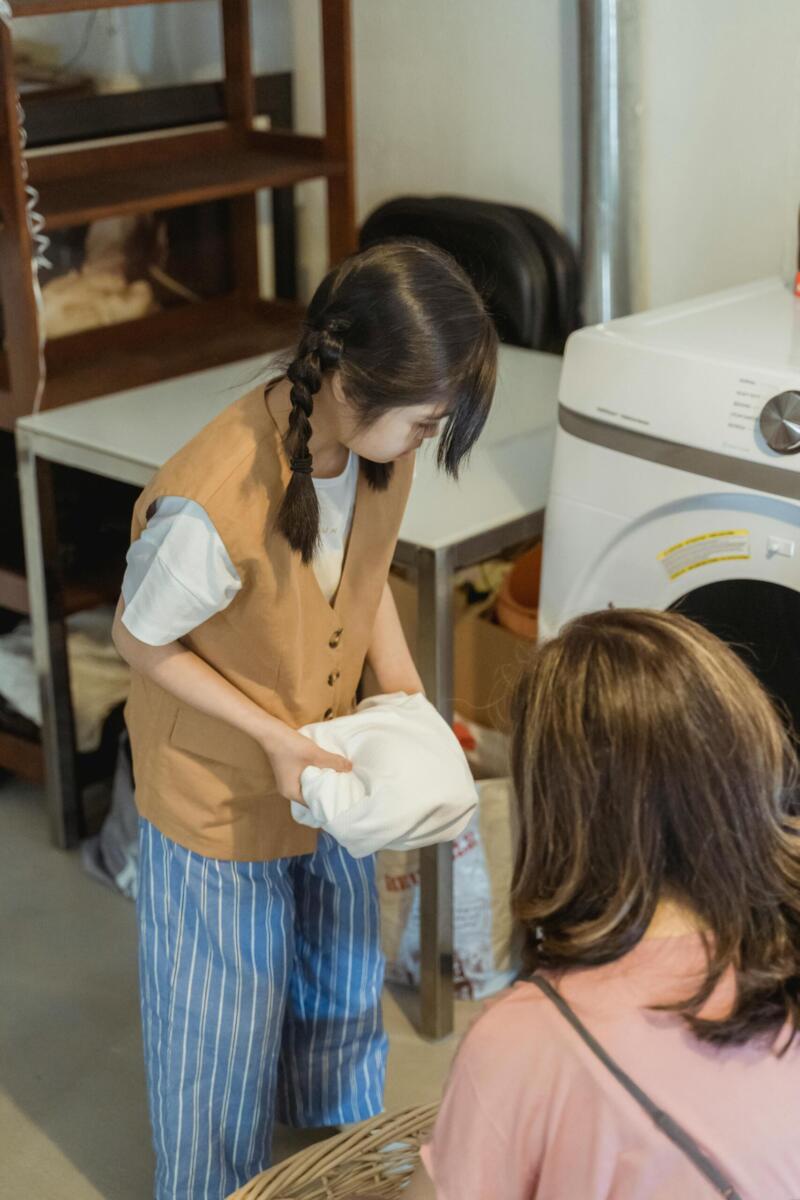
In the 1950s, the family clock was set by rigid meal times, chores, and early bedtimes. This wasn’t just about discipline; it was about reducing “decision fatigue.” When a child knows exactly what happens at 6:00 PM every night, there is no need for the constant negotiation that exhausts modern parents. Experts suggest that re-establishing these simple, non-negotiable daily rhythms can significantly lower childhood anxiety and restore a sense of calm to a chaotic household.
2. Clarity Over Behavioral Expectations

Communication in the 50s was characterized by clear, consistent expectations. Rules were stated once and enforced without a long-winded debate. While the “because I said so” era was often too rigid, modern psychologists are finding that too much negotiation can actually confuse a child’s sense of boundaries. By providing clear “guardrails” without the emotional escalation of a debate, parents can help children feel more secure while protecting their own mental energy.
3. Encouraging Kids to Play Alone
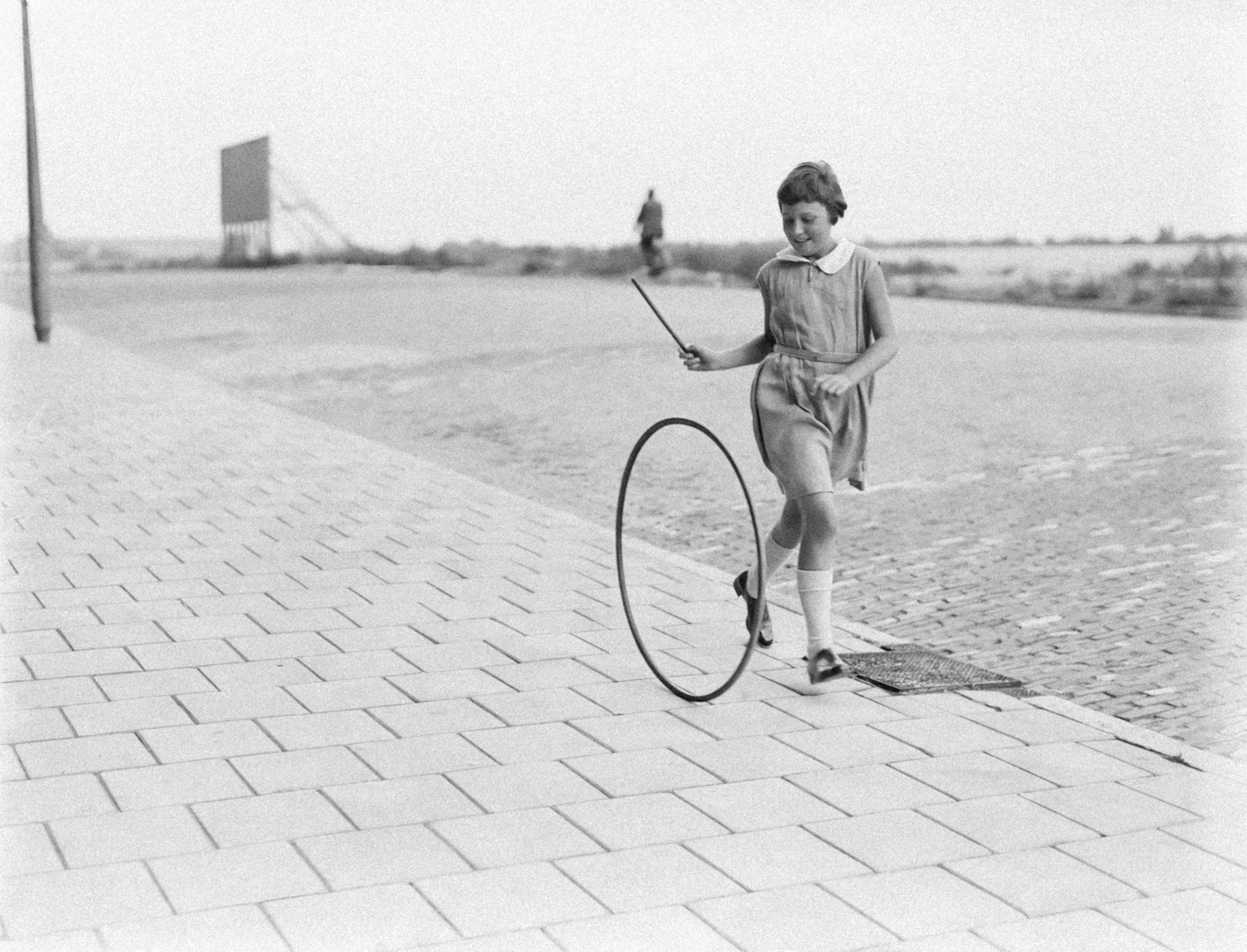
A 1950s child was often expected to “go outside and play” until the streetlights came on, with zero adult intervention. In an age of structured playdates and iPad entertainment, this habit of independent play is being rediscovered as a vital developmental tool. Boredom forces a child to tap into their own creativity and problem-solving skills. By stepping back, parents allow their children to develop internal motivation rather than relying on external stimulation.
4. Protective Emotional Boundaries

While the 50s were often criticized for being “emotionally distant,” there was a benefit to the way parents shielded children from adult-sized stresses. Today’s trend of “emotional oversharing” can inadvertently burden a child with worries they aren’t equipped to handle. Maintaining a healthy boundary, where the adult manages the stress and the child remains the child, creates an environment where the younger generation feels safe and protected.
5. Allowing Kids to Resolve Minor Issues by Themselves

In the mid-century neighborhood, minor playground disputes were settled by the kids themselves. Unless someone was in physical danger, adults stayed out of it. Modern experts call this “resilience training.” When parents constantly intervene in small social squabbles, they deny their children the chance to build confidence in their own judgment. Reintroducing “managed independence” helps children learn to trust themselves early on.
6. Practicing Calm Authority

The 1950s home was a hierarchy where children understood who was in charge. While we have moved away from authoritarianism, there is a growing realization that “calm authority” provides children with a necessary sense of order. When a parent leads with quiet confidence rather than frantic pleading, it signals to the child that the “captain” of the ship is in control. This stability reduces the child’s need to act out to find where the limits are.
7. Preserving the “Childhood Space”

In the 1950s, adult social lives and children’s activities were largely separate. Children weren’t expected to be the center of every conversation or the deciders of every family vacation. This separation allowed kids to focus on age-appropriate concerns without the pressure of “mini-adulthood.” By preserving a dedicated space for childhood, parents can reduce the emotional overload that comes with including children in complex adult decisions.
8. The “Open-Air” Immunity Strategy

One of the most stark differences in 1950s parenting was the near-constant exposure to the outdoors, regardless of the weather. Parents of that era believed that “fresh air” was a literal tonic for health. Today, researchers are revisiting this as a way to combat “Nature Deficit Disorder.” Increased time in unstructured outdoor environments has been linked to better eyesight, stronger immune systems, and improved sensory processing. By adopting the 1950s “all-weather” outdoor policy, modern parents can help their children develop a physical and mental robustness that indoor screens simply cannot provide.